

Take us back to the beginning — what first pulled you toward birds and wildlife around Chennai?
My journey began in 2018 when I went on my first birding adventure to Pulicat Lake near Chennai. It was an awesome experience that fascinated me and inspired me to start my photography journey.
Is there a photographer or birder whose work shaped how you see the grasslands? Tell us about that early influence.
Yes, there are a few photographers who influenced me. The one who introduced me to grassland birding in 2018 was Dinesh Munnuswamy, and Seshan Ezhumalai, a senior photographer from the Zoological Department of India, taught me how to identify and differentiate raptors and understand their behaviour. The photographers whose work shaped my approach to grassland birding were Karthik Ramamoorthy, Aravind Venkatraman, Parthi, and Gokul.
You carry two worlds — the numbers of finance and MBA life on weekdays, and the stillness of the grasslands at first light. How do those two sides of you meet?
For me, they meet in the same place: discipline, patience, and perspective. Finance and an MBA teach me to work with numbers, make decisions, manage uncertainty, and stay focused on the bigger picture. Bird and wildlife photography teaches me something very different—but equally valuable: to slow down, observe, wait, and appreciate moments that cannot be forced. The weekday world teaches me how to chase goals; the grasslands teach me when to simply be present. One keeps my mind sharp, the other keeps me grounded. And perhaps that’s why I enjoy both—I spend my weekdays analysing numbers, but my mornings in the wild analysing light, behaviour, and silence.
Which frame feels most like your signature?
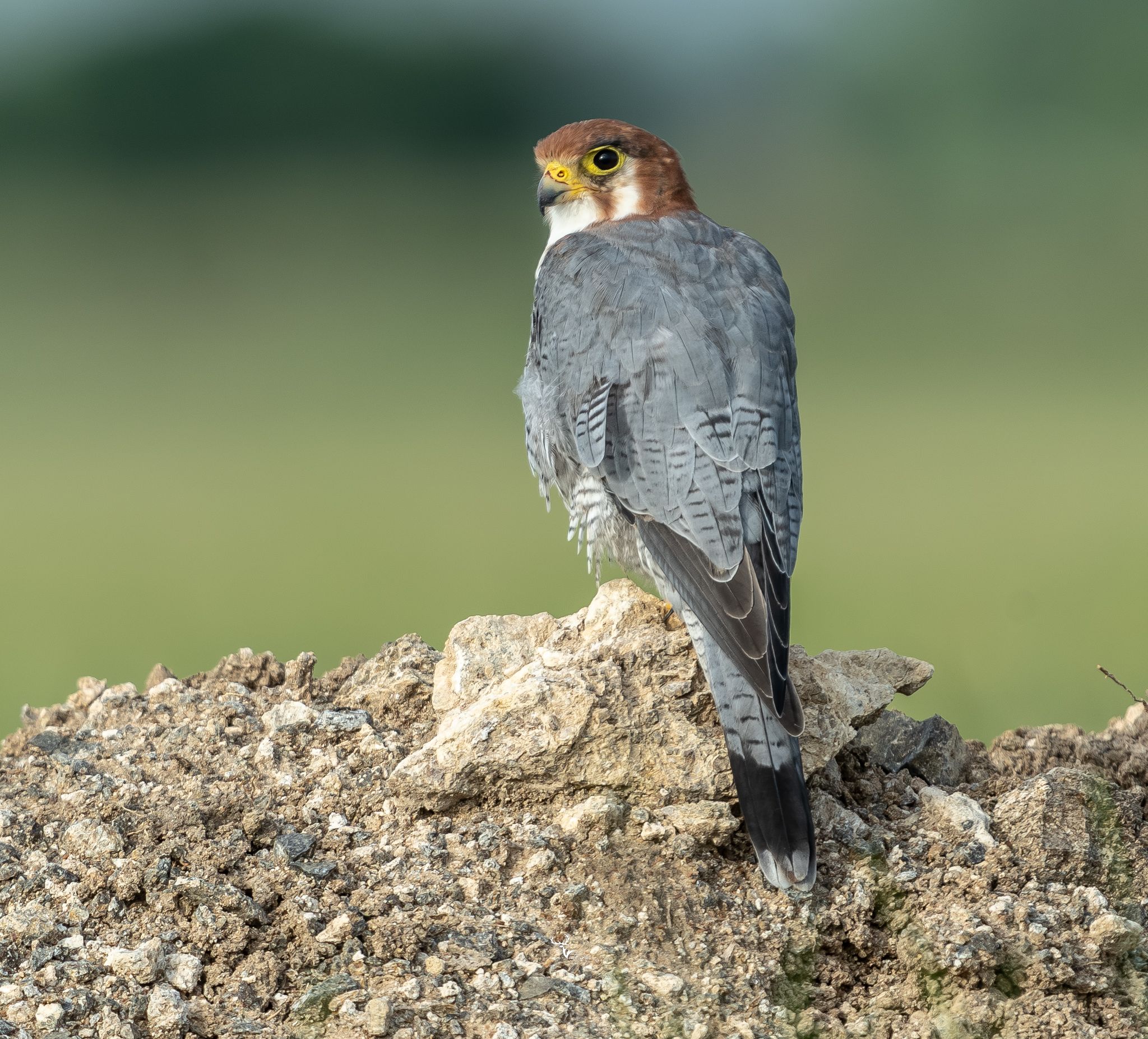
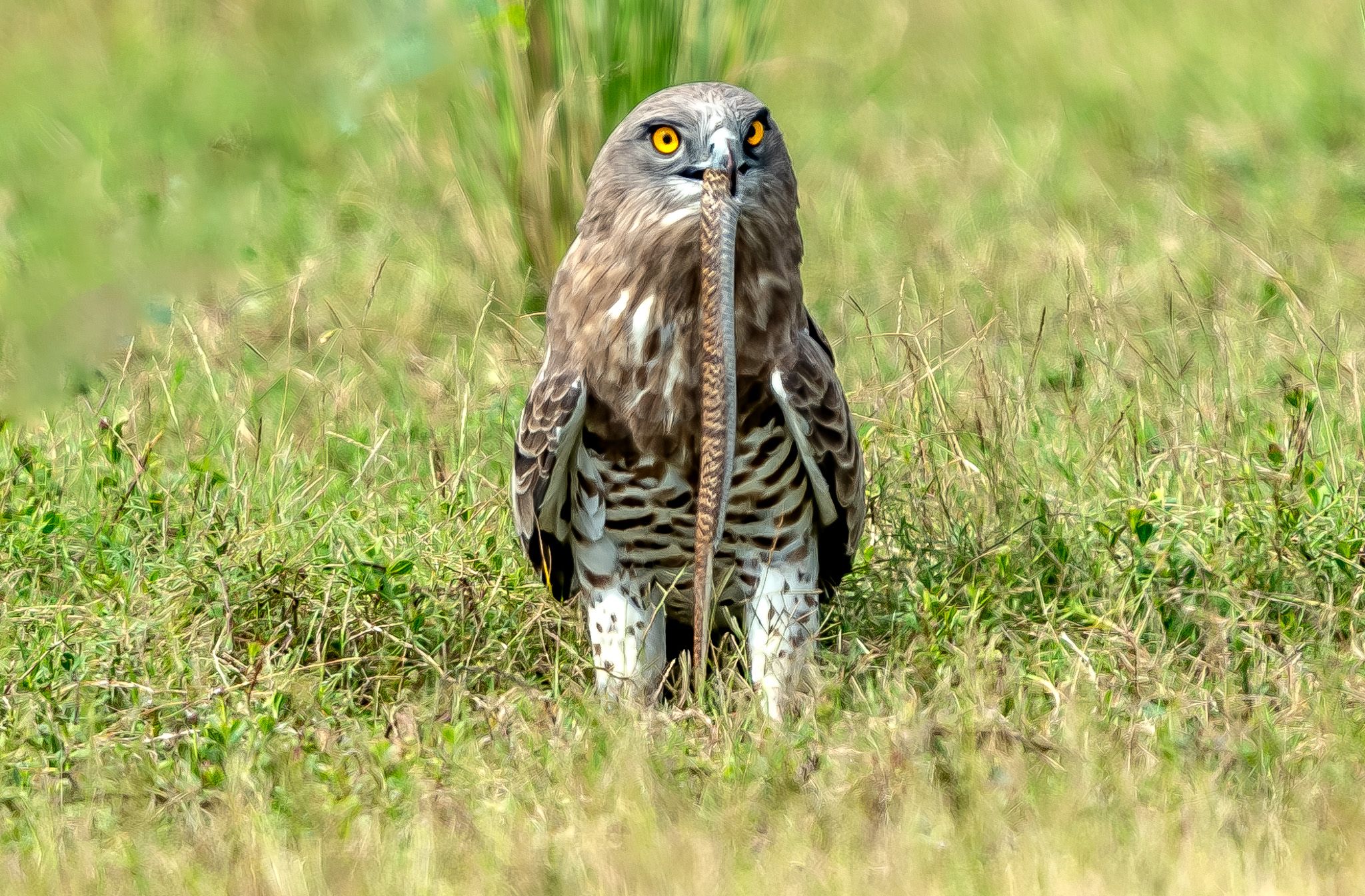


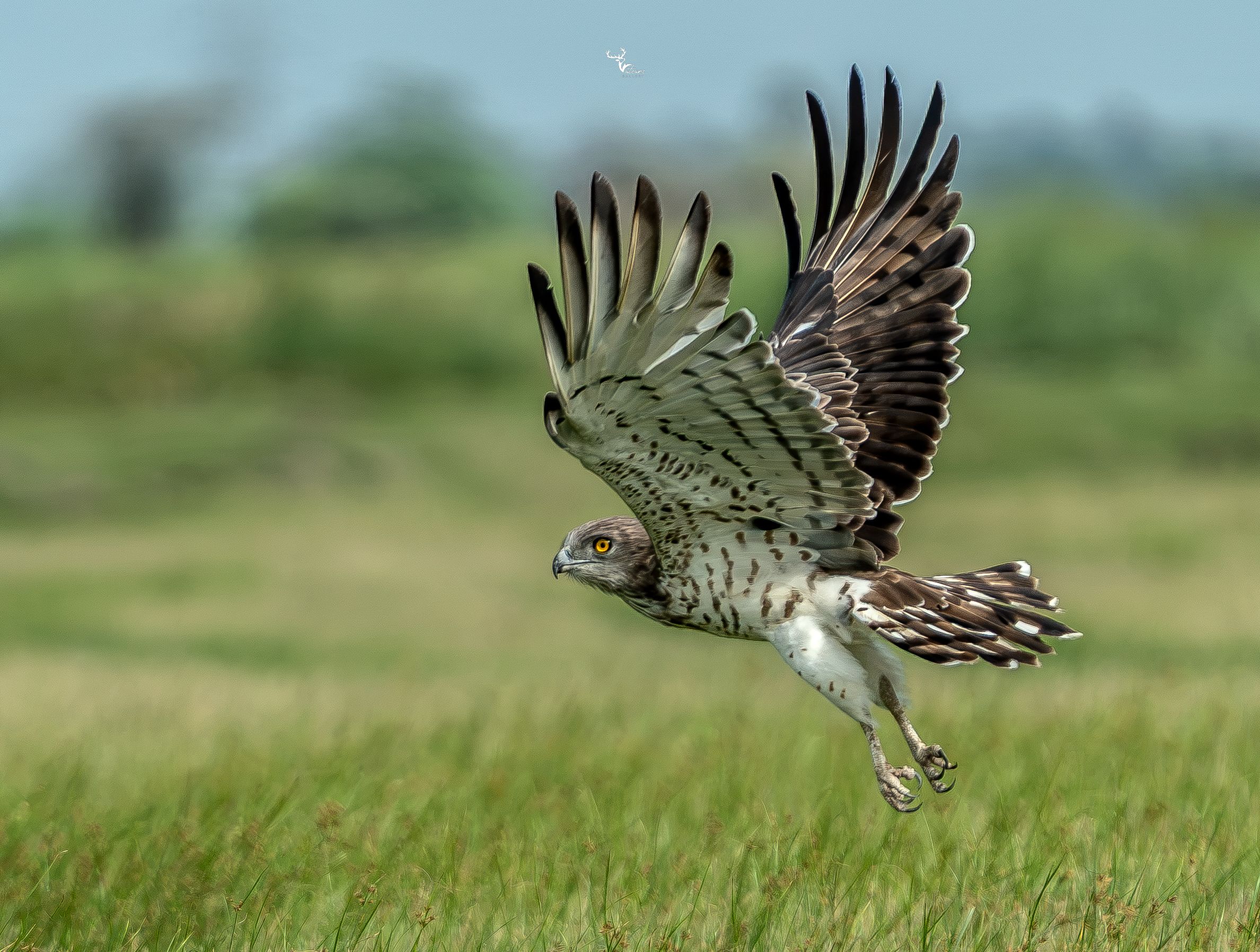
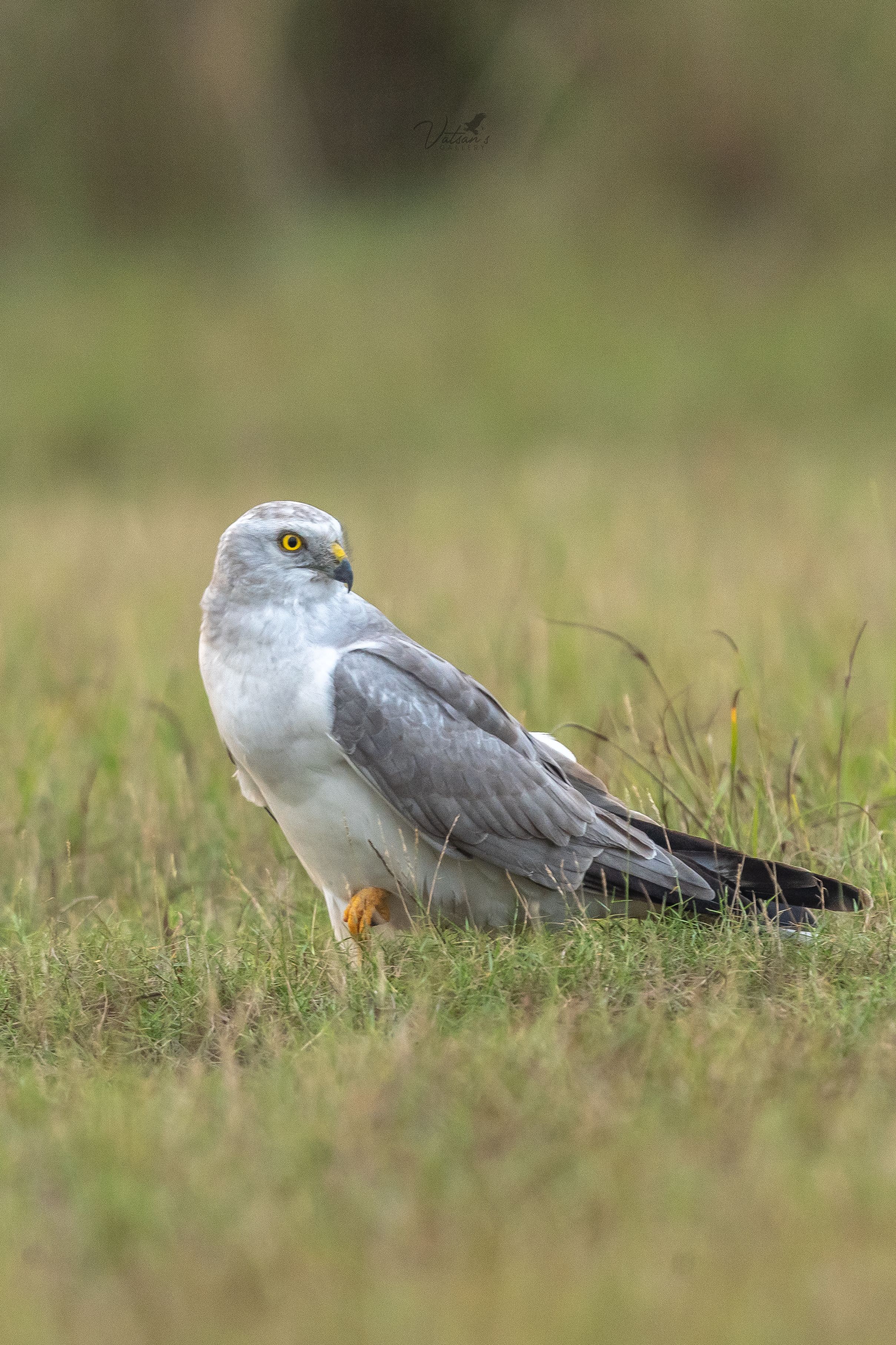
The harriers of the Chennai grasslands run through your work — the male Pied Harrier, the Montagu's, the marsh harriers. Tell us about the bird in this frame and the wait that led to it.
For me, this frame is about more than just a Pied Harrier. The Chennai grasslands have taught me that these birds reward patience more than pursuit. Pied Harriers are winter migrants and are closely tied to open grassland and wetland habitats, where they hunt low over the ground. This particular photograph came after one of those waits where you spend far more time watching empty grass than watching the bird. You wait for the light to soften, for the wind to settle, and for the harrier to finally come into the right patch of light. And then, for a few seconds, everything aligns—the bird, the light, the background and the composition. That is what I love about photographing harriers: the photograph may last for a fraction of a second, but the patience behind it lasts much longer.
What does your field kit look like when you're out in the grasslands?
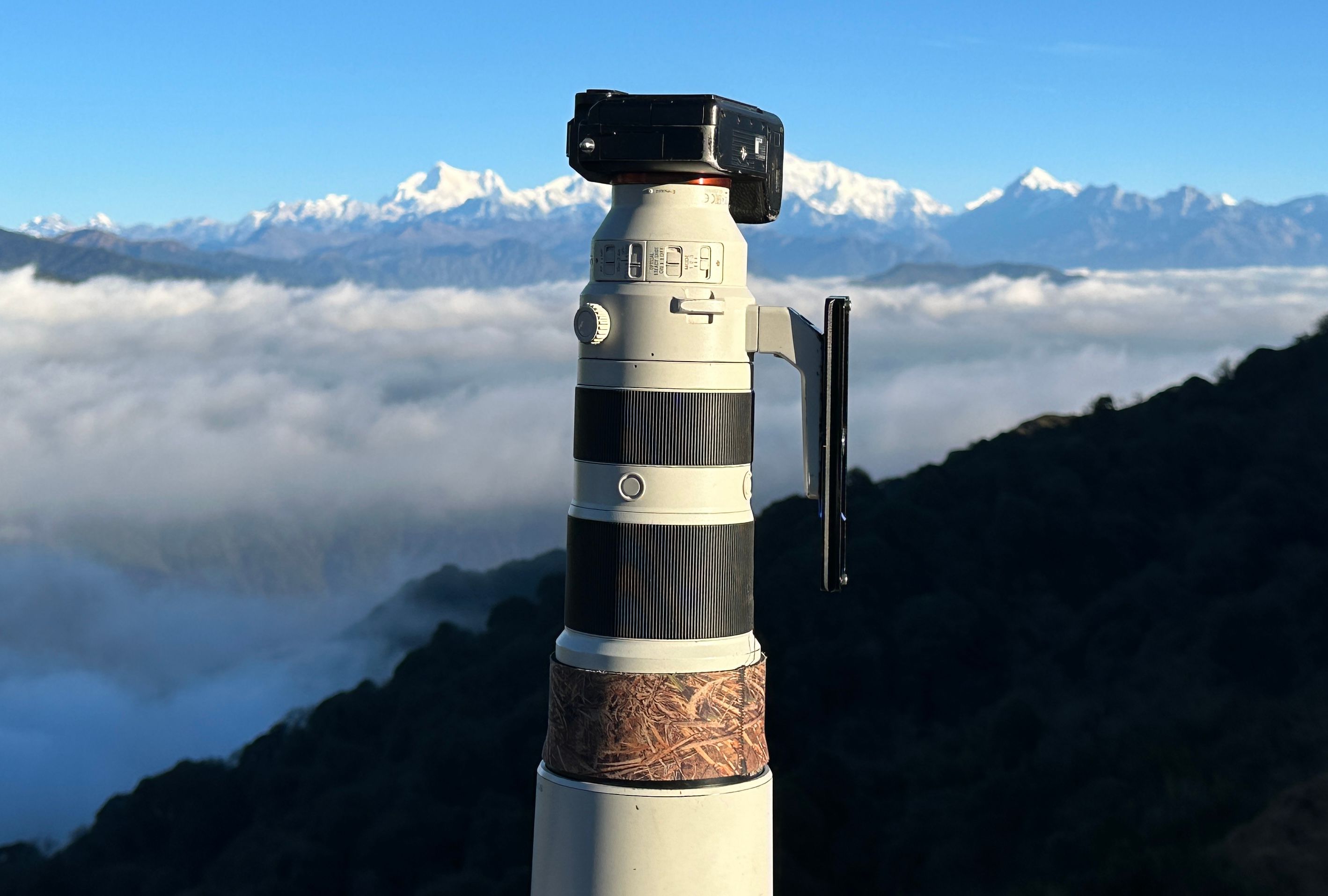
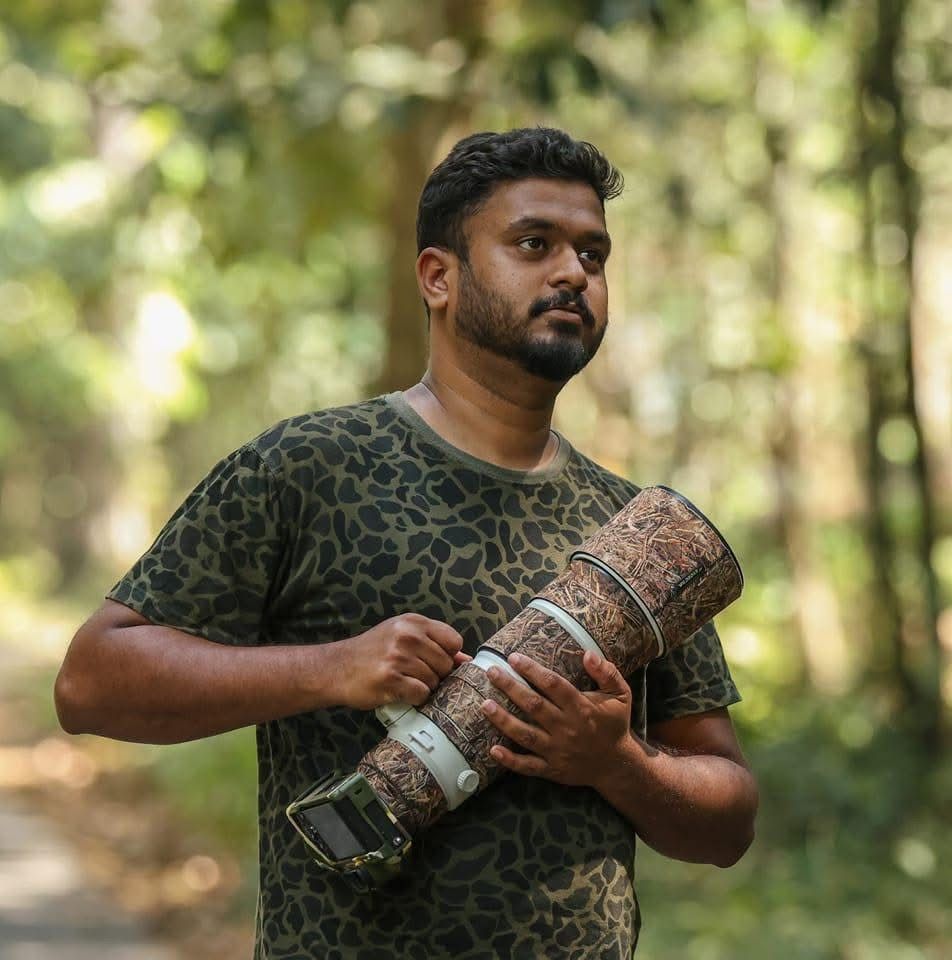
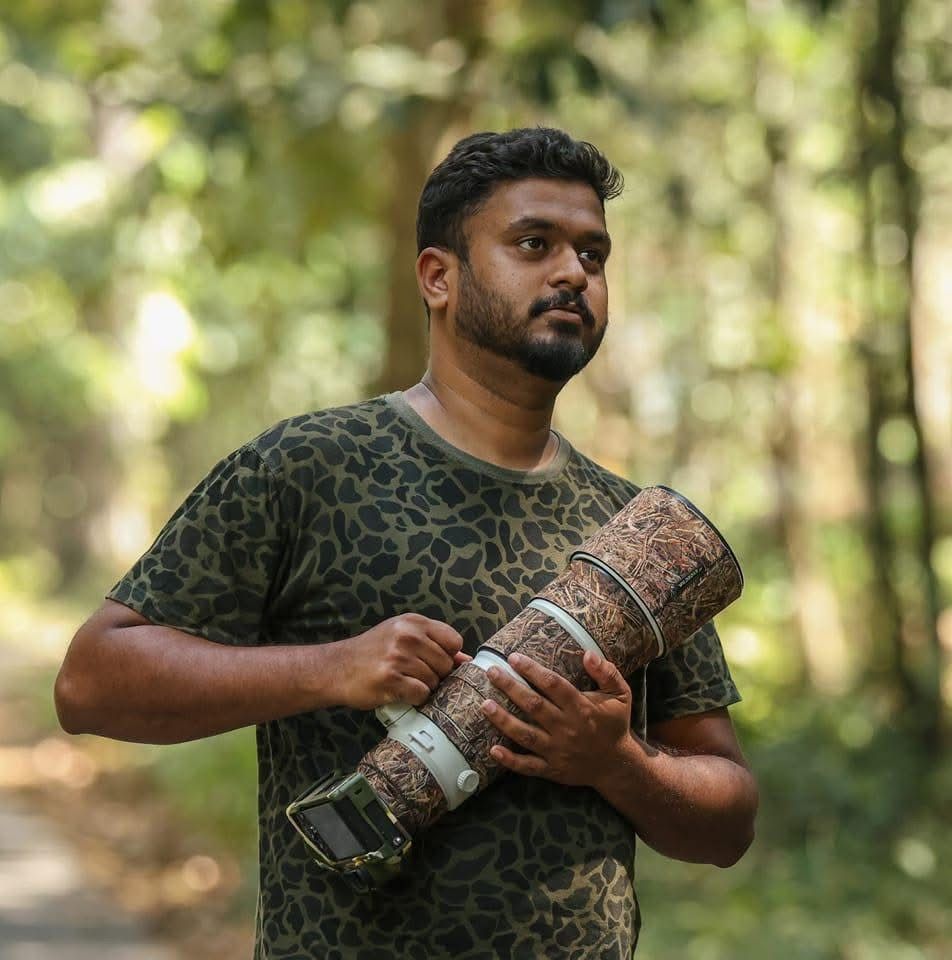
You shoot almost everything on the Sony A7 IV paired with the 200-600mm — what makes that combination work for you out in the grasslands?
What makes the A7 IV and 200–600mm work for me is that the combination lets me stay flexible without getting in the way of the moment. The A7 IV gives me a full-frame 33MP sensor, bird/animal Eye AF and 759 phase-detection AF points, while the 200–600mm gives me the reach I need for birds that are often distant and unpredictable. In the grasslands, that flexibility matters. I can work around 600mm when a harrier is far out hunting, then pull back when it comes closer instead of constantly repositioning. The lens’s internal zoom and OSS are particularly useful when I’m shooting handheld and trying to keep up with a bird moving across open terrain. But honestly, the biggest advantage is familiarity. I’ve spent enough time with this setup that I’m not thinking about the camera anymore. I’m watching the bird, reading the light, anticipating the flight path—and waiting for that one frame. The camera captures the moment; knowing when to press the shutter is still the photographer’s job.
Share a frame from a trip that took you far from home.
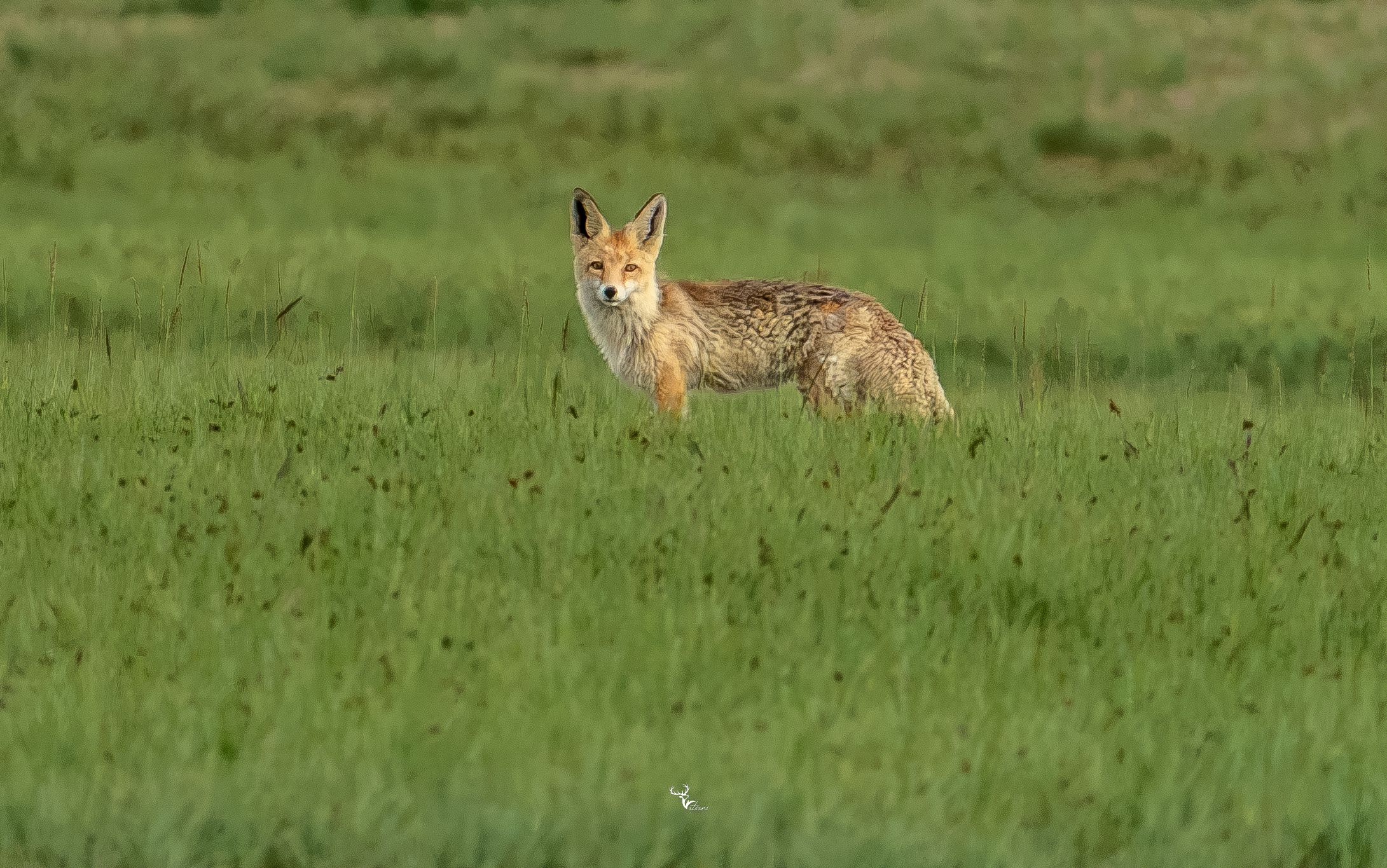
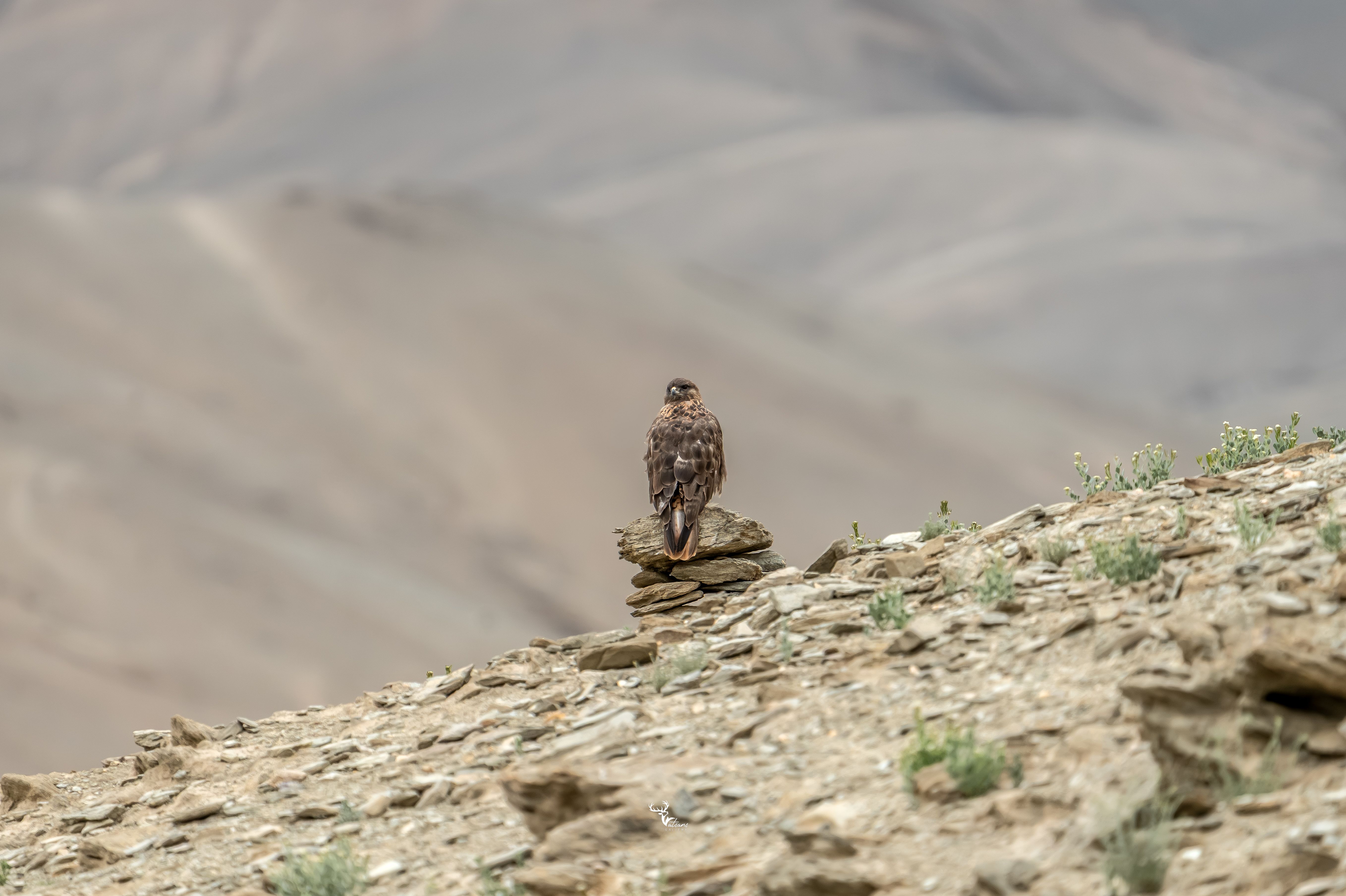
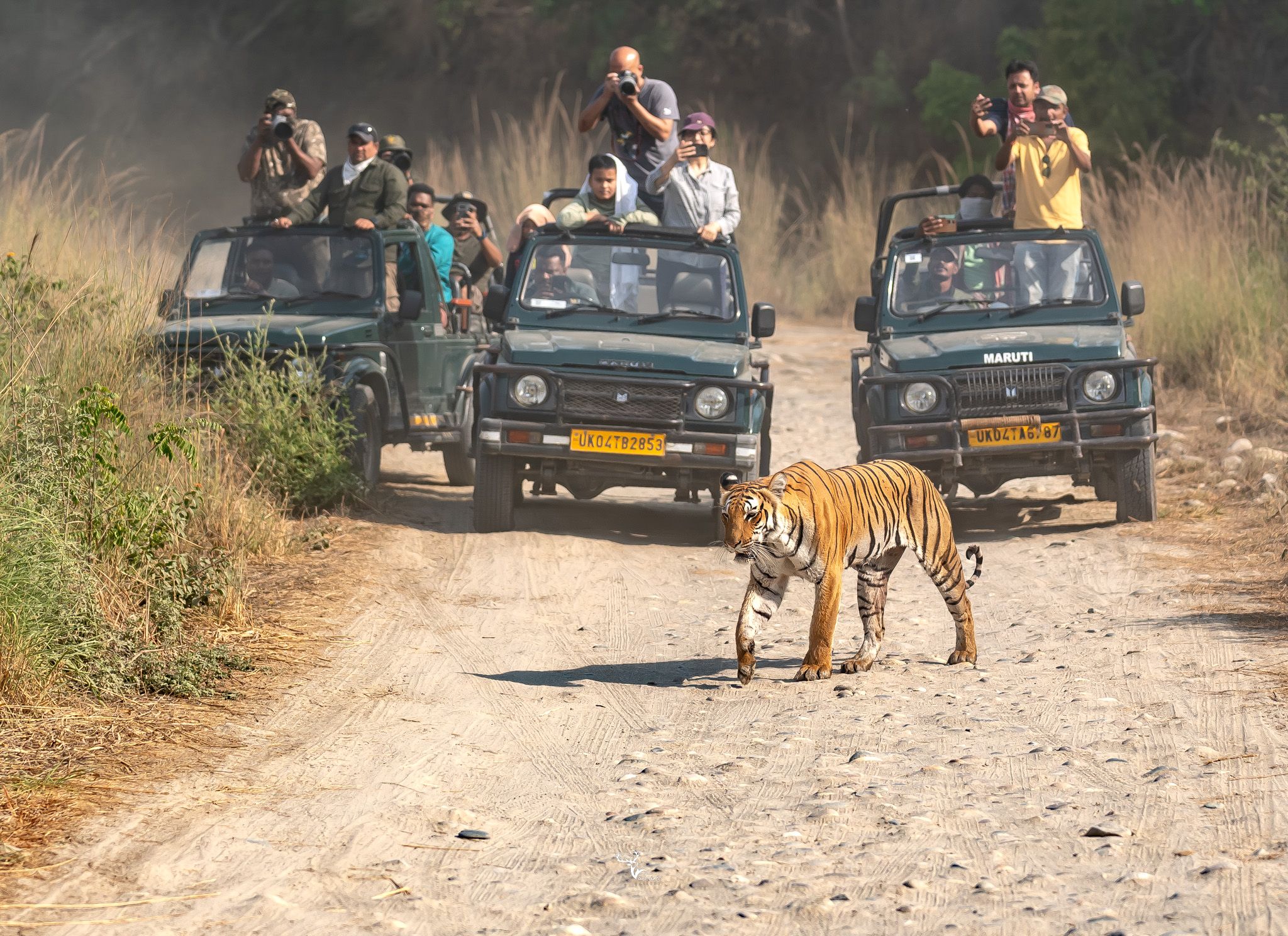
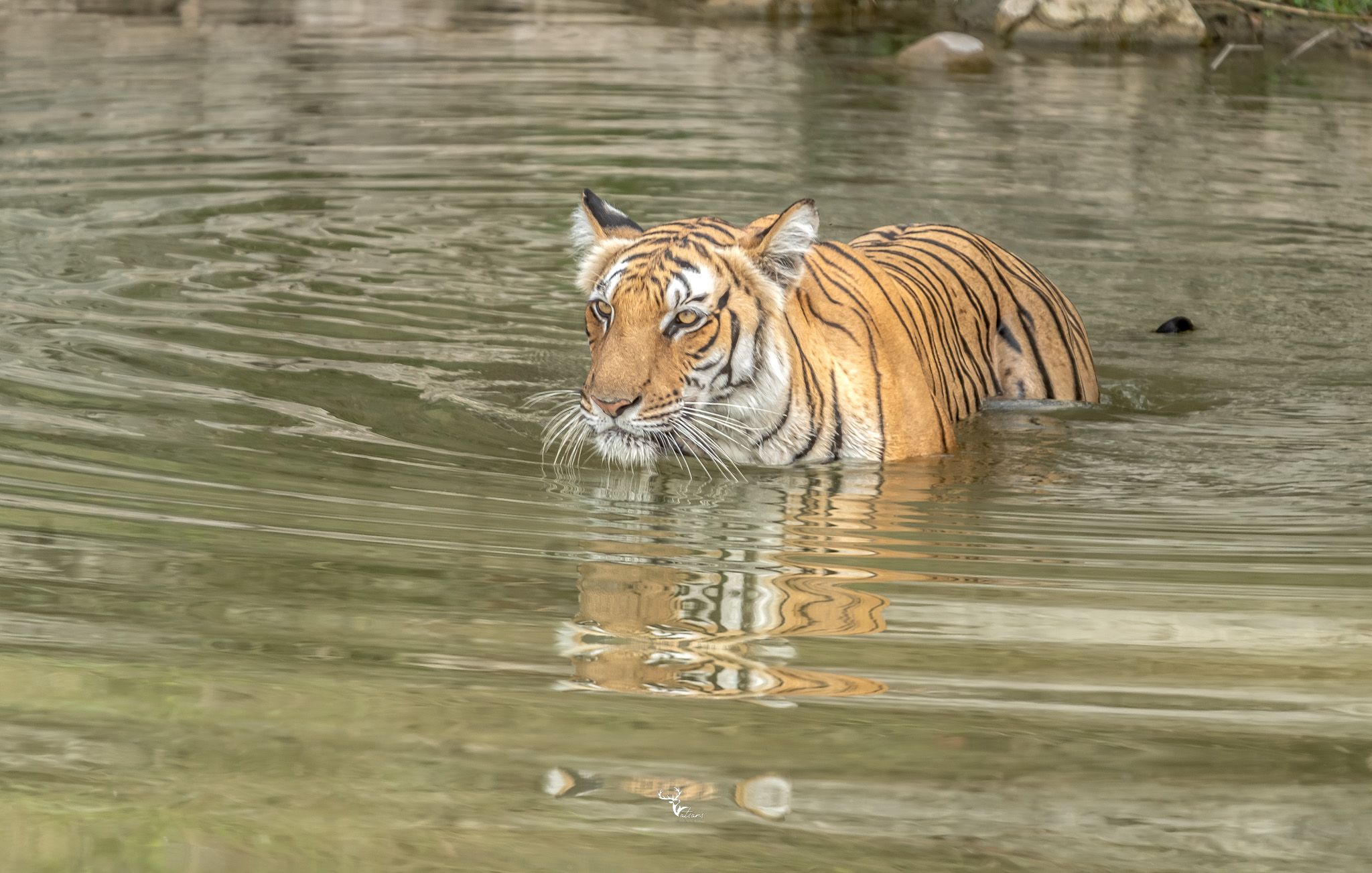
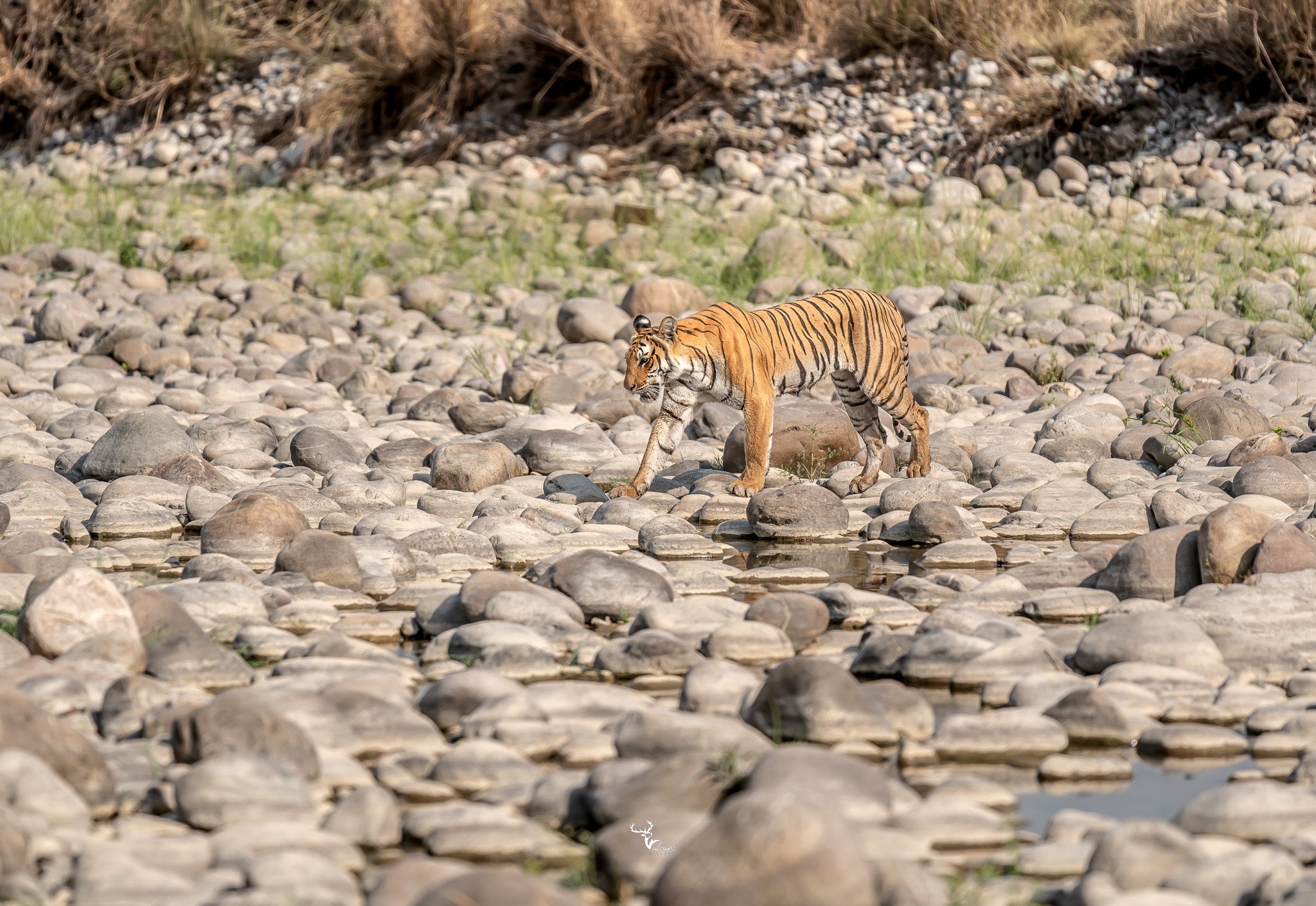
Your Owls of Andaman — Walden's Scops Owl, the Andaman Boobook and the rest — came from a journey far from the Chennai grasslands. Tell us the story behind tracking down one of them.
One encounter that stands out is the Walden's Scops Owl. Finding these little owls is a different kind of challenge. Unlike harriers flying across open grasslands, owls blend beautifully into the forest surroundings. Sometimes, you hear them before you get a glimpse of them. The experience was all about listening carefully, scanning the trees and being patient. When that little owl finally came into view, it made all the waiting worthwhile. What made the journey special wasn't just adding another species to my collection. It was experiencing a completely different ecosystem and learning to adapt as a photographer. From chasing silhouettes in the Chennai grasslands to searching for tiny eyes in the darkness of Andaman forests, every bird has its own story, and every encounter teaches me something new. And that's what keeps me going as a wildlife photographer.
Which frame do you keep coming back to?
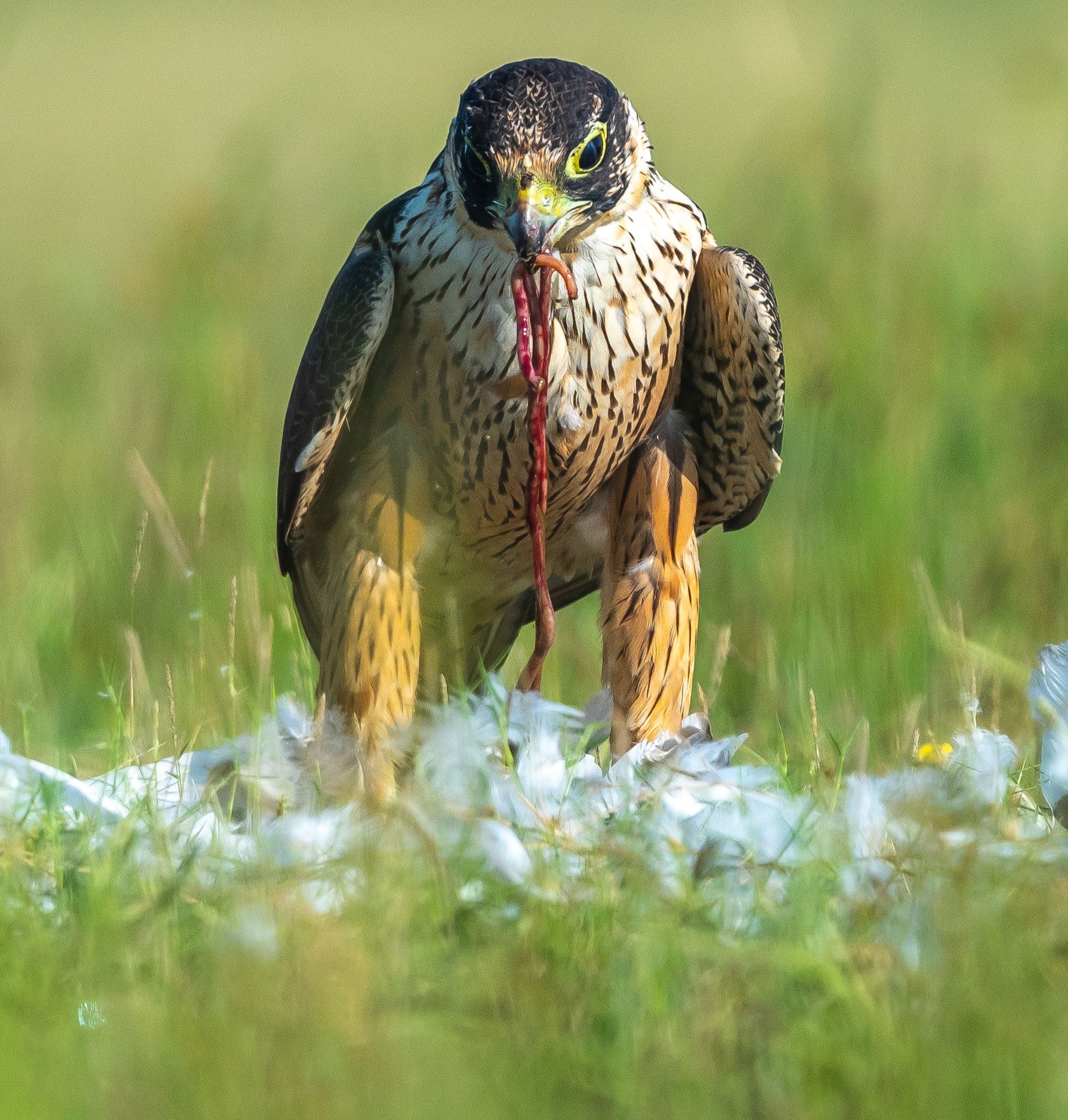
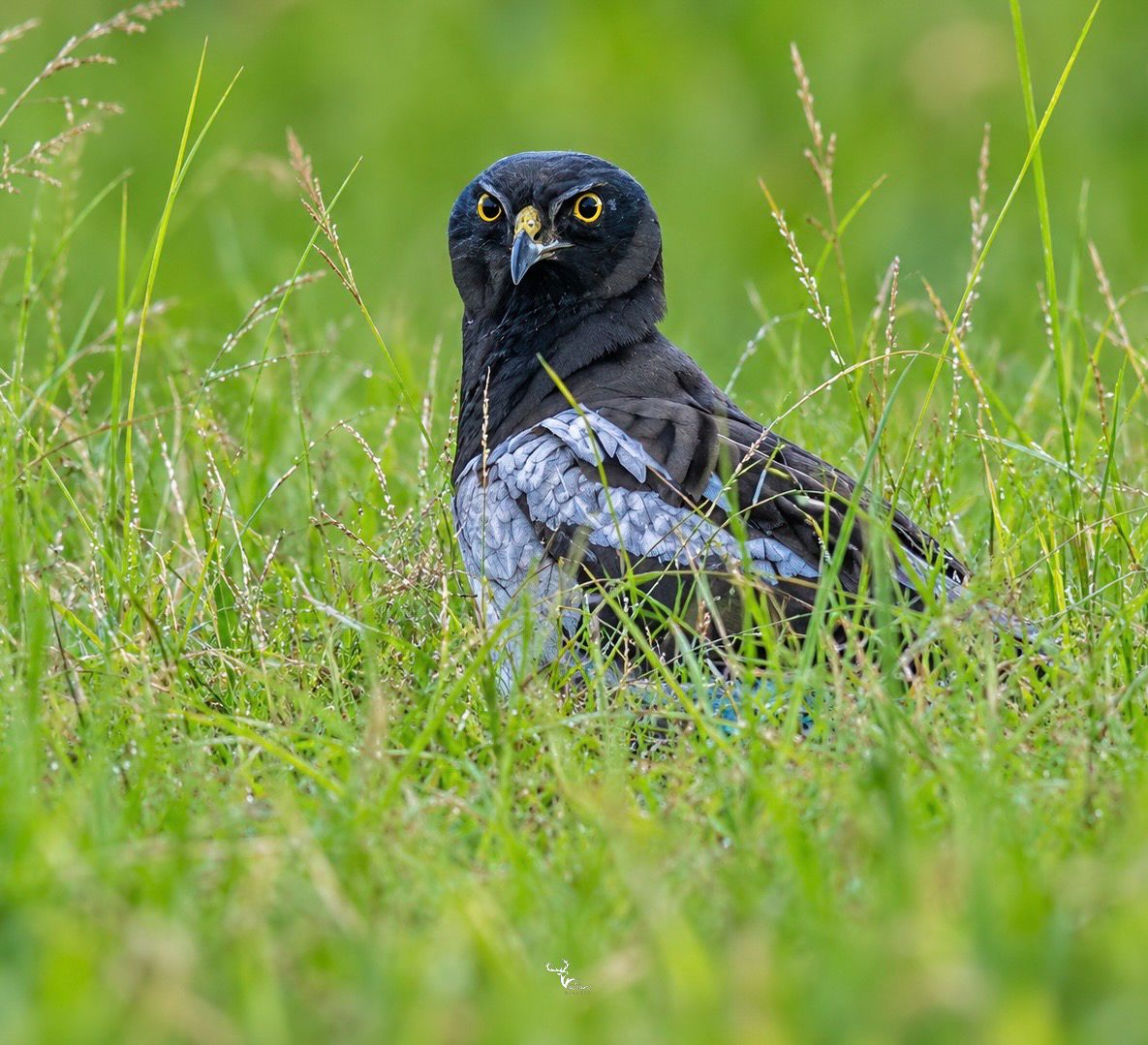
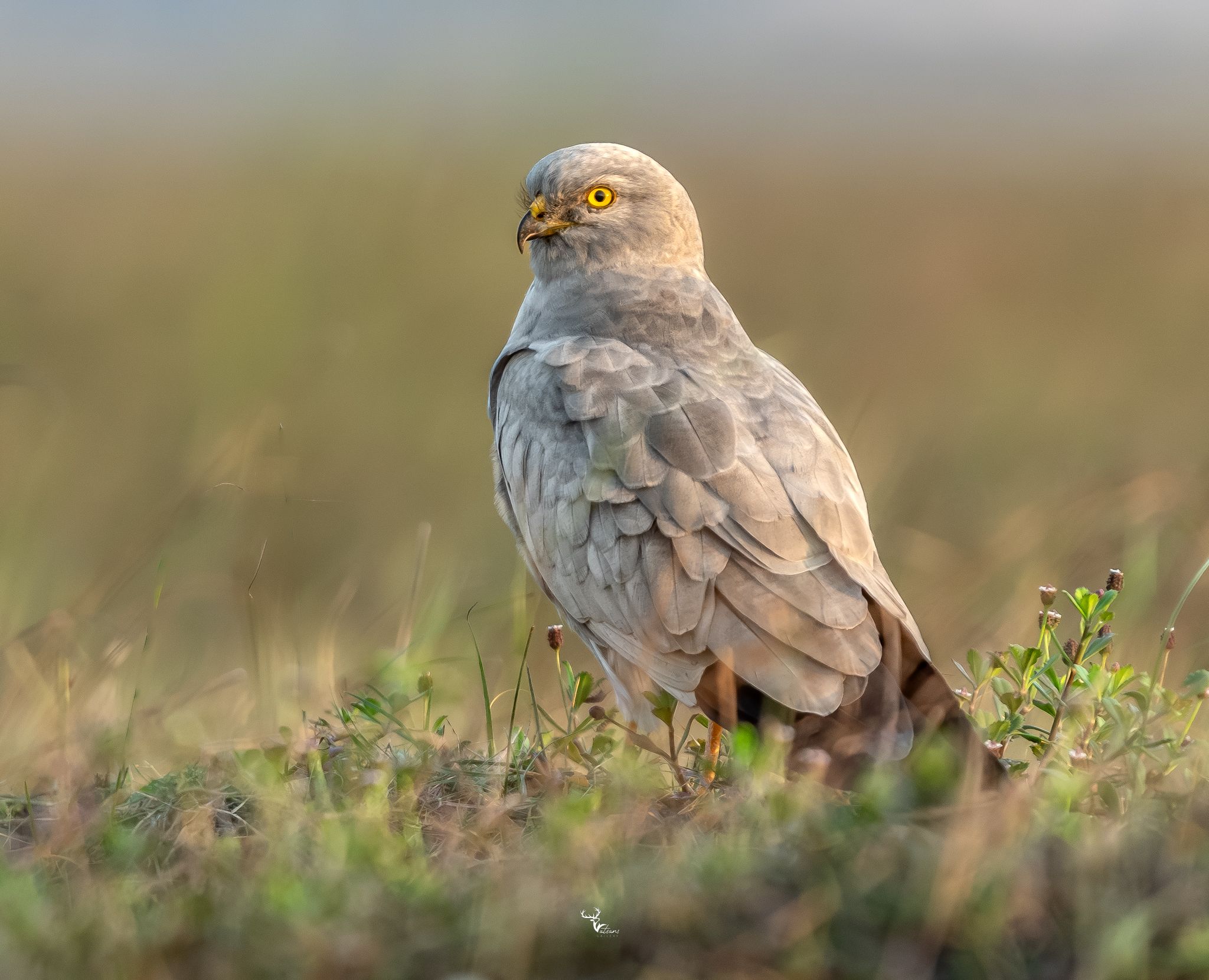
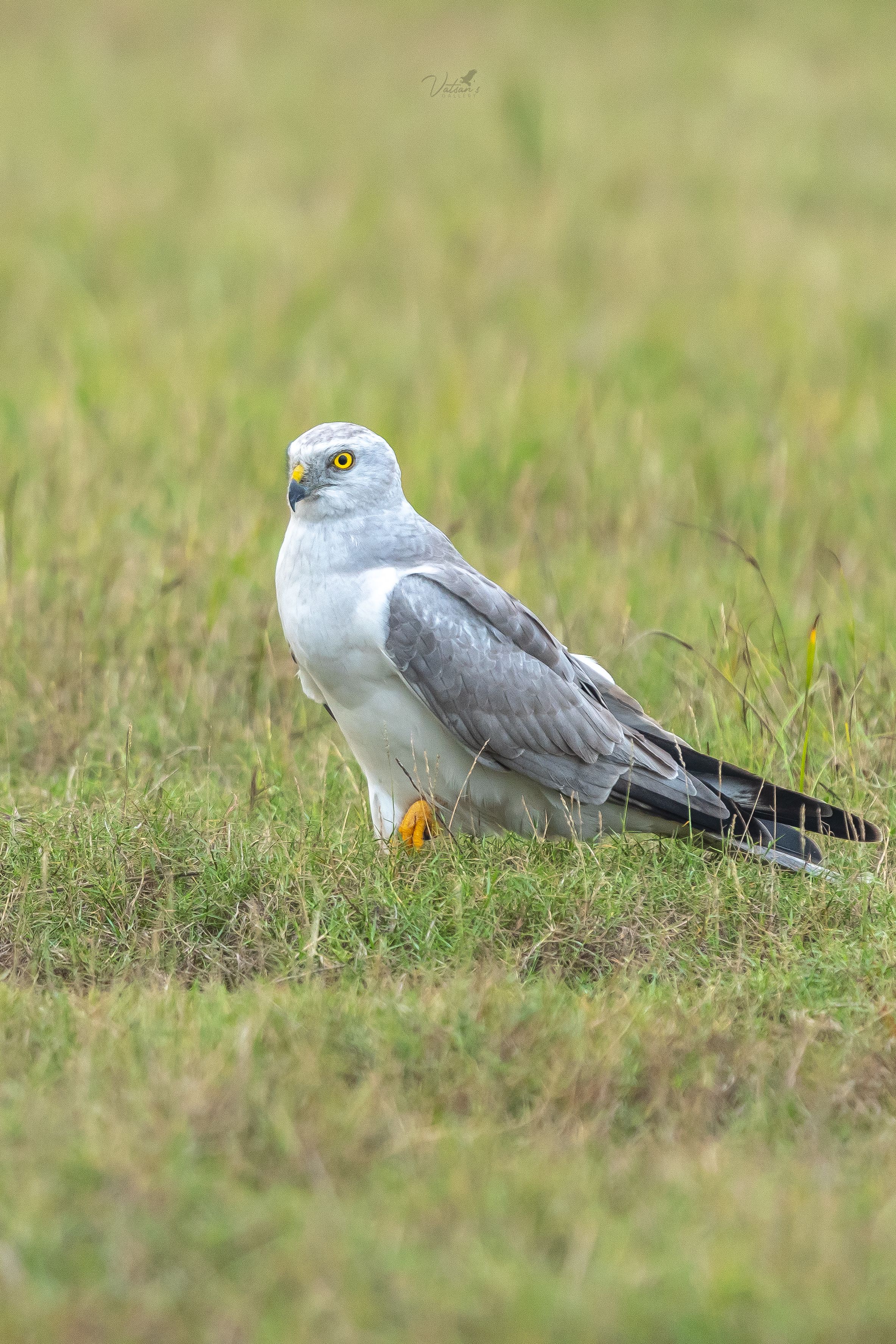
Some of your most-loved frames catch behaviour, not just the bird — the courting Little Ringed Plovers, the nictitating membrane of a Short-toed Snake Eagle. What is the moment unfolding in this one?
For me, wildlife photography is not just about documenting a bird; it's about capturing a moment in its life. The courting Little Ringed Plovers and the Short-toed Snake Eagle displaying its nictitating membrane are perfect examples. These are fleeting behavioural moments that you might miss if you're focused only on getting a beautiful portrait. I always try to observe the bird first, understand its behaviour and anticipate what might happen next. Sometimes, patience rewards you with something far more special than a perfectly posed frame. A beautiful photograph shows you what the bird looks like; a behavioural photograph gives you a glimpse into its world. That's the kind of storytelling I want my wildlife photography to be about.
What's a recent frame that points to where you're headed next?
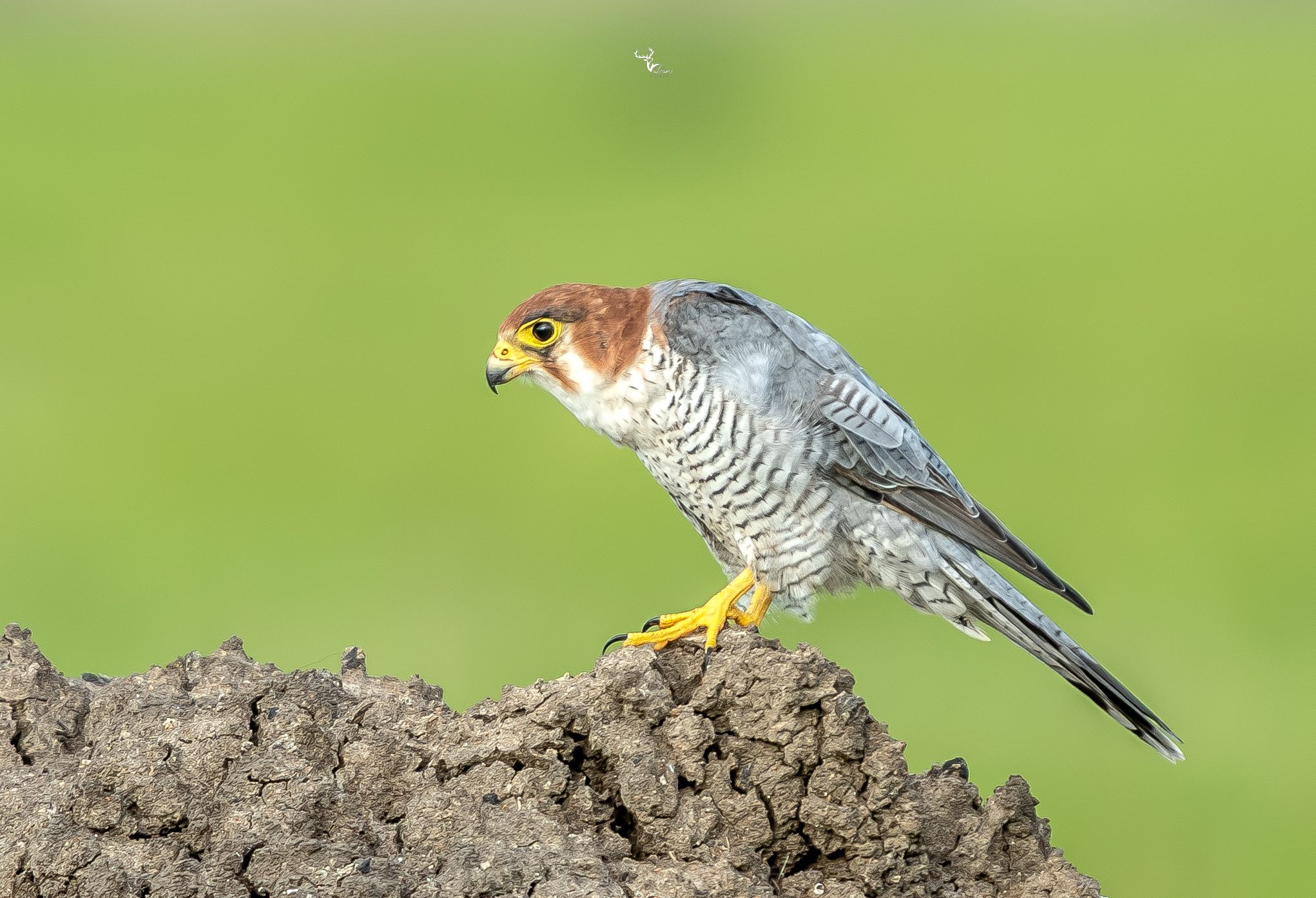
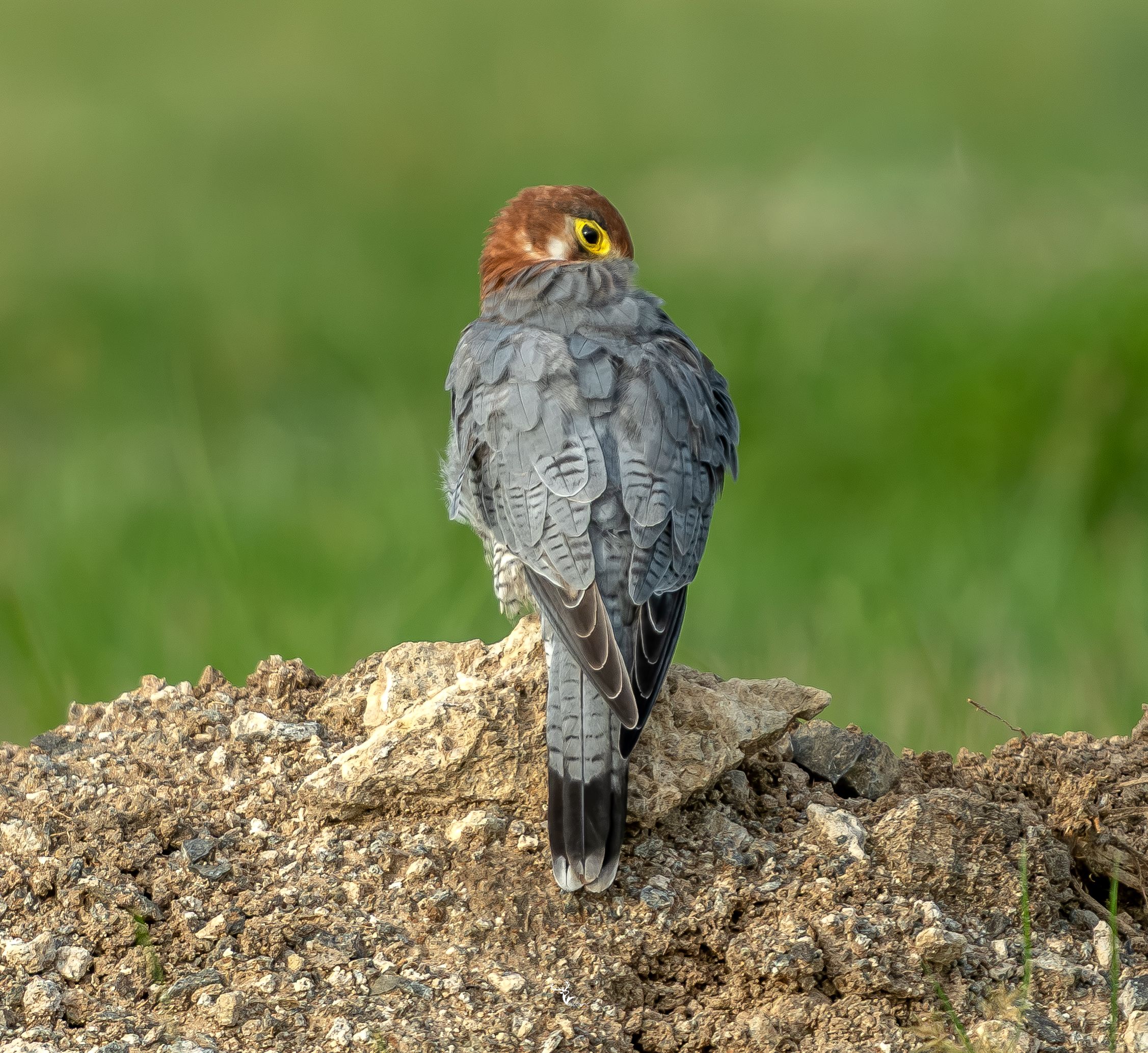
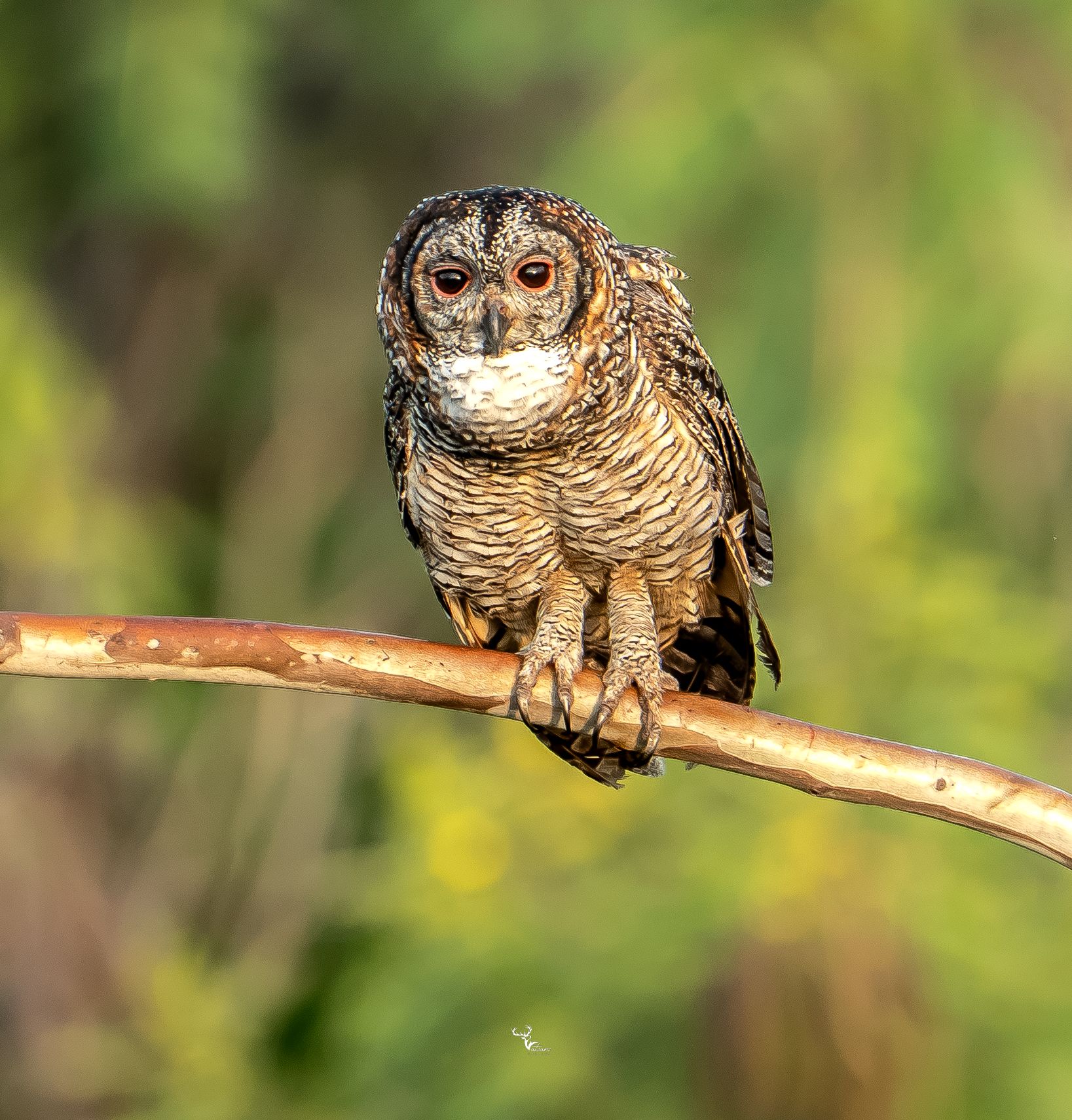
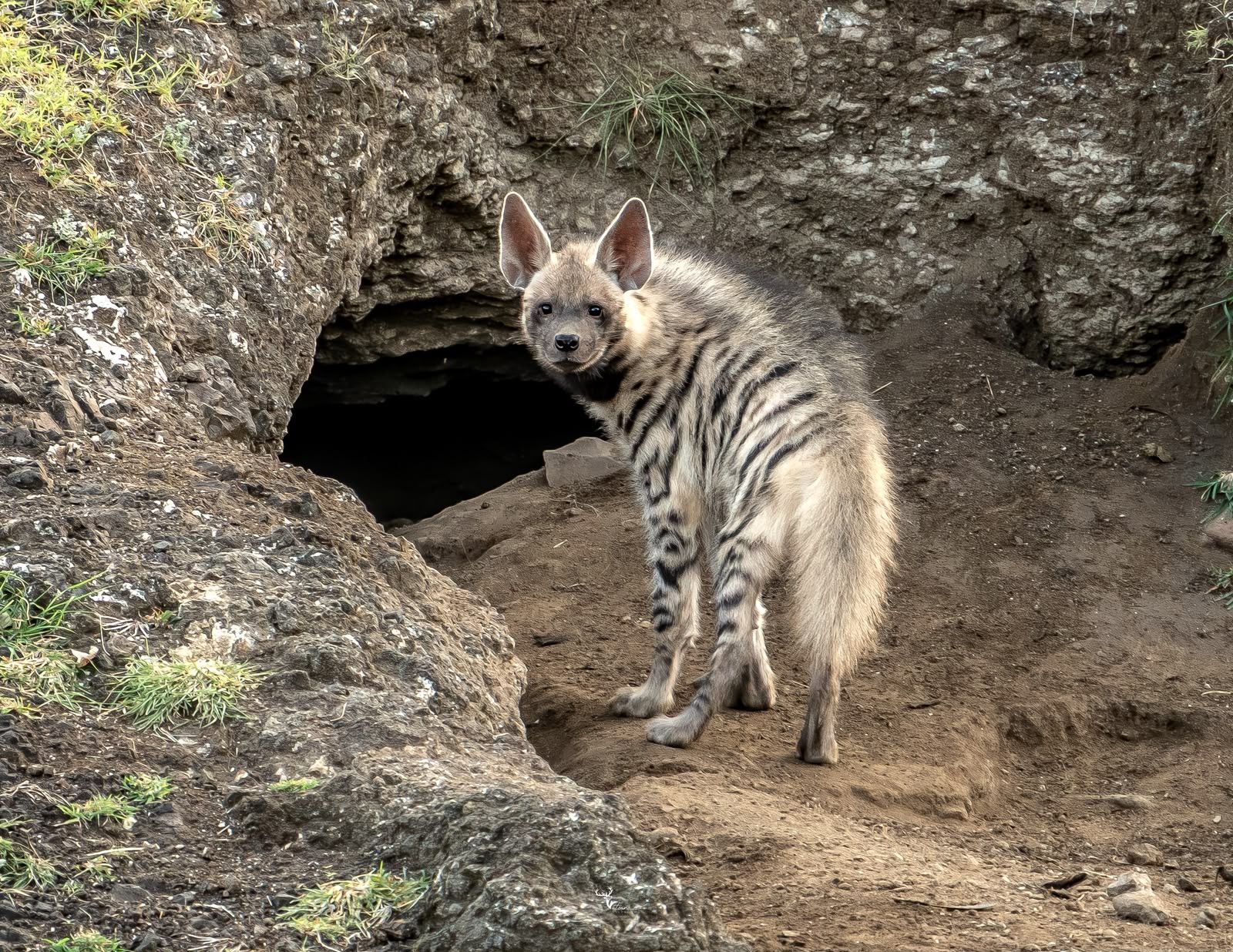
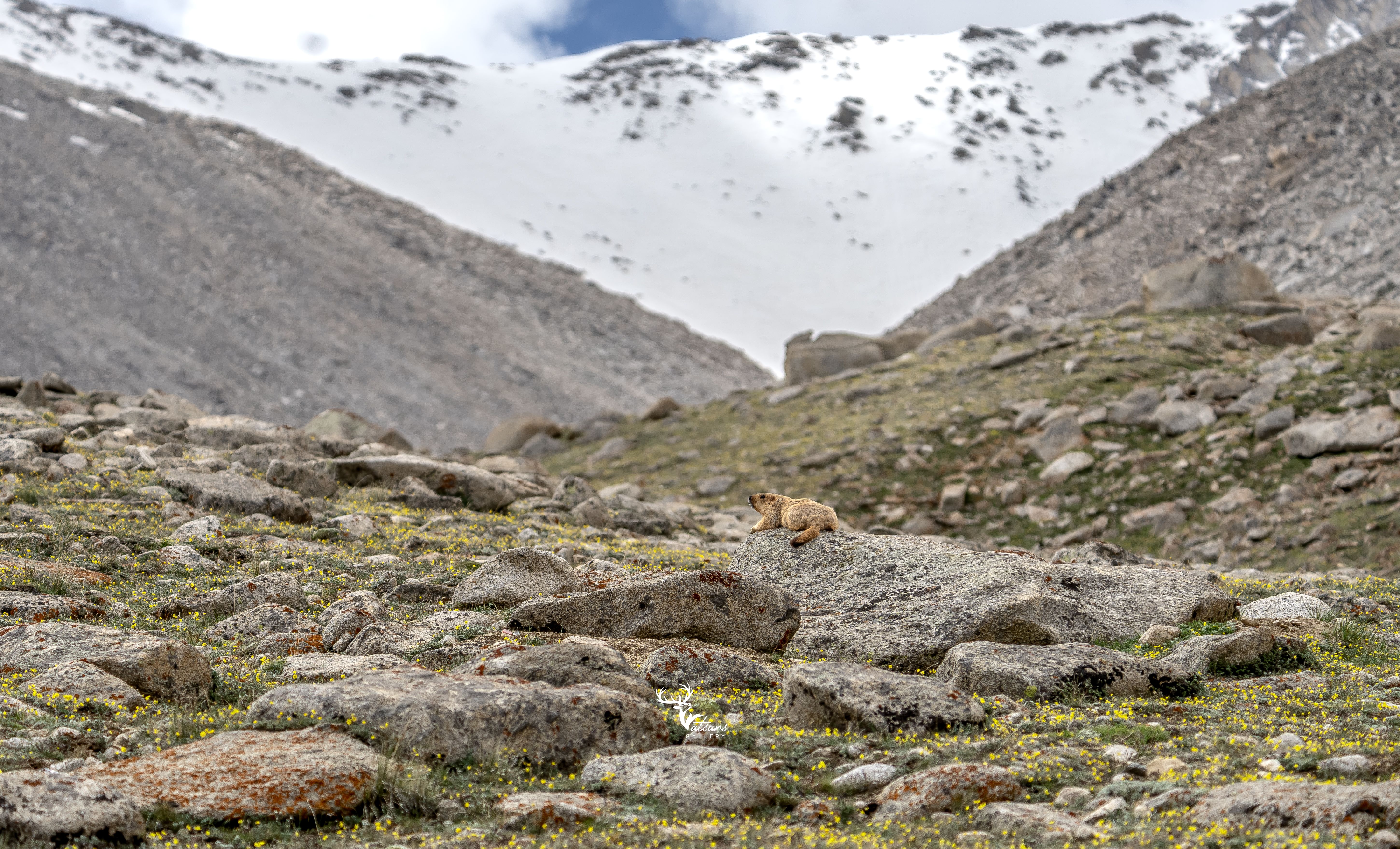
What are you chasing this season — a new grassland raptor, a species still missing from your collection, or a place you've been longing to shoot?
This season I am eager to get a glimpse of the Great Indian Bustard and Macqueen's Bustard, and I am more concentrated towards that. I am also working on finding a male Pied Harrier as well.
Your work recently travelled to the Nepal Art Council in Kathmandu, where you were shown as the featured artist. What did it feel like to see your grassland frames on a gallery wall abroad?
Seeing my wildlife photographs displayed at the Nepal Art Council in Kathmandu as a featured artist was truly a special and humbling experience. Most of my photographs are born out of quiet mornings in the grasslands, countless hours of waiting, challenging field conditions and the excitement of witnessing wildlife in its natural habitat. I never imagined that moments captured in the grasslands of Chennai would travel beyond borders and find a place on an international gallery wall. What made it even more meaningful was knowing that these photographs were not just being viewed as images, but as stories of wildlife, habitat and conservation. It was also a reminder that photography has no boundaries. A moment captured in one corner of the world can connect with someone thousands of kilometres away. For me, it wasn't just about seeing my photographs on a gallery wall in another country; it was about seeing the stories of our grasslands travel beyond borders. It has certainly motivated me to keep exploring, documenting and telling more stories through my lens.
When you think about all the cold, dark mornings spent waiting in the grass for a single bird to appear — what is it that keeps pulling you back before sunrise?
I think it's the excitement of the unknown. Every morning in the grasslands is different. You never know what the day will bring — a Pied Harrier gliding low over the grass, a Short-toed Snake Eagle scanning for prey, or perhaps a species you haven't encountered before. There are mornings when you spend hours waiting and return without a single photograph. But even those mornings teach you something about nature, patience and observation. For me, it's not always about getting the perfect frame. It's about being out there, witnessing wildlife in its natural environment and experiencing moments that cannot be recreated. And there's always that little excitement that tomorrow might bring something extraordinary. I don't wake up before sunrise just to capture a photograph. I wake up because I don't want to miss what nature might reveal that morning.
Contact and Follow
Email: Srisathiya1796@gmail.com
Instagram: https://www.instagram.com/vatsansgallery?avpt=MWVyZjFsYzg3aXQwbQ%3D%3D&utm_source=qr
Facebook: https://www.facebook.com/share/1E8xFbtqMJ/?mibextid=wwXIfr