


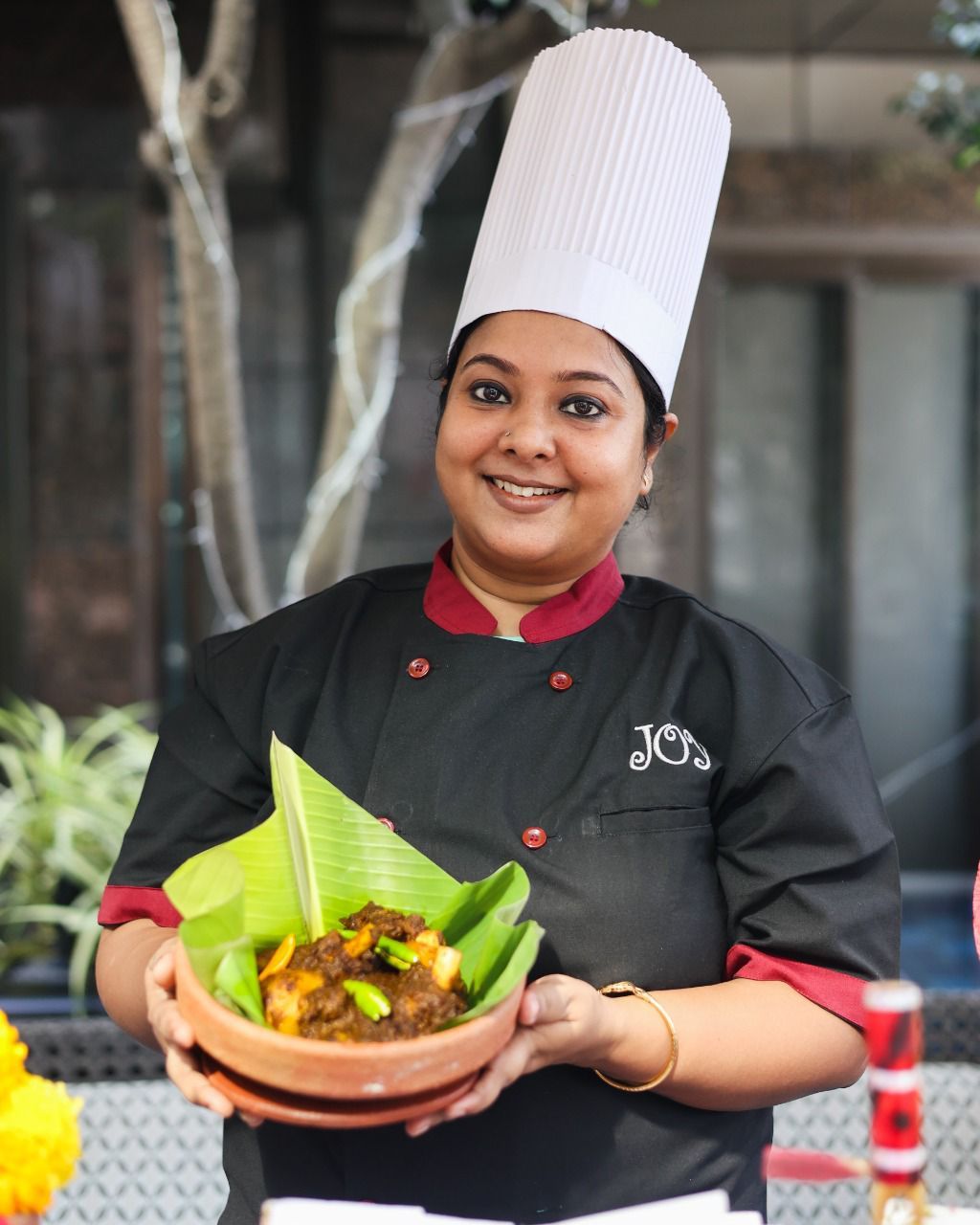
Take us back to the very first kitchen you remember — the one where your love for Bengali food began. Paint us that scene.
It has to be Numma, my paternal grandmother’s kitchen, where there was food for everyone. There was no bias based on caste, color, culture, or someone’s societal stature. Anyone could walk in hungry and leave satiated. Later, this became a practice with Maa too; she found happiness through cooking and feeding people. For me, their kitchen would be the ultimate space that helped me develop a taste for good food. Numma and Maa remain the first culinary geniuses who inducted me into loving and respecting my regional food.
What was the first dish you ever cooked entirely on your own, and how did it turn out?
The first dish that I can recollect is a plate of Mutton Biryani, which turned disastrous because of my misjudgement of the ingredients and their quantity to be used.
So much of Bengali home cooking is handed down, hand to hand. Who taught you yours — a mother, a grandmother, someone else?
For me, it’s not only the female family relations but the men too. Having been brought up in an extended joint family, I have had the privilege to enjoy culinary delights across East and West Bengal—or now as we know as Pre and Post Partition food. Having my maternal side originate from Bangladesh while my paternal side being native to Bengal, I have had the good fortune to be pampered in both styles of cooking. While the women meticulously and tirelessly planned the day’s menu and executed the same, the men indulged in procuring the best supplies from the market. So I find myself extremely entitled to have inherited my culinary capability or instincts from both the female and male family relations.
Which Bengali dish would you call unmistakably yours?
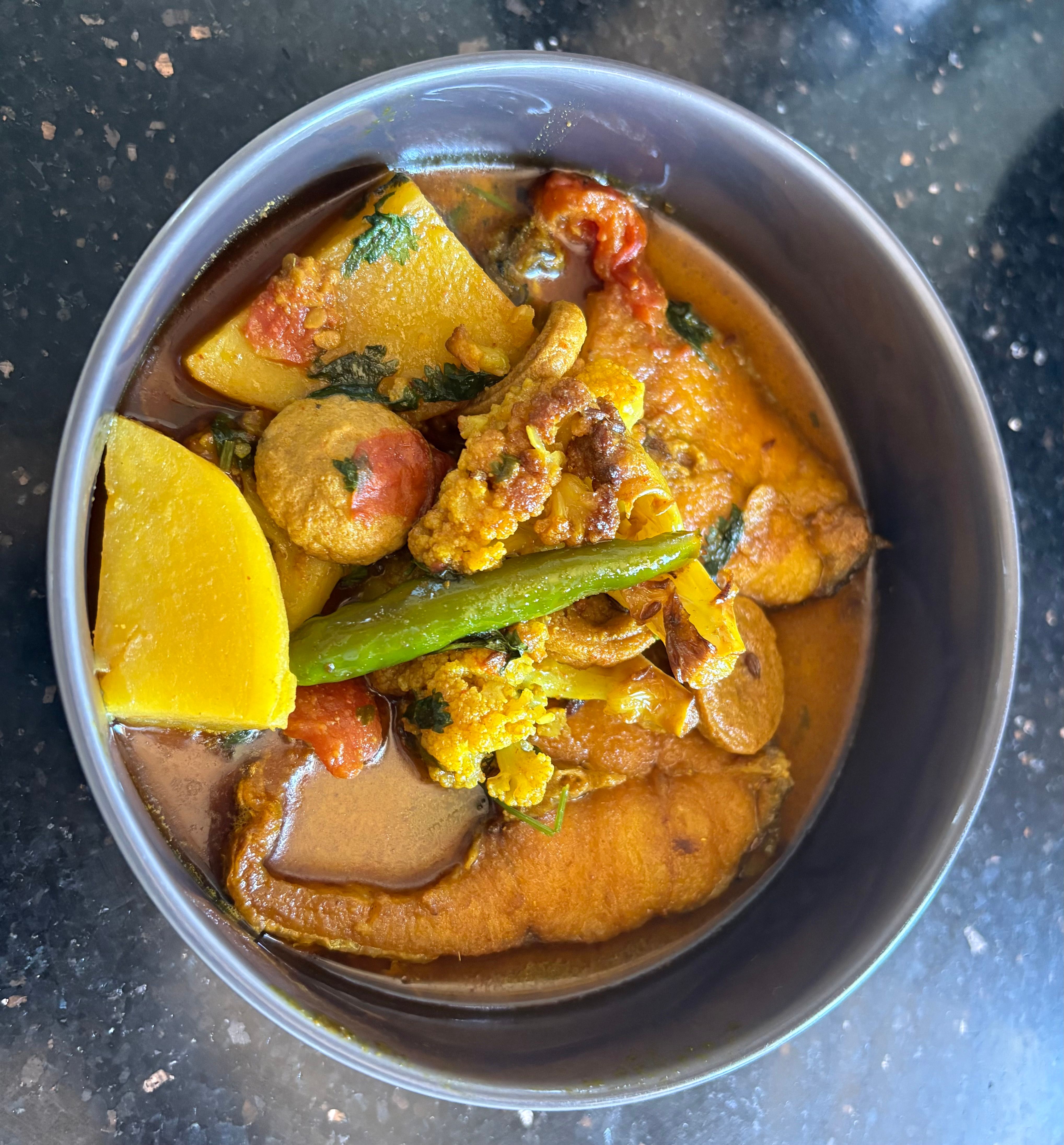
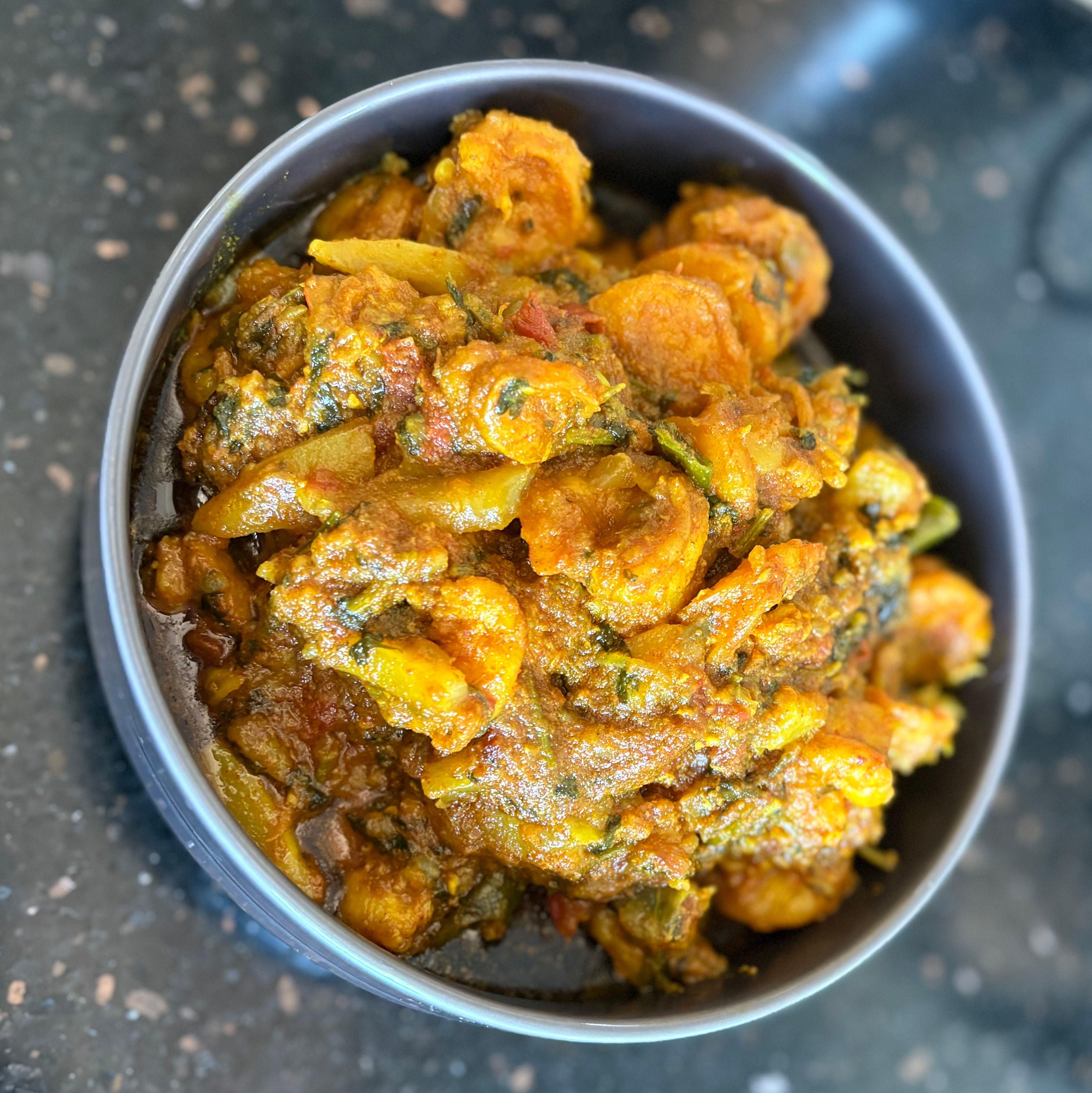
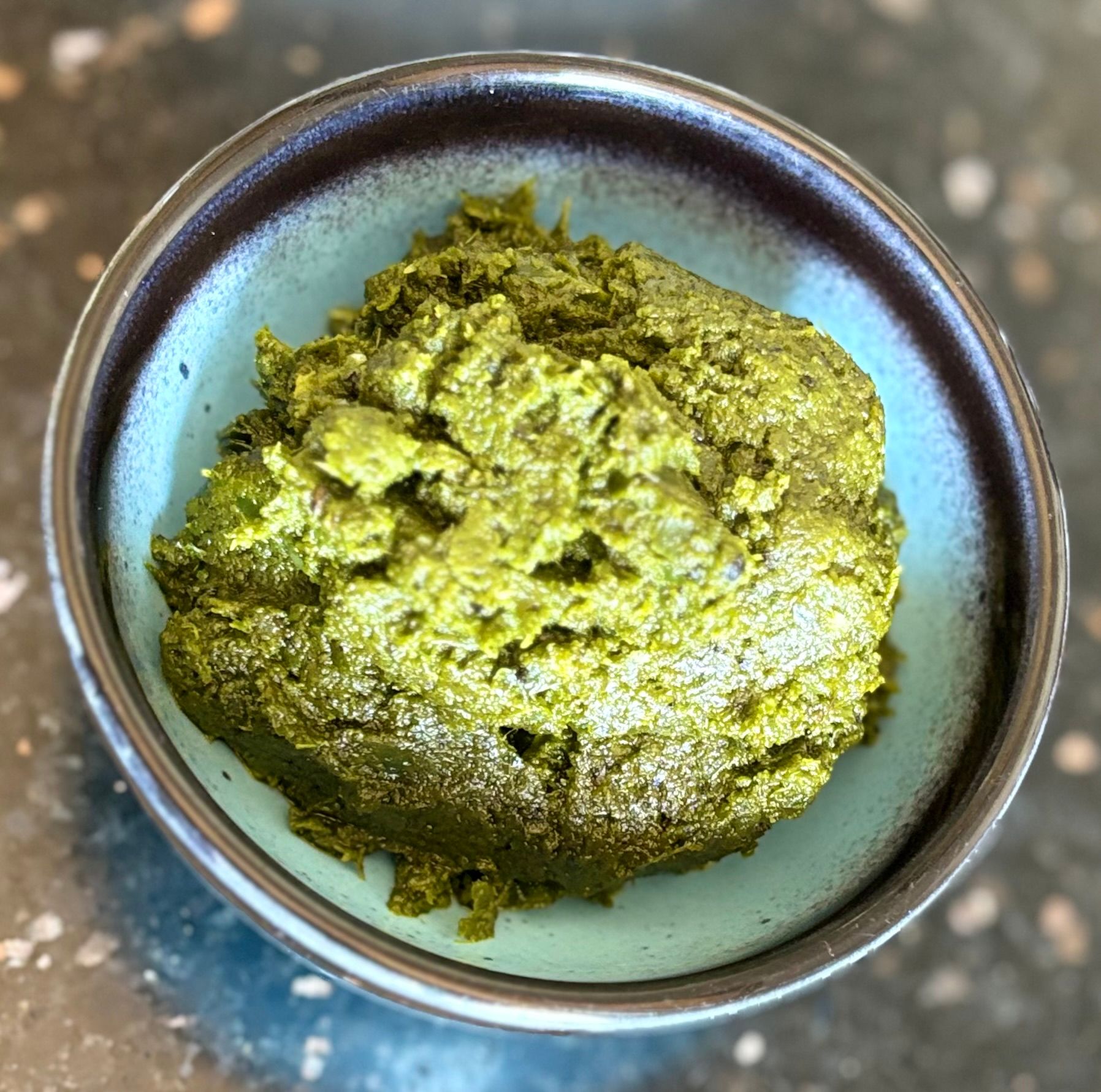
For me, every dish carries a story; for instance, as a child while feeding me a full course meal (both lunch and dinner), Numma, my paternal grandmother, would narrate stories about the food, the ingredients involved, the style of cooking, and also where the ingredients came from. She did this without fail. This is something that I do with every meal—sharing stories and anecdotes that people carry with them as a memory.
Walk us through this Pujo spread — what did you cook, and who were you feeding that day?
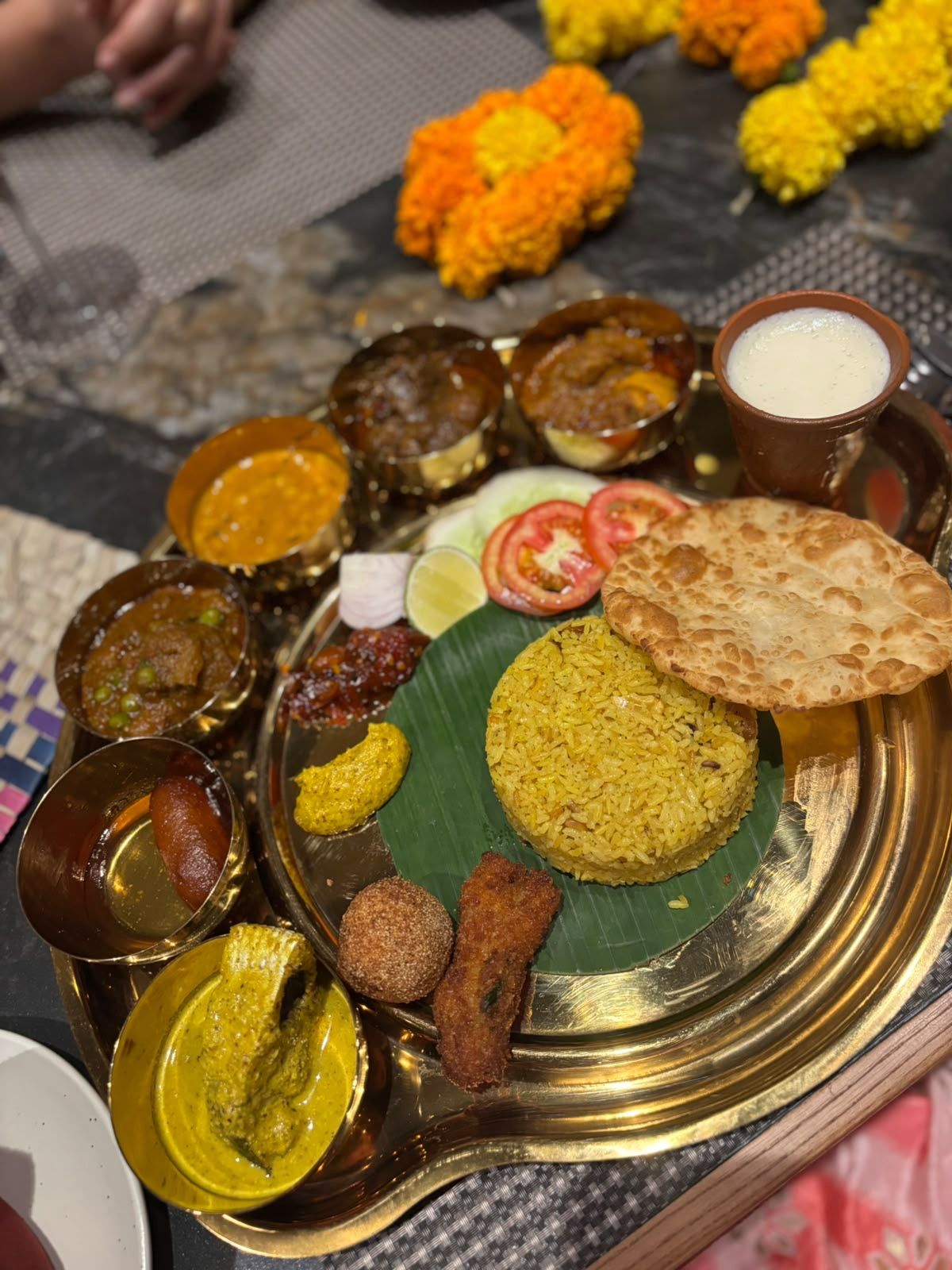
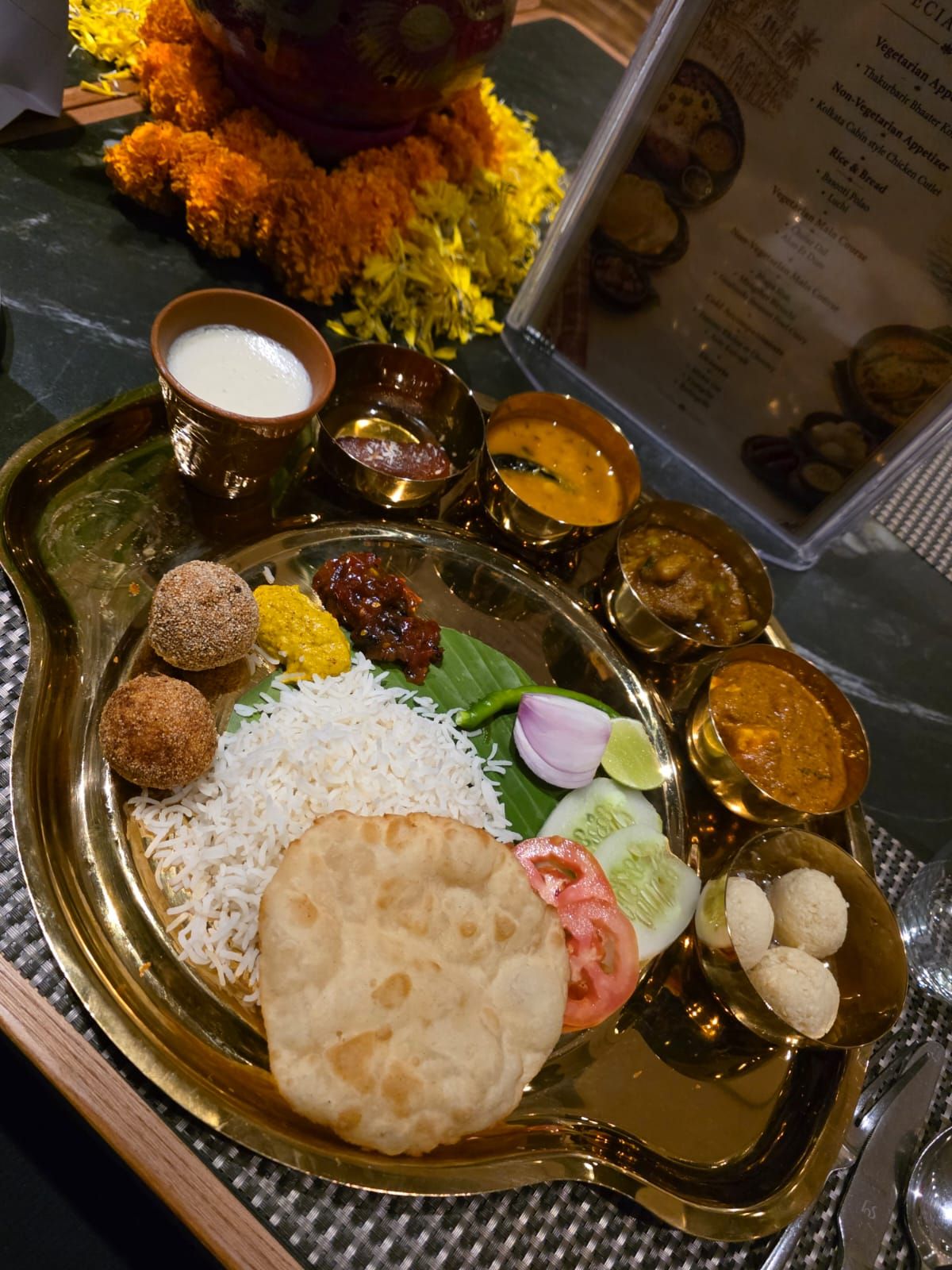
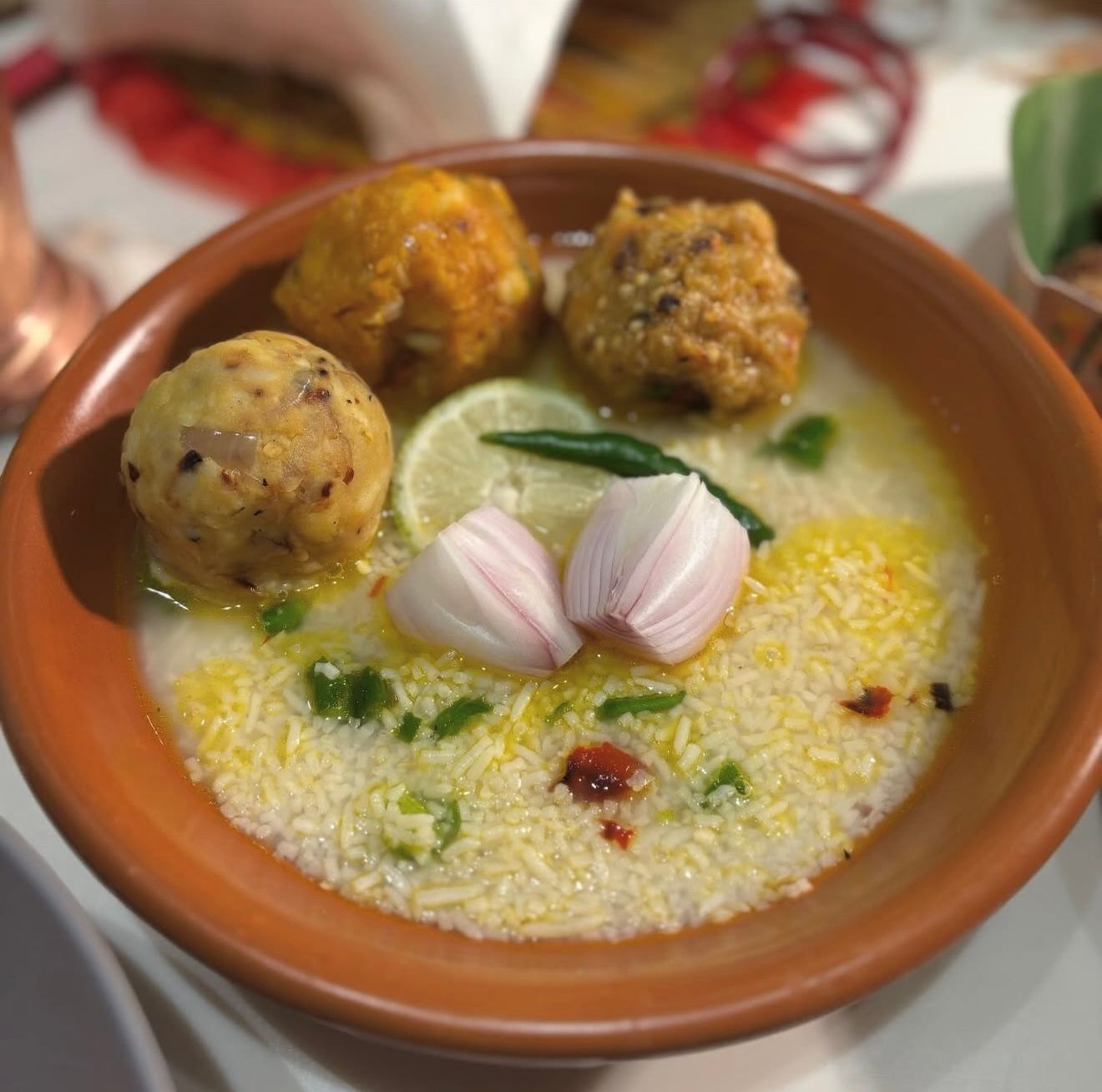
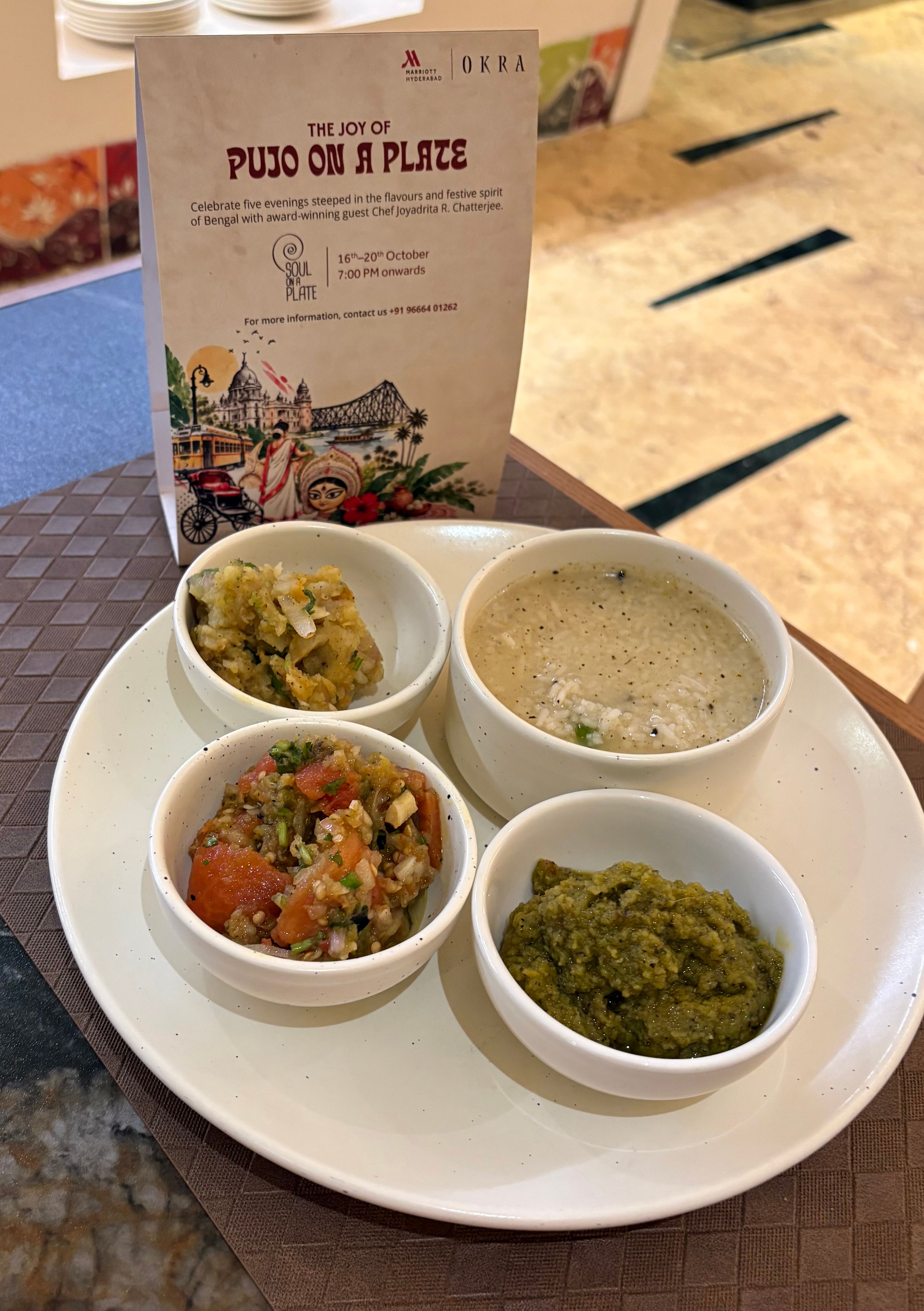
The first two images reflect a Bengali Vegetarian and Non-vegetarian Thali comprising of both comfort as well as celebratory food. The final two images reflect a “Paanta Platter” which is an overnight soaked rice congee served with some vegetarian and non-vegetarian condiments signifying the numerous rituals in Bengali Hindu tradition. It’s an offering made to Goddess Durga on the last day of Durga Pujo, thus symbolising the pure, unadulterated love of parents for their daughter, which need not always be an ostentatious display of some rich food.
You clearly love the vegetarian side of Bengali cooking as much as the non-veg — the Shukto, the Aloo Posto. Which vegetarian dish of yours do you wish more people gave a real chance?
It has to be Shukto.
What’s the one tool or corner of your kitchen you couldn’t cook without?
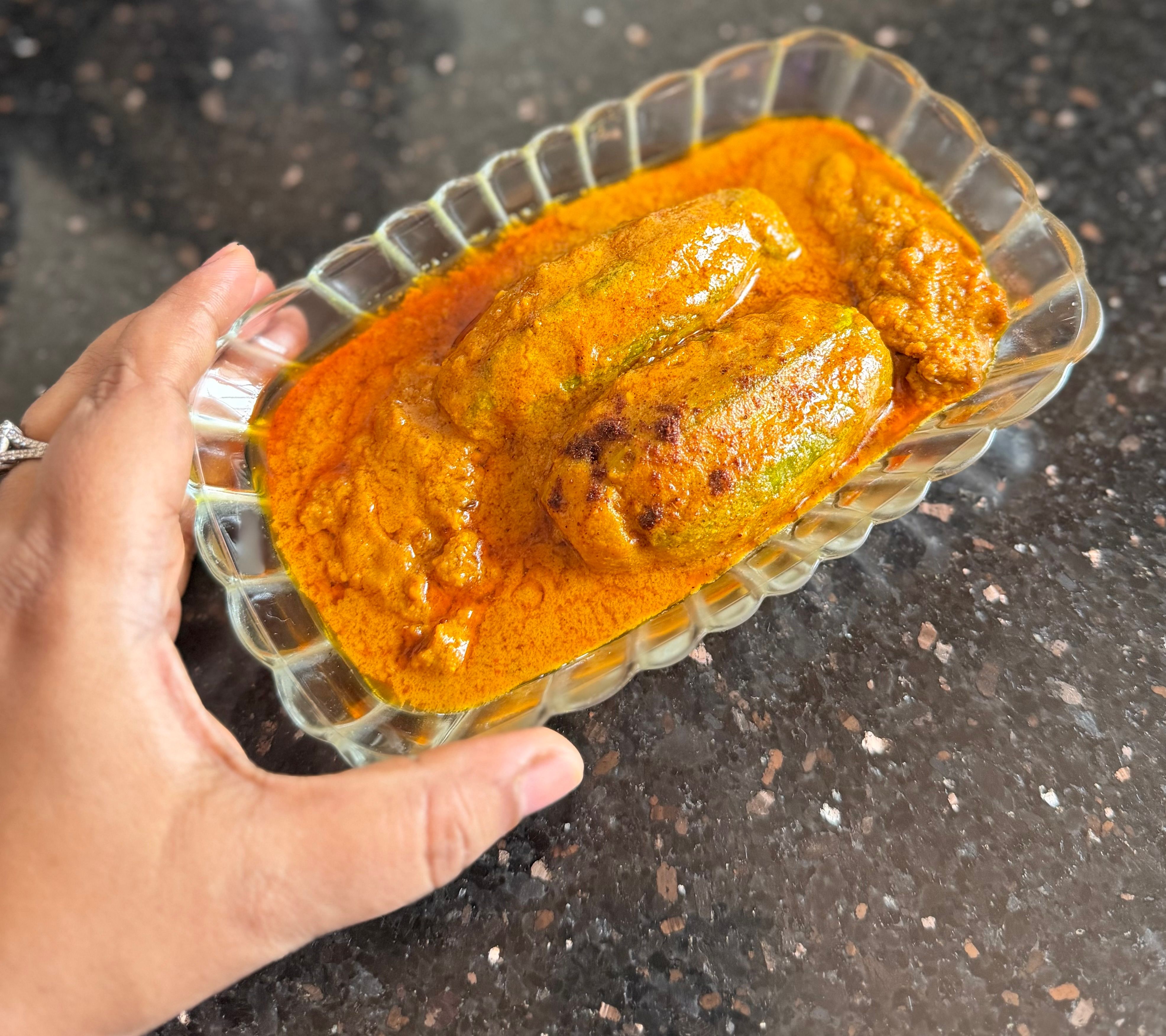
The light in this particular area in my kitchen is the most conducive to some great photography.
Which dish carries your family’s history?
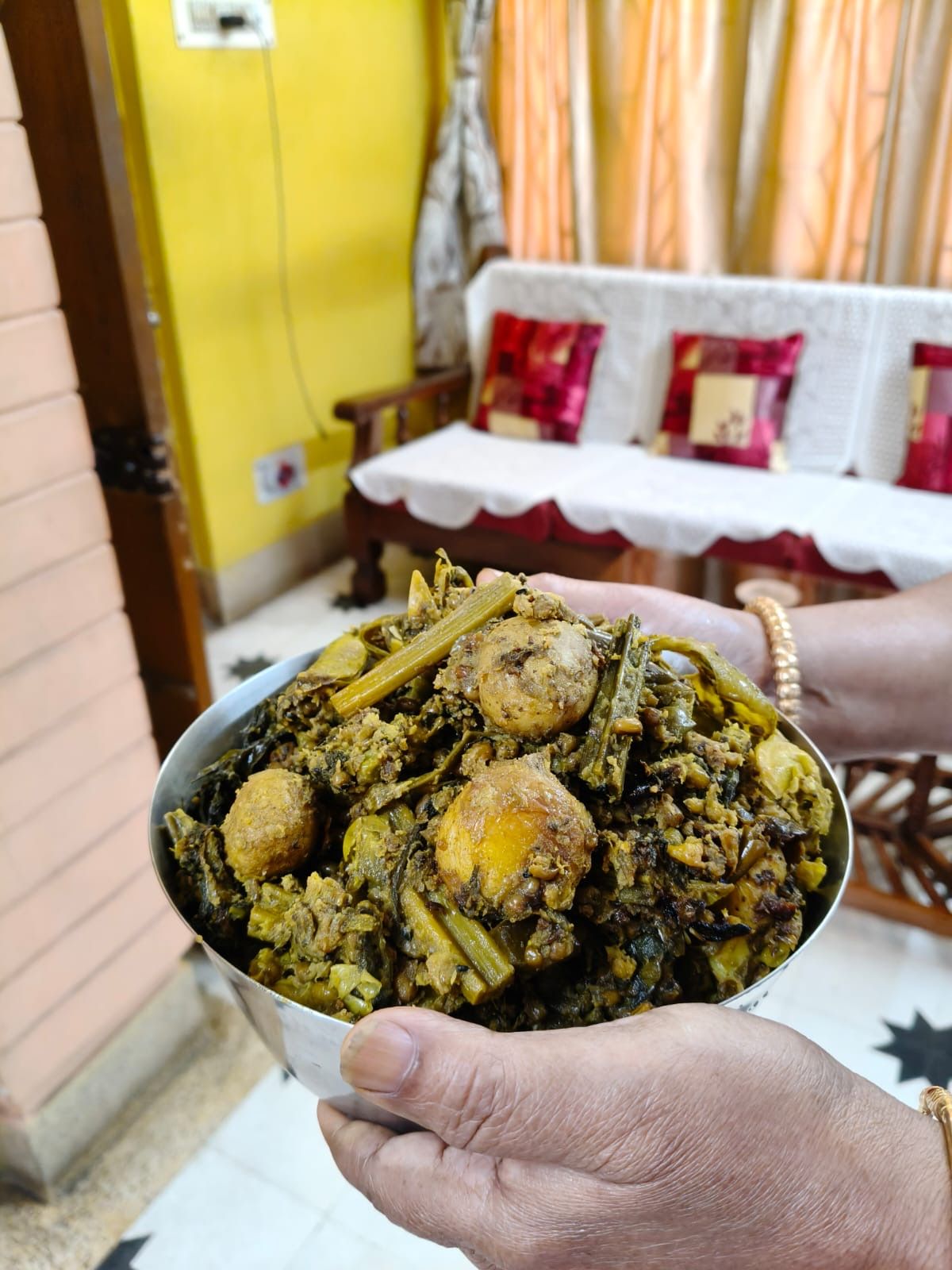
At a time when convenience takes over traditions and customs, our previous generation still adheres to them irrespective of anything—in spite of factors like age and frailties, they prefer acting in accordance to the demands of their homes or homies. It’s their adherence to conventions that gives them a sense of purpose, a sense of belonging, or even staying relevant. As time flies, these practices keep them rooted. Being born to a Baangal mother and a Ghoti father, I’ve always had the best of both worlds. Thus witnessing traditions, customs, and rituals have been quite common. One such is Sheetal Shoshthi (the day after Saraswati Pujo) wherein the women of the household will not cook as they practice something called “Arandhan” or no cooking day. Vegetarian food is made the previous night which is consumed the next day cold (as Sheetal translates to cool). Sheetal Shoshthi also denotes paying homage to Goddess Sheetola, thus praying for the well-being of the children. This is also an act of showing respect and gratitude to Mother Nature for showering us with the new harvest season—hence Ghoti households prepare “Gota Sheddho”, translating to whole boiled vegetables and whole green moong, symbolising that we shouldn’t tamper with the produce of Mother Nature, thus maintaining their authenticity and originality. A common practice in my paternal side too, with a slight modification suggested by my great grandmother (whose tastebuds were way ahead of her time even though she was a widow), was something that was later coined as “Gota Chochhori” or the same whole winter vegetables, spinach shoots/stalks, and whole green moong dal turned into a spicy vegetable mish-mash! Perhaps we are the only home doing that. With everyone passing away, Maa and Baba have kept this tradition alive in spite of all odds that life throws at them—this time Baba’s right hand being in a sling! It is this dedication of theirs year after year which makes me wonder if I too would be able to do justice to their legacy—a question which only time will answer!
What’s something delicious you cooked recently?
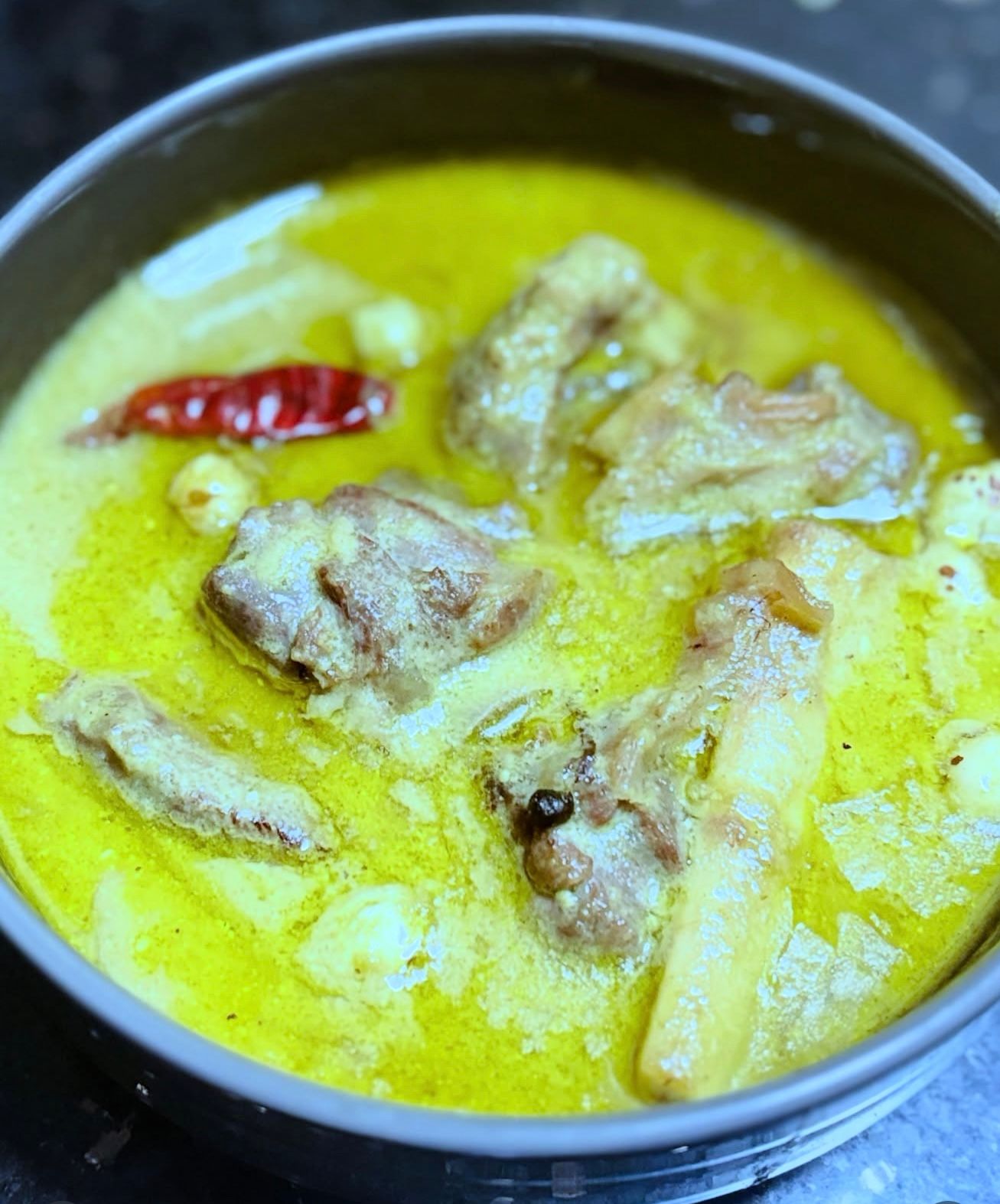
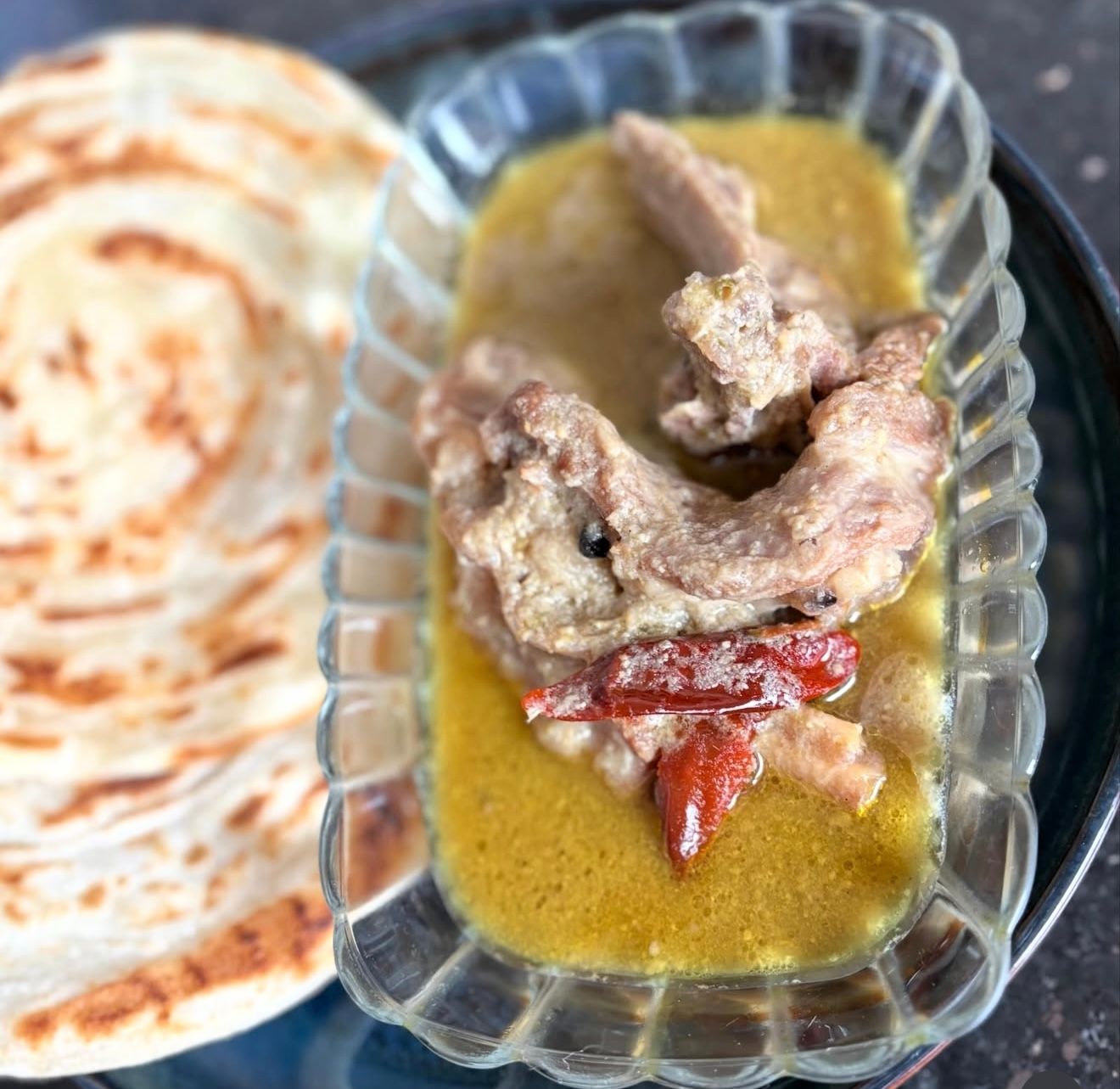
The dish is Kolkata Style Mutton Rezala. Baba, a man of exceptionally few words, is quite loud and eloquent when it comes to food and everything associated with it. He’s the most enthusiastic person in the room when you debate about food/sports/politics—in no particular order though! While sports and politics can wait for another day, let’s focus on Baba’s primary interest—food; he enjoys having the best fares, which need not at all be the ostentatiously expensive ones but the ones that truly touch a true blue Bengali’s soul and heart! For instance, a simple yet flavourful “Macher Jhol/Mangshor Jhol” or a good “Shukto”! Having his office in Dalhousie area, the quintessential “Office Parar Khawar” aka the food sold by the hawkers in that area wasn’t unknown to him. Till date he raves about how good and fresh the food was since he’s at times been part of their breakfast spread or the lunch during his hay days! And just like any other food lover/connoisseur, he always shares his love for food with anyone he meets—the best “baajaar” in Kolkata or the best “Mutton Cutlet”. And one of his best recommendations across Kolkata has been Sabir’s Hotel; nestled in the busy lanes of Chandni Chowk, this legendary 76 years old serves one of the most iconic Mughlai food. Started by Late Chef Sabir Ali who traveled from Lucknow to Kolkata in 1940, Sabir’s (opened in 1948) pioneers in the unanimously celebrated Kolkata Mutton Rezala apart from other iconic dishes like Biryani, Gurda-Kaleji, and its flaky Parathas. From a time when “hidden gems” still escaped the eyes of pseudo-content creators, this truly qualifies for one only if you aren’t too late in discovering it! Whether or not we share the same interest in sports or politics, Baba and I have the same fondness for good food! Thus recreating one of his and my favourite—Sabir’s Hotel style Kolkata Mutton Rezala!
What’s a dish you’re dreaming of cooking next?
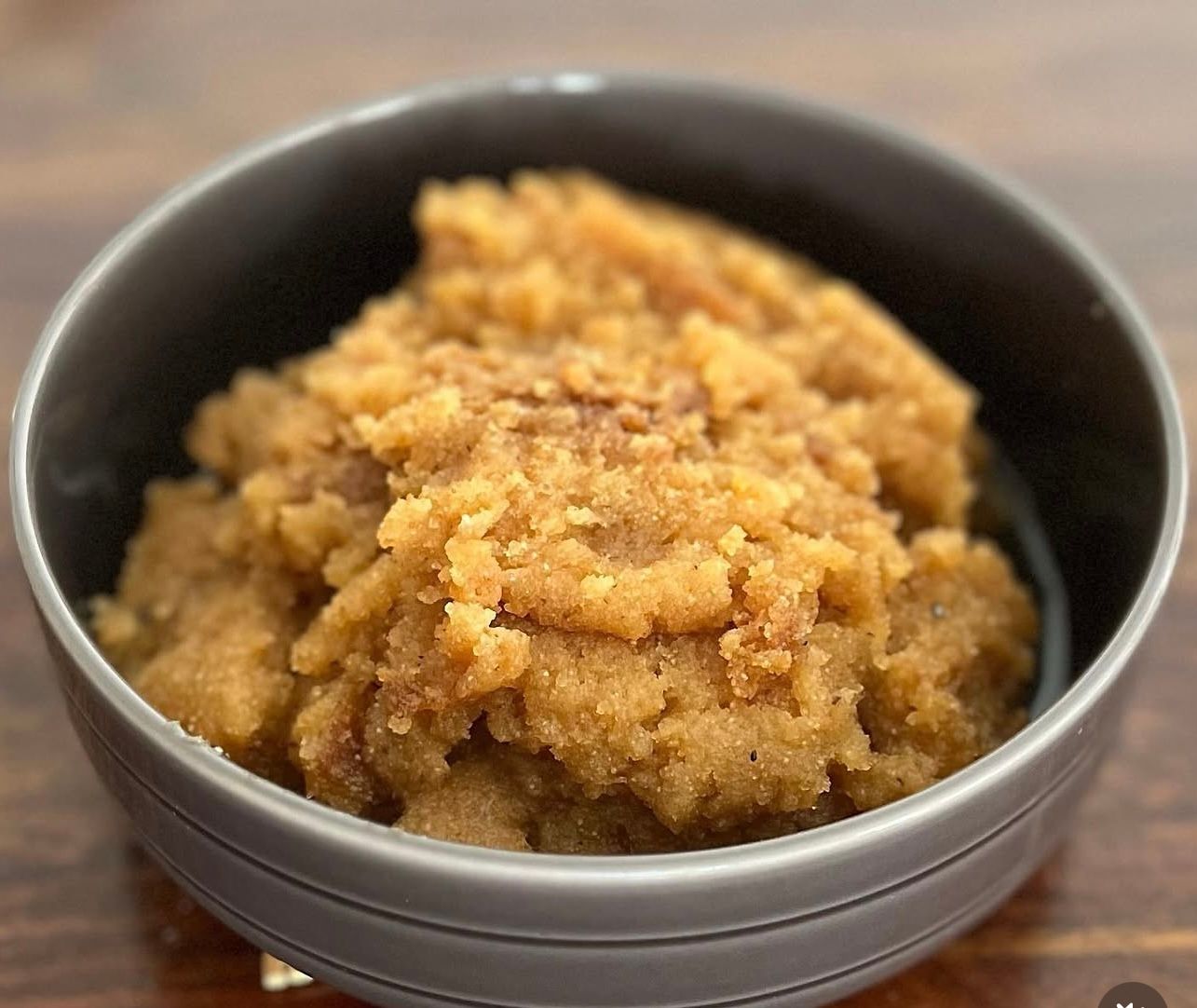
The dish here is “Sujir Halua” or “Suji ka Halwa” which has a beautiful story in our house which goes like… Now, we all have grown up in households wherein at least one grandparent’s presence loomed large; not to miss how enjoyable the entire environment at home used to be. You could always get away without being thrashed if they were around, because they literally took the role of a protector just too seriously. Imagine then how fortunate I was as a child as I had both my paternal grandparents, great-grandparents, and their closest kith & kin around! Due to the presence of grandparents, as a child, I led a sheltered life, cocooned by their love, affection, and friendly reprimands. The days when I fell sick, my grandmother barely allowed us to call on the doctor. She would prepare her own medicines at home, meticulously selecting her ingredients. One of the best of the lot used to be a "miracle halwa" that was laden with ghee and dry fruits because these were deemed to be directly proportional to her or Maa’s love for me! Being the glutton I am, sometimes all I needed to do was feign an illness and demand the "miracle halwa"! It’s been more a decade that Numma, my paternal grandmother, and Dada, my paternal grandfather, isn’t around but I still dream of this Halwa and I truly look forward to making it whenever I am unwell as these are the moments when you crave the warmest hug and for me this “Sujir Halua” or “Suji ka Halwa” is one such dish.
When someone, years from now, says the words "Joy's food," what do you hope the first thing they remember is?
Every morsel should remind them of home—its warmth and all those who added to this warmth.
Contact and Follow
Email: joyadritac@gmail.com
Instagram: https://www.instagram.com/foodofjoyflavoursofbengal?mdxt=MW13MGg1djZpZnB0MA%3D%3D&utm_source=qr