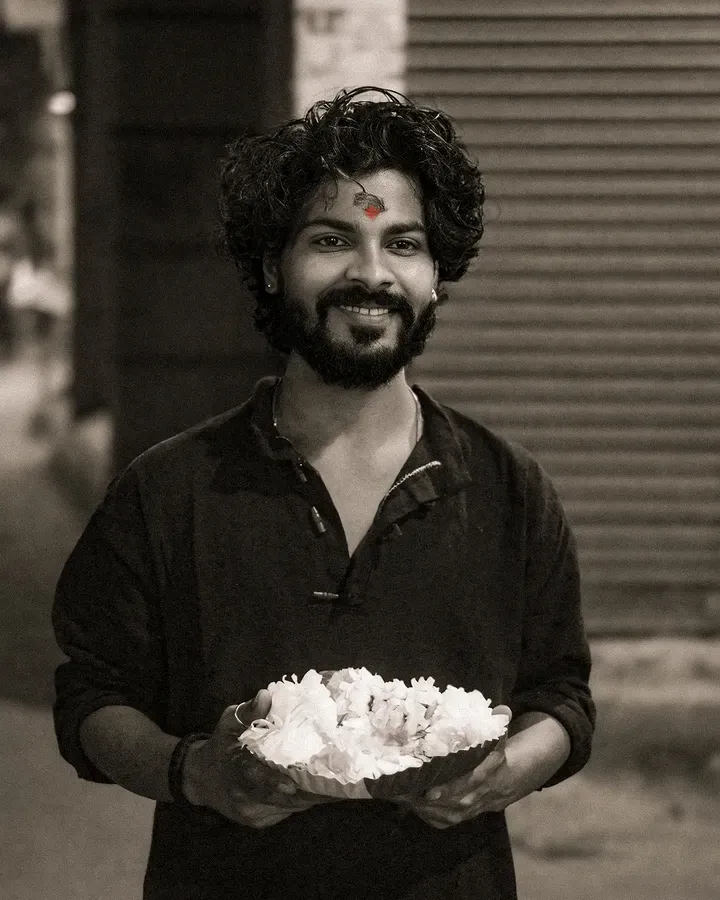


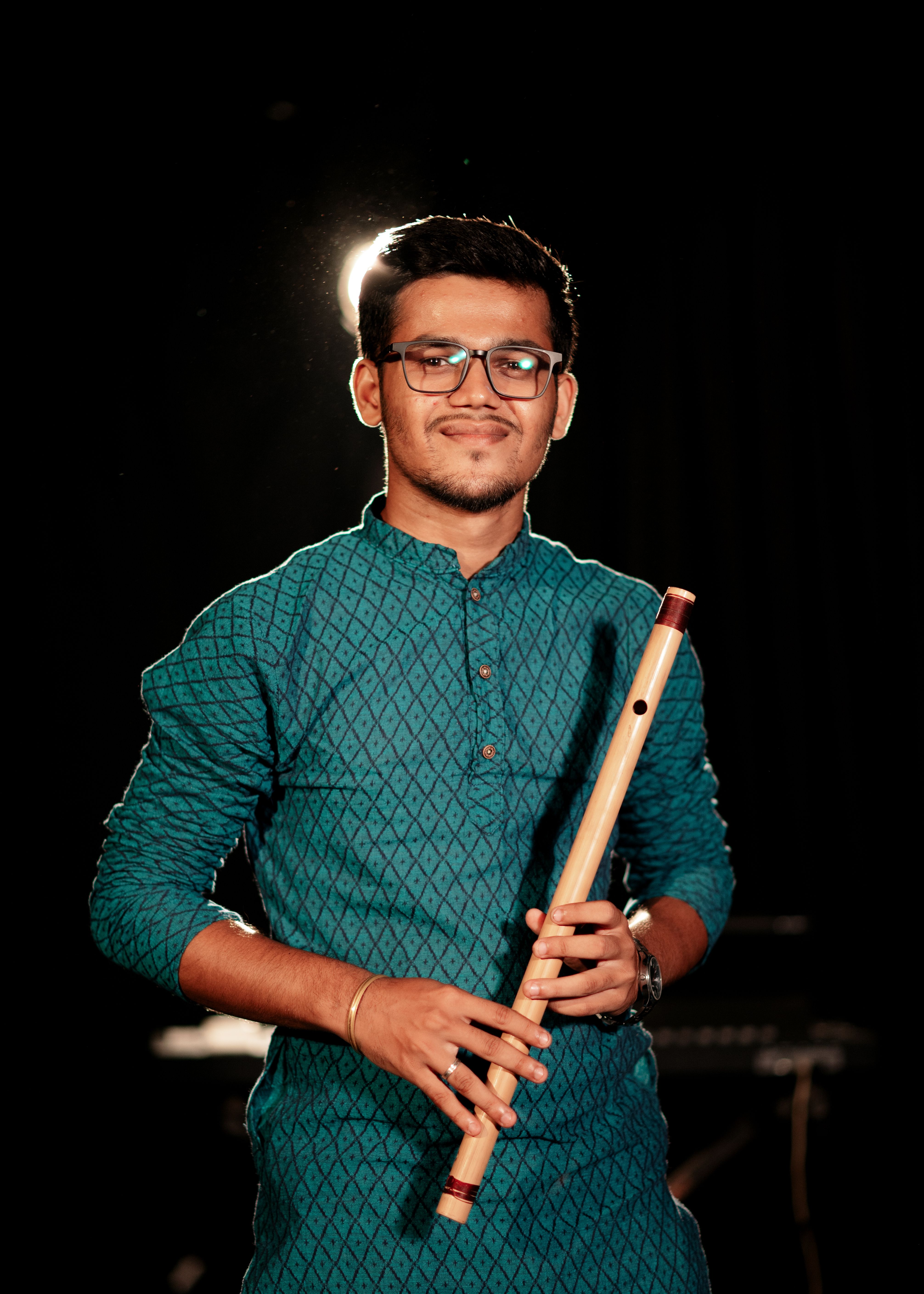
Your bio carries the line "न विद्या संगीतात परा" — no knowledge is higher than music. When did that stop being a beautiful idea and become the thing you actually built your life around?
My musical journey actually began with singing. I built my foundation by studying Rabindra Sangeet and Hindustani classical vocals under the esteemed guidance of Shri Dhiraj Bannerjee. That early immersion gave me a very strong melodic sense, but I eventually found my true voice in the bansuri. I initially explored the flute through local folk traditions, which sparked a deep fascination for the instrument. However, the real turning point in my career was becoming a disciple of my Guru, Shri Swarajit Gopal Guha. His mentorship guided me into Hindustani classical flute, shaping not just my technique, but my profound respect for the depth and majesty of the Indian classical music through my instrument.
Take us back to the very beginning of your training. What's your earliest memory of the bansuri — the first time breath became a note, and you knew this instrument was yours?
My musical journey actually began with vocal training in my childhood, but my relationship with the bansuri started somewhat unexpectedly at the Poush Mela in Shantiniketan. I was just wandering through the fair when a flute caught my eye, and my father bought it for me. In the beginning, I learned the basics and folk melodies from Naba Kumar Das Baul, who lived in a neighboring village. That early exposure laid the foundation. A couple of years later, everything came together when I met my Guru, Swarajit Gopal Guha. I started my formal taalim in Indian classical music under the Rampur Senia gharana with him, and that is when I truly knew the bansuri was my instrument.
You credit your Guruji, Swarajit Gopal Guha, about guidance and ashirwad in post after post. What's one lesson from him that lives less in your fingers and more in the way you approach music itself?
Since beginning my taalim under the guidance of Guruji Shri Swarajit Gopal Guha, he has meticulously shaped my technique, imparting the profound nuances of Indian classical music and the prestigious Rampur Senia Gharana. However, the most significant lesson extends beyond physical execution; it lies in the depth of our musical connection. Although there is a vast geographical distance between us, his influence is ever-present. My entire methodology—from my breath control and posture to my overarching style—is a direct reflection of his grace. Being accepted as his disciple is a tremendous honor, and I approach every performance with the immense gratitude of carrying forward his teachings.
You move between two worlds — Bengali and Baul folk, the khamak and the Pather Panchali theme on one side, and Bollywood covers like KK, Anuv Jain and Vishal Mishra on the other. What does each world give you that the other cannot?
Growing up in rural West Bengal beside the Damodar River, the Baul and Jhumoor folk traditions of the Rarh Bhumi became an integral part of my identity. This folk world gives me my roots—providing a raw, earthy grounding and a deep spiritual connection to my soil that naturally reflects in my flute playing. Conversely, alongside my formal Indian classical training, I was profoundly shaped by the music of legends like Salil Chowdhury and Hemanta Mukherjee, as well as Bollywood icons like KK, Sonu Nigam, and Arijit Singh. While my folk heritage grounds me in cultural authenticity, the Bollywood world provides a vast, universal canvas for emotional expression. These contrasting melodies have been deeply embedded in my heart since childhood, inspiring me to bridge these two distinct musical landscapes and express them seamlessly through my instrument.
Some songs seem to have been waiting all along to be played on a bansuri. When you hear a track for the first time, what tells you this one belongs on the flute?
To me, the bansuri is more than just an instrument; it is a unique voice that translates a melody into a completely different emotional language. When I first hear a track, I listen closely to its melodic structure to determine if it has the inherent space and soul for the flute. If the melody speaks to the instrument, I decide to move forward, which often involves reimagining and rearranging the piece entirely. However, bringing this vision to life is never a solo endeavor. I rely heavily on a team of exceptionally talented friends who handle the musical arrangements, mixing, mastering, and the entire video production process. Without their expertise and collaboration, creating these covers simply wouldn't be possible.
Your WallMag Cover Artist Award-winning flute cover of "Tere Naina" is a beautiful piece. What did you have to change so the flute could say what a singer's voice once carried?
The creation of this cover was a very organic process. I was traveling to Medinipur for some studio work during the winter. While relaxing on the sofa after a session, the inspiration to cover "Tere Naina" came to me, and I ended up recording the flute piece in just one take. The warmth of the track was brought to life by Avijit Samanta, who expertly handled the recording, mixing, and mastering. I wanted the visuals to match that acoustic, wintery feel. Once I returned home, my close friend Abhi and I took a trip down to the Damodar river and filmed the video right there in a blooming mustard field. The environment naturally reflected the exact emotion the song required.
Show us your flute — or your whole collection. Which one do you reach for the most, and what is it about that particular flute's voice that keeps pulling you back?
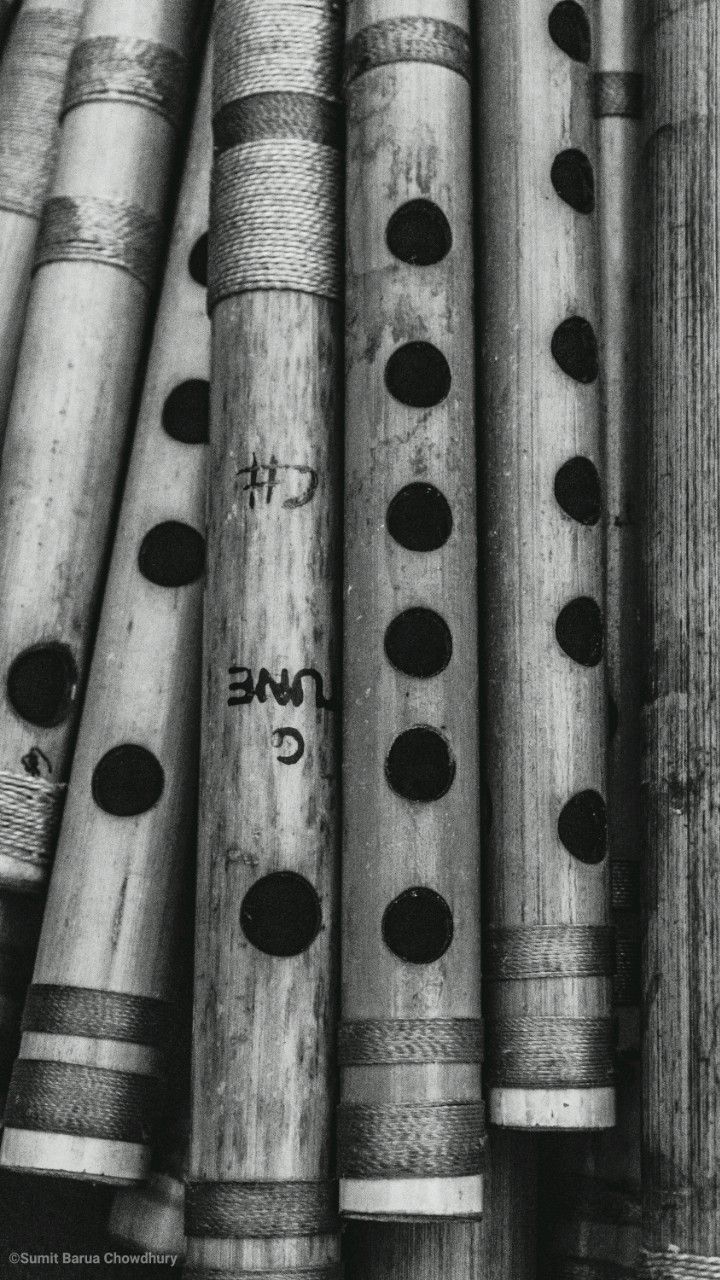
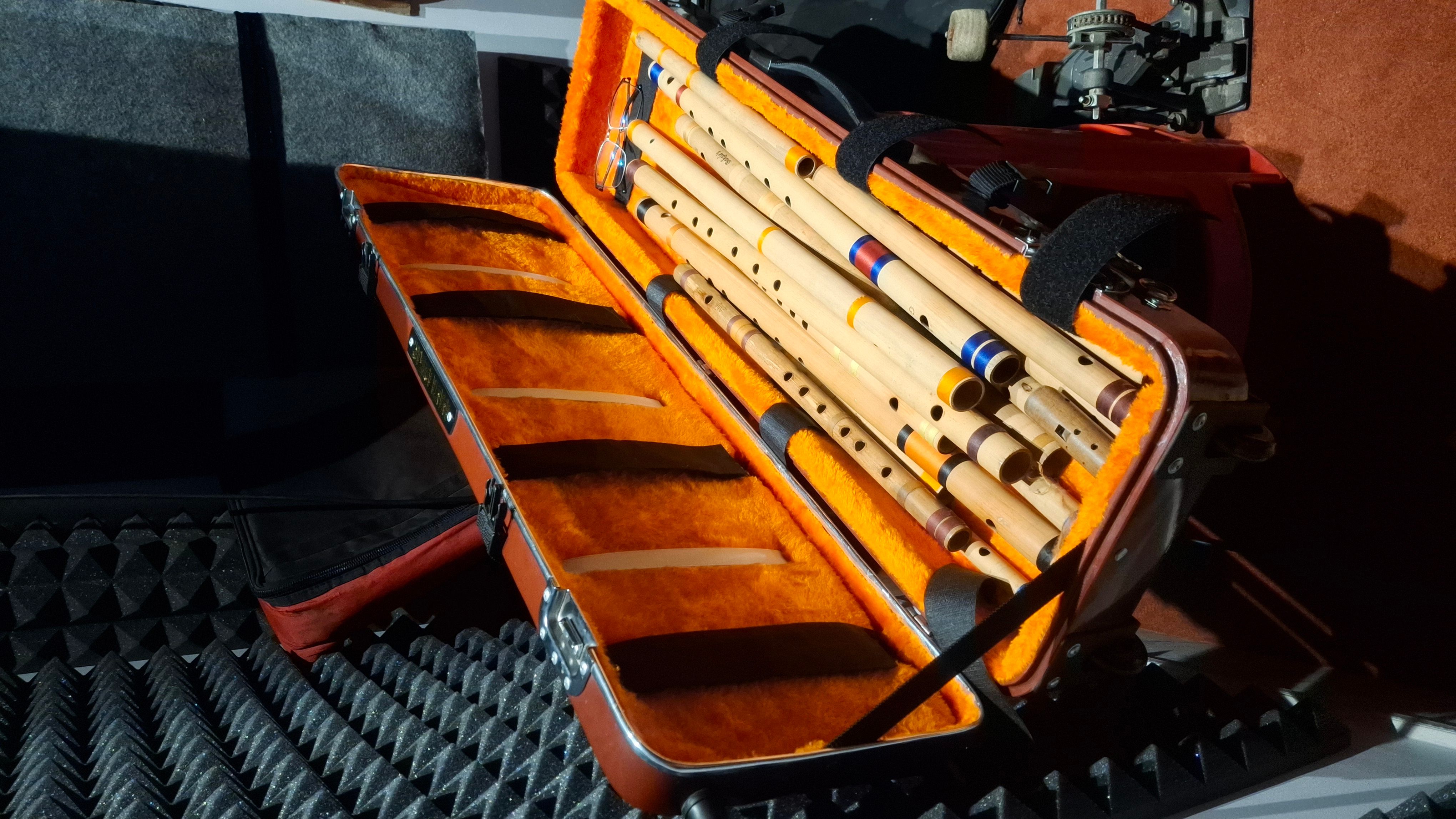

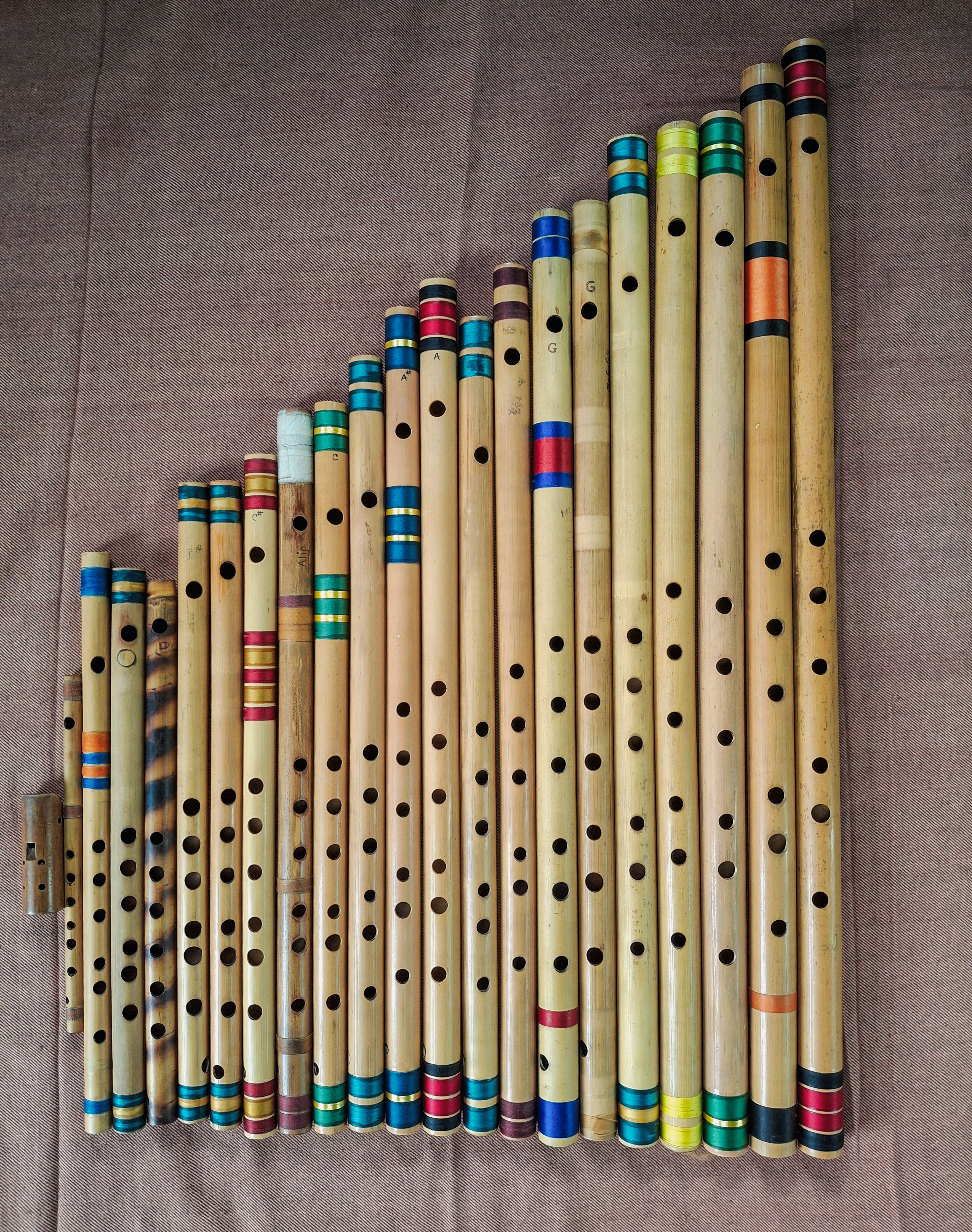
It is difficult to choose just one, as every flute in my collection serves as a lifelong keepsake. To me, they are far more than mere pieces of bamboo; they hold deep emotions and represent years of musical learning. When an artisan crafts a flute, they are not simply building an instrument—they are creating a lifelong vessel for melody that will breathe life into countless tunes.
Share one more of your flute covers — one that's especially close to your heart. What makes that particular cover so special to you?
This cover of 'Ghar Aao Na'—originally sung by the brilliant Sunidhi Chauhan for Salim-Sulaiman's 'Bhoomi' project—holds a very special place in my heart. The inherent beauty of the melody and the depth of the lyrics resonated with me instantly. As a musician, I felt a strong pull to take that emotional foundation and translate it through the voice of my flute, adding my own melodic interpretation to an already masterful composition.
Beyond the flute, you're drawn to explore other instruments and new sonic landscapes. What pulls you toward them, and what has picking up the violin this past year taught you about your own voice as a musician?
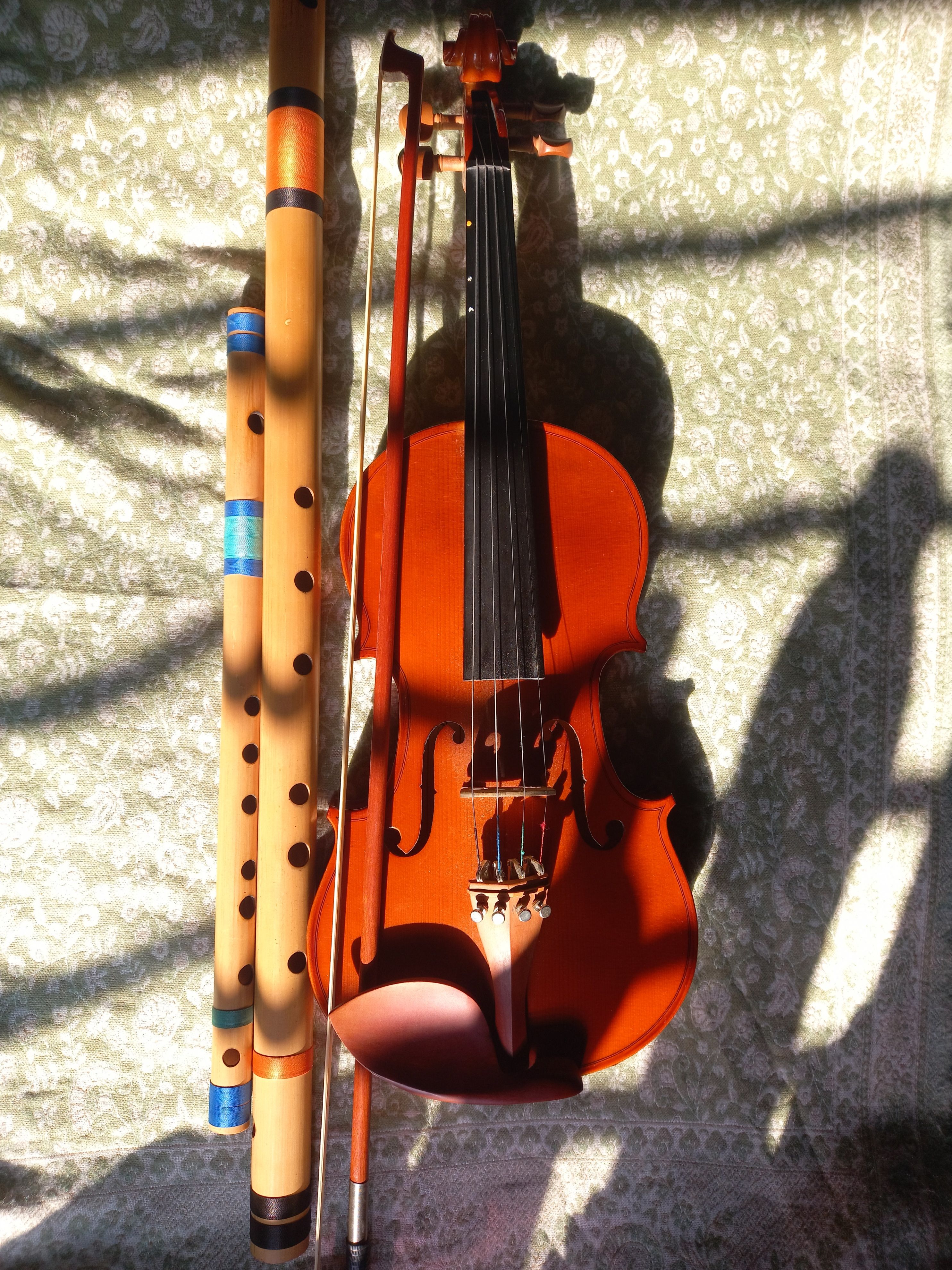
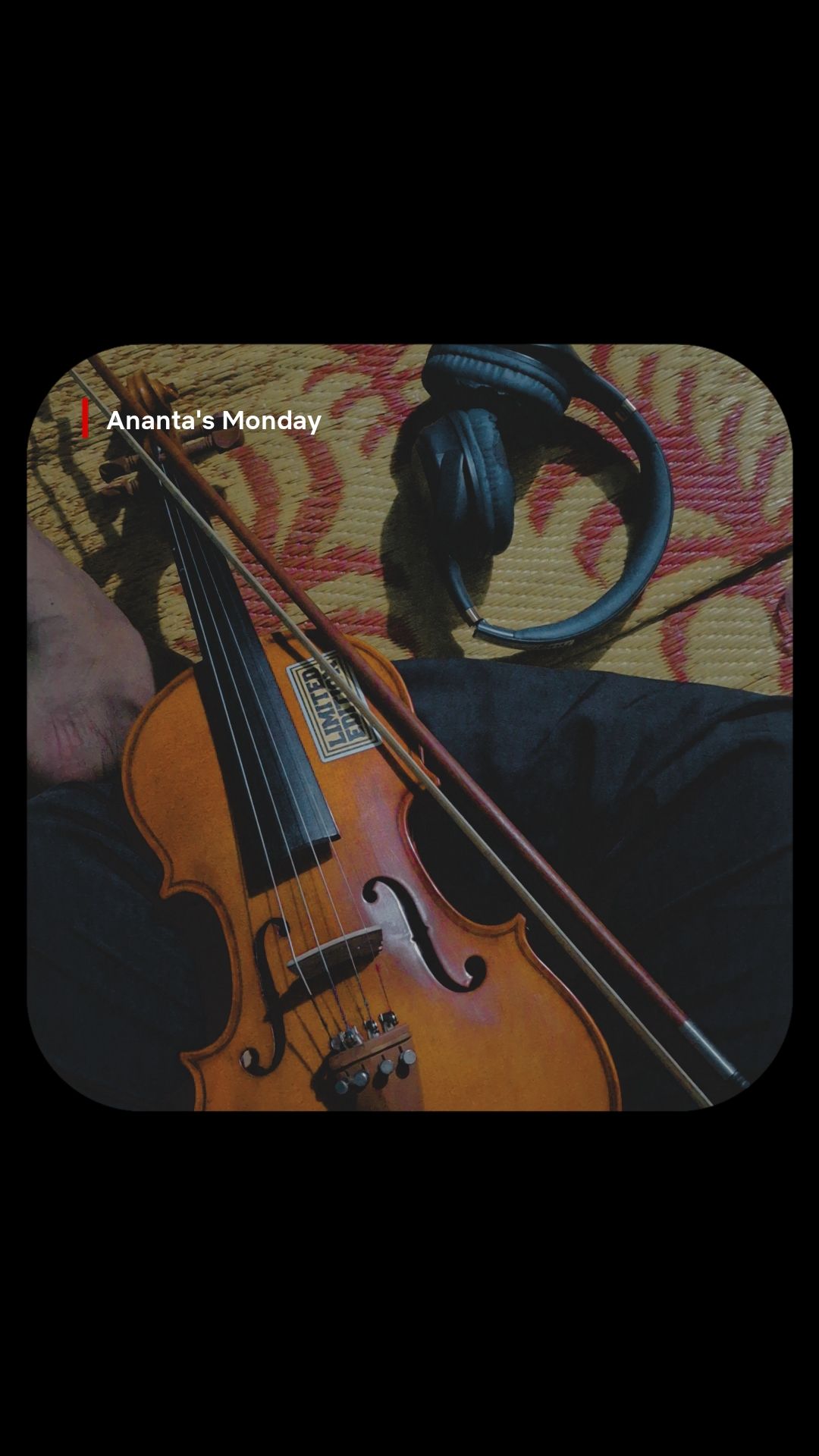
As a lifelong student of music, I am constantly driven to explore new sonic landscapes and mediums of expression. I find immense joy in discovering how different instruments—whether it be the guitar, the melodica, or the violin—shape a melody in their own unique way. I acquired a violin about a year ago to challenge myself and find a fresh voice for my musical ideas. Since then, I've been exploring its tonal qualities on my own terms, and it has been incredibly rewarding to see my progression over the past year.
When your flute reaches someone who has never heard you before, what's the single feeling you most want to leave inside them?
I have always believed that there is no wisdom or truth higher than music itself. When the sound of my flute reaches someone for the very first time, the single feeling I want to awaken in them is a profound, grounding stillness. I hope they feel as though they have just experienced something timeless and pure—a fleeting moment of absolute peace, where the breath becomes emotion and speaks directly to the soul without a single word.
Contact and Follow
Instagram: https://www.instagram.com/wind_man_ananta?igsh=azhpZmo1bGR0NWZs
Email: anantaadhikary03@gmail.com