

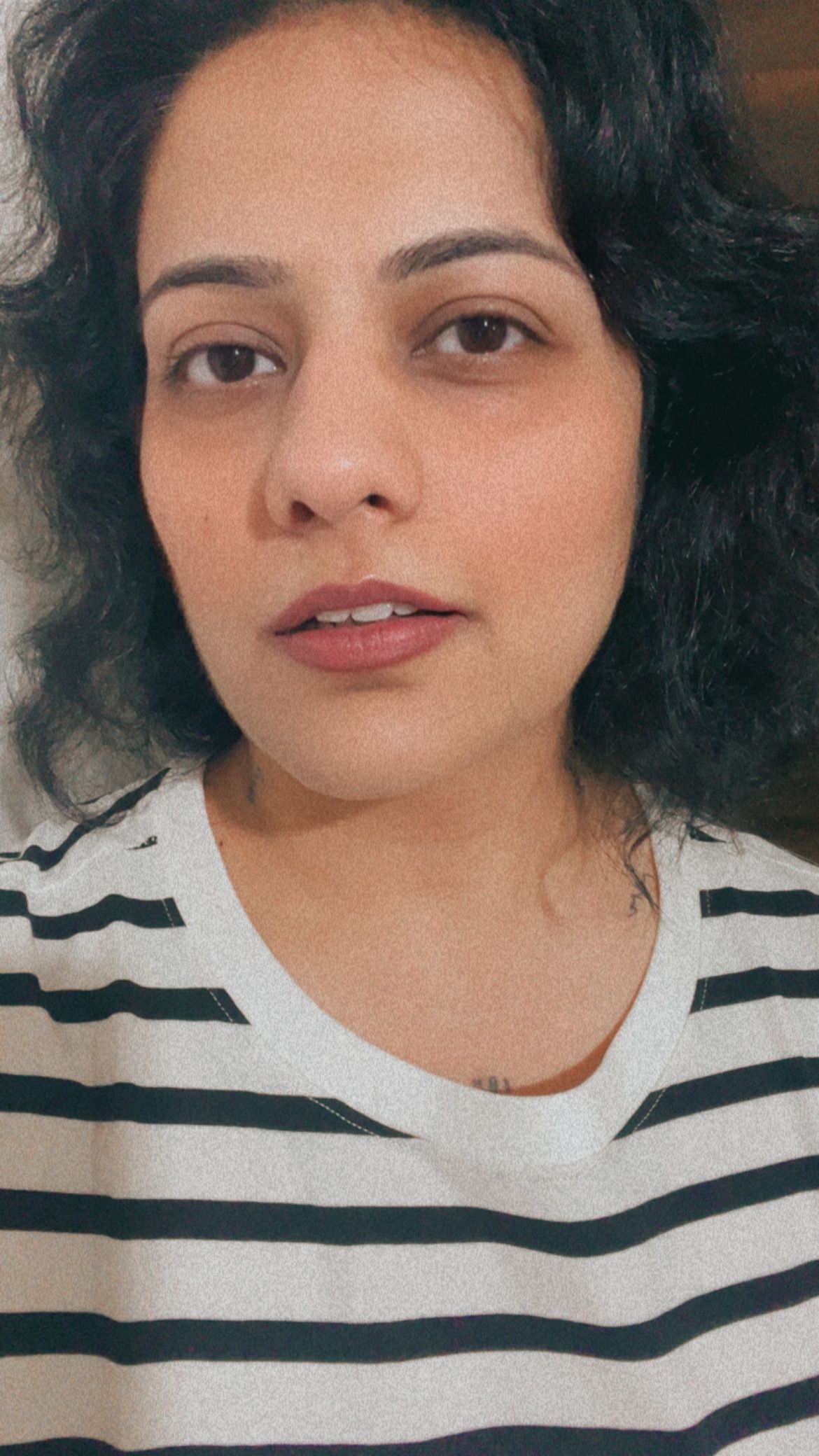
What first sparked your interest in photography, and how did your journey in documentary and photojournalism begin?
My interest in photography began with a deep curiosity about people and the countless stories that unfold quietly within everyday life. Even as a child, I was captivated by fleeting moments, unspoken emotions, and the subtle interactions that often go unnoticed. I found myself observing the world with a sense of wonder, drawn to the beauty and complexity of human experience. Photography became my way of pausing time, a means of paying closer attention, understanding the world around me, and finding meaning in the ordinary.
What began as a creative fascination soon evolved into something far more profound. I came to understand that a photograph is not merely a record of a moment, it is a vessel for memory, emotion, and truth. It has the power to transcend boundaries, challenge assumptions, and cultivate empathy. This realisation naturally led me towards documentary photography and photojournalism, disciplines that are rooted in observation, authenticity, and the responsibility of bearing witness. I became increasingly interested in using the camera not simply as a tool for image-making, but as a medium for storytelling, one that could illuminate lives, amplify voices, and reveal the nuances of the human condition.
My Master's degree in Documentary and Photojournalism Photography at the London College of Communication further deepened this understanding. It encouraged me to look beyond aesthetics and engage more thoughtfully with narrative, context, and ethics. I learned that every photograph carries a responsibility not only to tell a story, but to honour the people and realities it represents. During this time, I found myself particularly drawn to themes of identity, culture, belonging, memory, and resilience, subjects that continue to shape my work and perspective today.
Whether I am documenting a remote community, producing editorial features, or creating visual narratives for publications and brands, my approach remains rooted in the same belief: that storytelling has the power to connect us. I strive to create images that invite reflection, spark curiosity, and foster a deeper understanding of one another. For me, photography has never been solely about capturing what is seen; it is about preserving what is felt, revealing what is often overlooked, and celebrating the shared humanity that binds us all together.
What was the first significant moment or subject you captured that made you realize photography was your calling?
Looking back, there wasn't a single photograph that made me realise photography was my calling, it was a series of encounters with people and stories that gradually revealed its power to me. However, one of the earliest moments that stayed with me was documenting communities whose stories were rarely seen or heard beyond their immediate surroundings.
I remember being struck not only by what I was witnessing, but by the responsibility that came with documenting it. The camera allowed me to enter worlds different from my own, to listen more closely, and to build connections that transcended language, geography, and circumstance. It taught me that photography could be far more than a visual medium; it could be a bridge between people, experiences, and perspectives.
As I began creating longer-form documentary projects and engaging more deeply with themes of identity, culture, and belonging, I realised that what excited me most was not simply making beautiful images, but telling meaningful stories. The process of spending time with people, understanding their realities, and translating those experiences into visual narratives felt deeply fulfilling.
That was the moment I understood that photography was not just something I enjoyed, it was how I wanted to engage with the world. It gave purpose to my curiosity and transformed observation into connection. Since then, every project has reaffirmed that belief: that photography, at its best, is an act of empathy, understanding, and storytelling.
How has your approach to capturing human-interest stories evolved over the years?
Over the years, my relationship with human-interest storytelling has shifted from observation to immersion. In the beginning, I was captivated by the immediacy of photography, the ability to freeze a compelling moment and communicate something powerful in an instant. With time, however, I realised that the most profound stories are rarely found in moments of spectacle. They often reside in the spaces between events: in gestures, silences, routines, and the subtle ways people navigate their lives.
As my practice evolved, I became less interested in photographing people and more interested in understanding them. Human-interest stories are not simply about documenting circumstances; they are about exploring the complexities of identity, resilience, memory, and belonging. This requires a slower, more reflective approach one that values presence over urgency and curiosity over assumption.
My years studying and working in documentary photography taught me that every story exists within a larger social, cultural, and emotional landscape. A photograph may capture a fraction of a second, but meaningful storytelling demands an awareness of everything that surrounds that moment. I have become increasingly conscious of the responsibility that comes with representation and the importance of allowing people to retain their dignity, agency, and complexity within the frame.
I am particularly drawn to the quieter narratives that often go unnoticed. There is something deeply moving about ordinary lives and everyday experiences. These stories may not always announce themselves loudly, yet they often reveal universal truths about what it means to be human. I find myself searching less for decisive moments and more for moments of resonance, images that invite reflection rather than simply provide information.
Today, my approach is guided by a belief that photography is as much about listening as it is about seeing. The camera remains an instrument of observation, but the real work lies in building understanding, earning trust, and creating space for stories to unfold with honesty and nuance. In many ways, the photographs are only the final expression of a much deeper human exchange.
What personal experience or background influences your perspective in portrait and lifestyle photography?
My perspective in portrait and lifestyle photography is shaped by an enduring fascination with people, their emotions, contradictions, and the quiet moments that often go unnoticed. I've always been drawn to observing how individuals inhabit their spaces, express themselves, and connect with the world around them.
Rather than focusing solely on appearance, I see portraiture as a way of capturing presence. The most compelling images, for me, are those that reveal something intangible: a fleeting expression, a sense of vulnerability, or a glimpse of someone's inner world. I am interested in creating photographs that feel lived-in rather than staged. Years of working with people from different backgrounds have taught me that authenticity cannot be directed, it emerges naturally through trust, patience, and genuine connection. I prefer to let moments unfold, allowing personality and emotion to shape the frame.
In lifestyle photography, I am drawn to the poetry of everyday life. The gestures, routines, and seemingly ordinary details often tell the richest stories. My aim is to create images that feel honest, intimate, and timeless, photographs that not only capture how someone looks, but also evoke how they felt in that moment.
At its core, my work is about celebrating individuality and finding beauty in the human experience, however subtle or unexpected it may be.
Tell us about the story behind the photo that best represents your documentary style.
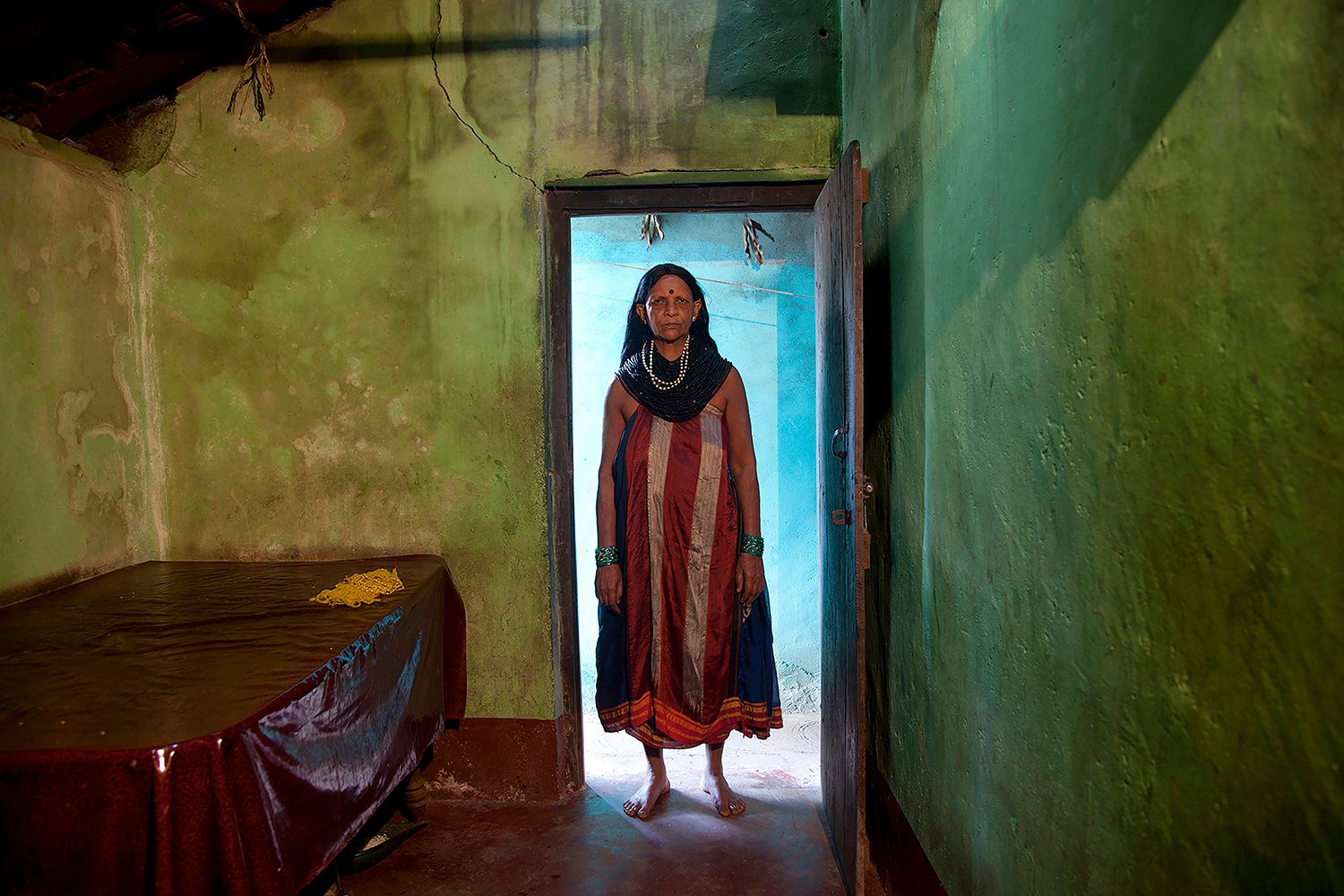
The Last Halakkis is a long-term documentary project exploring the lives, identity, and cultural heritage of the Halakki Vokkaligas, an indigenous community from the southern part of India. Known as the "Singing Tribe" for their rich oral traditions and folk music, the Halakkis have a distinct cultural identity shaped by tradition, matriarchal influences, and a close connection to nature.
Through portraits and documentary storytelling, the project examines themes of identity, belonging, cultural preservation, and the impact of social change. Rather than portraying a disappearing culture, it highlights the resilience and evolving realities of a community working to preserve its heritage while adapting to a changing world.
The project has been exhibited internationally, including at the Purvai Festival in Scotland, contributing to conversations around heritage, representation, and documentary storytelling.
What makes this portrait or moment special to you?
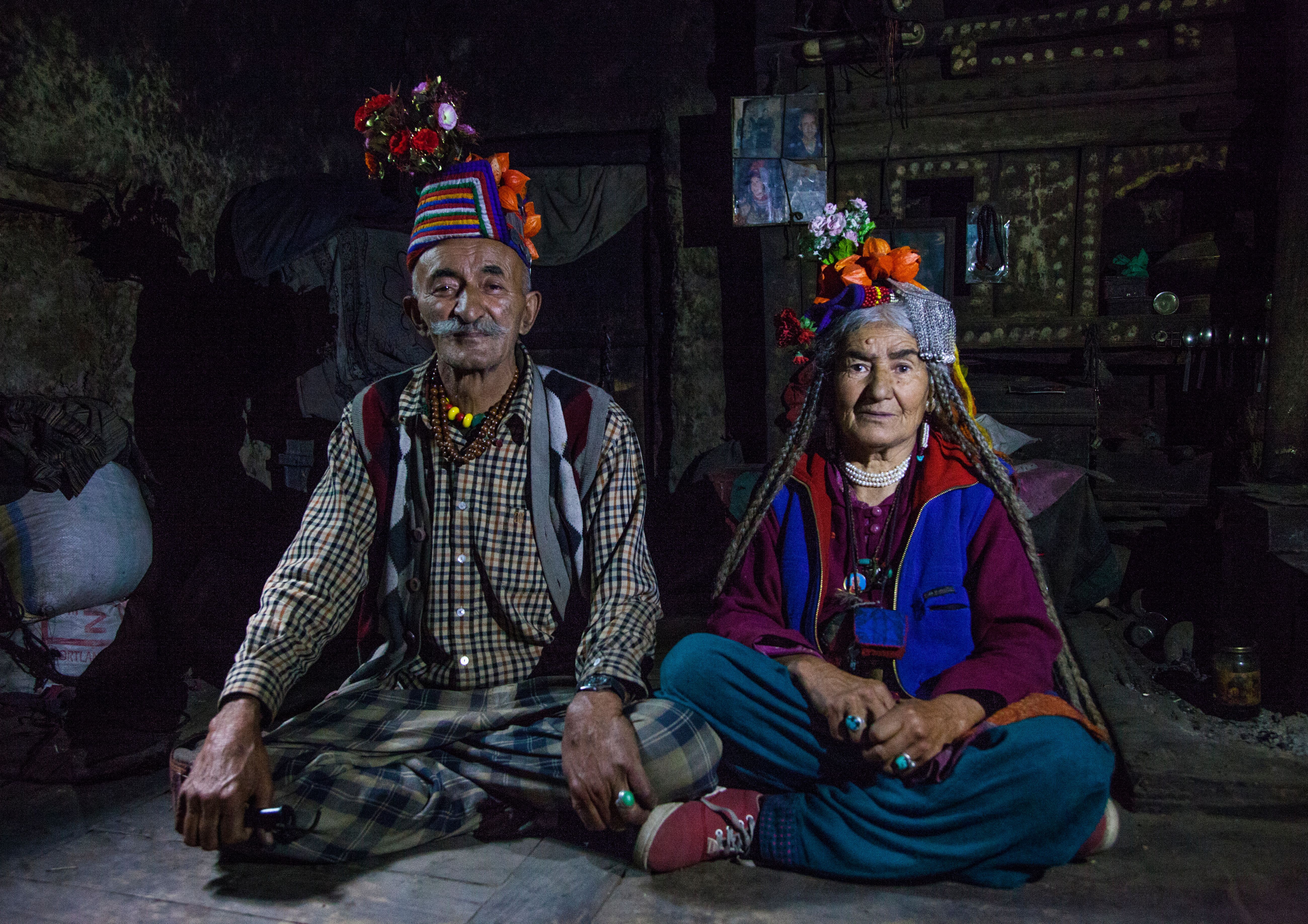
Tsering Tundup and Tsering Choqzum, Garkone, Ladakh. Seated within their home in the Brokpa village of Garkone, Tsering Tundup and his wife, Tsering Choqzum, reflect on a rapidly changing world. They recall a time when life offered few material comforts and modern amenities were virtually absent, yet people were happier, more content, and deeply connected to their communities. Through their memories emerges a quiet meditation on progress, belonging, and the values that risk being forgotten as traditional ways of life give way to modern aspirations.
Describe the location and what drew you to capture this scene.
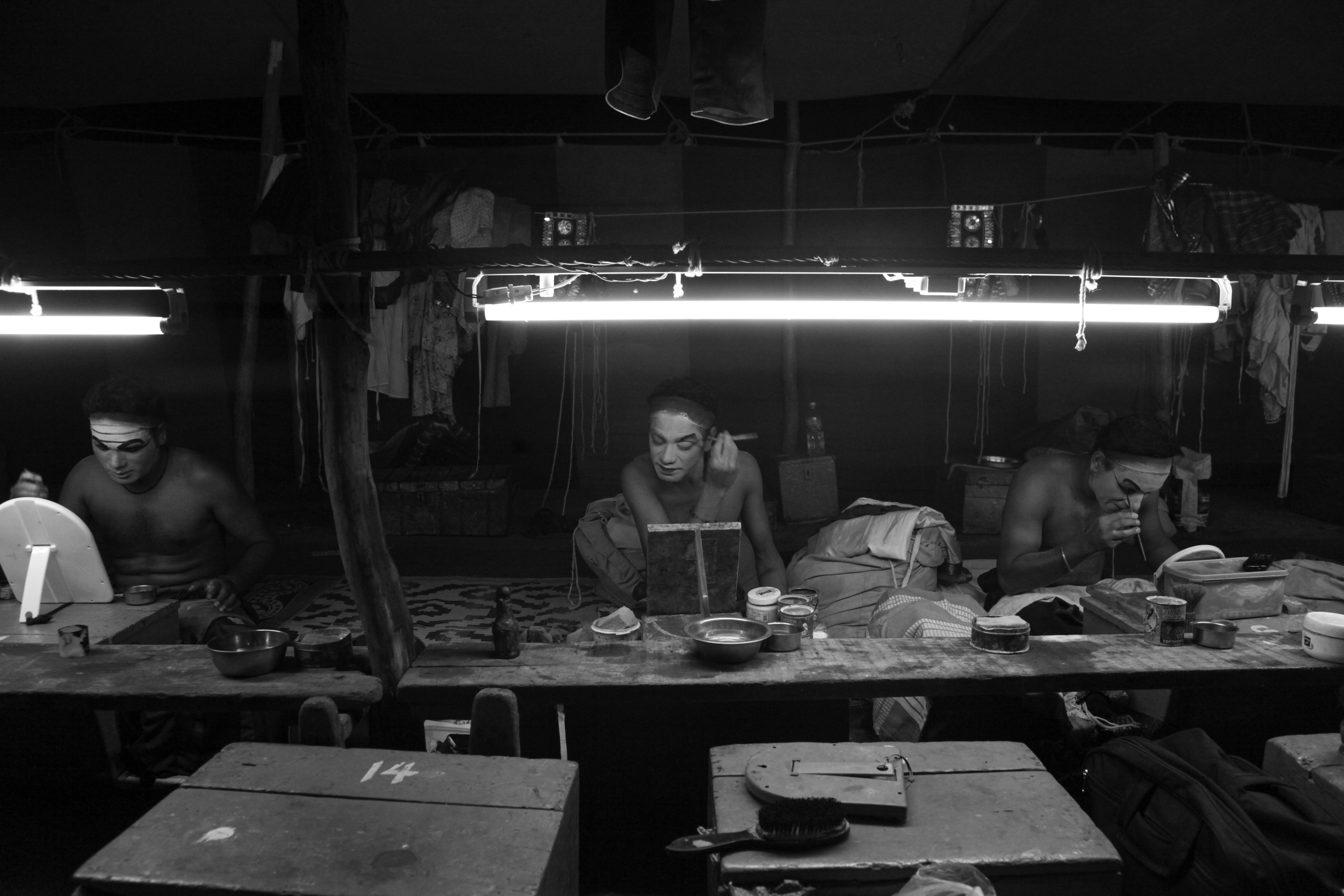
Kundapur, Karnataka. I was drawn to the quiet moment before the performance began. As the performers applied their makeup under stark fluorescent light, the black and white treatment stripped away distractions and emphasised expression, texture, and emotion. It allowed me to focus on the space between identity and performance, the intimate ritual where transformation begins.
What narrative or theme connects these images?
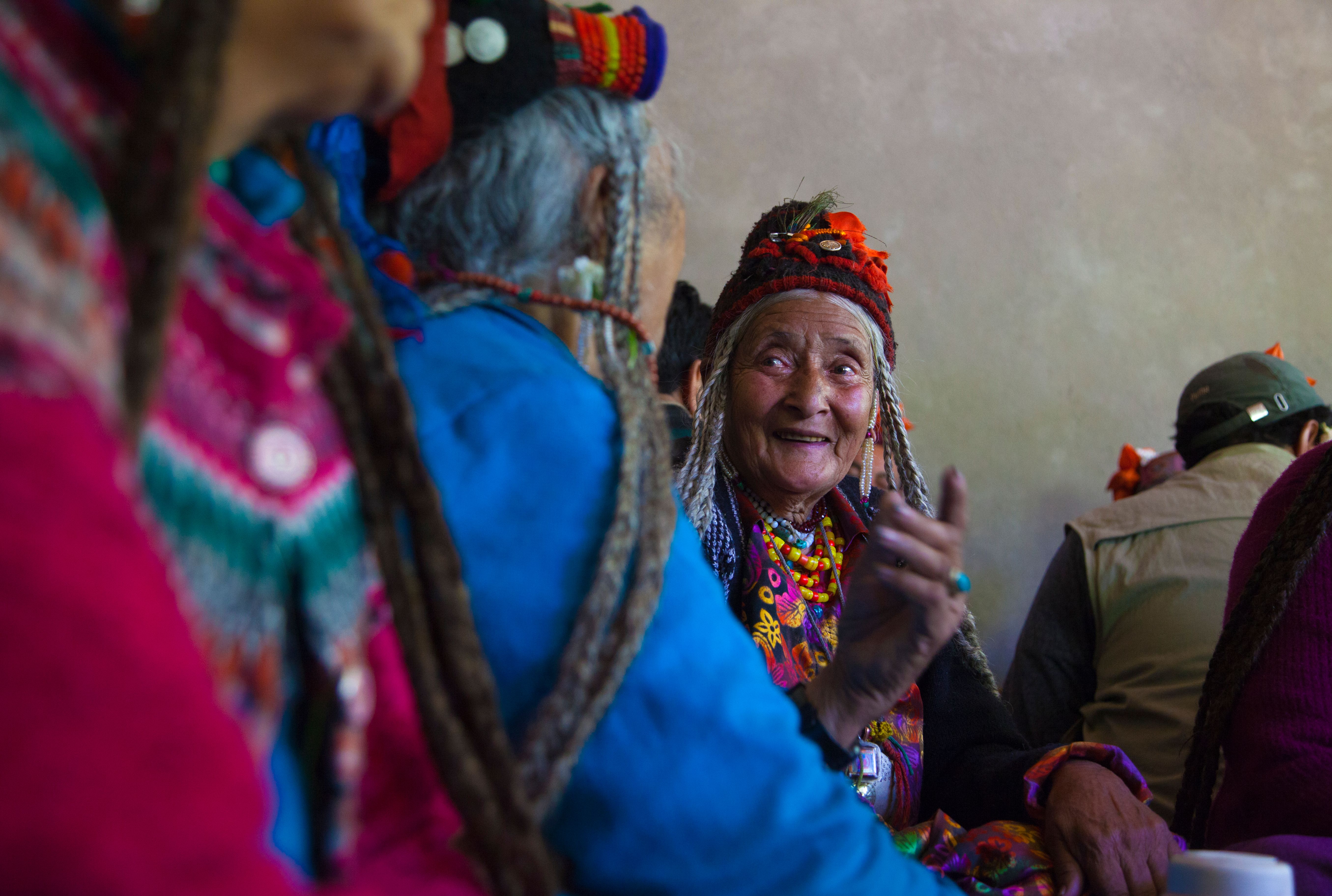
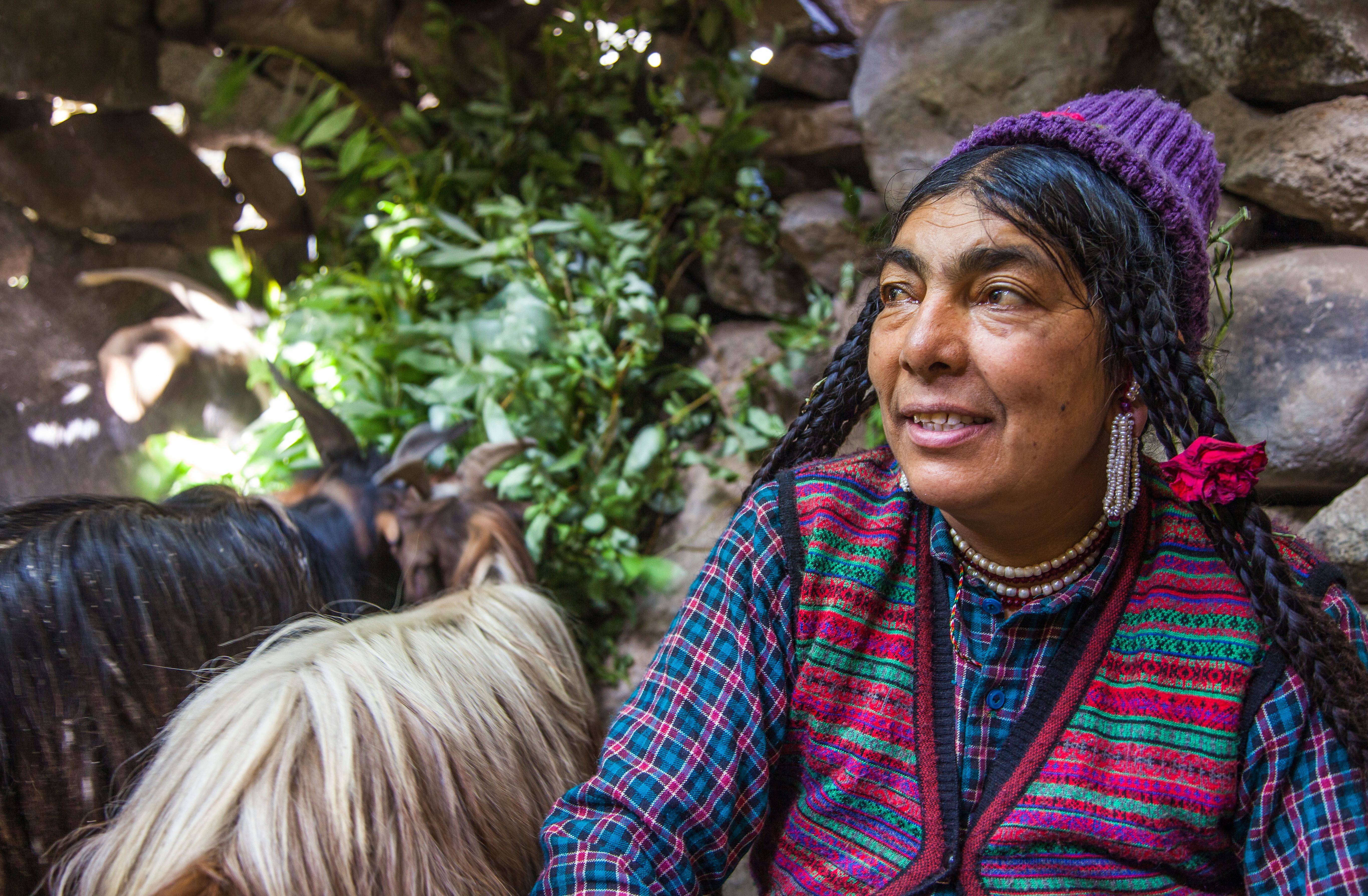
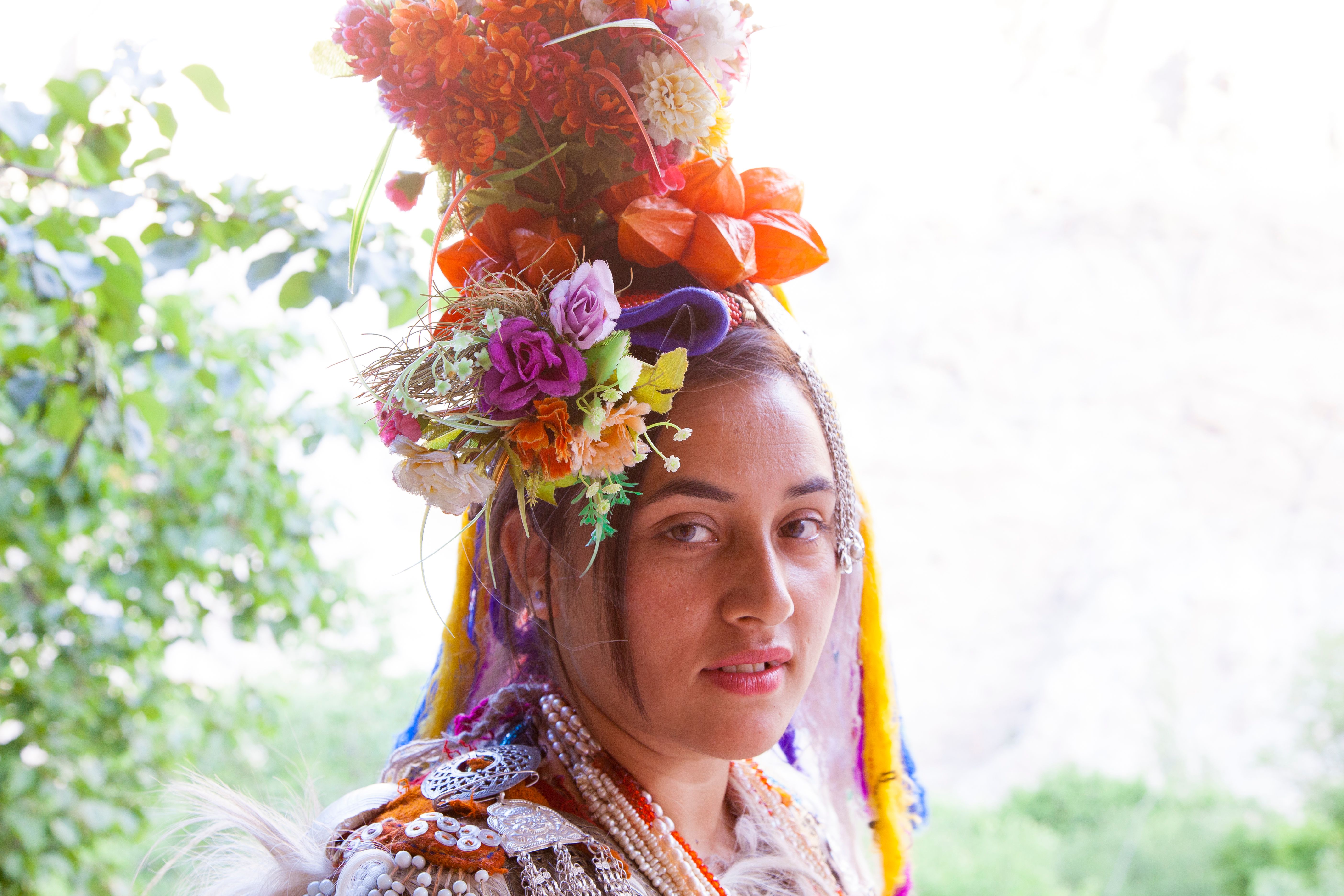
These images are connected by a shared exploration of cultural identity, continuity, and resilience within the Brokpa community of Ladakh. Together, they document not only a people but a way of life that exists at the intersection of tradition and change. The photographs move beyond conventional portraiture to explore how heritage is preserved through memory, ritual, adornment, and everyday interactions.
What does this self-portrait or behind-the-scenes shot say about you as a photographer?
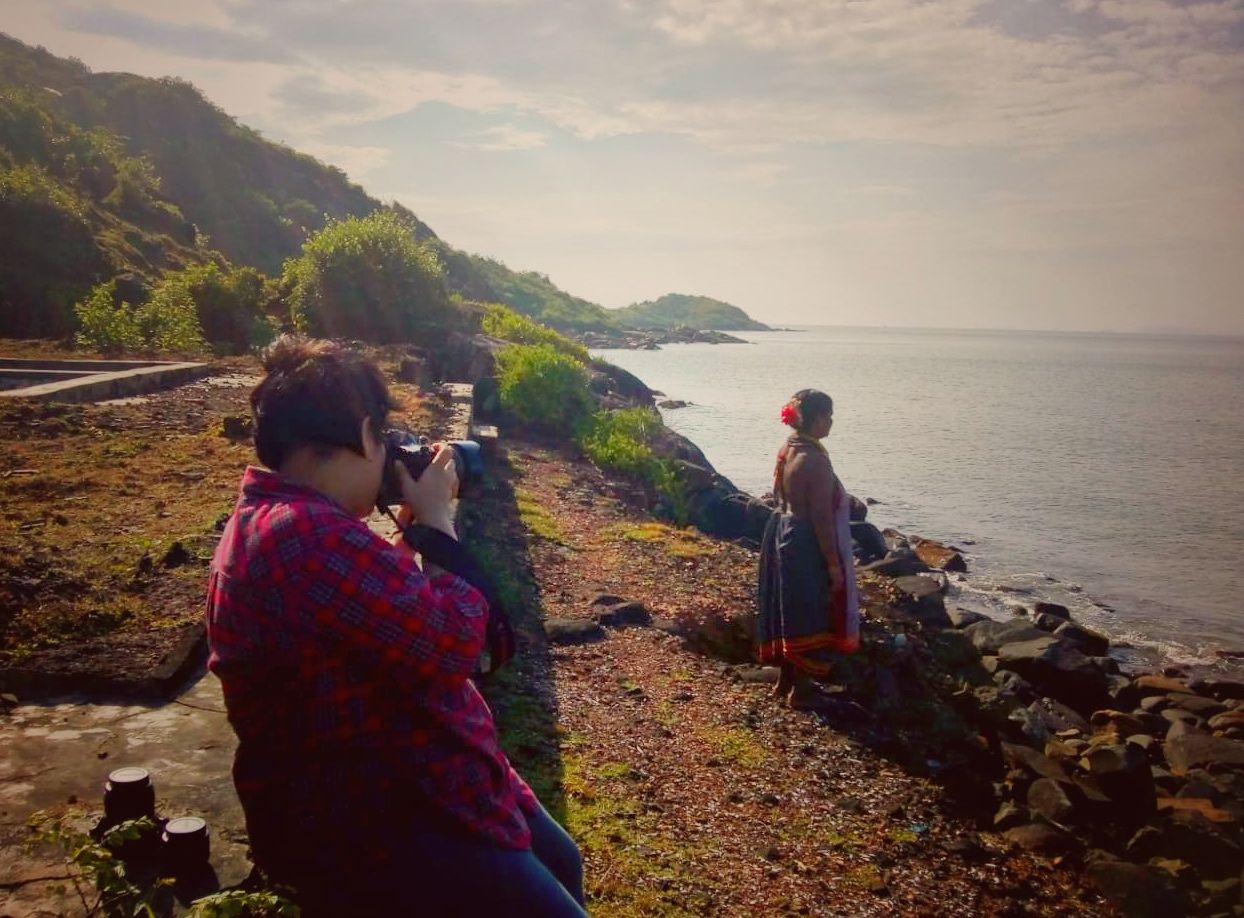
In many ways, this image is a portrait of my practice: a pursuit of understanding shaped by curiosity, one encounter, one conversation, and one story at a time.
Contact and Follow
Instagram: https://www.instagram.com/rashi_arora28/
Email: arorarashi100@gmail.com