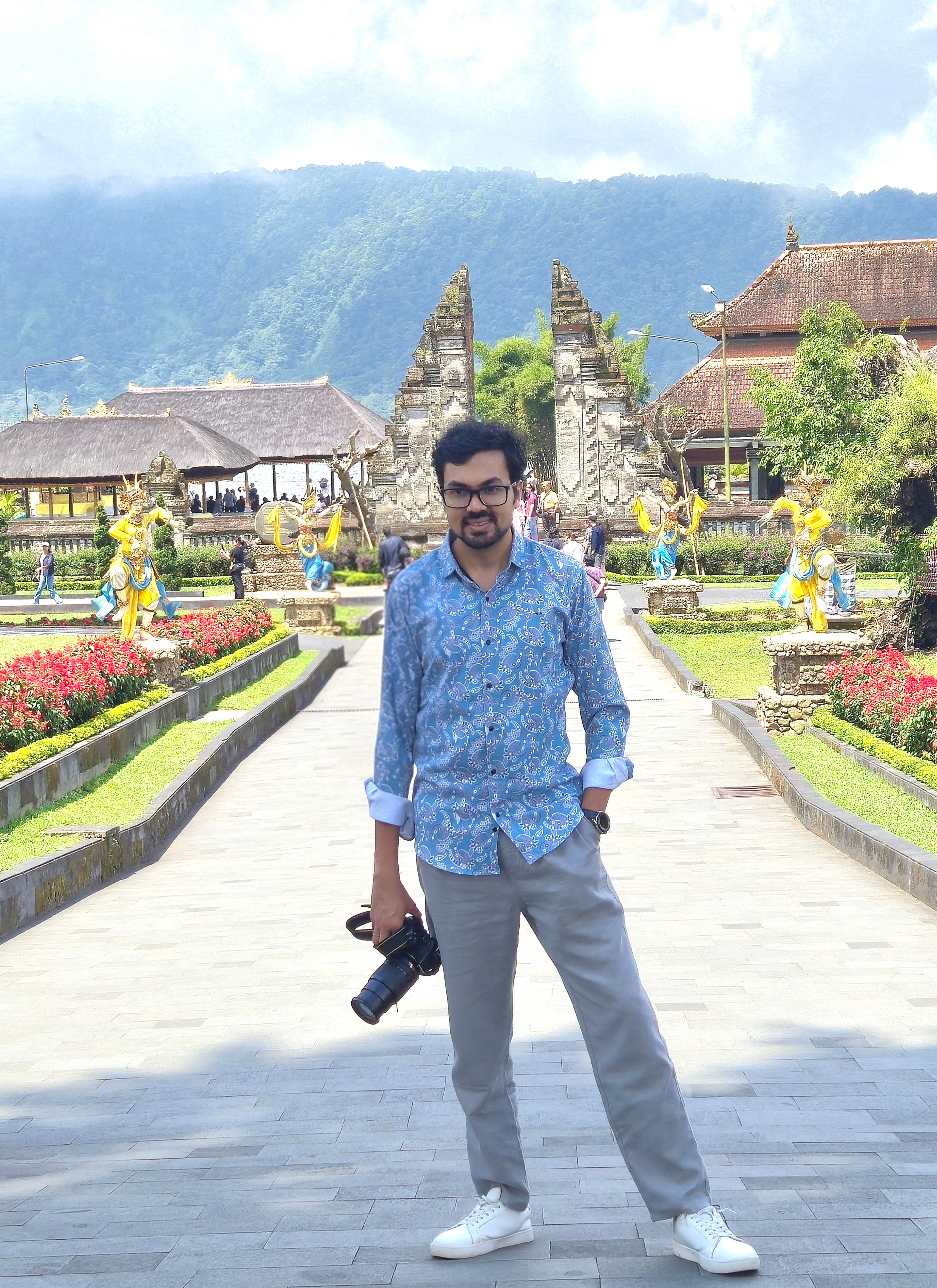



How did your photography journey begin?
I’ve always been a nature lover, and photography started as my way of holding on to those quiet, special moments outdoors. Over time, I realized I didn’t just want to see a beautiful scene—I wanted to capture it in a way that others could feel it too. That love for nature is still the main reason I pick up my camera and go looking for light, weather, and atmosphere.
What was the first moment you thought, “Yes—this is the kind of photographer I want to become”?
I started taking photography more seriously when I was around 25, and that period really shaped my mindset. I began paying attention to what kind of images I was naturally drawn to—especially scenes that feel calm, cinematic, and real. That’s when I felt clarity about the direction I wanted to grow in as a photographer.
These days, which genres are you most drawn to shooting?
Right now, I’m enjoying street, travel, and landscapes the most. Street photography gives me real moments and unexpected stories, while travel pushes me into new places and new light. And landscapes are where I feel most connected—especially when the sky, weather, and colors come together at the right time.
Over the past year, what’s the skill you feel you’ve leveled up the most?
The biggest improvement for me has been in editing and lighting. I’ve gotten more confident about controlling the overall mood of an image—especially through color balance and contrast. Even when I’m shooting with natural light, I’m much more aware now of how to expose and then refine the final look in post.
If you had to choose one frame as your signature, which image would it be?

This sunset silhouette was taken just after rainfall, when the sky started opening up and the colors became incredibly rich. What I love about it is the balance of drama and calm—the rain-washed air, the deep tones, and the glow in the horizon. It represents me because I’m always chasing natural moments like this, where light and weather create something you can’t plan.
When someone scrolls through this mini-series, what theme ties it together—and what should they notice first?


The theme is simple: amazing nature, and the different ways it shows up in light, color, and scale. I want viewers to notice the atmosphere first—those small details that make a place feel alive. Even when the compositions change, I’m trying to keep that sense of wonder consistent across the set.
Looking at your before-and-after edit, what were the key adjustments that made the final image feel right?


The biggest changes were color grading and a bit of touch-up work. I focused on getting the tones to feel more intentional, so the mood of the scene comes through clearly. Then I refined smaller details to keep the image clean, balanced, and visually pleasing without losing the natural feel.
Take us behind the scenes on a landscape shoot—what was the goal, and what part of your setup mattered most?

This was a straightforward landscape session—my goal was simply to capture the scene in the best natural light available. In shoots like this, the most important “gear” is often timing and positioning, because the light changes fast. I pay close attention to where the highlights are falling and how the layers in the landscape can be framed for depth.
Which photo challenged you technically, and how did you solve the problem in the moment?

This image was challenging because the background was too dark, and it was difficult to keep detail without losing the overall mood. I worked through it by carefully balancing the exposure so the main scene still felt natural. In the final stage, I also adjusted shadows and tones in editing to bring back more clarity while keeping the atmosphere.
How would you sum up your current visual style, and what technique helps you create that mood?

This image is about the first rays of light hitting Mount Trishul, and it was honestly an amazing experience to witness. If I had to sum up my current style, I’d call it luminous, serene, and majestic—especially when I’m working with mountains and early light. The technique that helps most is patience: waiting for the first light and choosing a composition that lets the scene breathe.
From the last few months, which recent shots are you most proud of, and what did they teach you?


I’m proud of these recent frames because each one came with different compositions and different challenges. Some pushed me to react quickly, while others rewarded me for slowing down and being more precise with framing. What I learned again is that variety makes you stronger—and because I genuinely love photography, I enjoy working through the difficult moments as much as capturing the final shot.
Contact and Follow
- Name: Amit Tewari
- Email: amittewari52@gmail.com
- Instagram: https://www.instagram.com/amittewari_3007