

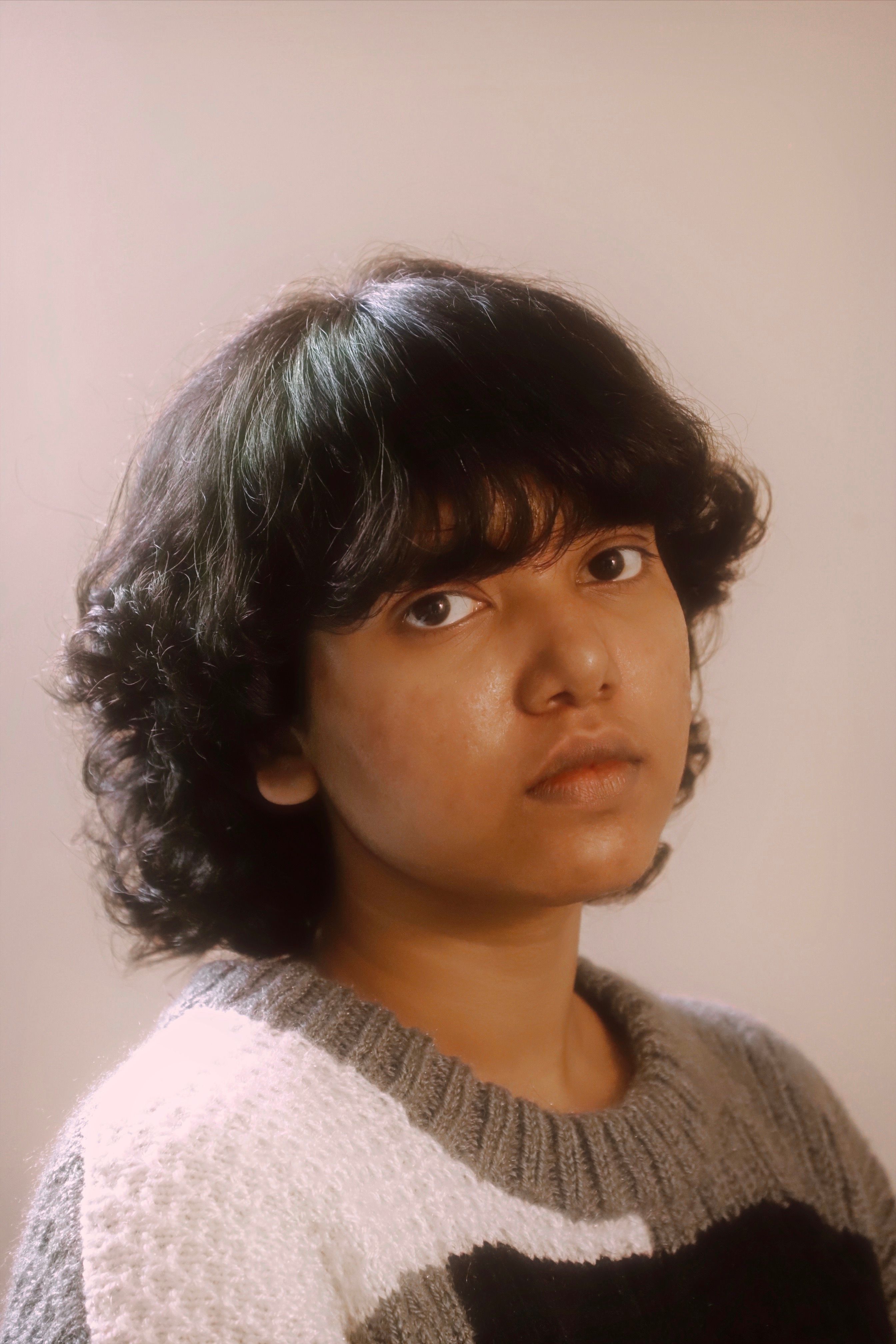
How did your journey in photography begin?
My journey in photography began during my high school years when I would often borrow my sister's point-and-shoot camera. It started as a simple way to capture moments with family and friends, documenting everyday life, but I gradually became fascinated by the process of creating images and the stories they could tell. I found myself paying closer attention to light, composition, and the small details that often go unnoticed. As my interest grew, I knew I wanted to pursue a creative path. So after graduating from school, I enrolled in college and earned a Bachelor's degree in Visual Arts. My academic training gave me a stronger understanding of visual language, composition, art history, and creative expression, all of which continue to influence my photographic practice to this day.
When did you first realize you could turn your dreams into photographic reality?
Ever since I was young, I've always been fascinated by dreams—their symbolism, their mystery, and the emotions they leave behind long after waking up. Before, whenever I had a particularly vivid dream, I would often paint it or write short stories inspired by it as a way of preserving the feeling and exploring its meaning. Then one day, instead of painting, I decided to recreate the dream I had as a photograph. Seeing that dream come to life through photography was a transformative moment for me. From then on, I began viewing photography not just as a tool for capturing reality but as a medium for visualizing my subconscious and sharing those inner worlds with others.
How has your experience and style grown over the years?
What began as a hobby gradually evolved into a full-time profession—a journey that has been both deeply rewarding and, at times, creatively challenging. Maintaining the same level of passion within the structure of professional work is not always easy, and that tension inspired me to create a space where I could freely share the kind of work I genuinely enjoy making. When I first started posting on Instagram, I was constantly experimenting, posting different kinds of images and exploring various styles. Over time, through consistent practice and exploration, I discovered a visual language that felt authentic to me. Since then, I have remained committed to refining that approach while continuing to grow as an artist. My photography style has become increasingly warm, textured, and neutral, with a strong focus on atmosphere, emotion, and storytelling. As my experience has grown, I've become less concerned with perfection and more interested in creating images that feel honest and timeless. Every project, place, and person I photograph contributes to that evolution, helping me develop a stronger sense of purpose and a more defined visual identity.
What draws you to surreal and self-portrait photography?
I'm drawn to surreal and self-portrait photography because it allows me to explore the boundaries between reality and imagination. Surrealism gives me the freedom to create visual metaphors for emotions and ideas that are difficult to express in words. Self-portraiture, on the other hand, is a deeply personal form of expression—it lets me turn the camera on myself and become both the creator and the subject. It's a way to document my inner world, my moods, and my evolving identity as an artist. Together, these genres allow me to build narratives that are intimate, symbolic, and open to interpretation.
Tell us about a surreal photo that came from a dream you had.
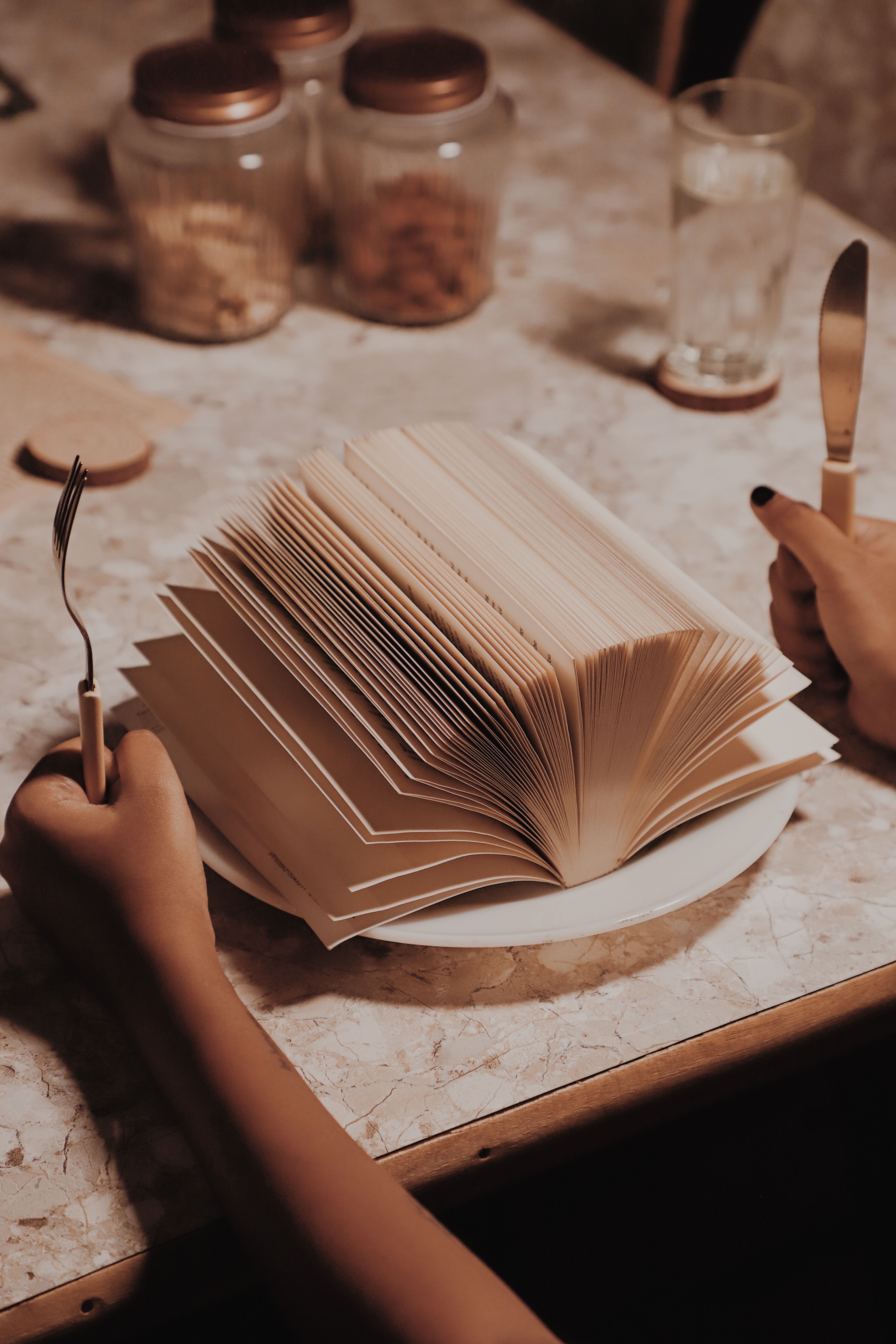
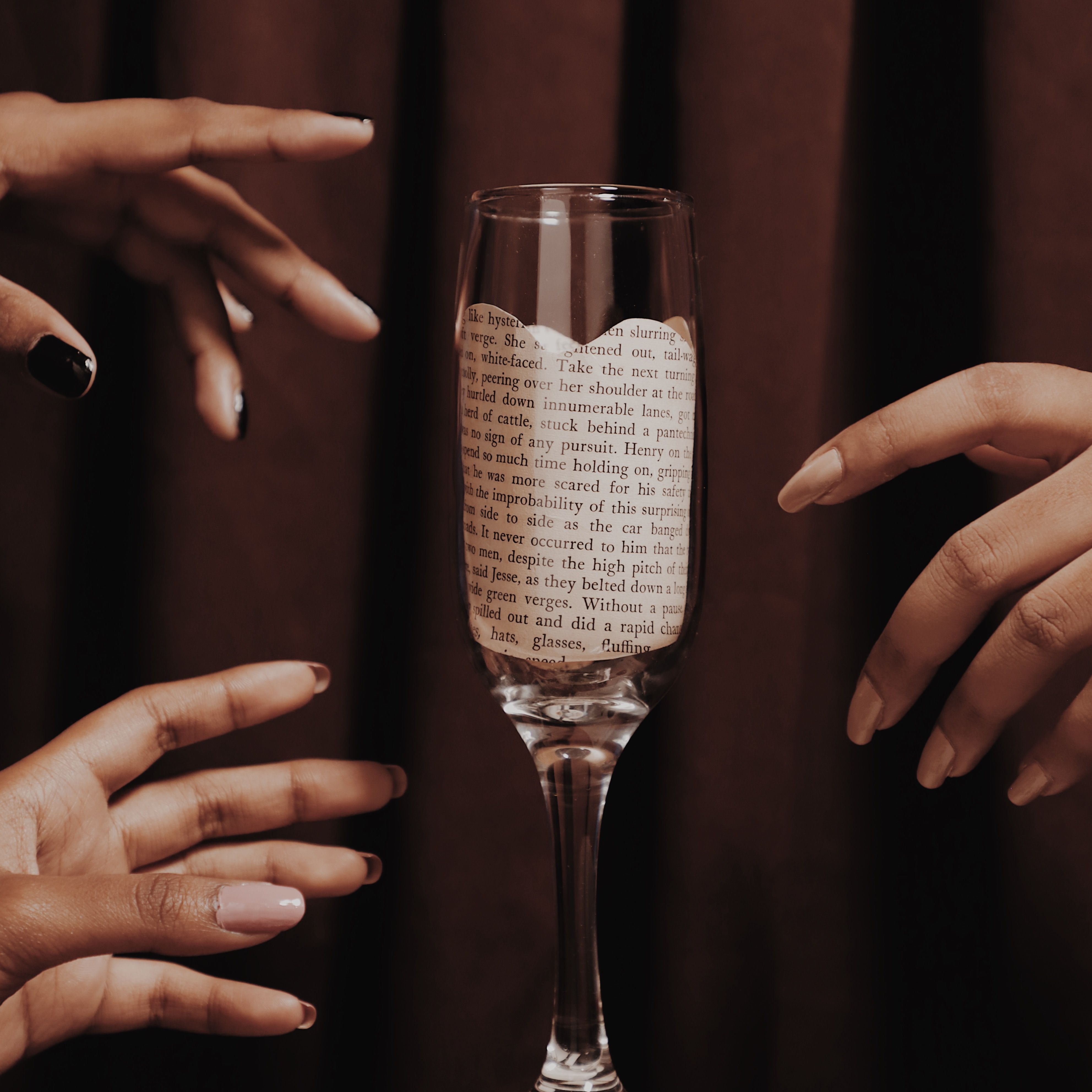
Describe the dream and how you translated it into this image.
Once I dreamt that I was at a party, drinking a glass of wine. But at some point, I looked into my glass and realized that the wine had turned into alphabets and words, as if letters themselves had become something tangible that could be consumed. As I often do, after waking up I immediately wrote the dream down in my journal. At first, I imagined turning it into a single image, but the more I thought about it, the more I felt like there was a larger story hidden within the idea. I began expanding its narrative and came up with the concept of a book club where instead of just discussing books, guests get to eat and drink stories. Words become food, language becomes a shared experience, and storytelling takes on a physical form. From there, the project naturally evolved into a photo series rather than a single image, allowing me to build an entire surreal universe around the original dream.
What does your self-portrait say about you as a creator?
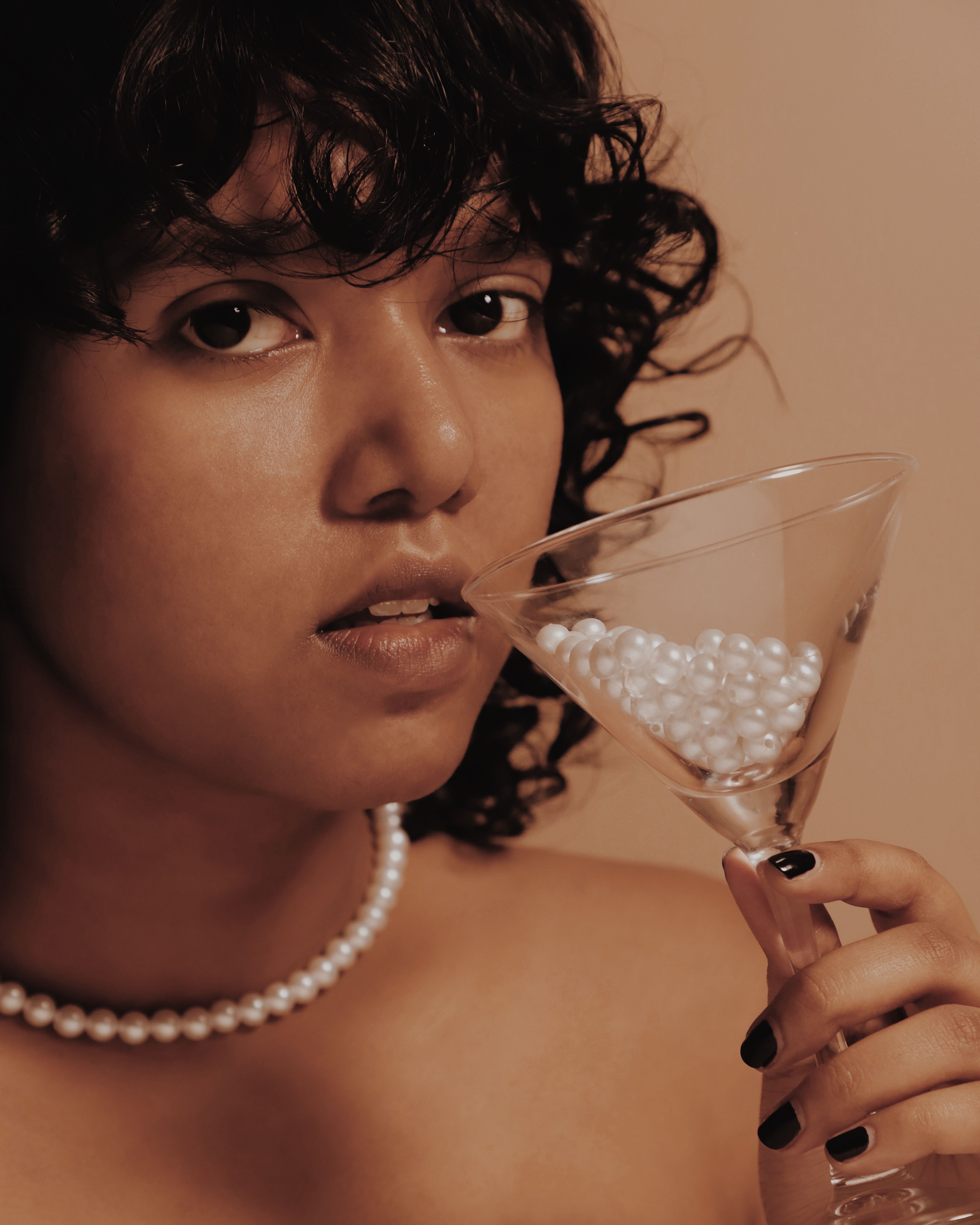
What does this self-portrait say about you as a creator?
As a creator, I rarely aim to provide definitive answers in my work. But I think this self-portrait reflects my fascination with turning ordinary objects into something unexpected and symbolic. I'm constantly interested in taking familiar elements and placing them in unfamiliar contexts to create a sense of whimsy, wonder, and curiosity. I'm interested in building visual worlds that feel both dreamlike and believable, where viewers can pause and discover their own meanings. This self-portrait embodies that approach: it is playful, surreal, and rooted in symbolism, while remaining open to interpretation.
What was the concept behind your still life arrangement?
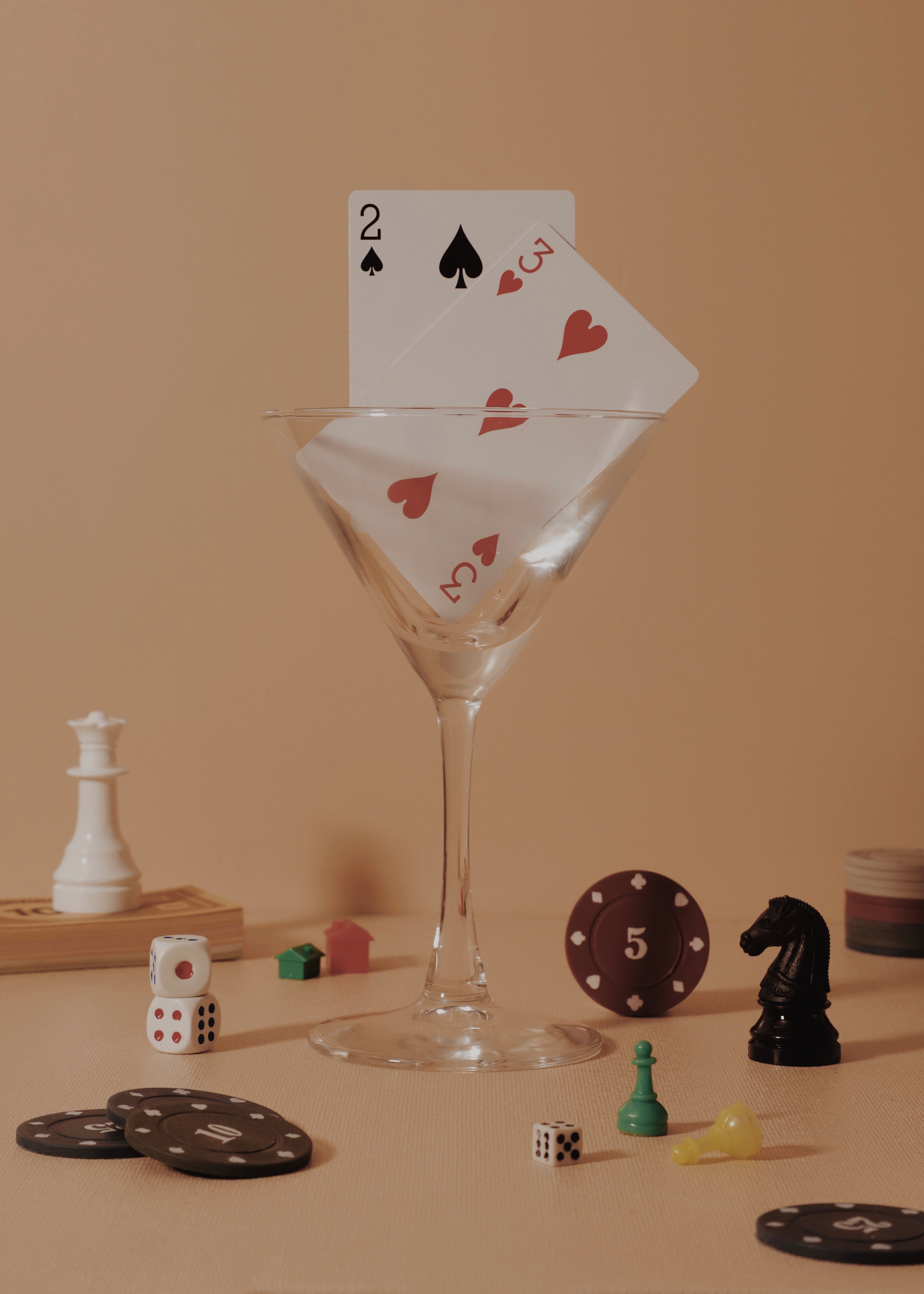
What was the concept behind this still life arrangement?
The concept behind this image is inspired by my memories of family game nights. They are always filled with laughter, friendly competition, unexpected victories, and just the right amount of chaos. I wanted to create a still life that brought together familiar elements from different types of games and placed them in a shared visual narrative. At the center of the composition is a martini glass holding playing cards, which acts almost like a trophy or focal point. Surrounding it are objects associated with different types of games—like chess pieces, dice, poker chips, and board game tokens. I wanted to capture the energy of family game nights: the excitement, the messiness, the playful rivalries, and the stories that unfold around the table. By arranging these objects together in a clean and slightly surreal way, I hoped to transform a familiar experience into something symbolic, inviting viewers to reflect on their own memories of play, competition, and connection.
What do you aim to capture in a portrait?
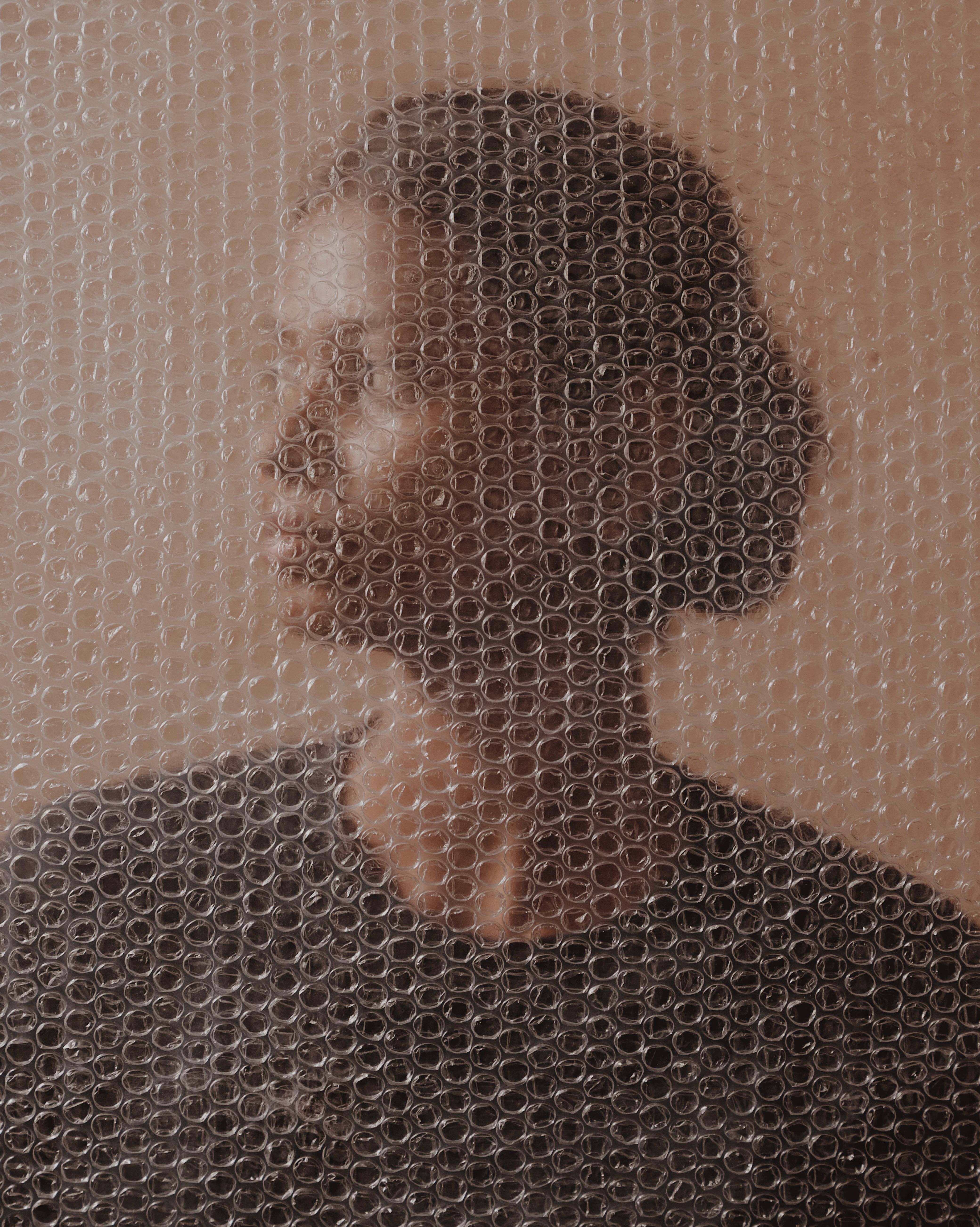
What do you aim to capture in a portrait?
What I aim to capture in a portrait is not just a person's appearance, but something of their personality, experiences, or inner world. Sometimes that happens through a candid moment, and other times through a concept that reflects something unique about the subject. This portrait was actually created quite spontaneously. My cousin and I were experimenting one evening and decided to use a sheet of bubble wrap as a creative element. What began as a fun, impromptu shoot gradually took on a deeper meaning because my cousin has trypophobia—a fear or discomfort associated with clusters of small holes and repetitive patterns. Rather than depicting the phobia in a graphic or literal way, I was interested in suggesting the feeling of it. The bubble wrap acts as both a visual barrier and a symbolic representation of that discomfort, while still maintaining a sense of beauty and subtlety. The viewer can see the subject, but not completely, creating a tension between visibility and concealment. I think the image reflects something I enjoy exploring in portraiture: the intersection of identity and symbolism. Even though the shoot started as a fun evening with siblings, it became a way of translating a personal experience into a visual form. For me, portraits are most interesting when they reveal something beyond the surface—whether that's an emotion, a memory, or a part of someone's story that isn't immediately visible.
What story does your travel or street photo tell?
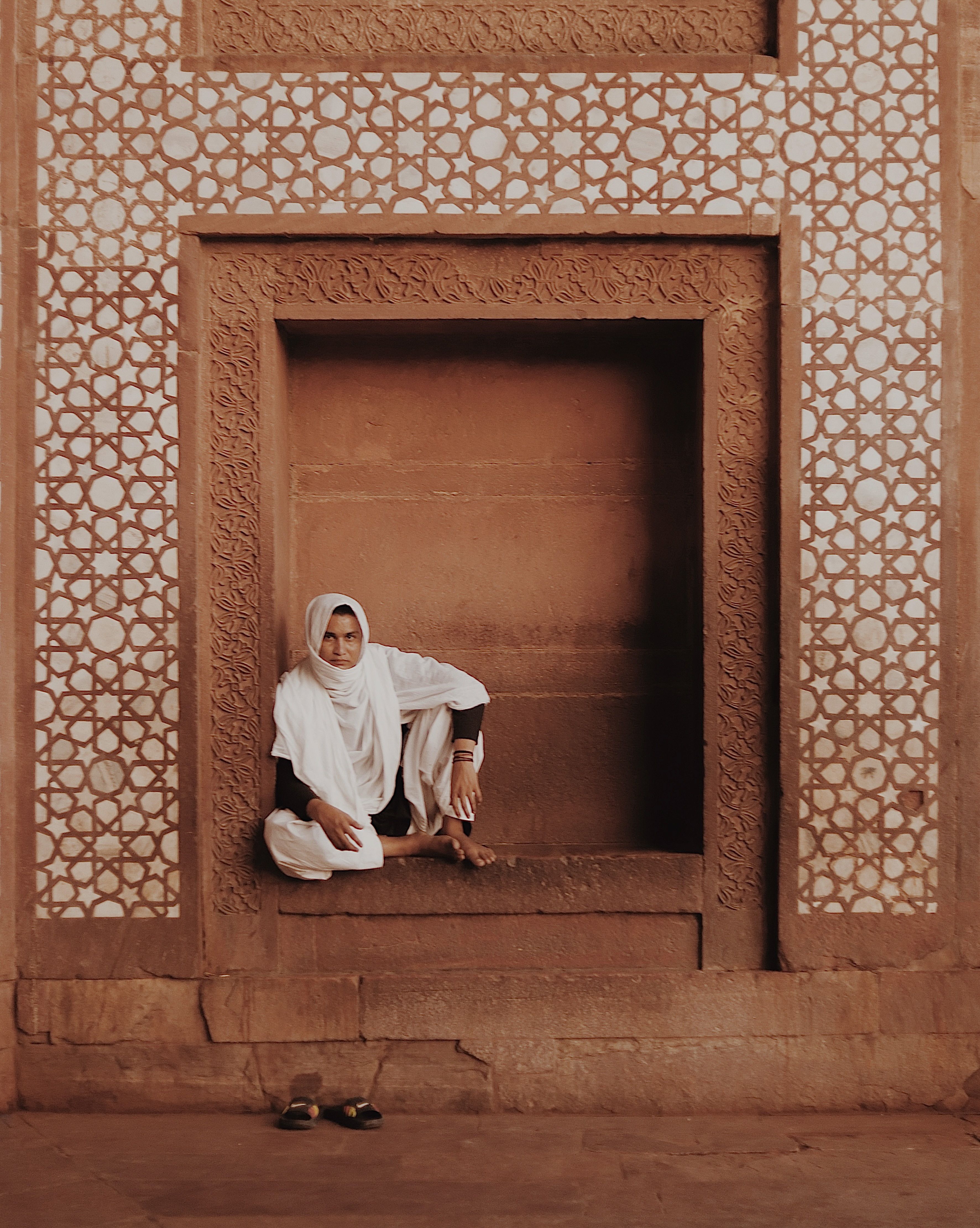
What story does this travel or street photo tell?
Unlike my conceptual work, where I build a narrative from an idea or dream, street photography invites me to observe and respond to moments as they naturally unfold. This photograph was taken candidly in Fatehpur Sikri, Agra, and what immediately caught my attention was the relationship between the individual and the surrounding architecture. The subject is seated and framed by intricate geometric patterns and towering red sandstone walls. To me, the image speaks about presence and belonging. The architecture carries centuries of history, while the solitary figure brings a contemporary human element into the frame. Together, they create a dialogue between past and present, monument and individual. I don't think the photograph tells a single definitive story. Instead, it invites viewers to imagine their own narrative. Was the person resting after a long day? Waiting for someone? Simply taking a quiet moment for themselves? That ambiguity is what draws me to street photography. Sometimes the most compelling stories are the ones that remain partially untold, leaving space for the viewer's imagination to complete them.
Walk us through your creative process from dream to final edit.
Describe your creative process from dream to final edit.
My creative process begins the moment I wake up from a dream that lingers. I keep a journal by my bedside, so I can immediately sketch what I saw or write down elements from my vivid dreams. As I record these ideas, I also consider whether they can be translated into a photograph. If not, I then turn them into digital artworks instead. But when a dream feels suitable for photography, I decide whether its elements belong in a single image or could be expanded into a larger narrative as part of a photo series. I start building around that core idea, thinking about subject, location, light, and texture to translate the dream's atmosphere into something tangible. During the shoot, I stay flexible. I don't try to control everything; instead, I leave space for accidents and intuition, allowing the scene to evolve naturally. In the final edit, I use color grading and tone to keep the photos consistent with my photography style.
How would you describe your signature style in one sentence?
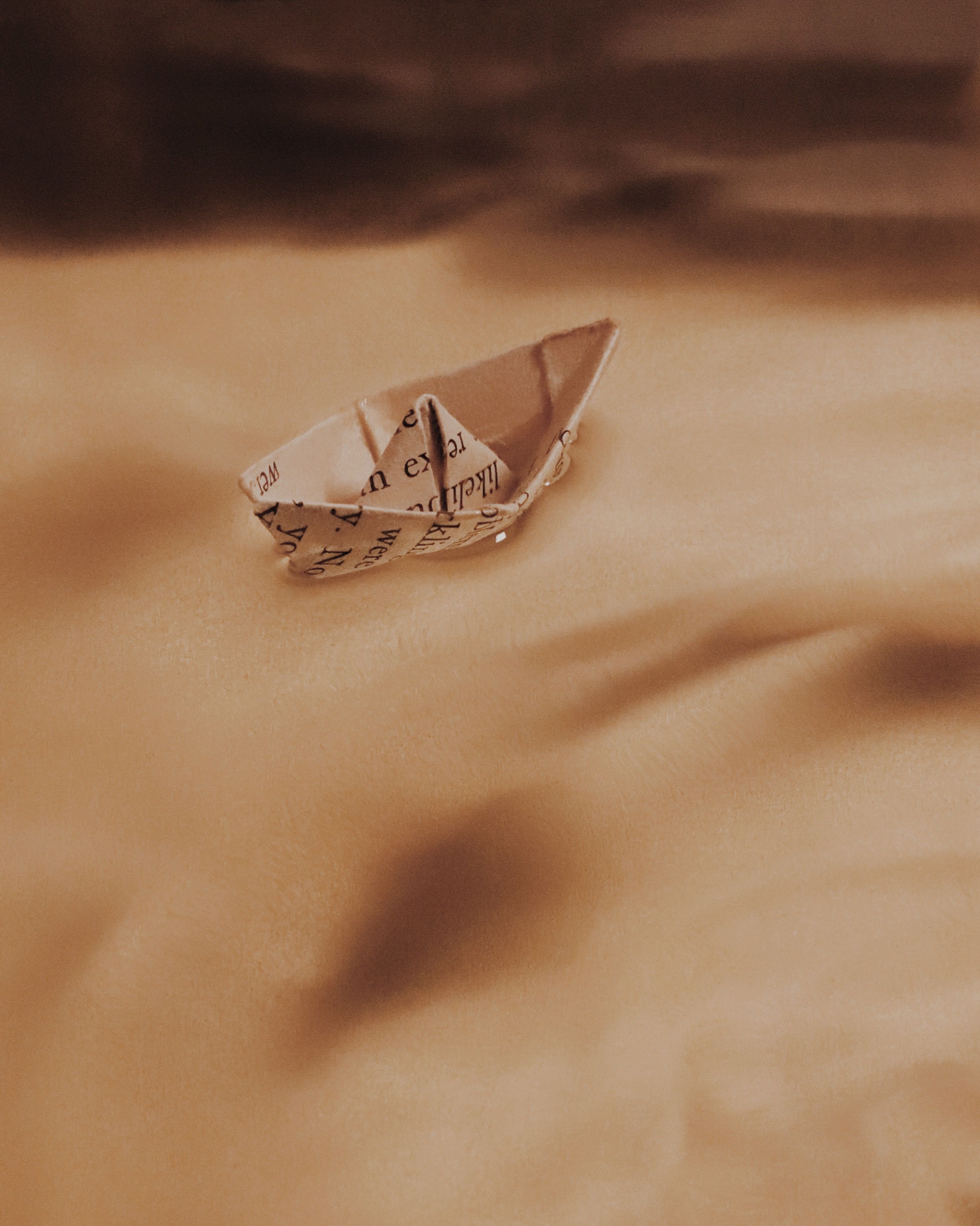
How would you describe your signature style in one sentence?
Photos that seem like memory and feel like autumn days.
Contact and Follow
Instagram: https://www.instagram.com/notevenremy
Behance: https://www.behance.net/justrenuka
Email: justrenuka@outlook.com