

Vadodara is home — what was the corner, street, or moment there that first made you want to raise a camera and start shooting?
It was during Ganesh Aagman in Vadodara. I had reached my village and had decided not to bring my camera back with me, but at the last moment something pushed me to. I don't really know what compelled me at that moment, but I suddenly felt the need to document Bappa's arrival. So I brought my camera back to Vadodara, not knowing that this would be the start of my journey with my first camera. What makes this incident so significant is that these are literally the first photographs I clicked with my first camera. I was new at this and had so much to learn. I was not concerned about technicalities or clicking amazing pictures that would make it to magazines or newspapers, but just wanted to witness Bappa's arrival in my city and express it through my camera. It is ironic that I didn't plan any of this. I could have easily left my camera at the village but I didn't, and that's when I realized this was the turning point of my camera journey, for this is where I clicked my very first pictures with my camera. Vadodara has seen almost all my firsts as a photographer, but Ganesh Aagman will always be special for me. It was not just the fact that I was clicking pictures for the first time, but I had a unique experience of a lifetime which I will cherish forever. It was not the city that got clicked, but the people whom I respect and admire a lot. If someone would have told me that the day my first photographs with my camera would make it to magazines and give unimaginable opportunities, I would have lost my words. I was just a simple guy with his first camera clicking pictures of Bappa's arrival, not knowing what awaited him in the journey ahead.
Take us back to one of the first early mornings you headed out to shoot before the city had woken up — what made that morning stick with you?
One morning that I vividly remember was the morning of my first ever photowalk and street photography in Ahmedabad's old heritage city. We barely slept as we travelled from Vadodara. We had only gotten a couple hours of sleep, we woke up around midnight or 1am, and we reached the Vadodara bus stand by 2am to catch the earliest bus possible to Ahmedabad. It almost seems ridiculous that we would do all that just to go out and take pictures, but when you are truly passionate about something, you barely think about the sacrifices. We wanted to get a true feel of the city and its culture at a time when not many people would be out and about. Little did I know such mornings would lead to beautiful pictures on the streets of Ahmedabad. This particular morning walk stands out because of the beautiful heritage buildings and the pictures I got, but it was also because of the people I met and the interactions I had. The feel of the streets was different at that particular hour, where you could almost see the morning air coming alive. You meet kind people who are so glad to see you that they have interesting stories to share. You get a true feel of the city when you walk out with a camera and explore. Sometimes I get such beautiful stories and interactions with people that I cherish them even more than the beautiful pictures I got. Street photography is beautiful because you cannot predict what will happen. You can go out thinking that you are going to photograph this or that, but you always come back with more meaningful interactions with people that give you a peek into their world. It makes their story special to you and makes that place familiar somehow. This special feeling is what makes early morning walks in the streets so special to me. It gives me a feeling of being alive. The morning I went to Ahmedabad with such little sleep and no expectations but a passion to capture the city's culture with street photography was a thing I will always cherish. We barely got any sleep but we went out and explored the city with open arms and minds. It was not only the pictures I captured that made that morning special but also the people I met and interacted with, and the feelings they brought me. I think now you can see why mornings are my favorite time to do street photography and why I think they are worth it even when you barely got any sleep the night before.
You often shoot alongside other photographers on photowalks — Ganesh Vanare (@haram_khor_) among them. How has shooting in that kind of company shaped the way you read a street?
Shooting along with Ganesh Vanare, also known as Haramkhor, was a great experience for me as I have been following his work for the past four to five years. Getting a chance to shoot along with him in the old heritage city of Ahmedabad was a different world for me as compared to seeing his work on a screen. What inspires me the most about his work is that he does not go out and click, he waits for the right moment. It is easy for anyone to get inspired by his work but at the same time it is also really easy to end up shooting the same photos as him. What makes a photograph different is the content within the frame and the patience to wait for the right moment to click. It is about looking at the world around and having a sense of what could happen within the frame and having the patience to wait for it. The above lesson also taught me to be a better photographer. I did not want to come back with the same pictures as the other people who went along. I wanted to find my own frame, look at the little things and capture moments differently, and guess what I did. During that photowalk I shot some brilliant pictures which none of the other photographers could have captured because it was from my perspective and not everyone can see the world the way I do. This is what I feel about shooting along with someone and learning the art of photography. You have to learn to shoot less and see the world around you better. While his way of seeing the street inspires me, at the same time it gives me a push to find my own way of shooting because I do not want somebody else's style to become mine. I want people to look at my photographs and know that it is my work and not someone else's!
What's a frame from your Subah-e-Ahmedabad morning series that you'd like to share?
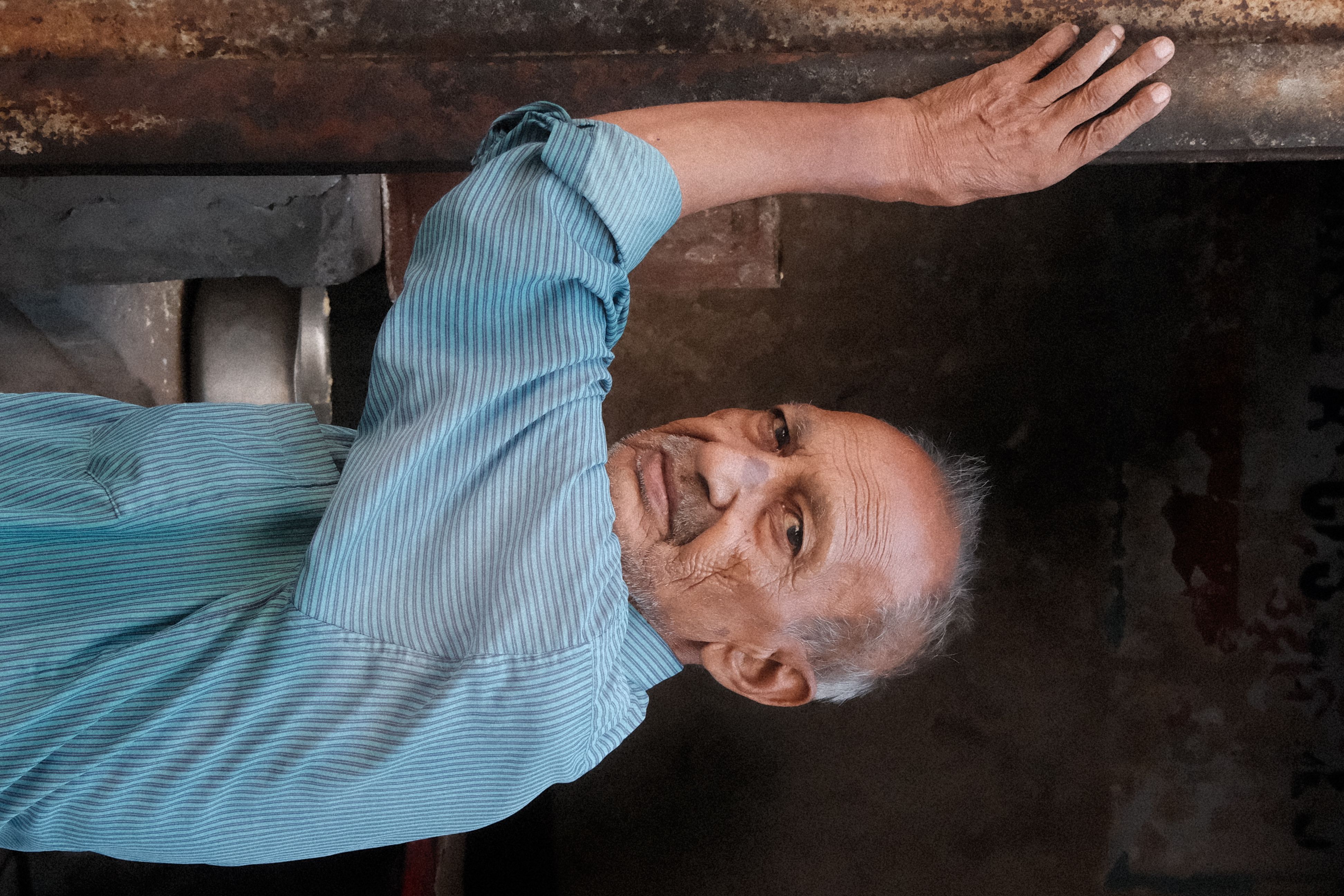
That morning, we were exploring the old heritage city of Ahmedabad, wandering the pols and narrow streets as the city awoke. It was my first-ever experience with street photography, and so I was discovering it all for the first time. I didn't have specific goals or places to photograph in my mind. I wanted to discover and experience it all. What inspired me to capture a particular frame was most often the experience of a person doing ordinary things, a smile, an unplanned meeting, and the overall harmony of the environment in which people find themselves. I wanted to find authenticity and not look for pretty places to take pictures of. Sometimes it was worth waiting for the right opportunity to come and capture it rather than the other way around. What inspired me most in this place was that almost anywhere I wanted to take pictures of, there was a story behind it. The old buildings in which the city's heritage is hidden are simply enhanced by the presence of people in them. I was perhaps more interested in people and discovering their morning routine than taking pictures of buildings. I think this is what made the morning so special for me. I wanted to find beauty in everyday life and the faces of local people, so I wandered the streets searching for them. Every picture I took with my camera had meaning and taught me a lesson because I stopped thinking about why I needed to take it or what I wanted to show with it.
How do you carry your Fujifilm X-H2 when you head out to shoot?
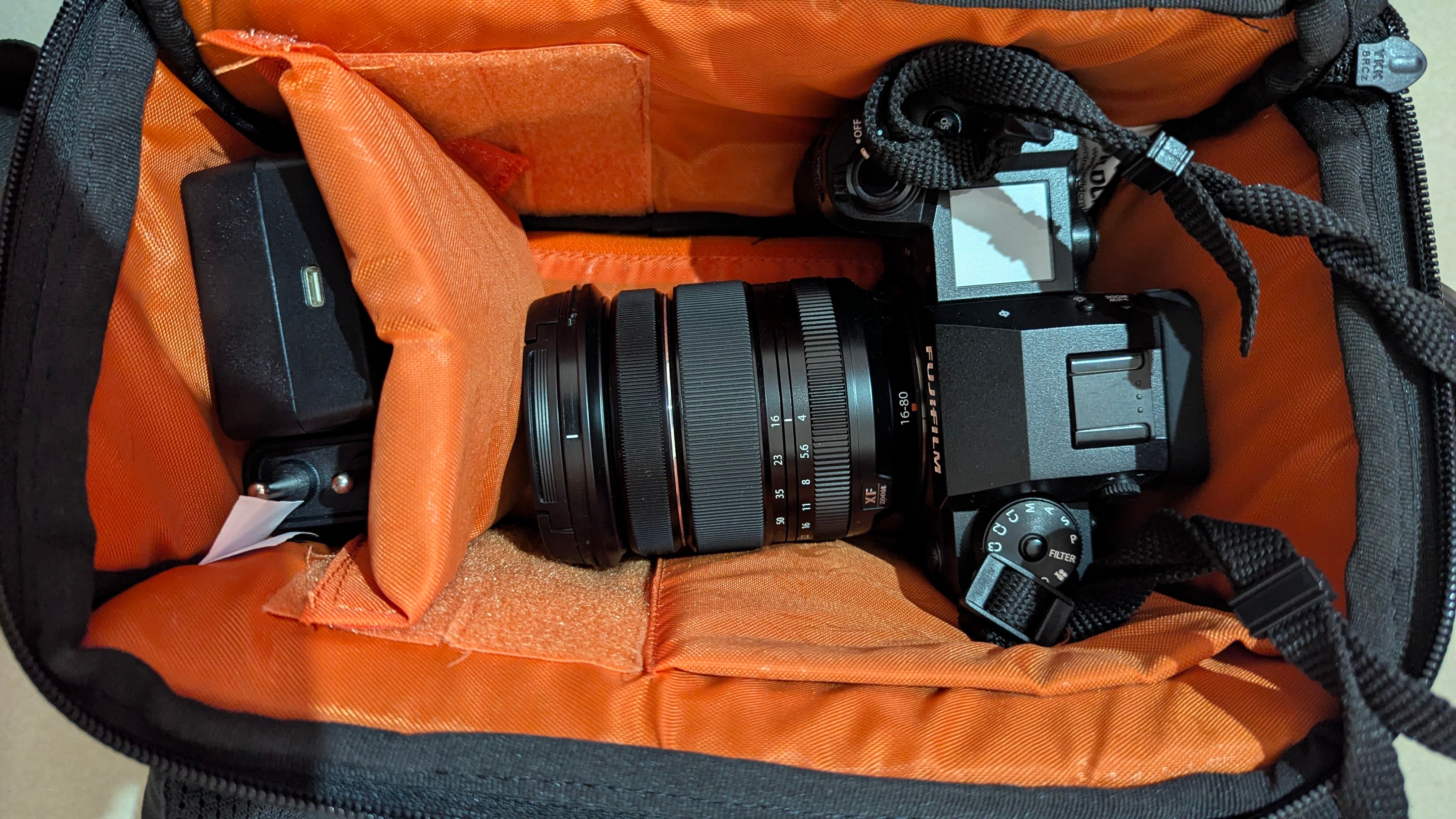
You share a lot of your work straight out of camera — what is it about Fujifilm's colours and feel that made it the camera you reach for?
It was a long way. Just prior to coming to Vadodara for my studies, I was in Kenya, where I did social service, and I had the chance to work with a media team for about a year and a half. I had the pleasure to get to know some cameras from different brands, such as Sony, Canon, Nikon, and others. Therefore, when the moment came to choose which camera system to pick for myself, I already had a rough idea of what I was looking for. However, even before actually visiting one of Fuji's stores and test-taking some shots, I had this vague feeling of being attracted to the brand. It was around late 2020 when the thought first came into my mind. Up until that moment, I had been considering other systems, yet none of them seemed to click with me. For me, the decision to go with Fuji was rather intuitive – the colors, the look of the photos somehow reminded me of home. To me, it was important to feel comfortable with the camera. After all, it is a very personal object, and no two people may feel the same even regarding the technical specifications. I think that the best way to know for sure whether a certain system suits you or not is to actually try it out and examine the results you are satisfied with. As it was mentioned before, I am a fan of the “straight out of camera” look that Fuji offers. The feeling that the pictures clicked with me, the atmosphere they recreate, the aesthetic appeal, all of that is hard to put into words. Perhaps, it really is a case of “you know it when you see it.” In this regard, I would not say that one camera system is better than the other – it all depends on the look that one is trying to achieve. I believe that the best pictures are those that capture the moment and the emotions one felt back at that moment – the feeling that cannot be recreated. As such, I think that editing is overrated and should be used in moderation – for me, it is a tool to enhance the look I already like, not to create something out of nothing. As it always happens, when you finally have the means to express your feelings, you realize there is a need to look for a new language to translate your emotions and ideas. For me, that moment came when I decided it was time to look for something new – and Fuji was the most natural choice. By picking this camera, I wanted to make a step toward a creative direction that I have been looking for all along. I wanted to look into the world with new eyes and be able to capture what I saw in a manner that is mine and only mine. It is a continuous process that I hope never stops, as there is always room for improvement. What I want my pictures to say is something I want to discover myself in the future. Still, I believe it to be deeply connected with the Fuji philosophy of looking at the beauty of the world around us and capturing that feeling into a single frame.
What's a street candid you had only a split second to catch?
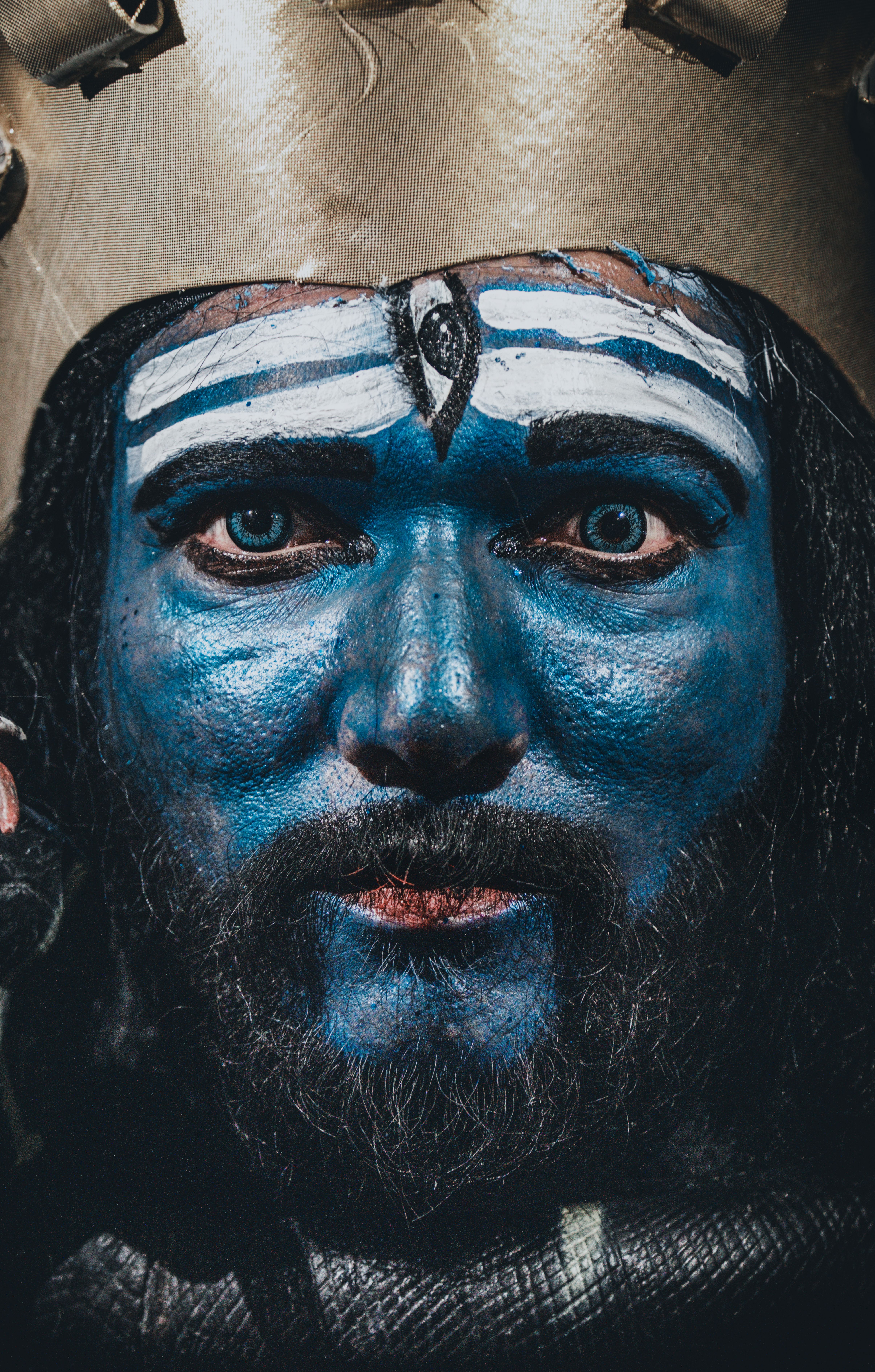
This portrait was captured during Ganesh Aagman in Nizampura, Vadodara. The reason why I captured this one is because it was unplanned. I went there to shoot the celebrations with my Fujifilm (which was really new to me) but somehow I missed the shows I actually wanted to capture. So I followed their bus and when the show started the choreographer allowed me to get close to the performer dressed as Lord Shiva. What makes this picture so special to me is the circumstances under which I captured this portrait. There was no light, no lights set up or anything for that matter. It was really dark outside (with no streetlights to aid me either). I was shooting at ISO 10,000 trying to capture the details in his blue paint, his face, the power he was giving out in the role without ruining the picture because of the circumstances under which it was captured. Another thing that adds to its value is the fact that I did not have a media pass or VIP pass or anything to get me to where I needed to be. I had a camera and a small window of opportunity I knew I had to use. There was no time to do this or that and plan B wasn't really an option. You had to go with what you had and hope for the best. It was also one of the first portraits I captured with my first real camera and to this day I'm still amazed at how I captured all the detail I did with such a high ISO and in the dark. It's not only the fact that I captured it that amazes me, it's also the fact that I was able to even capture it in the first place. Sometimes you have to work with the tools you're given. Sometimes photography places us in situations where we have to recognize the circumstances in which we're shooting in. You can't change that fact, but you can acknowledge it and do your best to capture a great photo regardless.
Which frame from a festival or devotional moment, like Vadodara's Ganesh Aagman, would you like to share?
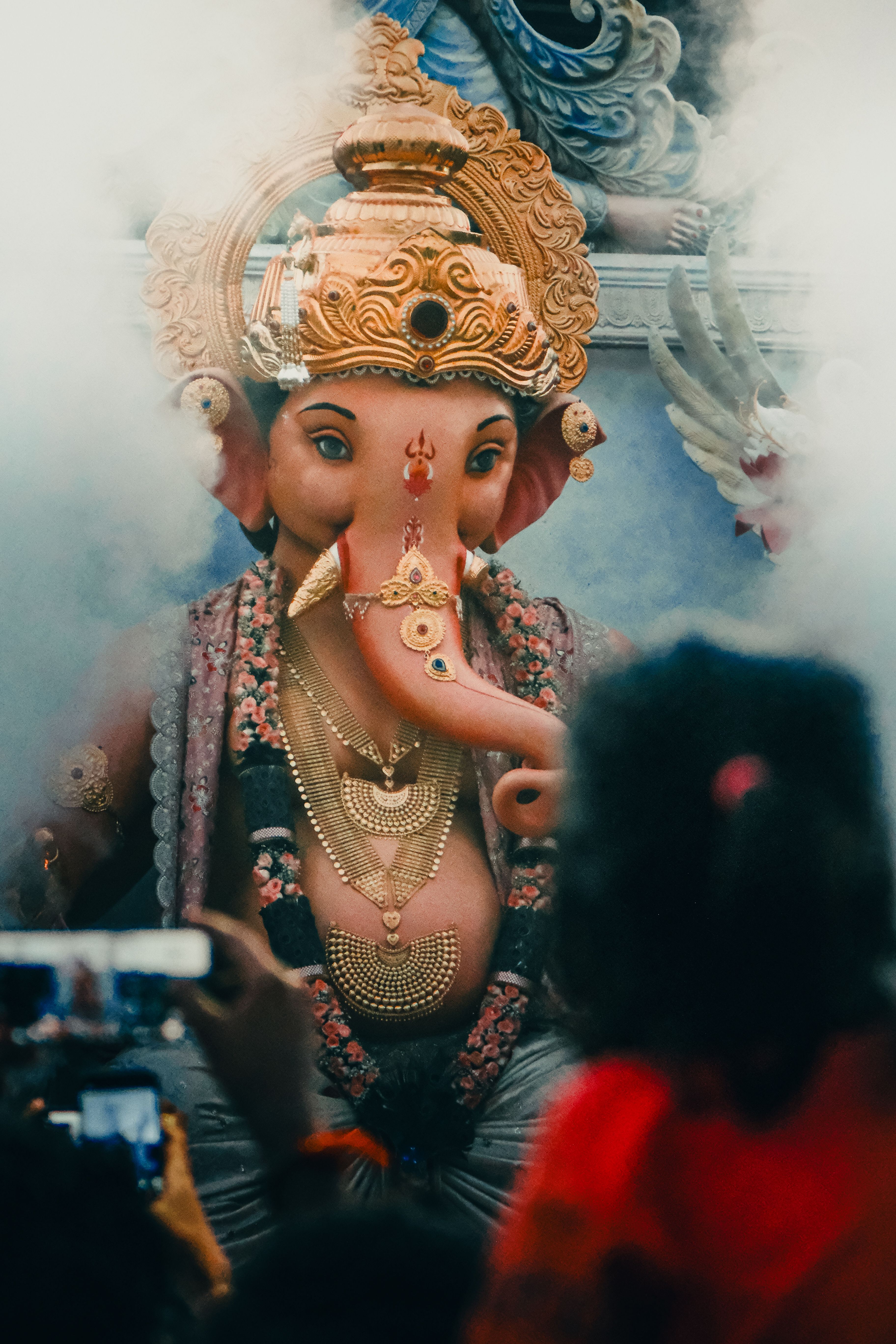
Photographing Vadodara's Ganesh Aagman close up was an experience for me where I truly understood the beauty and devotion of simply observing the event. My favorite photo is of a little girl who was sitting on her father's shoulders looking at Bappa coming towards them. She had such an innocent look of joy and devotion on her face, as to her it was not the crowds, the chaos, or the celebrations that mattered, but Bappa himself and I felt that I had to capture this moment specifically. All I did was turn my camera on Burst mode and waited as she admired Bappa, taking the picture as she did so, resulting in me getting a very candid shot of the young girl. As far as I know, none of the other photographers or their teams were able to get this exact shot. What makes this picture so special to me apart from the devotion and innocence portrayed by the little girl is the fact that the main subject of the picture wasn't the procession or the performances but Bappa, and how this little girl looked up to him with such an expression of joy that I had to capture it. Being a photographer myself I know that one can prepare and plan a shot, set the scene, and be ready for the shot of a lifetime, but one cannot force it to come if the moment isn't right. It has to be observed and captured, and I feel that I was lucky enough to be looking in that direction at that moment in time photographing this innocent little girl who wasn't aware of my presence as she innocently looked up at Bappa in an expression of devotion that few would see outside of a temple. I didn't just capture a child looking at a procession going by but something more meaningful, a moment of faith that I might not be able to witness again.
When you're out shooting, what makes you decide a moment is better told without its colours?
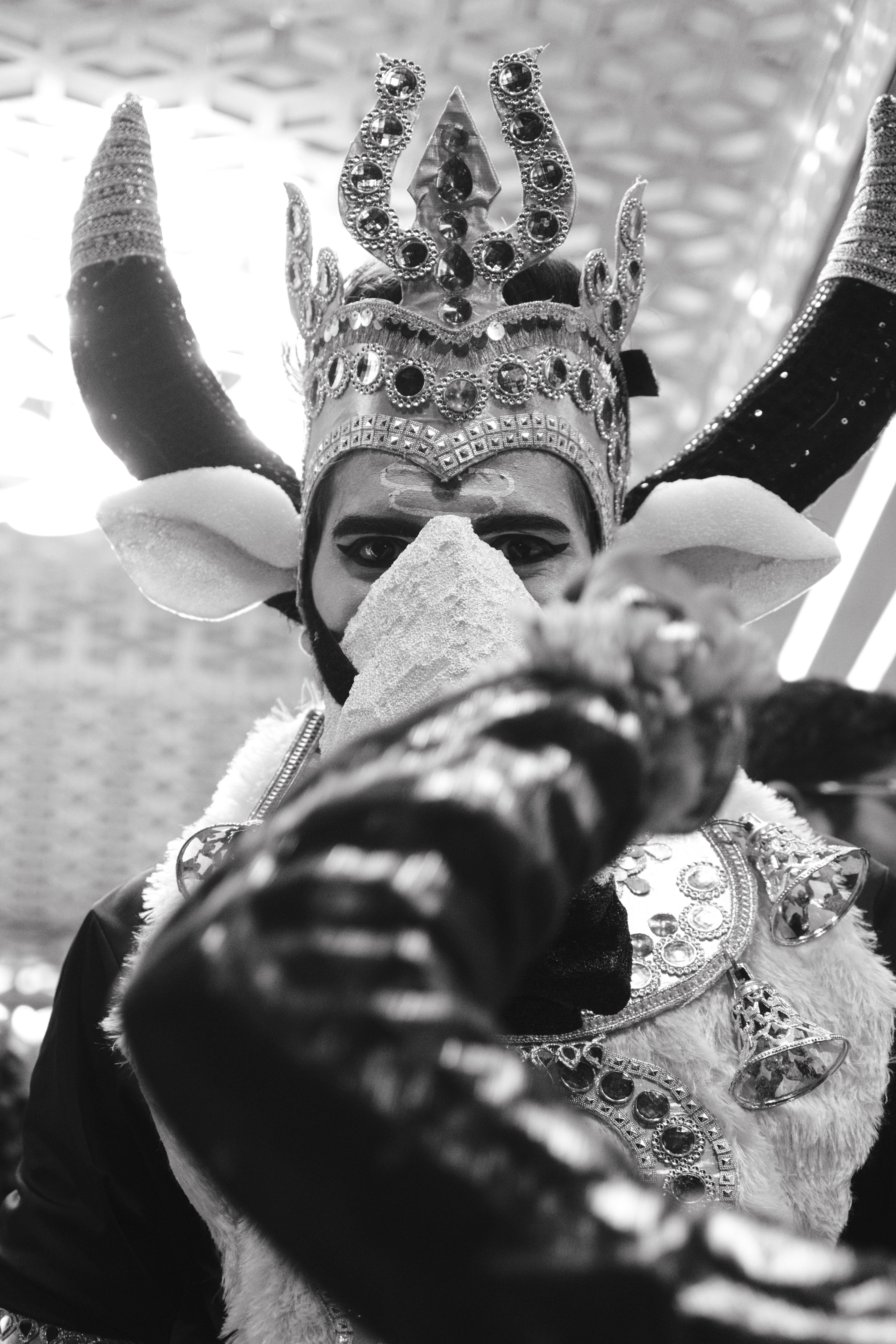
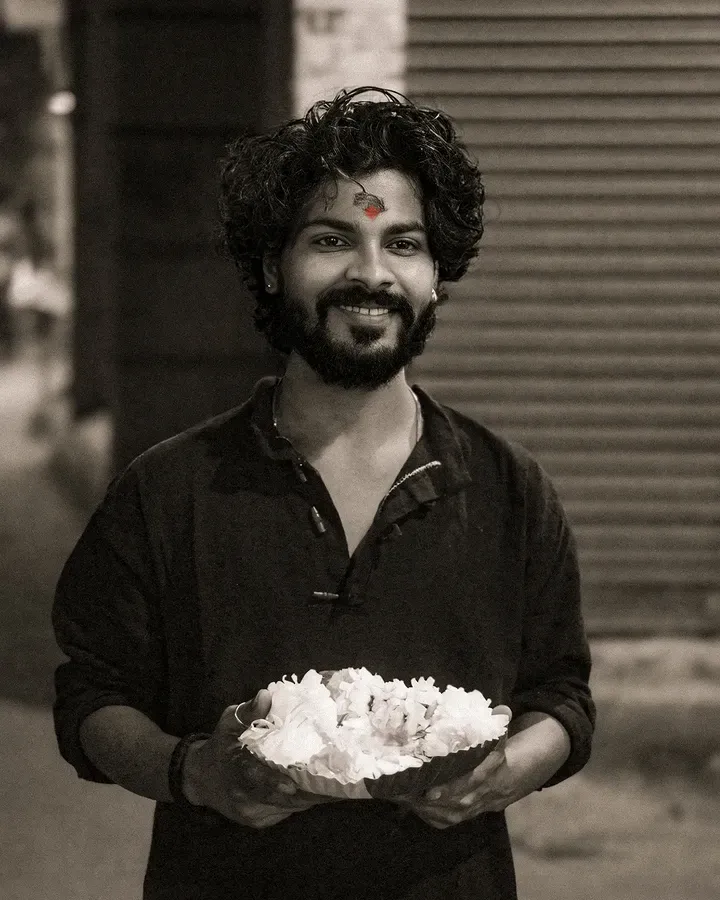
For me personally, it is the choice between what do I want to focus on in my photo by using black and white. Sometimes it is easier for me to work with the contrast in a black and white manner due to poor lighting, but sometimes I just get this feeling where it would be better to look at the moment in black and white. I think it allows me to get closer to the subject at hand and to see the finer details. I believe that without the distraction of color the eye can focus on specific things, like the eyes or the expression of a face or even the small details and the emotion that comes with it. I also notice that it is another way to see the world. Like how we saw the world before us with the old black and white photos. I like the idea of being able to capture something that could be from any time frame, instead of being stuck in one era with its specific style. For me personally, black and white is not only a tool to fix problems with lighting or give a certain appeal to a photo, but it is also a way to see different things in a photo. Sometimes I do it for the story, other times for the moment.
What's a recent frame where you tried something new with your camera?
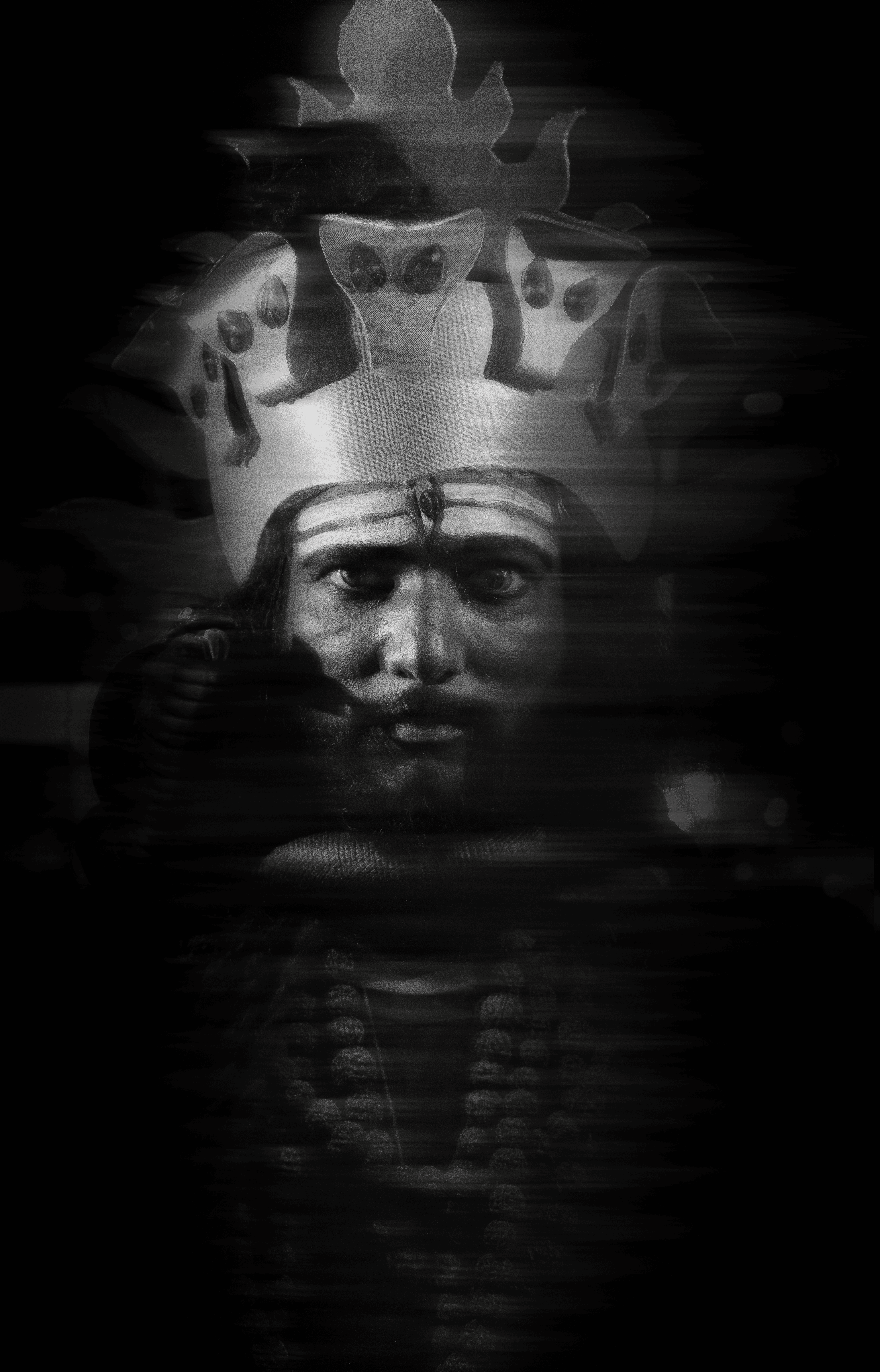
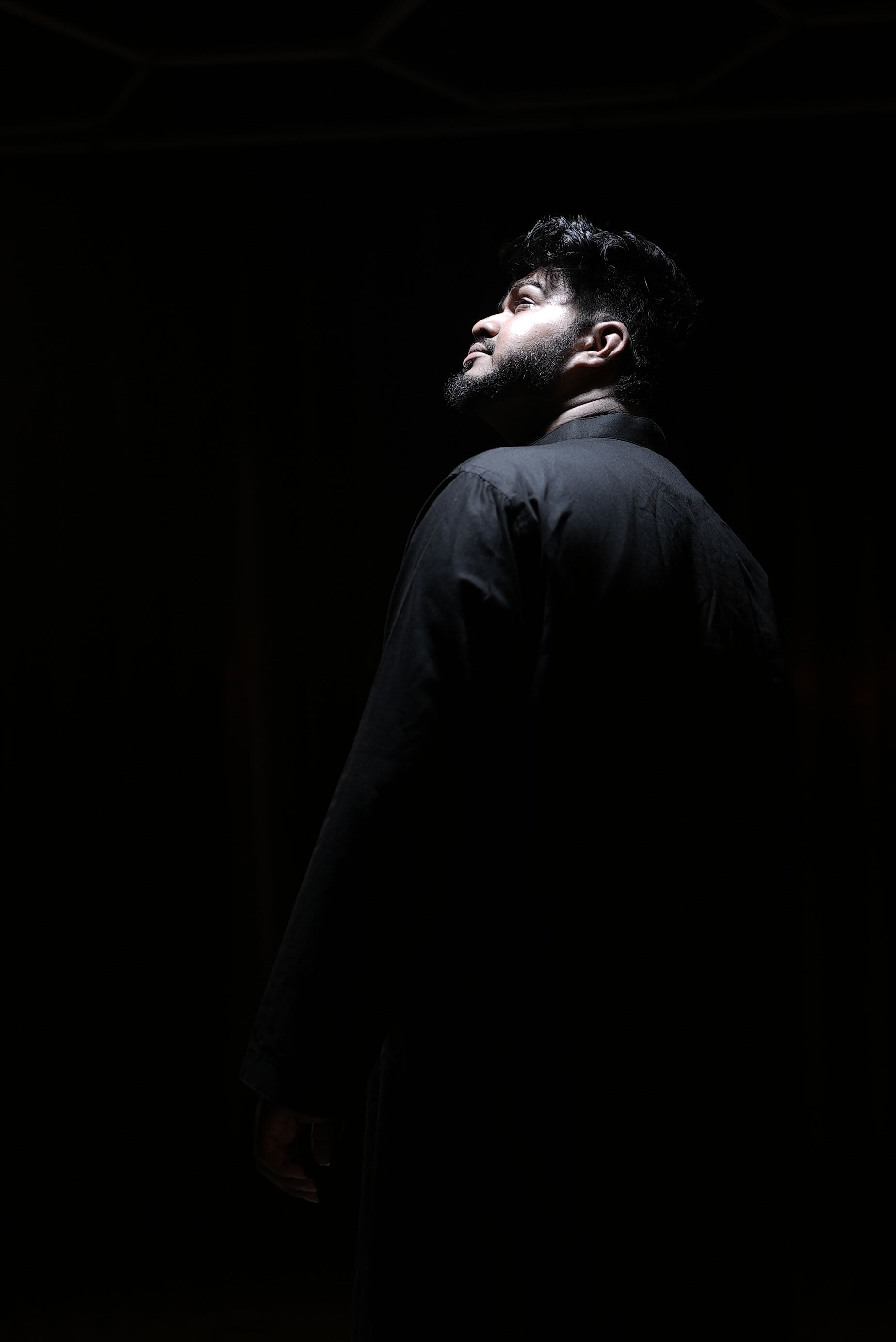
In this frame, I was experimenting with a slightly slower shutter speed to allow the motion blur to appear in the shot. We are used to seeing pictures where everything is clear and visible. I wanted to achieve a slightly different look and see how the motion of the model would express in the picture. Apart from the motion blur, the use of dark colors allowed me to capture the model's expression and what details were visible despite the movement. The main point of this experiment was not to capture a perfectly clear image. Instead, I tried to experiment and see if I could present the movement of the model in the shot. I am constantly trying to find new ways to capture the image with the help of my camera. Sometimes I surprise myself by getting the result I wanted to see. For me, the process of finding new settings and experimenting is exciting. One can look at the same object countless times, but if you change something in your perception of it, you will get a different result. You can look at the same frame and see different things in it.
Your bio says you chase 'frames that feel, not just look.' When someone stops on one of your photographs, what do you hope they walk away feeling?
To me a photo is something much more than the colours in it, its crisp edges or perfect composition. I love the colors Fujifilm produces and this was one of the main reasons I decided to go for this system, but I don't think beauty only lies in colors. You can have the most beautiful colors and the best camera on earth, but if there is no feeling for someone that looks at your work, then I think something is missing. What makes a photo for me is what is captured in it. Be it the admiration of a child for Bappa, someone's facial expression, a stranger's smile or a moment in the street that will not repeat itself ever again. It is about stopping, observing and raising your camera. Capturing something real. Something that goes beyond the surface. I also hope that people can put their feelings into my photos. That when they look at a certain frame it triggers their memory of something that happened to them, maybe in their childhood or their hometown and something they might not even want to remember. They might feel completely differently from how I felt when capturing that moment and that is okay. This is not a photo that needs an explanation from me. I am still learning to do this with my photos. With every click on the camera I am trying to find something new. To observe people, to stop for a moment with my camera and not rush into taking pictures. Finding a connection, a moment, something that makes me want to stop. I am learning to look behind things, not just shooting at something beautiful. And trying to understand why something moves me from the beginning. In the end I hope people will not remember my photos for how they looked. But for how they made them feel. Because the colors might trigger our visual senses, but I think it is the feelings inside a frame that keeps us lingering.
Contact and Follow
Email: jeshanimayank@gmail.com
Instagram: https://www.instagram.com/shots_bymj/