

How did you first get into interior and architecture photography?
I come from an interior design background, so I've always had an appreciation for how spaces are conceived and experienced. After practicing interior design for a few years, I picked up a camera and began photographing streets purely as a hobby. Street photography taught me to observe light, composition, scale, and the subtle moments that often go unnoticed. Over time, that experience changed the way I looked at architecture and interiors. Instead of seeing them only as designed spaces, I began seeing them as stories waiting to be told through imagery. That shift naturally brought me back to the world of interiors—this time as a photographer. Today, my background in design allows me to understand a designer's intent, while photography gives me the creative freedom to capture the character and emotion of every space.
What was your first paid photography project, and how did you land it?
My journey didn't begin with a paid assignment. I initially assisted a colleague on one of his projects, which gave me valuable hands-on experience and helped me develop my skills in photographing architectural spaces. It was during this phase that I learned not only the technical aspects of photography but also how to work efficiently on-site. My first independent project came through a referral from a colleague. It was a commercial office shoot, and that opportunity marked the beginning of my professional journey as an architecture and interior photographer. It reinforced the importance of relationships, trust, and consistently improving your craft—because often, the first opportunity comes through the people who believe in your work.
How has your approach to photographing spaces evolved over the years?
My approach has evolved from simply documenting a space to telling its story. In the beginning, I was focused on creating technically correct images with good composition and lighting. As I gained more experience, I realized that great architectural photography is about capturing the designer's vision and the atmosphere of a space. Coming from an interior design background has played a significant role in this evolution. I naturally pay attention to spatial flow, materiality, textures, and the way natural light interacts with a space. Today, before I even pick up my camera, I spend time understanding the design intent so that every photograph communicates not just how the space looks, but how it feels. My goal is to create images that resonate with both designers and viewers while staying true to the architecture itself.
What inspires your style in product and interior photography?
I wouldn't say my inspiration comes from one particular photographer. It's more a combination of good architecture, thoughtful interiors, and observing light. Even when I'm walking through a city or travelling, I find myself noticing how light falls on buildings, how materials change throughout the day, or how people experience a space. I'm also inspired by architects and designers who create spaces with a strong sense of purpose. Before every interior shoot, I like to understand the story behind the project because that becomes my biggest source of inspiration. For product photography, I build a moodboard first, so the visual direction comes from the brand and the product itself. I believe every project deserves its own identity, and my role is to capture that as honestly as possible.
Tell us about one of your favorite interior or architecture projects and what makes it special.
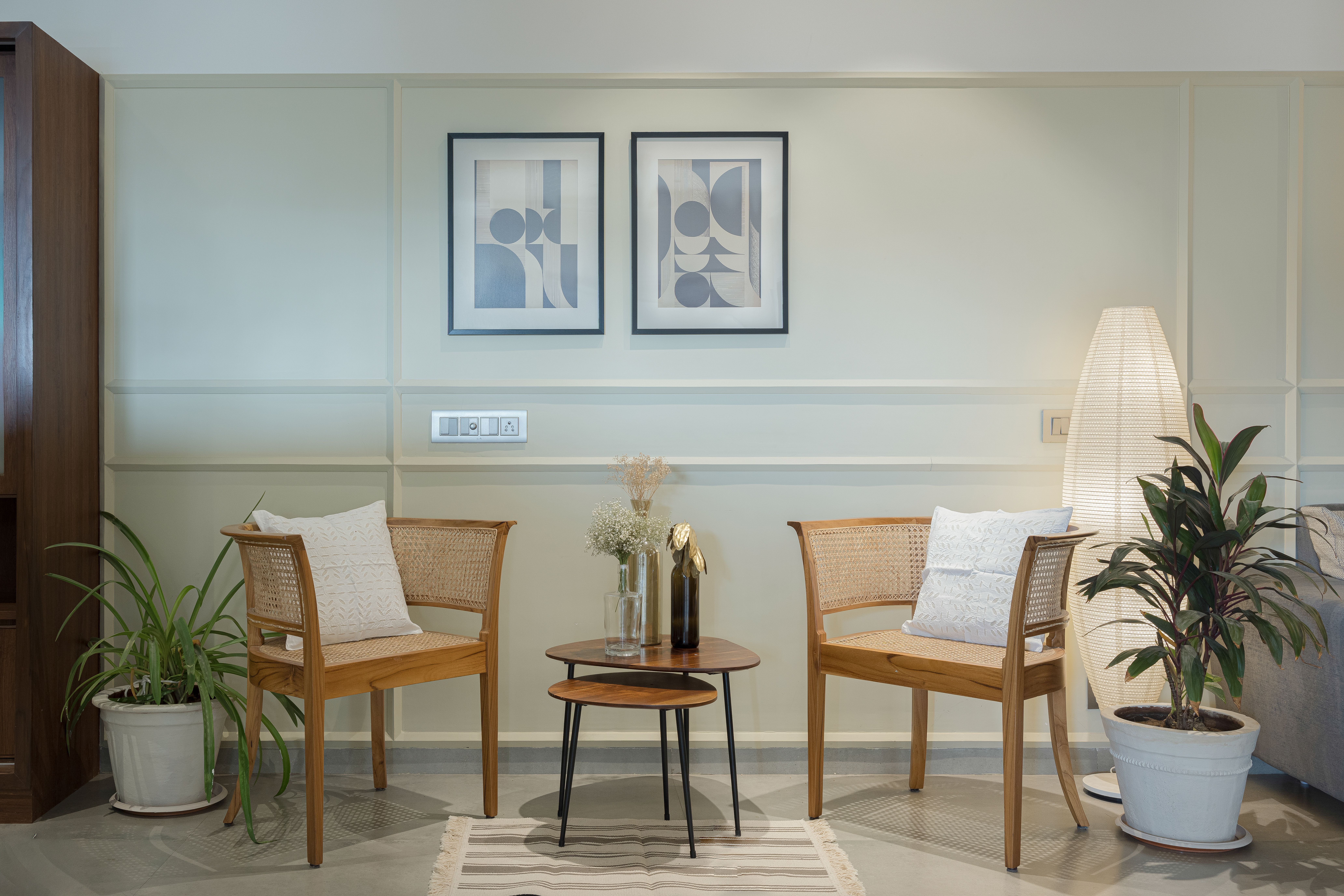
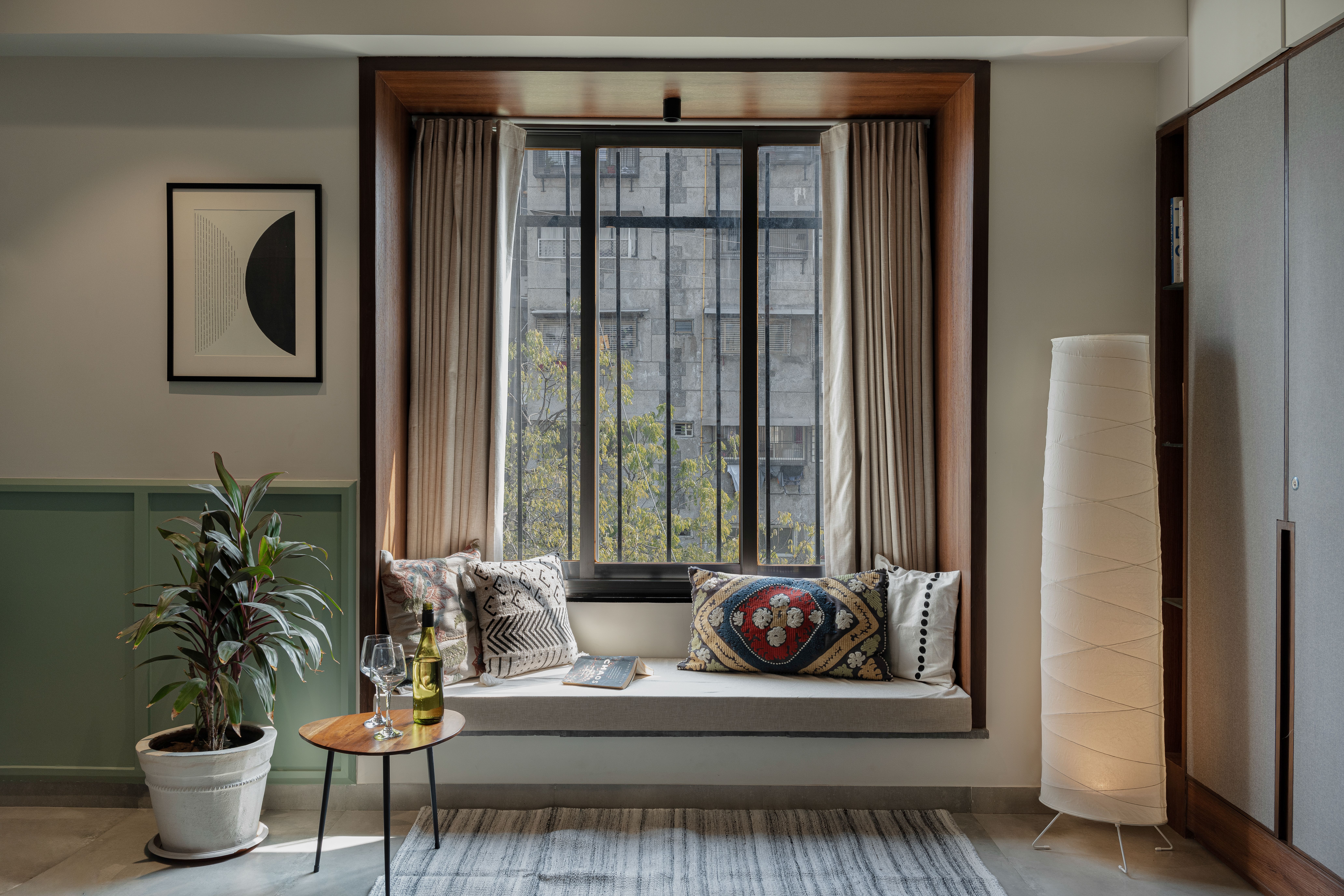
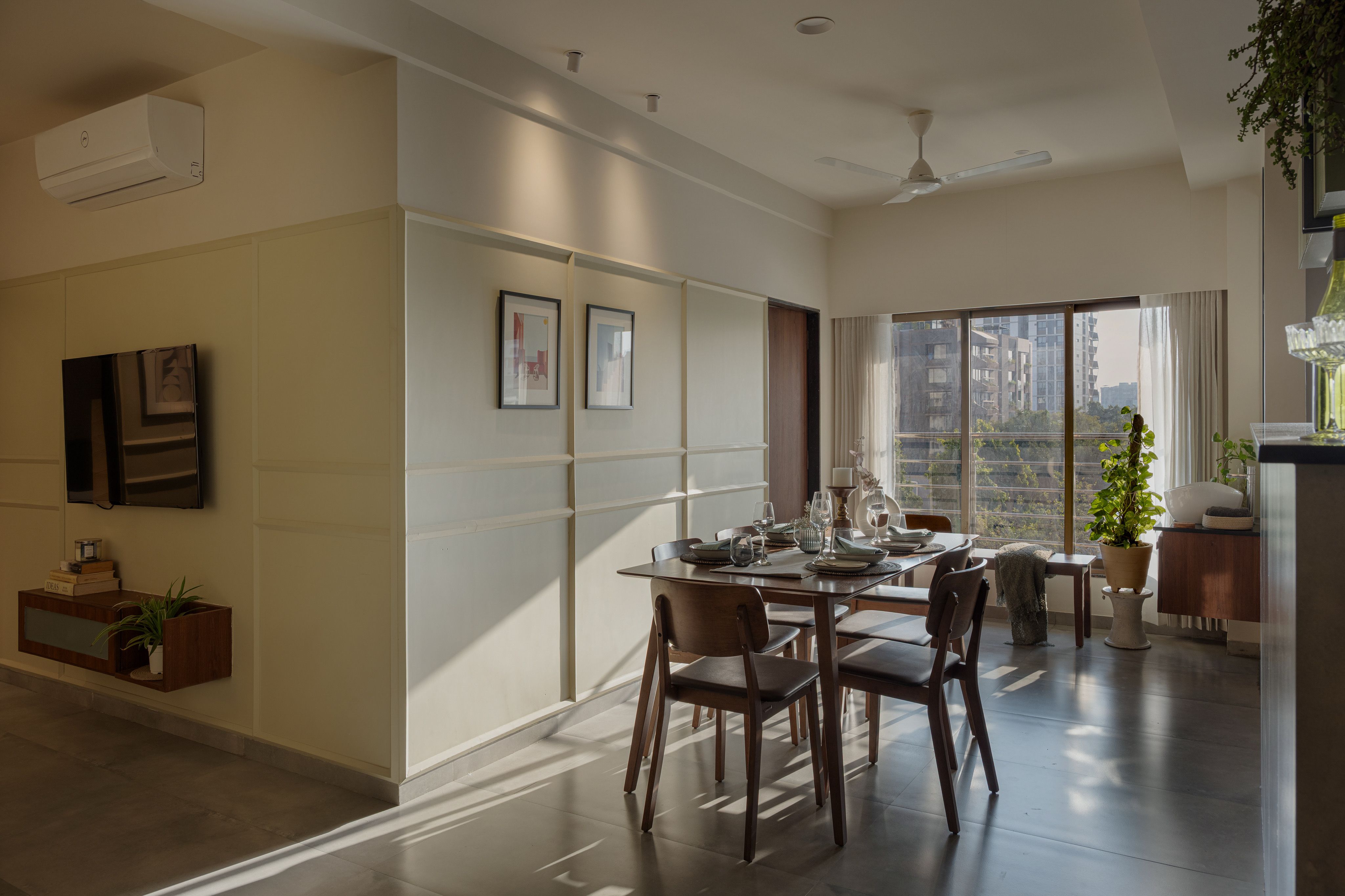
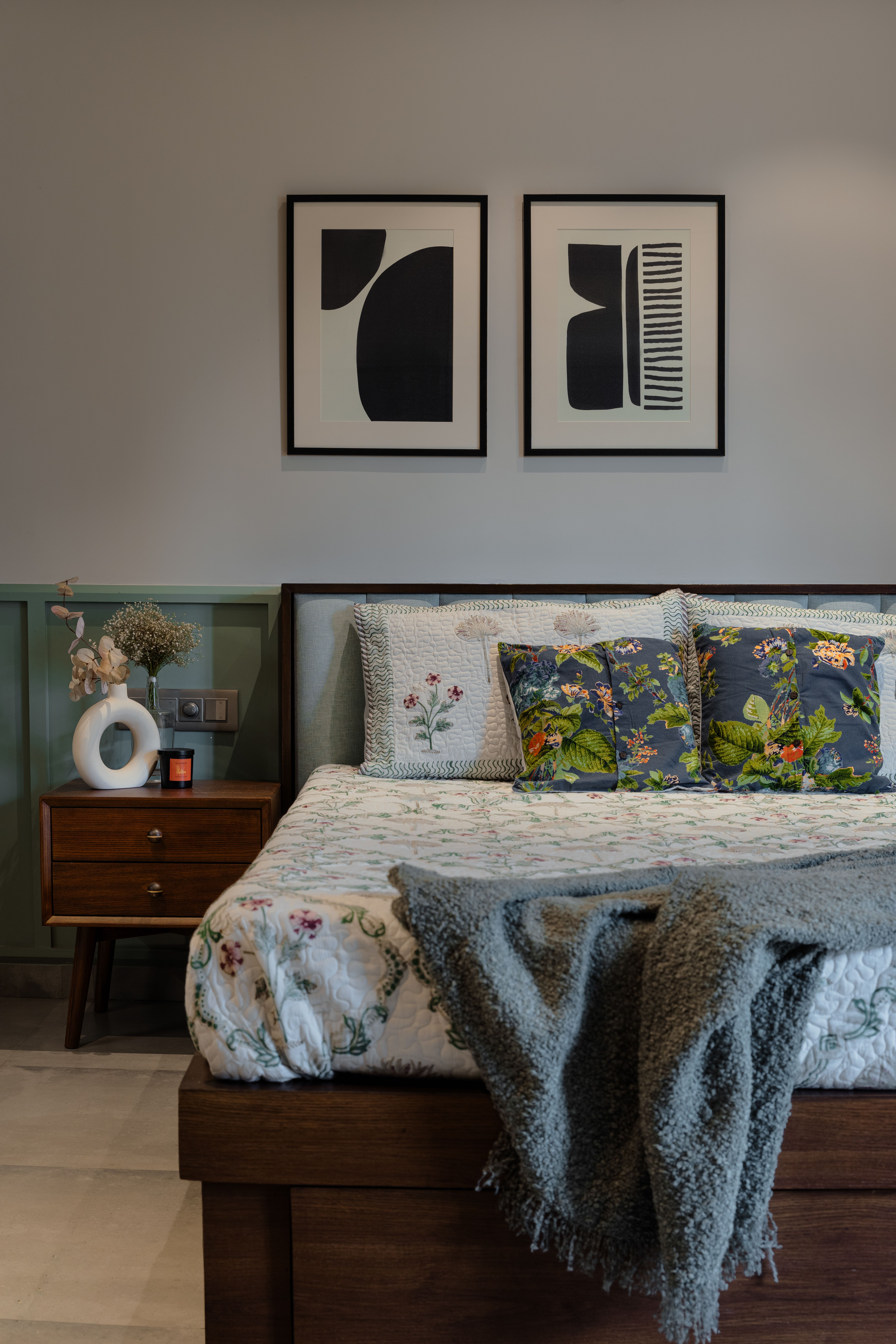
What makes this home special is its sense of ease. The design doesn't rely on bold elements but instead creates an inviting atmosphere through natural light, warm wooden accents, soft colours, and carefully curated details. Every room flows seamlessly into the next, making the home feel brighter and more spacious than expected. It's a residence that celebrates everyday living, where thoughtful design and understated elegance come together to create a space that feels welcoming from every corner.
Walk us through your editing process for a before-and-after interior shot.
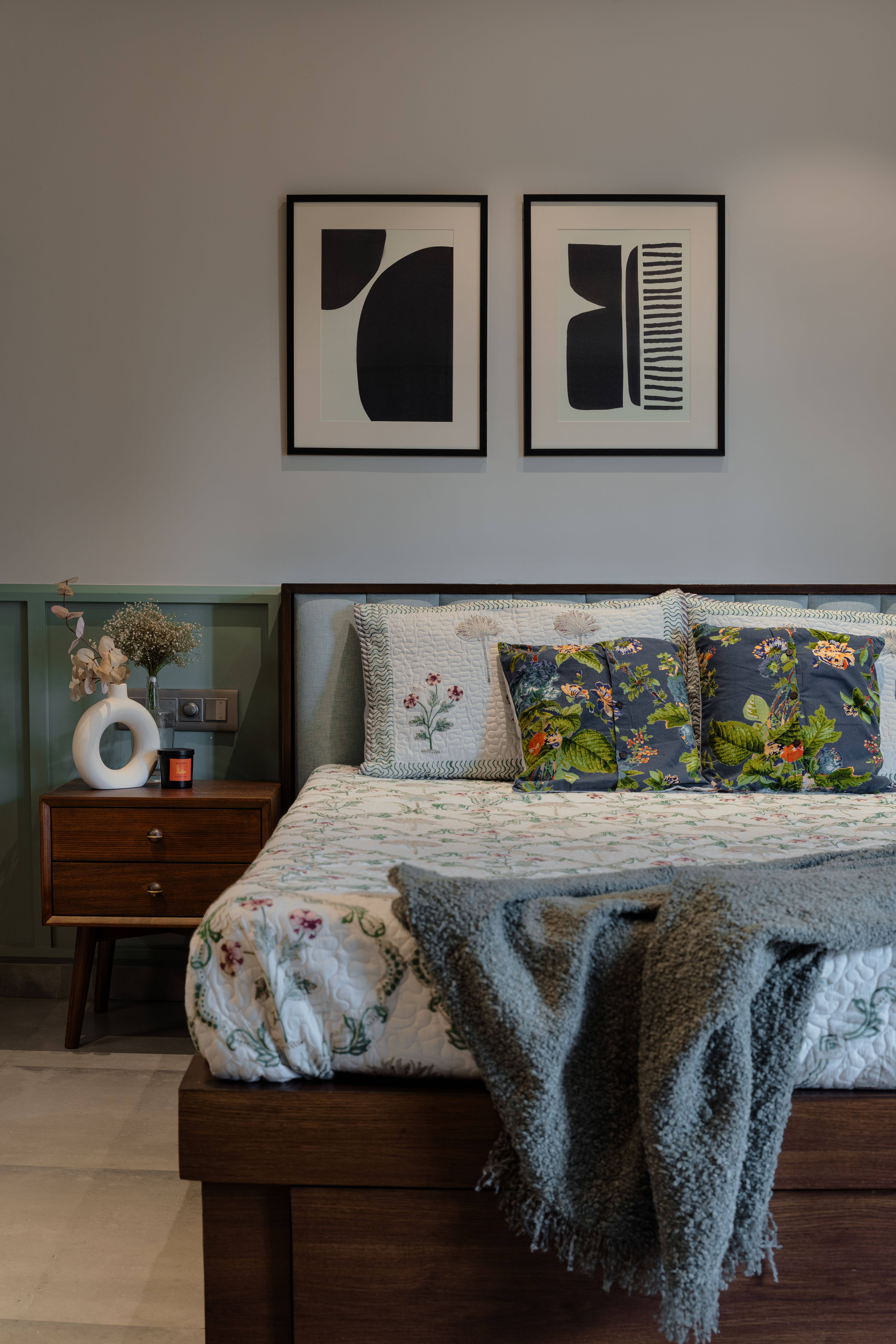
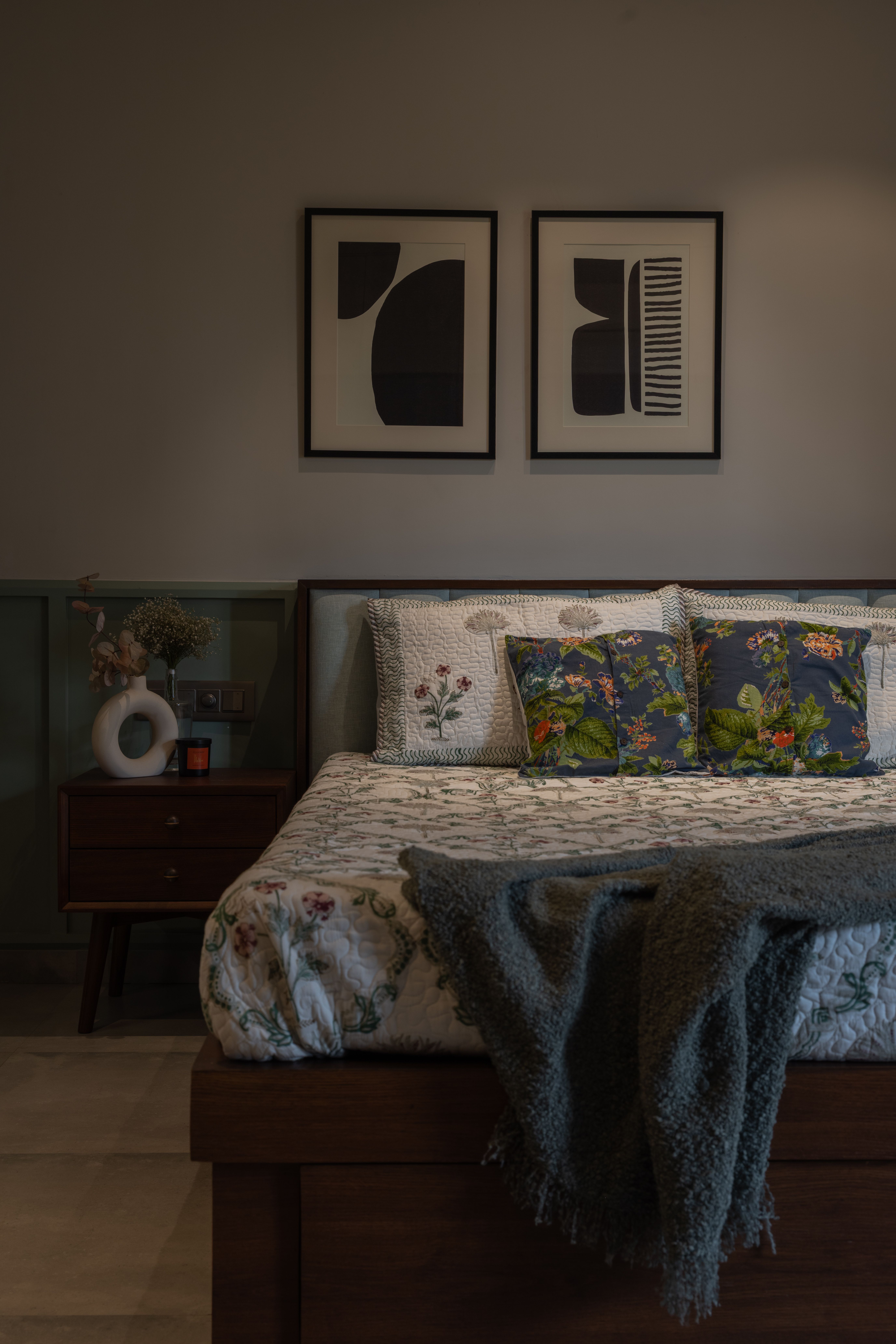
My editing is always minimal and intentional. For this image, I primarily corrected the exposure to bring back the details hidden in the shadows while maintaining a natural balance. I refined the colours, adjusted contrast, and enhanced the textures to make the space feel closer to how it looked in person. The objective wasn't to transform the image, but to let the light, materials, and design speak for themselves.
What makes a product shot effective? Share some examples from your portfolio.

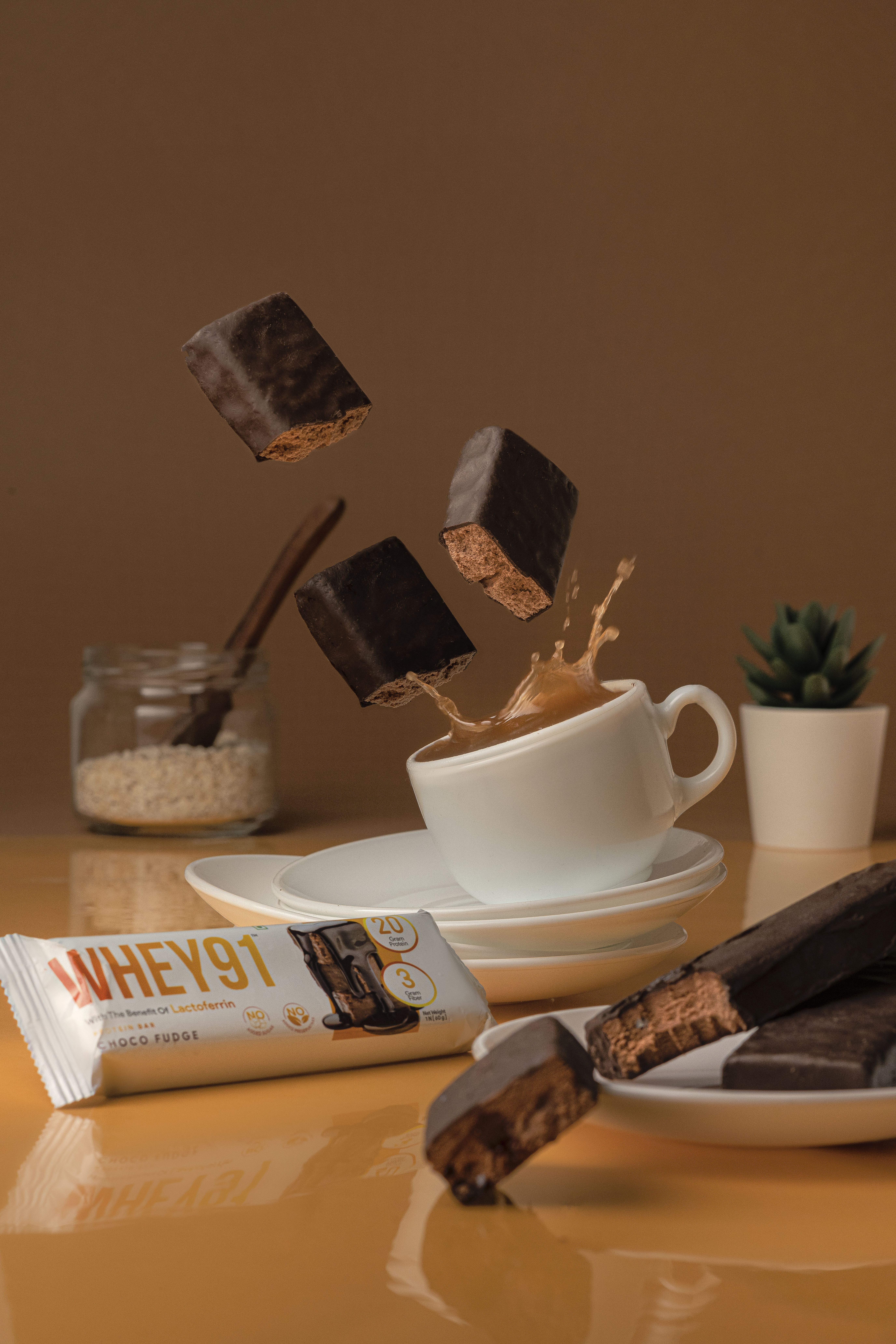
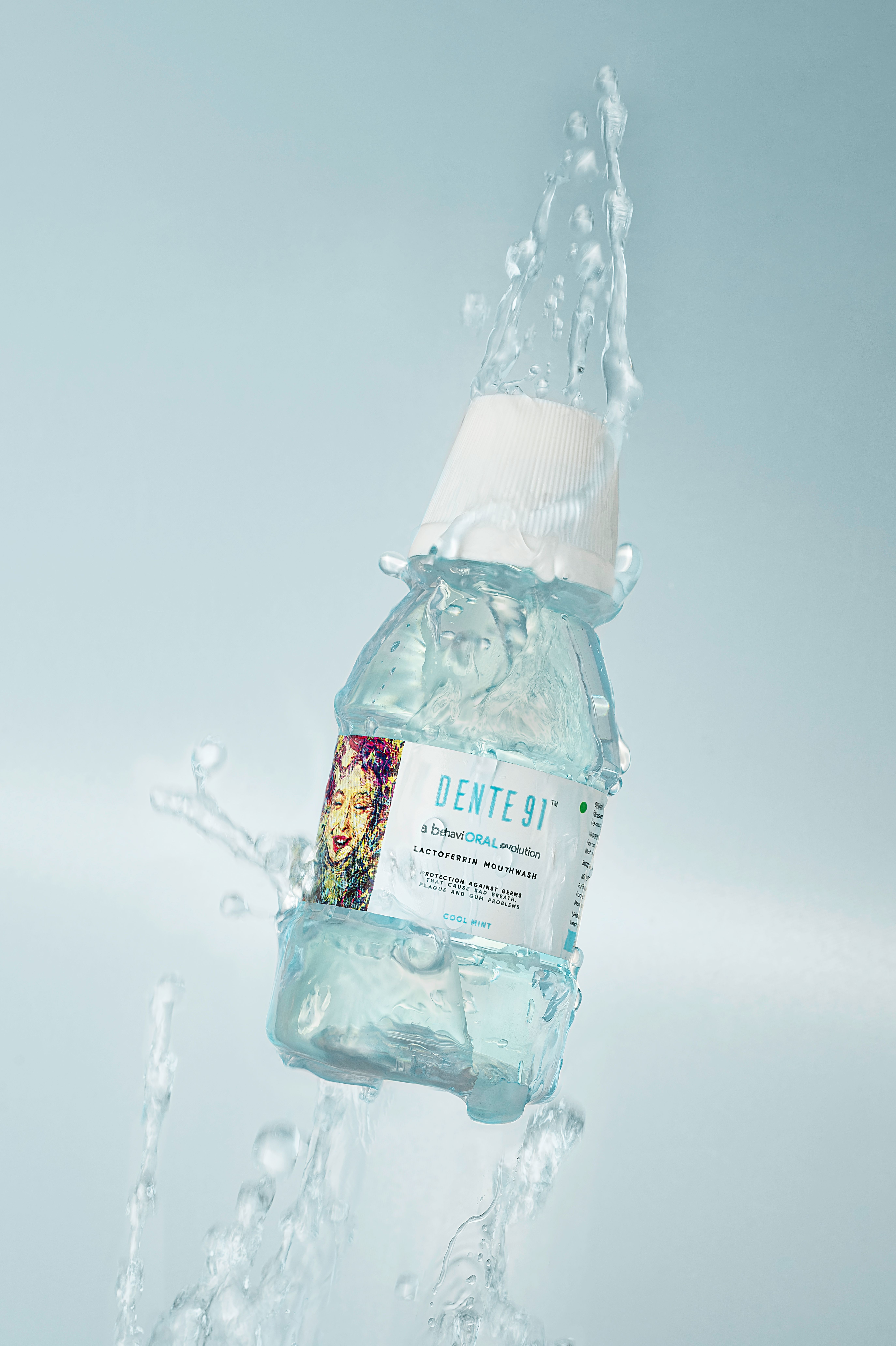
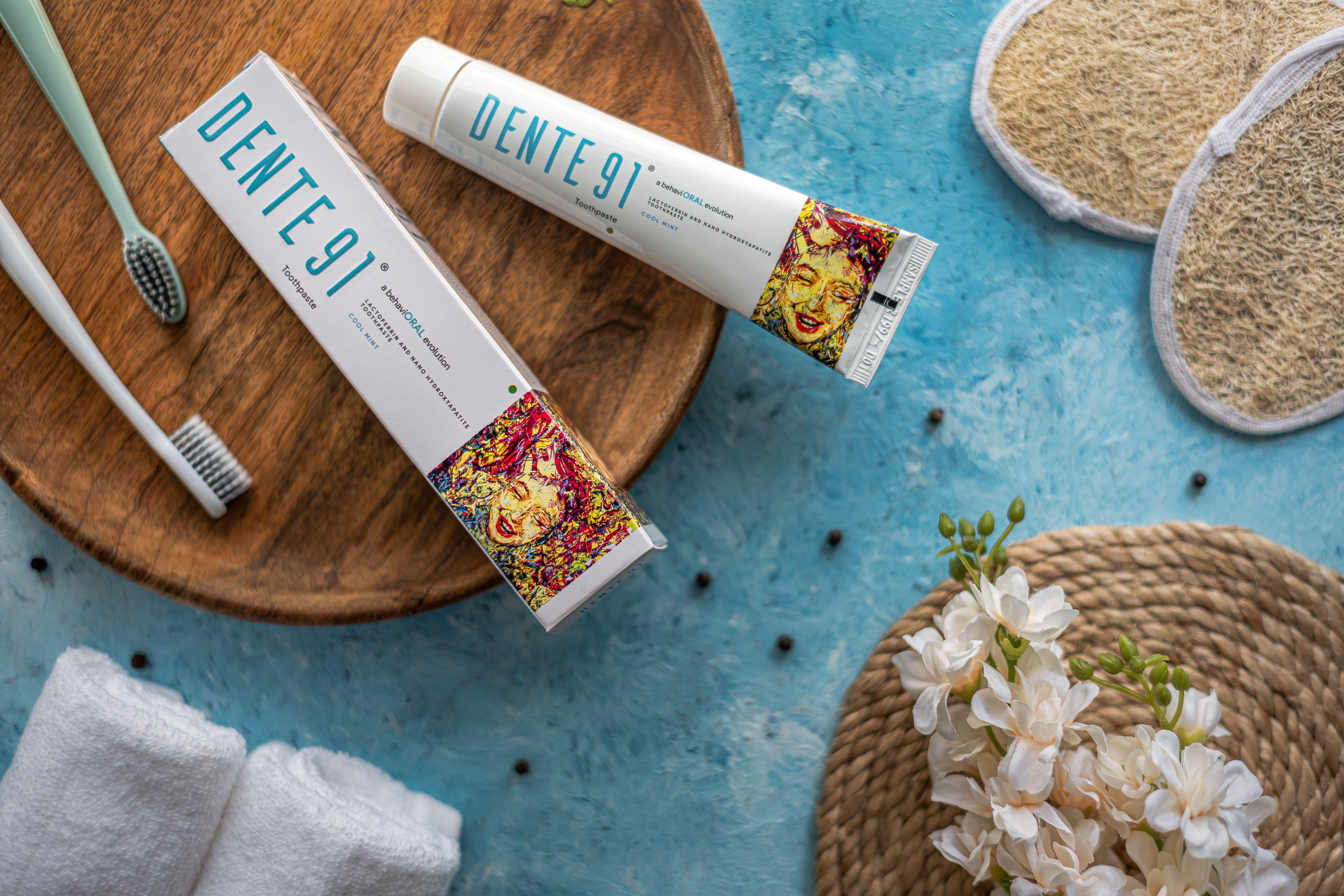
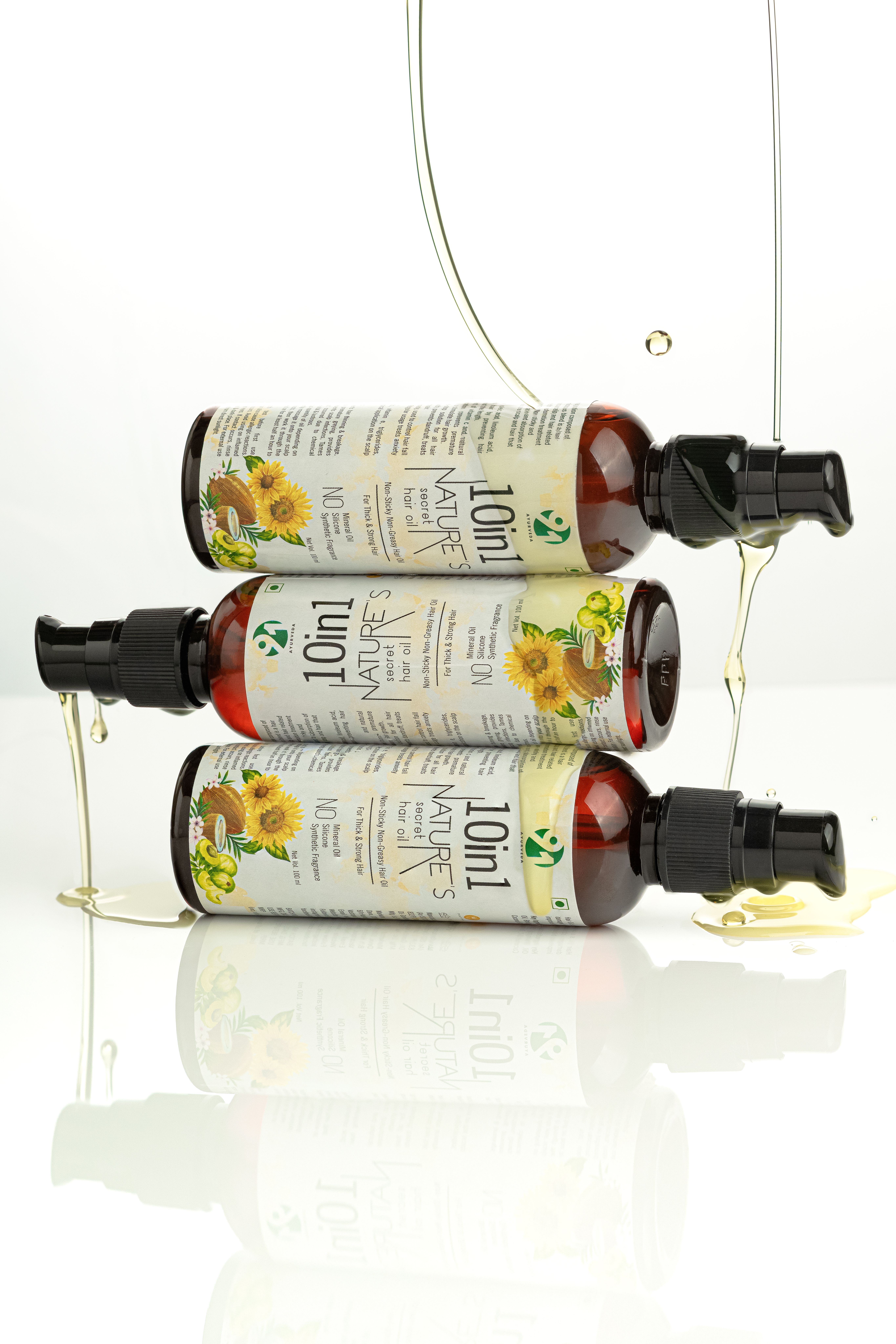
An effective product photograph should do more than showcase the product—it should communicate its purpose and personality. I begin by understanding the product and the story the brand wants to tell. From there, I create a moodboard and build the concept around it, ensuring that every prop, colour, texture, and lighting choice supports that narrative. I also like introducing movement or unexpected elements, such as splashes, reflections, floating compositions, or playful setups, when they complement the product. These details add visual interest while keeping the product as the clear focal point. My goal is to create images that are not only aesthetically pleasing but also memorable and aligned with the brand's identity. For example, the hair oil shot uses oil drips and reflections to reinforce the product, the mouthwash image uses water splashes to suggest freshness, the toothpaste scene uses lifestyle props to create context, and the protein bar images use floating chocolate and miniature construction workers to tell a creative story.
Why did you choose natural light for that interior shot?
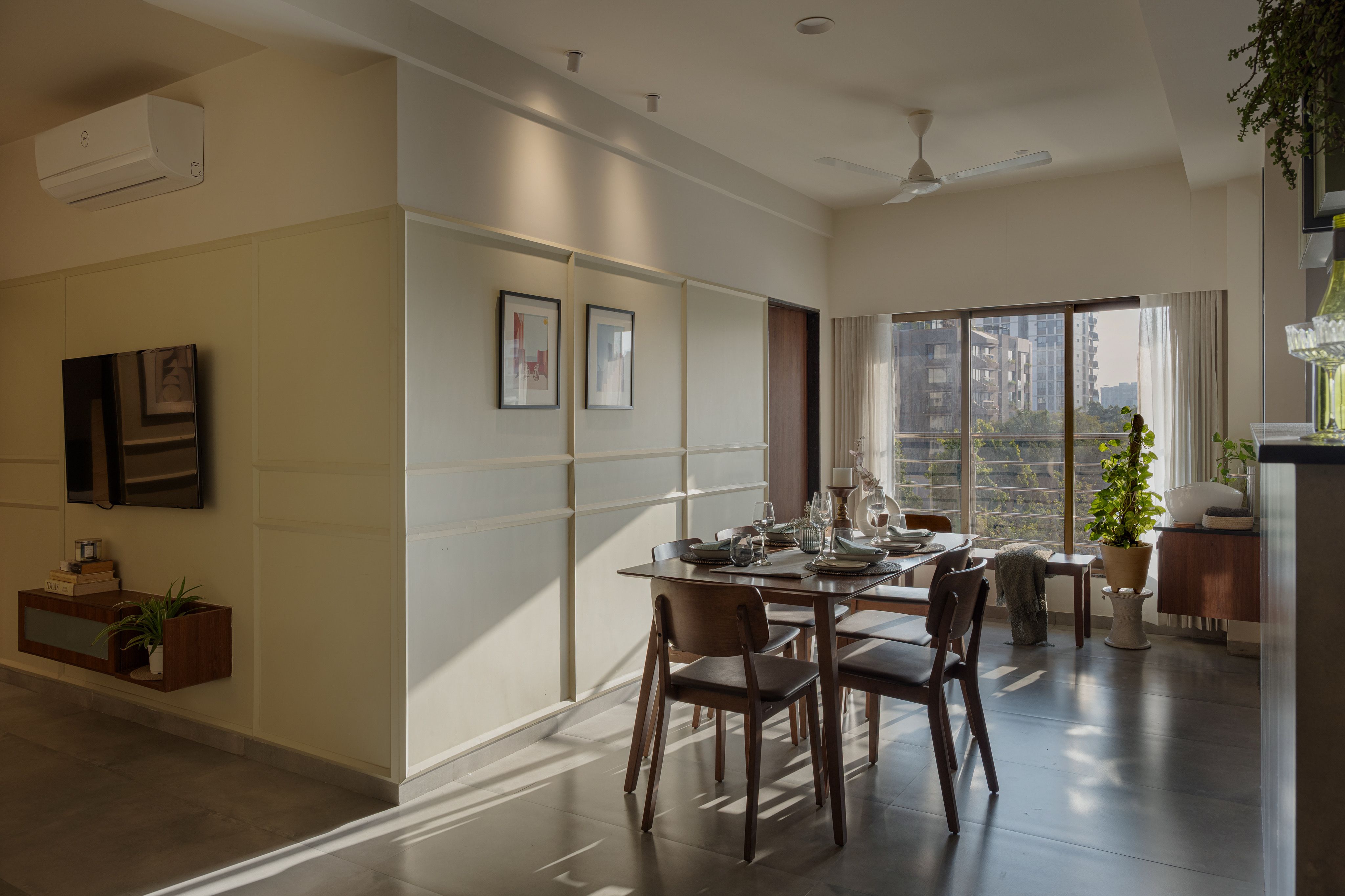
Natural light felt like the right choice because it enhanced the character of the space. The way it travelled across the walls and floor added depth and warmth that would have been difficult to recreate artificially. I believe architecture and interiors should feel authentic, so whenever the available light supports the design, I prefer to work with it rather than against it.
Contact and Follow
Email: Plainenpixel@gmail.com
Instagram: https://www.instagram.com/plainenpixel_spaces/
Instagram: https://www.instagram.com/plainenpixel/