

How did your journey as a wildlife photographer begin?
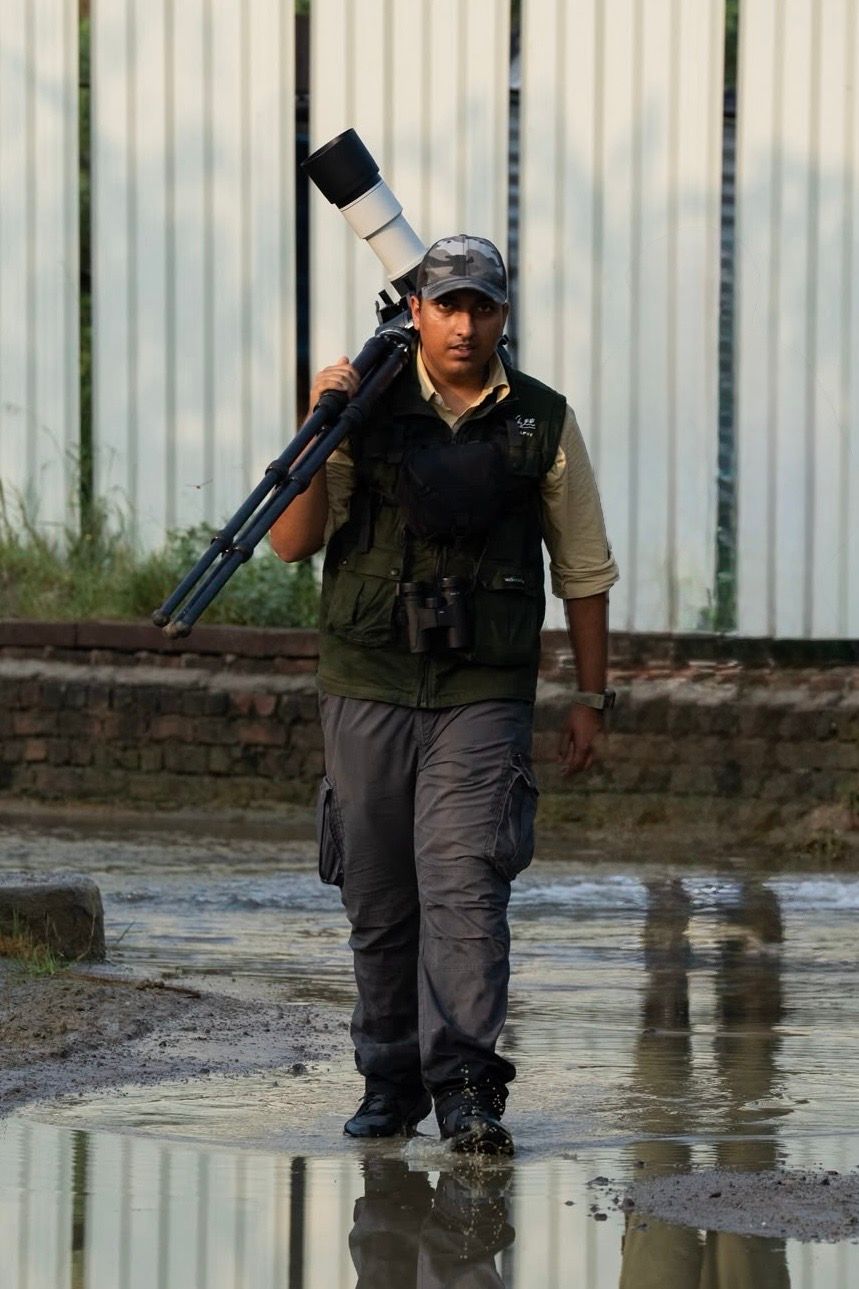
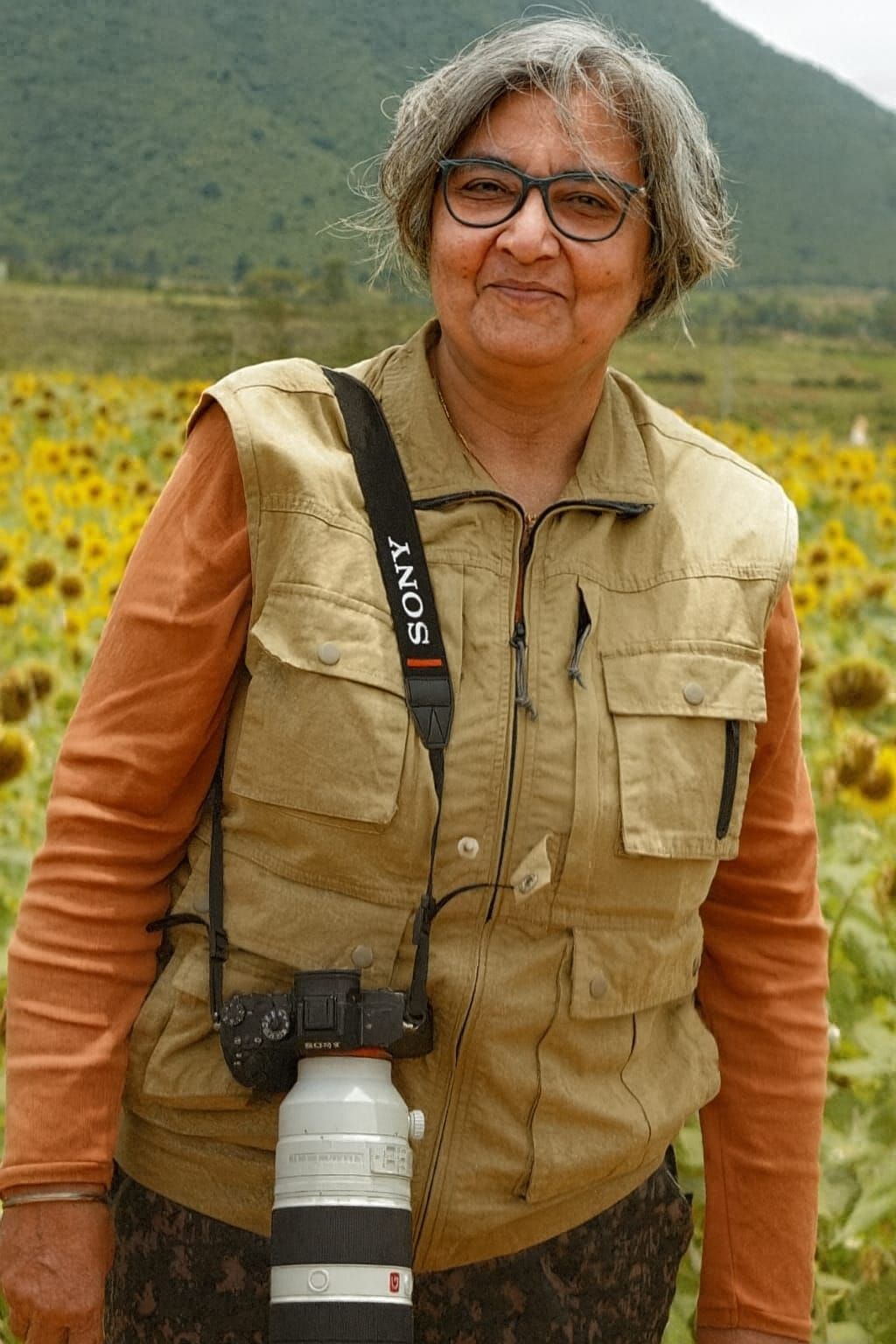
My journey into the jungle didn't start as a grand plan; it began with a gift. For Diwali in 2015, my mother gave me a camera. At the time, it felt like just that—a thoughtful present, nothing more. Neither of us could have predicted the path it would set me on. A few days later, I stumbled upon a small newspaper article about Bhigwan, a place I'd never heard of, and I decided to go. That trip stayed with me; watching flamingos take flight against the stillness of the water, everything moved at its own quiet pace. The camera stopped being just an object I carried. It became a reason to go back, to notice more, and to spend time without rushing. What keeps pulling me towards nature is its honesty. Nothing out there is trying to impress you. It's just raw, unpredictable, and completely in the moment. You don't get to control anything. You wait, you watch, and if you're patient enough, the moment comes to you. That feeling is what keeps me going back.
What was a pivotal early experience that drew you deeply into nature photography?
I think it goes back to a very simple moment. My mother gifted me a camera one Diwali. At the time, it didn't feel like anything life-changing, just a thoughtful gesture. But a few days later, I happened to read a small newspaper article about Bhigwan and decided to go. That trip stayed with me. It wasn't just about seeing flamingos for the first time. It was the stillness of the place, the way everything moved at its own pace, the quiet rhythm of life around the water. I remember just sitting there, watching, without feeling the need to rush or move on. Somewhere in that experience, something shifted. The camera stopped being just something I carried; it became a reason to return, to notice more, to stay longer. I wouldn't call it a dramatic turning point, but it was definitely the moment I started looking at the world a little differently. And I've been going back to that feeling ever since.
How has your approach to wildlife photography evolved over the years?
The biggest change has been in why I photograph, not just how. When I started, like most people, I was focused on getting the shot—something sharp, something dramatic, something that felt 'worth it.' There was a bit of chasing involved, chasing sightings and moments. Over time, that slowly changed. I began to enjoy the waiting more than the result, to pay attention to behavior, to light, to the mood of a place, not just the subject. I became okay with coming back without a 'great' photograph, as long as I had a meaningful experience. I've also learned to step back more. Not every moment needs to be captured. Some are better just experienced and left as they are. Now, it feels less like I'm trying to take something from the wild and more like I'm trying to understand it and, if I'm lucky, be a small part of it for a while.
What personal philosophy guides your work in the wild?
The one thing I keep coming back to is this: 'You don't take from the wild, you learn how to be in it.' That changes everything. It makes you slower, more patient. You start paying attention to where you stand, how you move, how close is too close. You begin to realize that the moment isn't yours to control—it is something you're being allowed to witness. I've also learned that not everything needs to be photographed. Some moments are better just experienced and carried with you. At the end of the day, it's about respect—for the animal, for the space, and for the story that's unfolding whether you're there or not. If I can walk away knowing I didn't disturb that world, and maybe understood it just a little better, that feels like enough.
Tell us about a quiet, honest moment where light, behavior, and timing aligned for you.
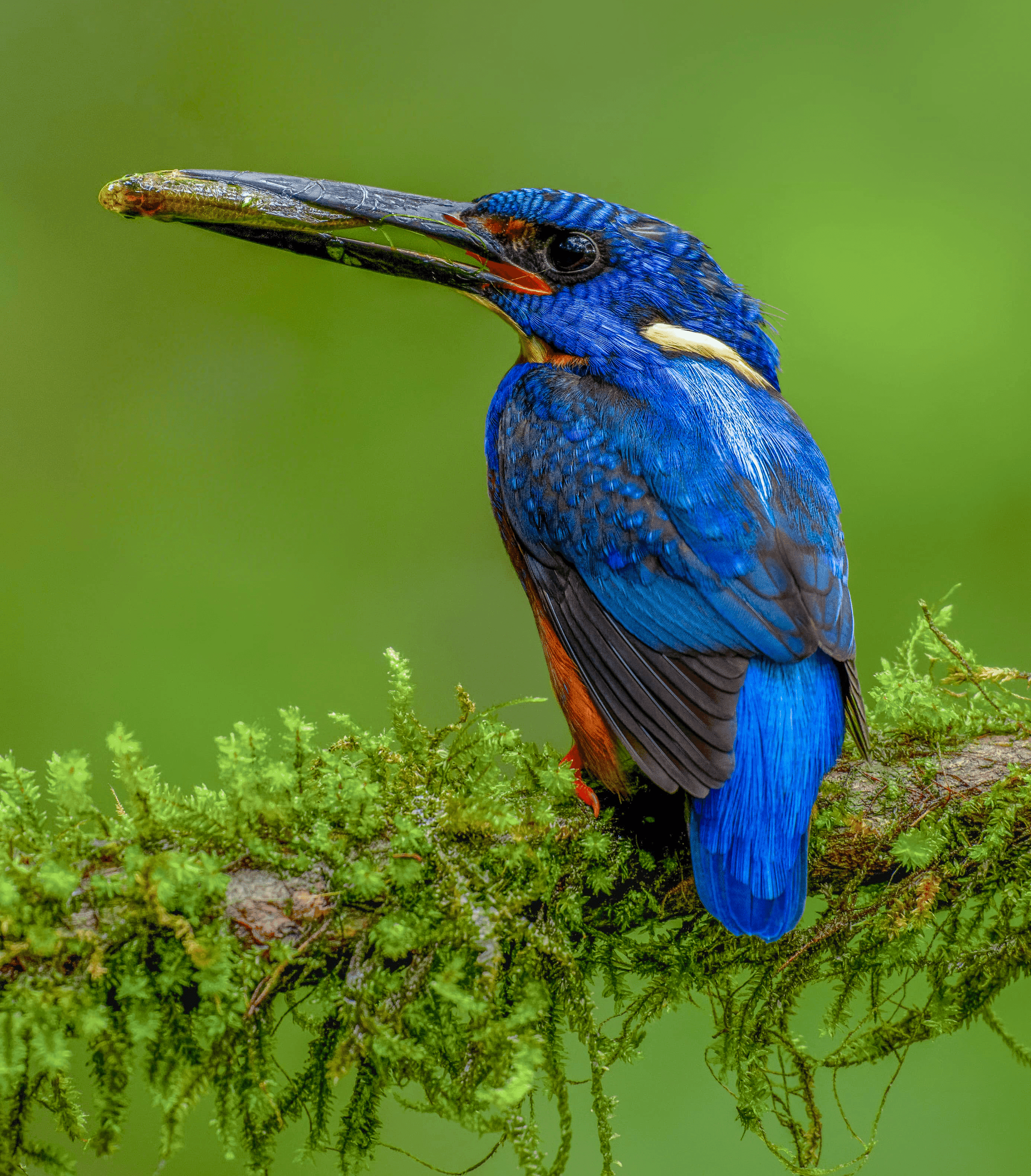
This was one of those quiet, almost delicate moments that you don't want to disturb. We had been waiting for a while, knowing this little patch was active. There wasn't much happening at first—just the soft sounds of the forest, a bit of movement here and there. And then, suddenly, he was there, perched so lightly, almost blending into the greens around him. What struck me wasn't just the color, though that deep blue always feels unreal—it was the focus. The stillness. He had already caught something, holding it gently in his beak, adjusting it ever so slightly. There was no rush, no chaos. Just precision. Moments like this are easy to miss if you're not fully present. They're not loud or dramatic. They unfold quietly, and if you're lucky, you're there to see it. I remember just watching him for a few seconds before even lifting the camera, because sometimes, you don't want to break that moment too quickly. For me, this image is about that pause, that quiet balance between instinct and calm. It's a reminder that even in something as small as this, there's so much to observe, if you're willing to slow down and really look.
Share an image from your time with Arrowhead the tigress and her cubs in Ranthambore. What did witnessing this intimate family moment teach you?
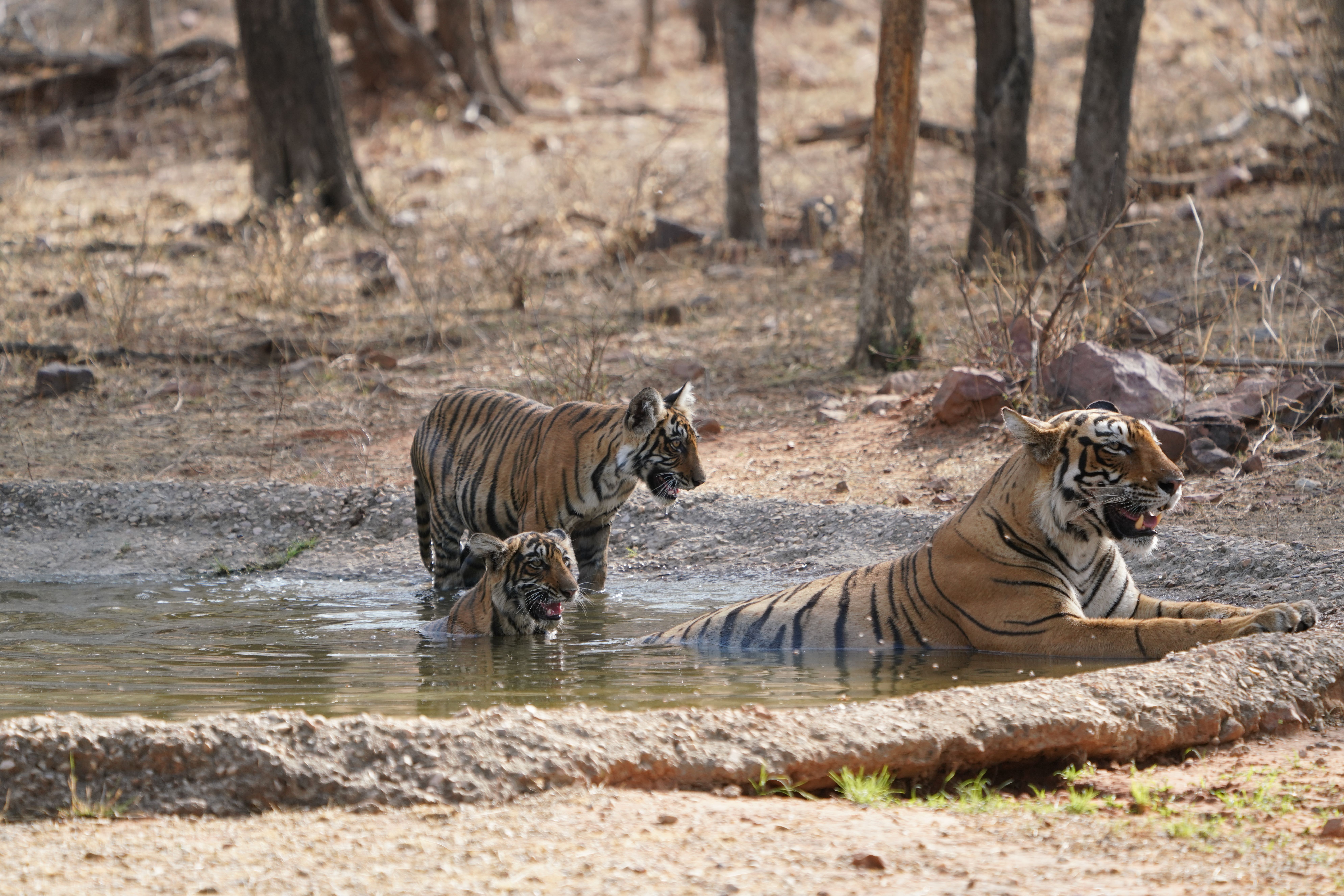
This was one of those moments where everything culminated to provide a perfect frame. We had been following Arrowhead for a while, and she finally settled into the water to cool off. It was a hot May afternoon, the kind where the heat hangs heavy in the air and even the forest feels a little tired. Then, slowly, her cubs joined her. What stayed with me wasn't just the sighting—it was the feeling of it. The ease. The quiet bond between them. One cub stayed close, almost half-submerged, watching her. The other moved around a bit more, curious, restless, but always aware of where she was. And she, completely at ease, held that space for them. There was something else happening too, something you only notice if you sit with it a little longer. She wasn't just resting. She was protecting them from the heat. She had brought them into the water, almost like hiding them in it, shielding them from that harsh afternoon sun. Every now and then, she would check the water, almost instinctively. Only when it seemed to cool down a bit did she gently move, calling the cubs closer again. There was no rush, no tension. Just a mother, aware, watchful, doing what she needed to do. In that moment, it didn't feel like a wildlife sighting. It felt like watching care, instinct, and quiet strength play out in the most natural way. You stop thinking about compositions or camera settings. You just watch. You feel it. Because you know this isn't something you can recreate or control—it is something you're being allowed to witness. For me, this frame isn't about a tiger sighting. It's about that feeling of being there, quietly and respectfully, while a small, intimate piece of the wild unfolds in front of you.
How did your journey seeking the Pallas's cat in Leh, even without a clear sighting, shape your perspective on storytelling?
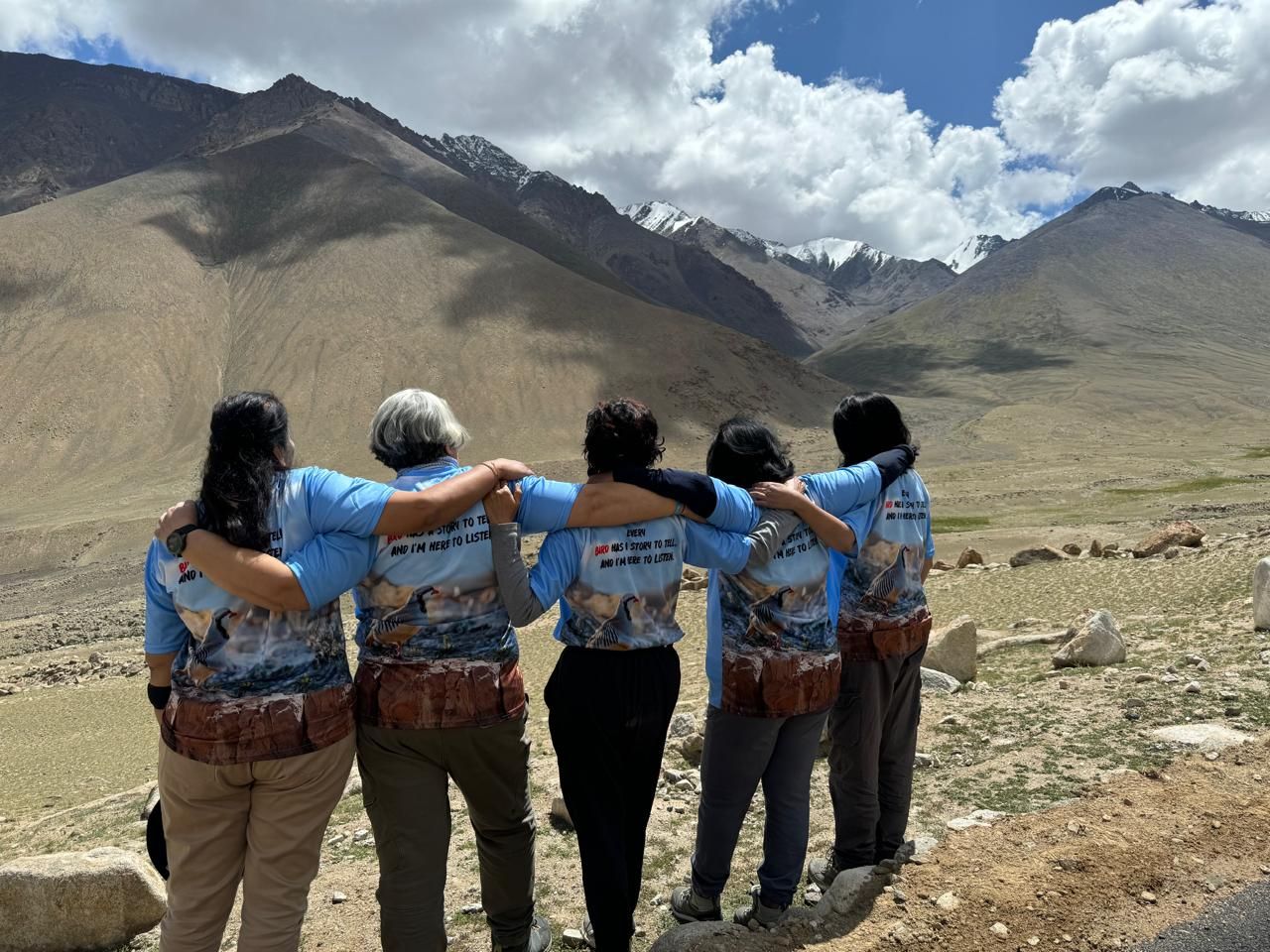
Honestly, that trip changed the way I think about stories. For the longest time, I believed a story needed a clear subject—a strong sighting—something to anchor it. The Pallas's Cat was supposed to be that. That was the plan, the goal. But it never showed up. And somewhere in that absence, something shifted. I started noticing everything else more deeply: the vastness of Ladakh, the silence that almost hums, the way the light moves across those barren landscapes, the small signs of life you would otherwise ignore. The journey stopped being about finding something and became about experiencing everything. That's when it hit me: the story was never just about the cat. It was in the waiting, the long drives, the conversations, the stillness, and the feeling of being in a place that doesn't try to impress you but slowly grows on you. Not seeing the Pallas's Cat didn't feel like a loss after a point. If anything, it made the story more honest and more real. Because not every journey gives you what you're looking for—and that's okay. Now, I think I look at storytelling a little differently. It's less about the highlight and more about the experience as a whole. Sometimes, what you don't see becomes just as important as what you do.
Walk us through your editing process for a wildlife shot, using a before-and-after example.
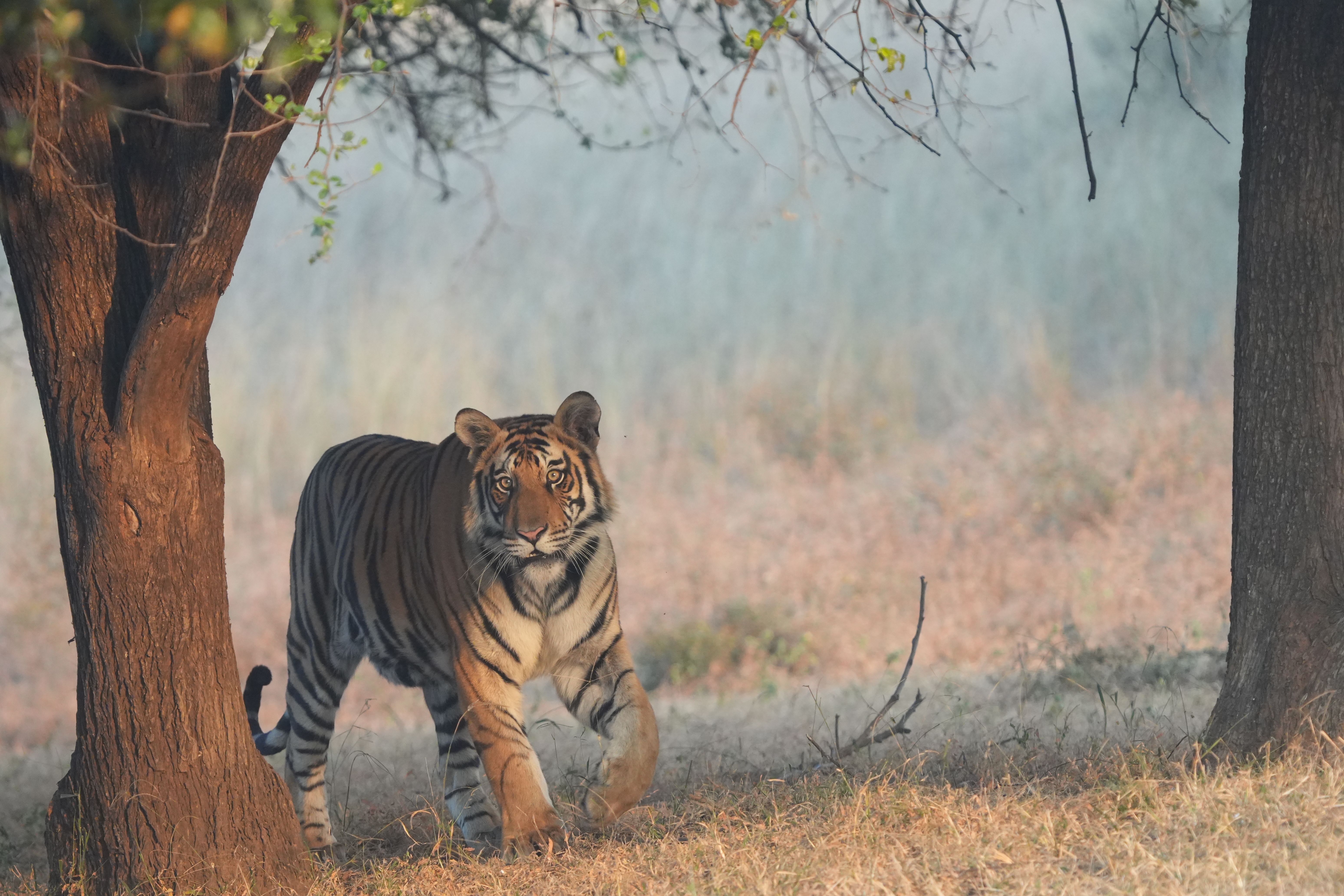

For this one, I kept the editing very minimal—just enough to bring it closer to what it felt like in that moment. The light was already beautiful, that soft early glow filtering through the trees. I mainly worked on balancing the exposure a bit, lifting the shadows on the tiger just enough so the details come through without losing that natural contrast of light and shade. I warmed the tones slightly to match the feel of the morning and toned down a bit of the cooler cast in the background so the subject stands out without looking edited. There's a light touch of clarity and sharpening on the tiger, but I kept the background soft and natural, the way it was. No heavy cropping or manipulation—just slight adjustments to keep the composition clean. The idea was simple: not to change the scene, just to stay true to it.
What message or feeling do you hope to convey with a photo that encourages people to slow down and observe nature more deeply?
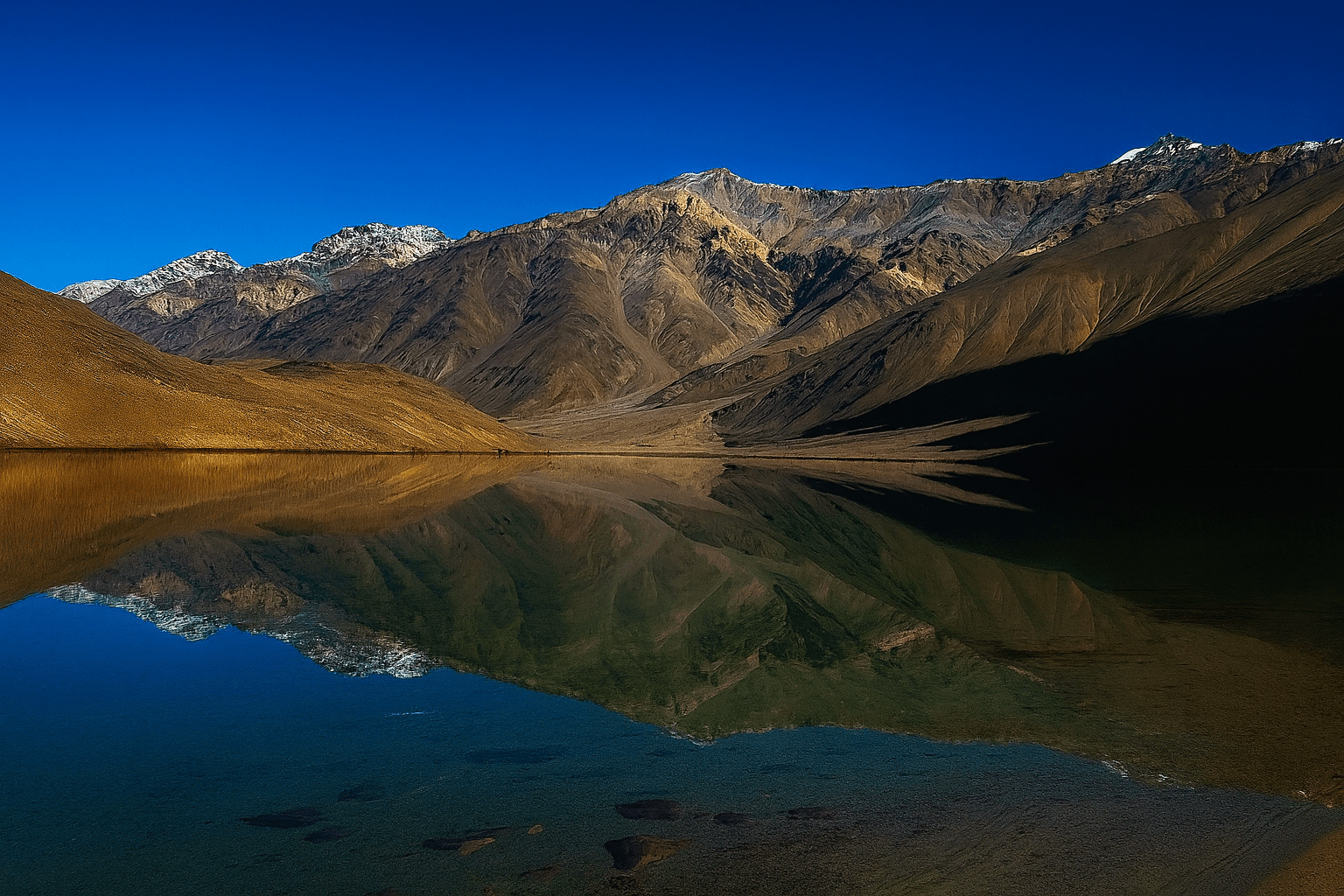
For me, this image of Chandra Taal Lake is about stillness—the kind you don't come across very often anymore. Standing there, it didn't feel like I was looking at a landscape; it felt like the landscape was holding everything in place. The water was so calm it almost didn't exist, just quietly reflecting whatever was above it. No movement, no disturbance, just balance. If there's one feeling I hope this carries, it's that pause—that moment where you stop thinking, stop rushing, and just take it in. Places like this don't demand attention. They don't try to impress you. They just are, and if you're willing to slow down, they give you more than you expect. I think this image is a reminder that sometimes, the most powerful moments are the quietest ones.
Share a video clip or a series of images showing animal behavior you patiently observed. What did this observation reveal?
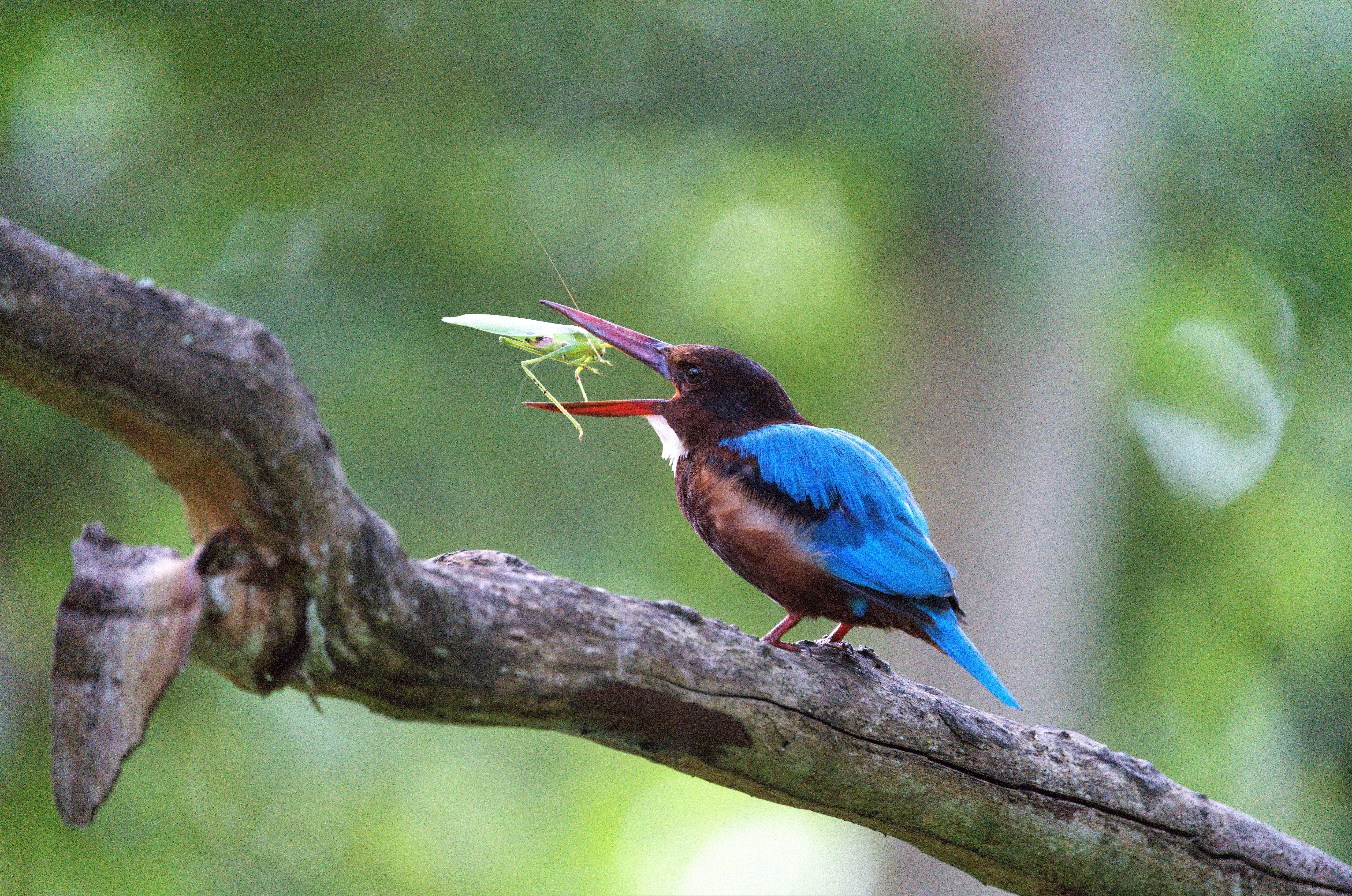
This was a small moment, but it said a lot. We often think of kingfishers as birds that are always diving for fish. But here, he was perched quietly, handling a grasshopper with the same focus and precision. It's a reminder that they're not limited to one way of surviving—they adapt and take what the environment offers. What stood out to me was that balance: a species we associate with water, thriving just as easily away from it. It tells you how connected everything is—the trees, the insects, the bird—all part of the same system. It also made me realize how much we tend to simplify what we see. We label a bird, attach a behavior to it, and move on. But if you spend a little more time, you start seeing the layers: the flexibility, the intelligence behind those small actions. For me, this wasn't just a feeding moment. It is a reminder that nature is always more complex—and more adaptable—than we give it credit for.
Upload an image where the landscape itself became a crucial part of the wildlife story. How does the environment contribute to the narrative?
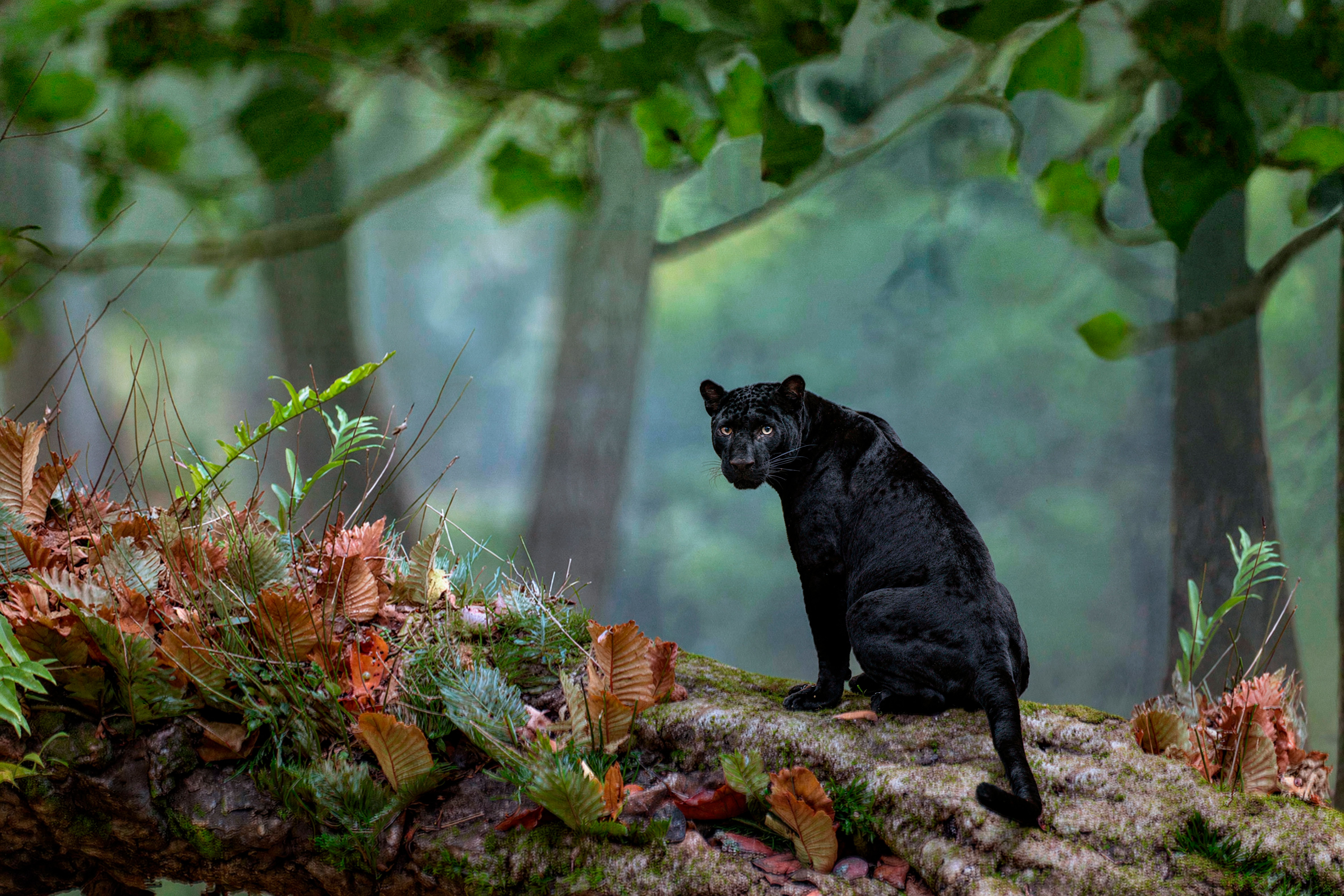
The environment is what makes this moment what it is. If you look at him alone, it's a powerful sighting. But it's the forest around him that gives it depth. The soft, muted greens, the misty background, the fallen leaves—it all feels quiet, almost hushed, like the forest is holding its breath. That fallen tree he's sitting on doesn't feel random. It feels like a natural stage, something the forest has offered him. And he fits into it so effortlessly, almost like he's a part of it, not separate from it. The light is gentle and slightly diffused, which softens everything around him. It takes away any harshness and lets his presence come through quietly, not dramatically. What I love about this is that nothing feels forced. The environment isn't just a backdrop—it's part of the story. It tells you about the mood, the time, the stillness of that moment. Without it, this would just be a photograph of a black leopard. With it, it becomes a feeling, a glimpse into his world, exactly as it was.
What are you currently focused on in your photography and with 'My Encounters With Nature'?
Right now, I find myself slowing down a lot more with my photography. I'm less interested in chasing sightings and more drawn to spending time in a place—understanding it, returning to it, seeing how it changes. The focus has shifted from collecting moments to really experiencing them. With 'My Encounters With Nature,' it's becoming less about individual photographs and more about the stories around them—the journeys, the waiting, the misses, the small observations that often go unnoticed. I want to build something that goes beyond a frame, something that lets people feel what it's like to be there. I'm also working on creating more immersive experiences, bringing people closer to nature in a way that's not rushed or checklist-driven. Just time spent observing, understanding, and connecting. I think that's where I am right now: trying to go a little deeper, a little slower, and a little more honestly.
Contact and Follow
Email: Shaefali@myencounterswithnature.in
Instagram: @myencounterswithnature
Facebook: @Myencounterswithnature
Website: myencounterswithnature.in