

How did you first fall for wildlife photography? Take us back to the moment you realised birds and wild creatures were what you wanted to point your camera at.
My first glance at wildlife photography wasn't from a photography perspective. It all started with the movie 2.0, the second part of the Tamil film Enthiran starring Rajinikanth. The character PakshiRajan influenced me to protect birds and wildlife. I first studied about birds, and then in 2020, during the corona time, I accidentally stepped into photography. I began by photographing insects like dragonflies and butterflies, and then I moved on to birds. I've photographed more than 20 birds, including the paradise flycatcher and the grey-fronted green pigeon.
Tell us about your first memorable sighting in the field — the one that made your heart race before you'd even raised the camera. What was it, and where were you?
The first moment I realised I should continue this photography was when I photographed the blue mormon. This butterfly is called Krishna Shalabham in Kerala. It was a rainy day. After my sleep in the morning, I took my camera and started to look for rainy-filled photographs. That time, I accidentally found the blue mormon. It was a big one. I shot it with a problem-functioning Canon EOS 1300D with a 50-250mm entry-level camera.
Is there a photographer, naturalist, or someone in your life who shaped how you see the wild? Tell us about them.
Yes, my mentor in this field is Sudhir Shivram. I'm also inspired by documentarians like David Attenborough and Bertie Gregory.
What's the story behind your favourite bird portrait, and what makes this bird so special to you?
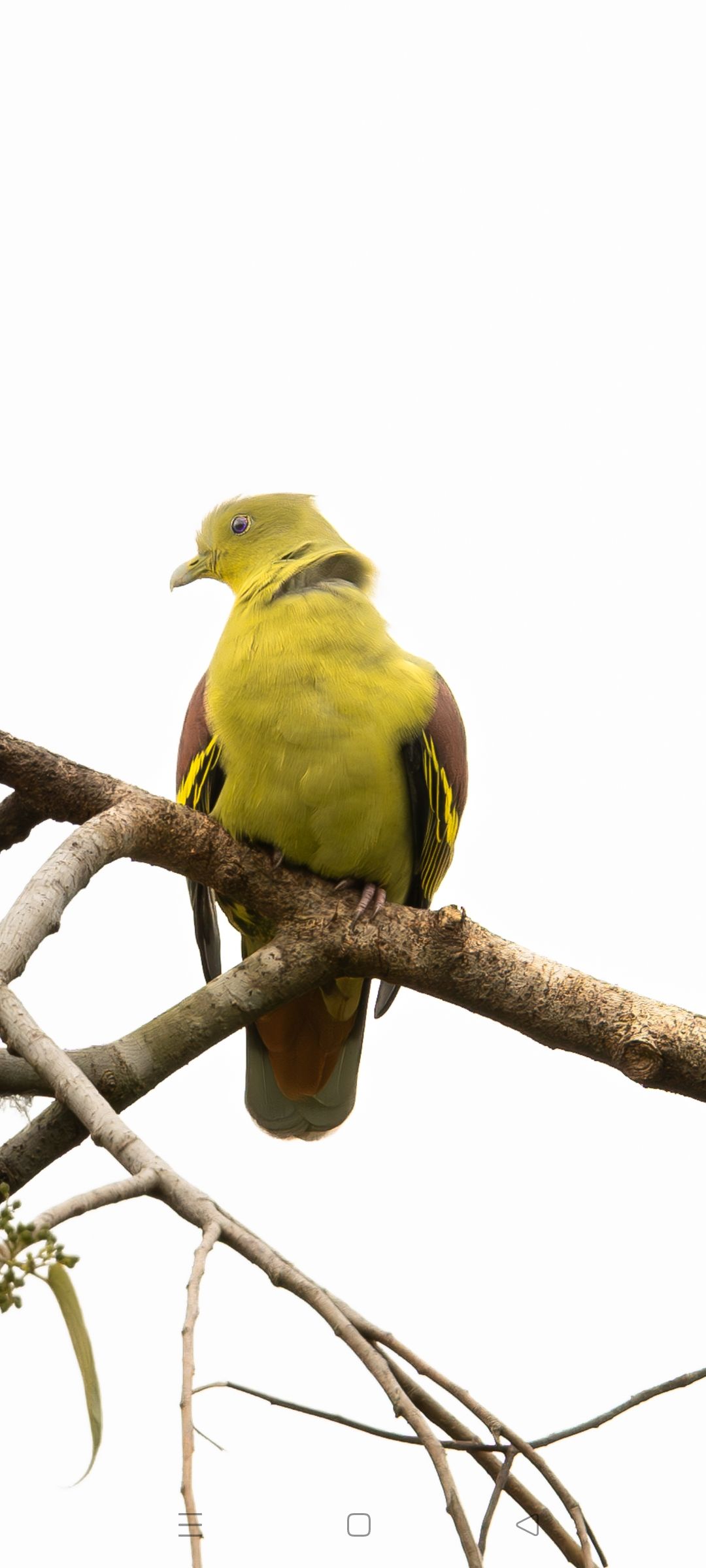
This is the grey-fronted green pigeon. One day, while I was photographing around the outskirts of my home, I suddenly heard a sword-swirling sound. When I looked, it was a group of pigeons. I photographed one and searched on the internet, and I was blown away by the name.
What's the story behind the shot that took real patience to get?
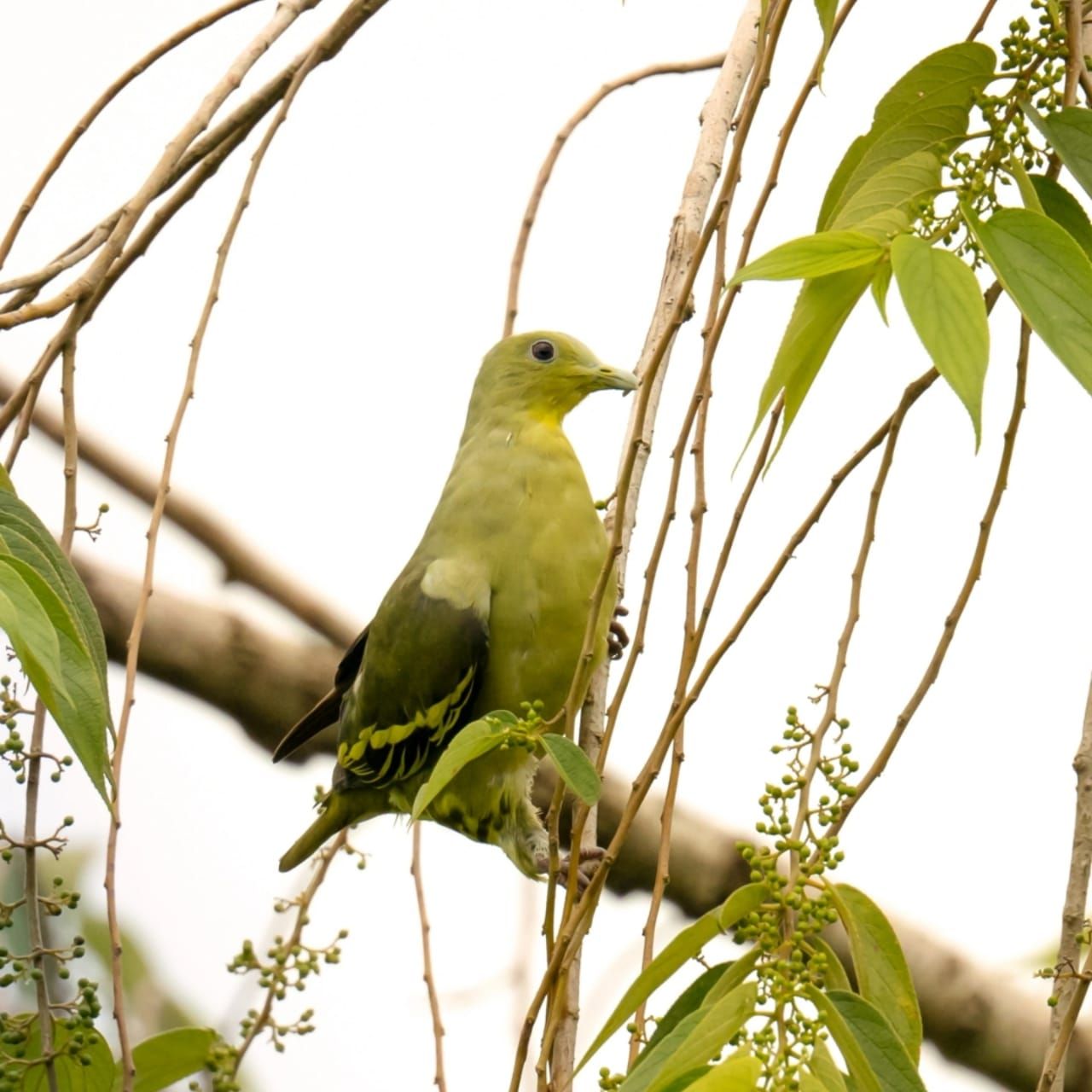
I waited for five minutes for this frame. After this, I started to upload about bird counts on E-bird, and I got an appreciation certificate from E-bird in 2023.
Tell us about a wildlife encounter that wasn't with a bird — what happened and where were you?
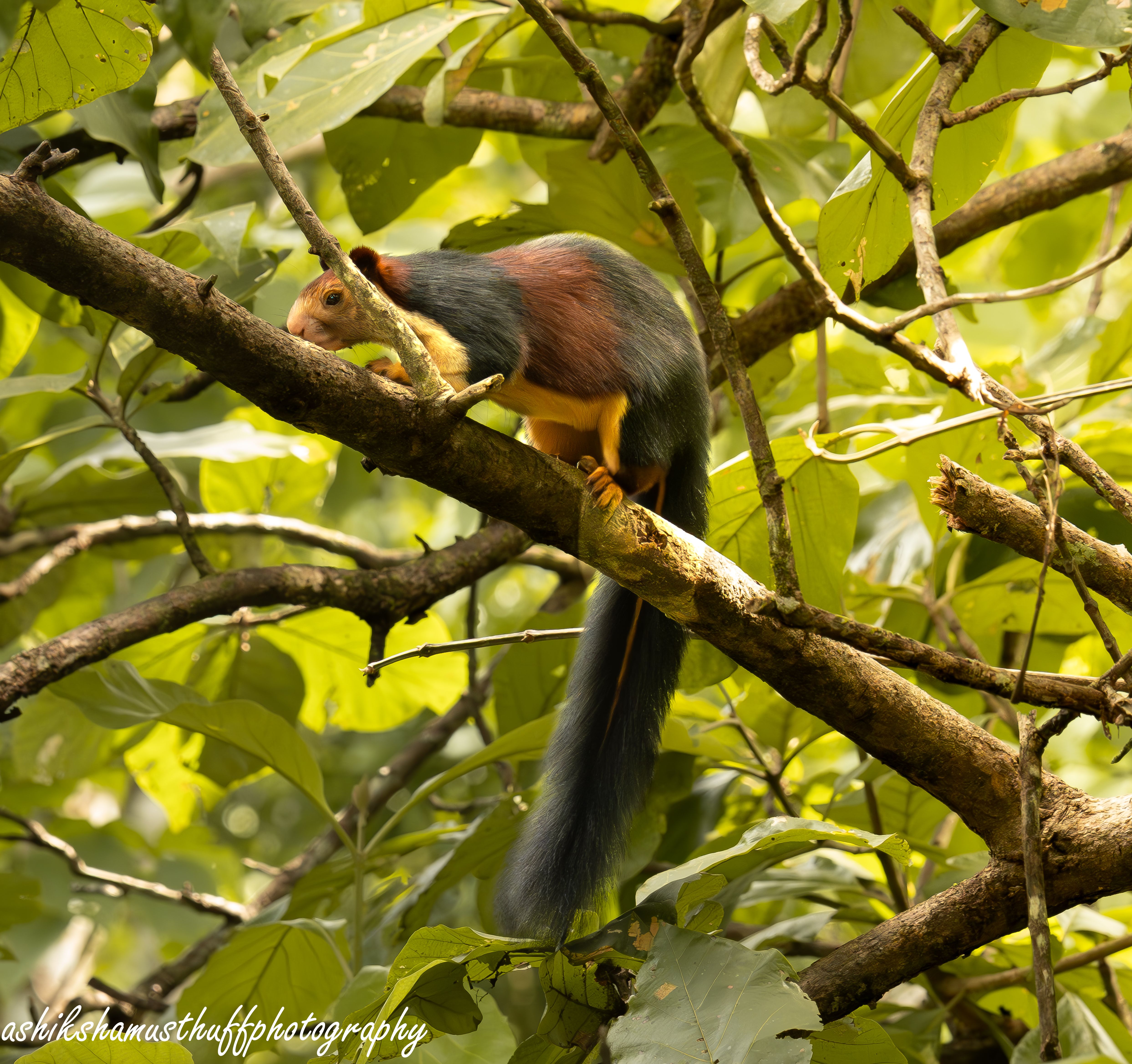
This story was quite amazing. One day, my mind was filled with innate energy, and I decided to go to Athirappilly waterfalls in Kerala. That day, I photographed this picture of a group of Malabar giant squirrels.
Looking back at one of your early wildlife photos, what do you see that you'd do differently today?
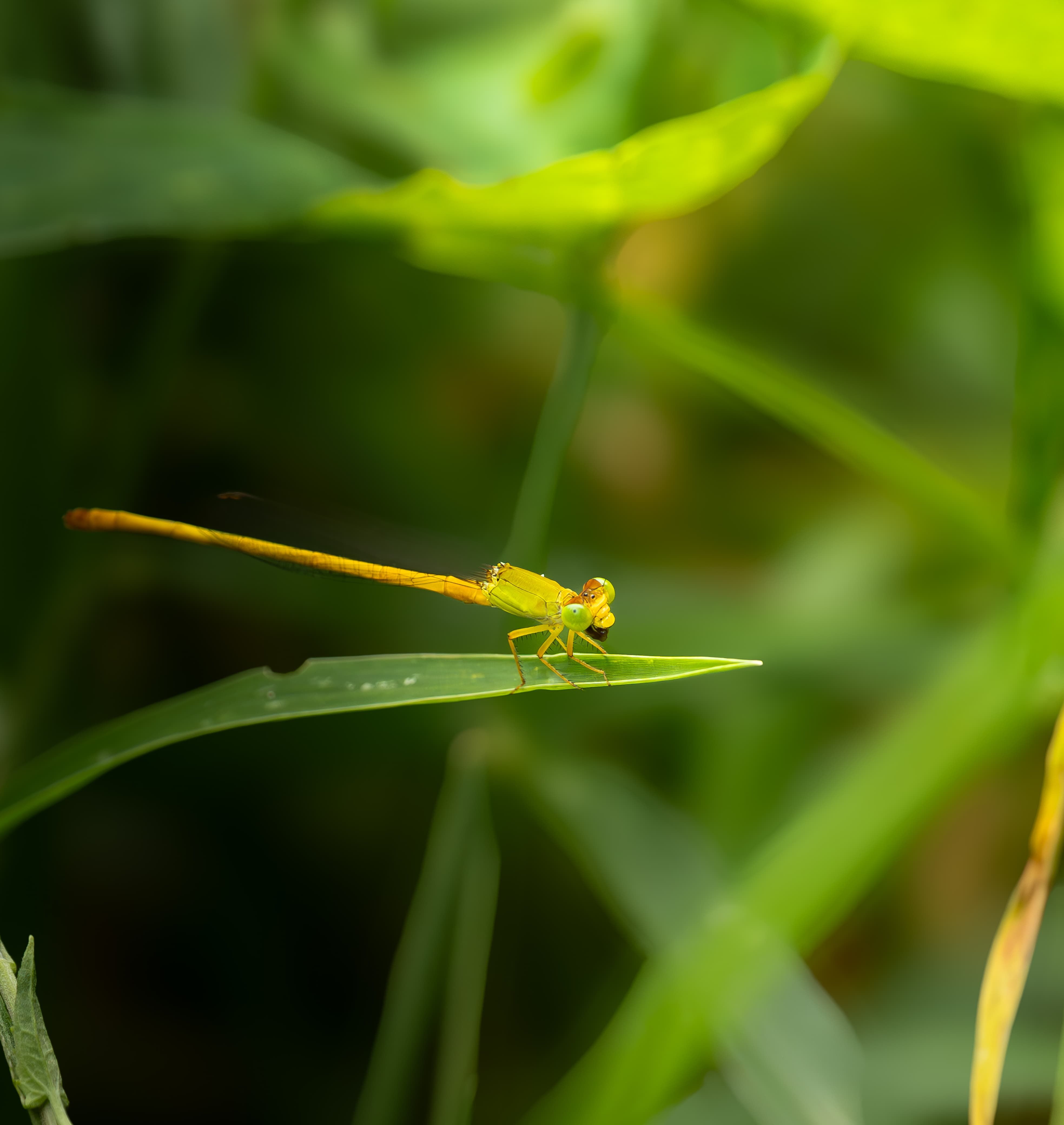
I'm proud of myself for doing wildlife and nature photography. It was one of my childhood dreams, and the pandemic made me pursue it. But now, I'm focusing on becoming a wildlife documentary director for National Geographic and BBC. I haven't had a chance yet, but I firmly believe this feature in WallMag will lead my future to that big dream.
What clicked for you between that early photo and a recent frame you're proud of?
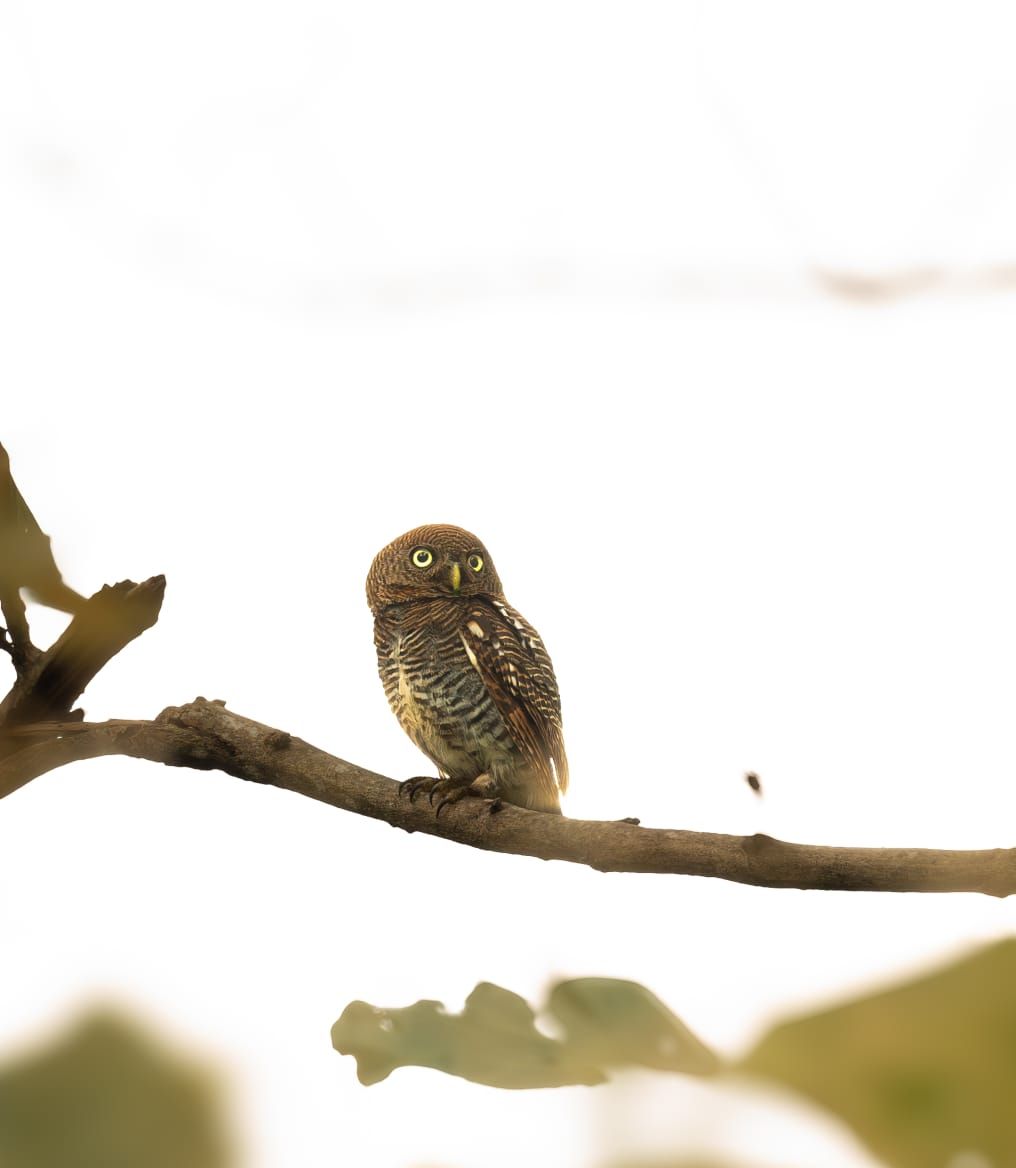
Nothing unusual. The early photographs were taken with an entry-level camera, while this one was taken with a Sony Alpha M4 and a Sigma 150-600mm zoom lens.
Walk us through what's in your field kit and why each piece earns its place on a shoot.

I just use the camera and lens. I don't use tripods yet.
What is this place you love to shoot in, and what keeps drawing you back to it?
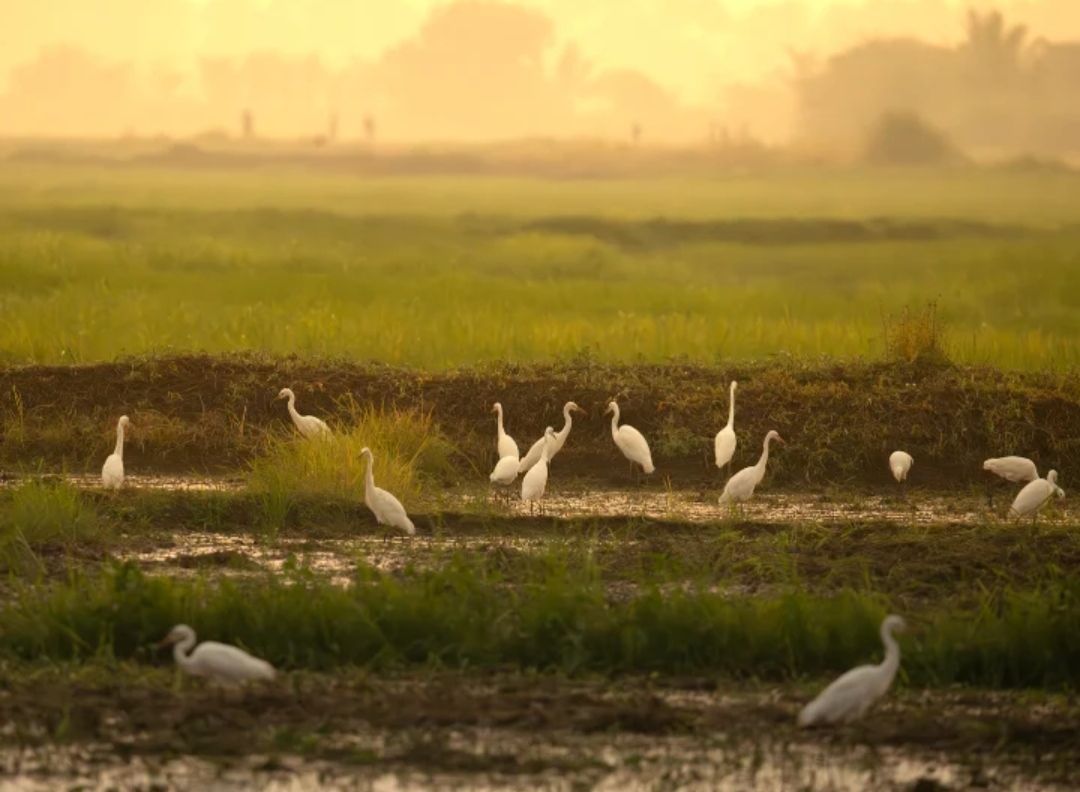
This is called Pakshithara in Kerala. It's situated at Cherpu, a small village near Thrissur town. There is a wide variety of birds, more than 1000 species.
Is there a species or a place you dream of photographing one day — the shot you're still chasing, and what does being out in the wild give you that nothing else does?
My biggest dream is photographing the red panda in Assam and Arunachal Pradesh.
Contact and Follow
Email: ashiksha7866@gmail.com
Instagram: Ashikframes_photography