

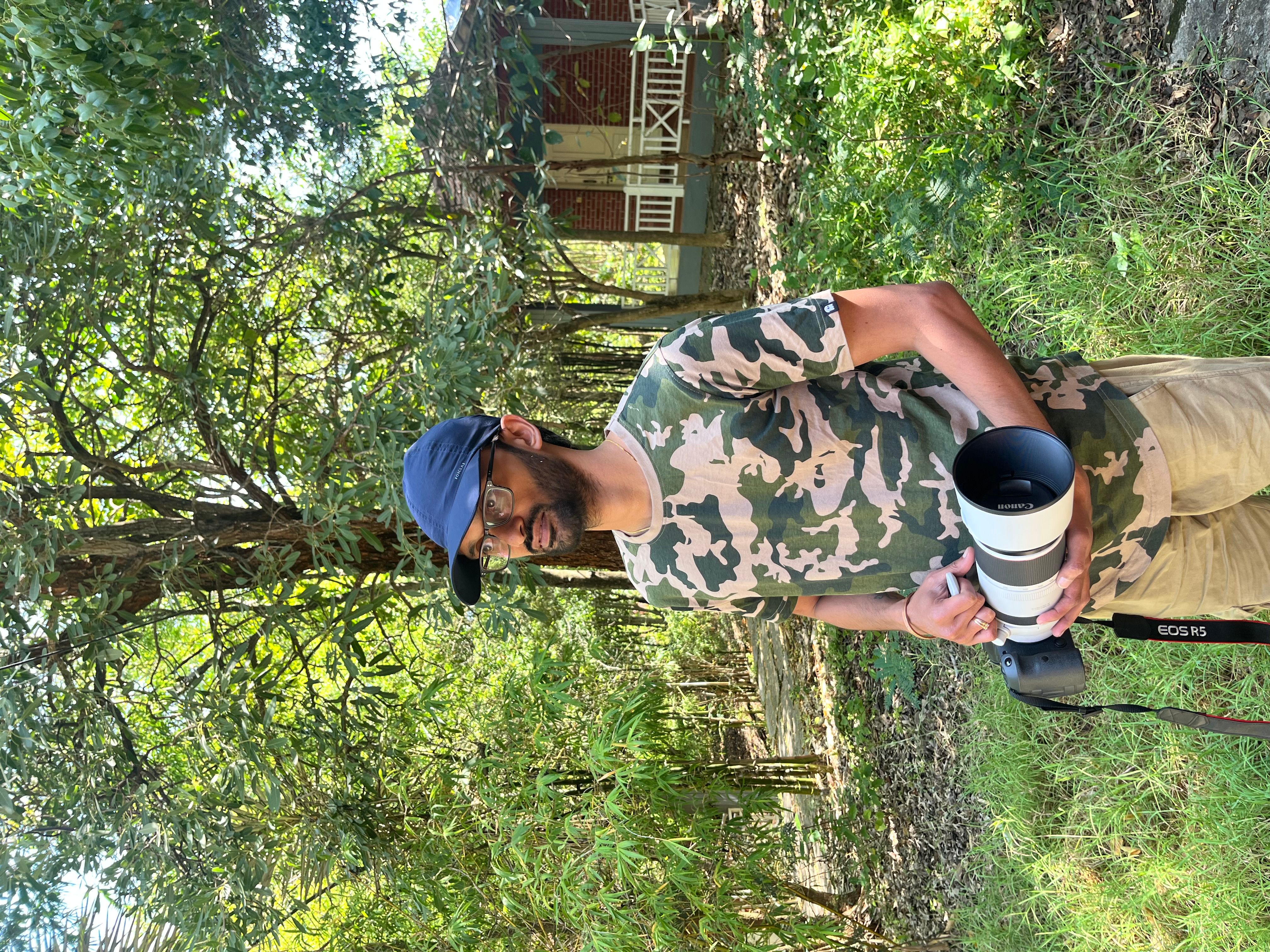
How did your journey in wildlife photography begin?
My journey into wildlife photography started quite unexpectedly during a trek near the outskirts of Coimbatore. I had only brought a basic camera along that day, intending to capture some landscapes. While resting by a small lake, I noticed a bird sitting perfectly still on a branch. With nothing else to do, I waited a few minutes and clicked a single photo. Later that evening, looking back at the shots, I realized that accidental image was one of the best pictures I had taken all day. That moment completely changed how I viewed nature. I began spending my weekends visiting nearby forests and birding spots, learning how animals behave and just how much patience this craft truly demands. Most days I would return home without the perfect shot, but slowly, I began to enjoy the experience itself far more than the final result. Over time, wildlife photography became less about the camera equipment and more about being close to nature, noticing the small details that people usually miss.
What was the first wildlife moment you captured that made you fall in love with this craft?
To be honest, I had already fallen in love with wildlife long before I ever held a camera. Nature, forests, and animals always fascinated me deeply. But the specific moment that turned that passion into wildlife photography was when I got my first digital camera and captured an elephant as my very first shot. That moment felt incredibly special — not because the photo was technically perfect or award-winning, but because standing there, framing that magnificent animal through the viewfinder, I realized I wanted to spend my life telling stories of wildlife through my lens. It was a feeling of purpose clicking into place.
How has your experience and style in wildlife photography evolved over the years?
I started my journey strictly with bird photography, which taught me an immense amount about patience, timing, and paying attention to the smallest details. Over the years, my interest has gradually evolved toward broader wildlife photography, especially mammals. Spending extended time in forests, observing complex animal behaviors, and understanding their interactions with the environment helped shape my style. Today, I focus less on just capturing a species and more on storytelling, natural moments, and the profound connection between wildlife and their habitat.
What is the most challenging aspect of wildlife photography for you?
I think patience remains the single most challenging aspect of wildlife photography. In the beginning, waiting for hours without a sighting or waiting for that split-second perfect moment used to feel incredibly difficult and frustrating. But over time, I have learned that patience is arguably the most important skill in this craft. With experience, I have been able to master that restlessness and now I truly enjoy the entire process — the waiting, the watching, and the anticipation — much more than I ever thought I would.
Which of your recent portfolio images best captures the spirit of your work today?
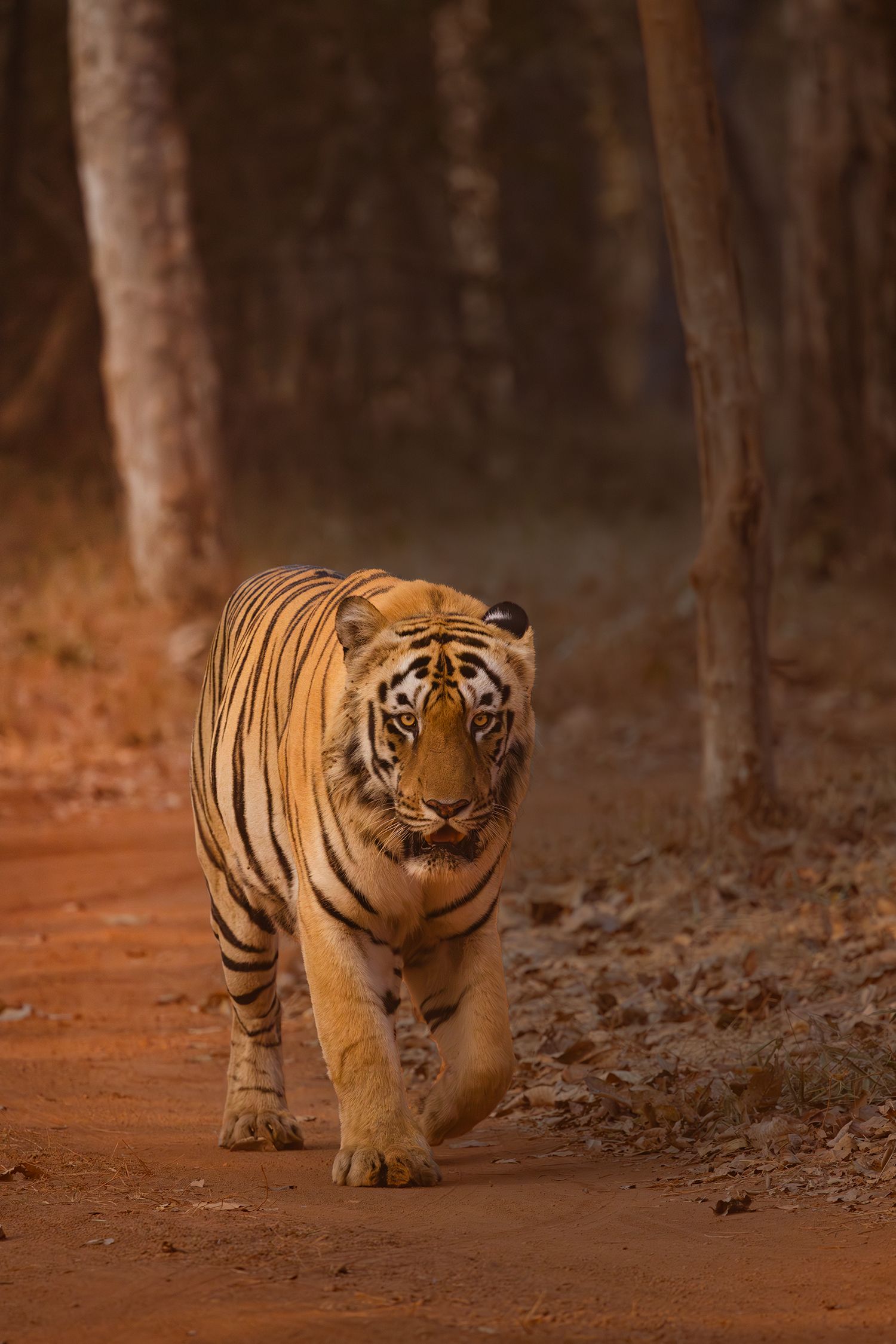
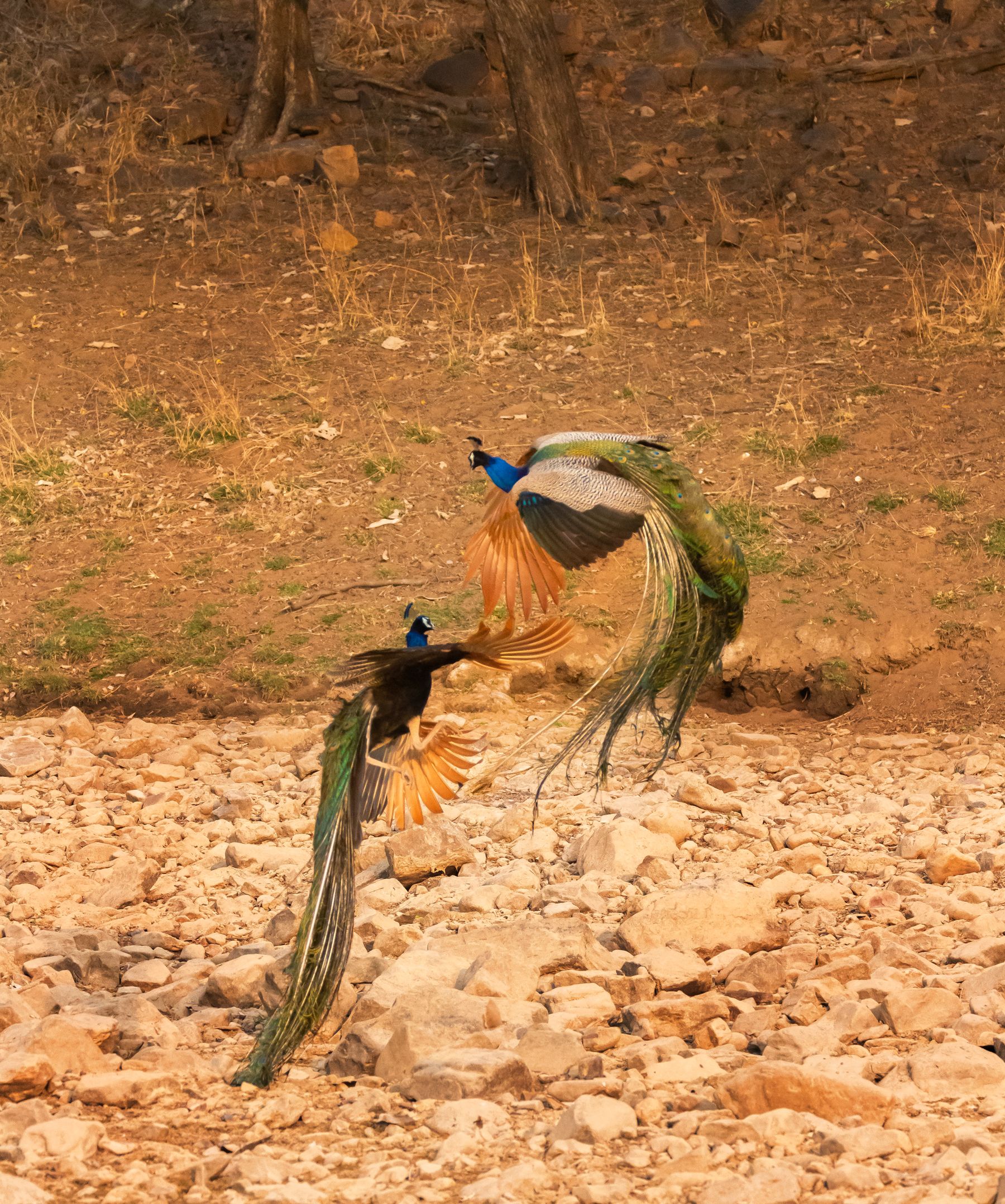
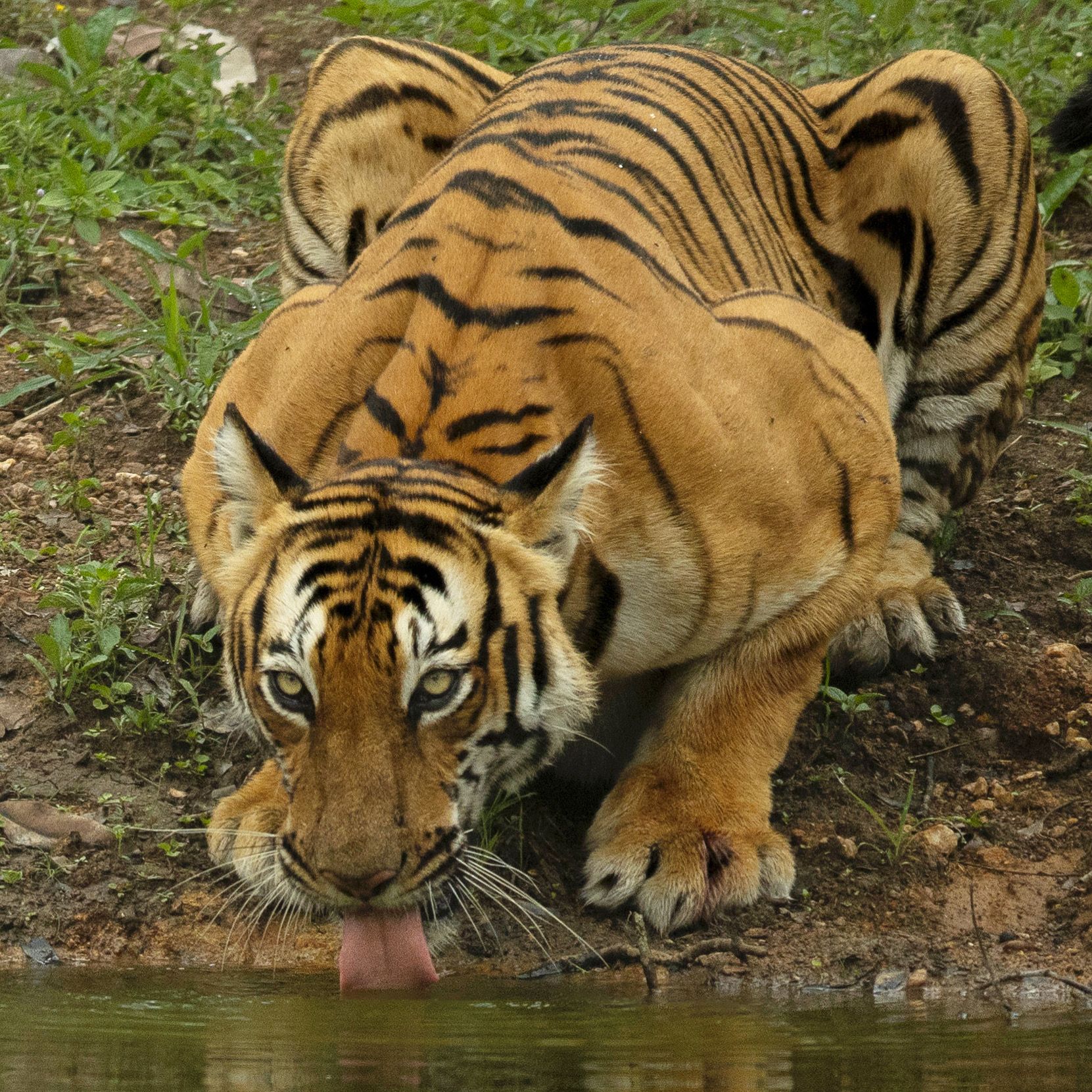
Can you walk us through the editing process for a recent wildlife shot you were happy with?
For a recent image, I started by increasing the overall exposure to bring out the details that were hiding in the shadows. Then I applied a bit of blur dodging to gently soften the background and really make my subject pop. Finally, I used a subtle saturation boost to make the colors feel more vibrant and true to what I saw in that golden light. It is a simple workflow, but it helps the image feel polished without losing its natural character.
Tell us about the time you captured a rare or elusive animal. What made that sighting so special?
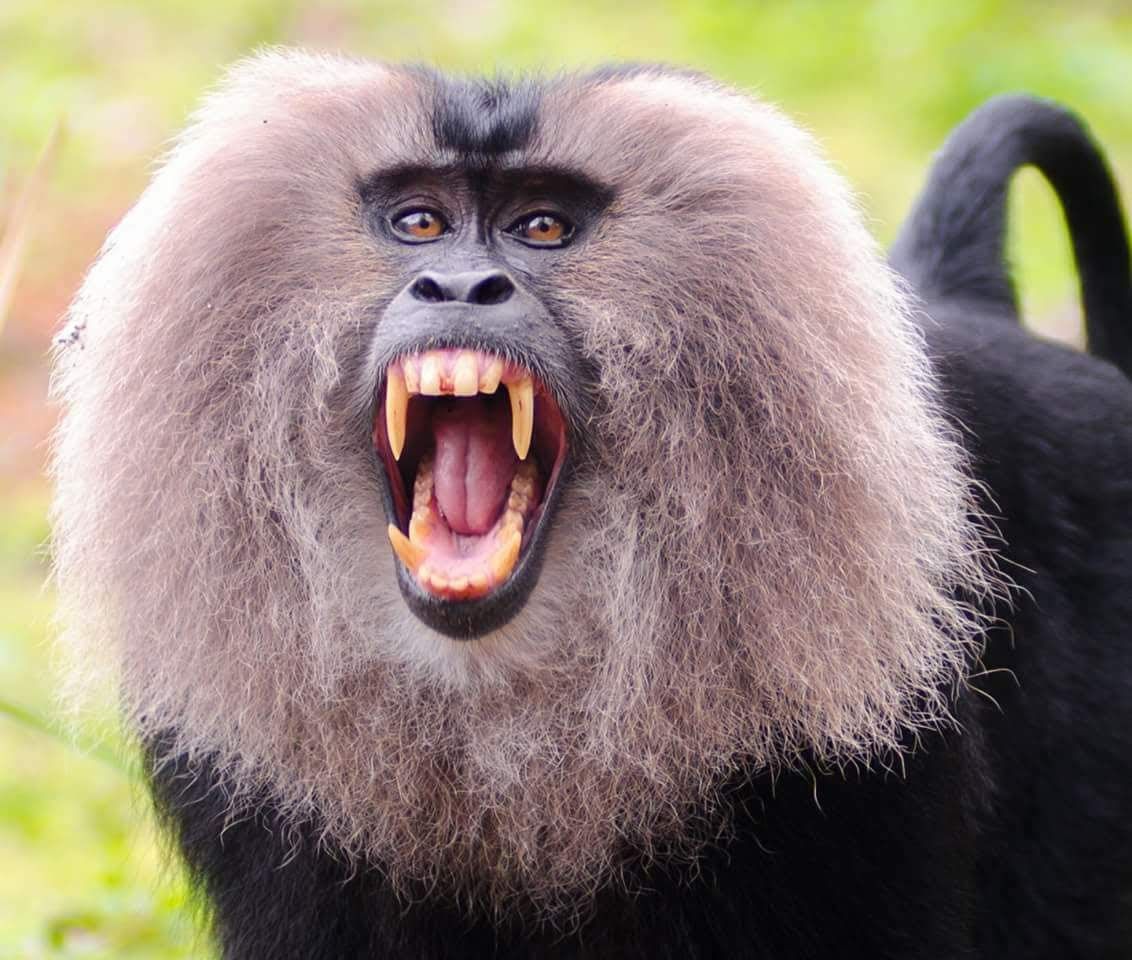
The Lion-tailed Macaque is an endangered species, which in itself makes any sighting incredibly special. But getting this particular shot, with such an intimidating and powerful pose, felt like a once-in-a-lifetime moment. It wasn't just about seeing the animal; it was about capturing its raw presence and the intensity in its eyes. That image reminds me why we work so hard to protect these incredible creatures and their habitats.
What was it like filming that bear as it approached the honey on the rock?
The moment I saw the bear approach, there was this instant rush of excitement and disbelief. My heart was racing just watching this powerful, magnificent animal walk up to the rocks. And then as soon as it caught the scent of the honey I had brushed on, everything changed. It went straight to work, completely locked in. Watching it press its mouth against the rock and start sucking the honey so eagerly and intensely was just breathtaking. There was something almost mesmerising about it — the sounds it made, the way it methodically worked its tongue into every crack and crevice of the rock, refusing to leave a single drop behind. I felt this deep sense of wonder and privilege standing there knowing that I had created that moment. It was just me, the rock, the honey, and this incredible animal completely lost in its own world. Time just stopped. It was raw, it was real, and it was one of those experiences that stays with you forever.
What draws you to Bhadra as a primary shooting location?
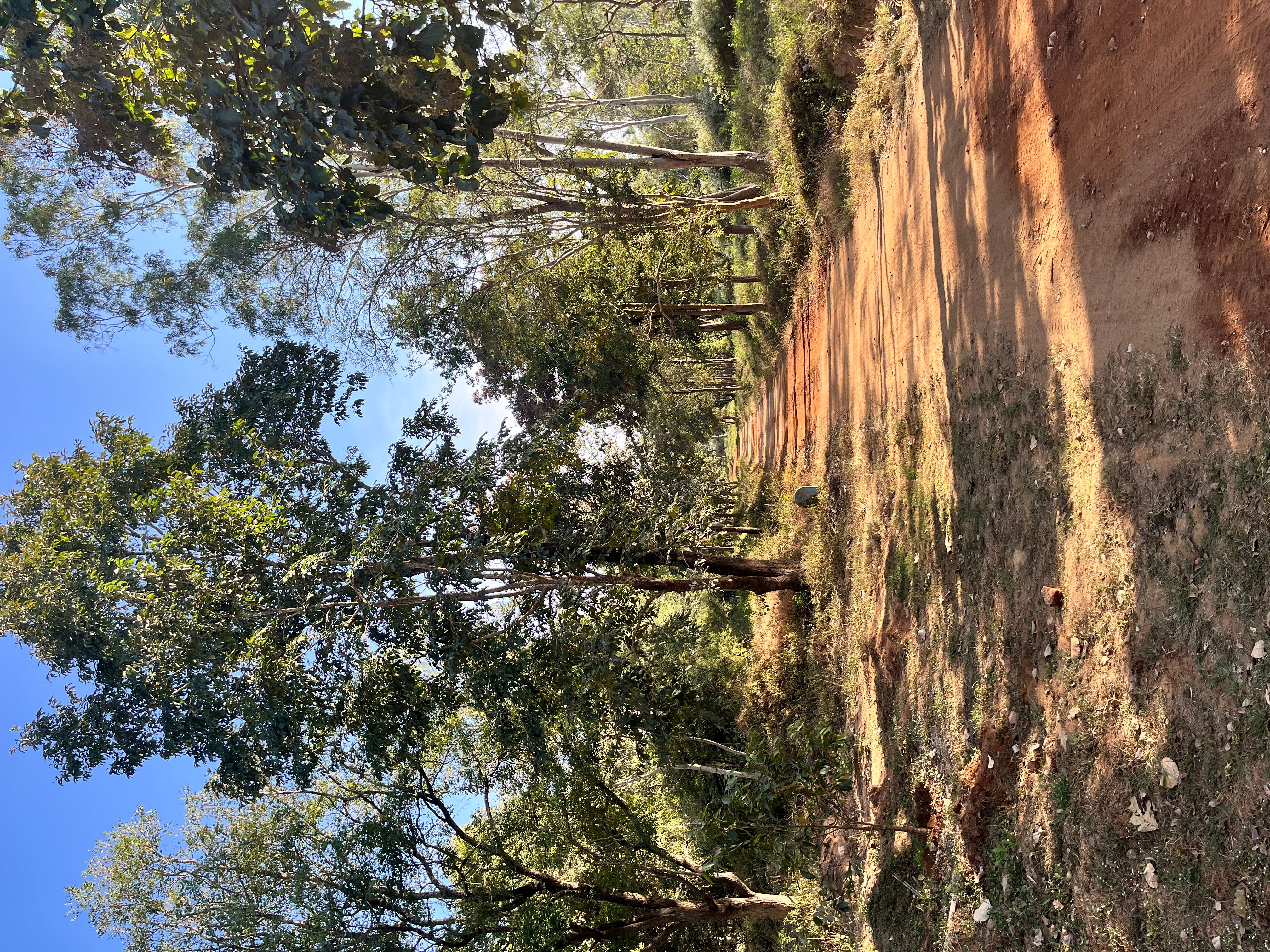
Bhadra is a stunning wildlife reserve nestled in the Western Ghats of Karnataka, known for its rich biodiversity, dense forests, and thriving wildlife. What draws me to Bhadra is that sense of stepping into a world that feels completely untouched and alive. It is the kind of place where every visit brings something unexpected — whether it is an elephant moving silently through the trees, a bear working its way across the forest, or simply the sounds of the forest wrapping around you. There is a raw, unfiltered energy to Bhadra that pulls me back every time. For me it is not just a wildlife destination, it is a place where I feel most connected to nature and most alive.
What gear do you rely on most for your wildlife shoots?
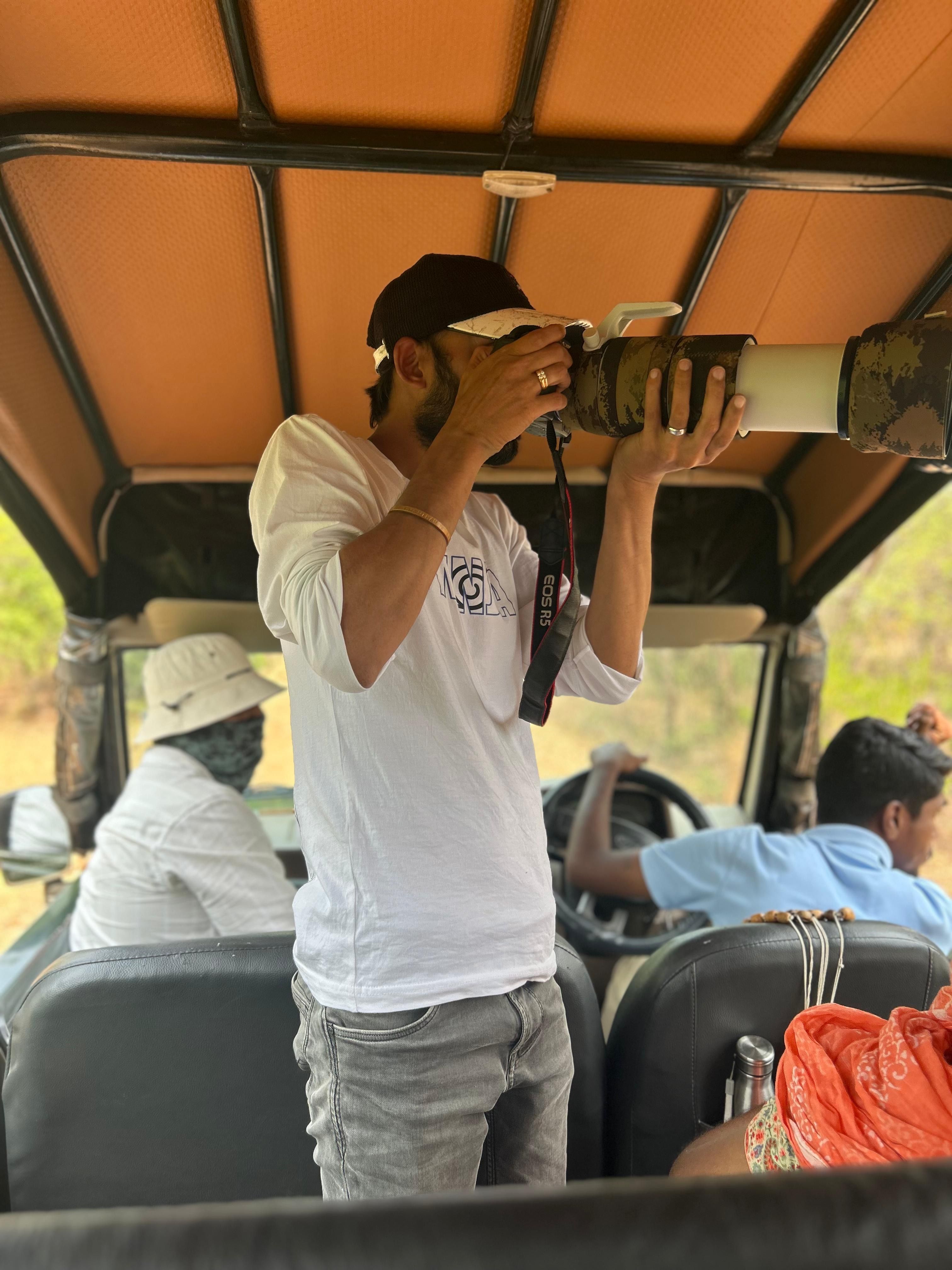
My main setup is my Canon R5 paired with the 100-500mm lens. This combination gives me the speed, reach, and versatility I need to handle unpredictable wildlife encounters, from a bird in quick flight to a mammal moving through dense undergrowth. It is a reliable workhorse that lets me focus on the moment rather than the equipment.
Contact and Follow
Follow Ghautham on social media: https://linktr.ee/ghautham1992
Email Ghautham directly: ghautham1992@gmail.com