

How did your journey into music begin?
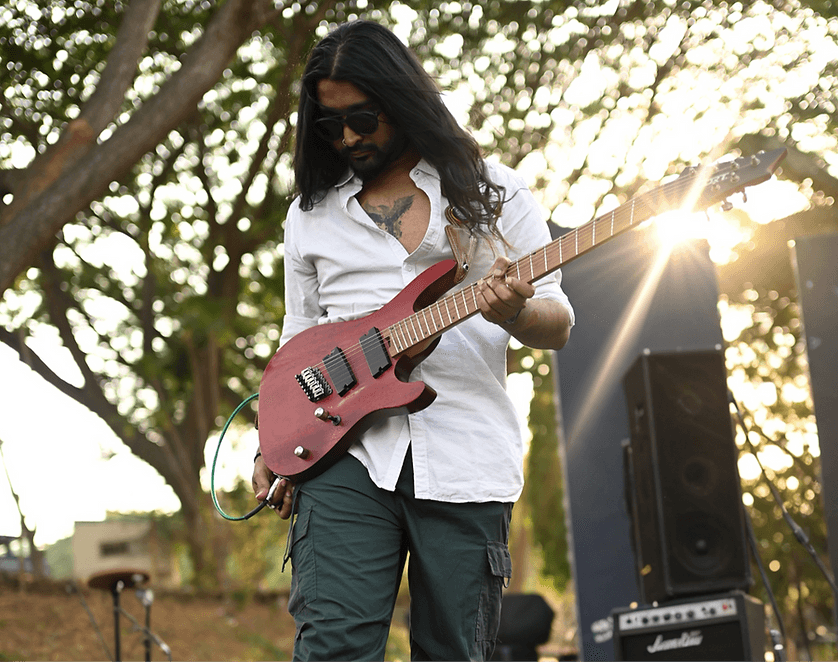
Growing up in a Bengali household in Bangalore, music and art have always been a constant presence in my life. I remember as a kid, I used to go to bed with a radio playing beside me—it became a habit; I simply couldn't sleep without it. Later on, I picked up the guitar when I was 12. My first class was on June 2nd, 2010, at 7 pm. A friend of mine was taking guitar lessons and called me to join in. I found the guitar fascinating—it had so much character—and my dad played too, having had a band back in his college days. So it was always a bit of a fantasy to pick up the instrument. I started learning guitar as a hobby, with no expectations or goals, just for fun. Then the obsession kicked in. On September 4th, 2016, I ran out of my house to perform at Humming Tree after getting an invitation. That stage and that day completely changed the course of my life. Since then, I've been doing nothing but making music. It's become my life!
What first drew you to prog rock and experimental guitar music?
My introduction to prog rock was through 'Breaking All Illusions' by Dream Theater, and that blew my mind. Shreddy and melodic guitars with mad synths and weird time signatures—I was blown away. I never thought something like that could even be made. Then, the first time I listened to 'Dark Side of the Moon' by Pink Floyd and 'The Raven That Refused to Sing' by Steven Wilson, my mind opened up even more. Experimentation just kept flowing through and developing from there.
How has your experience as a self-producing artist evolved over the years?
Definitely, every day is a day of learning. There are times when I try to find a way to do something on my DAW, only to realize it's been right in front of me all along! It feels good to become like a kid again and just explore and learn without any pressure or people around. When it comes to art, life becomes honest. I'm always grateful to be doing what I'm doing—it's a continuous journey of discovery.
What does a typical day in your creative process look like?
Usually, I teach music at CircleOfFifths Music Academy during the day. My personal time starts after that, when I sit down to noodle around on the guitar, experiment with some new plugin, or play with synths. Slowly, new worlds start emerging. Four to five hours can pass without me even realizing it, and sometimes, while recording, I skip sleep altogether. For the release of my last EP, 'SnowBlow,' things were pretty intense—five nights, five songs, and almost no sleep for close to a week. But every 'struggle' feels like a blessing; it pushes me to do more with music. That's why 'SnowBlow' sounds the way it does.
Walk us through a signature guitar riff or experimental passage from one of your tracks—what's the story behind it?
The first clip is the solo from my track 'Eonian Dreams.' All my solos are improvised—I'm too lazy to sit and write down every note, and improvisation is just more fun! It took me over a week to properly transcribe this solo. I'm really proud of it because it sounds fluid and flowing, but the runs make it much more challenging. The second video is from a regular noodling session where I came up with something and then started exploring other ideas around it, seeing where the direction would take me.
Share a photo or two of your home studio or production setup—what's the story behind it?
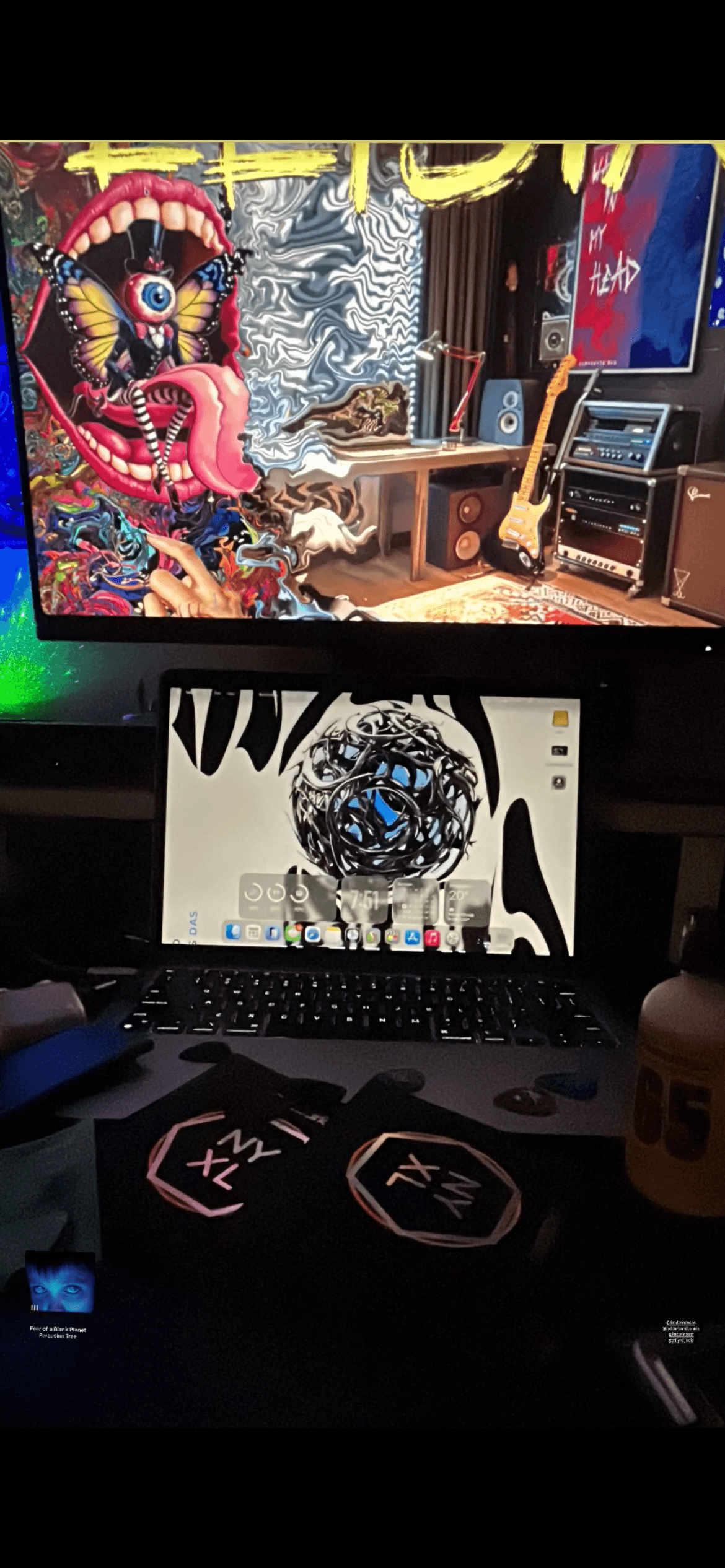
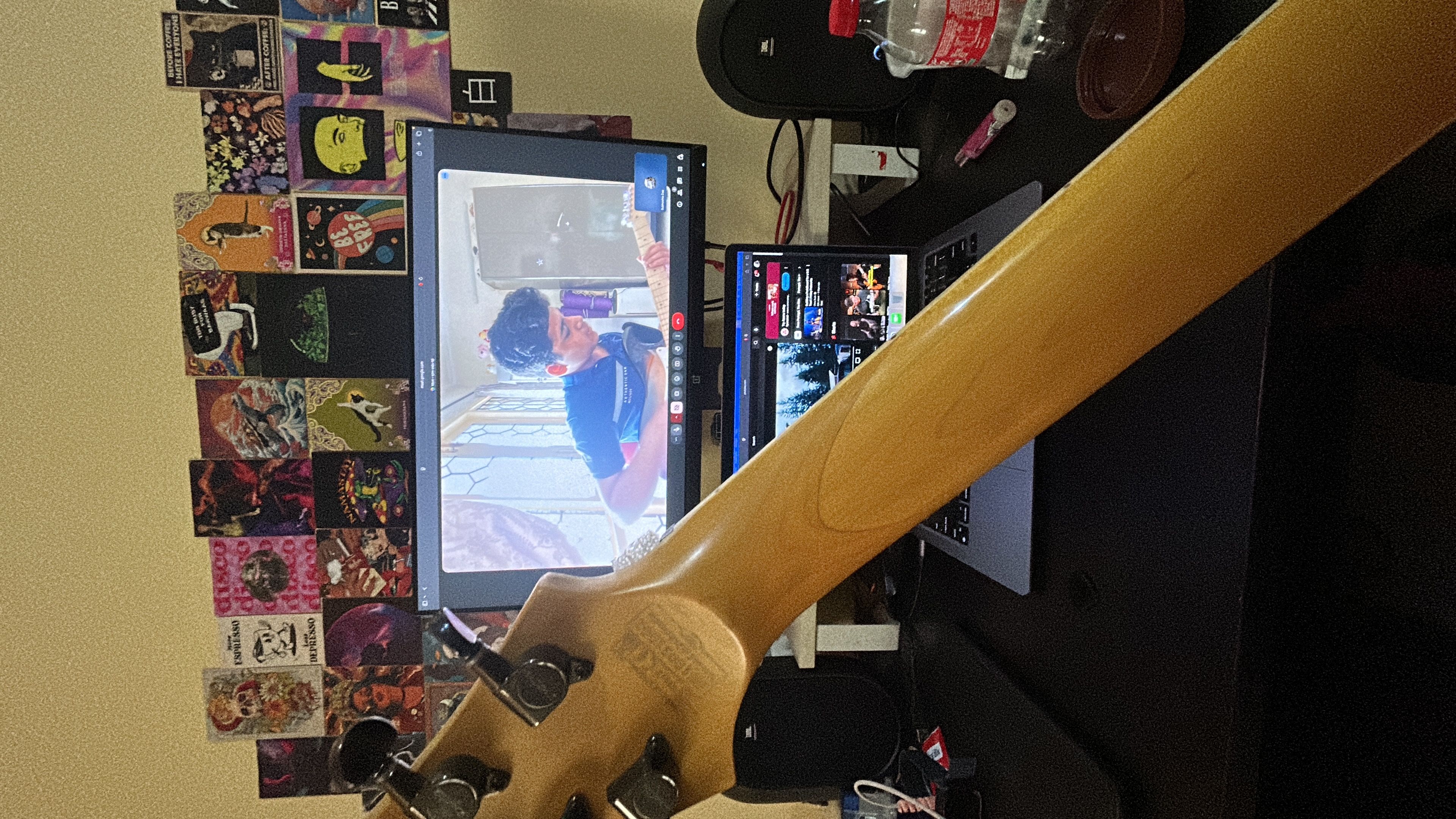

My setup is pretty basic. I run a MacBook Air M1 with a OnePlus 24-inch monitor and JBL 104 Compact Studio monitors. Right now, I'm using the Vault AiX interface for all my recordings, though that varies quite often as I try out different interfaces and compare them. My favorite piece, aside from my beautiful guitars, would be the Mac itself. Without it, I wouldn't be able to do any of these recordings. It struggles a bit and gets extremely annoying when the system overloads, but for what it is, it's a killer machine. I'll upgrade soon, though—the next release is really pushing it to its limits!
What specific challenge or technique does this behind-the-scenes clip from your mixing process demonstrate?
I was just checking out one version of the mix, and this was right after a four-day trip with three different shows. Aside from trying to make the best mix possible, I'd say it's the human mind that never settles and never stops, no matter how tired or exhausted you are. As long as the song or project isn't finished, we artists can't get out of it. That push that keeps us coming back, correcting, and creating can also affect our health—that's the only thing I'd complain about. Everything else is perfectly fun.
How does your visual artwork connect to the music it represents?
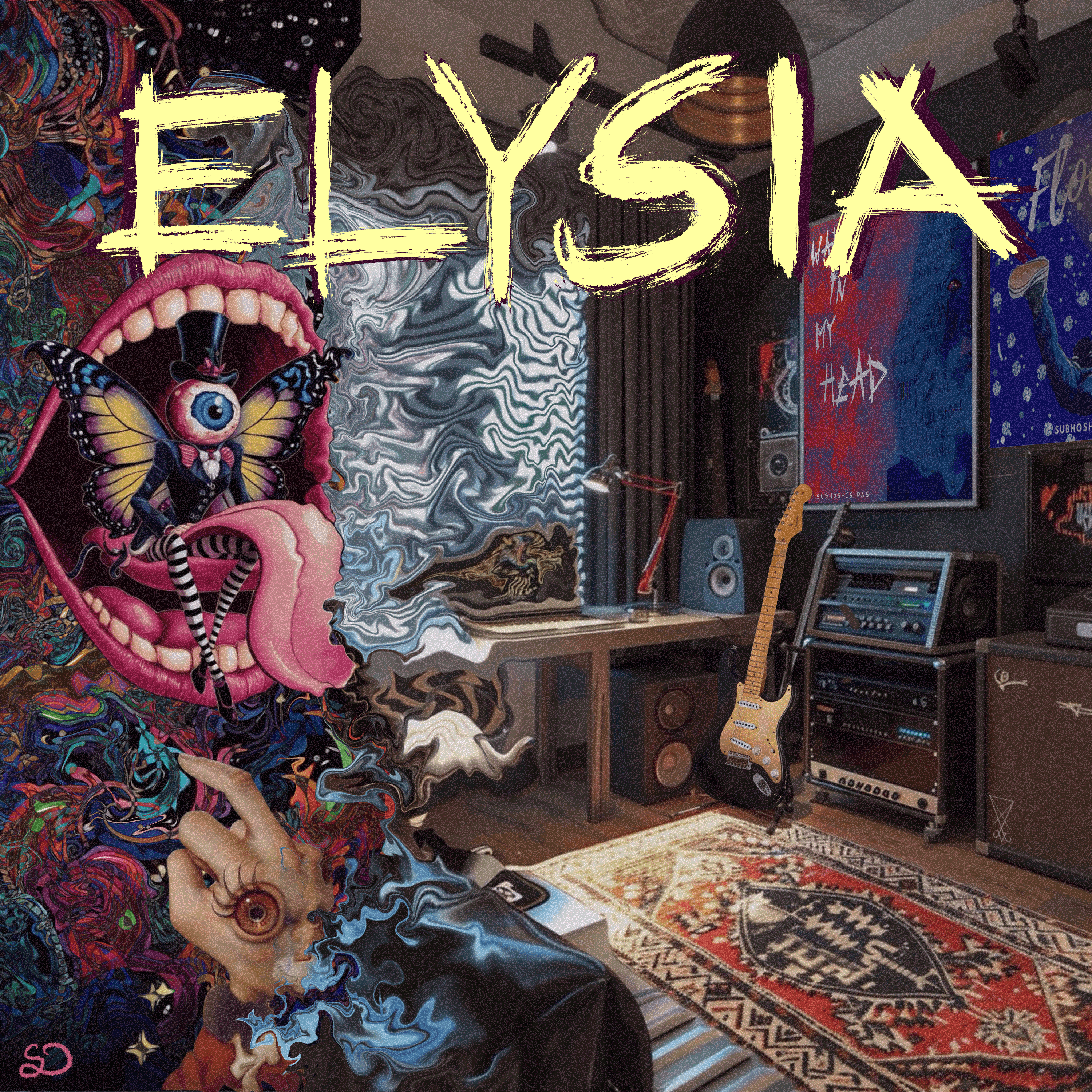
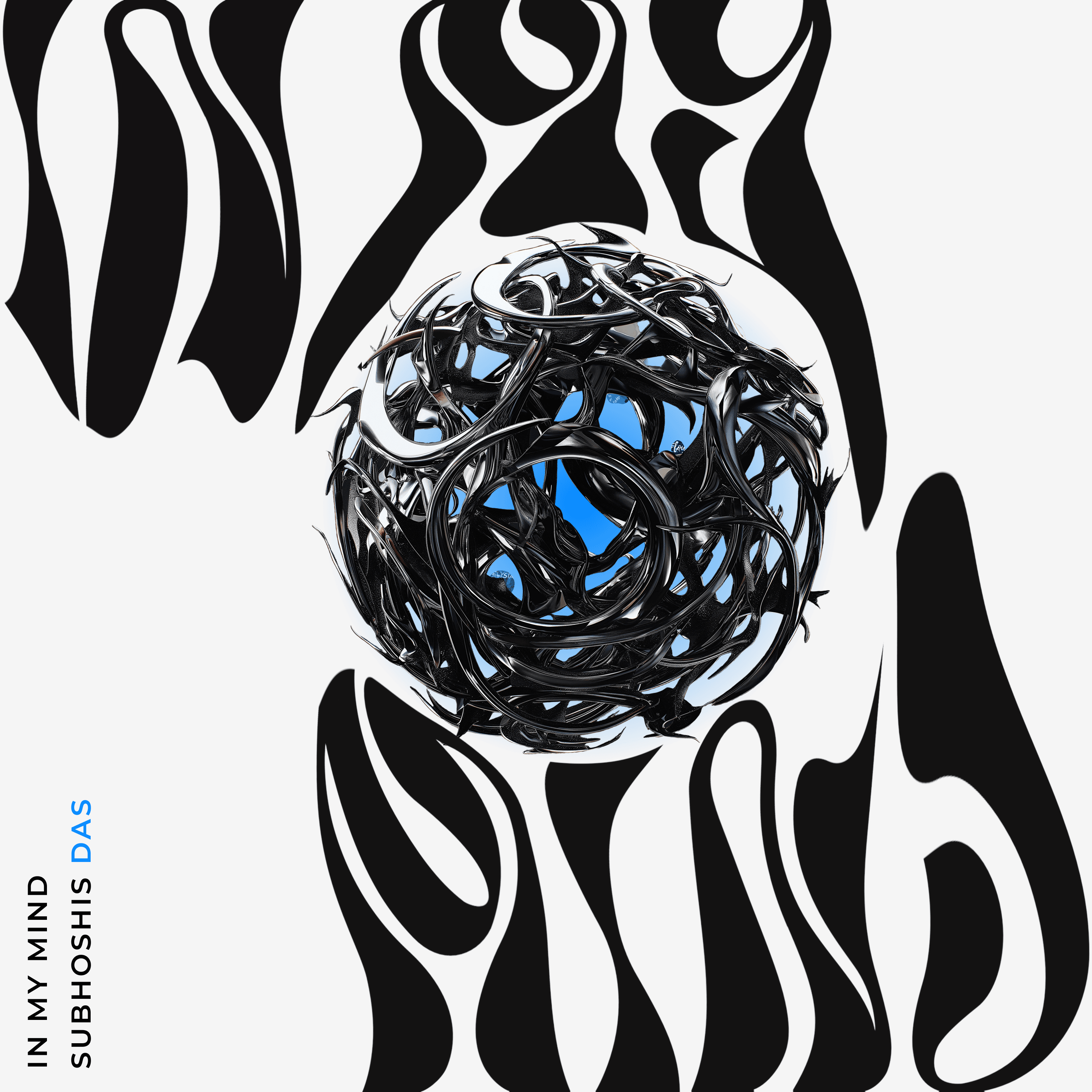
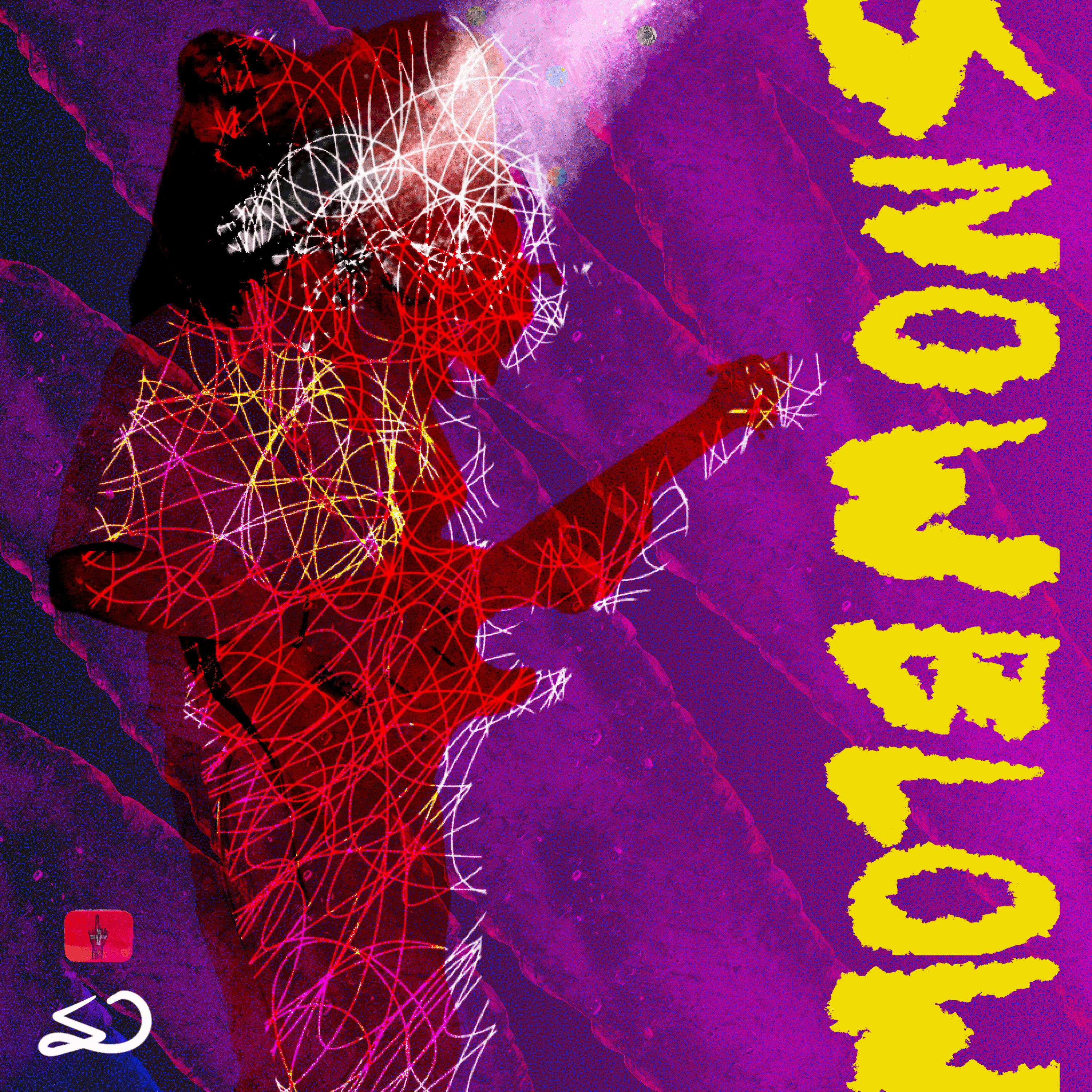

Elysia is my favorite artwork to date, made by my dear friend Komal Jain. We worked on the concept together, and it represents a room with a bed on one side and a studio setup on the other, where dreams and reality merge to form the sound waves for the EP. 'In My Mind' was my first single, also made by Komal—you see the pattern now: she creates all my artworks. The only exception was 'Flow,' my debut release, which was recorded on my phone and mixed and mastered on the phone too! I made that artwork myself on the phone because I didn't have a laptop at the time and just wanted to start somewhere. The concept for 'In My Mind' was simple: I wanted something based on white that showed harmony in chaos. 'SnowBlow,' my latest release, also made by Komal, is about living in the present and facing reality. It's a silhouette of me fading out in certain ways.
Describe the feeling or energy you were trying to capture in your live performance clip?
The first clip is from back in 2020, right around when 'Flow' was released. It captures a feeling of unease, when everything is unusually calm and you anticipate chaos—but you just keep doing what you do. It's that tension between stillness and the storm.
What is the most rewarding aspect of being a self-contained creator who handles both composition and production?
I don't have to explain or talk to anyone about it! I'm pretty introverted in person, so any opportunity to avoid human contact, I'll take it. More seriously, though, the songs that are conceptualized before making often end up being different beasts by the time they're done. That feels magical—it's a journey that intertwines the making of the song with whatever's happening in my life at the time.
Explain the sonic difference between the two setups you just shared—the comparison of digital and analog.

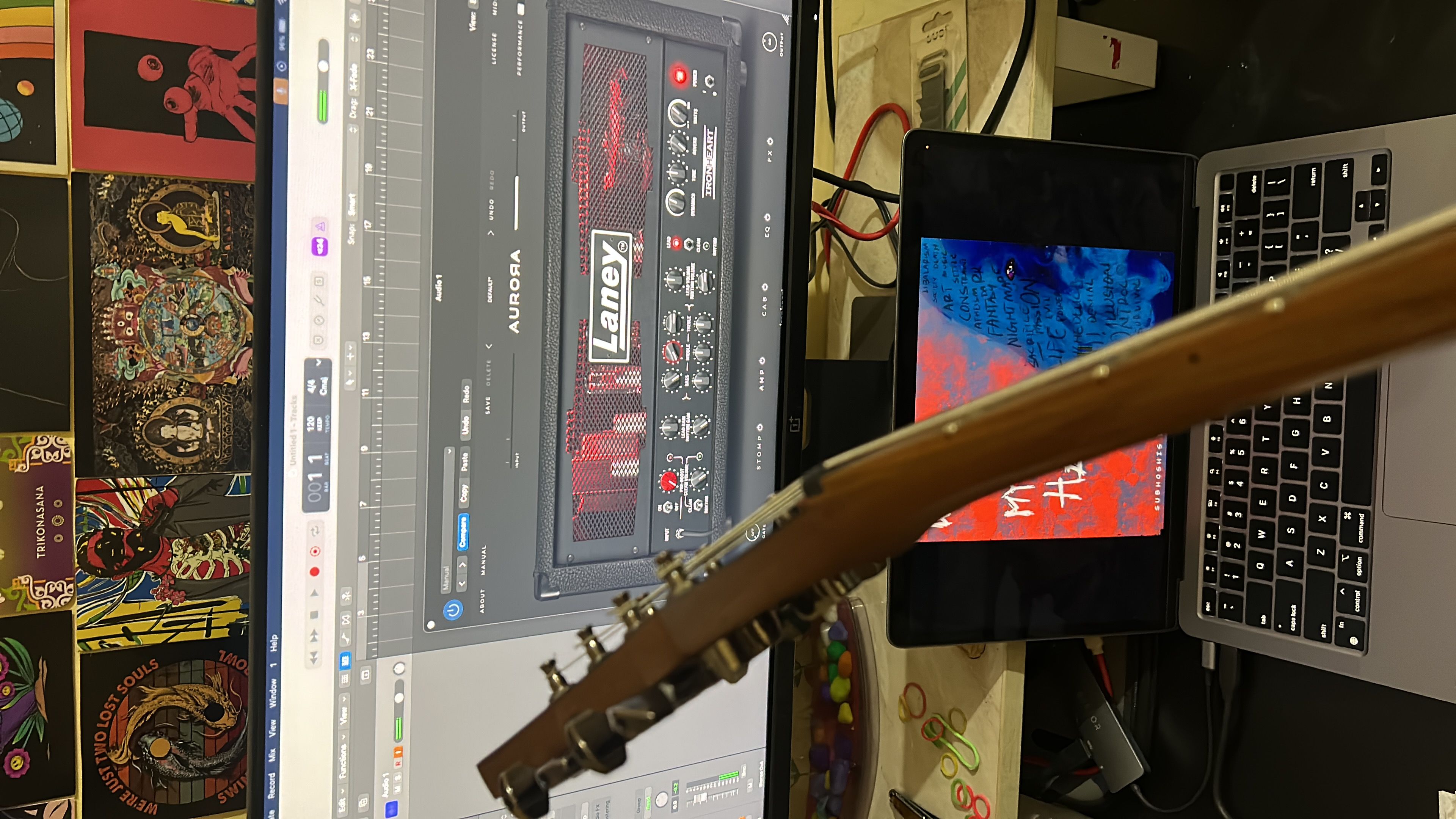
It's the never-ending debate between digital and analog! Both have their own unique character, and honestly, I'll always prefer the feel and response of analog. But I love the convenience and portability of digital plugins and processors. These days, processors and plugins are getting really good and close to the response of analog. For my recordings, I usually use plugins for amps and the main girth of the tone, but there are sections in every song where I insist on using a pedal simply because it can't be replicated digitally. That does cause some challenges, but it's just another new day—we find our way through and move on.
Contact and Follow
Email: subhoshis@gmail.com
Website: https://subhoshis.wixsite.com/music
Instagram: https://www.instagram.com/subhoshis/
Bandcamp: https://subhoshisdas.bandcamp.com
YouTube: https://www.youtube.com/c/SubhoshisDas/about