


Take us right back to the start — what's your earliest memory of music pulling you in, long before it ever became your craft?
My first performance was at the iconic Shanmukhananda Hall, and I was barely old enough to know what a stage was! I was in Junior KG when my mother, a Hindustani classical music teacher, insisted I perform at our school's annual day. I sang “Kisi Ki Muskurahaton Pe Ho Nisar” a cappella, while a teacher stood behind me, constantly turning my face towards the microphone because I was too busy searching for my parents in the darkened auditorium. I never managed to spot them, but when the song ended, the applause filled the hall. I had walked onto that stage looking for two familiar faces, but walked off having discovered something much bigger — a love for music and the joy of connecting with people through it. I think a part of me has been chasing that feeling ever since.
Was there a particular song or moment growing up that made you think, 'this is what I want to do with my life'?
I've had the privilege of growing up in a family brimming with artistic talent. My mornings began with my mother's riyaaz, my father reading great literature in preparation for his roles, and my Chhota Papa (uncle) humming retro classics as he got ready for work. Music wasn't something I discovered; it was something I grew up breathing. Vividh Bharati was a constant companion, filling our home with timeless melodies like “Abhi Na Jaao Chhod Kar,” “Kisi Ki Muskurahaton Pe Ho Nisar,” and “Main Zindagi Ka Saath Nibhata Chala Gaya.” As I grew old enough to understand the poetry behind these songs, Sahir Ludhianvi saab's words began resonating with me in ways I couldn't quite explain. Even today, the iconic opening notes of “Main Zindagi Ka Saath Nibhata Chala Gaya” stir something deep within me. I don't think there was one defining moment when I decided to pursue music. It was a thousand little moments, melodies, and emotions quietly shaping me. By the time I realised what music meant to me, it had already become a part of who I was.
Is there a mentor, teacher, or artist whose influence you still carry in the way you sing or produce today?
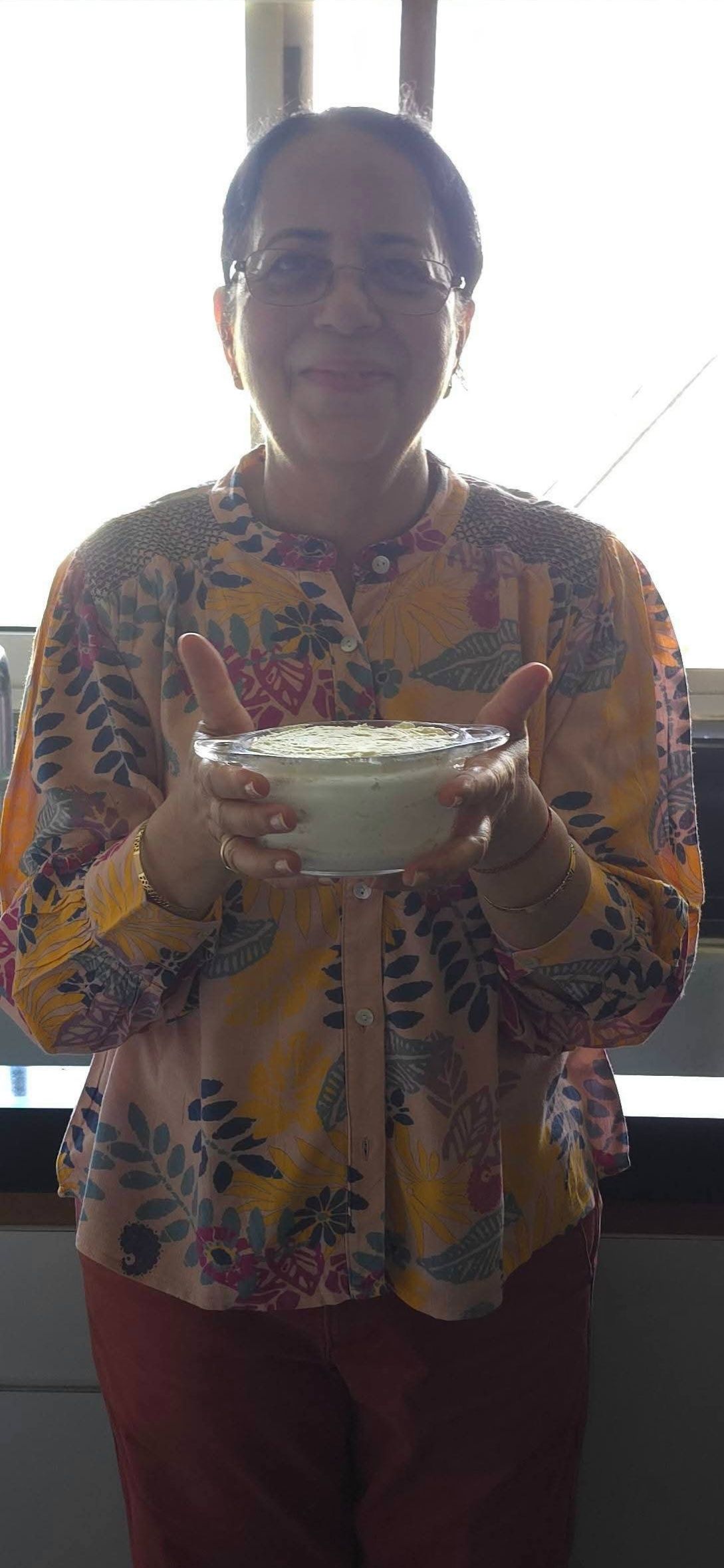
My mother, Mrs. Mona Sinha Varma, has always been my first and most influential Guru. Whatever musical ability I possess today owes a great deal to her guidance and the environment she created for me. My uncle, Mr. Pankaj Verma, too played a very important role. He would teach me film songs, helping me understand not just the notes, but the emotions behind them. He taught me that singing a song and feeling a song are two very different things. And of course, Rafi saab! Mohammed Rafi has been an institution for generations of aspiring singers, myself included. There's an entire education hidden in his songs. The more you dissect his phrasing, expression, breath control, and effortless transitions between emotions, the more you realise how much there is still to learn. If my mother gave me my musical foundation, my uncle taught me to find the emotion, and Rafi saab continues to remind me that mastery is a lifelong pursuit.
You founded The Staircase Band and often speak of the journey 'from stairwells to spotlight' — how did the band first come together, and where did that name come from?
The name is actually The Staircase Ban(ne)d, and there's a rather amusing story behind it! I used to work at 3 Global Services (now Tech Mahindra), where my bosses and colleagues were gracious enough to tolerate my incessant singing. The job was meant to be a temporary arrangement until I found my breakthrough in music and filmmaking. That "temporary" arrangement lasted 11 years! During those years, the company organised fun contests like 3 Idol, where I met a few fellow aspiring musicians. Soon, impromptu jam sessions became a ritual, usually around 3 AM in the office stairwell. Colleagues would wander in, request songs, and we'd happily oblige. It became our little escape from the corporate grind. Until one fine day, the security guards decided they'd had enough and banned us from singing in the staircase! Fast forward to 2017, when we finally decided to form a band. We didn't have to think too hard about the name. The Staircase Ban(ne)d was born — a little wordplay, a little rebellion, and a whole lot of nostalgia. We may have been banned from the staircase, but thankfully, nobody could ban the music!
Which of your tracks would you want a complete stranger to hear first?


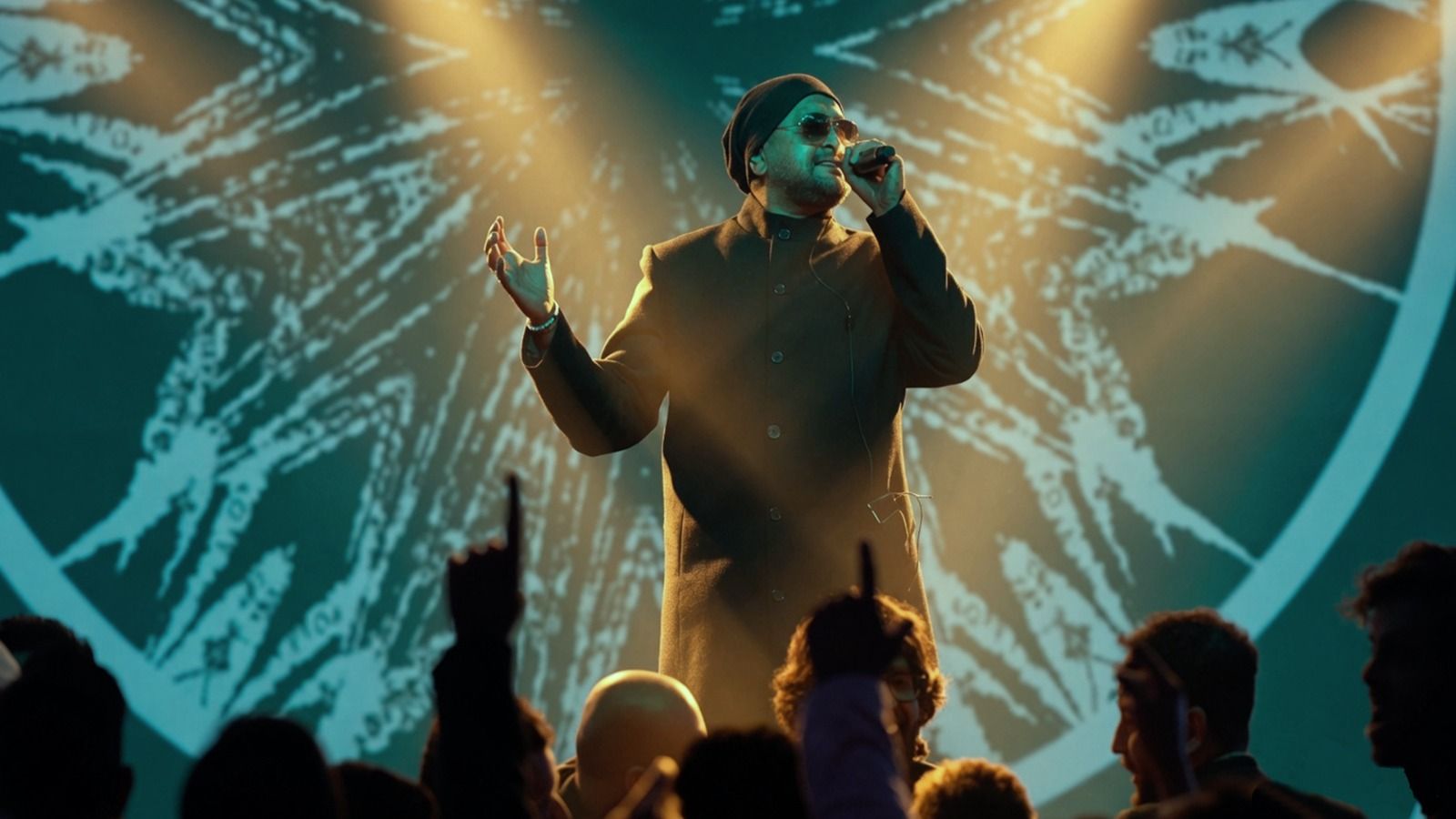
What's the story behind the track you just shared — where were you in life when it came together?
“Ab Jo Jalaa Hoon, Roshni Toh Hogi” was a line I had written long before the song took shape. It came from a particularly dark phase of my life, grappling with something most independent artists know all too well — delayed payments. Whether it's clubs, restaurants, or event organisers, there's always someone holding back your hard-earned money. And unfortunately, passion doesn't pay the bills! Financial uncertainty has a way of making you question everything — your choices, your abilities, sometimes even your worth. But that line carried a stubborn sense of hope. If life has put me through the fire, surely that fire must illuminate something. The song evolved into something larger than my personal struggles. It's about resilience, finding strength in adversity, and surrounding yourself with like-minded people who help you forge ahead. In many ways, it embodies the spirit of The Staircase Ban(ne)d. It became our debut single in 2024, and eventually winning an IRAA Award made the journey all the more meaningful. For me, “Ab Jo Jalaa Hoon” is about turning pain into purpose. Because sometimes, you have to burn to become the light.
What's the one piece of gear or corner of your space you simply couldn't make music without?
It would have to be my workstation. It's where random thoughts become melodies, melodies become arrangements, and eventually, songs take shape. It's not the fanciest setup, but it's seen countless hours of experimentation, frustration, happy accidents, and those magical moments when everything suddenly falls into place. I've always believed that great music isn't about having the most expensive equipment. It's about what you bring to it — your ideas, your emotions, and your willingness to keep experimenting. The gear is simply there to help you translate what's playing in your head into something the world can hear.
Which performance still gives you goosebumps when you look back at it?
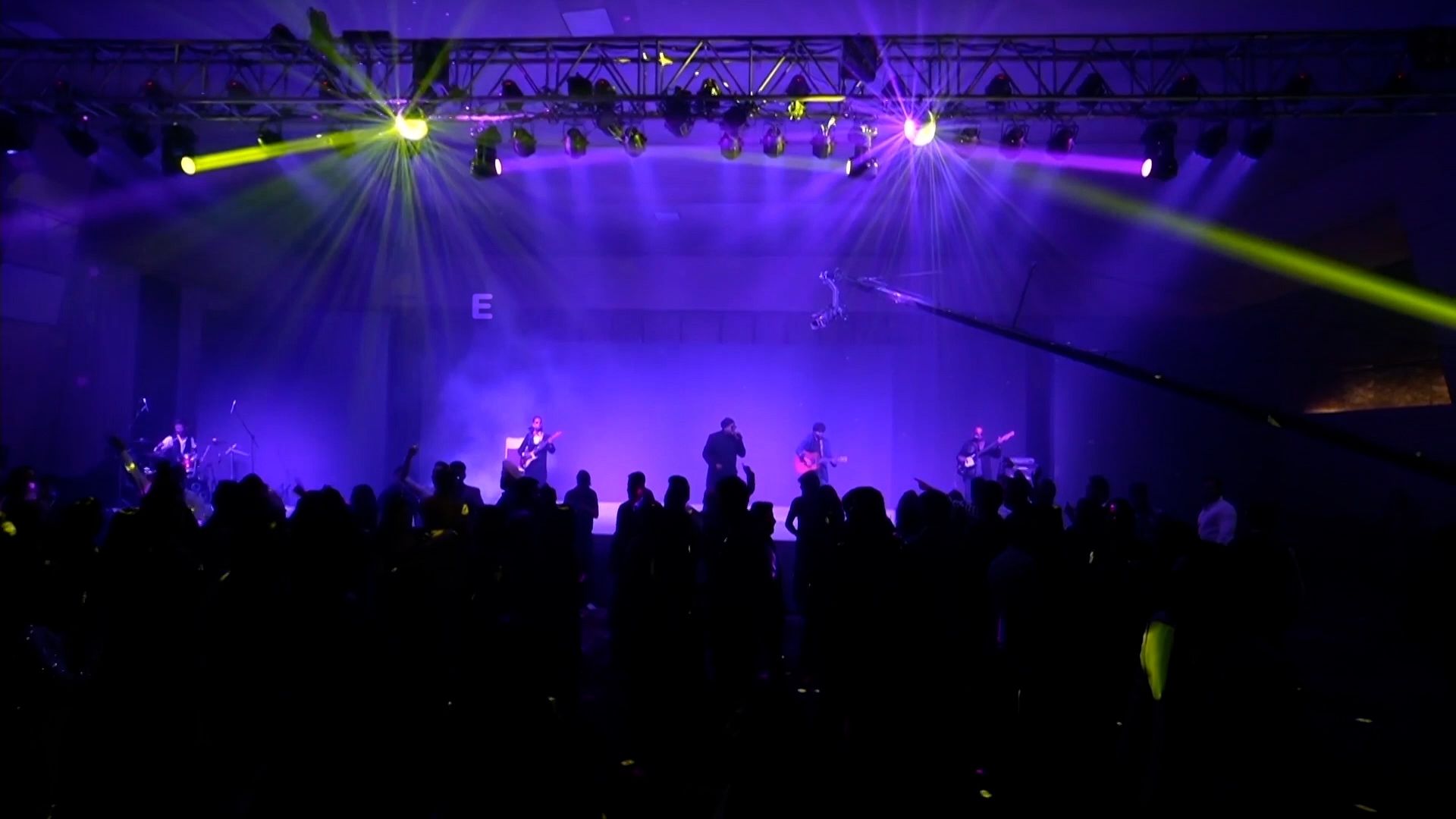


What made this particular show unforgettable for you? (If it was a night like performing for Hema Malini ji, we'd love to hear how that felt.)
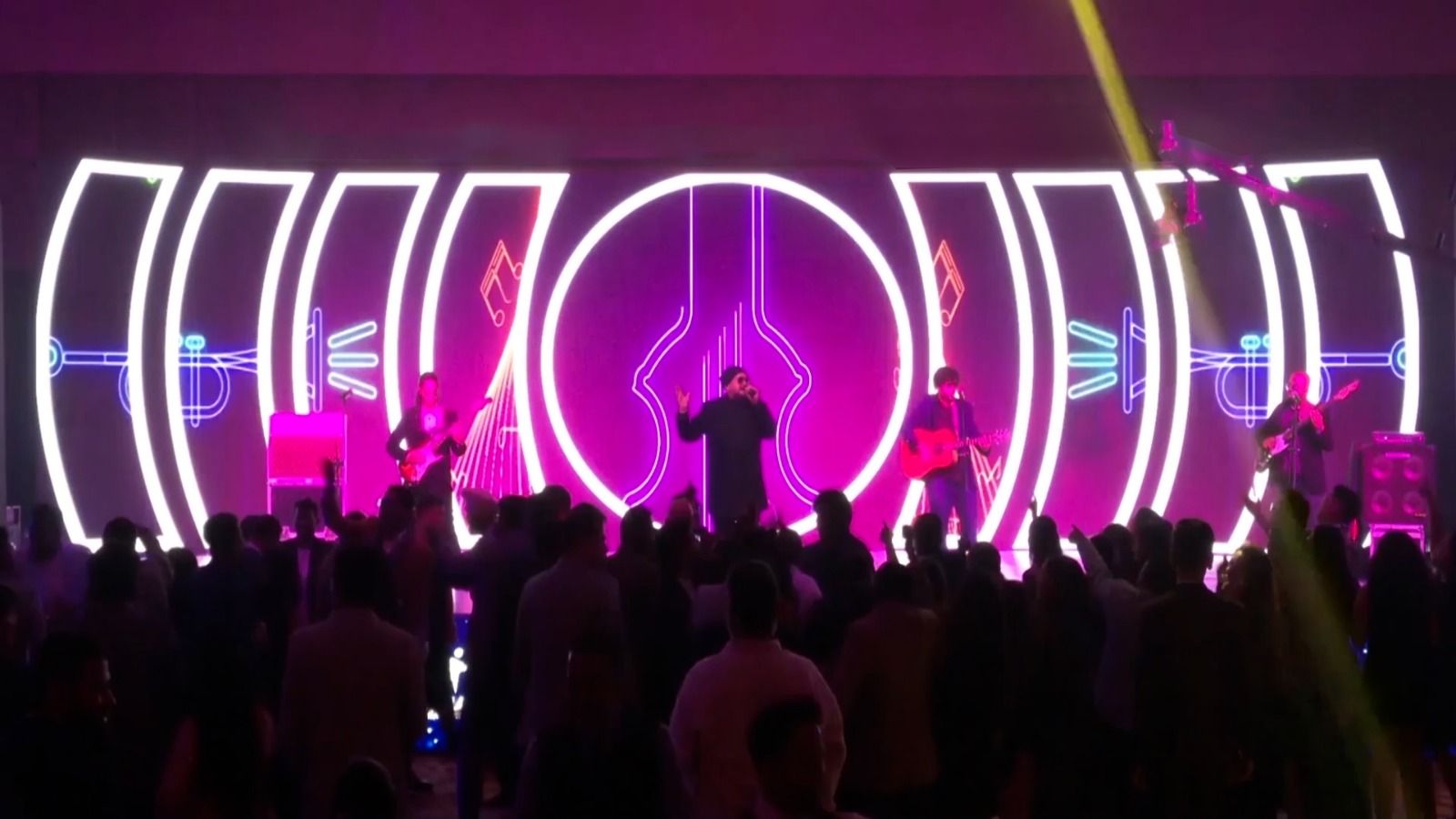
Two performances come to mind, each unforgettable for entirely different reasons. The first was a corporate event at Sahara Star, where we had an audience of thousands who had just discovered that it was a dry day! Naturally, they weren't thrilled. They had come to let their hair down, and the news had dampened their spirits before the evening had even begun. So the responsibility fell on us to lift those spirits, and what followed was an absolute blast! The band brought its energy to the stage, and the audience gave it right back. Thousands of people singing, dancing, and celebrating together. That evening taught me that you don't always need spirits to lift people's spirits. Sometimes, all you need is great music! The second was an experience I will cherish forever. I was invited to perform at a private gathering, but until I actually reached the bungalow, I had absolutely no idea I'd be singing for Hema Malini ji! Having grown up watching her iconic films, it was surreal to find myself performing some of those timeless classics right in front of her. And when Hema ji herself began singing along, it was an extraordinary feeling! She and her daughters, Esha and Ahana, were incredibly gracious hosts, making the evening even more special. One performance reminded me of the sheer power of music to lift thousands of spirits. The other reminded me of the little boy who grew up admiring legends, never imagining he'd one day have the privilege of singing for one. Both are memories I'll carry for a lifetime.
How did the song you just shared take shape — did it begin with a melody, a single line, or a feeling you couldn't shake?
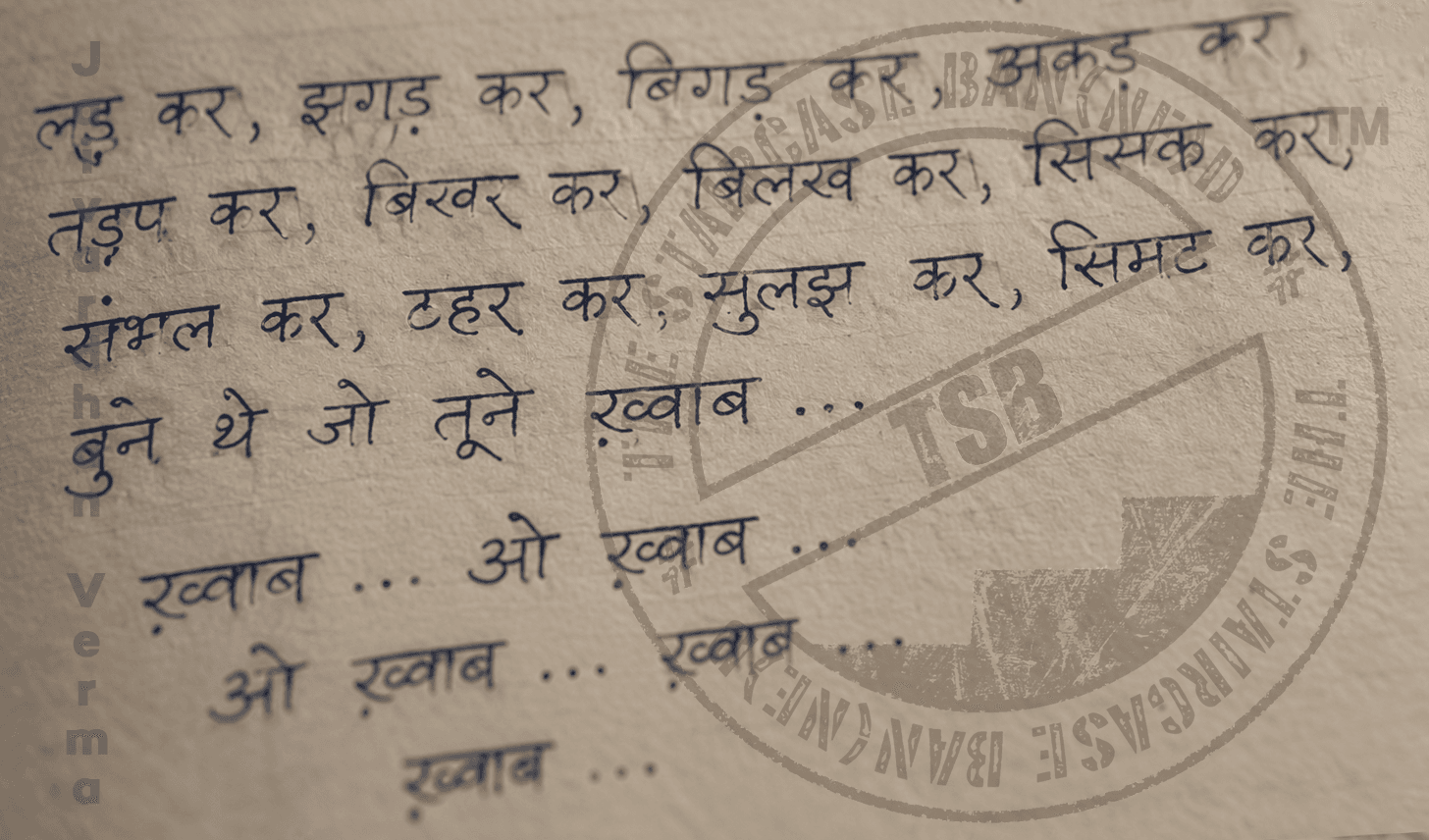
It was a feeling. A persistent one. Melancholia. “Khwaab” explores how dreams can quietly fade under the weight of responsibilities, financial pressures, relationships, and everyday life. The song reflects on the painful distance between the lives we imagine and the lives we ultimately live. Rather than focusing on reclaiming lost dreams, it embraces the difficult acceptance that some aspirations are gone — and that we must learn to live with their absence. At its heart, “Khwaab” is about broken dreams, compromise, and making peace with the space between hope and reality.
What are you hoping to say with this next release that you haven't quite said in your earlier work?

Our upcoming song, “Khwaab,” is a lament for dreams that have quietly died. It's about aspirations suffocated by responsibilities, financial burdens, betrayal, and the relentless compromises of everyday life. Not every dream survives. Not every struggle ends in triumph. Sometimes, all we're left with is the memory of who we once hoped to become. The cover art reflects this emotion — a solitary young man suspended beneath an upside-down city skyline, caught between the life he imagined and the reality he inhabits. The bleak skies and muted colours evoke a sense of quiet devastation rather than liberation. “Khwaab” isn't about reclaiming lost dreams. It's about acknowledging their loss and learning to live with the emptiness they leave behind.
When someone hears your music for the very first time, what do you hope they're left feeling once the song ends?
More than anything, I hope they're left feeling something genuine. Music has this extraordinary ability to reach places that ordinary conversations sometimes cannot. A song can make you revisit a forgotten memory, confront an uncomfortable truth, smile through tears, or simply feel a little less alone. I don't necessarily want everyone to interpret my songs the way I intended them. In fact, I find it fascinating when listeners discover meanings that I hadn't consciously imagined. That's when a song truly becomes theirs. Whether it's the defiance of “Ab Jo Jalaa Hoon” or the quiet despair of "Khwaab", I want the music to resonate with something deeply personal within the listener. If the song ends but the feeling lingers, if a line stays with them long after the music has stopped, I think I've done my job as an artist.
Contact and Follow
Email: jaivardhanofficial@gmail.com
Instagram: https://www.instagram.com/jaivardhanvox?vrfl=MWhtOXExMzRob3VqMA==