

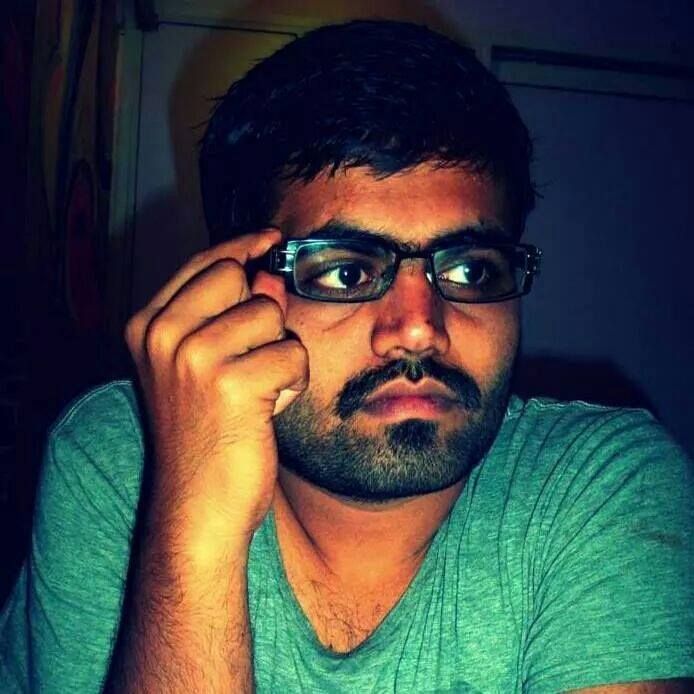
How did your photography journey begin?
My creative journey began with a passion for filmmaking. I was deeply interested in direction and editing, which led me to study Film & Television Direction and Editing. I wanted to understand visual storytelling and how every cut, frame, and sequence could shape an emotion or tell a meaningful story.
Early in my career, I worked as a trainee on the Marathi television serial Pudhcha Paul and later explored editing opportunities in Nagpur. Although these experiences taught me a great deal, I gradually realized that my true creative expression lay elsewhere.
Everything changed in 2015 when my father gifted me a Nikon D3300. I started capturing photographs and shooting documentaries, discovering a completely new way of seeing the world. What began as curiosity soon grew into a genuine passion.
As I continued learning, I started participating in both online and offline photography competitions. Receiving recognition for my work encouraged me to keep growing and exploring different genres of photography as a hobbyist photographer.
Today, photography is much more than a creative pursuit—it is my peace of mind. It allows me to slow down, observe the world with greater attention, and express emotions and stories through images. Looking back, I never imagined that the camera my father gifted me would become the beginning of such a meaningful creative journey.
What was the first photo you ever took that made you feel like a photographer?
To be completely honest, I don't remember the very first photograph I ever took. In the beginning, I photographed landscapes, nature, and portraits simply because I enjoyed exploring the world through my camera.
The first moment that truly made me feel like a photographer came when I captured sunlight falling on a power station. I shared the image on Facebook, and one of my friends said, "You should get out of your hometown and move to Pune or Mumbai because you have a great future ahead." Those words stayed with me. For the first time, I felt that someone genuinely saw potential in my work.
Another defining moment came when I photographed a group of grey langurs early one morning. During post-processing, I transformed the image into a dramatic night-like scene with beautiful rim light highlighting the animals. A friend called it the best photograph I had ever created. Years later, I entered that same image into a GuruShots competition, where it received a Guru's Pick award. That recognition gave me even more confidence and reinforced my belief that I was on the right creative path.
Looking back, it wasn't a single photograph that made me feel like a photographer—it was the encouragement, belief, and recognition those photographs received that gave me the confidence to truly see myself as one.
How has your style evolved since you started photography?
When I first started photography, I was focused on capturing beautiful scenes and learning the technical side of the camera. I enjoyed photographing landscapes, nature, portraits, and everyday moments, using each photograph as an opportunity to improve my skills.
As my experience grew, so did my perspective. My background in filmmaking and editing naturally influenced the way I see photographs. Instead of simply documenting a scene, I began looking at every frame with a more cinematic perspective—paying close attention to light, shadows, composition, mood, and the emotions a single image can convey.
Today, I enjoy exploring a variety of genres, including landscapes, nature, architecture, portraits, conceptual photography, toy photography, and black-and-white imagery. Rather than limiting myself to one style, I enjoy experimenting and discovering new ways to tell visual stories.
My photography has evolved from simply taking pictures to creating images with intention. Every photograph I make is an attempt to tell a story, evoke an emotion, and invite the viewer to pause, imagine, and experience the scene beyond what is immediately visible. Photography is not just about what I see—it is about how I choose to tell that story through a single frame.
Who or what are your biggest photographic influences?
It would be unfair to name just one photographer because I have been inspired by the work of many remarkable artists over the years. Photographers such as Rudy Boyer, Daniel Antunes, Stefan Zimmer, Milinnd Taari, and many others have influenced me in different ways through their creativity, vision, and unique approach to visual storytelling.
Interestingly, many of the photographers who inspire me are street photographers. I explored street photography myself for a period of time, and although my creative journey eventually led me toward other genres, that experience taught me the importance of observation, patience, timing, and finding meaningful stories in ordinary moments. I continue to admire street photographers because of the courage, awareness, and human connection their work demands.
Beyond individual photographers, I draw constant inspiration from light, shadows, cinema, and the emotions that a single frame can communicate. My background in filmmaking and editing has also shaped the way I approach photography, encouraging me to think with a cinematic perspective rather than simply capturing a scene.
Rather than trying to imitate any one photographer, I prefer to learn from many different artists while gradually developing my own visual identity. Every photographer has a unique way of seeing the world, and I believe there is always something valuable to learn from each of them.
What portrait best represents your style, and what's the story behind it?
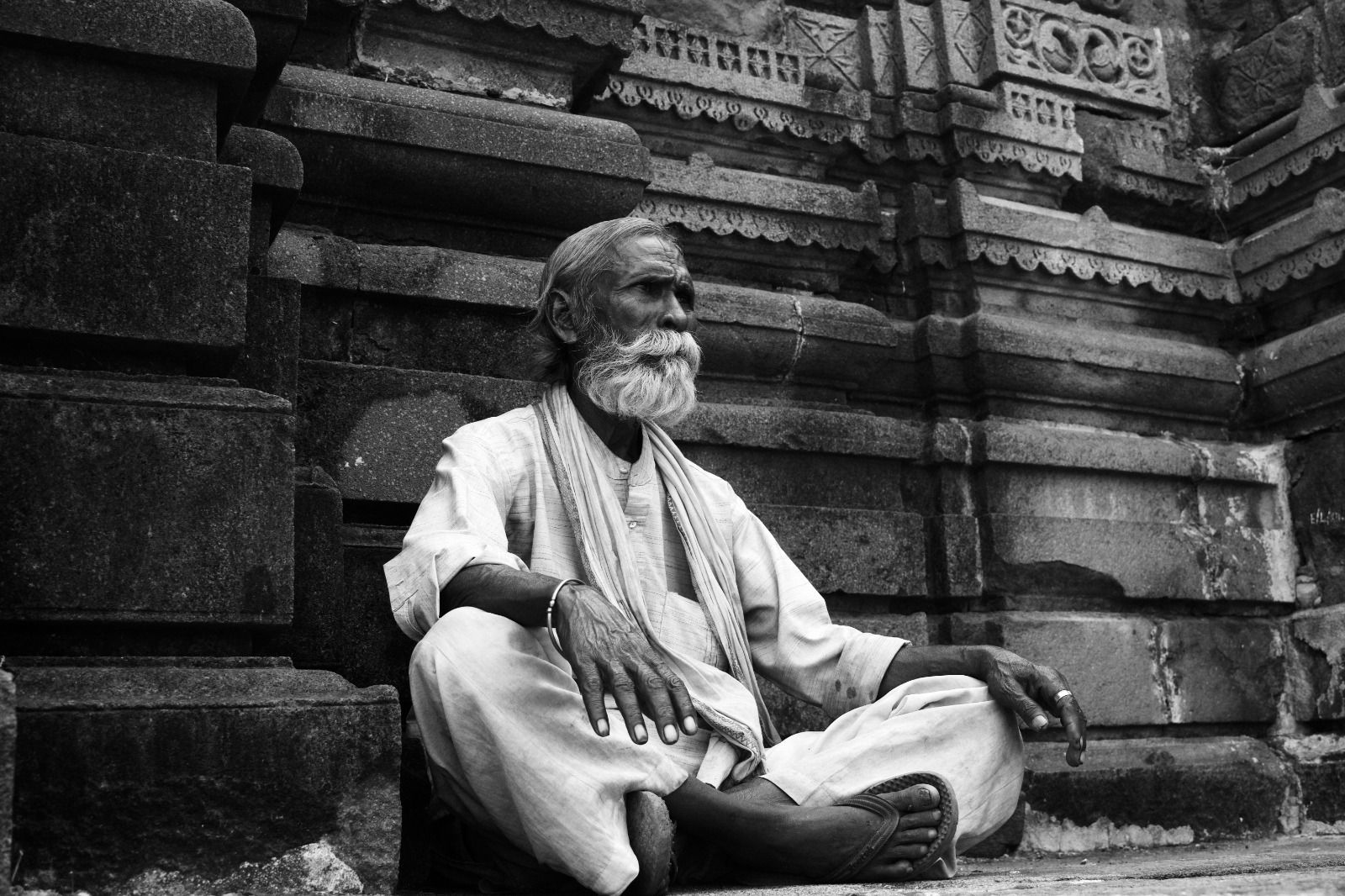
This portrait was created completely by chance.
I had travelled with my mother and grandmother to attend a family ceremony. Since we had some time before it began, I searched for the Anandeshwar Temple in Lasur on Google because I wanted to photograph its architecture.
After spending some time photographing the beautiful interiors of the temple, we walked outside. That's when I noticed an elderly man sitting quietly. There was something about his calm presence, expression, and the atmosphere around him that immediately caught my attention. Without disturbing the moment, I captured the photograph.
When I later reviewed the image, I realized that it was much more than a portrait. The combination of the temple surroundings, the subject's quiet dignity, and the black-and-white treatment transformed it into a story about peace, character, and timelessness.
For me, this photograph perfectly represents the kind of portraits I love creating—images that capture genuine moments and reveal the story of a person within their natural environment.
Can you share a fine art piece that holds personal meaning, and explain its concept?
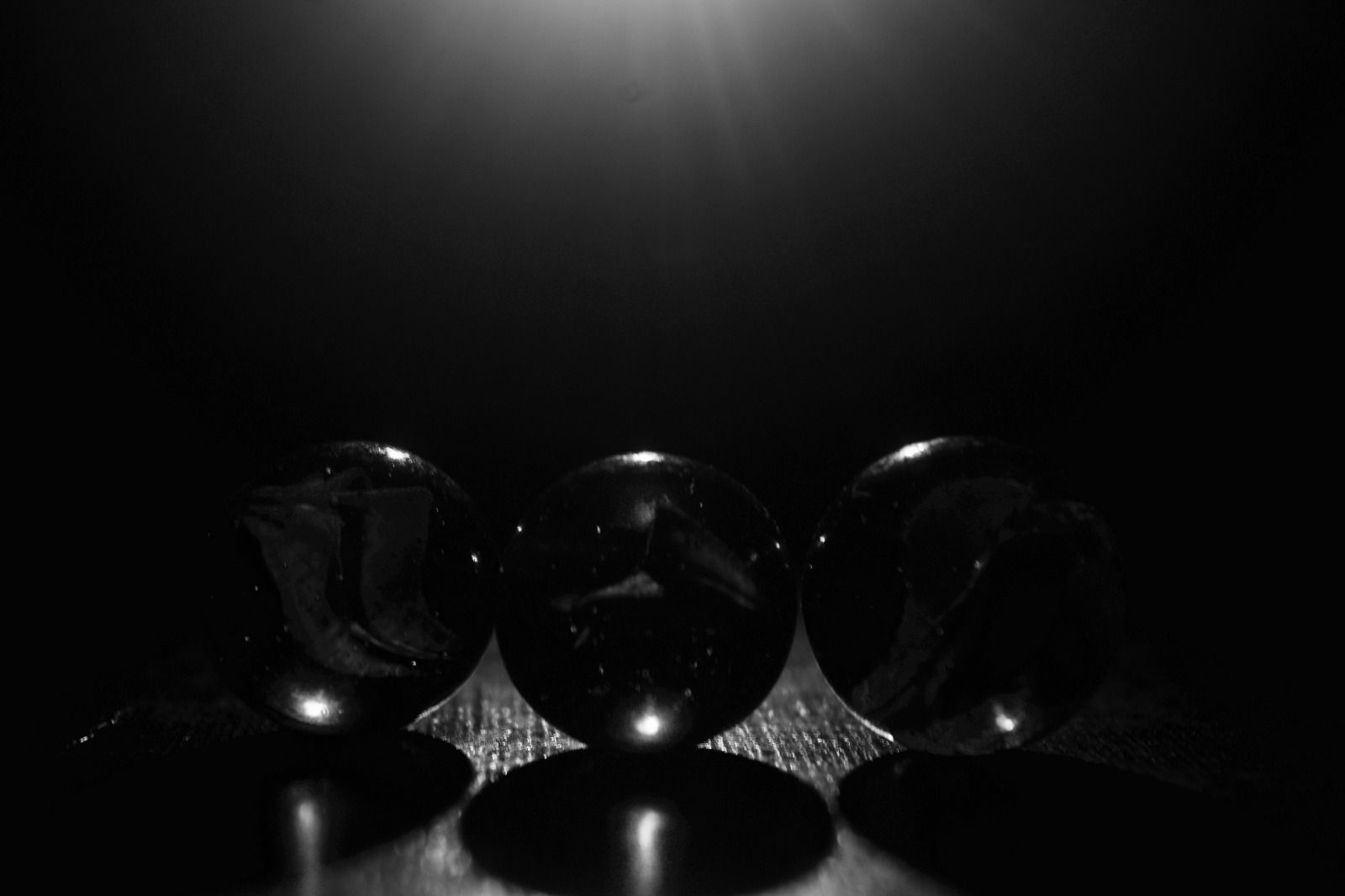
Although I don't have a strong personal childhood memory attached to marbles, this photograph is deeply meaningful to me because of the idea behind it.
I wanted to experiment with light, shadows, and simple everyday objects to create something conceptual. Marbles became my subject because they carry a universal sense of nostalgia. My hope was to create an image that would encourage viewers to pause for a moment and reconnect with memories of their own childhood.
For me, fine art photography is not only about documenting reality—it is about creating an emotion or an idea. If this photograph reminds someone of a forgotten moment from their childhood, then I feel it has fulfilled its purpose. That emotional connection is far more important to me than the object itself.
Tell us about a landscape or nature photo that captured a special moment for you.
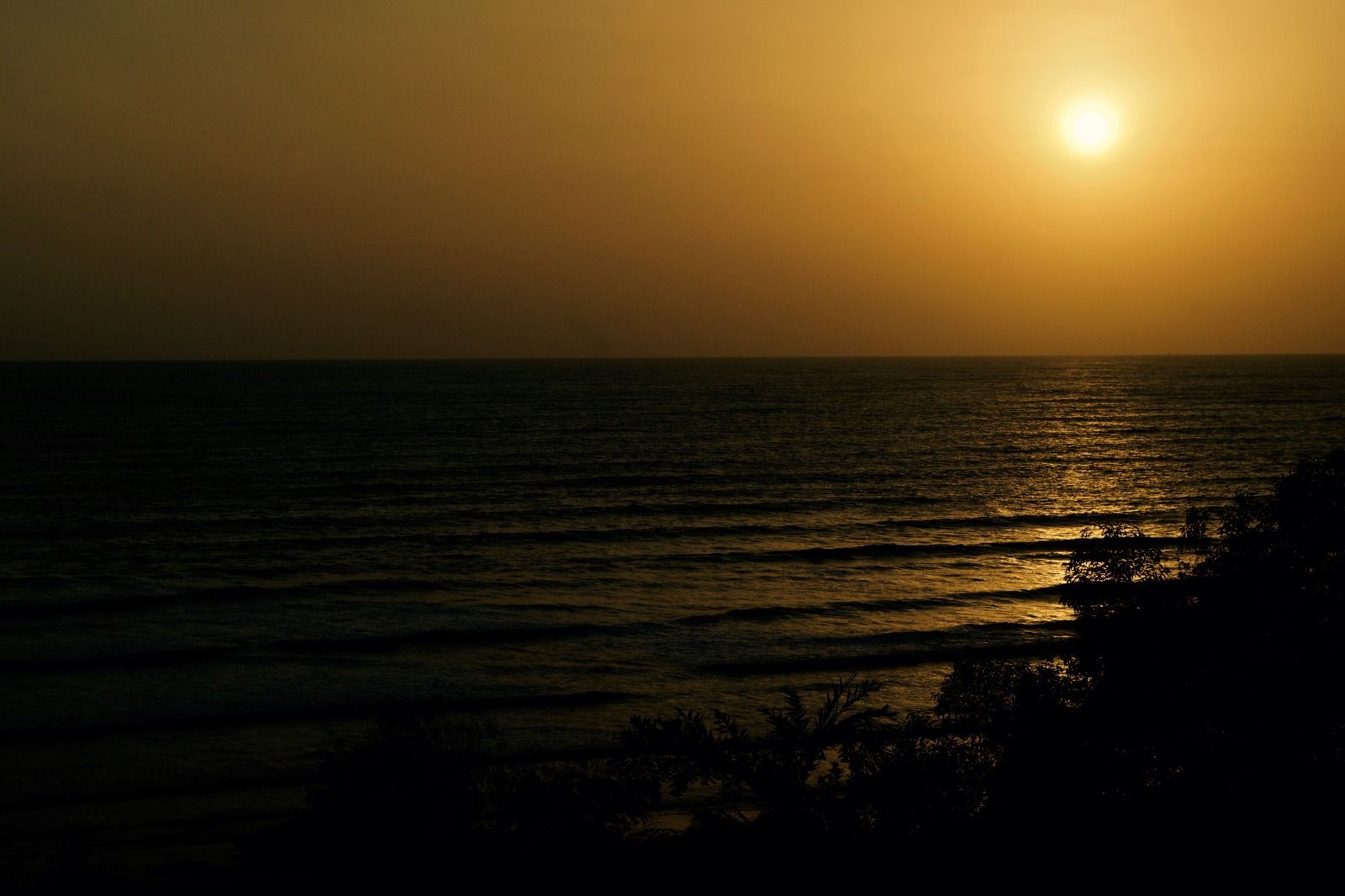
This photograph was captured during a family trip to the Konkan region. Although I don't remember the exact location, I clearly remember the peaceful atmosphere and the beautiful sunset that inspired me to pause and capture the moment.
What caught my attention was not just the view itself, but the way the golden light reflected across the sea, creating a sense of calm and stillness. I wanted to keep the composition simple and let the light tell the story.
For me, landscape photography is about preserving emotions as much as places. Whenever I look at this photograph, it reminds me that some of the most meaningful images are often found unexpectedly during life's ordinary journeys.
What conceptual work challenges viewers' perspectives, and what message were you exploring?
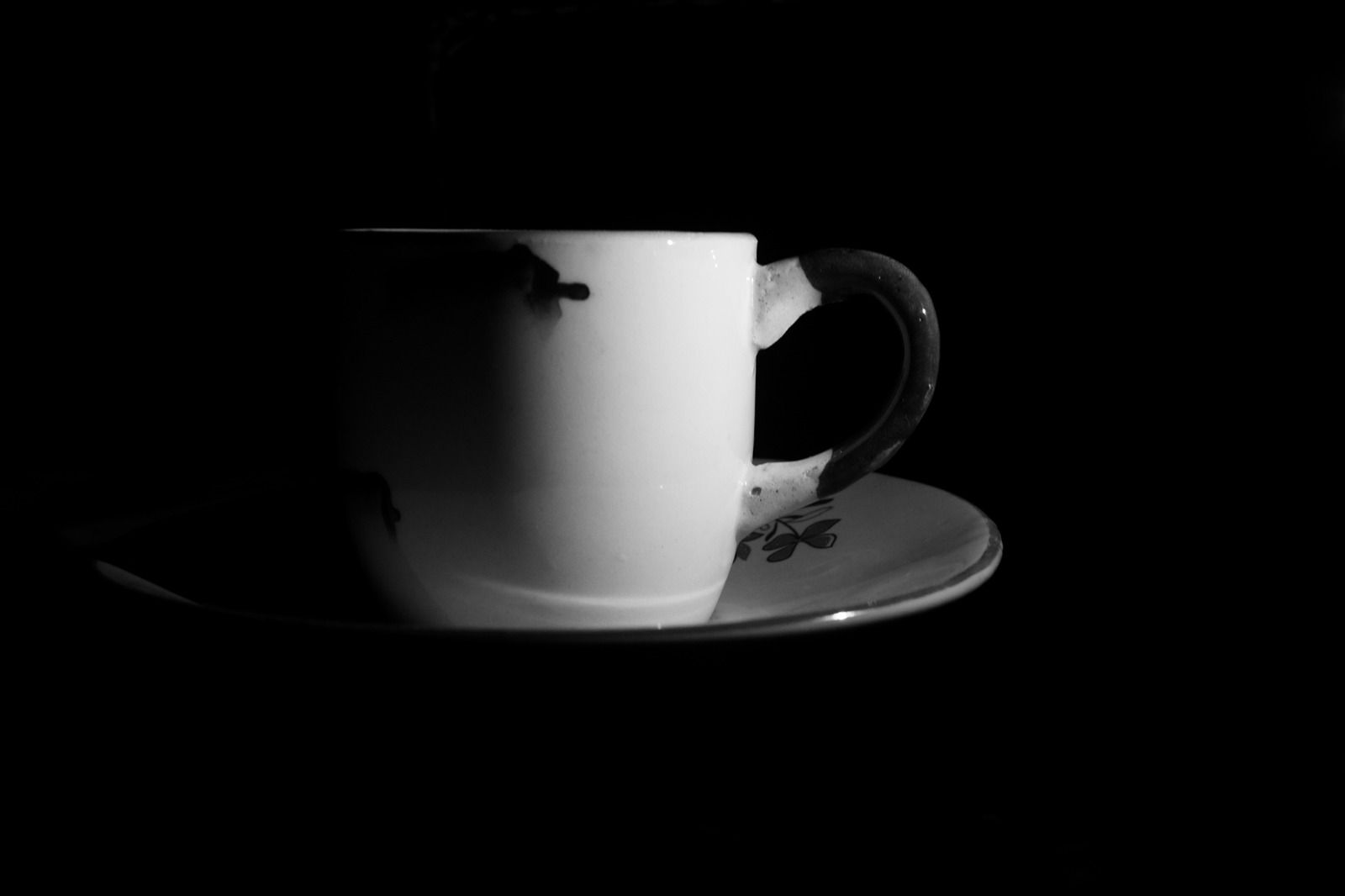
This photograph was created as an exploration of light, shadow, and silence. Instead of focusing on the cup itself, I wanted to create a visual metaphor where light reveals only a part of the subject while the rest remains hidden in darkness.
To me, it reflects how our thoughts and emotions are often only partially visible, with much more remaining unspoken. The empty space is just as important as the subject, inviting the viewer to slow down and interpret the image through their own experiences.
I believe conceptual photography is most meaningful when it encourages questions rather than providing answers. With Half Full of Silence, my intention was not to tell a single story, but to create a quiet moment where every viewer can discover a different one.
What's one piece of gear you can't live without, and why?
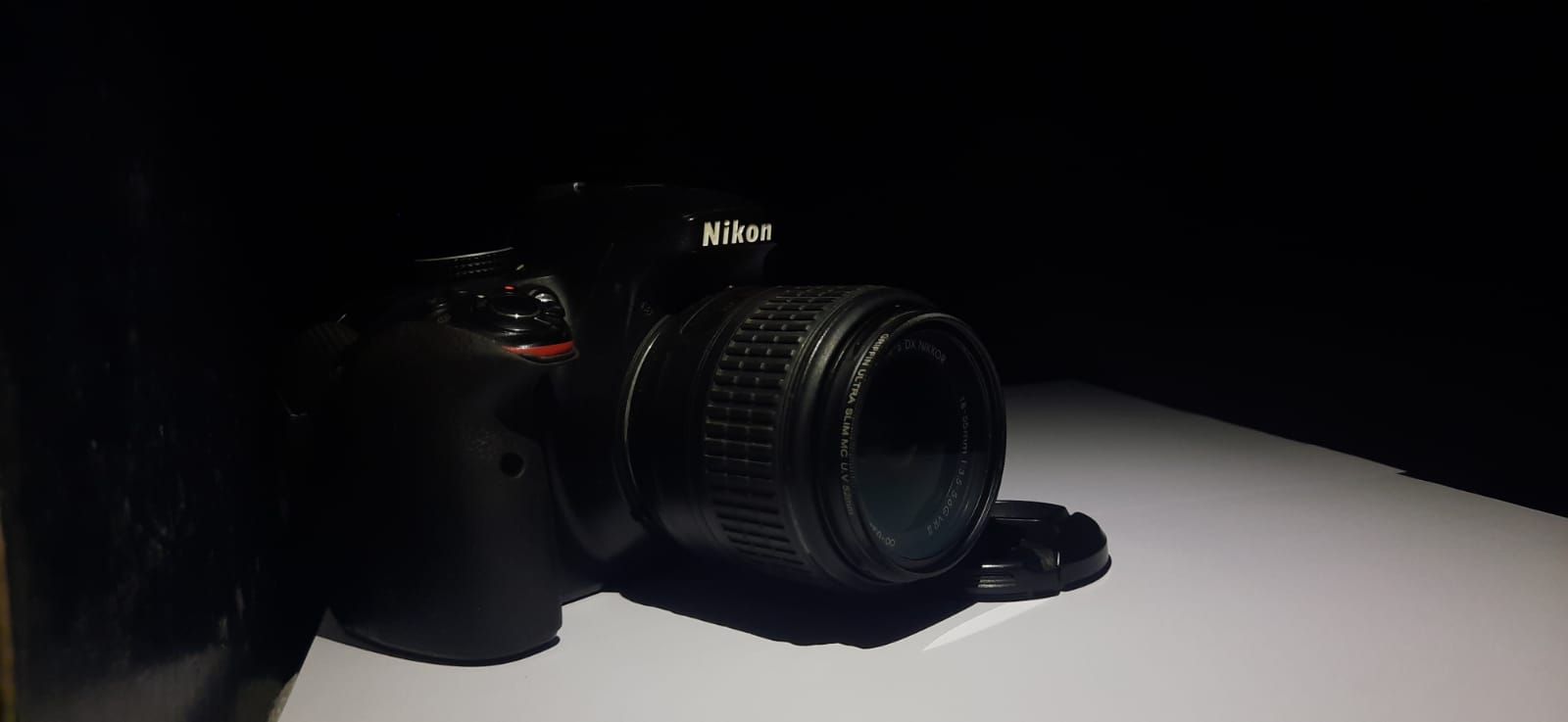
Without a doubt, my Nikon D3300 is the one piece of gear I can't live without.
It was my first DSLR and has been with me throughout my entire photography journey. From landscapes and portraits to conceptual photography and competitions, it has helped me capture some of my most meaningful images.
For me, this camera is more than just a piece of equipment—it represents learning, patience, growth, and countless memories. It constantly reminds me that great photographs come from observation, creativity, and emotion rather than the latest gear.
As my skills continue to evolve, I may upgrade my equipment in the future, but my Nikon D3300 will always hold a special place in my journey as a photographer.
Walk us through your editing workflow for a typical image.
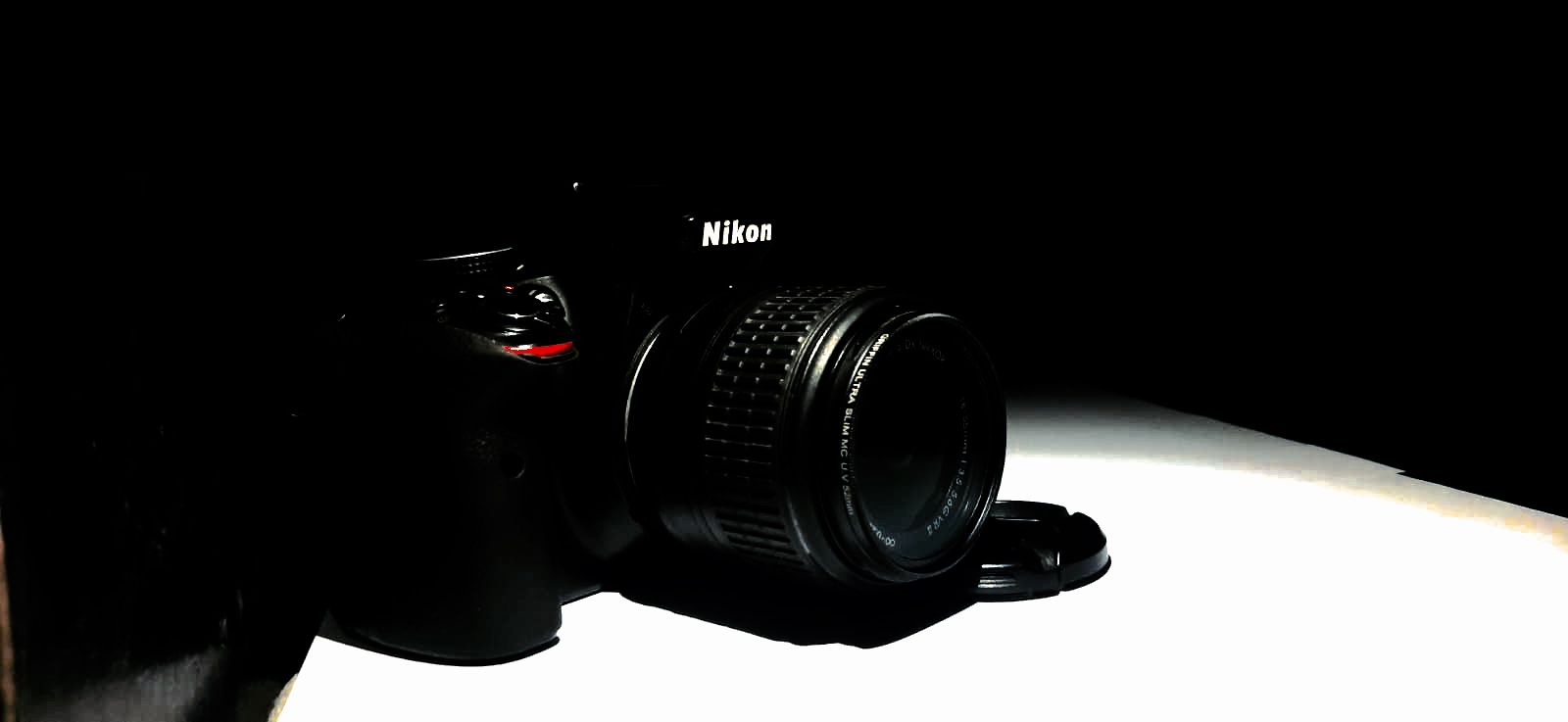
I prefer to keep my editing simple and natural rather than heavily manipulated. For this image, I adjusted the exposure and contrast to create a stronger visual impact while maintaining the original mood. I also fine-tuned the highlights and shadows to improve detail, then made minor adjustments for clarity and composition. Most of my edits are done using the Photos app, as I believe strong photography begins with the image itself, and editing should enhance the photograph rather than transform it.
What project are you currently working on, and what stage is it at?
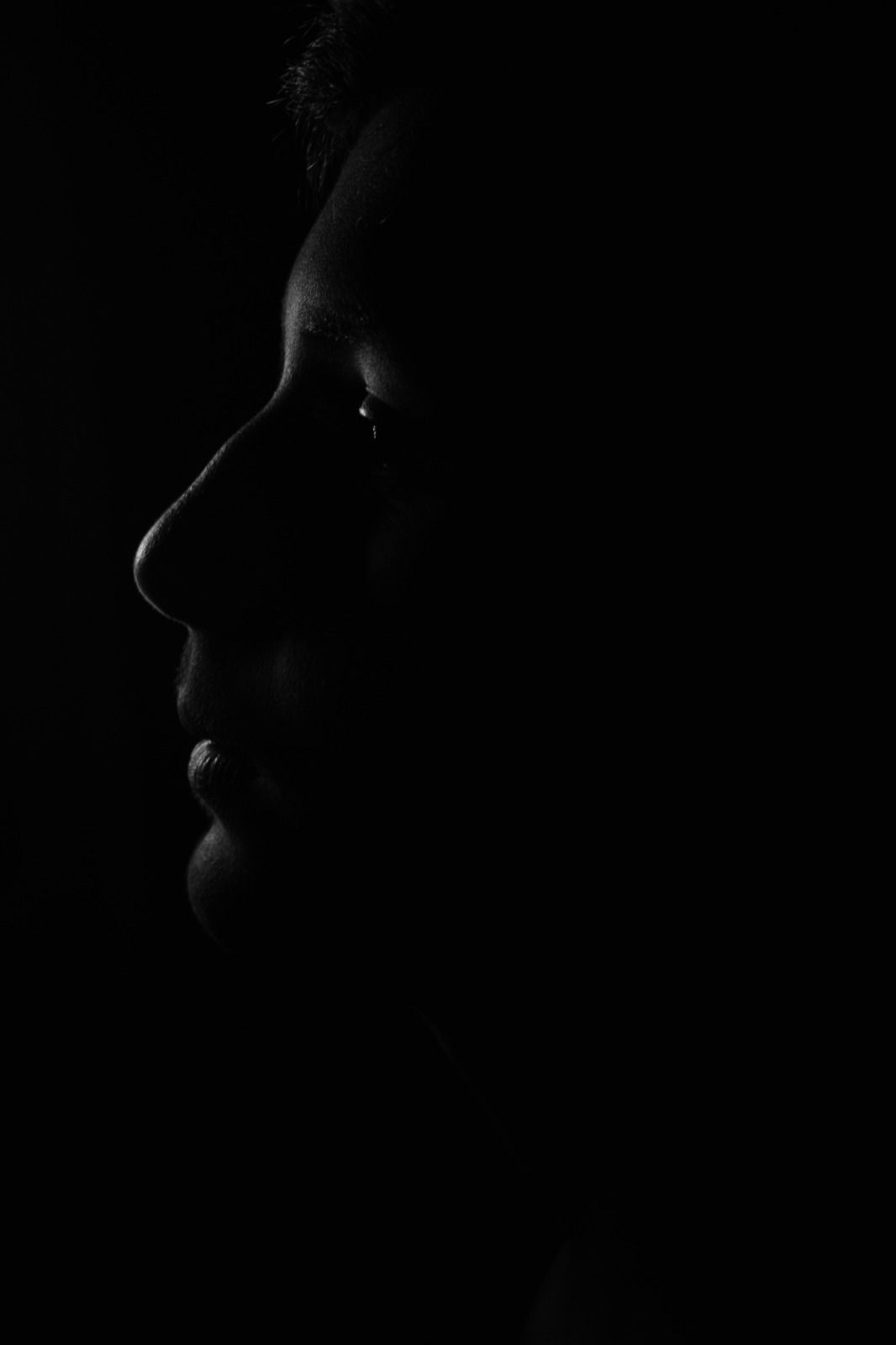
At the moment, I am not working on a formal long-term photography project. Instead, I am continuously exploring personal ideas through conceptual still-life photography, portraits, landscapes, and visual storytelling. My current focus is on experimenting with light, shadow, and cinematic compositions to develop a stronger and more consistent visual style. While this exploration is still evolving, it is gradually shaping into a more defined body of work.
Contact and Follow
Email: pranaykaduskar@gmail.com
GuruShots: https://gurushots.com/pranaypictures/photos
Instagram: https://www.instagram.com/pranaypictures?igsh=MWtjcjhkcW9ycWs1cQ==