


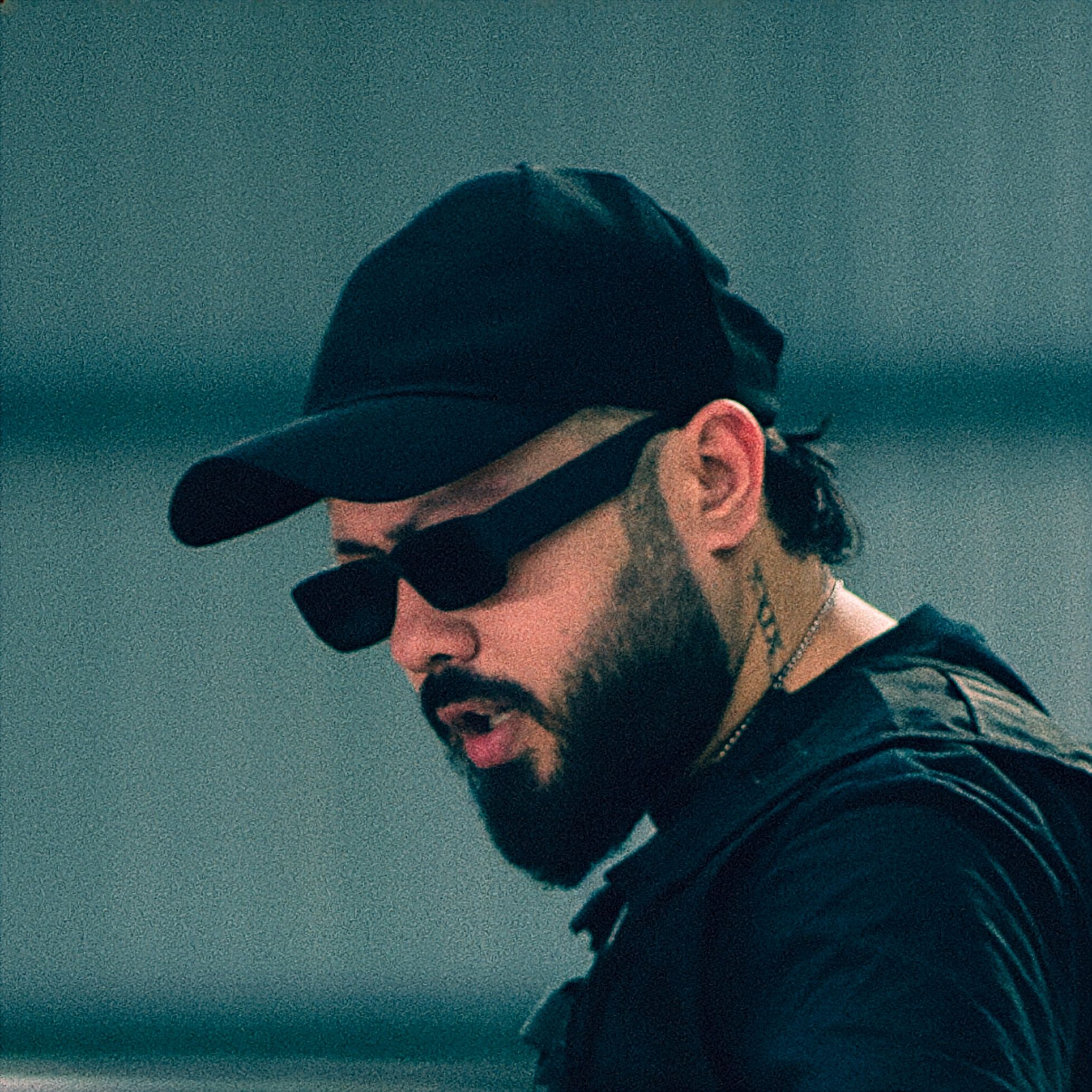
How did music first begin for you — what pulled you toward writing and producing your own songs rather than just listening?
Music started for me from a place of curiosity. I was always drawn to music, but at some point I became more interested in understanding what was happening behind the songs I loved — how a melody could create an emotion, how production could completely change the atmosphere of a track, and how different sounds could come together to tell a story. I was also a trained vocalist since childhood, which helped me understand music better. That curiosity gradually pushed me from simply listening to actually experimenting. I started writing melodies and lyrics, learning production, and figuring things out largely by trial and error. The more I learned, the more I realised that producing my own music gave me complete freedom to translate what I was hearing in my head into something real. What began as an interest eventually became a serious creative pursuit. Over the years, songwriting and production have become equally important to me — writing gives me the emotional idea, while production allows me to build the world around it.
Is there an early moment you still remember — the first time a track you made actually sounded the way you'd heard it in your head?
Yes, definitely. I remember the first time I made a track where the idea in my head finally translated into the speakers almost exactly as I imagined it. It was a small moment, but it changed how I looked at music. Until then, production was mostly experimentation — trying sounds, changing things, and learning by making mistakes. But when I heard that track come together, I suddenly understood that I could actually create a sound that was uniquely mine. That feeling of hearing an idea that had only existed in your head become real was incredibly addictive. I think that was the moment I stopped seeing music as just something I enjoyed and started seeing it as something I genuinely wanted to build my life around.
Whose music or which sounds shaped the electronic, genre-blending style you make today?
Bruno Mars, Michael Jackson, Diplo, Skrillex, and Drake have all shaped the electronic, genre-blending style I make today.
You move across electronic pop, EDM, trap, bass house and R&B — how do you decide which of those a new song wants to become?
I don’t really choose the genre first — I let the song tell me what it wants to be. I usually start with an emotion, melody, or sound, and then build the production around it. I’ll experiment with different drums, bass, textures and vocal treatments until the sound feels right. That might take me toward electronic pop, EDM, trap, bass house or R&B. I don’t want to force a song into a genre just because it’s familiar to me. For me, the emotion comes first and the genre follows.
What made you want to reinterpret "Beggin'" as a high-energy trap/EDM version, and what did you change most from the original?
“Beggin’” already had an iconic melody, so I wanted to completely flip its energy and bring it into my world. I kept the emotional core but rebuilt it with heavy 808s, punchy drums, darker textures and an EDM-driven drop. The goal wasn’t to recreate the original, but to make it feel like a Kowshik Saha record — darker, heavier and more high-energy.
"Ashes In My Mouth" is one of your own originals — where did that song come from, and what were you trying to say with it?
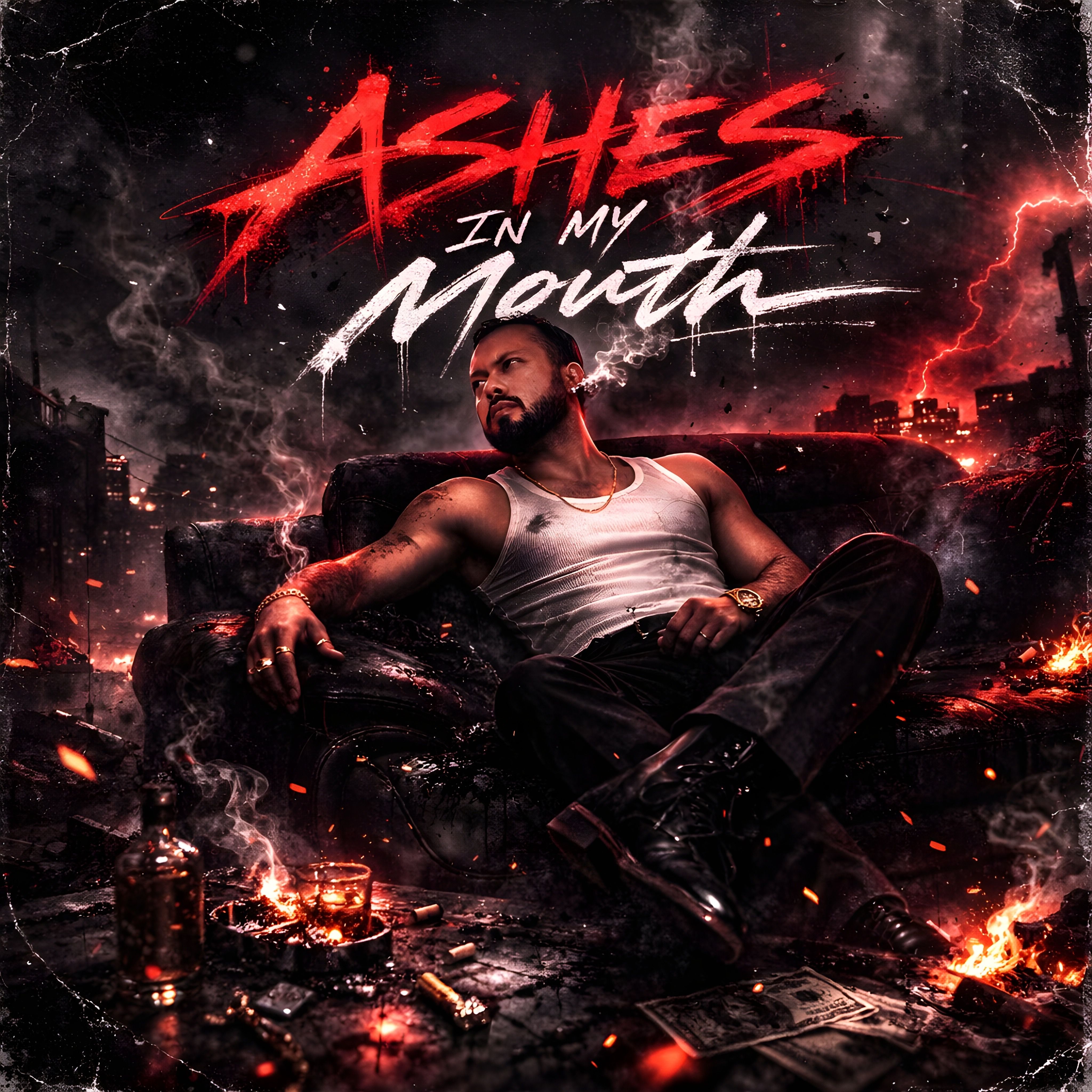
“Ashes In My Mouth” is a dark, introspective track about desire, regret and holding onto something even when you know it’s falling apart. I wanted the production to feel as atmospheric and emotionally conflicted as the story itself.
Walk us through this space — which piece of gear or software do you reach for first when a track starts coming together?
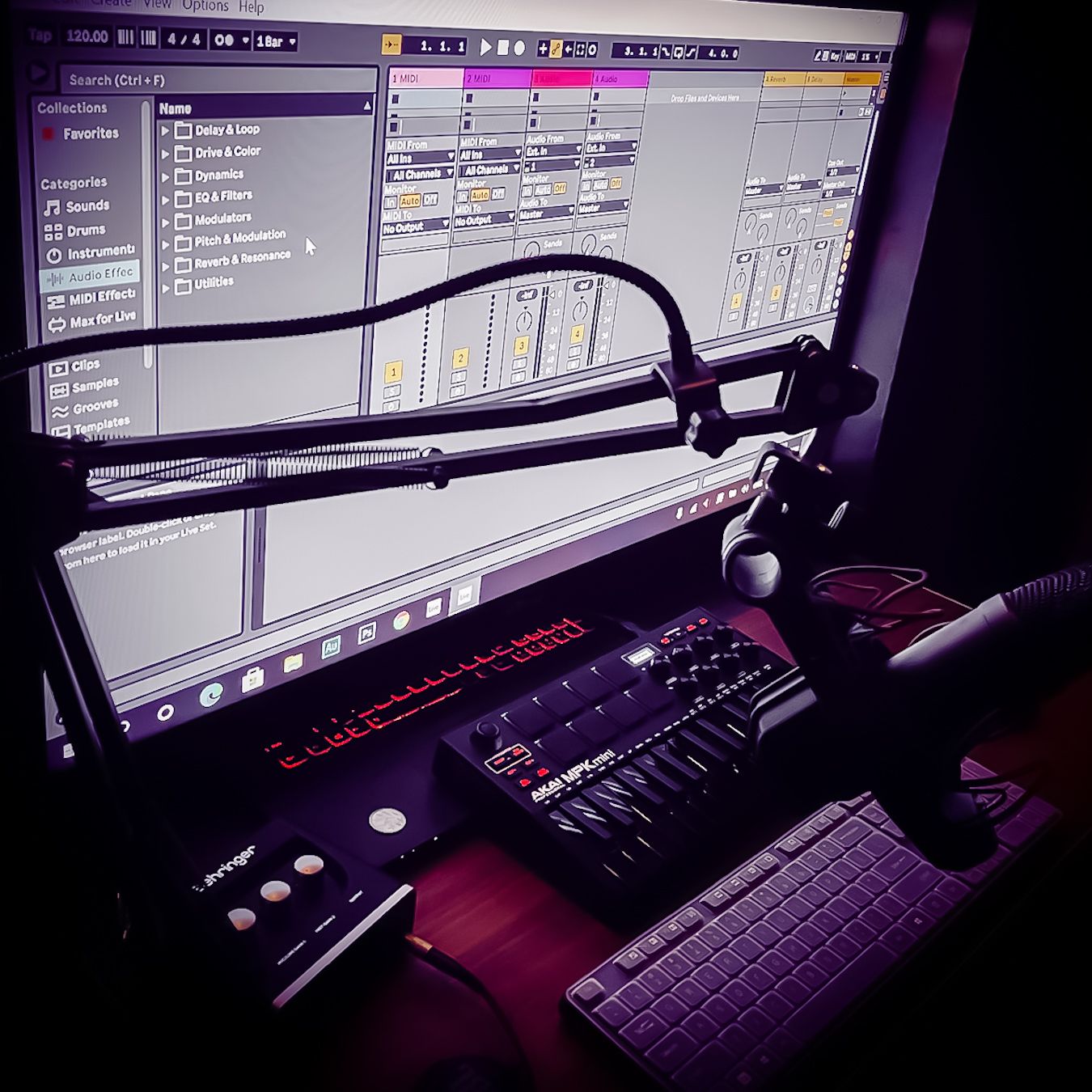
FL Studio for mixing and mastering. Adobe Audition for vocal recording.
"SAY IT AGAIN" releases on Oct 30 with a full-scale video — what's the story or feeling you built this one around?
“SAY IT AGAIN” is about obsession, attraction and the desire to hear someone come back for more. I wanted to capture that addictive feeling in a dark, sensual and cinematic way. The video takes that emotion further, turning the song into a visual world rather than just a performance.
Why does this one stay close to you — what happened while you were making it?
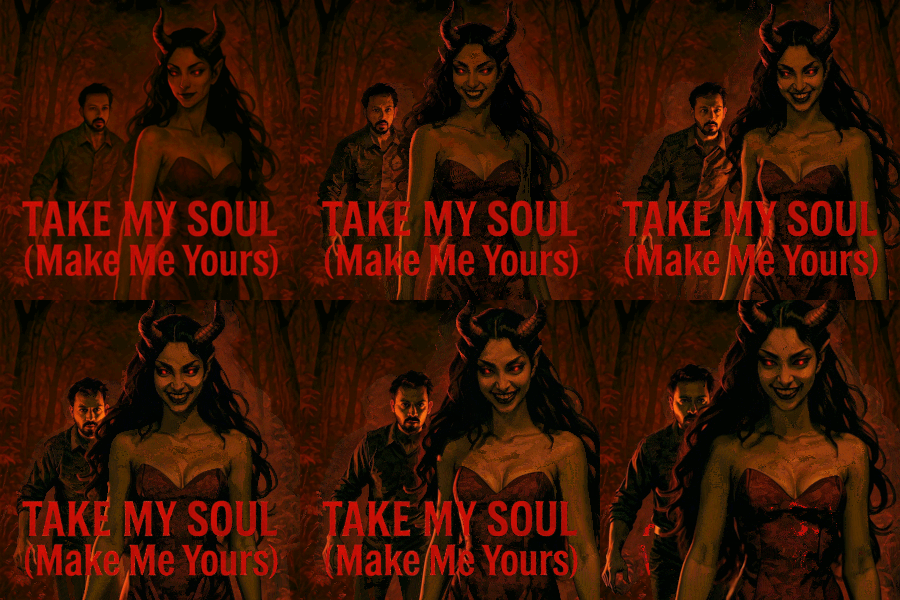
It's about us not seeing the wrong temptations in front of us until it's too late but somehow we get lucky and barely get out of the situation.
You've said you're expanding the sound and visual identity of your project — what direction is it taking?
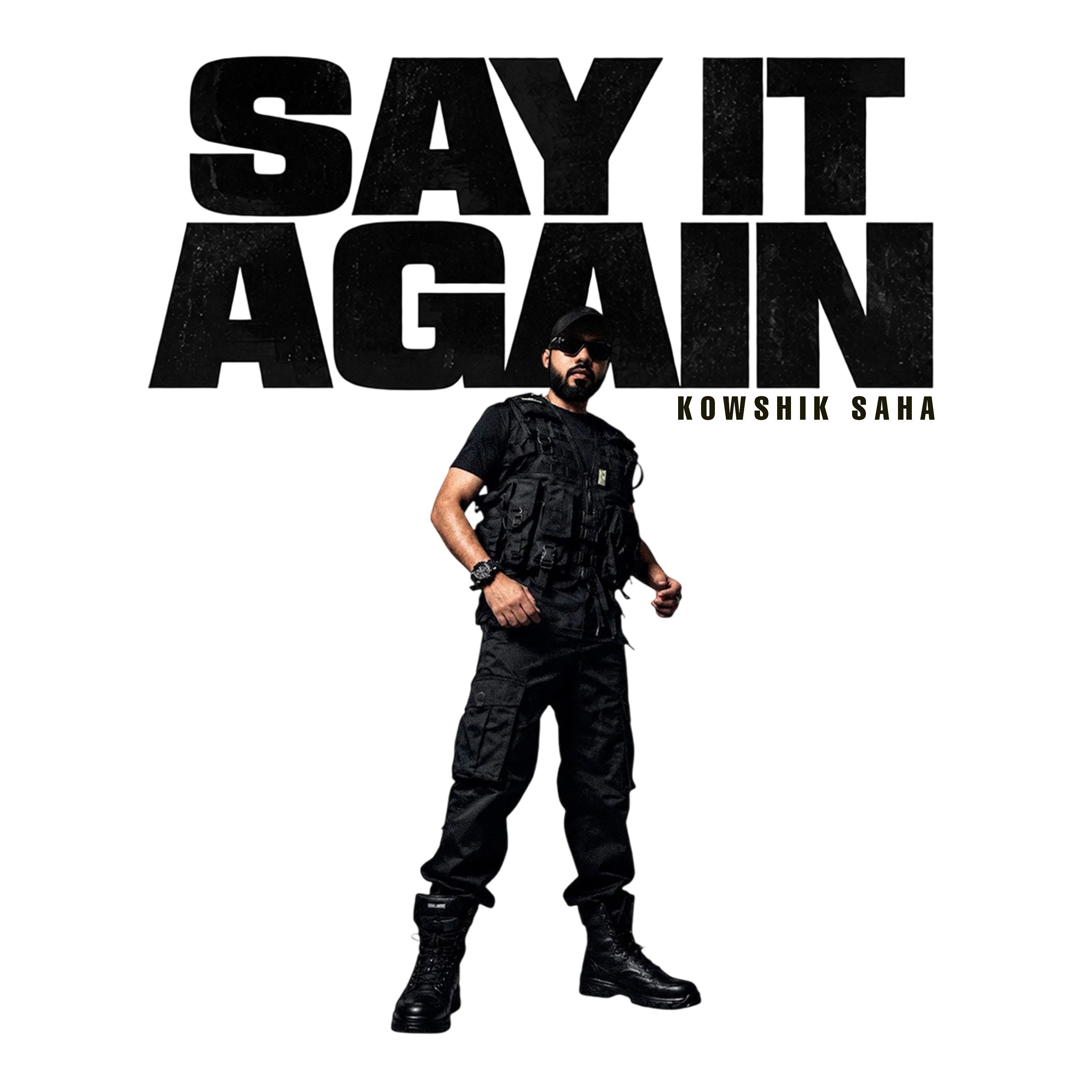
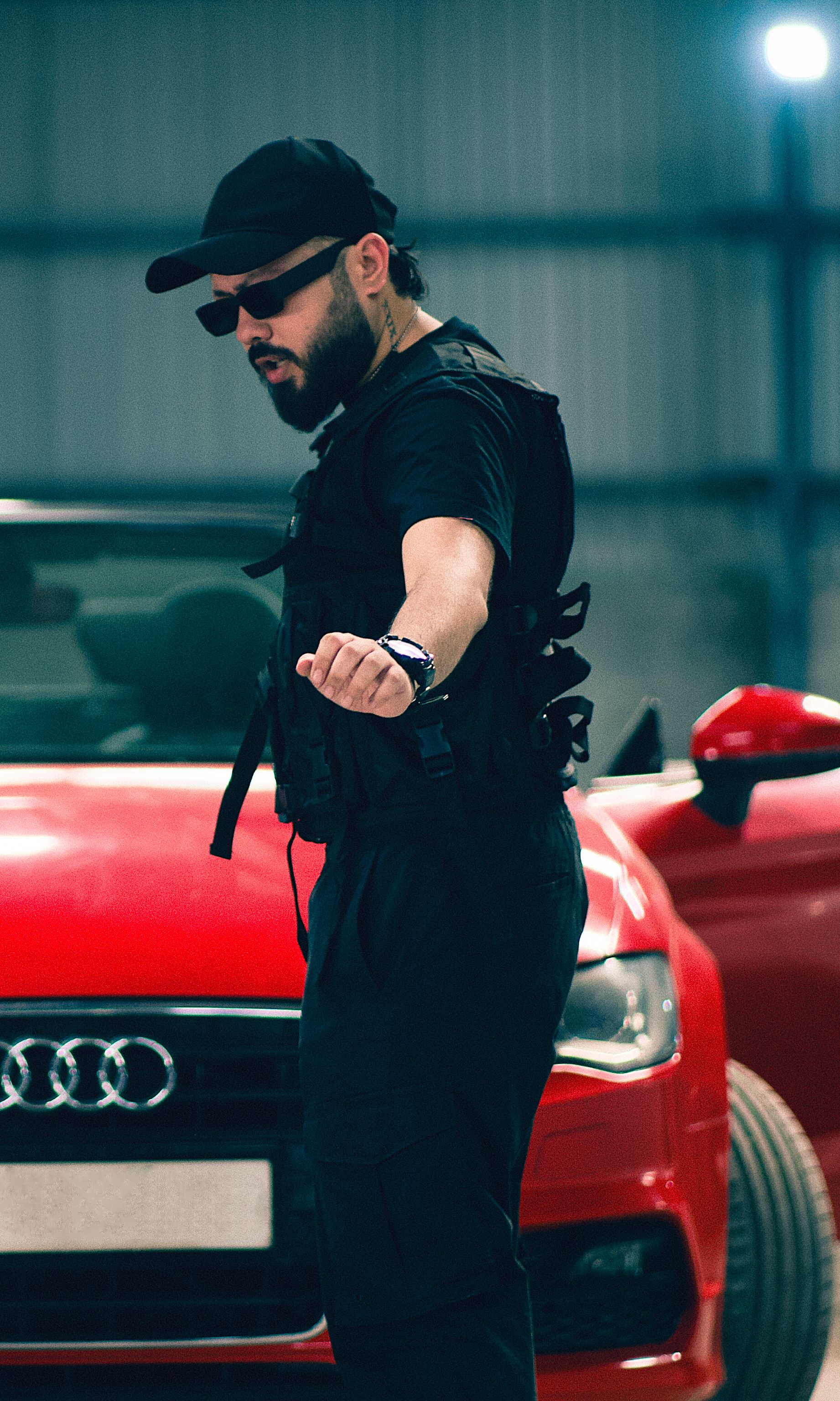
I’m moving toward a darker, more cinematic and internationally focused sound, with visuals that feel like an extension of the music. I want the Kowshik Saha identity to become instantly recognisable, both sonically and visually. The next step is to build that world consistently through my upcoming releases, starting with “SAY IT AGAIN” and its full-scale video.
When someone hears a Kowshik Saha track for the first time, what's the one feeling you hope stays with them?
I want them to feel something they can’t quite shake — whether it’s excitement, desire, nostalgia or pure energy. If they finish a Kowshik Saha track and feel like they want to hear it again, I’ve done my job.
Contact and Follow
Email: Contact@kowshiksaha.com
Instagram: https://instagram.com/kowshikrsaha
YouTube: https://youtube.com/kowshiksaha
Facebook: https://facebook.com/kowshiksahaofficial
TikTok: https://tiktok.com/@kowshikrsaha
Website: https://kowshiksaha.komi.io