

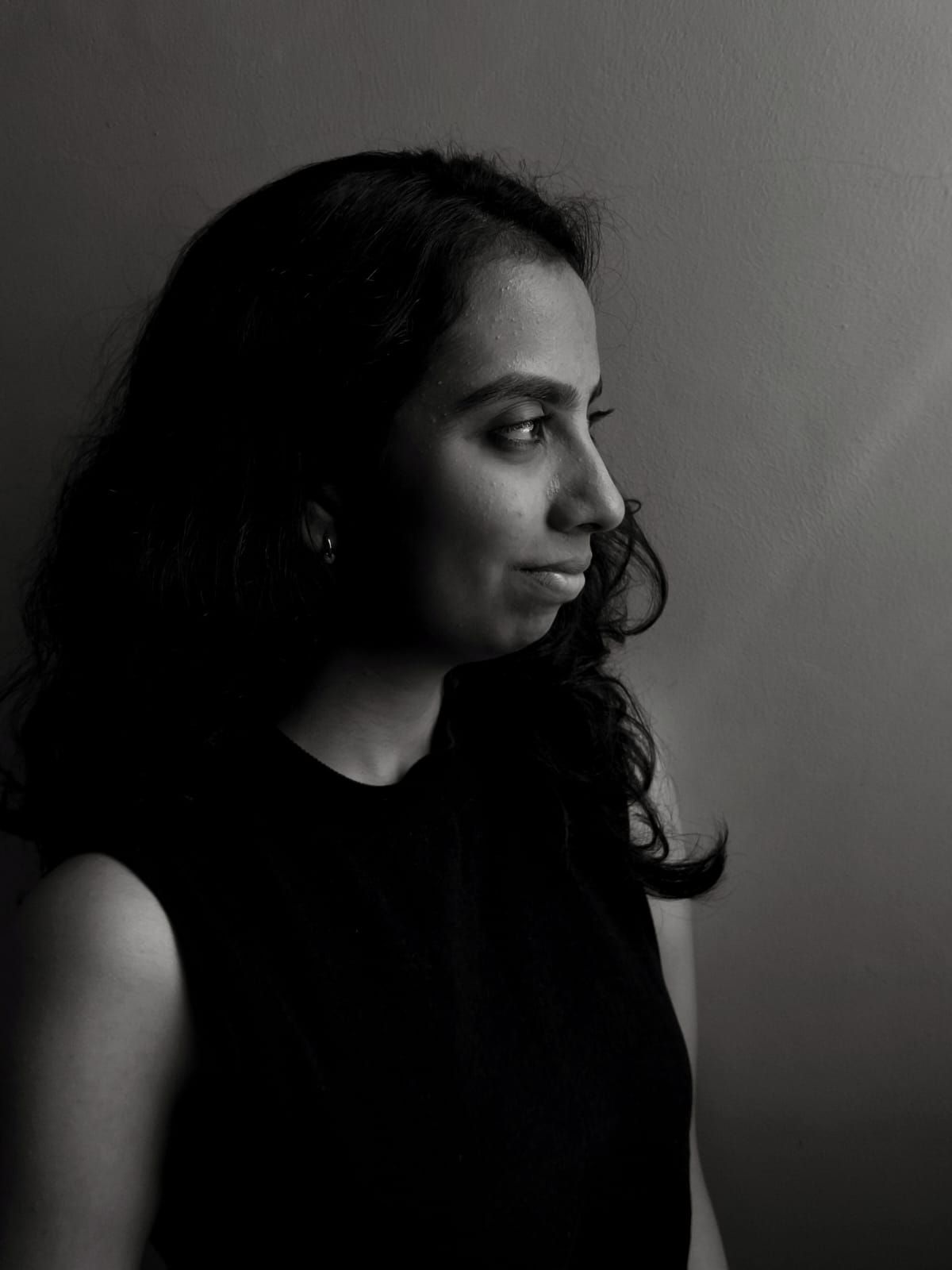
How did you first get into photography, and what inspired you to pursue it seriously?
I always had an inkling to get into photography since I was around 10 years old. I remember fighting with my parents to get a camera of my own when we were going on a trip, but they found a way to fool me by giving me a yellow-colored Kodak film camera without any film in it so that I could have the satisfaction of clicking pictures. Looking back, I know I was fooled, but the memory of trying to see through the lens and hearing the fake click sound still gives me a kick of nostalgia. The obsession continued when I begged my grandfather to lend me his keypad mobile phone so I could click pictures in Singapore. That phone had a jarringly loud shutter sound, so the click noise was quite bothersome to the public, but I enjoyed having the autonomy to capture moments on my own. When it came to pursuing photography seriously, I made the decision to make my Instagram handle public, and that changed a lot for me in terms of upskilling, networking, and building a sense of self-belief — that maybe I really do have a knack for this form of art.
Can you recall the first time you felt truly moved by a photograph you took?
I was given an assignment in which I had to take inspiration from a well-renowned photographer and try to capture similar frames. For this, I studied the work of Henri Cartier-Bresson and wanted to draw inspiration from the way he captured staircases and mastered the interplay of light and shadow. To recreate that essence, I took my elder sister under my wing and placed her on the first floor of our house at night. I used the living room tube light as my only source of illumination and clicked a monochrome photograph from my room. That was how “The Lumiere’s Prism” was captured, and that photograph became a turning point for me internally — a moment that made me feel, “I am enough.” Years later, the photograph was presented at an exhibit in Jaipur, which further strengthened my belief that I had truly created something meaningful.
How has your photography style evolved from when you started to now?
Initially, it was the pure joy of holding a camera and clicking pictures without any forethought. But as I started learning about visual styles, I began practicing how I wanted my compositions to look. My composition skills were polished further when I started studying Visual Communication during my undergraduate years, where I got the opportunity to hone my craft even more. To be honest, I still haven’t confined myself to a particular genre. I want to explore, fail, experiment, and discover where I can grow a niche that feels both self-satisfactory and admirable to the world. So, I still cannot pinpoint a singular style for myself, but I can definitely say that my first inclination has always been composition rather than effects.
What draws you to monochrome photography over color?
There is a certain power in the shades of the same color, which I personally prefer more than colors that immediately attract attention within a spectrum. Monochrome photography can speak volumes because its layers become more clearly visible, and in many ways, it helps one understand light and shadow much better. Personally, I feel like monochrome creates a sense of mystery — almost like a guessing game where I imagine what colors might exist within the frame. That aspect gives me an interactive and deeply immersive feeling as well.
Which monochrome photo best represents your style, and what makes it special to you?
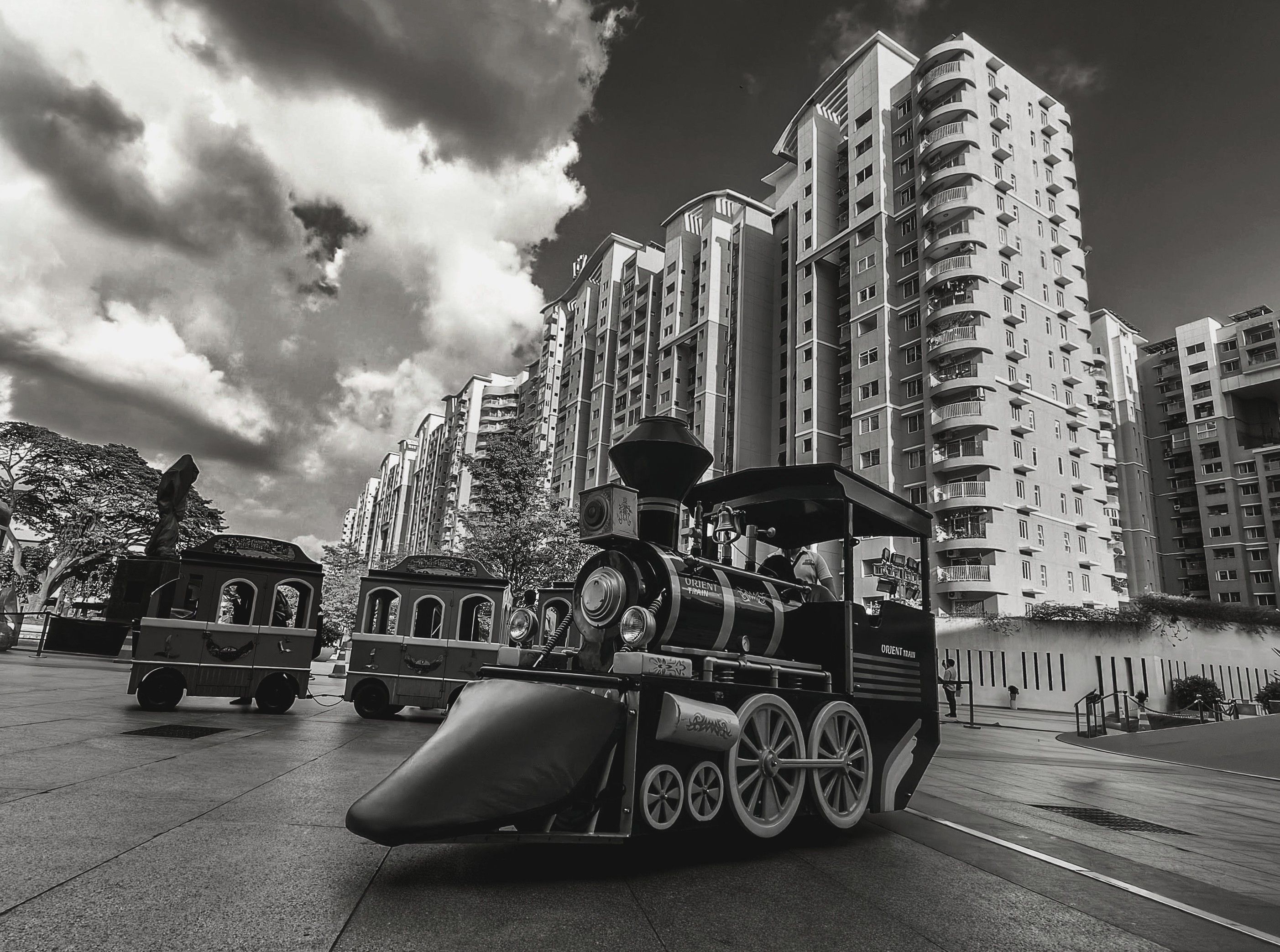
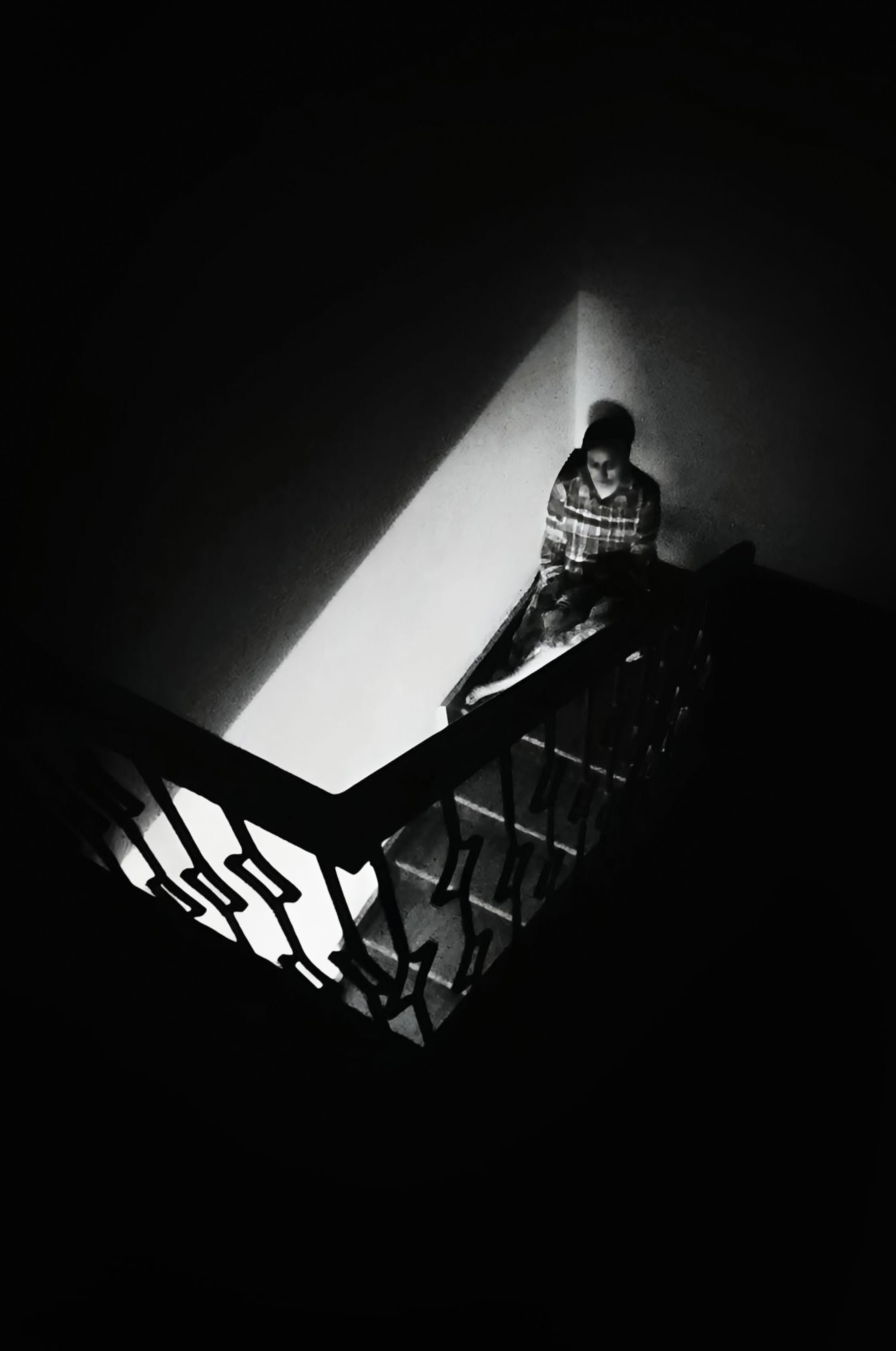
The first image, "Train on a Cityscape," captures a playful little train resting beneath towering apartments and dramatic skies, blending childhood wonder with urban scale. The black-and-white tones make the city feel timeless, while the clouds add a quiet sense of motion and depth. The second, "Lumere's Prism," features a lone figure sitting quietly on the staircase, wrapped in a sharp beam of light cutting through the darkness. The shadows feel heavy, almost cinematic, turning an ordinary corner into a moment of solitude and reflection.
What does a behind-the-scenes photo reveal about your creative process?
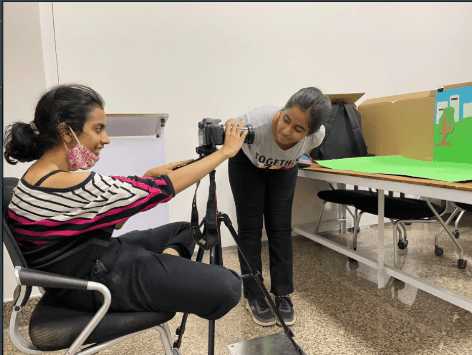
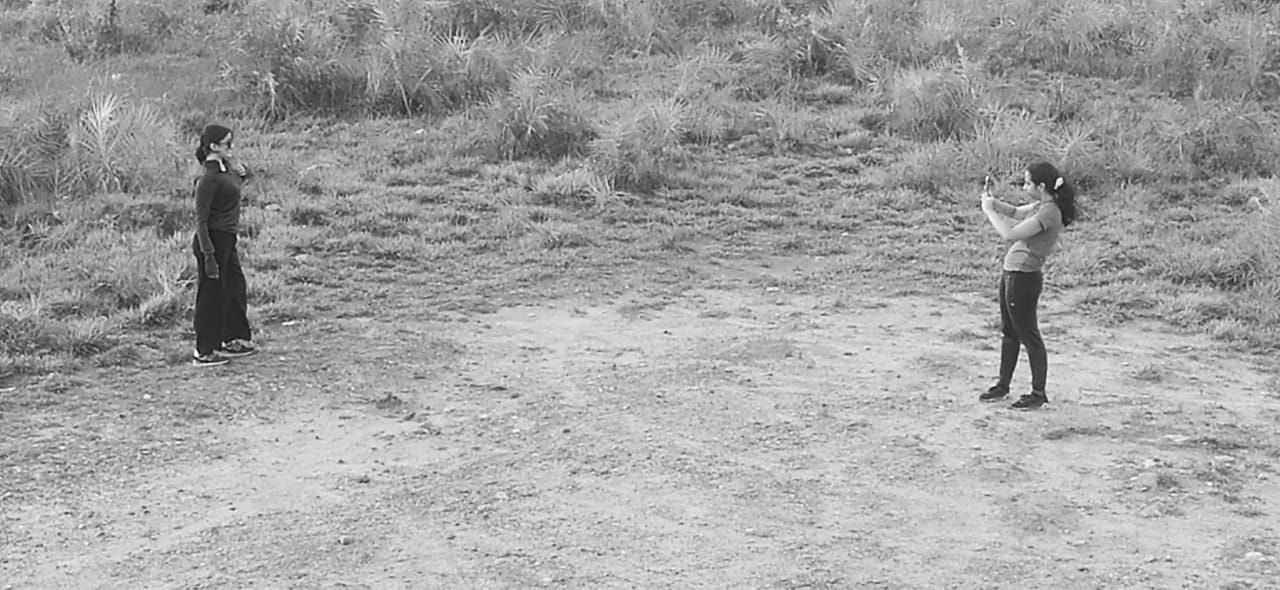
The fact that I can work both in a team and independently, while also managing equipment and handling lighting — whether natural or artificial — reminds me of how deeply I want to pursue this, no matter what. More than just a skill, photography feels like something I am naturally drawn toward, and every challenge only reinforces my determination to keep creating and learning.
What subjects do you rarely photograph but would like to explore more, and what draws you to them?
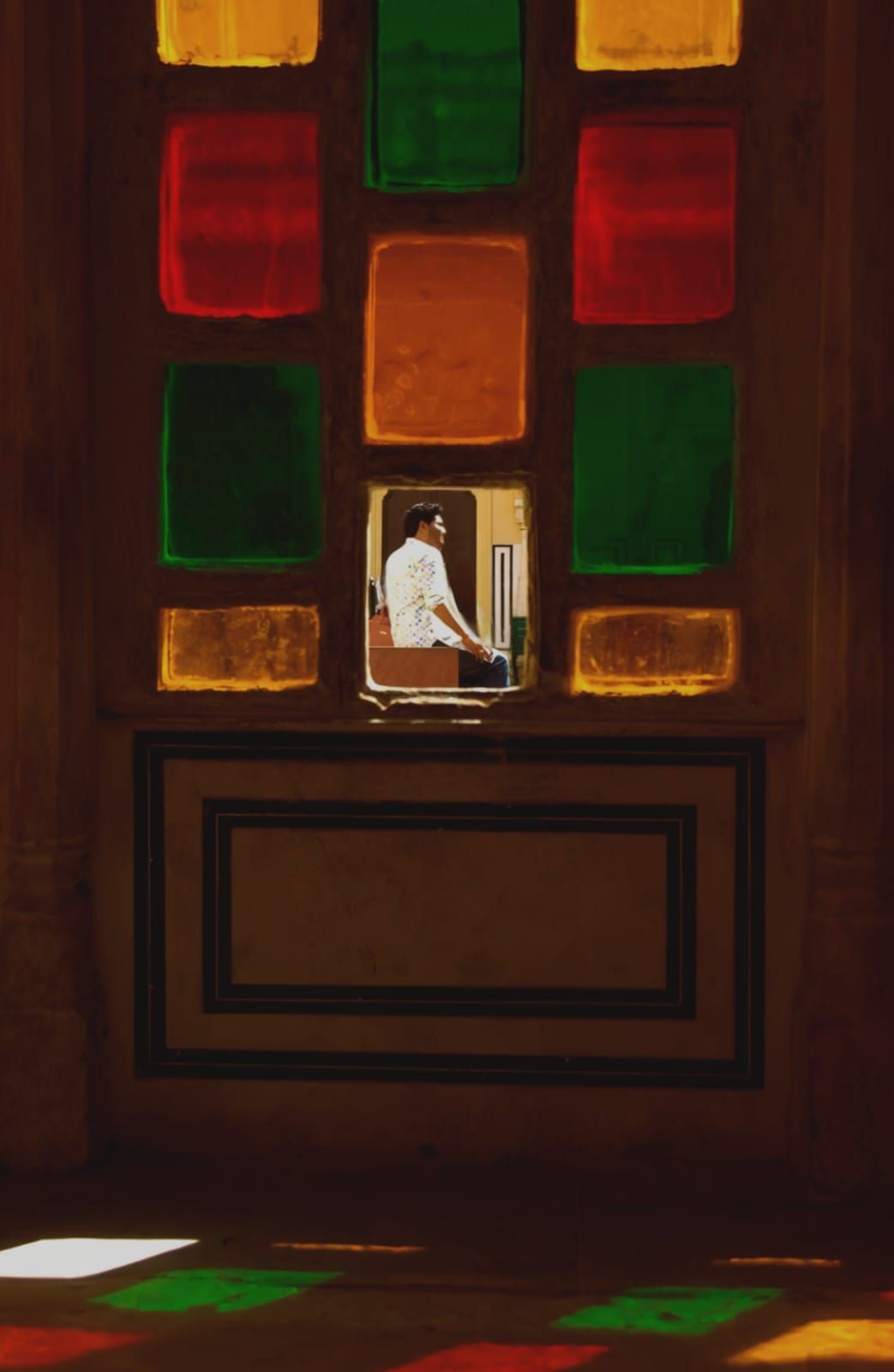
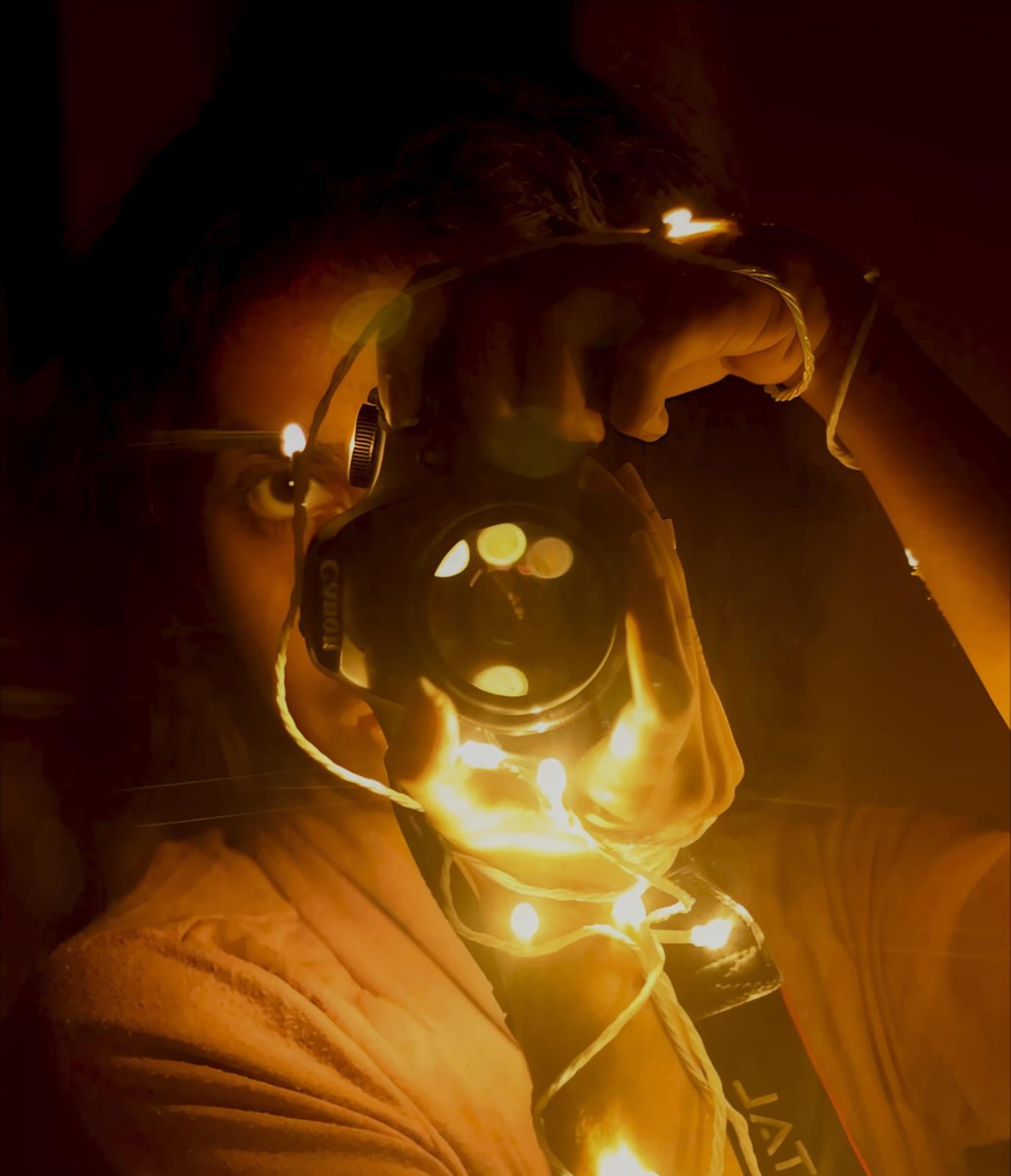
I have chosen two subjects. The first is self-portrait photography. I think it would require me to fight my own self-consciousness. Dealing with both a mirror and a camera at the same time can be tricky, but never impossible. More than the technical aspect, I believe the real challenge lies in being vulnerable enough to present myself honestly through the frame. The second is street photography. Although I do socialize, I still find it difficult to break the ice while capturing strangers in their own environments. I often wonder how to present them authentically without compromising my own imagination and artistic vision. Balancing reality with personal interpretation is something I still wish to explore and understand better.
Tell us the story behind that serendipitous shot you captured.
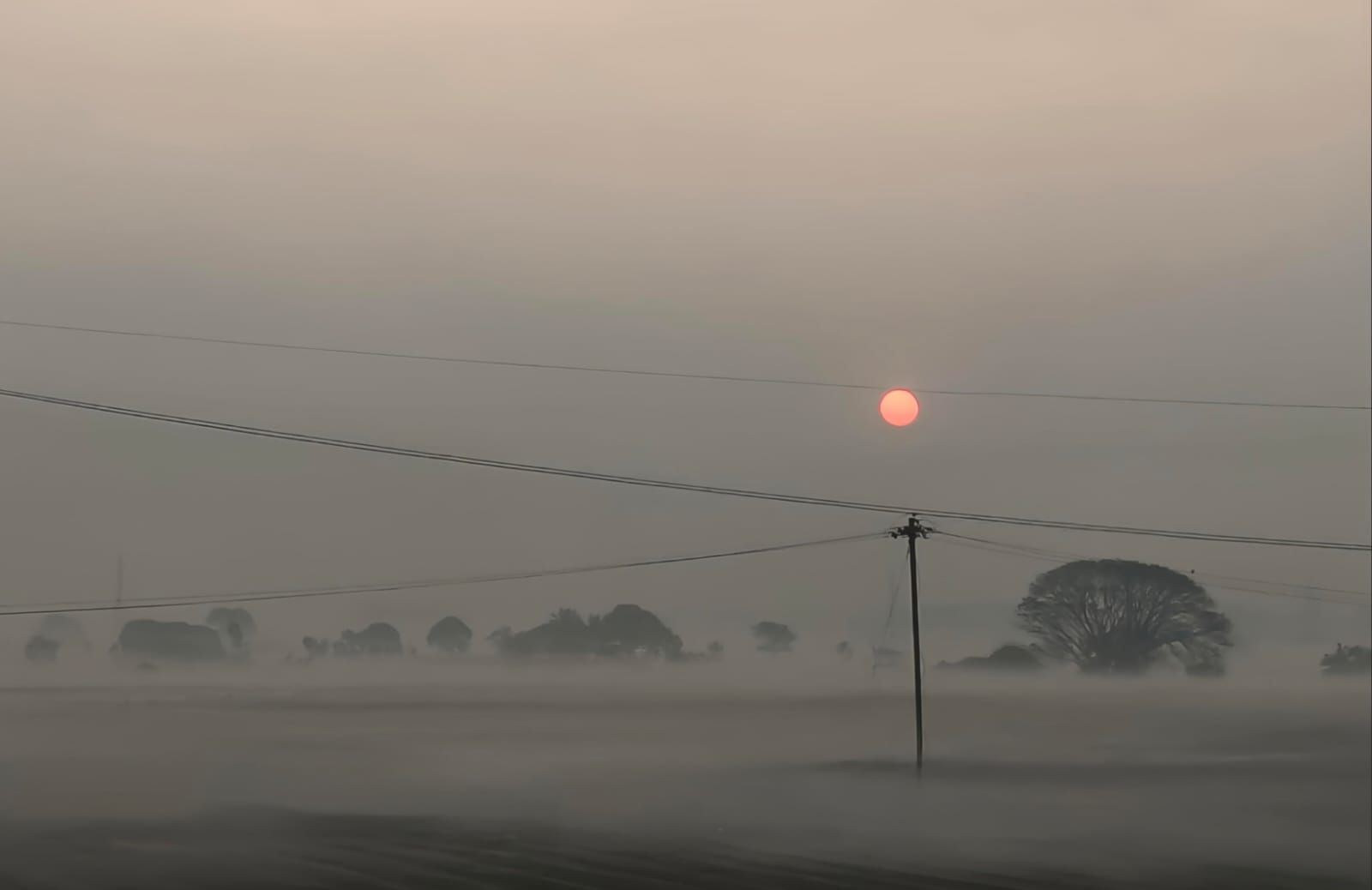
I was traveling from Kolhapur to Pune with my friend on a bus. I was feeling a bit sleepy when my friend noticed the beautiful sunrise and asked me to take a photograph since I was sitting close to the window. The bus was moving so fast that I happened to capture the frame almost instinctively, and when we looked at the result, it was truly surprising. The way the round sun aligned perfectly with the electric tower amidst the mist felt like the right moment at the right time — unpredictable, yet beautiful.
What's your go-to photography gear and how does it influence your monochrome work?
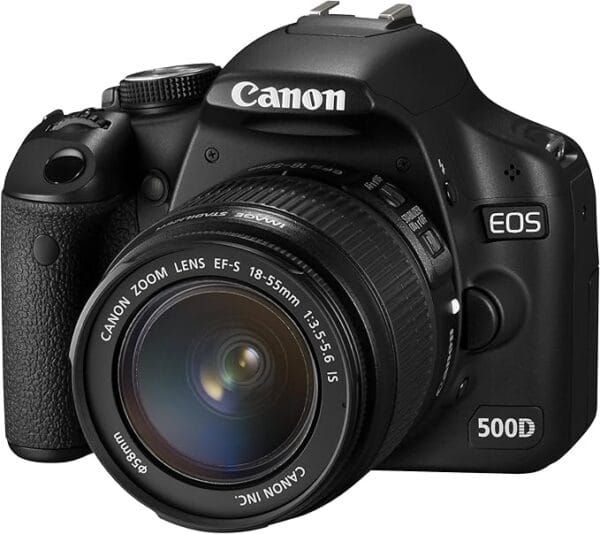
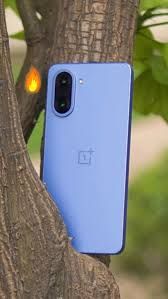
I think it’s everything — the lens, the effects, the exposure, the handling of the camera, and many other factors that help me in perfecting my style. To me, photography is not just about capturing an image; it is about understanding how every technical and creative element comes together to shape the final frame.
What do you take away from experimenting with genres outside monochrome?
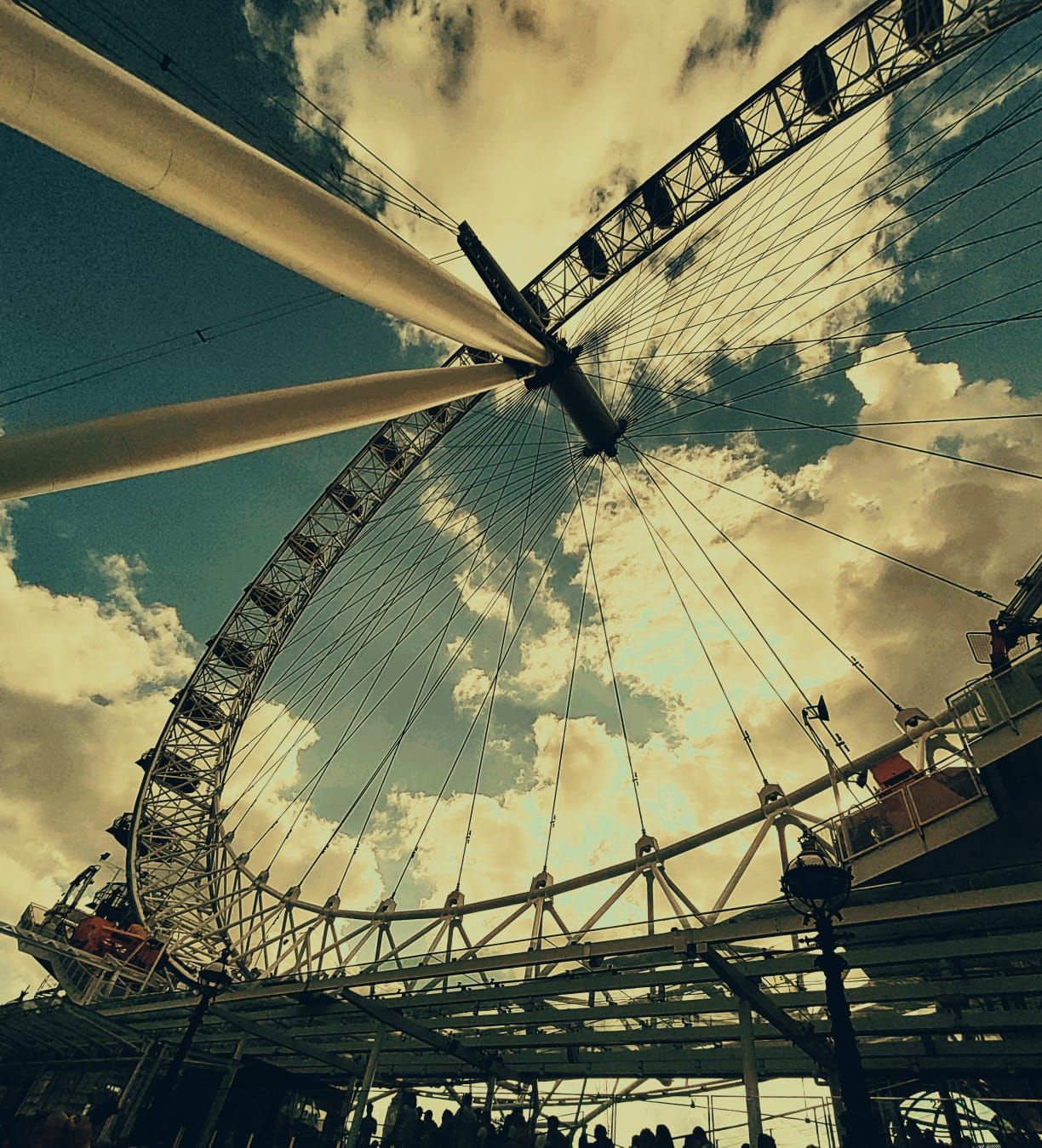
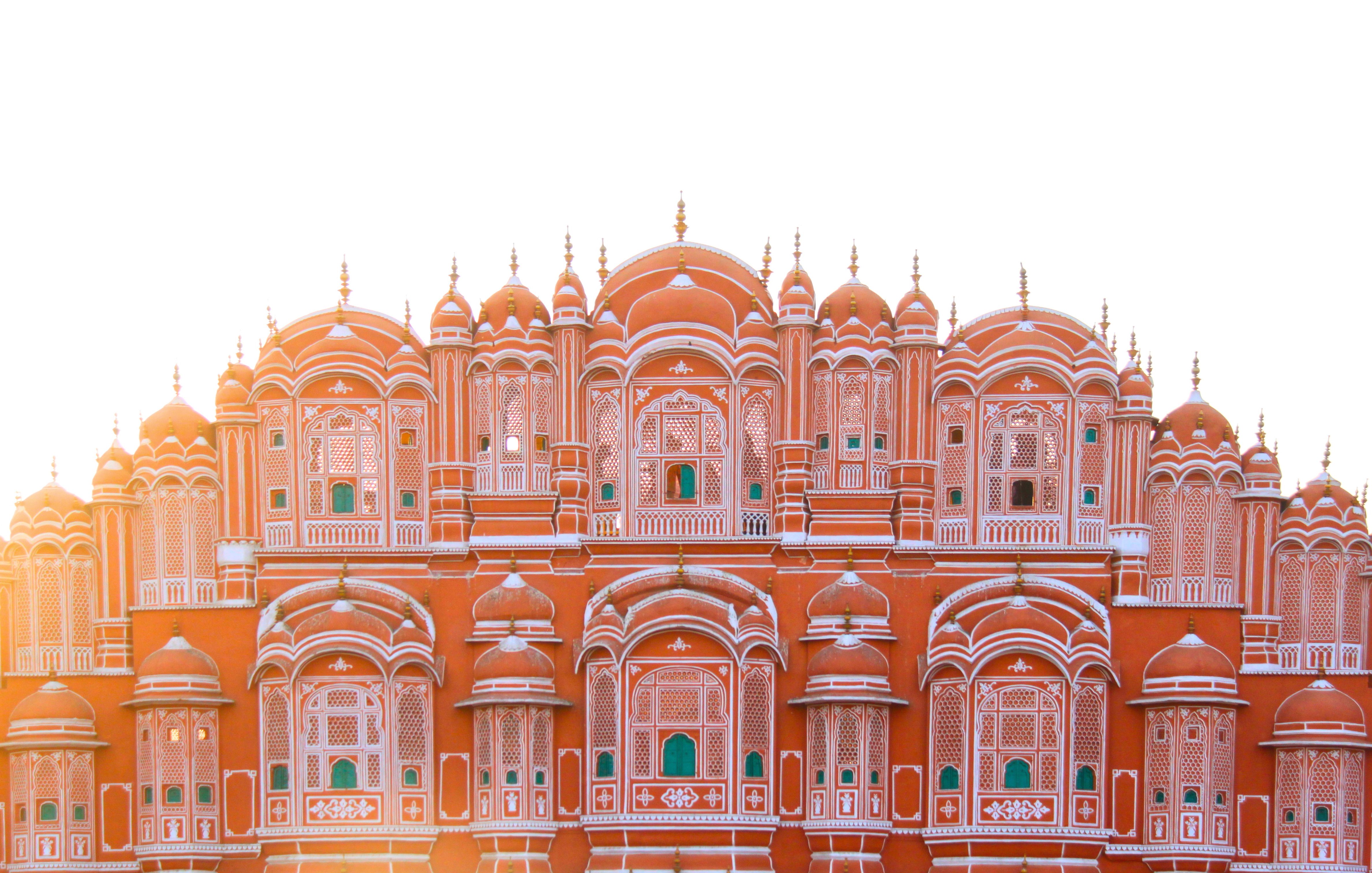
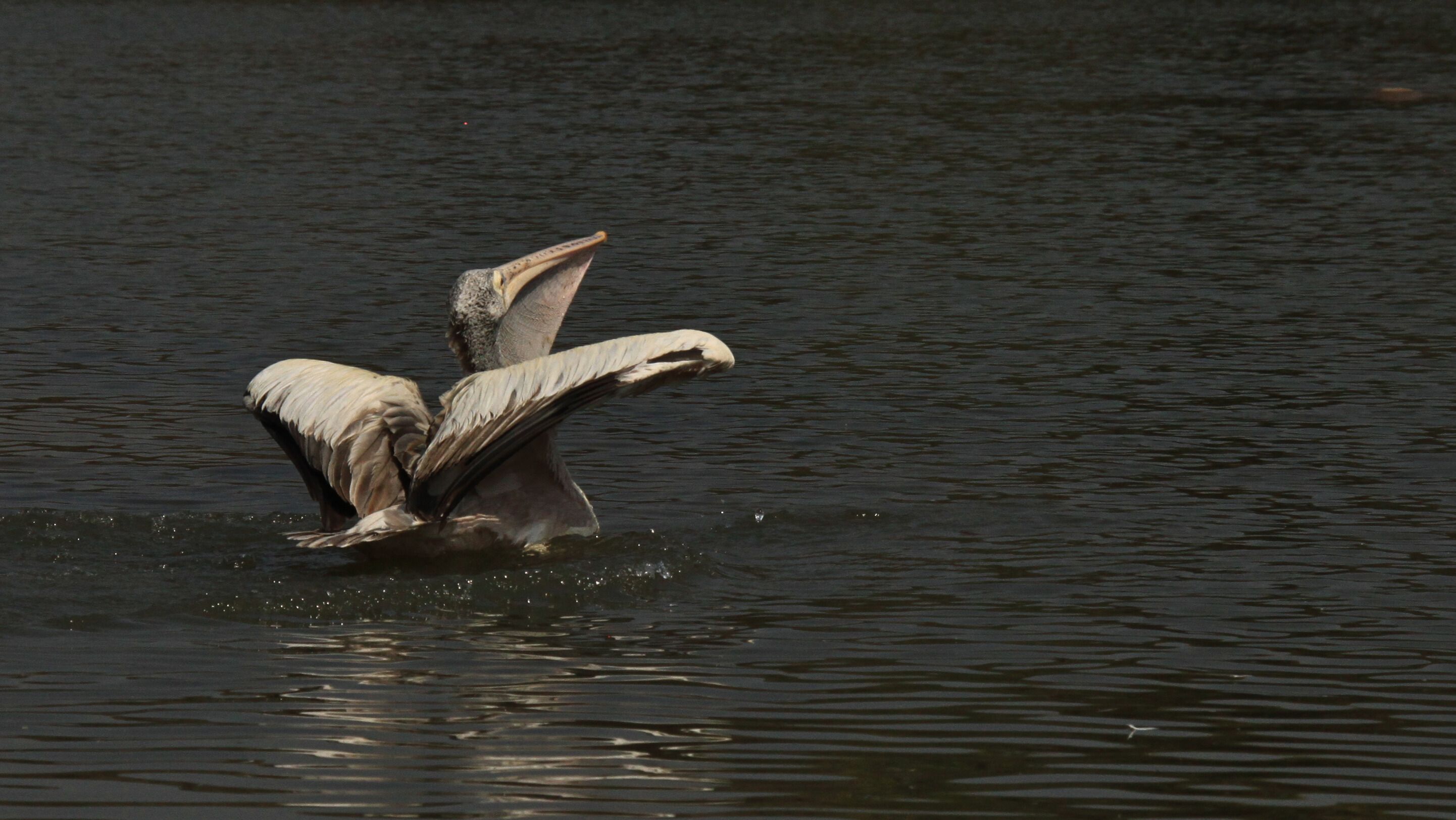
It reflects how flexible and adaptable I want to be as a photographer. It is a conscious decision not to confine myself to one particular style too early in my journey. Instead, I want the freedom to experiment, make mistakes, and explore different genres such as travel, wildlife, portraiture, and client-specific work. I believe that trying out diverse forms of photography will help me grow both creatively and technically, while also allowing me to discover a style that feels genuinely my own.
Why does an underrated photo in your portfolio hold such personal meaning?
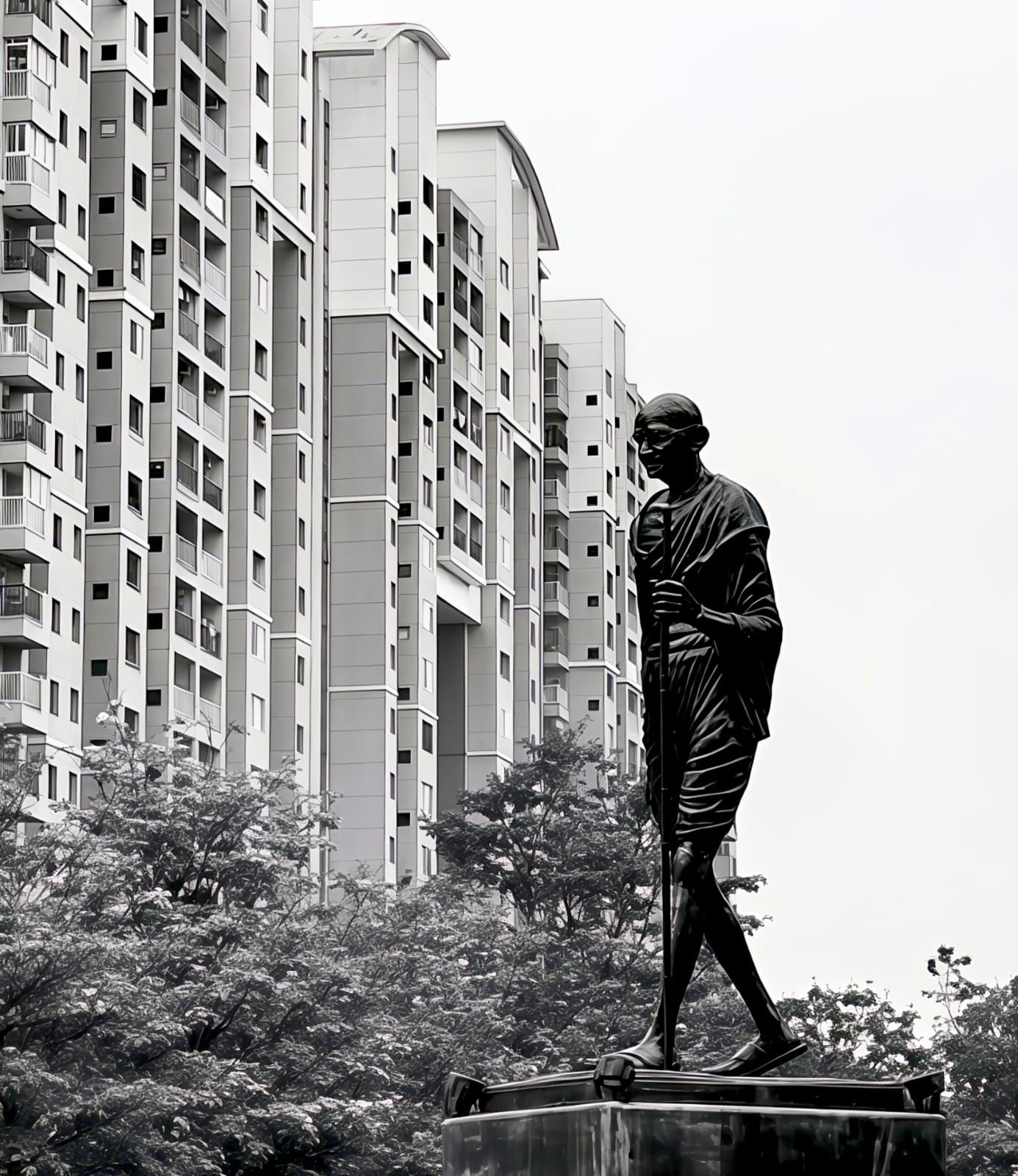
I think it speaks a lot about the times we live in, and I am also very proud of the way I have utilized leading lines in this frame. The composition draws the viewer's eye through the image in a way that feels intentional yet natural, capturing a moment that resonates with deeper social commentary.
Contact and Follow
Email: dhritiworkspace@gmail.com