

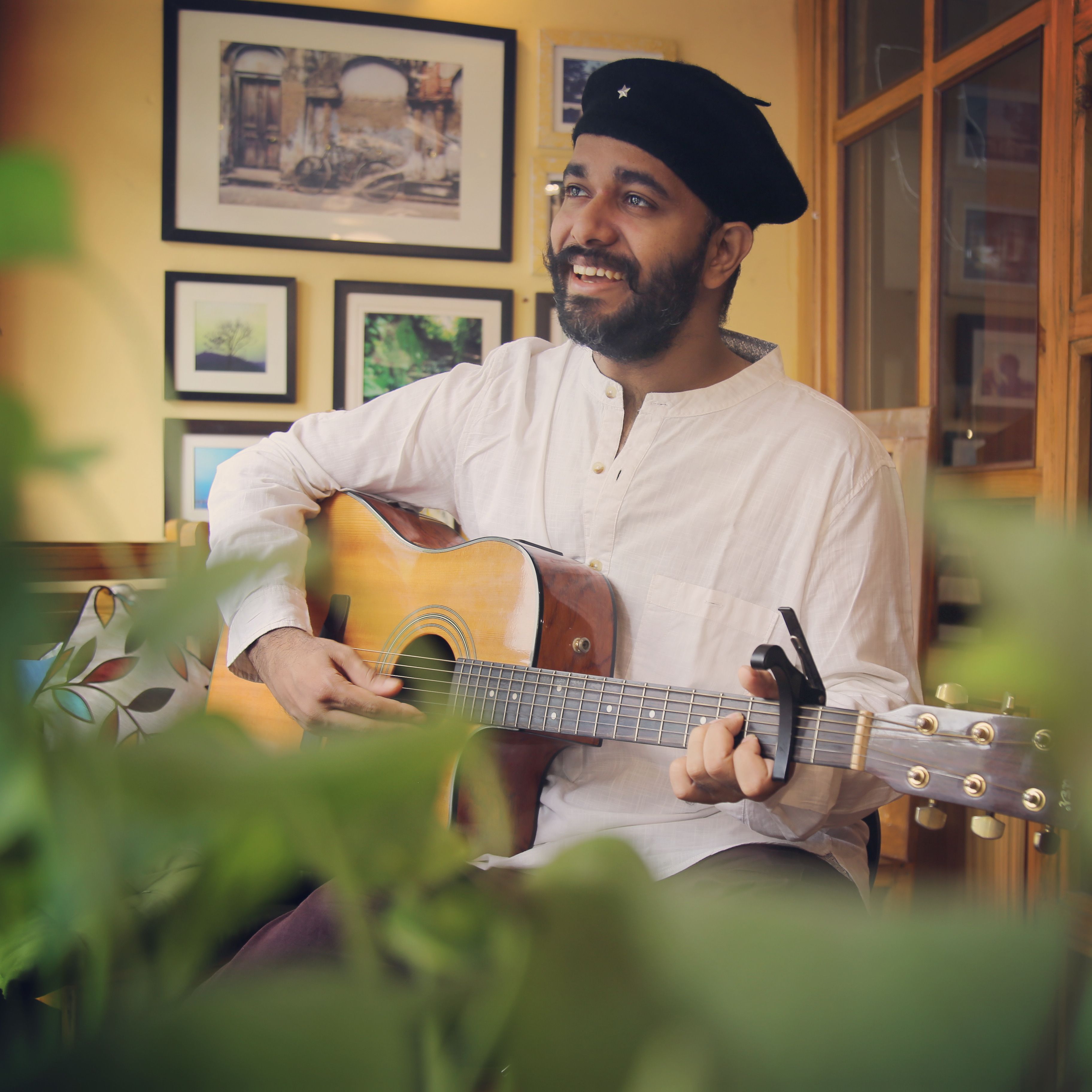
Take us back to the very beginning — what first pulled you toward music and singing? Was there a song, a voice, or a moment at home that started it all?
Before there were stages or audiences, music was the only safe room in a very loud house. Growing up amidst childhood mental trauma and psychological abuse teaches you to shrink yourself—to swallow your words and hold your breath just to survive. For a long time, I wasn't trying to be heard; I was just trying to stay invisible. My pull toward music started as a desperate need for an escape hatch. It wasn't just the human voice that captivated me—it was anything that could make a sound. From an old radio crackling with an afternoon alaap to the resonant hum of a harmonium or the percussive tap of everyday objects, I became obsessed with how vibration could fill an empty, heavy room. To me, instruments were magic: they had no fear of taking up space. Whether I was tentatively touching keys, plucking a string, or humming barely above a whisper, creating sound felt like physically pushing back against the silence trauma had forced upon me. Singing and playing taught me how to breathe again when fear had taught me to freeze. In a world where I had no control over how I was treated, rhythm and melody were entirely mine. Nobody could tell me my pain wasn't real when I could hear it echoing back through a note. What began as survival became my resurrection. The very voice and expression that abuse tried to silence became the instruments that set me free—turning pain into something beautiful, and giving me my life's purpose.
Do you remember the first time you sang or performed something of your own in front of people? What stayed with you from that day?
The first time I ever sang an original composition in front of a crowd was during the auditions for a reality show called Airtel Bandwagon. I was performing with my band, La Ventana—which means "an open window" in Spanish. The song itself was deeply personal and collaborative: my mother, Saswati Bandyopadhyay, wrote the lyrics, I composed the music, and my friend Dr. Vishnu Mishra—an accomplished Indian classical vocalist and educator—created a beautiful tarana interlude for it. What stayed with me most from that day was how immediately the music connected with both the audience and the judges. That connection carried us straight into the top ten bands of the competition. I still vividly remember the judges and mentors praising the piece, especially highlighting the composition, the arrangements, and the way I delivered the performance.
Is there a teacher, guru, or mentor who shaped how you sing and compose? Tell us a little about what they taught you.
I have been deeply blessed to learn from a host of extraordinary gurus, though three in particular have profoundly shaped my musical voice and style. My journey began with my first violin guru, the legendary Pandit V.G. Jog, who truly initiated me into the world of music. Later, I had the privilege of learning guitar from Amyt Datta—an absolute icon in his own right—who opened my ears to the nuances of harmony and phrasing. On the vocal front, my Indian classical guru, Vidushi Barnali Chattopadhyay, was instrumental in refining my performance techniques and deepening my understanding of musical aesthetics. While I have had the immense good fortune of training under several other musical stalwarts over the years, the foundational lessons from these three masters remain at the very core of how I sing and compose today.
What did you want to communicate through your latest instrumental album, "Intersection Seven"?
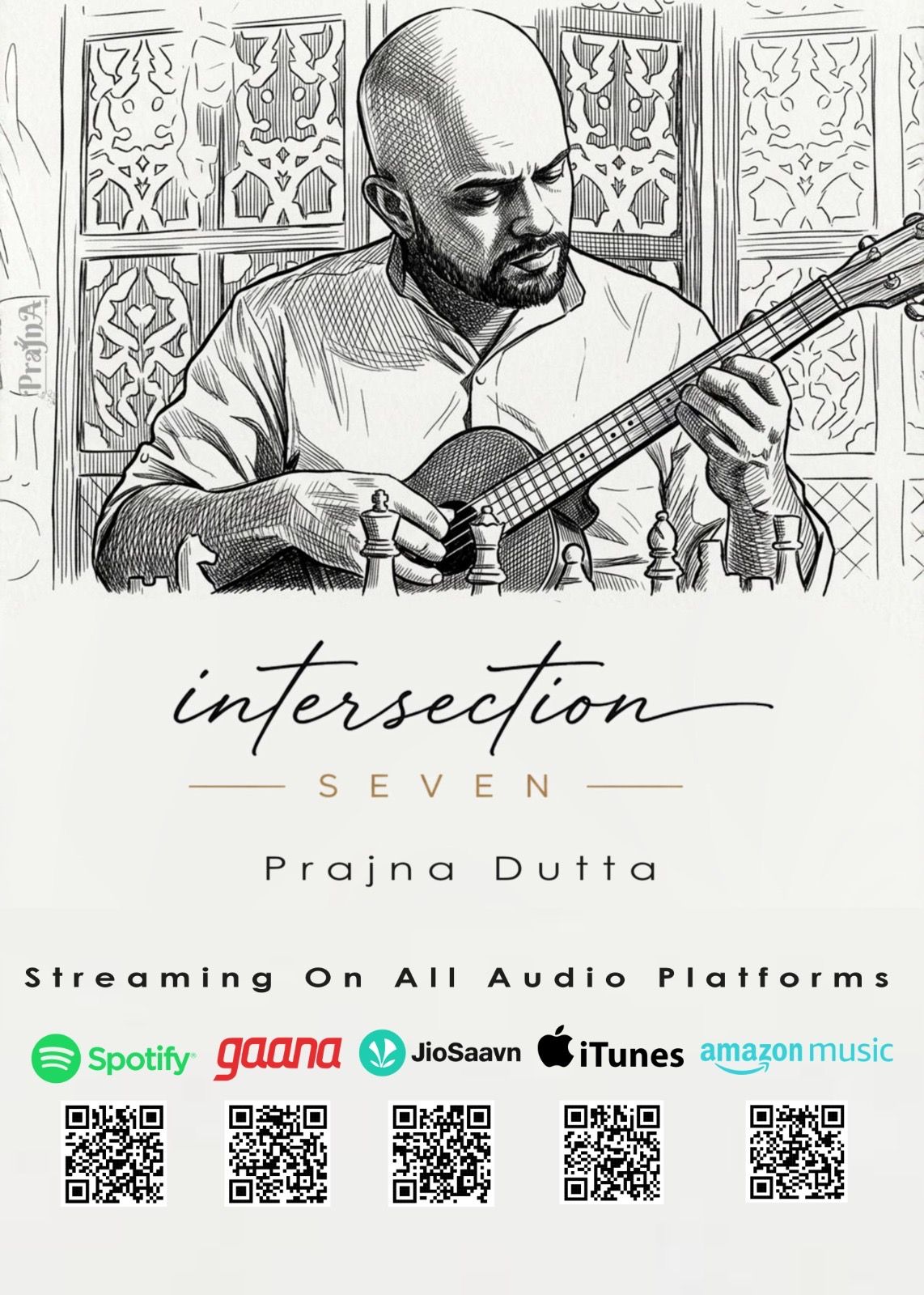
In Intersection Seven, I wanted to dive headfirst into the true expressive potential of the baritone ukulele. This album is a collection of seven original compositions, each rooted in a distinct musical style but seamlessly weaving together elements from multiple traditions that have shaped me as a musician. For me, these tracks are a personal journey across very different musical landscapes: 1. Prelude to Prose— My take on the structure and elegance of Western Classical. 2. Ole — An exploration of the fiery passion of Flamenco. 3. Folklore — A nod to the raw, storytelling power of World Folk. 4. Bossaball — A groove-driven dive into Bossa and Latin rhythms. 5. Devi — A deeply spiritual connection to my roots in Indian Classical. 6. En Garde— A playful, high-energy venture into Gypsy Jazz. 7. Devil’s Own Blues — A return to the grit and soul of Blues and Roots. Through these intricate arrangements and genre-fluid compositions, my goal was to completely reimagine what the baritone ukulele can do. I wanted to take it far beyond its conventional identity and show you just how vast, versatile, and powerful its voice can really be.
Urban Bandish grew out of Raga Khamaj - what is it about a raga like this that draws you in, and how does it shape the mood of a piece?
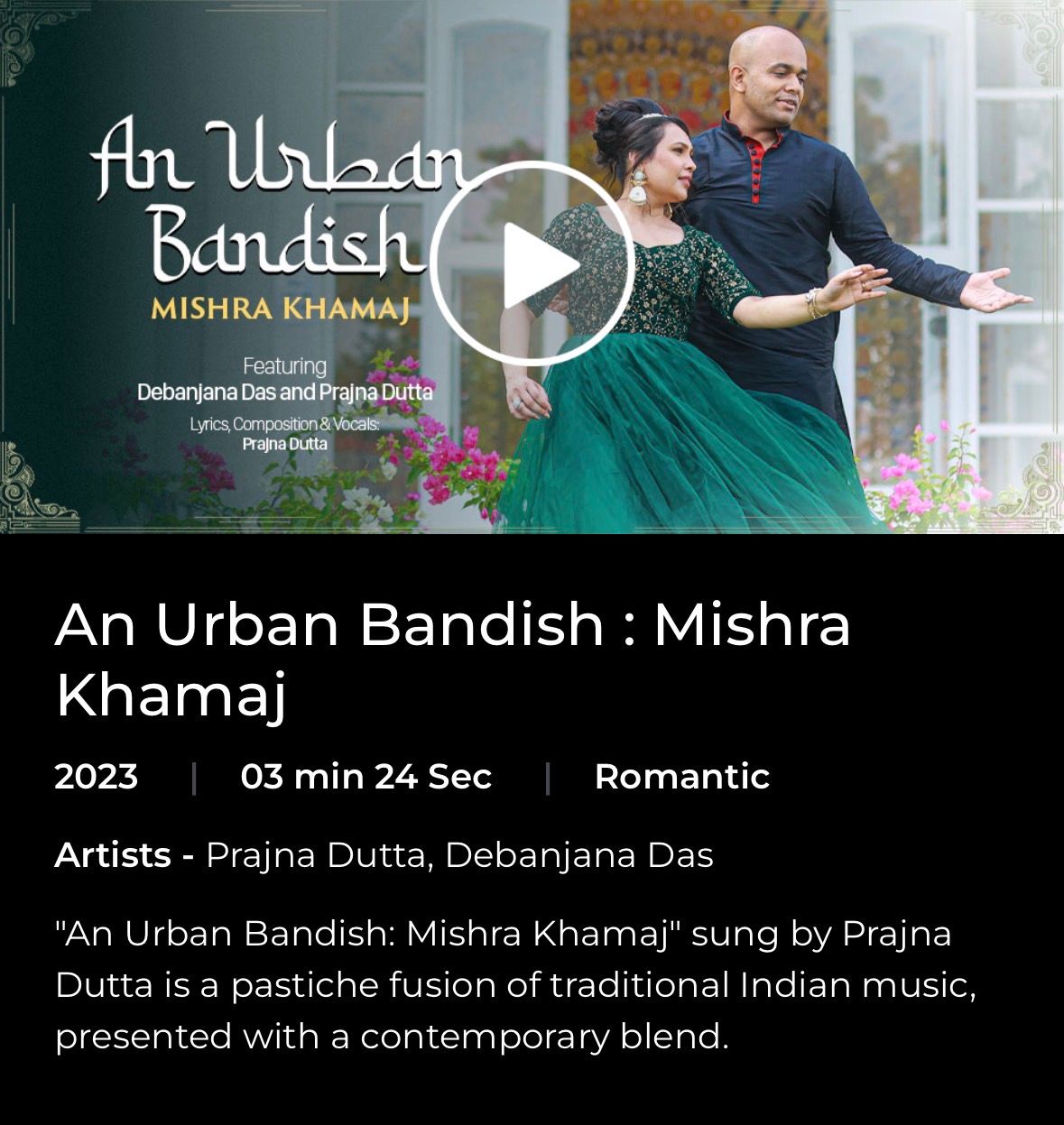
Urban Bandish: Mishra Khamaj" is not just a composition, but an experience that invites you to immerse yourself in the rich tapestry of Indian music. It breaks the confines of traditional boundaries, embracing the diverse influences of contemporary genres while honoring the essence of Hindustani music. Prepare to be transported to a world where the classical and the modern coexist, where the familiar meets the unexplored in the notes of Khamaj in a deeply personal space.
What is it like to shape a melody on the spot, with an audience right there in the room with you?
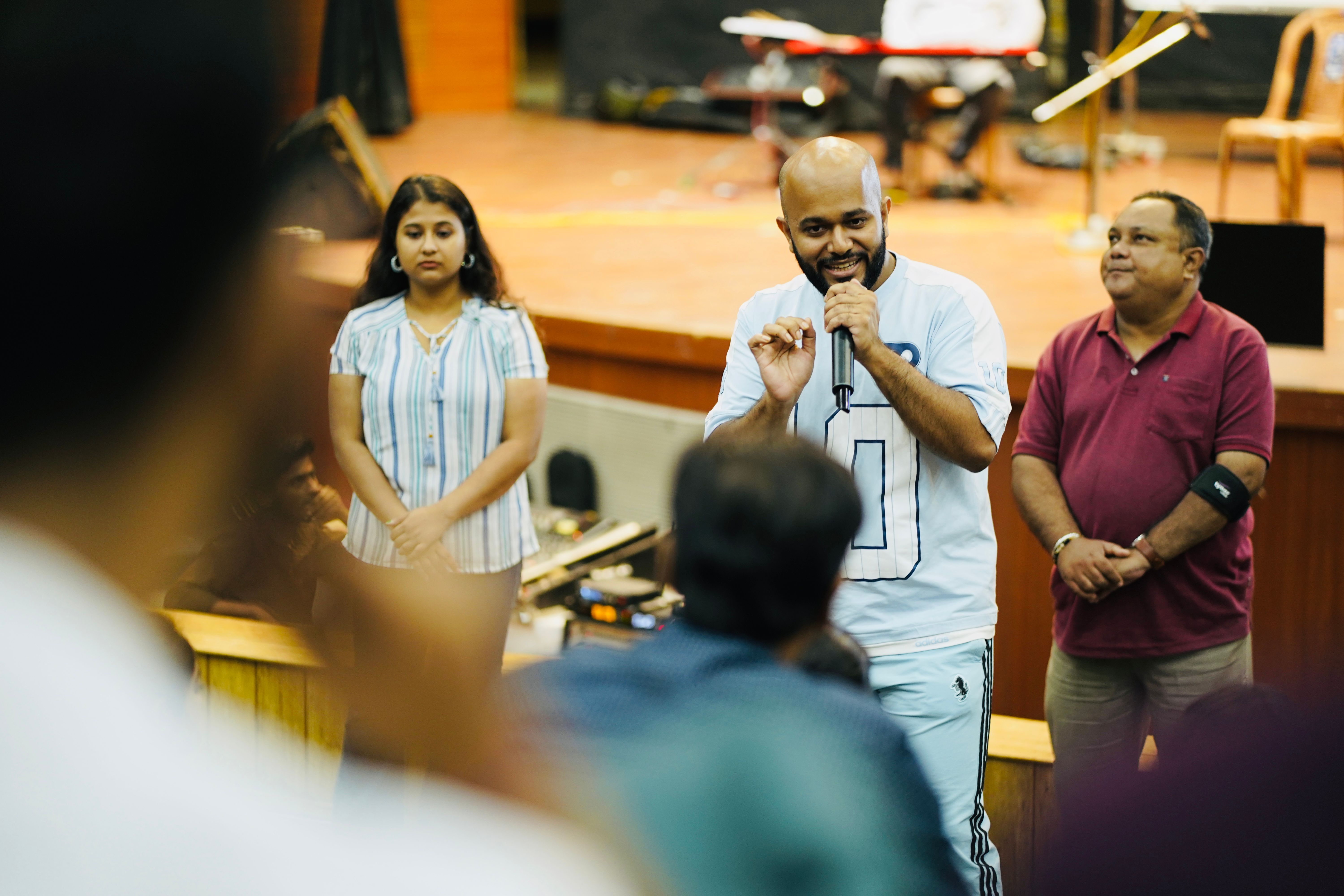
Shaping a melody live in front of an audience is a tightrope walk between muscle memory and pure surrender—a simultaneous act of listening, committing, and letting go. In the studio or practice room, you have the luxury of the undo button, the second take, and the safety net of your own habits. On stage, every note you play is carved in stone the millisecond it leaves your instrument or voice. There is no draft; the draft is the performance.
When a new song arrives, how does it usually take shape for you — do the words come first, or the tune?
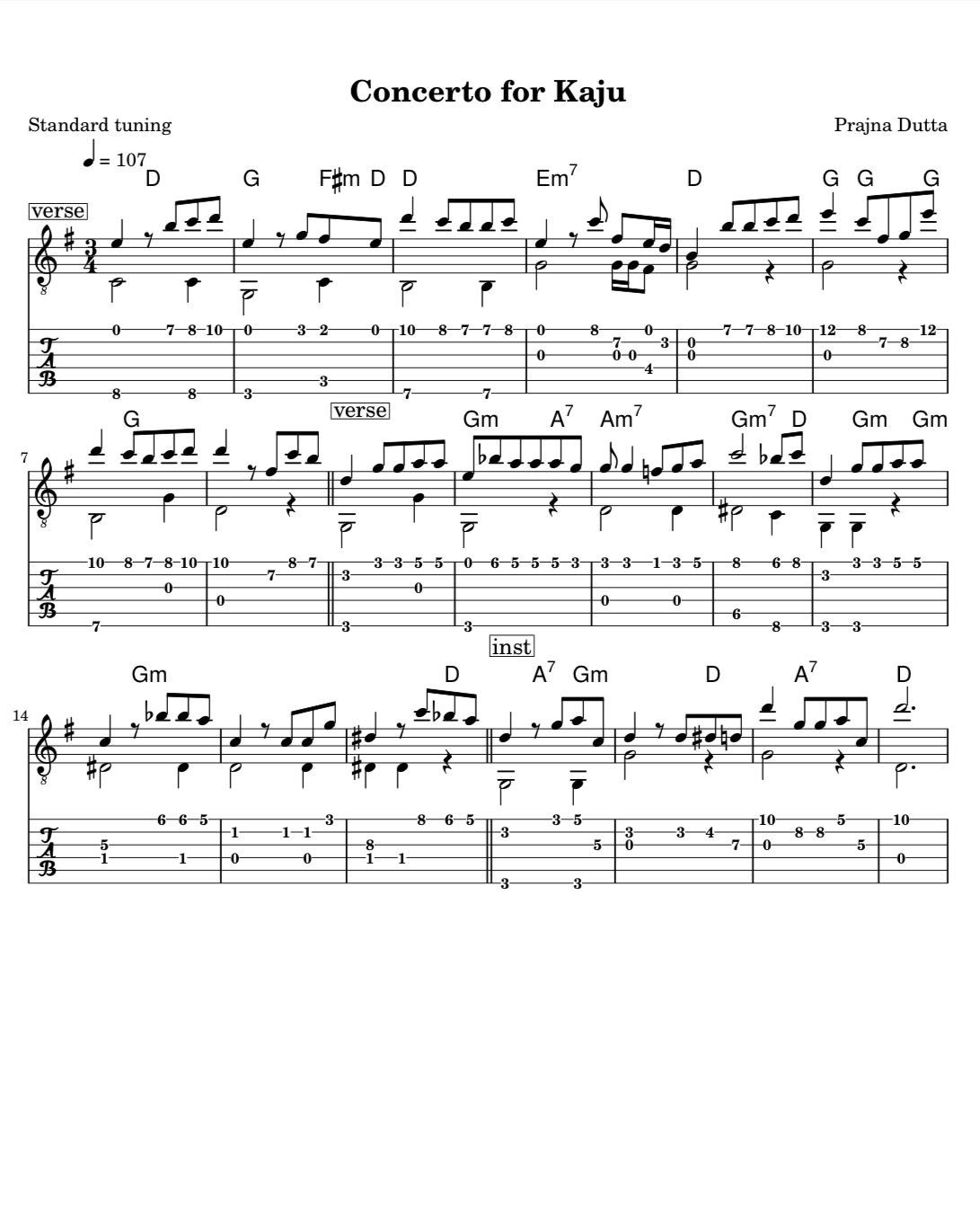
There’s really no fixed formula. Sometimes the tune and the words show up at the exact same time; other times, one leads and the other follows. What matters most to me is giving each piece enough time so nothing feels forced—letting the music and the lyrics slowly find their way to each other.
You've taught the language of music and scoring for screen to students — what's the one thing you most hope they carry away from your classes?
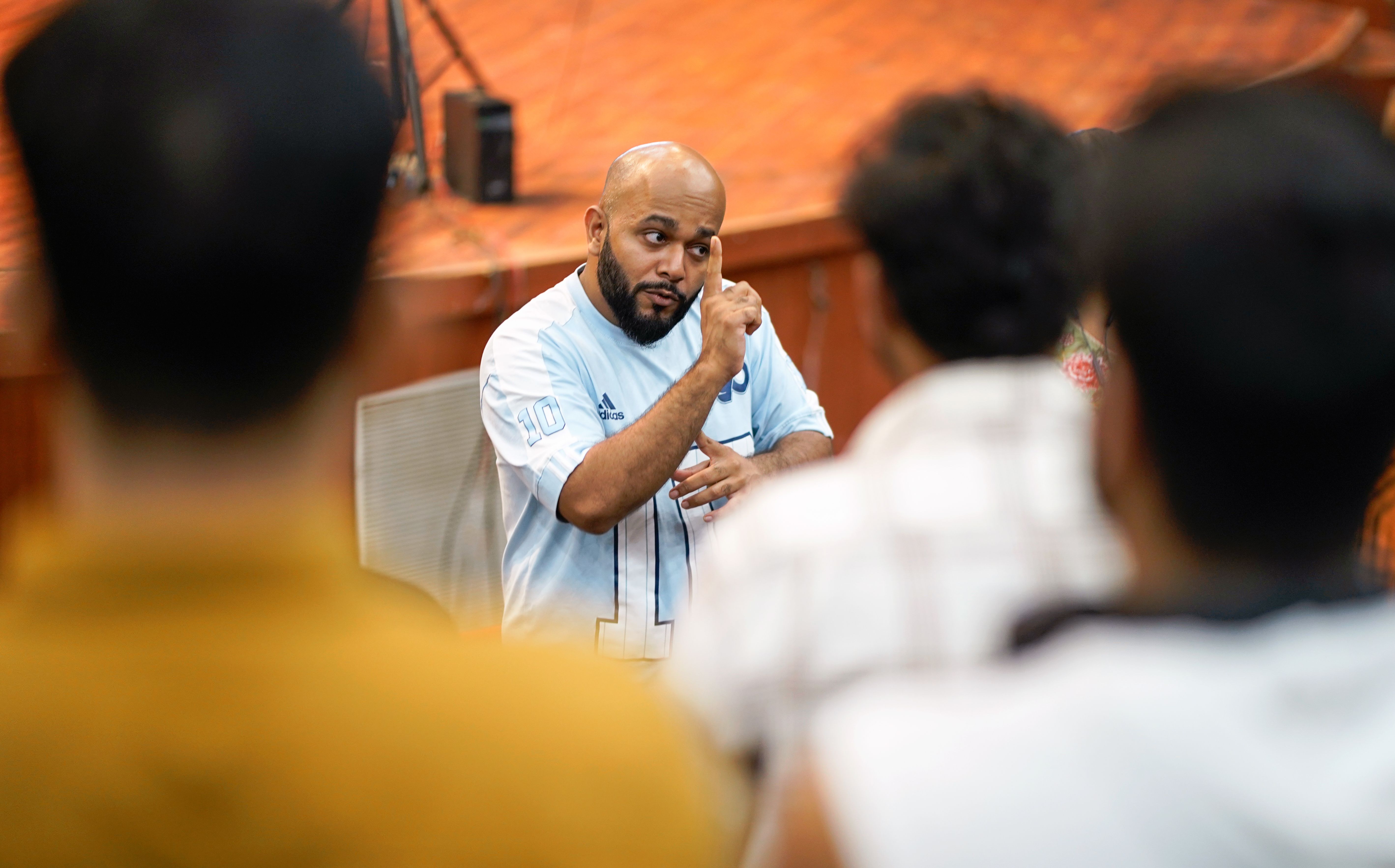
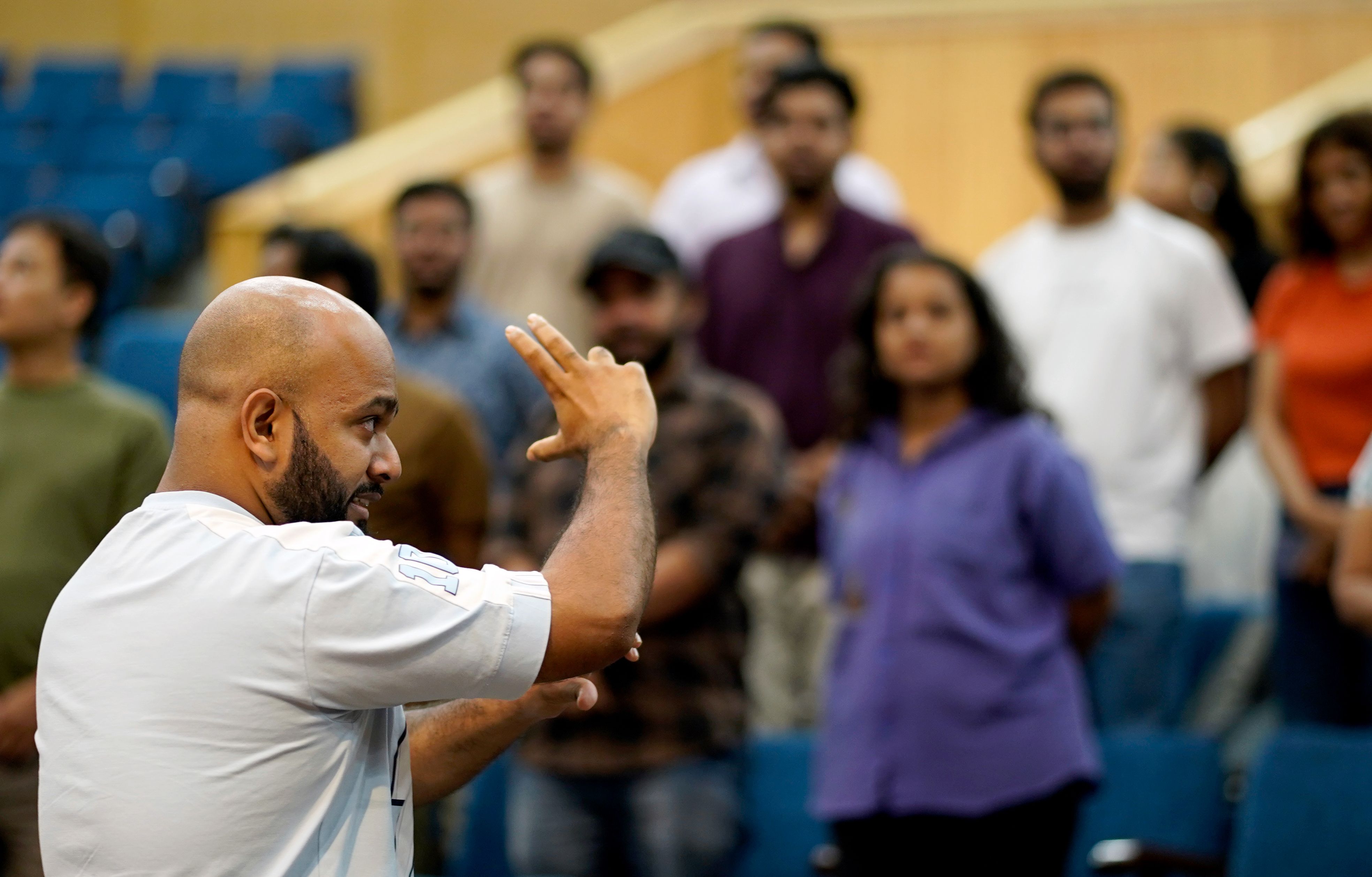
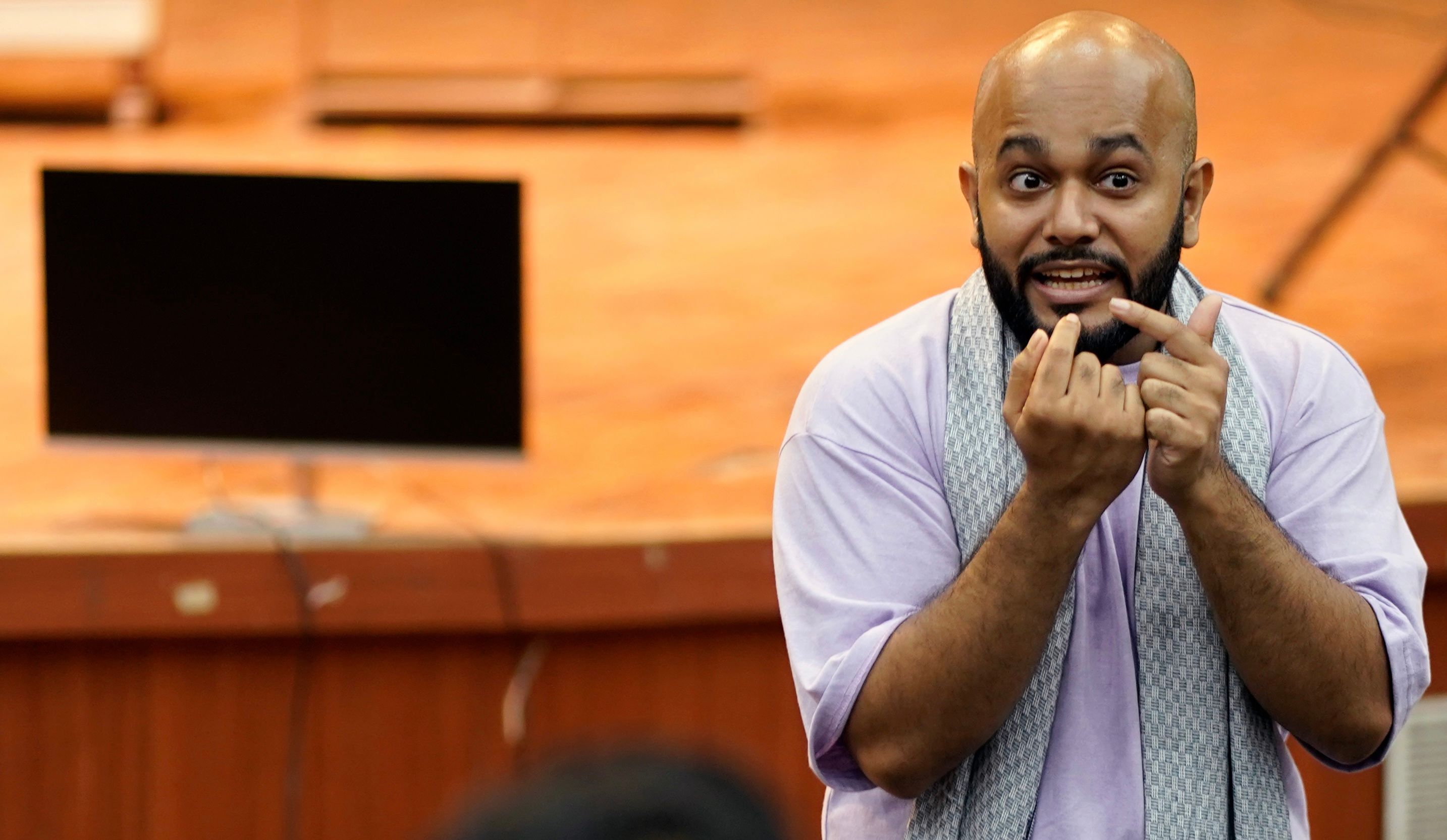
Above all, I want them to walk away with a rock-solid grasp of the fundamentals. Trends, software, and sample libraries are going to change constantly throughout their careers, so chasing the latest technical tricks only gets you so far. When you truly understand the core language of music—how harmony creates tension, how rhythm drives pacing, and how silence holds weight—those fundamentals become the anchor for your aesthetic vision. My goal is to give them that foundation so they aren't just putting sound under a picture, but thinking holistically as true audiovisual artists who know why a creative choice serves the story.
Is there a song you still dream of writing, or a moment you hope your music gives someone who's listening? Tell us what that would mean to you.
There is a song that doesn’t have a title yet, because it only exists in the quiet half-hour before dawn—when the city outside has finally stopped insisting on itself, and the only sound left is the faint hum of a room holding its breath. I still dream of writing something that feels less like a composition and more like an open window. Not a wall of sound demanding to be admired, not a clever arrangement trying to prove what it knows—just a handful of notes spaced wide enough for a stranger to step inside and put down whatever they’ve been carrying all day. Maybe it’s built around the warm, woody ache of low strings vibrating against wood, or a melody that borrows the unhurried phrasing of an old raga at twilight and lets it dissolve into open, resonant chords that hang in the air a second longer than expected. The moment I hope it gives someone is very intrinsic, unlike a crowd singing back a chorus it’s more felt not heard. I hope it finds someone alone on a late train, watching rain streak sideways across the glass, or sitting on the edge of a bed at two in the morning with a mind that refuses to quiet down. And somewhere between the second verse and a note that lingers just a fraction too long, their shoulders drop an inch. Their breathing slows to match the tempo without them even realizing it. For three or four minutes, the past stops pulling at their sleeve and tomorrow stops knocking at the door. They just are—unjudged, unhurried, and unexpectedly less alone. If a piece of music can do that—if something born out of a quiet room can travel across distance and time to become a small, safe shelter inside someone else’s life—then every late night, every erased lyric, and every solitary hour spent chasing the right resonance was worth it. That’s the only applause that really stays.
Contact and Follow
Email: prajnadutta@gmail.com
Spotify: https://open.spotify.com/playlist/37i9dQZF1DZ06evO04vYwc?si=_D_GQRroSYqCdlEIv_ZG9g