

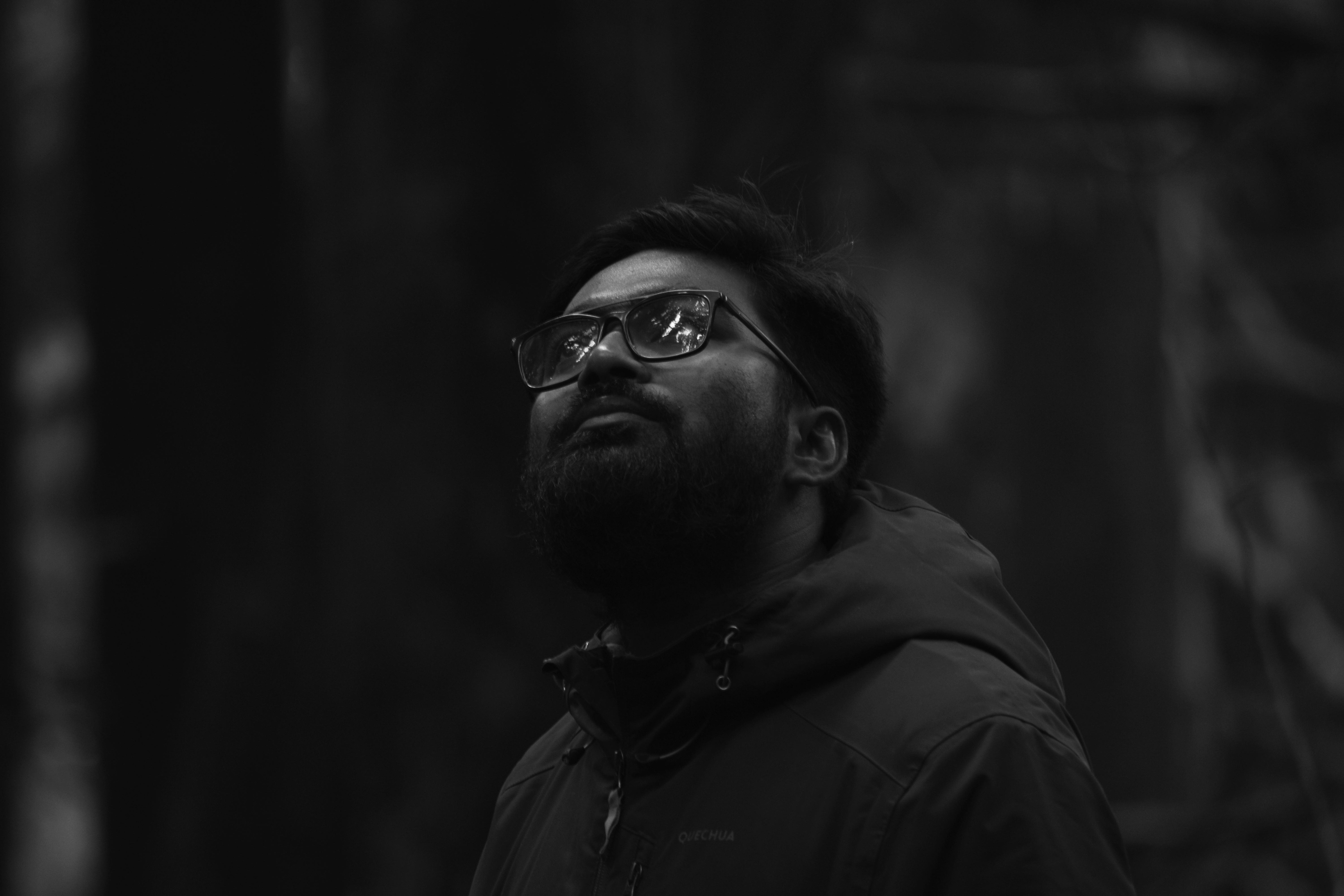
How did photography first find you — what pulled you toward picking up a camera and looking at the world the way you do?
I have always felt that there is more to a moment than what first meets the eye. Sometimes, it is a fleeting expression, a quiet corner of a street, the way light falls on an ordinary object, or a story hidden in the lives of people passing by. These are the things that make me pause, look a little longer, and wonder about what might otherwise go unnoticed. I think that is where photography began for me—not with the desire to take pictures, but with the urge to hold on to something I felt or noticed in a moment. Over time, the camera became a way of translating those observations into something others could experience, interpret, and perhaps feel in their own way. I consider myself more of an observer than simply a photographer. I am drawn to the unspoken stories of everyday life, to contradictions, silences, and the emotions that often exist beneath the surface. I don't always look for something extraordinary to photograph; sometimes, I find the most meaningful stories in the most ordinary places. For me, photography is a language of its own. It allows me to ask questions without necessarily providing answers, and to share a perspective without defining what someone else should see. Perhaps that is what continues to draw me to it—the possibility that a single frame can hold more than one story, and that everyone who looks at it might discover something different.
You describe yourself as more an observer than a photographer. Do you remember the first moment you caught yourself watching the world that way, rather than just photographing it?
I think I began to see the world differently when I started noticing that even the most ordinary things could hold stories far beyond their appearance. It could be an abandoned boat, a tree reclaiming a space taken over by concrete, footprints slowly disappearing into the tide, or a play of light and shadow that changes the way we perceive something. I found myself drawn not just to what was in front of me, but to the questions it left behind. Perhaps that is why my photographs often explore things that aren't immediately visible—freedom and confinement, existence and neglect, the struggle to survive, or the quiet contradictions of the world we live in. Sometimes, a photograph becomes a way of looking at a social reality; at other times, it is simply an attempt to understand a feeling or a fleeting moment. I don't always begin with a clear message. Often, the thought develops as I observe the scene and try to understand why it holds my attention. Over time, I realised that taking a photograph and truly seeing something are two different things. The camera records what is there, but observation allows me to look for what might lie beneath it. I may not know the complete story behind a scene, and I don't want to impose a single meaning on it. I would rather leave something open for the viewer to discover. Perhaps being an observer means learning to look beyond the visible—to find a question where others might see an ordinary scene, and a story where others might see nothing at all.
Early on, was there a person, a place, or a single image that shaped how you see — something you still carry with you today?
No single person or image has defined my vision. My photography has grown out of a constant curiosity about the world and the stories hidden within it. I’m drawn to scenes that make me pause, question what I see, and look beyond the obvious. Rather than following a particular influence, I let that curiosity guide my camera, allowing each photograph to become an exploration of something I’m still trying to understand.
Which street photograph in your portfolio feels most like you?
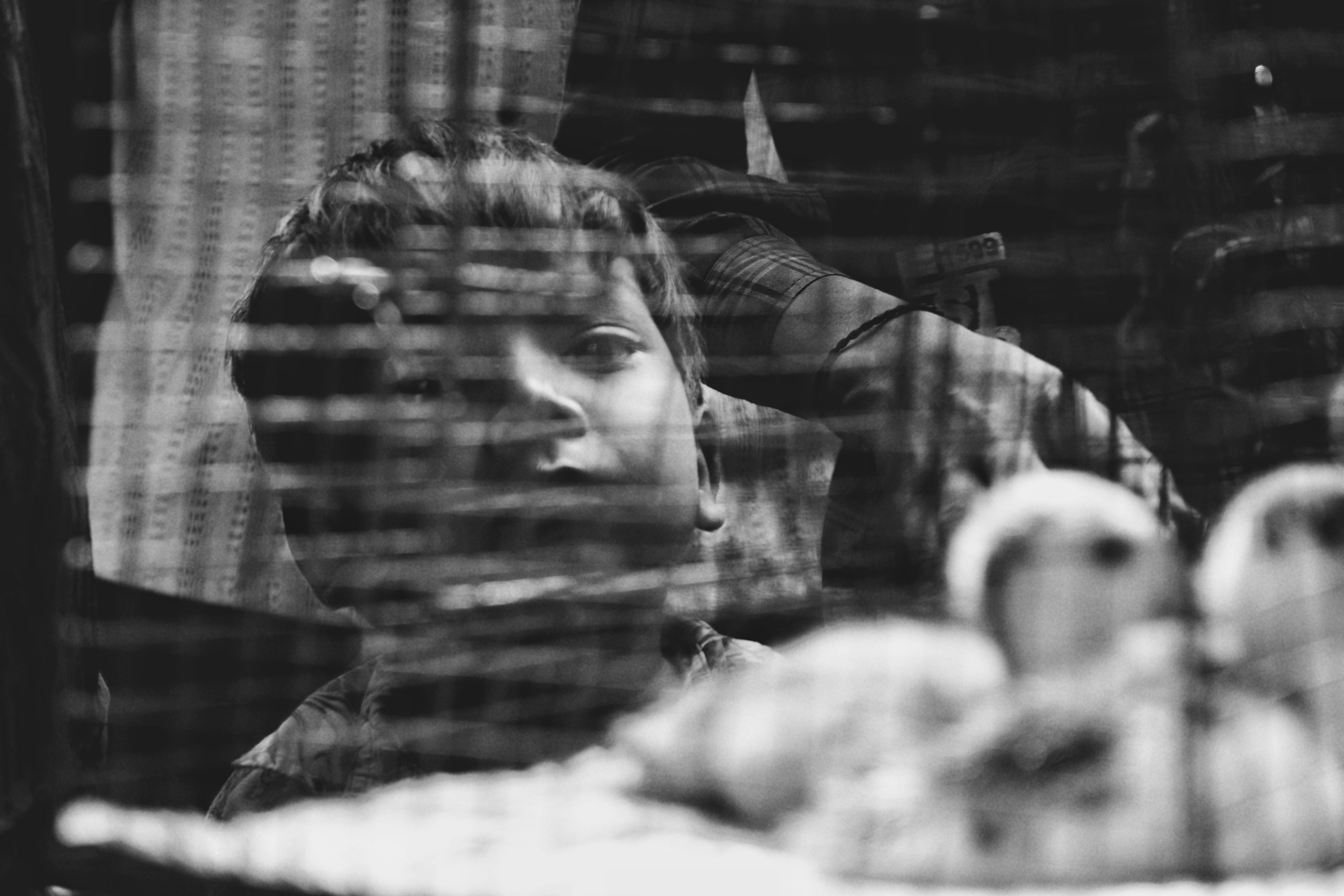
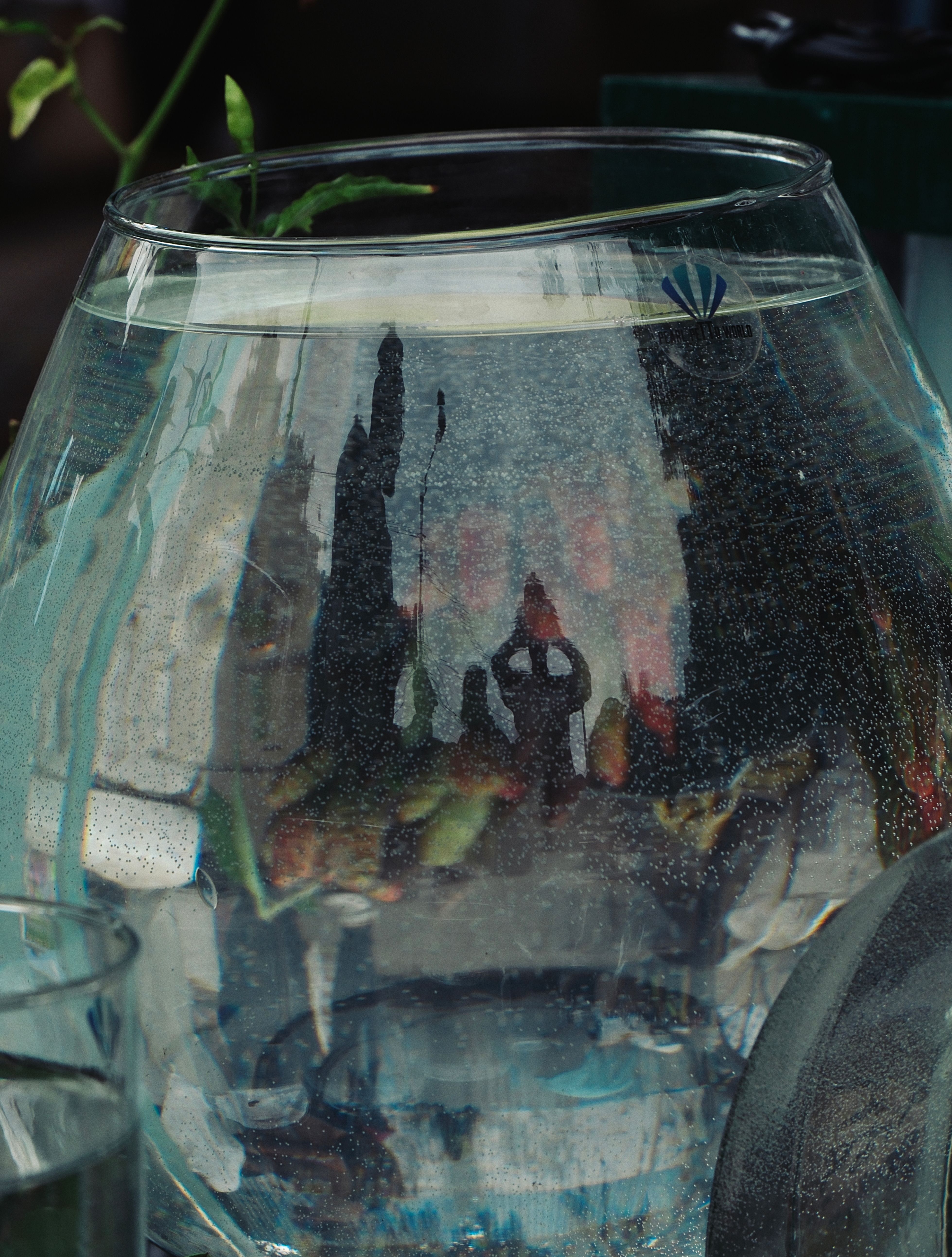
Between Me and the World: Separated by bars, yet surrounded by a world still visible. The blurred birds’ eyes in the foreground add another layer to this quiet encounter, blurring the line between the observer and the observed, between confinement and freedom. Their presence evokes a world that exists just beyond reach, where the desire to be free meets the reality of being held back. Perhaps the deepest confinement is not simply being unable to leave, but being able to see what lies beyond—and knowing that seeing is not the same as reaching. Trapped Inside a Fragile Living World: Within the fragile walls of glass, the aquarium becomes a reflection of our own existence. The shadows reveal fragments of everyday life—a man absorbed in his work, another carrying a burden upon his head, and others moving through the demands of their lives. Each shadow carries a story, bound by responsibilities, social expectations, and the quiet struggles of survival. Perhaps there is no world beyond the boundaries that hold us; we are all confined within our own fragile realities, moving through life while carrying the weight of our obligations. The aquarium is not merely a vessel containing life—it becomes a mirror of a world where freedom, responsibility, and survival remain delicately intertwined.
What was unfolding in that frame, and what made you press the shutter in that exact moment?
In that frame, I was capturing the quiet tension between confinement and freedom. The bars separate the subject from the world, yet the blurred birds’ eyes in the foreground add another layer, blurring the line between observer and observed. I pressed the shutter because the scene held a contradiction I wanted to hold onto—the desire to be free meeting the reality of being held back. It made me think about how the deepest confinement is not just being unable to leave, but being able to see what lies beyond and knowing that seeing is not the same as reaching.
Which travel photograph from a place that has stayed with you would you like to share?
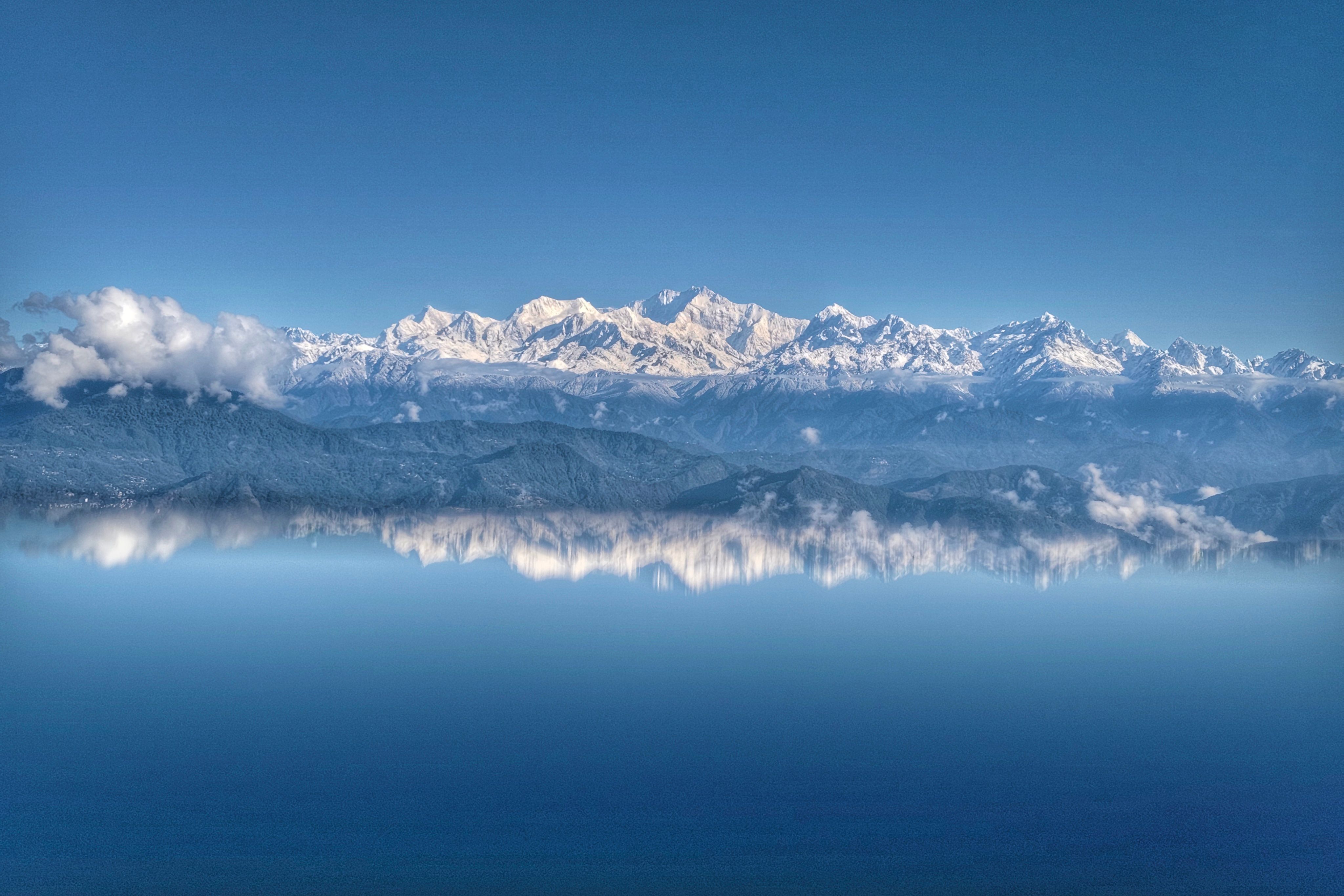
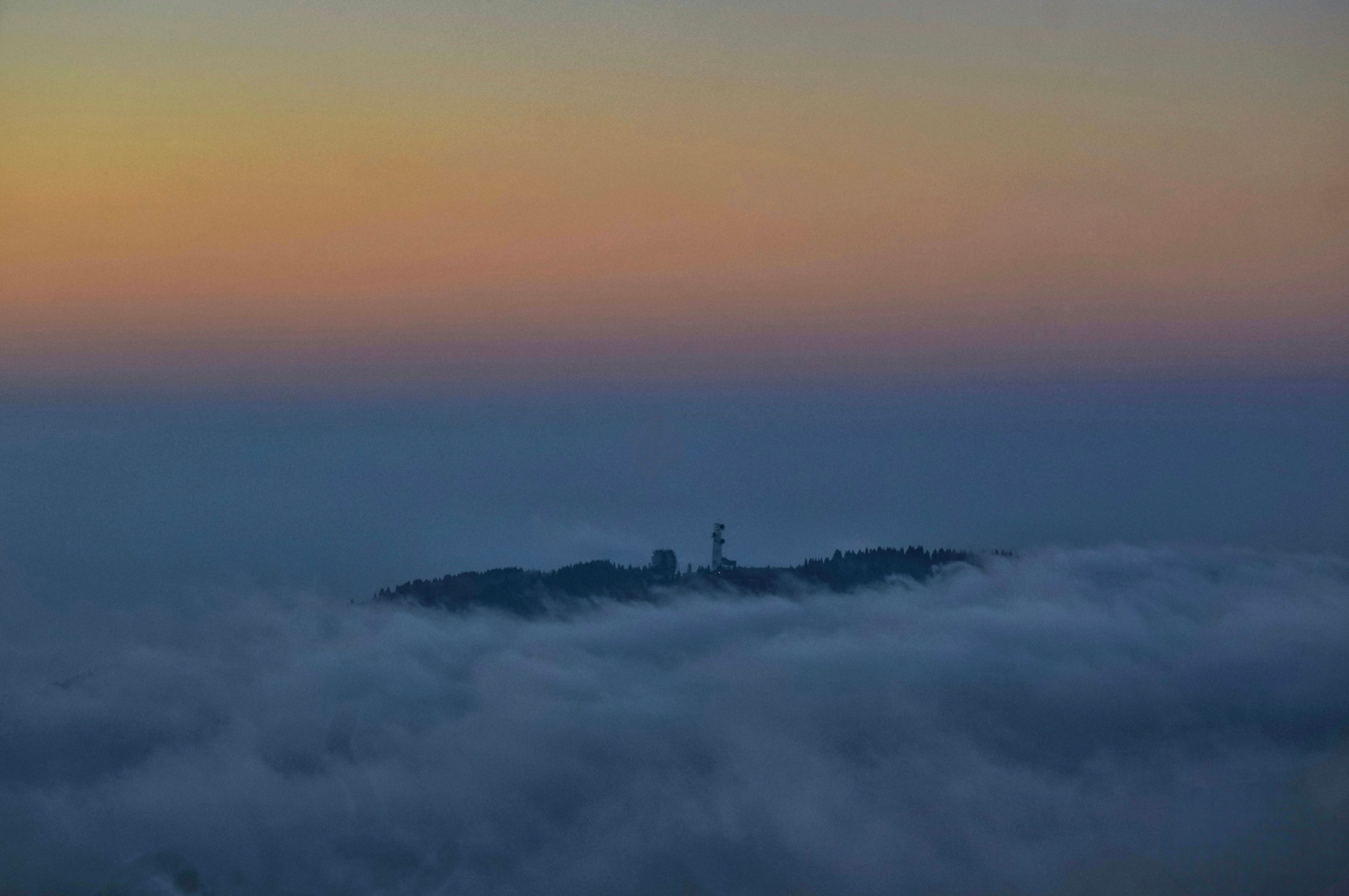
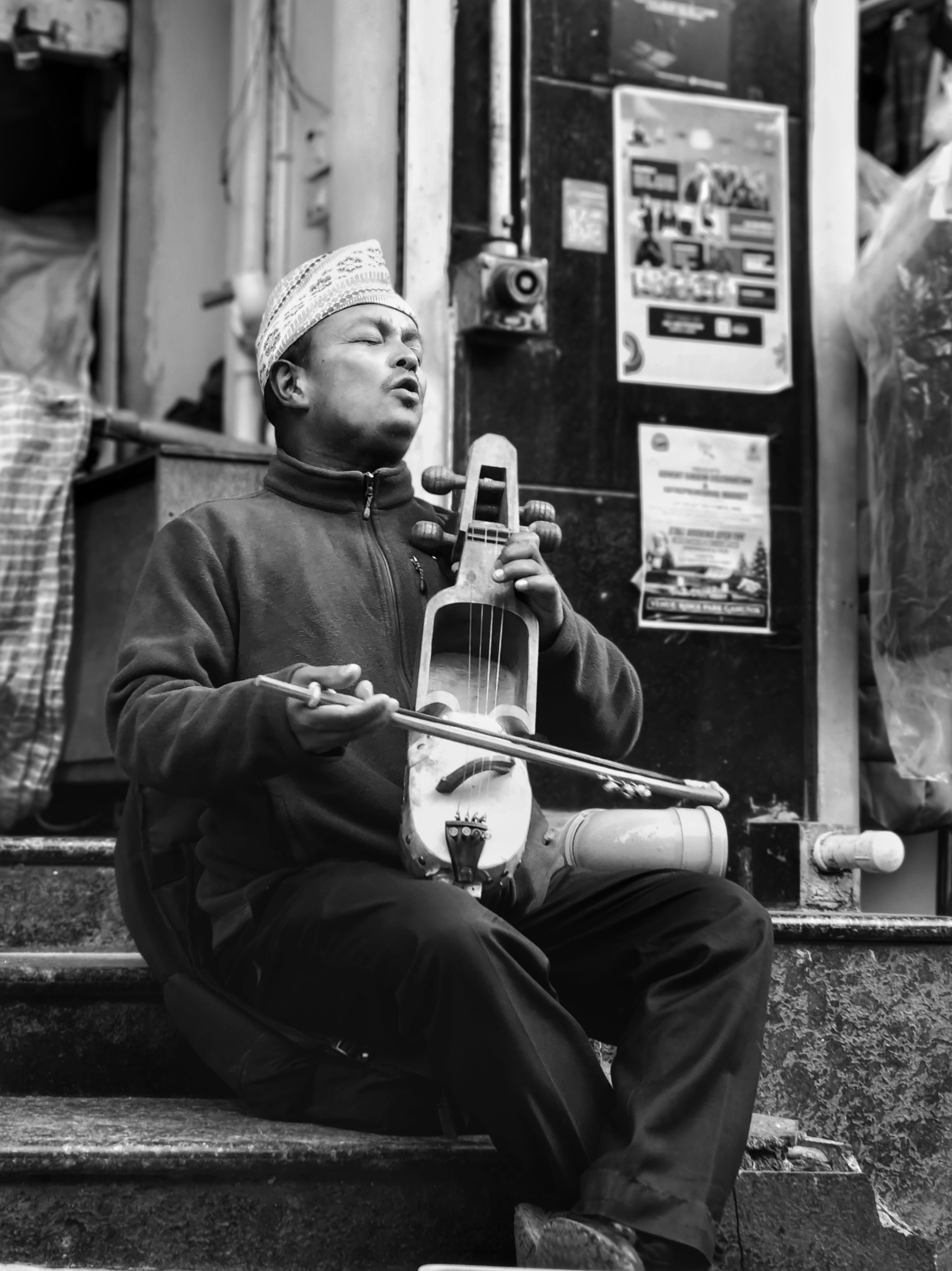
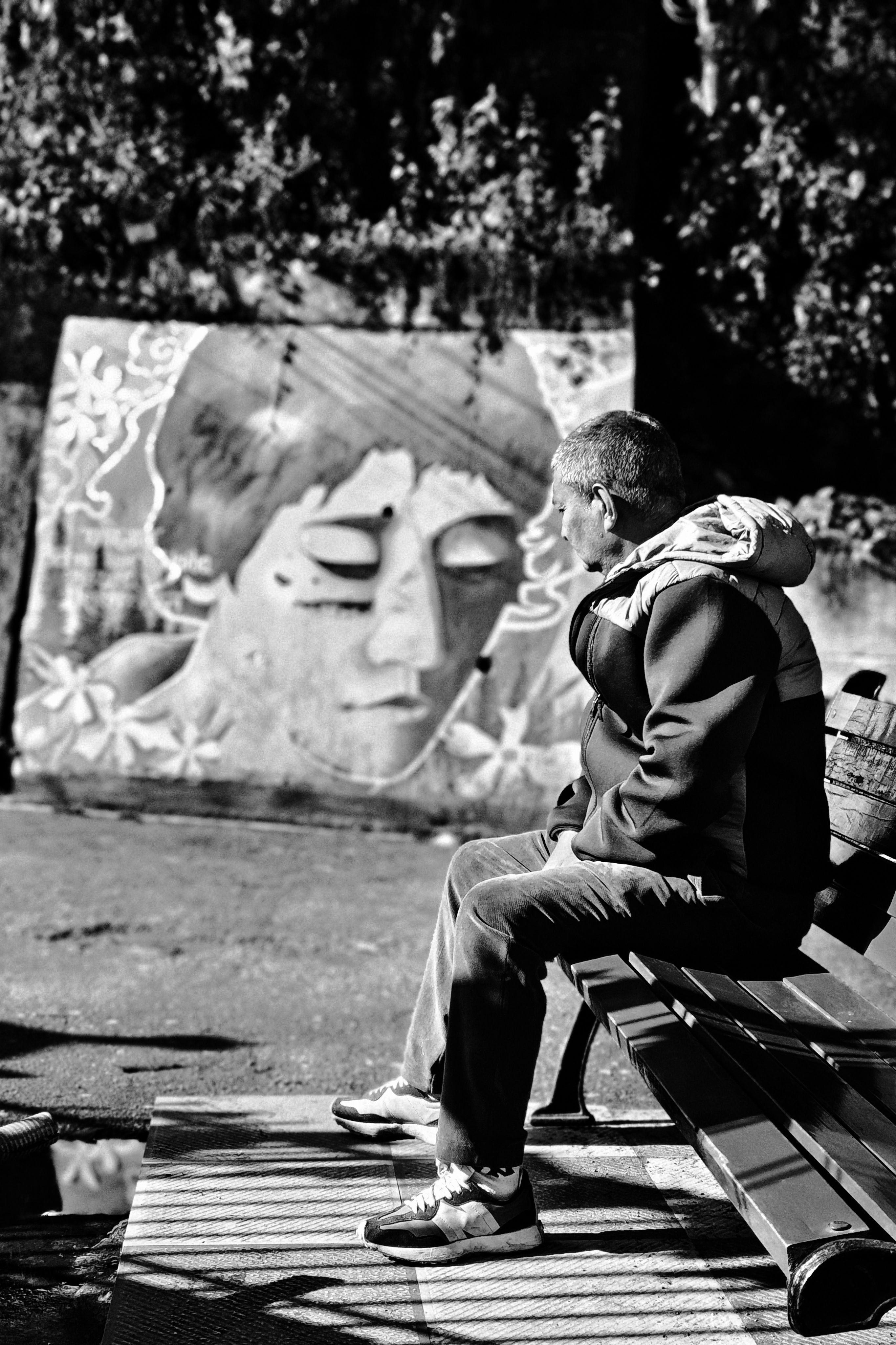
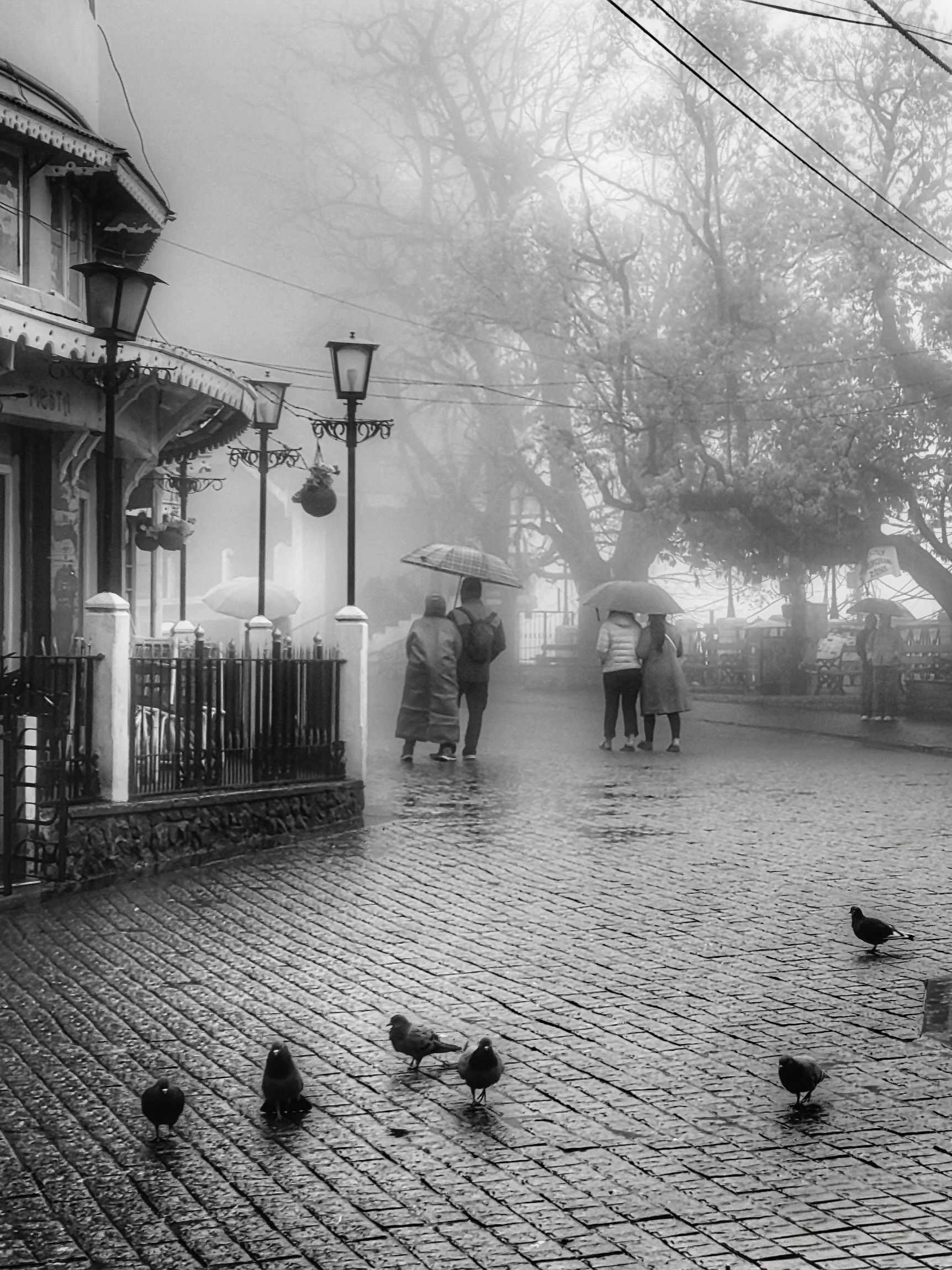
Darjeeling has stayed with me for more than its mountains and mist. What draws me to the place is its culture, its people, and the stories that seem to live quietly in everyday life. I find myself noticing the small things—the rhythm of local life, the traditions people carry forward, the different communities sharing the same landscape, and the ways their identities are reflected in ordinary moments. As a photographer, I am naturally drawn to observing rather than simply looking. In Darjeeling, I feel there is always something more to discover beyond what first catches the eye. The landscape may be what brings you there, but it is the people, their lives, and the cultural richness of the place that make you want to stay a little longer. For me, Darjeeling is not just a beautiful destination; it is a place that makes me pause, observe, and feel curious about the many stories unfolding around me.
Where was it, and what about that place or moment did you want to hold onto?
It was Darjeeling, and what I wanted to hold onto was not just the mountains and mist but the culture, the people, and the stories that live quietly in everyday life. I wanted to capture the rhythm of local life, the traditions people carry forward, the different communities sharing the same landscape, and the ways their identities are reflected in ordinary moments. The landscape may bring you there, but it is the people and their lives that make you want to stay a little longer. For me, Darjeeling is a place that makes me pause, observe, and feel curious about the many stories unfolding around me.
Which photograph from your portfolio do you feel says something about what you saw, not just shows it?
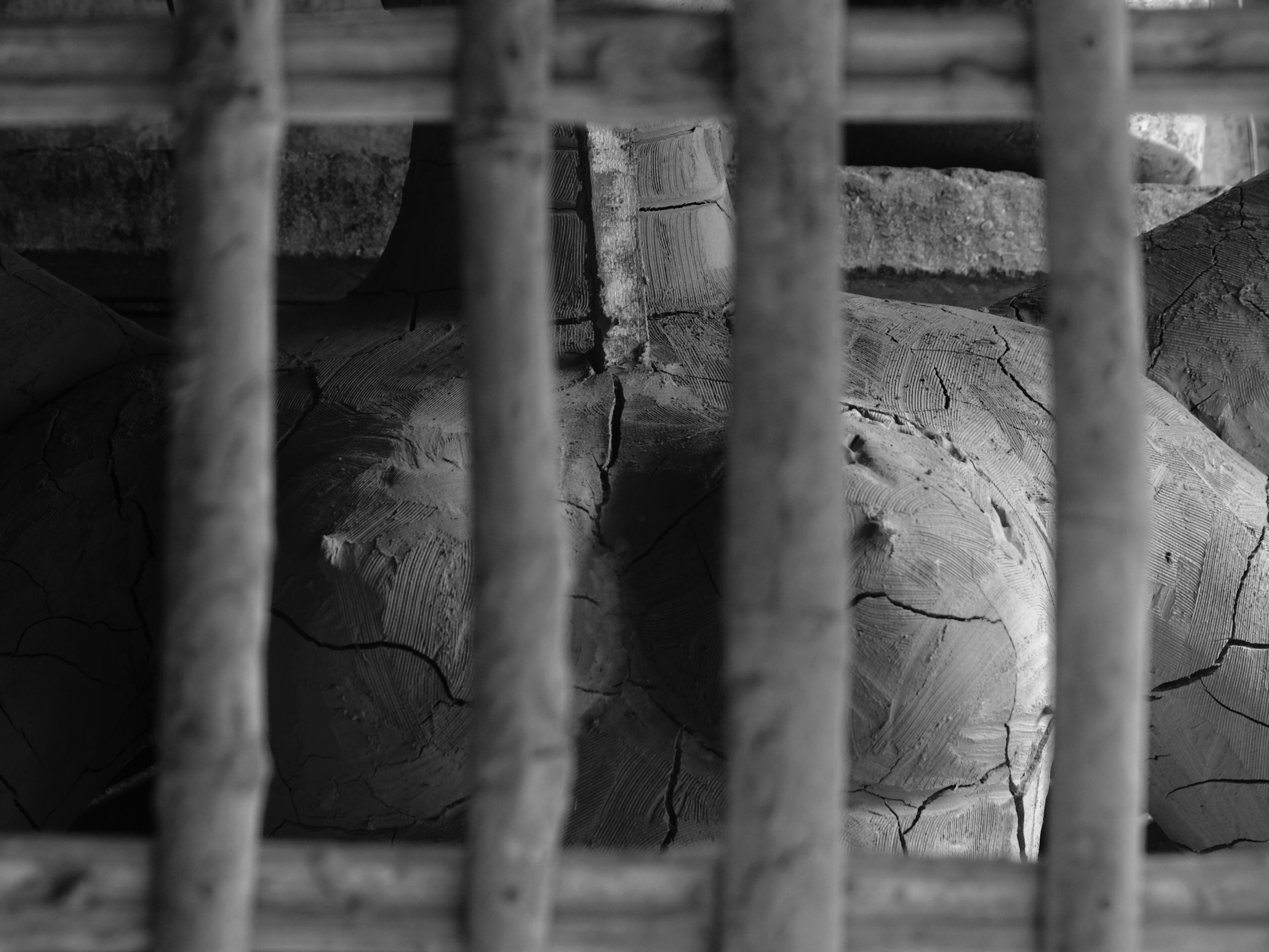
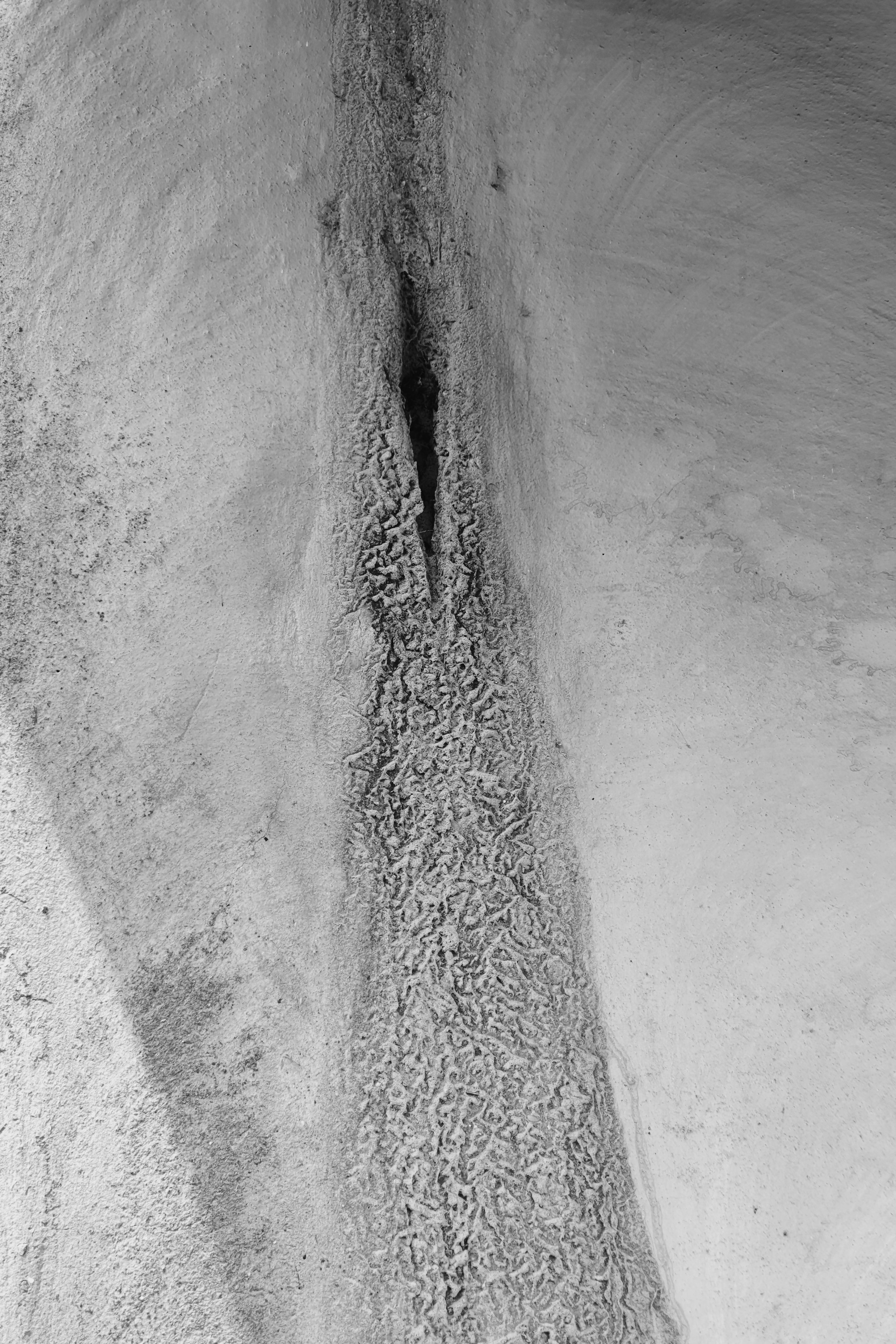
The female body exists beneath layers of shame, silence, and social prohibition. The scars etched into her body speak of the violence inflicted upon her, while the cage embodies the social taboos and restrictions that enable such violence to persist. The bars do not merely confine her; they become an extension of the wounds themselves, representing a society that imprisons women through both physical force and the invisible boundaries imposed upon their bodies. Together, the scars and the cage reveal how oppression leaves its mark on the body, turning it into both the site of suffering and the evidence of a society’s cruelty. The cage confines her body, but the scars reveal what confinement has done to it. In this raw, monochrome photograph, I present a deep, vertical fissure carved into a coarse, mineral surface—a form that naturally evokes the delicate architecture of female anatomy. From its central aperture, a dark, weeping trail descends like an open wound, symbolizing the silent trauma, physical pain, and systemic violence inflicted by rape culture. This work confronts a society that so often objectifies and dehumanizes the body, treating it like a ghost subjected to another's will. Yet, beneath this visible bleeding lies the ultimate truth: this form is not an object to be conquered or violated, but the sacred birthplace of all human existence, rising as my unyielding protest to demand reverence and dignity for the origin of life itself.
What is the something you were trying to say in that image?
In that image, I was trying to say that the female body exists beneath layers of shame, silence, and social prohibition. The scars etched into her body speak of the violence inflicted upon her, while the cage embodies the social taboos and restrictions that enable such violence to persist. The bars do not merely confine her; they become an extension of the wounds themselves, representing a society that imprisons women through both physical force and the invisible boundaries imposed upon their bodies. Together, the scars and the cage reveal how oppression leaves its mark on the body, turning it into both the site of suffering and the evidence of a society’s cruelty. The cage confines her body, but the scars reveal what confinement has done to it.
Which photograph from your current personal project on people, society, and the stories we often overlook would you like to share?
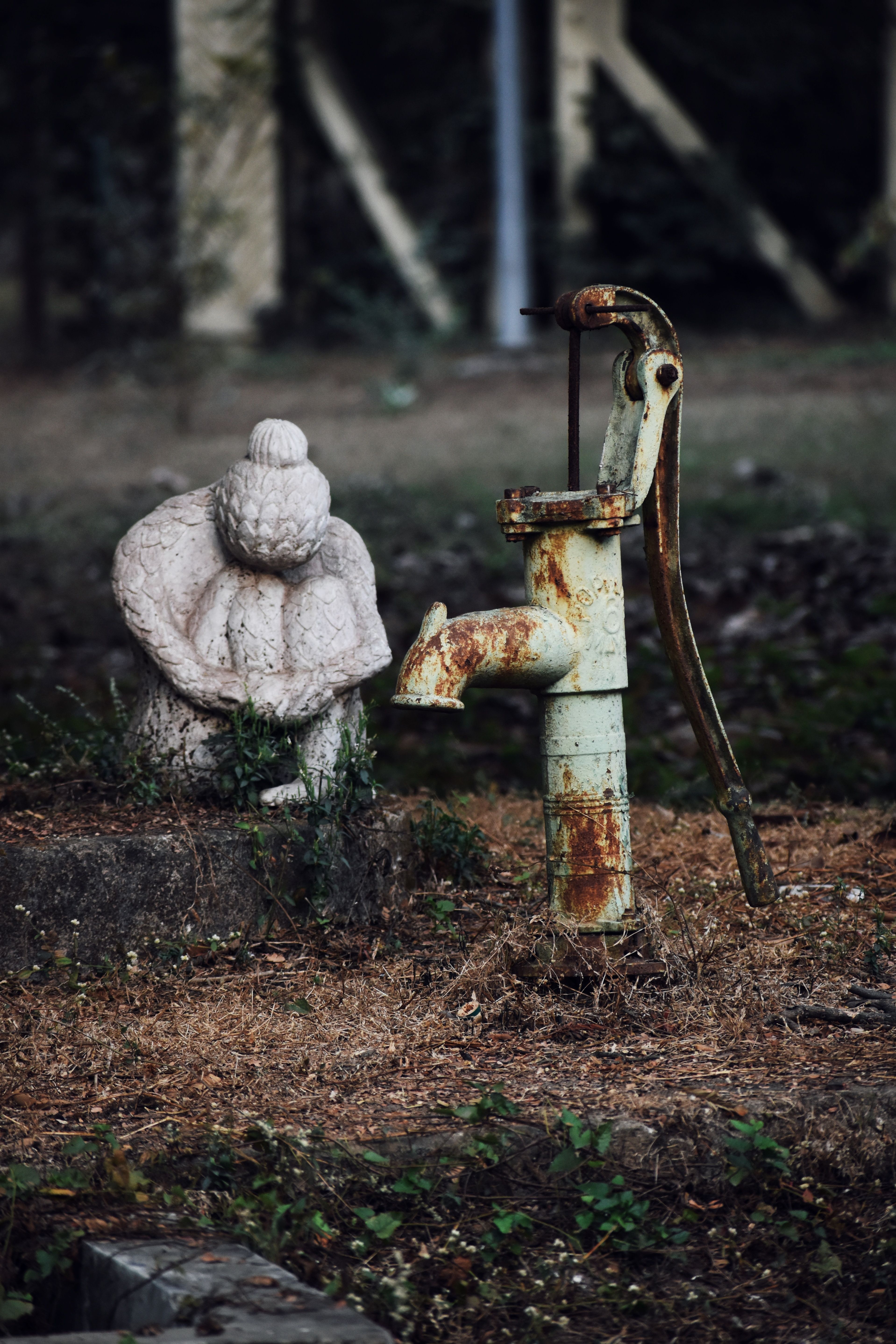
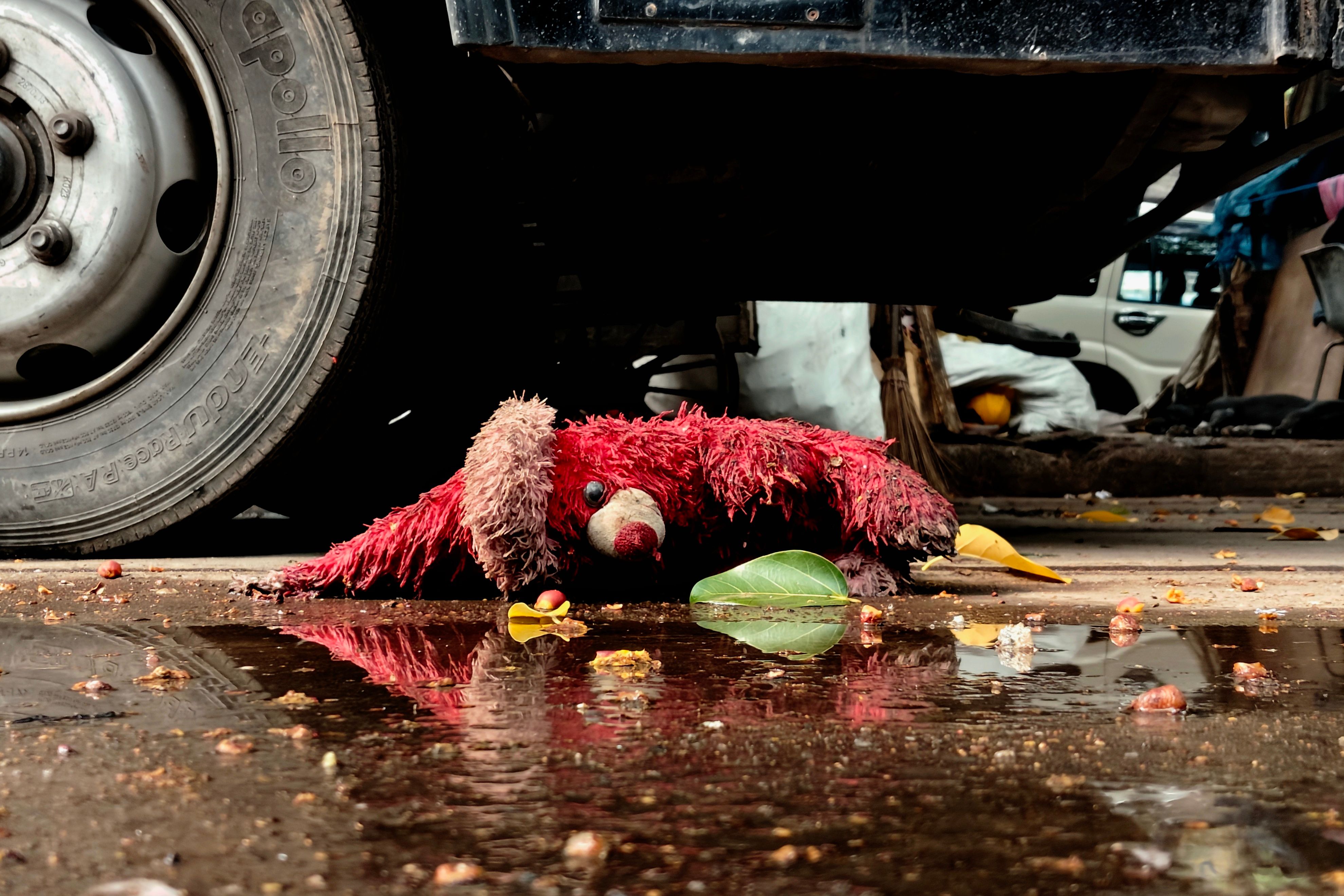
The Silent Aquifer: This photograph addresses a quiet yet critical story that society far too often overlooks: the severe, invisible depletion of our groundwater reserves. Standing amidst dry, parched grass, an abandoned hand pump yields no water, serving as a stark monument to finite resources exhausted by human neglect. Beside it sits a bowed woman—a universal symbol representing all of us brought to a state of grief, helplessness, and reflection as the earth dries up. Because groundwater flows unseen beneath our feet, its decline is easy to ignore until the wells run completely empty. Through this image, I turn an invisible ecological threat into a poignant human narrative, offering an urgent message to society: groundwater is not infinite, and we must honor and conserve our subterranean lifelines before sorrow and dry earth are all that remain. Remnants of Memory: In a culture driven by consumption and constant renewal, even our most sacred memories are susceptible to being discarded. This photograph captures more than an abandoned object—it depicts a thrown childhood, cast aside in the damp urban grit beneath the heavy, unyielding wheel of modern life. Once a vessel for innocence, comfort, and unconditional love, the worn red toy lies prone in a puddle, its vivid reflection serving as a fragile echo of a past intimacy. It marks the moment where a child’s warmth yields to time, outgrown and forgotten. By placing this symbol of early emotion within a cold, industrial landscape, the image asks us to reflect on how swiftly we move past our beginnings—and whether, in throwing away the artifacts of our youth, we also discard the pure empathy that once defined us.
Which idea were you reaching for in that photograph — struggle, freedom, neglect, identity, or silence — and why that one?
In that photograph, I was reaching for the idea of neglect—specifically, the neglect of our groundwater reserves. The abandoned hand pump and the bowed woman symbolize how we overlook the invisible depletion of resources until it's too late. I chose neglect because it's a quiet crisis that society often ignores, and I wanted to turn that invisible threat into a human narrative. The image is a call to honor and conserve our subterranean lifelines before sorrow and dry earth are all that remain.
Which image from your work documenting the children and everyday life at Kolotan would you like to share?
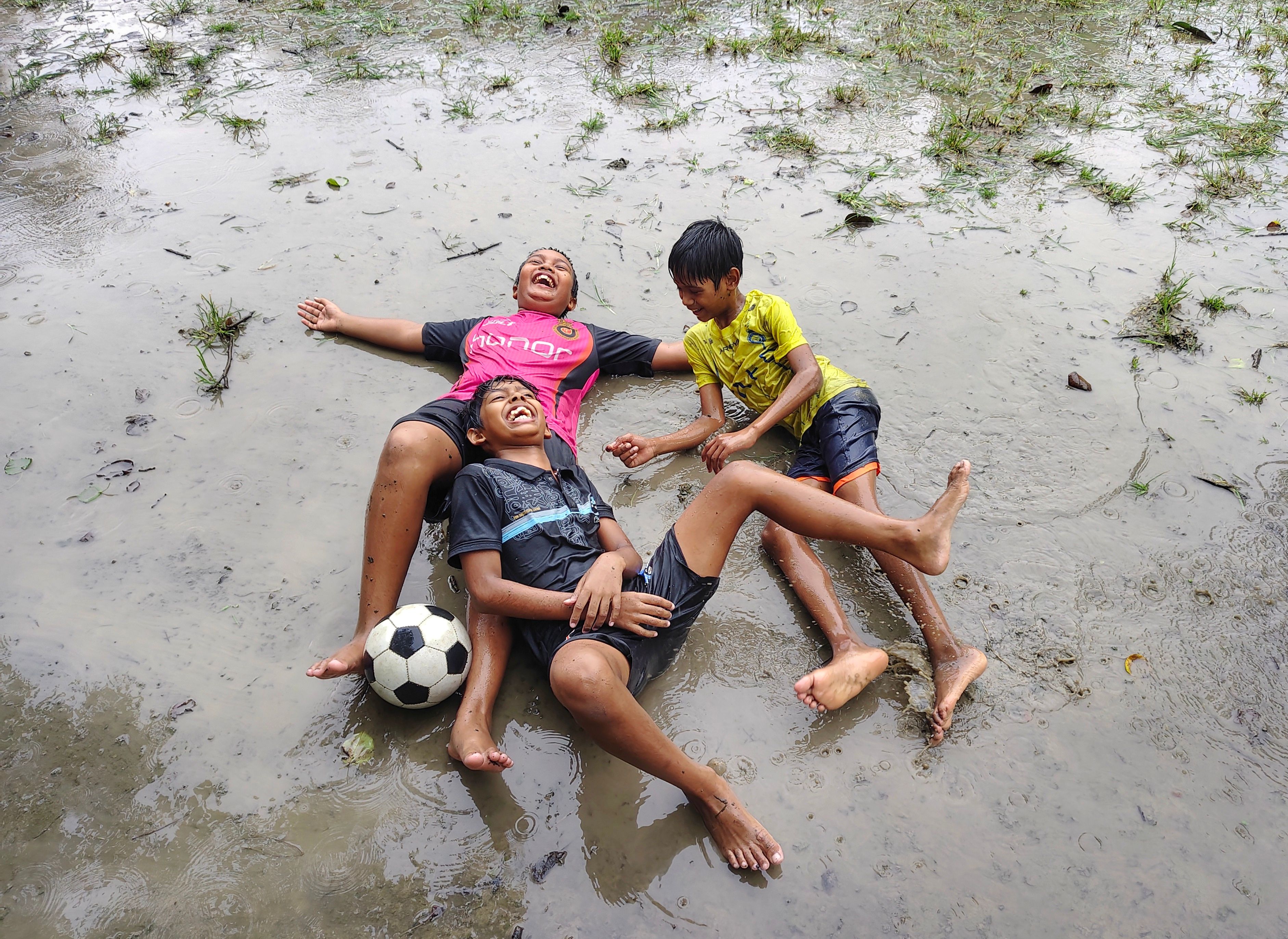
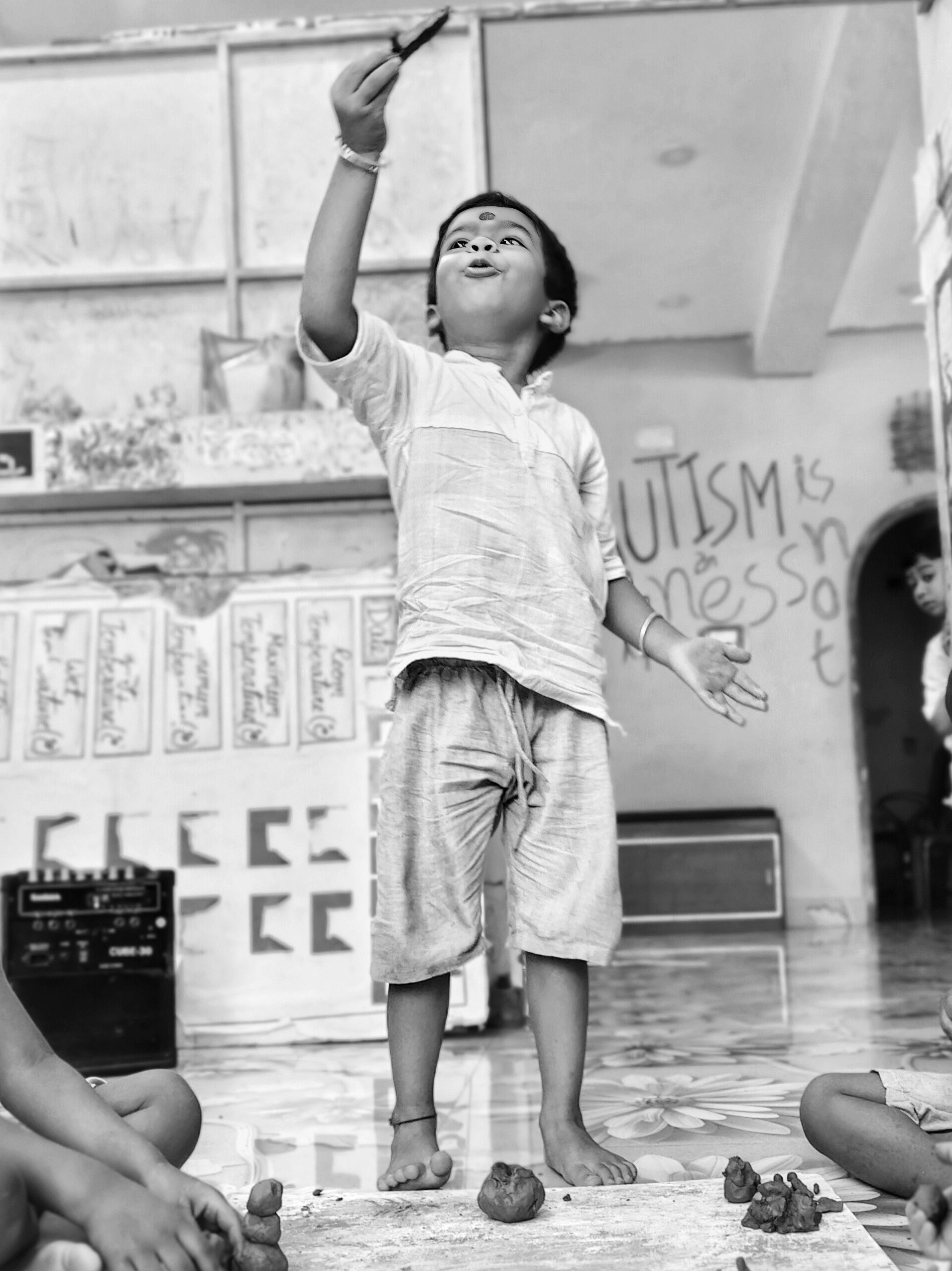
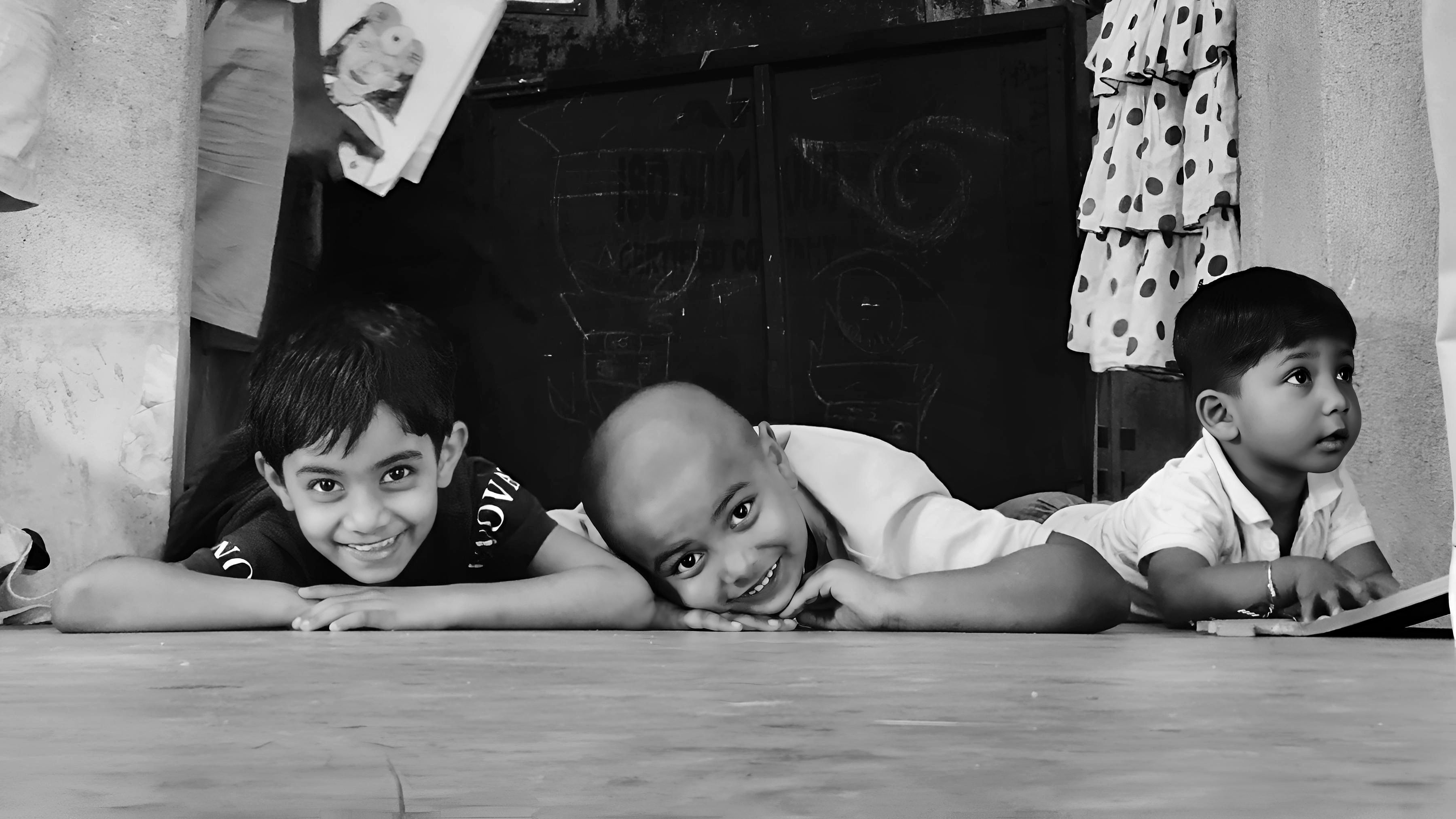
Photographing everyday life at Kolotan has taught me something I hadn’t expected: the need to become simpler, to loosen my grip on what I think I know, and to approach the world with a little more wonder. Children inhabit a universe of imagination that seems limitless, while we, as adults, gradually confine ourselves within structures of our own making—shaped by logic, expectations, habits, and the familiar ways in which we have learned to see things. Being around them reminds me that not everything needs a structure, an explanation, or a purpose. Sometimes, a simple thought can open up an entire universe; an ordinary moment can become a source of extraordinary joy. Their curiosity is instinctive, their imagination unrestrained, and their happiness often so unfiltered that it makes me question when and why we begin to lose these parts of ourselves as we grow up. Through my camera, I have come to realise that observing children is also an exercise in unlearning. They teach me to break away from the patterns that limit my thinking, to remain curious about the unfamiliar, and to discover the world without always trying to define it. Perhaps growing does not always mean becoming more knowledgeable or more complicated. Sometimes, it means finding our way back to a more open, uncomplicated version of ourselves. I go to Kolotan to photograph their everyday lives, but somewhere within those ordinary moments, I find myself rediscovering the freedom to imagine, the courage to look at things differently, and the quiet, unfiltered joy of simply being. In a way, while I am documenting their world, they are teaching me how to see my own anew.
What has photographing daily life at Kolotan shown you that you did not expect going in?
Photographing everyday life at Kolotan has taught me something I hadn’t expected: the need to become simpler, to loosen my grip on what I think I know, and to approach the world with a little more wonder. Children inhabit a universe of imagination that seems limitless, while we, as adults, gradually confine ourselves within structures of our own making—shaped by logic, expectations, habits, and the familiar ways in which we have learned to see things. Being around them reminds me that not everything needs a structure, an explanation, or a purpose. Sometimes, a simple thought can open up an entire universe; an ordinary moment can become a source of extraordinary joy. Their curiosity is instinctive, their imagination unrestrained, and their happiness often so unfiltered that it makes me question when and why we begin to lose these parts of ourselves as we grow up. Through my camera, I have come to realise that observing children is also an exercise in unlearning. They teach me to break away from the patterns that limit my thinking, to remain curious about the unfamiliar, and to discover the world without always trying to define it. Perhaps growing does not always mean becoming more knowledgeable or more complicated. Sometimes, it means finding our way back to a more open, uncomplicated version of ourselves. I go to Kolotan to photograph their everyday lives, but somewhere within those ordinary moments, I find myself rediscovering the freedom to imagine, the courage to look at things differently, and the quiet, unfiltered joy of simply being. In a way, while I am documenting their world, they are teaching me how to see my own anew.
Which photograph from your body of work feels unfinished to you — part of something you are still building toward?
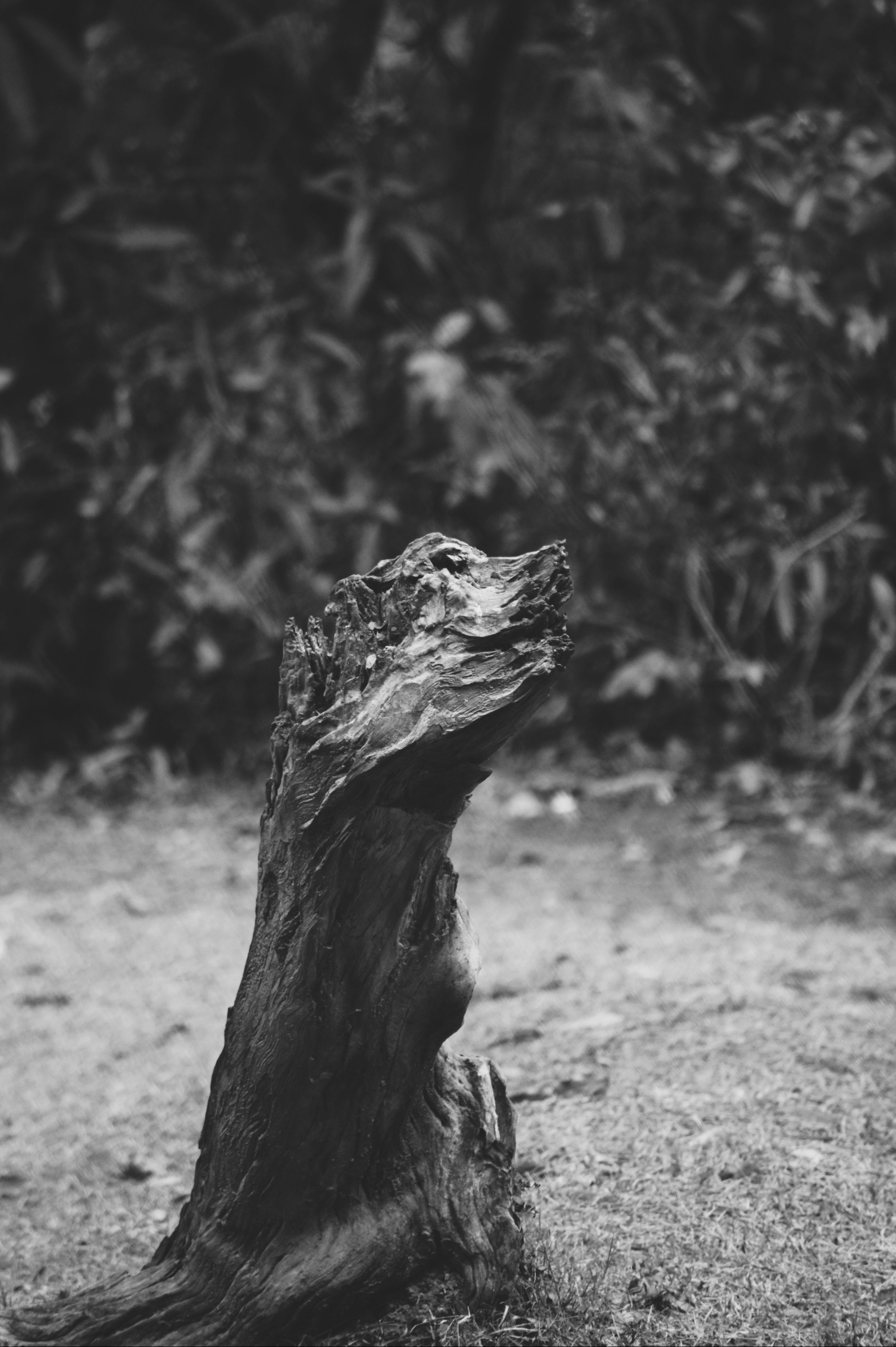
In The Agony, I saw more than the remains of cut trees. The twisted, broken forms seemed to take on the face of a dog or a fox, its expression resembling a scream of pain that could never be heard. It made me think about the suffering hidden within destruction—how cutting down a tree is often treated as an ordinary act, while the loss and pain it represents remain unacknowledged. Perhaps the face was only a form created by nature, but to me, it became the expression of something voiceless, something wounded and abandoned. That photograph left me with more questions than answers, and I hope to follow those questions through my future work. I want to explore the suffering we have learned to overlook, the destruction we have normalised, and the silent expressions through which the voiceless sometimes make themselves seen. I don’t know exactly where this journey will lead, and perhaps that uncertainty is what keeps it alive. I want to keep observing, questioning, and discovering new ways to use photography—not merely to document what exists, but to reveal what we often fail to recognise. Eventually, I hope these photographs will come together as bodies of work that encourage people to look beyond the obvious and confront the realities that lie beneath the surface.
What do you hope this body of work becomes, and where would you like to take it next?
In The Agony, I saw more than the remains of cut trees. The twisted, broken forms seemed to take on the face of a dog or a fox, its expression resembling a scream of pain that could never be heard. It made me think about the suffering hidden within destruction—how cutting down a tree is often treated as an ordinary act, while the loss and pain it represents remain unacknowledged. Perhaps the face was only a form created by nature, but to me, it became the expression of something voiceless, something wounded and abandoned. That photograph left me with more questions than answers, and I hope to follow those questions through my future work. I want to explore the suffering we have learned to overlook, the destruction we have normalised, and the silent expressions through which the voiceless sometimes make themselves seen. I don’t know exactly where this journey will lead, and perhaps that uncertainty is what keeps it alive. I want to keep observing, questioning, and discovering new ways to use photography—not merely to document what exists, but to reveal what we often fail to recognise. Eventually, I hope these photographs will come together as bodies of work that encourage people to look beyond the obvious and confront the realities that lie beneath the surface.
When one of your photographs leaves a viewer with something to think about, what do you most hope stays with them after they look away?
I hope my photographs leave behind a question that stays with the viewer long after they have moved on. Perhaps it challenges something they have always taken for granted, or brings them closer to a reality they have never paused to consider. I don’t want to dictate what a photograph should mean; I want each person to bring their own experiences, emotions, and interpretations to it. For me, the power of photography lies in what it cannot fully explain—in the silences, contradictions, and unanswered questions that remain. If a photograph can make someone feel, question, or reconsider something within themselves, then it has travelled beyond the frame. And perhaps that is where its real life begins.
Contact and Follow
Email: ritibratasamanta@gmail.com
Instagram: @ritibratasamanta