

How did your journey as a lens-based visual artist begin?
My journey as a lens-based visual artist began as a self-taught practitioner, driven by curiosity and a passion for exploring the world through photography. I’m especially drawn to abstraction, using shapes, textures, light, and patterns to create images that invite personal interpretation beyond the obvious.
What first drew you to photography as a medium of expression?
Coming from a background in remote sensing and IT, I was already trained to observe the Earth through data and imagery. Photography became a natural extension of that way of seeing, but with a more personal and artistic purpose. I believe in exploration of landscapes, shadows, nature, people, and emotions. To me, every element on the Earth's surface has its own identity, character, and story waiting to be discovered.
My fascination with seeing began in childhood. I would watch raindrops falling on asbestos rooftops, tree branches, and windowpanes, mesmerized by the countless shapes and patterns they created. It wasn't just the rain—every element in the natural world constantly transformed with light, time, weather, and perspective. The same object could reveal entirely different forms from one moment to the next. I realized that what truly matters is not simply what we see, but how we see it and how we interpret it.
As a self-taught artist, I feel it is my responsibility to interpret these ever-changing stories in a meaningful way and share them with others. The camera is simply my tool. Through it, I express my creative mind, my thoughts, and the way I perceive people, emotions, objects, and the natural world. Whether I photograph abstract forms, light and shadow, or everyday moments, my goal is to reveal perspectives that often go unnoticed and encourage viewers to see the familiar in a new way.
How has your creative approach evolved over the years?
My creative approach has evolved from expressing emotions through abstract painting to exploring reality through photography. I began my artistic journey in 2020 as an abstract artist, using canvas and color to communicate feelings and ideas. Over time, I realized that I wanted to explore beyond imagination and engage more deeply with the world around me.
My background in remote sensing also influenced this shift. It trained me to observe patterns, landscapes, and details, and eventually the camera became my preferred medium for interpreting what I see. Today, I am more interested in discovering meaning within ordinary moments, light, shadows, people, nature, and abstract forms that already exist in the real world.
More than anything, my approach has become one of continuous exploration. I don't seek final answers or complete satisfaction; I believe that curiosity is what keeps an artist alive. At 27, I still consider myself a student of the world. Every photograph is part of an ongoing search, shaped by observation, questioning, and the desire to see familiar things from a new perspective.
Which project or piece are you most proud of, and why?
I don't think I can point to a single project or photograph that I'm most proud of. My journey has always been *me versus me*. I constantly compare my current work with what I know is possible, so I rarely feel completely satisfied.
I know the difference between a good photograph and a truly exceptional one, and I am still searching for that. Perhaps that search will never end, and I'm comfortable with that. It keeps me curious and pushes me to grow.
In my work, I try to offer only part of the story. I create an image with my own interpretation, but I believe the viewer completes the work by bringing their own experiences, emotions, and memories. Every person sees differently, and that diversity of perspective is what makes visual art so powerful.
Sometimes I feel that art is not something to be questioned endlessly—it is something to be experienced. I enjoy listening to how people interpret my photographs because their perspectives often reveal meanings I never intended. Those conversations remind me that art doesn't belong solely to the artist once it is created.
So, rather than being proud of a particular piece, I am proud of remaining on this endless journey of observation, learning, and searching for images that can truly resonate with others.
What photograph do you consider your best work, and what story does it tell?
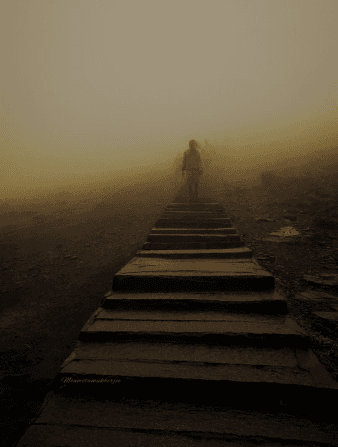
Untitled. This photograph explores the idea of the unknown. A solitary figure disappears into mist, where the path is visible but the destination remains hidden. I am drawn to moments where light, atmosphere, and minimal forms create space for interpretation. Rather than offering answers, the image invites viewers to bring their own experiences and emotions, reminding us that every journey is as much about uncertainty as it is about moving forward.
What makes your artistic style distinctive, and how does a particular photo reflect that?
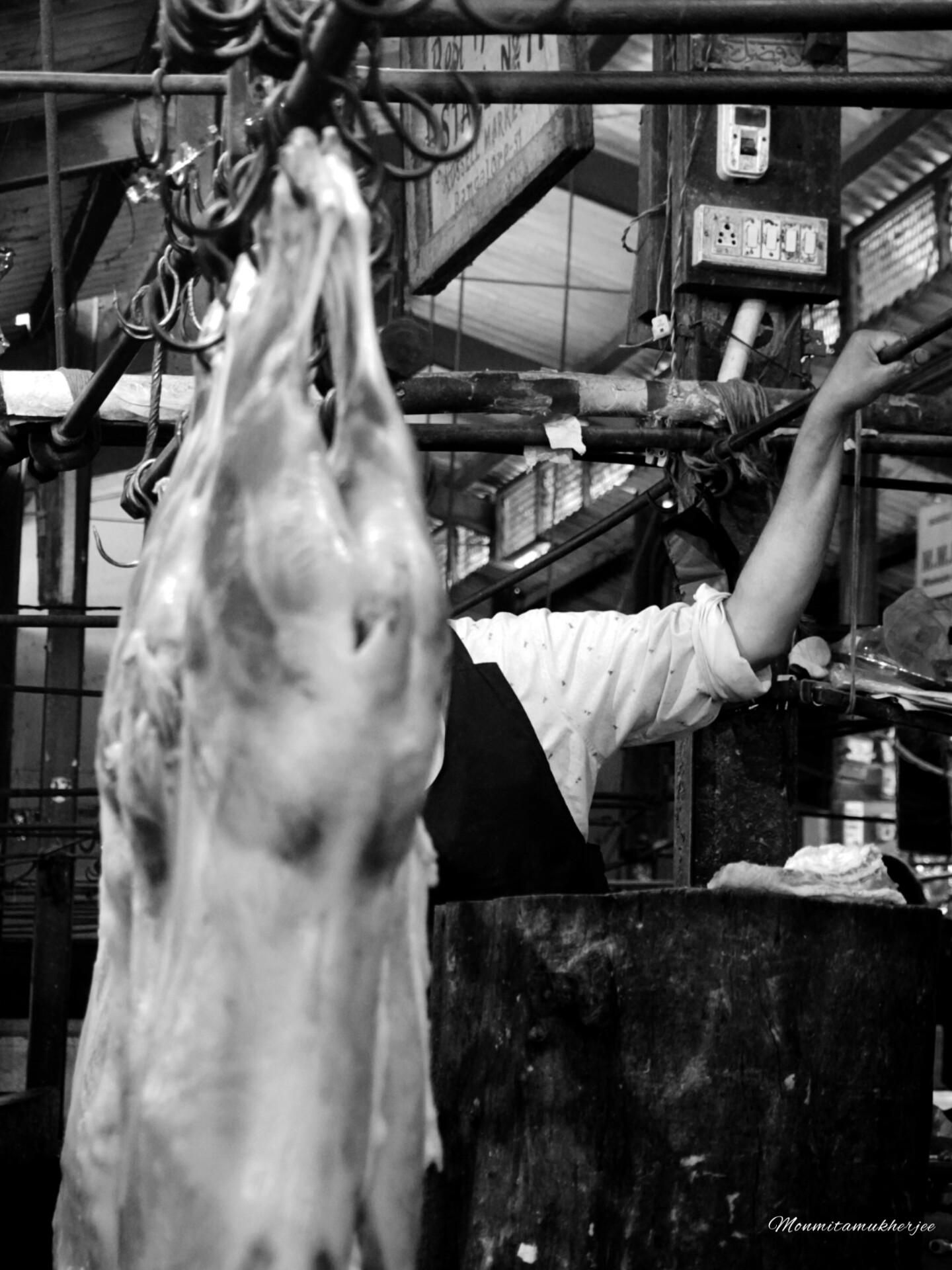
The image is not simply about a meat market; it explores the relationship between presence and absence, labor and consumption, and what we choose to notice. I prefer not to explain everything within the frame. Instead, I leave space for the viewer's imagination and personal interpretation.
I believe every ordinary place holds extraordinary visual possibilities. My work is an attempt to uncover those moments through careful observation, allowing familiar scenes to become thought-provoking and emotionally engaging.
Can you share the story behind a meaningful moment you captured during your creative journey?
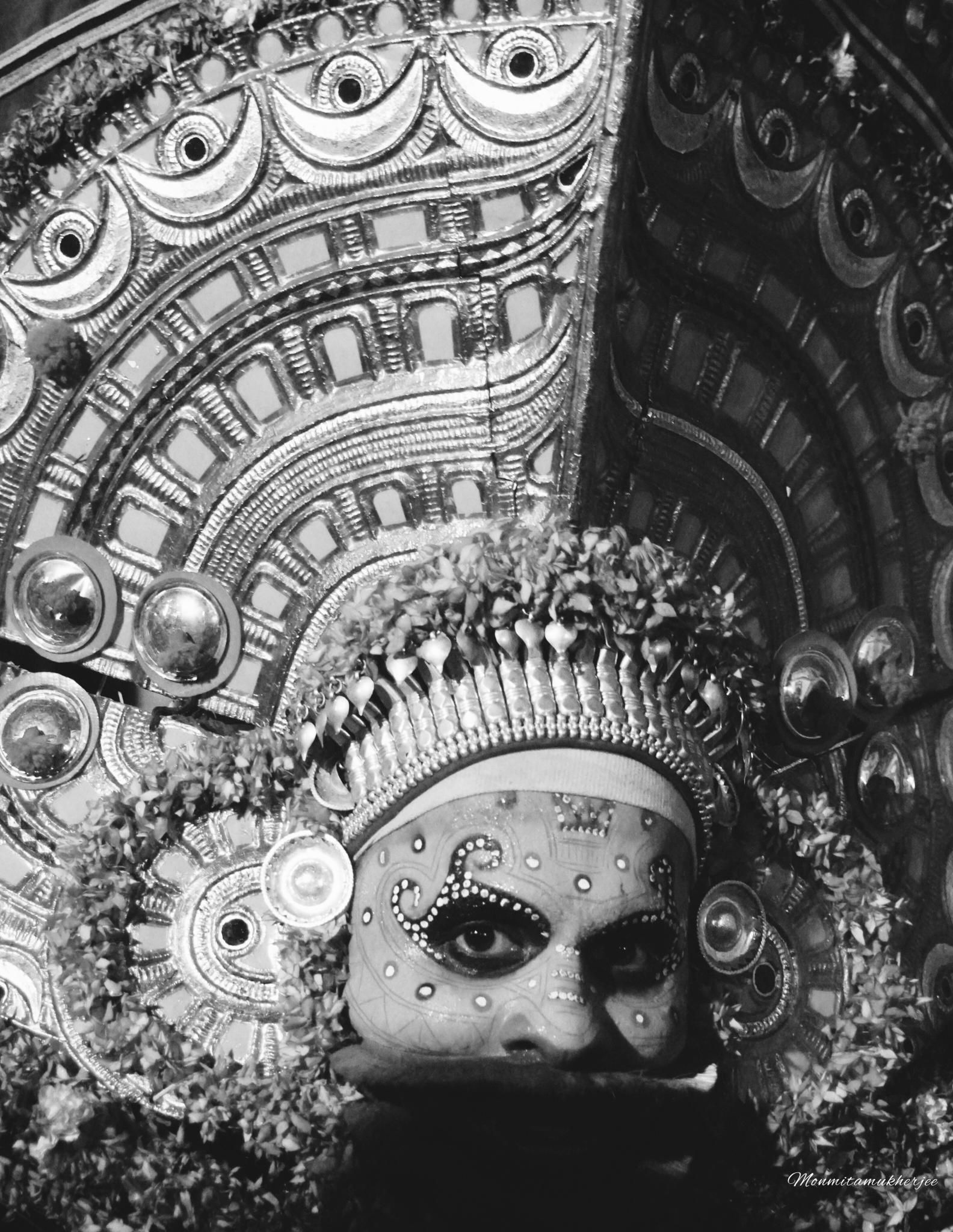
I photographed this moment during the Kandanar Kelan Theyyam festival in Kerala. Kandanar Kelan is remembered as a man whose courage, sacrifice, and resilience transformed him into a guardian deity. While the ritual is famous for its dramatic fire performance, I was drawn to a quieter moment—the intense gaze of the performer before the ritual reached its climax.
For me, the eyes carried the entire story. They reflected not only the performer but also centuries of memory, faith, and cultural identity. I chose to photograph this moment in black and white to shift attention away from the vibrant costumes and toward the expression itself. I wanted the image to evoke emotion rather than simply document a festival.
Standing before the performer, I realized that Theyyam is more than ritual or folklore. It is a living tradition where history, spirituality, and human endurance converge. My photograph is an attempt to preserve that feeling and invite viewers to experience the mystery, power, and humanity behind the legend of Kandanar Kelan.
How did you achieve the technical effect in the photo that demonstrates your experimentation?
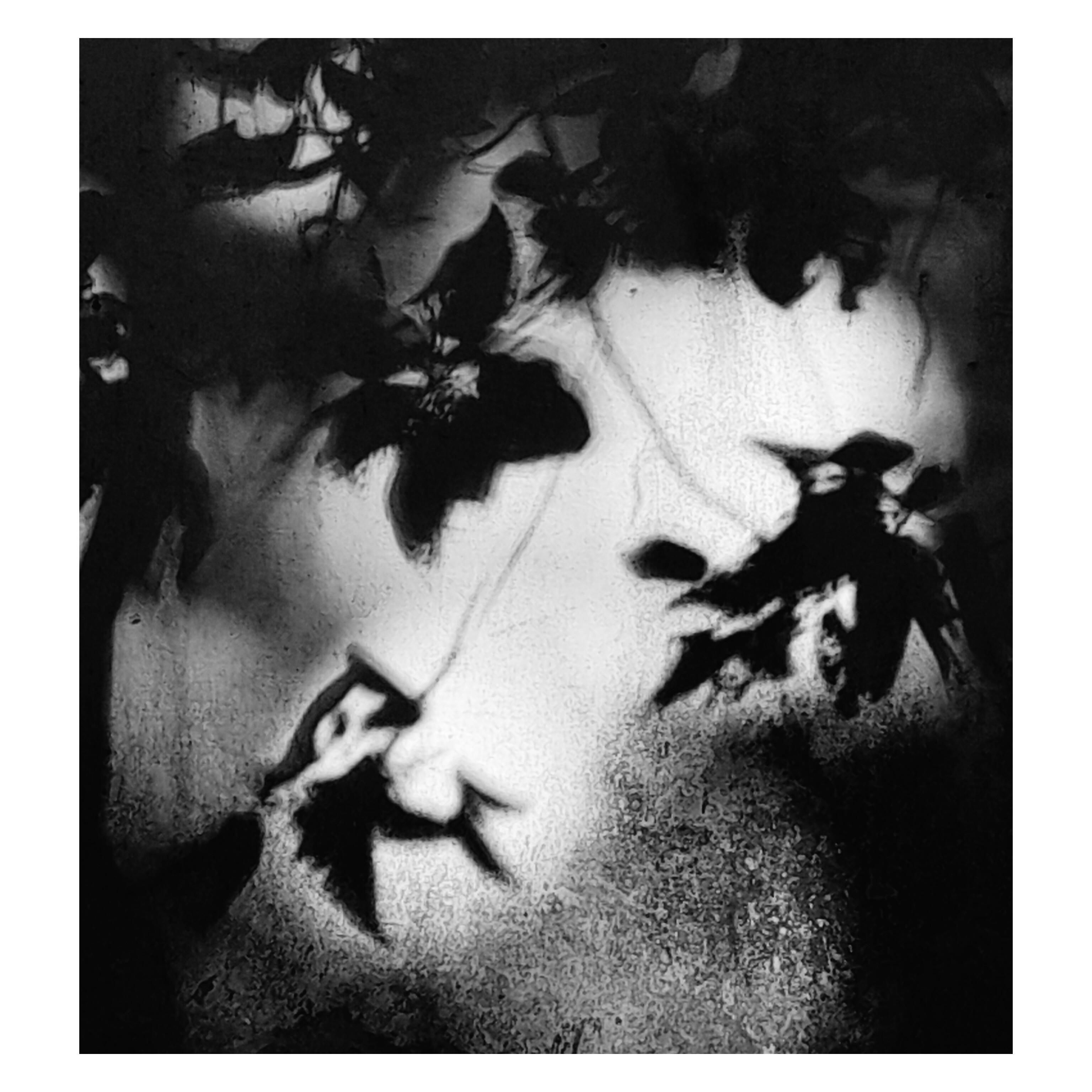
This photograph was created using Intentional Camera Movement (ICM) combined with a slow shutter speed. Instead of freezing the scene, I deliberately moved the camera during the exposure to transform ordinary leaves into abstract forms. I converted the image to black and white to emphasize contrast, texture, and the interplay of light and shadow, removing the distraction of color.
The technical process was only a starting point. My intention was not to create a recognizable image of leaves, but to explore how movement can reshape reality into something more emotional and interpretive. I believe photography is not only about recording what exists; it is also about expressing how we experience the world. By allowing motion and abstraction to become part of the image, I invite viewers to discover their own forms, memories, and emotions within it.
How does your background influence the photo you shared that represents your cultural roots?
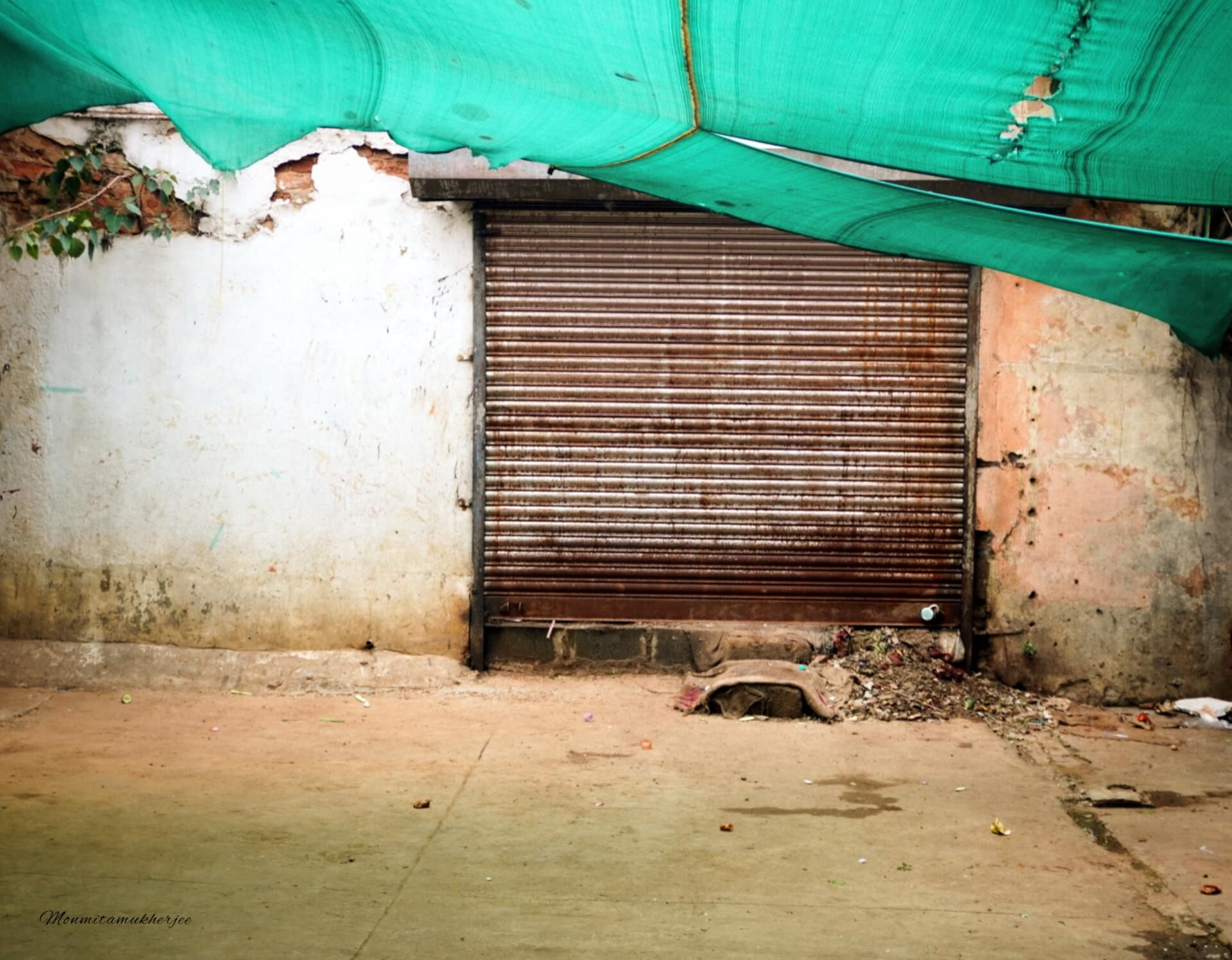
Growing up in Kolkata had a profound influence on how I see the world. I was raised in a culturally rich family where conversations about art, literature, and especially cinema were a part of everyday life. We often discussed how Western films influenced Indian cinema—not just through storytelling, but through framing, composition, light, and the way a single frame could communicate emotion. Those discussions shaped the way I look at everyday spaces.
I believe that the street itself is a ready-made film set. Every wall, window, shadow, and object already exists in a carefully arranged composition; the photographer's role is to recognize it. My interest lies in discovering cinematic frames within ordinary life rather than creating them.
This photograph was taken at Russell Market in Bengaluru, Karnataka. What drew me to the scene was the interplay of geometry, texture, and color—the weathered wall, the closed shutter, and the green tarpaulin together formed a balanced composition. There is no human presence, yet traces of human life are everywhere. For me, this image reflects my belief that a compelling photograph doesn't always require a dramatic subject; sometimes, careful observation is enough to reveal a story hidden in an everyday place.
What part of your creative process does the behind-the-scenes photo reveal?
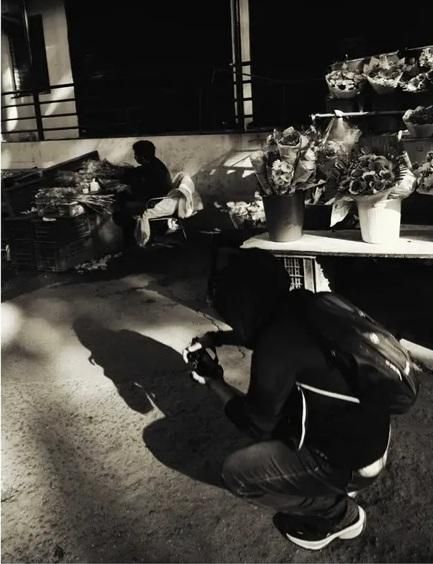
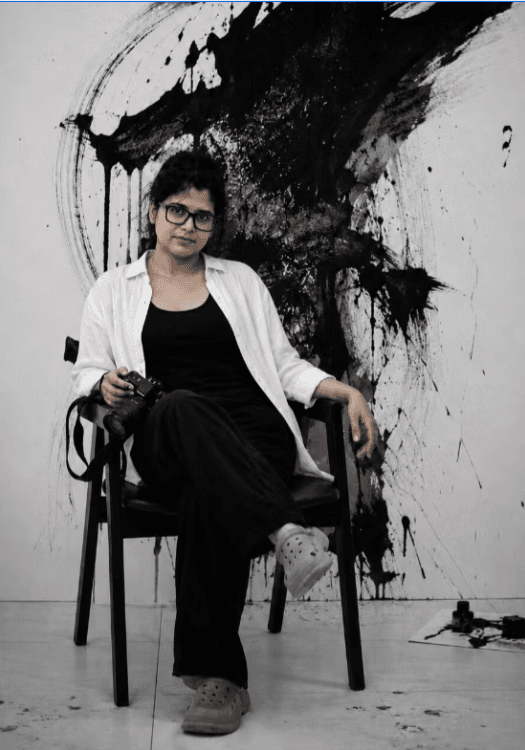
This photograph reveals the part of my creative process that people rarely see—the patience of observation. Before I take a photograph, I spend time studying the scene, waiting for the right relationship between light, shadow, composition, and human presence. I don't believe in forcing an image; I prefer to let the scene reveal itself.
How did a particular turning point impact your artistic development?
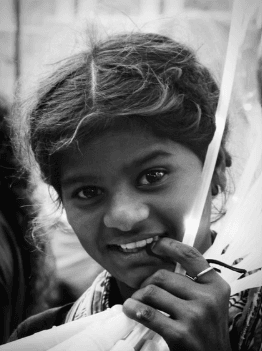
This photograph became a turning point in my journey because it changed the way I understood portrait photography. When I first captured the image, I saw a smiling child. But after returning home and looking at the photograph carefully, I became deeply drawn to her eyes and facial expression. Despite living in poverty, her eyes were filled with life, hope, and innocence. There was a quiet strength that stayed with me long after I had taken the picture.
That experience taught me that a photograph is more than a visual record. Sometimes its true meaning reveals itself only after we spend time with it. It reminded me that every face carries a story that cannot be measured by economic conditions alone.
I often think of her as the Face of India. She represents resilience, joy, and dignity in the midst of hardship. A simple interaction and a single photograph brought a smile to her face, but she gave me something far greater in return—a new way of seeing people. Since then, I have tried to create portraits that go beyond appearance and reveal the humanity, emotion, and quiet strength within every individual.
How does the photo you shared hint at where you are heading creatively?
My journey is gradually moving toward fine art photography, where observation becomes expression. I want my photographs to go beyond description and invite viewers to pause, question, and discover their own meaning. The process of waiting, observing, and composing is as important to me as the final image.
I don't see photography as collecting beautiful pictures; I see it as exploring the relationship between the visible and the invisible. Every photograph is another step in understanding light, form, and human experience. This behind-the-scenes moment represents my commitment to that journey—a journey of continuous learning, experimentation, and searching for a personal visual language.
Contact and Follow
Email: gisengineer17@gmail.com
Website: https://monmitamukhopadhya.wixsite.com/my-site-4
Instagram: @monmita_mukherjee17