

How did your journey in street and documentary photography begin?
My father was a photographer, but due to financial hardship, he had to sell his camera and lenses. However, I grew up watching him take photographs, and most of the photo albums in our house were made by his hands. I always imagined things in my own way, searching for my own narrative and the story I wanted to share with the world. But I couldn’t afford a camera or even a decent phone with a good camera. As I grew older, I started my journey with just a mobile phone. I began following maestros like Raghu Rai, Vineet Vohra, Siddhartha Paul, Robert Capa, Alan Schaller, and many other great photographers, drawing inspiration from their work. My basics were very weak initially. Even after watching countless YouTube tutorials, I couldn’t get the fundamentals right. I got my first camera, a Canon EOS R50, in 2023. By then, I had a clear vision of why I wanted to click photographs, but I still lacked technical perspective. For me, it’s about living the moment, telling a story, conveying a message, and simply documenting and showing the world what actually happened. I met my mentor, Mr. Siddhartha Paul, affectionately known as Jethu, in 2024. His guidance shaped the photographer I am today. I am still learning every day, and I get mesmerized by the craft each moment. Life is an experience, and my camera helps me understand it better.
What was the first moment you realized you had captured something truly special with your camera?
The very first photograph I clicked with my new camera was of my cat sleeping on our washing machine. It was a simple, quiet moment, but looking at it later, I realized it held all the warmth and intimacy I wanted my photography to have. That image taught me that the most powerful stories are often found in the everyday, in the stillness we usually overlook.
How has your approach to capturing everyday life evolved over the years?
When I started, I relied purely on instinct and would just go for the shot. Sometimes I got close to what I wanted, but most of the time, I failed to capture it. Those shots were technically imperfect, but I still love some of them because they remind me of where I started. Gradually, through a lot of practice, I can now at least frame something properly. For street photography, I still believe in my instinct and intuition. But for certain projects, there is a deliberate thought process behind every frame. When it comes to classical documentary work, I rely much more on research and preparation. Each approach has taught me something different about seeing the world.
What motivates you to document the stories of people and places around you?
The raw emotion. That’s the core of it for me. I want to feel the unfiltered, genuine emotion of a place and the people around me. Whether it’s joy, grief, hope, or exhaustion, I am driven to capture those visceral moments. It’s not just about taking a picture; it’s about connecting with that feeling and preserving it.
Which photograph best represents your street photography style, and what does it say about you?
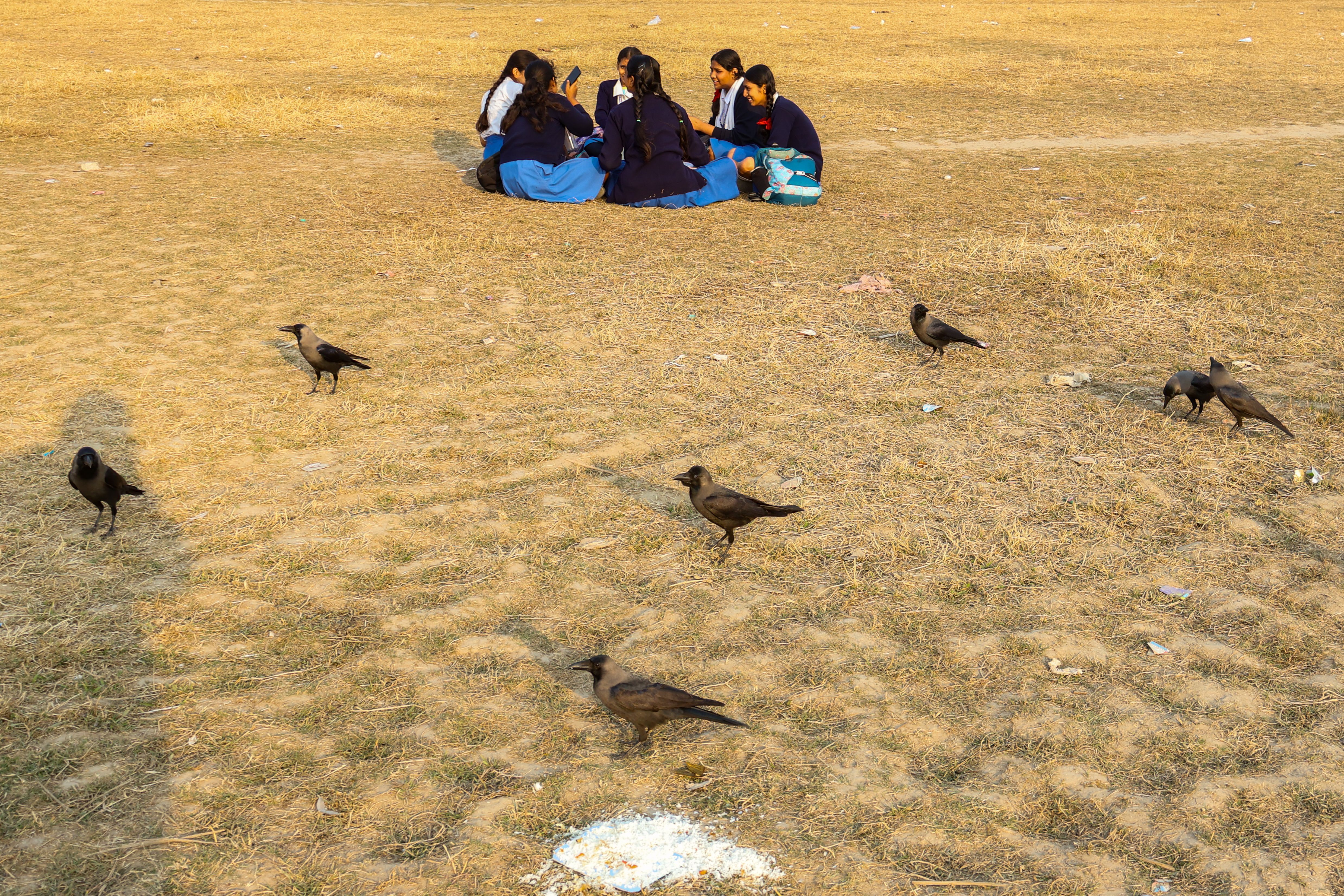
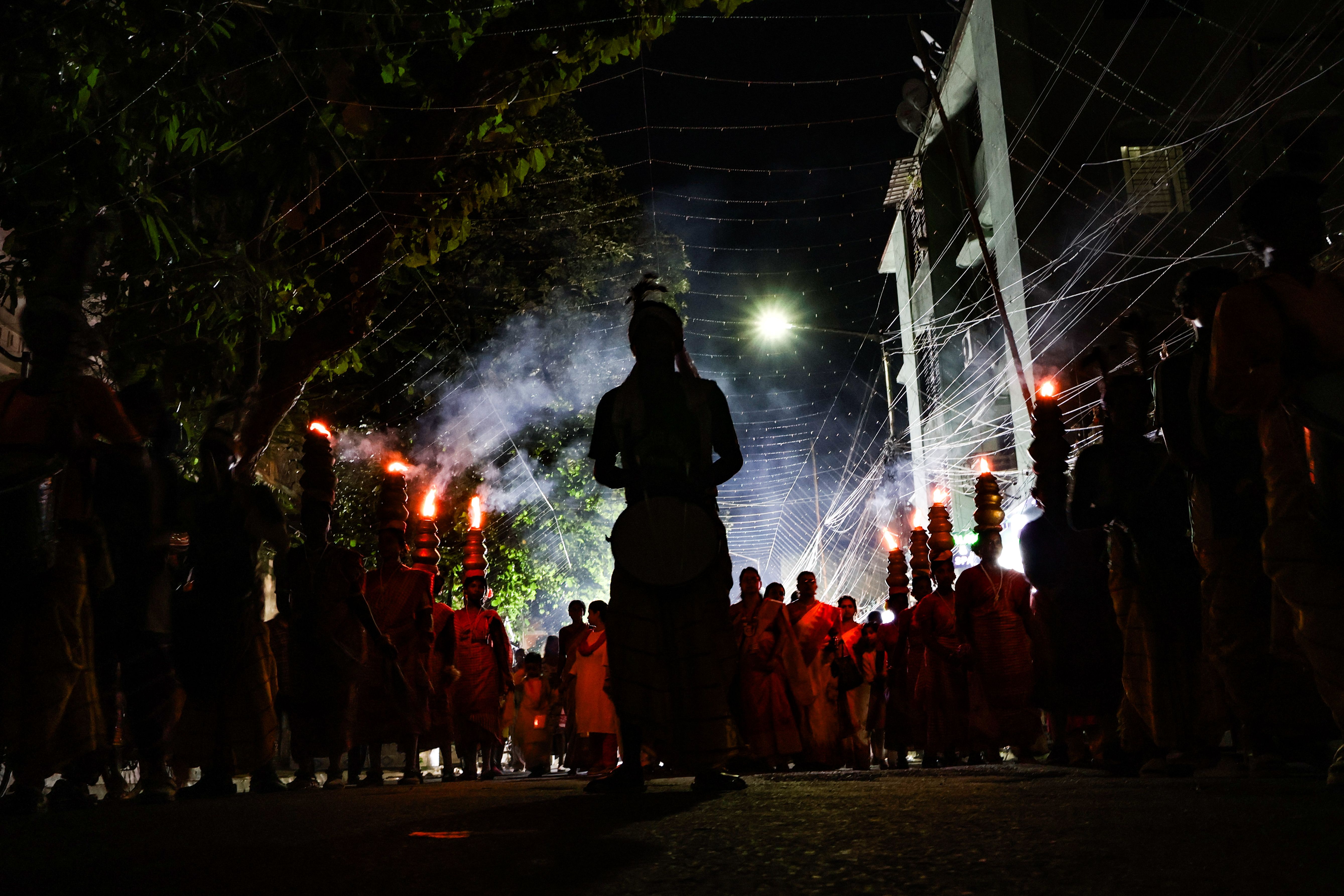
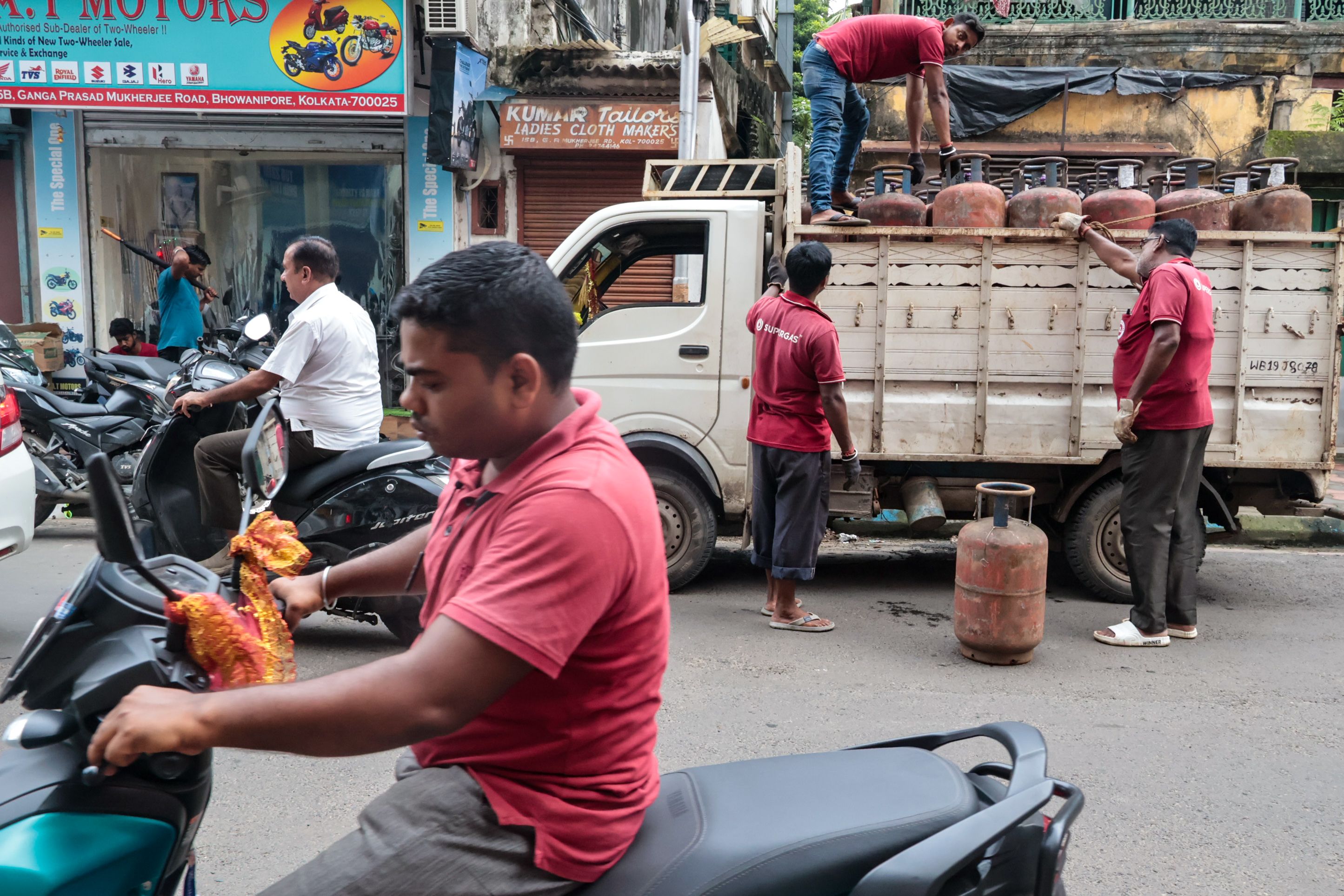
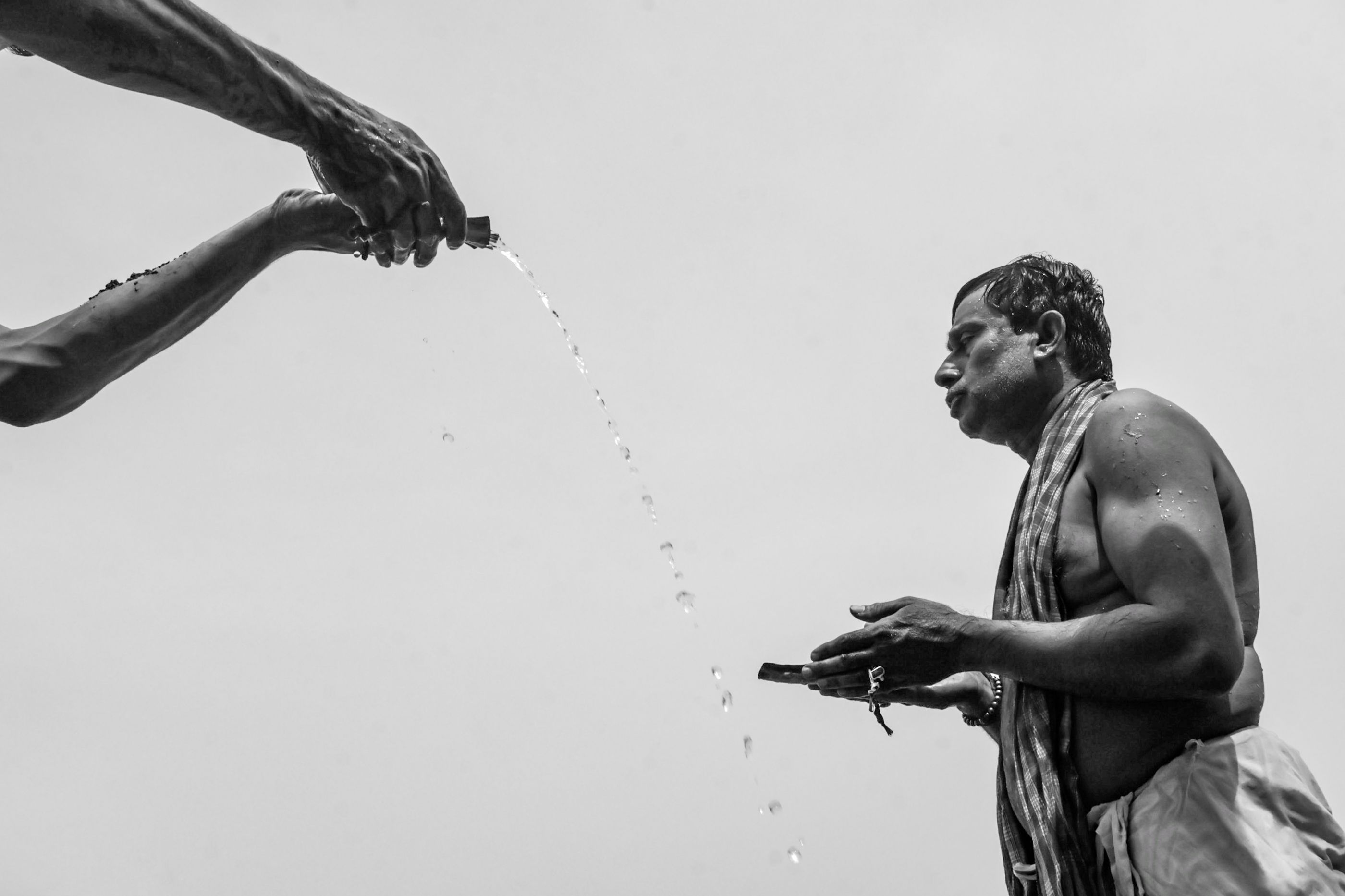
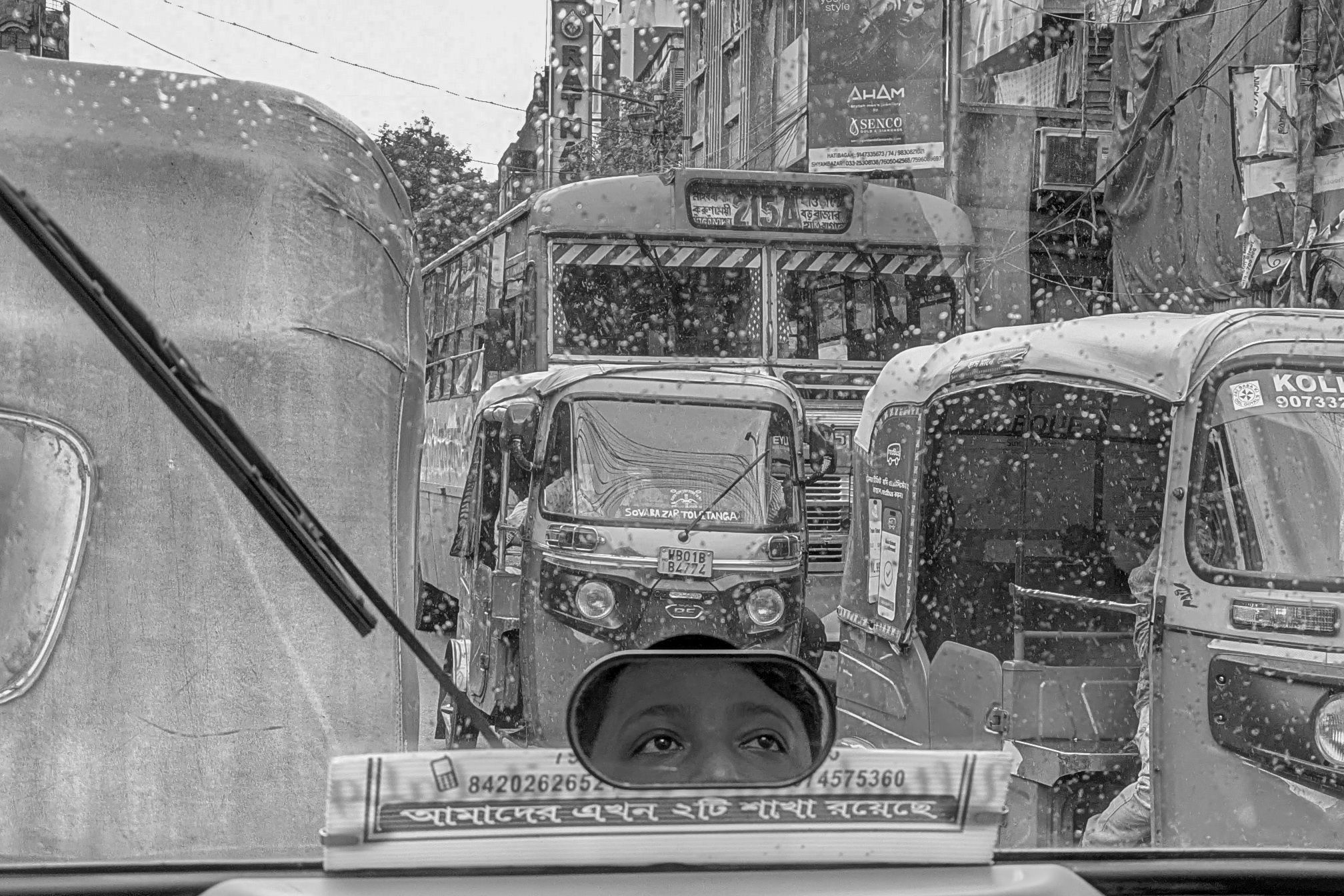
These images represent the dual nature of my street work: the quiet contemplation and the sudden burst of energy that defines urban life. They reflect my belief that every street corner holds a secret waiting to be uncovered, if you are patient enough to see it.
Share a candid street portrait that you feel captures the essence of a stranger.
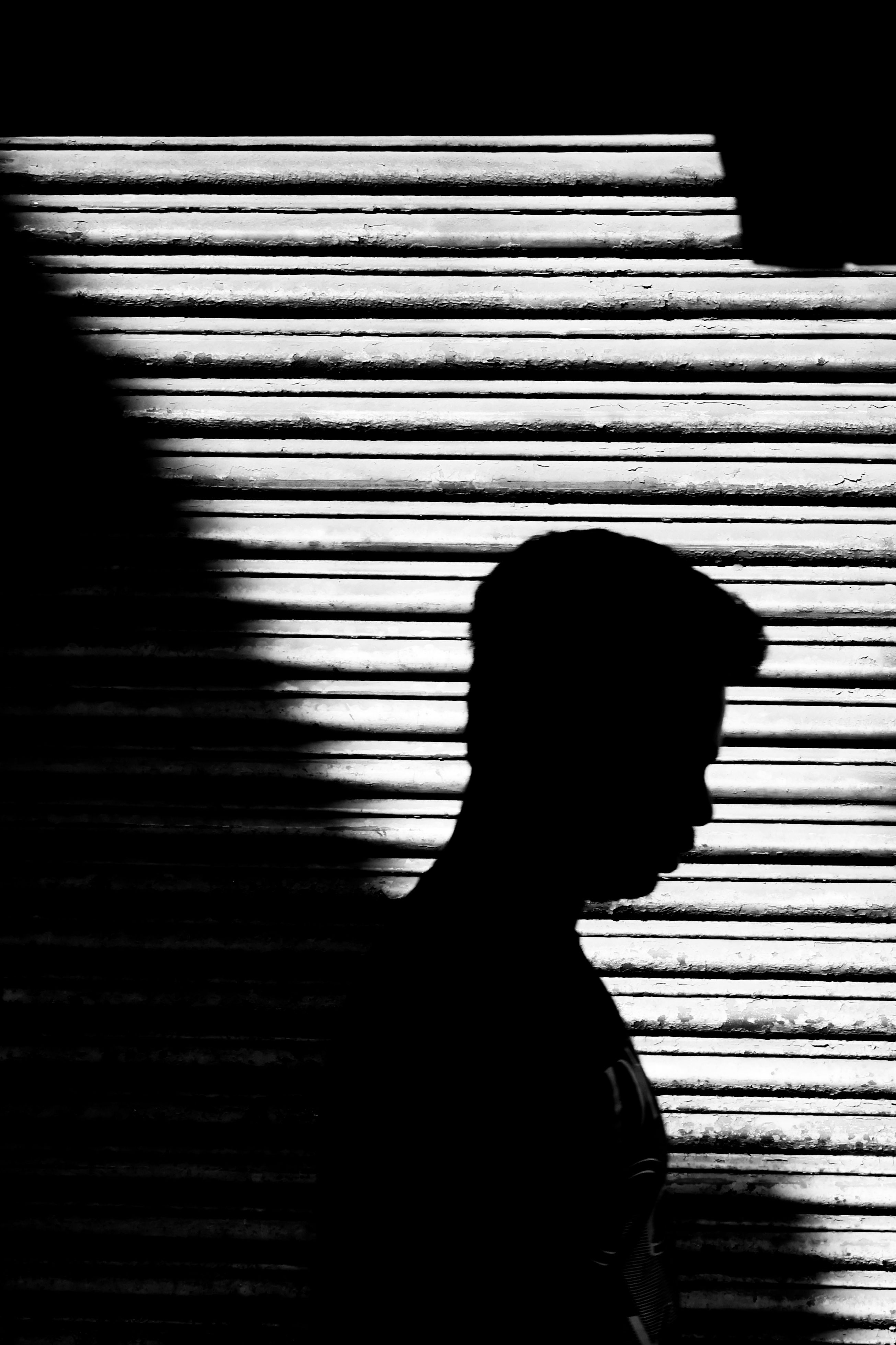
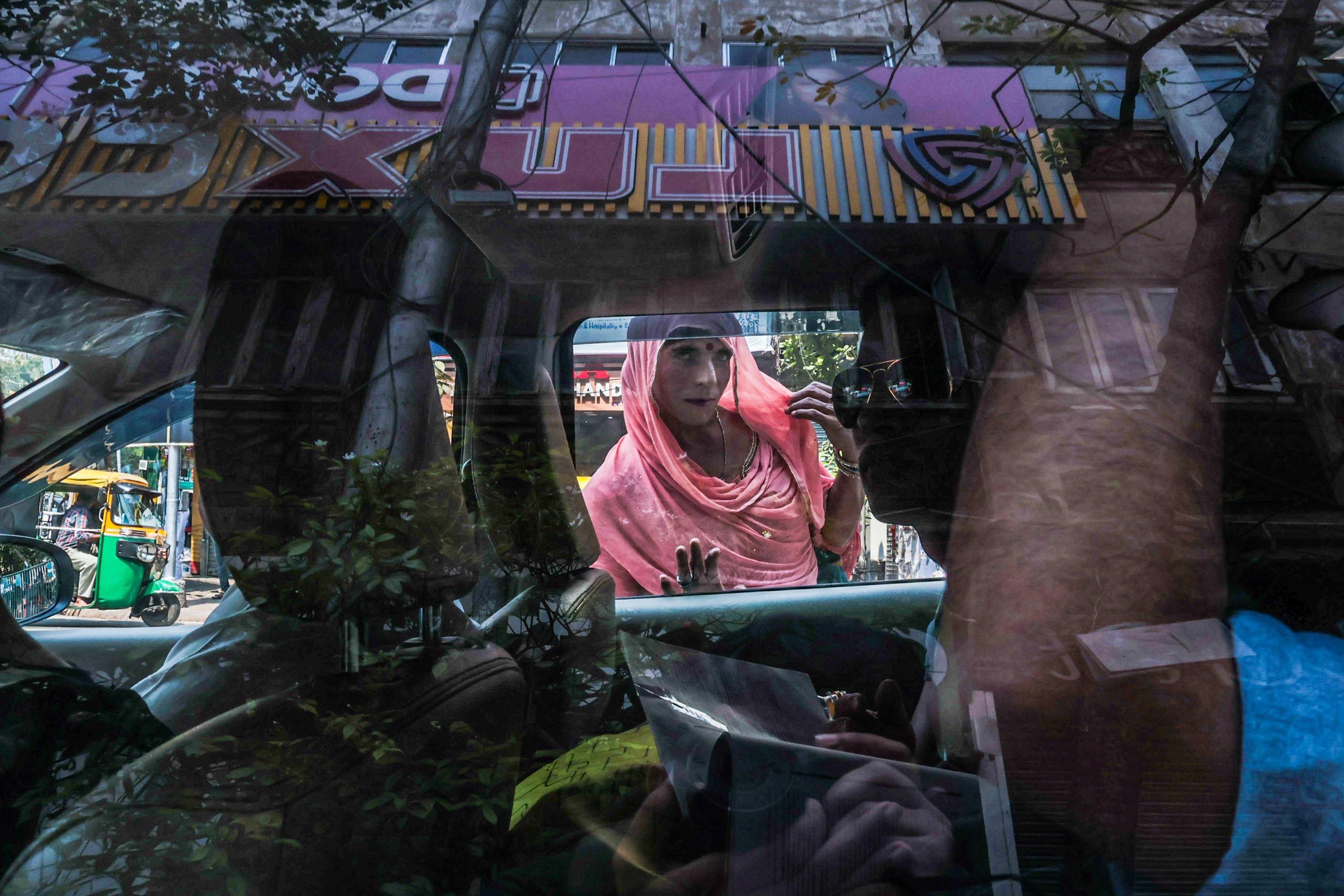
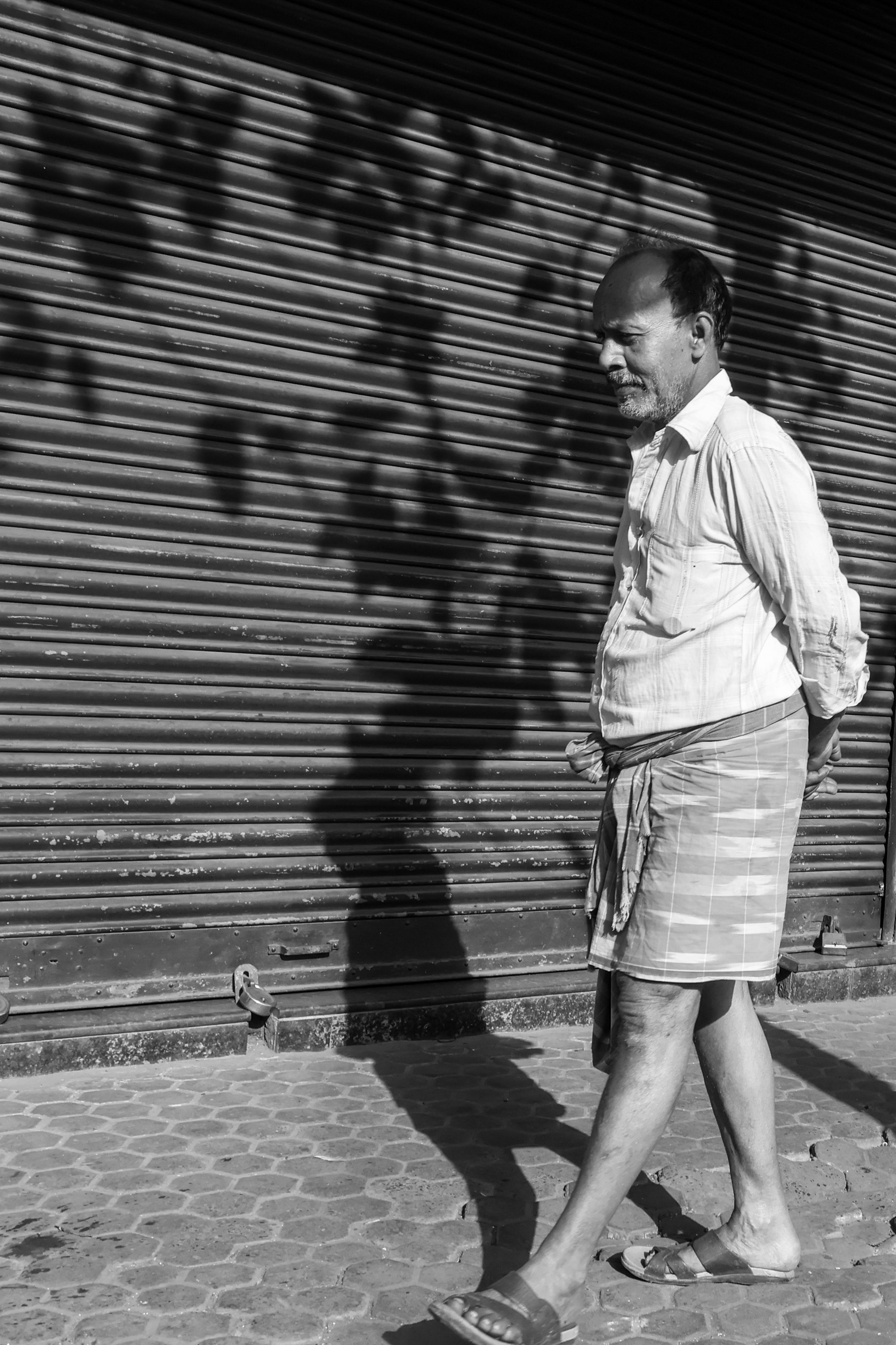
I wasn’t given the full context or emotion behind these portraits, but the faces themselves tell me they belong to the streets—full of unspoken stories, resilience, and a certain defiance. The anonymity of the subjects is what makes them universal; they could be anyone, anywhere, and that’s exactly why they matter.
What challenges did you face while shooting that low-light scene, and how did you overcome them?
Low-light photography isn’t inherently tricky if you know what to shoot and how to approach it. For me, the main challenge is maintaining the mood without losing detail. I take positions according to what I want to capture, moving with the shadows to find the right balance. It’s about understanding your camera’s limits and working with the available light, not against it. The resulting images have a grittiness that feels honest to the scene.
Walk us through a photo from a documentary series you’re working on—what’s the theme and what are you trying to convey?
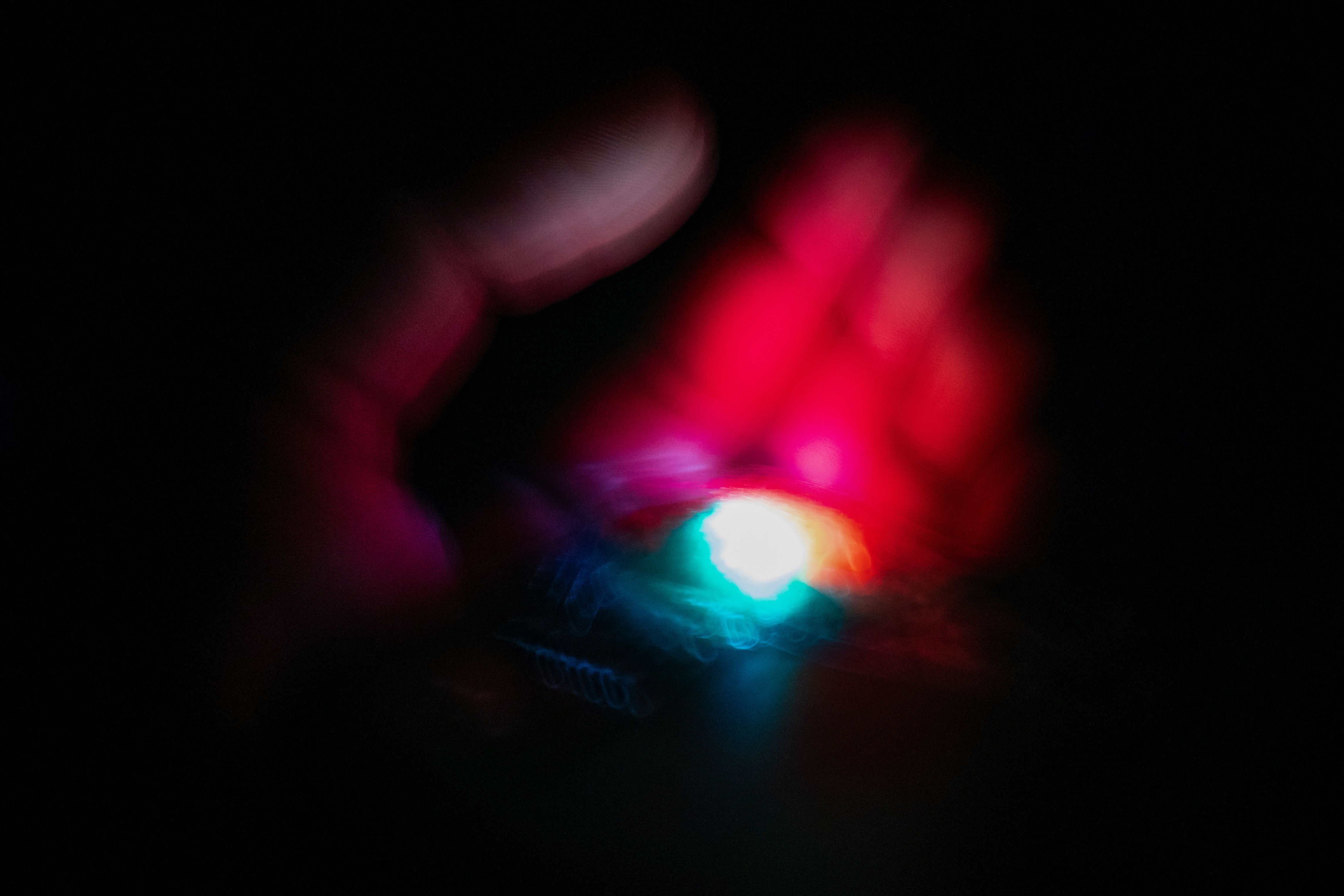
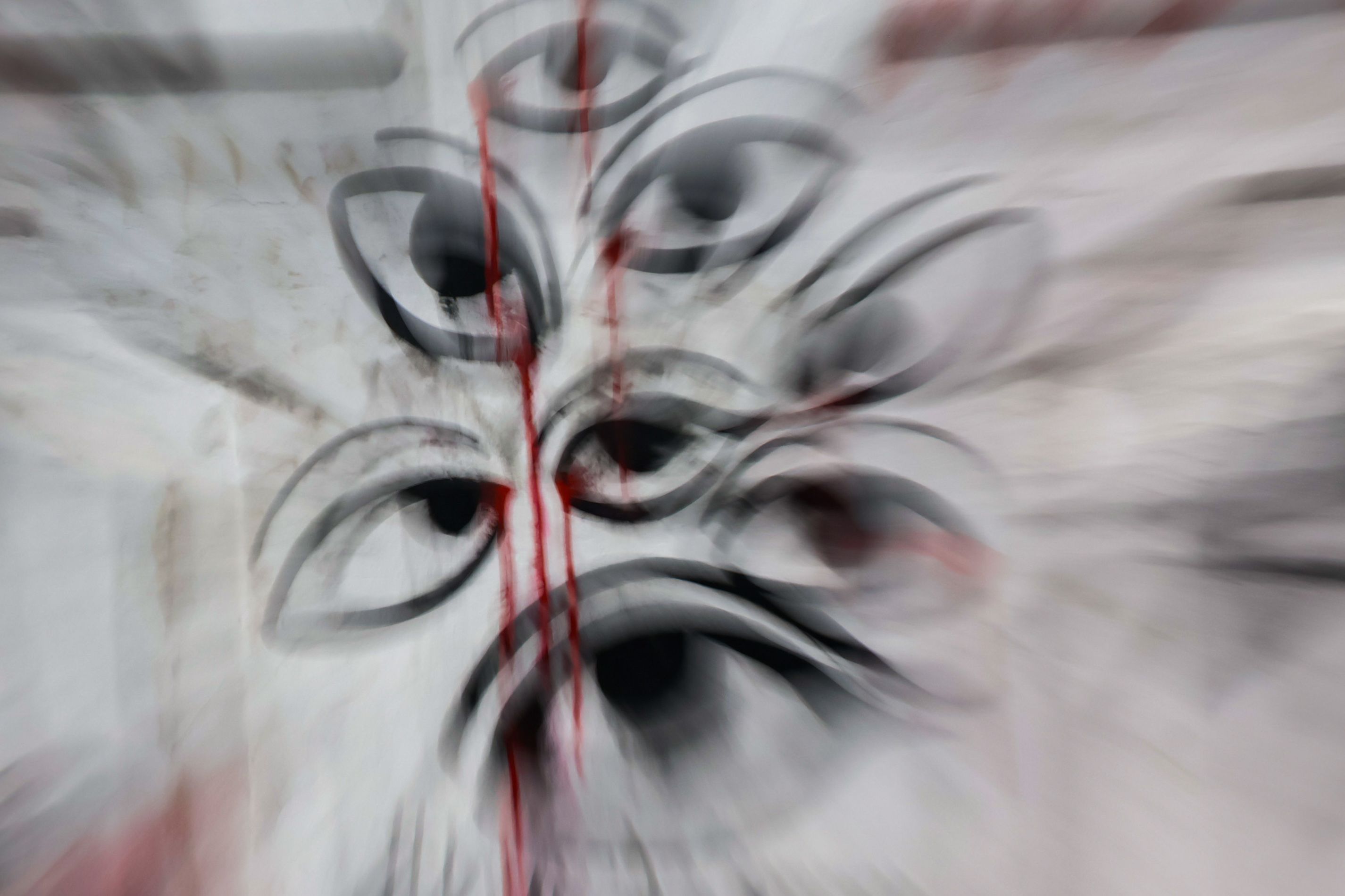

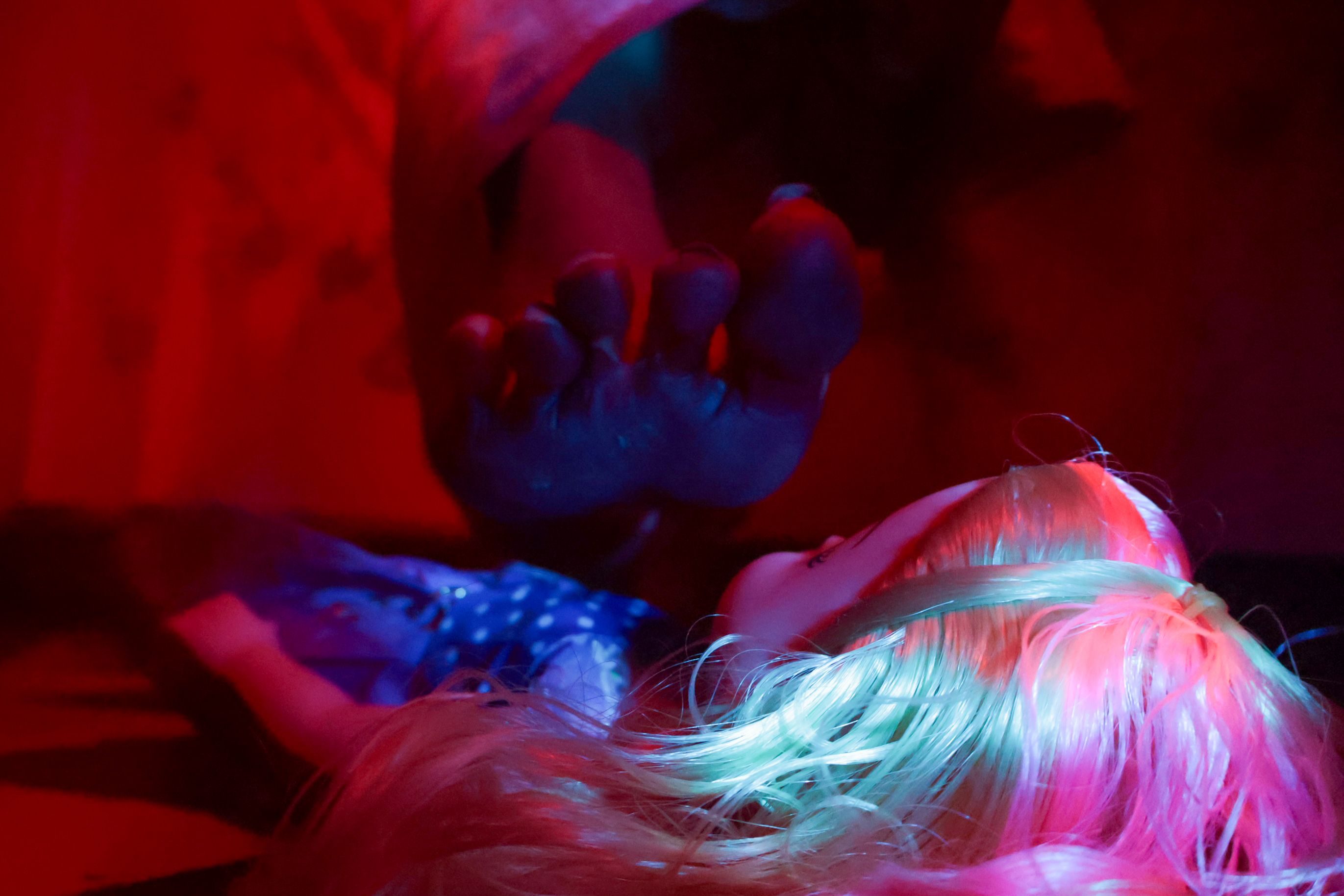
The theme of this series centers on a woman’s struggle for freedom. Freedom has always been a distant echo in her mind, beckoning her to a time when she shall be free. Her childhood spoke languages of abuse, fear, and pain. She embraced all of it, as if these were the only emotions she was allowed to breathe in. Eventually, at the age of 28, she learned to accept the dystopia within. She wrapped her heart with the shroud of chaos that had terrorized her for all those years. She committed a murder—killing the hues of trepidation which painted her days colorless in the past. Now, utopia seems to be waiting for her to color her canvas of life with shades that bring her closer to paradise on earth. The central question I’m exploring is: does the dichotomy of pain and pleasure ever truly end? Each frame is a step in her journey, and I want viewers to feel the weight of her resilience.
Show us an edited vs. unedited version of one of your street photos—explain the editing choices you made.
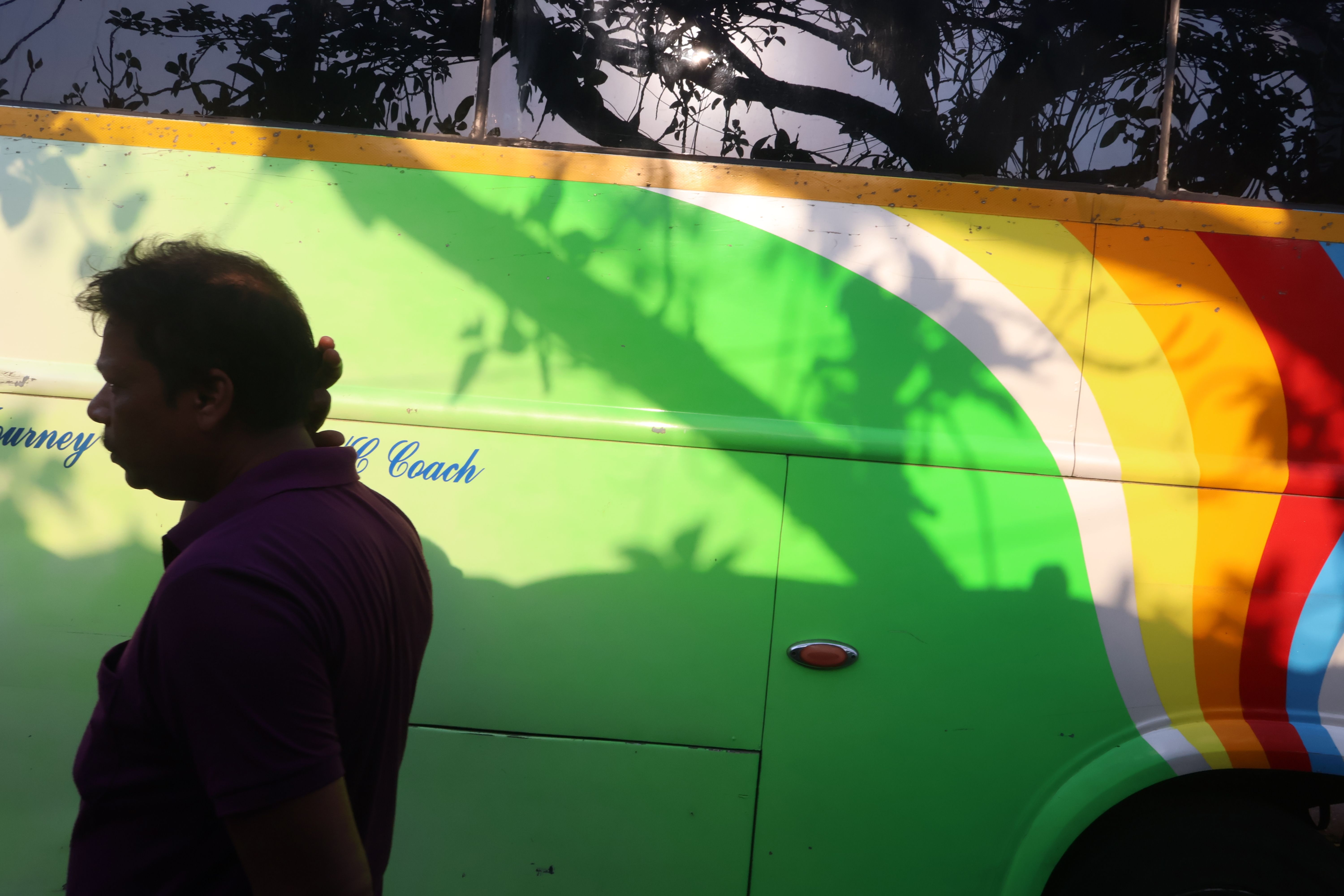
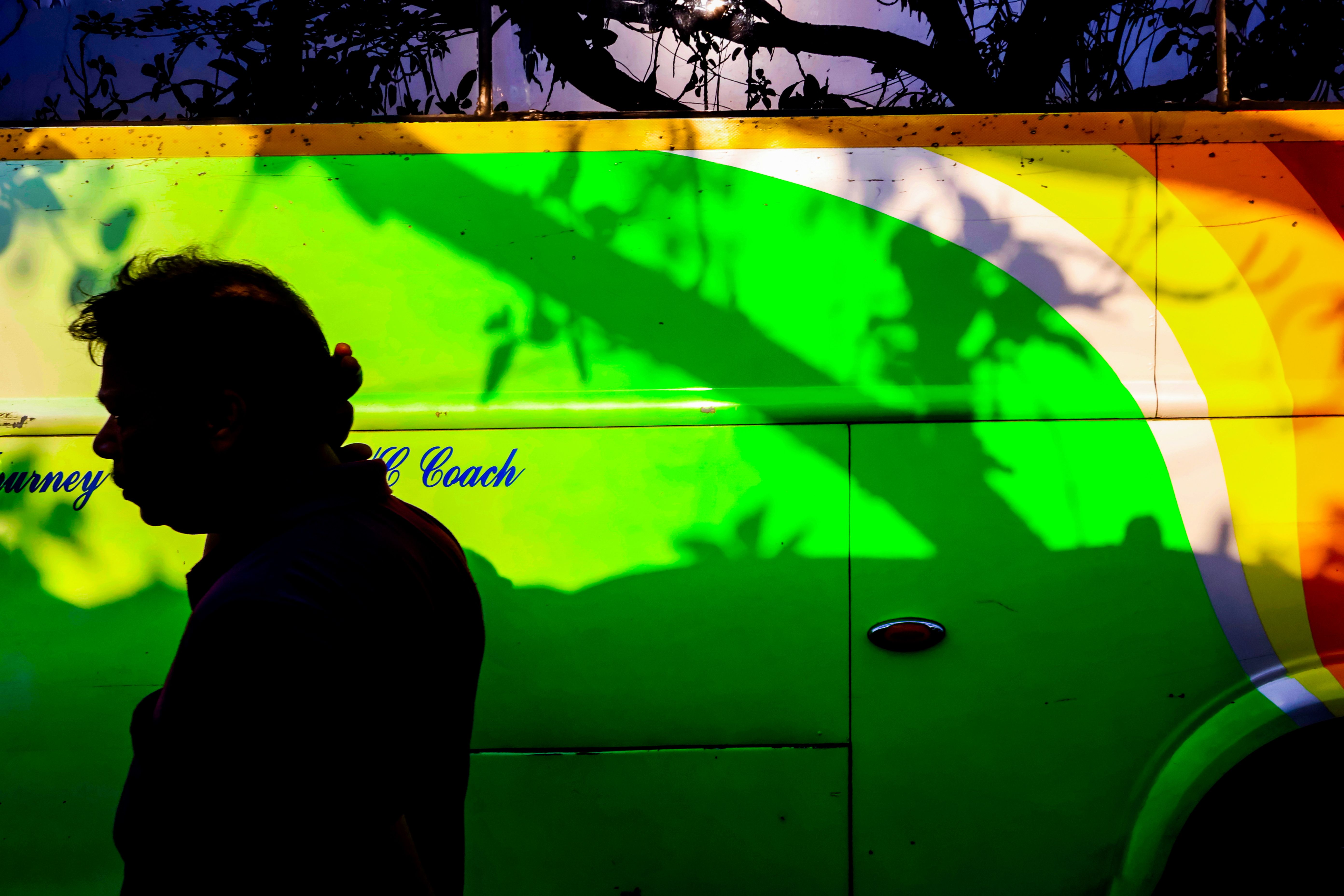
I shot the image knowing exactly what I wanted, using an aperture of f/10 to get a deep depth of field. My edits were minimal—just basic corrections for tilt, a slight resize, and some tonal adjustments. The goal was never to fabricate a mood; it was to enhance what was already there. The unedited version had the bones of the story, and the edit simply polished it so the viewer could focus on the subject’s narrative without distraction.
What’s a fleeting, unscripted moment in public that you’ve captured, and why is it significant to you?
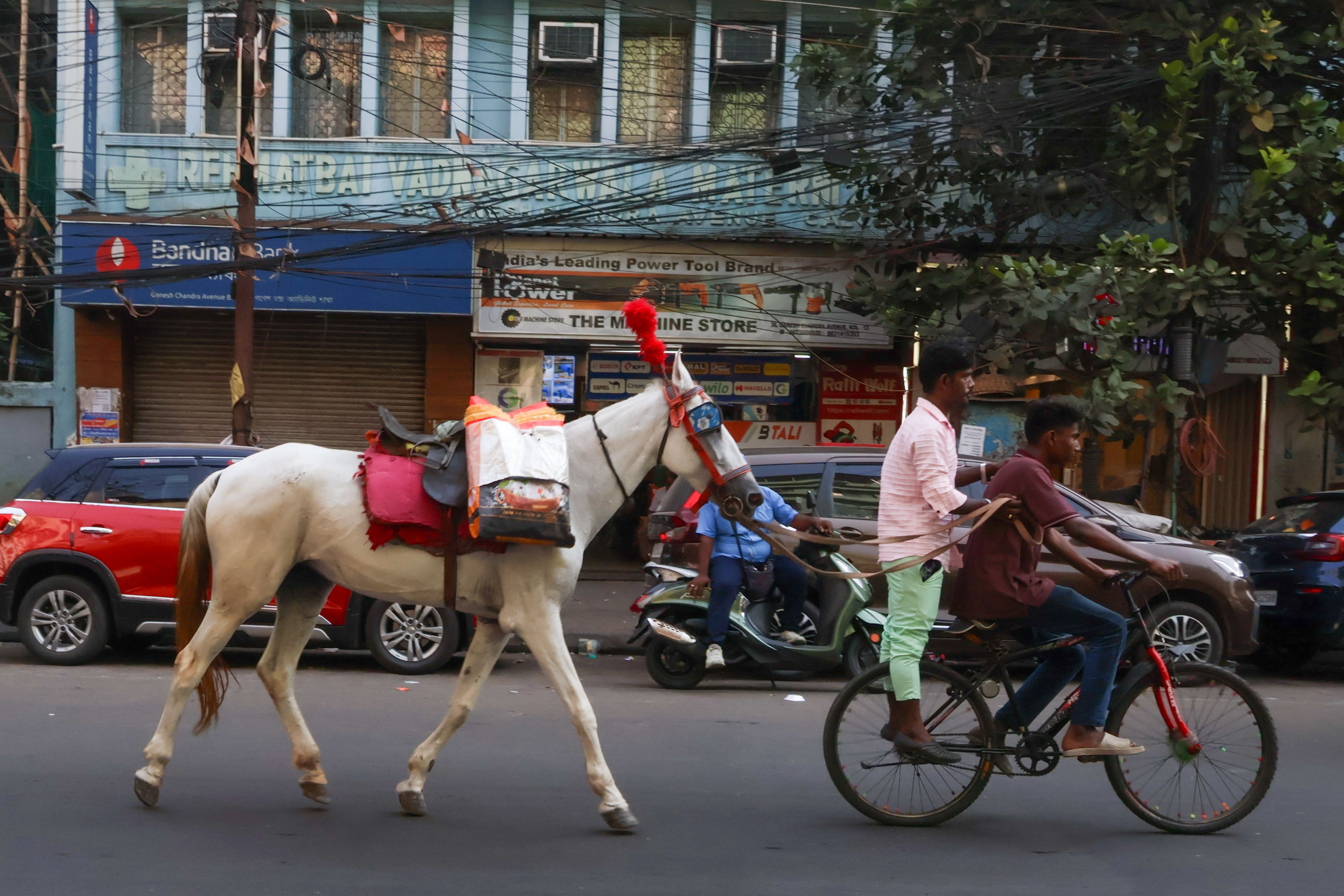
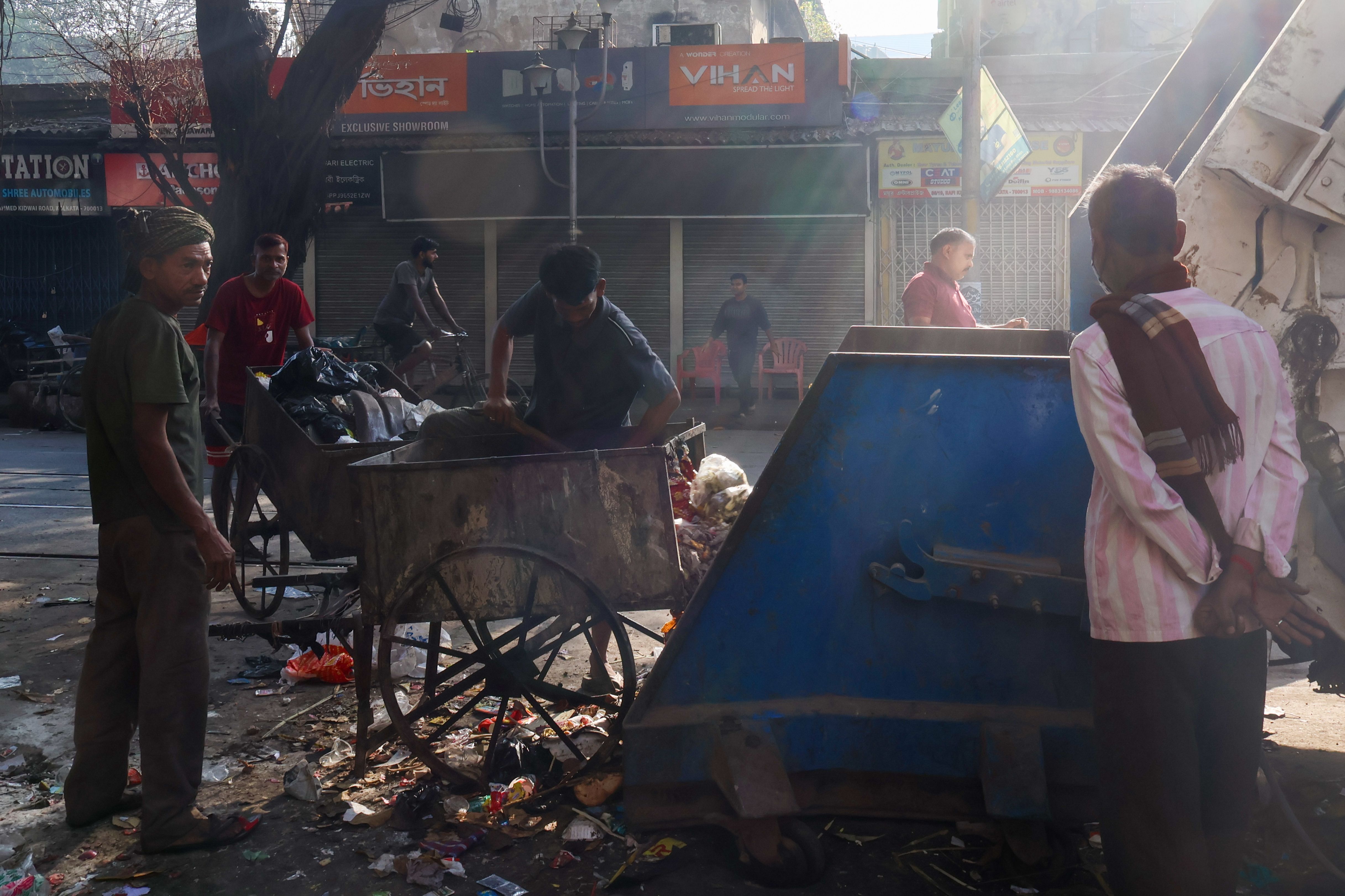
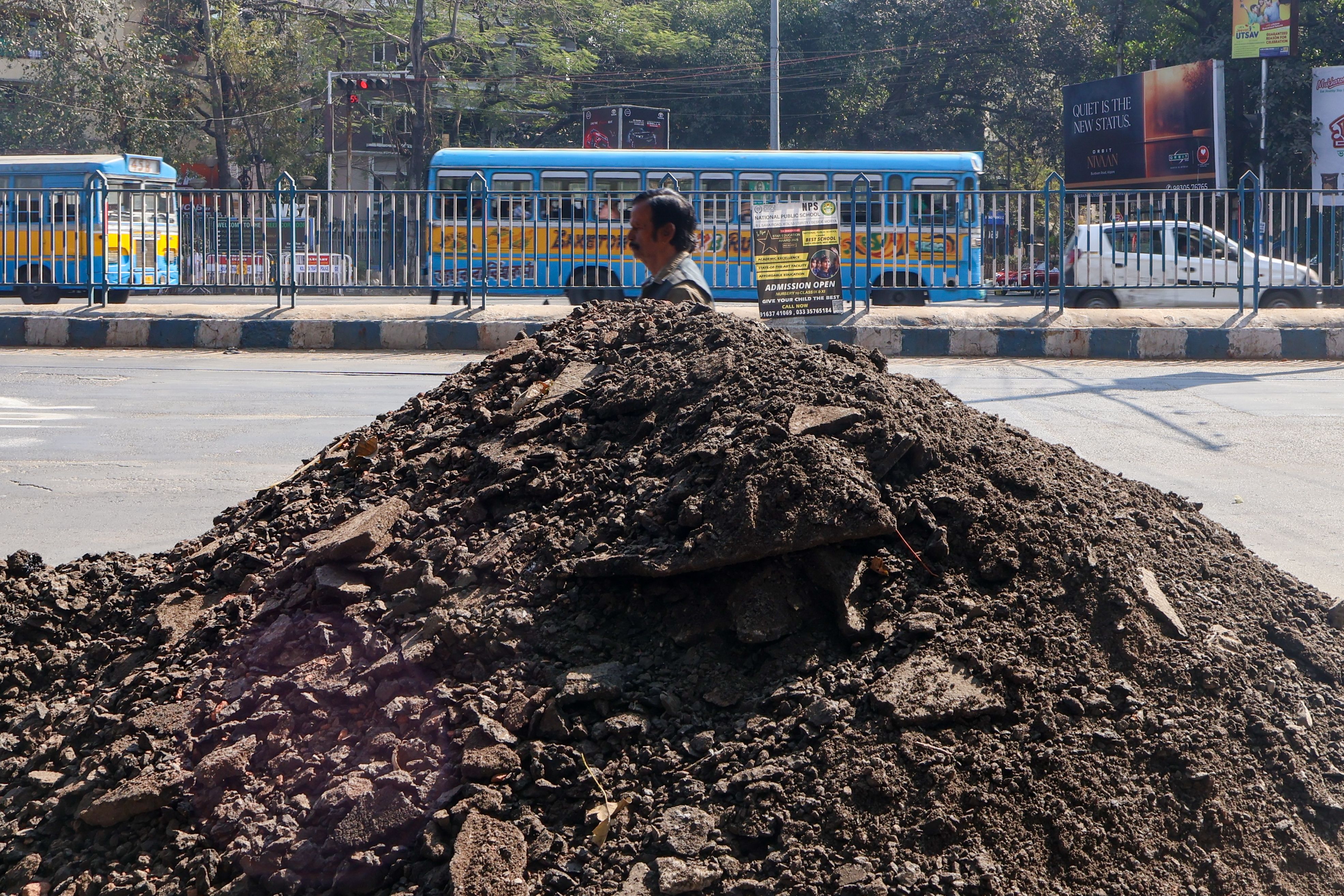
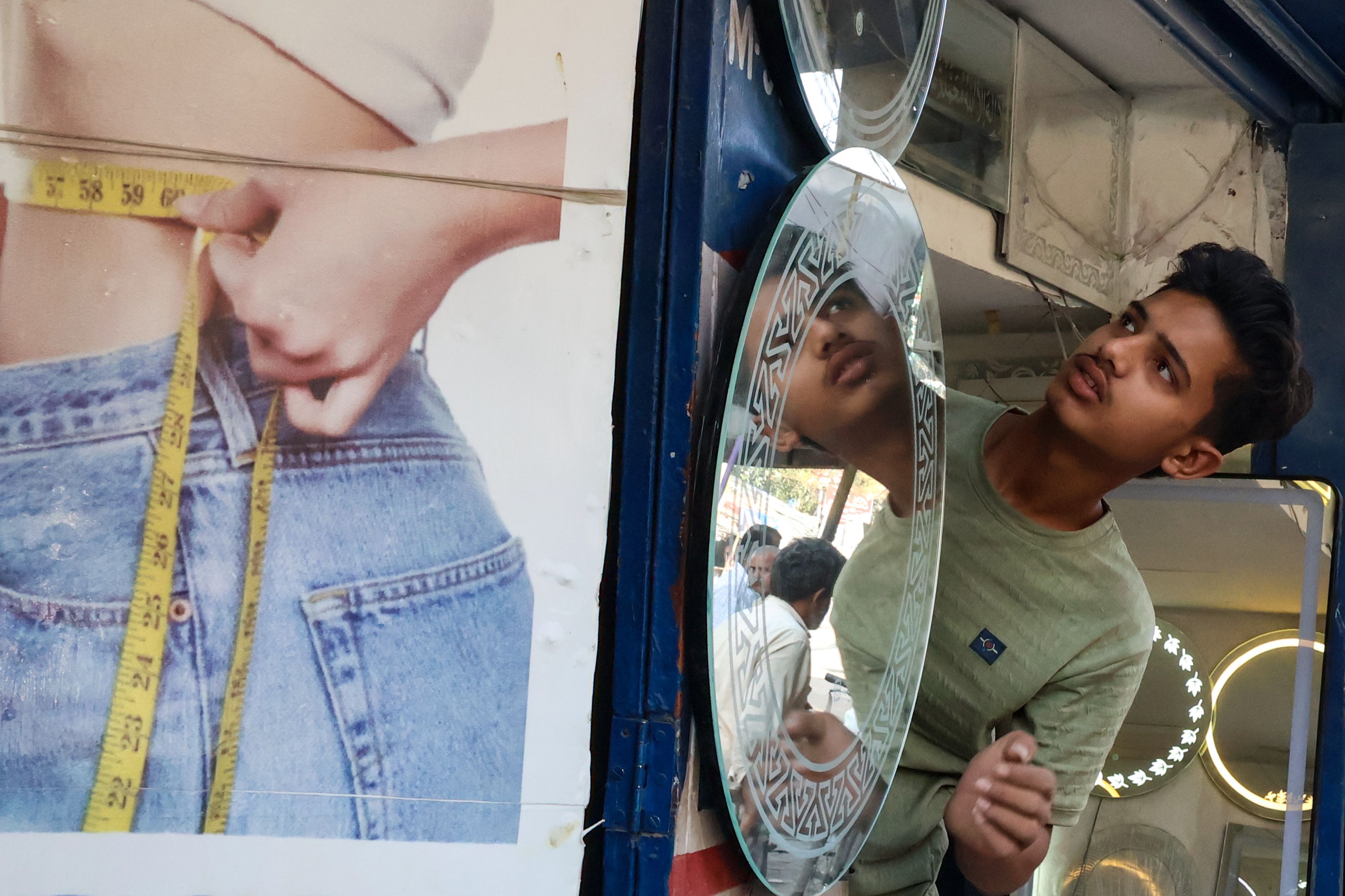
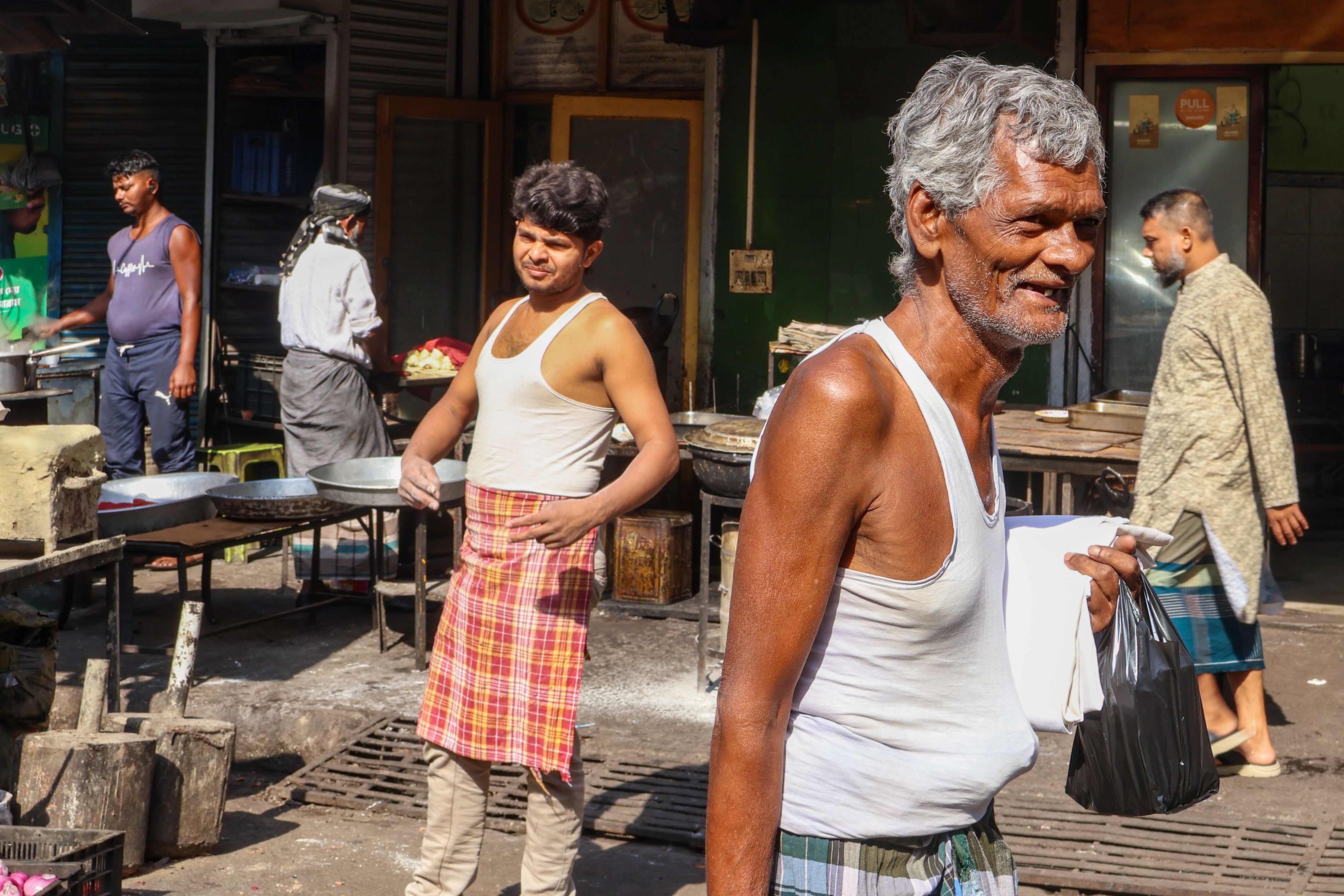
Each of these images is significant because they capture raw emotion. They tell a story without words—a glance, a gesture, a split-second interaction on a busy street. To me, these are the purest form of documentary photography: unposed, unscripted, and honest. They remind me why I pick up my camera every day: to preserve the transient beauty of human experience, one frame at a time.
Contact and Follow
Email: jishnuvikings@gmail.com
Instagram: https://www.instagram.com/jishnu_sarkar23?igsh=MTFoY3RoNHV5anRrMQ==