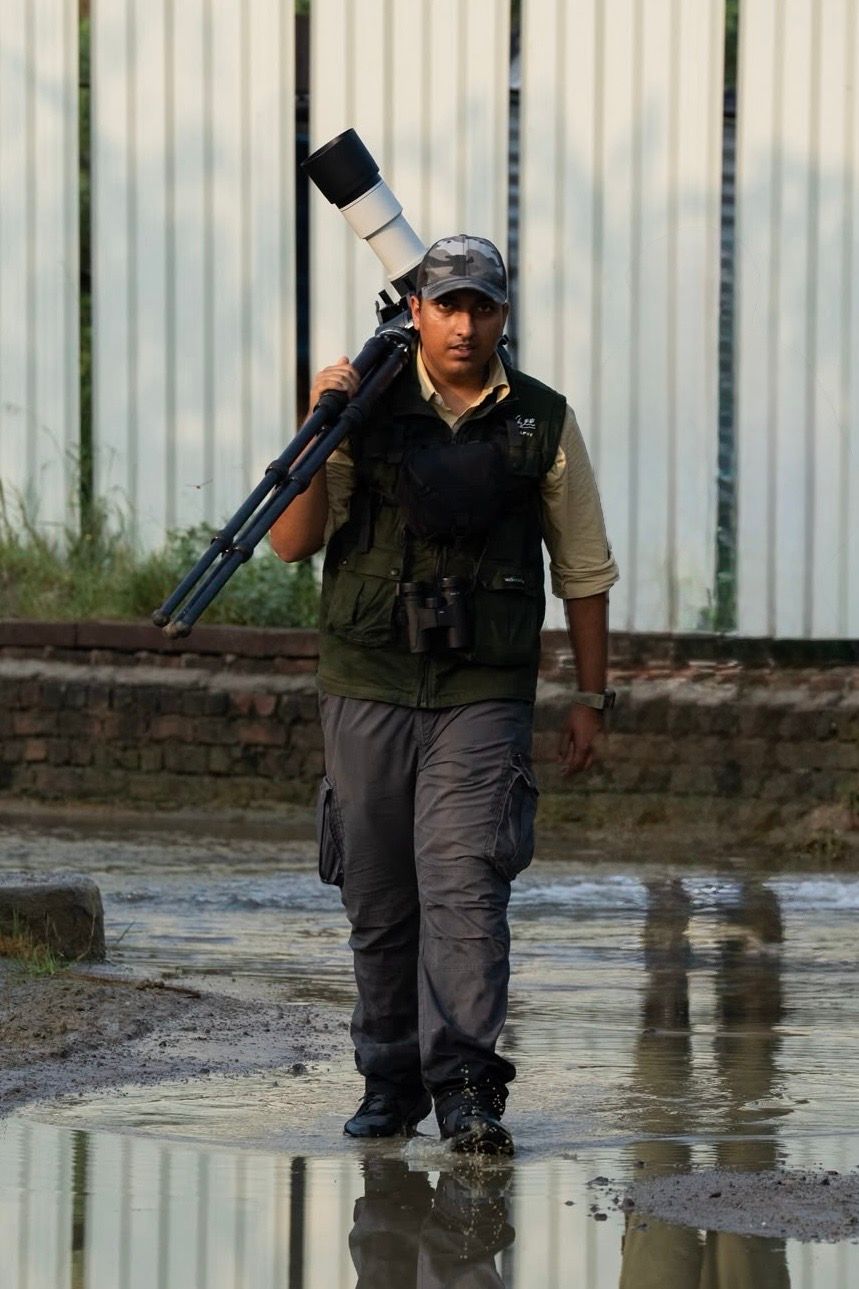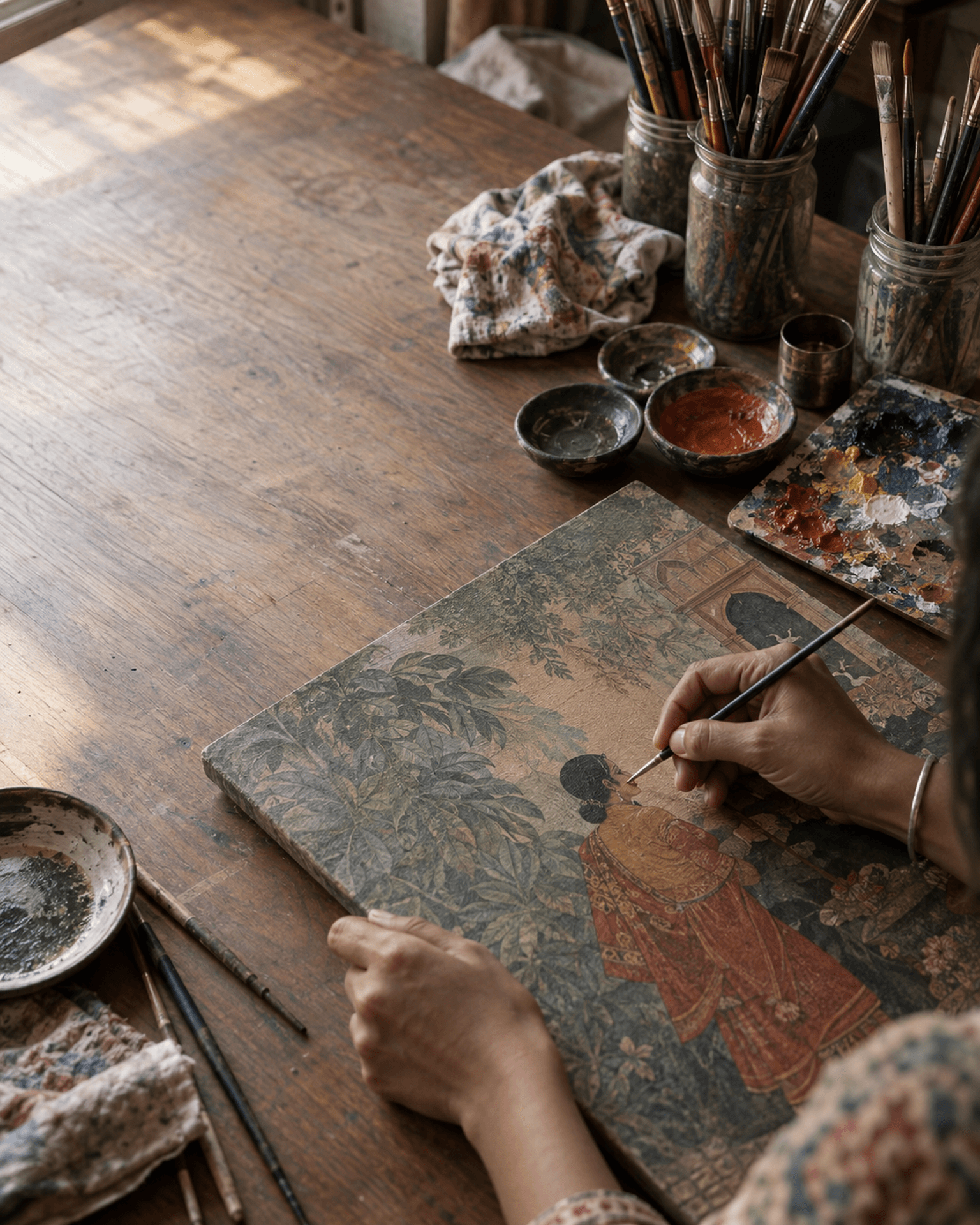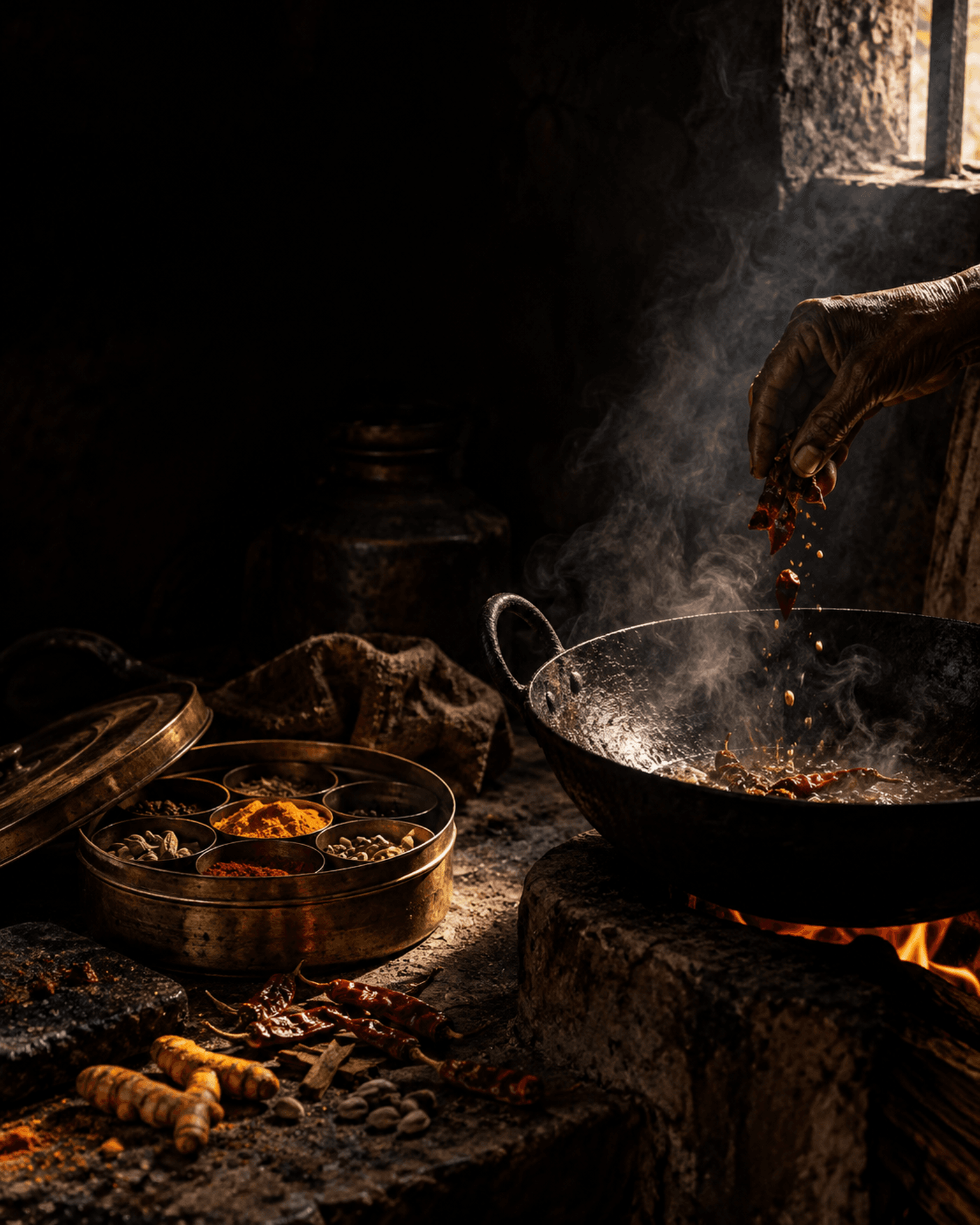


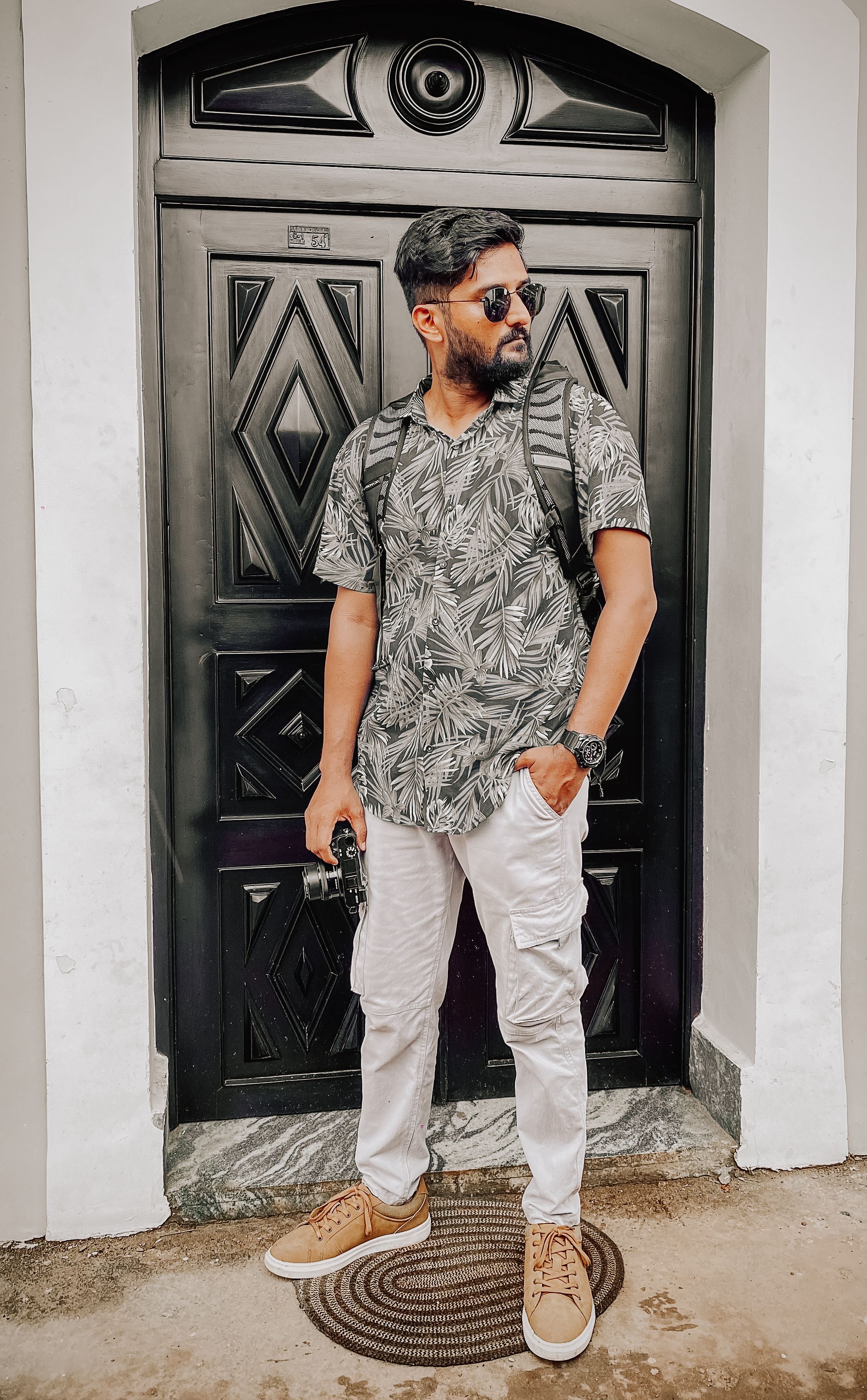
Street and landscape photography sit at opposite ends — one chaotic and reactive, the other patient and composed. How did you end up working both, and which did you start with?
I actually started with landscape photography first, and over time, I naturally gravitated toward street photography. Industrial and fashion photography have also always been a part of my journey, so it's been a mix right from the beginning. But the foundation was definitely the stillness of landscapes before I dove into the unpredictability of the streets.
Was there a specific street scene or a specific landscape that made you stop thinking of photography as just a hobby? Tell us about that frame.
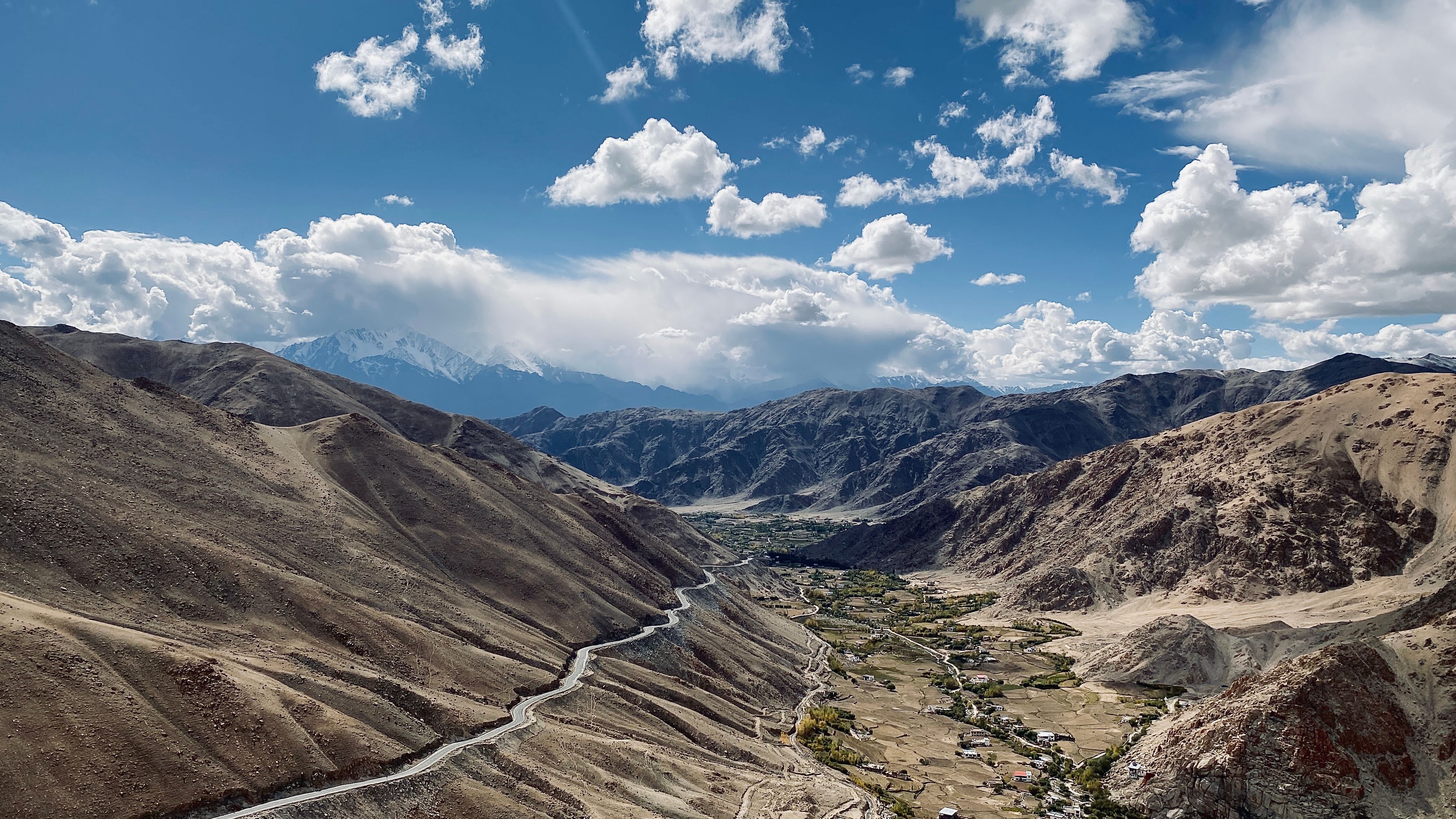
The moment that changed everything for me happened in Leh Ladakh. I captured a landscape shot there that was absolutely breathtaking — the vastness, the light, the silence — it all came together in a single frame. That was the instant I realized photography wasn't just a casual interest anymore. It was the moment I knew I could turn this passion into a lifelong pursuit and even a profession.
Street photographers often say their landscapes are calmer; landscape photographers say their street work is more decisive. How has working both ends shaped your eye?
There's a beautiful synergy between the two. Some of my street shots have actually taught me to be more patient and observant, which directly improved my landscape work. Conversely, the immense scale and openness of landscapes have trained me to see and appreciate minimalism, and I carry that approach into my street compositions. It's a constant back-and-forth that keeps my vision fresh.
What photo best captures the essence of your street photography work?
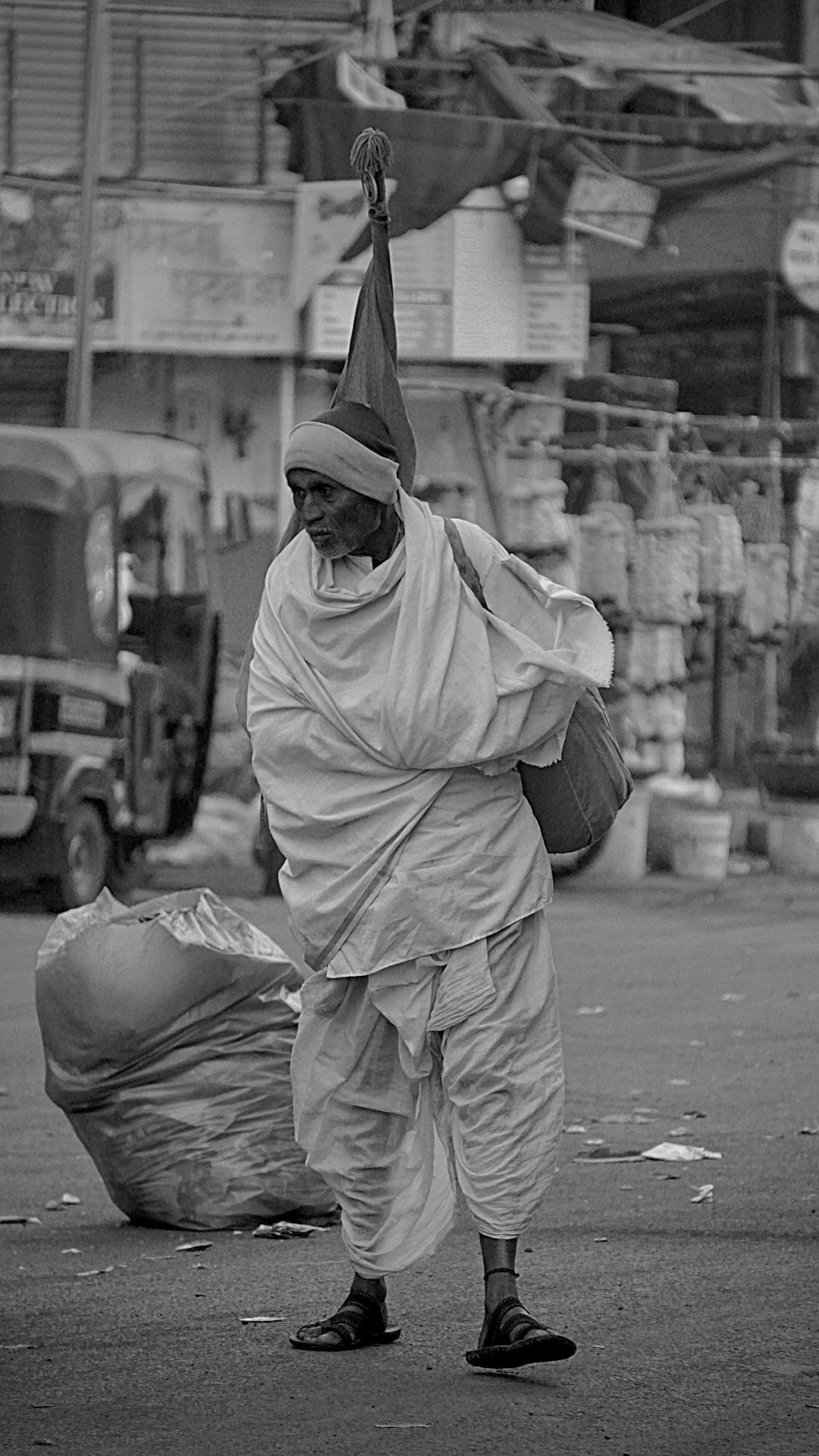
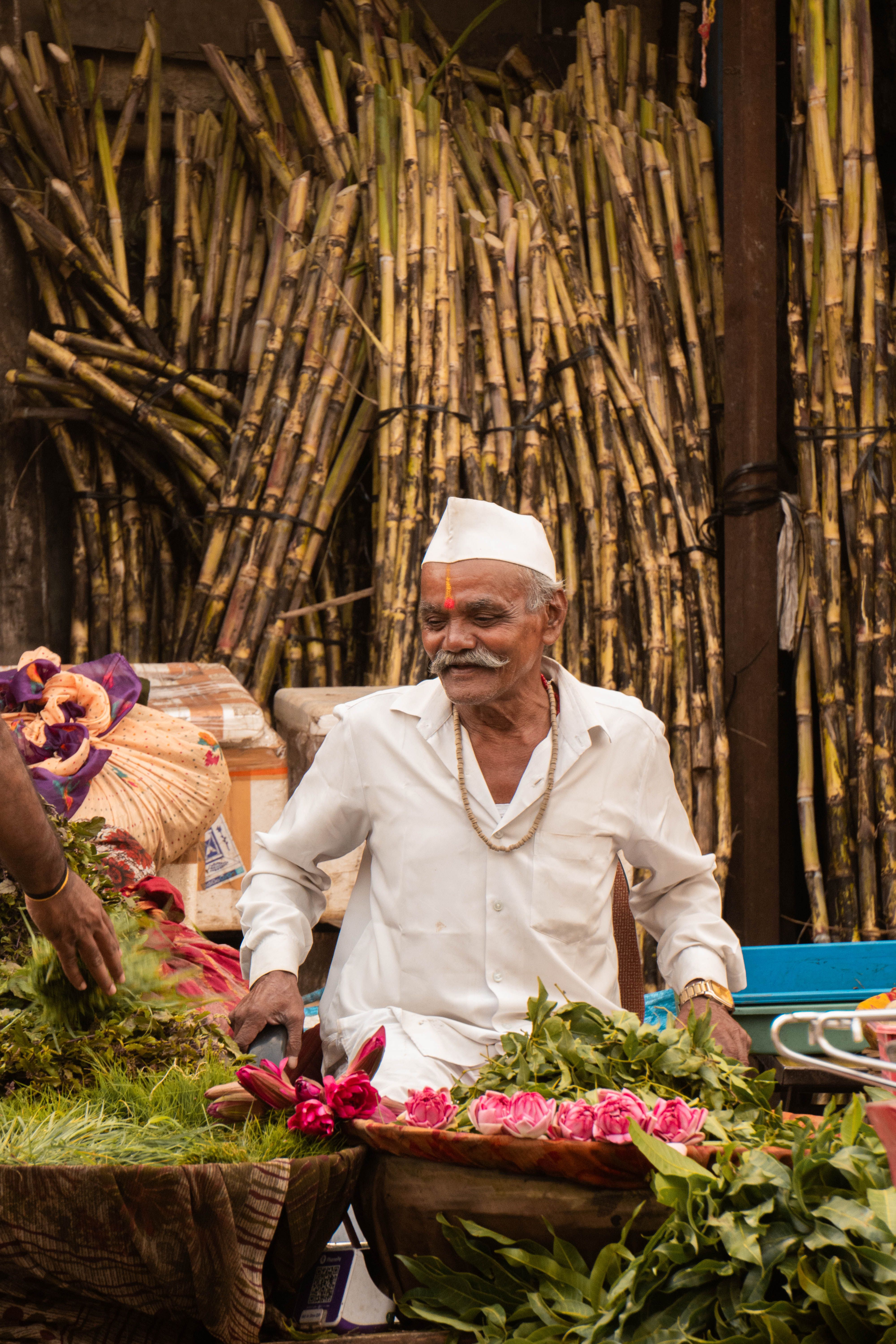
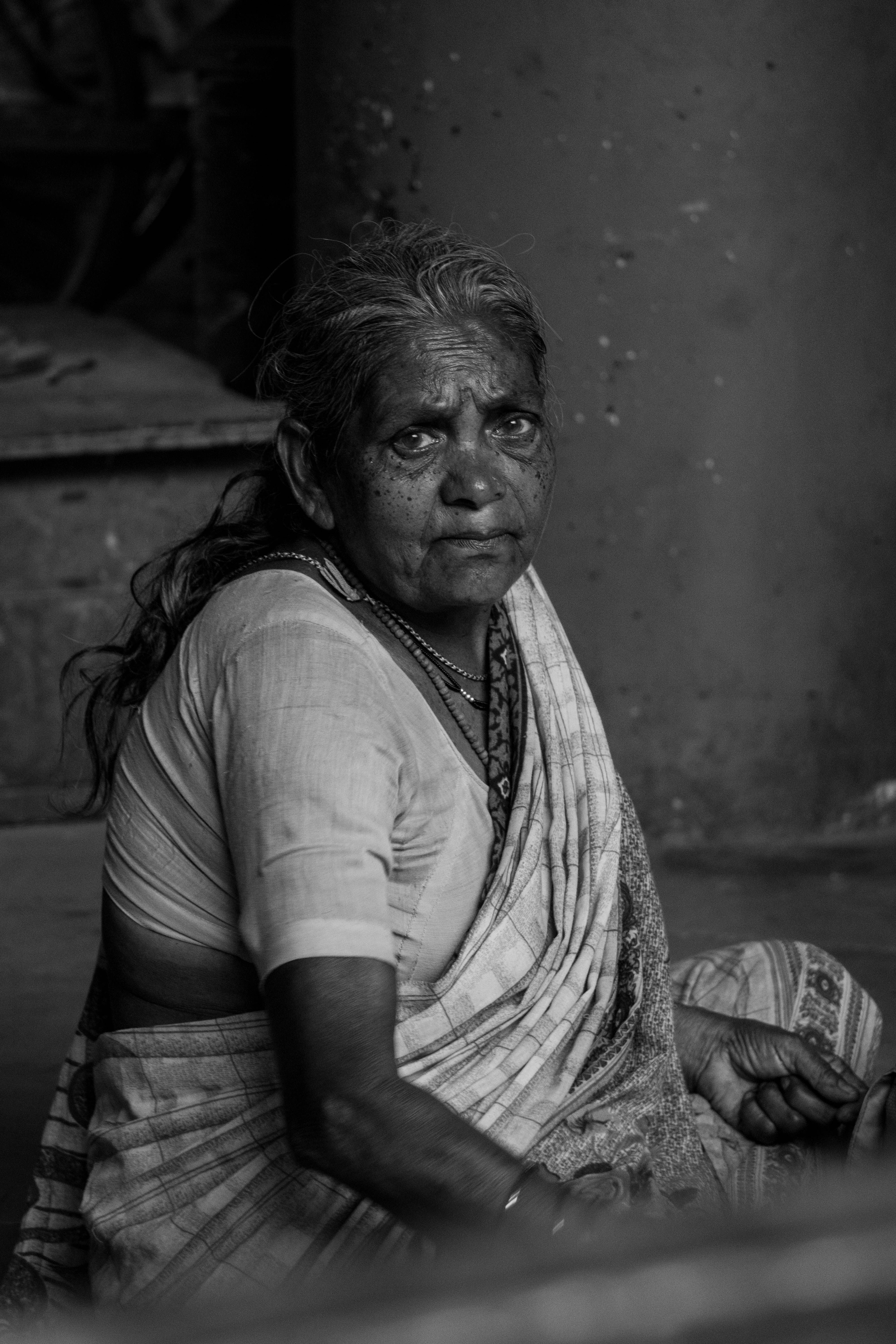
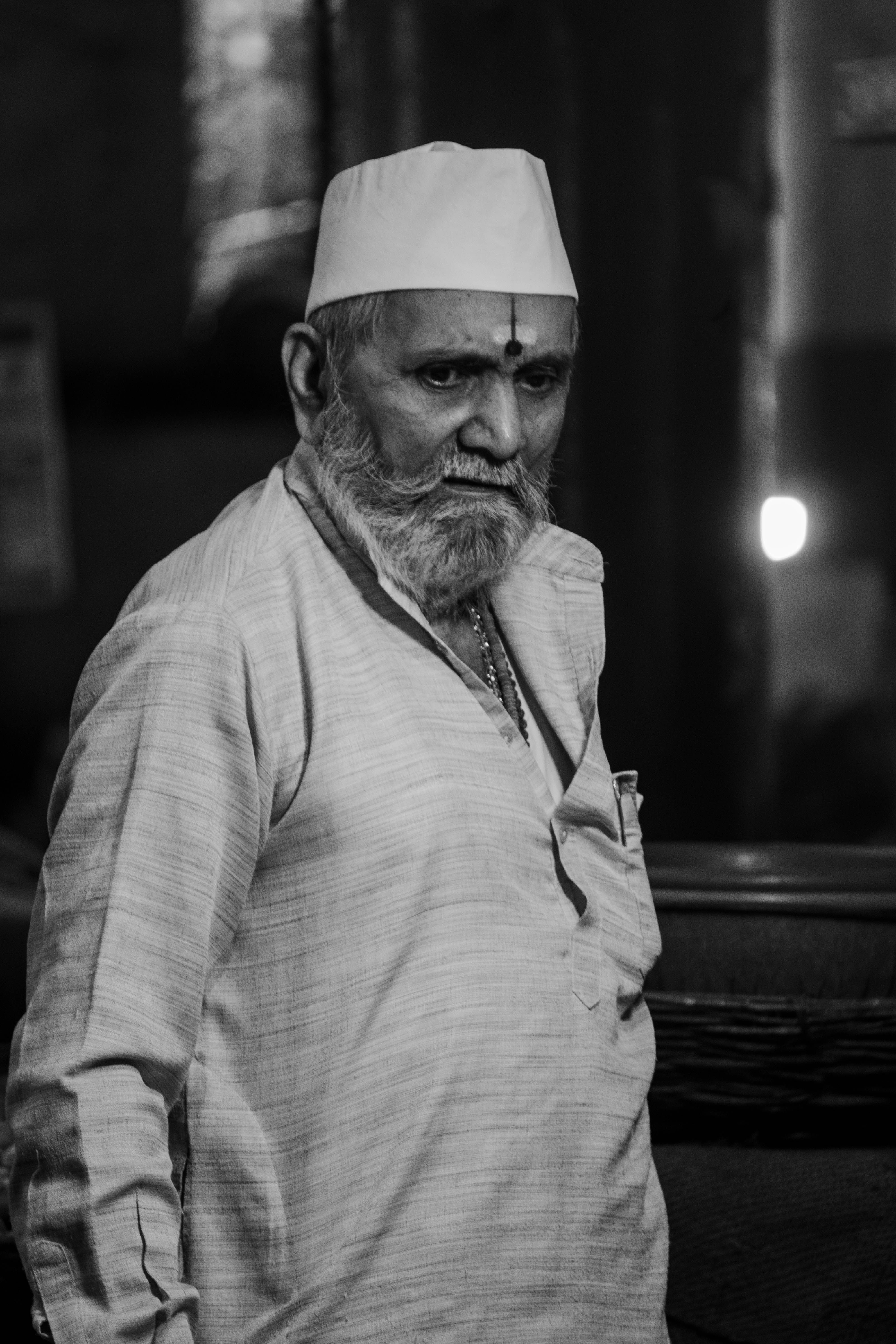
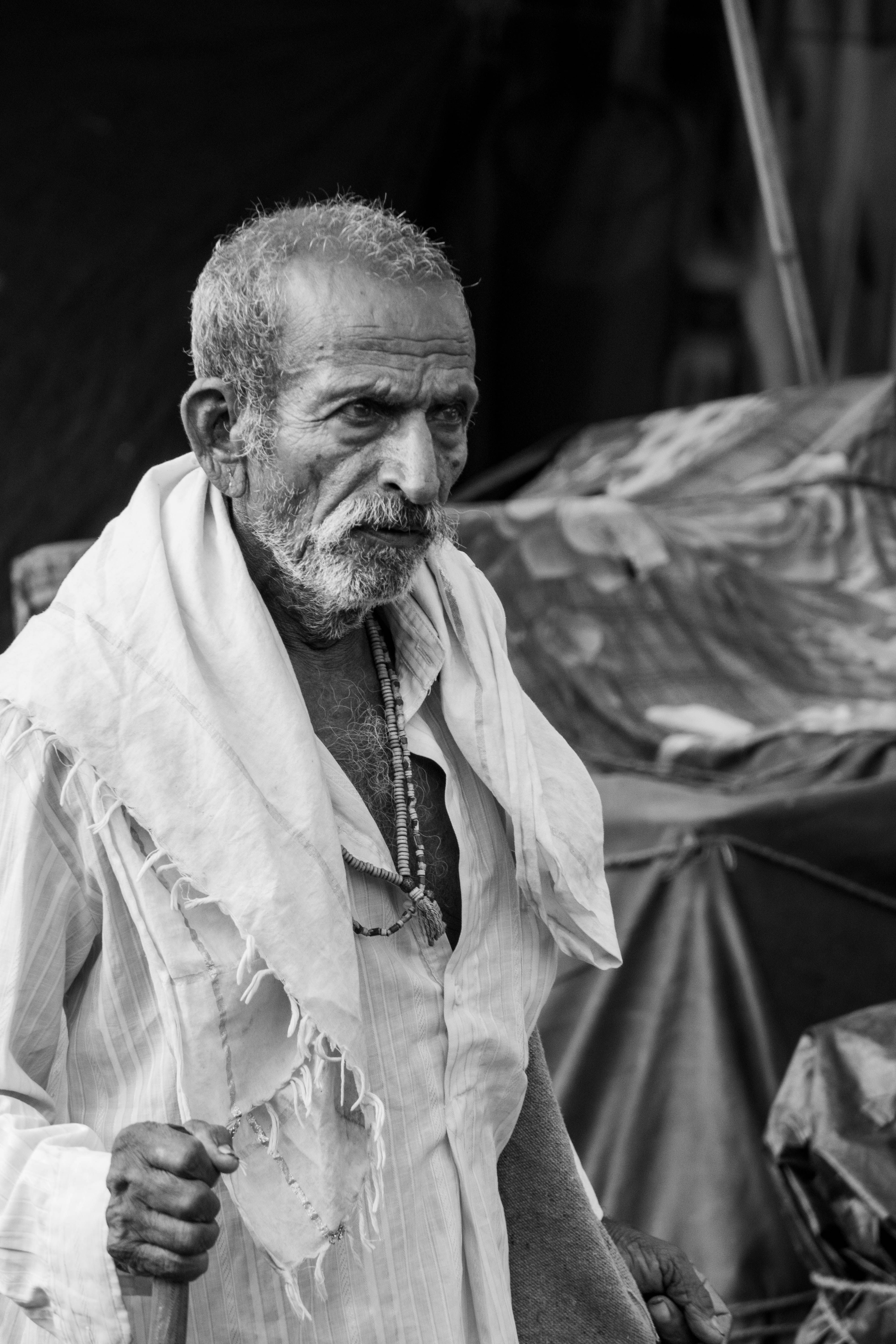
These images tell the story of the city's everyday life. They're about the quiet, candid moments that often go unnoticed — a vendor arranging his goods, a child playing in an alley, the rhythm of commuters. Each frame is a small slice of the city's pulse.
What landscape photo do you feel is your strongest work, and what makes it special to you?
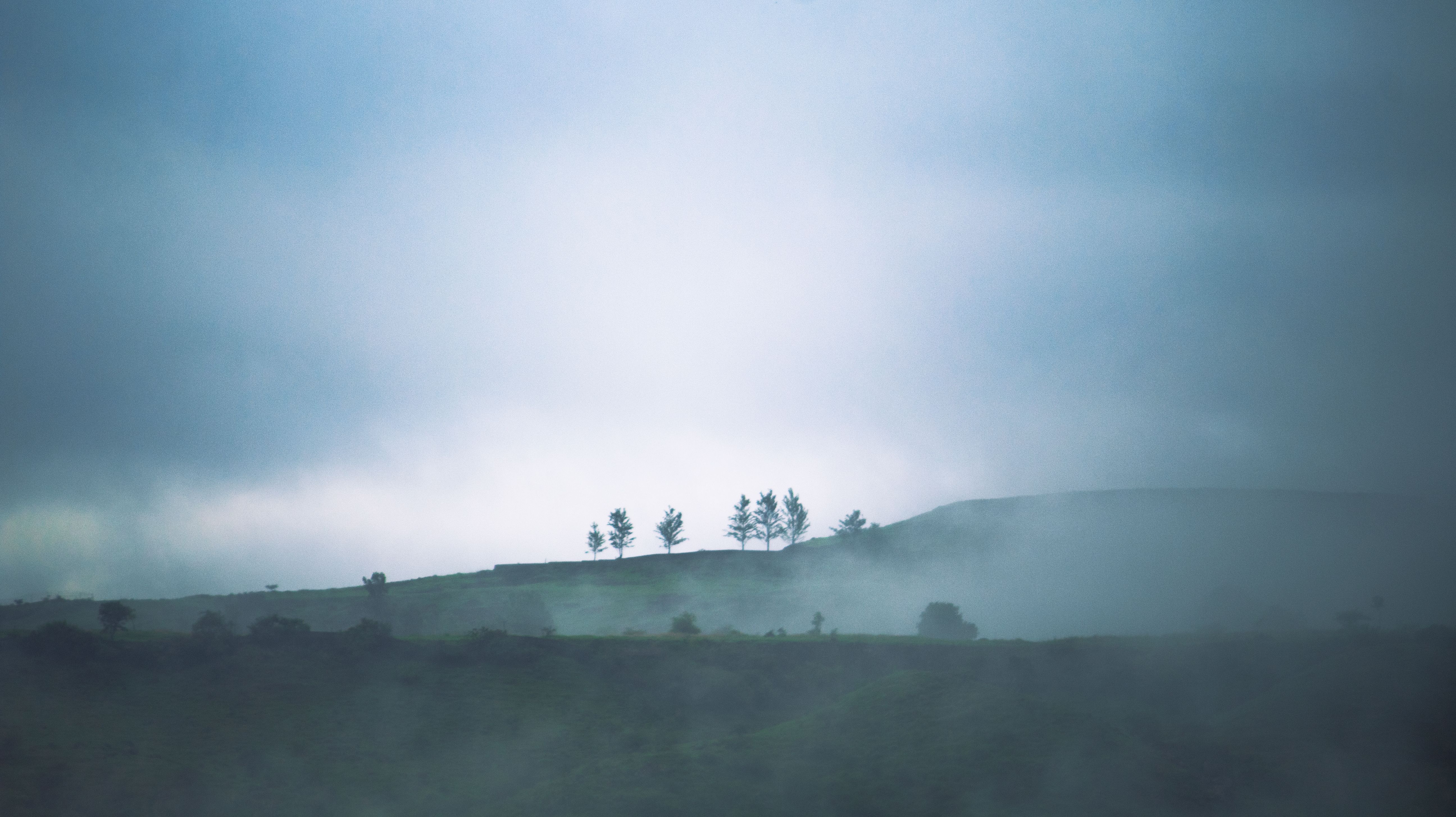
Each of these landscapes holds a very deep, personal meaning for me. They're not just beautiful vistas; they represent moments of solitude, discovery, and connection with nature. One of them, in particular, was taken during a challenging trek where the weather turned unpredictable, and capturing that fleeting light felt like a gift. The effort and emotion behind every shot is what makes them truly special.
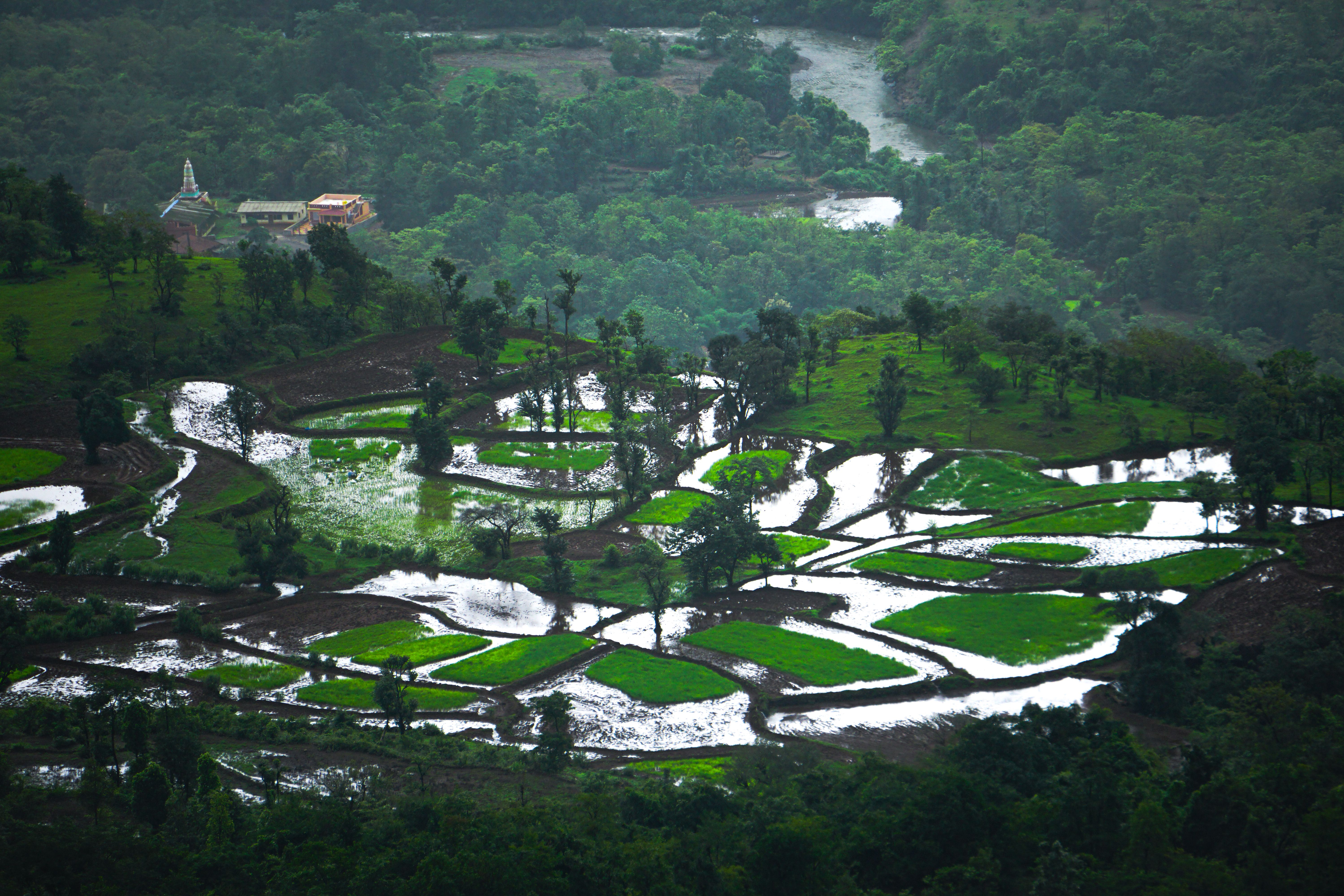
Show us a photo that represents your unique perspective or composition style.
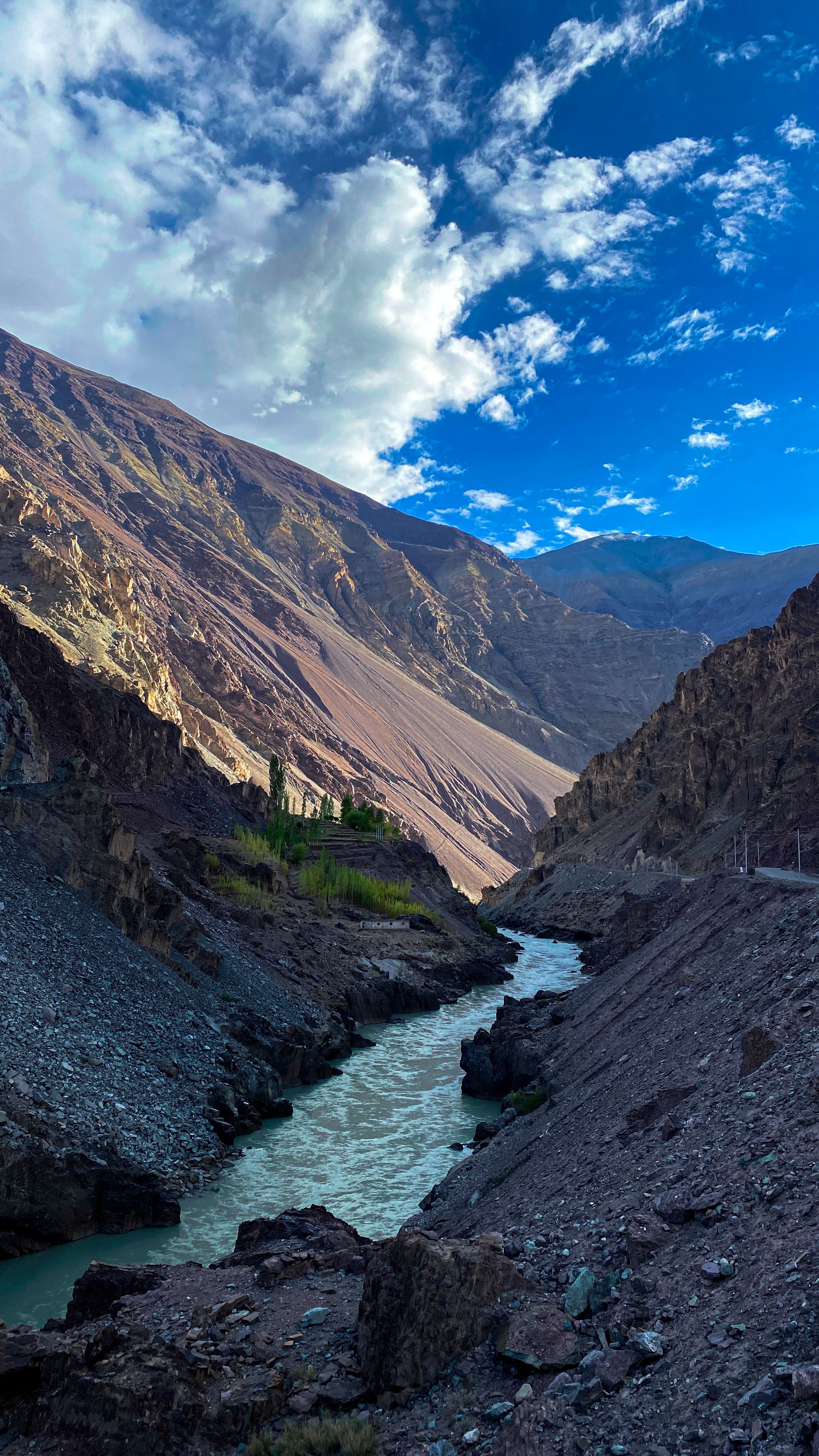
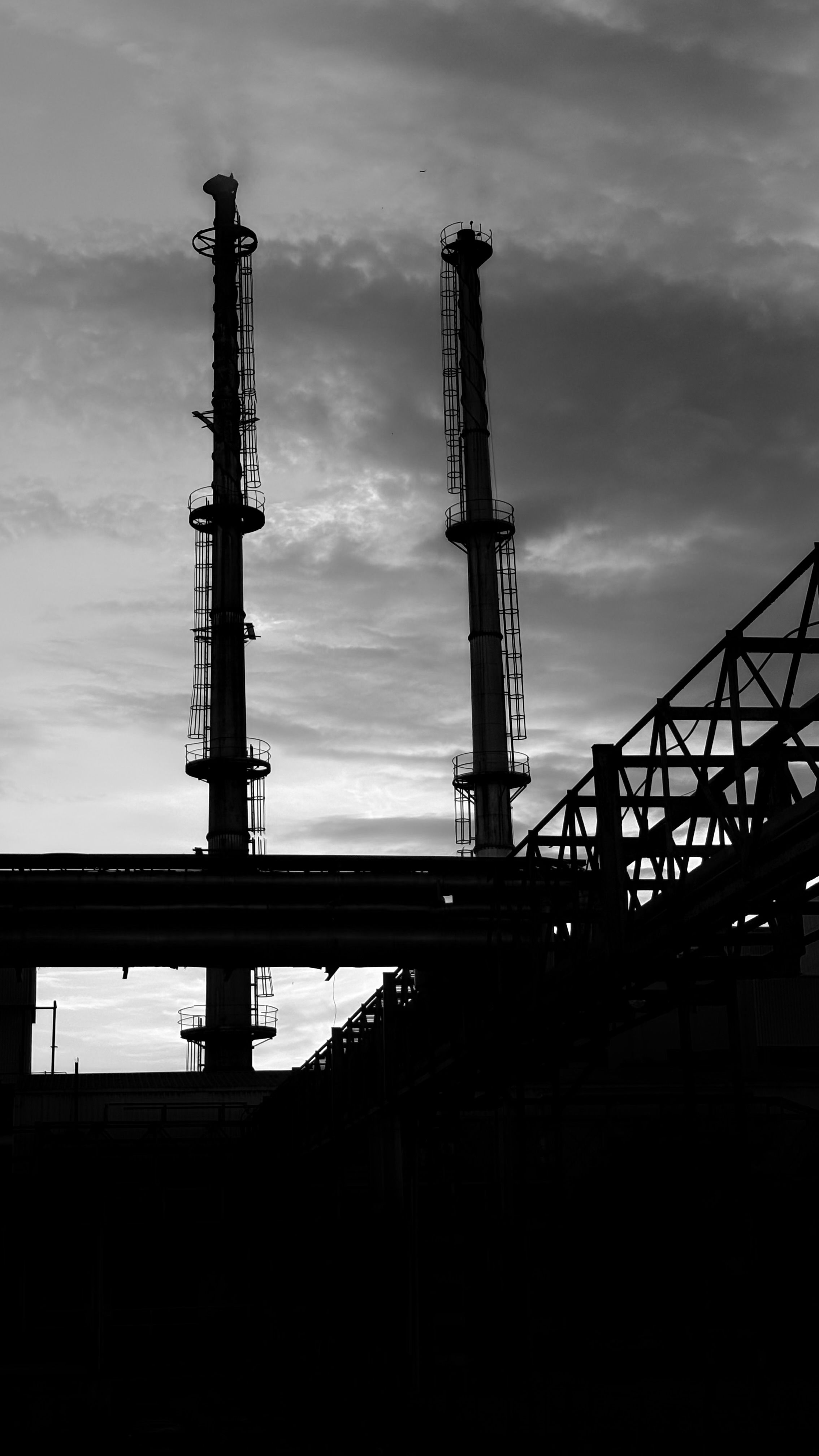
My composition style is rooted in minimalism. I believe that a frame shouldn't be cluttered with unnecessary elements. Instead, I focus on simple, clean lines and negative space that allows the subject to breathe and tell its own story. These photos are a testament to that philosophy — every element within the frame has a purpose.
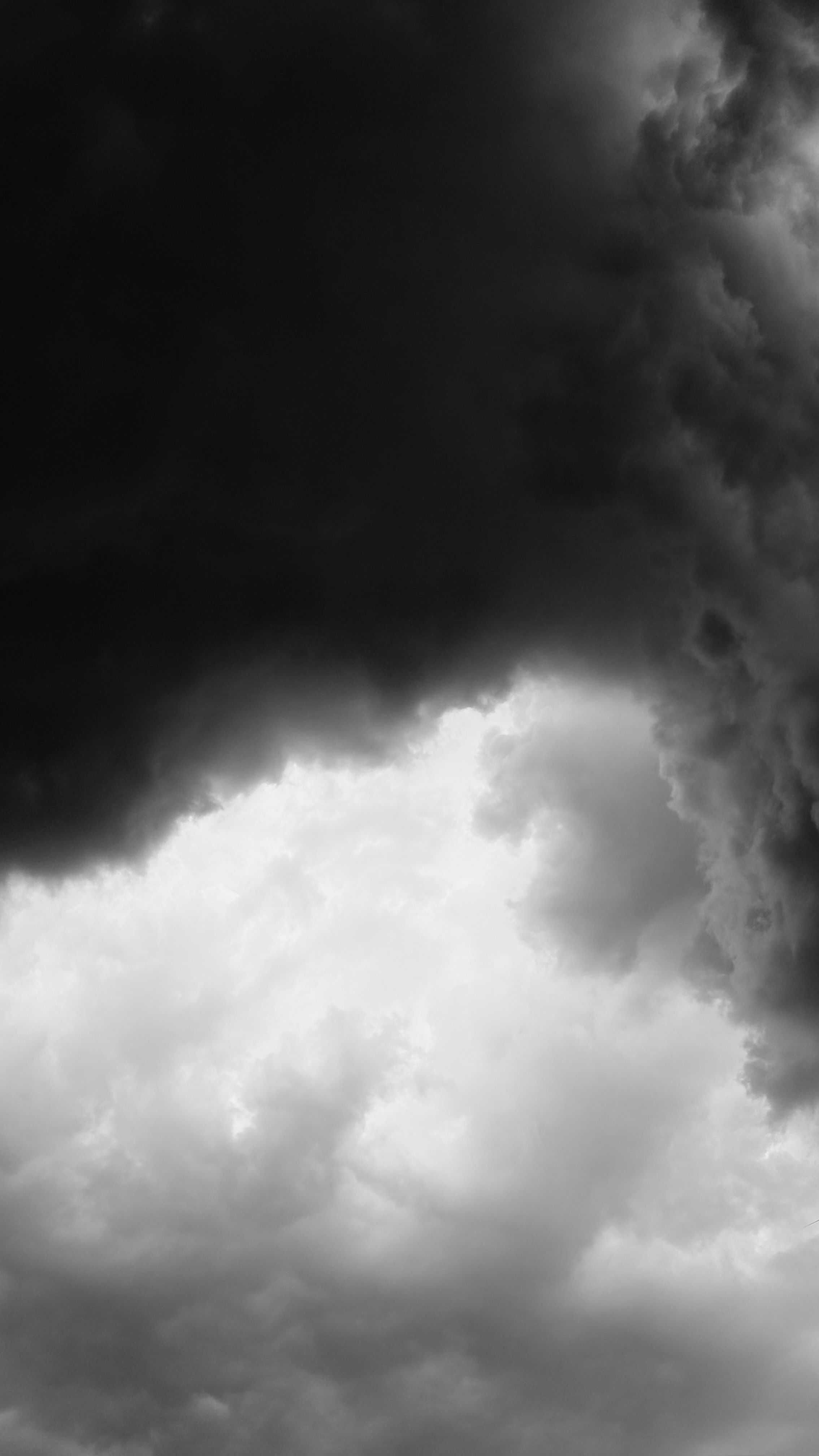
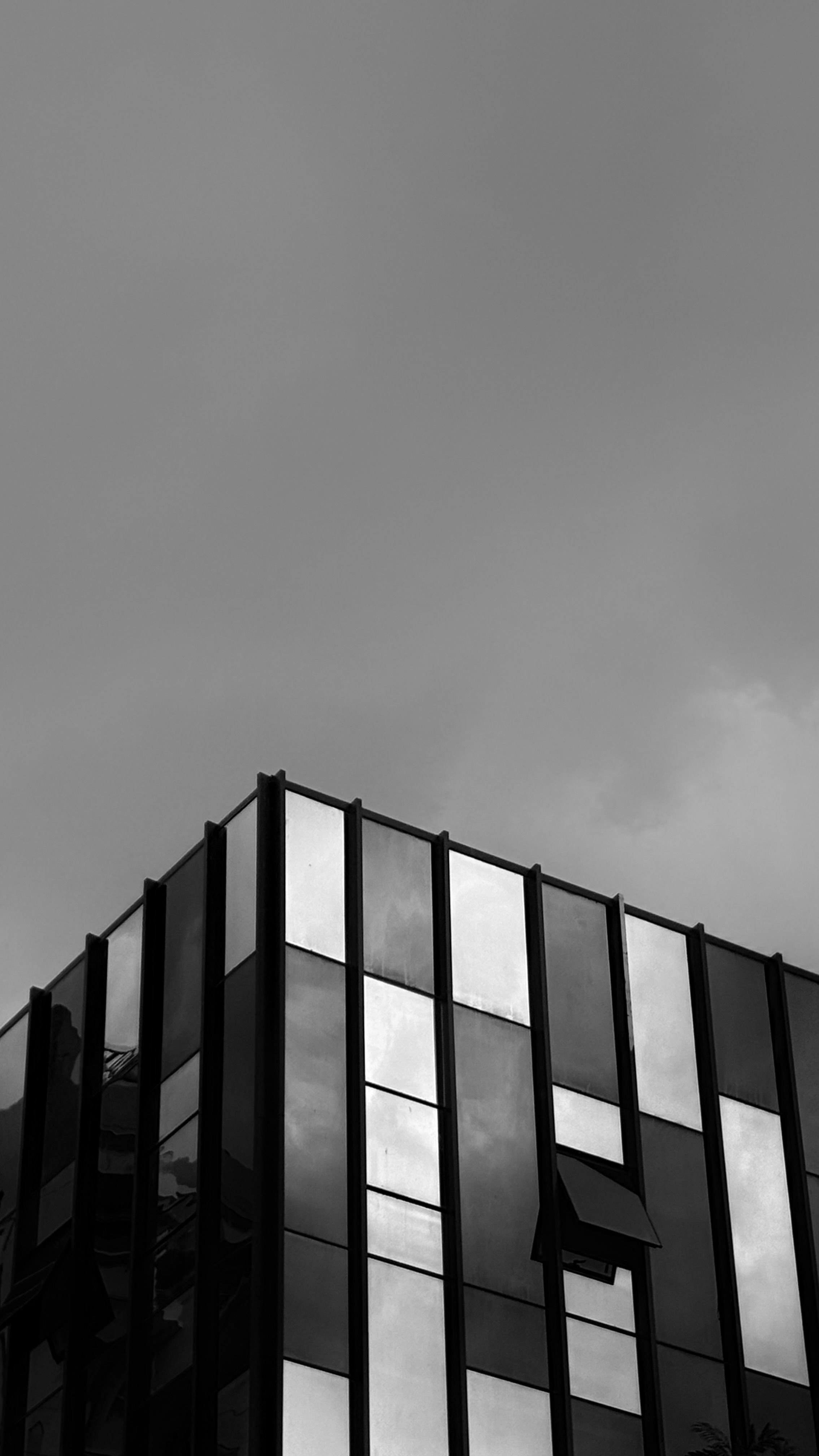
Walk us through the editing process for one of your recent photos.
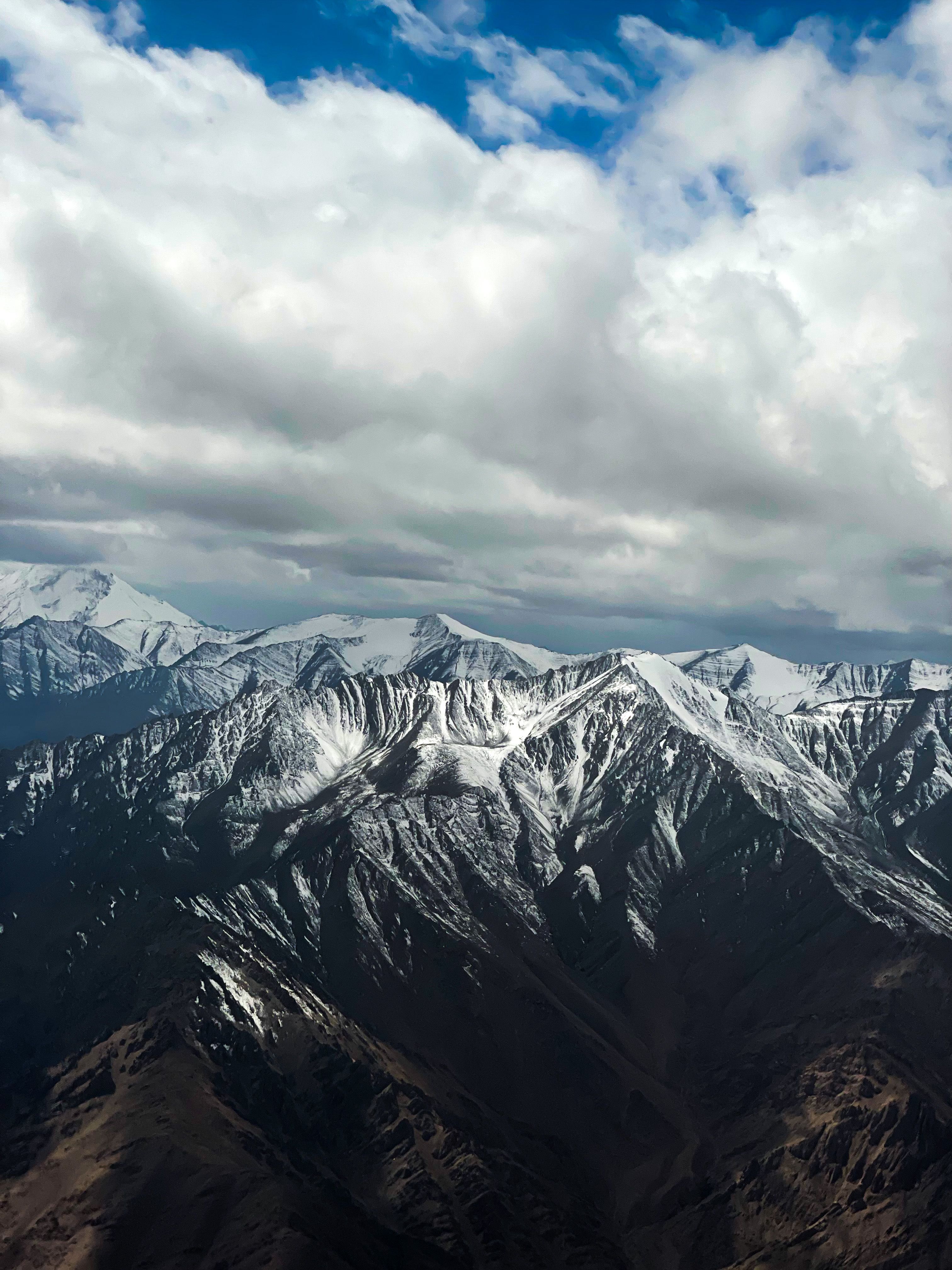
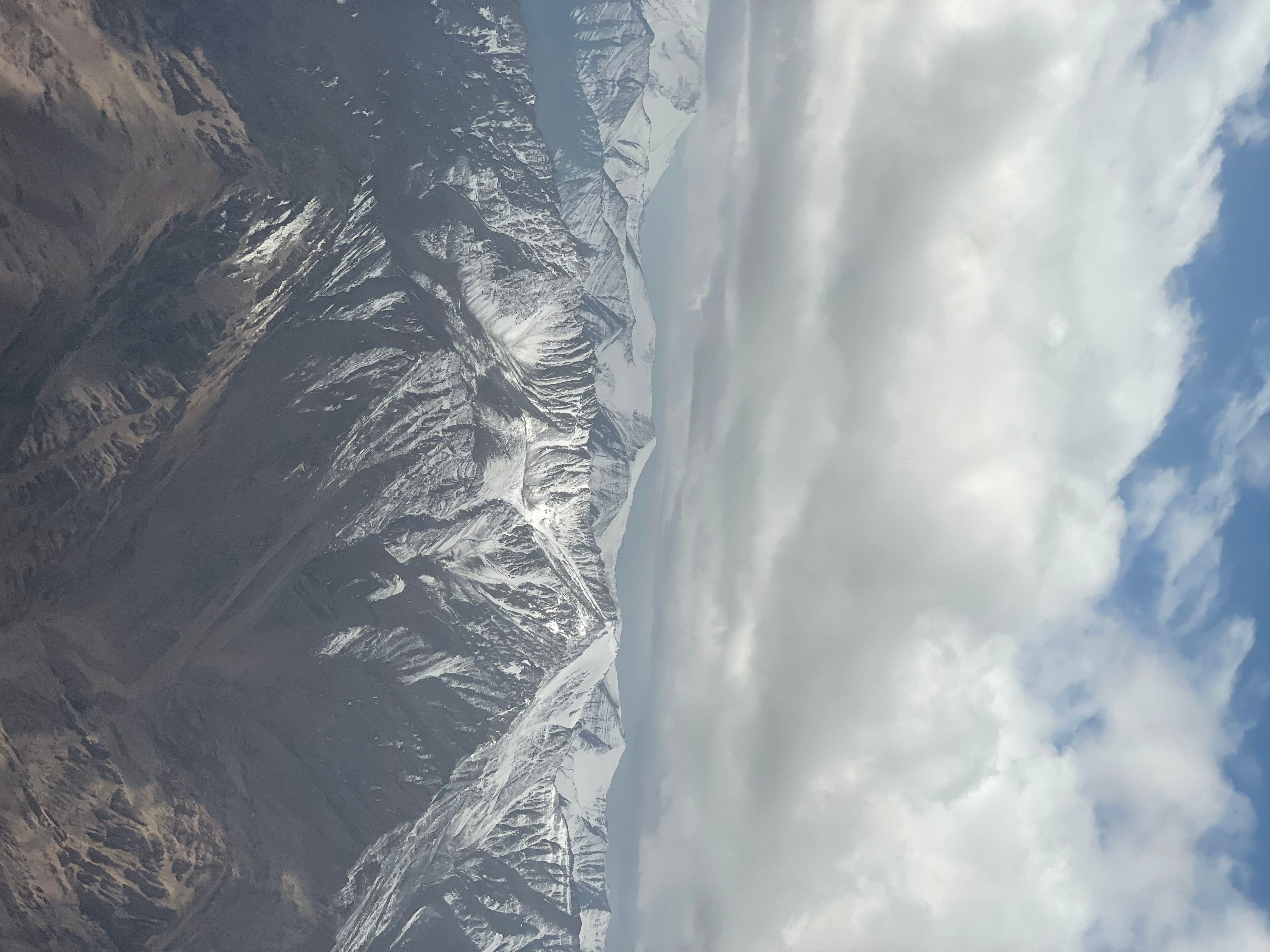
For the photo I shared earlier — the one of the snow-covered mountains — my editing process was entirely focused on bringing out the intricate details of the terrain. I worked extensively on the shadows and highlights to preserve the texture of the snow and the ruggedness of the rocks. The goal was to make the viewer feel the crisp, cold air and the immense scale of the landscape without over-processing it.
What photo represents a turning point in your photography journey, and why is it significant?
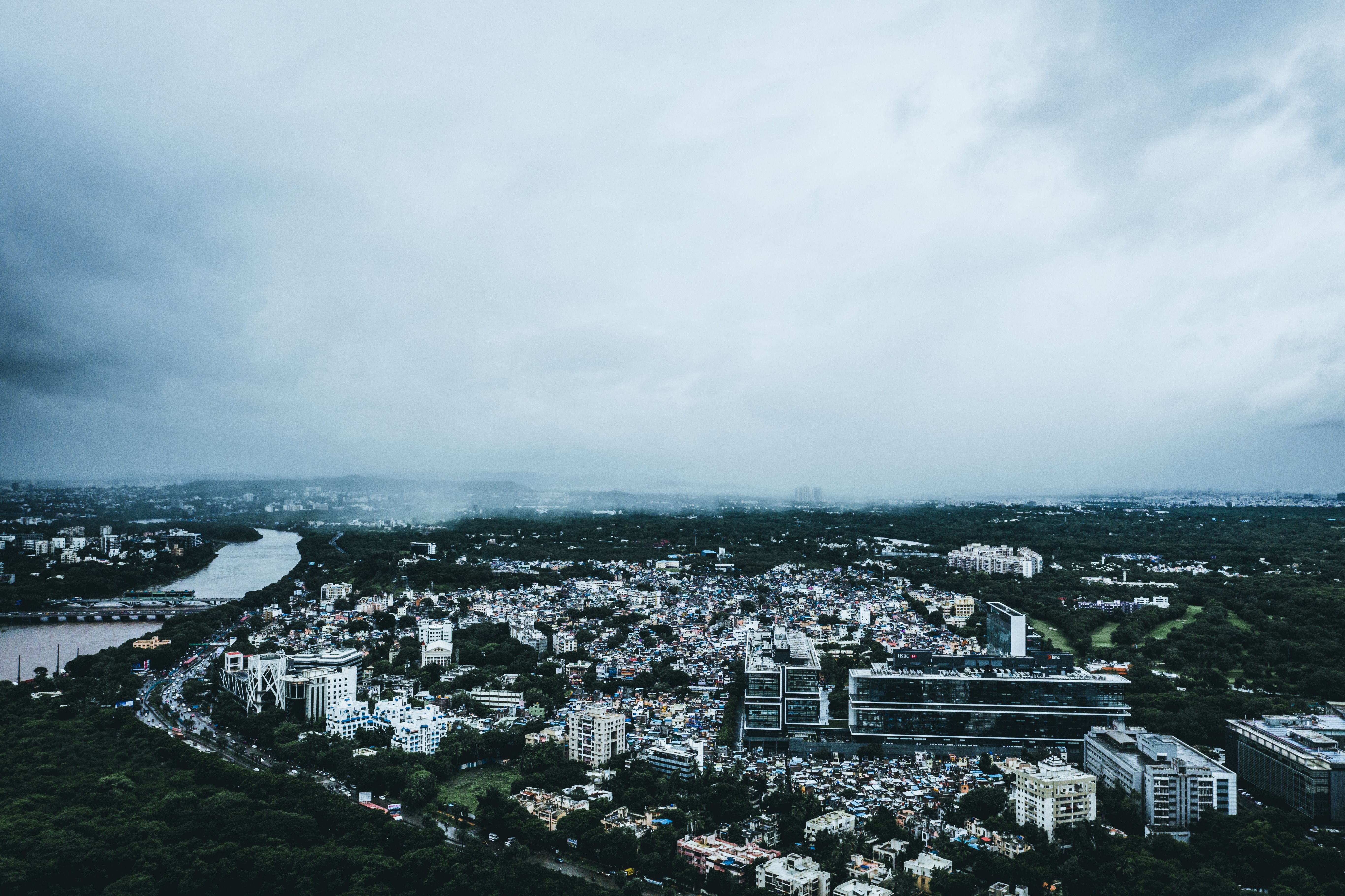
This is a cityscape of the city I come from, captured during the monsoon season. After I took this shot, I showed it to several experienced photographers, and they all pointed out that I have a distinct eye for detail and for capturing atmosphere. The way the editing brought out the mood of the city during the rains — the wet streets, the muted light, the dramatic clouds — that feedback was a major turning point. It gave me the confidence that my vision was unique and worth pursuing.
Contact and Follow
Email: rasanea7@gmail.com
Instagram: https://www.instagram.com/anirudha.rasane?igsh=ZzhnNDJxdjZ5b3l3&utm_source=qr