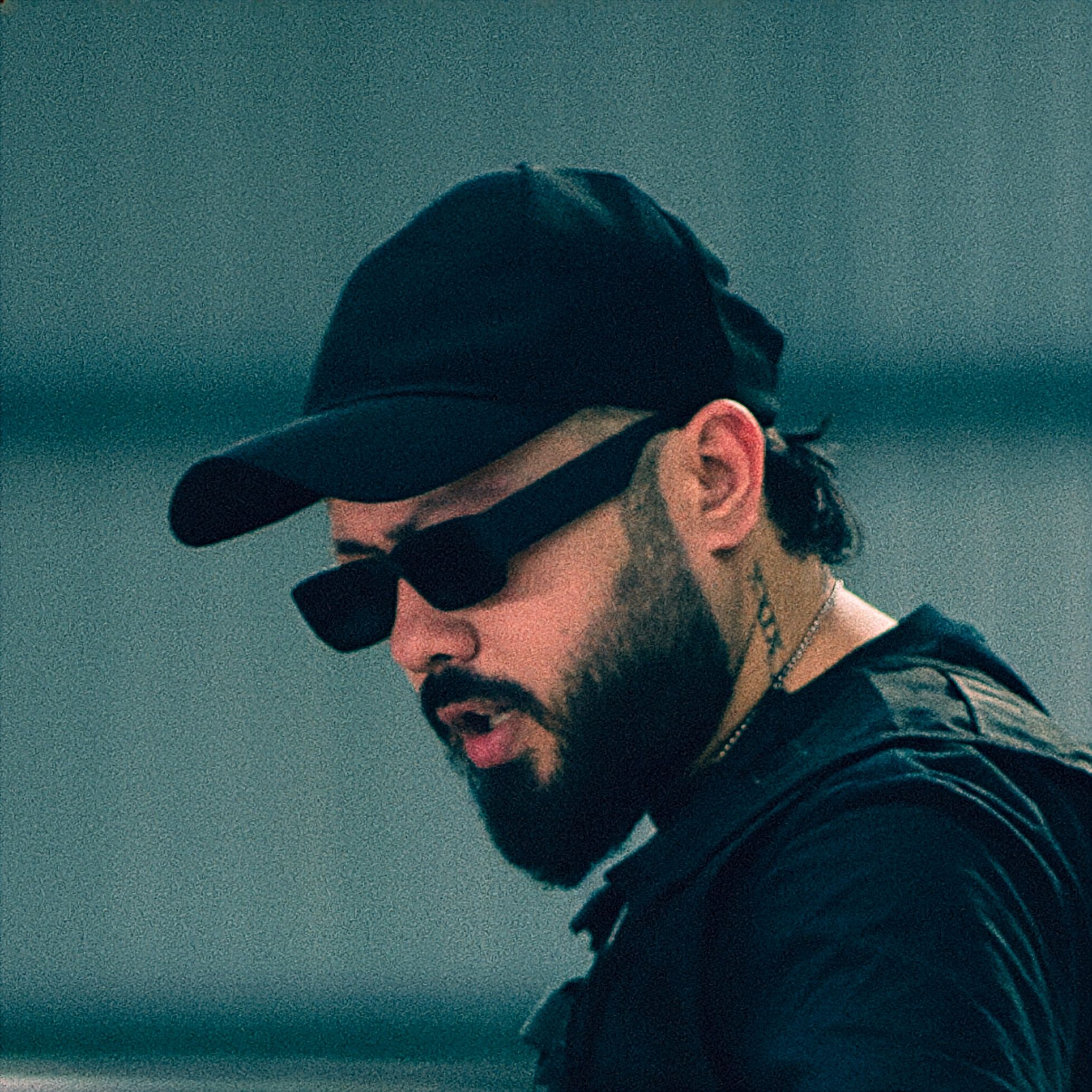



Samad, for those just discovering your channel, tell us a bit about who you are and what kind of immersive journey they can expect when they tune into Little POV Gaming.
I'm Samad Qureshi, and my channel, Little POV Gaming, is all about transforming familiar gaming moments into deeply personal, first-person stories. When viewers press play, I want them to feel like they're stepping into the protagonist's shoes—not just watching a cutscene. My goal is to blur the line between playing a game and living inside a movie. You can expect emotional narratives, cinematic pacing, and a heavy focus on the silent, powerful dialogues that happen inside a character's head during critical moments.
Your strongest POV short from Detroit: Become Human is a fantastic example of your style. Let's talk about that clip you shared with us.
In that clip, the scene revolves around Connor's inner conflict between his programmed mission and his emerging deviancy. I chose that specific moment because it captures that tense, silent decision-making process. The emotion I was trying to build was a mix of dread and hope—that feeling when you know you're about to cross a line, but you have to do it anyway. I wanted the viewer to feel the weight of that single button press.
What inspired you to move from standard short-form gaming videos to this deeply emotional POV storytelling style? What was the turning point for you?
It honestly started with a realization that most gaming content was about skill or laughter, but very few creators were tackling the raw, intimate psychology of a game's protagonist. Early on, I was just posting funny clips or quick kills. But then I played a scene in Detroit: Become Human where Markus has to make a decision about his father figure, Carl. I replayed that scene five times, and each time, I felt something different. I thought, 'Why isn't anyone making these moments feel like a memory?' That's when I started removing the 'game' layer—I stripped away the HUD, the side commentary, and just focused on the character's breathing and blinking. That piece went viral, and I knew I had found my voice.
When it comes to those pivotal decision moments in story-driven games, what makes a choice feel truly personal or intense to you, and how do you capture that feeling on camera?
For me, the intensity of a choice lives in the silence right before you press the button. It's not about the explosion or the dramatic music; it's about the character's micro-expressions. A twitch of the eye, a slight hesitation in their walk cycle. In my edits, I linger on those moments. I'll slow down the pacing by 20% and add a low hum of ambient drone music. I want the viewer to feel their heartbeat sync with the character's. For example, a choice in Life is Strange about sacrificing Chloe—I didn't just show the dialogue wheel. I showed Max's hands trembling while holding the photo. That's the real 'choice.'
Walk us through your workflow. Could you describe the three key steps you follow when turning a raw gameplay clip into a cinematic POV story edit?
Absolutely. First step is 'Select & Deconstruct.' I watch the raw footage three times. The first pass is just to feel the emotion. The second pass, I mark every meaningful pause, every impactful line, and every camera pan that feels cinematic. The third pass, I strip away all the 'game' noise—menus, health bars, and UI elements. Second step is 'Pacing & Atmosphere.' I drop the clip into my timeline, then I treat it like a movie. I cut out all the dead air between dialogue, but I keep the silences that communicate anxiety. I match the BPM of the background music to the character's emotional state—slow for sadness, a slight quickening for tension. Third step is 'Immersion Layering.' I add a subtle vignette, a slight color grade (cool for memories, warm for present), and finally, the captions. But the captions are never just the dialogue. They're internal thoughts, fragmented and raw. That's the secret.
What's your rule for writing captions that bridge a game moment to real-life feelings? Can you share an example from your work?
My rule is simple: 'Show the whisper, not the scream.' If the character says they are angry, I don't write 'He is furious.' I write a caption like 'His fist clenches... like the last time he saw her.' I connect the game's visual language to a universal human memory. For instance, in a scene from The Last of Us where Ellie is looking at a skeleton, I didn't write 'She is scared.' Instead, I wrote: 'Everyone left... except the ghosts that stay.' That turns a game asset into a relatable ache. The caption should feel like a diary entry that was never meant to be read out loud.
In terms of sound design, what specific audio choices did you make in that one clip that you feel really did the heavy lifting for the story?
In that specific sound-focused clip, I made a deliberate choice to remove the game's original score entirely. Instead, I used three distinct layers: First, a very quiet, looping sound of a heartbeat. Second, the sound of rain hitting a metal roof—slightly distorted. Third, a single, sustained cello note that only plays when the character makes a moral choice. The absence of the game's bombastic music forced the viewer to focus on the character's breathing. When the choice happens, I cut the rain sound for half a second. That silence created a 'pin drop' effect, making the viewer feel the isolation of the decision. The emotion I aimed for was a hollow kind of peace—accepting a terrible outcome.
Contact & Follow
Email: edgemoto11@gmail.com
Instagram: https://www.instagram.com/littlepovgaming?igsh=M29wcHAzcXR3eWV5
Youtube: https://youtube.com/@littlepovgaming?si=9A6HiTlLvSoWG33_