

What first pulled you toward photography, and how did that turn into shooting seriously with your phone?
Observing nature was what first pulled me toward photography. I am a curious person, and I have always wanted to understand the little things happening around me—how birds build their nests, the patterns in leaves, and the way animals interact with each other. One day, I noticed an army of ants carrying a grain of sugar. What caught my attention was that they were helping each other, passing the grain from one ant to another. I loved watching them. That small moment made me want to explore nature more deeply—animals, birds, and eventually even people. At some point, I realized that photography could be my way of exploring and understanding the beauty of the world around me. I didn't have an expensive camera, and many people told me that I needed one to take photography seriously. I couldn't afford it, so I started with what I had: my Realme C2 phone. I began photographing everything that caught my eye and treated the limitations of my phone as a challenge rather than an obstacle. It made me believe that when something is truly your passion, you don't always need expensive gear to begin. You need curiosity, patience, and the willingness to keep looking.
Do you remember the first photo you took that made you think, 'okay, I actually love this'? What was it?
The first photograph I took that made me think, “Okay, I actually love this,” was a photograph of a flower. I know many people might have a similar first photograph, but I didn't just see the flower and take a picture of it. I first observed its petals. I noticed how they were arranged almost like a perfect geometric pattern, and I was fascinated by the colours. I started looking at the flower differently—not just as a flower, but as something with patterns, structure, colour, and beauty that I had never really noticed before. That moment changed something in me. I realized that photography could make me look at ordinary things in a completely different way. From that moment, photography became more than just taking pictures for me—it became my dream.
You call yourself self-taught—who or what taught you the most along the way, whether it was other photographers, YouTube, or just trial and error?
I call myself self-taught because I didn't have a formal photography teacher when I started. A lot of my learning came from observing the world around me and experimenting with my own photographs. I learned some composition techniques through YouTube, and I also learned by studying the work of other photographers. I would look at their photographs and try to understand how they used composition, light, perspective, and framing. But I didn't just try to copy what I saw. I experimented with those ideas myself and learned through trial and error. Since I started with a mobile phone, I often had to find creative ways to work within its limitations. So I would say YouTube and other photographers gave me knowledge and inspiration, but observation, experimentation, and trial and error taught me how to develop my own way of seeing.
Walk us through one of your Vivo, Yardley, MacBook, or Floral Muse SPEC campaign shots—how did you light and style it, and what made you pick this product for your portfolio?
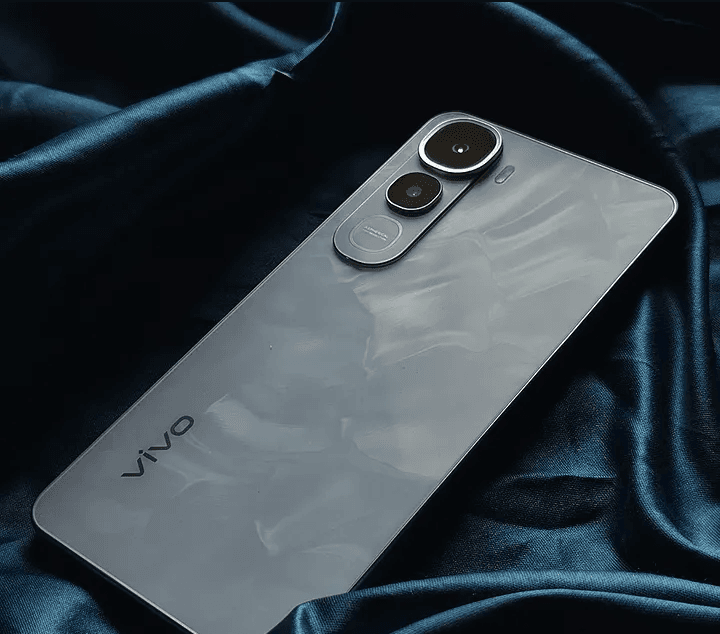
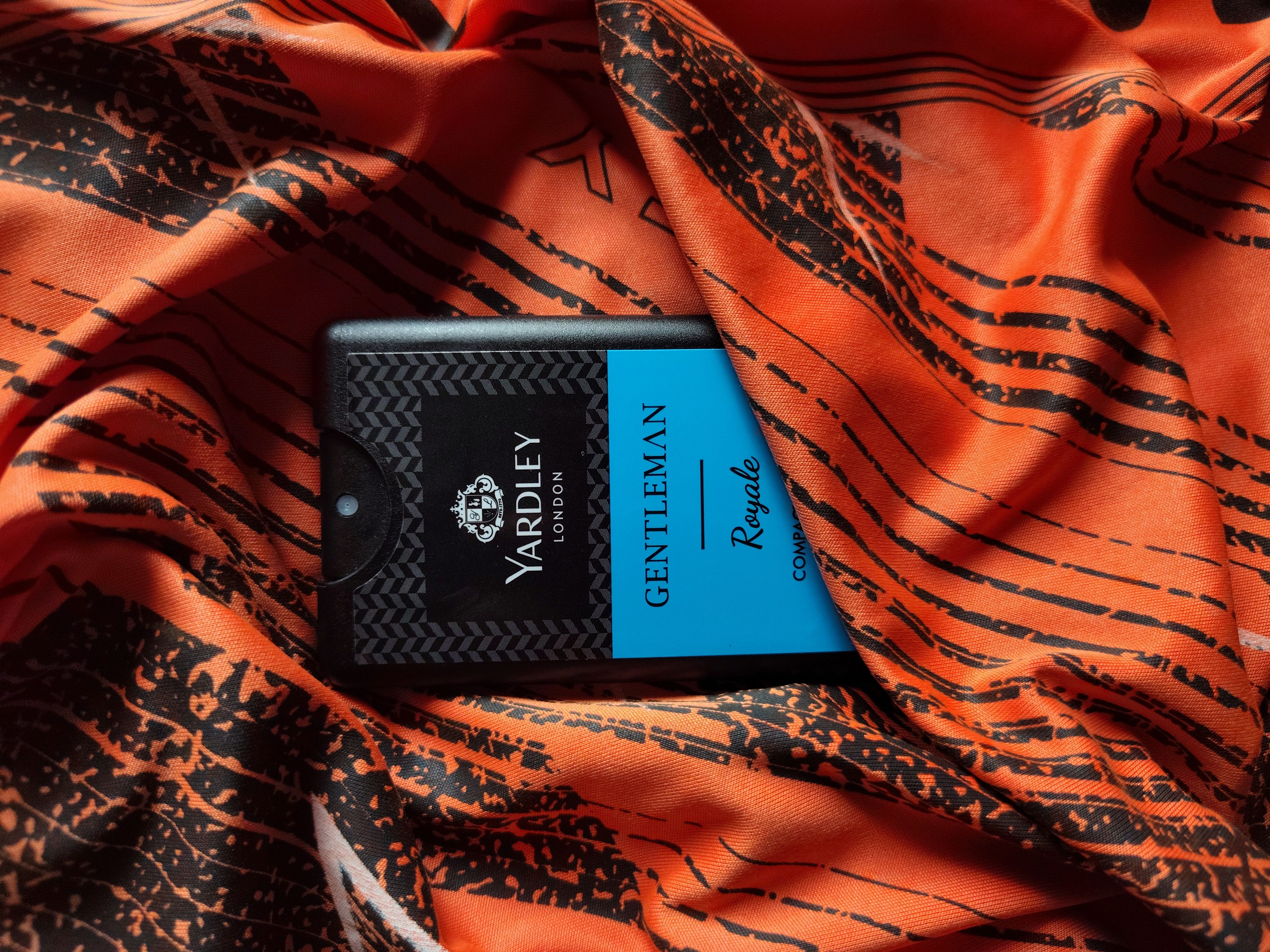
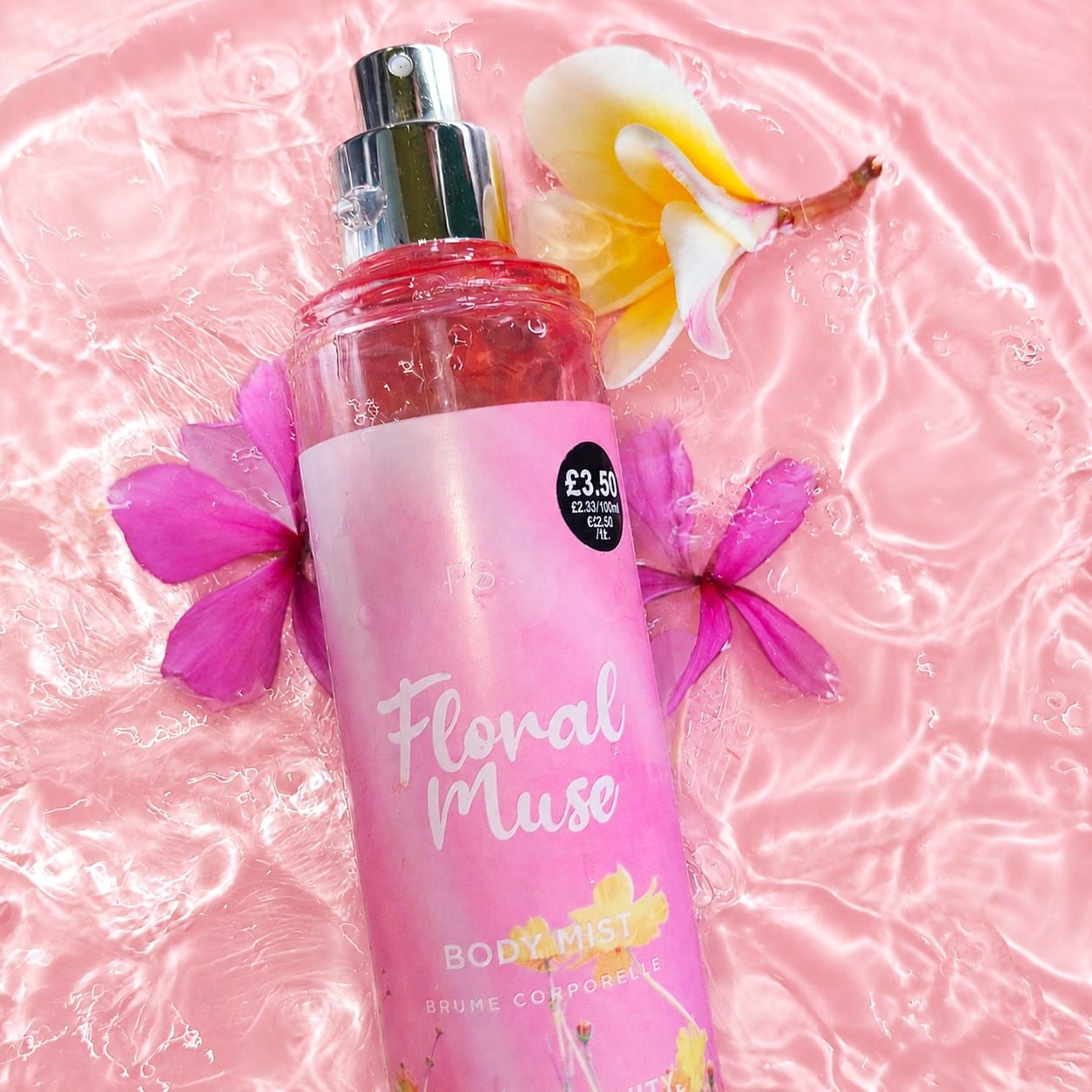
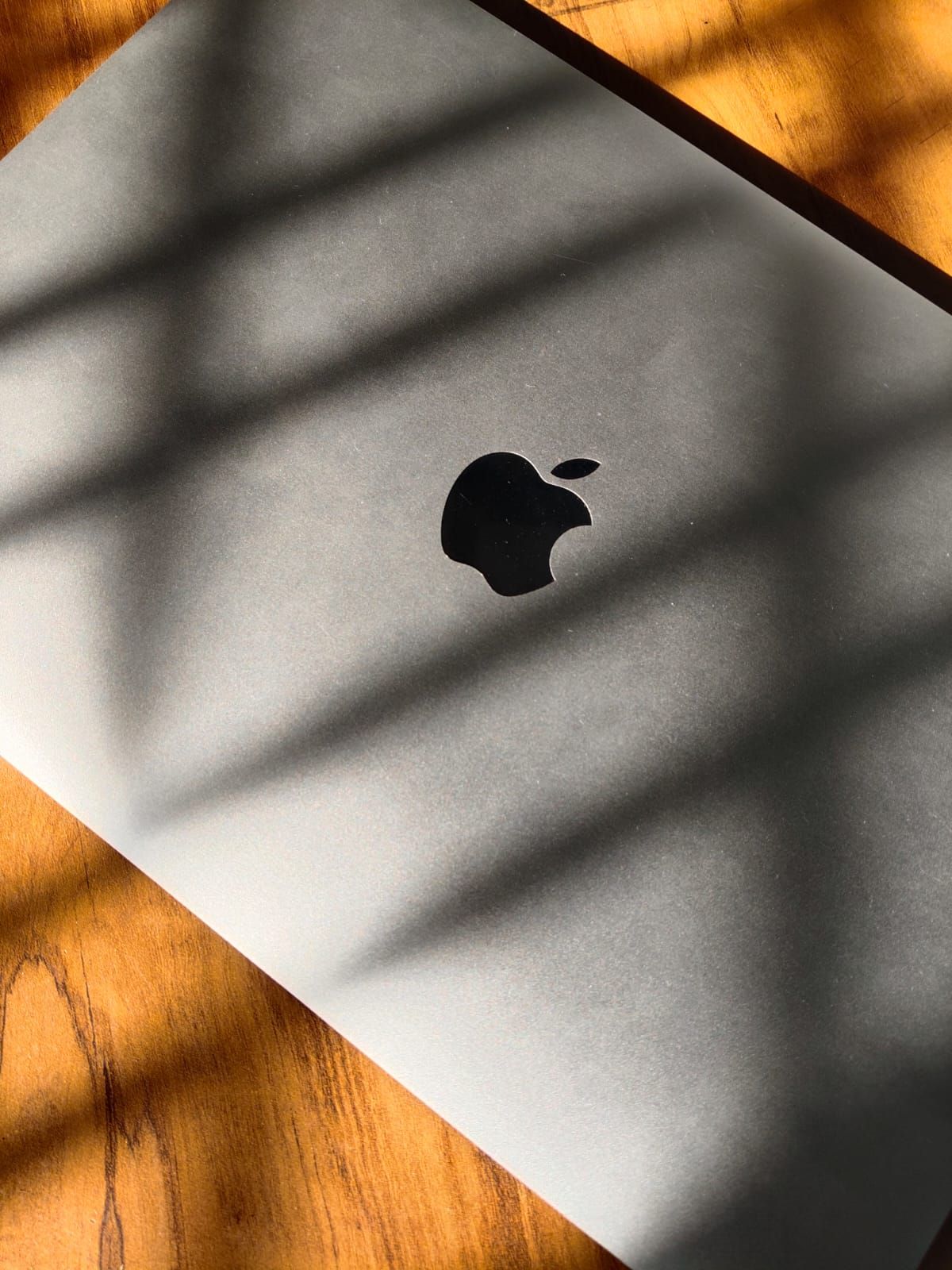
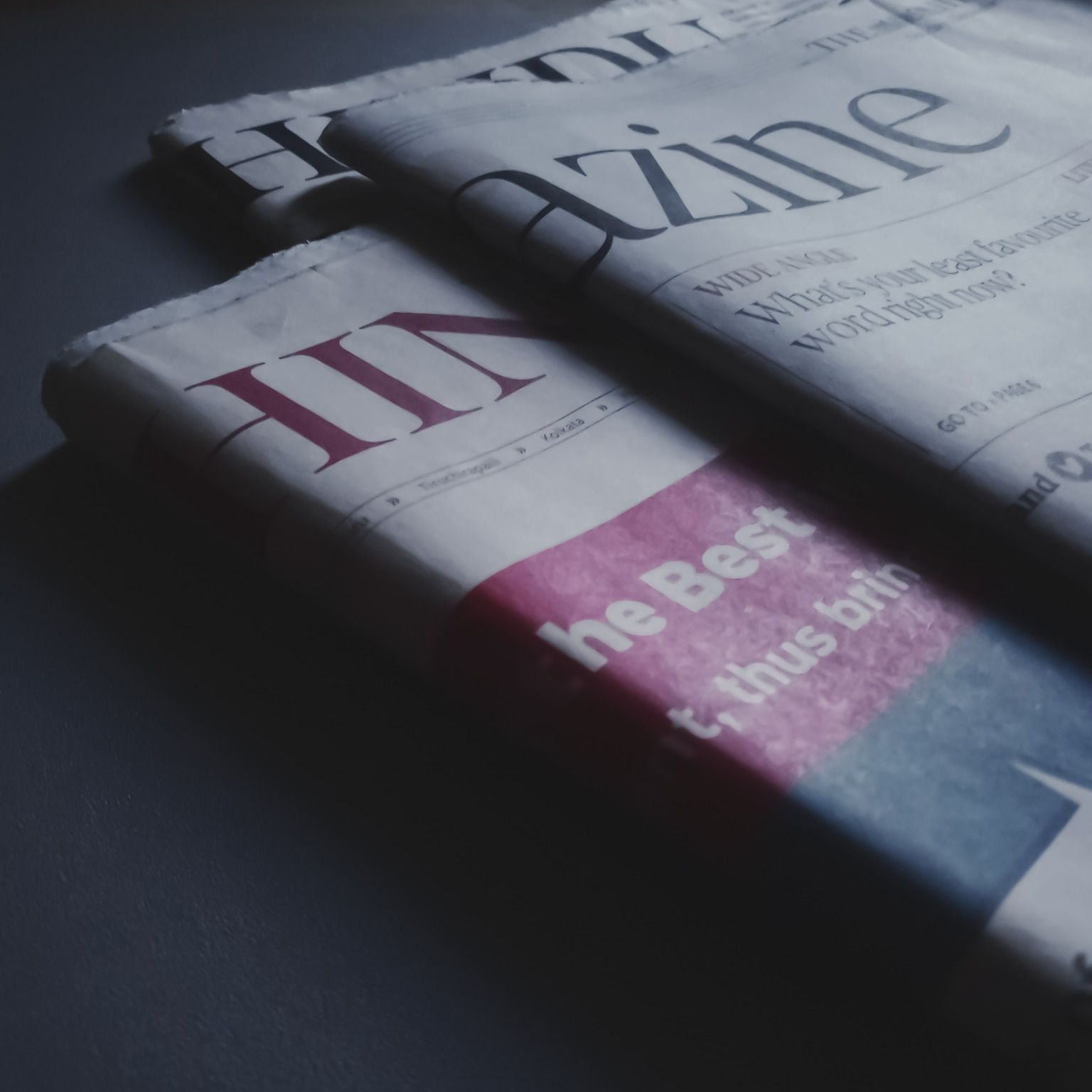
Before shooting a product, I first study it carefully—its colour, shape, material, and what kind of visual style would suit it. I also look at references to understand how similar products are styled in advertisements and what kind of props and backgrounds are being used. After that, I decide what I want the image to communicate and start choosing the background, fabrics, and props. I usually aim for an advertising or cinematic look that feels clean, professional, and visually appealing. One thing that is different about my process is that I don't use artificial lighting for my product photography. I work entirely with natural sunlight. Before shooting, I observe the quality and intensity of the light—whether it is harsh, soft, diffused, or causing overexposure—and then I find ways to control it. For example, in my MacBook and Vivo photographs, I used natural sunlight. I use simple household materials to modify it, such as a white cloth as a diffuser. When shooting near a window or doorway, I also use curtains and change my position to reduce or soften the intensity of the light. I enjoy this process because it challenges me to create a professional looking product photograph with very minimal equipment. I photograph with my mobile phone and use whatever is available around me to shape the light and build the scene.
What's in your kit—the phone, any lenses, lights, or DIY tricks you lean on to get that clean, minimal product look?
My kit is very simple. I primarily use my Realme C2 mobile phone to photograph my products, and I don't use any external lenses or artificial lights. For lighting, I rely completely on natural sunlight. I observe the direction and intensity of the light and move the product or change my shooting position to get the look I want. I also use simple household materials as DIY tools. A white cloth can work as a diffuser when the sunlight is too harsh, and curtains near a window or doorway help me reduce the intensity of the light. I also use fabrics, household objects, and simple props to build the background and styling. For me, the challenge is to create a clean, minimal, professional-looking product photograph with whatever I already have. My kit may be simple, but it pushes me to be more creative with light, composition, and styling rather than depending on expensive equipment.
What drew you to tell a story about an artist's self-doubt in 'The Weight of Graphite', and why did you shoot it in monochrome?
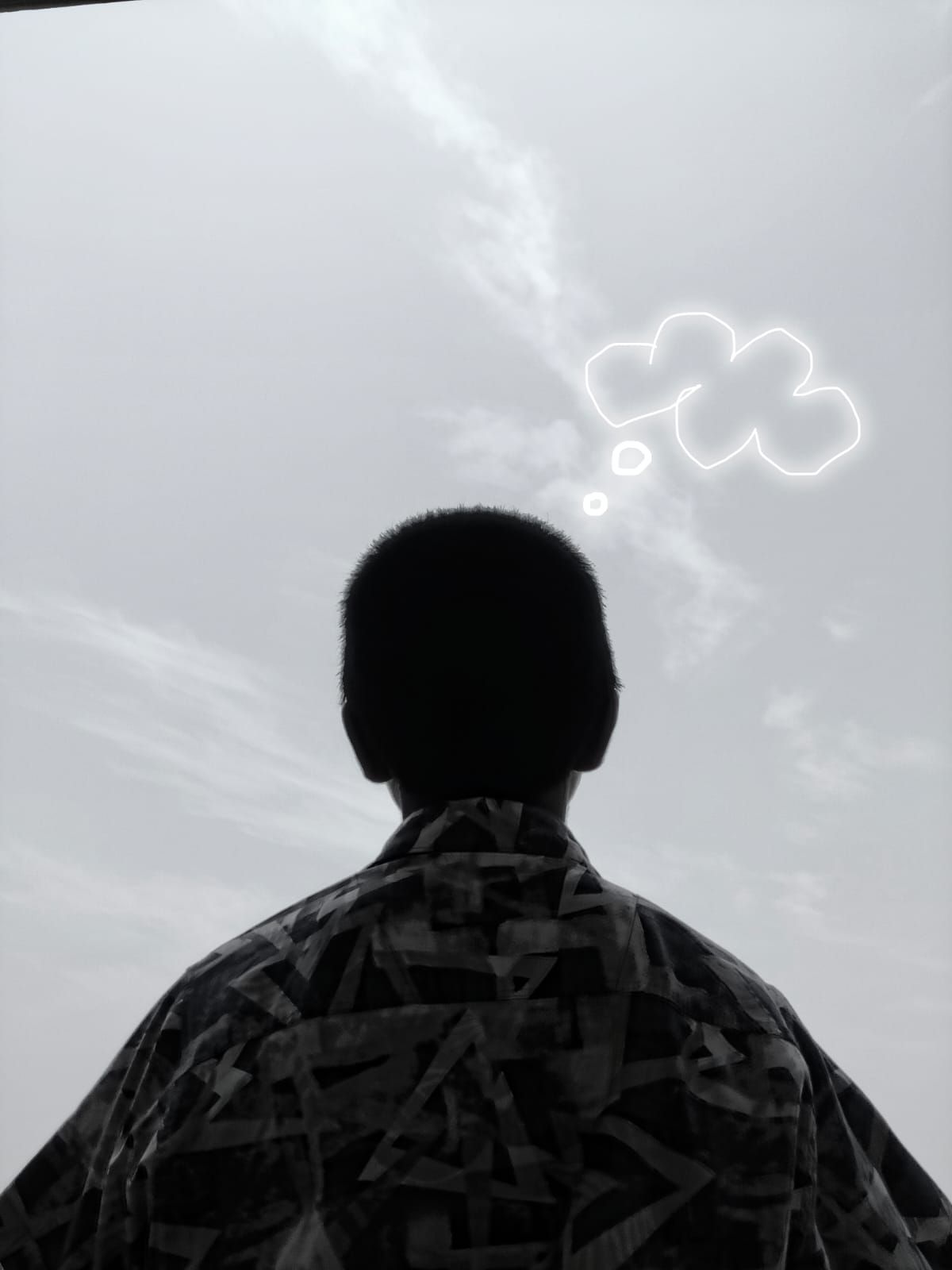
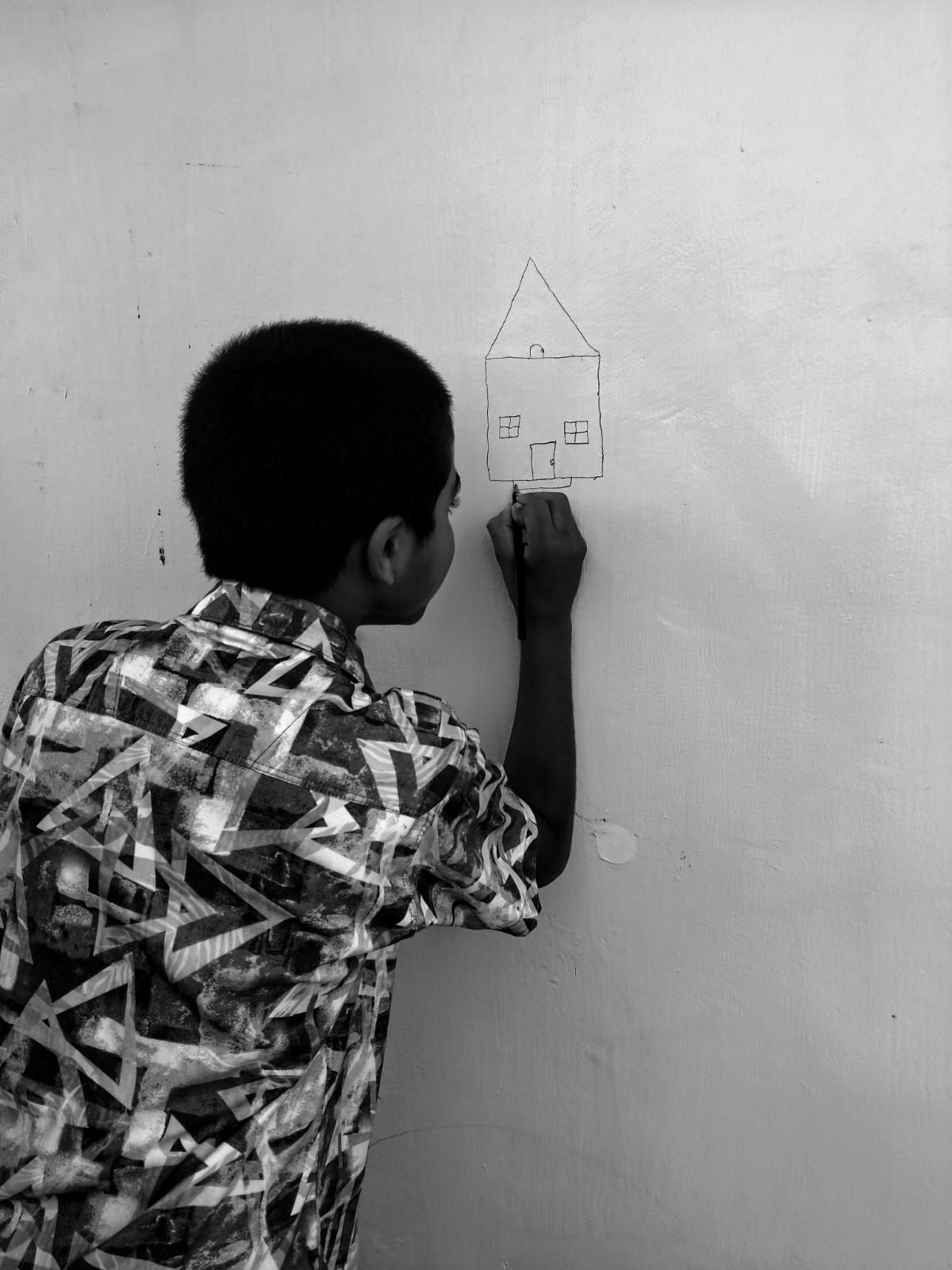
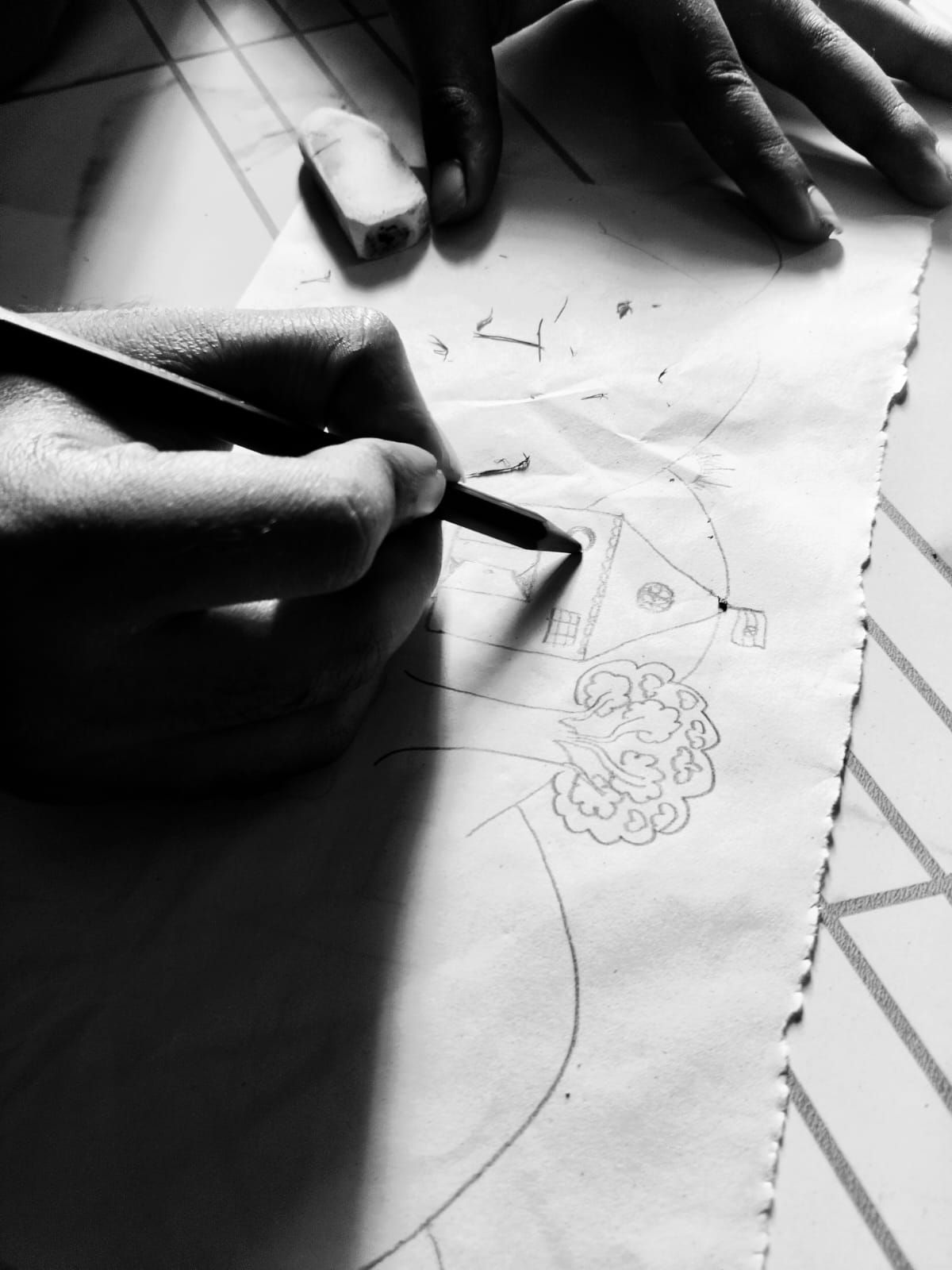
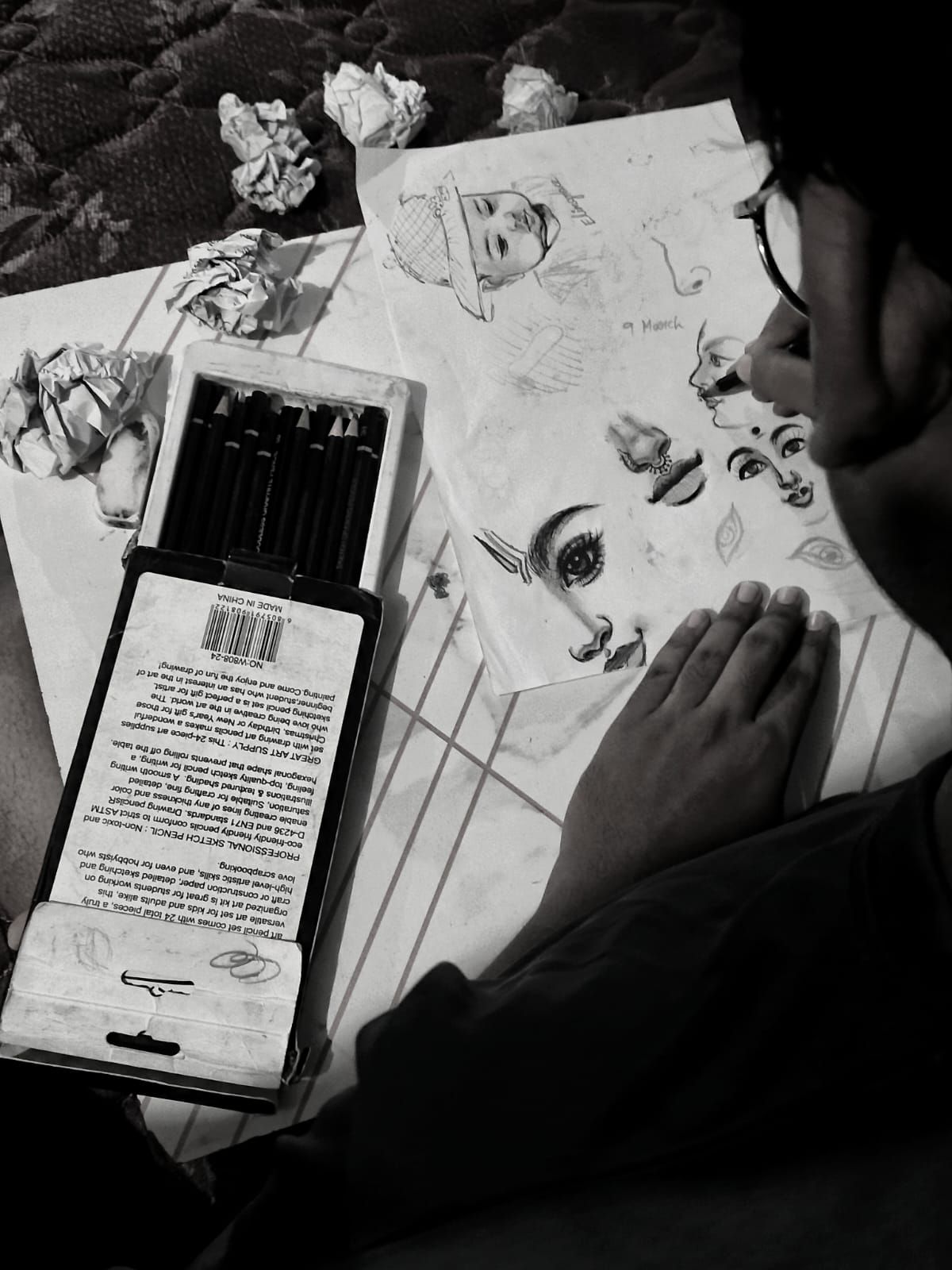
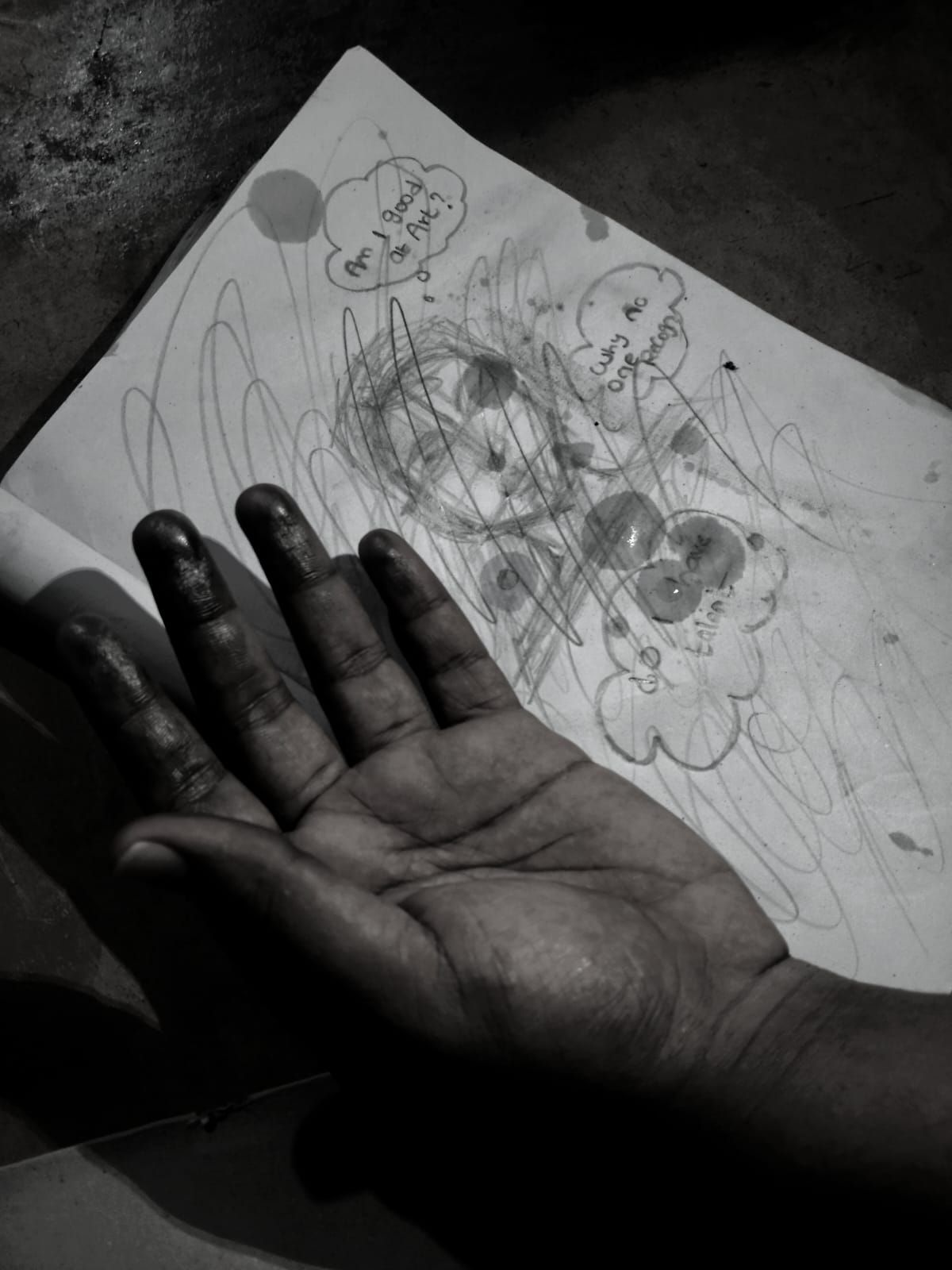
I love art because every artist has a unique way of expressing themselves. Some express themselves through painting, some through photography, some through abstract art, and many other forms. I have seen many artists on Instagram whose work is incredibly talented, but they receive very little attention or reach. That made me think about the struggle behind every creation. There is often much more behind an artwork than what we see—self-doubt, effort, patience, and the desire to be understood. That is what drew me to tell a story about an artist's struggle and self-doubt. I chose monochrome because I believe every photograph tells a story, and I wanted the viewer to connect with the emotion before anything else. In a colour photograph, colour can immediately attract the viewer's attention and sometimes dominate the first impression. By removing colour, I felt the focus could stay on the artist's expression, body language, and the emotion behind the image. For me, monochrome wasn't just a visual choice. It was a way of making the emotion speak louder.
What happened in that child-in-the-muddy-water scene, and what made you raise your phone in that exact instant?
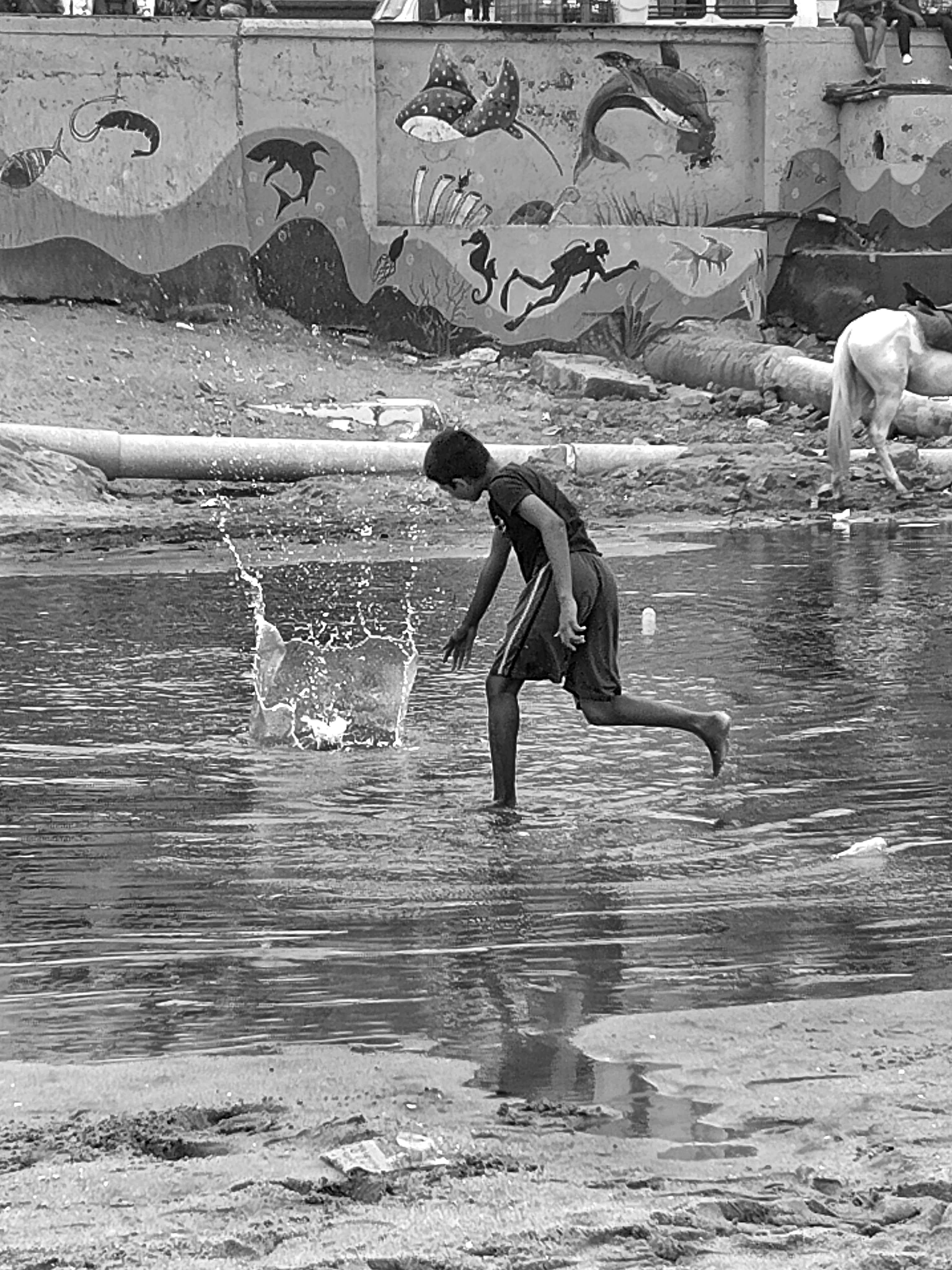
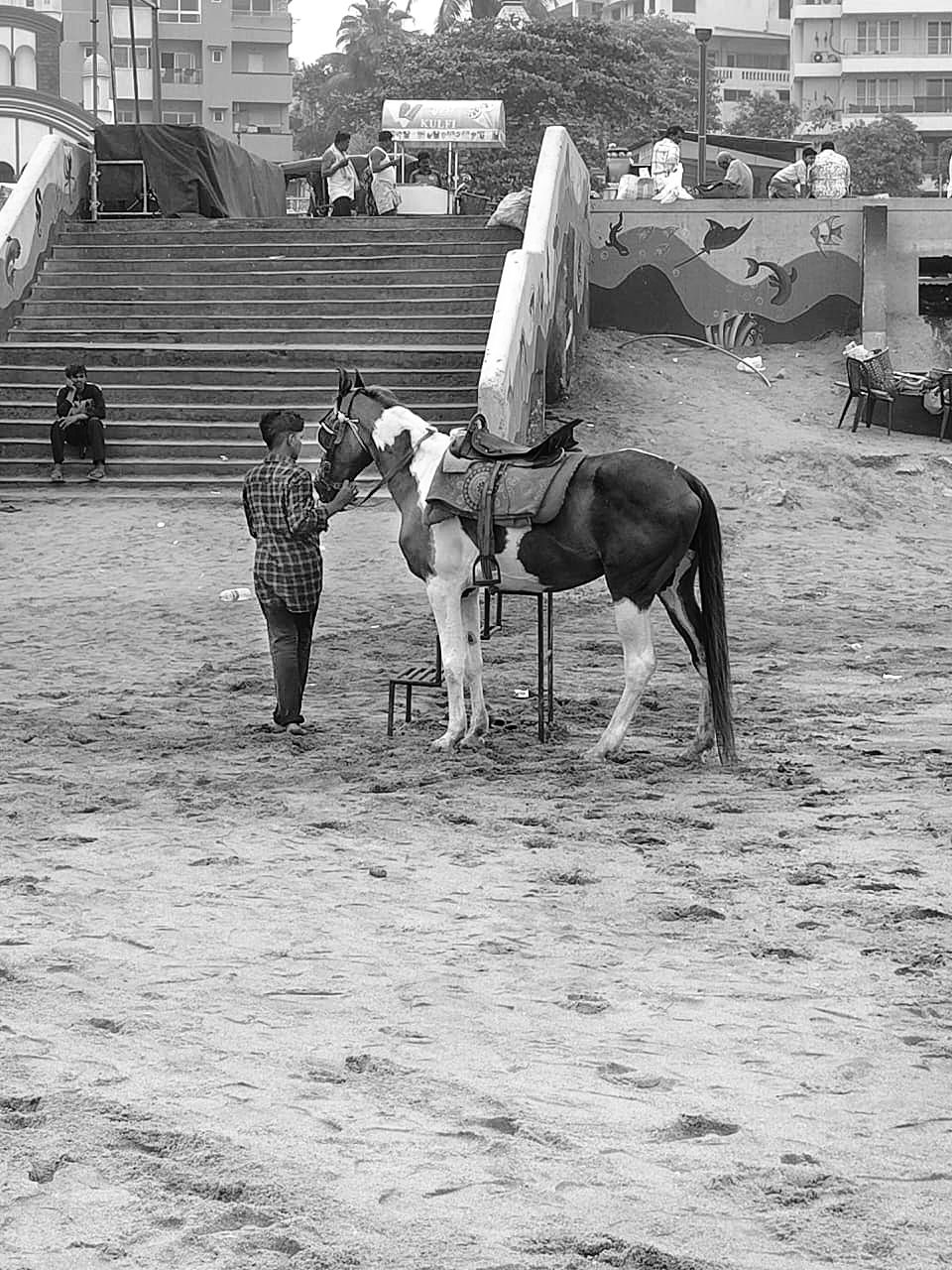
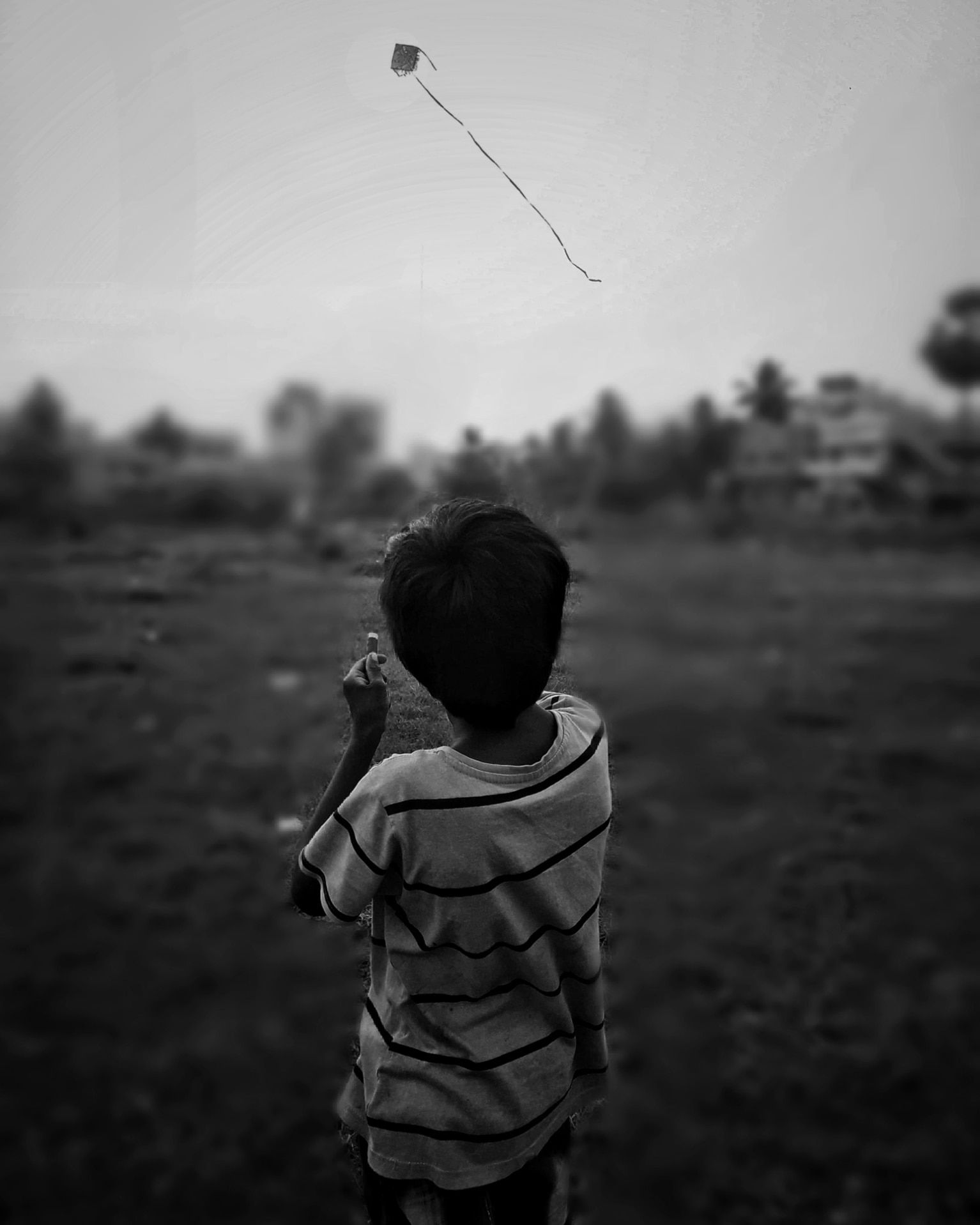
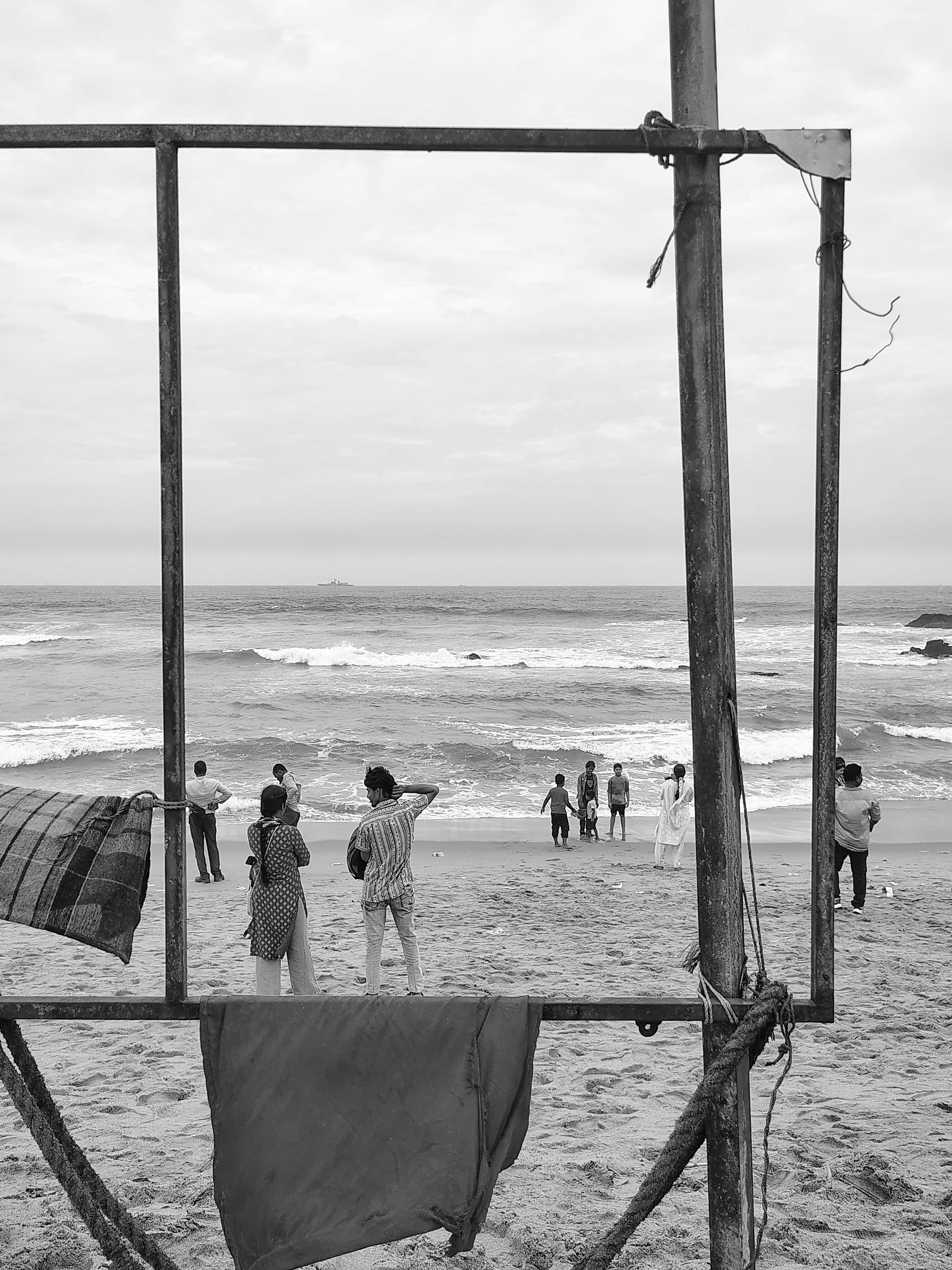
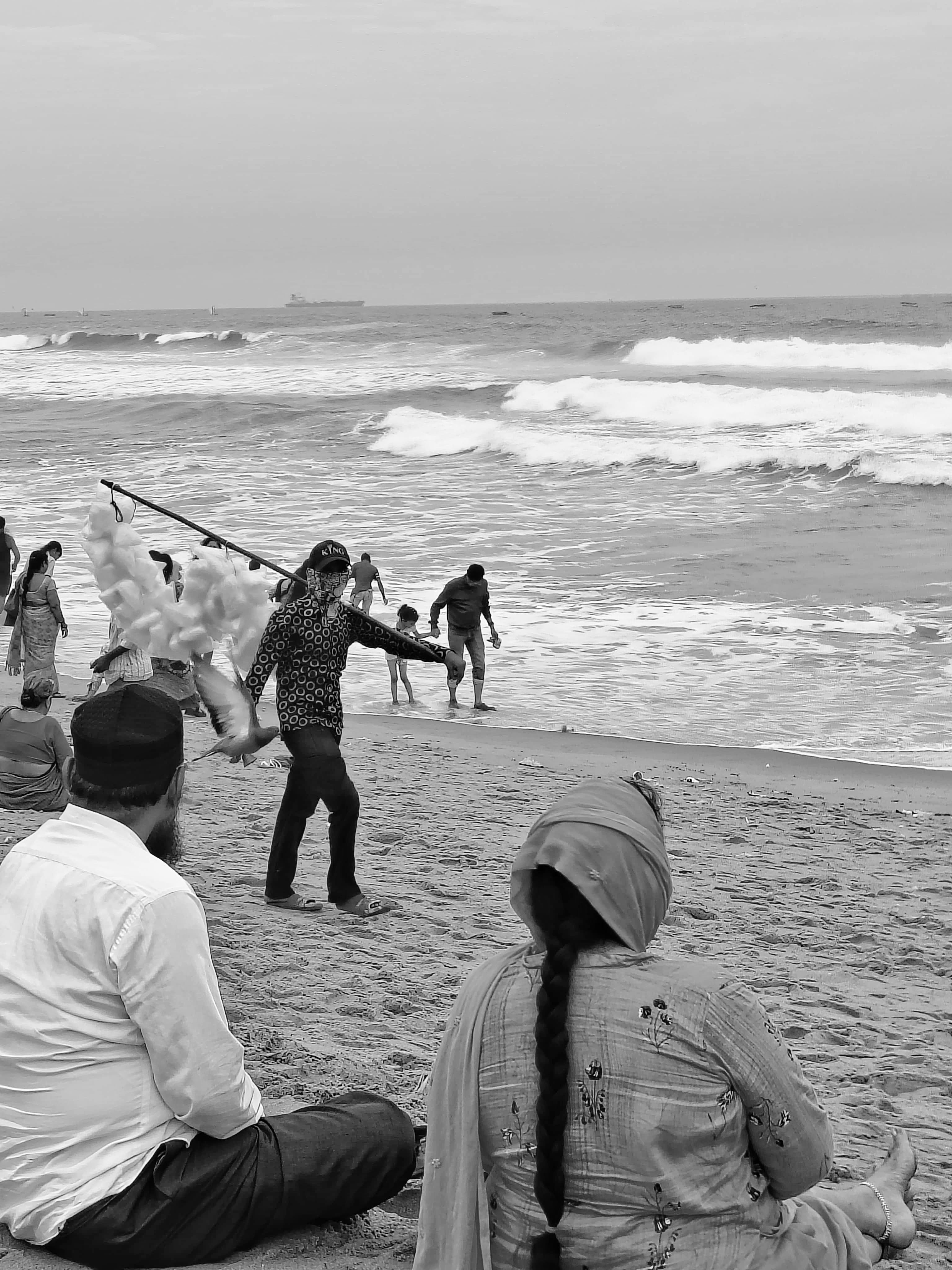
Well, I love beaches, and one day I visited one with the intention of simply capturing some moments. I believe the world is full of untold stories, and the only way to discover them is to be present and truly live in the moment. While I was there, I noticed a young boy playing in the muddy water with a small pebble. For a second, it reminded me of my own childhood, and that immediately caught my attention. I stopped and observed him rather than taking the photograph immediately. Then I noticed something interesting. The painted wall behind him showed a sea diver and the world beneath the sea. In front of it was the muddy water and the boy playing in it. Everyone is curious about what the world looks like beneath the ocean, but this boy seemed to have created his own little ocean through his imagination. He would throw the pebble and then search for it again, almost as if he were exploring the ocean and discovering something new. I felt that the pebble had become his little companion in that imaginary world. What stayed with me was how happy he was in that moment. He didn't need a real ocean to explore one. He created his own through his imagination. Imagination has no boundaries. He was creating his own happiness while many others spend their lives searching for it. That thought made me stop and take the photograph.
How much patience did that wildlife shot take, and what did you have to do to get close enough?
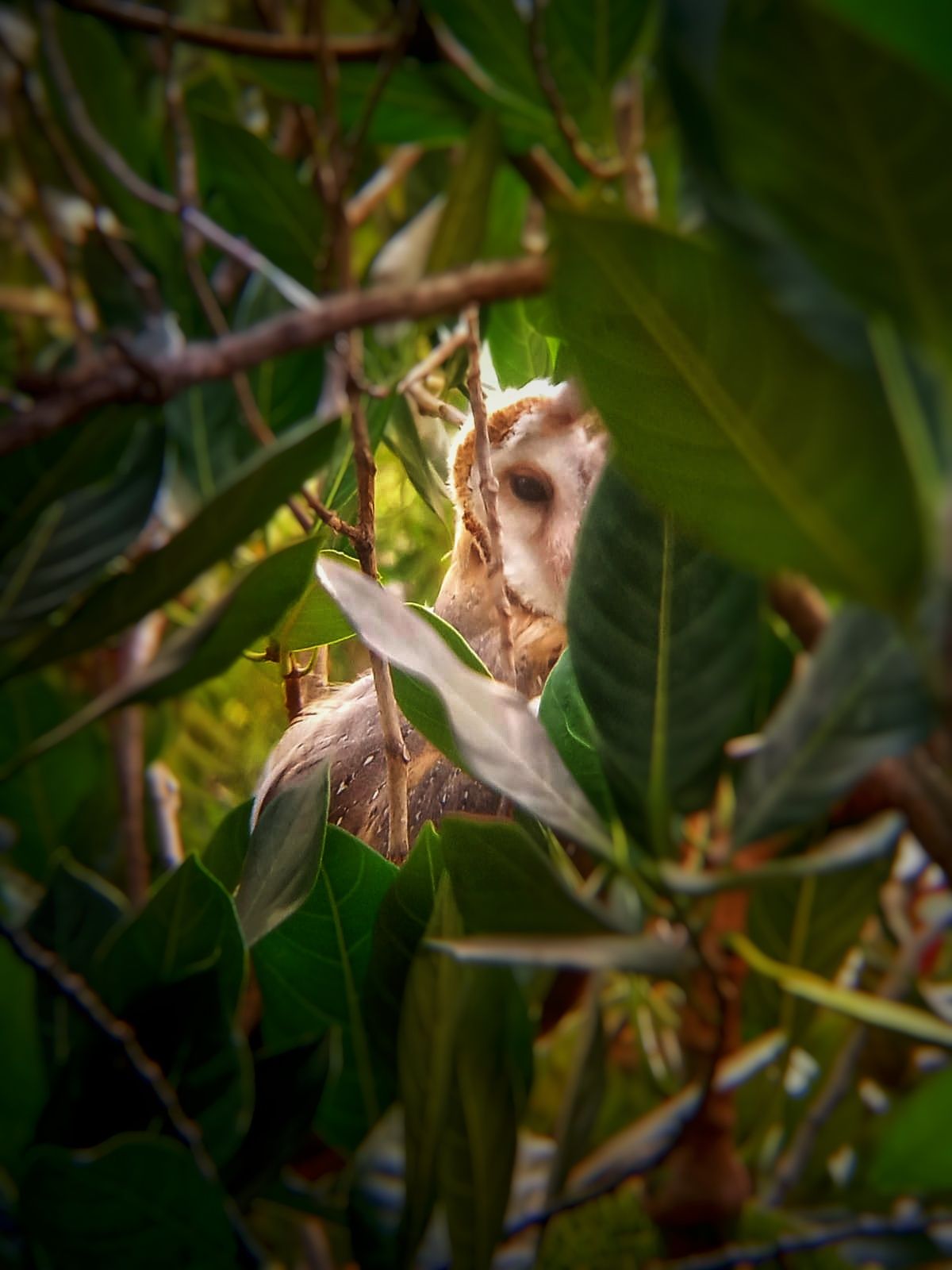
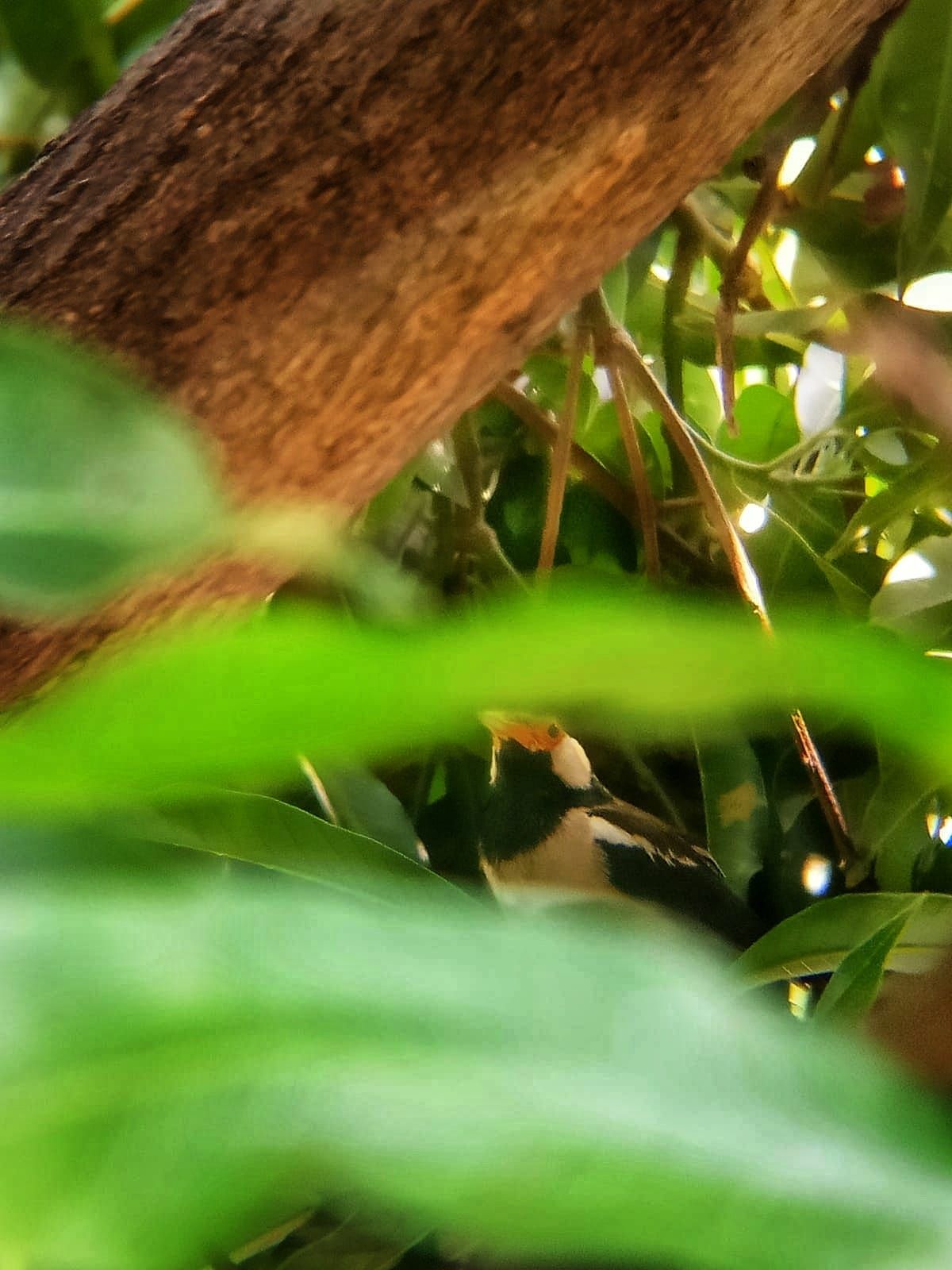
Every morning, birds would come to the mango tree near my home and I could hear their calls. I became curious about what kinds of birds they were, so I started taking my mobile phone with a lens and observing them. That's how I came across birds such as a Barn Owl and an Indian Pied Myna. Wildlife photography has taught me that patience is everything. You cannot tell a bird to pose or wait for you. The moments happen naturally, so you have to be ready and wait for the right moment. Sometimes it can take hours, days, or even months to get the photograph you have imagined. Honestly, I was frustrated at first because I wanted the photograph to happen quickly. But gradually I learned to be patient, and I think that is one of the most important things photography has taught me. When I do get the opportunity, what draws me in is often the details—especially the colours and patterns on a bird's wings. Those details make me want to observe it more closely and capture the moment.
What makes this photo—the one you're especially proud of—special to you?
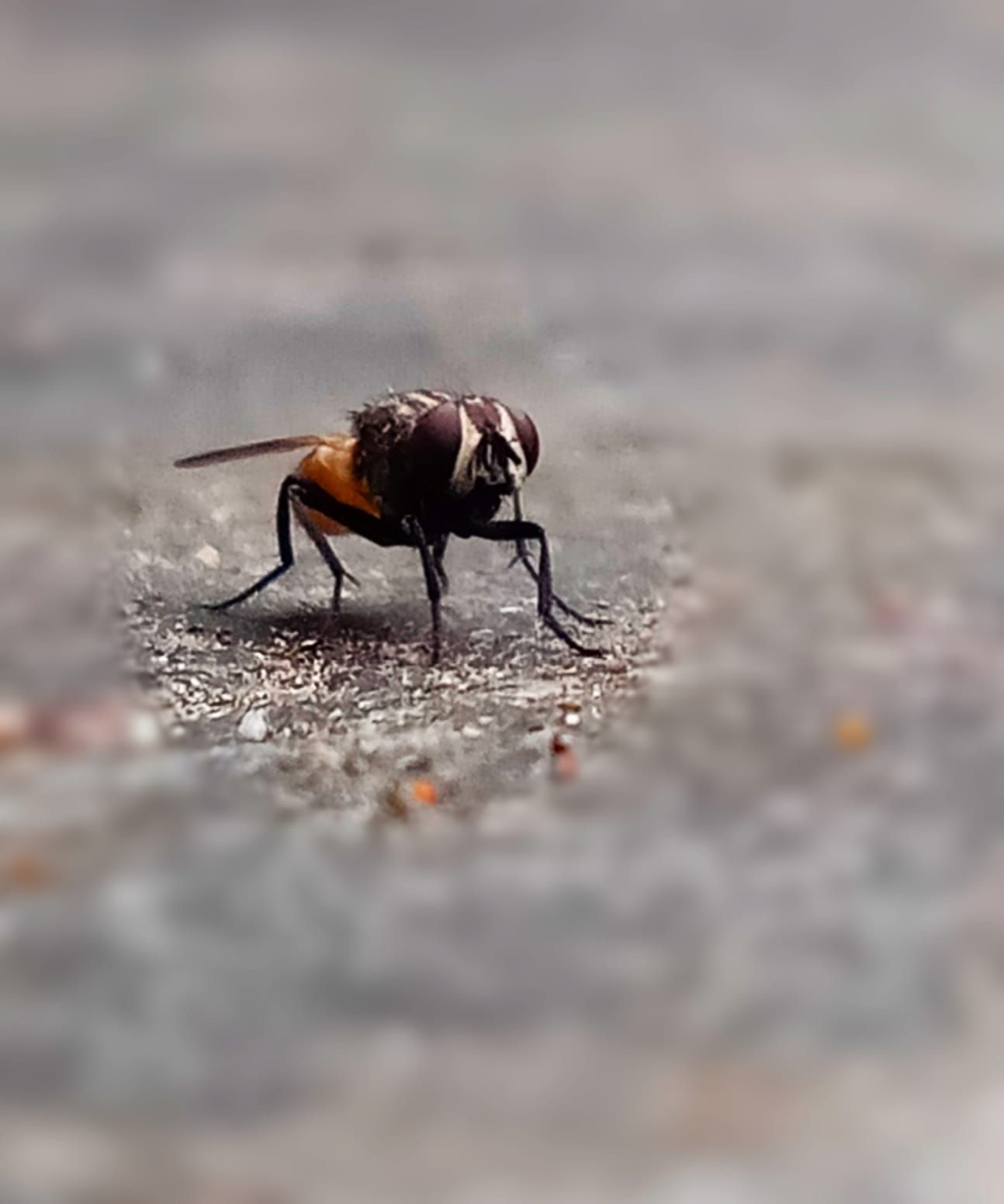
Photographing a fly with professional gear is one thing; photographing it without any gear is completely different. I got my first phone after completing my diploma. It wasn't a new or expensive phone—it was a used Realme C2. That was the phone I started my photography journey with. One day, I decided I wanted to photograph a fly. It sounds simple, but it was incredibly difficult. The fly would move constantly, and with my phone's limitations, getting the exact moment I wanted required a lot of patience. I literally spent around five hours trying to get that one perfect shot. When I finally got it, I felt genuinely proud. Not because it was a technically perfect photograph, but because of what went into making it. I captured it without expensive gear, without a high-resolution camera, and with a used entry-level phone. For me, that photograph represents something important—the equipment may change what is possible, but passion makes you keep trying. That's what makes that photograph special to me.
Where do you most want your photography to take you, and what would make you feel you'd truly arrived?
I don't have one specific destination in mind. I want photography to take me to places where I can explore, observe, and discover stories that are often unnoticed or untold. I want to photograph nature, wildlife, people, cultures, and everyday life—not just to document what I see, but to understand the stories behind them. I also want to grow into different areas of photography, especially documentary, street, wildlife, and commercial photography. I want to keep challenging myself and see how far I can take my way of seeing. For me, I don't think I will ever truly “arrive” at one final destination. Photography is something I want to keep learning throughout my life. But if there is a moment that would make me feel I had truly arrived, it would be when someone looks at one of my photographs and feels something, understands a story, or sees the world differently for a moment. That, to me, would mean that my photography has achieved what I wanted it to do.
Contact and Follow
Email: suryamitrachaganti@gmail.com
Instagram: @lens_of_lites