

How did your journey in photography and conservation filmmaking begin?
My wildlife photography journey started with a lifelong love for nature—I used to watch Nat Geo all day as a child. During my graduation year, I began capturing nature's beauty with my phone. What started as a passion for photographing animals, birds, and landscapes soon evolved into a commitment to conservation. I went on to pursue formal studies in photography, and now through my images, I aim to showcase nature's beauty, create awareness, and inspire people to protect wildlife and their habitats.
What was the first moment you realized you could combine creativity with environmental storytelling?
The first time I realized I could blend creativity with environmental storytelling was during my photography education, when I created two conceptual projects focused on conservation. The first, titled Oxygen, highlighted the importance of trees for life, and the second, Planet vs Plastic, raised awareness about plastic pollution. By using human models as subjects, I was able to merge creative portraiture with environmental messages, showing me how photography can be a powerful tool for conservation awareness.
How has your experience and style evolved over the years?
Over the years, my style has evolved from simply capturing beautiful moments in nature to creating photographs that tell meaningful stories. My experience across wildlife, nature, and creative portrait photography has helped me develop a deeper understanding of composition, light, and visual storytelling. Today, I focus not only on showcasing the beauty of the natural world but also on crafting images that inspire awareness, appreciation, and conservation.
What drives you to work on conservation projects versus commercial work like food or portraits?
While I enjoy commercial photography—such as food, product, and creative portraits—conservation projects hold a special place in my heart because they connect with my lifelong love for nature. Commercial work allows me to express creativity and bring ideas to life, but conservation photography gives my work a deeper purpose. It lets me use my camera not only to create beautiful images but also to tell stories, raise awareness, and encourage people to value and protect the natural world.
Can you share a photo that best represents your conservation filmmaking work and the story behind it?
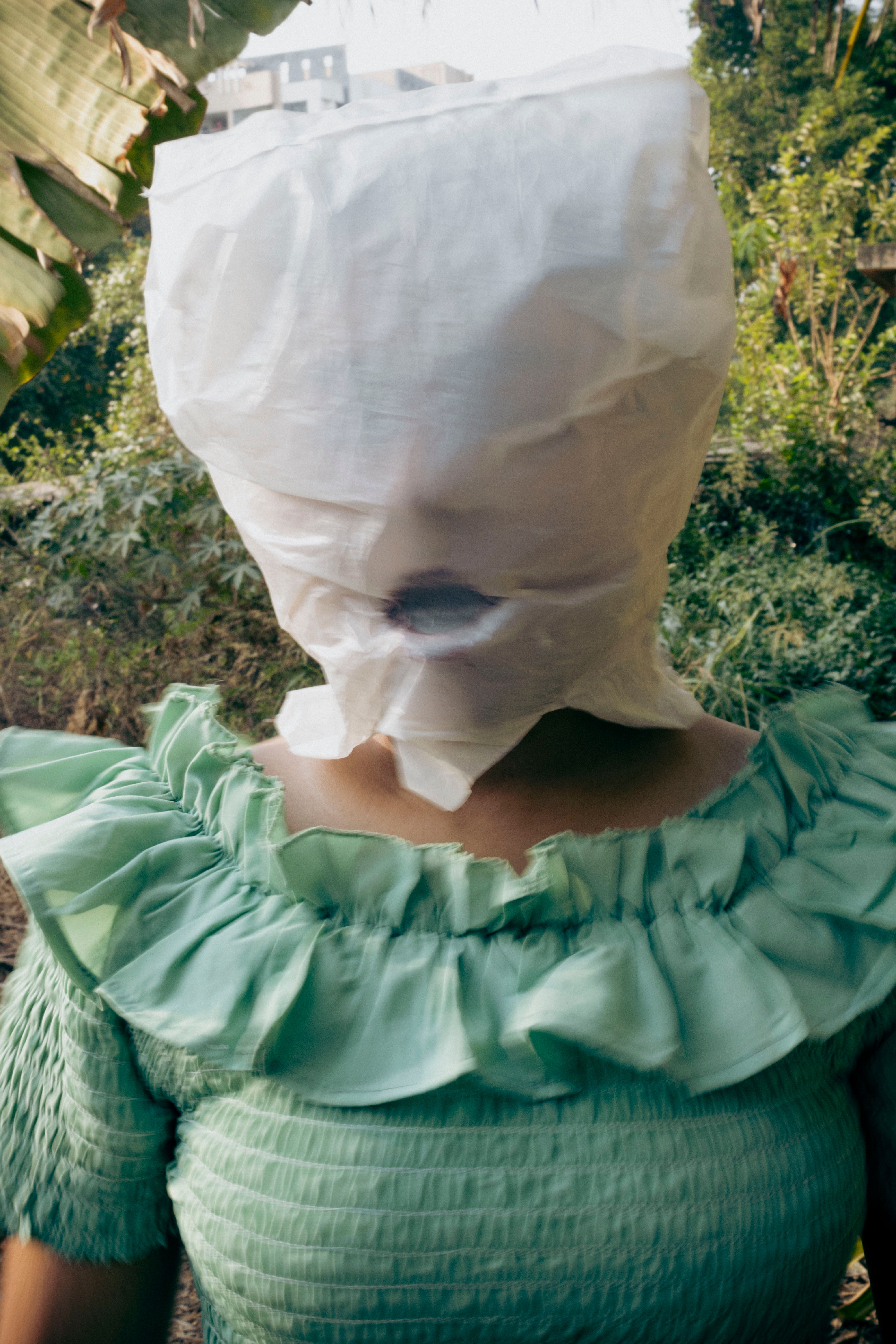
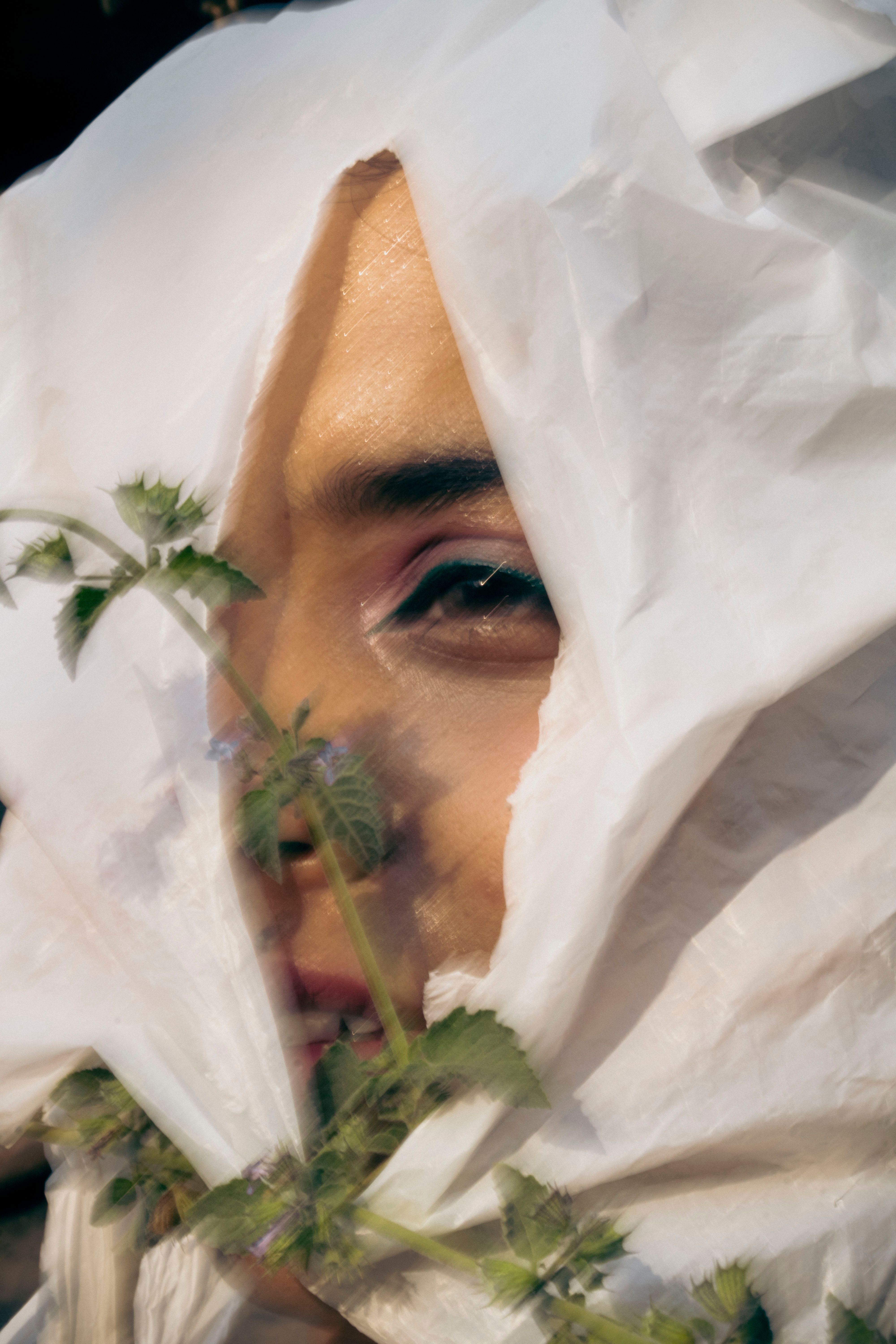
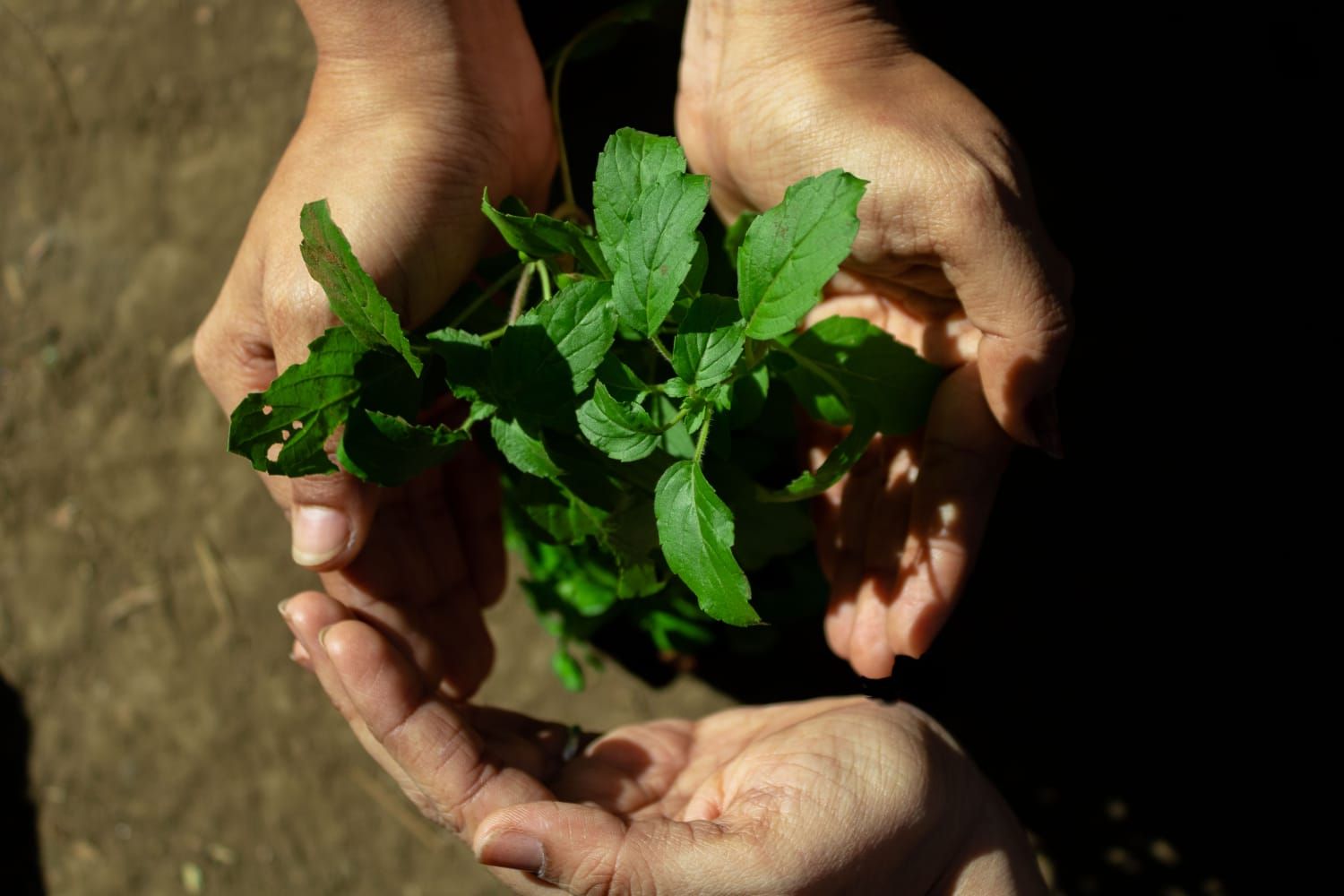
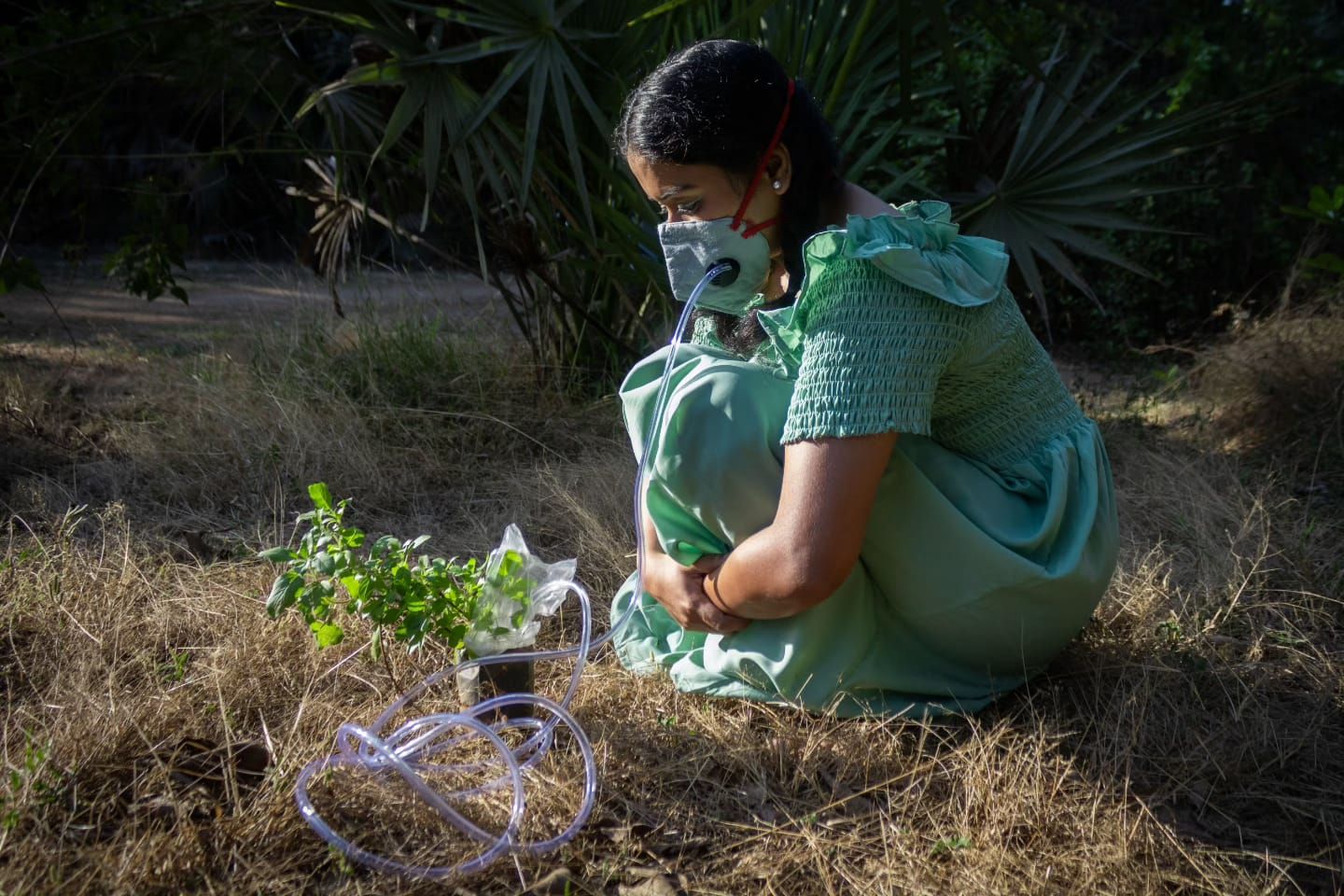
One picture features a model wearing a mask and holding a plant—it was my very first creative portrait project with an awareness theme, Project O₂. Another picture shows a plant with hands, symbolizing that trees are our lungs and our future is in our hands. The two images with plastic covering the face are from my second project, Planet vs Plastic, depicting humanity suffering from plastic suffocation and yearning for freedom with the hope of a green planet. The third is a nature documentary showcasing the beauty and importance of nature in our lives.
What was the concept behind the project shown in your last upload?
For O₂, the concept was to highlight the vital connection between humans and trees, reminding people that the oxygen we depend on comes from healthy ecosystems and that protecting nature is essential for our survival. For Planet vs Plastic, the goal was to visually represent the growing impact of plastic pollution on our planet, encouraging viewers to reflect on their plastic consumption and its environmental consequences. As for the nature documentary, the concept was simply to show the beauty of nature and its delicate balance.
What makes that food shot stand out to you?
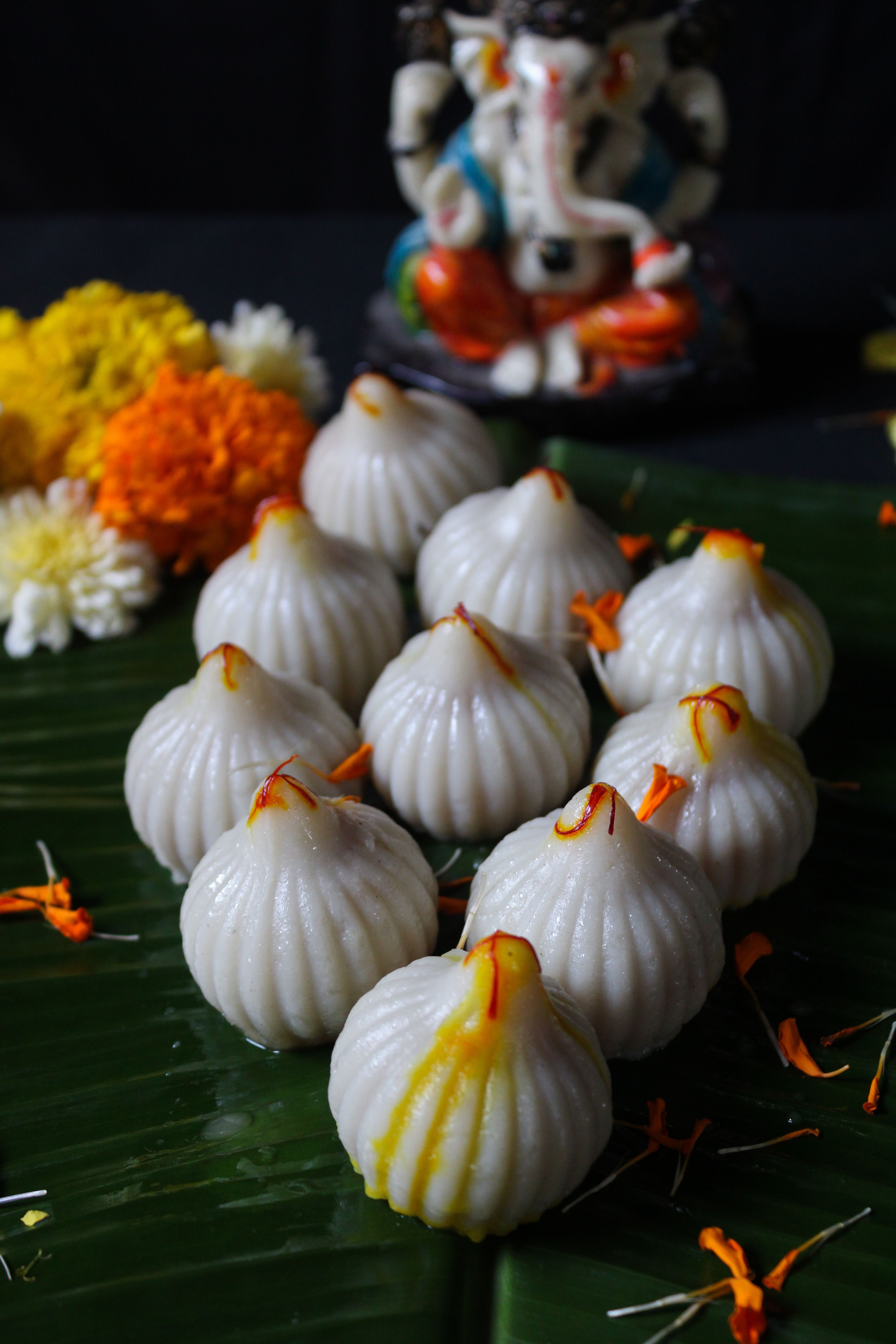
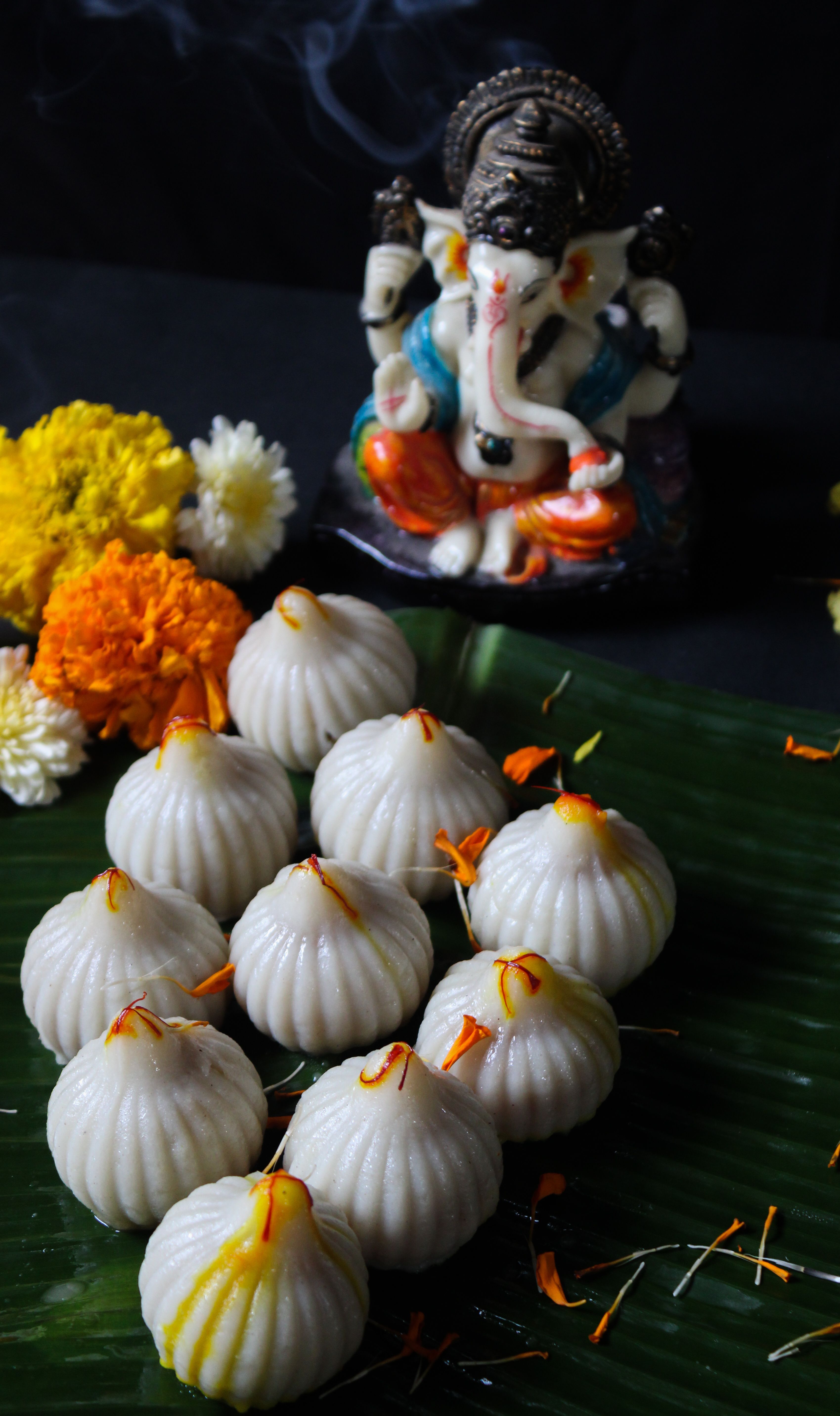
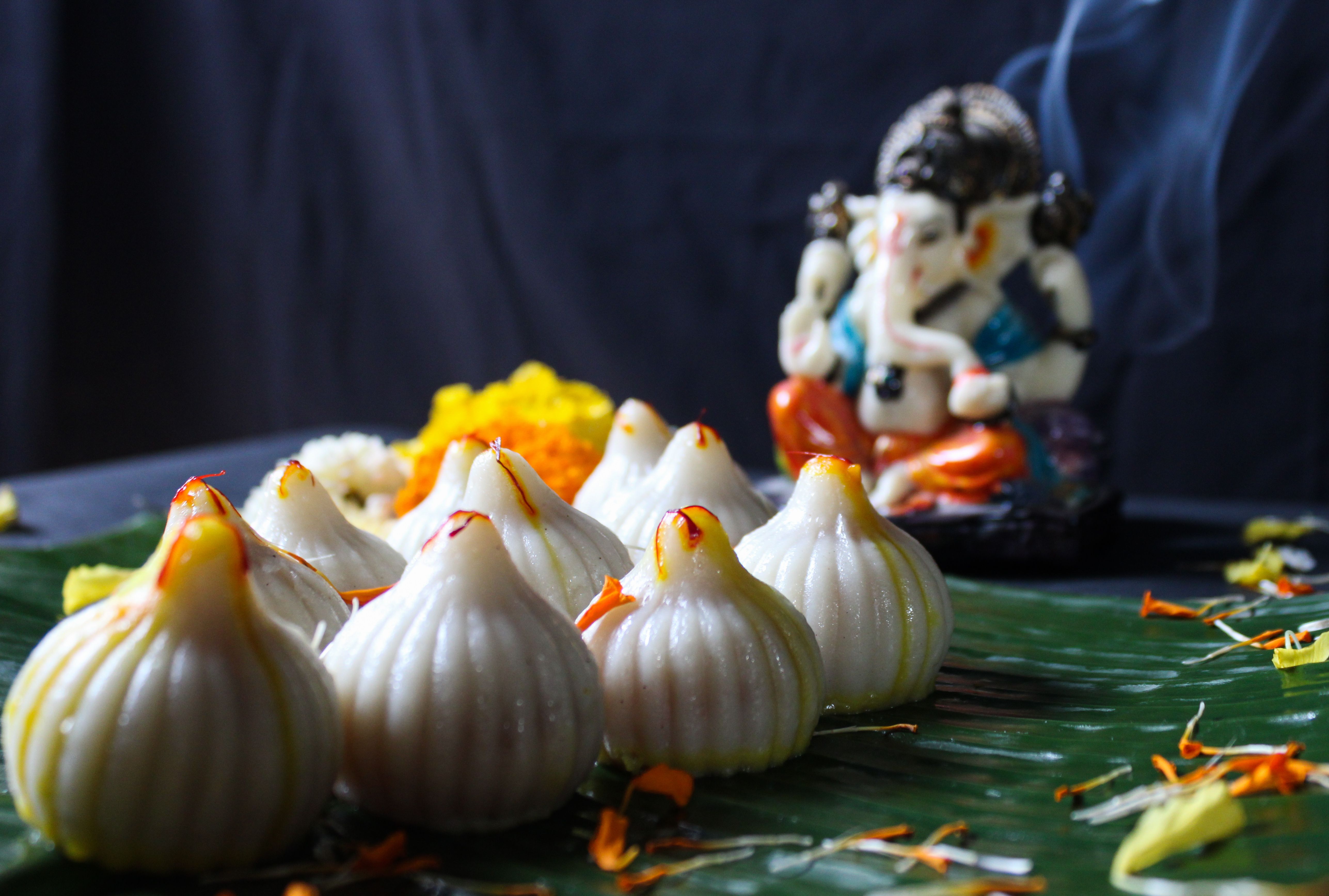
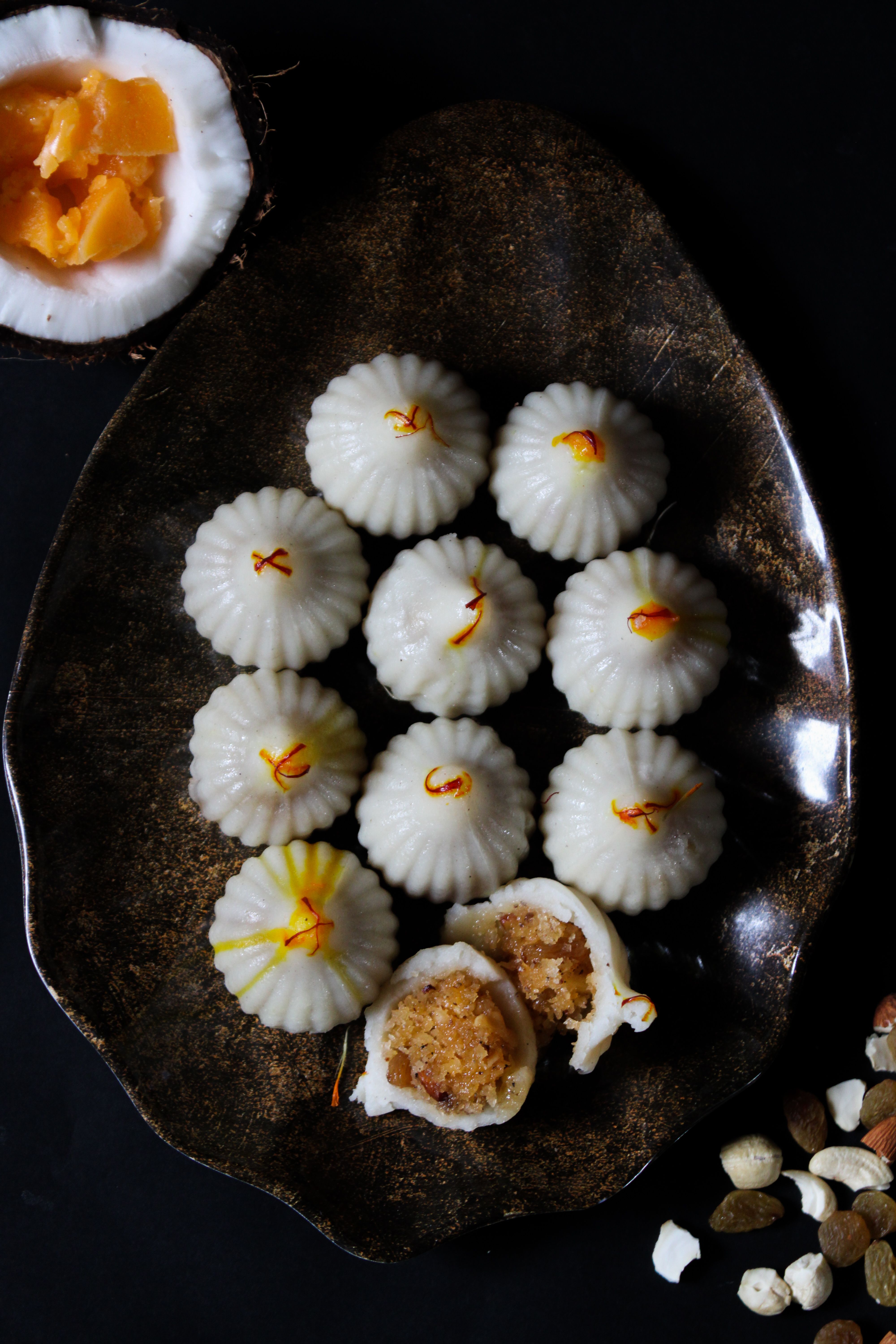
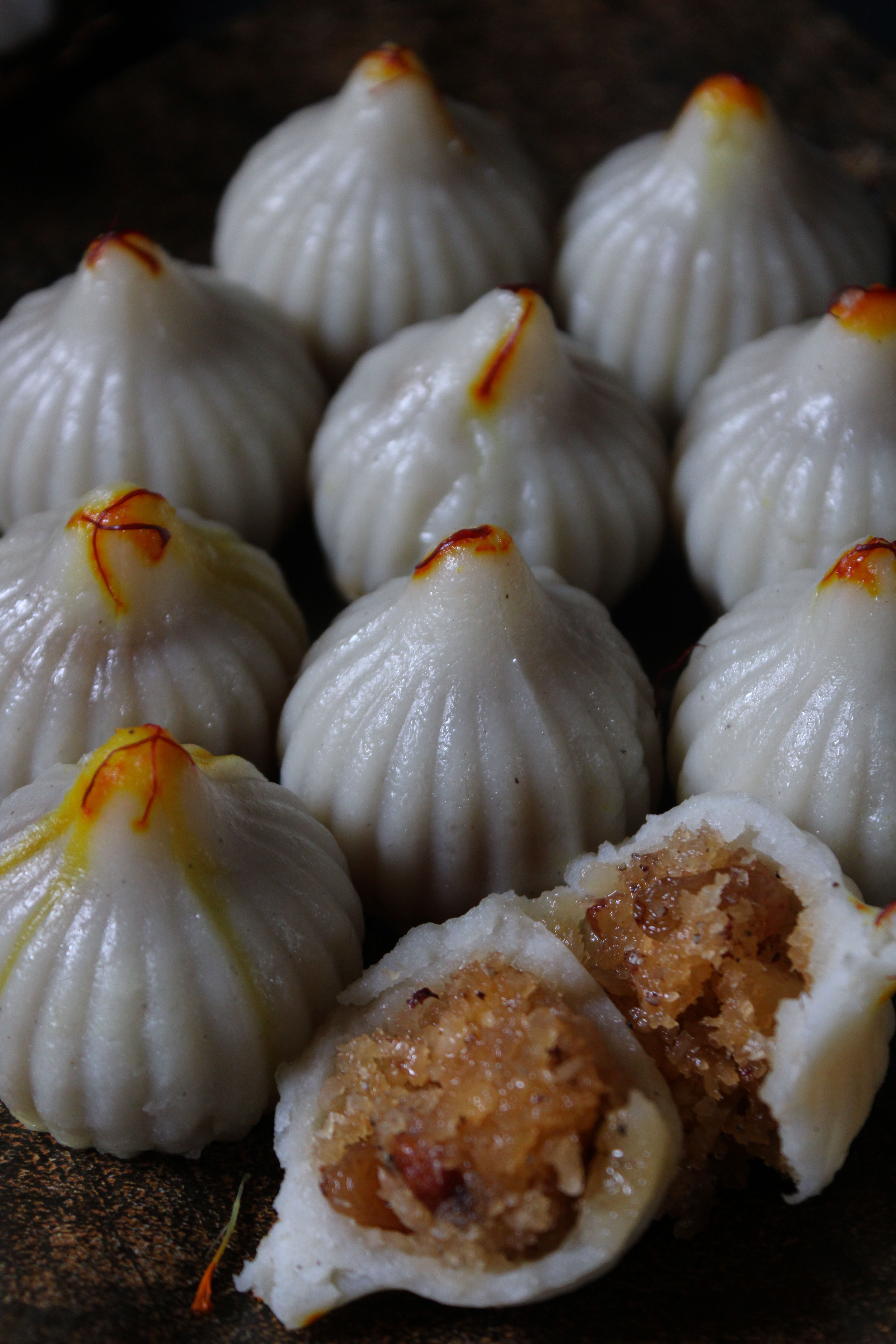
This Modak food shot stands out to me because it combines tradition, culture, and storytelling. I wanted to showcase not just the food itself but also the festive emotions and craftsmanship behind it. Using natural light and creative composition helped highlight the texture, details, and warmth of the Modaks, making the image feel authentic and inviting.
Describe the lighting or composition technique used in that product shot.
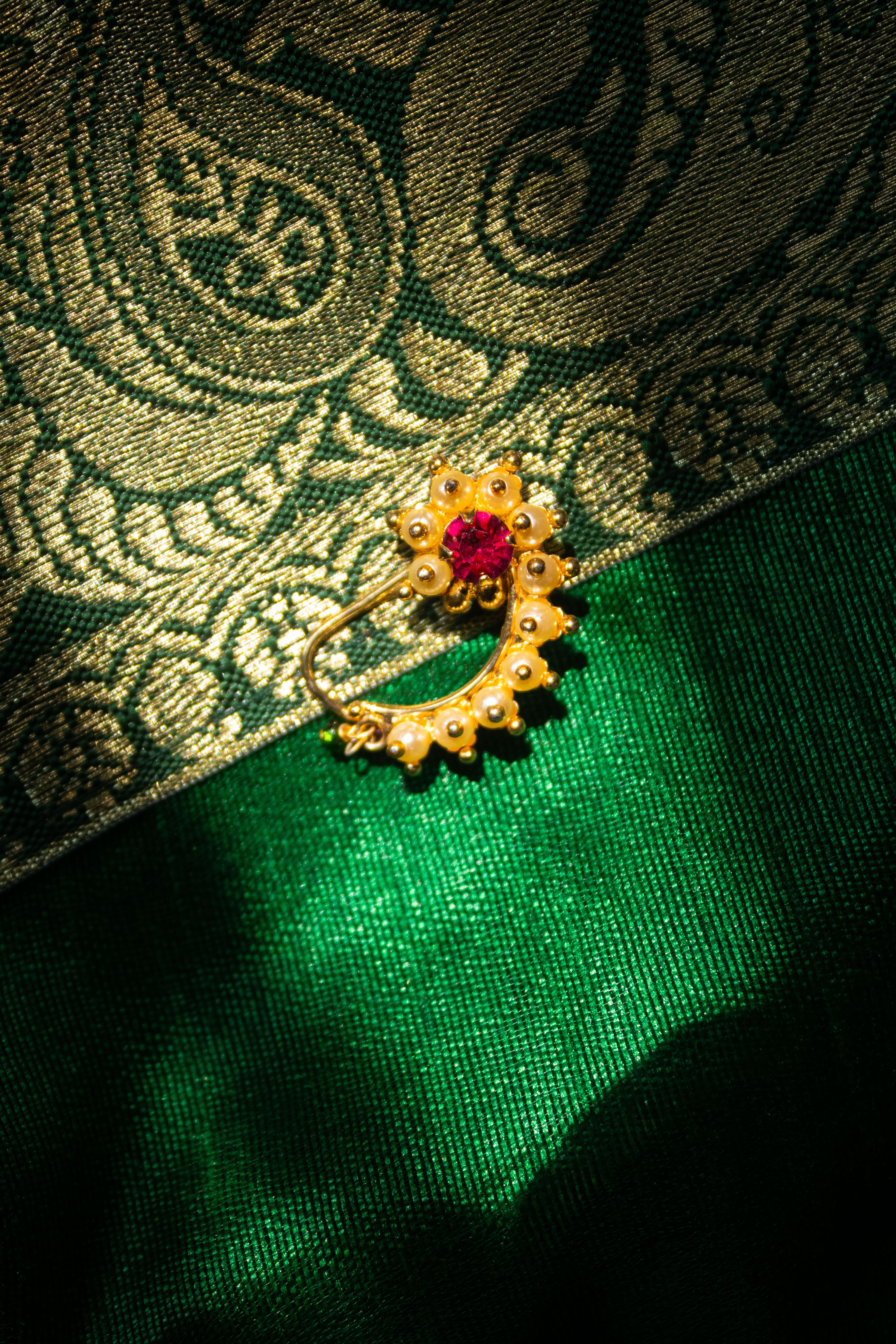
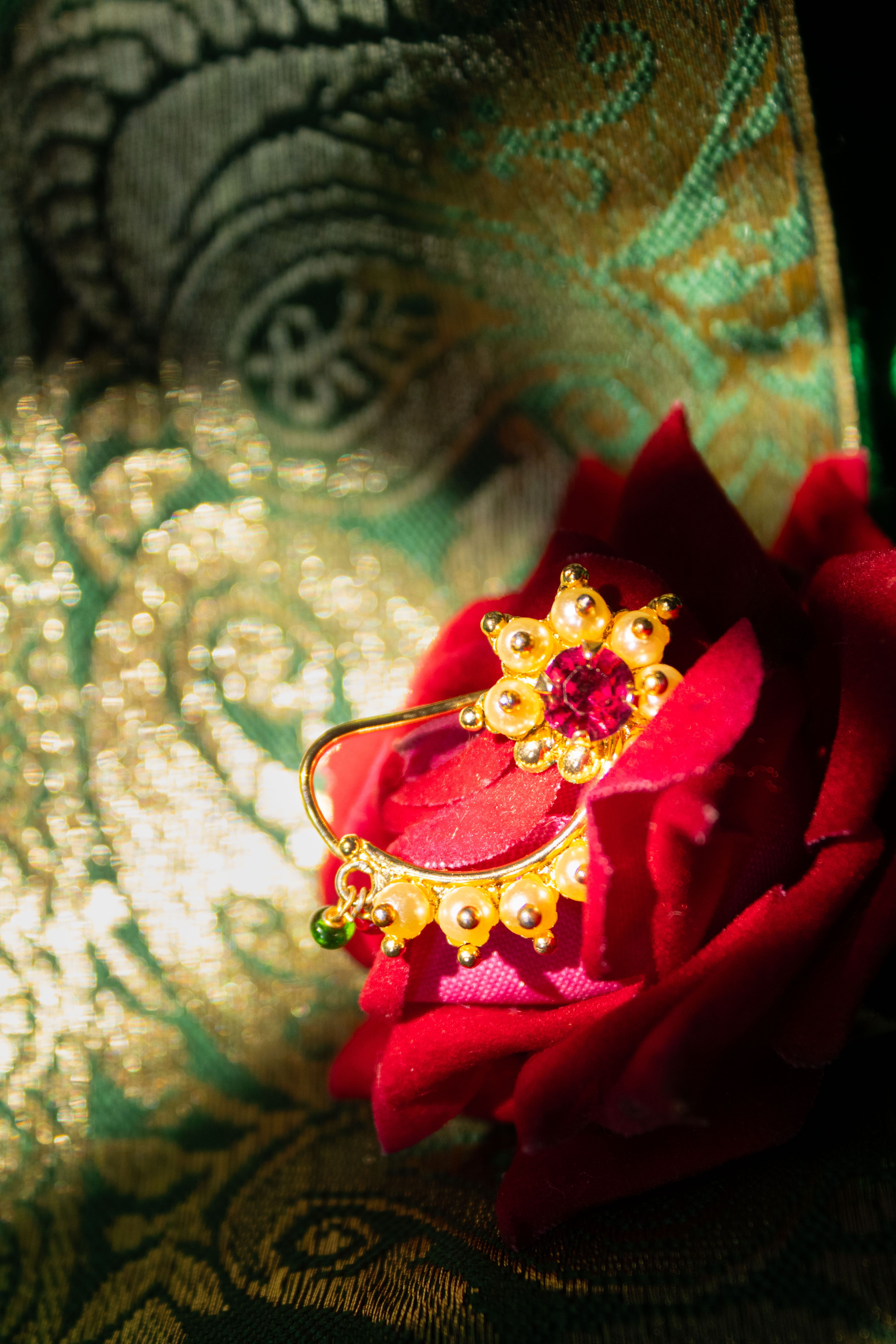
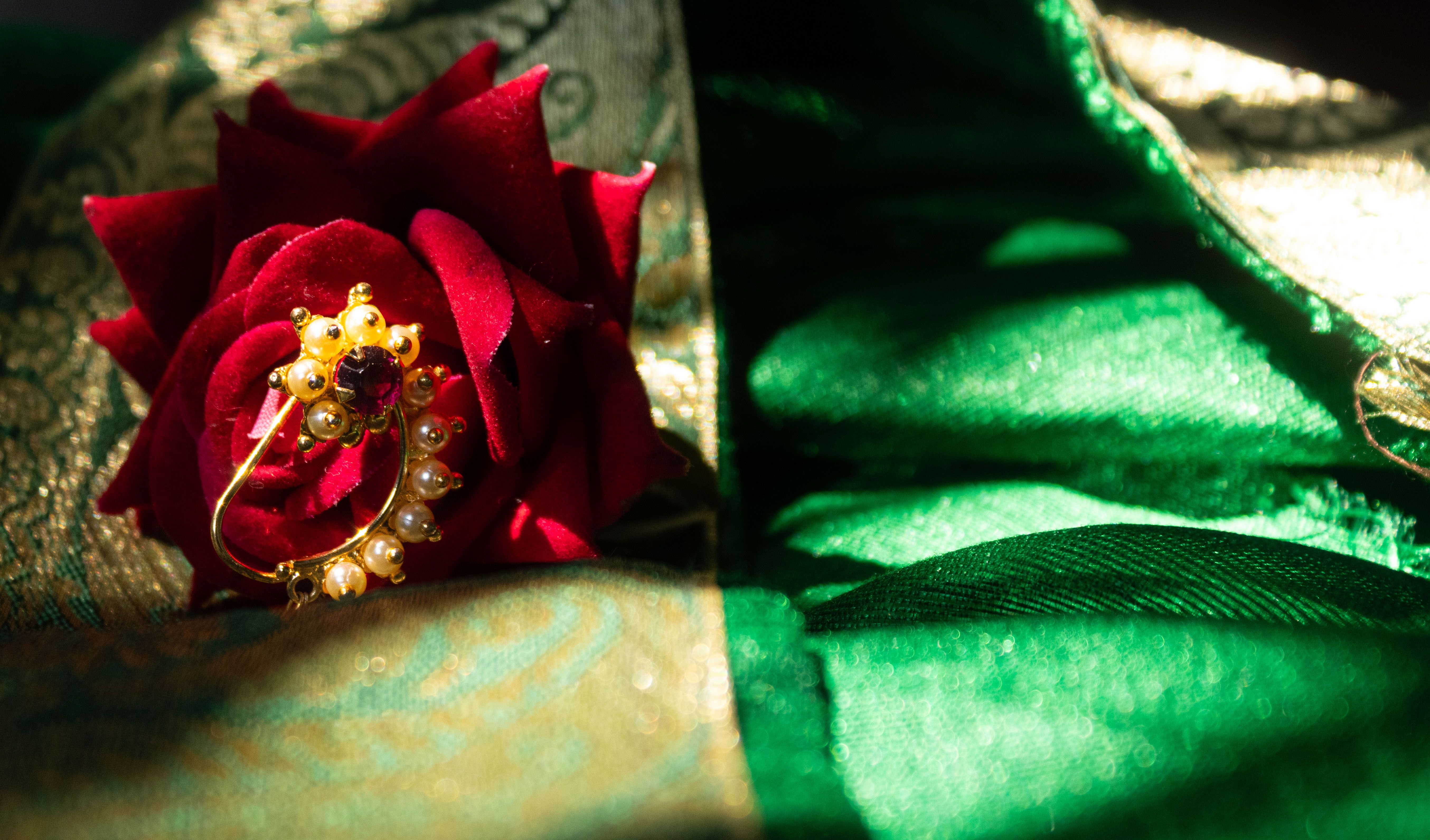
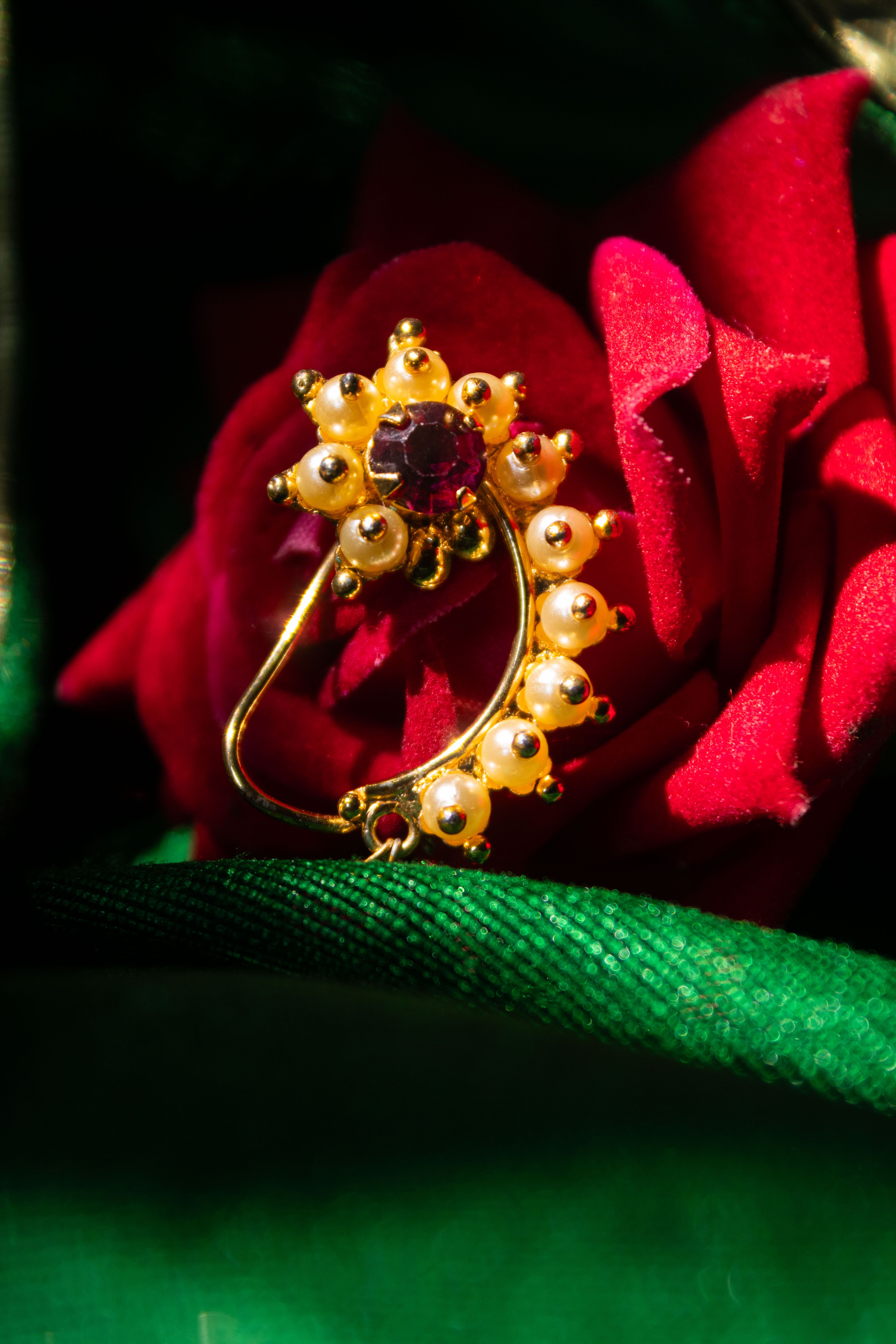
For this Maharashtrian Nath product shoot, I used a sari as a backdrop and relied on natural light to bring out the intricate details, texture, and elegance of the jewellery. The composition was kept simple and balanced so that the Nath remained the main focus of the frame. The placement of light helped create depth and subtle highlights, enhancing its traditional beauty while maintaining a clean and visually appealing presentation.
What was the mood or story you wanted to convey in this portrait?
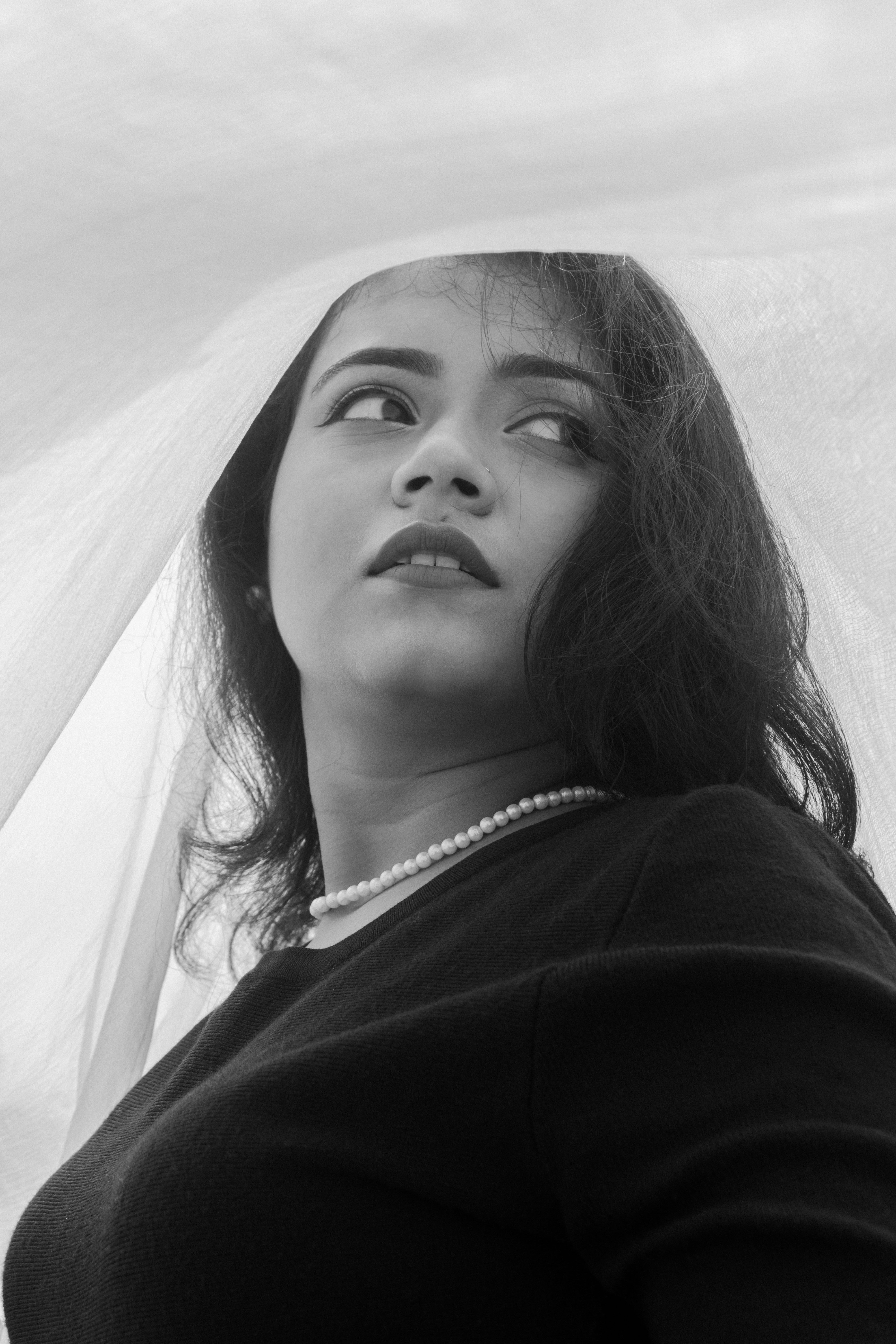
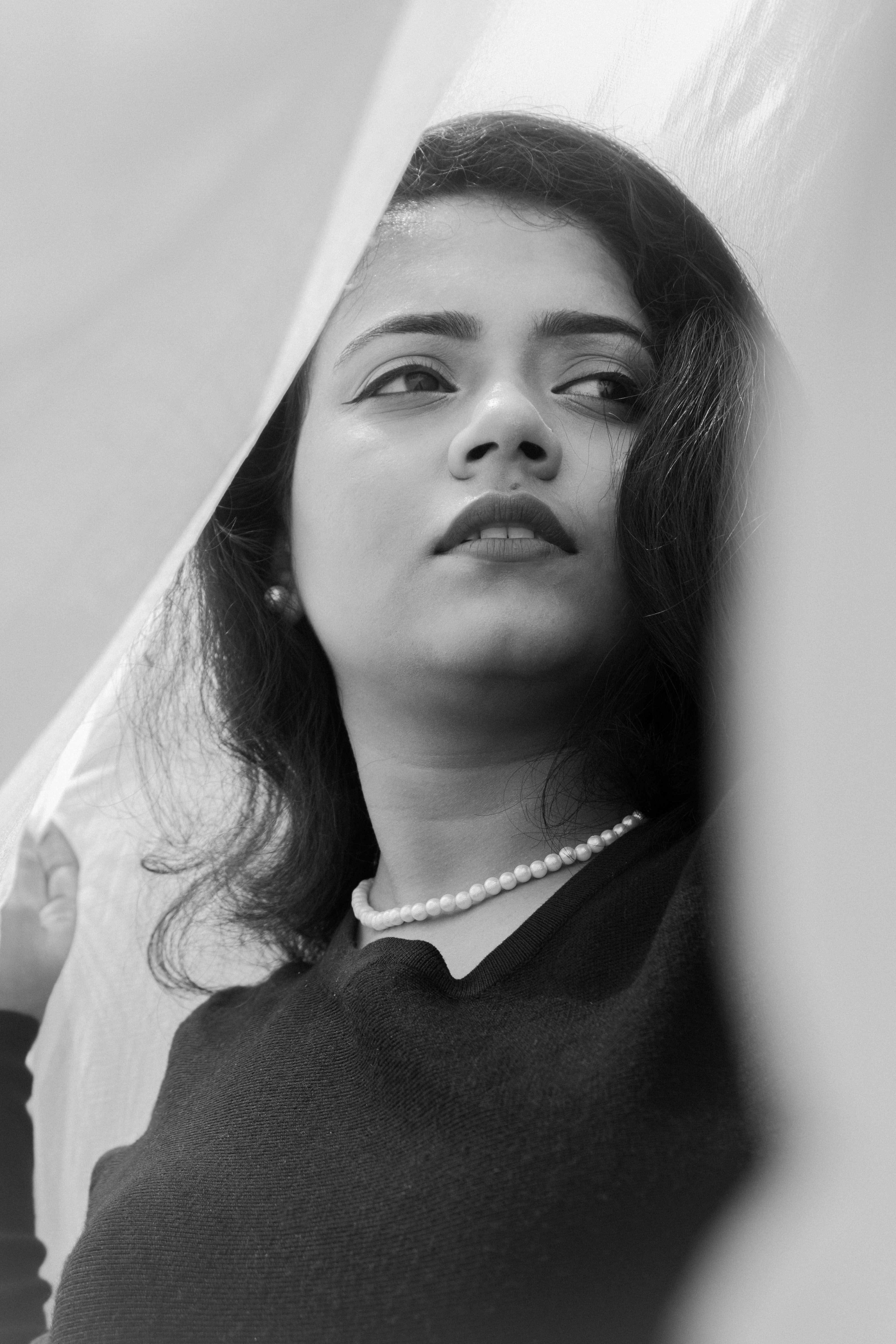
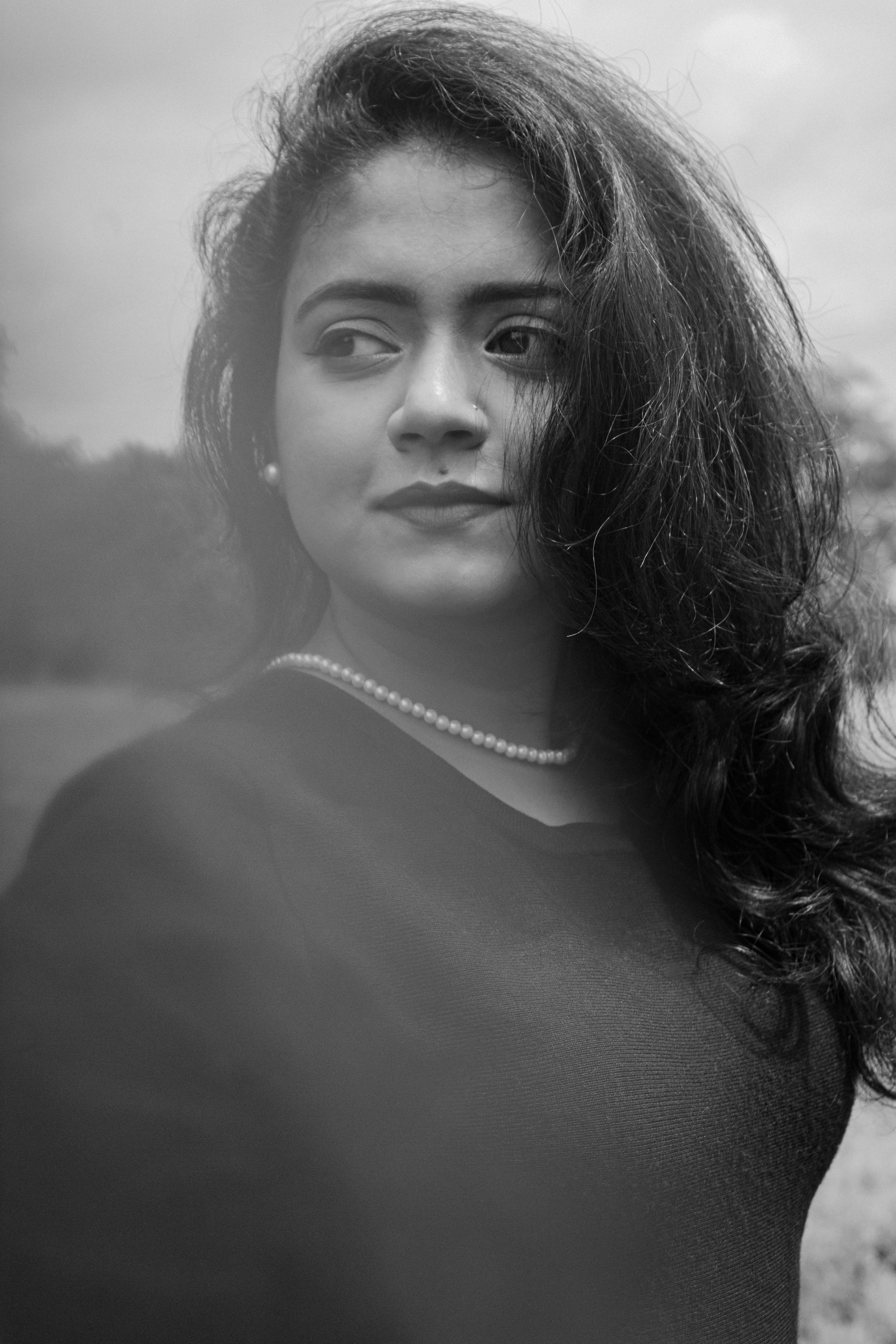
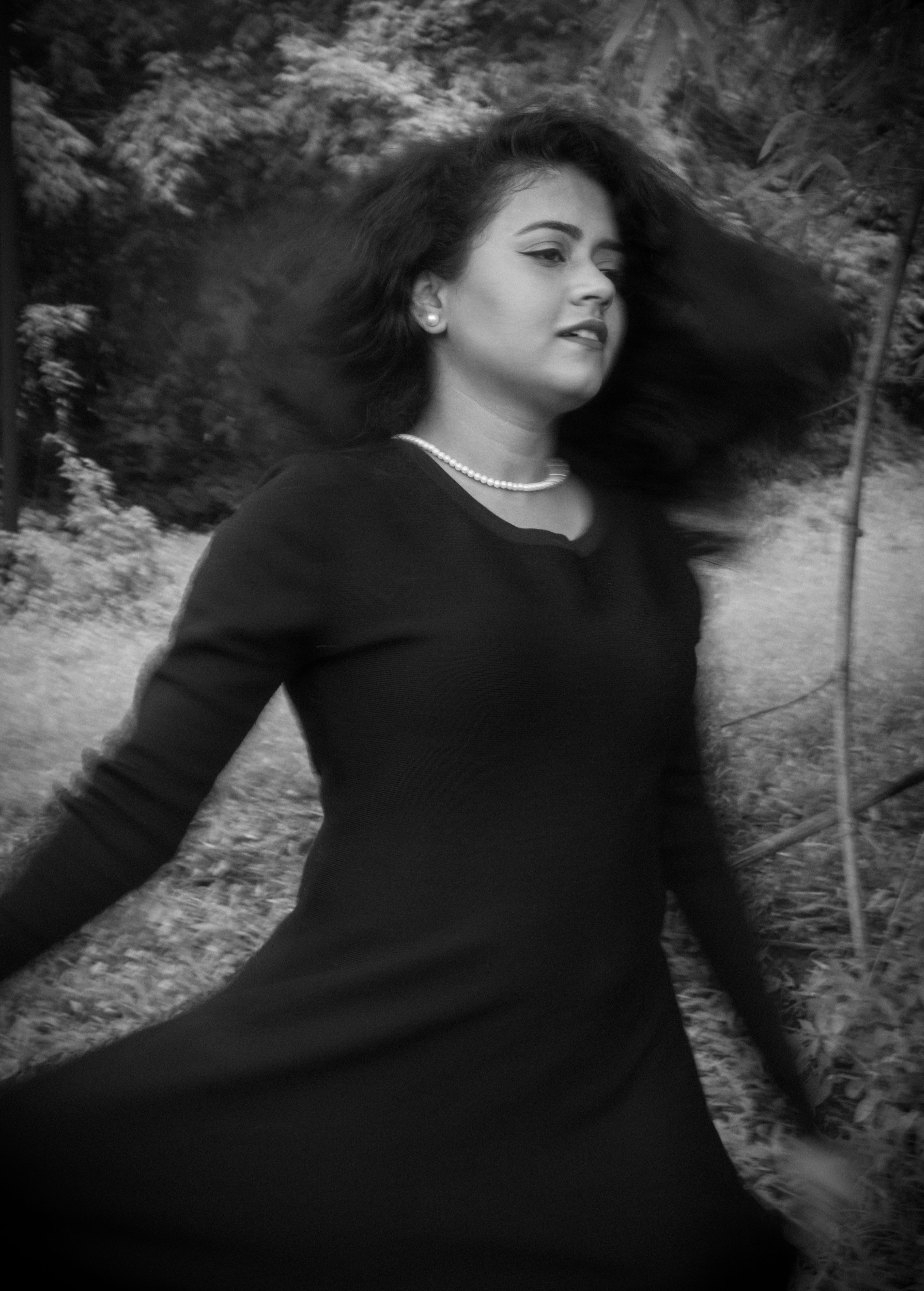
With this black-and-white vintage portrait, I wanted to create a timeless and nostalgic mood, almost like a movie still. The idea was to evoke elegance, mystery, and charm while focusing on the subject's expression and character. The monochrome treatment helps remove distractions and emphasizes emotion, storytelling, and the classic vintage aesthetic.
What's one lesson you've learned from working on diverse projects like conservation, food, and portraits?
One important lesson I've learned is that every photograph should tell a story. Whether it's a conservation project, a food shoot, or a portrait, the key is to create an emotional connection with the viewer. Working across different genres has taught me to adapt creatively while always focusing on storytelling, purpose, and attention to detail.
Contact and Follow
Instagram: https://instagram.com/shraddha.karanjekar
Website: https://shraddhakaranjekar.mypixieset.com/
Email: shraddhak1304@gmail.com