

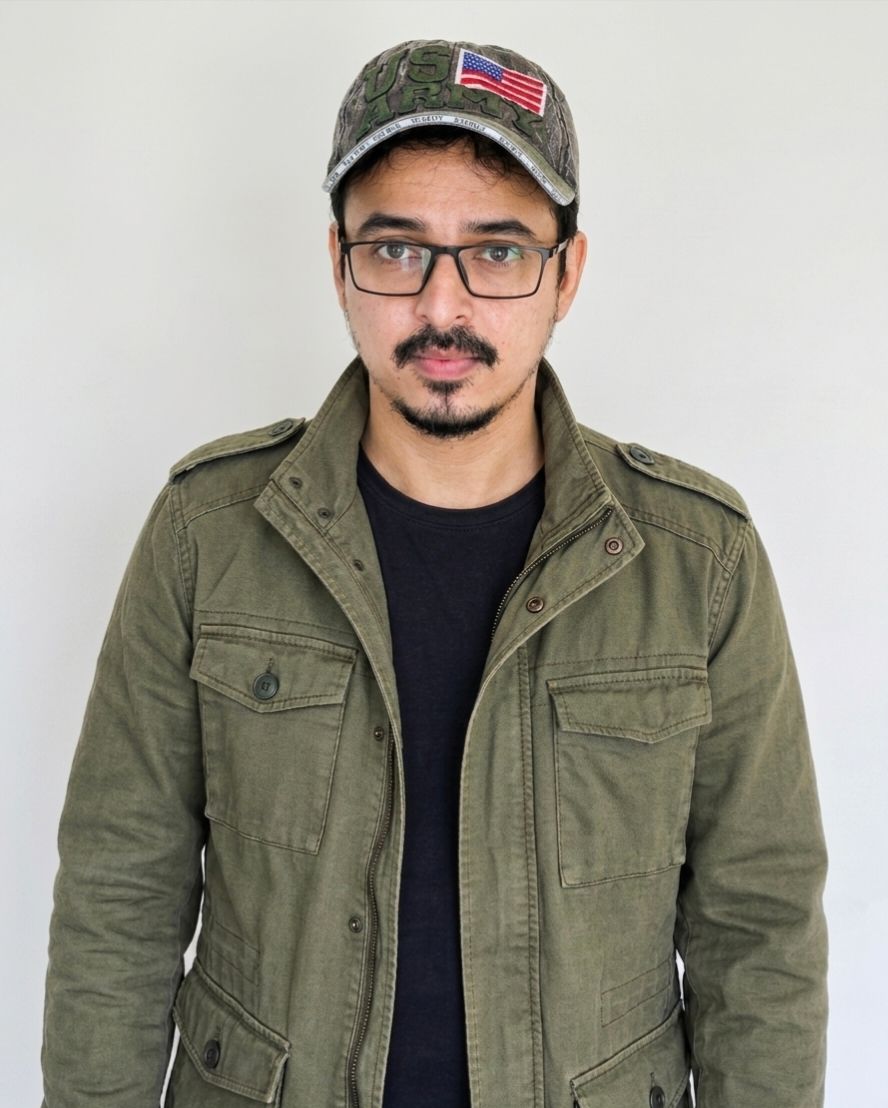
How did your journey in photography begin?
My journey in photography began with a simple curiosity to capture the beauty of everyday life. Initially, I was fascinated by how a photograph could preserve not just a moment, but also the emotions, atmosphere, and story behind it. What started as a passion gradually became a deeper pursuit. I began experimenting with different genres, studying light, composition, perspective, and the art of storytelling through images. With every photograph, I learned something new—not only about photography, but also about observing people, places, and the world around me. Over time, photography became much more than a hobby for me. It became a way of seeing and expressing myself. The journey has been filled with experimentation, challenges, continuous learning, and countless memorable moments. Even today, I believe that there is always something new to discover through the lens, and that constant curiosity is what keeps my passion for photography alive.
What was the first moment you felt truly proud of a photograph you took?
One of the first moments I felt truly proud of a photograph was when I realized that the image had captured something beyond just a beautiful frame—it had captured an emotion and told a story. Until then, I had mostly focused on getting the technical aspects right: composition, exposure, focus, and light. But that particular photograph made me understand that photography is not simply about creating a visually pleasing image; it is about making the viewer feel something. The response I received from people who saw the photograph made the moment even more special. It gave me the confidence to believe that my way of seeing the world through a camera could connect with others. That experience became an important milestone in my journey and motivated me to keep learning, experimenting, and developing my own photographic voice.
How has your experience as a visual storyteller grown over the years?
Over the years, my understanding of visual storytelling has evolved significantly. In the beginning, I was primarily focused on creating technically strong and visually appealing photographs. With experience, however, I gradually learned that a powerful image is not only about composition, light, or timing—it is about the story and emotion behind the frame. Today, I pay much more attention to the details that might otherwise go unnoticed—the expression in someone’s eyes, the quality of light, the surrounding environment, a fleeting gesture, or a quiet moment. I try to anticipate and capture those decisive moments that allow a photograph to communicate without words. Photography has also taught me to be more patient and observant. I now approach every assignment with the intention of understanding the subject first and then finding the most honest and compelling way to present its story. For me, visual storytelling has become less about simply taking photographs and more about creating images that make people pause, feel, and connect.
What photographer or artist has influenced your work the most?
Two photographers who have had a particularly strong influence on my work are Steve McCurry and Raghu Rai. I admire Steve McCurry for his ability to combine powerful composition, colour, light, and human emotion to create photographs that tell compelling stories. His work has taught me to look beyond the obvious and to find meaning in expressions, environments, and fleeting moments. Raghu Rai has influenced me in a different but equally significant way. His distinctive approach to documenting India, its people, culture, and everyday life has deeply inspired me. I admire his ability to find extraordinary stories within ordinary moments and to capture the complexity, emotion, and character of a scene with remarkable sensitivity. Both photographers have taught me that great photography is not simply about creating a technically perfect image. It is about observation, timing, emotion, and having a unique way of seeing the world. Their work has encouraged me to develop my own visual language while remaining curious, patient, and deeply connected to the stories unfolding in front of my lens.
Which photograph do you feel best represents your work as a visual storyteller?
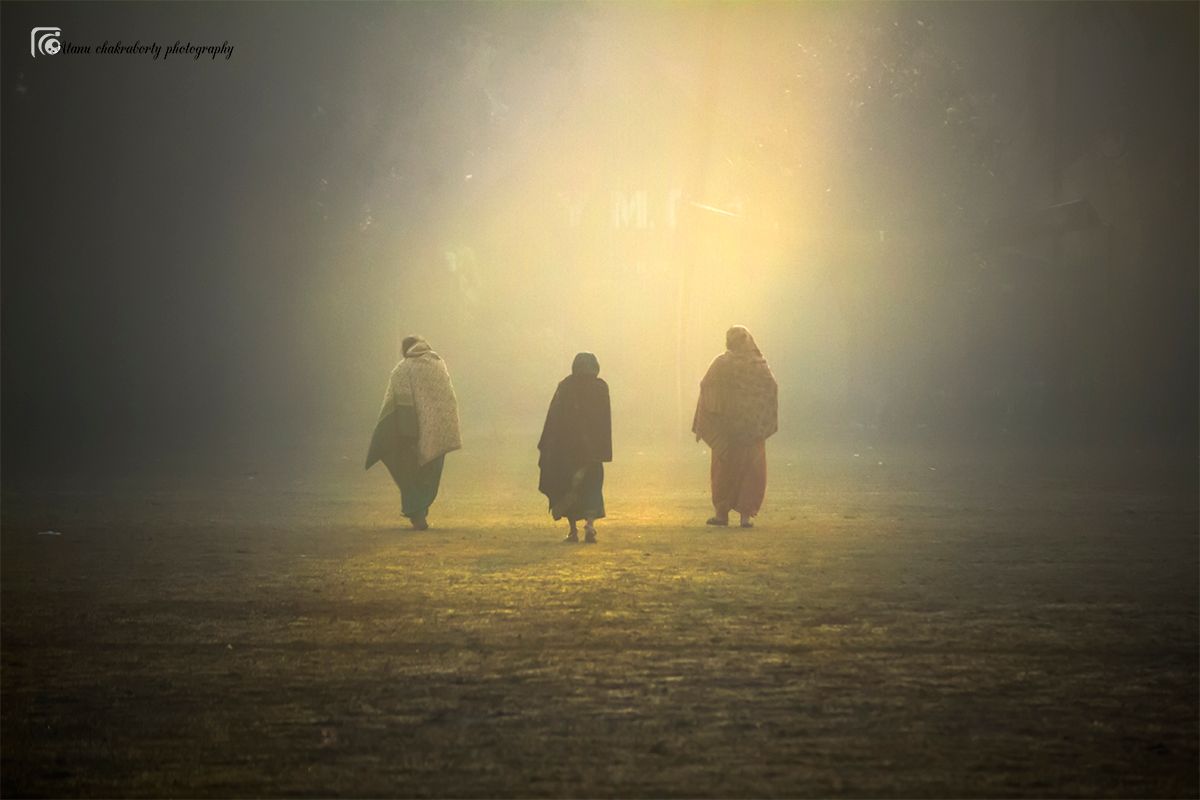
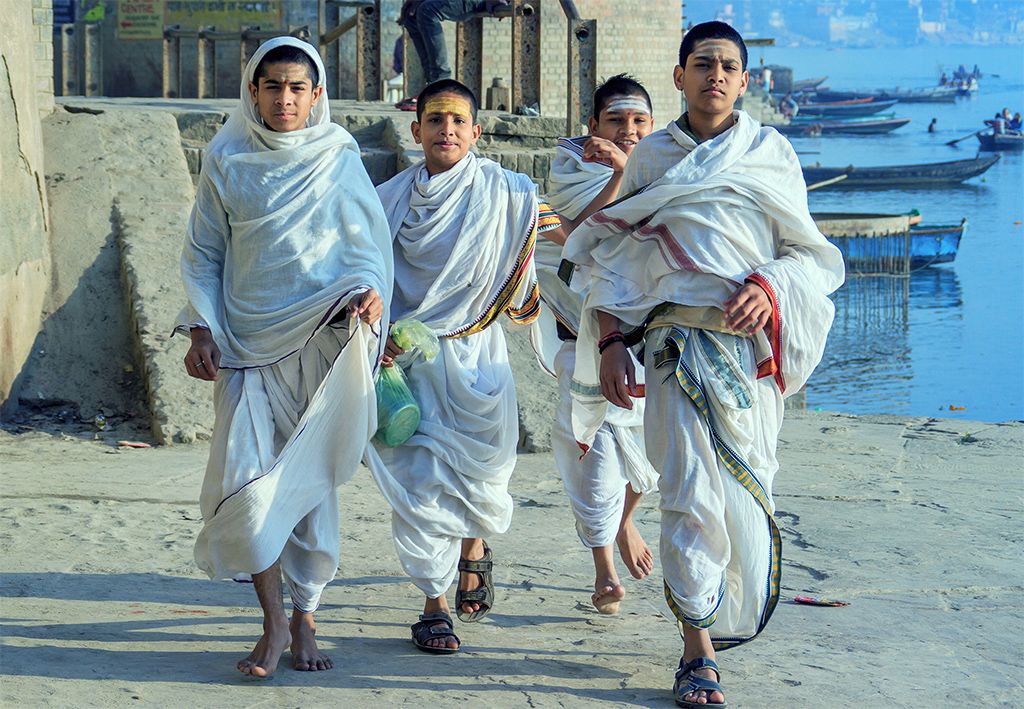
The first one is named "Into the Light." In this image, we see three mysterious women in a desolate, fog-filled space. At that very moment, rays of sunlight pierce through the dense mist to fall directly upon them, revealing their figures clearly amidst the haze. Similarly, the lives of many women in our society remain shrouded in the deep darkness of misery; society fails to see them until a light is cast upon their lives. The second one is "Students of Varanasi." Benaras, or Varanasi, is one of the world's oldest and holiest cities, located in the Indian state of Uttar Pradesh. This image directly connects with the local people, their way of life, and their culture.
What image would you choose to showcase your cinematography or editing skills?
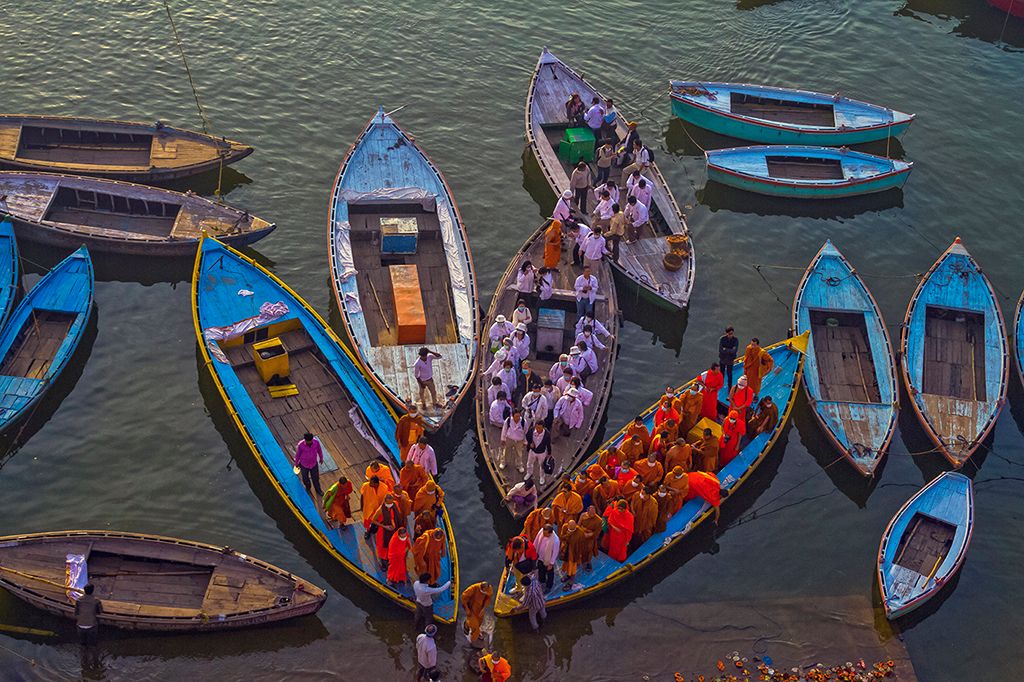
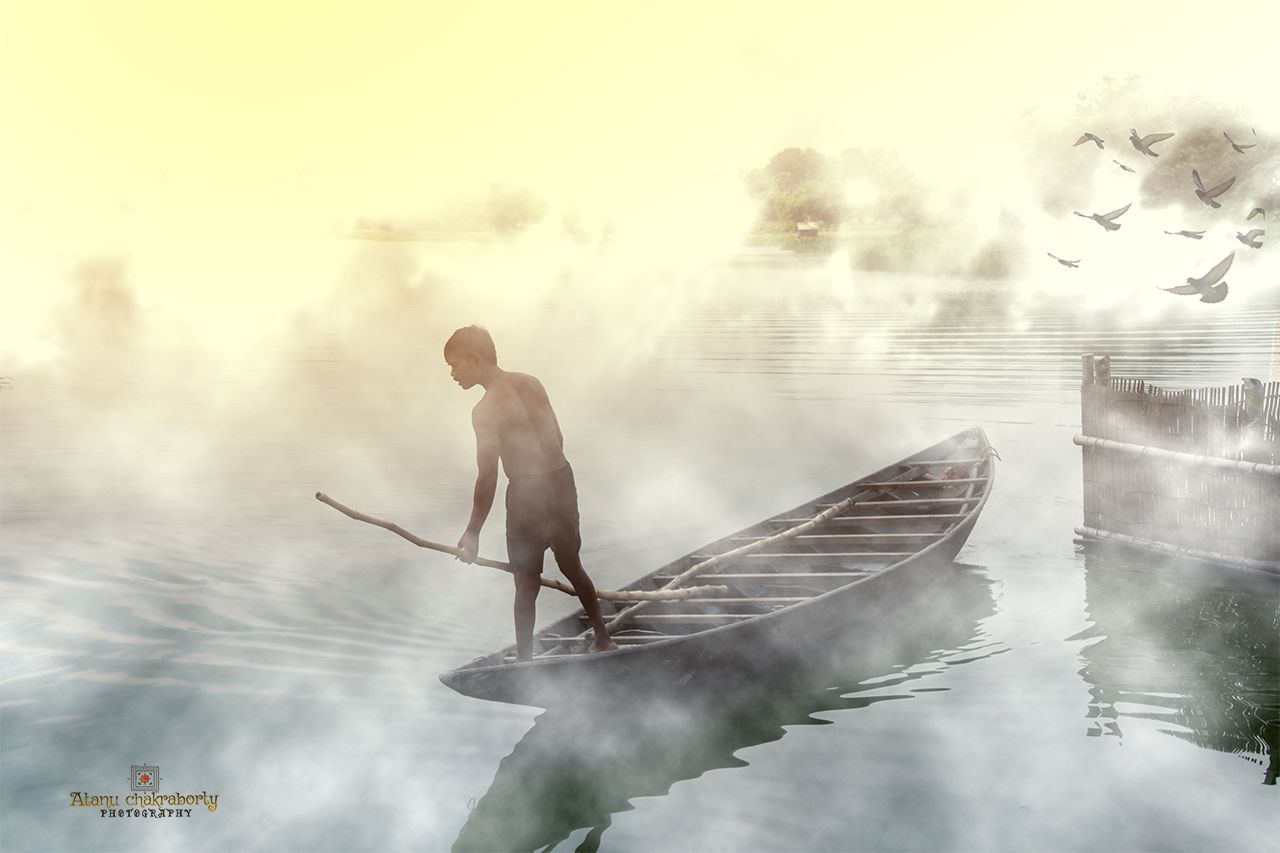
What techniques did you use in the uploaded video or image?
Nothing special, I used a Canon crop sensor camera for both of the photos. Then I used Adobe Photoshop for editing and colour grading.
What is your editing process like for the images you shared?
Just a simple process, maintaining the proper skin tone and balancing the white balance. And adjusting the proper balance of the light and shadows.
What was the most challenging part of that shoot?
The most difficult part of a shoot is finding the right angle for the subject. Sometimes, the positioning of the location makes the task extremely challenging; in this instance, the shoot had to be conducted on a narrow wall.
Contact and Follow
Email: chakrabortyatanu8@gmail.com
Instagram: https://www.instagram.com/atanuchakrabortyshooter