

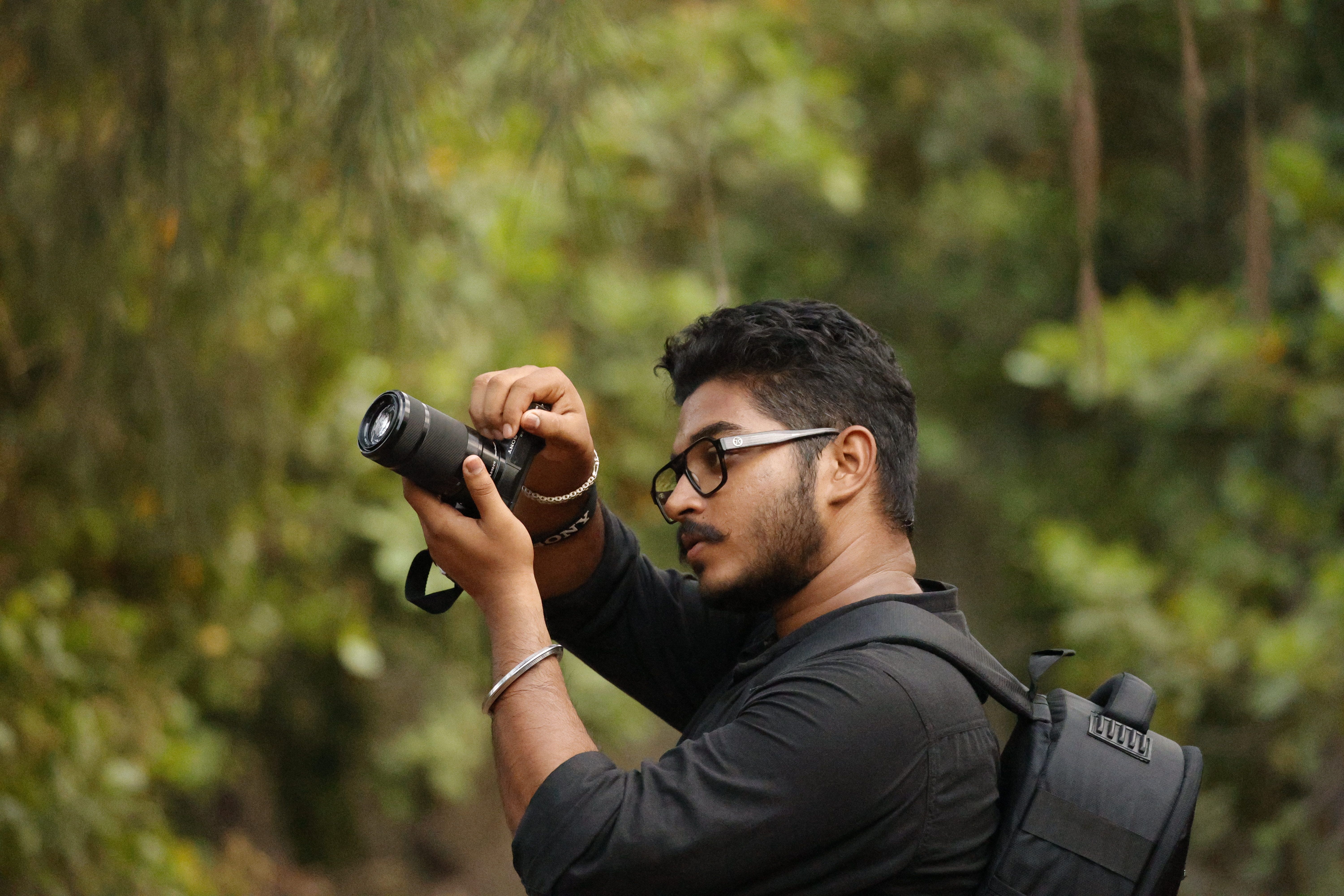
How did you first get started with photography?
I got started with photography using my phone, simply because I still don't own a camera. I remember asking my mother for one when I was in school, but it never really happened. Even today, whenever I get the chance to use a camera, it usually belongs to someone else. What drew me to photography from the beginning wasn't the equipment—it was the stories. I've always been fascinated by capturing people and animals in their most natural moments, when they are completely unaware of being watched and are simply living their lives. Those candid expressions, emotions, and small moments often tell stories that words cannot. I enjoy looking at life from different perspectives and finding meaning in ordinary scenes that many people might overlook. Photography has also become a personal escape for me. Whenever life feels hectic or overwhelming, going out with my phone and observing the world through a frame helps me slow down, disconnect from the noise, and reconnect with myself.
What was the first moment you realized photography was more than just a hobby for you?
I don't think there was one dramatic moment when photography became more than a hobby for me. It happened gradually. I started noticing that no matter how busy, stressful, or chaotic life became, I would always find myself coming back to photography. Whenever I picked up my phone and went out looking for moments to capture, everything else seemed to slow down for a while. At some point, I realized I wasn't taking photos just because I enjoyed clicking pictures. I was doing it because it changed the way I looked at the world. It made me pay attention to small details, human emotions, animal behavior, and stories unfolding in everyday life. Photography became a way of observing, understanding, and connecting with the world around me. That's when I knew it was more than just a hobby—it had become a part of how I experience life.
How has your photography style evolved over the years?
That's a very good question, mainly because I still consider myself an amateur photographer. I feel like I am learning every single day, whether it's from other photographers, from people around me, or simply from spending more time observing the world. When I first started, I was mostly focused on taking pictures of things that looked interesting to me. Over time, I became less interested in just capturing a subject and more interested in capturing a story or an emotion. I started paying more attention to expressions, interactions, light, timing, and the small details that give a photograph meaning. I have also become more patient. Earlier, I would see something and immediately take a picture. Now, I often spend more time observing and waiting for the right moment to unfold naturally. This has especially influenced my street and wildlife photography, where the most genuine moments usually happen when nothing is being forced. I don't think my style has reached a final form yet. If anything, it is constantly evolving. The more people I meet, places I visit, and stories I witness, the more my perspective changes. I hope that as I continue growing, my photographs will become a better reflection of the stories and emotions that first made me fall in love with photography.
What draws you to street and documentary photography over other genres?
What draws me to street and documentary photography is my involvement in the moment itself. I love observing life as it unfolds naturally, without staging or directing anything. For me, every photograph has two stories. One is the story that viewers create in their own minds when they look at the image. The other is the story I lived while making that photograph. Whenever I revisit an image, it takes me back to that exact moment—the sounds, the atmosphere, and the emotions that surrounded it. I think that's what keeps me connected to this genre. It allows me to preserve real moments and real stories, both for others and for myself.
What's the story behind your best street photography work?
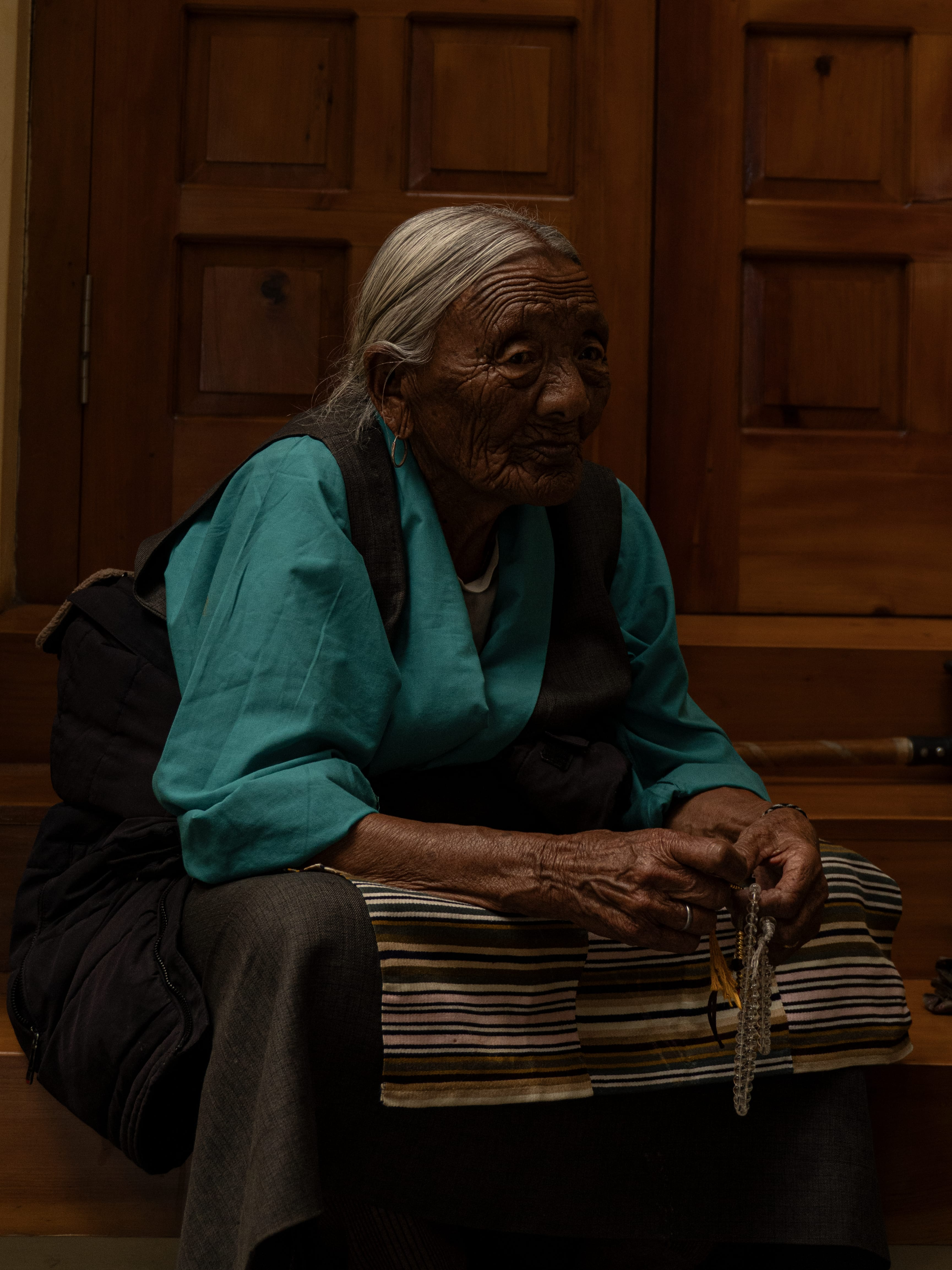
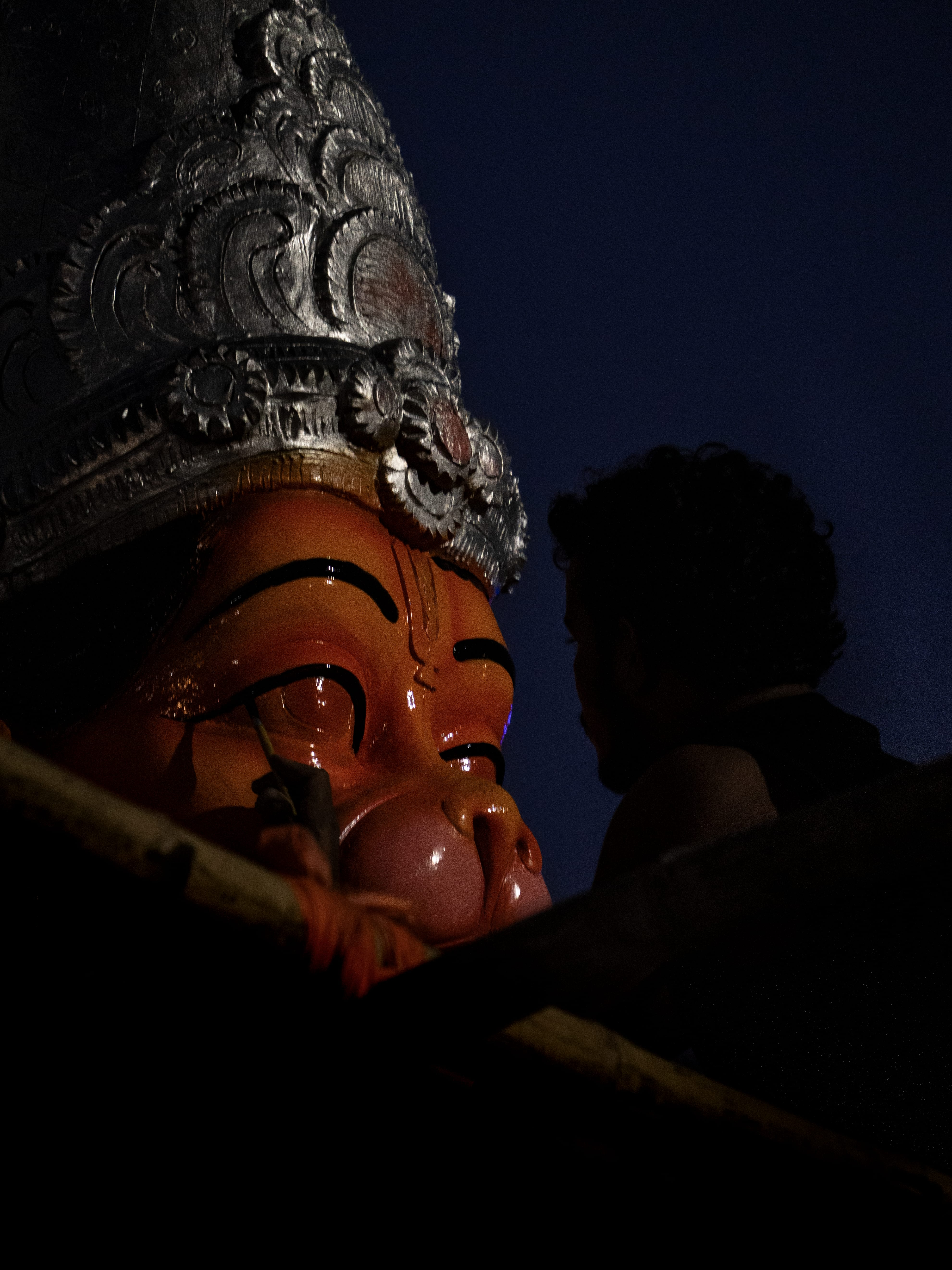
This photograph captures an elderly woman sitting quietly for a moment, lost in her own thoughts. What drew me to the scene was the expression on her face and the sense of life reflected in it. The wrinkles, posture, and stillness seemed to tell a story without needing any words. I did not direct or interrupt the moment. I simply observed and captured it as it naturally unfolded. For me, the image represents what I love most about street and documentary photography—preserving genuine human moments and allowing viewers to connect with their own interpretation of the story behind them. The second image caught my attention because of the contrast between the illuminated idol and the silhouette of the person beside it. The photograph brought together faith, culture, and human presence within a single frame. I was drawn to the quiet interaction between the two subjects, leaving space for the viewer to interpret the relationship and story within the image.
What story does your candid daily life photo tell?
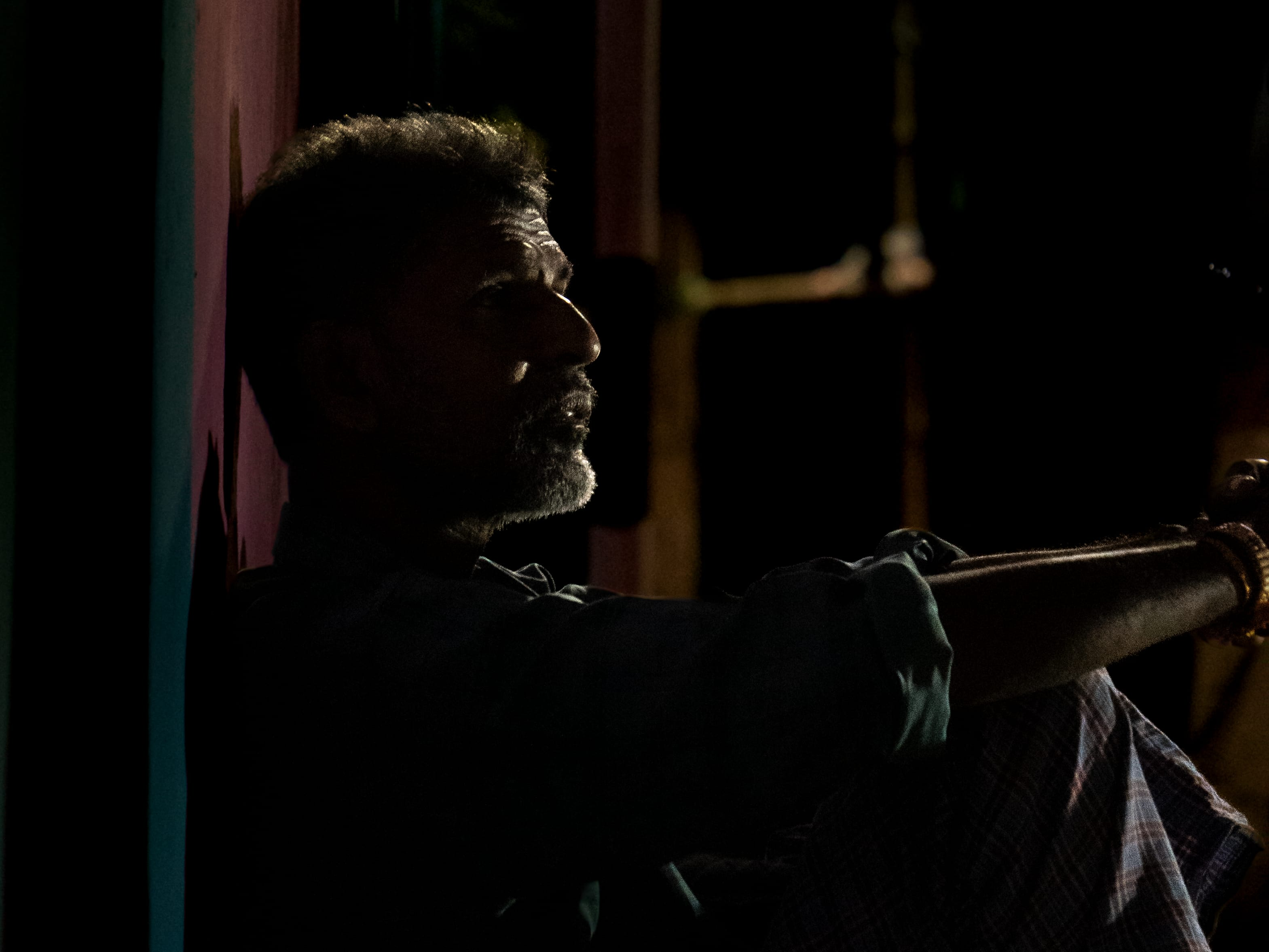
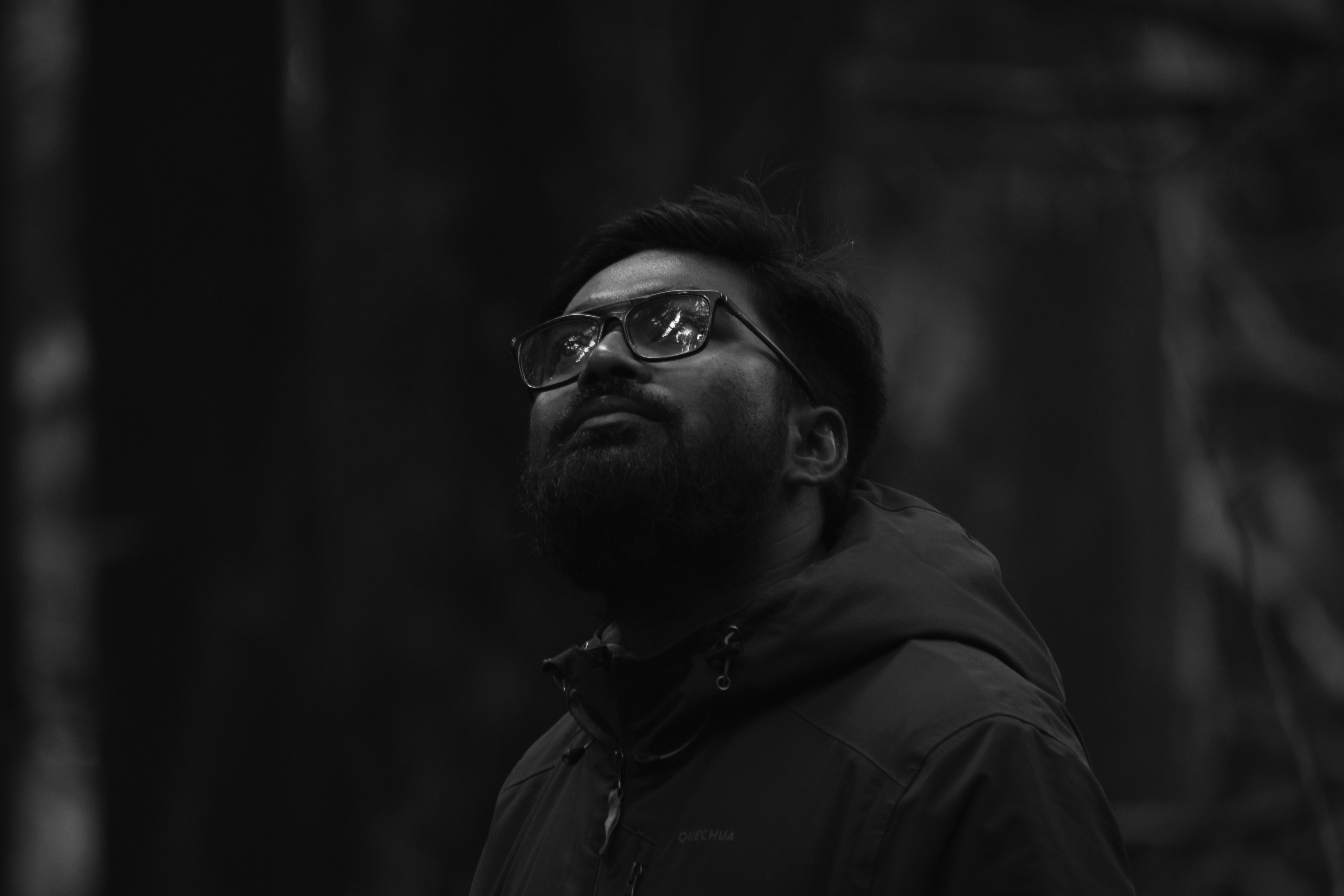
What drew me to this scene was the feeling of stillness. The man was sitting quietly, lost in his own thoughts, while a beam of light illuminated part of his face against the darkness around him. The contrast between light and shadow created a mood that immediately caught my attention. I wanted to capture that brief, unguarded moment of reflection that most people would walk past without noticing.
What were you feeling when you captured that birdwatching moment?
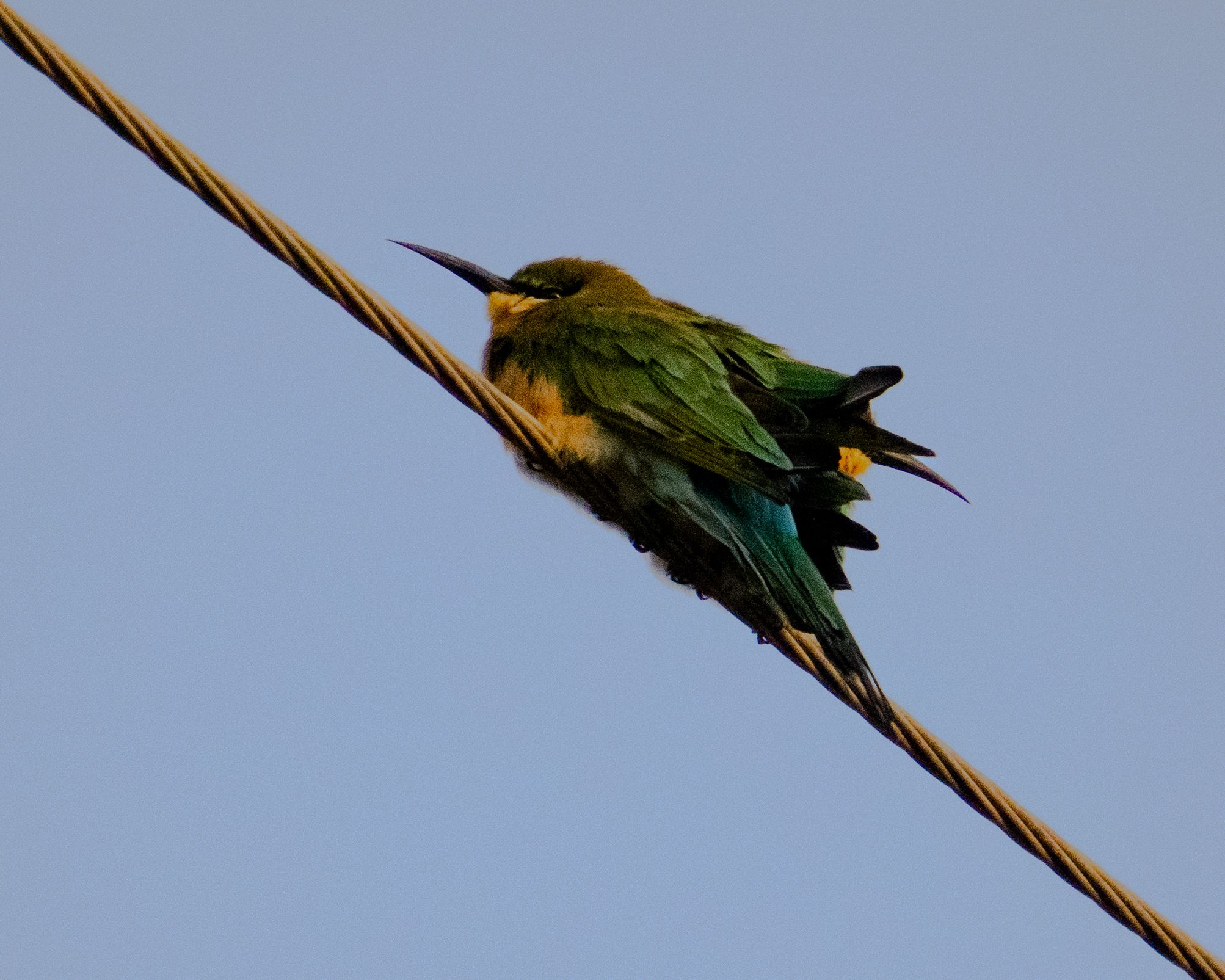
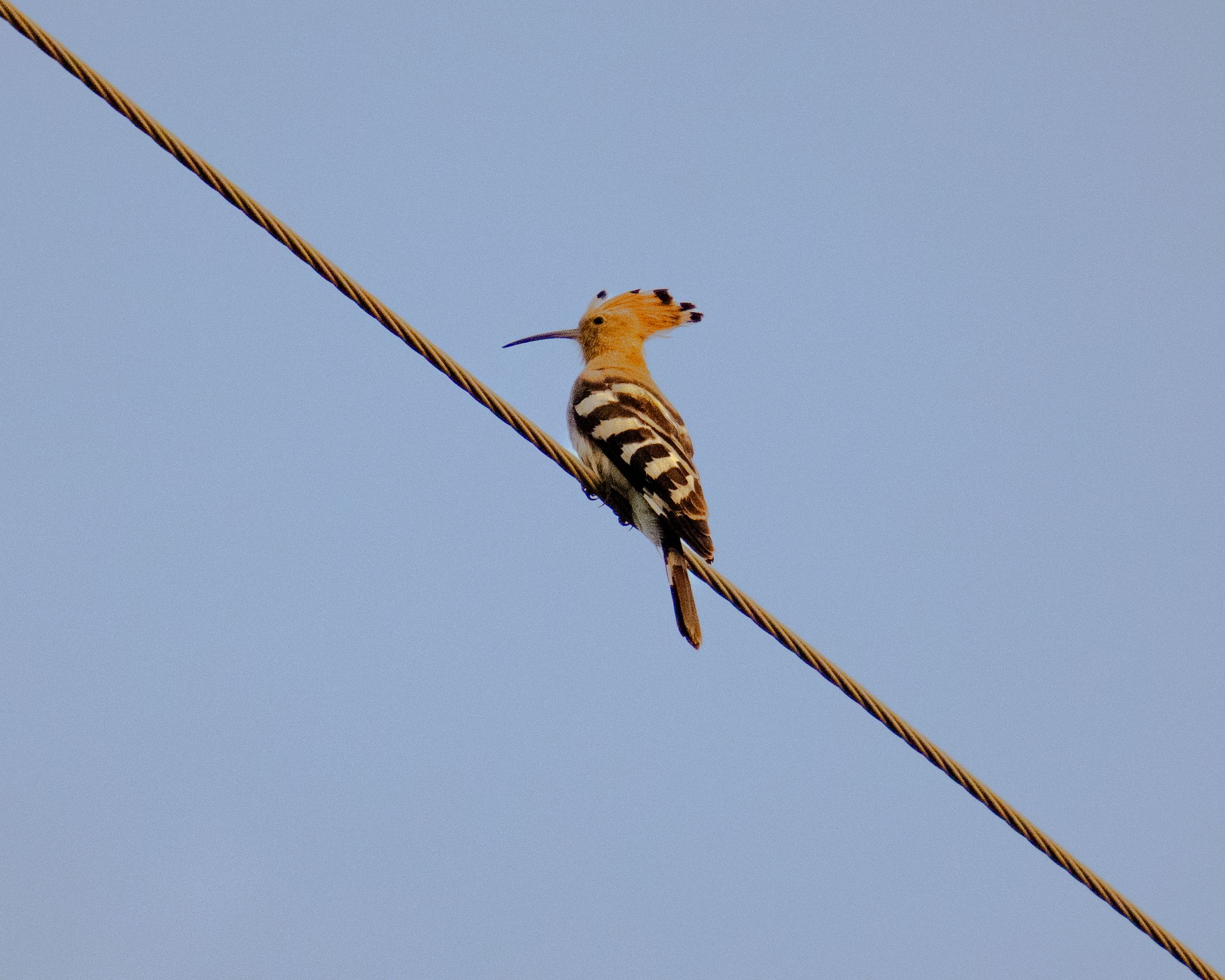
What I felt in that moment was a sense of excitement and patience coming together. Watching the bird sit calmly for a brief moment after spending time searching and waiting for it made the encounter feel special. For me, birdwatching is not just about photographing a bird—it is about being present in nature and appreciating moments that often go unnoticed.
Why did you choose that particular overlooked detail to photograph?
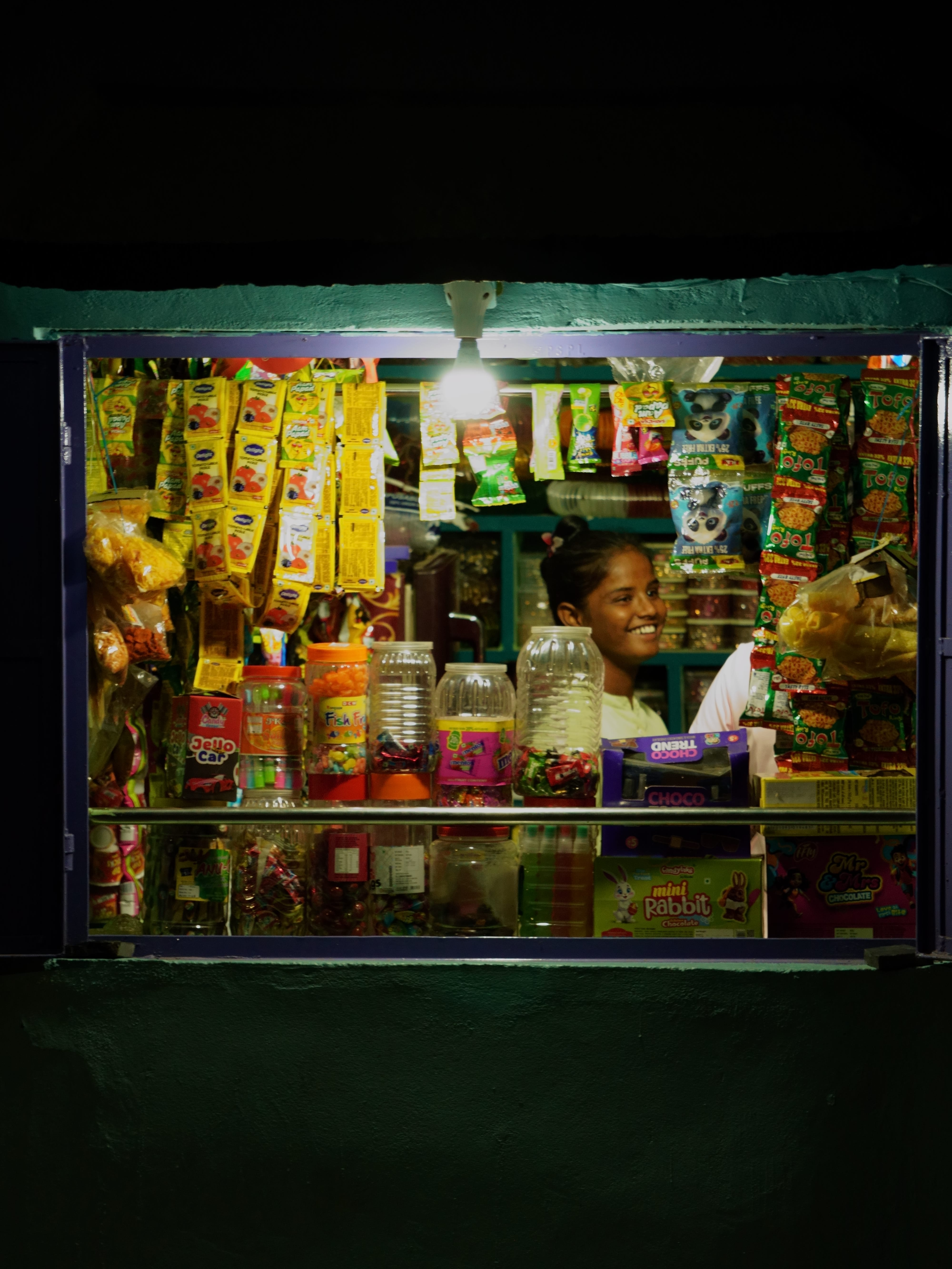
What caught my attention here was the warmth and honesty of the moment. The photograph reflects a small part of everyday life and the people who quietly keep a place running while interacting with countless strangers each day.
What makes your travel photo significant to you?
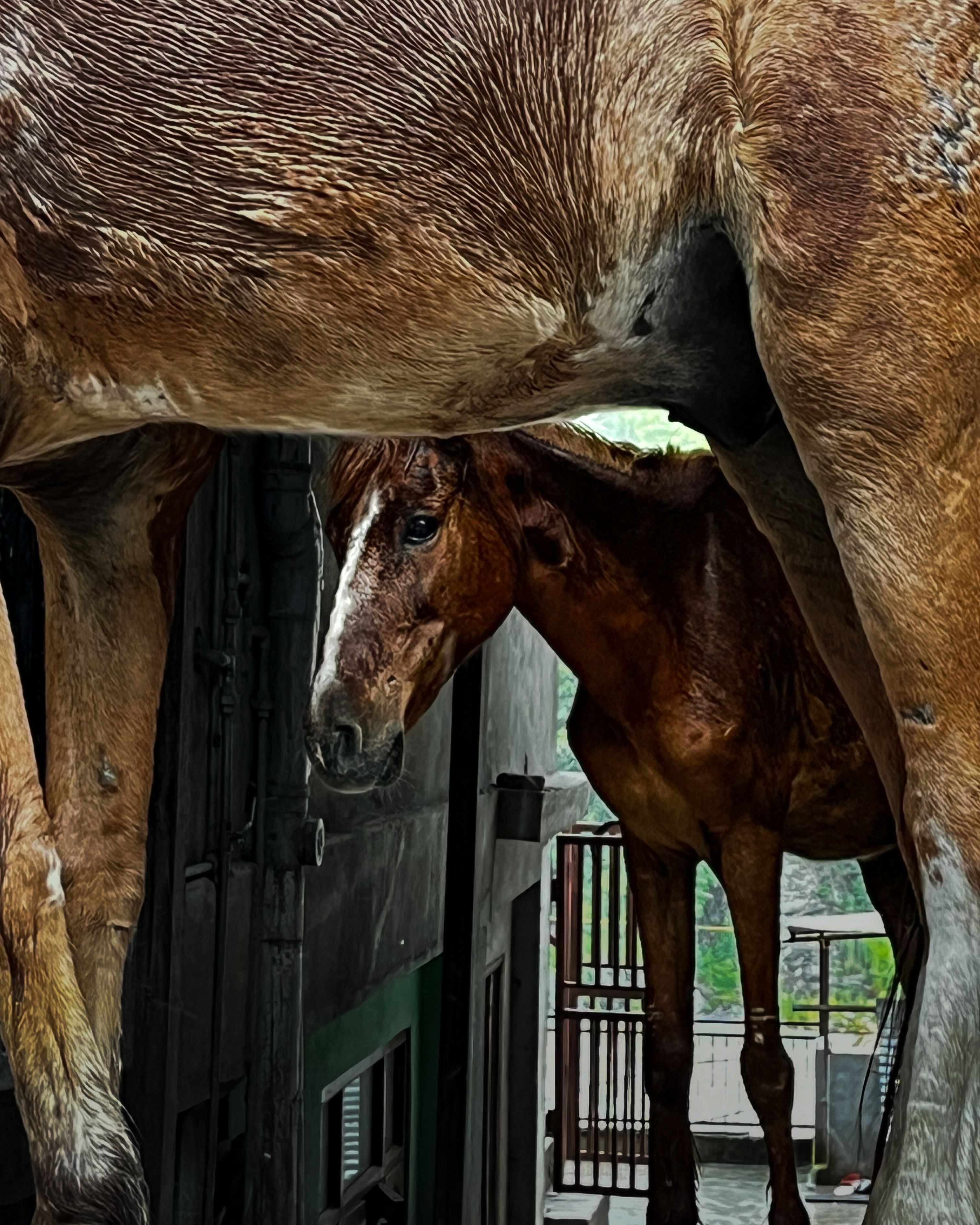
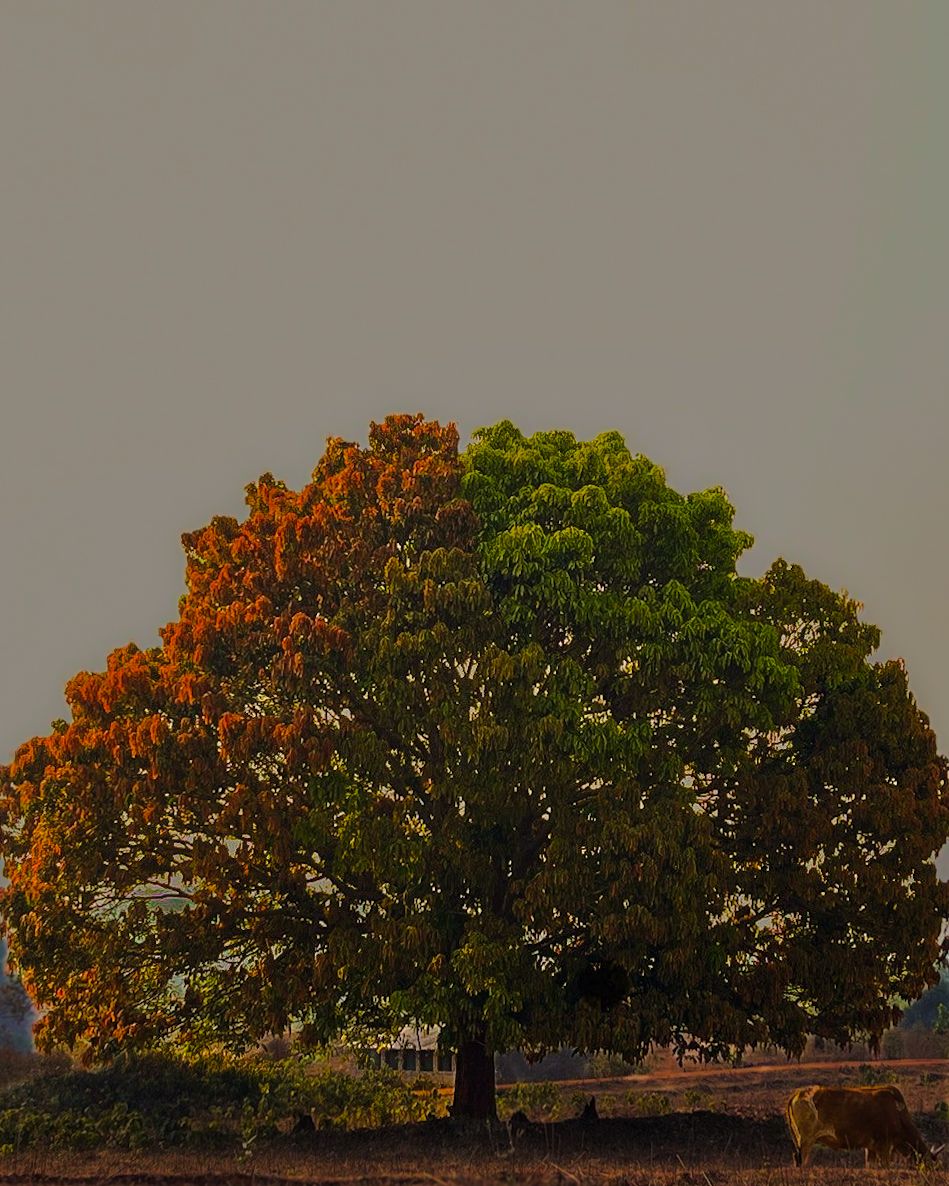
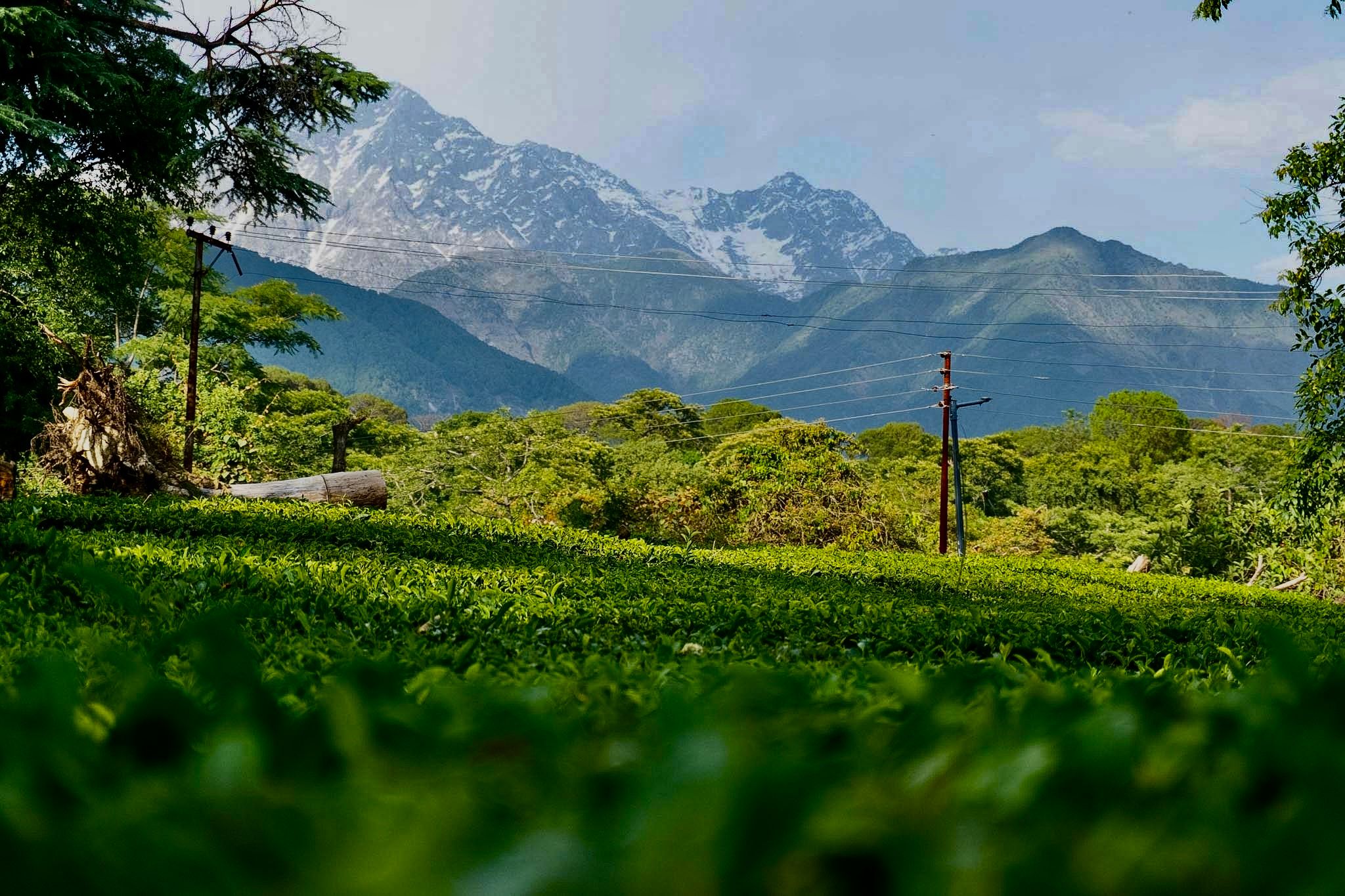
This photograph is significant to me because it reminds me how small we are compared to the world around us. Standing there and witnessing the landscape in person was a moment of awe that no photograph can fully recreate, but this image helps me relive it.
Can you walk us through the context behind your documentary photo?
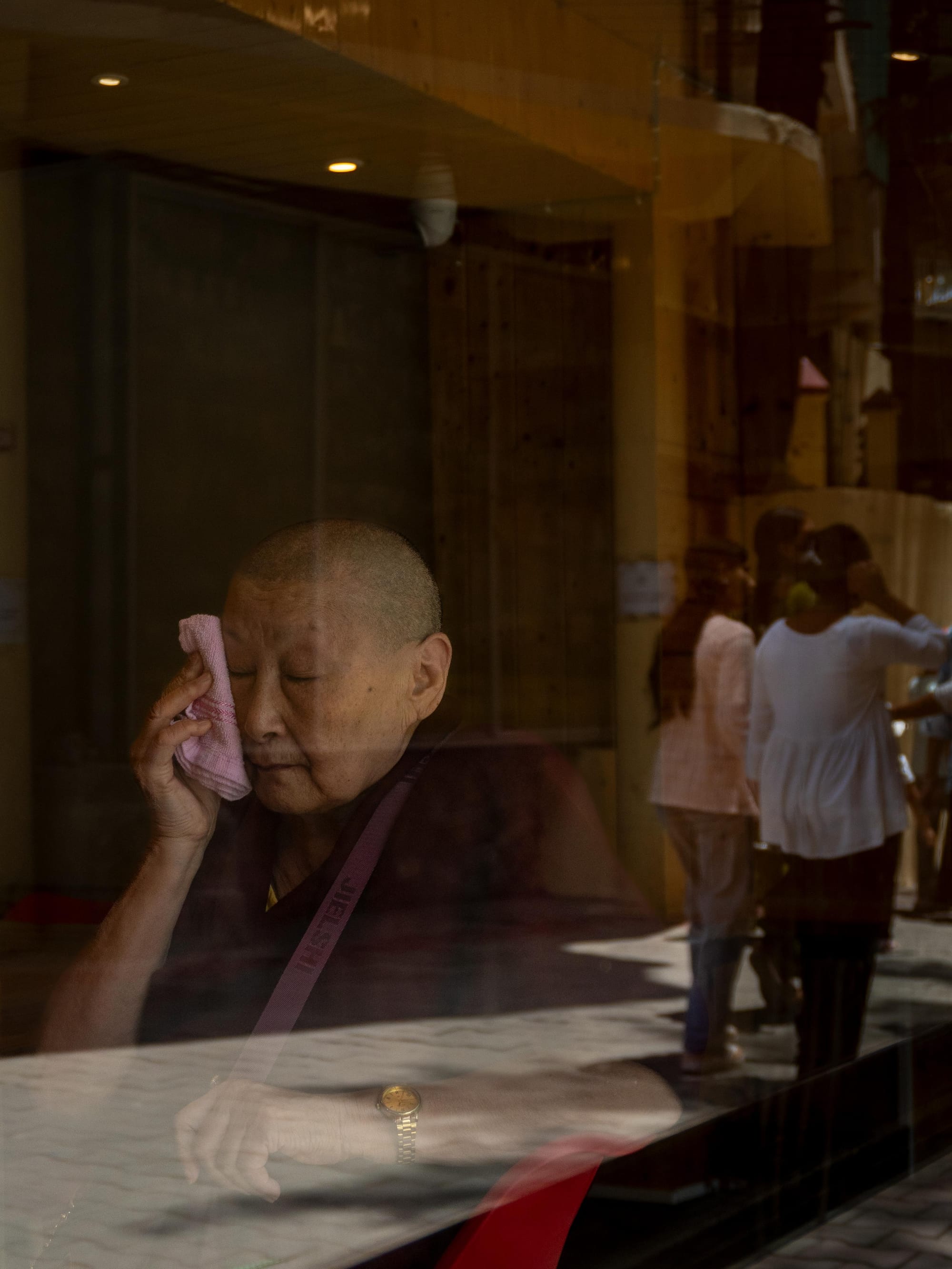
This photograph was taken through a glass window, where I noticed an elderly woman sitting quietly while reflections of people and daily life appeared on the surface around her. What drew me to the scene was the contrast between her stillness and the movement reflected outside. To me, the photograph represents a brief moment of reflection amid the constant flow of life. I was interested in capturing that contrast and leaving space for viewers to interpret their own story from the image. What interested me about this scene was how it felt like two different worlds existing in the same frame. The woman appeared lost in her own thoughts, while the reflections on the glass carried fragments of the busy world outside.
Contact and Follow
Email: wohmoochwala@gmail.com
Instagram: https://www.instagram.com/wohmoochwala?igsh=MTlxaWRzZjF1cjBz&utm_source=qr