


How did your journey in photography begin?
Photography entered my life when I realized that a single photograph could capture emotions, memories, and stories that words often cannot express. What began with casually taking pictures soon turned into a deep passion for observing details, capturing meaningful moments, and creating lasting visual memories. Earlier I used to paint but then slowly drifted towards this medium. With the advent of phone cameras, it became more convenient to catch moments as the camera was always in your hand.
When was the first time you realized photography was more than just a hobby?
I realized when people started connecting emotionally with my images. Seeing a photograph evoke memories, emotions, or conversations made me understand that photography is not just about capturing moments—it's about telling stories and creating lasting impressions. It became a creative language through which I could share how I see the world.
How has your photography evolved over the years?
Over the years, my photography has evolved from simply capturing moments to intentionally telling stories. In the beginning, I focused mainly on the technical aspects of photography, but with experience I learned that the most powerful images are those that convey emotion, atmosphere, and meaning. I have become more patient, more observant, and more conscious of composition, light, and timing. Today, I approach photography not just as a way to document what I see, but as a medium to share perspectives and create meaningful connections with viewers. As I gained experience, I developed a deeper understanding of light, composition, and emotion, which helped me move beyond technical skills and focus on capturing moments that resonate with people.
What drives you to explore different genres like architecture, landscape, nature, street, travel, and monochrome?
Different genres fascinate me because every subject has a unique story to tell. Architecture fascinates me with its design and structure, landscapes and nature inspire me with their beauty and tranquility, street photography captures the raw emotions and rhythm of everyday life, and travel photography allows me to experience different cultures and perspectives. Monochrome photography, on the other hand, helps me focus on emotion, texture, and contrast without the distraction of color. Exploring multiple genres keeps my creativity alive, challenges me to see the world from different angles, and continuously broadens my understanding of photography as an art form.
What are some of your favorite architectural photographs from your portfolio?
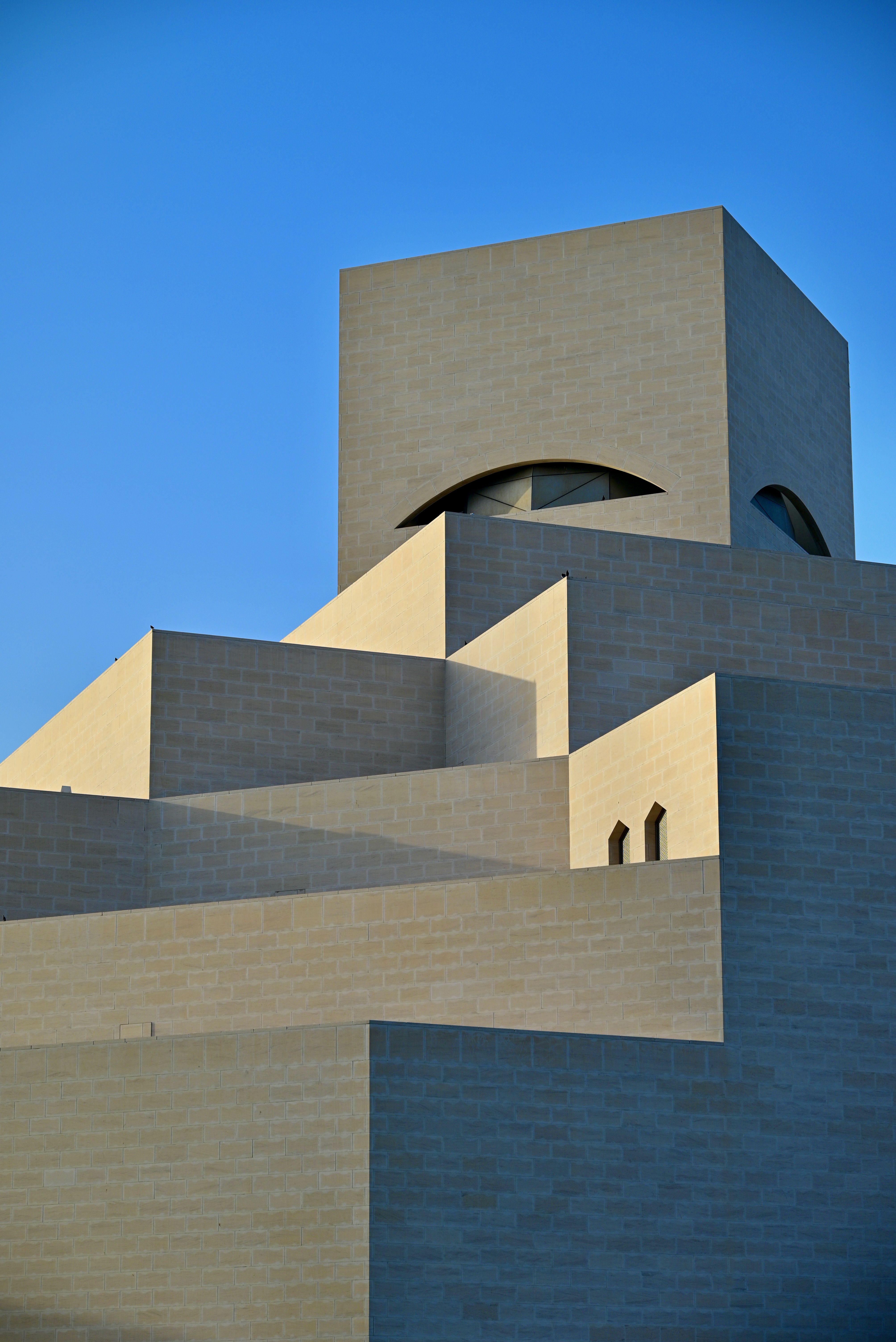
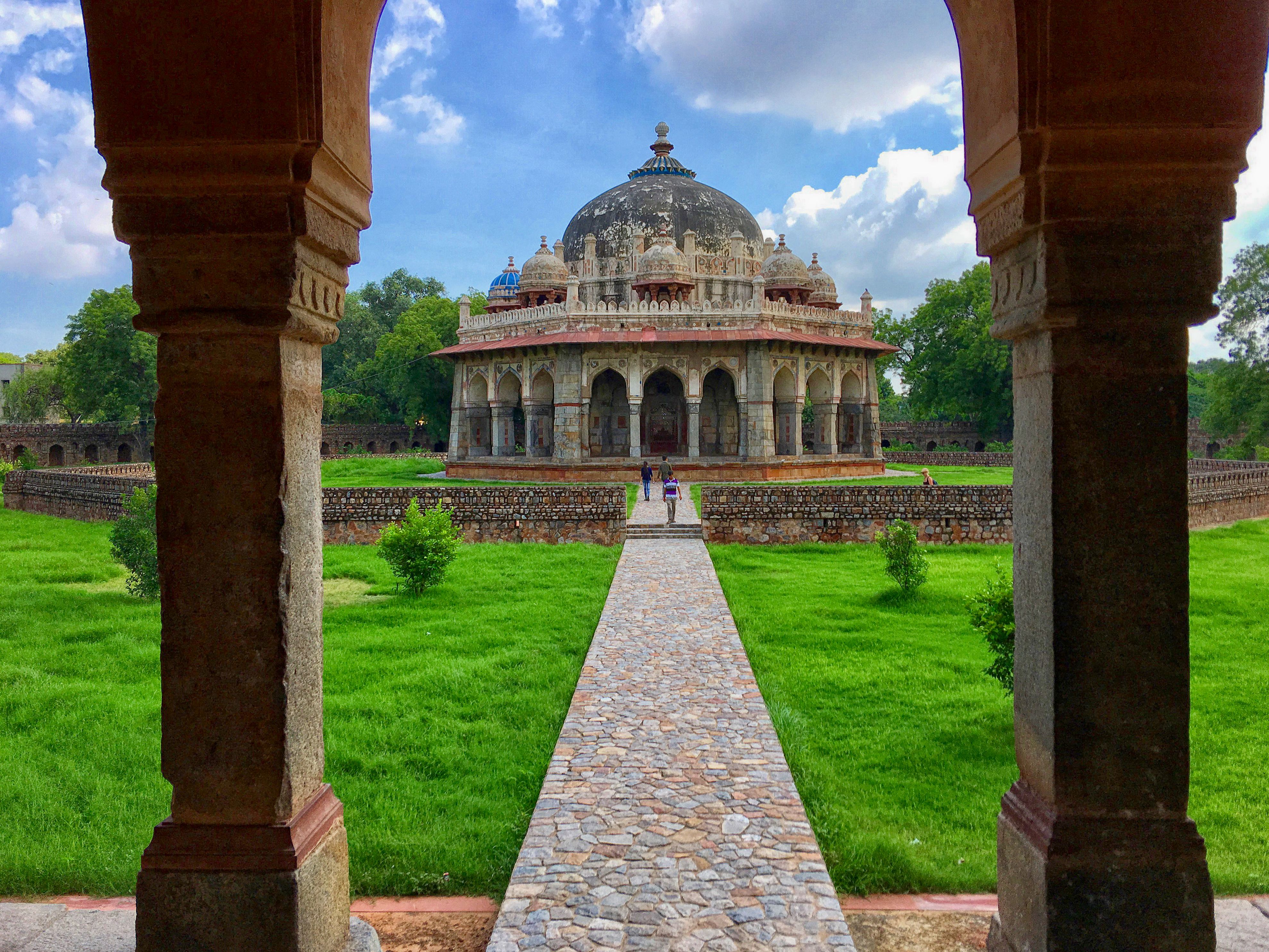
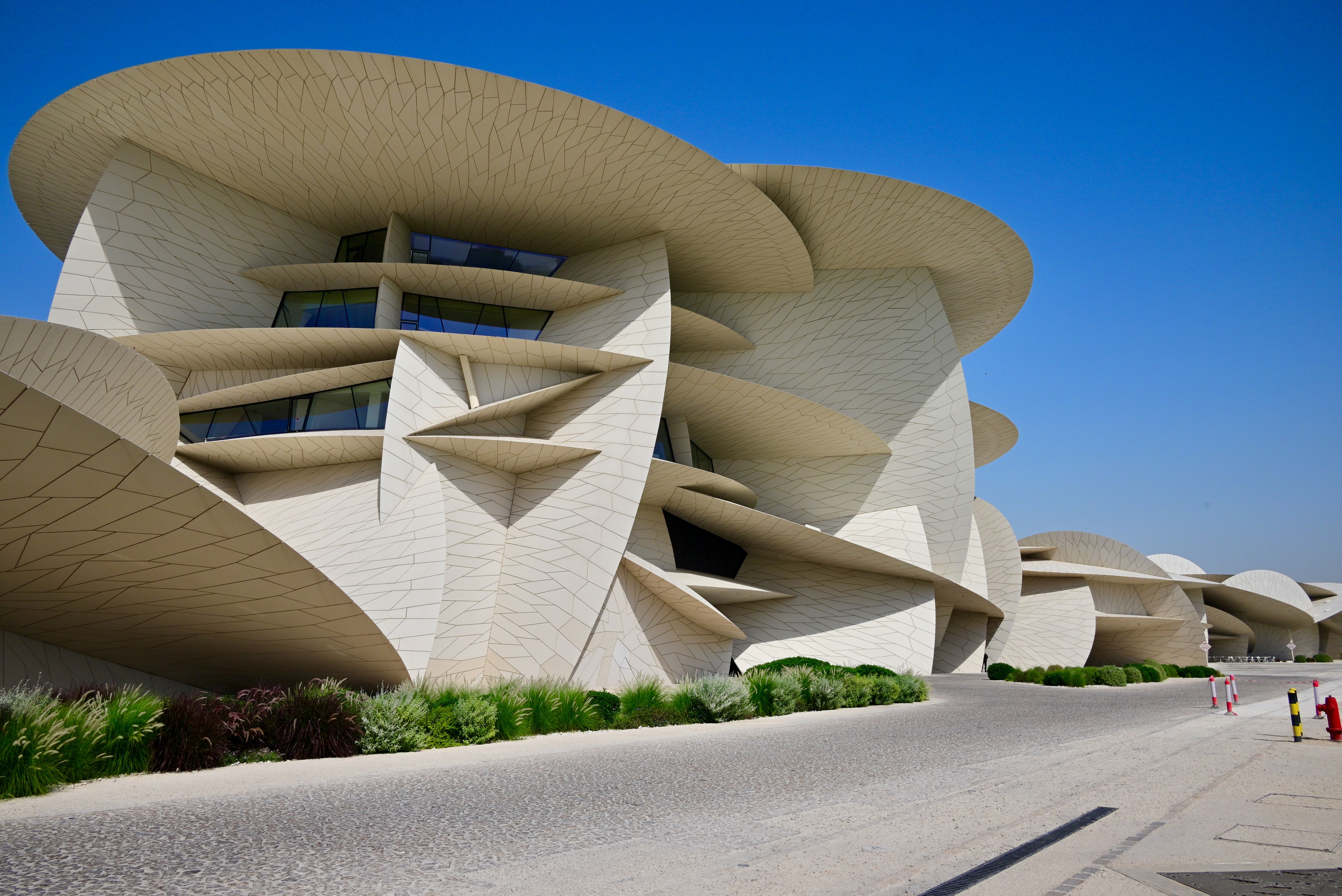
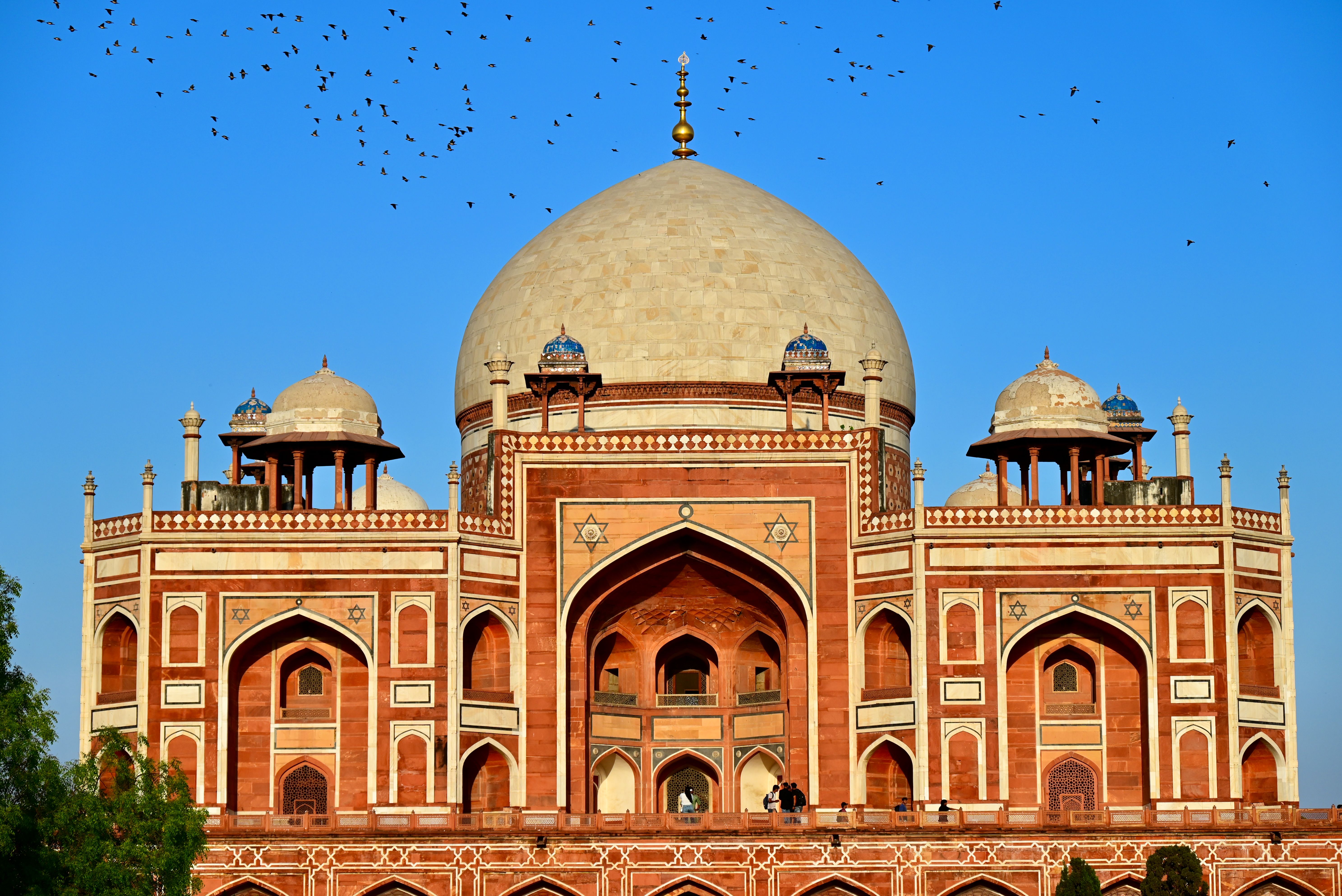
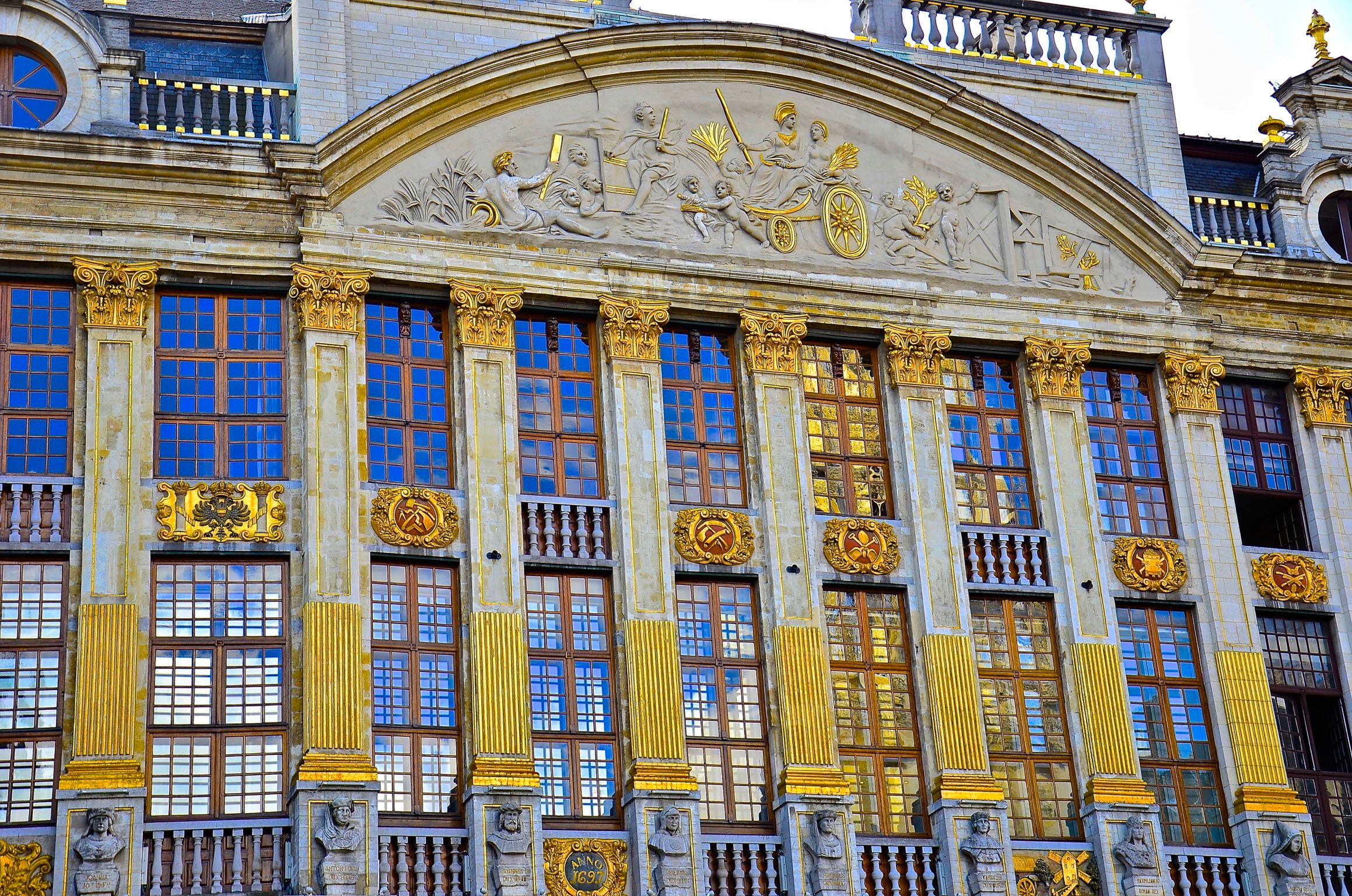
Image-1: The photo was taken in Doha. What fascinated me about this building was its minimalist geometry and masterful use of light and shadow. Unlike traditional architecture that relies on ornamentation, this structure communicates elegance through simple forms, clean lines, and carefully balanced proportions. I was inspired by how changing sunlight transforms the building into an abstract composition of shapes and textures. I have taken millions of its photos and never got tired once. Image-2: The photo is the tomb of Isa Khan, a little-known figure in the complex of Humayun's Tomb. This photograph appealed to me because of the natural framing created by the surrounding arches. The pathway leading directly to the tomb creates depth and draws the viewer's eye toward the monument. I wanted to capture not only the architectural beauty of the structure but also its peaceful atmosphere and connection with the surrounding landscape. This photo is special to me as it fetched my first photography award. The photo was taken with an iPhone 6, and it proves that when light is conducive, no matter which camera you use, it will draw attention. Image-3: This photo is of the National Museum of Qatar, perhaps the most difficult to photograph. The structure is huge, complex, and inspired by the desert rose. The National Museum of Qatar represents a striking contrast to traditional architecture. I was fascinated by its futuristic design inspired by the desert rose crystal formation. The overlapping discs create dynamic patterns, shadows, and perspectives that seem to change from every angle. Photographing it was an opportunity to explore modern architecture as sculpture. Image-4: This photo needs no introduction. Humayun's Tomb captivated me because of its perfect symmetry, majestic dome, and timeless Mughal architecture. I was particularly drawn to the way the warm sandstone contrasts against the deep blue sky, while the flock of birds above adds a sense of movement and life to an otherwise monumental structure. The image reflects the harmony between architectural grandeur and nature. I waited hours just so that birds would fly in groups to add a little drama and action. Image-5: Taken in Brussels, I was attracted to the intricate craftsmanship and rich decorative details of this historic façade. The combination of gilded ornamentation, rhythmic window patterns, and classical architectural elements showcases the artistry of a different era. I wanted to highlight the balance between grandeur and detail that makes European civic architecture so visually compelling.
What landscape photos capture breathtaking scenes you've witnessed?
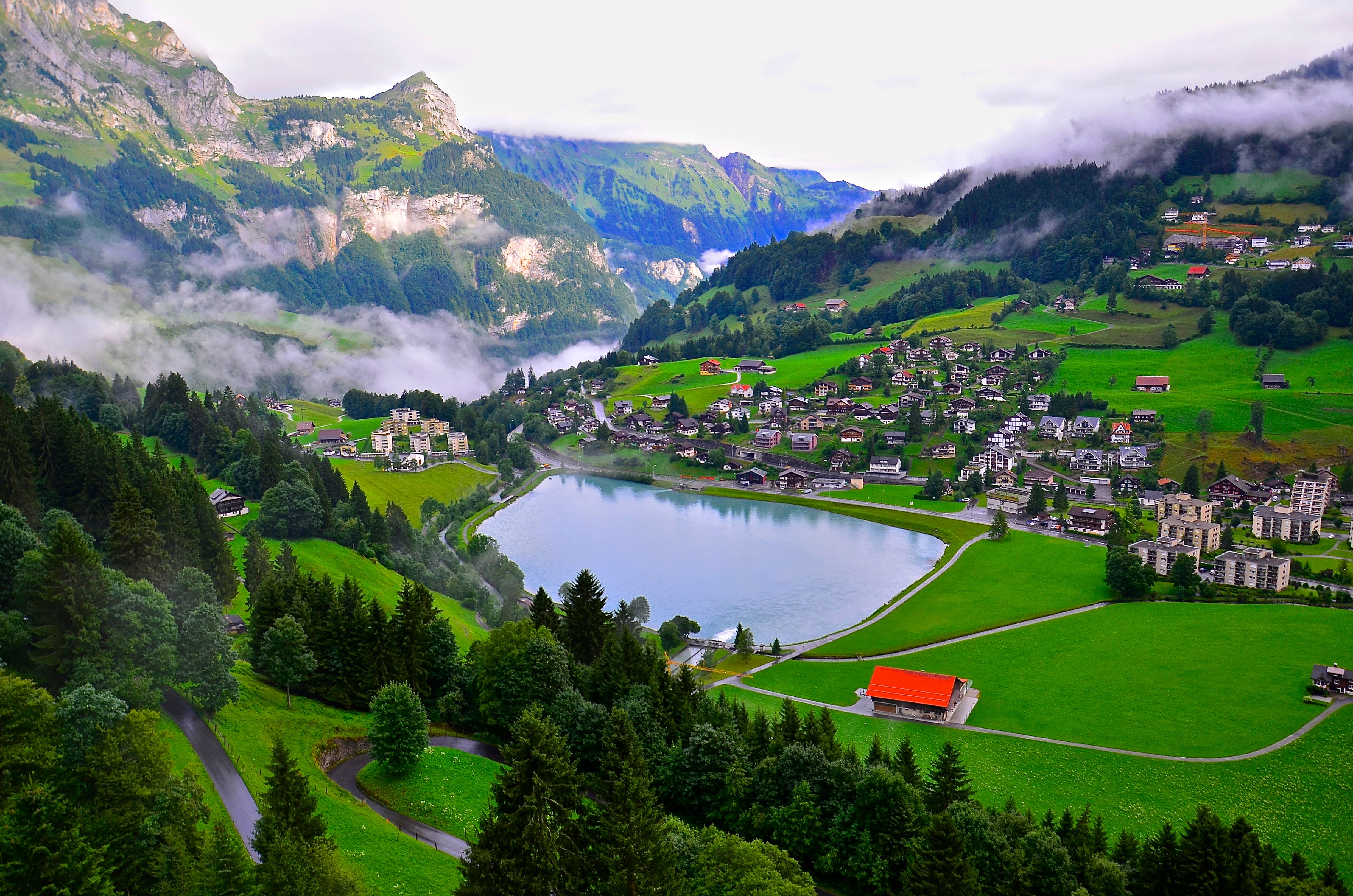
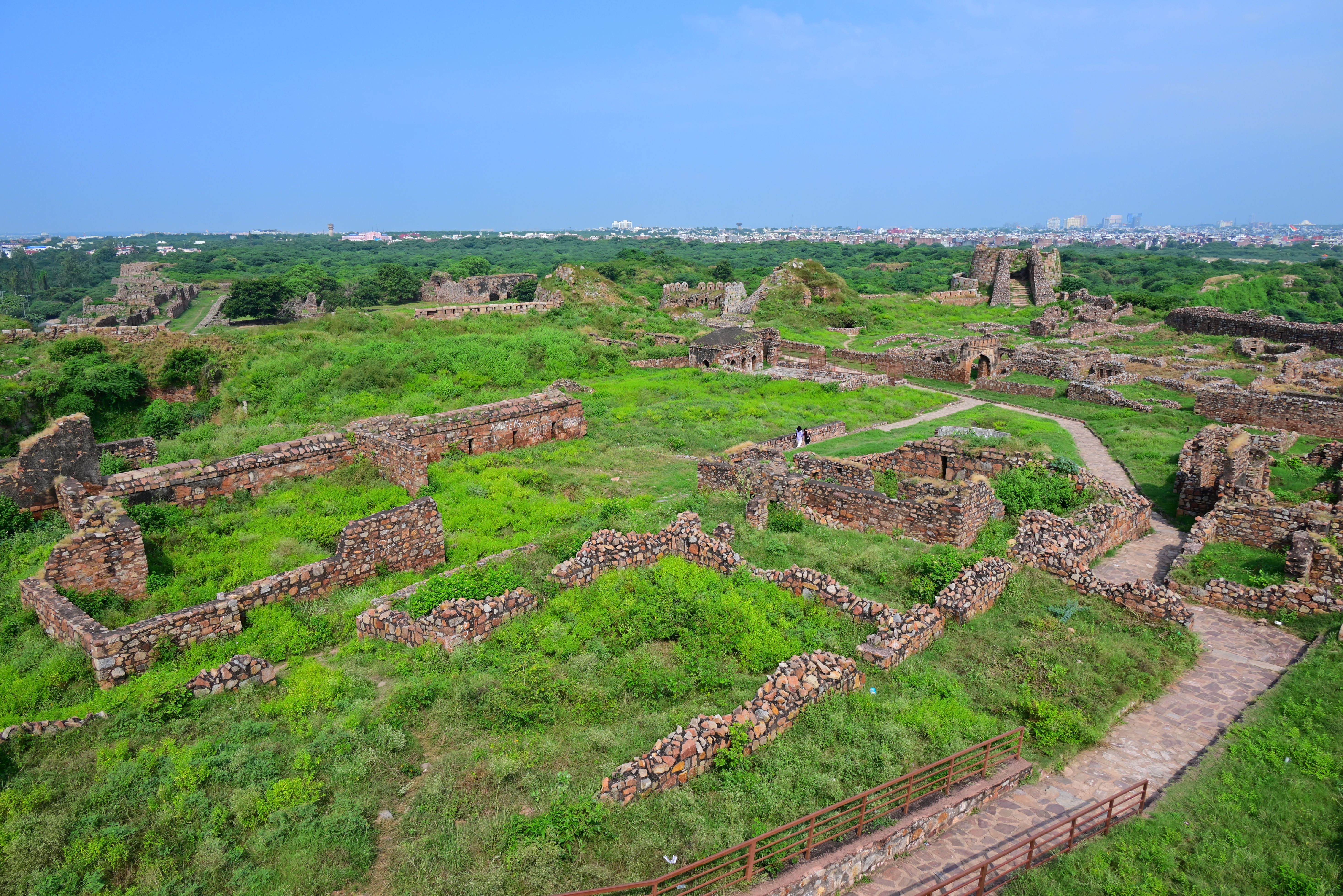
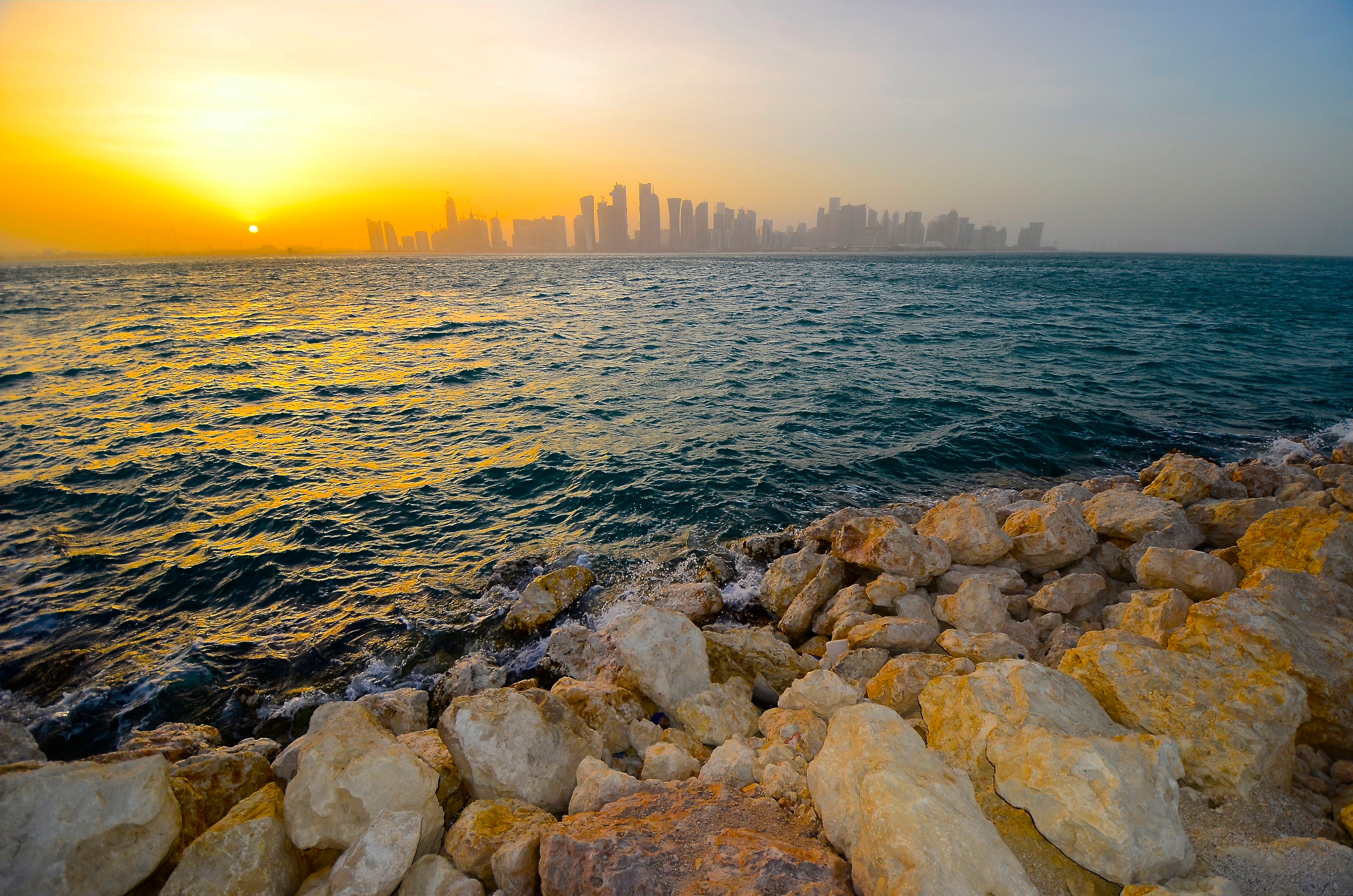
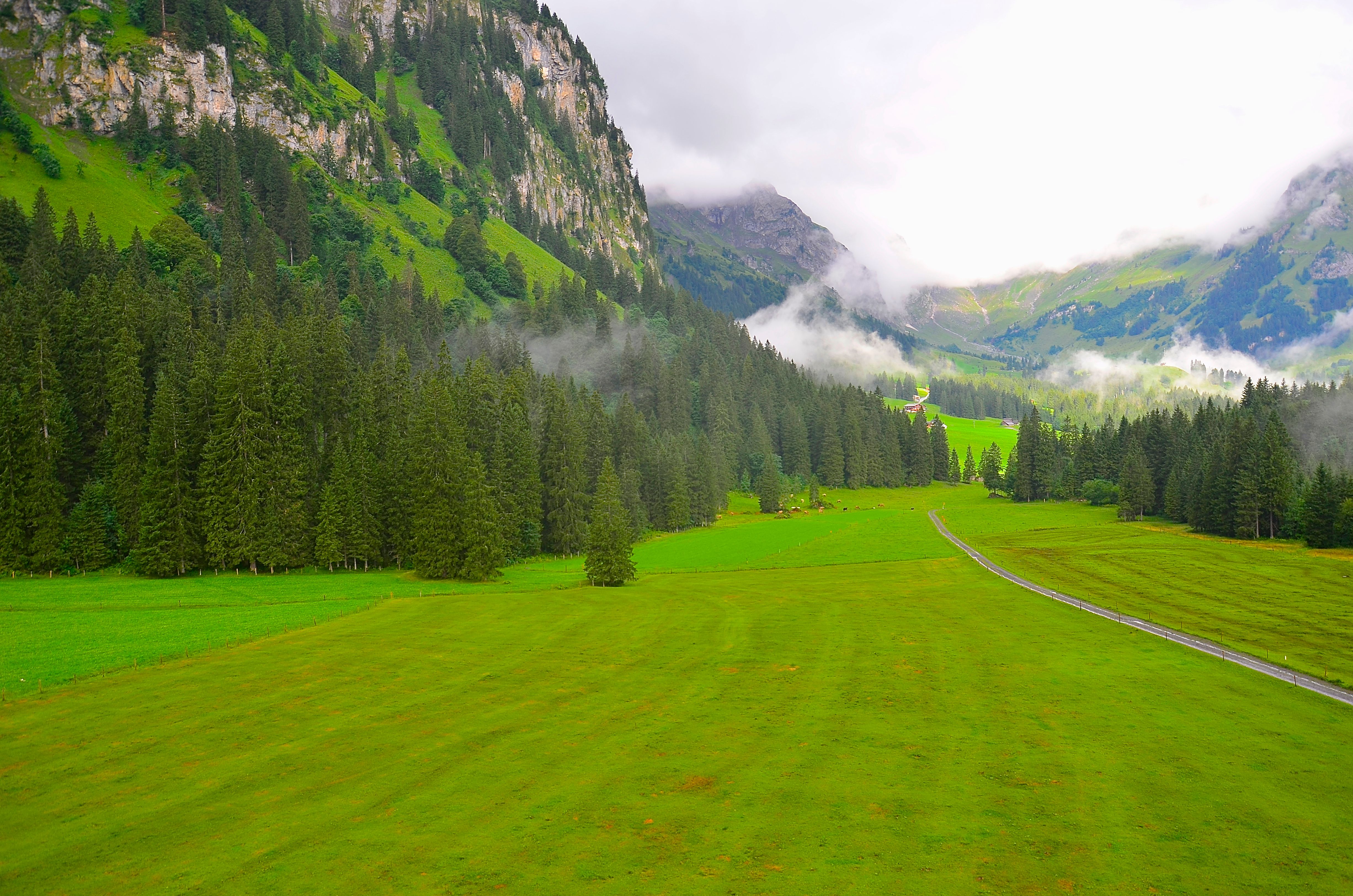
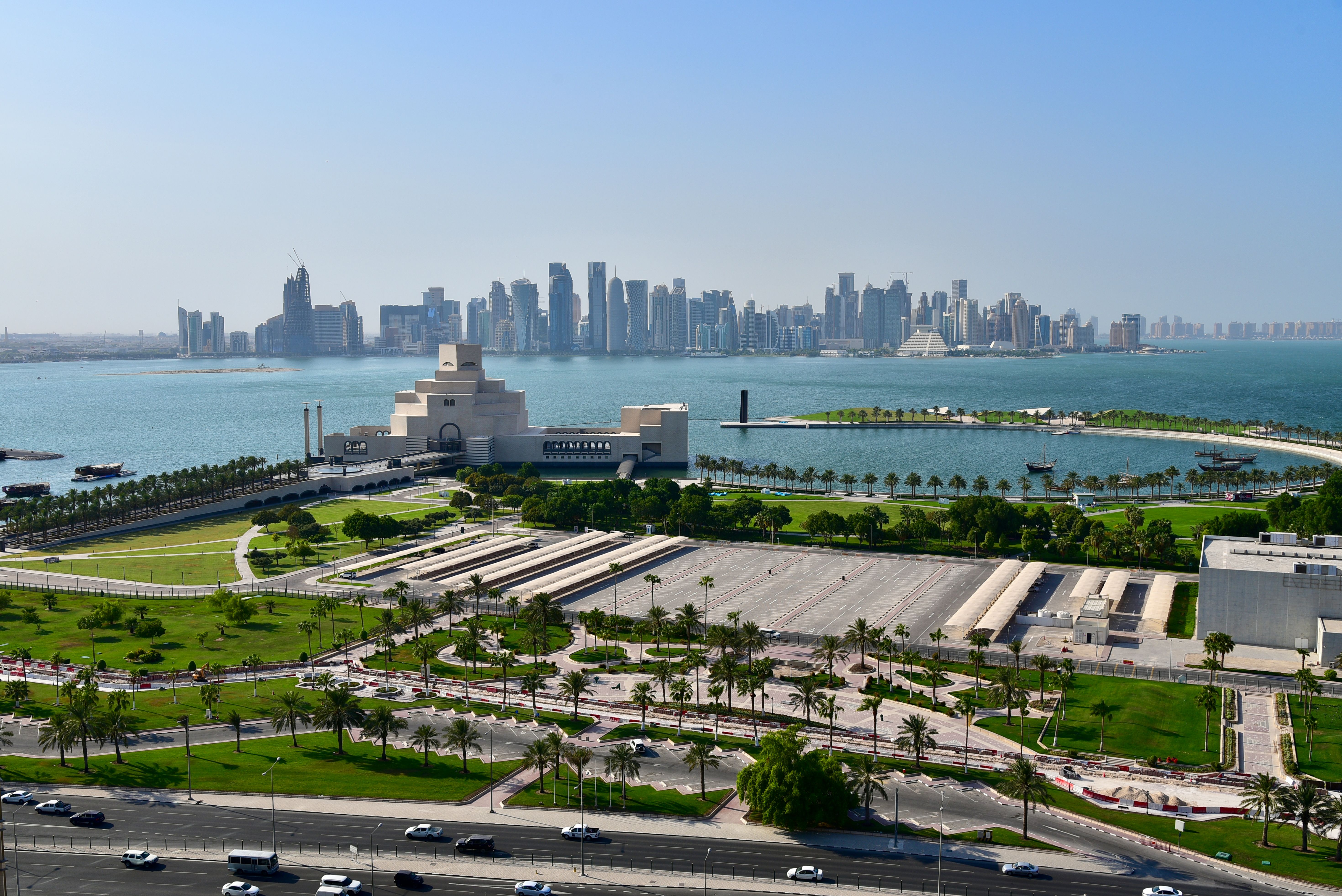
Image-1: Taken early in the morning in Switzerland, one can admire the view all day without tiring. No photo can give full justice to the beautiful scene, but I hope I did some to give the viewer an idea of its heaven-like atmosphere. Nestled between emerald hills and cloud-kissed peaks, this village seems untouched by haste. The still lake mirrors a world where simplicity and beauty coexist effortlessly. Some places remind us that contentment is not found in abundance, but in harmony with our surroundings. Don't miss those rain-drenched winding roads. Image-2: Perhaps this image gives the most profound life lesson of all my photos. The weathered stones and ruins of Tughlaqabad stand as a silent reminder that time is the ultimate conqueror. Once envisioned by a powerful king as an impregnable fortress and symbol of authority, these ruins now lie humbled beneath open skies, their grandeur surrendered to centuries of wind, rain, and neglect. They remind us that no throne, kingdom, or achievement is immune to the passage of time, and that humility is perhaps the wisest companion in life's journey. Look closely toward the distant horizon in the far right corner, and a glimpse of the Lotus Temple emerges, linking two eras within a single frame. The ancient and the modern coexist here—one bearing the scars of history, the other representing contemporary aspiration. Together they tell a timeless story: civilizations rise, flourish, and fade, yet humanity continues to build, dream, and leave its mark upon the landscape. God bless us all. Image-3: The photo tells the splendid view of Doha's Corniche towards the evening golden hour. As the sun slips beyond the horizon, the city becomes a silhouette and the sea takes center stage. The waves continue their timeless rhythm, reminding us that nature remains unchanged while skylines rise and fade. Some of the most memorable journeys are found in these quiet moments between day and night. The calmness is priceless here, the view is majestic. Image-4: Taken in the Swiss Alps, the mist drifts through the valley as if the mountains are slowly awakening from sleep. The winding path invites the eye—and the imagination—toward places unseen. In landscapes like these, travel becomes less about reaching a destination and more about appreciating the peace found along the way. I have never seen such beauty in abundance. Image-5: A skyline of Doha shows architecture, green grass, calm sea, and busy city life all in one picture. I was given ten minutes by hotel staff to make the best use of the rooftop. Out came this result. The city rises from the sea, where tradition and ambition share the same horizon. The calm waters frame a skyline that speaks of the future, while the museum in the foreground quietly preserves the wisdom of the past. Travel often reveals that progress is most meaningful when it remembers its roots.
What nature photos showcase your connection to the environment?
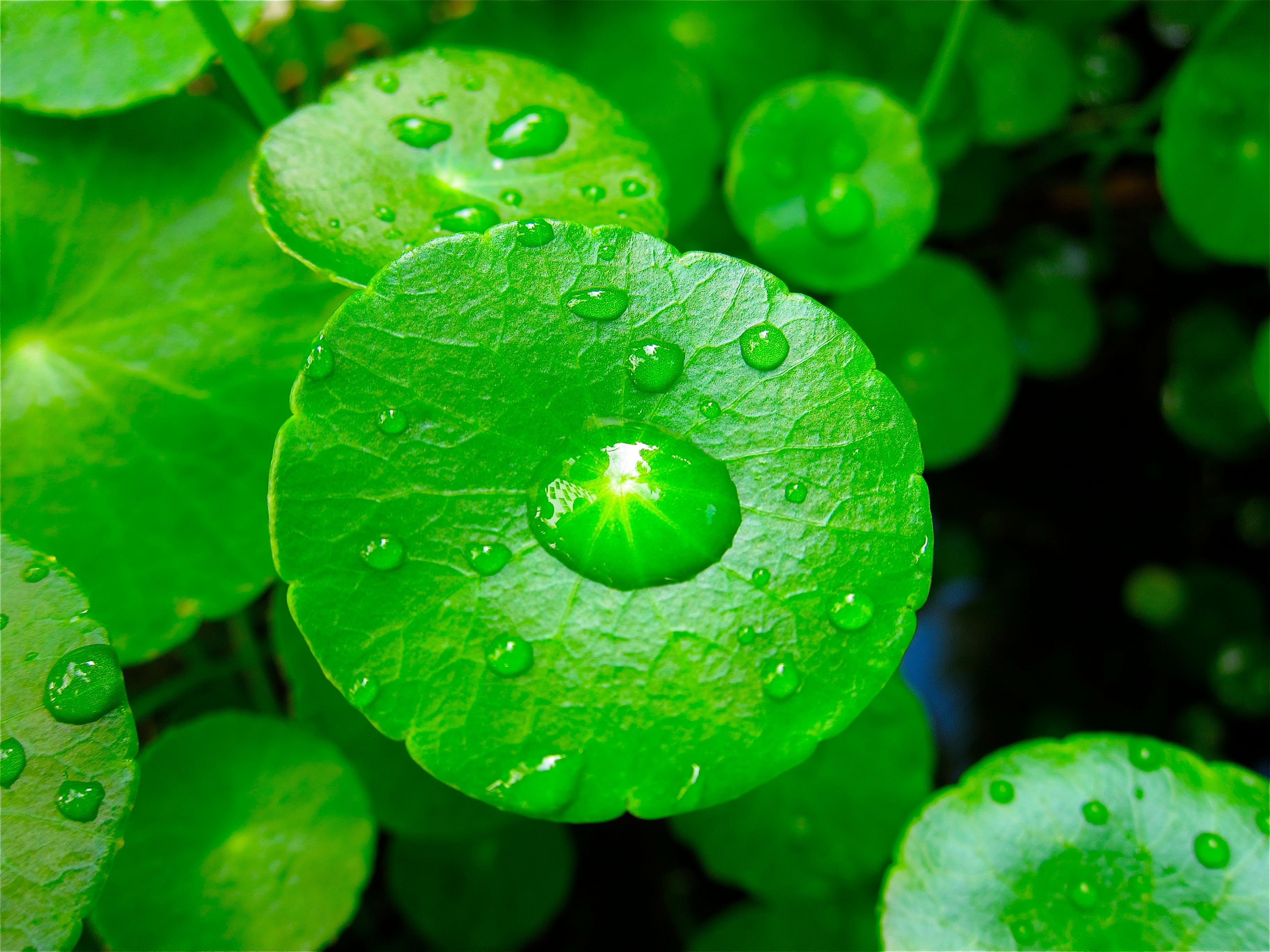
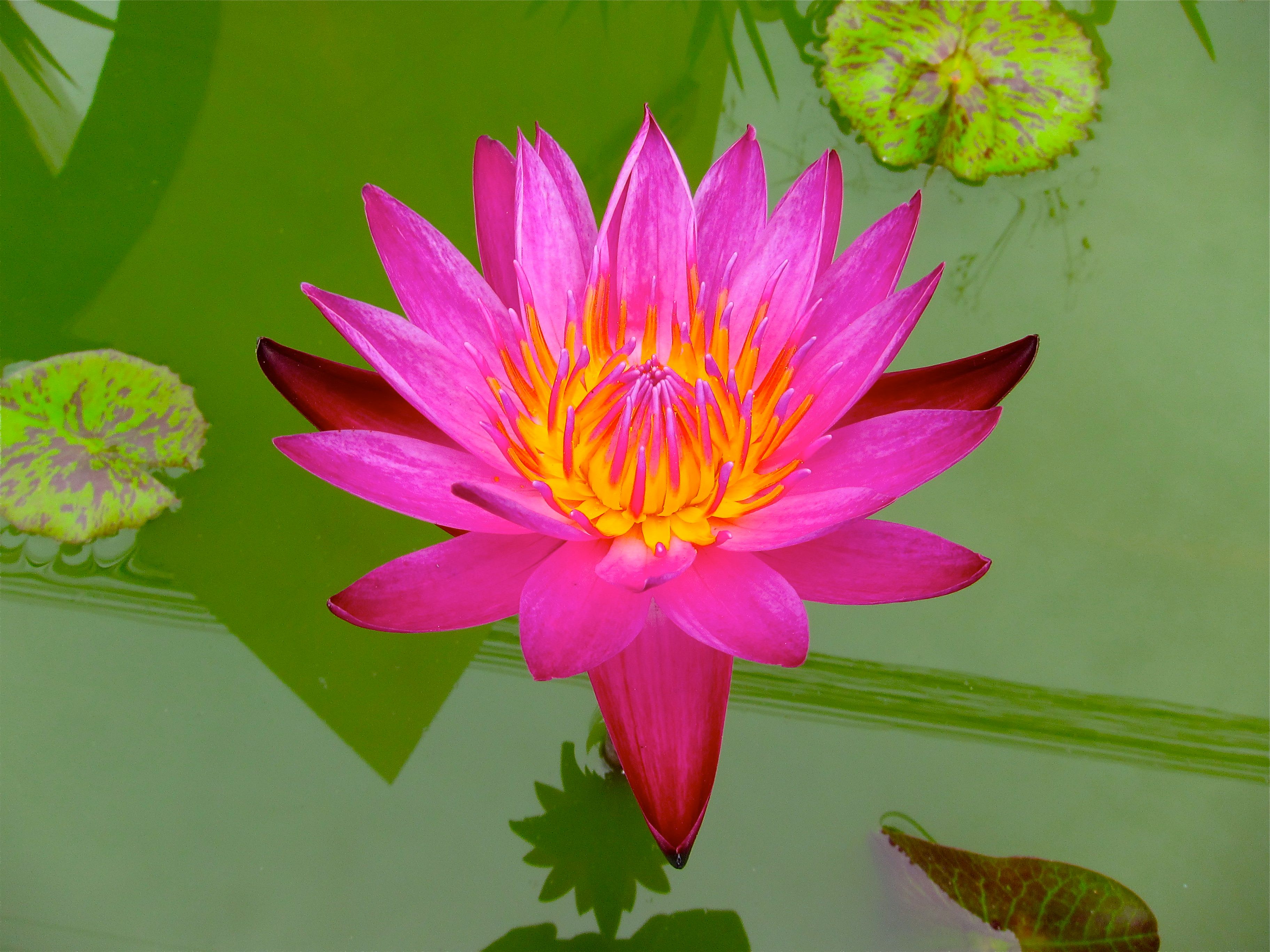
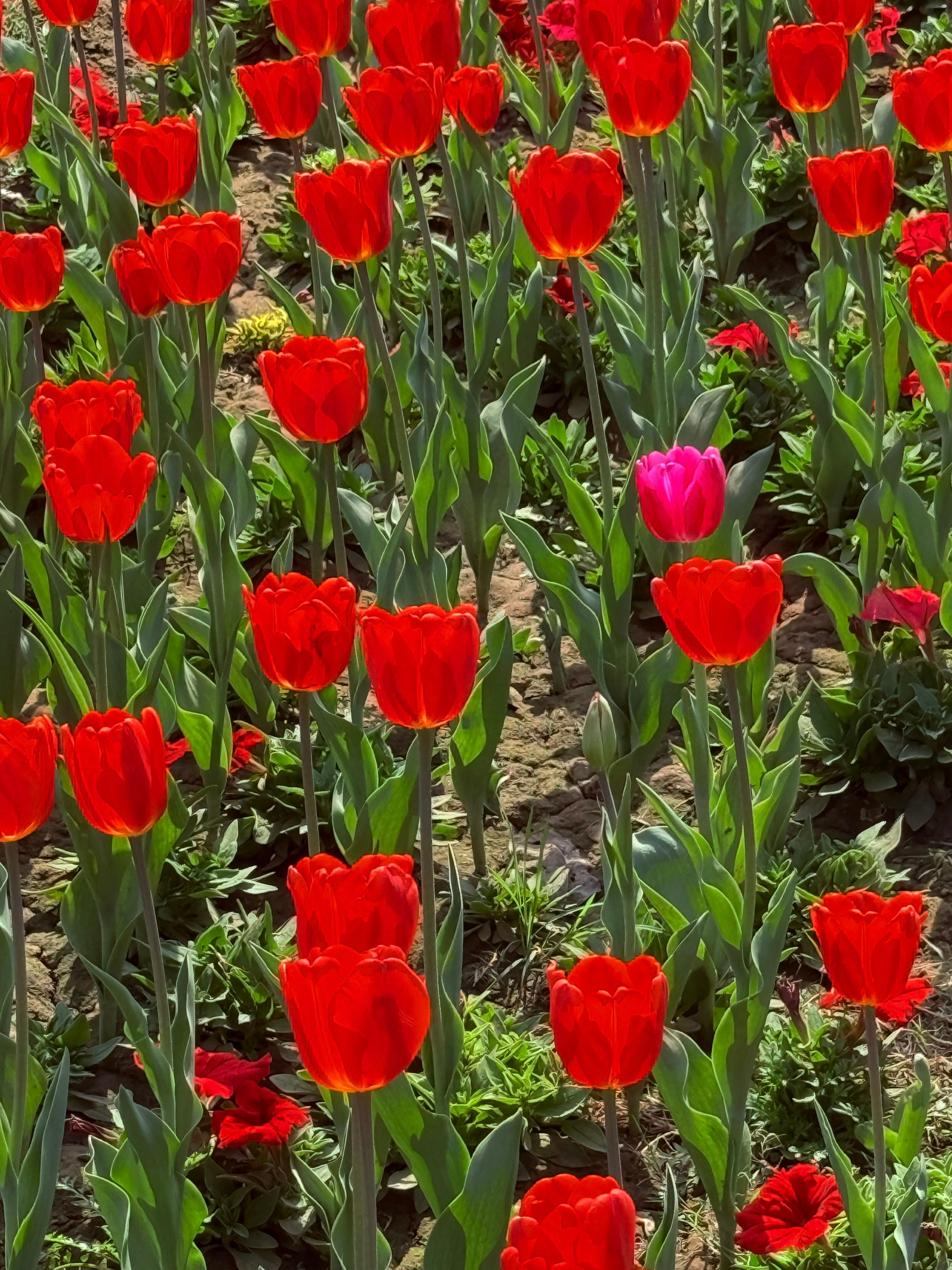
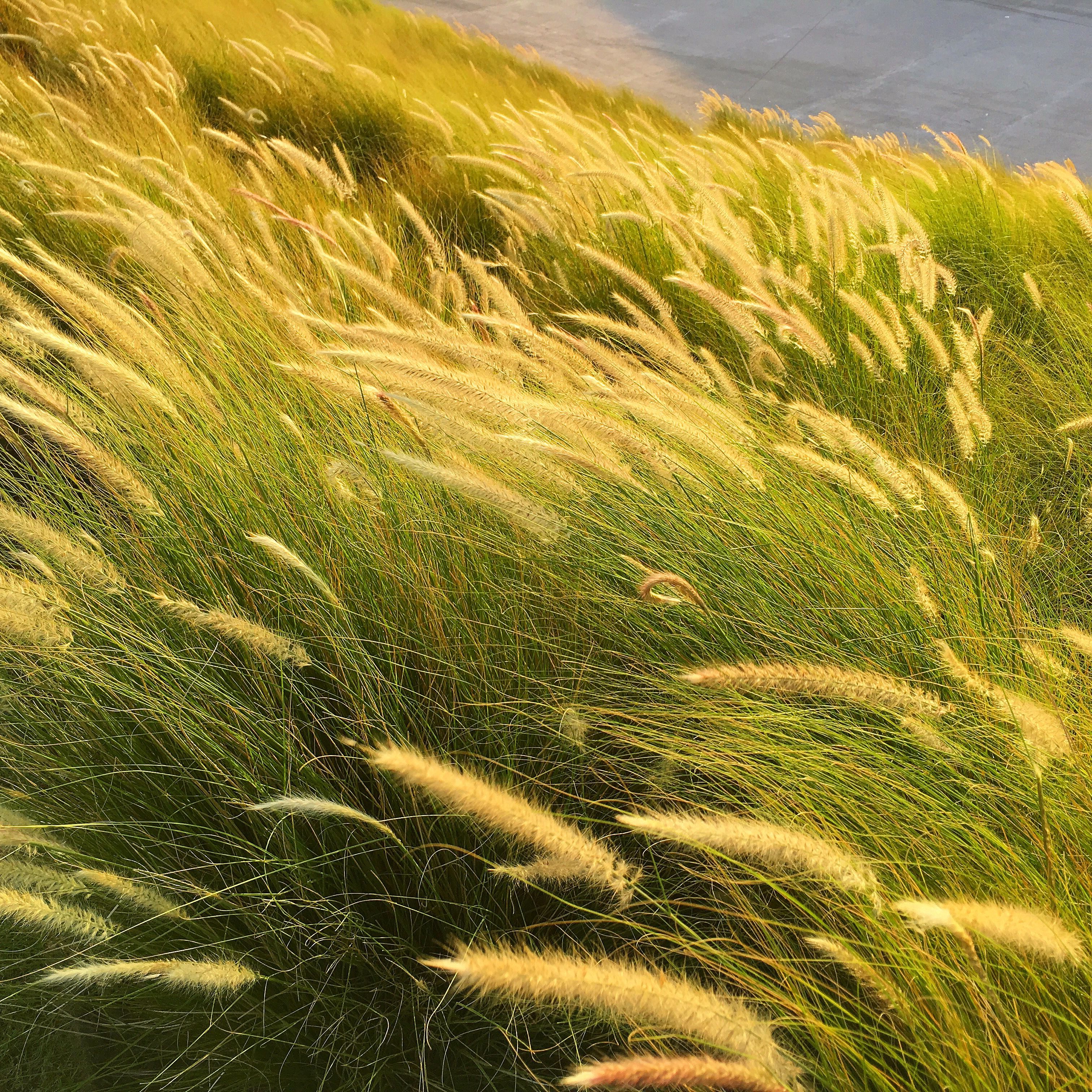
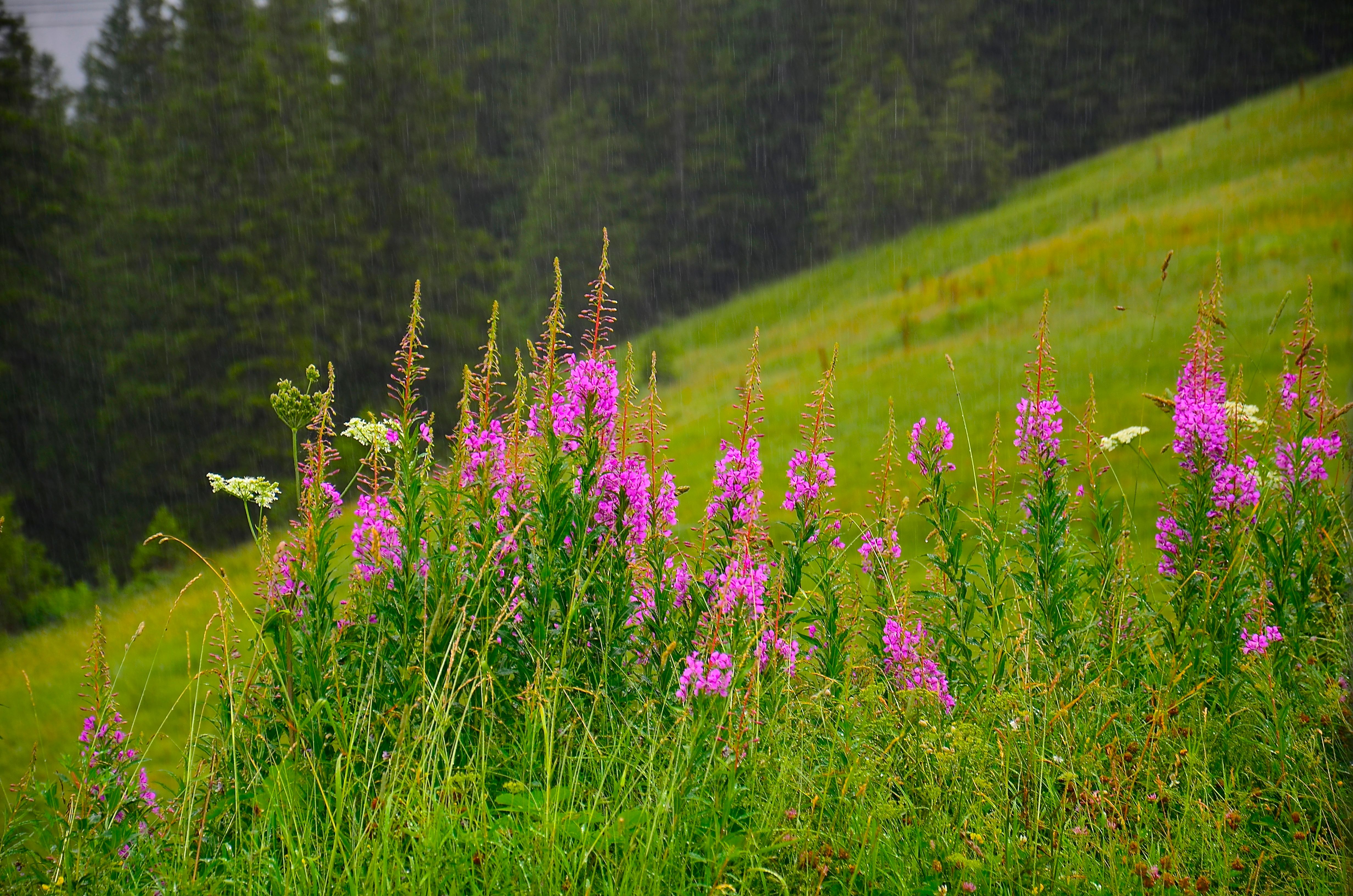
Image-1: Captured in Malaysia, this photograph is very special to me. It was my first when I was getting serious about cameras and photos. This was created in the most unusual place (down my hotel and outside the toilet). I was going on a trip, the bus was waiting, and suddenly my son had to attend nature's call. As I waited outside, I saw this tiny green leaf still under overnight rain. Droplets of rain water were still fresh and resting. If you look closely at the big drop of water, you can spot the hotel windows' reflection in it. The single water droplet resting effortlessly on the leaf, holding within it a tiny world of light and color. In a fast-moving world, such moments are easy to overlook. For me, this image is a reminder that beauty often reveals itself not in grand spectacles or places, but in the smallest and perhaps the weirdest places when we take the time to truly observe. Image-2: This one was taken in Thailand in a small pond, very unexpected for the pond to carry this flawless beauty. Floating serenely on still water, this vibrant lily appeared almost untouched by the world around it. The moment I saw it, I was struck by its quiet confidence—radiant without competing for attention. Capturing this image felt less like taking a photograph and more like preserving a moment of perfect balance. It reminds me that grace is not found in standing above others, but in blooming fully where we are planted. Image-3: During the tulip festival in Delhi, I saw a sea of red tulips, and a single pink bloom immediately caught my eye. It stood apart, not because it was trying to be different, but simply because it was. The photograph celebrates individuality. In life, we often feel pressure to blend in, yet it is our uniqueness that gives color and character to the world around us. Image-4: One can almost hear the wind gently kissing the swaying grass in the quiet evening of Doha. There was nothing dramatic about the scene, yet it possessed a quiet magic that made me stop and simply watch. Capturing this photograph reminded me that contentment often arrives in ordinary moments when nature slows us down and encourages us to appreciate the present. Image-5: Taken somewhere in Switzerland, the rain was falling softly across the meadow as these wildflowers stood resilient against the weather. This image is special to me because it captures both fragility and strength existing together in the same frame. I almost ruined my camera in the rain, but the scene was worth it. This image is the most appreciated and liked in the 500px community.
What street photography images capture candid moments in urban life?
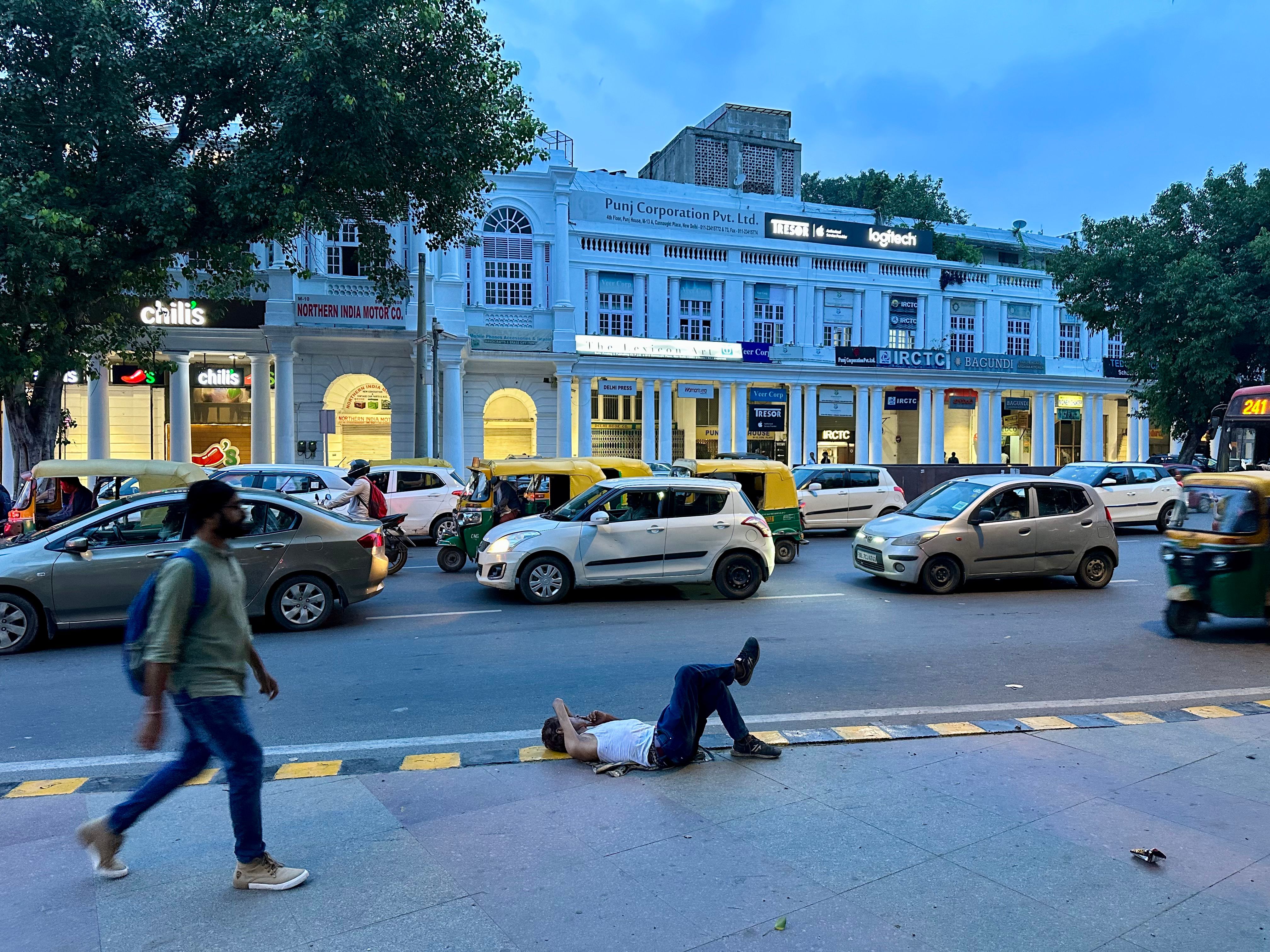
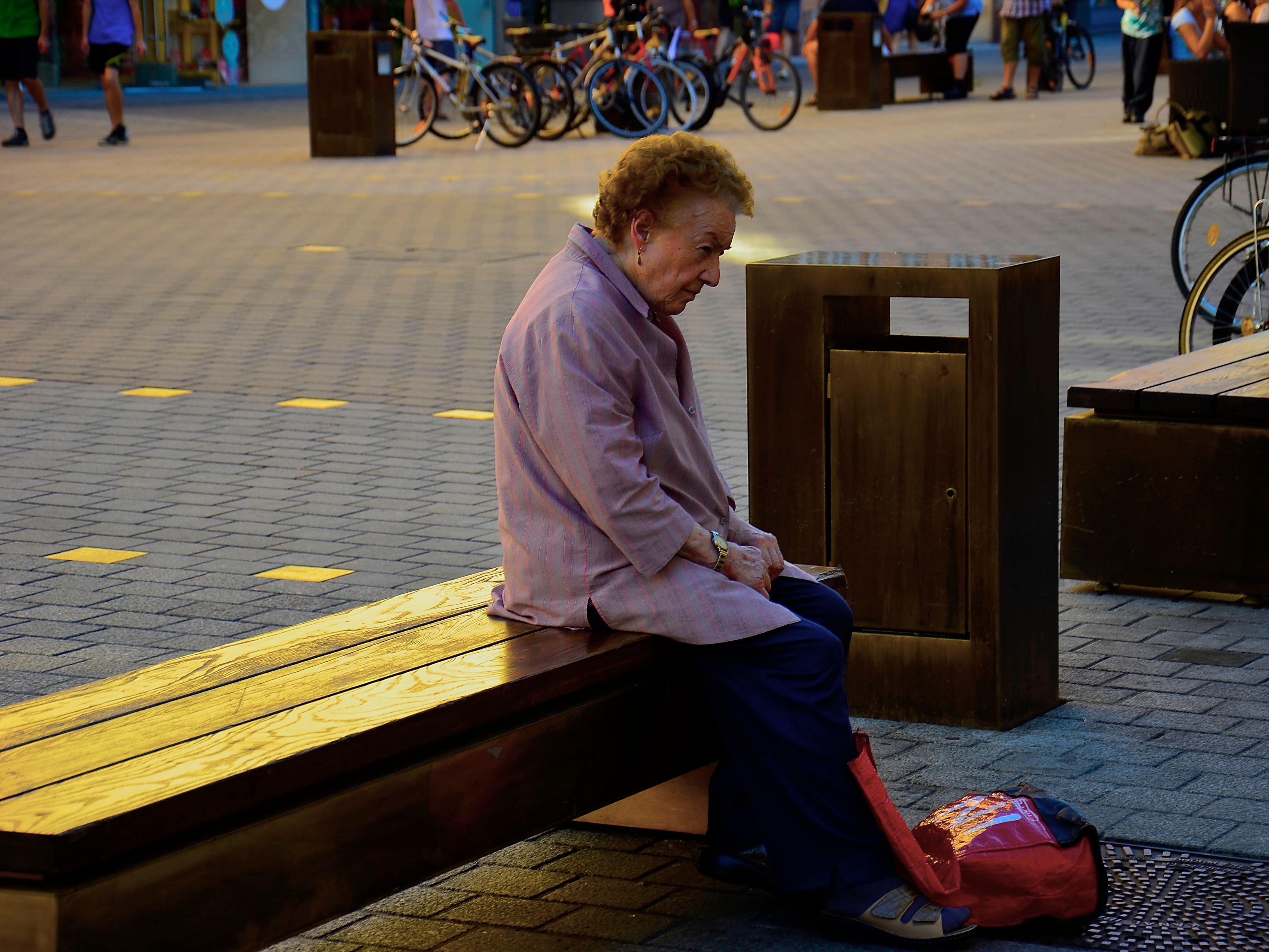
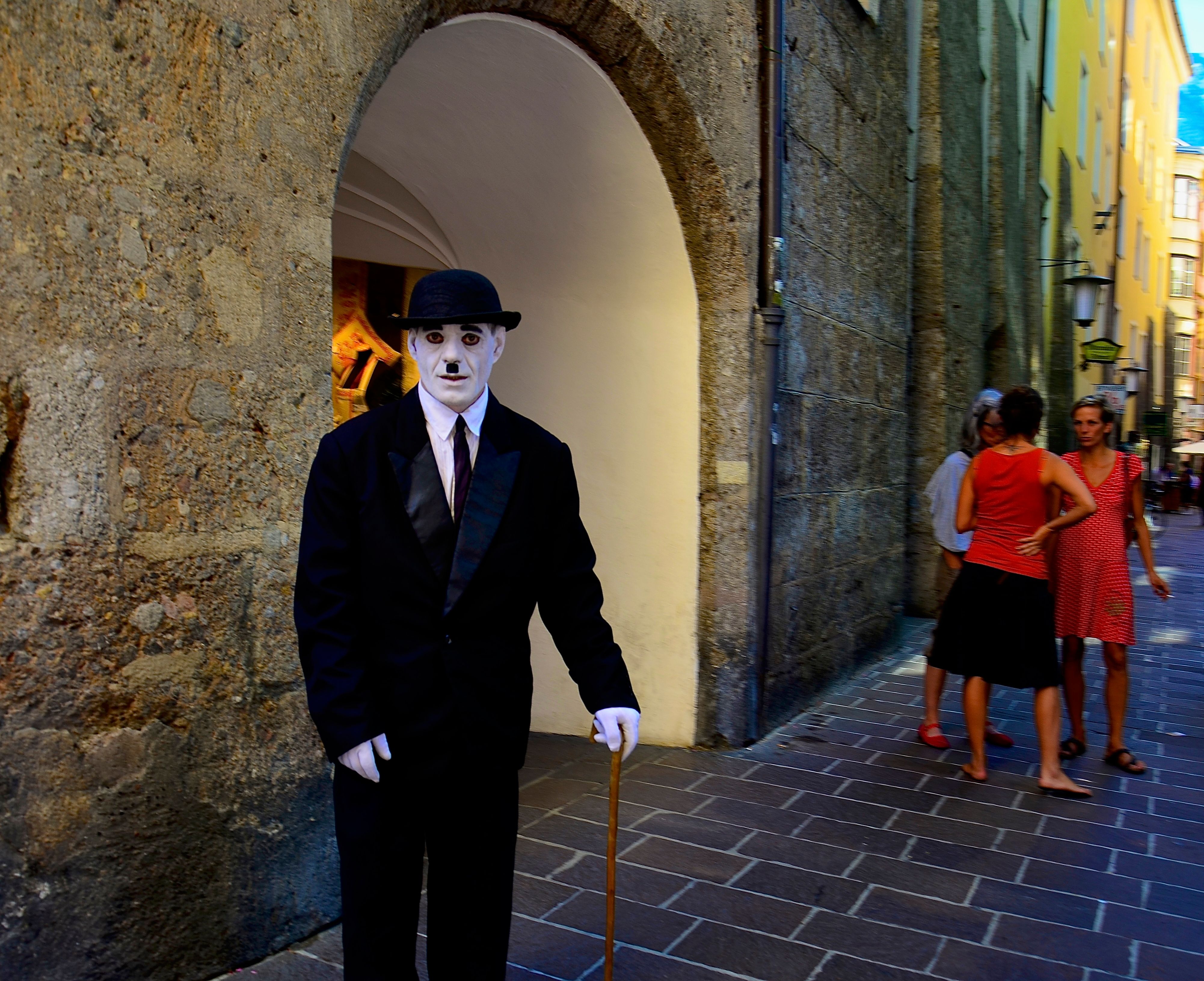
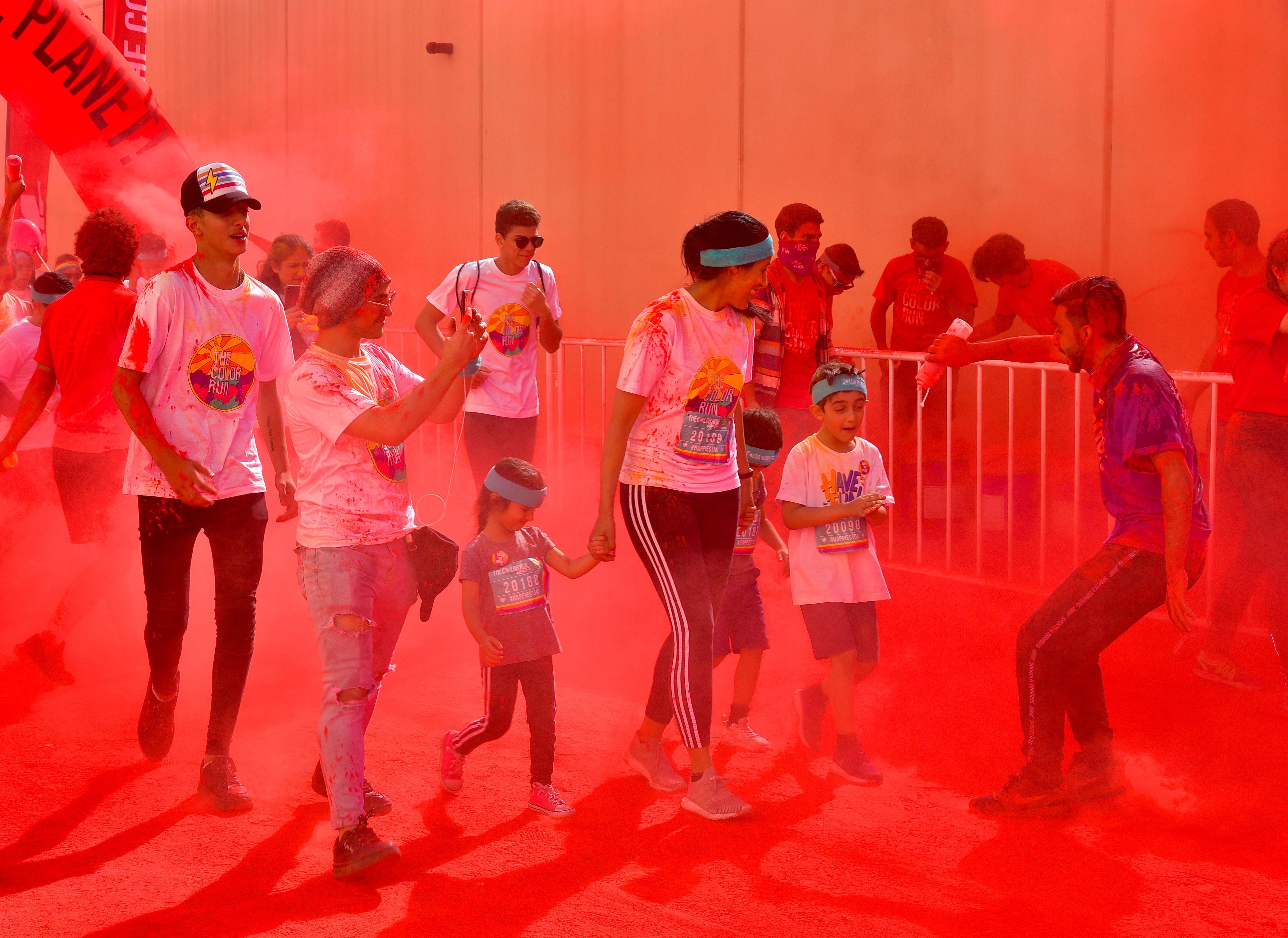
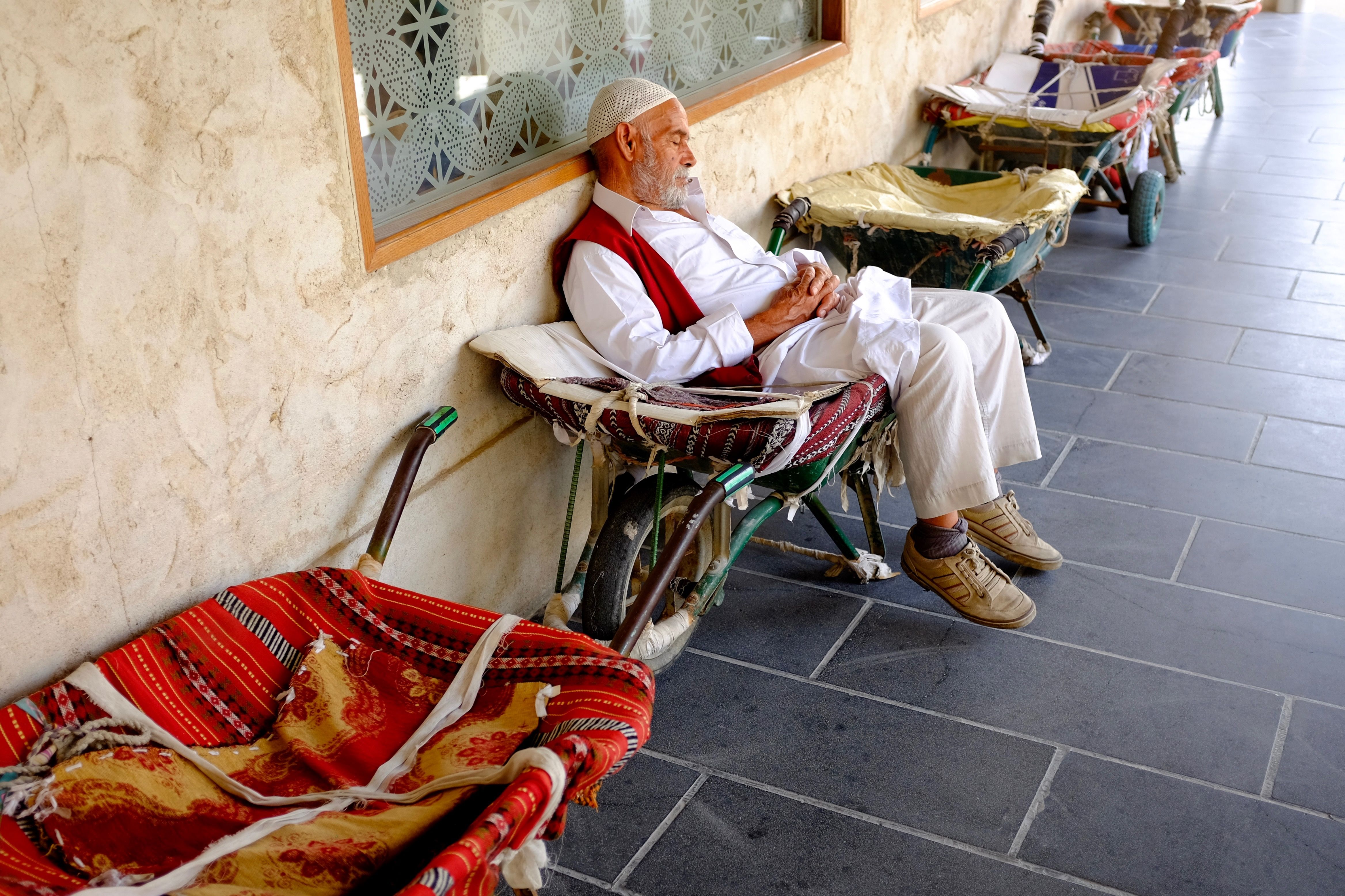
Image-1: Scene at Connaught Place, Delhi. The city never seemed to pause. Cars flowed endlessly, people hurried past, and lights began to illuminate the evening. Yet in the middle of all that motion, one man lay still on the pavement, claiming a small island of rest amid the chaos. What struck me was the contrast. Behind him stood elegant colonial buildings, symbols of commerce and progress, while he sought comfort on bare concrete. The photograph is not about poverty alone; it is about human endurance. Sometimes survival itself is a full day's work, and sleep becomes the only luxury available. For a brief moment, the city looked away from him. My camera did not. Image-2: Taken in the evening hours in Austria, amid the movement of the city, she sat still, lost in a world only she could see. Her gaze seemed to carry the weight of memories, perhaps of people loved, places left behind, or dreams still waiting to be fulfilled. Street photography is not always about action; sometimes it is about silence. What drew me to this moment was the contrast between a bustling public space and a deeply private thought. In a crowded world, she seemed completely alone with her reflections. Image-3: This image I reckon is my saddest. Taken again in Austria in a street full of performers and buskers, I saw this man dressed as Charlie Chaplin. Behind this painted face stood a man carrying a story no audience would ever fully know. He dressed as a clown to bring smiles to strangers, yet his own journey was likely paved with sacrifices, long hours, and unseen struggles. Street photography often reminds us that every performer is performing more than a role—they are performing resilience. For a fleeting moment, beneath the makeup and costume, I saw not a character, but a human being earning dignity one smile at a time. In a cloud of red powder and laughter, strangers became part of the same story. What drew me to this moment was his eyes and struggling face with the heaviness of responsibilities. Image-4: Now the happiest photo. In a cloud of red powder and laughter, strangers became part of the same story. What drew me to this moment was not the color itself, but the joy it revealed. Children, parents, friends, and strangers were united by a simple freedom—to celebrate life without worrying about who they were or where they came from. Sometimes happiness is not found in grand achievements but in moments when we allow ourselves to be completely present. Image-5: This shot was taken in the very famous market of Doha, called Souq Waqif. There are many porters, but in this one there was something profoundly moving about his stillness. In a world obsessed with movement and achievement, he reminded me that every life eventually seeks the same thing—a place to rest, a moment of calm, and freedom from the burdens carried for so many years. Street photography often captures grand events, but sometimes the most powerful story is simply a tired man taking a well-deserved pause. In that fleeting moment, I saw dignity, resilience, and the quiet grace of growing old. After a day's hard work, complete rest is all we desire.
What travel photos represent your favorite destinations or adventures?
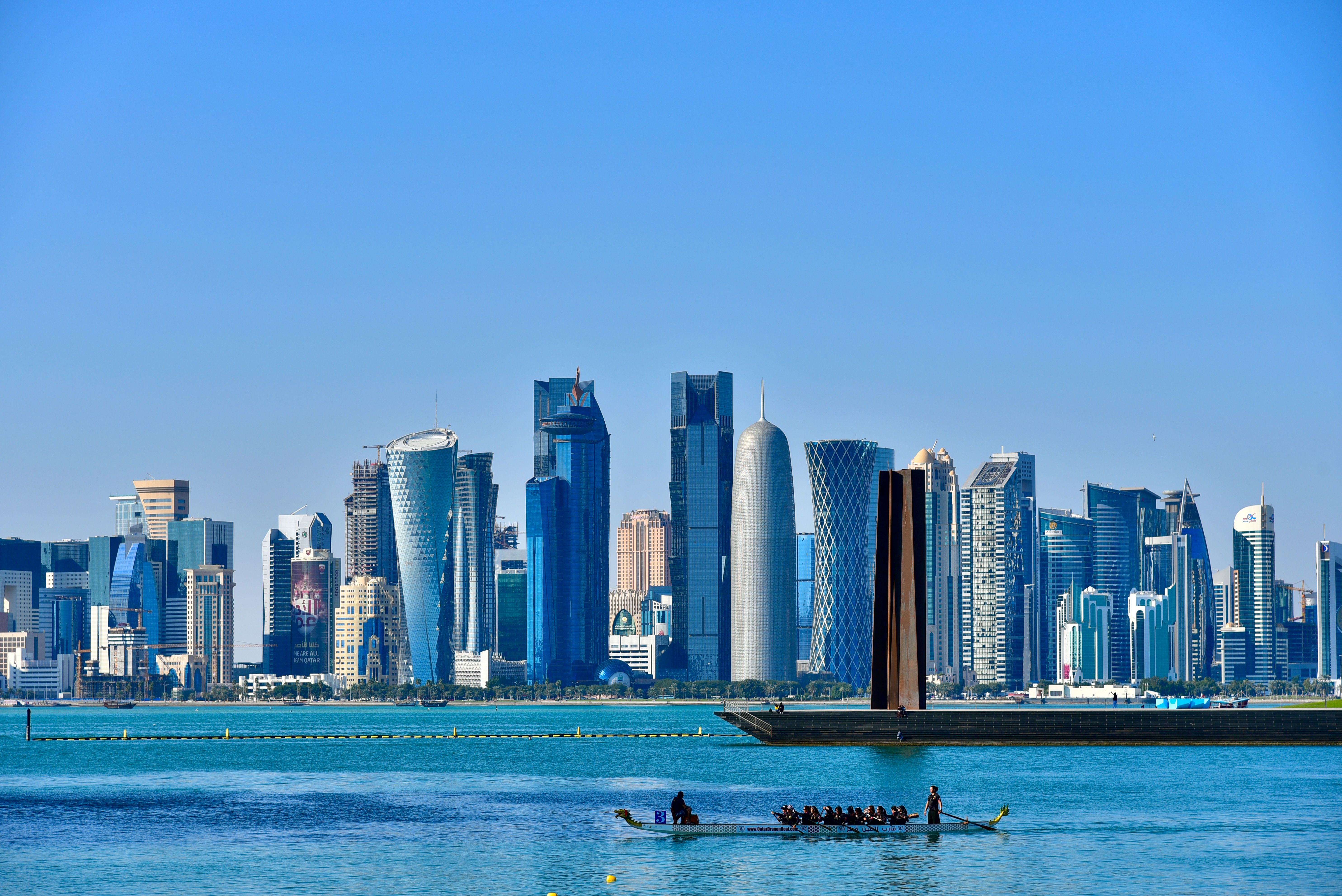
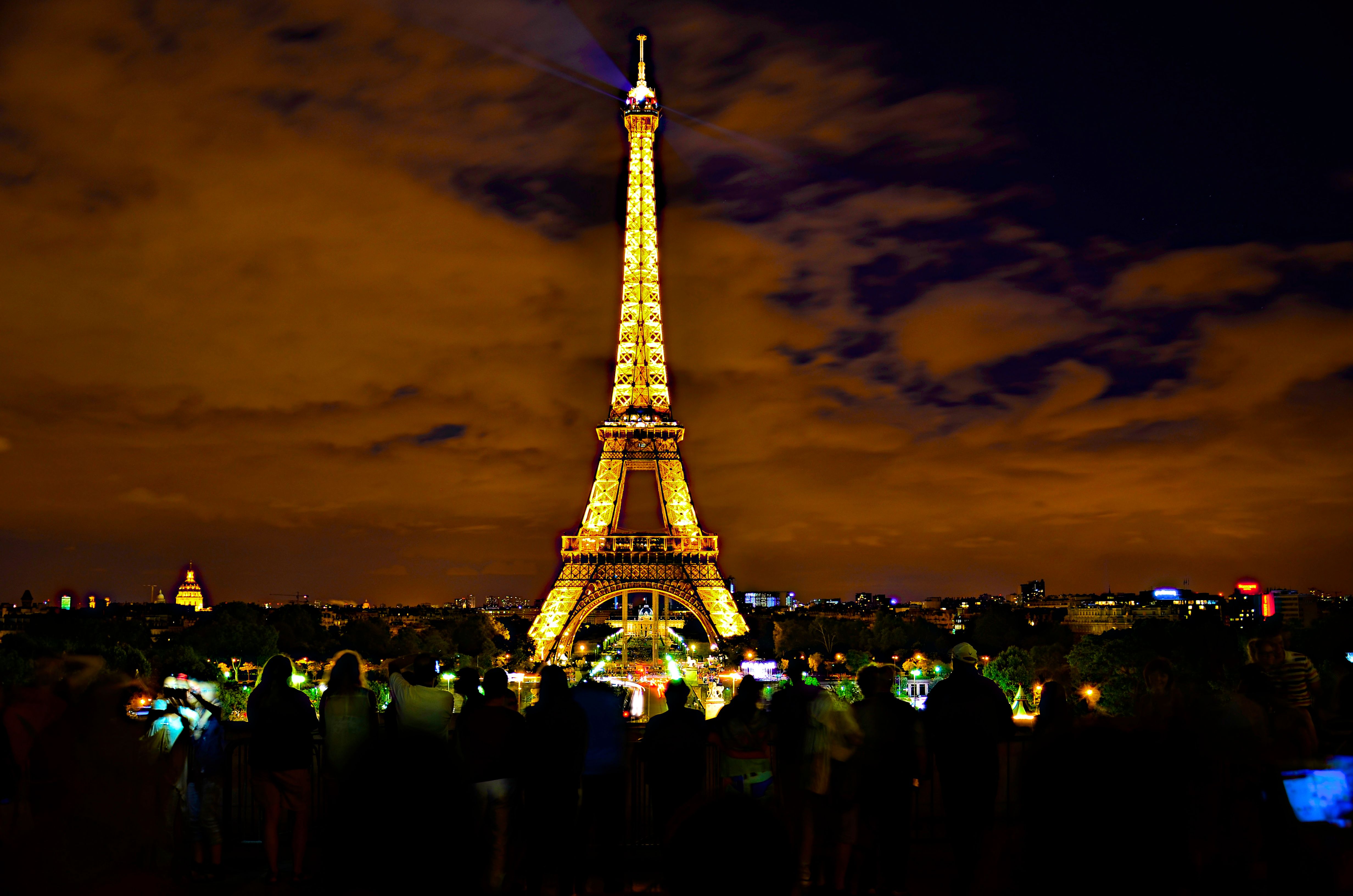
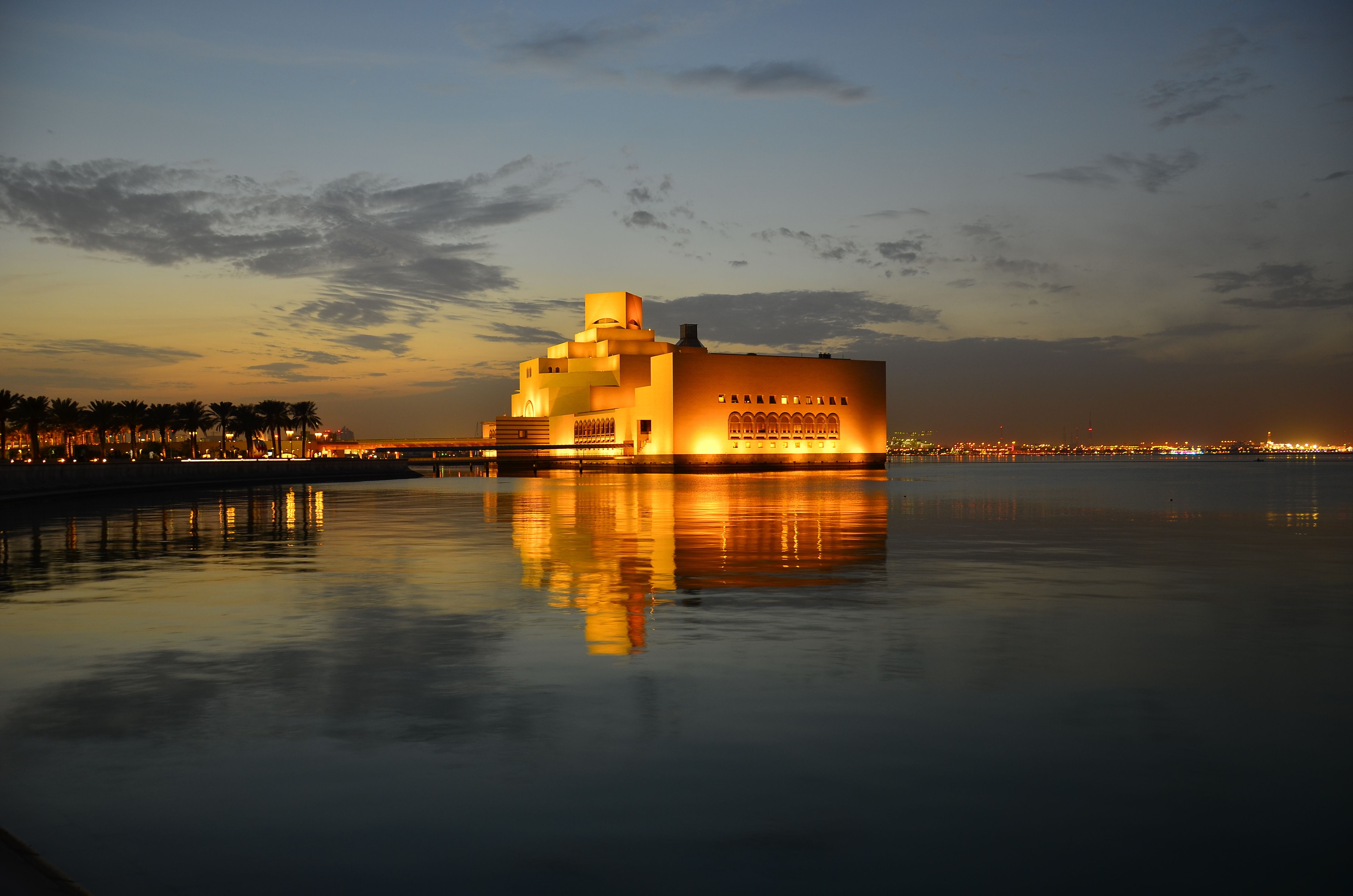
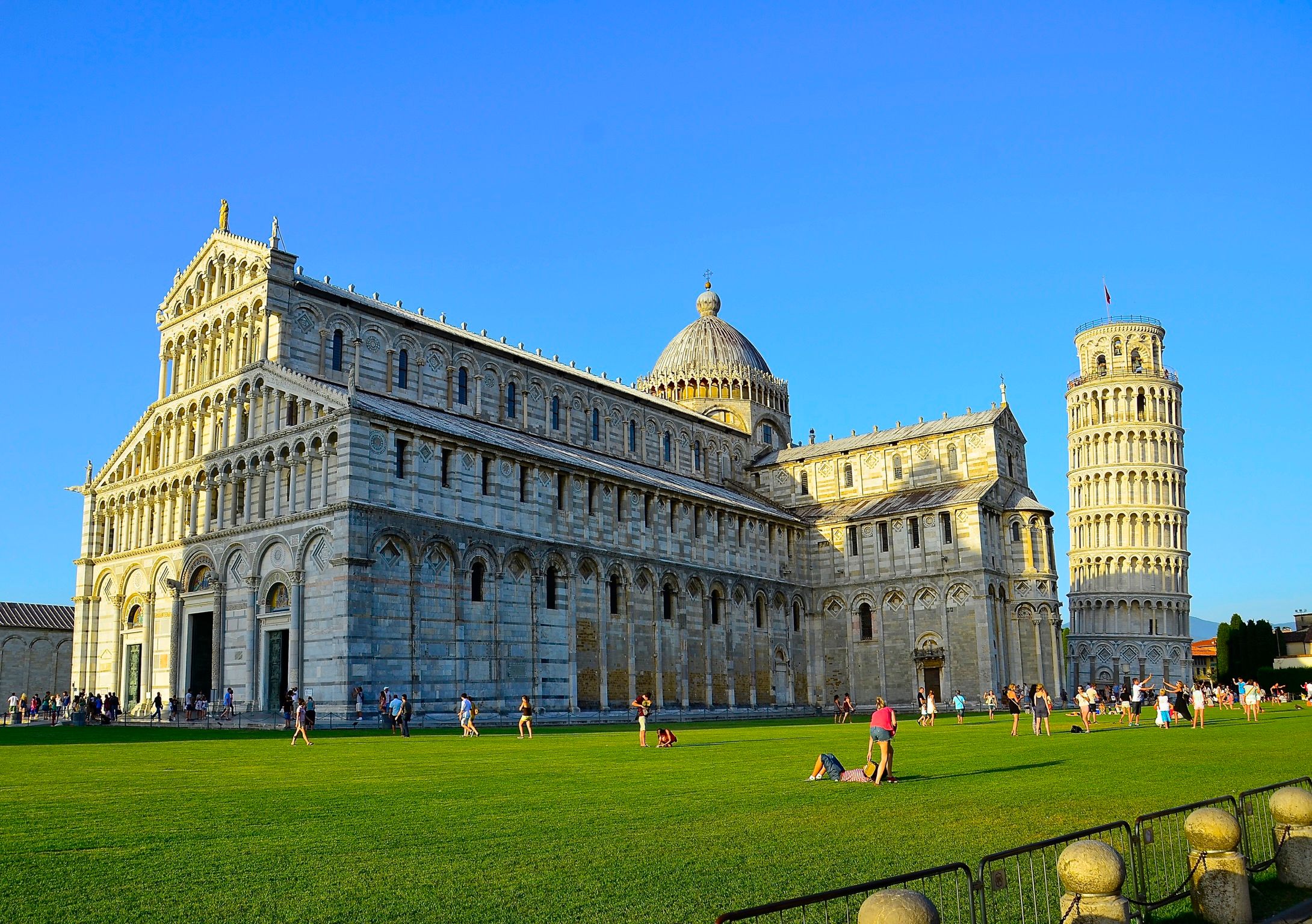
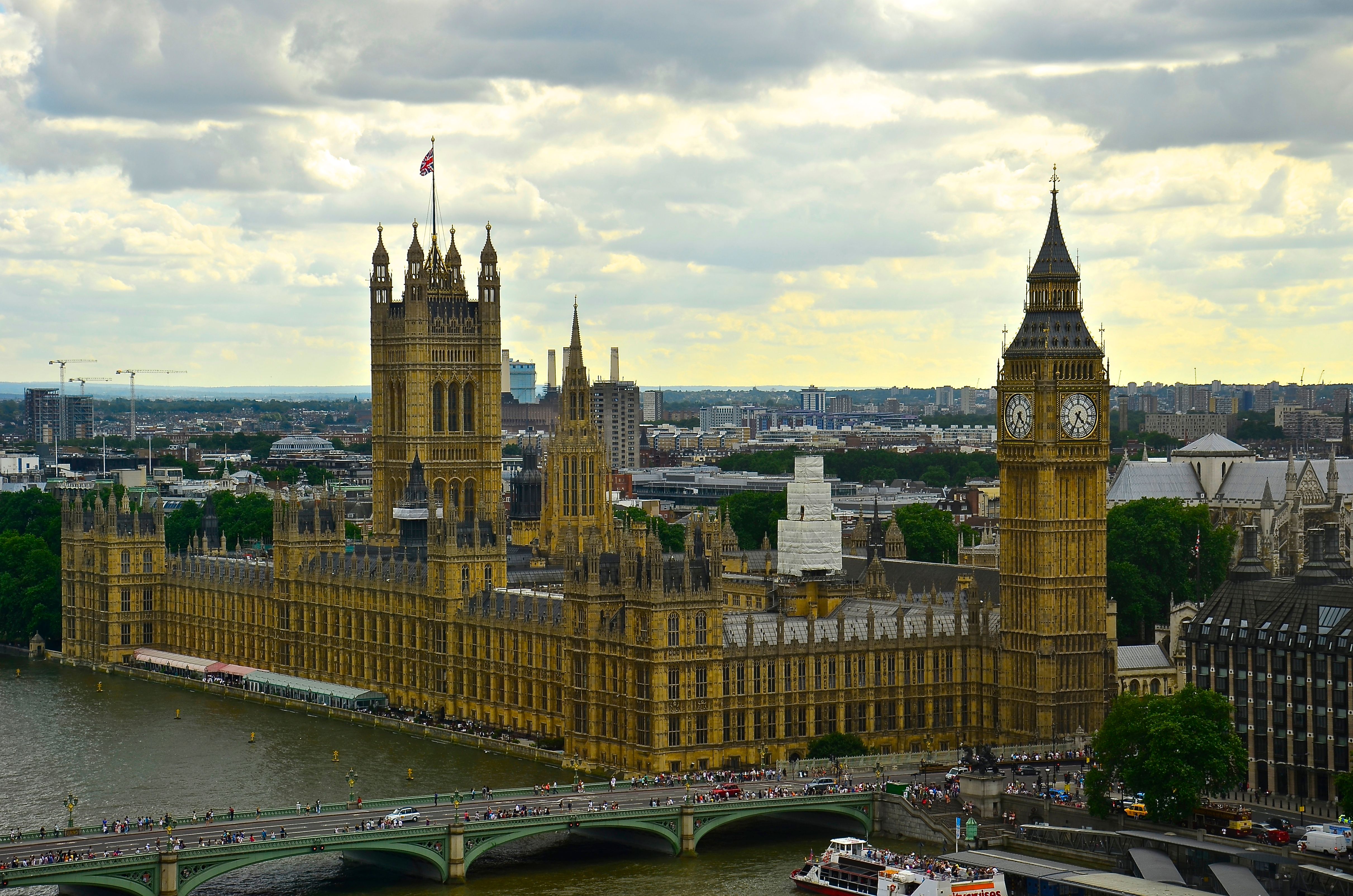
Image-1: This photograph captures the spirit of a city that transformed itself within a generation. Traditional waters host a dragon boat while futuristic towers rise in the background—a beautiful contrast between heritage and ambition. It reminded me that progress is most meaningful when it respects its roots. Taken near afternoon in sharp light, though not ideal time for photography, it presents the blue hour beautifully with a sharp contrasty overall skyline. Image-2: Paris, of course, is very beautiful, and the Eiffel Tower is an icon and jewel in the city's crown. As darkness fell, the Eiffel Tower illuminated the Parisian sky, drawing people together in quiet admiration. Standing among the crowd, I noticed how everyone paused for a moment—regardless of language or nationality—to appreciate the same sight. Some landmarks are famous because of their history; others because of how they make us feel. The Eiffel Tower is both. Image-3: Another icon, this is the most photographed museum in Qatar. As dusk settled over the bay, the museum glowed like a lantern on the water. The stillness of the sea mirrored the calmness I felt while standing there. It was one of those rare travel moments where architecture, light, and silence came together perfectly, creating a scene that felt more like a painting than reality. Image-4: The Leaning Tower of Pisa is another pure beauty. Beyond the famous leaning tower lies a remarkable ensemble of architecture that has inspired visitors for centuries. Watching people gather on the green lawns, laughing and taking photographs, I realized that travel is not only about seeing iconic places but also about sharing joy with strangers who have come from every corner of the world for the same experience. This is the landmark where I think most tourists indulge in taking funny and experimental photos with crazy angles. Image-5: I can even spot this with closed eyes. In many Hollywood movies I have seen this, and when I myself tried to capture it on a cloudy and dull day, it felt so surreal. The city was busy, the skies were dramatic, and history stood firm beside the River Thames. From this vantage point, London felt timeless—a place where centuries-old institutions continue to shape the modern world.
What draws you to monochrome photography, and what do you feel black and white reveals that color leaves out?
What draws me to monochrome photography is its honesty. When color is removed, there is nowhere for the viewer's eye to hide. Attention shifts to light, shadow, texture, form, and most importantly, emotion. A monochrome image strips a scene down to its essence and often reveals details that color can distract from. Black and white photography has a timeless quality. It allows me to focus on the story rather than the spectacle, whether it is the weathered face of a street performer, the quiet contemplation of a stranger, or the play of light across an old building. I feel that monochrome reveals mood, character, and contrast in a deeper way, inviting viewers to look beyond what a scene looked like and consider what it felt like. For me, monochrome photography is not about removing color; it is about revealing the soul of a moment.
What monochrome photographs best reflect your eye for light, shadow, and tone?
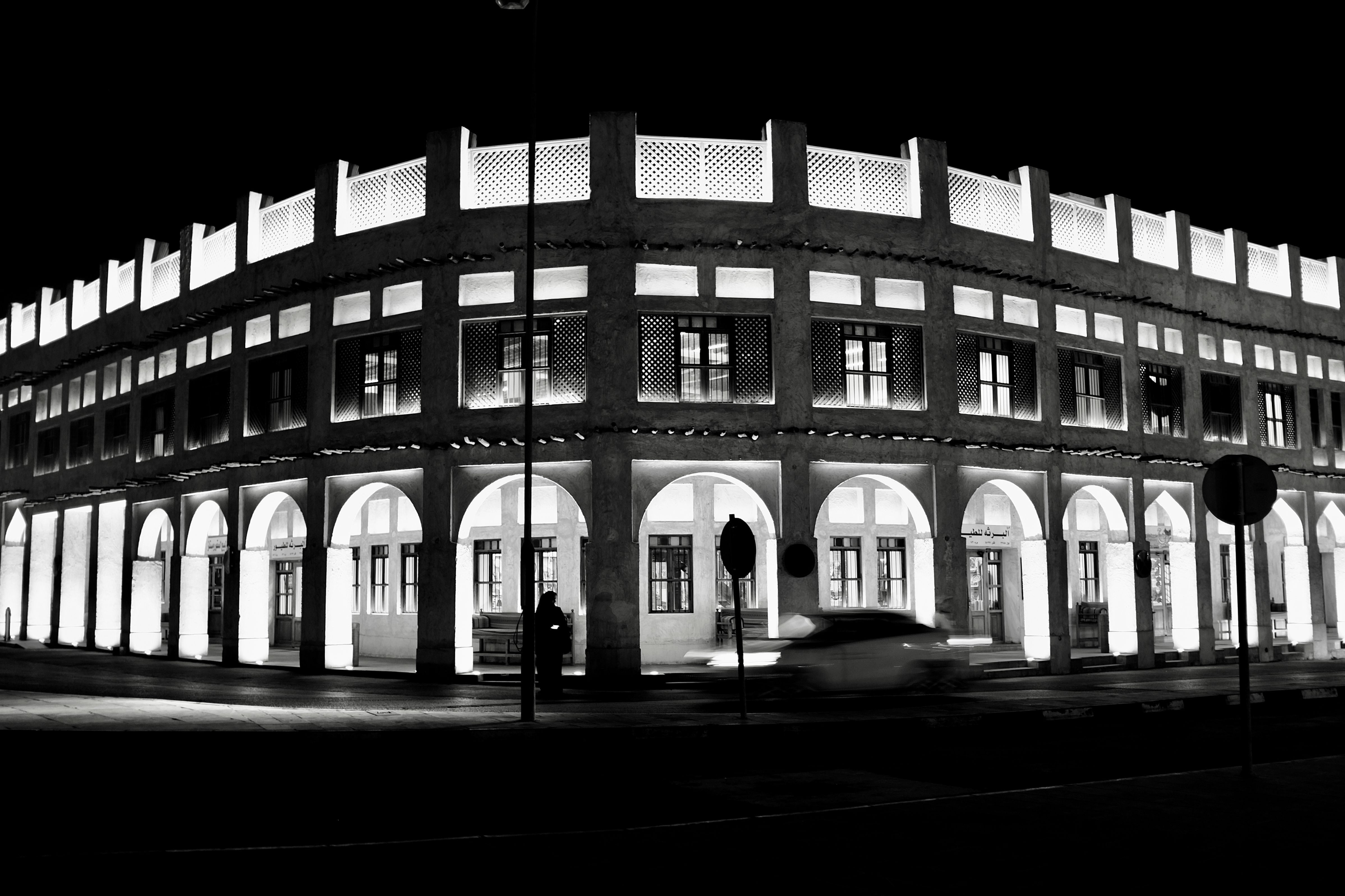
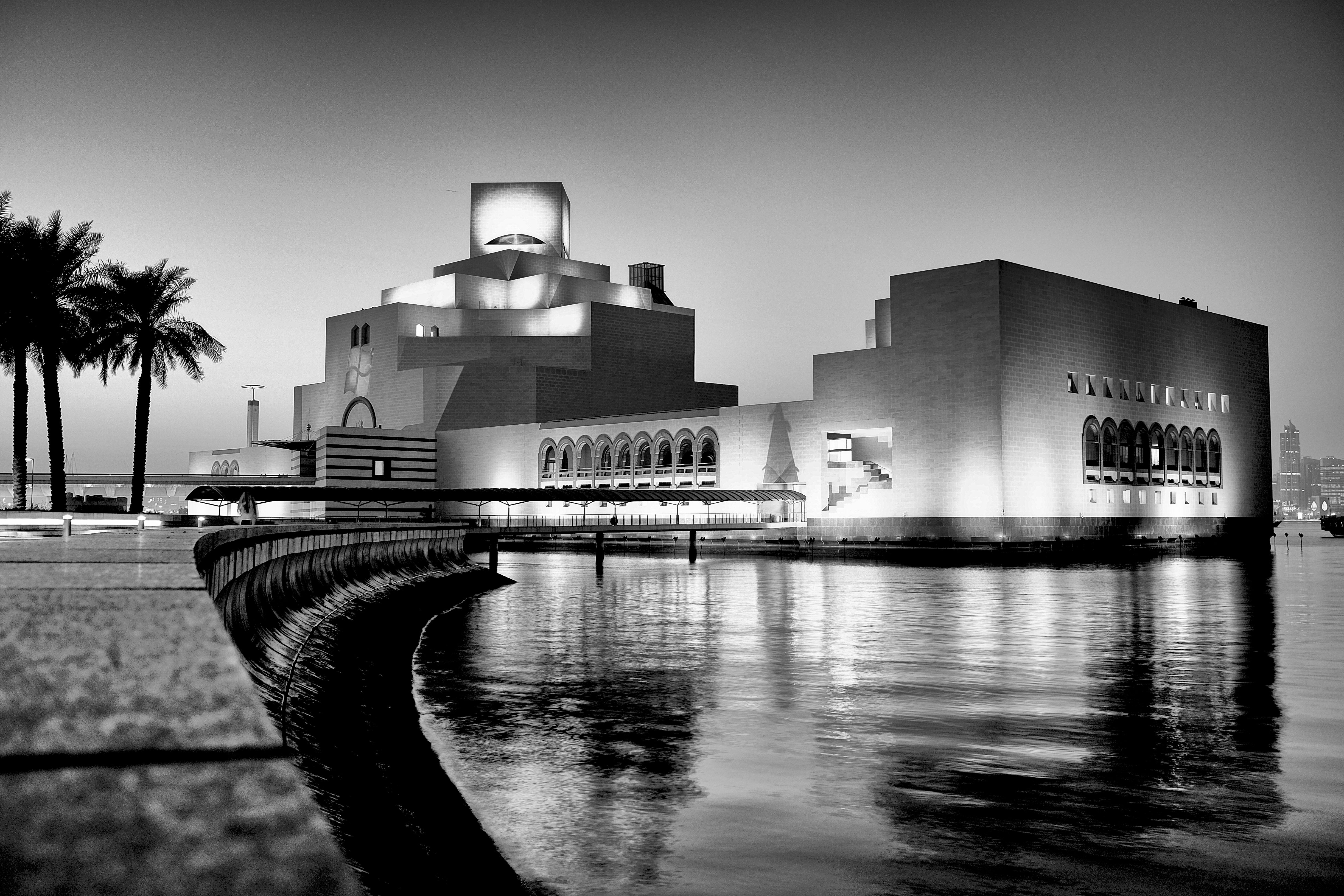
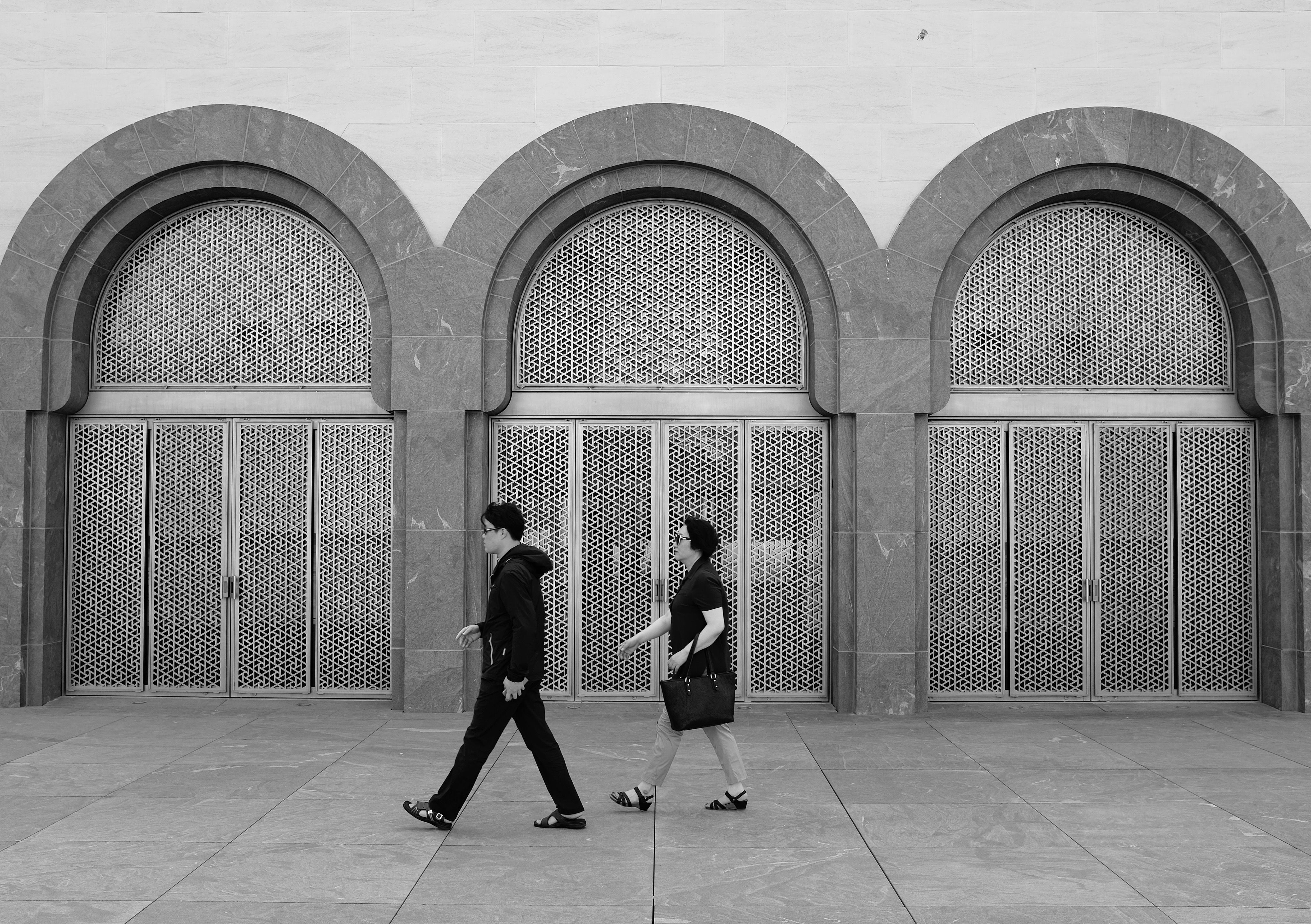
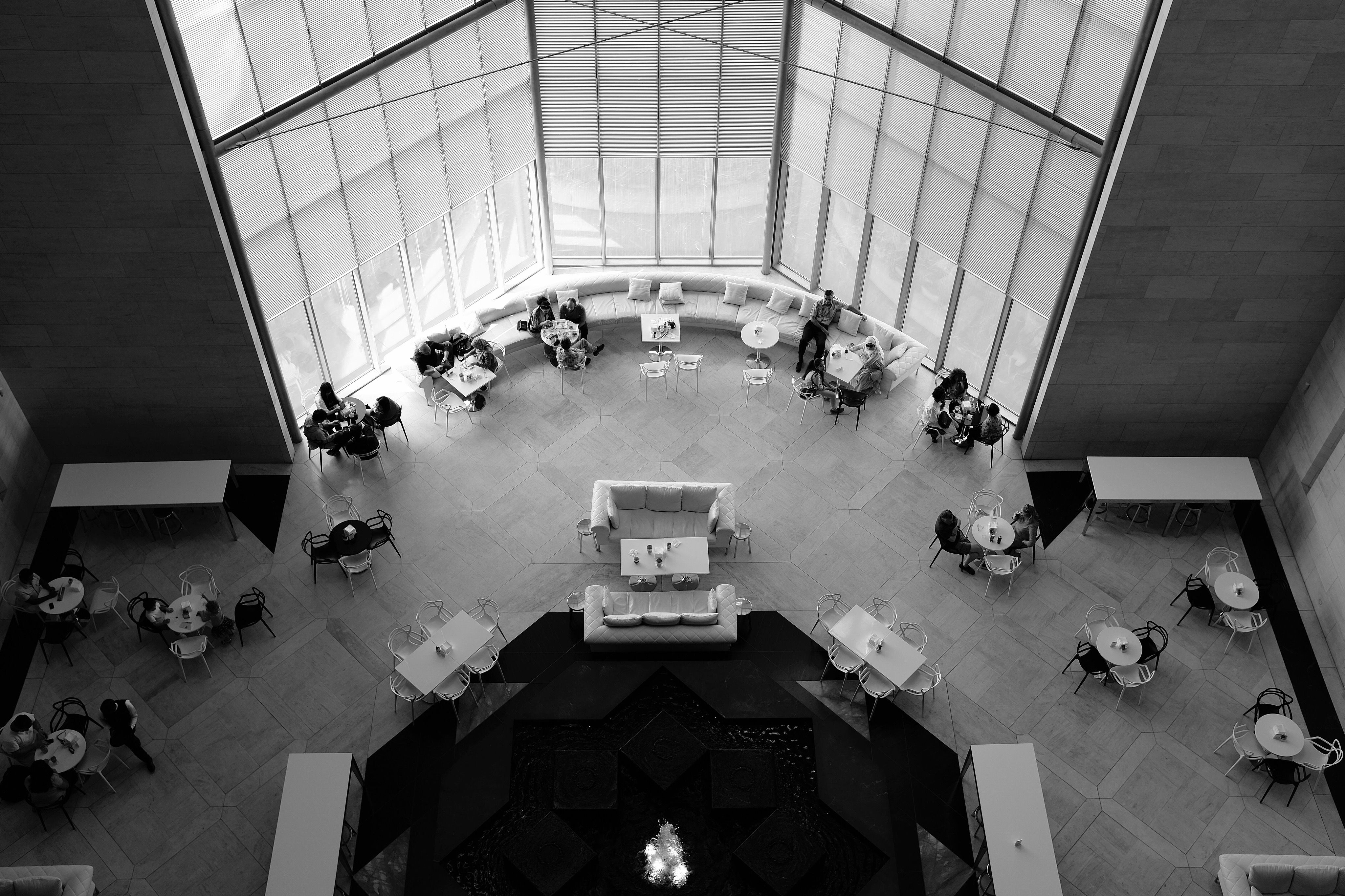
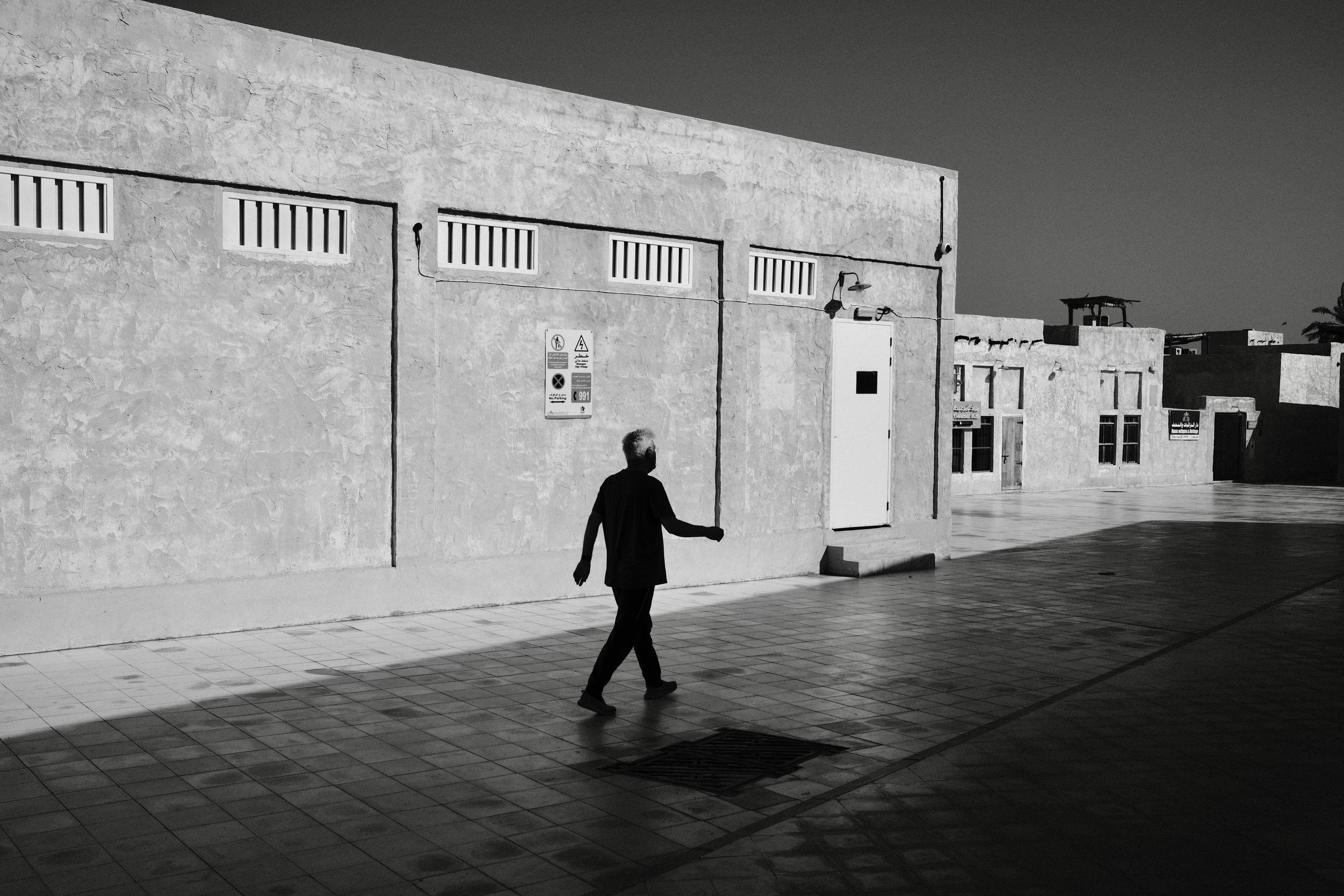
These images reflect my approach to monochrome photography, where I focus on light, shadow, texture, and emotion. Each photograph tells a story through contrast and composition, revealing the essence of the moment without the distraction of color.
What editing techniques do you apply in your workflow, and why are they key?
I apply very minimal editing to my photographs. In fact, I usually shoot in JPEG rather than RAW because I prefer getting the image right in-camera rather than spending hours in front of a computer. My approach is to focus on composition, light, timing, and emotion at the moment of capture. The only adjustments I typically make are minor corrections to exposure, contrast, or color balance when necessary to reflect what I actually saw and felt. I do not believe in heavy post-processing or digitally transforming a scene into something it was not. For me, photography is about observation and patience. The key to my workflow is being present, anticipating the right moment, and capturing the essence of a scene as authentically as possible. I would rather spend my time exploring and creating photographs than extensively editing them afterward.
Contact and Follow
Email: vikaskaushik72@gmail.com
500px: https://500px.com/p/vikas72
Instagram: https://instagram.com/vikask72