

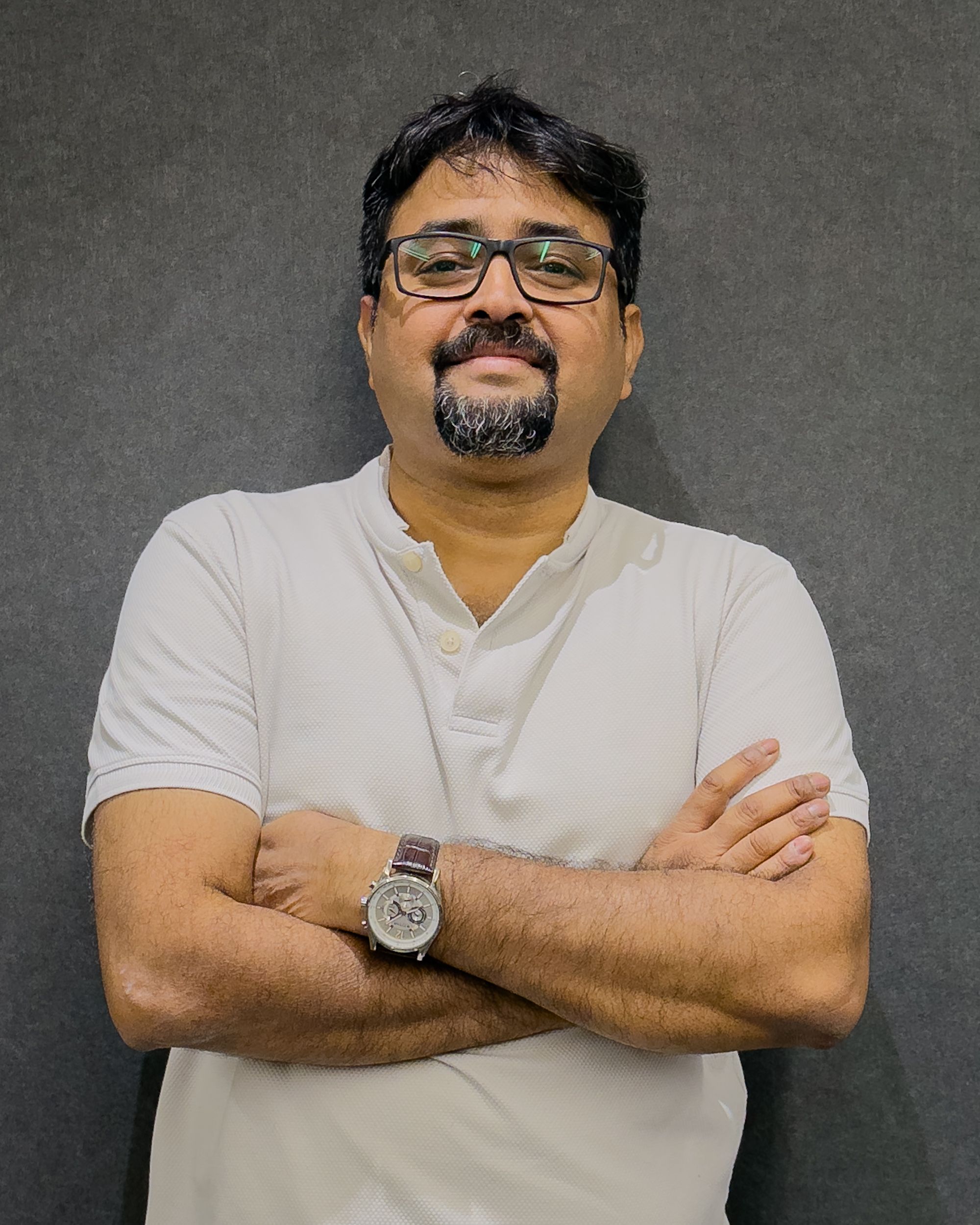
What first drew you to documentary and street photography?
As a kid in school, I was immensely drawn to the world of art, colors, and artists. My mother, seeing my interest, enrolled me in a local art class. My connection with composition started there. Along with art, I was an avid reader and used to write stories and poems. I slowly got drawn to the process of creative content making—whether through drawings, analyzing literary works, or story writing. So documentary photography wasn't a sudden realization; it was a gradual process. My frames are seldom one-shot stories. Then, in 2009, my uncle brought me a Canon prosumer camera, and my journey began. My strong inclination toward documenting people and life around me made me fall in love with black and white. I believe—and still strongly believe—that the depth a black-and-white photo achieves, colors cannot convey. Not to sound controversial, but I feel color photos have their own place. Monochromes make a story organic; colors make it more aesthetic. I hope I was able to explain. Oh, by the way, I used to love Malgudi Days on TV.
How did your journey in black-and-white photography begin?
Coming from an inclination toward documenting life, I always felt monochromes would do justice. Since childhood, my generation grew up looking at old black-and-white photo prints—we all have them in our families. I was fascinated by the texture of the paper and the grains. The feeling of touching a moment frozen in time amazed me, and black and white made it more pristine and natural. The extreme ends of any color spectrum are black or white—the purest forms of any hue—and I seek to explore that. That's how my eternal love for black and white began. Plus, I'm very old school, which pushed me further.
Can you recall a specific moment that made you realize photography was your passion?
I used to photograph my uncle's garden. Every day, I'd think of a subject and photograph something related—dead leaves, budding flowers, wilted branches, insects—each had stories to narrate. Then, in 2010 or 2011, I did my first photowalk in Hyderabad. That walk triggered a lot in me. I was mostly interested in documenting life around the market: the vendors, their lifestyle, subtle aspects on their bodies reflective of the grind. I photographed their hands, wrinkled faces that narrated a life of toil. I understood this medium was here to stay with me for long. All the more because I lost touch with drawings due to studies, and photography became my escape, my new canvas.
How has your perspective on street photography evolved over the years?
Honestly, street photography came much later. Between 2012-13 and 2024, I could rarely bring out my camera because family happened and office work kept me busy. In 2024, I traveled to Kashmir with my new camera, and the flicker ignited the subdued passion again. I joined a local photography community, Photowalks Hyderabad. The community changed and helped refine my perspectives a lot. With my limited knowledge of documentary photography, I started again. Streets are all about moments. My first lesson was to get comfortable with my camera—the last thing you should be bothered about is settings. Slowly, I got more comfortable on the streets. I used to be very afraid of photographing people, but I pushed myself. Almost every day, I'd watch videos explaining techniques, composition, and framing. I learned first to make friends on the streets and make subjects comfortable. It's a continuous learning process—I still get nervous sometimes. Finally, I worked on shooting with intent. Behind every frame, there must be a deep thought accompanying it. It's a lifelong endeavor.
Tell us about the story behind your favorite documentary photo.
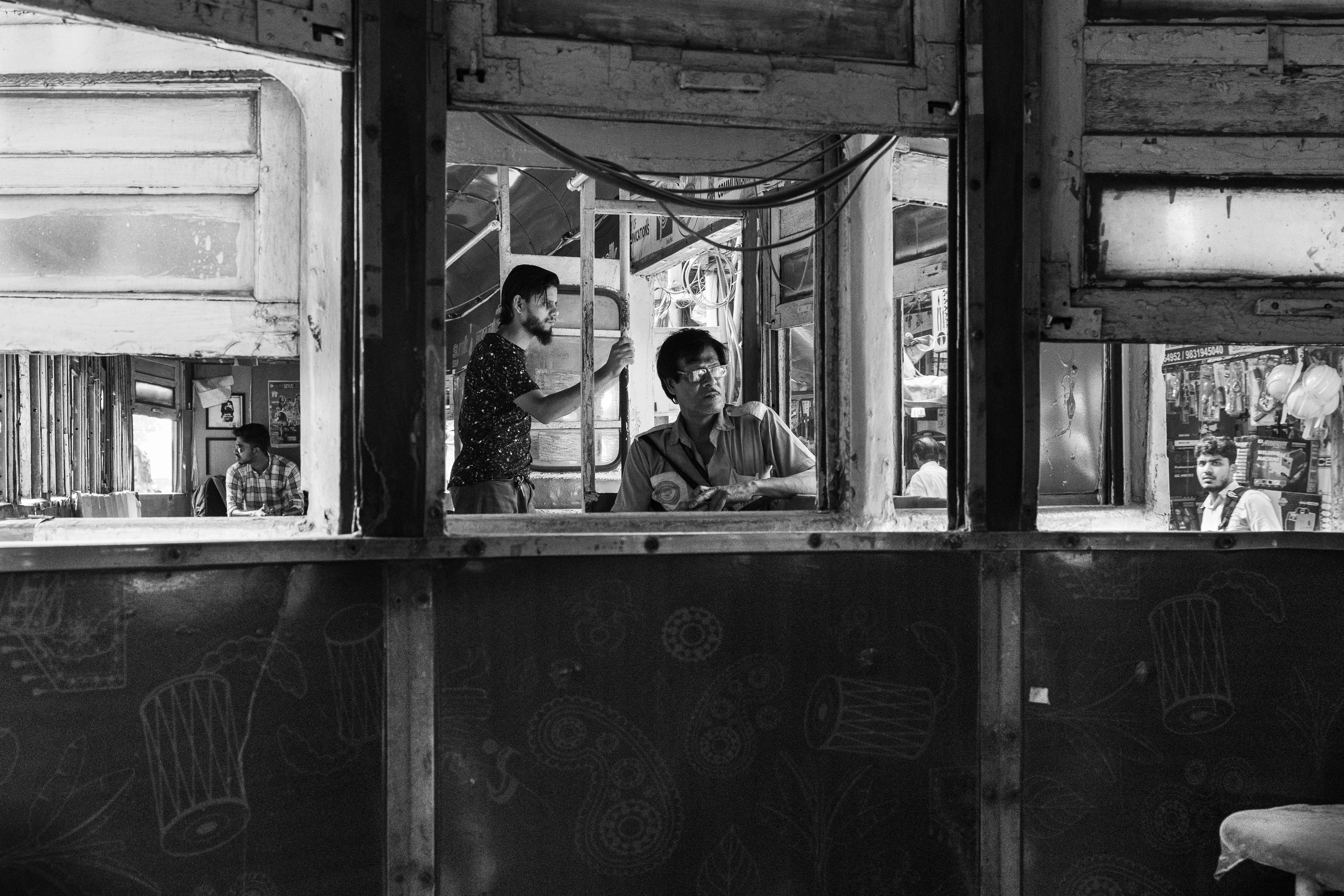
It was a hot summer day, around 1 PM in March 2025. I was roaming around the tram depot in Kolkata and boarded this tram. The photo is a frame within a frame that uniquely boxes three different stories. The characters are commuters, a conductor, and an aspirant, all framed in separate windows. Commuters wait for a destination; the conductor contemplates his last days in the profession as the government decided to stop the service; to the right, an aspirant waits for his chance—a single chance to move ahead. The textures in the wooden frames around talk about dilapidation, interestingly juxtaposed with intricate doodles in front reminiscent of a joyful past. This composition is one of my favorites.
What makes your most-prized black-and-white street photograph special to you?
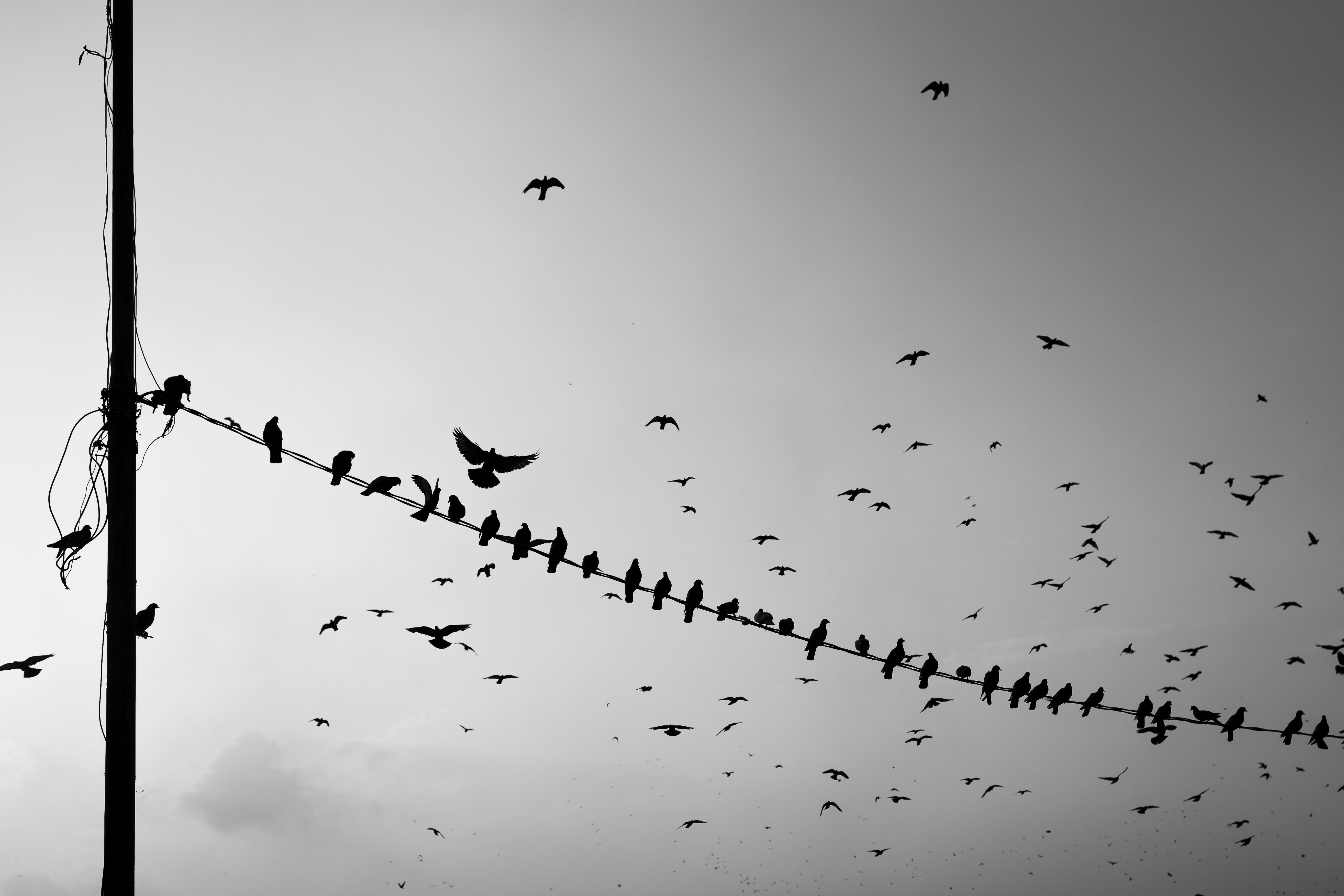
I titled this photo "Overbooked." I took it around the old city region of Hyderabad, an area with many pigeons. Birds are one of my favorite subjects—these little souls carry the history of the place. The photo reminded me of the importance of socializing, the need to connect. We humans are moving away from that, hooked to electronic media, and there's no peace in that. Also, this photo was among the top 1% in an international award with over 27,000 entries—my first actual recognition.
Walk us through the narrative of your photo series on faith.
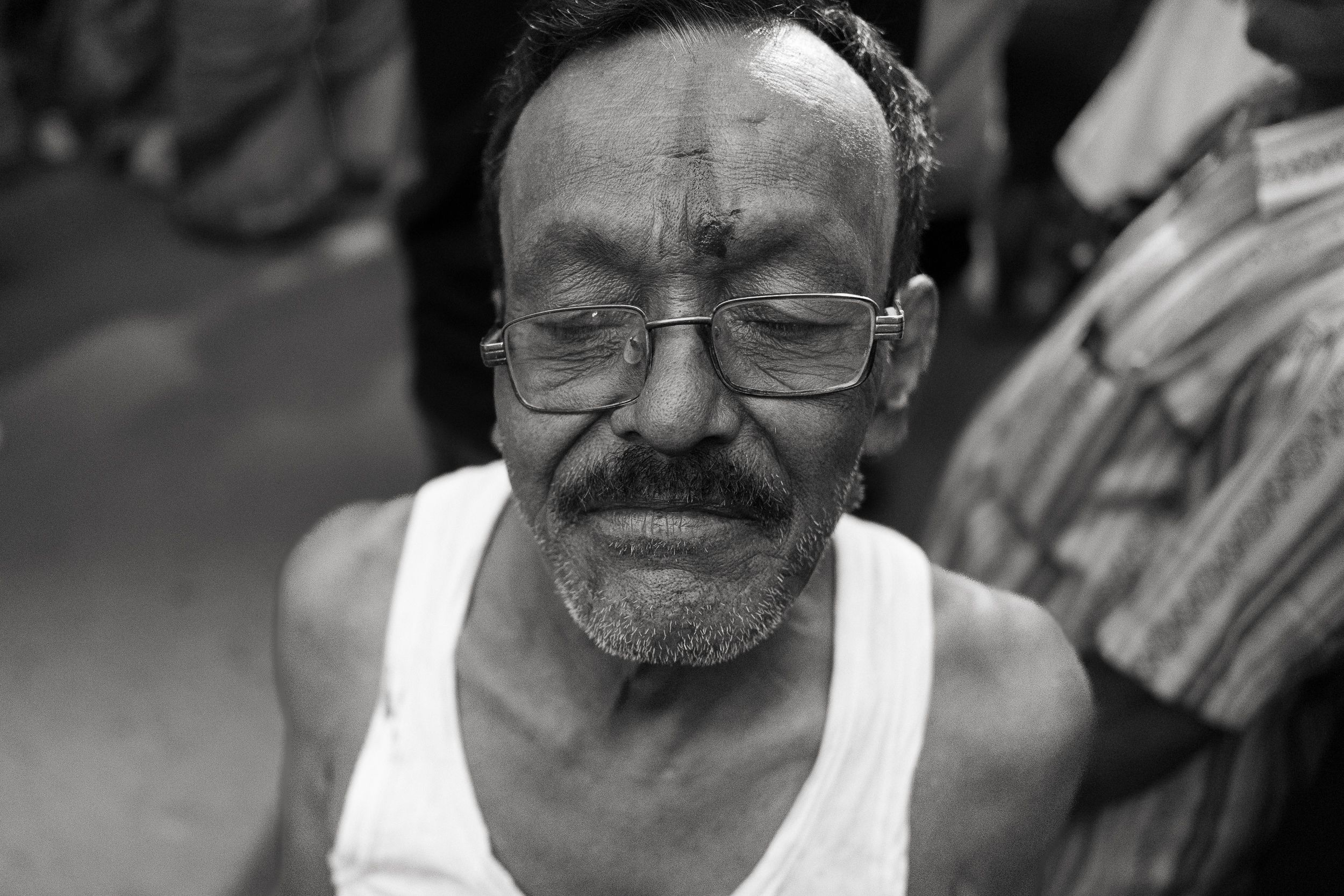
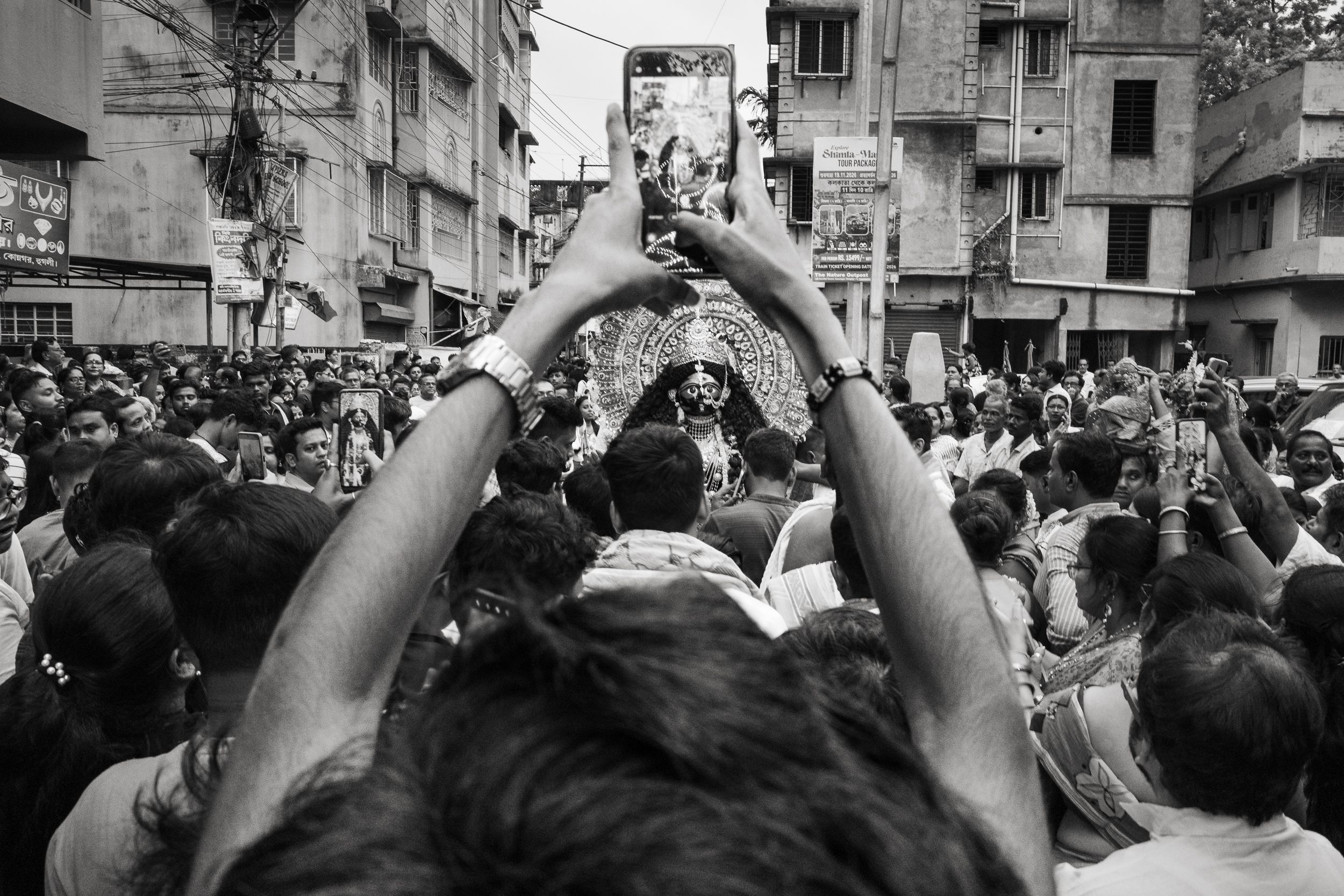
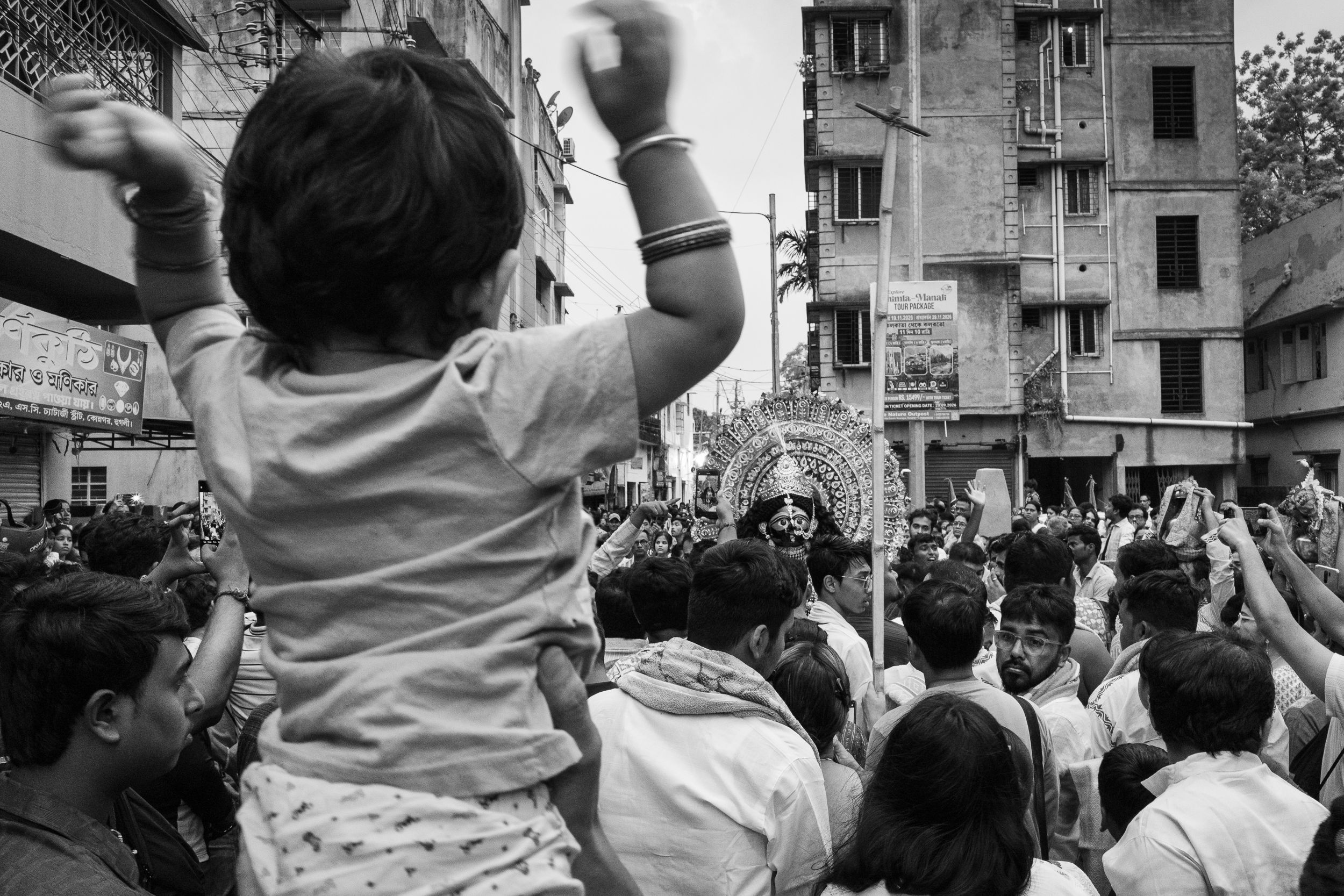
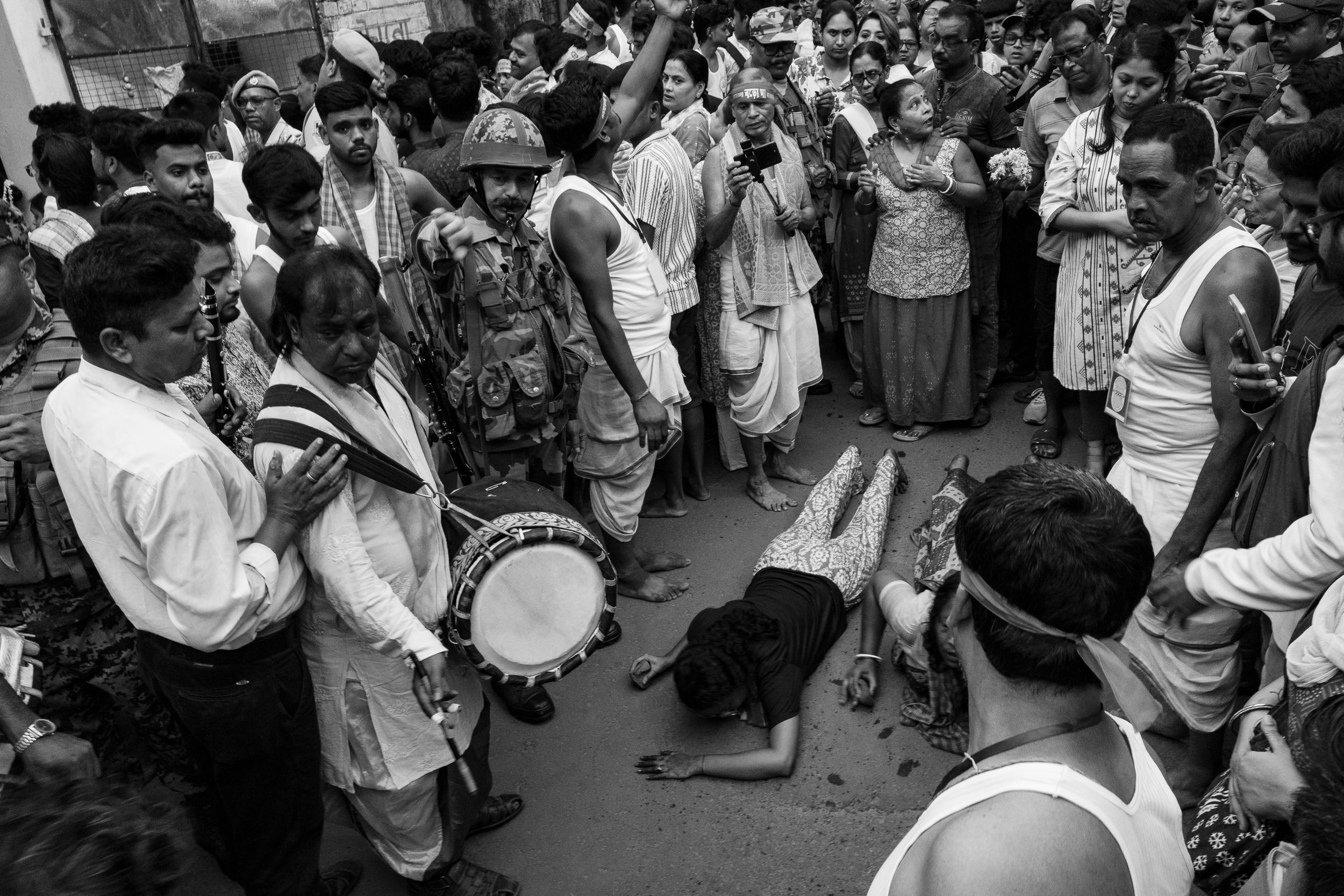
Into the Fervour of Faith: Millions of souls with millions of reasons behind their refuge to faith. These photos are from my hometown, where devotees gather to worship Shakuntala Kali Maa. The unique thing about this puja is that the idol is made from scratch, worshipped, and immersed in a single day before sunrise. This set of frames speaks of different forms of submission to the deity through devotion, jubilance, anticipation, and penance.
What were you feeling when you captured that candid street portrait?
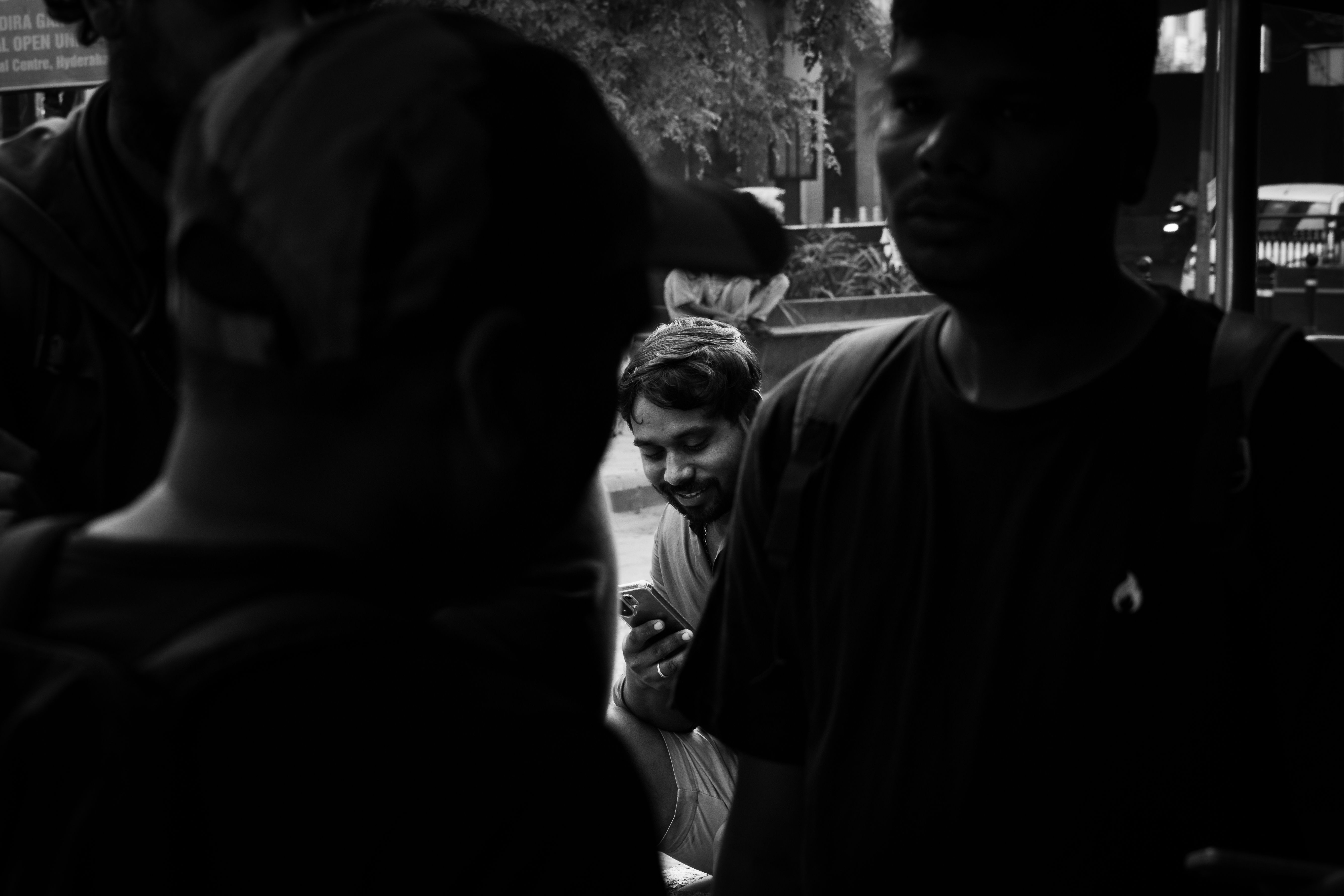
A private moment that brought a smile to the face. I felt it's important to feel happy alone, and sometimes it's good to find peace in the cacophony all around. You are your best friend. This isn't a loud expression but subtle, and I believe some of the purest emotions are found there.
How did you achieve the lighting in that shadow-and-light street scene?
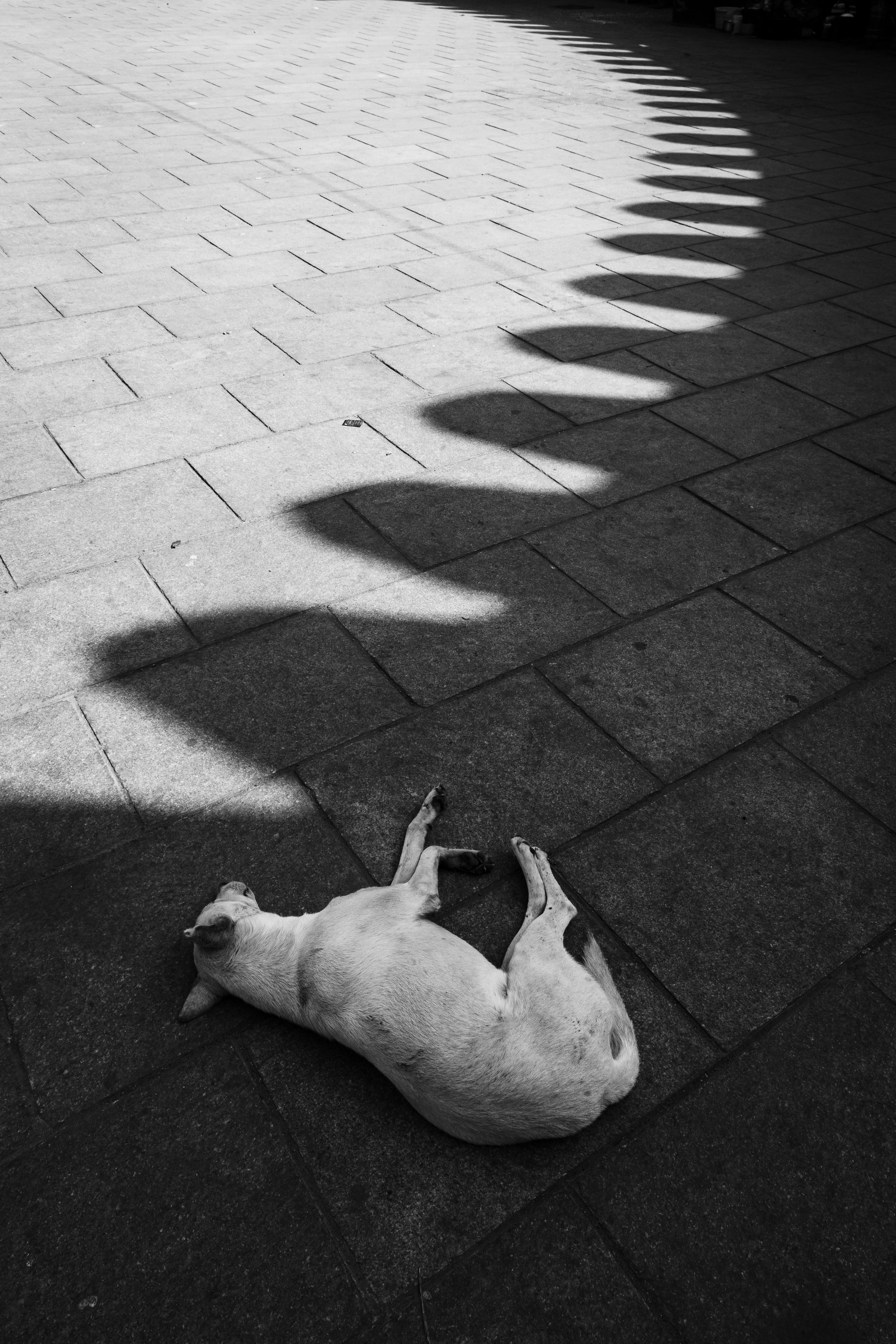
It's an early morning scene around the Mozamzahi Market area of Hyderabad. The wall created a unique shadow pattern that forms a leading line from the dog. It naturally and beautifully segregates the region from light to shadow, reminding me of yin and yang. The dog played the part of yang waiting for yin. I named the frame "My Zipped Sleep."
What draws you to capture such everyday moments?
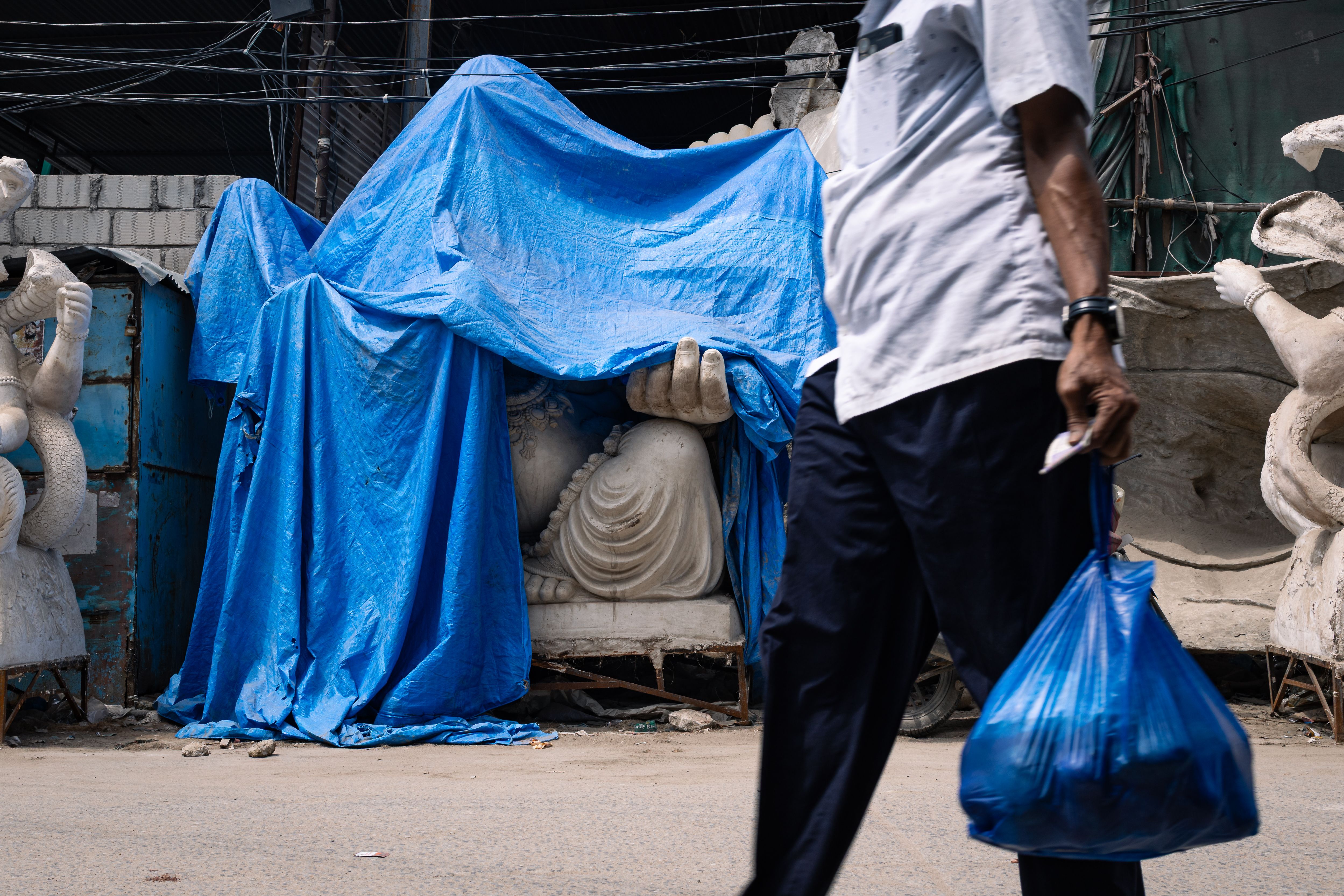
This is the only color entry in the entire set. Yes, I do color sometimes, and it's equally challenging. This photo tries to convey how color is perceived in our daily lives. As part of my observation exercise, I find it quite challenging to scoop out a frame from nowhere. However, it's great fun when an execution works out as intended. In this case, we hardly notice, but humans are slaves to commodification, and it has a color—not even the gods are spared.
Contact and Follow
Email: karmicvidhi@gmail.com
Instagram: https://www.instagram.com/karmicvidhi
Instagram: https://www.instagram.com/colorsofkv