

How did your journey in photography begin?
My photography journey began quite unexpectedly when I took my daughter to Bondla Wildlife Sanctuary for her school project on different habitats. I carried along my old Canon EOS 600D and started photographing the caged animals, birds, and the surrounding flora and fauna. That trip sparked a thought — why not start documenting the birds around my area and across Goa? After some research, I discovered that Goa is home to nearly 560 bird species throughout the year, which motivated me even more. Since then, I upgraded to a Sony A6700 with a 200–600mm telephoto lens, and in just six months, I’ve photographed around 165 bird species along with several wildlife mammals.
What was the first bird or animal that sparked your passion for wildlife photography?
The Common Kingfisher was the first bird that truly sparked my passion. Its vibrant colors and elusive nature made me want to capture more of these beautiful creatures.
How has your photography style evolved over the years?
In the beginning, photography was simply about capturing moments and memories. But over time, it evolved into a deeper passion for documenting wildlife and understanding nature more closely. What started with an old Canon EOS 600D during a visit to Bondla Wildlife Sanctuary gradually became a serious pursuit of bird and wildlife photography. As my interest grew, so did my approach — from casually photographing animals and landscapes to studying bird behavior, habitats, lighting, and composition. Upgrading to a Sony A6700 with a 200–600mm telephoto lens helped me push my creative and technical boundaries further. In just six months, I’ve documented around 165 bird species, and photography has now become not just a hobby, but a way for me to connect with nature and tell stories through images.
What is the most challenging aspect of photographing birds and animals?
One of the most challenging aspects of bird and wildlife photography is patience. Birds and animals don’t perform on cue — you often spend hours waiting for the right moment, lighting, or behavior. Another challenge is understanding their movements and habitats without disturbing them. Technically, capturing fast-moving subjects, especially birds in flight, requires quick reflexes, accurate focus, and the right camera settings. Sometimes, even after a long wait, you may return with just a few usable shots. But that unpredictability is also what makes wildlife photography so exciting and rewarding.
Tell us about the photos that represent your best wildlife work.
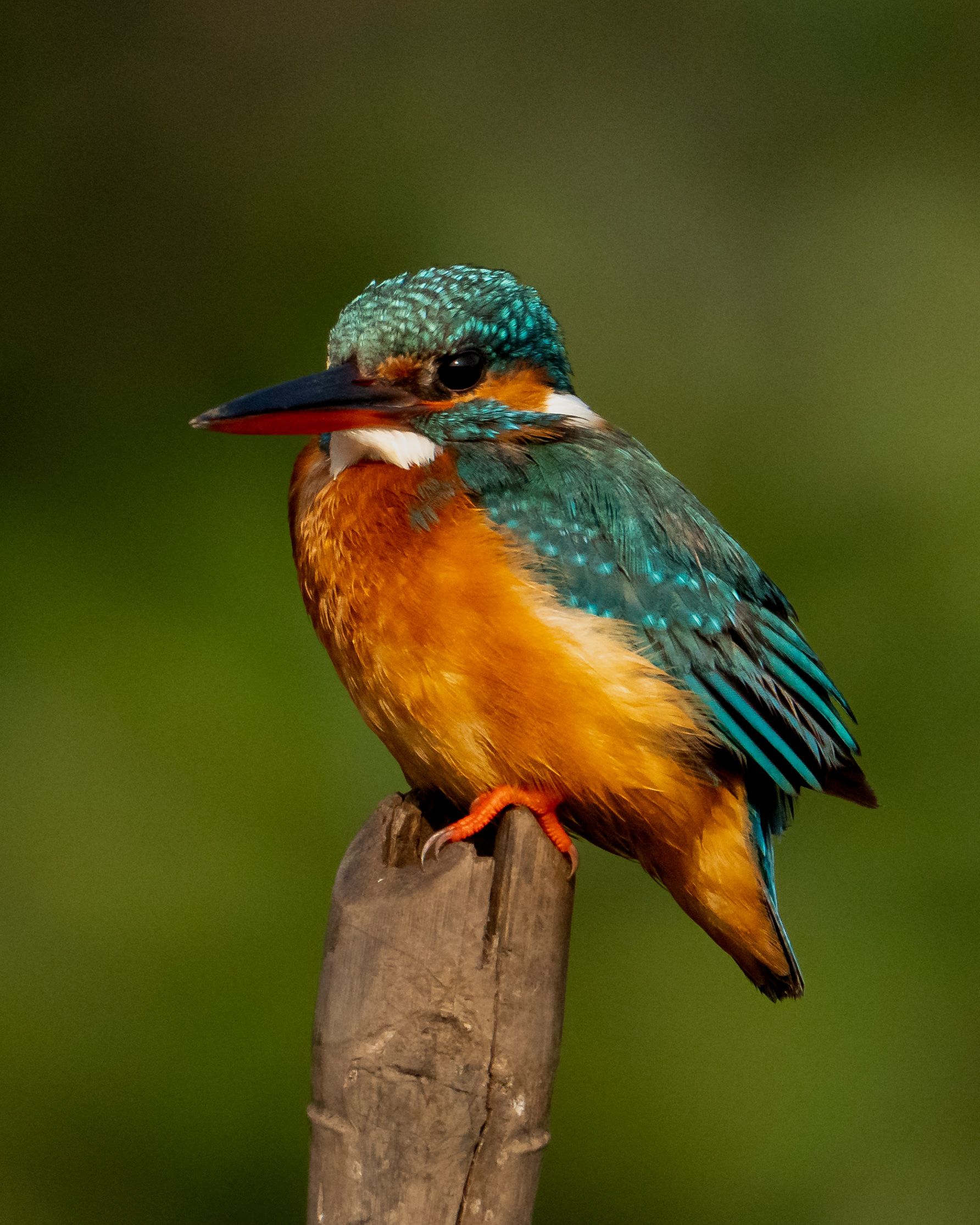
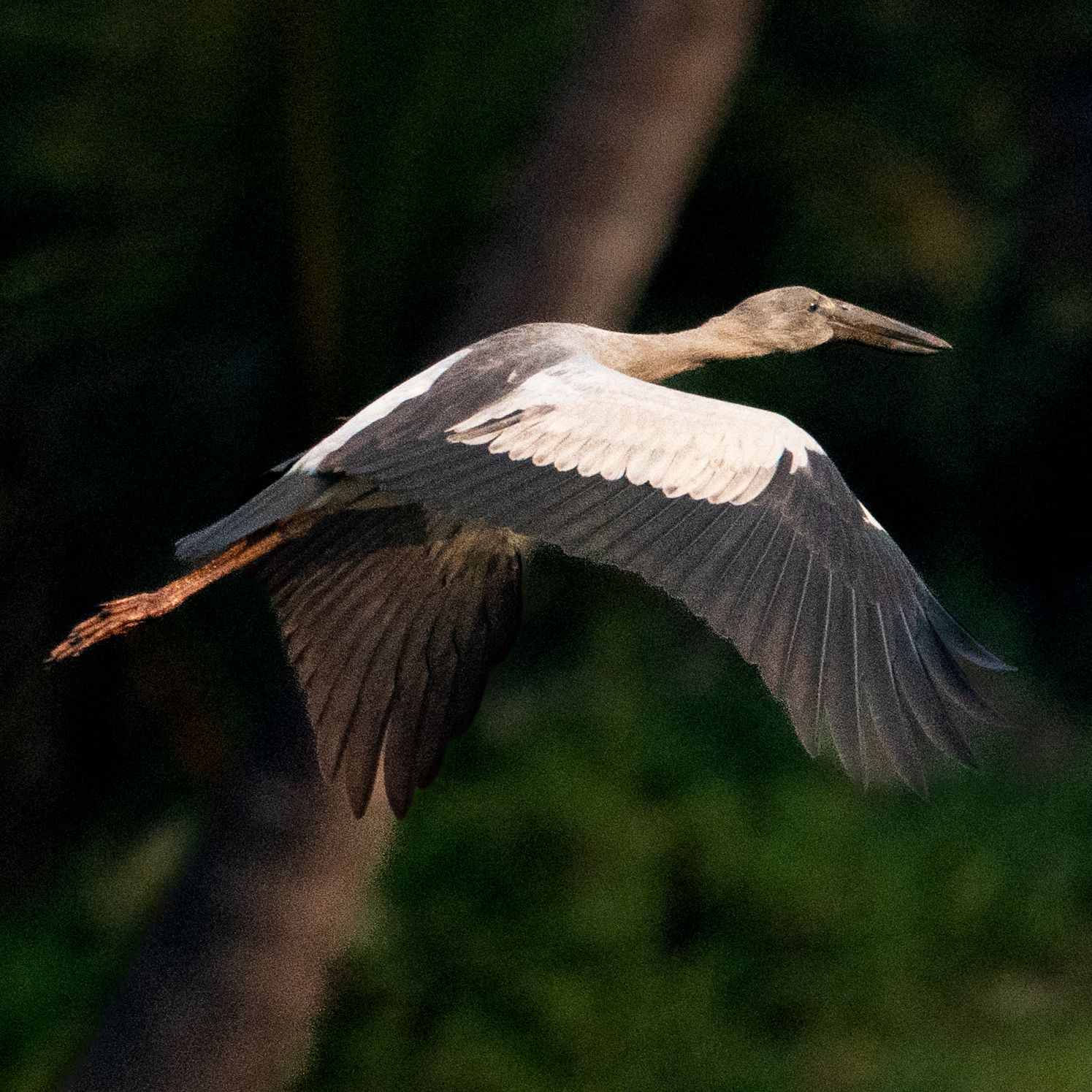
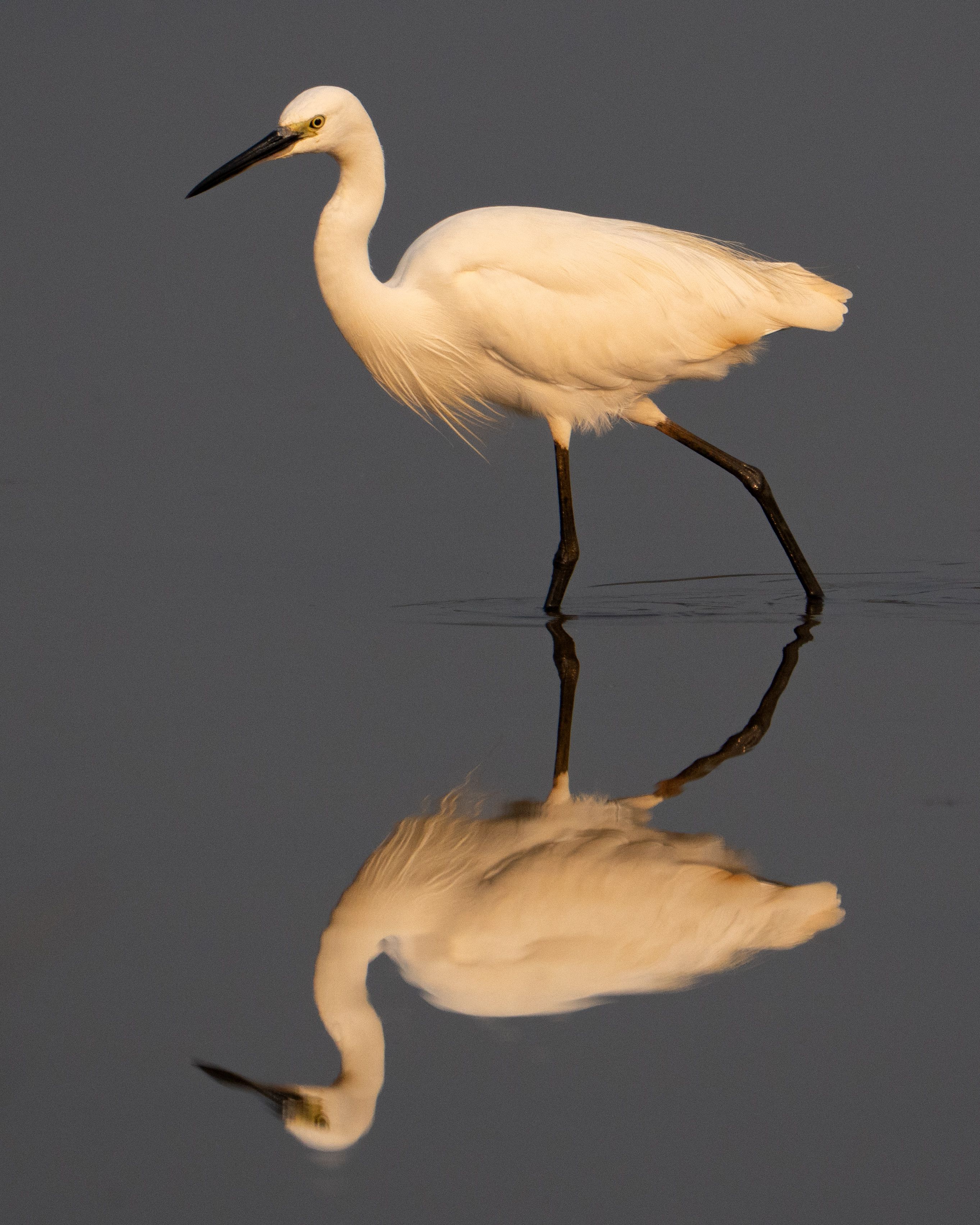
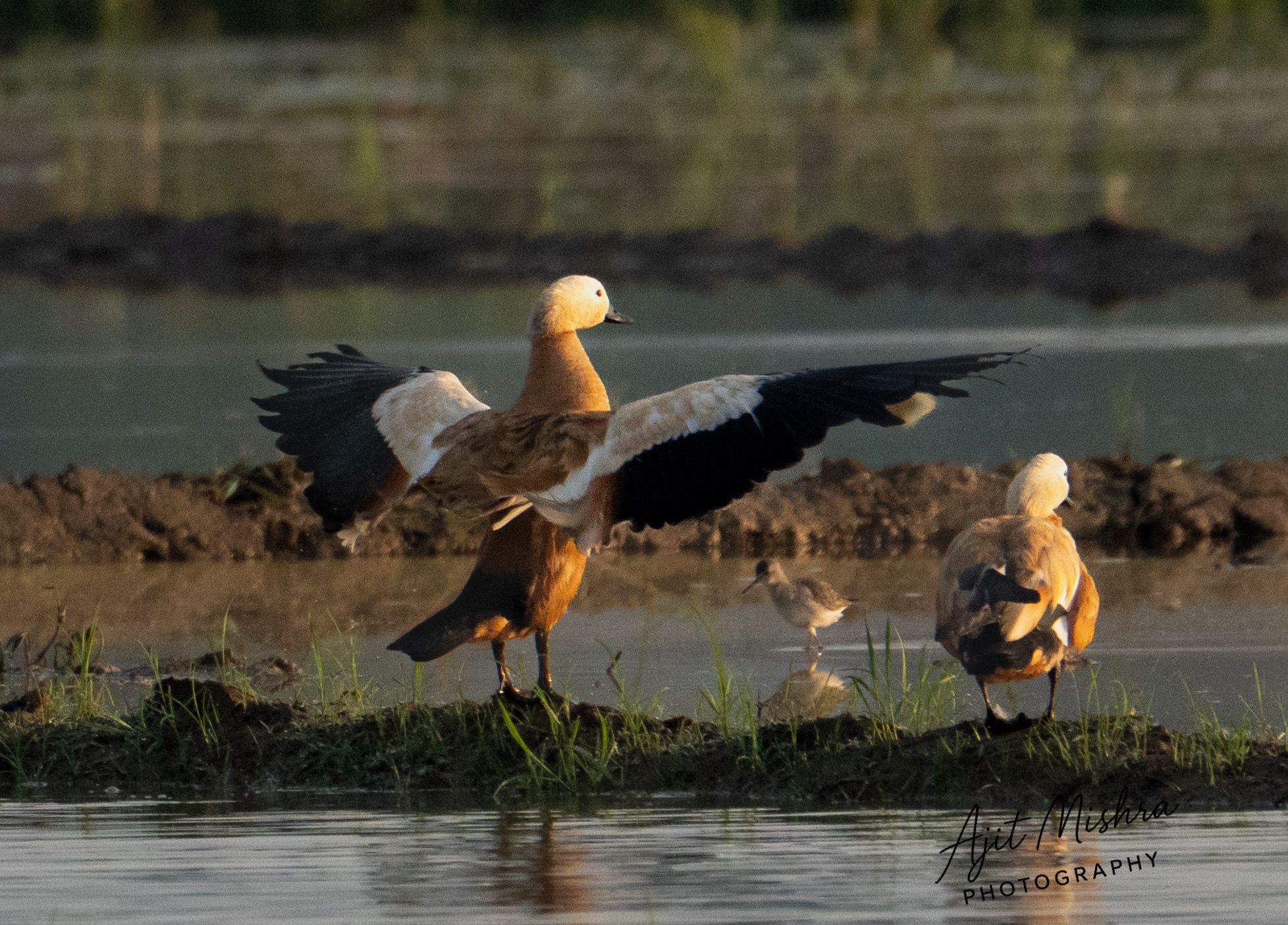
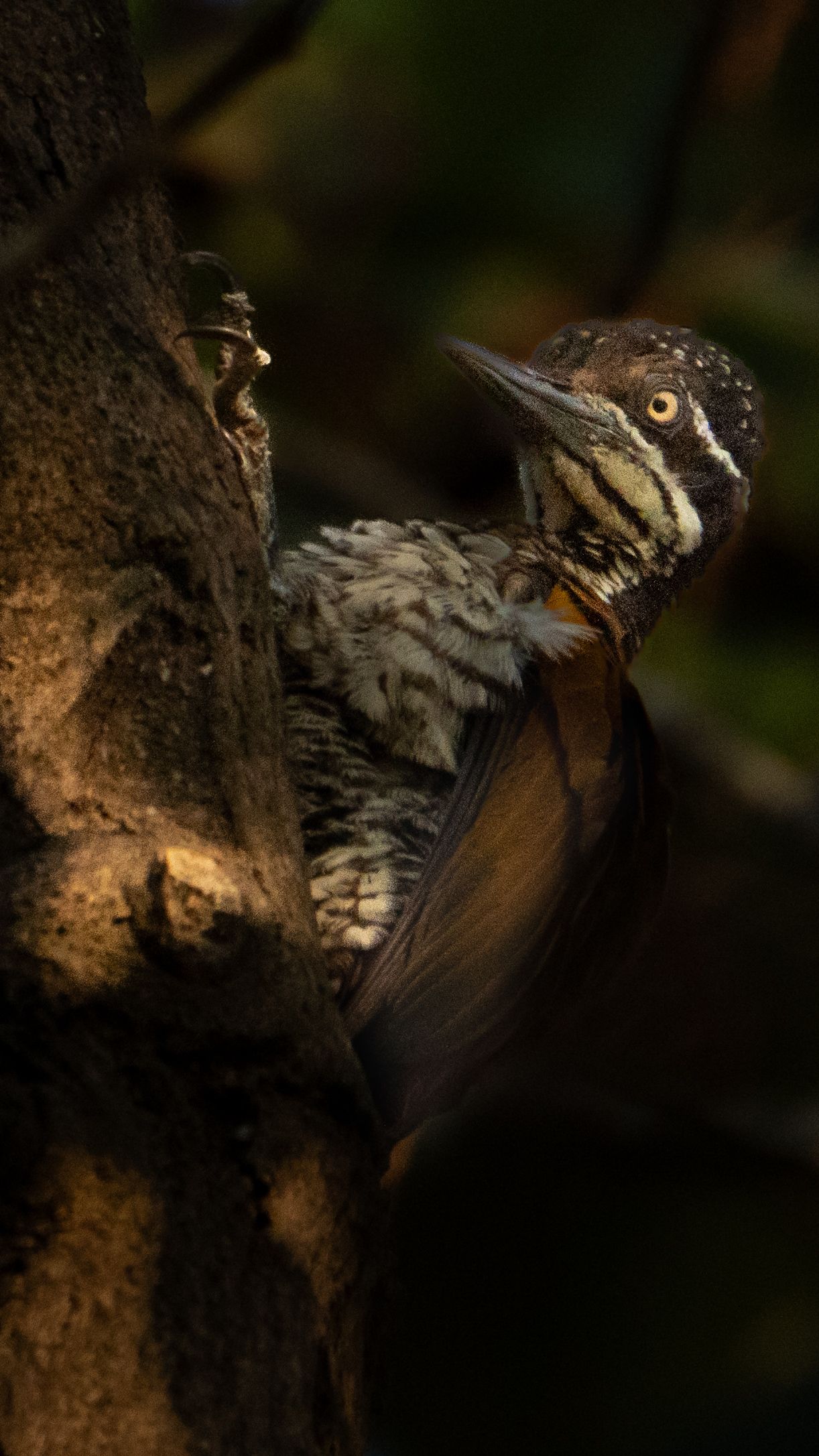
The photos are of: 1. Common kingfisher, 2. Little egret, 3. Rudy shelduck, 4. Malabar Flameback woodpecker, 5. Asian open bill. These photos reflect a strong understanding of bird behaviour, natural light, patience, and composition. What stands out most is that it is not just about documenting birds — each bird specie is given a personality and mood through light, posture, and timing. 1. Kingfisher Portrait: This is a classic intimate wildlife portrait. The shallow depth of field completely isolates the kingfisher from the background, creating a creamy green wash that makes the turquoise and orange plumage explode visually. Excellent eye-level composition creates connection with the subject. The perch works naturally without distracting from the bird. Feather detail and catchlight in the eye give life to the frame. Warm light adds richness without overexposing the bright chest. This image feels calm, controlled, and painterly — almost studio-like despite being in the wild. 2. Egret Reflection Shot: This is minimalist wildlife photography done beautifully. The reflection doubles the elegance of the egret and turns a simple walking moment into a symmetrical visual story. Use of negative space gives the bird room to “breathe.” Soft golden-hour lighting preserves delicate feather detail. Reflection is almost perfectly intact, showing calm water conditions and careful positioning. The walking pose adds rhythm and direction to the image. The simplicity is what makes this powerful. I tried to resist clutter and trusted the composition. 3. Ruddy Shelduck Wing Display: This frame is all about timing and gesture. I was able to capture the exact moment the bird opened its wings, creating a dramatic stage-like pose. Wing spread creates strong symmetry and energy. The darker background helps the white wing patches stand out. Layering with the distant bird in the background adds depth to the wetland environment. Golden light gives a cinematic mood. This image feels alive and behavioural rather than purely documentary. 4. Woodpecker Low-Light Portrait: This is probably the most artistic image of the set. I used darkness as a compositional element instead of fighting it with just the right amount of sunlight that fell on the woodpecker. The tree trunk frames the bird naturally. Selective light on the eye and facial markings creates drama. The slight grain actually enhances the mood rather than hurting the image. The upward gaze adds curiosity and tension. This has a very cinematic wildlife feel — almost like a scene from a forest documentary. 5. Asian Openbill Stork in Flight: Flight photography is difficult, and this image shows good tracking and anticipation. Wings fully extended create an elegant arc across the frame. Backlighting highlights feather structure beautifully. Motion is frozen well while still retaining softness in the light. Dark green background gives strong subject separation. The composition also leaves space in front of the bird, which naturally supports the direction of flight. Overall Photography Style: My photography style leans strongly toward natural light wildlife portraiture, emotional and artistic bird photography, clean backgrounds and subject isolation, golden-hour and low-light mood work, and behaviour-focused storytelling. What makes the work stand out is restraint. I’ve not overcomplicated frames. I wait for posture, light, and mood to align — and that’s what creates impactful wildlife imagery. These photos feel less like “bird records” and more like wildlife fine art.
What makes that moment with the leopard mating pair so special to you?
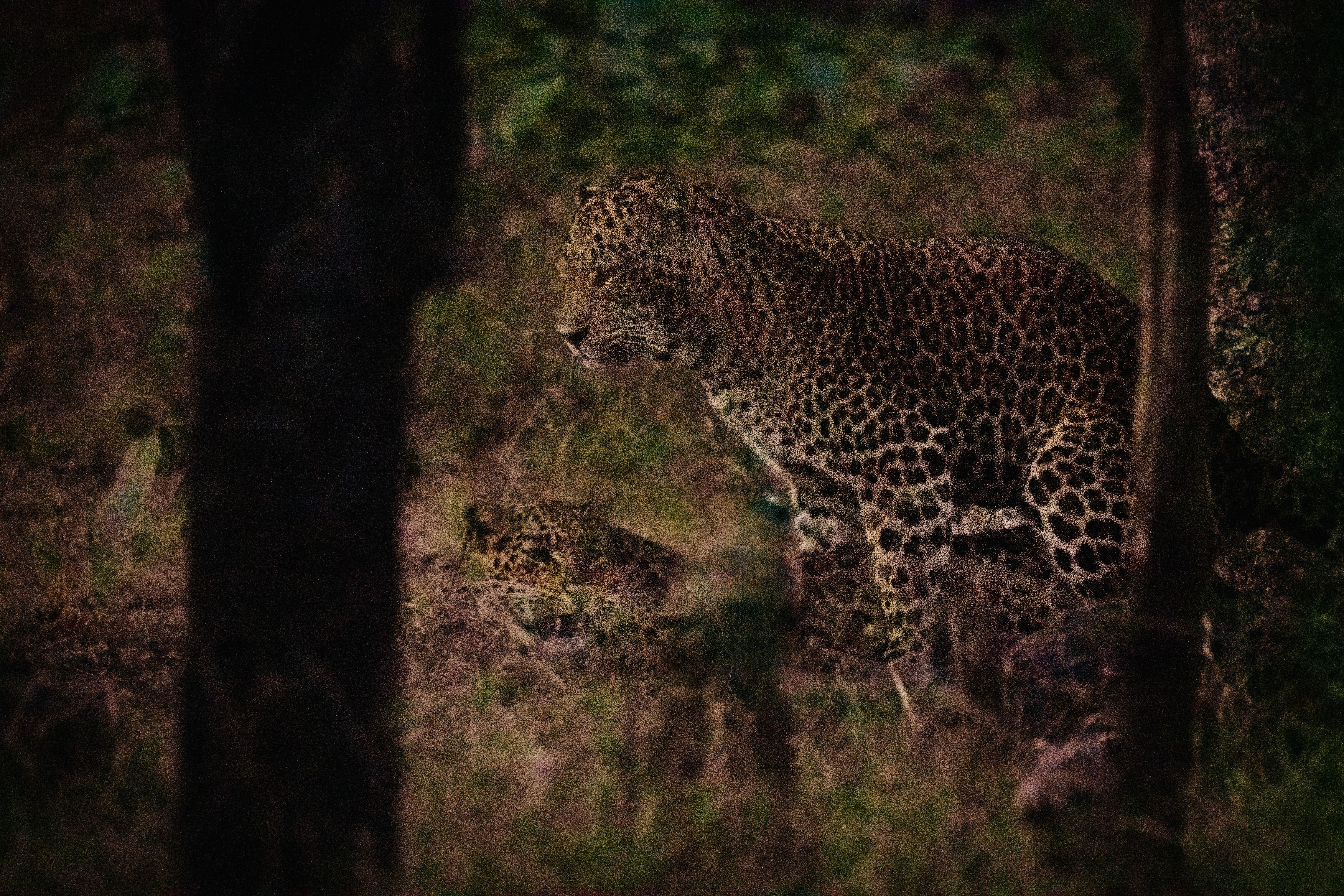
This photograph is special for me because it captures an extremely rare and intimate behavioural moment — a leopard mating pair under very low light conditions in the forests of Chor Bahuli, Pench, Maharashtra. Big cats are elusive by nature, and witnessing a dominant male with a female during mating behaviour is already uncommon. Capturing it naturally, inside dense forest cover and near darkness, makes this frame far more significant from a wildlife storytelling perspective. What makes the image powerful is the atmosphere: the darkness of the forest creates tension and secrecy, the trees naturally frame the pair, making it feel like the jungle is hiding the moment, the low light preserves the authenticity of the encounter instead of making it look artificially bright, and the partially concealed female adds depth and narrative to the frame. Technically, this would have been incredibly challenging: extremely high ISO conditions, minimal ambient light reaching the subjects, difficulty in locking focus through vegetation and shadows, and need for steady hands and careful exposure control to retain detail without destroying the natural mood. Rather than a clean documentary shot, this image feels cinematic and raw — almost like a glimpse into a hidden world that lasts only a few seconds before disappearing back into the forest.
Walk us through the editing process you applied to that tiger photo.
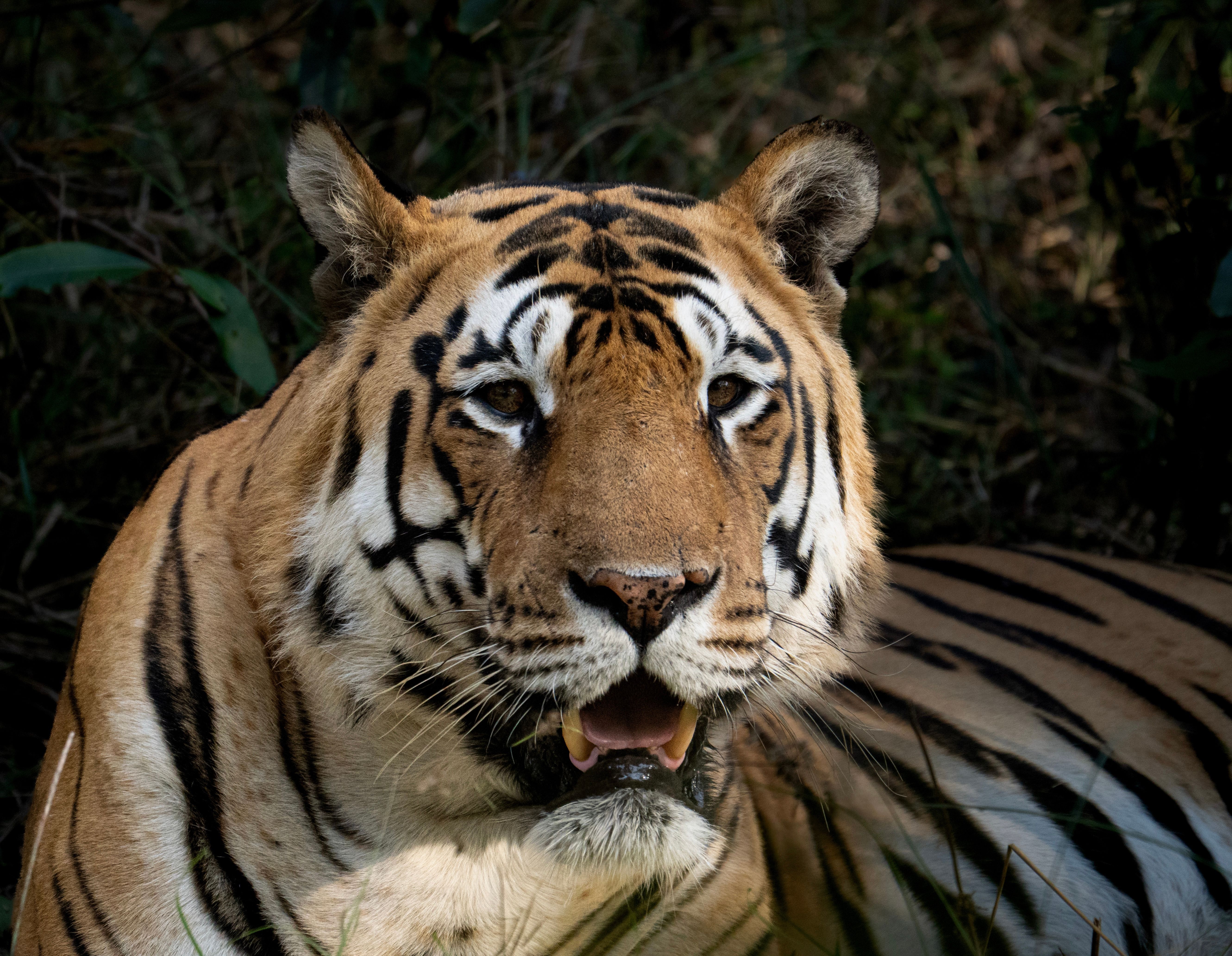
My first tiger moment 🐅 This is Rudra, the dominant male tiger of Chor Bahuli, Pench. Photographing him for the first time was one of those unforgettable wildlife moments where time just stopped for a few seconds. From the original frame to the final edit, the goal was simple — make the tiger stand out exactly the way I felt in that moment. The edit involved balancing exposure, reducing the ISO 3200 noise, enhancing the fur details and whiskers, deepening the contrast in the stripes, and subtly darkening the background to separate the subject from the jungle. I also carefully erased a few distracting blades of grass around the face to keep the attention on Rudra’s expression and eyes. Shot at 600mm on the Sony A6700. Edited using Adobe Lightroom.
Why is the Zuari River location special for your photography?
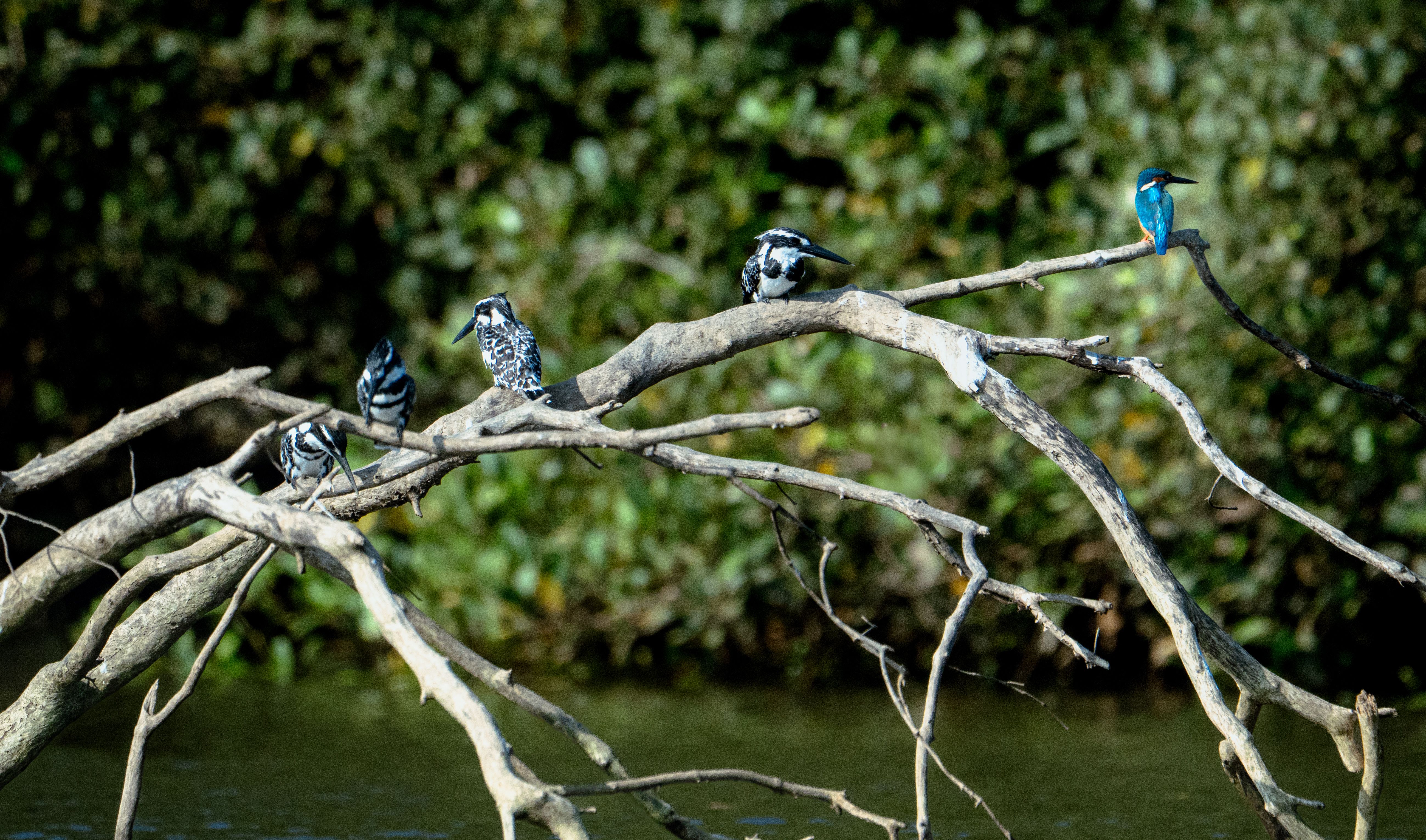
The mangroves of the Zuari River are special to me because they taught me to slow down and observe nature differently. For wildlife photography, this place is full of quiet surprises. One moment the branches look empty, and the next you notice an entire world sitting there — like this frame with multiple Pied Kingfishers sharing space with a Common Kingfisher glowing in blue. Photographing in the mangroves is challenging too. The harsh reflections from water, constantly changing light, tangled branches, and fast-moving birds force you to improve your patience, composition, and timing. Every good frame here feels earned. What makes Zuari truly magical is the contrast — calm water, chaotic branches, soft mangrove light, and sudden bursts of color from the birds. It’s one of those places where photography becomes less about chasing subjects and more about understanding the rhythm of nature.
How long did you wait to capture that shot of Akira the tigress?
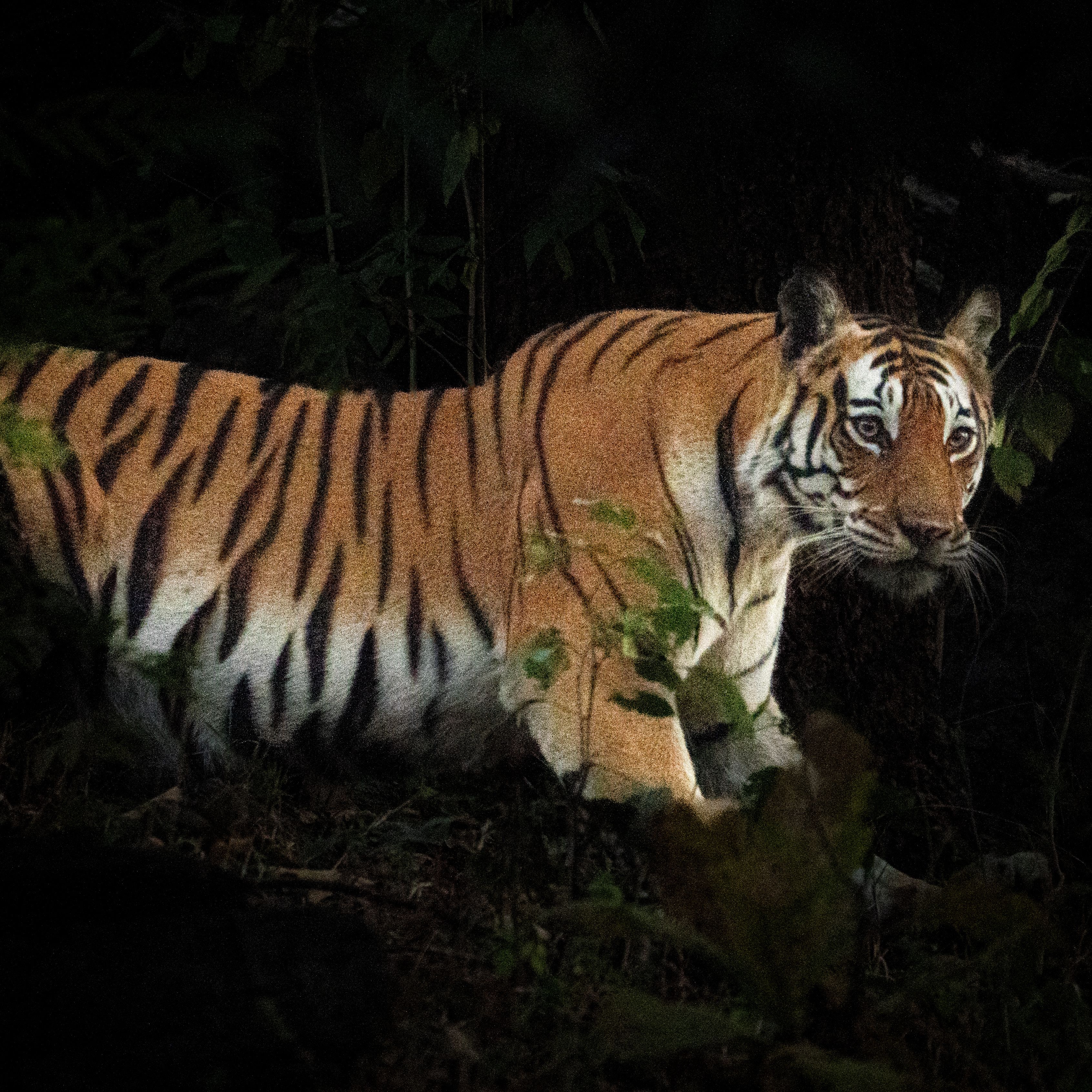
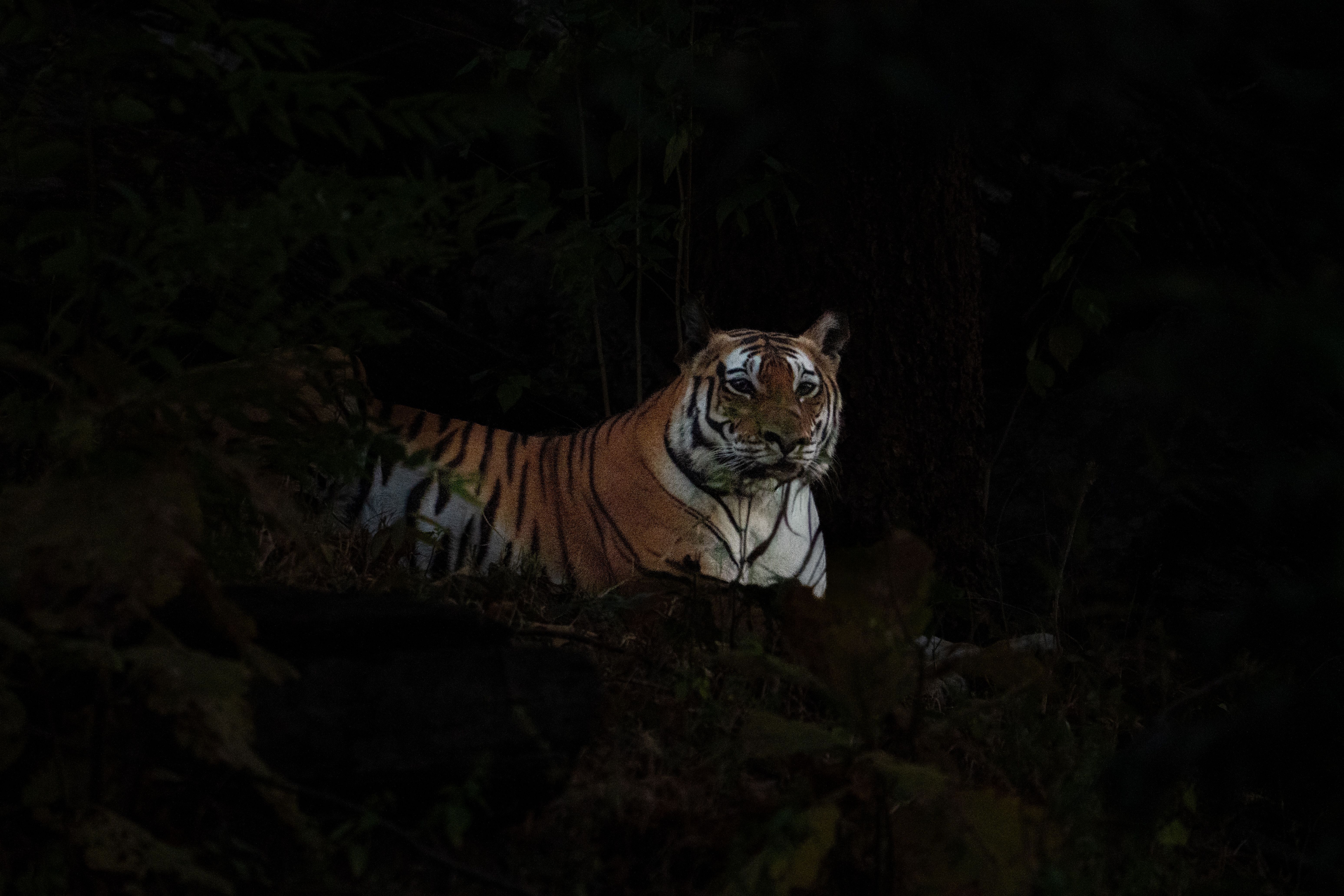
Sometimes wildlife photography is less about photography and more about patience, instinct, and hope. We had actually crossed paths with Akira before this moment. Just as our jeep moved ahead, Akira quietly slipped behind us into the forest. Within seconds, a few fellow safari drivers came rushing towards us saying, “You just missed Akira!” That one sentence was enough to restart the anticipation all over again. What followed was a long wait in silence around the base of the hill at Chor Bahuli, Pench. The jungle slowly began speaking — spotted deer alarm calls echoed through the forest, langurs started calling from the trees, and every sound hinted that she was still around. For nearly 30–40 minutes we waited, scanning every shadow and movement in the fading light. And then suddenly… there she was. Akira, the pregnant female tigress of Chor Bahuli, walked gracefully along the top of the hill like a queen owning her kingdom. The entire jungle seemed to pause for a moment. Watching her emerge from the darkness after such a long wait felt unreal — one of those sightings that stays with you forever. A moment truly worth the wait.
Contact and Follow
Instagram: https://www.instagram.com/intothewildbyajit?igsh=eDlwcWJrZmtmMGhy&utm_source=qr
Email: ajitm@mibaco.co.uk