

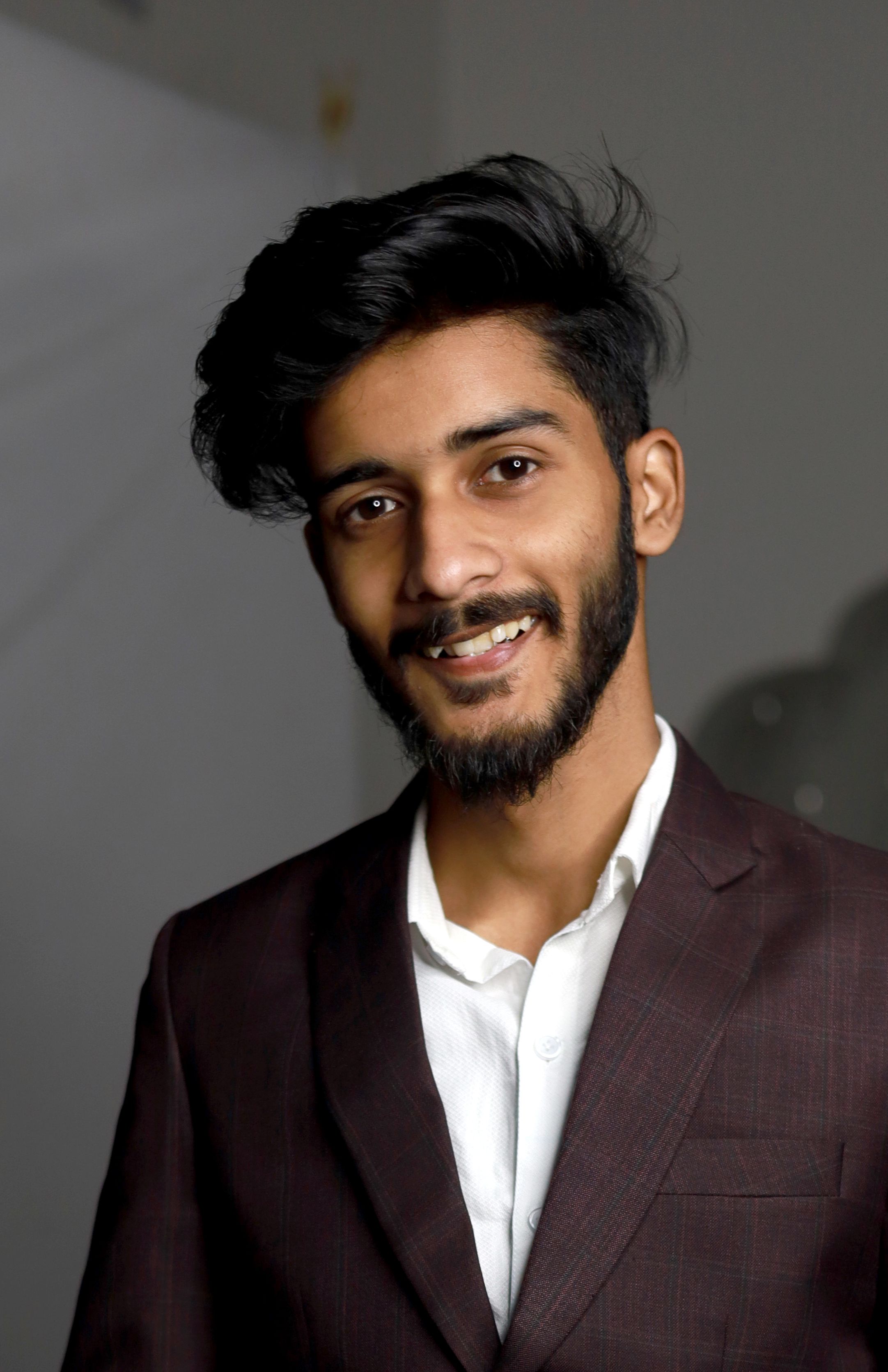
How did your journey in wildlife photography begin?
My journey in wildlife photography began in 2015 when we bought the first Android phone in our house. Even though it was a simple phone, for me it became a way to explore the beauty of nature. I started taking close-up photographs of flowers, leaves, ponds, insects, and birds around my home. I was fascinated by how small natural details could look so beautiful through a camera. As time passed, I started visiting the mountains and natural areas near my house almost every day with friends, capturing landscapes, birds, changing light, and peaceful outdoor moments. Those experiences slowly built my connection with nature and developed my observation skills and patience — two important qualities in wildlife photography. Later, I began sharing my photographs on Instagram, which motivated me to improve every day. In 2019, I received my first DSLR camera, the Canon 200D Mark II, and that became a turning point in my journey. With a professional camera in my hands, I started exploring wildlife photography more seriously and learned how to tell stories through nature and the wild.
What was the first moment you felt truly connected to nature through your camera?
One of the most memorable moments in my wildlife photography journey happened in 2019. I had my first freelance shoot for a friend's brother. My friend came to pick me up from home on his scooty, but strangely, it refused to start. At that moment, one of his friends suddenly arrived there. After talking for a while, he dropped me at my friend's house, and during the journey he told me about A.K. Sahay sir, who runs a wildlife photography club. Through him, I joined the club, and that became a turning point in my life. From then on, I explored forests, lakes, and countless natural locations, which took me much deeper into wildlife photography. One of my best experiences was near Topchanchi Lake while searching for the Indian Flycatcher during my early days in the field. Our entire team spent almost 3–4 hours searching through the area, but we couldn't find it. We were finally heading back home when suddenly an Indian Flycatcher flew across the road in front of our car. We immediately followed it and discovered both the male and female near their nesting site. That moment felt magical and became one of my most unforgettable wildlife experiences.
How has your experience and approach to wildlife photography evolved over the years?
Over the years, my approach to wildlife photography has changed from simply capturing beautiful moments to understanding and respecting nature more deeply. In the beginning, I was excited just to photograph birds, landscapes, and natural scenes. But with time, experience, and continuous exploration of forests and wildlife locations, I learned that wildlife photography is not only about getting the perfect shot — it is about patience, observation, timing, and building a connection with the environment.
What is the most memorable wildlife encounter you've experienced?
One of the most exciting moments in my wildlife photography journey happened at Topchanchi Lake when my team and I spotted five different species of cuckoos in a single day. For a wildlife photographer and bird enthusiast, witnessing such diversity in one location on the same day felt incredibly rare and special. We spent hours observing their behavior, listening to their calls, and trying to capture each species through our lenses. That day was not just about photography — it was about experiencing the richness and beauty of nature in its purest form.
What's the story behind the peacock photo you shared with us?
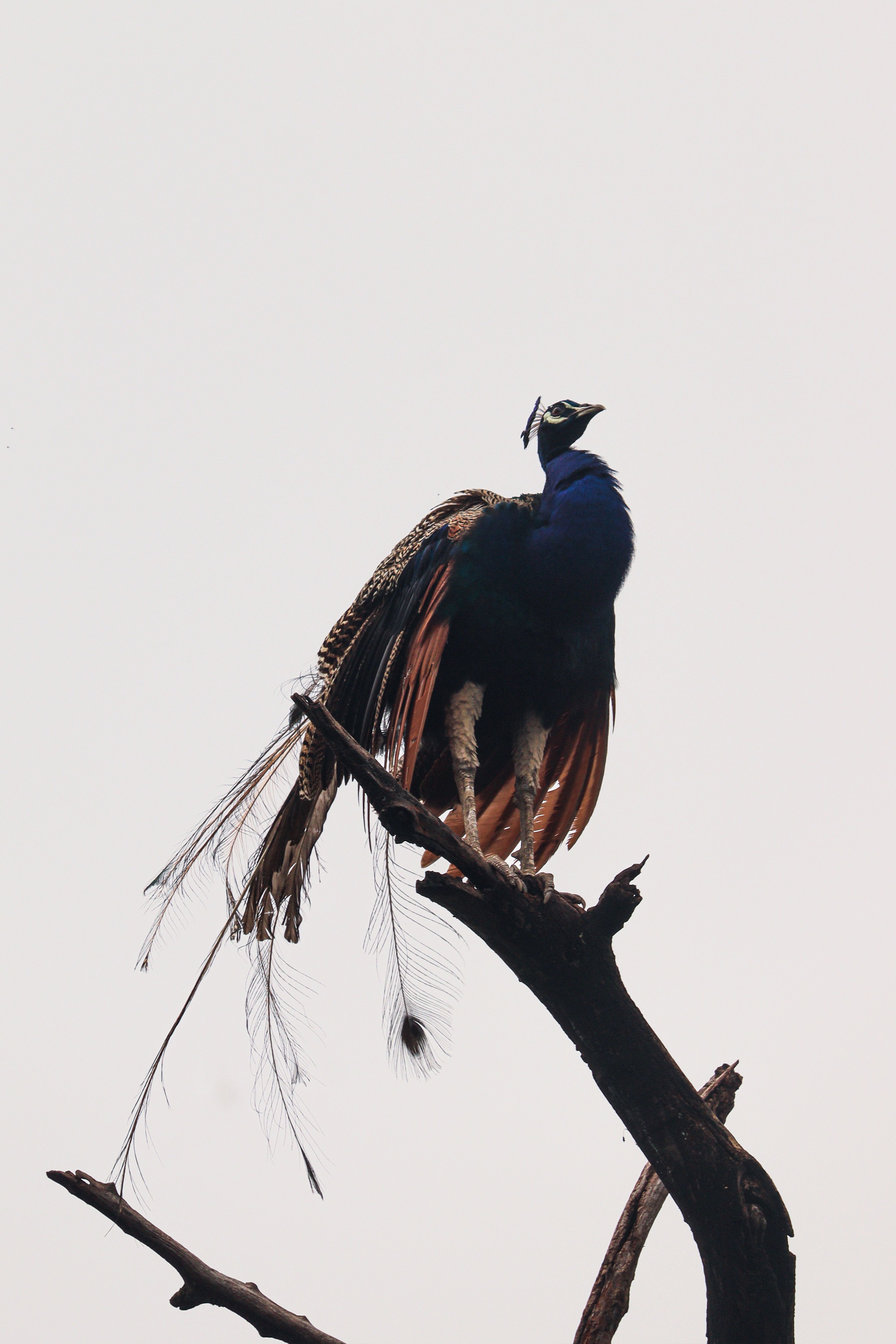
Standing alone on a broken branch beneath an empty sky, the peacock looked less like a bird and more like a king guarding the remains of his empire. The winds had stripped away the beauty around him, and even his feathers hung tired and torn, yet he stood proudly without fear. There was nothing behind him — no kingdom, no crowd, no shelter — only silence.
Can you walk us through the editing techniques you applied to the edited vs. unedited shots?
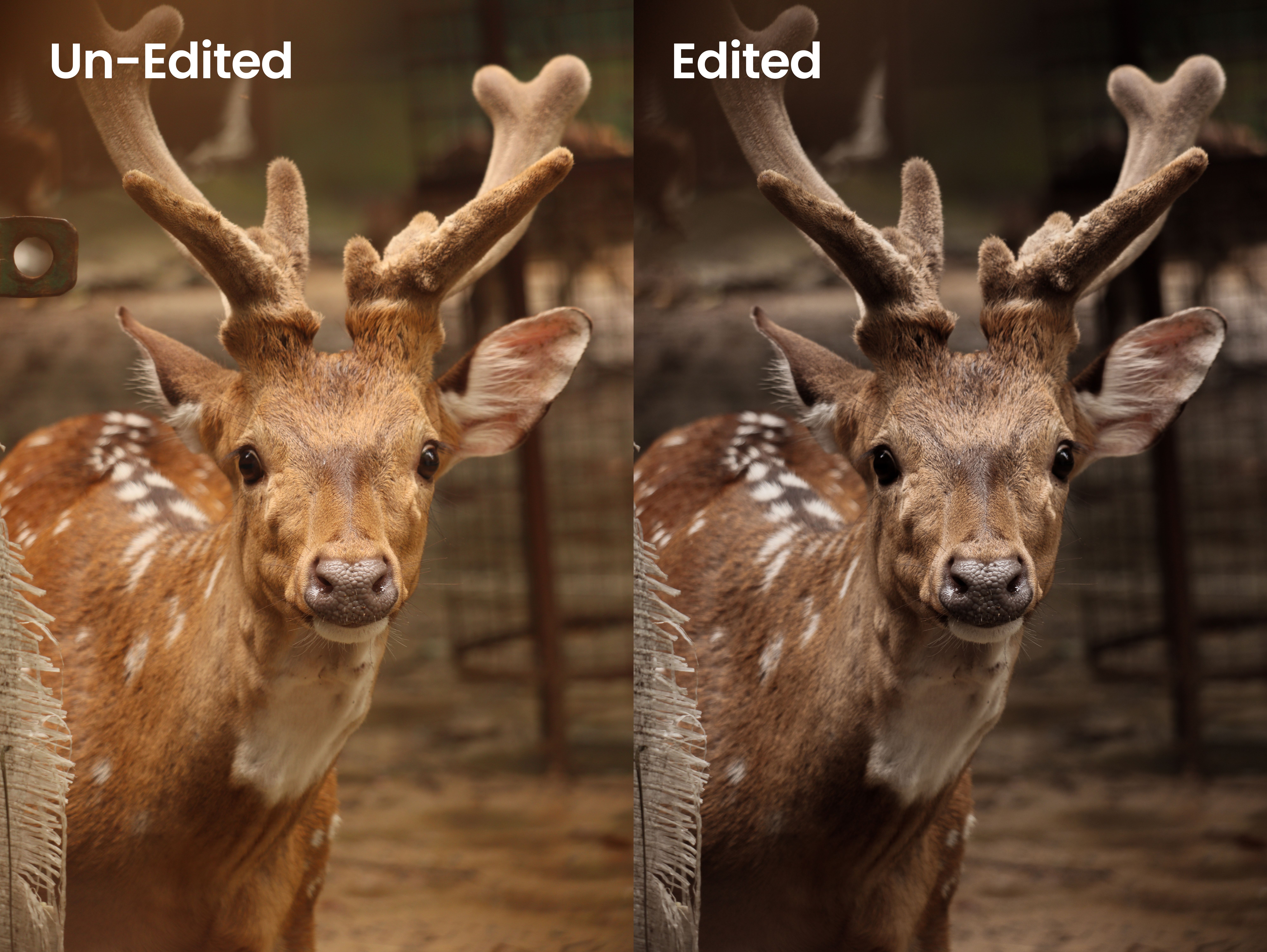
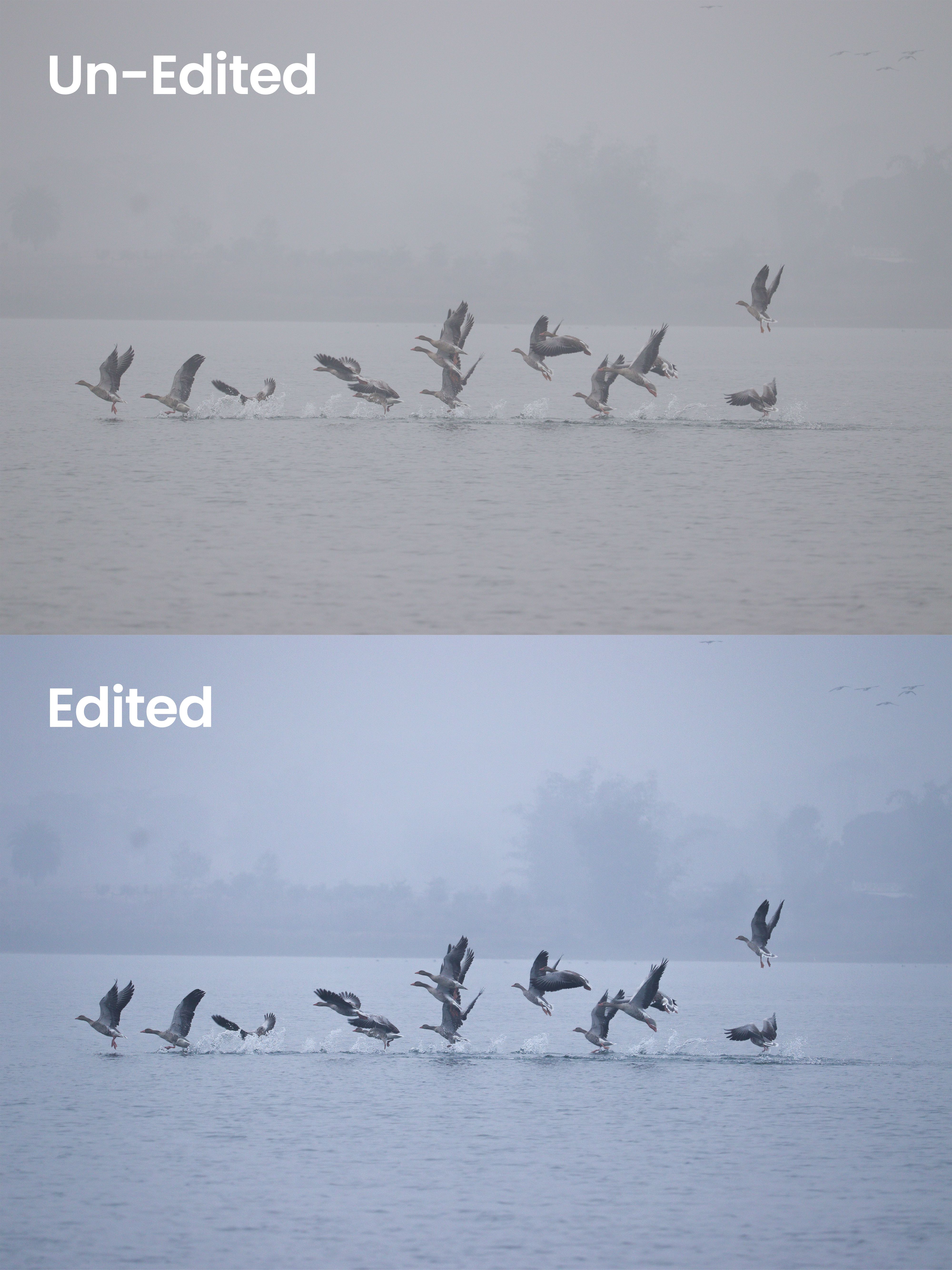
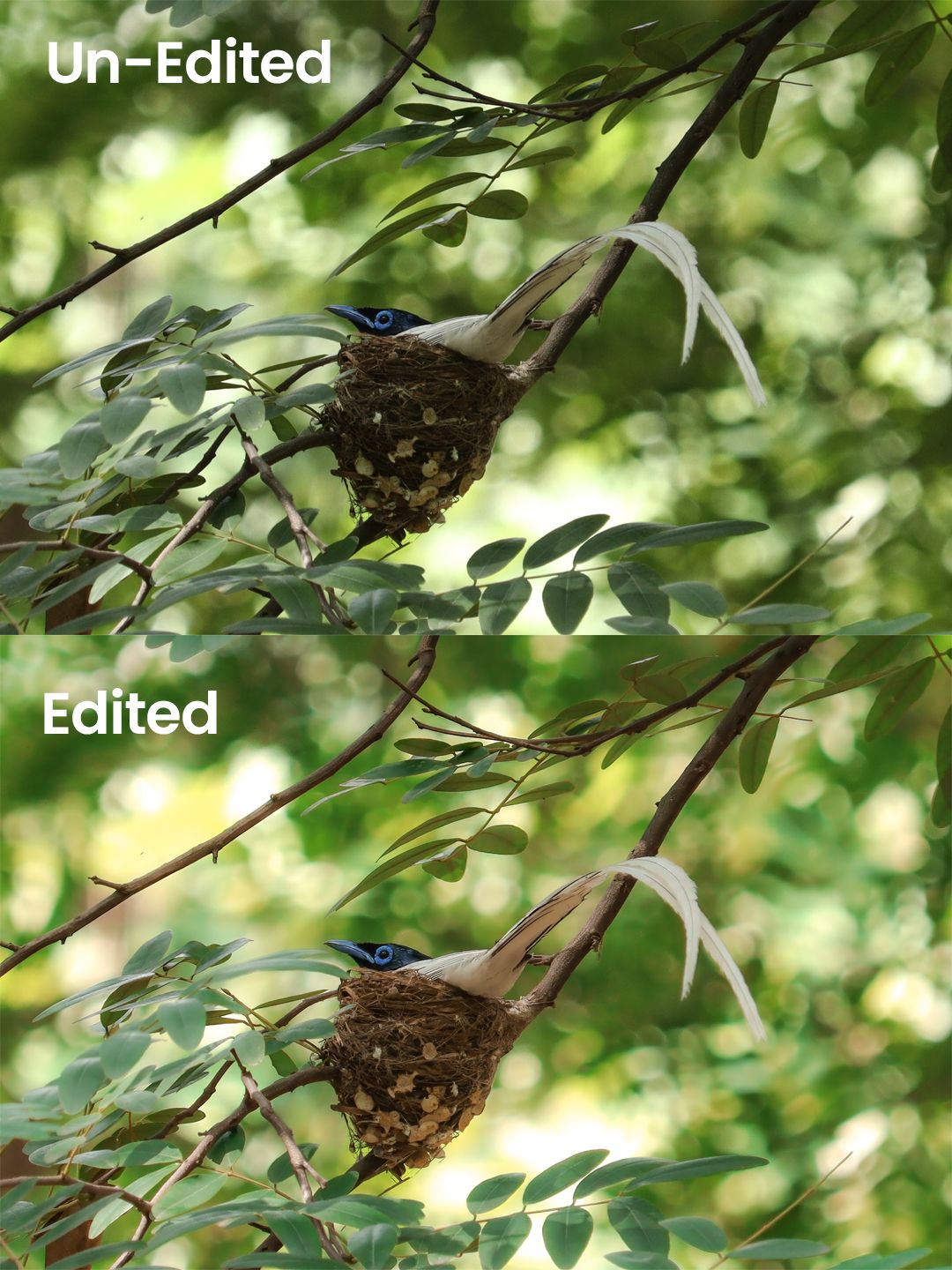
I edited these photographs in Photoshop using a cinematic and moody color grading style. I darkened the background and reduced highlights to create strong subject isolation. I increased contrast and shadows to add depth and drama while enhancing the tones to preserve its natural beauty.
What makes the shared nest of the Indian Paradise Flycatcher so significant to you?
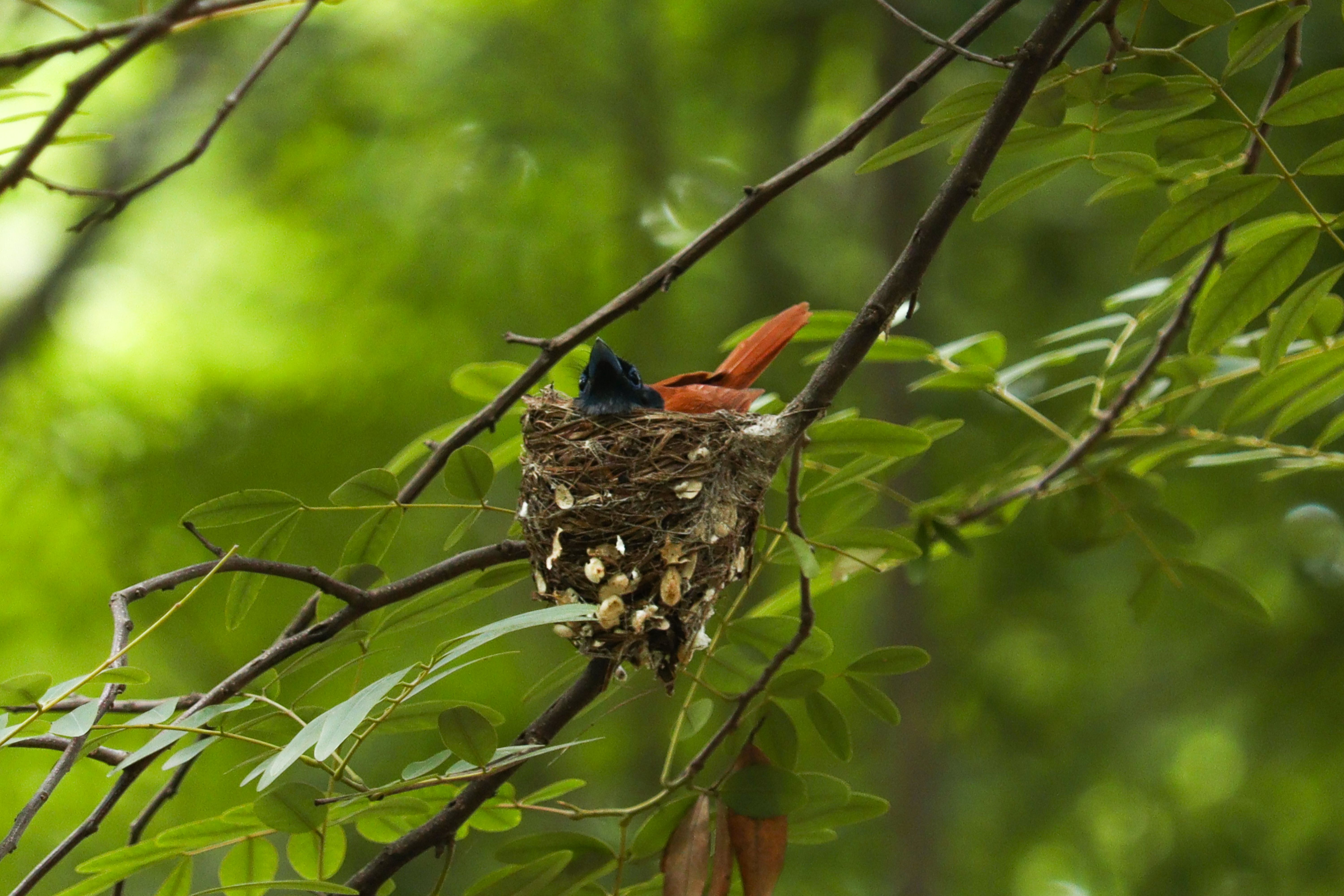
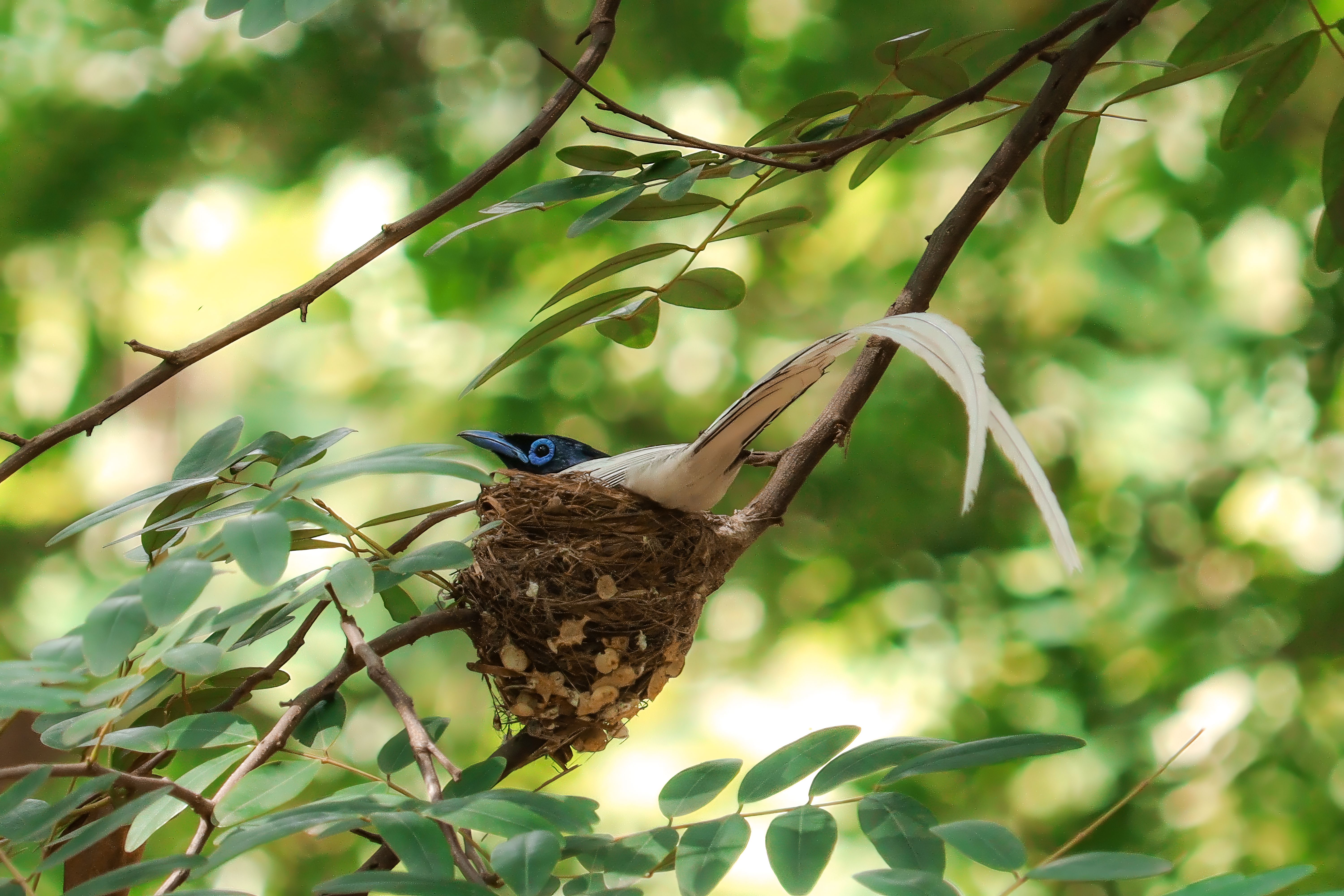
What makes this moment especially significant to me is that this single nest was being shared by the Indian Paradise Flycatcher pair. Watching both the male and female together around the nest felt incredibly rare and emotional. Their behavior reflected teamwork, trust, and protection — qualities that quietly exist in the wild without human interference.
How did you approach lighting and composition in the photo you shared?
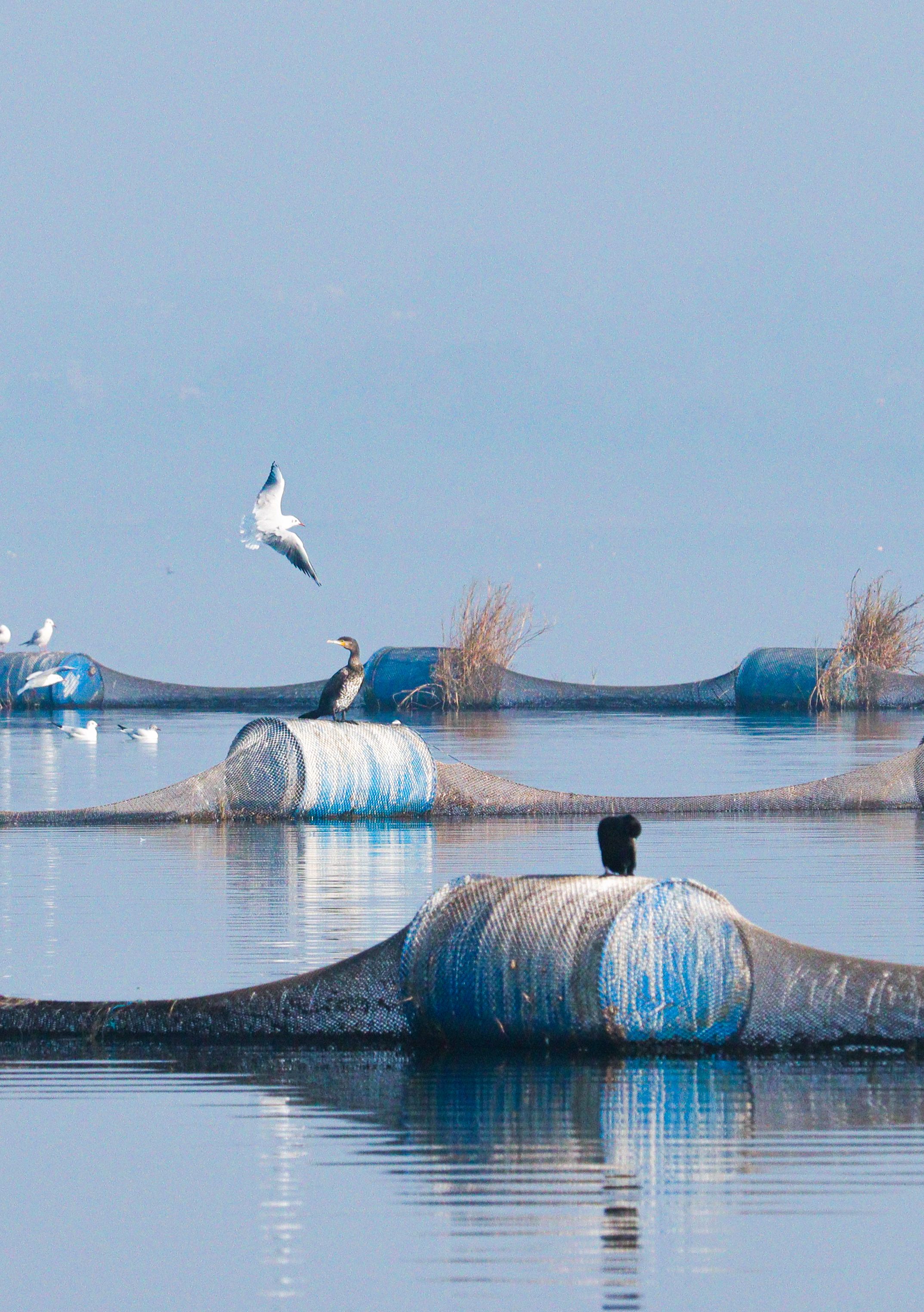
For this photograph, I intentionally used a minimal and layered composition to create a calm and atmospheric feeling. The repeating floating structures across the water naturally guide the viewer's eyes deeper into the frame, creating depth and rhythm within the image. I placed the birds carefully within different layers of the composition so the scene feels alive without looking crowded. The soft natural morning light and foggy background were very important because they created a peaceful and cinematic mood. Instead of strong contrast, I kept the lighting gentle and diffused to preserve the quiet atmosphere of the lake. The reflection in the water also helped balance the frame and added a sense of stillness. Overall, my goal was not just to document birds, but to capture the silence and serenity of the habitat itself.
What challenges did you face with the photo taken in low light, and how did you overcome them?
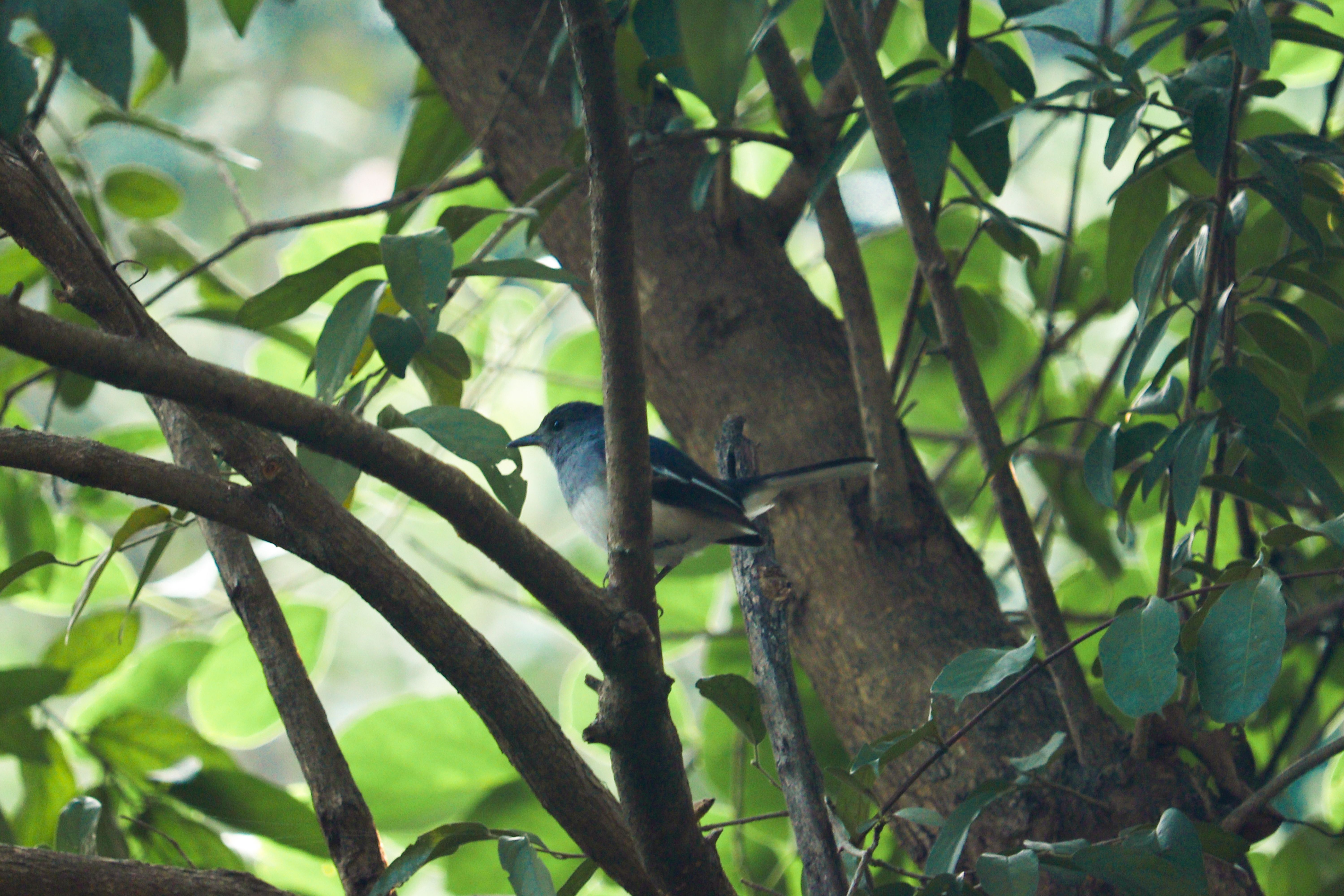
One of the biggest challenges while capturing this image was that the bird was sitting deep inside dense branches and was very small in the frame. The lighting conditions were also extremely low because very little natural light was entering through the trees. Due to the branches and low contrast, the camera struggled to focus properly on the subject. To overcome this, I switched to manual focus instead of relying on autofocus. I also increased the ISO to capture enough light and maintain the visibility of the bird. Even though the original image appeared dark and slightly noisy, I later improved it during post-processing by adjusting exposure, shadows, and details carefully while keeping the natural forest atmosphere intact. This photograph taught me how patience and technical adjustments are equally important in wildlife photography.
What story does your three-photo series convey?
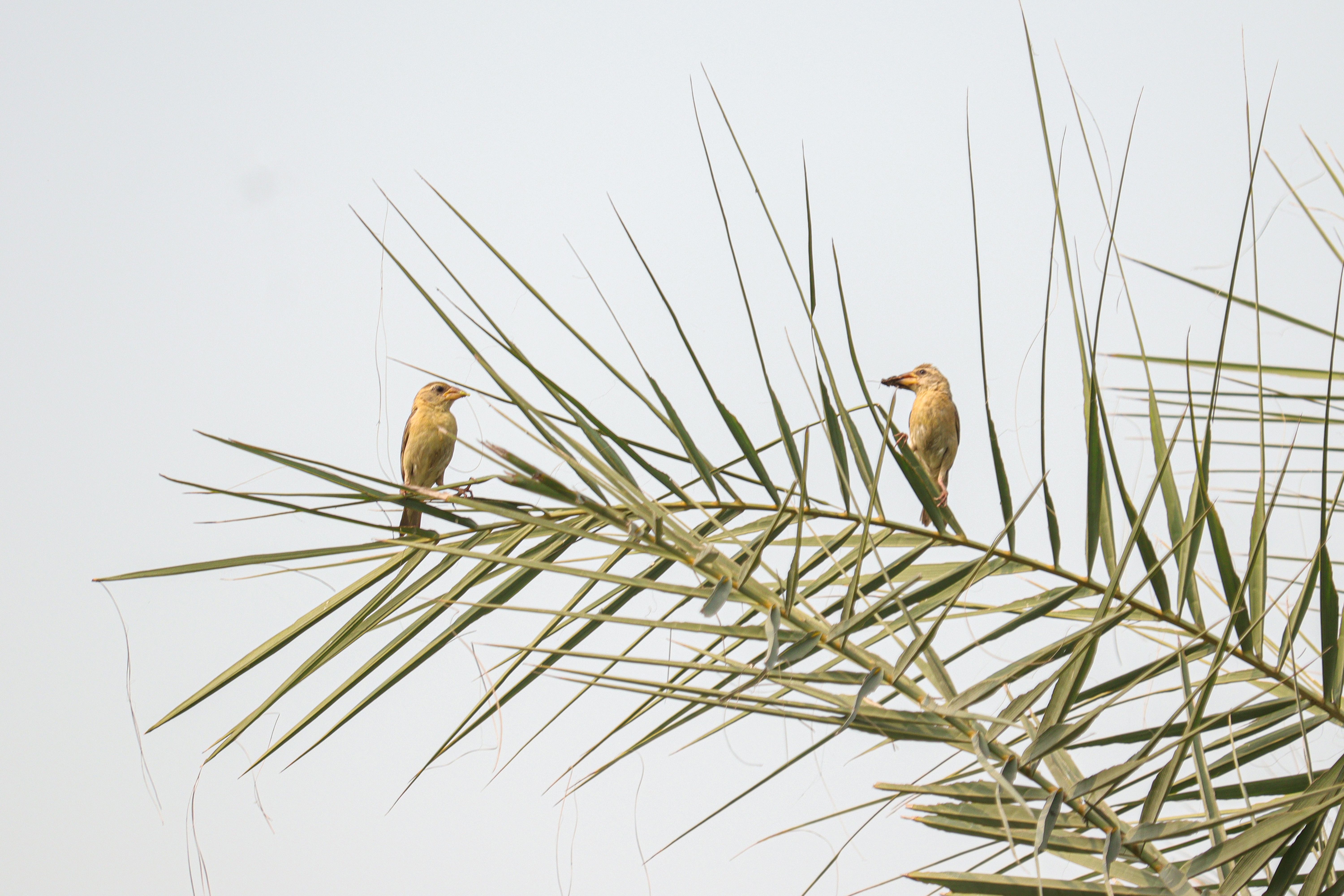
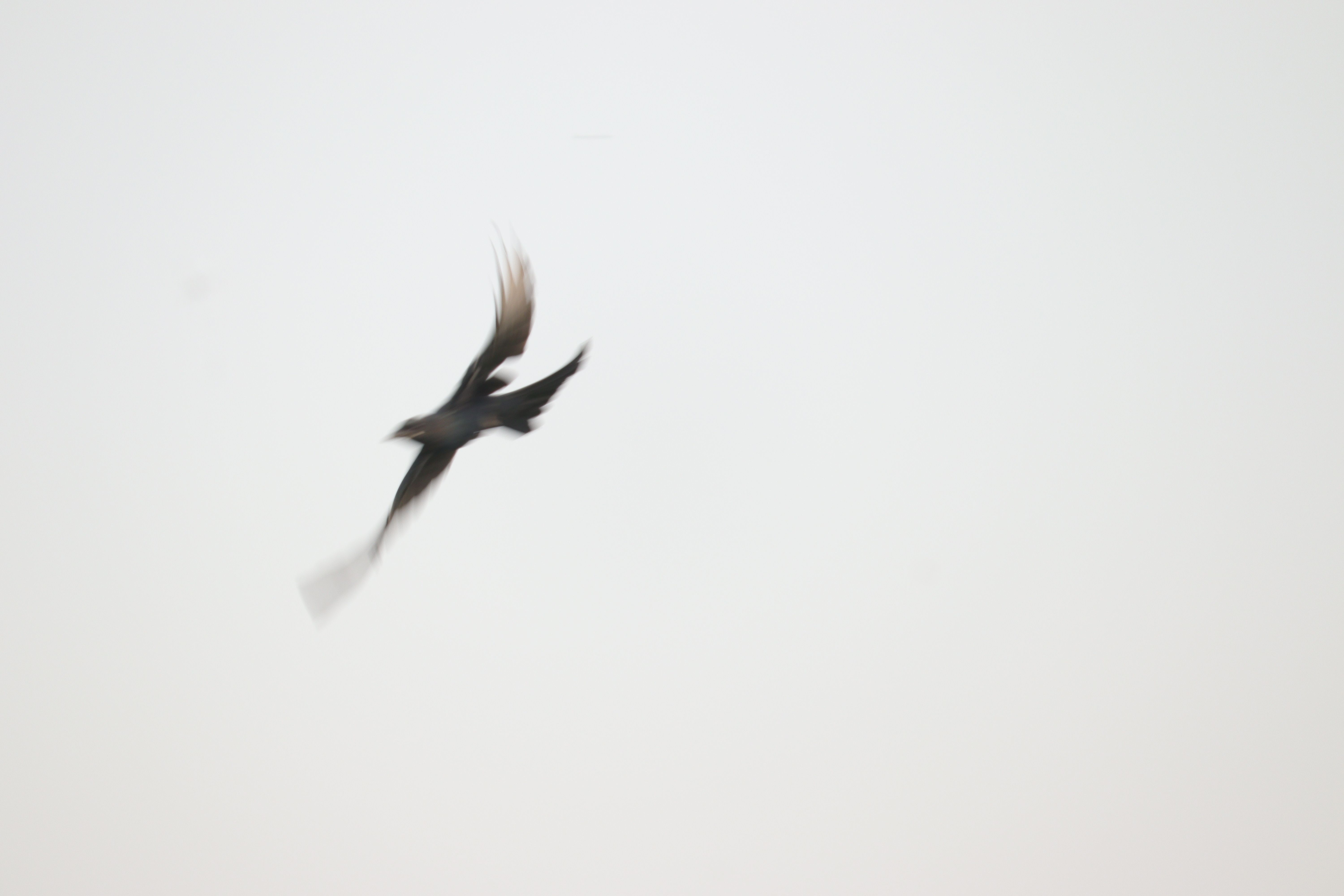
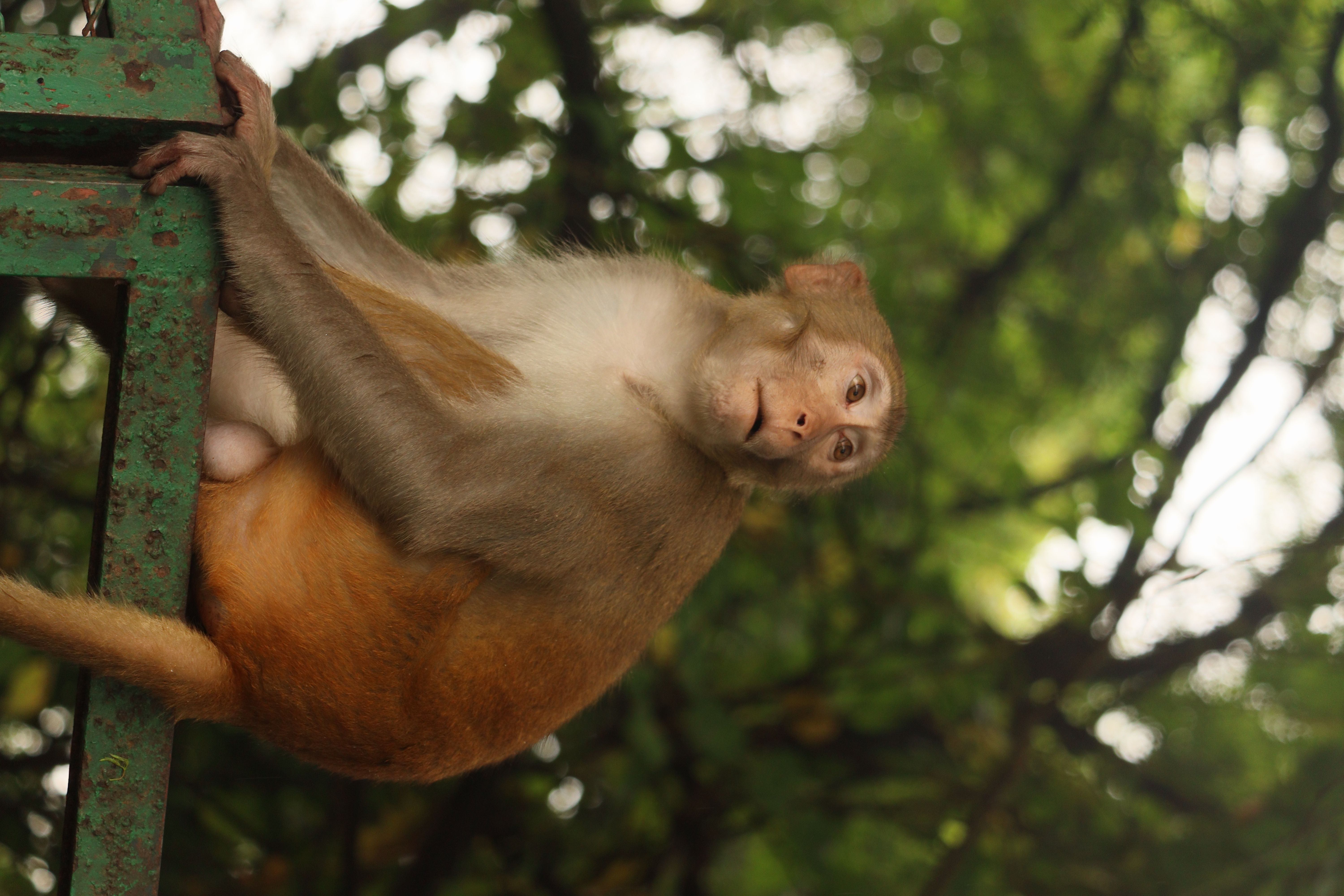
This series tells a story about the different emotions and realities of life in the wild. The first image captures freedom and movement — a bird flying alone through an empty sky, symbolizing the endless journey and uncertainty that every creature faces in nature. The motion blur adds a feeling of struggle, speed, and survival. The second image brings a sense of connection and companionship. The two birds sitting together on delicate branches reflect balance, communication, and the peaceful relationships that exist within wildlife. The final image shifts the mood completely. The monkey sitting quietly with expressive eyes feels almost human, creating an emotional connection between wildlife and human emotions. Its posture and expression convey loneliness, curiosity, and reflection. Together, these photographs form a visual journey of freedom, companionship, and emotion — showing that the wild is not only about survival, but also about feelings, relationships, and silent stories that often mirror human life.
How would you describe your photographic style?
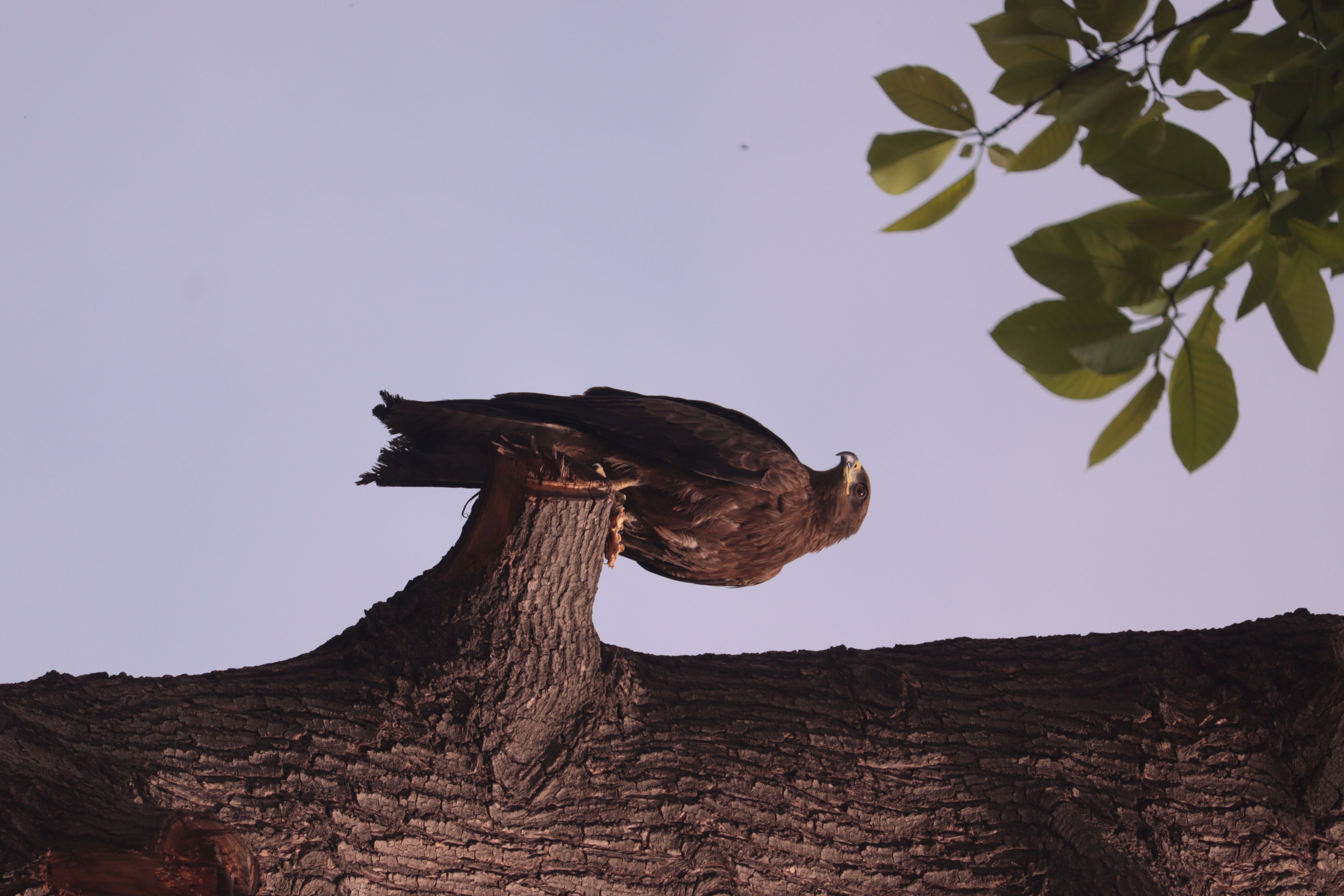
My photographic style is cinematic, emotional, and story-driven. I try to capture wildlife not just as subjects, but as characters living within their own silent world. Instead of focusing only on technical perfection, I aim to create mood, atmosphere, and emotion through natural light, minimal compositions, and earthy cinematic tones. I often use negative space, soft lighting, and calm backgrounds to highlight the presence and behavior of the subject. My editing style is usually moody and natural, which helps create depth and a deeper emotional connection with nature. Through my photographs, I want viewers to feel the silence, strength, loneliness, and beauty that exist in the wild.
Contact and Follow
Instagram: instagram.com/ankushprasad47
Email: ankushprasad69@gmail.com