

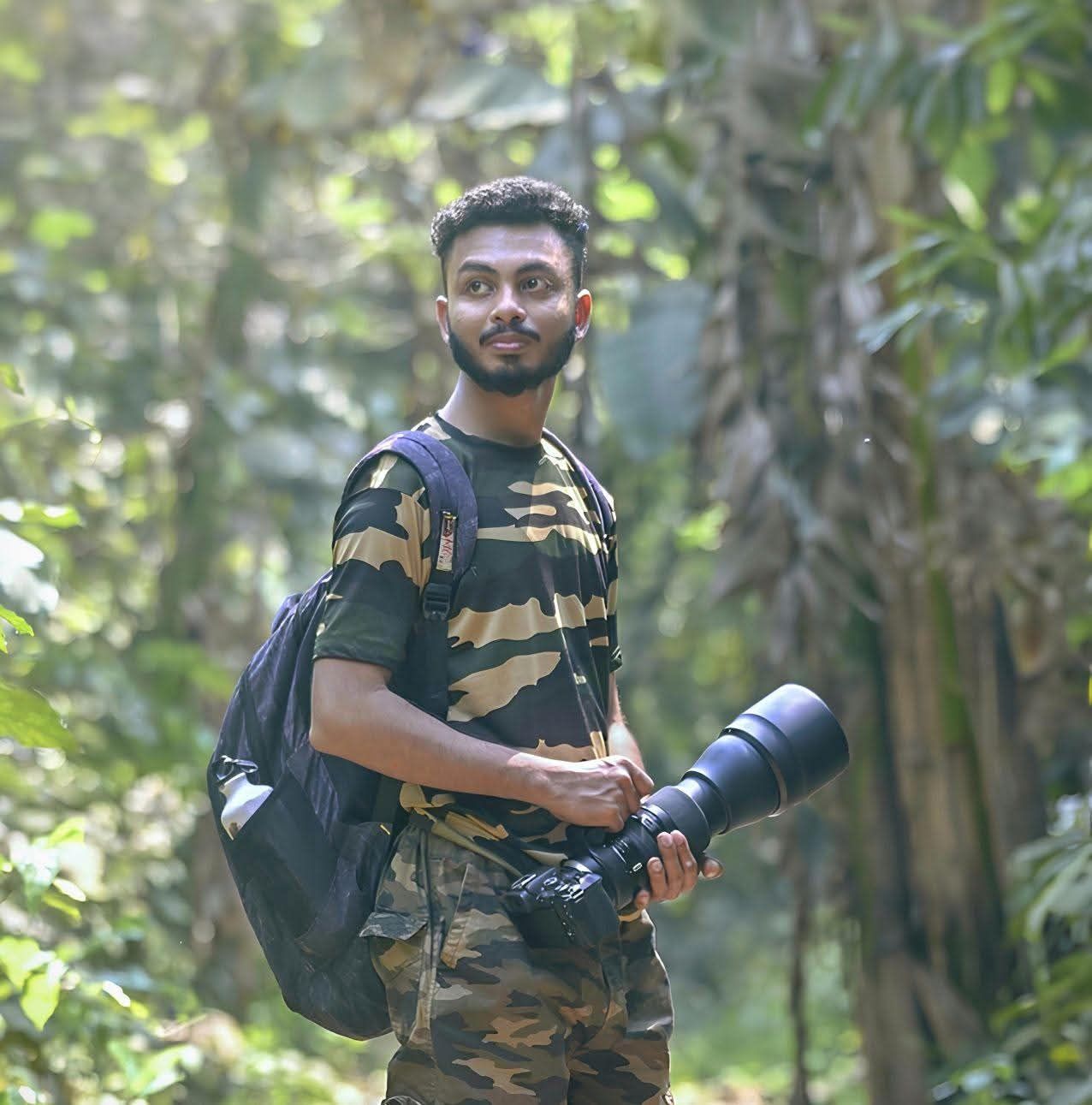
How did your journey in wildlife photography begin?
Photography entered my life during the COVID-19 pandemic, a time when I was searching for a meaningful creative outlet. What began as documenting the moments of my family's 250-year-old Durga Puja with a smartphone soon evolved into a deep passion. Under the guidance of my mentor, Ratnadip Das, who has worked with National Geographic, I learned the fundamentals of photography and developed an appreciation for the discipline and patience it demands. While I initially explored street photography and continue to hold immense respect for every genre of photography and the artists who practice them, I gradually found myself drawn toward wildlife photography. I was fascinated by its unpredictability, its challenges, and the opportunity it offered to connect more deeply with nature. In wildlife photography, nature is always in control; there are no staged moments, only opportunities that reveal themselves through patience, observation, and respect for the natural world. My journey faced a significant challenge in 2023 when I was diagnosed with Mediastinal Seminoma and underwent chemotherapy. Although the experience temporarily interrupted my work, it strengthened my determination to continue pursuing my passion. Returning to the field after treatment was a deeply emotional moment and reinforced my belief in the healing power of nature. Today, having exhibited my work at exhibitions in Kolkata, I remain committed to capturing and sharing the unseen beauty of wildlife and inspiring others to develop a deeper connection with the natural world.
What was the first moment you captured that made you fall in love with wildlife photography?
The first bird I captured was a purple sunbird (male) in my garden. Looking through my naked eyes it was a black bird, but as I captured it through my lens, I was stunned seeing its vibrant color. Secondly, my first bird watching was in Rabindra Sarobar, Kolkata. Surprisingly, my first sighting was the extremely rare Small Niltava (male), which was the first record from Southern Bengal. That moment truly cemented my love for wildlife photography.
How has your experience in wildlife photography grown over the years?
Years are passing by, and my love for this field continues to develop. I have tried to save birds, juvenile monitor lizards, and even juvenile snakes, rescuing them back into the wild. Besides being a photographer, I also want to contribute to the conservation of wildlife. Each experience teaches me something new and deepens my commitment to protecting the natural world.
What drives your passion for documenting wildlife?
The most important thing that fascinates me is that every bird shows different behavioral patterns and call patterns. Each bird has a unique style of courtship. Wildlife is the true color of nature, and capturing those authentic moments is what drives me every day.
What are some of your best wildlife photographs and the stories behind them?
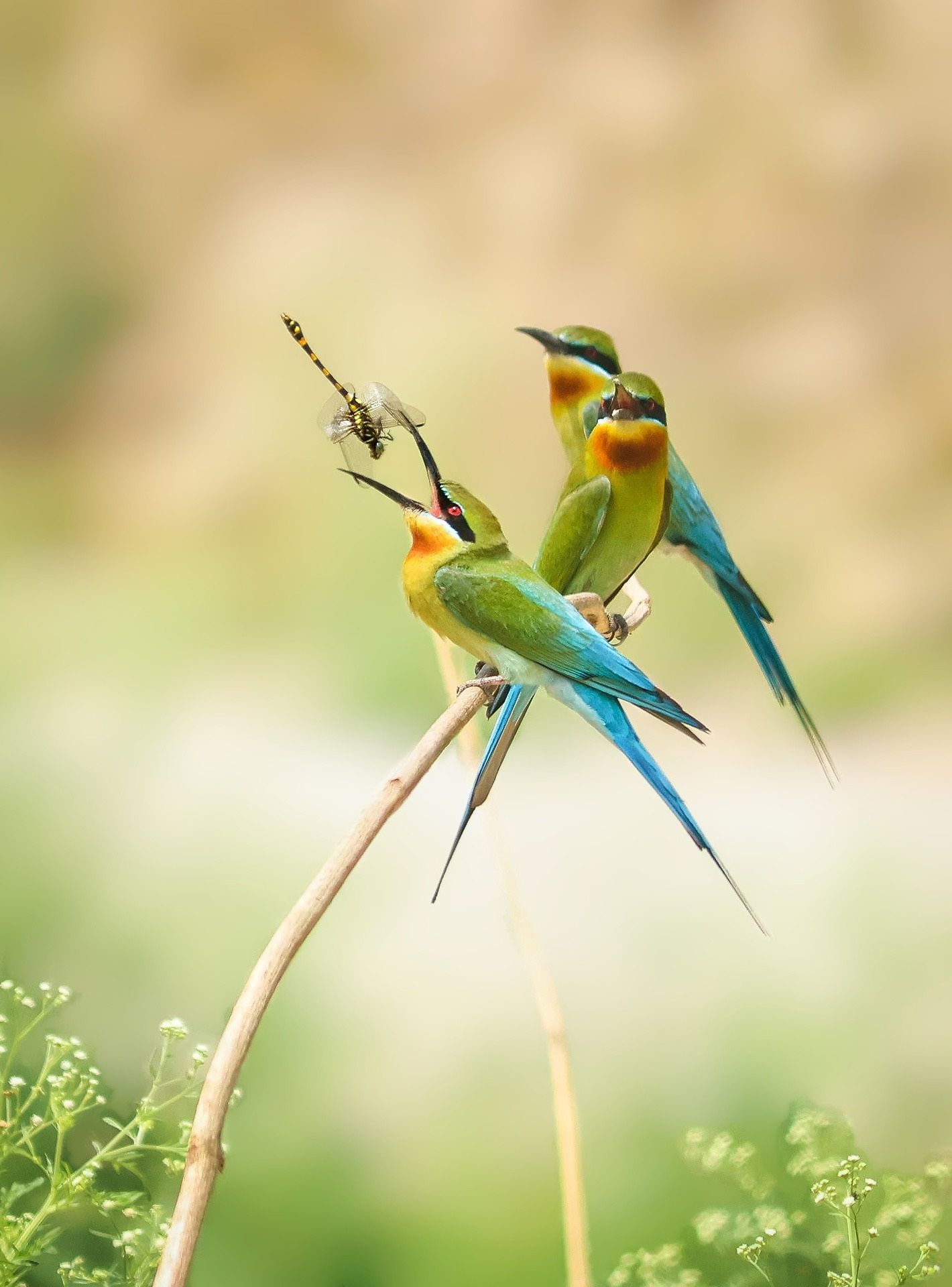
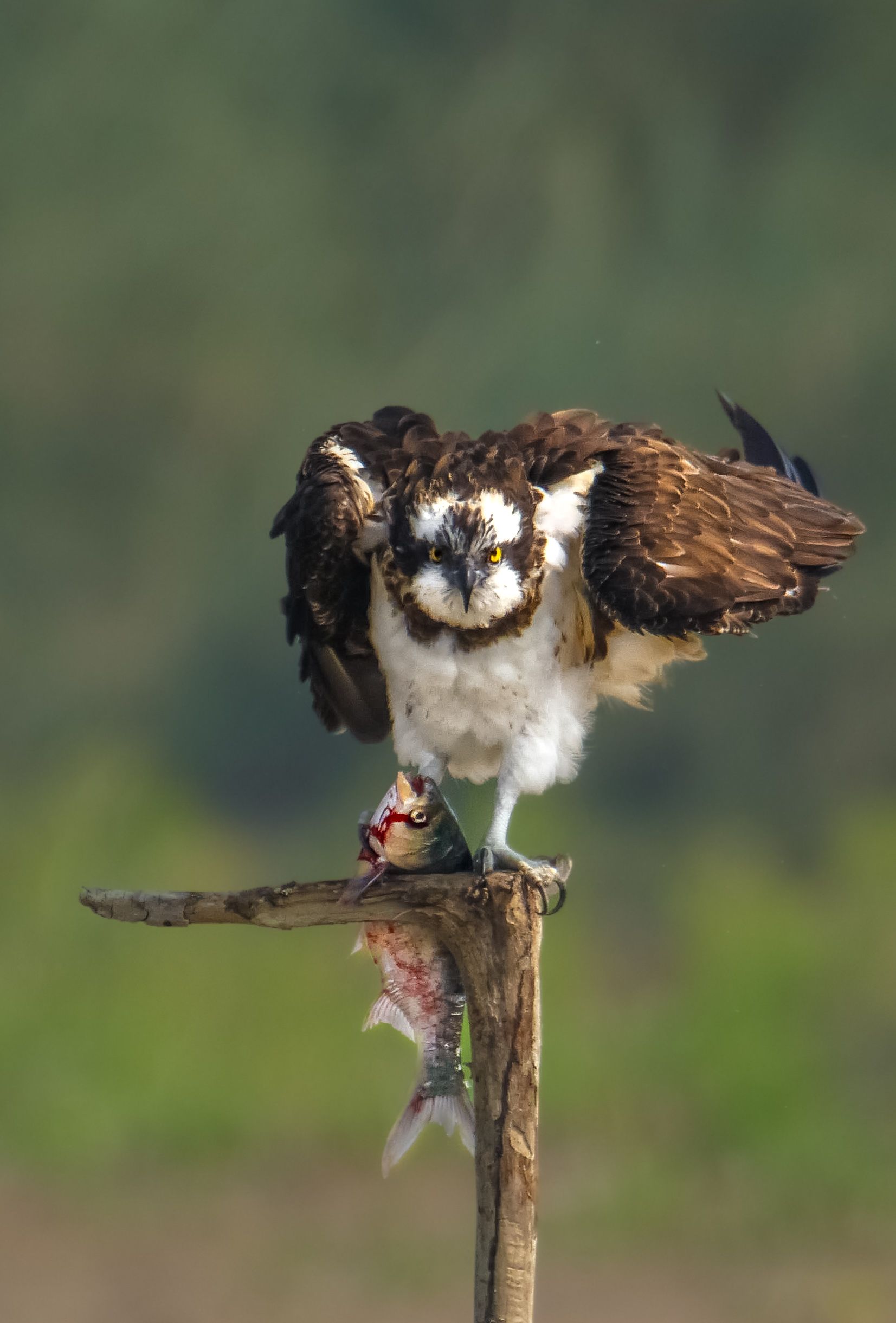
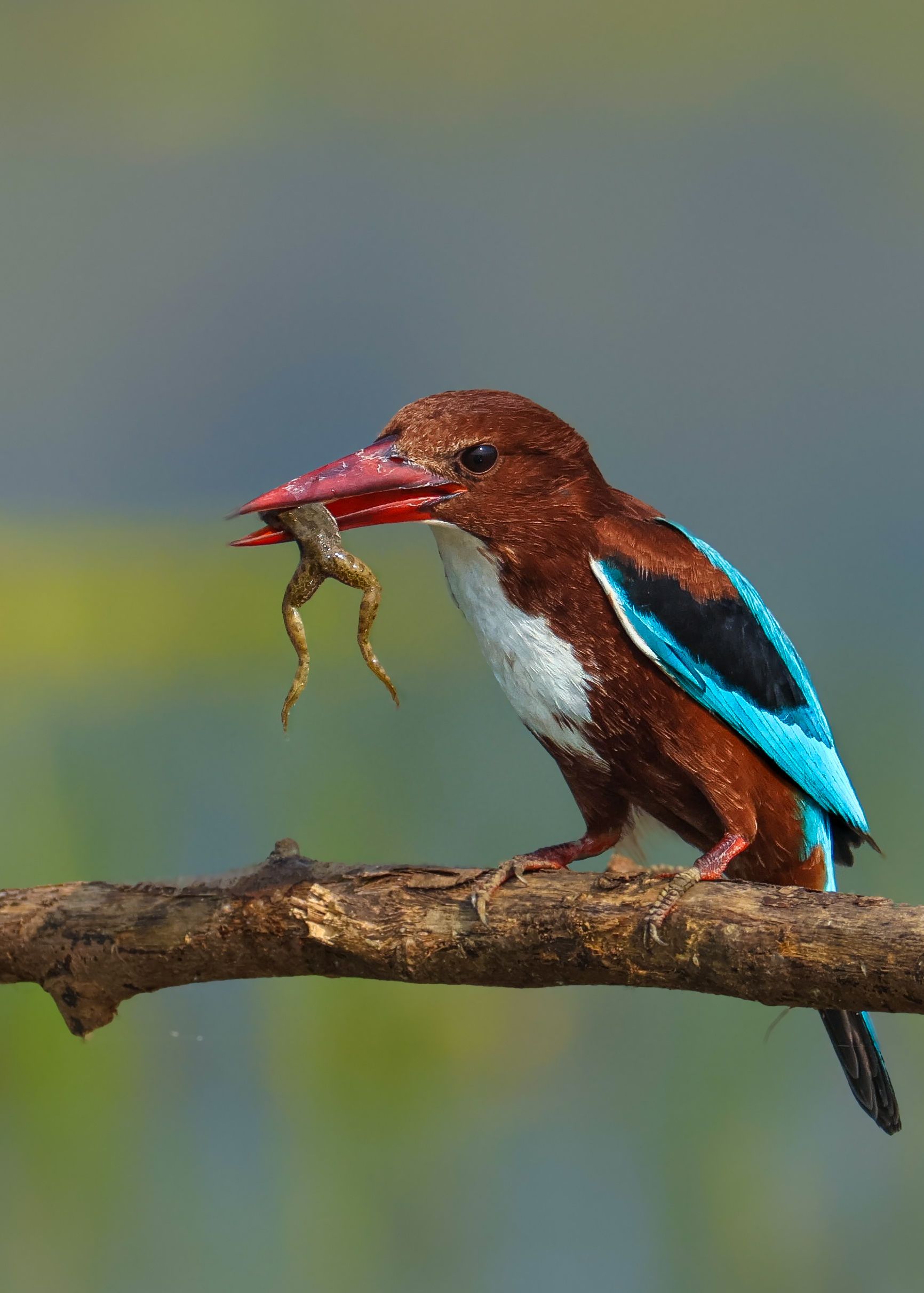
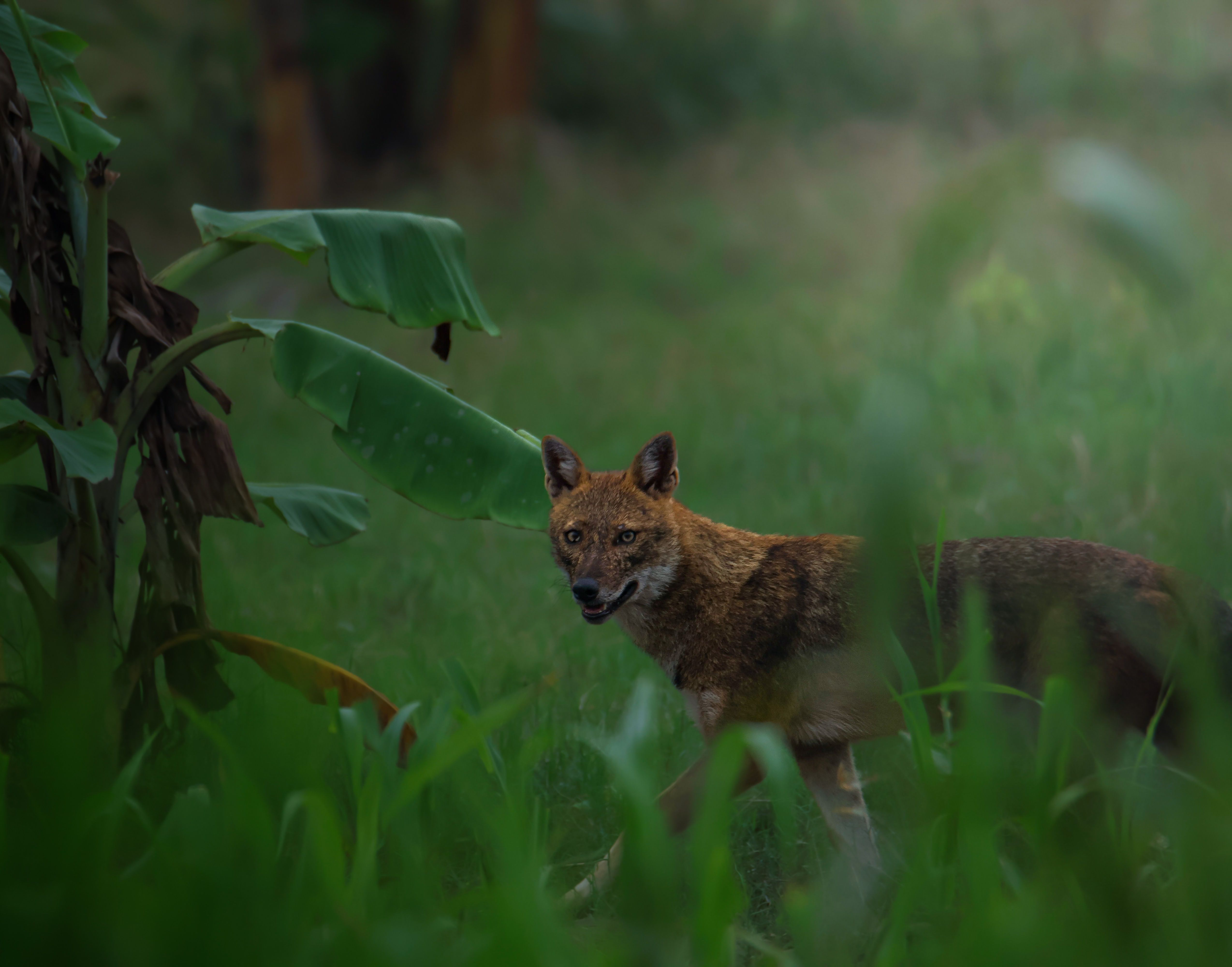
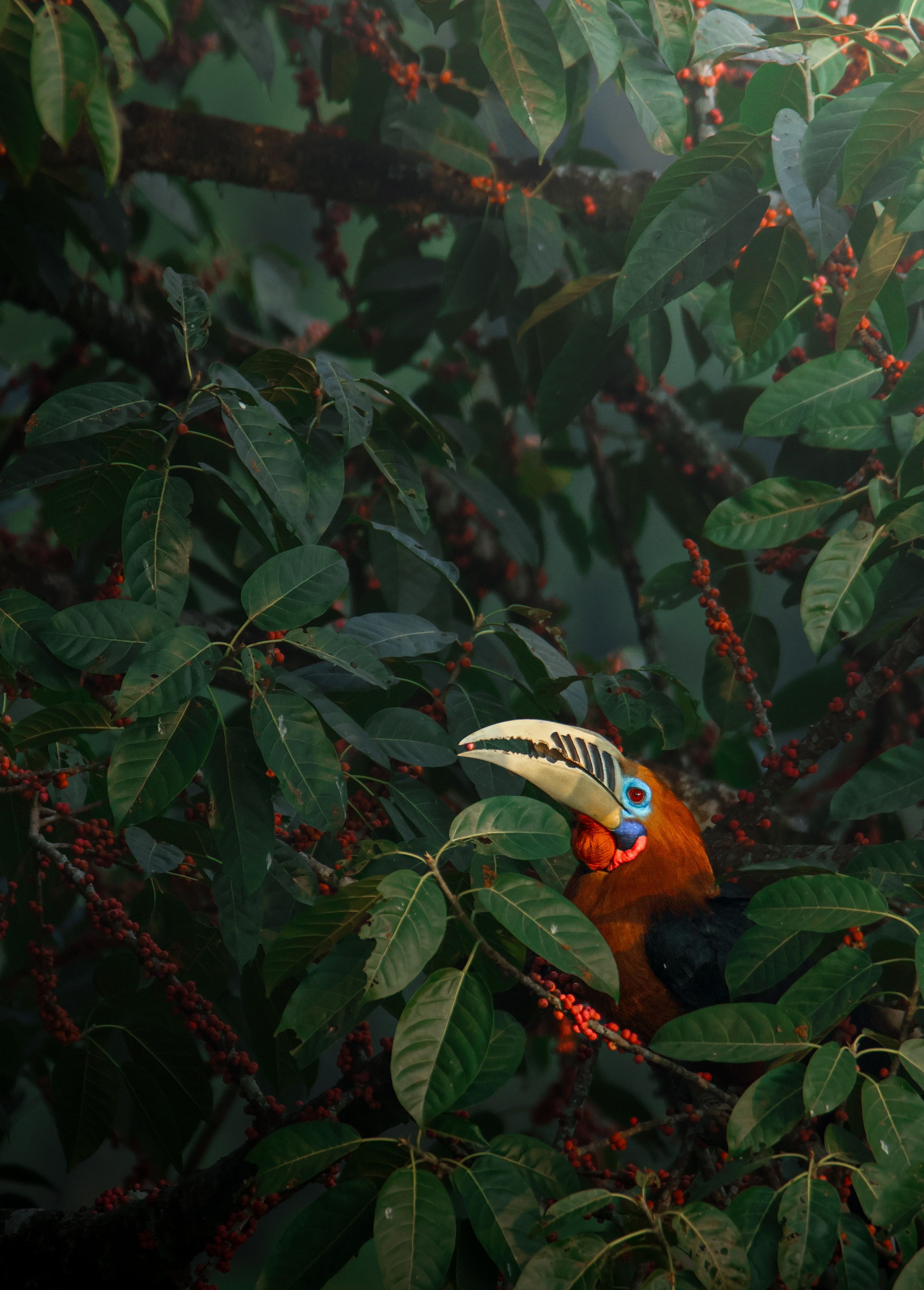
1. The picture that shows sheer agility and skill of a blue-tailed bee eater. 2. The pure moment of goosebumps as an osprey claims its prey—a moment where both the prey and the predator are staring at the photographer. 3. A picture that completely changes the perspective that kingfishers are not only fish hunters; shortage of food can change their diet. 4. A silent dweller in a village as the population of golden jackal is decreasing day by day because of loss of its habitat. 5. The tag holder of Vulnerable in IUCN Red List of Threatened Species—the King of Latpanchar, the Rufous-necked Hornbill (male).
Can you share a story that showcases your patience in the field?
I had to climb up and down a hill with no trail, completely raw. I had my toenail broken and almost slipped as shown in the video—all to capture the elusive Hodgson's Frogmouth. I also had to step into ice-cold river water to get a proper frame of an Osprey, and I waited on the ridge of a hill to capture the beautiful Rufous-necked Hornbill. Patience and perseverance are key in wildlife photography.
What does a wildlife habitat mean to you, and why did you choose these shots?
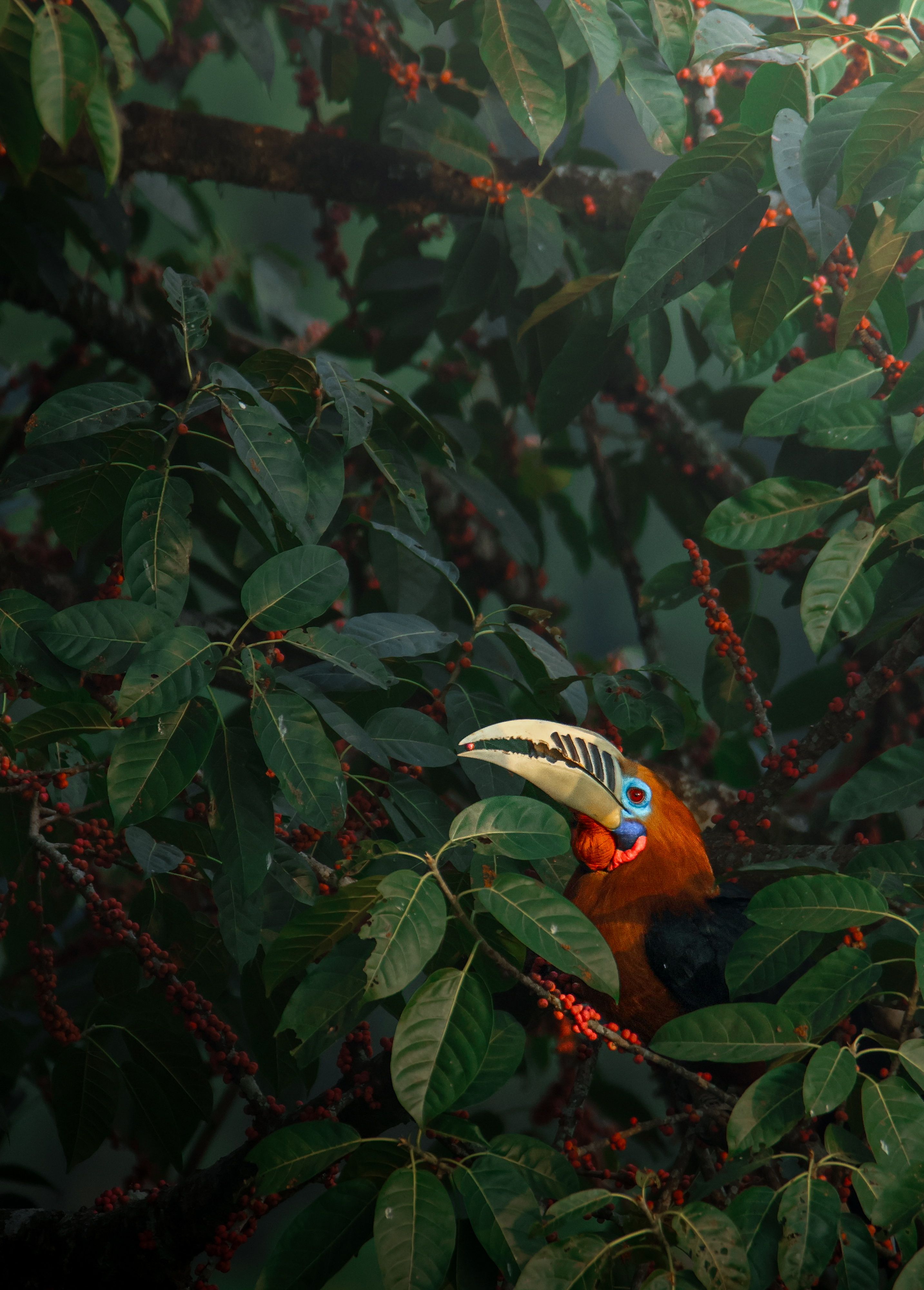
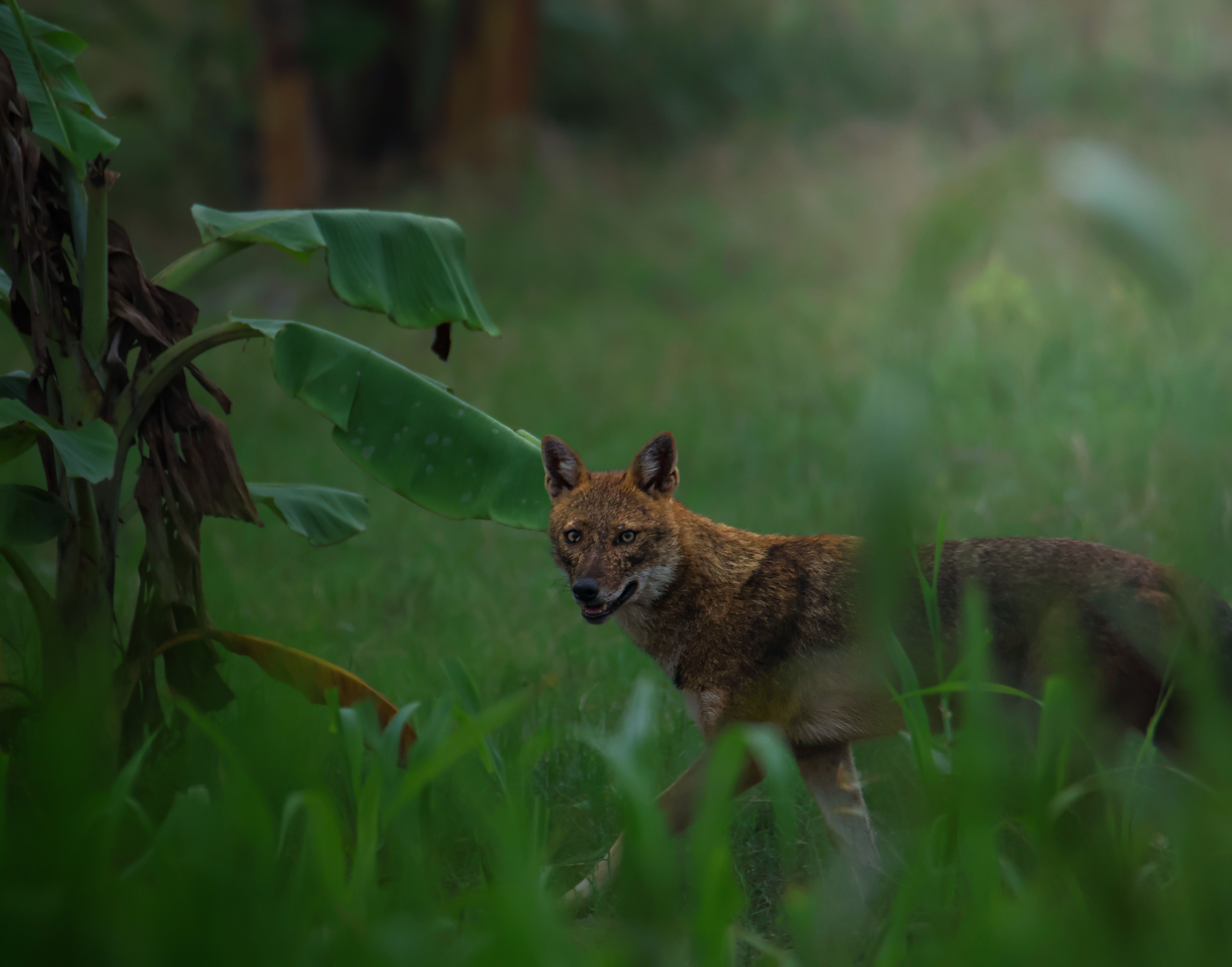
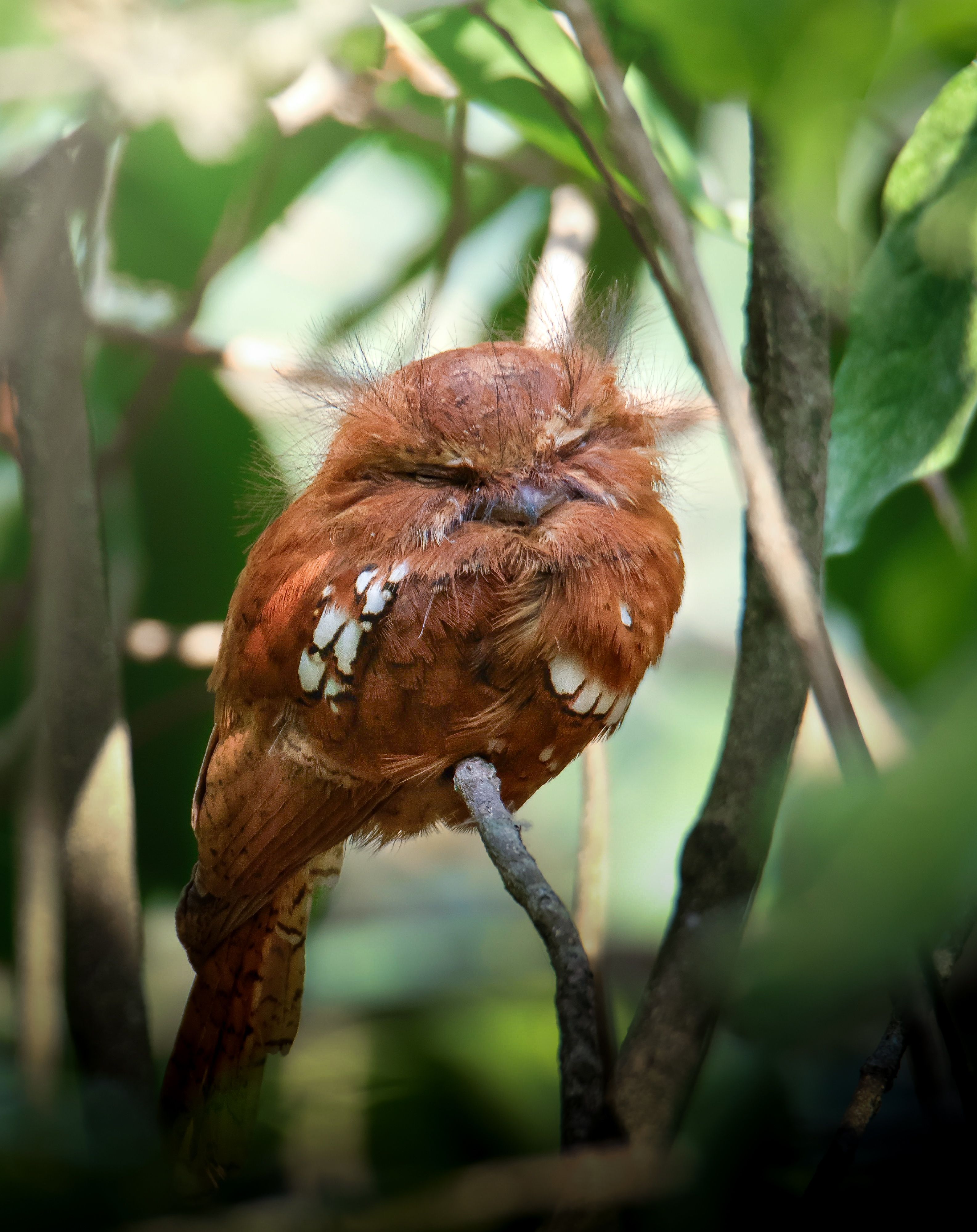
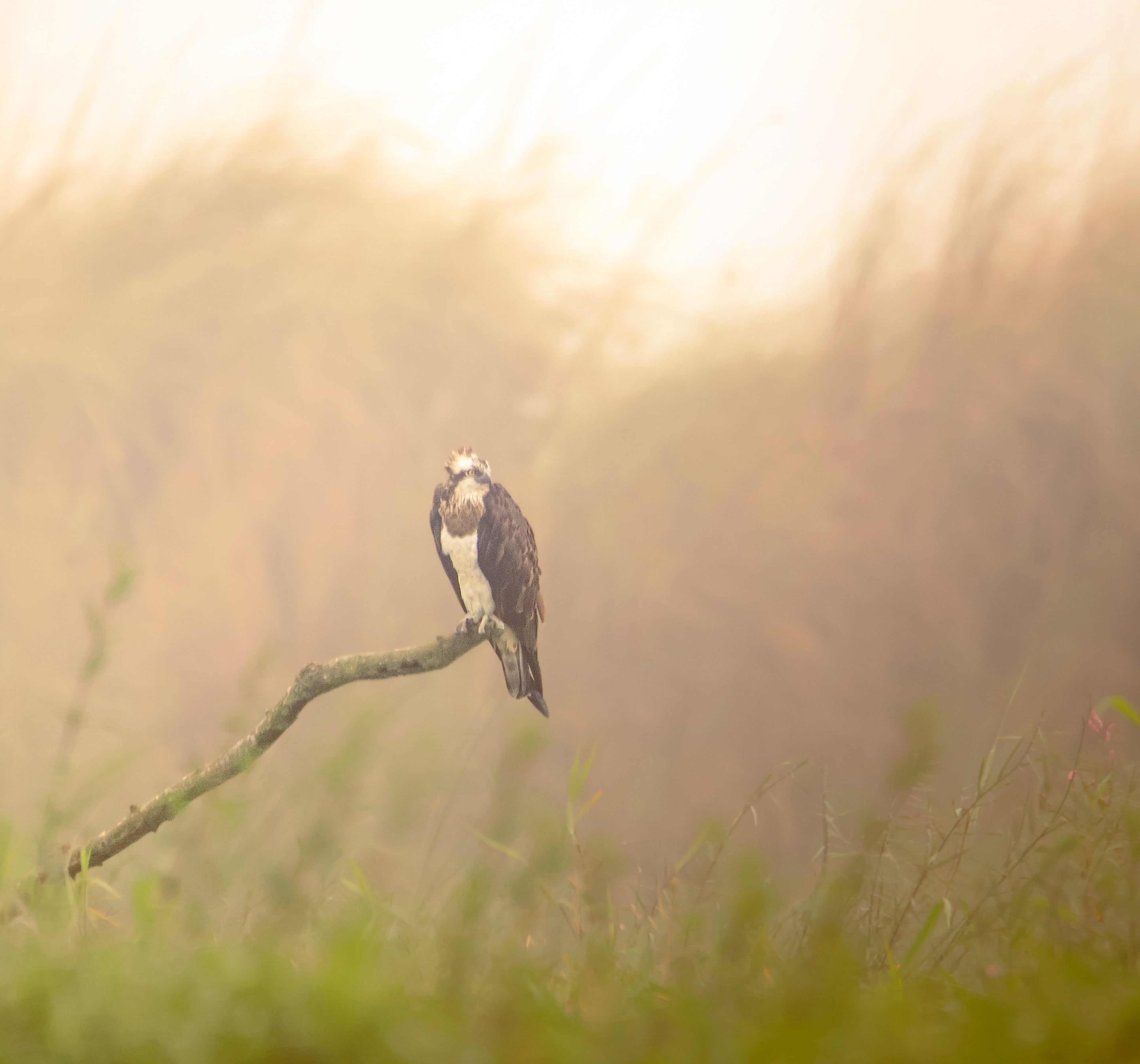
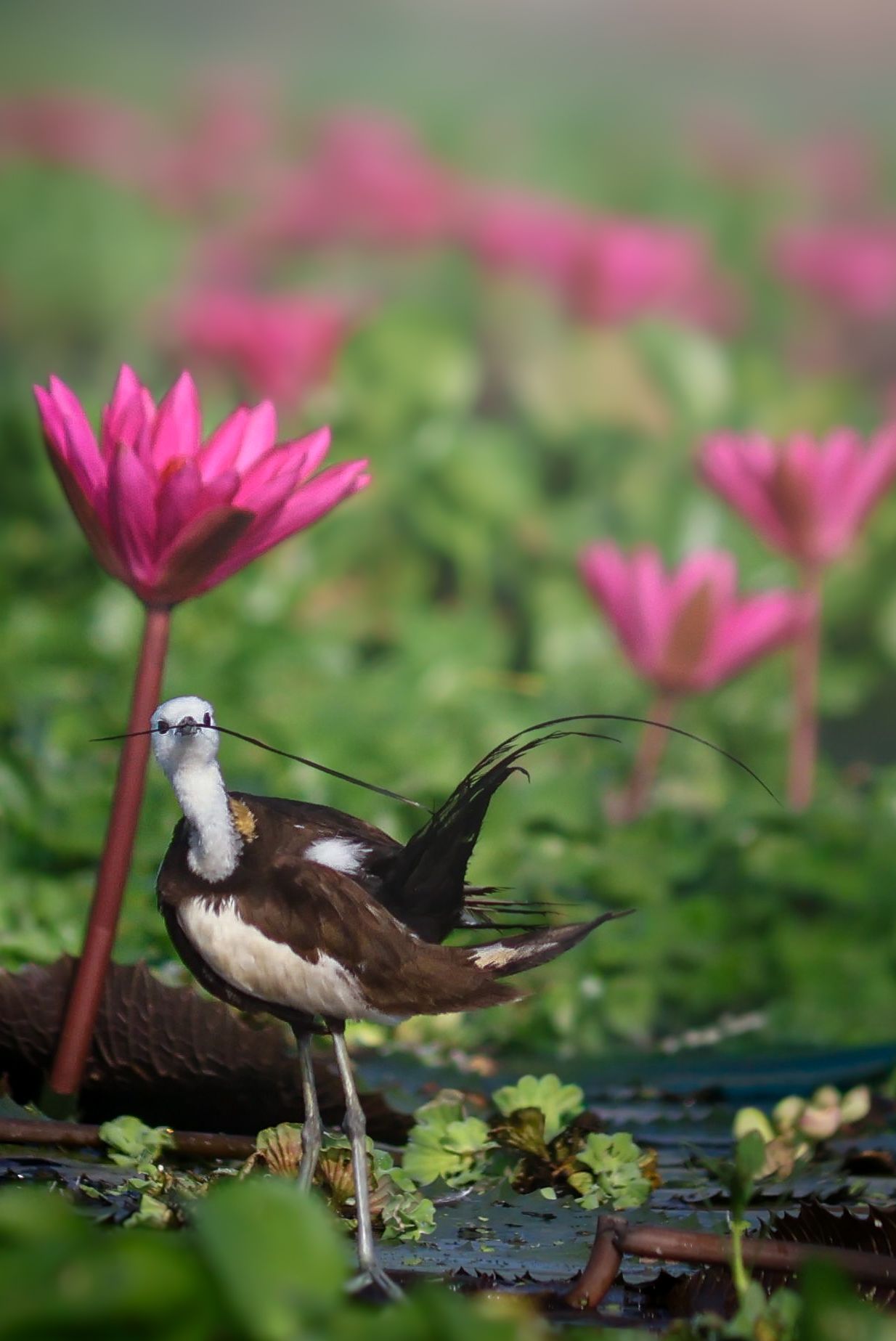
1. Rufous-necked Hornbills are elegant and majestic birds. Shown here is a male having its breakfast inside a tree where it is not even fully visible. 2. Golden jackals generally dwell in fields. Shown here is a village field where they roam freely and nurture their young ones. 3. The extremely elusive and hard-to-spot Hodgson's Frogmouth in its natural habitat, deep inside dense clusters. This nocturnal species is even hard to spot at night, and I had the privilege to see it in broad daylight. 4. Shown here is an Osprey shot early morning in its habitat on the bank of a river. 5. Shown here is a pheasant-tailed jacana preening in its breeding habitat. They lay eggs on the leaves of water lilies.
Explain your editing process and how it enhances the story of the photo.
Sometimes we don't get the colors we want that we see through our naked eye. And not just color, but the subject story that I want to portray needs to be enhanced by some color enhancement, but to a restriction where it might look artificial. My editing process is about subtle adjustments that bring out the natural beauty without overdoing it.
What was the experience like capturing a rare or elusive animal?
First of all, I did not want to do it, but the sheer willpower drove me into it. This is a picture of Hodgson's Frogmouth. It is extremely rare to see. Being a nocturnal bird, it is even hard to find at night. But luckily we found it in daylight. It's all about luck and being prepared for the unexpected.
What made your most challenging shoot so difficult and how did you overcome it?
As I have said before, it was a really steep slope with no trails. The soil was dry which made my shoes slip. The sharp branches broke my nail. We had to drag ourselves up and down on both our hands and legs. Overcoming that required sheer determination and a deep love for the craft.
Contact and Follow
Email: kumardipghosh5@gmail.com
Instagram: https://www.instagram.com/kumardip.ghosh?igsh=NmVyajdhZDlsbHdh