

How did your journey in wildlife photography begin?
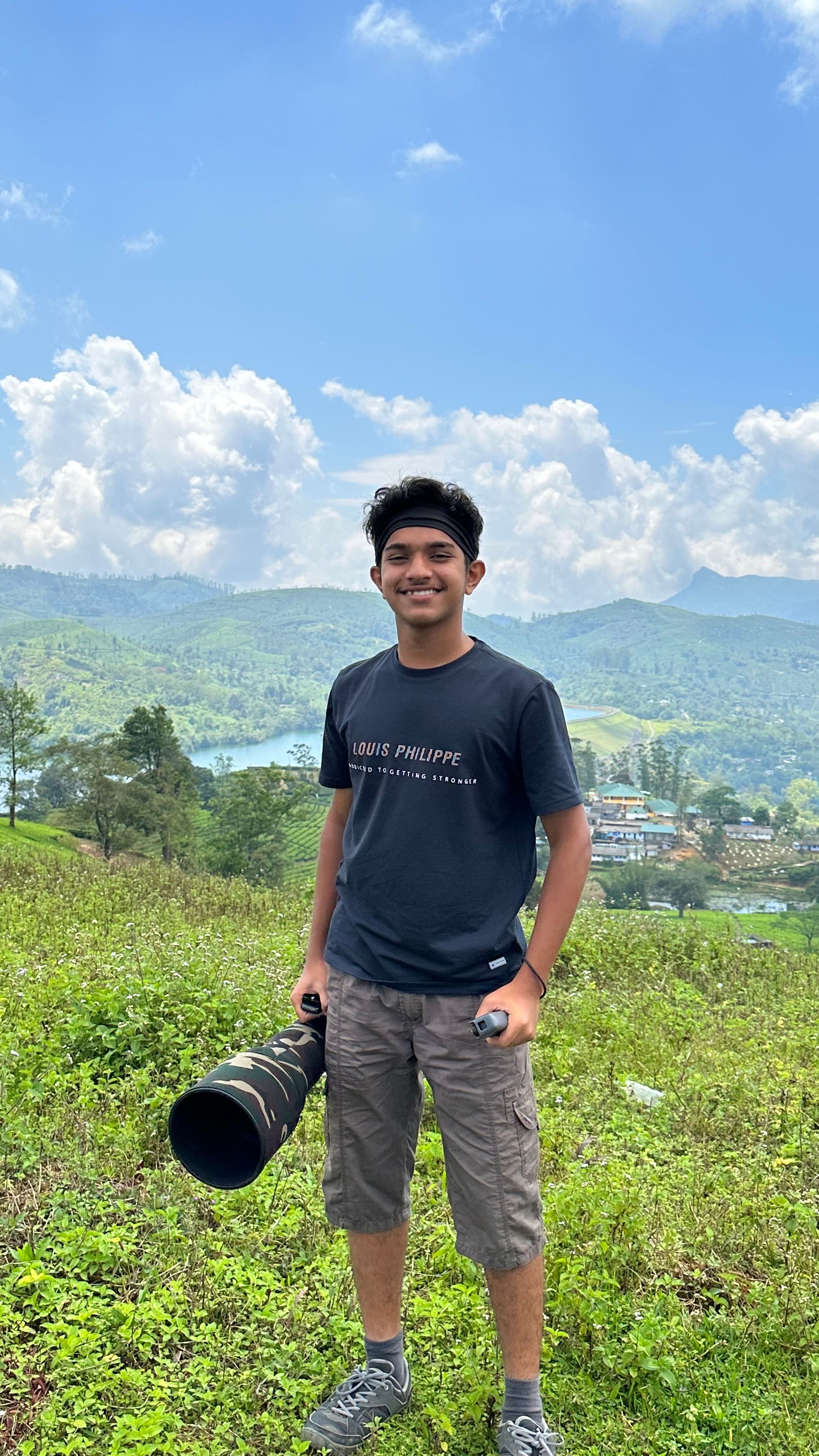
My wildlife photography journey began when I was 11 years old, thanks to my father. He introduced me to the world of wildlife and photography, taking me on safaris and nature trips that sparked my curiosity about the natural world. What started as a hobby with a camera soon grew into a passion for wildlife photography, conservation, and storytelling. Today, photography has taken me from forests across India to wildlife surveys and conservation projects, allowing me to share the beauty of nature through my lens.
What was the first moment you felt truly connected to nature through your lens?
The first moment I felt truly connected to nature through my lens was when I photographed a Grizzled Giant Squirrel mid-air. Capturing that split second of movement made me realize that wildlife photography is about much more than taking a picture; it is about observing, understanding, and appreciating the incredible lives of animals in their natural habitats. That moment sparked a deeper connection with nature and inspired me to spend more time in the wild.
How has your experience and style in wildlife photography evolved over the years?
Over the years, my photography has evolved from simply documenting wildlife to telling stories through images. I now focus more on animal behavior, conservation, and creating photographs that help people connect with the natural world. This shift has allowed me to approach each shoot with a narrative in mind, aiming to evoke emotion and awareness about the subjects I capture.
What challenges do you face most often while photographing wildlife?
One of the biggest challenges I face is quickly adjusting camera settings during fast-paced wildlife encounters. Wildlife moments can appear and disappear in seconds, so balancing exposure, focus, and composition while reacting quickly is something I am constantly working to improve. Additionally, unpredictable weather and difficult terrain often add to the complexity, but these challenges also make the successful shots all the more rewarding.
Tell us about a photo that represents your best wildlife photography work.
This image was taken in Munnar and features the Galaxy Frog. From a young age, I have been fond of nature, and I have had the chance to meet many great photographers. Through this, I was part of a community where people would post amazing pictures of rare species, and the Galaxy Frog was special. I have been wanting to witness it in real life, not on a screen. When I saw this beautiful little being, I was starstruck. The first thing I'd normally do is get my camera out and take a picture, but this time I just stood there admiring its blue speckles and its two round eyes just peering toward me. The Galaxy Frog was thought to have gone extinct due to habitat destruction, and after almost 50 years, the frog was spotted again in Valparai. This changed my perspective because these tiny beings managed to battle the change, adapt to new conditions, and flourish again after near extinction. So the next year, I went back to witness the Galaxy Frog again, because this moment was just mesmerizing; it was hard not to go back. Again this year, when I visited this spot, the same feeling started all over.
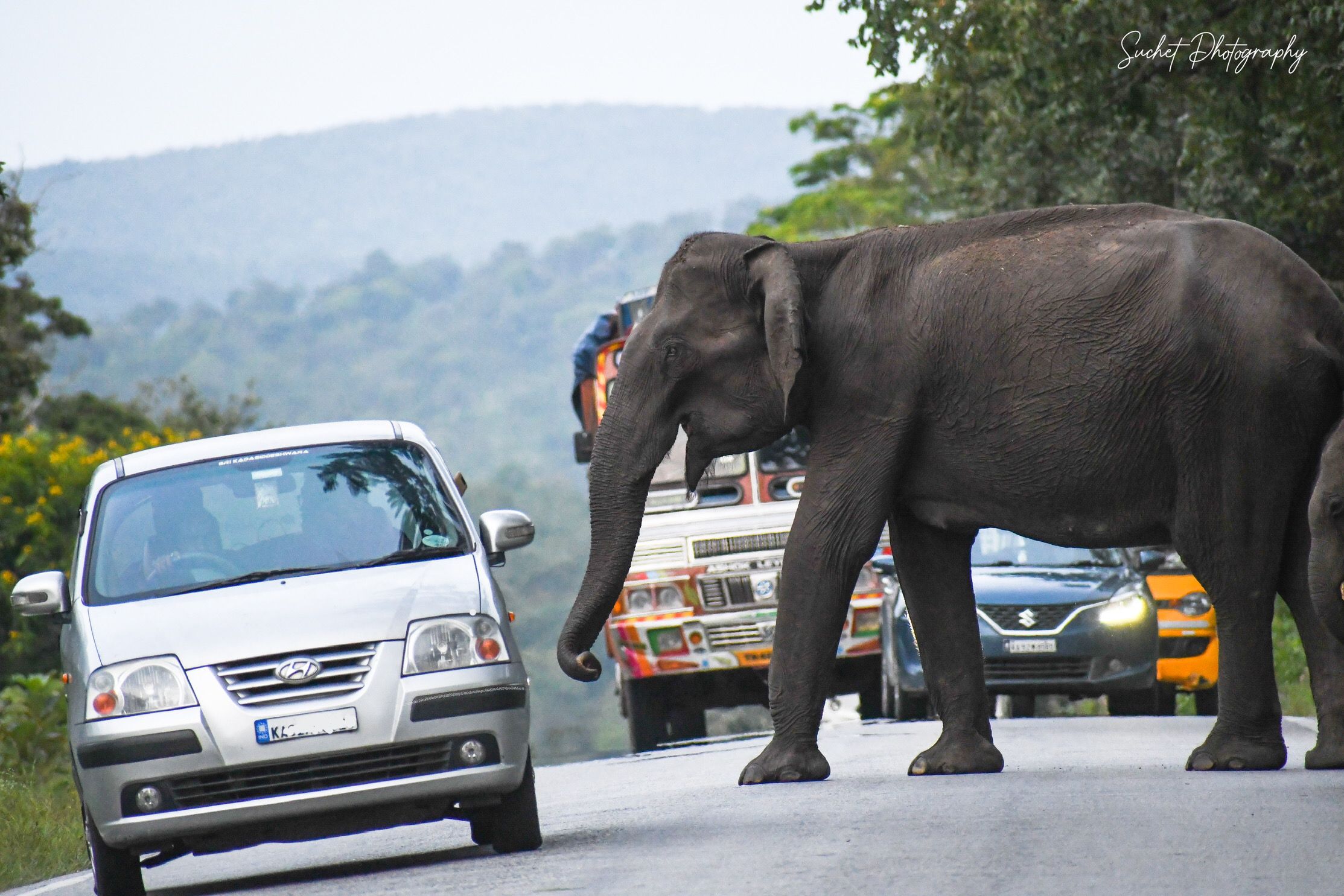
What was the most challenging wildlife shot you've ever taken, and how did you achieve it?
The challenge was capturing a fast-moving, unpredictable situation while maintaining a composition that showed both the elephant and the surrounding vehicles. By staying prepared and reacting quickly with the right settings, I was able to document a powerful moment that illustrates human–elephant coexistence and conflict. It required patience and a deep understanding of elephant behavior to anticipate the action.
Walk us through your editing process for wildlife photos.
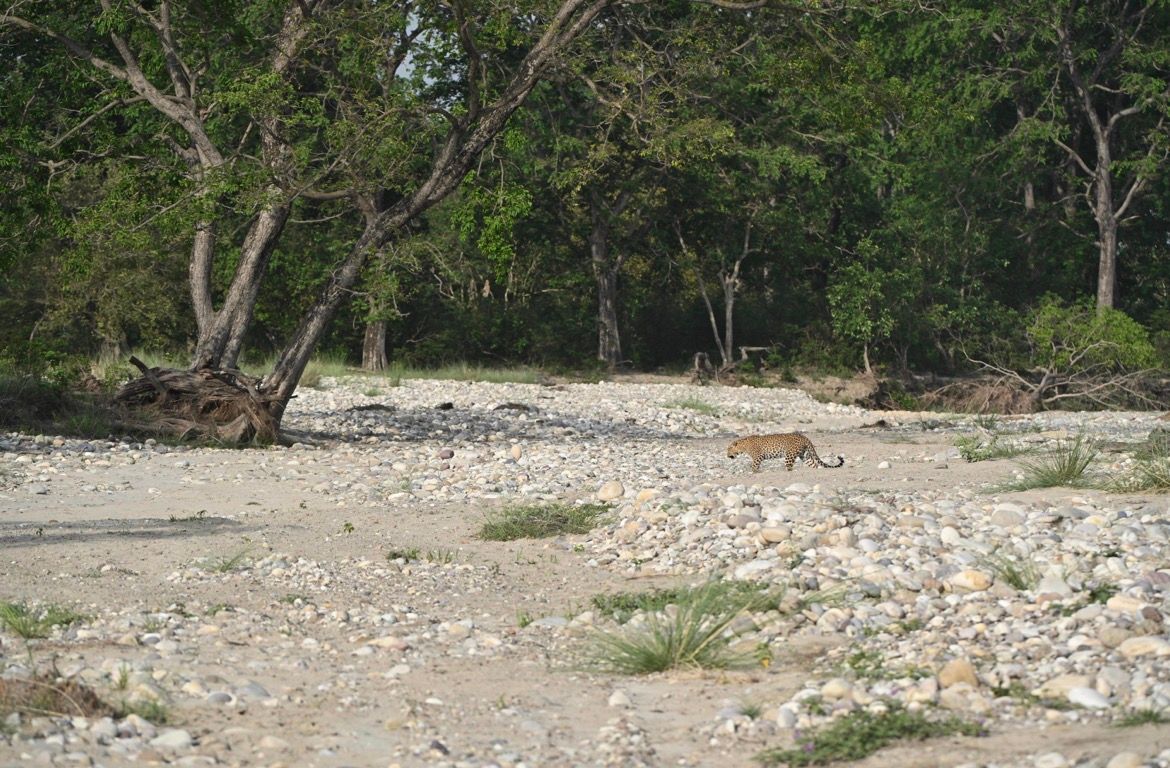
My editing process involves adjusting lighting, reducing noise, and applying masking to enhance the subject while keeping the image natural. I aim to bring out the details and mood of the scene without over-processing, ensuring the final photo stays true to the moment I witnessed.
What makes a photo stand out to you as uniquely yours?
This image is unique to me because it was based on a vision I had while photographing the snake. I experimented with slower shutter speeds and intentional movement to create a soft, artistic effect while keeping the eye as the focal point. The final photograph reflects both the beauty of the animal and my creative interpretation of the moment, making it a true representation of my style.
What made your favorite shoot so special?
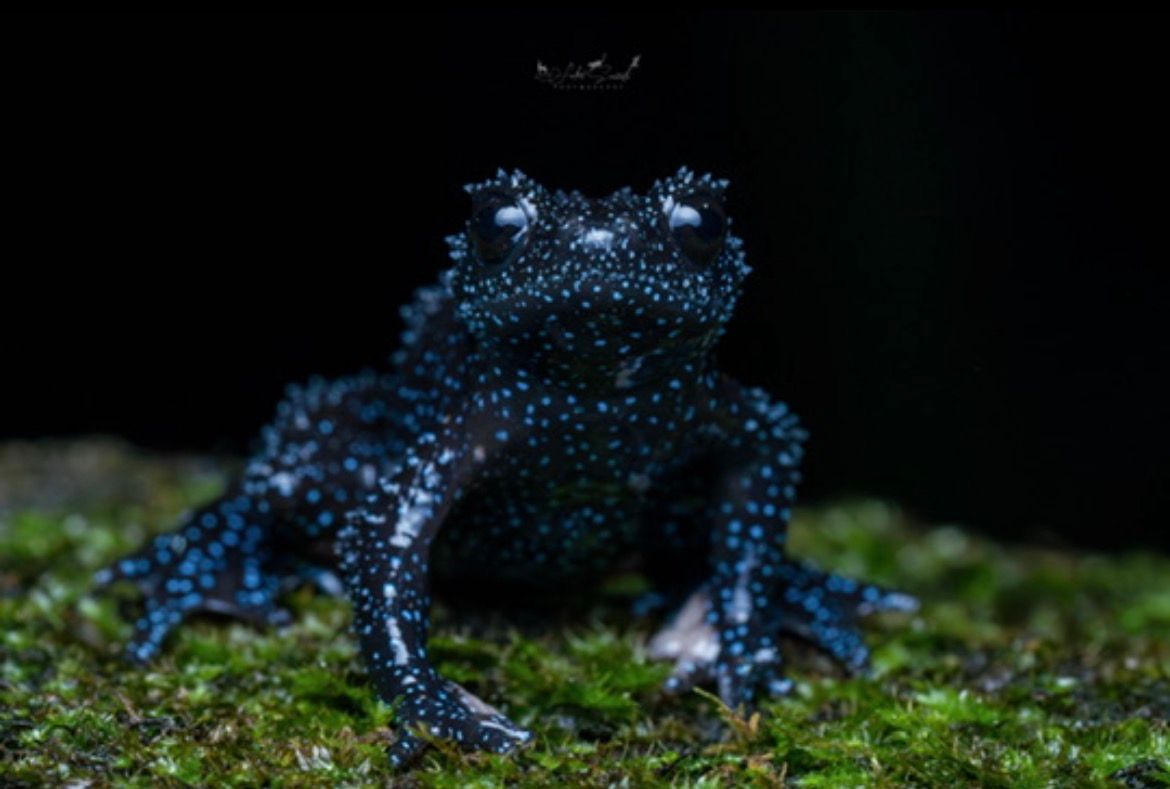
What makes this photograph special is that the Galaxy Frog was a species I had dreamed of seeing for years. The opportunity to observe and photograph such a rare amphibian in its natural habitat was unforgettable. Knowing how elusive it is and how short its appearance is each year made the image feel even more meaningful, turning it into one of my most memorable wildlife photography experiences.
How does your gear or technique influence your wildlife photography?
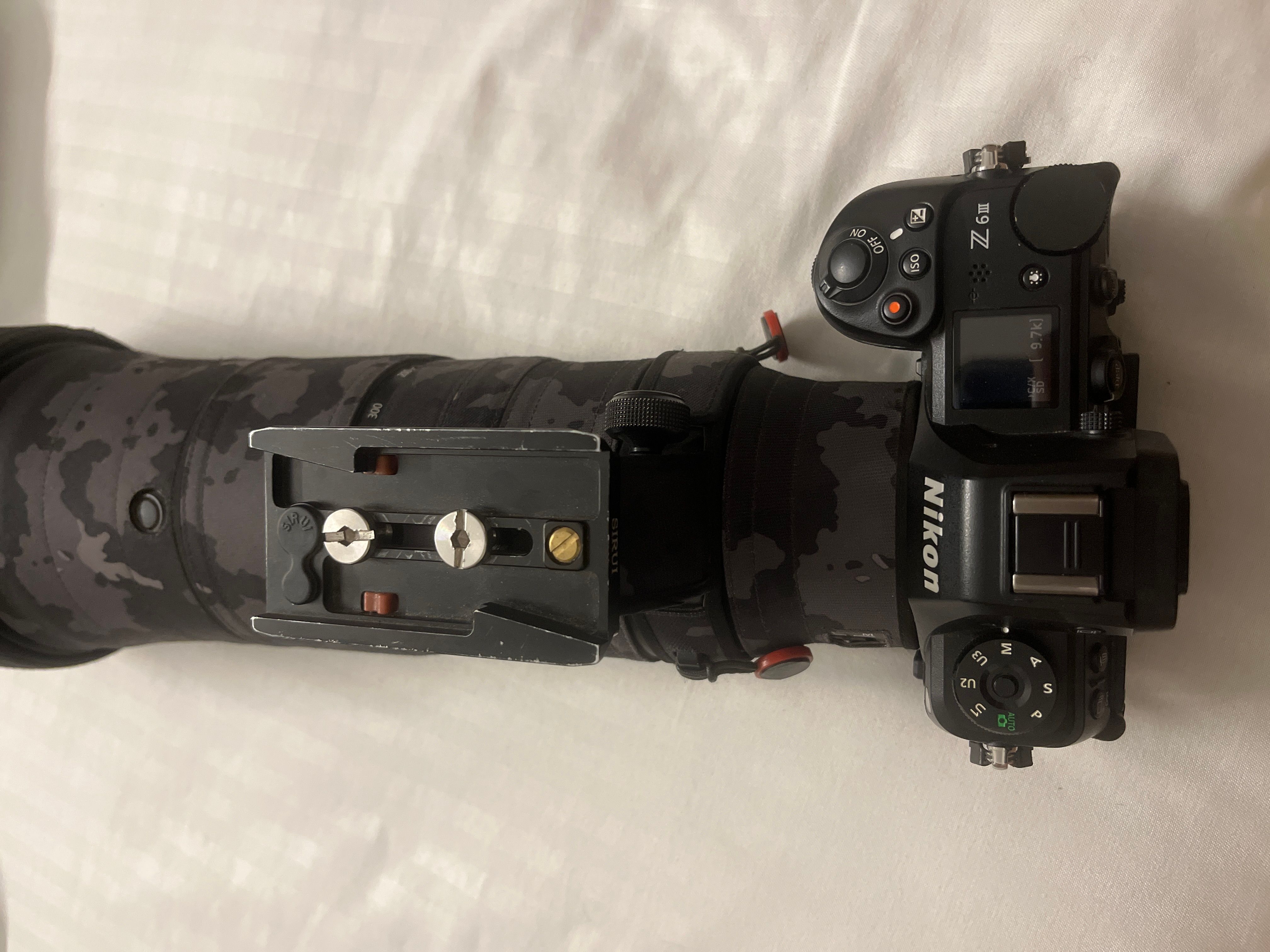
While my camera helps me capture wildlife in detail, it is my technique—understanding animal behavior, patience, and creative composition—that shapes the final image and the story it tells. The gear is a tool, but the approach and vision are what truly define the photograph.
Contact and Follow
Email: Suchet.sreenath@gmail.com
Instagram: https://www.instagram.com/suchetsreenath?igsh=ZGV2MDBxdXRuOWNi&utm_source=qr