

Every wildlife photographer has an origin story. What's yours — how did this quiet obsession with the wild first take hold of you?
My journey with photography began with a simple Kodak camera when I was just twelve years old. Growing up, I shared my home with snakes that coexisted peacefully with our family, and I was raised surrounded by love and respect for all living things. That upbringing naturally extended to everything around me, and I believe my love for the wild comes from that deep-rooted sense of connection and compassion.
Was there one moment out in the field — a held breath, a single click — where you just knew this was going to be your life's work? Paint us that scene.
It was a quiet morning at Parambikulam Tiger Reserve, and the forest was still waking up as I stepped onto the trail. Every step felt like a conversation with nature. As I walked deeper into the woods, a movement caught my eye, and I stopped, holding my breath. There he was — a magnificent peacock, standing proudly on an old fallen tree, wrapped in the golden glow of the morning light. The mist around him turned the moment into something unreal, like a painting that had come alive just for a few seconds. I stood there silently, not wanting to disturb the beauty unfolding before me. No perfect plan, no expectation — just a morning walk rewarded with a memory that will stay forever. Some moments in the wild are not captured… they are gifted.
Behind every distinct eye is someone who helped shape it. Who was that person for you, and what did they teach you about seeing?
Many people have held my hand in the beginning of my journey, and there are many whom I continue to admire and draw inspiration from. It would be unfair to name a few and unintentionally miss someone who has contributed in their own beautiful way. So, I would simply say this — every wildlife and nature photographer has inspired me in some form, whether through their work, their passion, or their dedication towards the wild. The beauty of this field lies not in competing with each other, but in learning from one another, encouraging each other, and growing together. We should strive to inspire, not compare.
When you learned you'd taken the #1 spot at the WallMag Wildlife Photography Awards 2026 — what did that moment actually feel like?
It was a moment of gratitude, joy, and disbelief all rolled into one. This photograph, born from patience, passion, and hours spent in the wild, has been honoured with the 1st place award. Beyond the recognition, it was a dedication to the Tigress for her resilience — a reminder that respect towards everything in nature is worth it.
Share the photograph that crowned you champion — your winning frame.
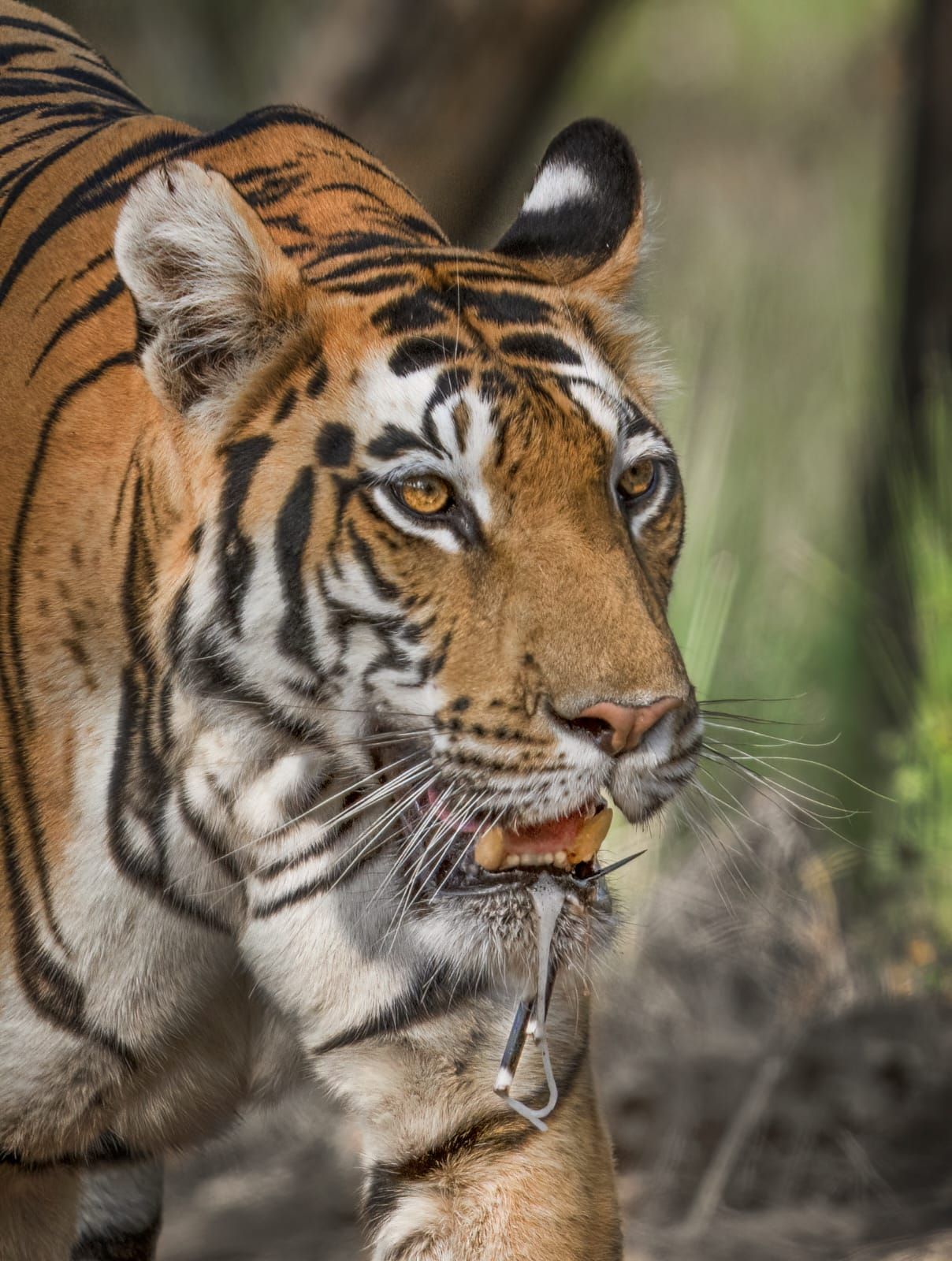
Show us the photograph that tested your patience like no other.
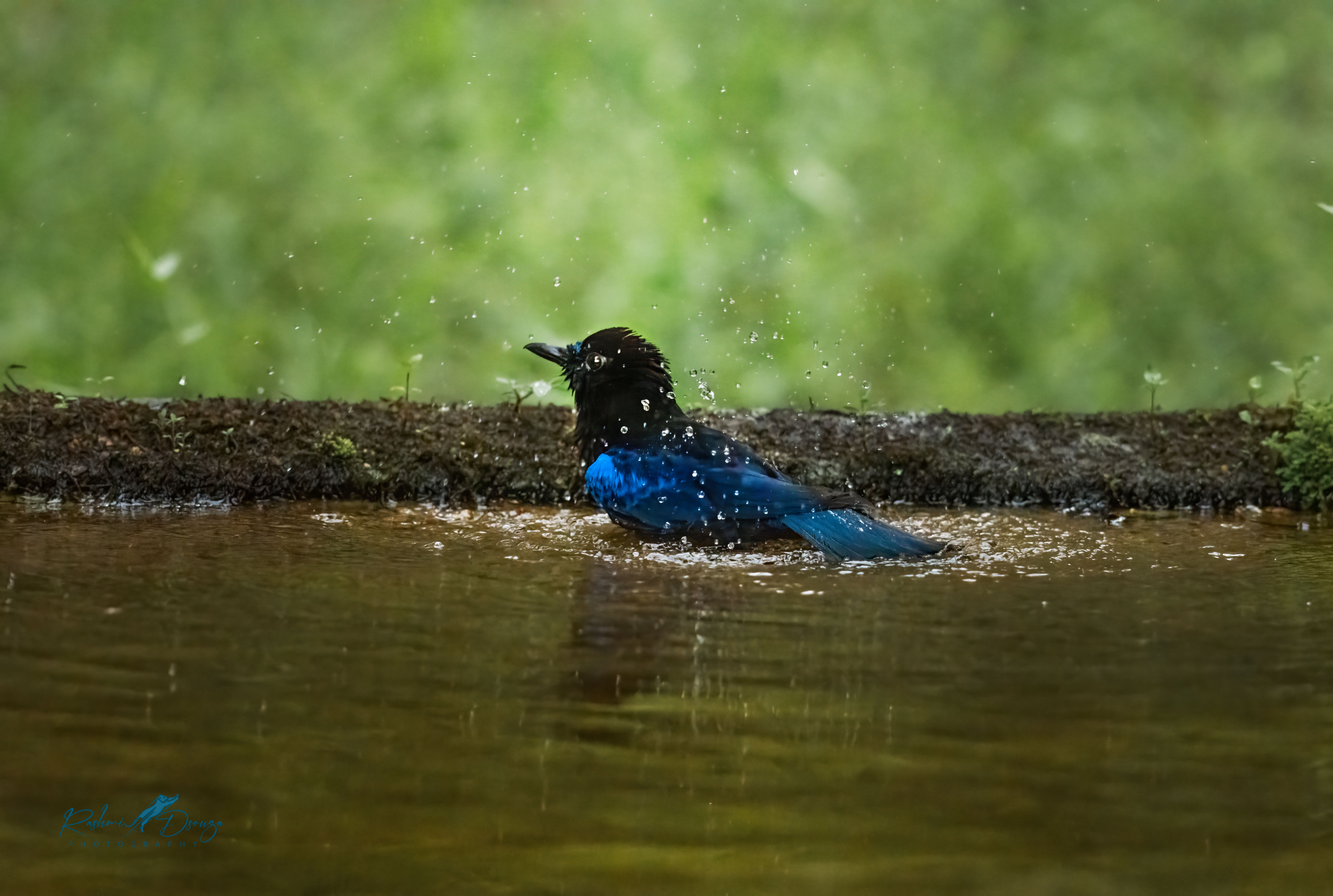
How long did you wait for that one, and where did your mind wander while you waited?
I waited for three whole days, spending ten hours each day in the field. During that time, I clicked other species of birds to pass the time, but I was desperate for this particular one — the Malabar whistling Thrush, which only appears in the morning and evening.
Dig out one of your earliest wildlife photographs — from the beginner days.
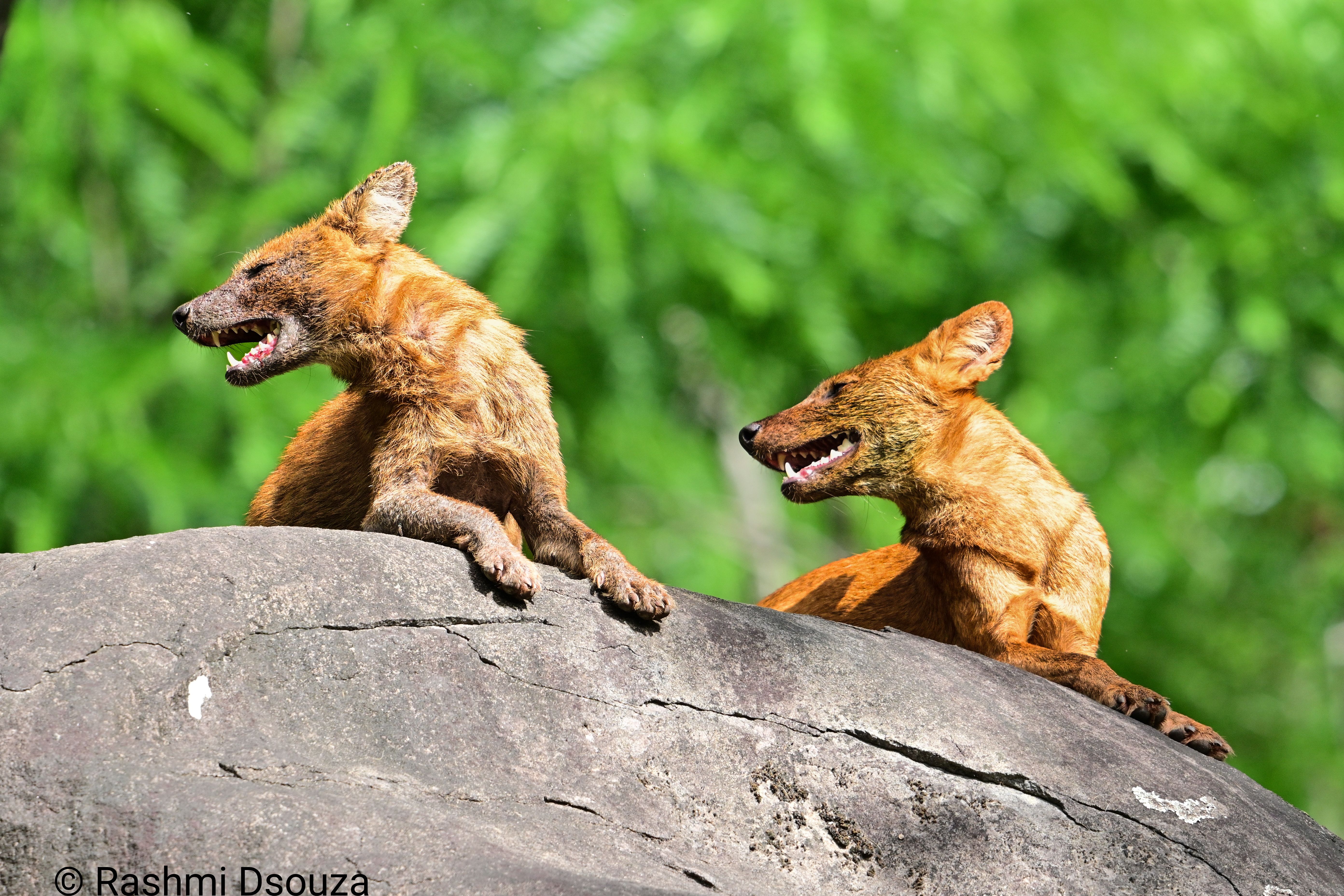
If you could lean over and whisper something to the person who took that shot, what would you say?
I would tell myself to compose better and to pay more attention to the angle of the shot. Those early lessons have shaped how I approach every frame today.
Share a frame you earned the hard way — foul weather, failing light, or unforgiving terrain.
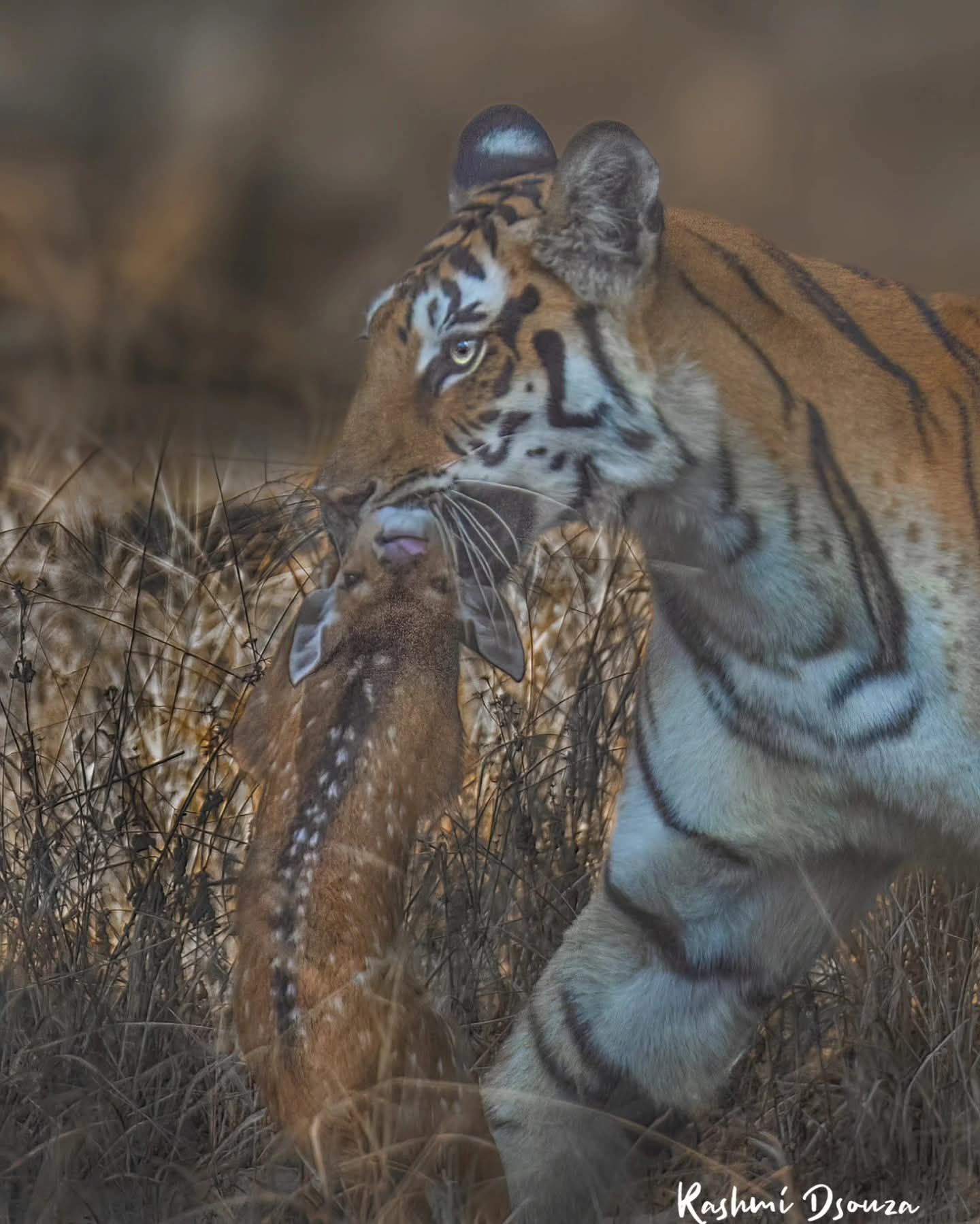
What were you up against that day, and how did the shot still happen?
Fifteen jeeps stood between me and a moment I had waited for. Ours was the last one in the line, the 15th jeep, with countless eyes watching and cameras ready. The tigress never paused, never gave us a second chance. Between moving vehicles, dust, and the smallest opening ahead, there was just one narrow gap… and one click. Sometimes wildlife photography is not about having the perfect position — it is about patience, instinct, and being ready when the wild gives you a fleeting window.
Give us your favourite portrait of a single creature — one pair of eyes, up close.
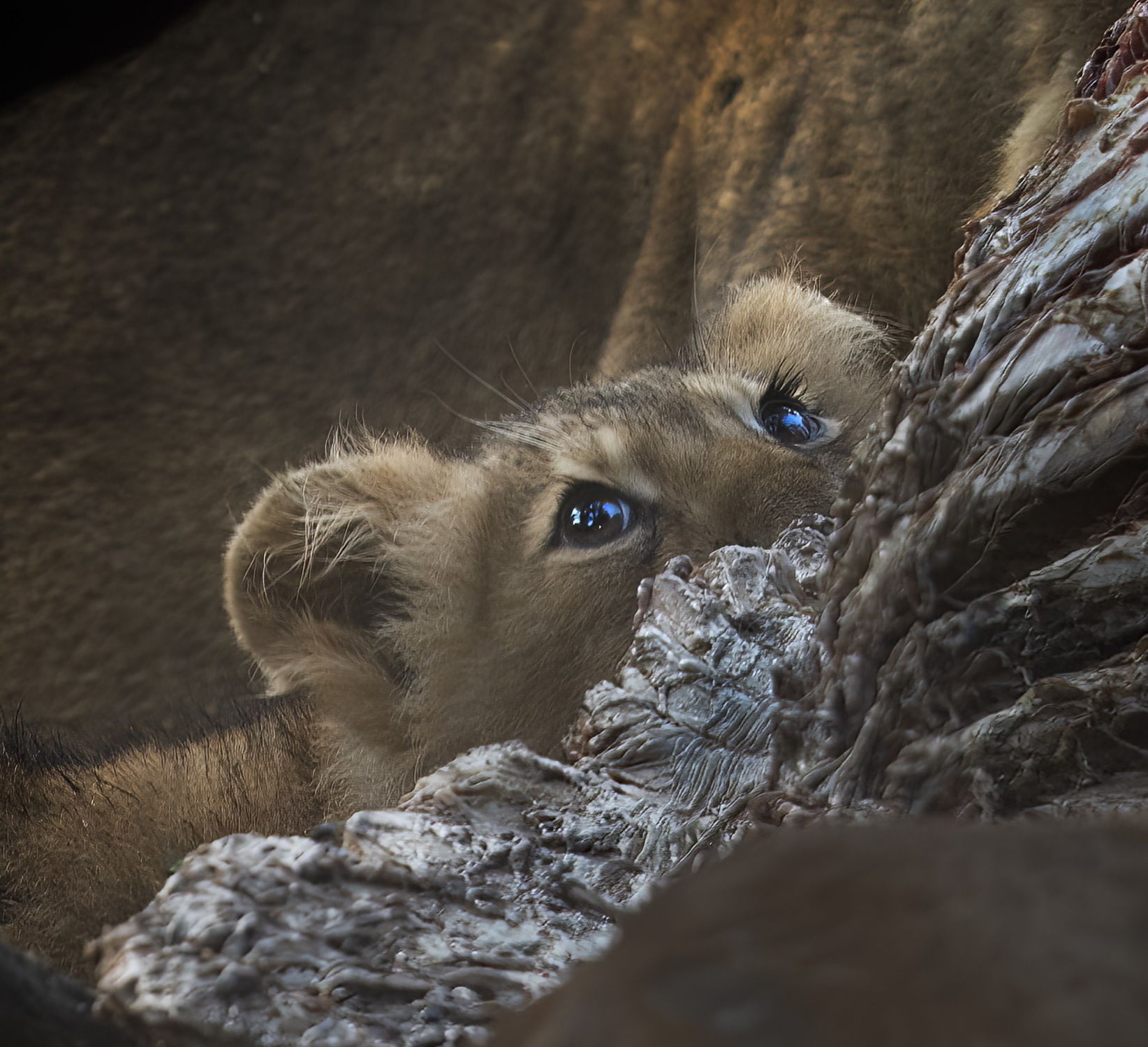
What was it about this particular animal that made you stay and keep shooting?
Captured in the wilderness of Gir Lion Sanctuary, Gujarat, this moment was a glimpse into the making of a future ruler. That morning, we heard of a kill by the pride and rushed towards the sighting. Amidst the powerful presence of eight lionesses, this little cub sat beside its mother — quietly observing, learning, and taking its first lessons from the wild. Those innocent eyes, shining with curiosity, held the promise of the majestic lion it would one day become. In that tiny frame was courage, heritage, and the beginning of a legacy — a future king or queen of the forest in the making.
Share a photograph that very nearly slipped away — the one that almost didn't happen.
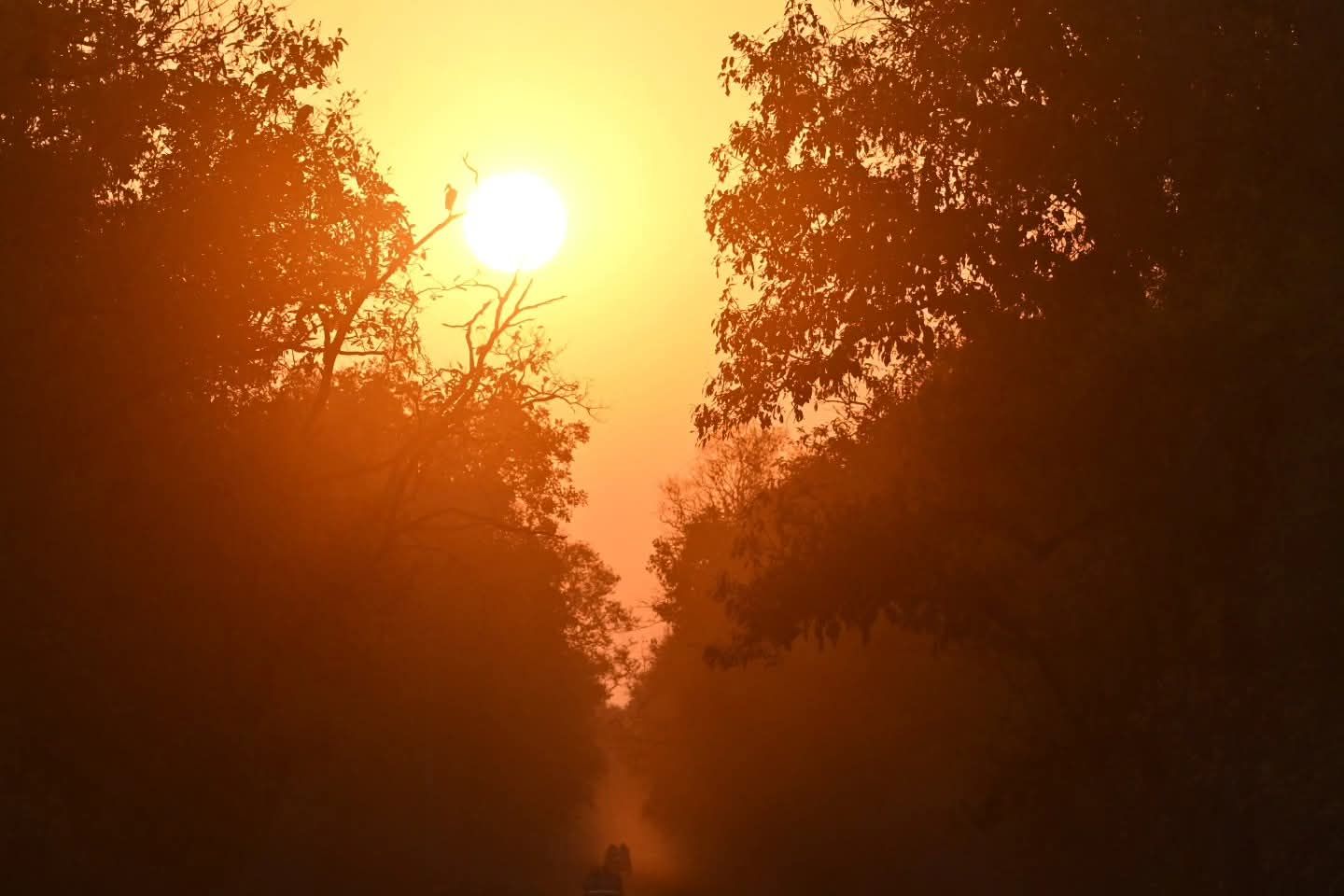
What went sideways in that moment, and how did it somehow come good?
The dust rising from the jeeps, catching the last golden rays of the setting sun, became the soul of this frame. The sunset was almost gone, and I knew I had only a few seconds before the movement of the other vehicles would change the entire scene. I waited, composed, and clicked at that perfect moment when light, dust, and wilderness came together. It was only later, while processing the image, that I noticed something magical — the dust trail had formed the shape of India. A fleeting moment in the wild, never planned, never repeated… just nature creating its own masterpiece.
Show us a frame that could only be yours — pure signature.
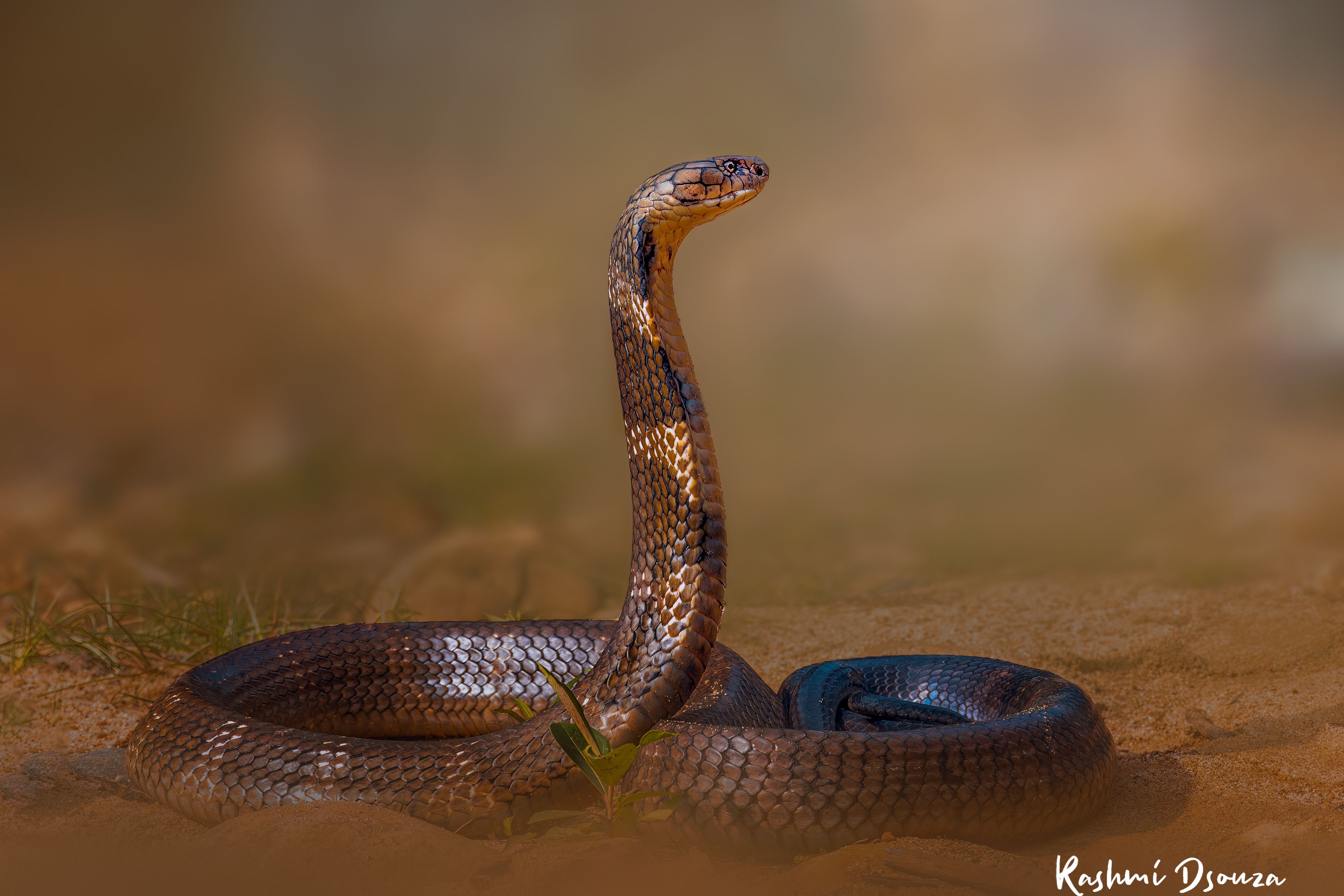
What is it in this image that makes it unmistakably a Rashmi Dsouza photograph?
What makes this feel like a Rashmi Dsouza photograph is not just the subject — it is the way the moment has been seen. It carries a signature of respectful wilderness storytelling. The snake is not portrayed as a threat; it is portrayed as a presence. The calm, composed posture of the King cobra and the low perspective make the viewer meet its gaze rather than fear it. Capturing that stillness, with the hood poised and the eye sharp, reflects someone who waits for the story rather than chasing just a photograph. The most “Rashmi” element, though, is the balance — wild, raw, and powerful, yet peaceful and respectful. It doesn’t scream “look at the snake”; it quietly says, “pause and understand this magnificent life form.”
Pull back the curtain for us — share a behind-the-scenes photo of you or your setup out in the field.
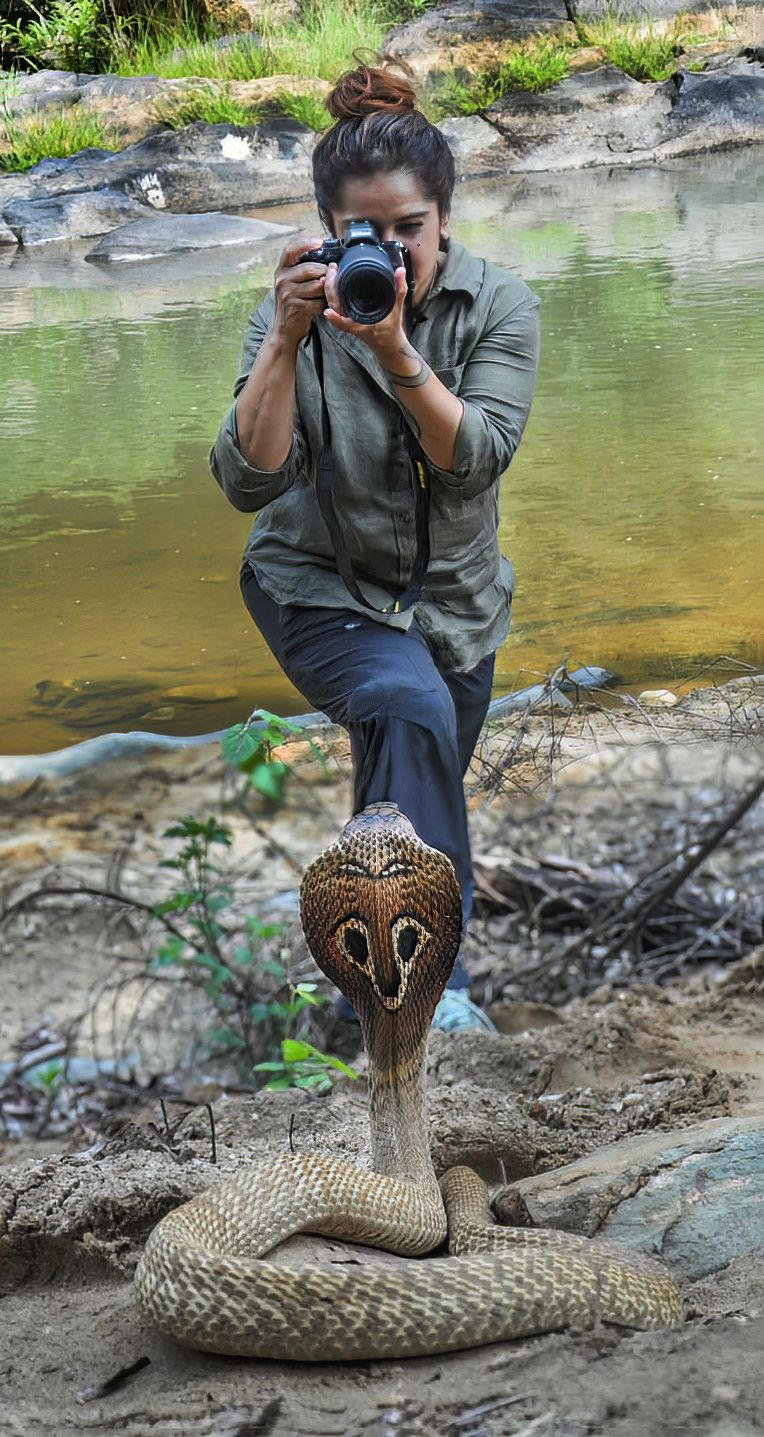
Walk us through a day in the field, starting from that dark, hopeful hour before sunrise.
For me the day begins not with a destination, but with anticipation. The camera gear is ready, the batteries are charged, and the excitement of what the wilderness may reveal keeps sleep away. The journey into the forest begins while most of the world is still asleep, chasing not just photographs, but fleeting moments that may never happen again. As the first light filters through the trees, the forest slowly awakens. Every movement matters — the rustle of leaves, the call of a bird, the distant alarm calls of animals. Hours can pass waiting silently, sometimes under the harsh sun, sometimes surrounded by thorns, dust, and unpredictable conditions. But that patience is what creates the magic. A day in the field is not about simply pressing the shutter. It is about understanding the rhythm of the wild — observing behaviour, respecting space, and being ready when that one perfect moment appears. Whether it is a tigress finding a gap between a line of jeeps, a lion cub learning from its mother, elephants walking through golden light, or a simple landscape transformed by the morning sun, every frame carries a story. There are moments of chaos too — hurried movements, limited opportunities, the challenge of capturing a subject before the light disappears or before the forest changes its mood. But those challenges are part of the adventure. The dust on the clothes, the scratches from the wilderness, and the long hours of waiting become memories attached to every photograph. As the day moves towards sunset, the forest takes on a different character. The golden light becomes softer, shadows grow longer, and the last few clicks of the day often hold the most emotion. It is in these final moments that I search for the extraordinary hidden within the ordinary. Returning from the field, tired but fulfilled, the photographs are more than images. They are stories of patience, connection, respect, and a lifelong love for nature. Because for me, wildlife photography is not just about capturing what the eyes see — it is about preserving what the heart feels in the wild.
Which piece of gear has become almost an extension of your hands — and why that one?
Not every story waits for a camera bag. Most of the time, it’s my Samsung S24 Ultra — my everyday companion that lets me freeze fleeting moments, unexpected light, and little wonders of nature whenever they appear. Post that is my Nikon Z8 with 180-600 lens.
Is there a creature, or a corner of the world, still quietly calling to you — something you're aching to photograph?
Honestly, there are countless. The elusive snow leopards moving silently across the high Himalayas, the powerful yet mysterious jaguars of the wild, and the breathtaking birds hidden deep within the Amazon rainforest — each one represents a story waiting to be witnessed. For me, it has never just been about capturing a rare species, but about being present in their world, understanding their struggles, and bringing their beauty closer to people through my lens.
For someone lifting a camera toward the wild for the very first time — what's the one thing you'd want them to know?
For someone lifting a camera toward the wild for the very first time, I would say — don’t chase the perfect photograph, chase the moment. Wildlife photography is not just about the camera, the lens, or the settings. It is about patience, respect, and learning to be present. Spend time understanding the animal, its behaviour, and the world it belongs to. The best images often come when you stop trying to control the moment and allow nature to reveal itself. There will be days when you return without a single great frame, but you will still carry memories of the forest, the sounds, the silence, and the magic of being there. Those experiences shape you as a photographer. Respect the wild first, photograph it second. If your image can make someone feel the beauty of that creature and inspire them to protect it, then you have captured something far greater than just a picture.
Contact and Follow
Email: Rashmi.dsouza@gmail.com
Instagram: https://www.instagram.com/rashmidsouzanair?igsh=MTVmdnh4amJ4b2x1ag==&igsi=MTVmdnh4amJ4b2x1ag==
Facebook: https://www.facebook.com/share/1DAcgeJqUA/