

How did your journey in photography begin?
My journey in photography began long before I picked up a camera. Ever since childhood, I have been fascinated by the natural world, spending countless hours watching Discovery Channel, National Geographic, and Animal Planet. Those documentaries sparked a deep curiosity about wildlife and gave me a profound appreciation for the beauty and complexity of nature. Over time, that fascination evolved into wildlife photography, especially bird photography. What started as a desire to witness these incredible moments firsthand became a gradual obsession to capture these stories through my lens.
How has your approach to wildlife photography evolved over the years?
It's been a very short time since I started my journey into the wild. The importance of patience, perseverance, and respect for the wild are some of the qualities that I have tried to inculcate into my approach as a wildlife photographer. These principles have become the foundation of how I work in the field, reminding me that the best shots come to those who wait and observe without disturbing the natural balance.
What is your favorite wildlife subject to photograph and why?
My favorite wildlife subject to photograph are raptors. I think raptors are absolutely majestic and are in a completely different league of their own. Their piercing stare and fearless nature gives me a kind of thrill that's extremely difficult to put into words. They are truly the apex predators of the avian world, and capturing their essence through my lens is both a challenge and a privilege.
Tell us about a photograph that represents your best wildlife work.
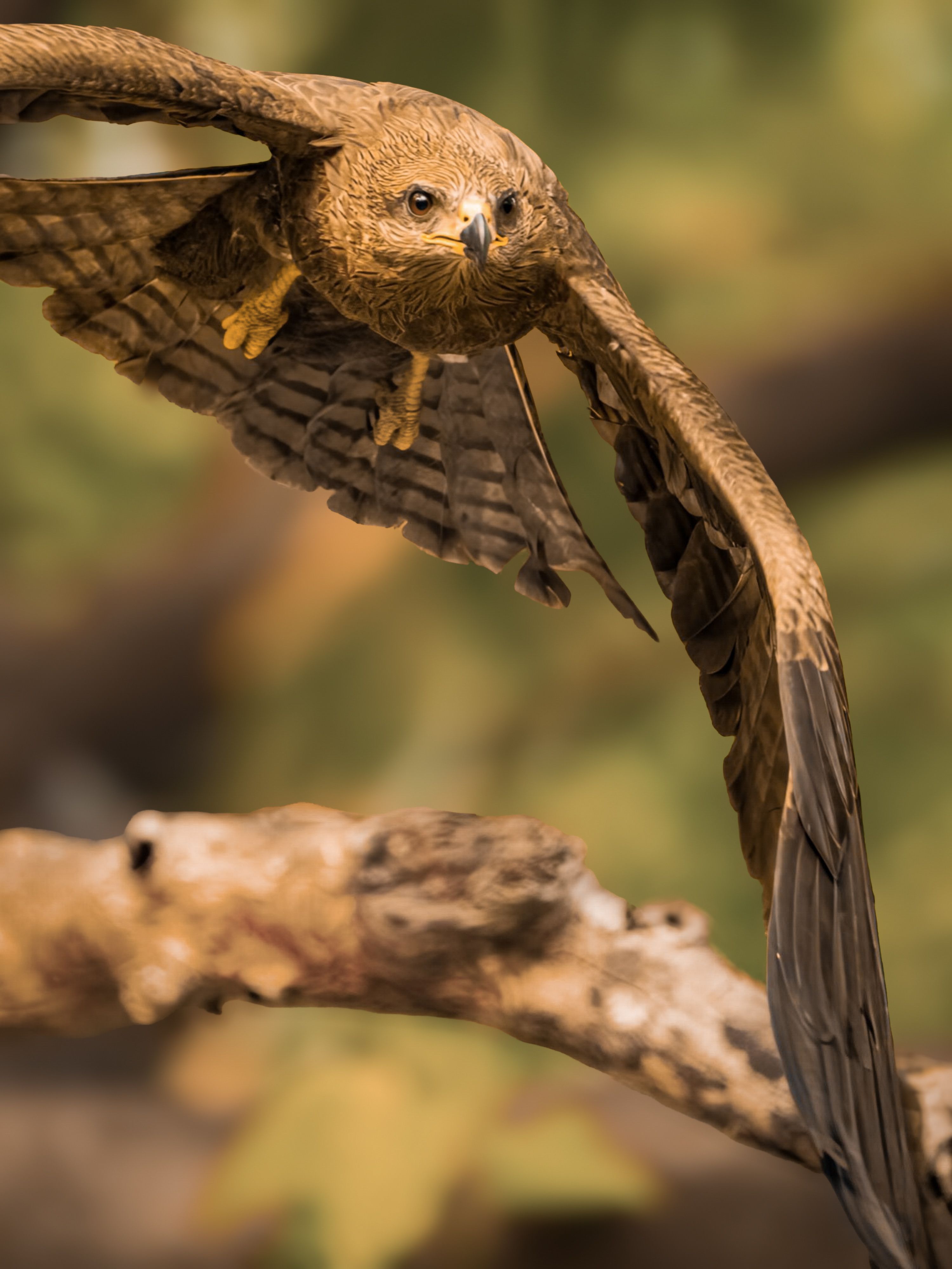
This is a Black Kite that has just taken off after being perched on a branch of a tree for quite some time. This majestic creature flew right past me as I managed to get a really close up shot on an overcast April afternoon when I was birding at a nearby nature park in my locality. The timing and the proximity made this moment truly special.
What's the story behind that rare moment you captured?
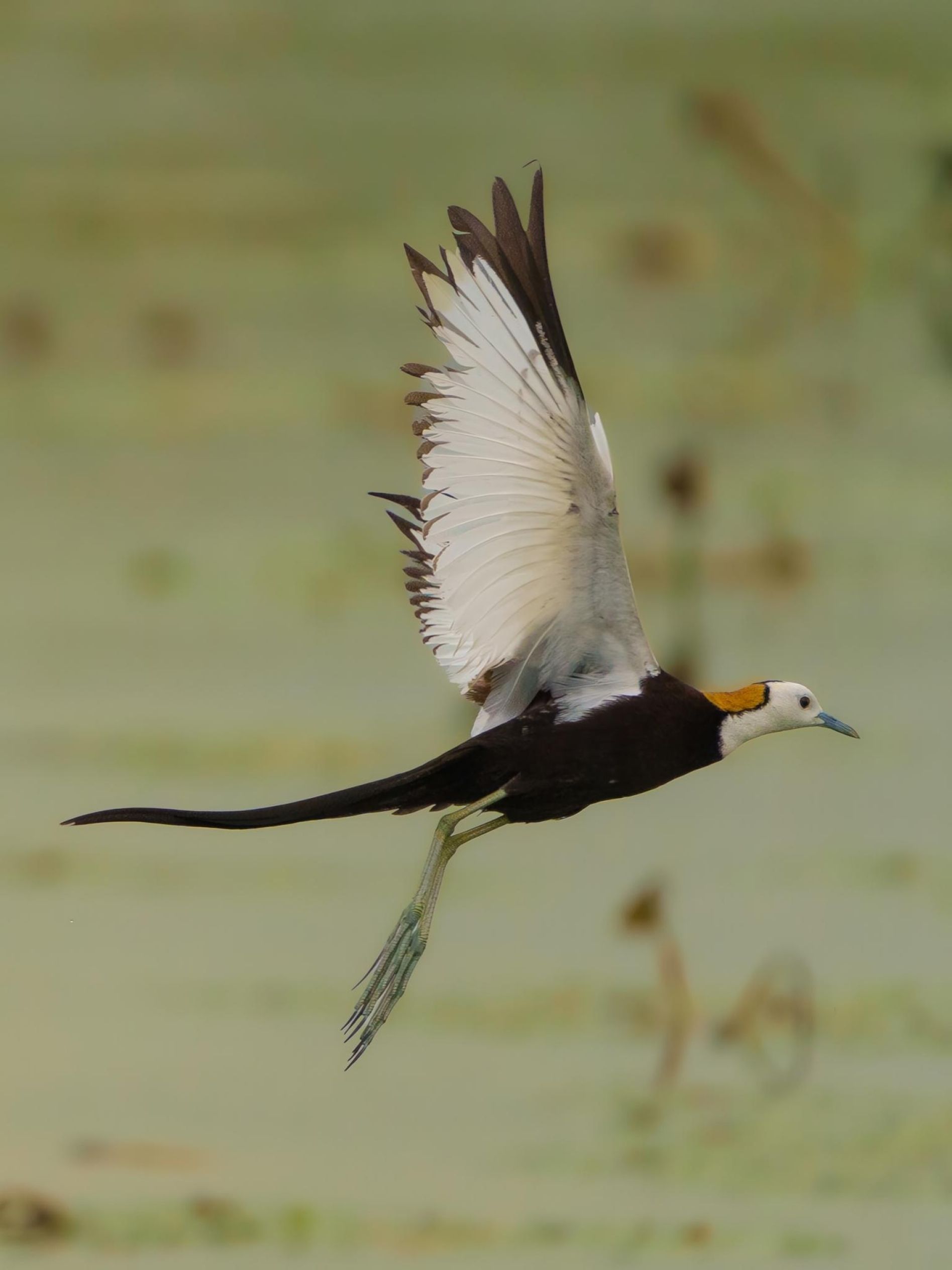
This is a photograph of a Pheasant Tailed Jacana fully stretched out in flight during the monsoons. This also happens to be the time when Jacana dads are seen with their young ones after their chicks hatch. What makes this photograph special is not the subject itself but the moment and the frame. It's a fleeting instance that encapsulates the essence of the season and the bird's grace.
Walk us through your wildlife photography setup in the field.
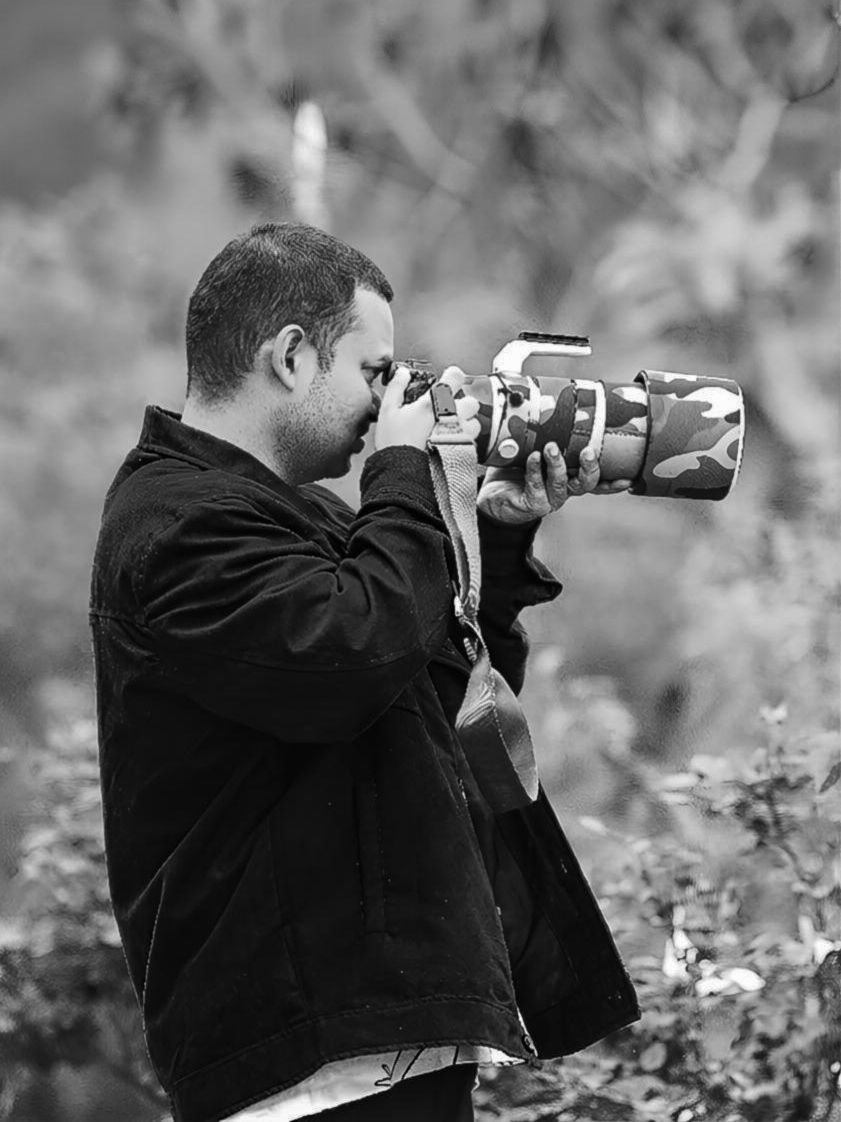
I am a loyal Sony user. My setup includes the Sony a7IV and the Sony 200-600 G OSS lens with Nisi UV Filters and Peak Design camera straps. I almost always shoot handheld, so I don't have a tripod as of now. This lightweight and flexible setup allows me to move quickly and capture spontaneous moments in the wild.
How does the editing process change the impact of the wildlife photo you shared?
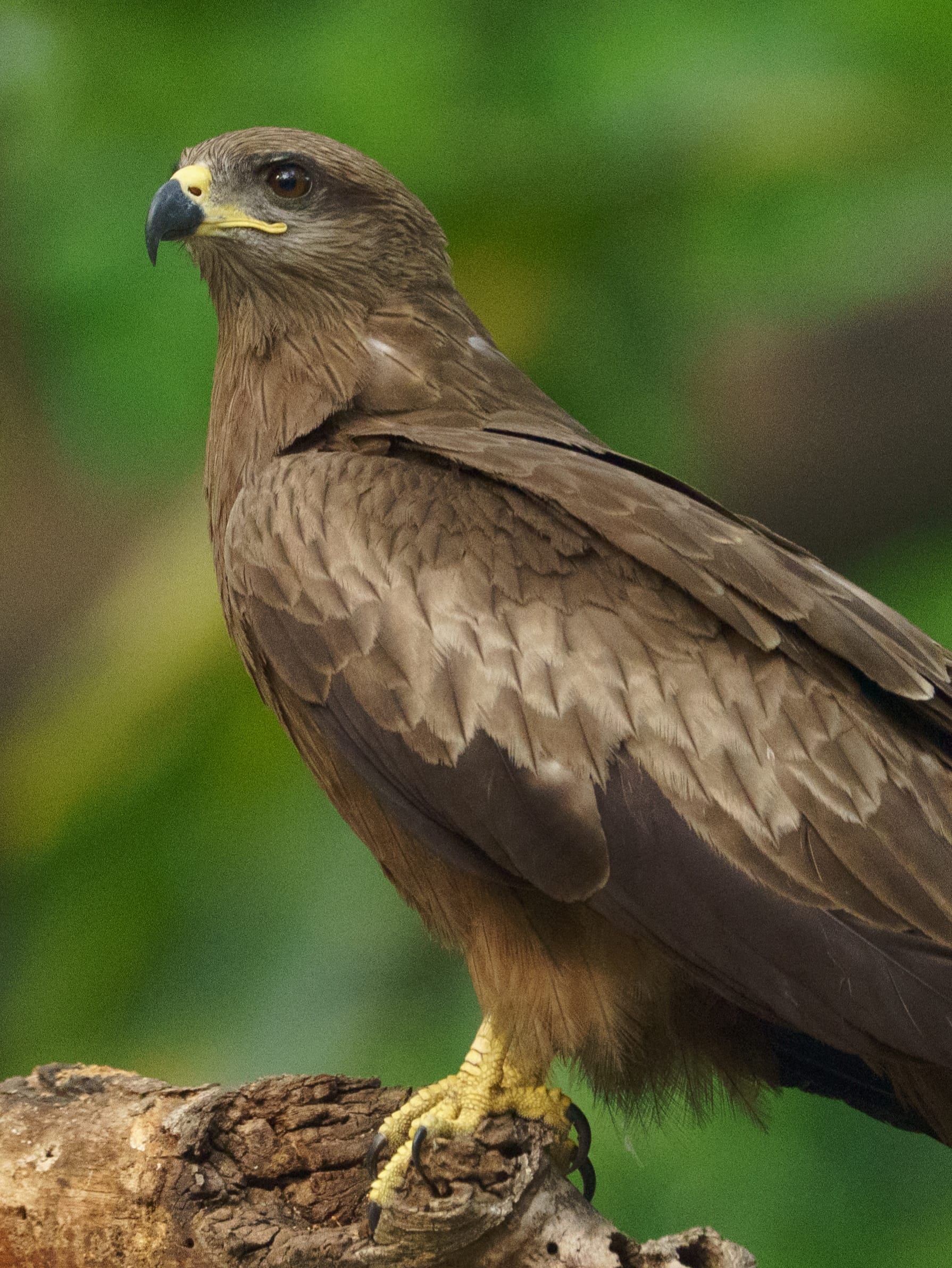
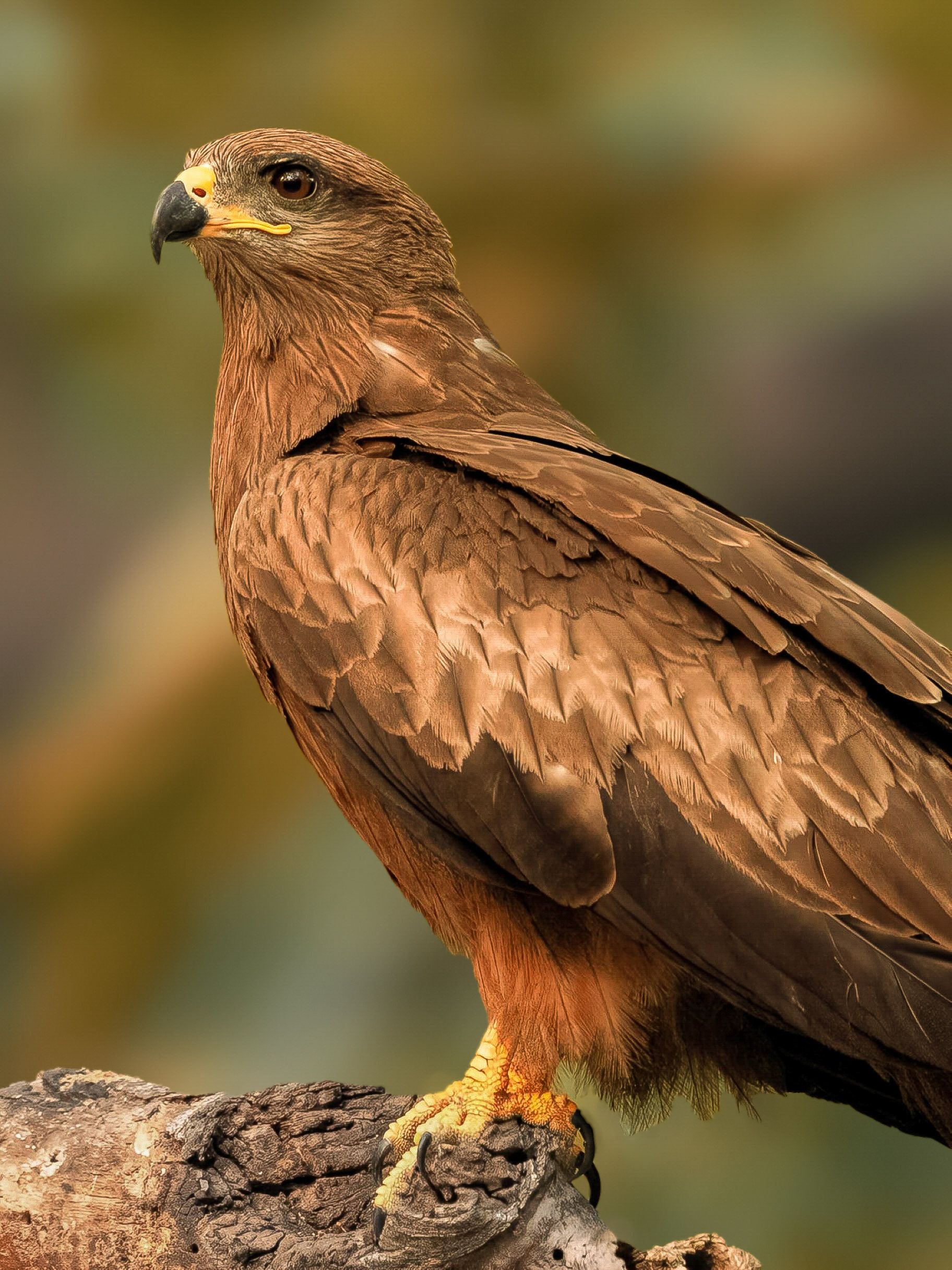
The Black Kite is such a magnificent subject and especially in this posture, it makes for an ideal wildlife portrait. Hence, to bring out the elegance and its splendid feather detail, I have edited the photograph trying to keep the background similar in colour with the subject, yet well separated from it. This gives the subject a royal look and enhances the overall impact of the image.
What inspired you to present this particular wildlife photo in black and white?
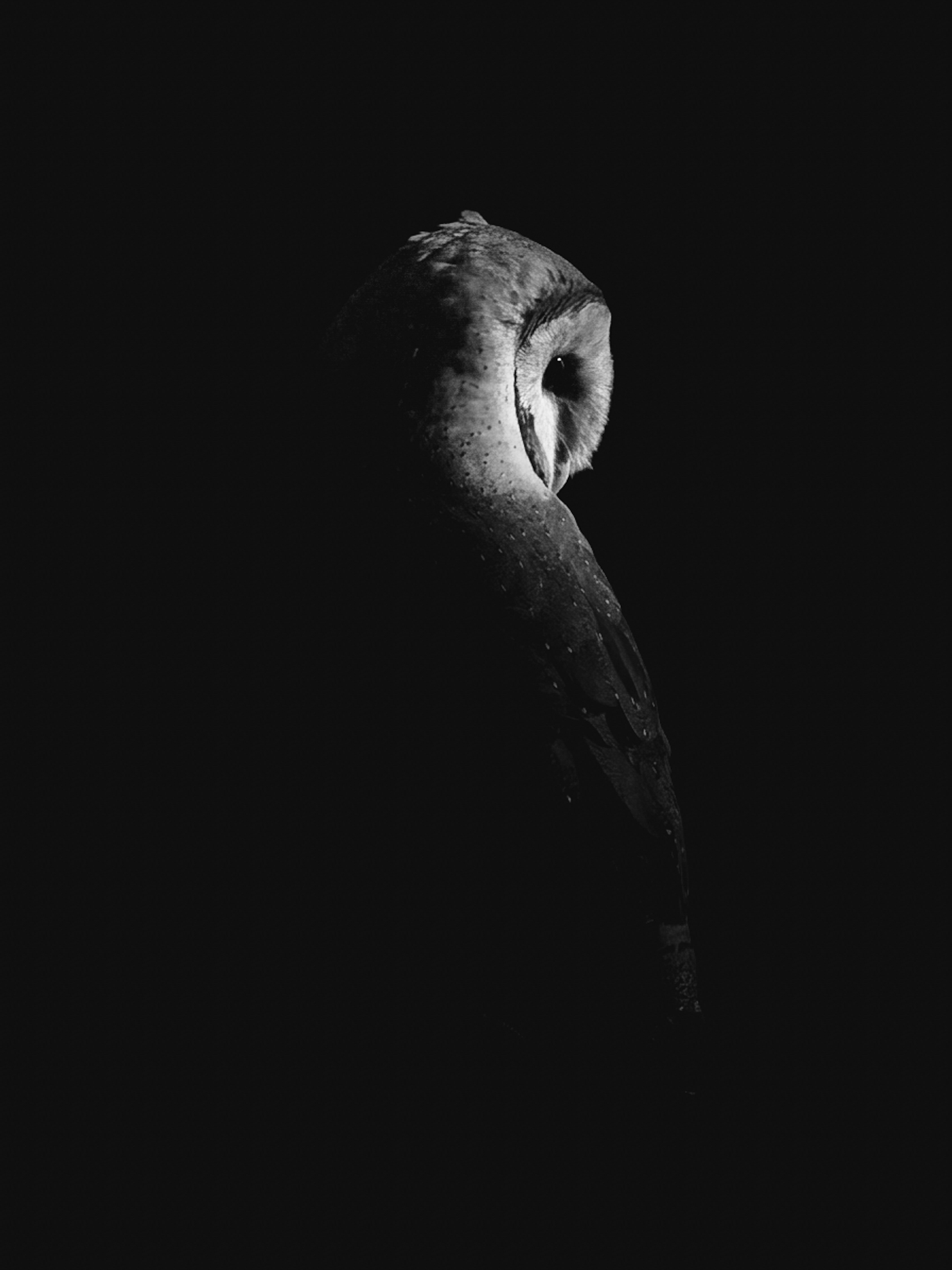
I took this photograph absolutely unexpectedly. It was 1 o'clock on a rainy and windy July night when I spotted this Barn Owl from my balcony sitting right opposite my place on a garden gate. It was absolutely dark and I had no hope of capturing anything. I sat there admiring the little creature and wishing it had come at a better time and day to visit me. But it was perched for so long I decided to take out my camera and give it a try. I managed to get this shot when it turned its head for a split second and faced the light coming from the street lamp. I had to show this photograph in black and white since it captures an excellent role play between light and shadow.
How did you handle the lighting in this particular photo?
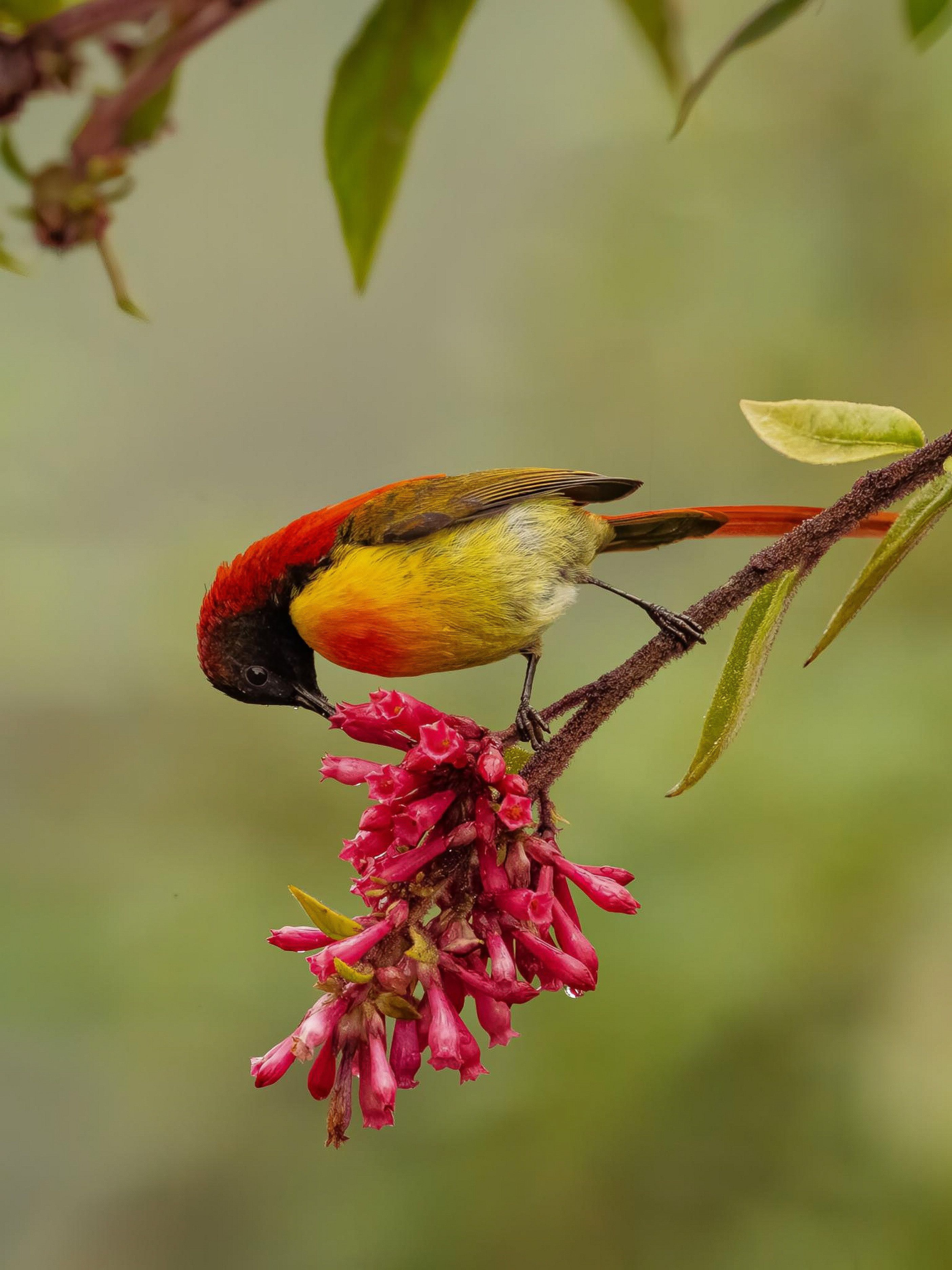
This photo was taken in Rishap, West Bengal in the month of April but it was highly overcast and it was difficult to get a good shot of the tiny Fire Tailed Sunbird. I had to make sure I was as close to the subject as possible without bothering it to avoid any atmospheric haze or mist. Also, I had to shoot up the ISO quite a bit. Lucky to have captured this moment.
What makes this photo a true reflection of your style?
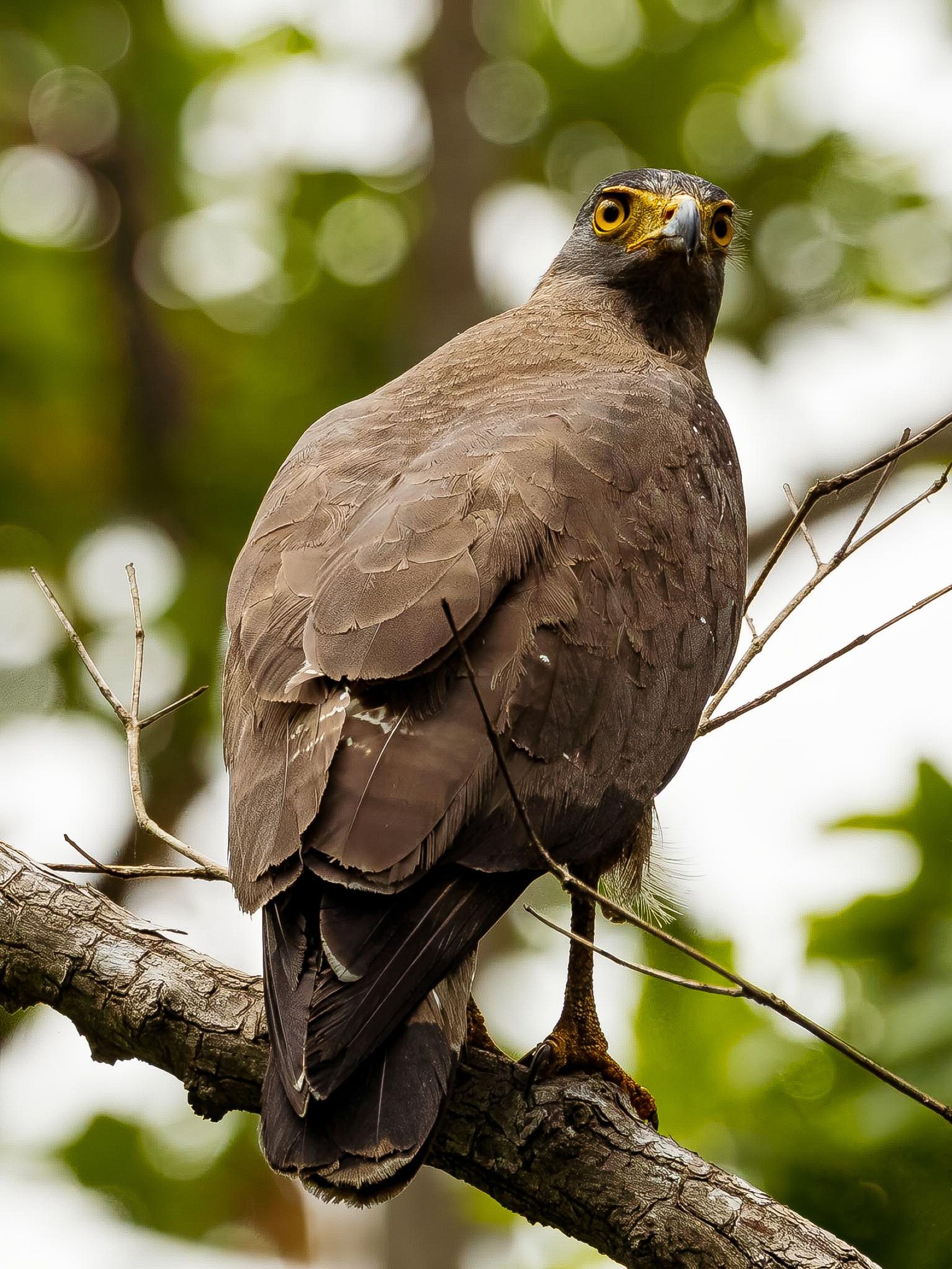
This photograph is a true reflection of my style of photography because it captures everything that I look for when I click bird photos. Eye contact, perch, beak, feather detail, and mostly stillness. Because motion is beautiful but sometimes stillness steals the show.
Contact and Follow
Email: aritra03saha@gmail.com
Instagram: https://www.instagram.com/wildscapeworks?igsh=MWYwejdlMTk5anNrOA==