

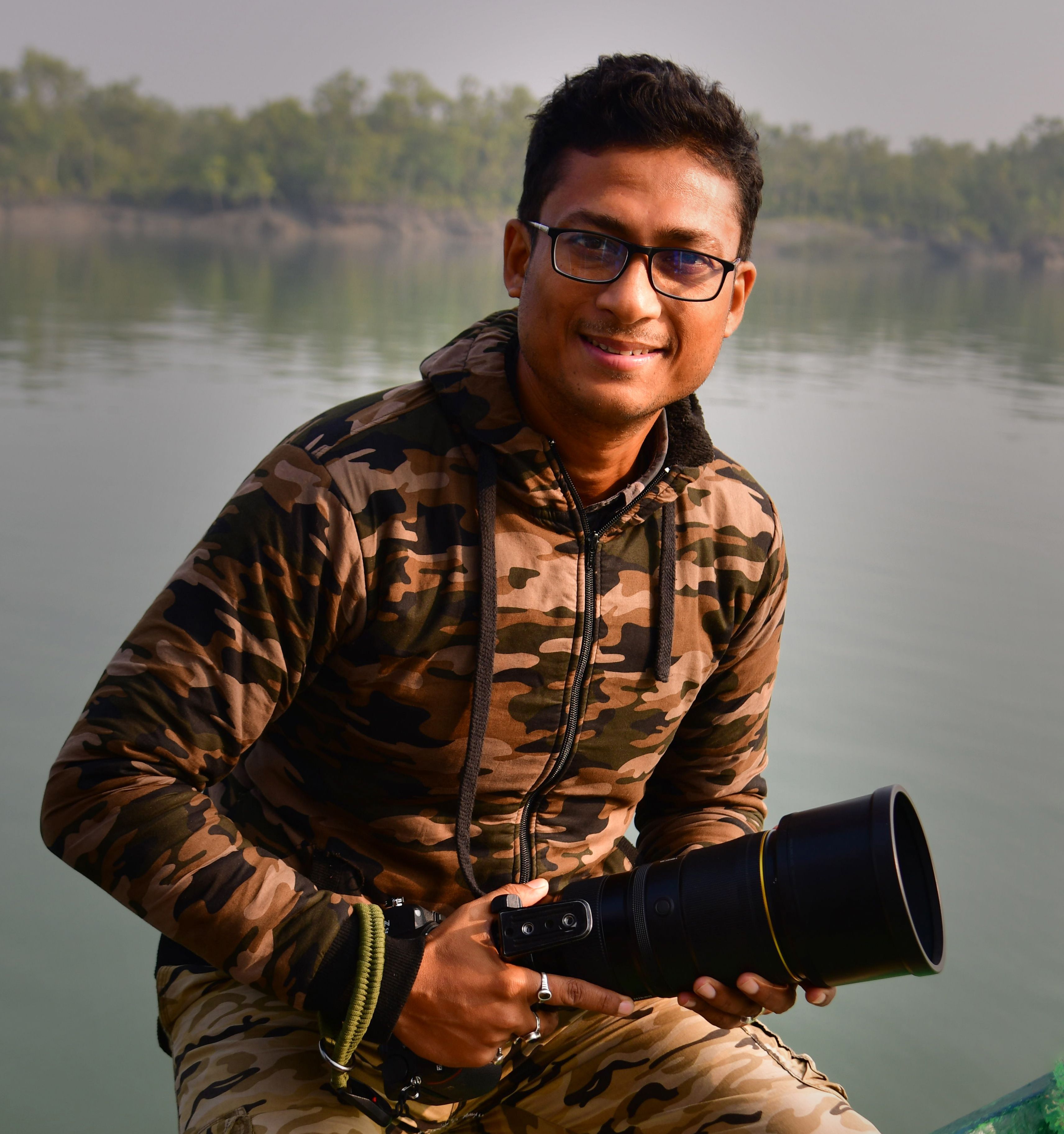
Take us back to the beginning — what first pulled you toward pointing your camera at wild things instead of anything else?
For me, it was never just about photographing animals—it was about being present in the wild and witnessing moments that cannot be recreated. The unpredictability of wildlife, the patience required, and the connection I feel while observing an animal in its natural habitat slowly pulled me toward wildlife photography.
Tell us about an early moment in the field that made you think, this is what I want to keep doing.
One of my earliest experiences in the field that truly stayed with me was realizing how unpredictable and intimate wildlife can be. I remember waiting patiently for a subject, watching its behaviour, the changing light, and every small movement through my viewfinder. When the right moment finally came, I captured an image that was far more than just a photograph—it told a story.
Is there a photographer, naturalist, or field guide whose work shaped the way you see wildlife? What did you take from them?
Yes, several photographers, naturalists, and field guides have influenced the way I look at wildlife. Like Dhritiman Mukherjee. But more than their photographs, what has stayed with me is their patience, observation, and respect for nature.
Which wildlife photograph would you want people to remember you by?
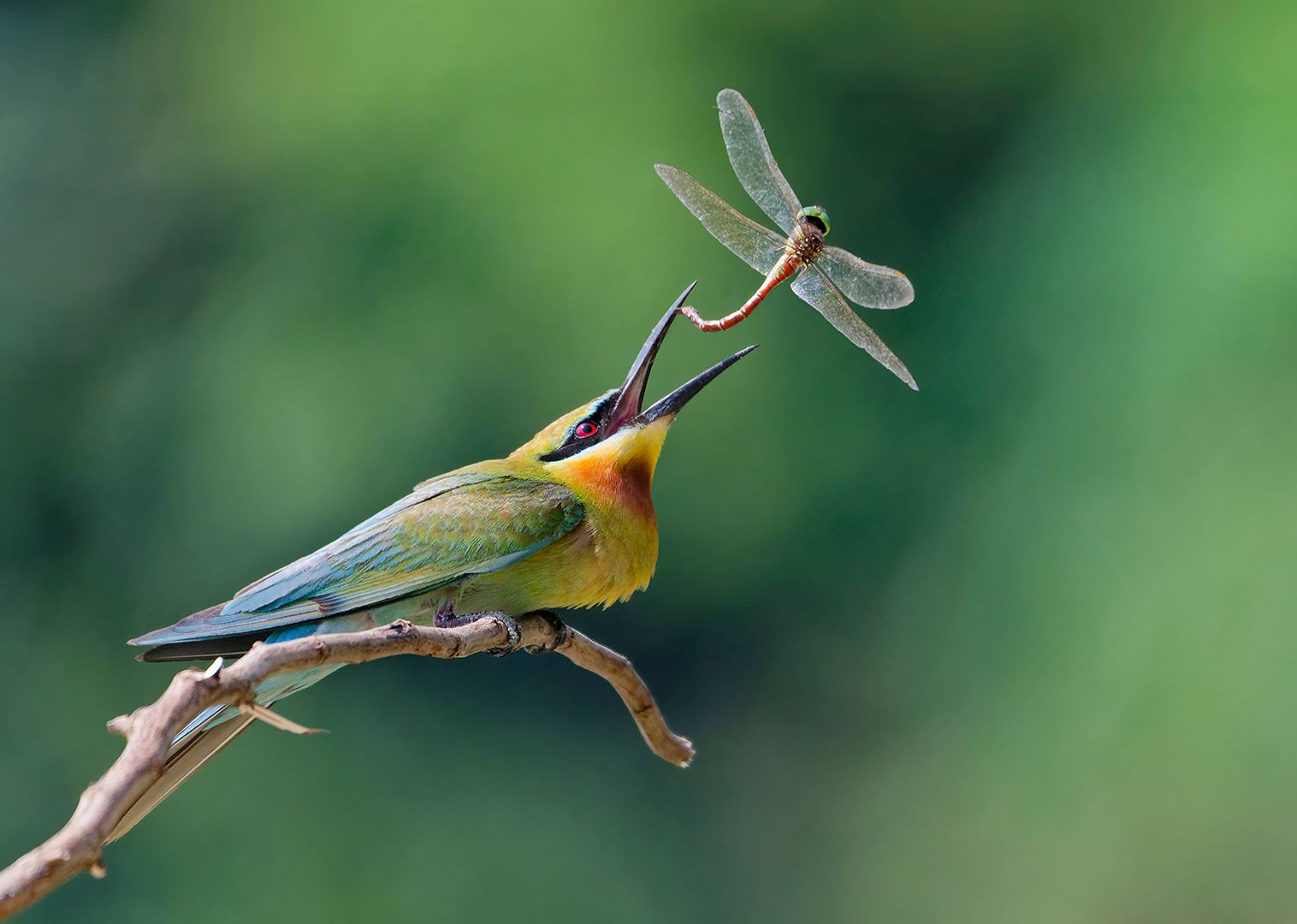
What was happening in the moments right before you pressed the shutter on that frame?
For that frame, the most important thing happening before I pressed the shutter was patience and observation. I was watching the subject closely, trying to understand its behaviour and anticipate what might happen next. The light, the movement, the body language, and the surroundings were constantly changing. I knew that the moment might last only a fraction of a second, so I stayed completely focused, camera ready, waiting for the right combination of behaviour, light, and composition. Then, suddenly, everything came together. There was no time to think—only to react and press the shutter. That is one of the things I love most about wildlife photography: you can prepare for a moment, but you can never completely predict it.
What does your field kit look like?
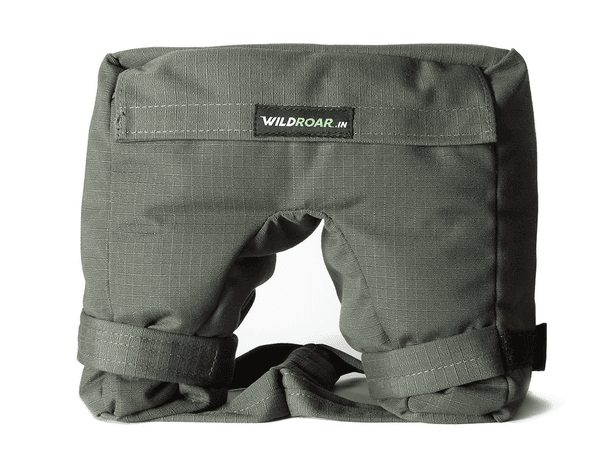
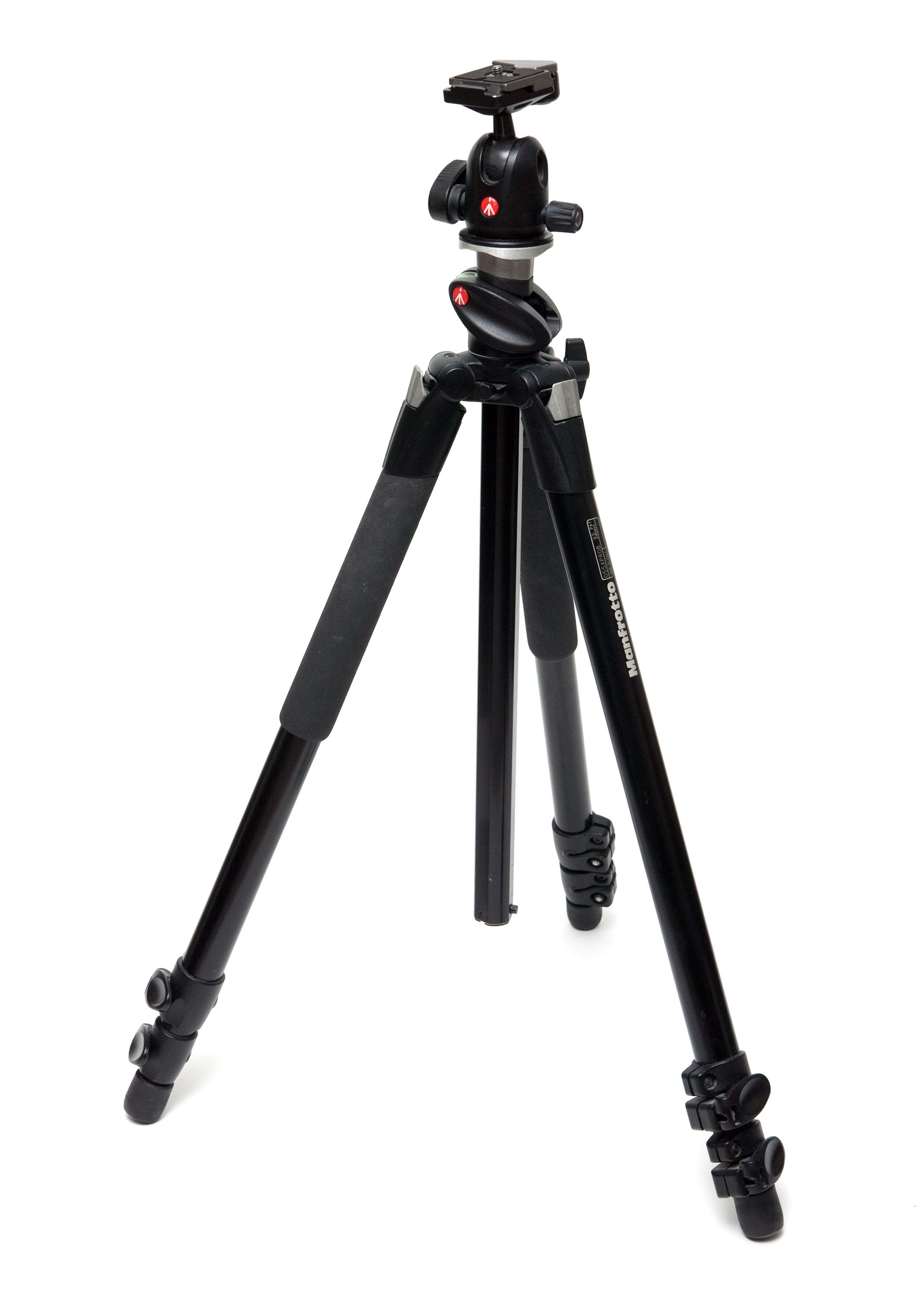
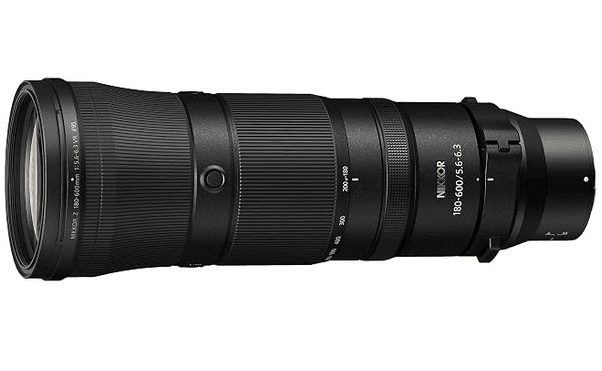
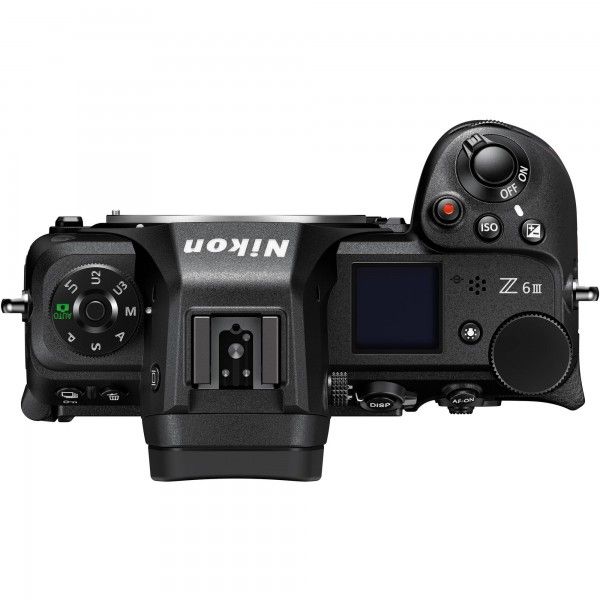
Walk us through that kit — what's your go-to combination, and why does it earn its place in the bag?
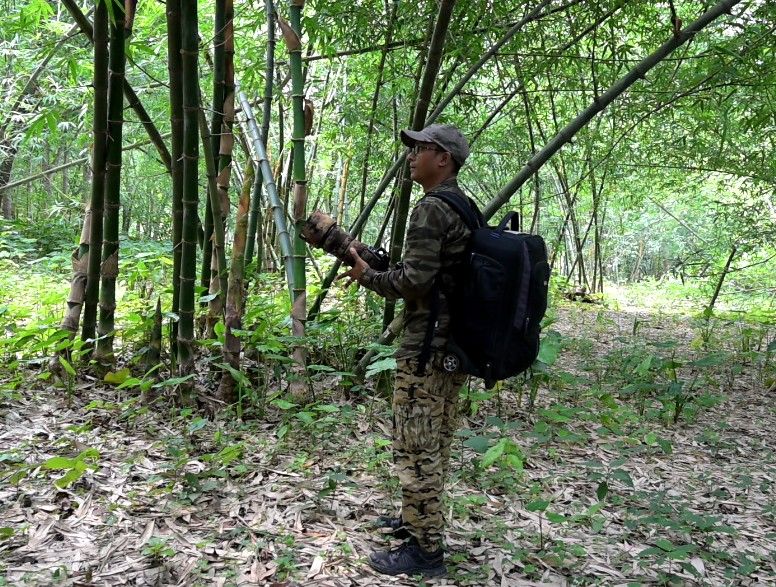
My camera bag is built around versatility, reliability, and the ability to respond quickly to whatever the wild presents. I am using Think Tank camera bag. My go-to combination is the Nikon Z6 III paired with the Nikon Z 180–600mm. It gives me the reach and flexibility I need for birds and wildlife, while the Z6 III's autofocus, low-light performance, and excellent colour reproduction give me confidence when the light and conditions become challenging. For macro and smaller subjects, my Nikon 105mm Macro lens is a fantastic companion. It allows me to explore a completely different side of wildlife photography—from tiny creatures and intricate details to nocturnal subjects.
Which frame from a location or trip stays with you?
What's the story of getting to that place and coming away with this shot?
This photograph is the story of a thrush and the quiet dedication of a parent caring for its chicks. I spent time observing the bird as it moved through its surroundings, searching for food and repeatedly returning to the nest to feed the hungry little ones.
Share another favourite frame — a different subject or a moment of behaviour you were lucky to witness.
What makes this one special to you?
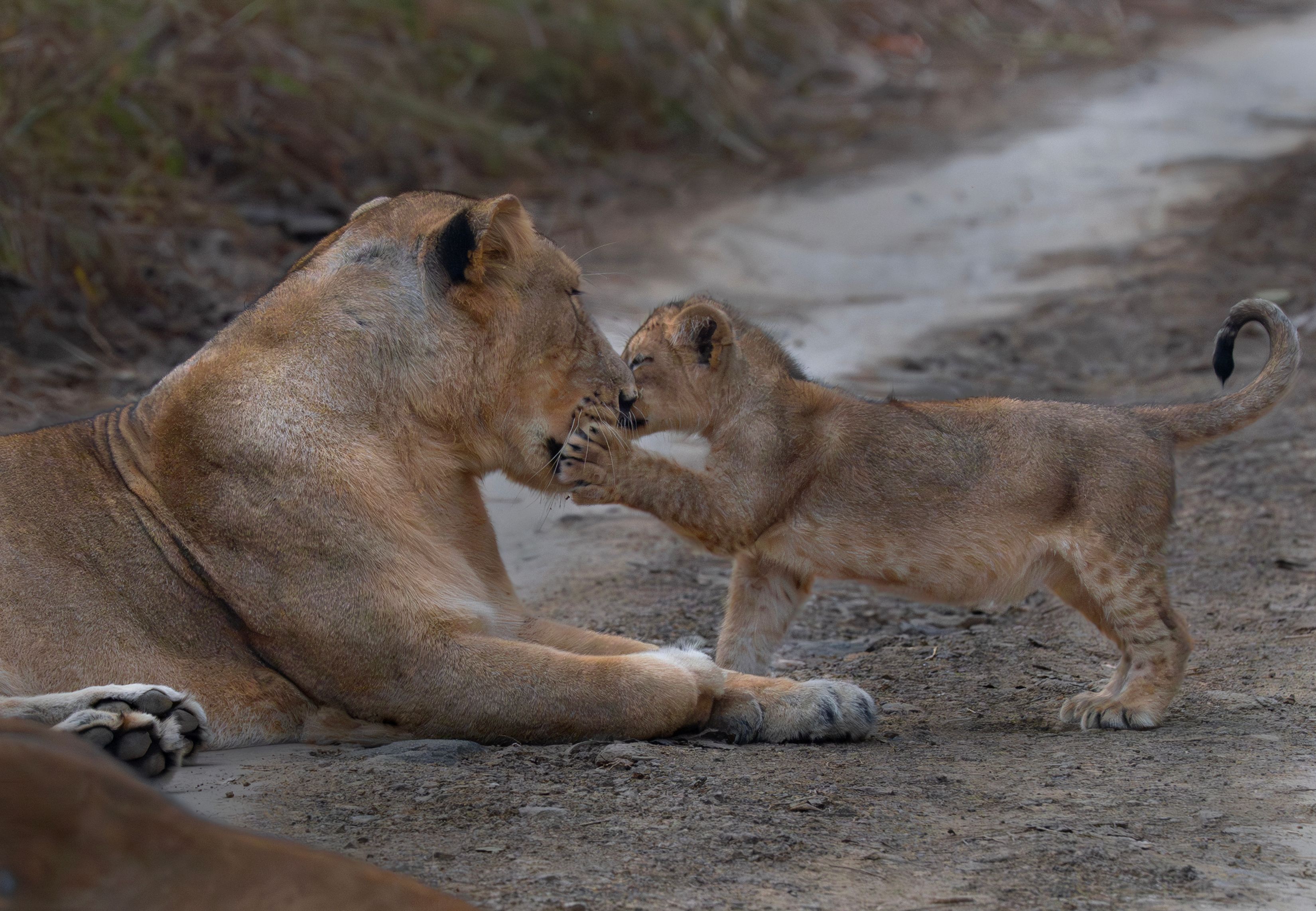
Watching a lion cub play with its mother is always an emotional moment for me. There is something incredibly beautiful about seeing the playful innocence of the cub alongside the patience, protection, and affection of the mother.
So much of wildlife work is waiting and reading the scene — how do you find and anticipate a subject before it ever appears in the frame?
For me, finding wildlife is about luck and learning to read the environment. Before I even raise the camera, I observe the habitat, listen to bird calls and other sounds, watch for movement, and look for signs that an animal has been there. I also try to understand behaviour. Animals have patterns—where they feed, where they rest, how they move, and how they respond to light, weather, and their surroundings. Spending time in the field teaches you to recognize these small clues. Once I have an idea of where the subject might appear, I position myself carefully and wait. I don't want to chase the animal; I want to give it space and allow the moment to unfold naturally.
What's a subject, place, or project you're chasing next?
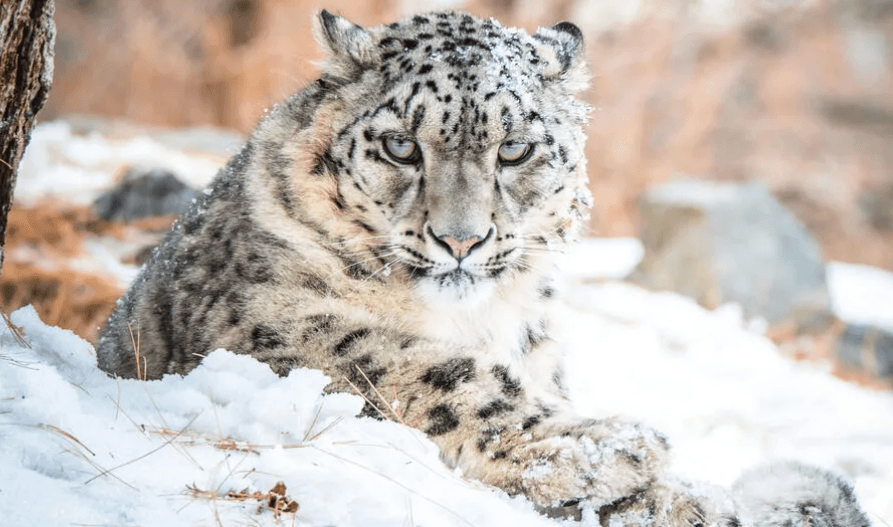
What are you hoping to capture there that you haven't managed to yet?
My next project would be the Snow Leopard. Photographing a snow leopard is not just about having the right camera and lens—it demands physical fitness, endurance, patience, and the ability to work in extremely cold and challenging conditions. The heavy cold, high-altitude terrain, long walks, and unpredictable weather make the experience physically demanding. But that challenge is exactly what attracts me. I want to experience the mountains, understand the habitat of this elusive animal, and patiently wait for that one unforgettable moment when the snow leopard appears against the landscape. For me, the goal is not simply to capture a photograph of a snow leopard. I want to create an image that tells the story of its strength, solitude, survival, and the extraordinary wilderness it calls home.
When a shoot goes exactly the way you dreamed it would, what does that feeling give you?
For me, when a shoot unfolds exactly the way I had imagined, the feeling is difficult to describe. It is a combination of joy, relief, gratitude, and a deep sense of fulfilment. After all the planning, travel, waiting, changing light, and uncertainty, suddenly everything comes together—the subject, the behaviour, the light, and the composition. But the greatest satisfaction comes from knowing that I didn't just capture a photograph; I captured a moment that I had patiently waited and worked for. It reminds me why I walk into the wild in the first place. The image becomes a memory of the entire experience, and that feeling stays with me long after the shutter is pressed.
Contact and Follow
Email: Sudip.roy81@yahoo.co.in
Instagram: Sudipdotroy