

Editor’s note: This feature includes the artist’s first-person reflections on mental health and suicidal thoughts, shared as part of his documentary work. If you or someone you know is struggling, help is available. In India, you can reach Tele-MANAS at 14416 (toll-free, 24×7). Wherever you are, you can find a local helpline at findahelpline.com. You are not alone.
How did your journey in documentary and conceptual photography begin?
My journey began with two important instances. First, when I saw Saturn and Jupiter through a telescope as a part of an Astronomy Group. That five-second visual of Saturn and its moons rotating, while Jupiter was next to it, was a profound experience. I had to go on Google and search for images of them, and while searching for them, I found an article that said the 10 best astrophotographers to follow. Photography became magical and cosmic since then. Second was when I saw Late Legendary photographer Raghu Rai's image from the Bhopal Gas Tragedy of a dead baby being buried in a grave with his dark black eyes as a mysterious hand rubbing sand off the forehead of the baby. This was such an impactful image from a documentary point of view, and I still keep going back to that image again and again.
What was the first project that made you feel like a true photographer?
I don't think I will ever be a true photographer anymore. The death of my father, Jagdish Chander Nagi, and my sister, Marie-France Robichaud, within 2 years span will not allow me to be a true photographer. They were my biggest supporters, and without these two seeing any of my projects has created a big hole in this journey. I will always have the sense that these two people will never see any of my work to give me honest opinions, critiques, and praises when needed. Without their eyes looking at my images, my journey will remain unfinished.
How has your approach to storytelling through photography evolved over the years?
I used to be more diplomatic in my approach to not hurt feelings or pick subjects that were incredibly personal to me. But, as I have improved with my skills, now I tend to pick topics that will invite a dialogue and discussion. Not being afraid of picking topics, for example, criticizing religion, politics, laws, or a sensitive topic like suicide and murder, has been the biggest shift over the years. As a documentarian, I should be challenging, shining light on subjects, or even something that is considered blasphemous, which is my duty. I do this with full awareness that this can bring negative limelight, criticism, physical harm, and even death.
What drives you to focus on documentary and conceptual themes over other genres?
I like telling stories about people and the impacts we make on others, different beings, and our surroundings, even though you will rarely find people in my stories. Spending time with your idea for years to create something important that can help people, make them feel heard, give them importance as fellow human beings, and, above all, make a positive impact through a language which is considered "easy" to do is satisfying. There is no substitute for bringing changes and provoking thoughts on subjects which might not get enough attention that it deserves can only be achieved through documentary, for me. The aspect of documenting, as subjective as it might be, has a realness and rawness to it. Something anybody can see in everyday life.
Which photo best represents your documentary photography style, and what's the story behind it?
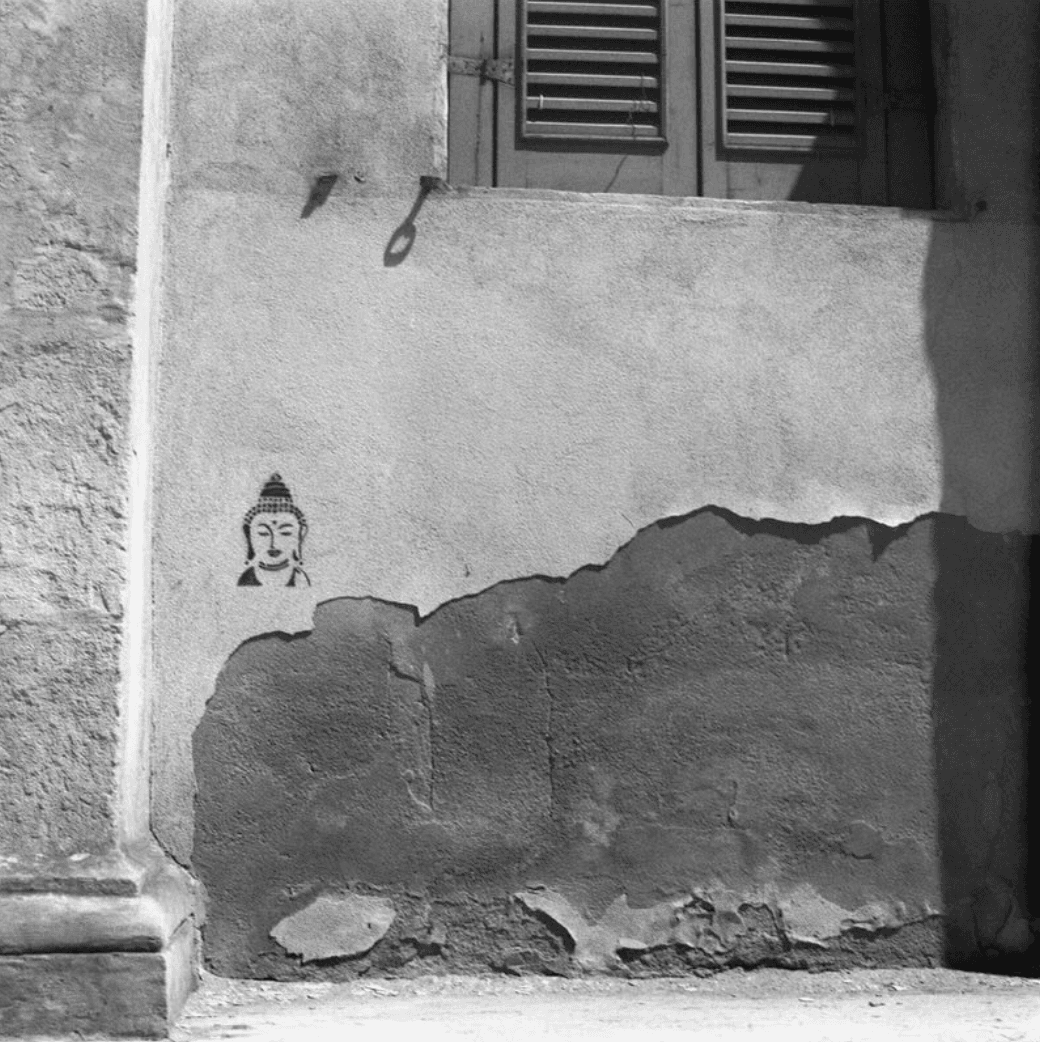
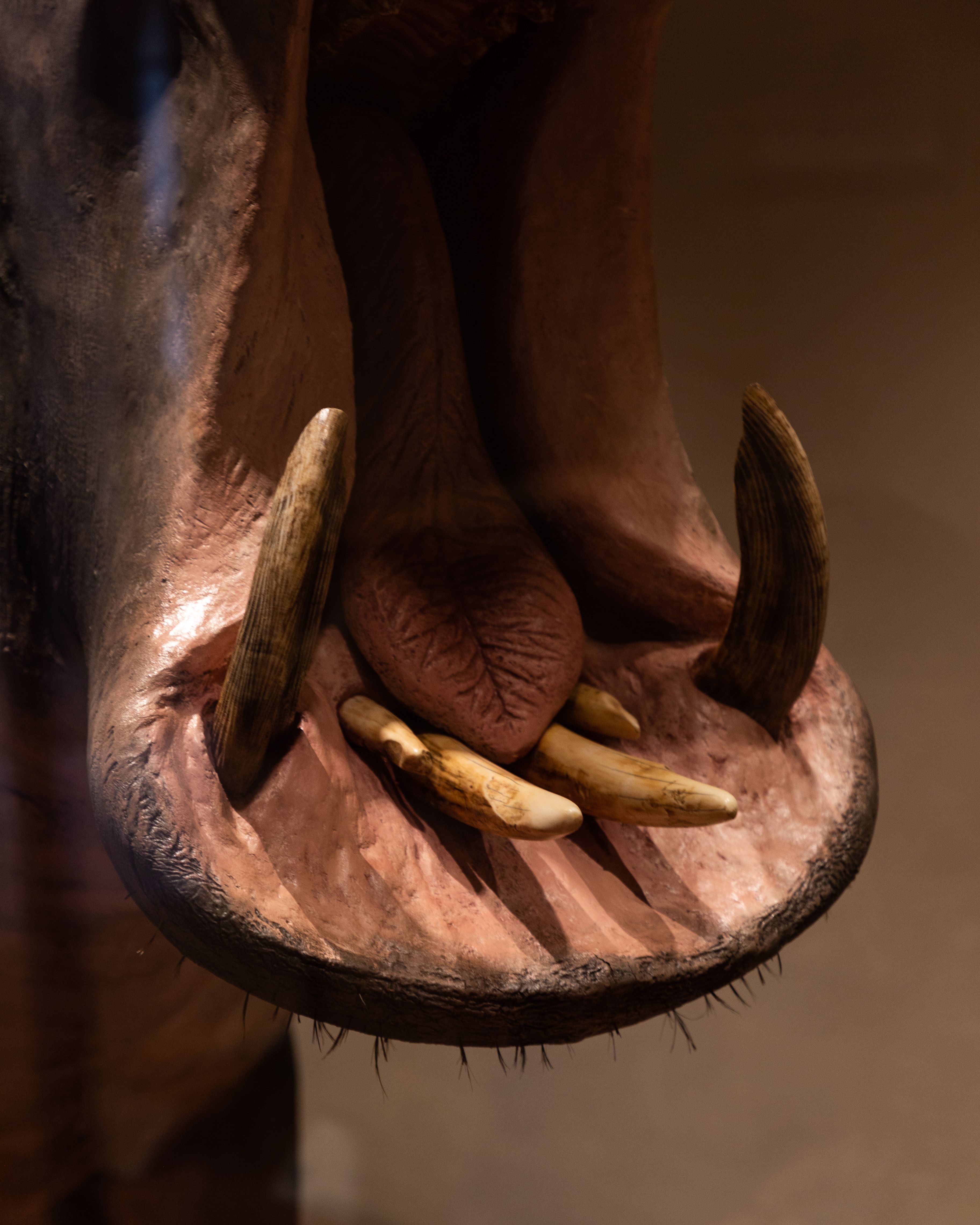
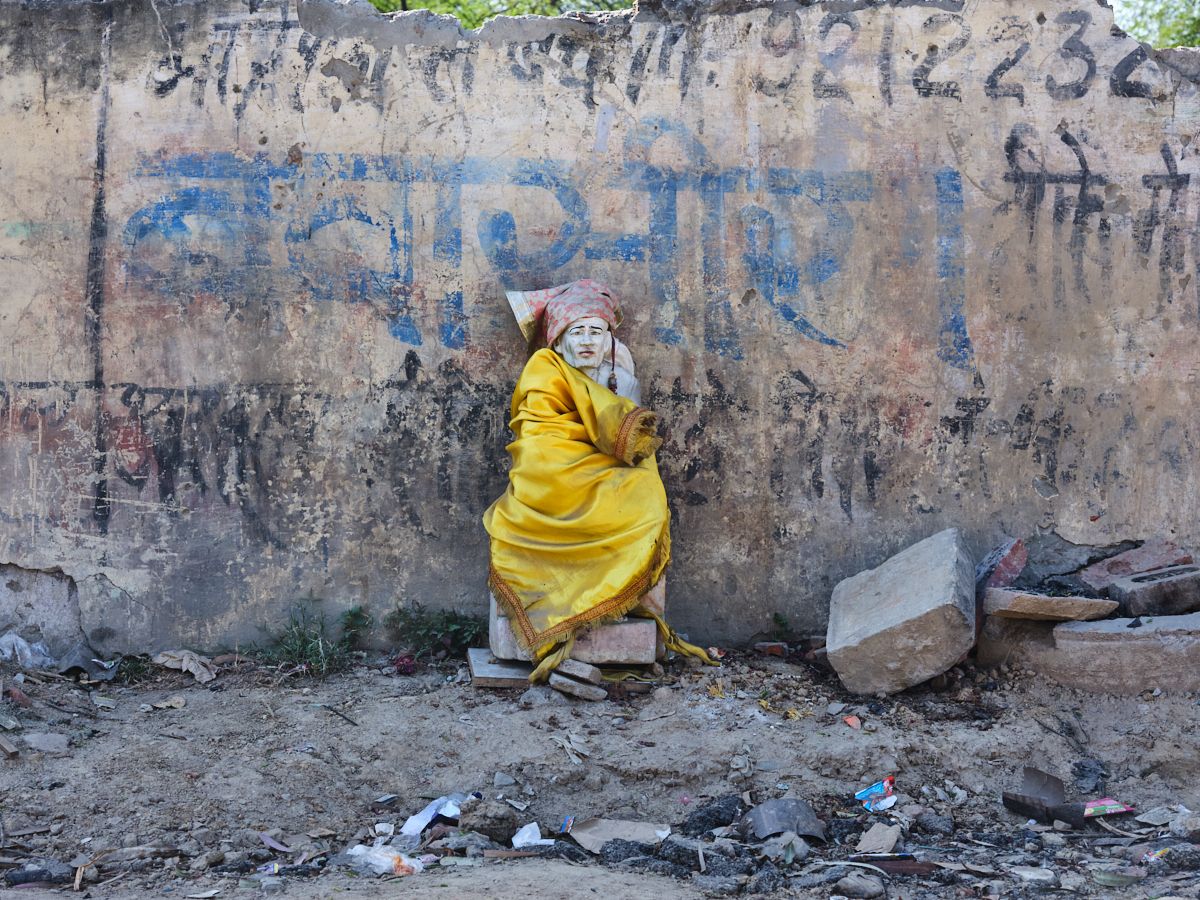
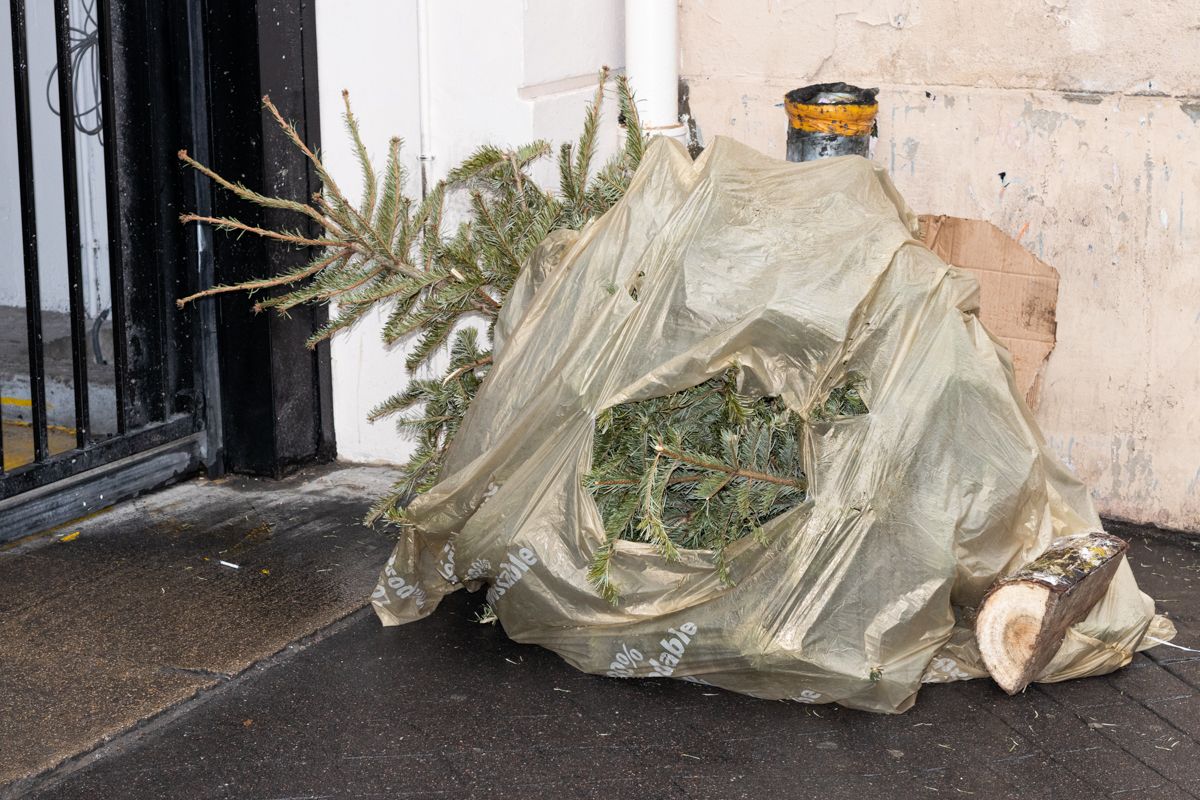
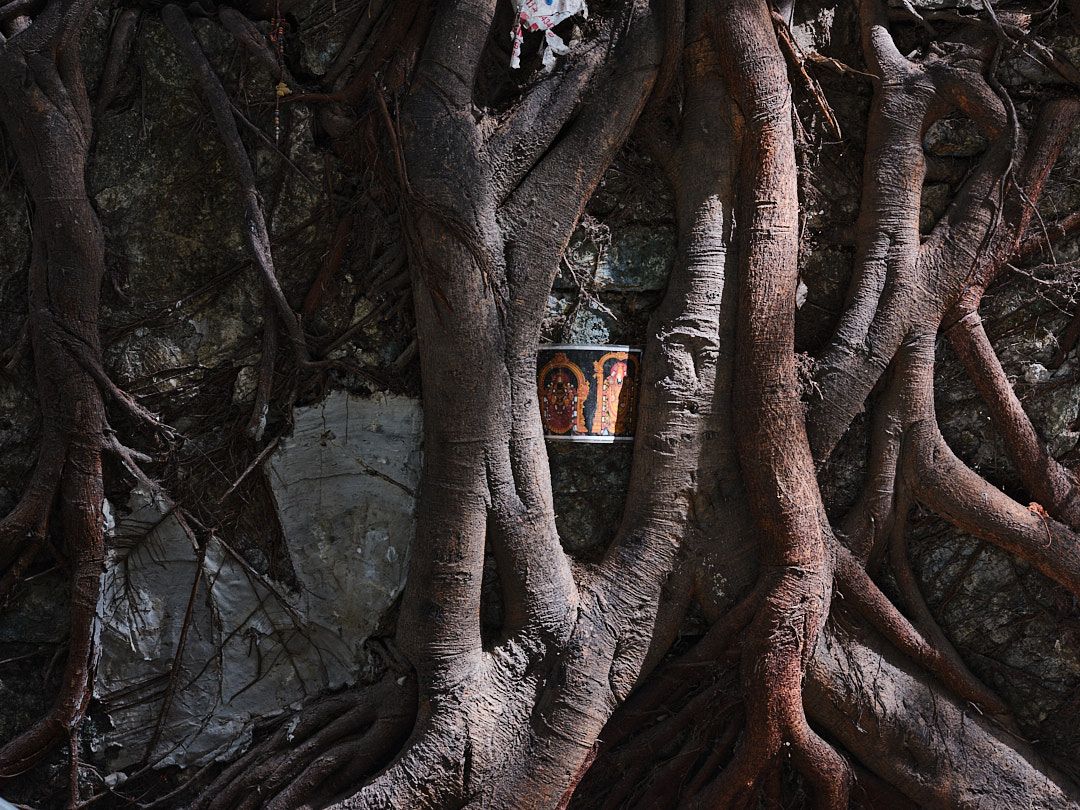
The photo 'Buddha' is from a project called 'Dov'è La Casa Mia' (Where My Home Is). It is the final image from the project, showing my personal life journey, during which I finally found peace and fulfillment. Before leaving for Italy, I was dealing with anxiety and stress. But gradually, as the course went on, I started to find myself. I was free, in peace, around people I loved, spending every minute, and found a new love for analogue photography. The negatives are expensive, and they need time and patience. I started seeing more of the world through a completely different eye. The camera that I was borrowing from school was a Hasselblad 500 C/M, and looking down on my stomach as the camera placement changes your point of view. 120mm, where you can only take 12 images per roll. So, you have to be more aware of what you are taking an image of. The delayed gratification made me cherish everything related to life and photography.
Can you share a conceptual photography piece that required careful planning, and explain the concept behind it?
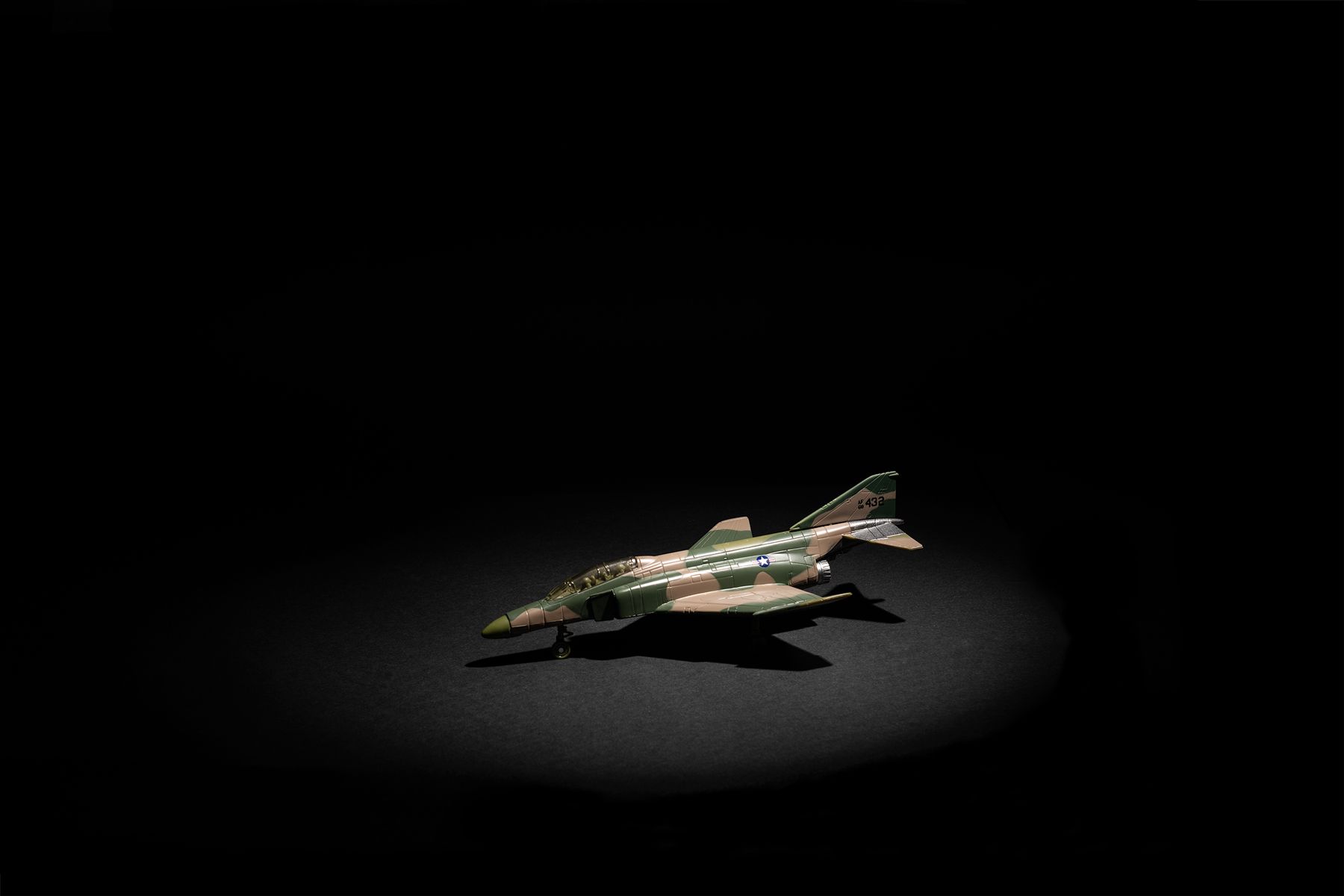
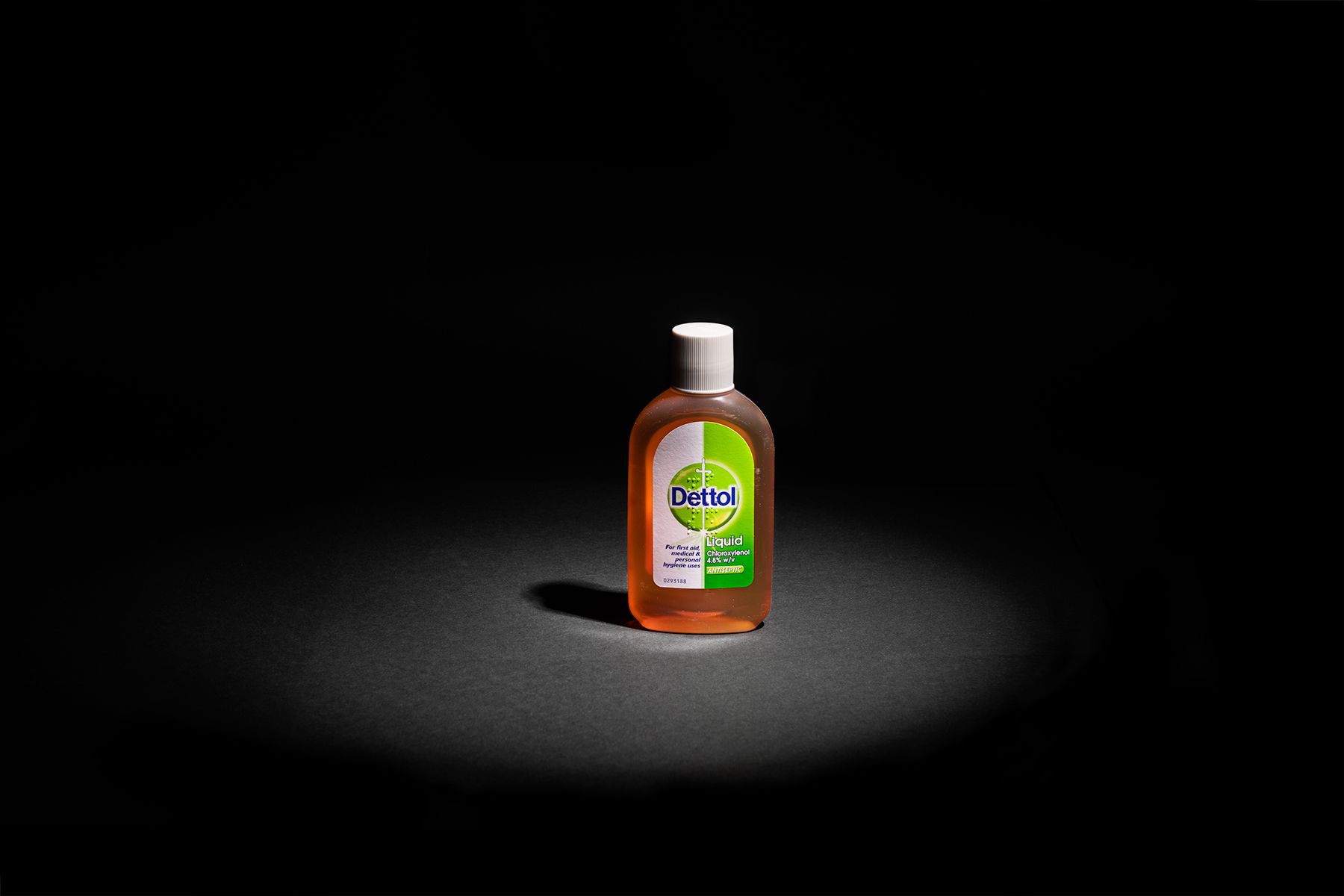
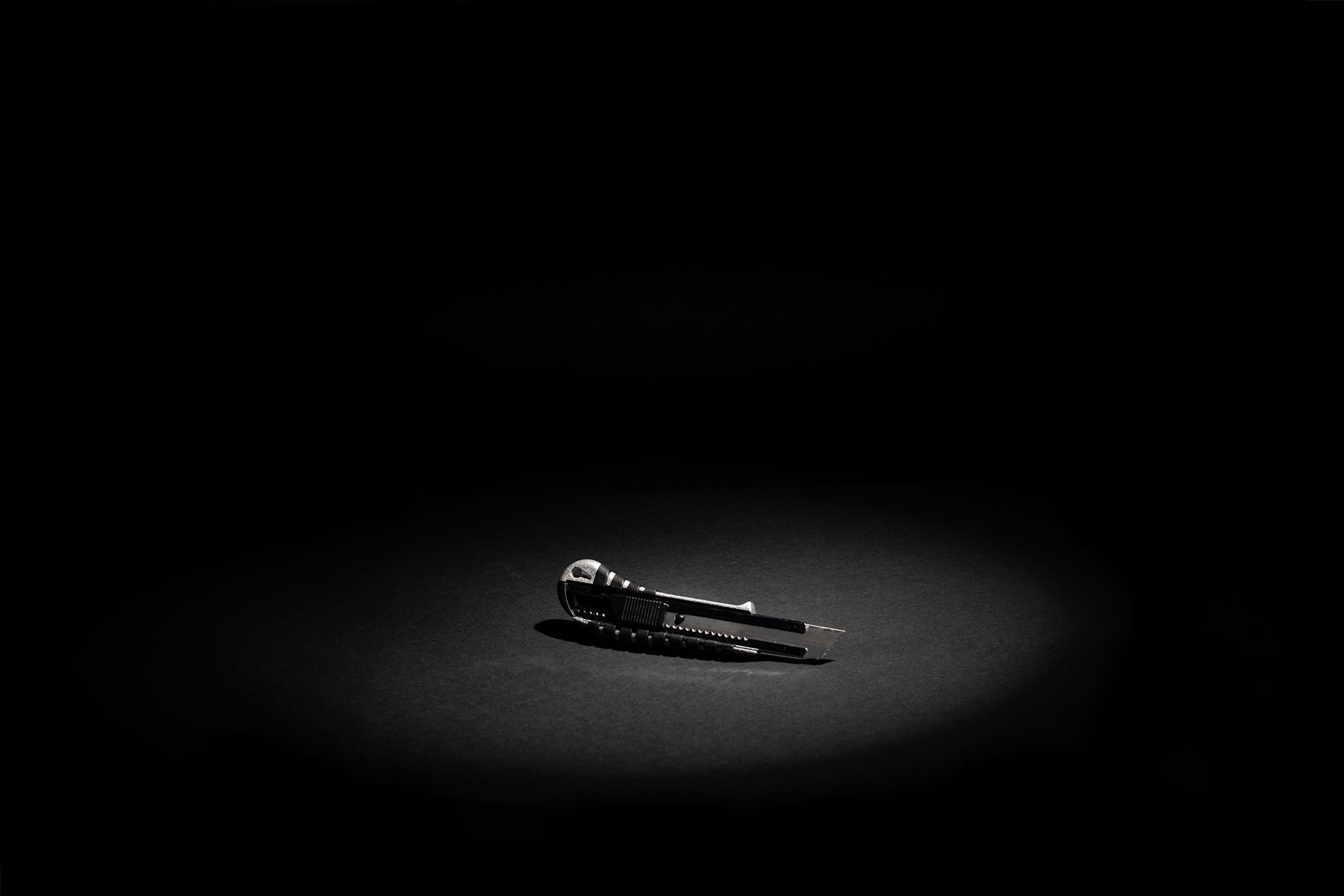
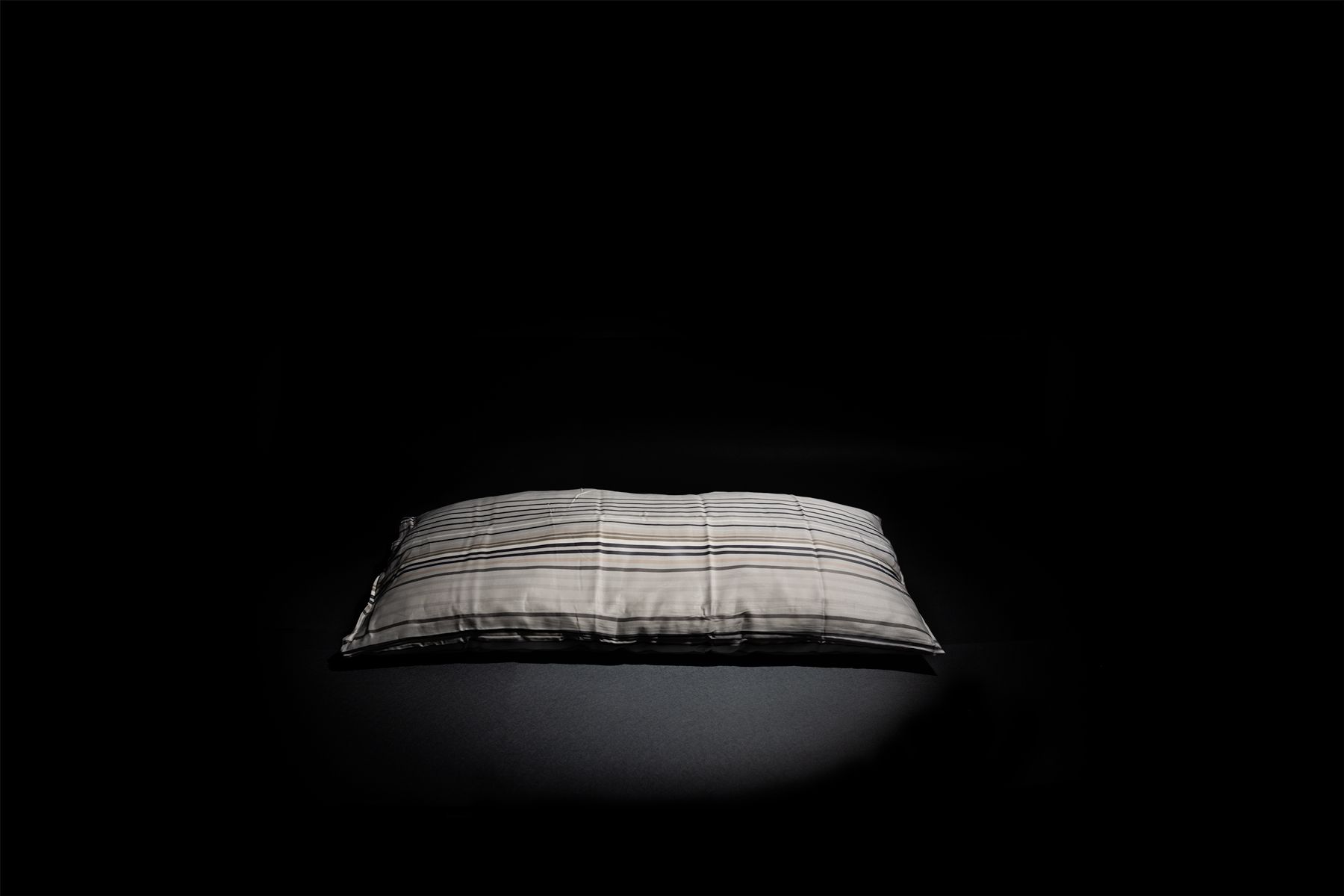
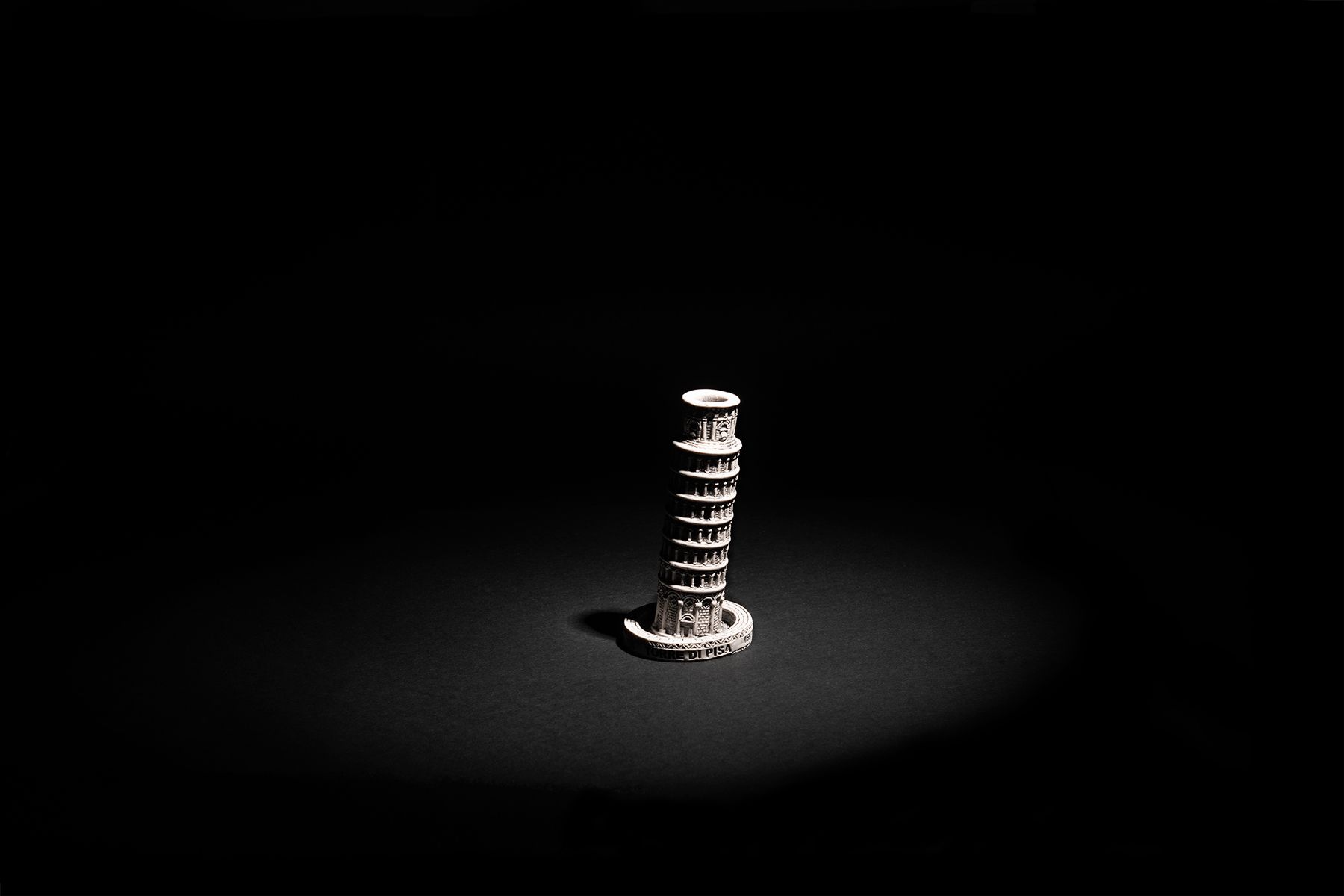
This series was difficult to think about and create. It was my struggles with suicidal thoughts from the ages of 14 to 16. I came up with multiple ways to kill myself. To signify the utter darkness in my life with simple objects, light became the most important component. So, to best represent that, I came up with an idea of only using a flash to just illuminate the object. Rest is complete darkness, representing my own darkness, and those ways of dying are illuminated because they will allow me to live my life once I am dead. Life was killing me, and the only way to live was to die. To show this idea to the best of my abilities, was creating innocent images of objects that were not innocent if seen from this light. It created an eeriness to the photos.
Tell us about an unedited raw photo from a documentary series you're working on, and what you aimed to capture.
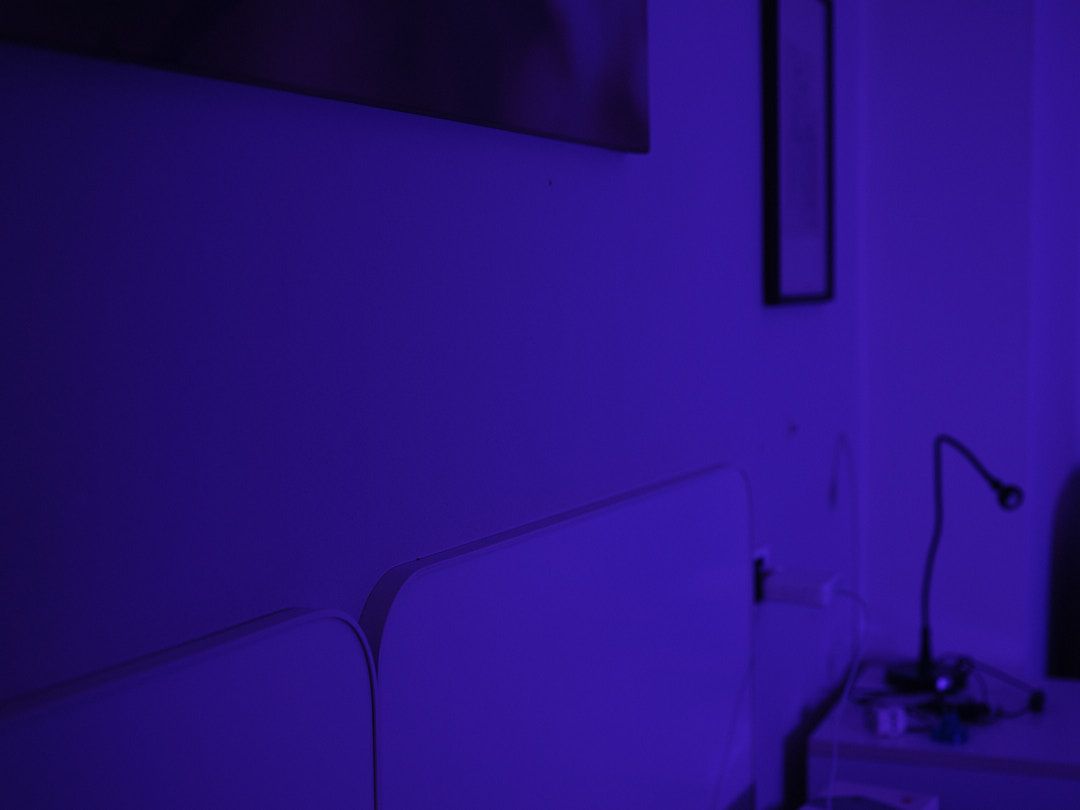
This image is from my series 'Symptoms' I did on my anxiety disorder, using my Italian home as a metaphor for my mind deteriorating over time. The blemishes, cobwebs, dust, paint chipping off from the walls, dirty toilet and kitchen, and so forth are used to showcase the deterioration of the mind in a similar way. It happens gradually and over time. This boring image of the bed needs to be cropped for a close-up, where it is showing round edges going down to meet in the middle. Each day felt like standing on the ledge and falling into that deep, dark hole of nothingness.
What does this behind-the-scenes moment reveal about your working style?
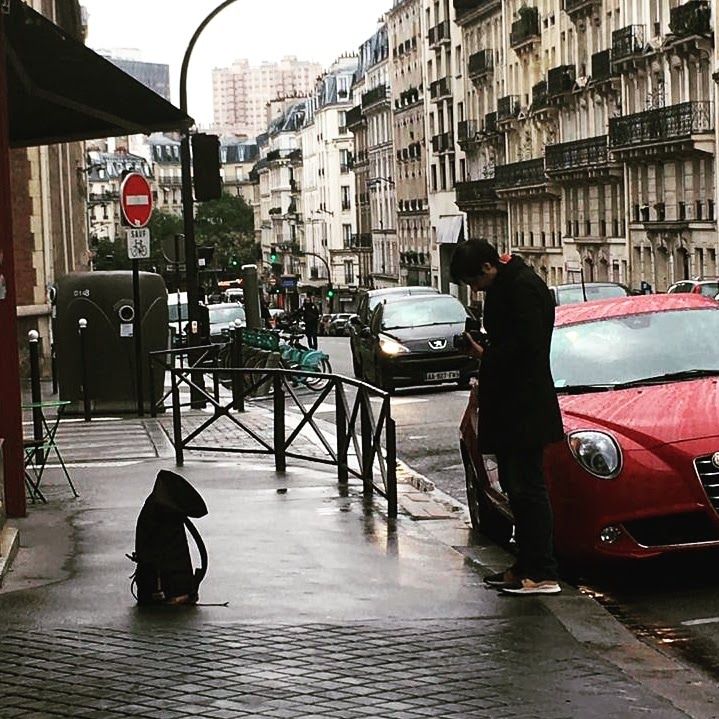
This perfectly encapsulates my working style. With a camera in hand, the only thing that matters is the photo. Being on the streets of Paris in the rain with my bag open, just lying, and I am fully in the moment to take the image. When this photo was taken I had no idea that somebody was shooting it, but I am glad that somebody did. Unfortunately, it is a bit of a grainy photo, but it still delivers the moment.
Walk us through the technical choices you made for this photo that showcases your use of lighting or composition.
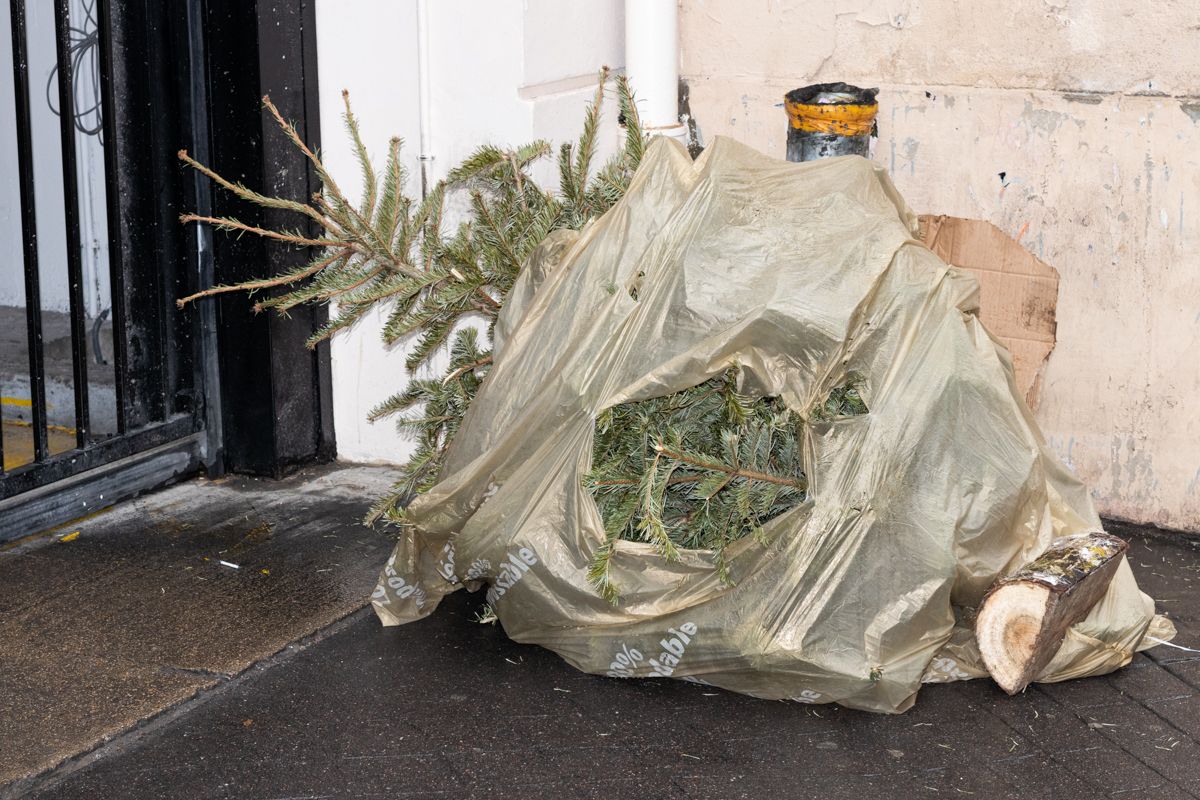
I needed two specific lighting styles for this project: 'Bare Minimum' on trash we throw on the streets. One was overcast weather, grey light, and a harsh flashlight. Light that filters through grey clouds naturally creates a vignetting effect when used correctly with flash. This is what I achieved from this execution to emphasize the garbage we create daily and just throw on the streets. No longer paying attention to the mess we are creating and then complaining about it. This project talks about the accountability of us common people to keep our cities clean. The harshness of the flash compels your eyes to look at these garbage items, which we ignore. Your eyes are drawn to the harshness of light. Even though I used two opposite lighting styles, in this context, it managed to convey the right message.
Why is this photo personally meaningful to you?
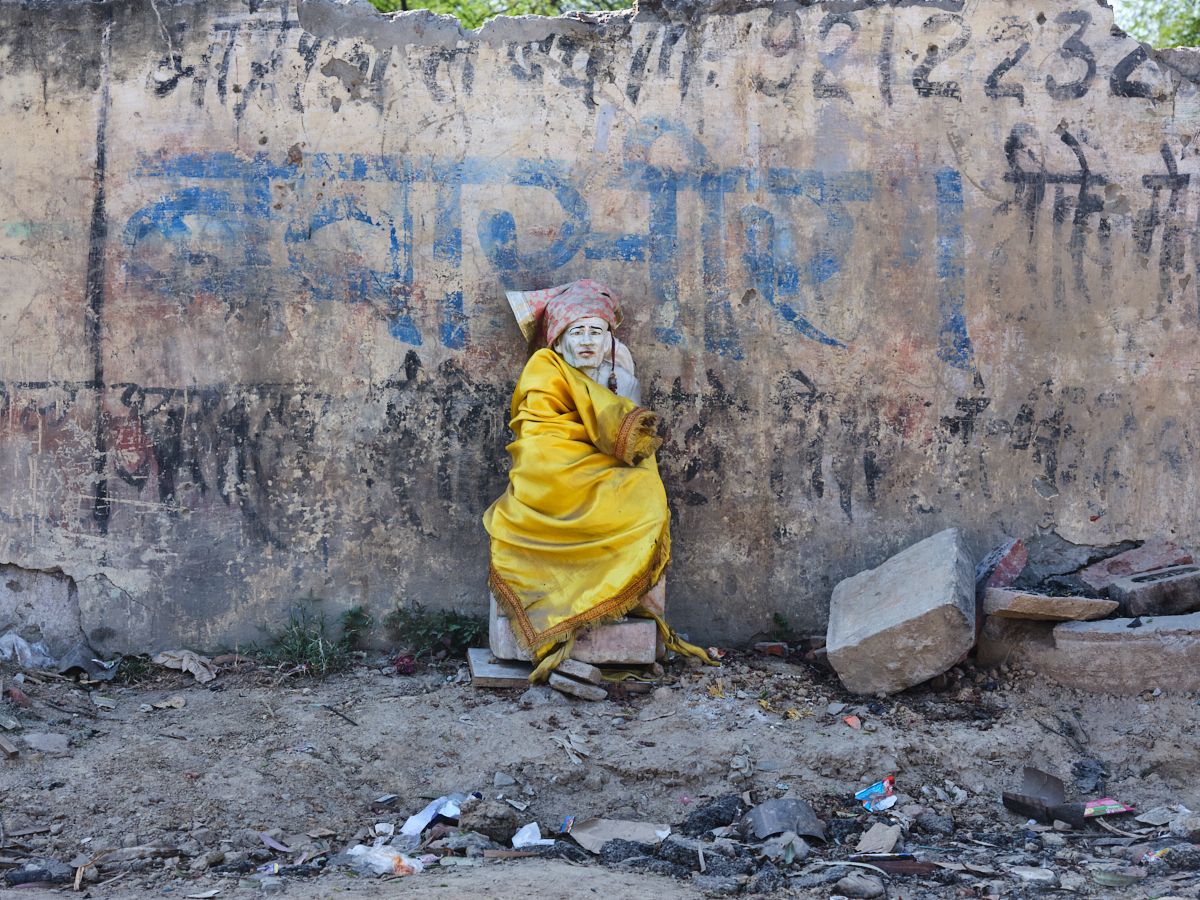
This image signifies my evolution and pushing my boundaries and comfort zone. I had to force myself to start working on projects that could be life-threatening to me. As a documentary photographer, the projects I undertake can not be pleasing to the viewers. It has to make them think about things which are uncomfortable, disturbing, opposing views, and even downright blasphemous, sometimes. I would be a failed documentary photographer if I were not challenging others. I have to ask questions to everybody, including myself.
Contact and Follow
Email: contact@rudranshnagi.com
Instagram: https://www.instagram.com/rudranshnagiphotography/