

How did your journey in wildlife photography begin?
My journey began with simple walks to a nearby lake, where I spent countless hours observing beautiful birds from sunrise to sunset. Fascinated by their colors, movements, and behavior, I started capturing these precious moments on my mobile phone. What began as a hobby soon turned into a passion. With every photograph, my appreciation for nature and wildlife grew stronger. As my interest deepened, I invested in a camera to explore photography more seriously and capture the beauty of birds and nature with greater detail and creativity. Today, photography is more than just taking pictures—it's a way of telling stories, preserving moments, and sharing the incredible beauty of the natural world. Every click of the shutter reflects my love for wildlife, nature, and the endless adventures that await in the outdoors.
When was the first time you had a memorable encounter with a wild animal?
One of my most unforgettable wildlife moments happened while riding from Mysore to Ooty through the beautiful Bandipur forest. As I cruised along the forest road, a young fawn suddenly emerged from the greenery and gracefully jumped in front of my bike. For a few magical moments, it stayed nearby, playfully hopping and leaping around as if curious about its unexpected visitor. Surrounded by the serene wilderness, the encounter felt almost unreal—a rare and heartwarming connection with nature in its purest form. Watching the innocent fawn move freely through its natural habitat remains one of my most cherished wildlife memories and a reminder of the unexpected wonders that await in the wild.
How has your experience and approach to wildlife photography grown over the years?
My wildlife photography journey began with simple walks to a nearby lake, where I spent hours observing and photographing birds with my mobile phone. What started as casual captures soon turned into a deep passion for wildlife and nature. As my interest grew, I invested in a camera and began exploring forests, wetlands, and natural habitats to document wildlife more seriously. Over the years, my approach has changed significantly. In the beginning, I was focused mainly on getting a photograph. Today, I focus on understanding animal behavior, respecting their space, and telling a story through each image. Patience has become my most valuable tool. Instead of chasing a shot, I spend time observing and waiting for the right moment when nature reveals something unique. Memorable encounters, such as watching a playful fawn leap around my bike in Bandipur Forest on the way to Ooty, taught me that wildlife photography is about much more than technical skills. It is about experiencing nature, appreciating its beauty, and capturing authentic moments that inspire others to value and protect wildlife. Every photograph now represents not just a subject, but a story, an emotion, and a connection with the natural world. The journey continues to teach me new lessons, and each outing brings the excitement of discovering something extraordinary.
What drives you to continue capturing wildlife moments?
What keeps me passionate about wildlife photography is the thrill of witnessing moments that are unique, unpredictable, and impossible to recreate. Every time I step into nature, there is a sense of anticipation—never knowing what I might encounter next. From the birds I first photographed near a local lake to unforgettable experiences like a playful fawn crossing my path in Bandipur Forest, each encounter has deepened my connection with the natural world. Wildlife photography allows me to tell stories that many people may never get the chance to witness firsthand. Through my images, I hope to share the beauty, behavior, and emotions of wildlife, inspiring others to appreciate and protect these incredible creatures and their habitats. It is also a continuous learning journey. Every outing teaches me something new about animal behavior, patience, light, composition, and the delicate balance of nature. The challenge of capturing a fleeting moment and preserving it forever is what keeps me coming back. For me, wildlife photography is more than a hobby—it is a way of connecting with nature, creating lasting memories, and sharing the wonder of the wild with others.
What does your best wildlife photography work look like?
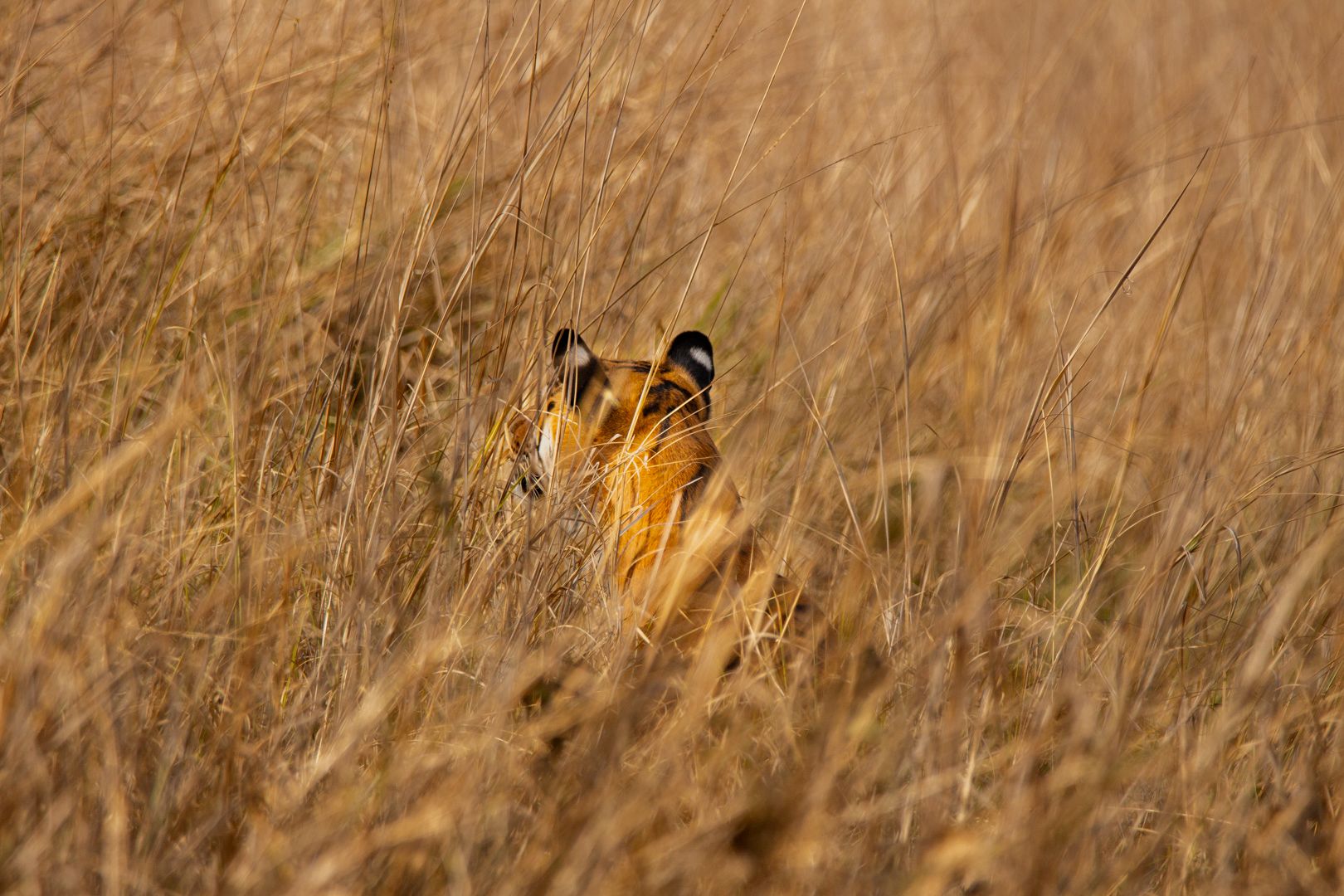
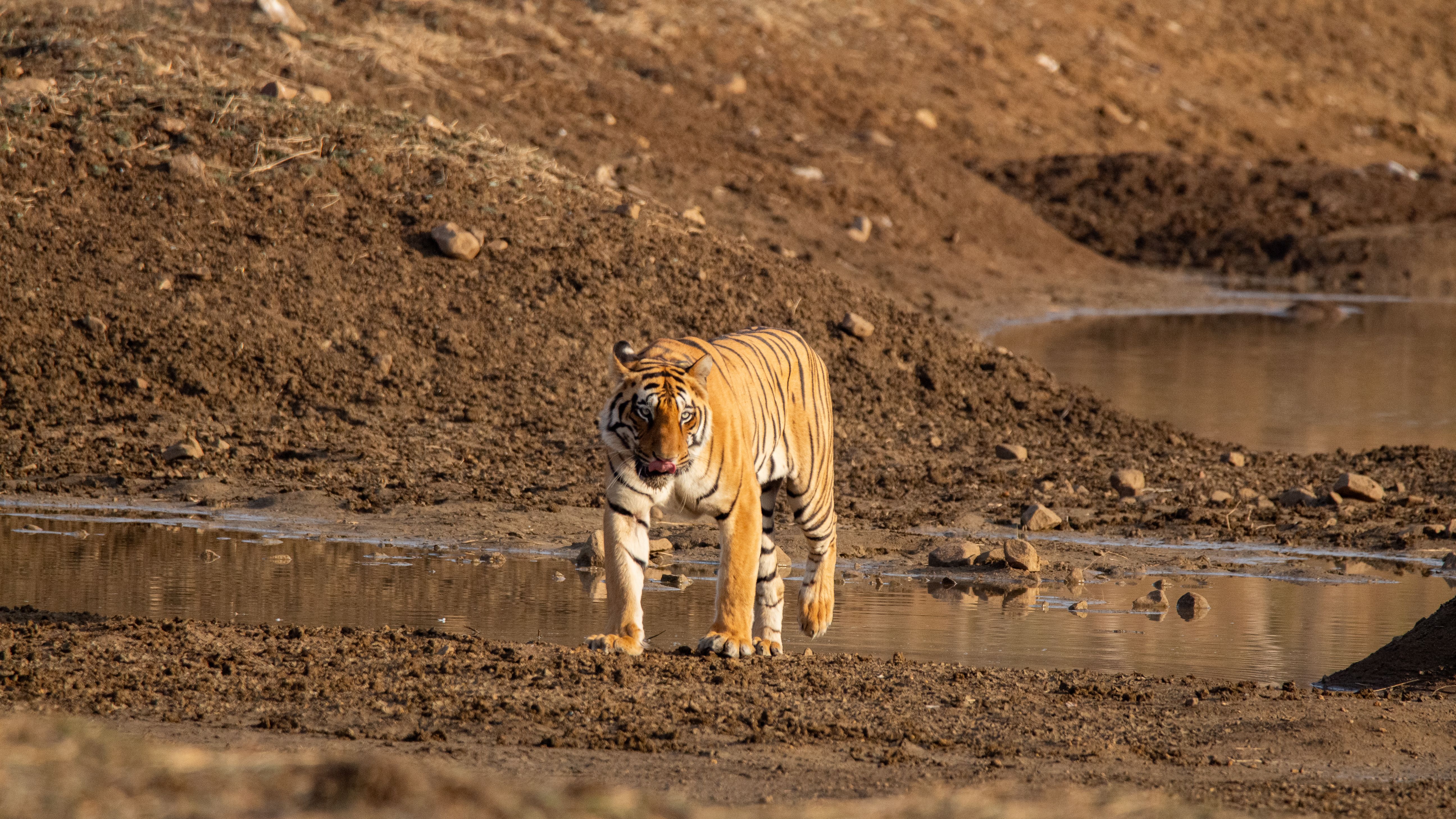
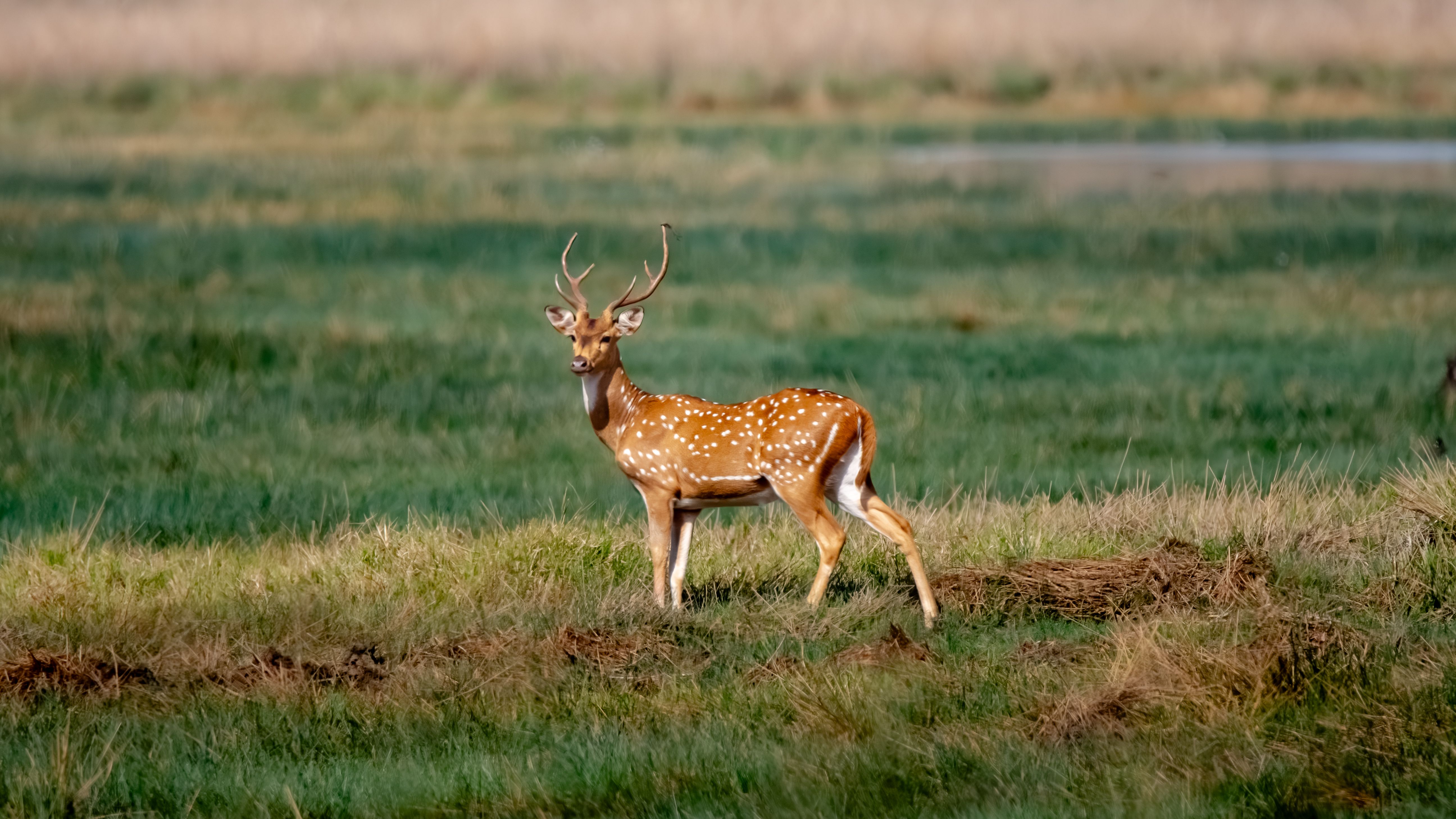
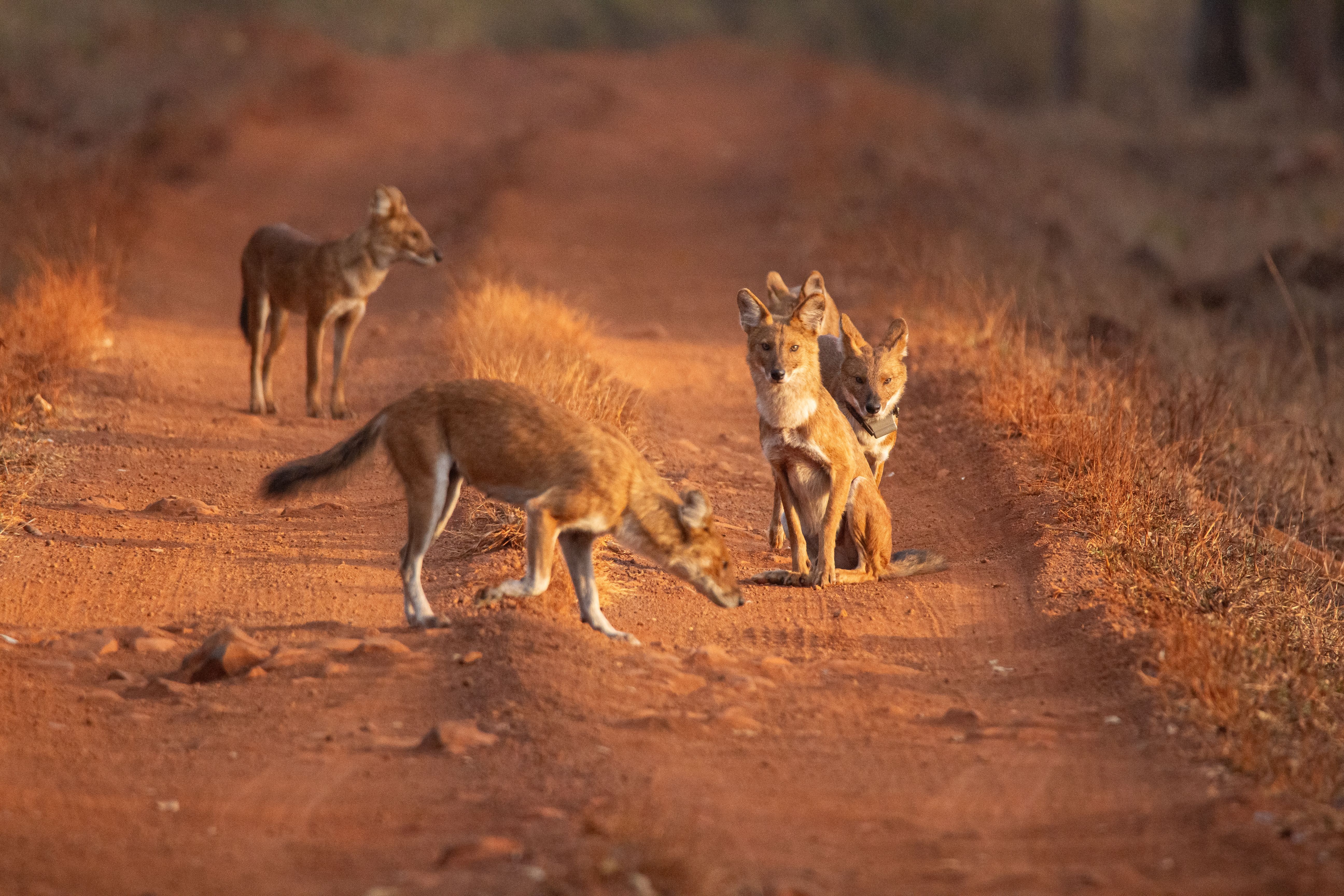
The Silent Hunter. This captivating wildlife photograph captures a tiger moving stealthily through a sea of golden grass, perfectly demonstrating the art of camouflage in the wild. Only part of the tiger's face, ears, and distinctive orange-and-black markings are visible, while the rest of its body blends seamlessly into the surrounding vegetation. The tall, sunlit grass dominates the frame, creating a sense of mystery and anticipation. The tiger appears focused and alert, perhaps stalking prey or carefully surveying its surroundings. The warm tones of the dry grassland complement the tiger's coat, making the image a striking example of how predators use their natural environment to remain hidden. What makes this photograph particularly powerful is that the tiger is not fully revealed. Instead, the viewer is invited to search through the grass and discover the animal, recreating the experience of spotting a tiger in its natural habitat. The image tells a story of patience, stealth, and the untamed beauty of the wild.
What settings and techniques did you use for the raw photo you uploaded?
Settings: Shutter Speed: 1/1600, F: f/5.6, Metering Mode: Matrix, Focal Length: 309 MM. Technique: 1. Natural Behavior Photography: The bird was captured during a natural activity—investigating or nesting in a tree cavity. This adds storytelling value to the image. 2. Use of Negative Space: The bird is positioned on the far right of the frame, leaving a large expanse of blurred green background. This composition creates visual balance, highlights the subject, and gives the image a professional wildlife-photography feel. 3. Shallow Depth of Field: A wide aperture and long focal length help separate the bird from the background, producing the creamy bokeh. 4. Eye-Level Perspective: The camera appears to be positioned close to the bird's height, making the viewer feel immersed in the scene. 5. Focus on Texture: The contrast between the vibrant green feathers and the rugged bark adds depth and visual interest. Post-Processing Likely Applied: Slight increase in contrast, selective sharpening on the bird and tree bark, background noise reduction, minor vibrance enhancement to emphasize the bird's green plumage, and a possible crop to strengthen composition.
What photo showcases your patience and dedication in wildlife photography?
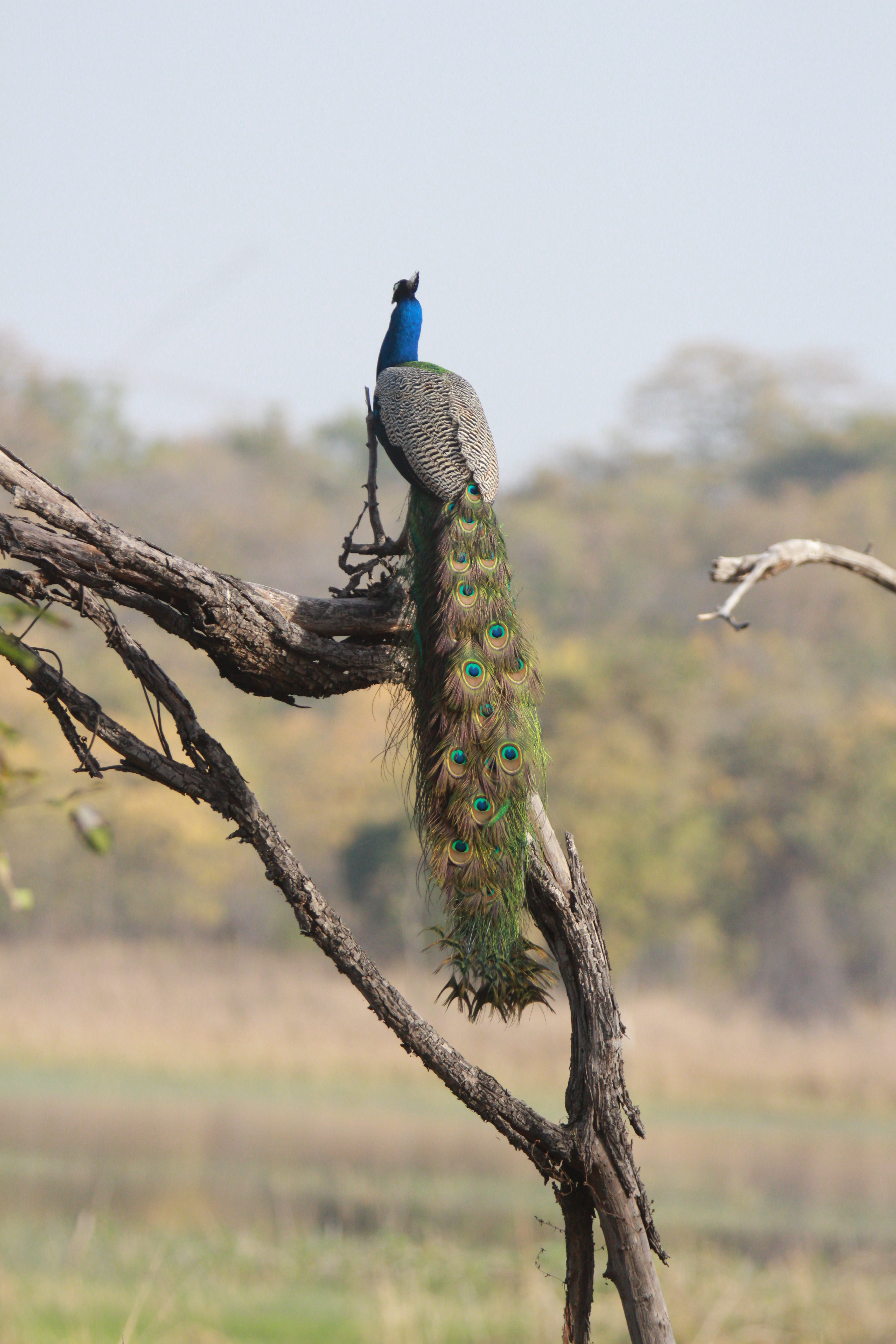
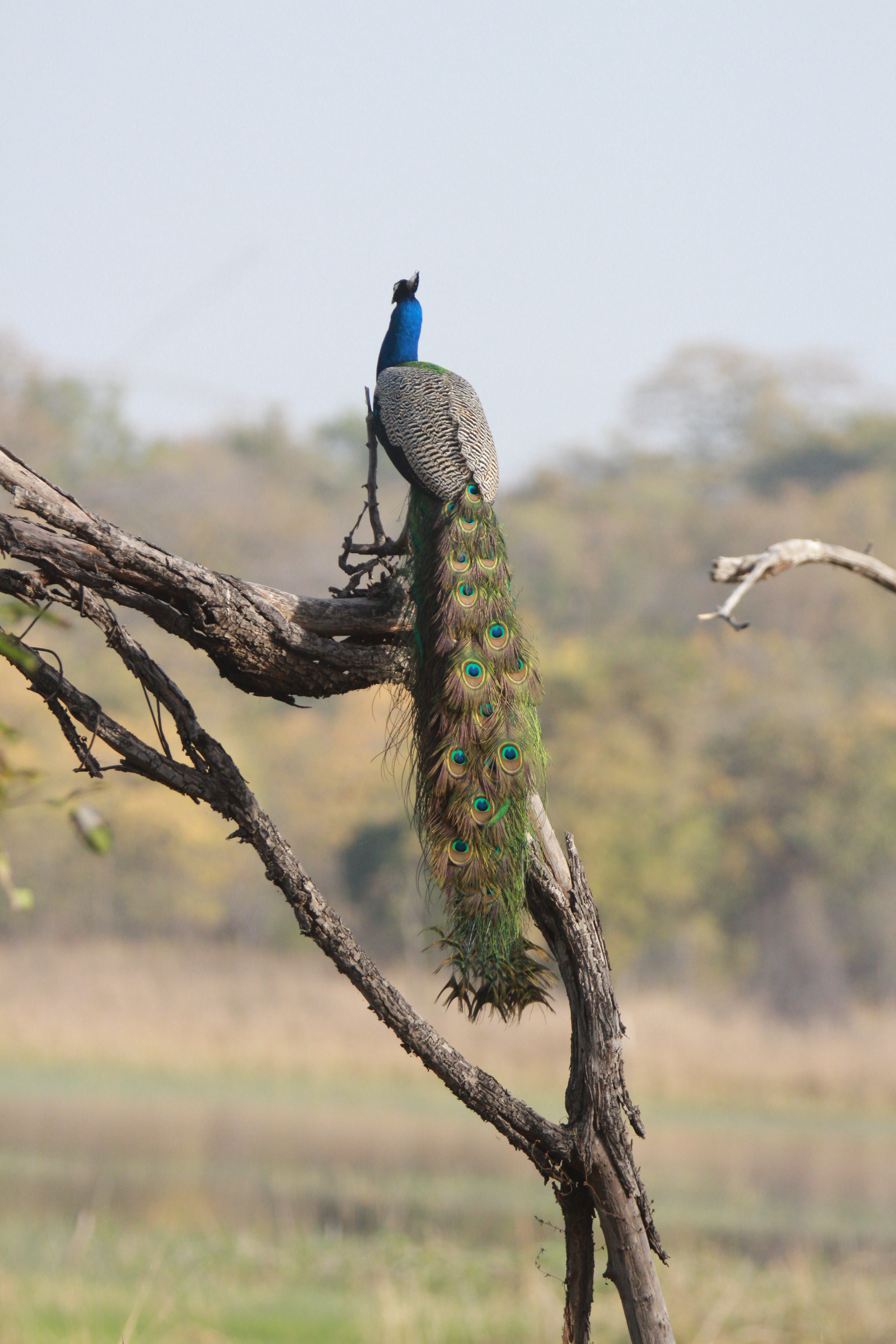
Birds have always been sensitive to movements. Capturing the peacock in the wild along with 10 people was a tough task. A small whisper from people would have made the peacock fly away, so my mind was already made up with basic settings and I kept the camera in burst mode to capture the peacock.
What was the most challenging aspect of capturing that photo?
Birds have always been sensitive to movements. Capturing the peacock in the wild along with 10 people was a tough task. A small whisper from people would have made the peacock fly away, so my mind was already made up with basic settings and I kept the camera in burst mode to capture the peacock.
Describe your typical gear preparation for a wildlife shoot.
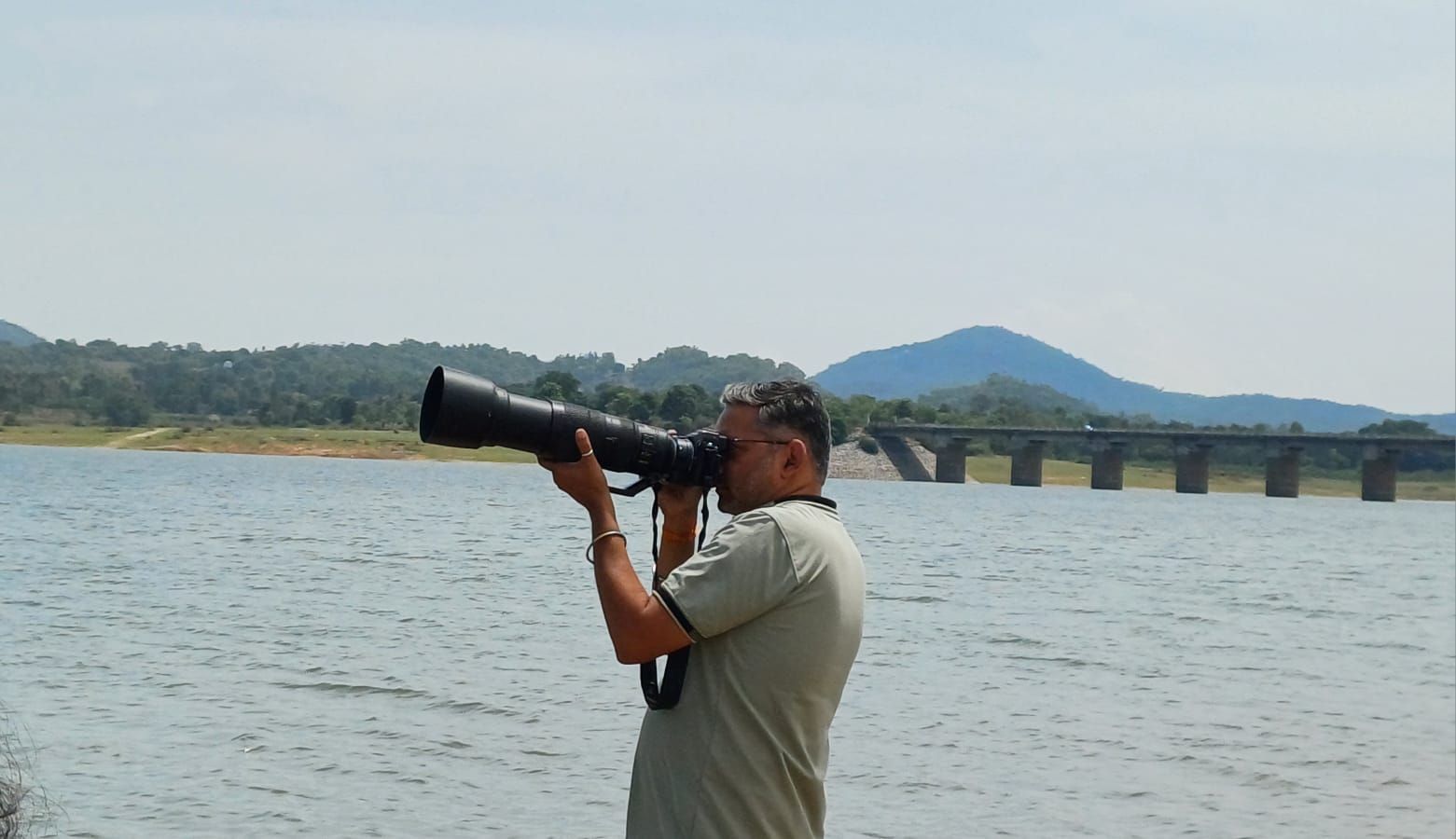
I carry my telephoto lenses 70-300mm and 200-500mm along with crop sensor and full frame cameras to capture the shortest and longest distance of the subject, depending upon the subject's movements.
What makes that moment special to you?
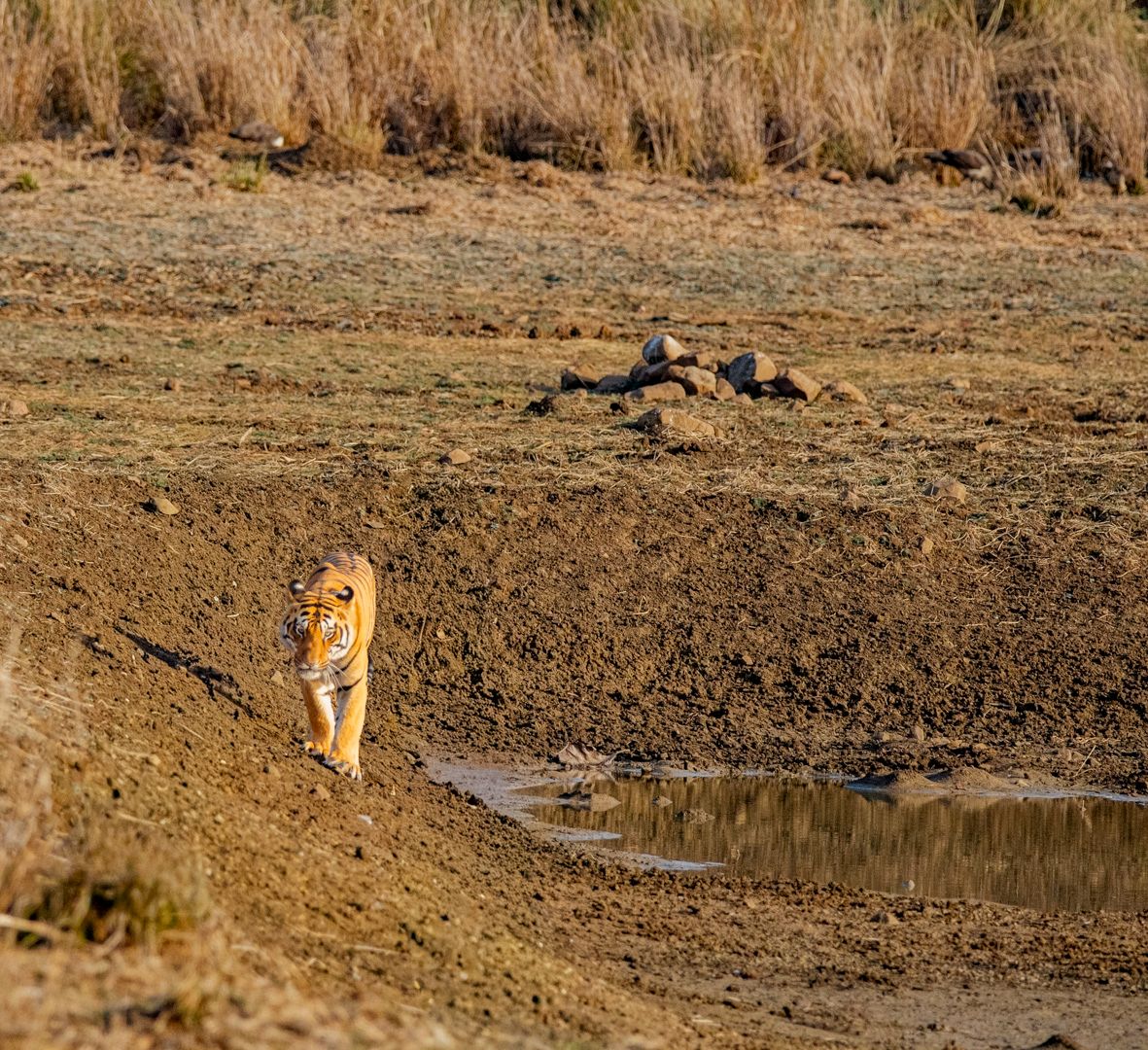
The tiger was approaching the water reservoir and suddenly turned and walked towards us, which made us all furious wondering what happened suddenly. Generally, tigers sip the water and move ahead, but it was unusual behavior.
What editing techniques did you apply to that photo?
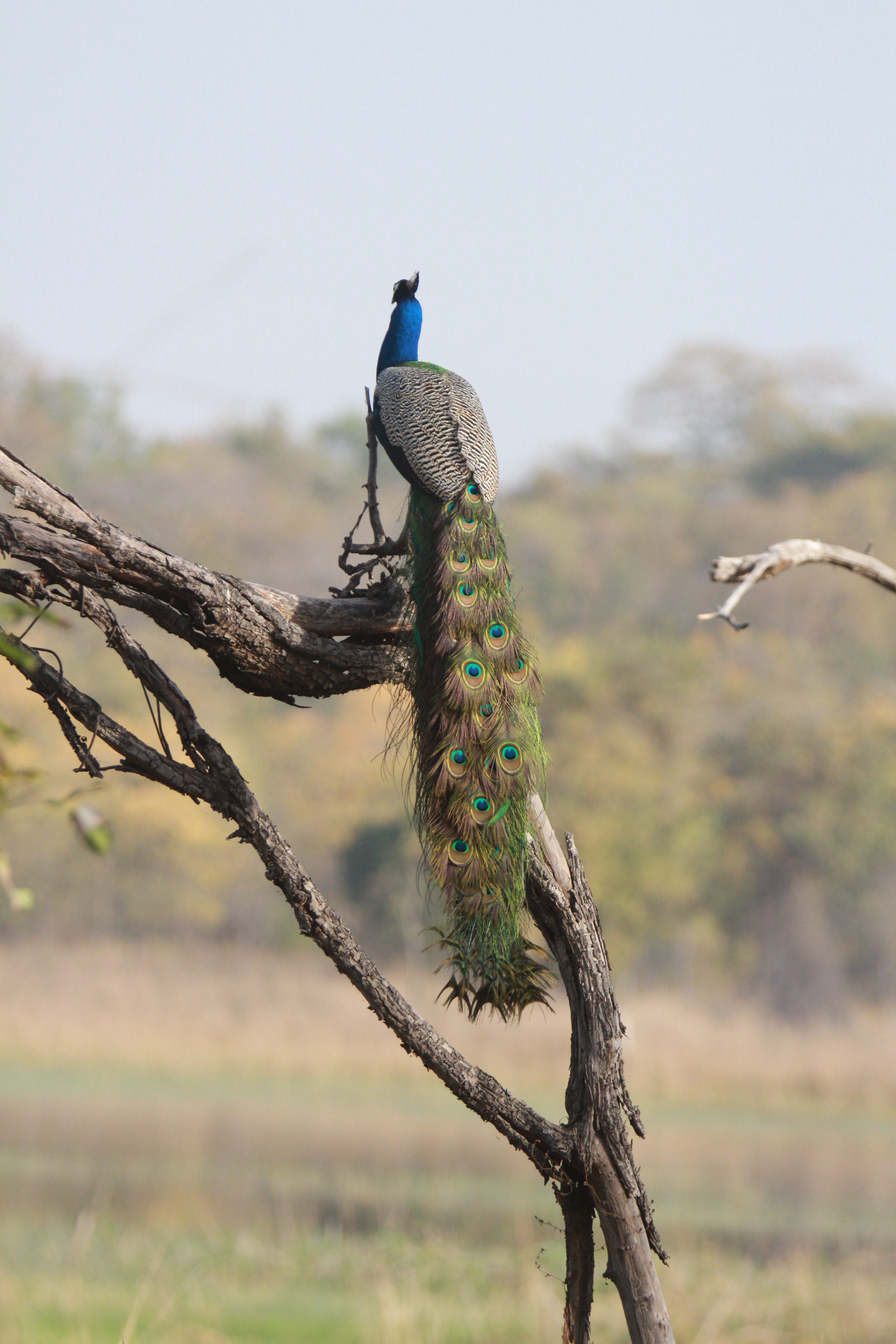
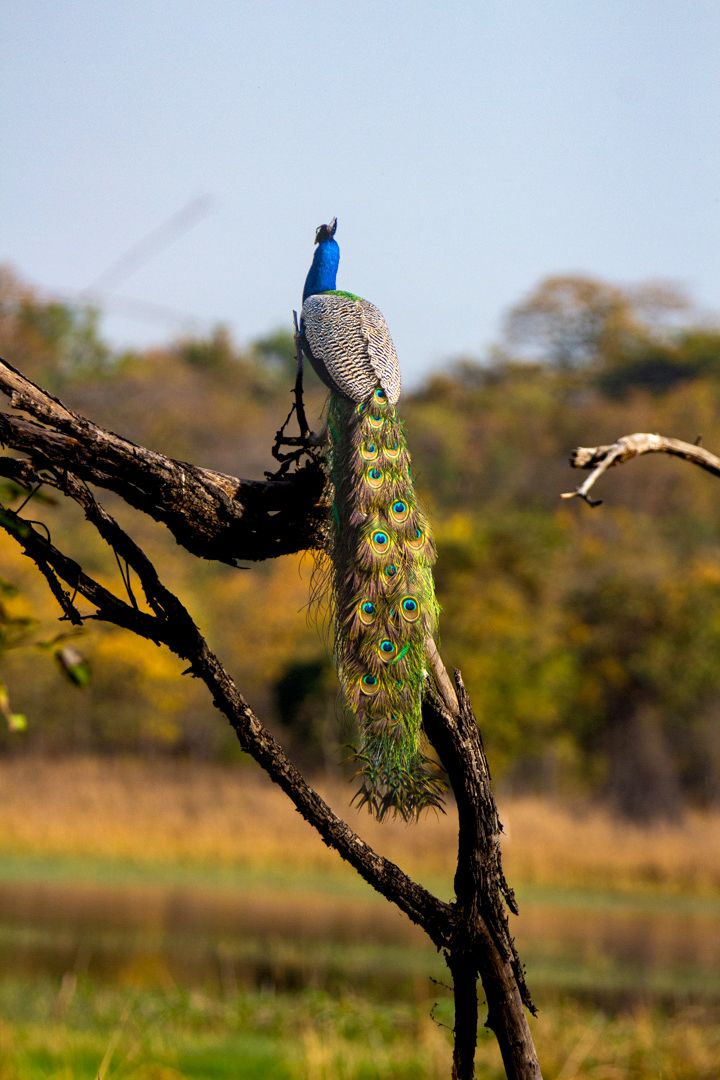
Since it was shot in daylight, I lowered the contrast and exposure to match the natural color of the peacock feathers and background, and matched the saturation of the subject and background.
Contact and Follow
Email: singhaniarmn@gmail.com
Instagram & Youtube: instagram.com/3artzcreative, youtube.com/3artzcreative