

How did your journey in wildlife photography begin?
It all started 12 years ago with a simple point-and-shoot camera. I originally bought it just to take photos of flowers, landscapes and family portraits while travelling. Everything changed one quiet morning during a Dussehra vacation in Kerala. I was relaxing on the terrace of my wife's family home when I noticed a tiny bird chirping away in a nearby firebush tree. For some reason, I just couldn't take my eyes off it. I felt a sudden, strong urge to take its picture, so I grabbed my little camera and took a shot. The photo was very blurry. When we returned the next year, I tried with better efforts, but the pictures still didn't look good. I realized I needed better gear if I wanted to do this right. So, I bought a basic DSLR camera and started learning simple techniques from YouTube. It took a lot of trial and error. At first, I could only photograph birds while they were sitting still on branches. But soon, I challenged myself to capture them mid-flight. Looking back, that one blurry little bird on a quiet morning was the exact moment my wildlife photography journey truly began.
What was the first wildlife subject that truly captivated you?
The tiny creature that pushed me to buy my very first DSLR was a purple sunbird. It was my very first subject, and even today, it is the one bird that fascinates me the most. I absolutely love framing them against beautiful, colorful backgrounds. Every time I look at them through my lens, I am reminded of a simple truth: life's real beauty is usually hiding right in front of us in the smallest and simplest things.
How has your approach to wildlife photography evolved over the years?
With purchase of a DSLR camera and began photographing birds around my home in Hyderabad, soon, I discovered Fox Sagar, a large lake nearby. I started spending all my free time there, watching and photographing cormorants, ducks, herons, and storks. What started as a casual hobby quickly became a passion. My weekend mornings were completely taken over by the "golden hour" light, watching how birds behave. I even upgraded my camera gear and taught myself better techniques online. Then came the turning point that changed my life. One day, while looking at photos by famous wildlife photographers on social media, I sighed and told my daughter, "I don't know if I will ever be able to take pictures as good as these." My daughter, who is also my photography buddy, looked at me and said, "If you want the best, you need to step out of your comfort zone. You need to travel." That was the spark. In October 2021, she and I went on my very first wildlife safari to Kabini. From that moment on, there was no looking back. I started traveling to sanctuaries across India. I photographed mammals, birds, and beautiful landscapes. Sometimes, I just sat quietly and got lost in the silence of nature. The more I travelled and the more people I met on safaris, the less I cared about just taking a "wow" picture. My perspective shifted. I started noticing the deeper stories: how animals survive, how habitats are being lost, and the painful conflicts between humans and wildlife. This way, my passion found a purpose. I realized my camera shouldn't just take pretty pictures—it needs to tell stories that help protect these animals and their homes. Now, I use my photography to give back. Every year, I create a wildlife calendar focused on conservation and respecting nature. I give these to my friends, family, and colleagues, with one simple request: show these to your children. I want to plant a seed of awareness in young minds. If children learn to love and respect nature today, they will grow up to protect it tomorrow. When saving nature becomes a habit passed down through generations, it stops being an effort—it becomes our culture.
What piece of advice would you give to aspiring wildlife photographers?
Whether you shoot for passion or profession, master your craft and study animal behaviour. Most importantly, remember you are a guest in their home, always shoot without disturbing them. A sharp portrait is great, but a story is unforgettable. Look for the deeper narrative: the struggle for survival, the changing habitats, and the quiet rhythm of nature. Let your curiosity about the ecosystem outshine your desire for social media likes.
Which photograph best represents your best wildlife photography work, and what makes it special?
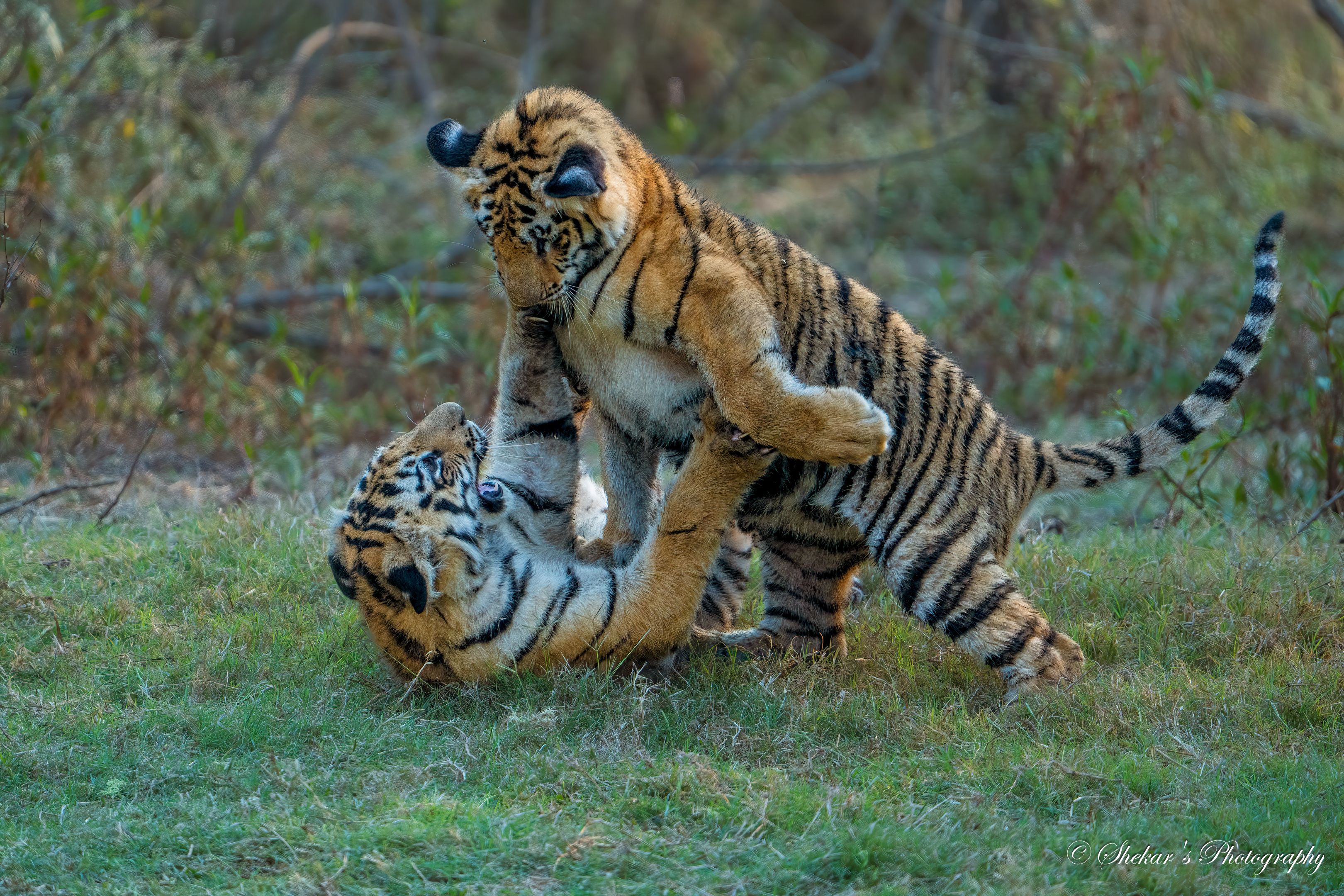
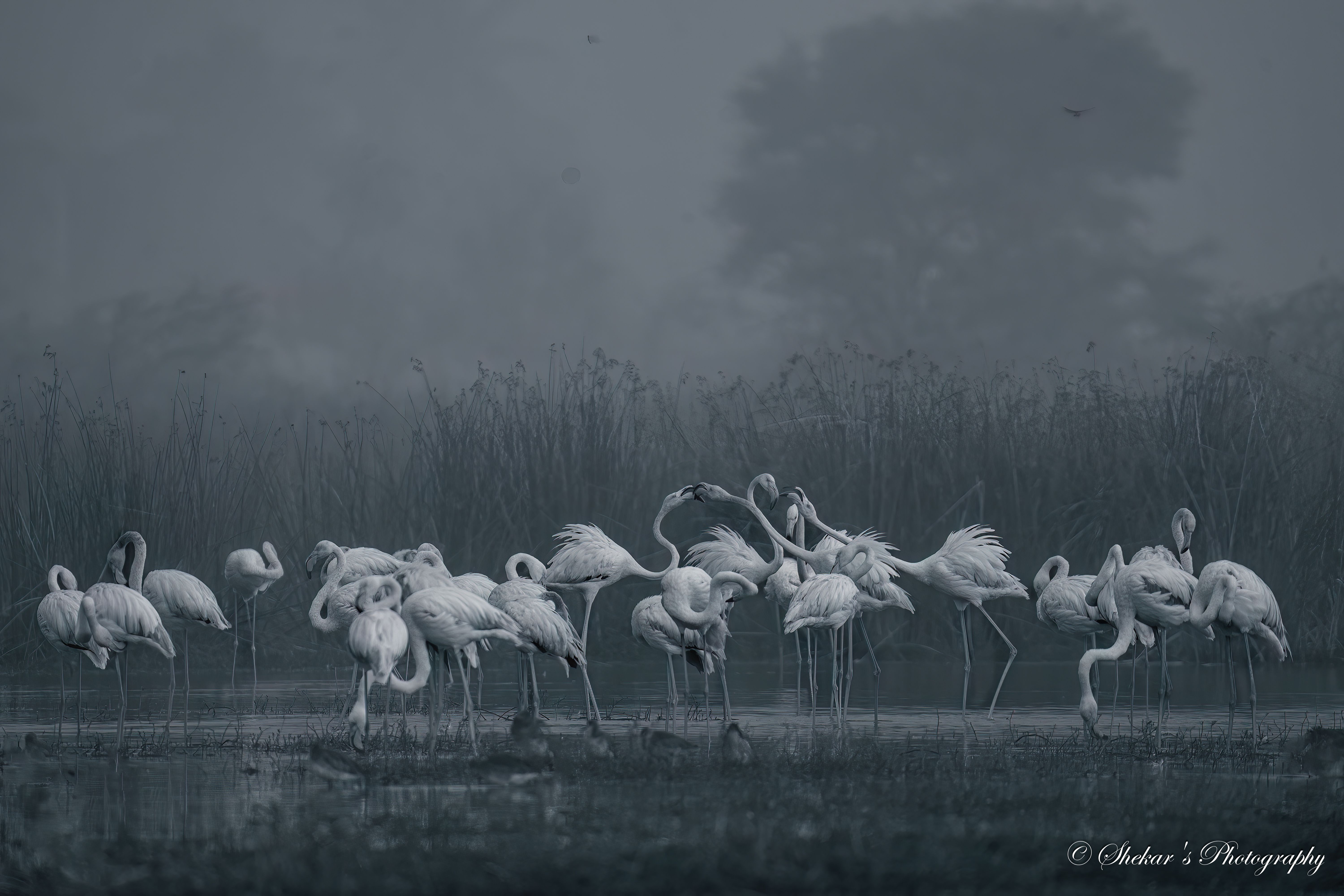
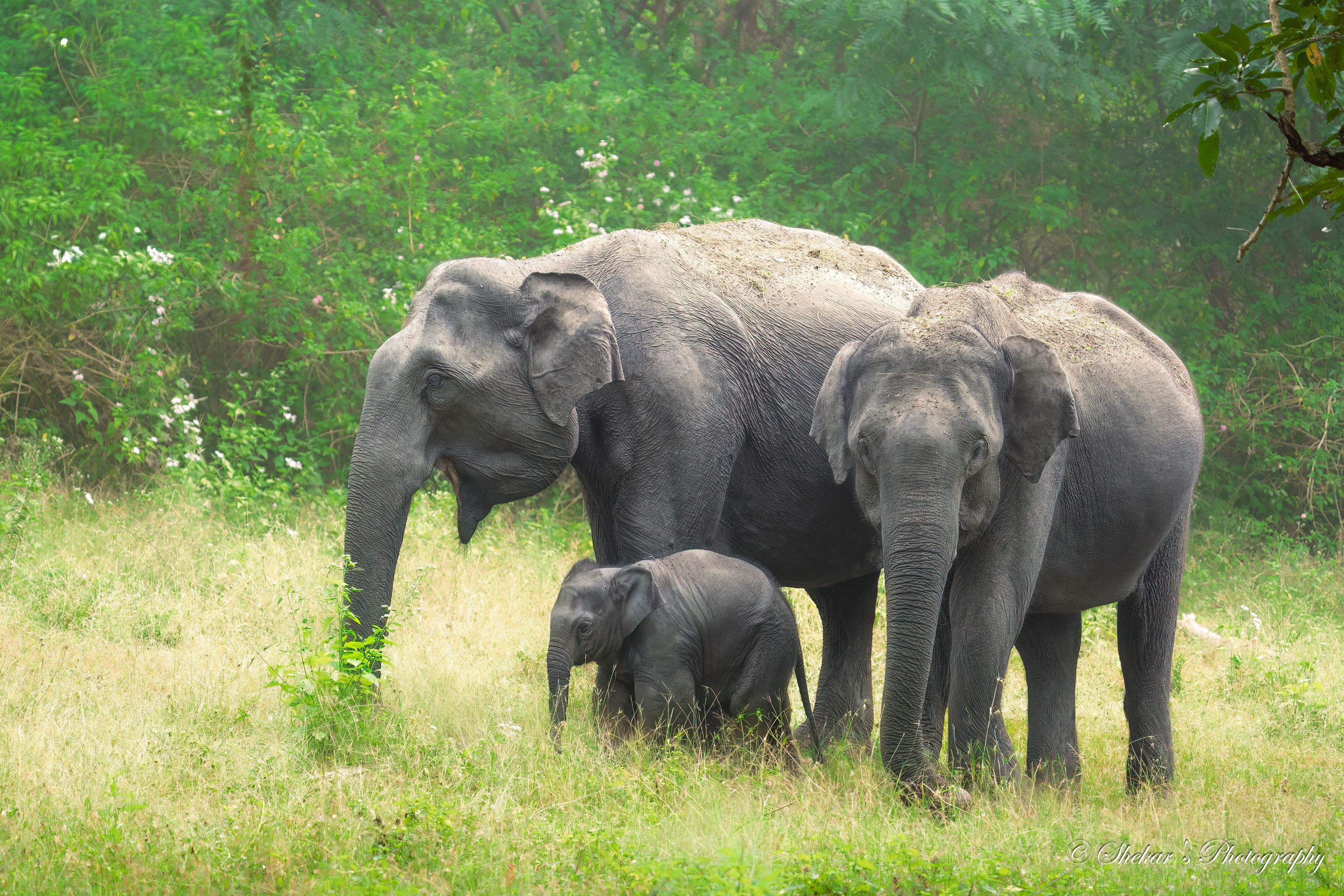
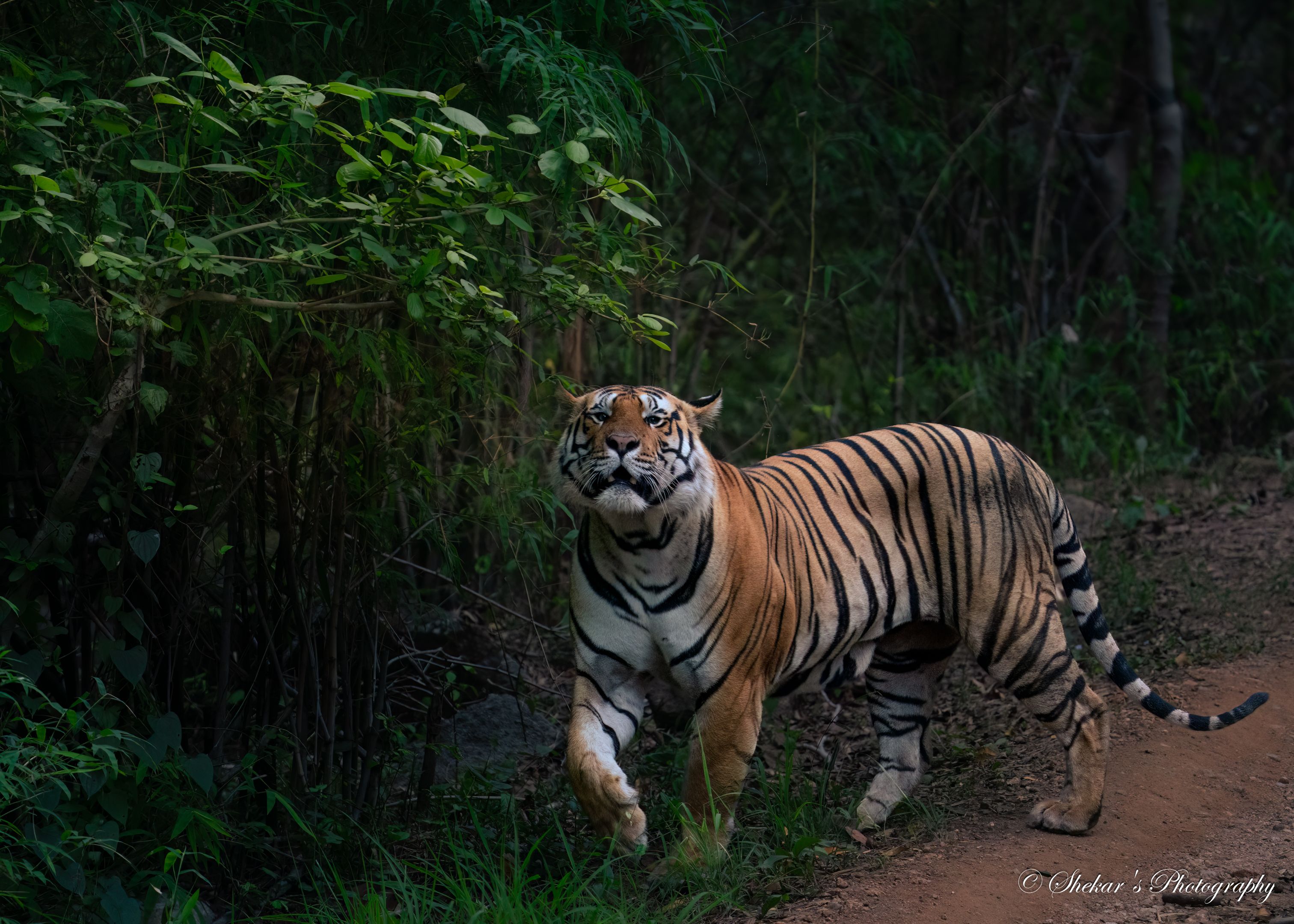
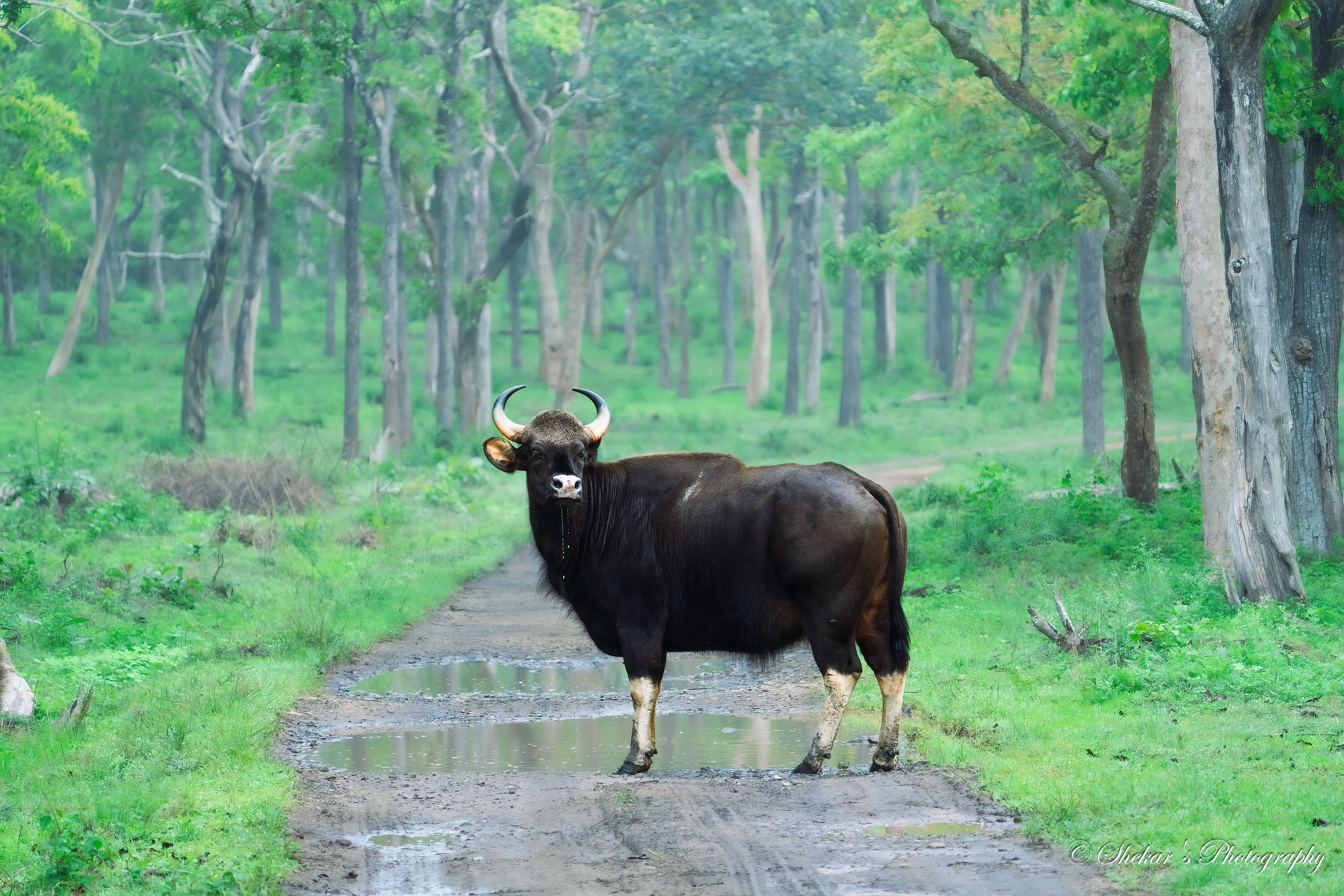
Every photograph I take is a silent plea for the wild. The mock fight of F2 tigress cubs, looks like a simple sibling game, but is actually a vital rehearsal for survival, a beautiful lesson in strength passed down by a devoted mother. Yet, the greatest threat these future apex predators face is not the harshness of nature, but the shrinking boundaries of their homes caused by human feet. This is the tragic truth for all the wildlife habitats due to growing needs of mankind. It is exactly why I took the vibrant, colorful flamingos of Bhigwan and intentionally turned them into a quiet, monochrome picture. This isn't just about presenting a stunning picture. It is about capturing a desperate emotion, an urgent reminder that we must protect their habitats and guard their freedom to exist, before the wild fades away forever. We had just wrapped up our drive, packed away our camera gear after our safari in Bandipur tiger reserve and begun heading back to the booking centre. But when this mother elephant and her calf appeared by the roadside, we couldn't resist unpacking everything to capture the moment. Watching her, protecting her little one so carefully was a beautiful reminder of nature's maternal instincts. It is a perfect example of human-animal coexistence, proving that when we choose to behave responsibly, we can share boundaries safely. Capturing a head-on shot of Bajirao, a dominant male tiger in Rukhad, Pench, was an unforgettable experience. However, it also served as a stark reminder of the urgent need for visitor education in our national parks. Too often, tourists disregard safari etiquette by making loud noises, shouting to draw an animal's attention, or wearing bright colours. For anyone visiting the wilderness, remember that you are stepping into their home. True wildlife photography and tourism must be rooted in responsibility—witness the wild, but leave it undisturbed. I travelled to Mudumalai in May expecting typical summer sightings, but nature had other ideas. Unexpected rains a few days prior had transformed the forest into a silent, lush green paradise. Embracing the park's famous play of light and shadow, I suddenly came across this majestic Indian gaur. It stood right in the middle of the long road, locking eyes with me. This exact frame went on to place in the Top 10 of the Sony BBC Earth photography competition! In the wild everything is beautiful
Can you walk us through your editing choices for that shot?
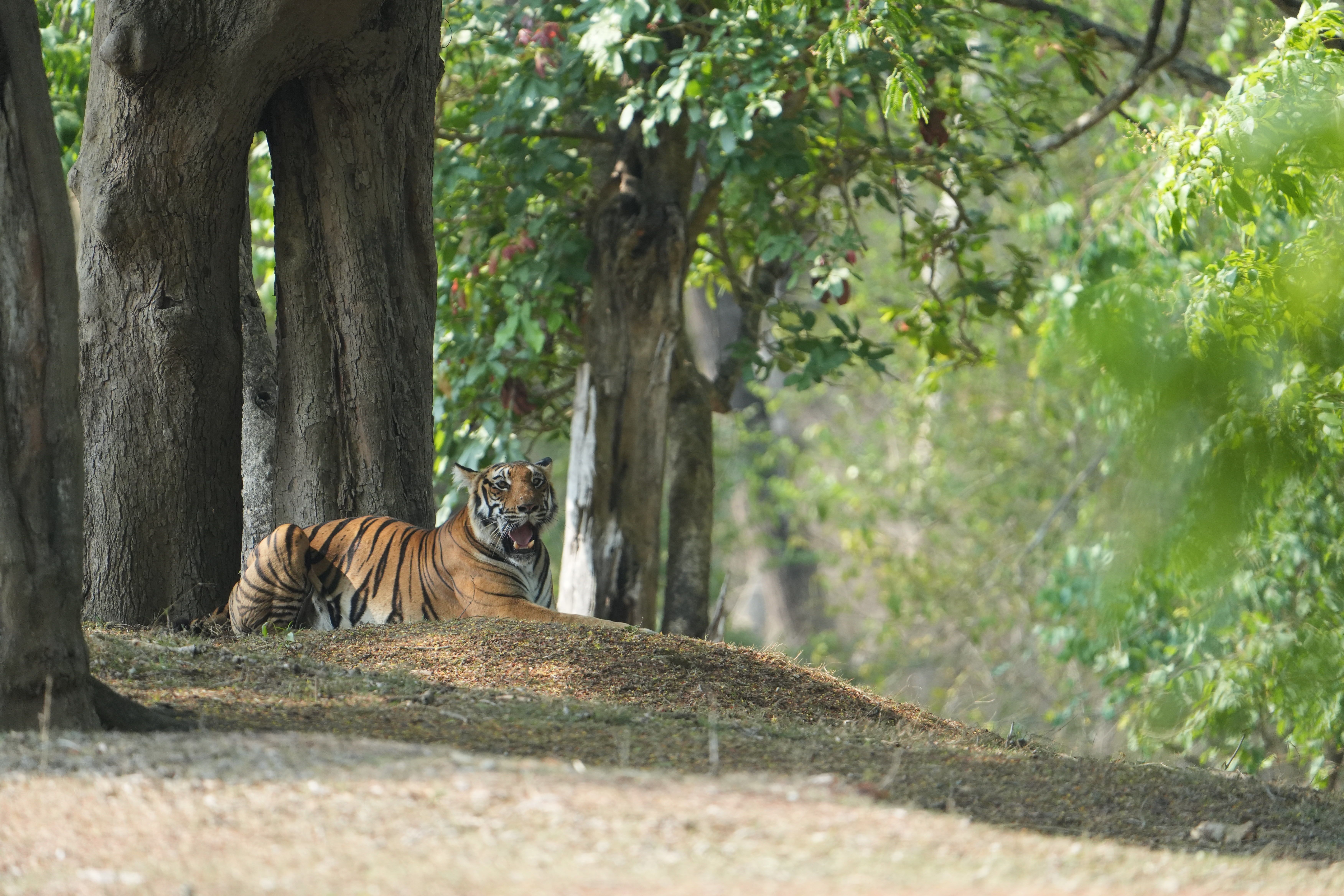
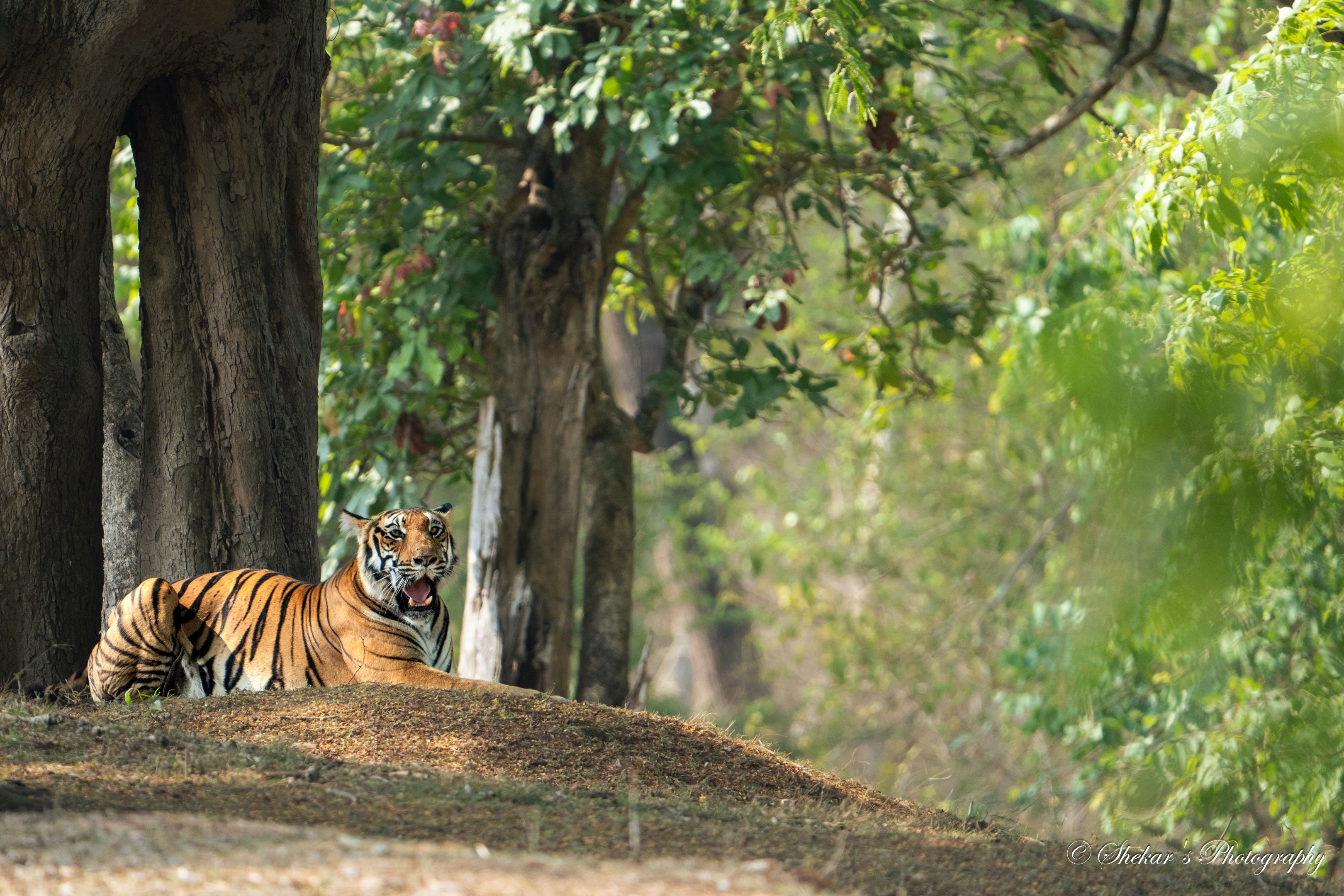
Post-processing is my view is bridging the gap between what the camera sensor capture and what my eyes actually witness in the wild, without much altering the originality of the image. In this image, I started by cropping it slightly to get a better composition, the rule of thirds. Then with subject masking, adjusted the highlights, shadows, and tone curve so the tigress stands out beautifully and naturally. I also added a bit of sharpness to bring out the fine details. Overall image I have increased the vibrance to feel the richness of kabini forest and adjusted midtones in colour grading to represent the sunlight of afternoon safari.
What does this image say about your dedication?
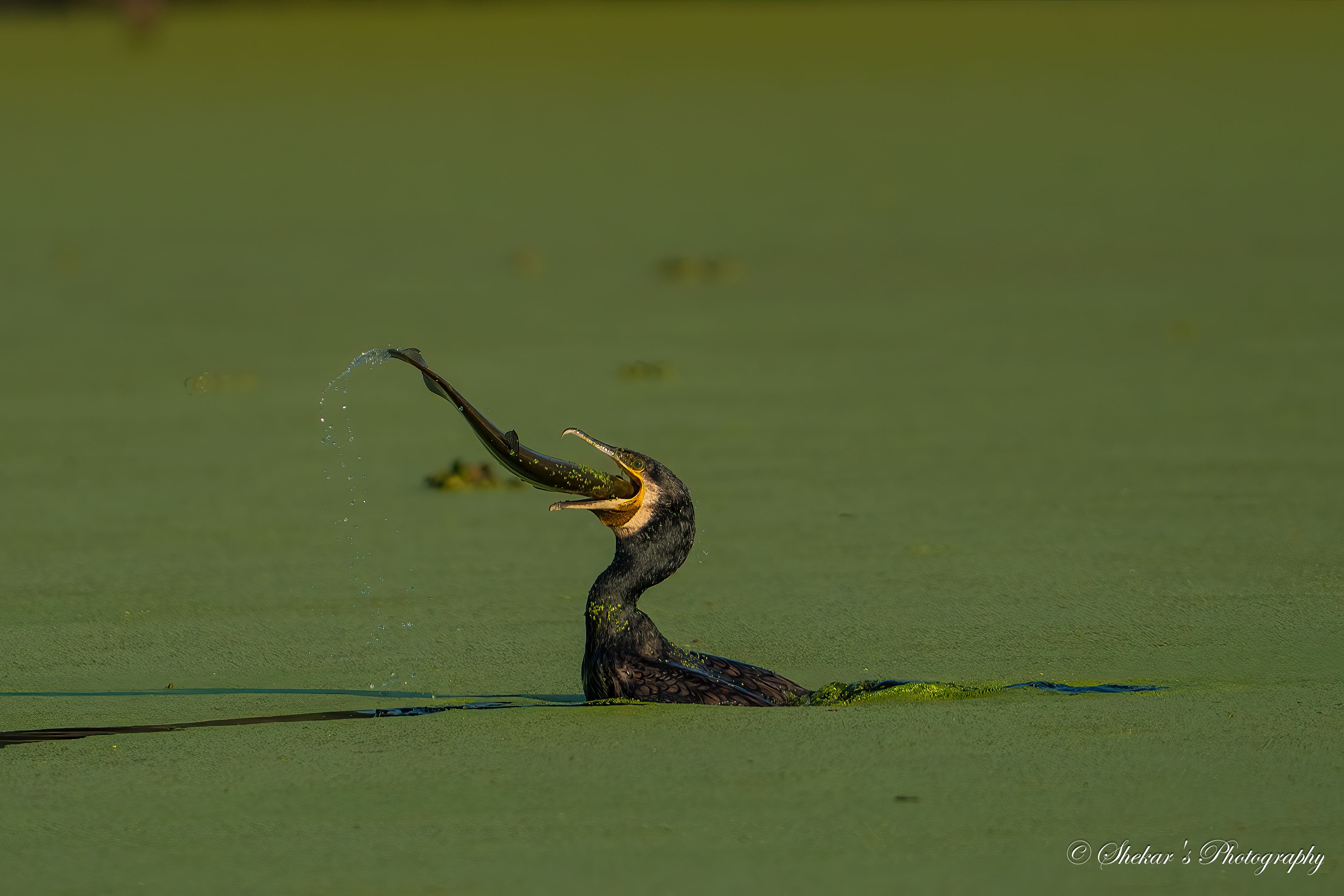
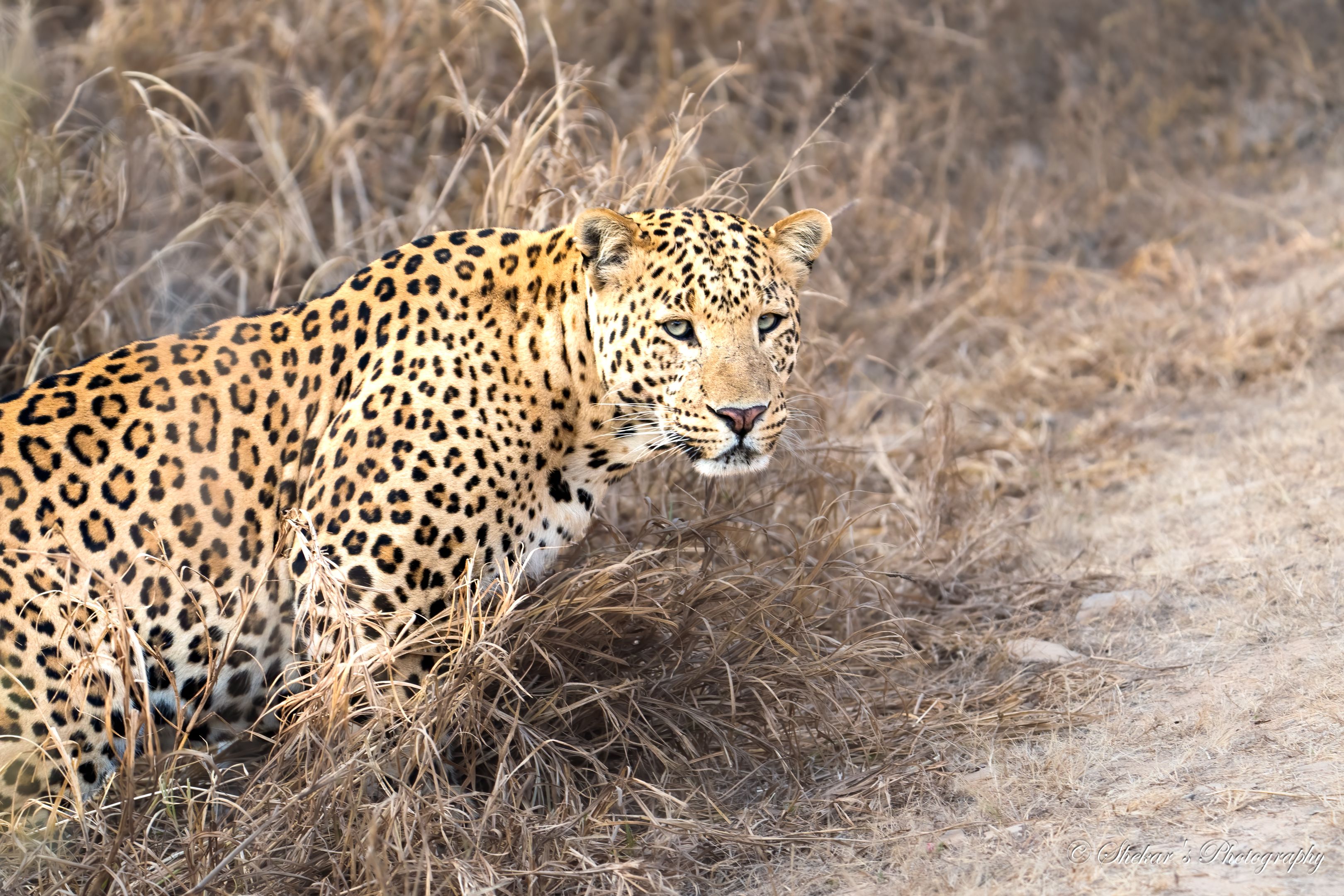
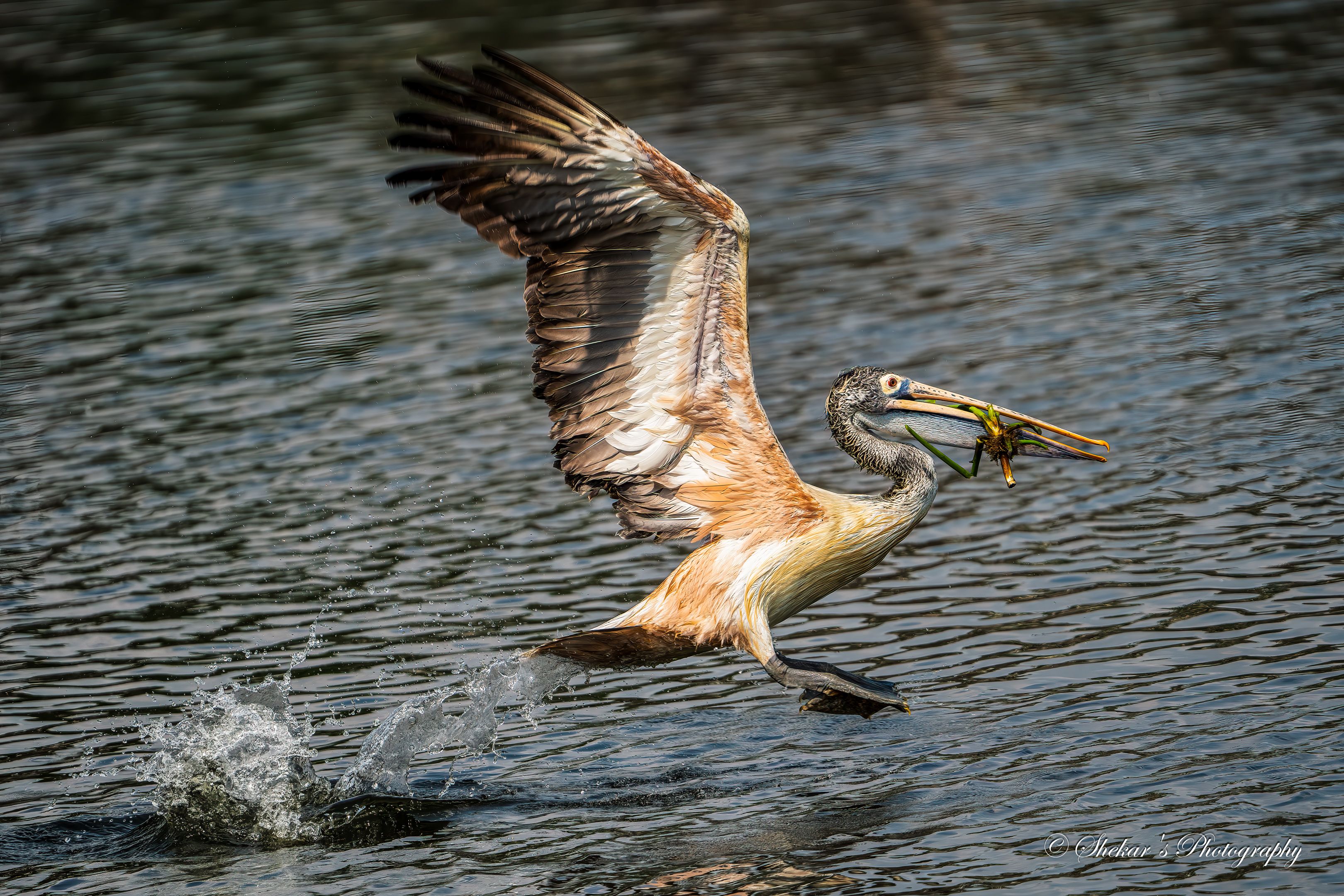
Photographing a cormorant with its catch in the emerald waters of darter pond in Keoladeo National Park had long been a bucket list dream. My first year was washed out by continuous rain. The next year, a two-day return offered an underwhelming start, the waters were too clear, with low activity. With only three hours remaining on my final day morning before heading to airport, I returned to the pond with lot of hope. The moment I set up my gear, a cormorant cut through a velvet carpet of algae, emerald light glinting off its fresh catch. It was a stark reminder that in wildlife photography, patience and perseverance are always rewarded. During a morning safari at Jhalana Leopard Conservation Reserve, a bold male leopard named Rana was fast asleep deep inside a bush. A crowd of 10 to 12 safari vehicles gathered, waiting for him to wake up, but eventually, everyone lost patience and drove away after a long wait. I convinced my driver to hold out for just five more minutes. Right on cue, Rana woke up, stepped onto the roadside, and gave us this stunning, fleeting glimpse before disappearing back into the bush. A reminder that the best wildlife moments belong to those who wait. The most breathtaking moments often last only a few seconds in the wild, meaning you have to be completely prepared to freeze them. While tracking this spot-billed pelican, I anticipated its take-off, kept my gear locked and ready, and captured this incredible frame. Keeping the heavy gear handheld for a longtime anticipating these sort of quick moments is painful, but the beautiful images and the stories it tells is worth of it. Ultimately, understanding animal behaviour is the absolute key to successful wildlife photography.
What moment does this video capture and why is it special?
During my recent safari in Kabini, the jungle gifted me with an incredible display of raw animal behaviour. We witnessed, Magge and her two cubs enjoying a spotted deer kill. What fascinated me most wasn't just the kill, but the family dynamics on display. One of the cubs had already established absolute authority. Driven by pure instinct, this dominant cub claimed the major share of the meal, leaving the other two to wait their turn. Moments like these remind me that the wild is beautiful, but it is always ruled by strength. Videos on Flamingos-NaviMumbai, Tiger cubs mock fight, Tusker-Badra Tiger Reserve - These three videos perfectly showcase their beauty within their natural habitat. Once again, this serves as a powerful reminder that true conservation requires safeguarding their environment, ensuring they have the freedom to survive and thrive in their native homes.
How did you handle the lighting challenge in that shot?
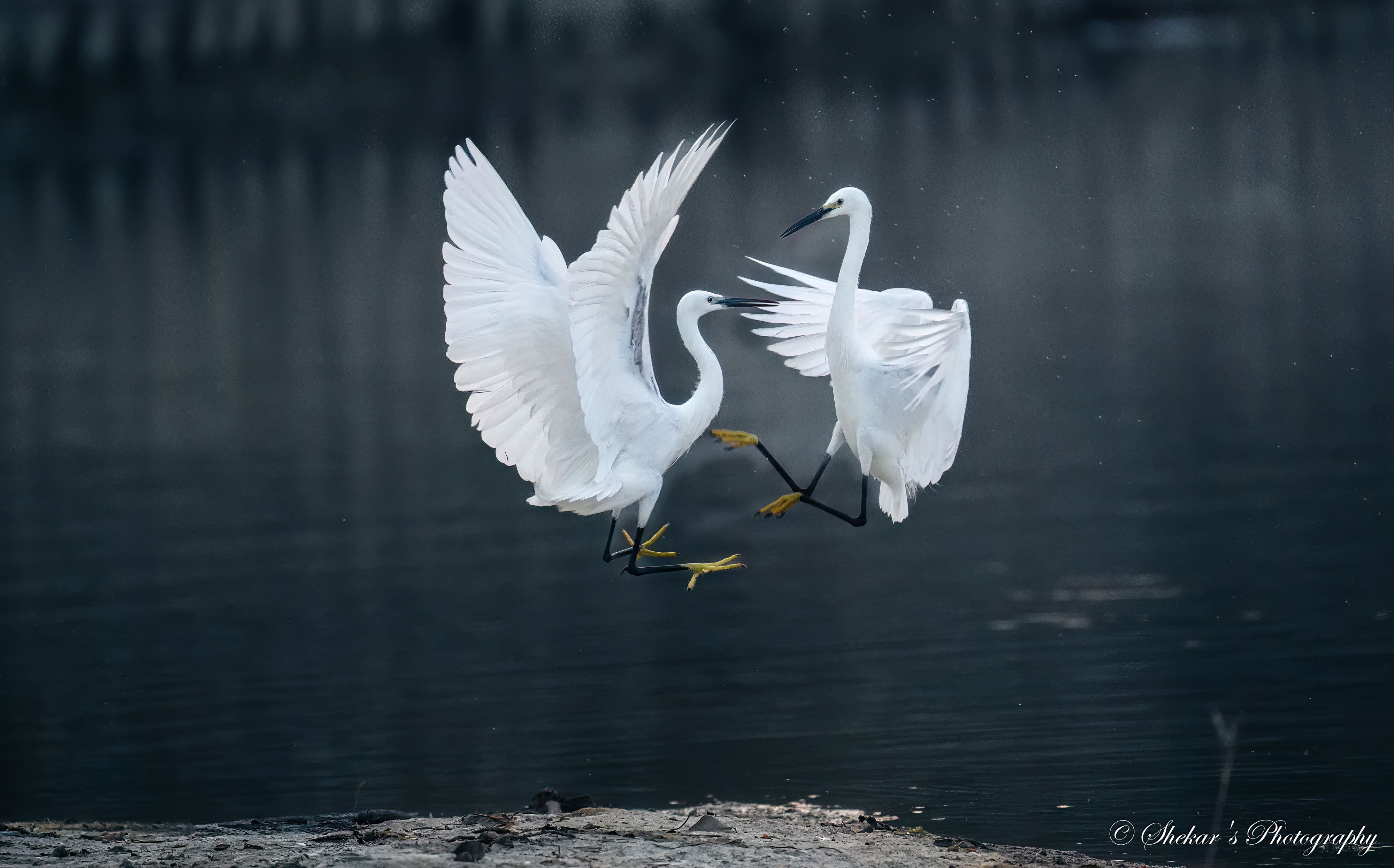
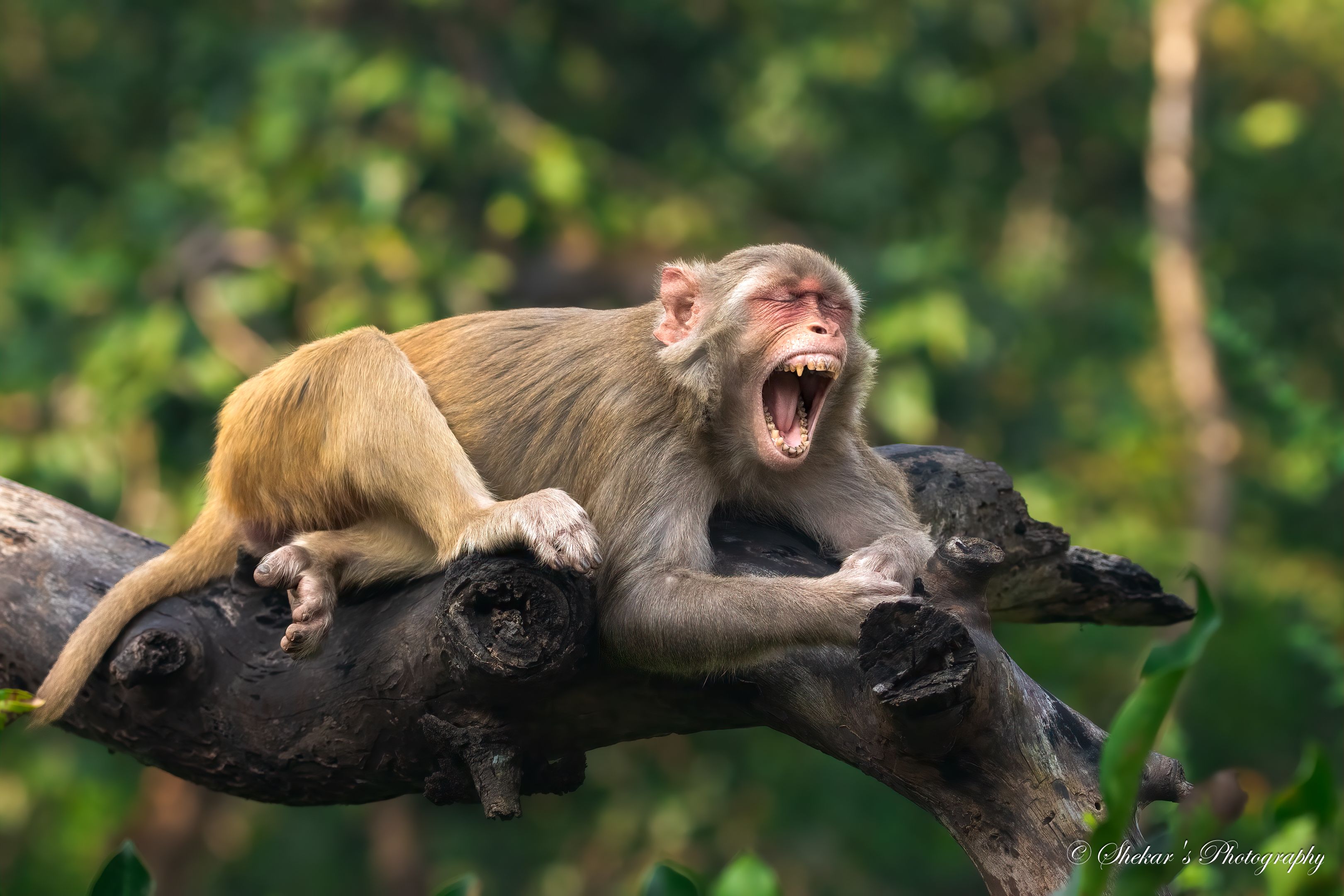
I captured this territorial fight between two little egrets on a freezing, dim winter morning. Watching them from a distance, I could read their movements and knew a clash was imminent. Understanding that, I swiftly changed my exposure compensation, set fast shutter speed to freeze the motion, and placed my camera onto the car bonnet for instant stability. Conquering extreme low light isn't just about high end gear, it comes down to reading animal behaviour and preparing, mastering your camera settings, and using your surroundings to your advantage. A well-timed capture of a Rhesus macaque mid-yawn on a branch in Narsapur forest. This shot highlights the importance of mastering manual camera settings, especially when managing the low lighting of early morning hours.
Describe your typical field setup and why it works for you.
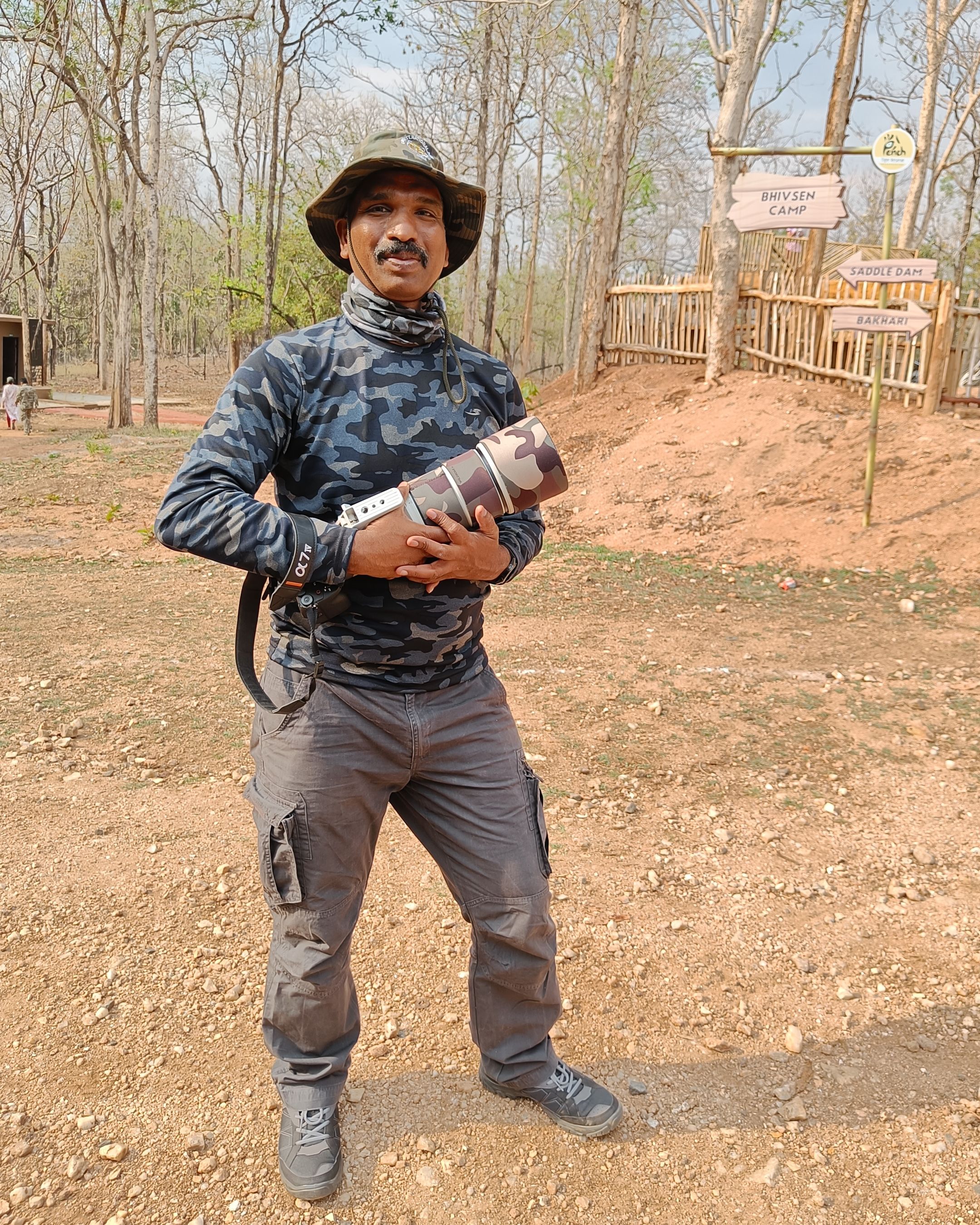
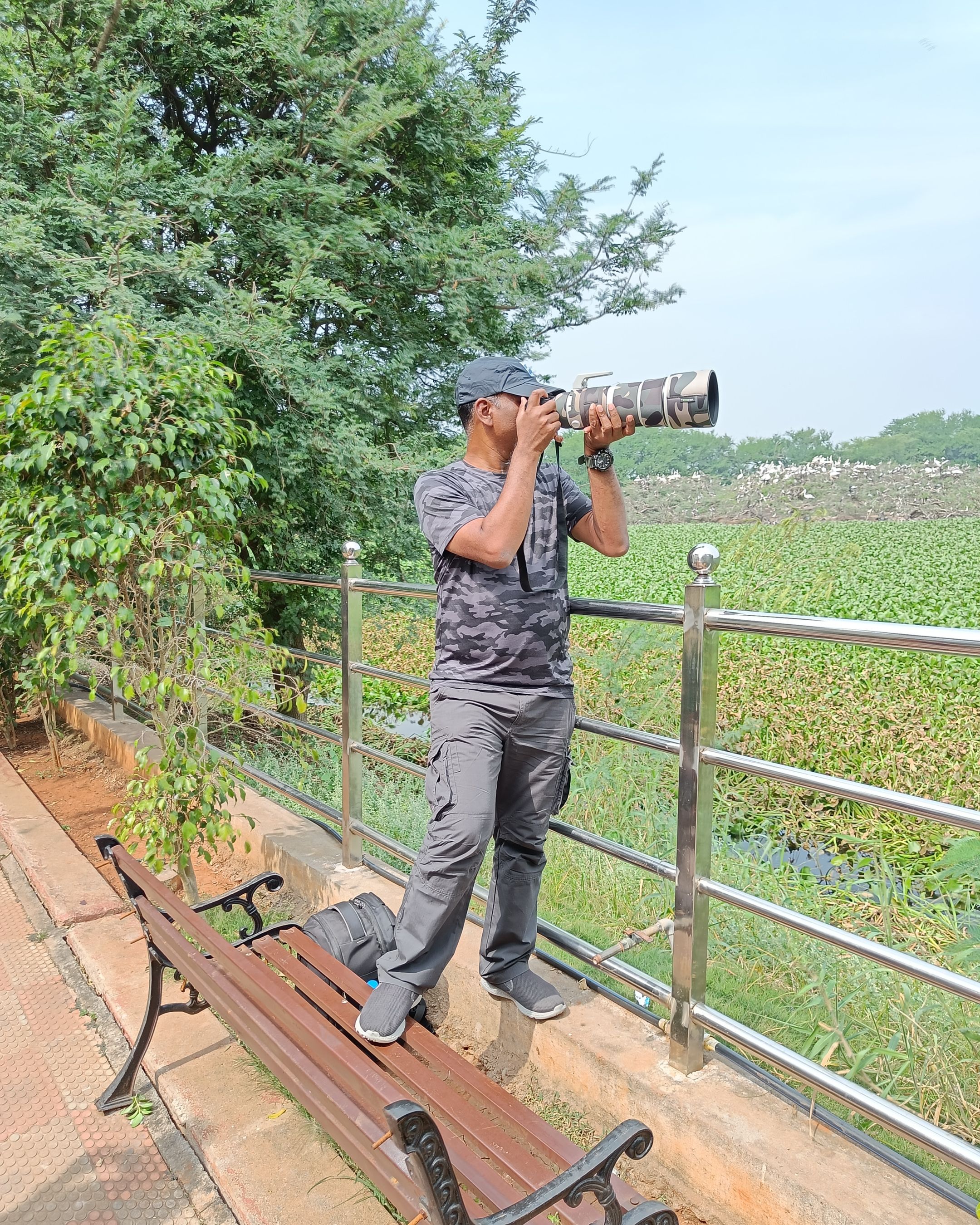
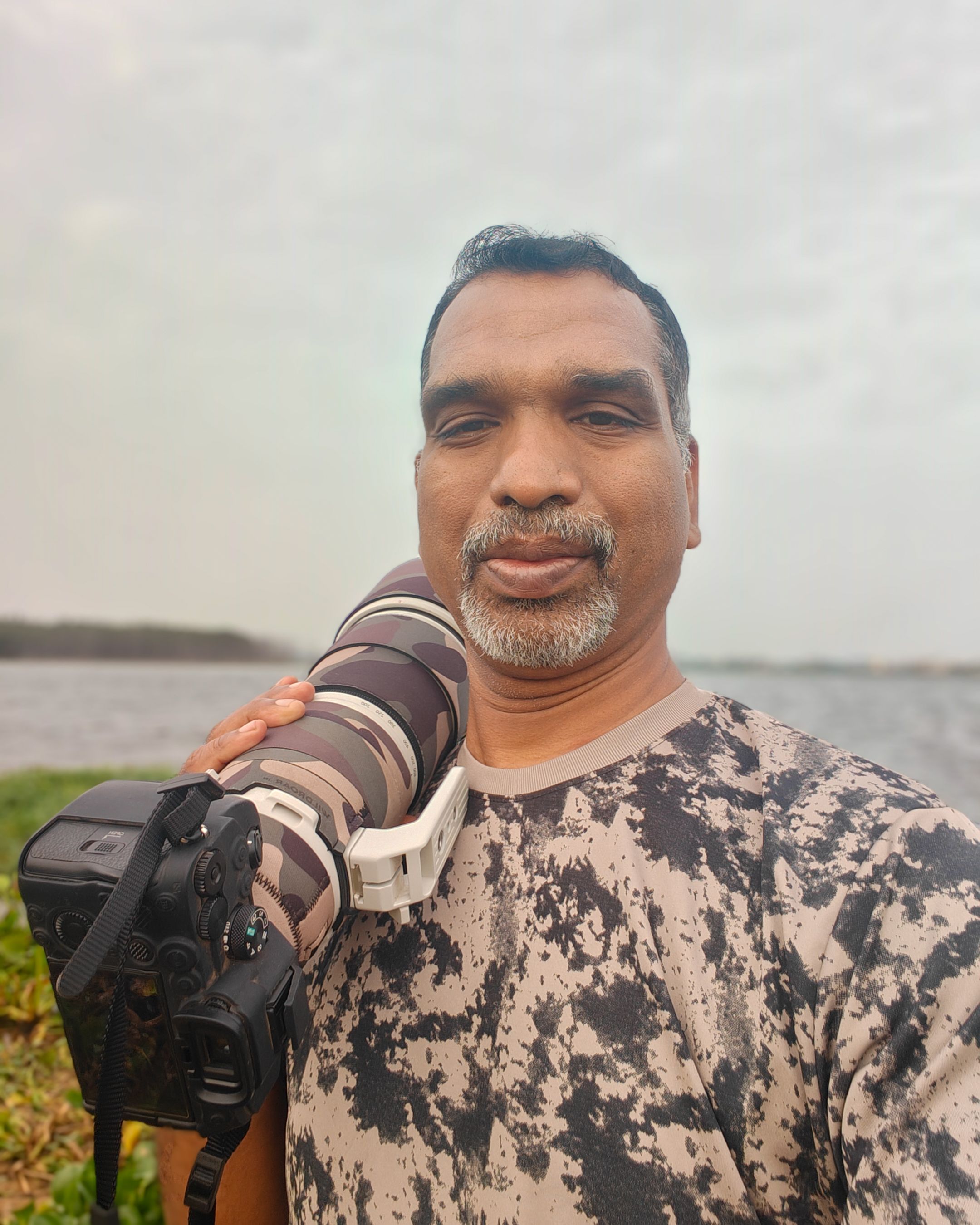
As a wildlife photographer, I prefer a simple setup with minimal equipment. I always carry extra batteries and memory cards so I never have to worry about missing a moment. Shooting handheld is my choice because it keeps me fast, agile, and free to move instantly. Even though it means sacrificing a bit of stability and dealing with a sore back and shoulders after a long day in the field, the freedom it provides is entirely of worth it. I never use tripods; instead, I turn my jacket, scarf or camera bag into a handy beanbag whenever I need a steady shot.
Contact and Follow
Email: shekarr1976@gmail.com
Instagram: www.instagram.com/rajasekaranrajakumar
Facebook: www.facebook.com/rajasekaran.rajakumar