


You come from a background in IT. How did you find your way into photography?
My journey into photography was not a very planned one. I studied IT, but I always found myself drawn towards observing things, people and everyday life. I was naturally curious about how people behave, how light falls and how a moment changes.
Photography initially became a way of documenting what I was seeing. Slowly, I realised that I wasn't just interested in taking photographs—I was interested in understanding why an image works, what it communicates and why some photographs stay with us.
That curiosity eventually became a profession.
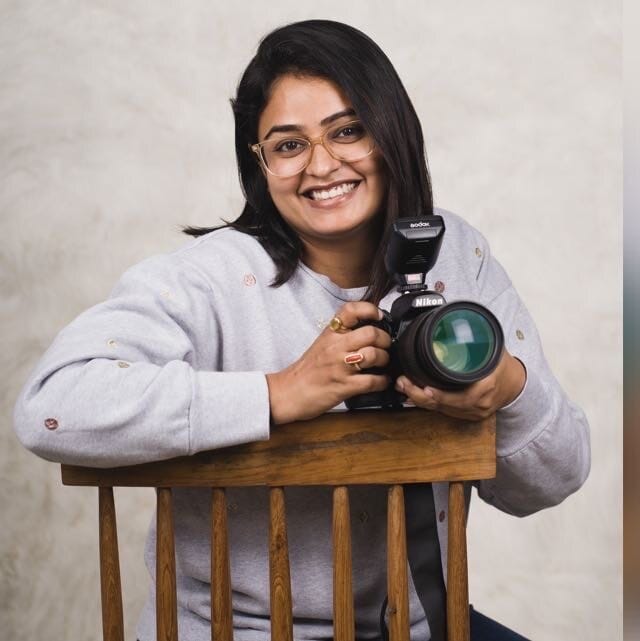
What did your education and training bring into your approach as a photographer?
My formal education in photography has played a very important role in shaping the way I see.
After my initial studies in IT, I pursued a Diploma in Photography from CEPT, where I had the opportunity to learn under Mr. Parmanand Dalwadi. His approach helped me understand photography not merely as a technical medium, but as a discipline of observation, visual thinking and expression.
Later, I continued learning from Mr. Ravi Mistry at Sadhna Institute of Design, which further expanded my understanding of photography and strengthened my technical and creative foundation.
My IT background gave me an analytical way of thinking, while my photography education taught me to look beyond logic—to observe light, people, spaces and visual relationships.
Over the years, I have realised that both have stayed with me. I enjoy the technical precision of photography, but I am equally interested in the thought behind an image—why I am making it, what I want the viewer to notice, and what the photograph is trying to communicate.
Over the years, you have worked with agencies, brands, institutions and independent projects. What has your professional journey looked like?
My journey has been quite diverse, and that is something I value.
I have had the opportunity to work across commercial and fashion assignments, documentary projects, heritage and cultural documentation, portraits and institutional work. I have also worked with agencies and NGOs, which exposed me to very different kinds of subjects, environments and ways of working.
Each assignment has demanded something different from me. Sometimes it is about understanding a brand and its visual language; sometimes it is about working with a team under tight deadlines; and sometimes it is simply about spending enough time with a subject to understand their story.
I think these varied experiences have made me adaptable and, more importantly, have helped me develop confidence in my own way of working.
I don't see the different genres as separate chapters. They have all contributed to how I see, photograph and approach a project today.
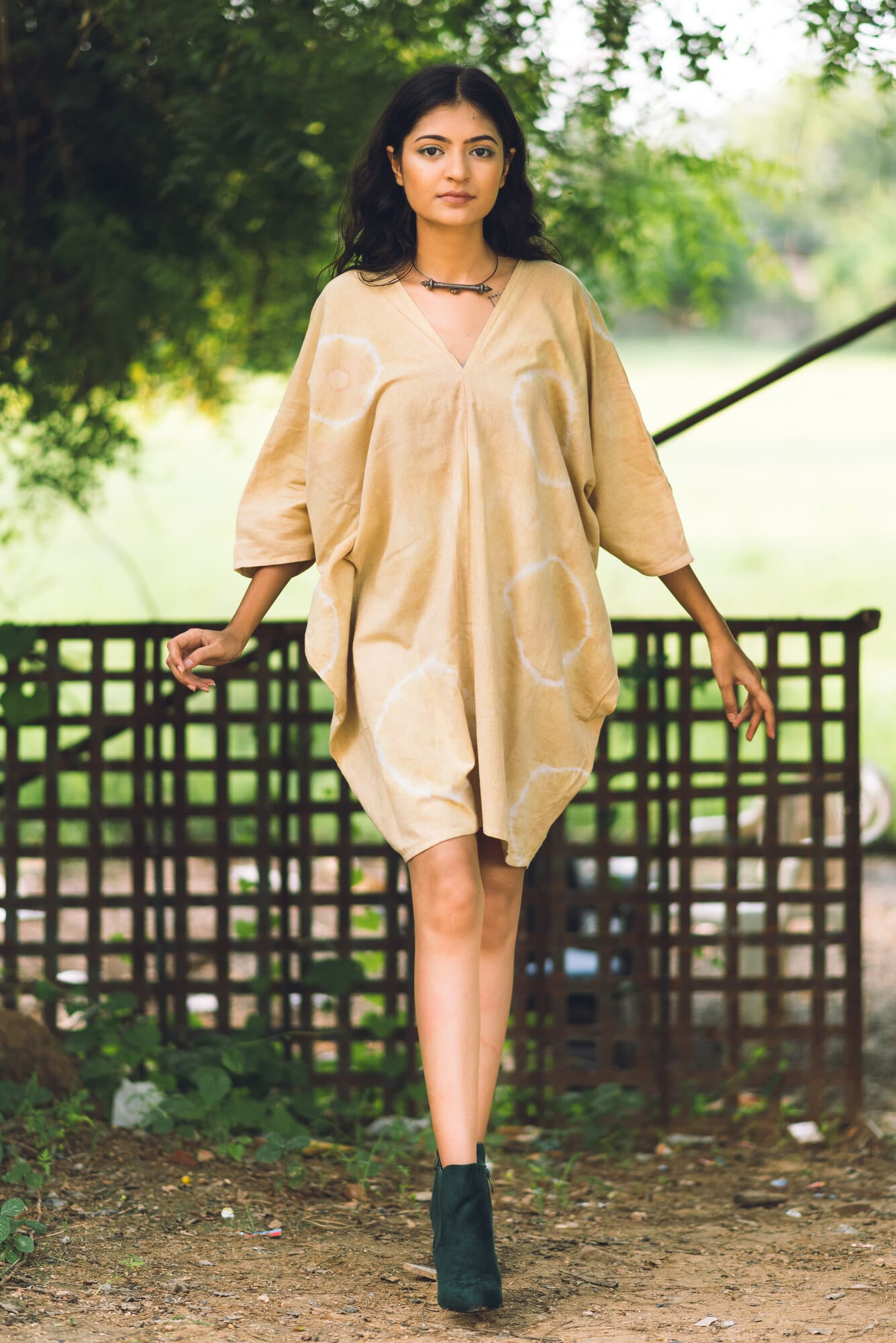
Your work has moved across several genres. What attracts you to working across such different forms of photography?
I think the variety in my work comes from my curiosity. I have never wanted to restrict myself to one genre because every kind of photography has taught me to see differently.
Two experiences, in particular, represent two very different sides of my journey.
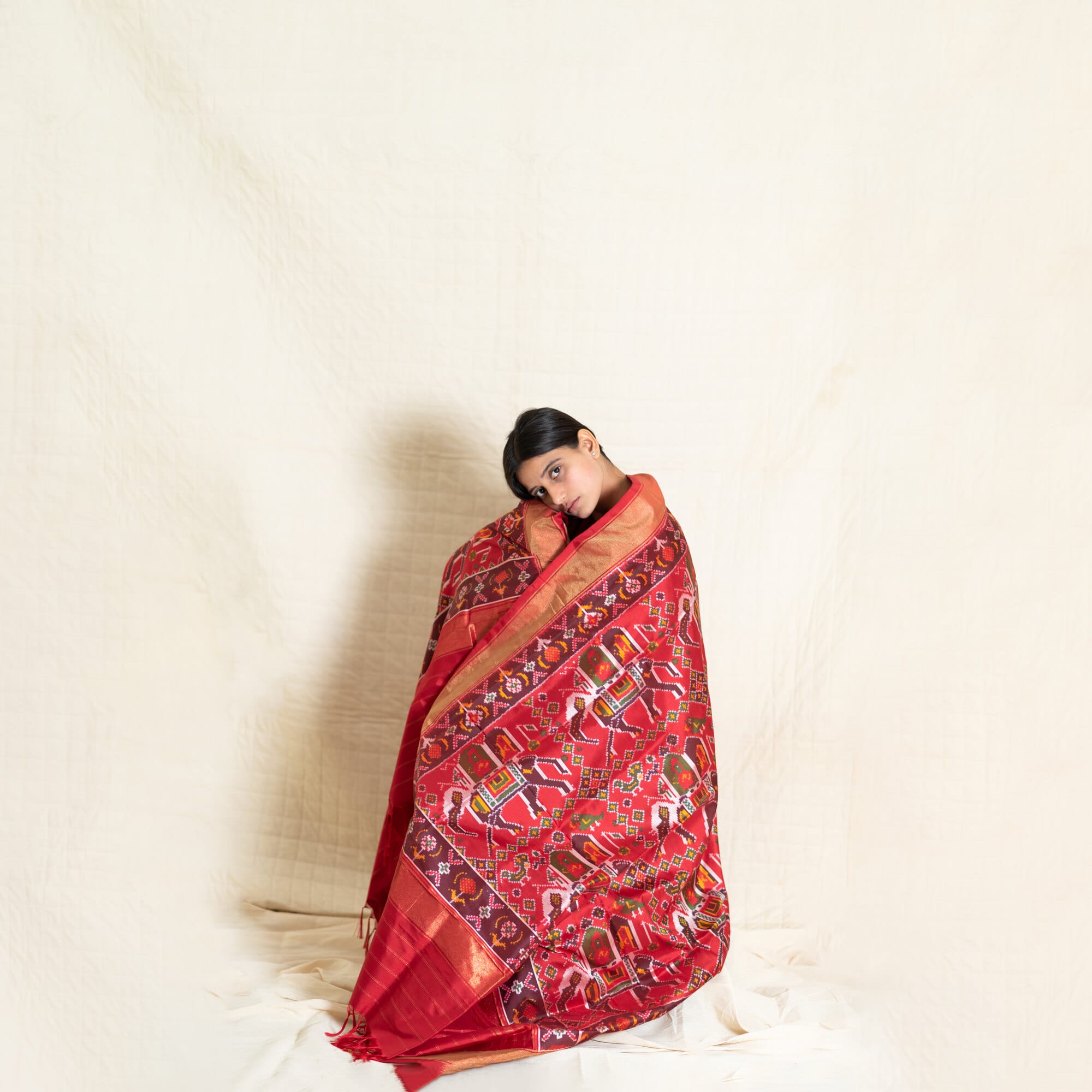
One was seeing my fashion photograph on a large outdoor hoarding. It was a commercial image created to communicate at a large scale, and seeing something I had created become part of the visual landscape of the city was an incredible experience. It made me understand the power of photography to communicate an idea instantly and reach a very large audience.
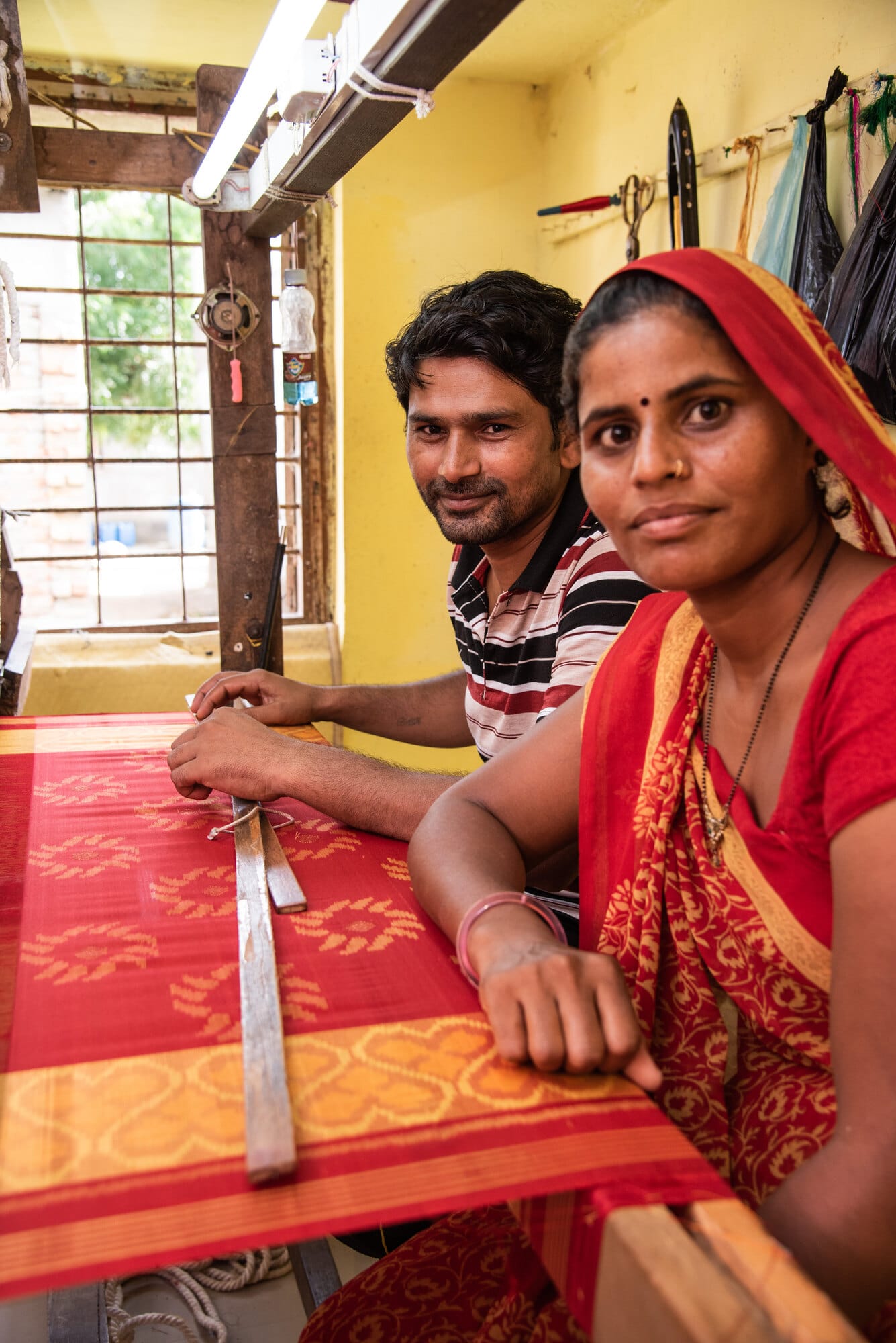
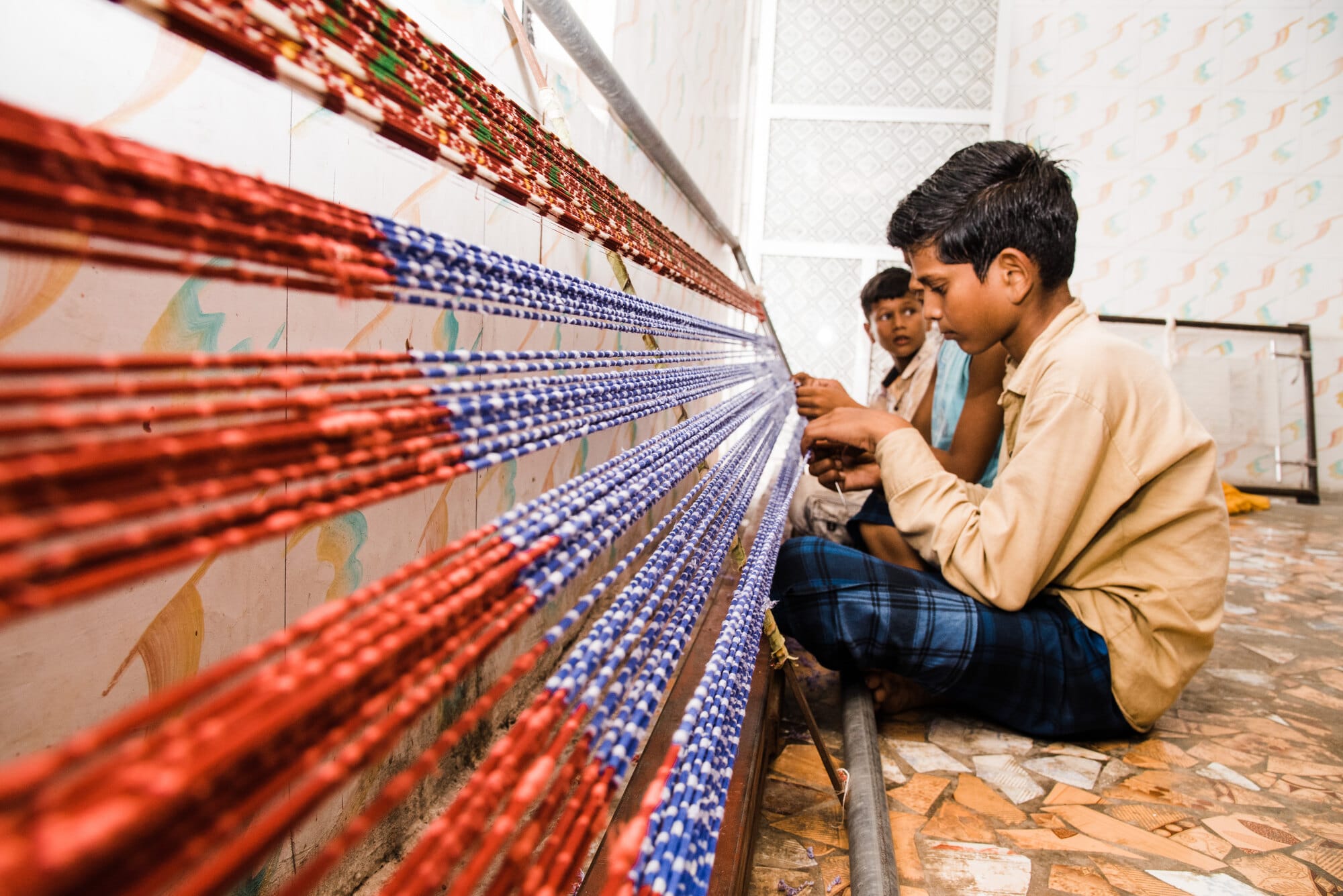
On the other hand, my documentary project with the Patola weavers of Surendranagar, Gujarat, took me in the completely opposite direction. It was quiet, intimate and deeply personal. Spending time with the weavers and observing their craft, patience and way of life gave me a very different perspective towards life itself. It made me slow down and appreciate the stories, people and generations of knowledge behind something we often see simply as a beautiful textile.
These two experiences may seem completely opposite—the scale of a commercial hoarding and the intimacy of documenting a traditional craft—but together they explain a lot about my photography.
One taught me about impact and visual communication; the other taught me about observation, patience and perspective.
I think photography has the ability to do both—to speak loudly when it needs to, and to make you quietly look closer when it matters.
Was there a particular moment when photography started feeling like a profession rather than just something you enjoyed?
Yes. One moment that I still remember was seeing one of my fashion photographs on a large outdoor hoarding.
It had started with me standing behind a camera, making decisions about the light, composition and styling. Suddenly, that photograph was occupying a huge space in the city.
I remember looking at it and thinking, I made this.
That was a very different feeling from simply taking a photograph that I liked. It made me realise that photography could become something much larger—it could communicate with an audience beyond the people who were present when the photograph was made.
You have worked in commercial and fashion photography as well as more documentary forms. How do you approach such different assignments?
I think the first thing is to understand the purpose of the photograph.
In commercial work, there is usually a clear objective. The image has to communicate something about a product, brand or idea. Fashion gives me more room to experiment with styling, light, movement and visual language.
Documentary work is different because you are entering someone else's world. You cannot simply impose your visual idea on it.
So I try to adapt my approach rather than force every subject into the same aesthetic.
Photography today has also become a significant business. How do you view the business side of photography?
I think photography has tremendous potential as a profitable and successful business, especially today when weddings, events and commercial productions have become much more elaborate and budgets have grown.
I do create customised packages for different client niches, but I am still learning and exploring the business side—pricing, positioning and building the right clientele.
Interestingly, business is one aspect we rarely learn in photography institutions, and often no one teaches you the practical side of the industry. I would love to pass on some of those practical insights and little nuances to my students as I continue learning myself.
Personally, I still enjoy the creative process much more than the commercial side. For me, the joy is in making the photograph.
You have created a series of portraits for different creative events over the years. What has that experience taught you as a photographer?
Some of the portraits you see on my Instagram come from events like Anubhav and Process, curated by Jaimil Joshi, which I have been associated with for many years.
These have been some of the most challenging and rewarding assignments for me. The environment is extremely hectic, with nearly 30 participants, each bringing a completely different theme, personality and creative expression. Within that limited time, I have to understand the person, respond to the environment and create a portrait that makes them feel and look connected to what they are presenting.
That experience has really shaped me. It taught me to work quickly without becoming careless, to trust my instincts and, most importantly, to find my own visual language even when everything around me is moving very fast.
Over the years, I have become much more confident and clear about my working style through these projects. I feel genuinely grateful for having been part of them for so long—they have contributed significantly to the photographer I am today.
Is there a particular influence that changed the way you approach portraiture?
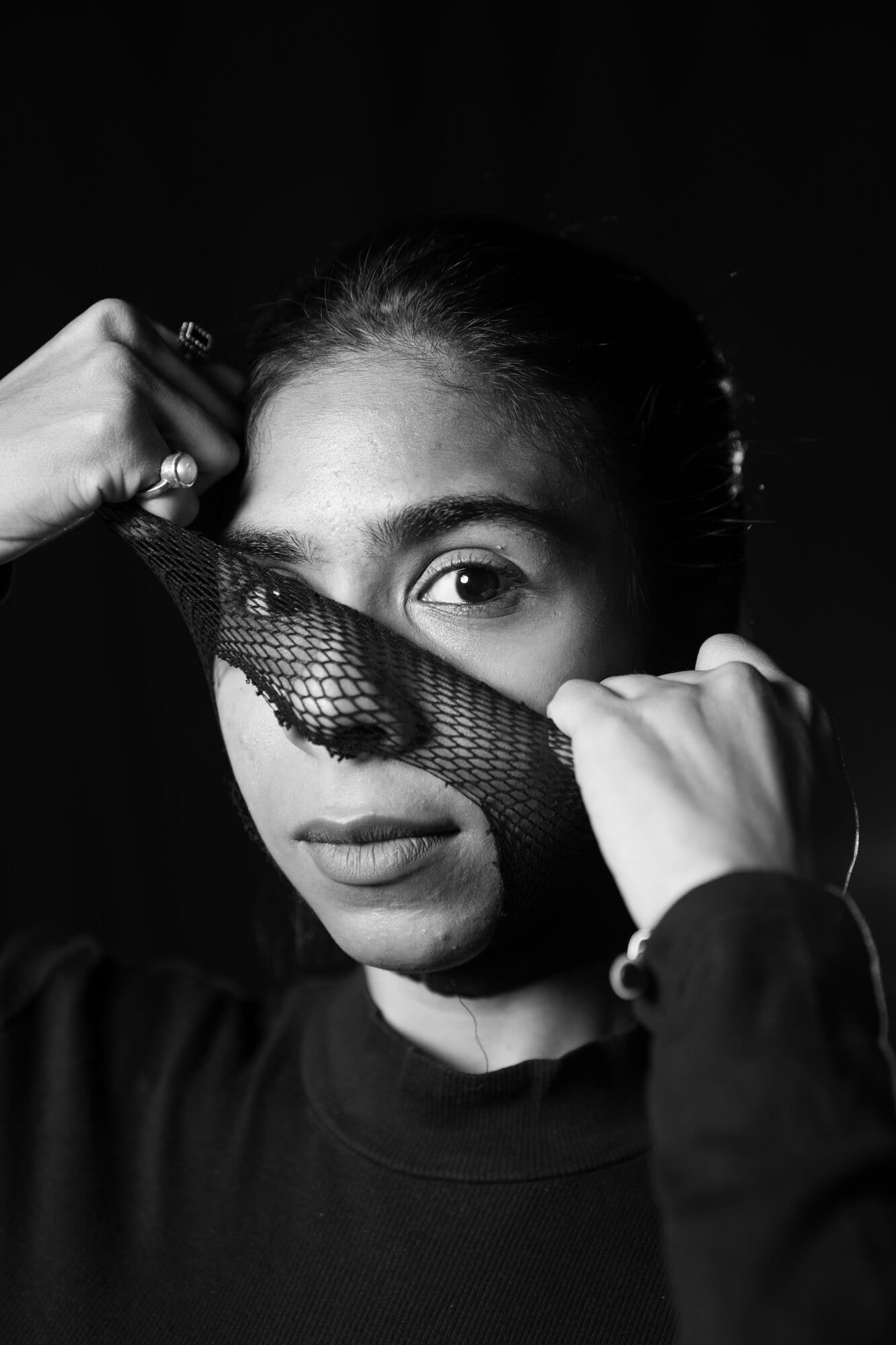
Yes. Watching a documentary on Platon’s work had a strong impact on me. What stayed with me was his ability to connect with his subjects before making the photograph.
That idea really stayed with me. I started consciously spending more time connecting with people, making them comfortable and understanding something about them before I photograph them.
Over time, it became an important part of my own process. I realised that when a subject feels genuinely connected to the photographer, something more honest comes through in the portrait.
That shift—from simply photographing someone to actually connecting with them—has made a big difference to the way I work.
How has your approach to portraiture evolved over the years?
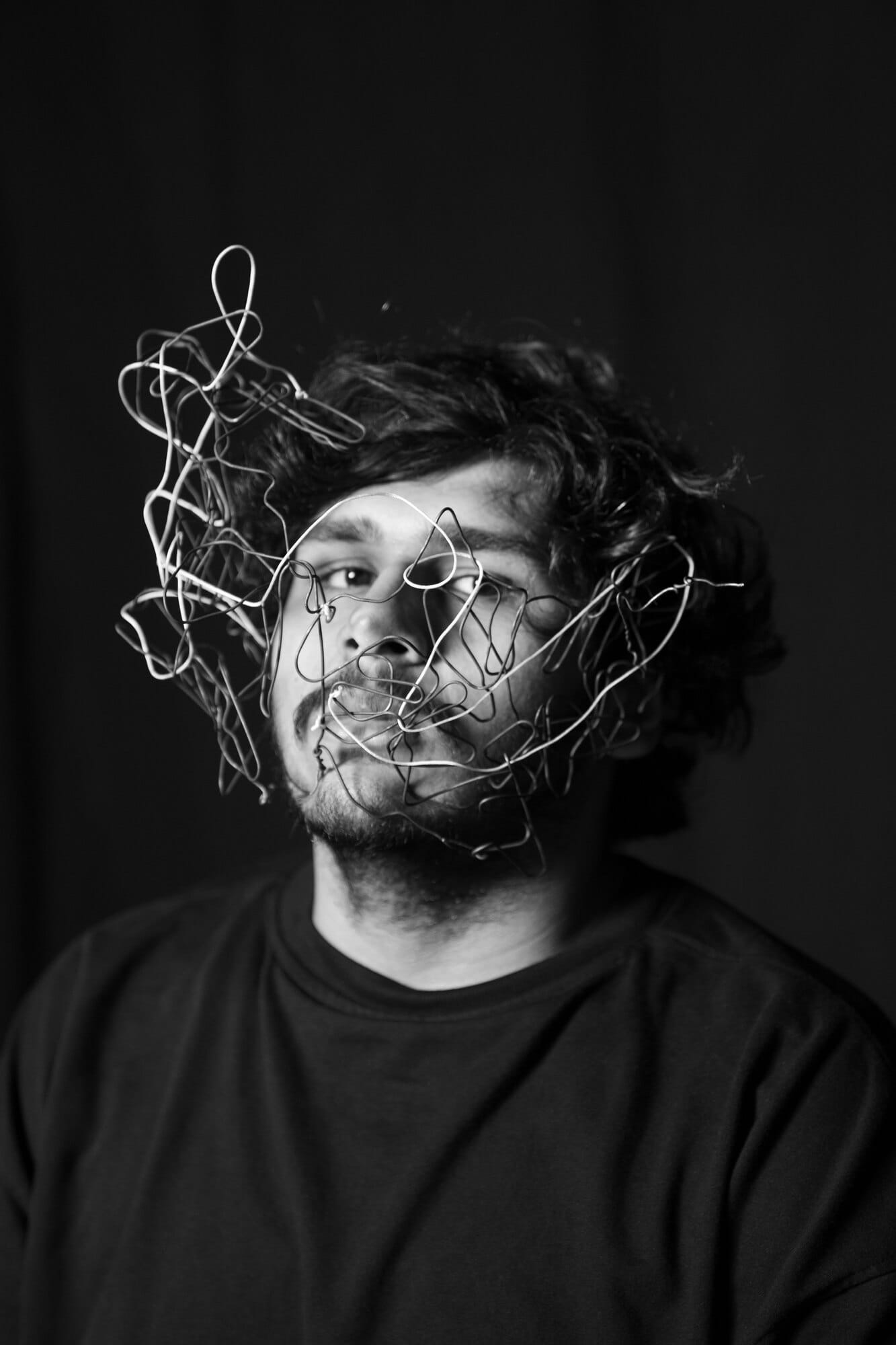
Earlier, I was probably more concerned with getting everything technically right—lighting, exposure, composition and posing.
Those things are still important, but with experience I have become less obsessed with controlling every element.
Now I am more interested in what the person is bringing into the frame.
The camera is only a tool. The real work often happens before I press the shutter.
What role does lighting play in your work?
Light is one of the reasons I continue to find photography fascinating.
It is everywhere, but we don't always notice it.
The same person standing in the same place can look completely different depending on the direction, quality and intensity of light.
I often tell my students: learn to see the light before you learn to control it.
Before changing a light, moving a subject or reaching for equipment, look at what the existing light is already doing.
Do you think technical knowledge is less important than creativity?
No. I think both are important, but they serve different purposes.
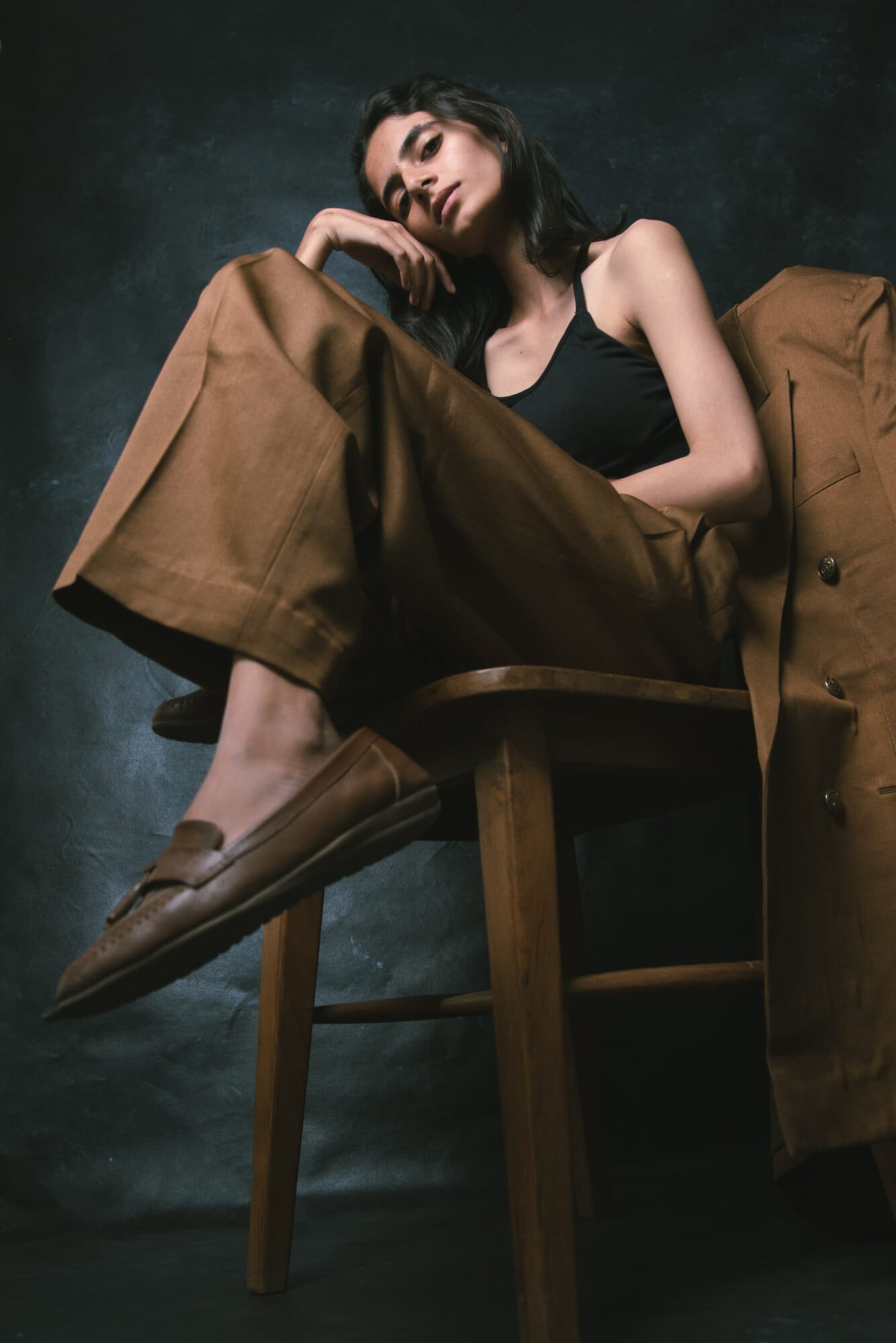
You need to understand your camera, exposure, lenses and lighting. Without that foundation, it is difficult to execute an idea consistently.
But technical knowledge by itself doesn't make someone a good photographer.
Once you understand the rules, you should be able to make creative decisions—sometimes even break those rules intentionally.
Technique should give you freedom, not become a limitation.
You have gradually become an educator alongside being a photographer. Why did teaching become important to you?
Teaching happened quite naturally.
I had learnt from people who approached photography through technique, equipment and process, and I realised that while those things are essential, there was another part of photography that I wanted to share—the ability to see.
Photography is a language. It gives us another way of expressing what we notice, experience and feel.
So I don't want my students to leave my workshops knowing only what aperture or shutter speed means. I want them to start asking: What am I trying to say? What do I want someone to notice? Why have I made this frame?
You have taught photography to very different groups, including children, beginners and students in institutional settings. How do you approach teaching?
I don't believe in teaching everyone in exactly the same way.
A child discovering photography for the first time needs curiosity and play. A beginner needs confidence and a strong foundation. A student working towards a fashion editorial needs to learn planning, collaboration and visual storytelling.
The common thread is that I want people to experience photography rather than simply listen to me talk about it.
I want them to shoot, experiment, make mistakes, look at their photographs, discuss them and try again.
What is the most rewarding part of being a photography educator?
Watching someone become independent.
In the beginning, students often ask, “What should I do?”
The most satisfying moment is when that question changes into, “This is what I want to create.”
When a student can conceptualise something, make decisions about light and composition, work with a subject, plan a shoot and finally present a visual story—that transformation is far more rewarding to me than teaching a technical setting.
Your workshops often move beyond camera technique into complete visual projects. Why?
Because photography doesn't exist in isolation.
If you are creating a fashion editorial, for example, you need to think about the concept, styling, mood, colour, lighting, composition, subject, location and the sequence of images.
The camera is one part of that process.
I want students to understand how an idea travels from imagination to a finished photograph.
That is also how photography becomes a creative discipline rather than simply a technical skill.
What has teaching taught you about your own photography?
A lot.
When you have to explain something to someone else, you are forced to understand it more deeply yourself.
Teaching has also made me more observant. Students ask questions that sometimes make me reconsider things I have been doing instinctively for years.
And because I see so many different ways of approaching photography through my students, it constantly reminds me that there isn't one correct way to make an image.
Looking back, what do you think has been your greatest strength as a photographer?
Adaptability, I think.
I have never wanted to be restricted to one kind of photography.
I can work in a controlled studio environment, photograph a fashion story, create a portrait, document an artisan or work within the requirements of a commercial assignment.
But beyond adaptability, I think my strength is observation.
I like to understand what is in front of me before I photograph it.
What do you think distinguishes an experienced photographer from someone who simply knows how to operate a camera?
The ability to make decisions.
Anyone can learn what aperture, shutter speed and ISO do. Those are learnable skills.
Experience comes when you start making decisions instinctively—where to stand, when to wait, when to move, what to include, what to leave out, when the light is right and when not to take the photograph at all.
And perhaps most importantly, knowing that not every technically perfect photograph is a meaningful photograph.
What are you looking forward to exploring next in your photographic journey?
I don't feel like I have reached a point where I want to settle into one definition of myself.
I want to continue exploring people and their identities, particularly women and the different identities we carry through different stages of life.
At the same time, I want to continue working with stories around culture, craft and people, and keep developing my educational work.
I see photography and teaching as two sides of the same journey.
As a photographer, I am constantly learning to see better.
As an educator, I am trying to help someone else learn to see.
And I think both journeys can continue for a very long time.
Connect with Vandana
Email: thevandanap@gmail.com
Instagram: @thevandana