

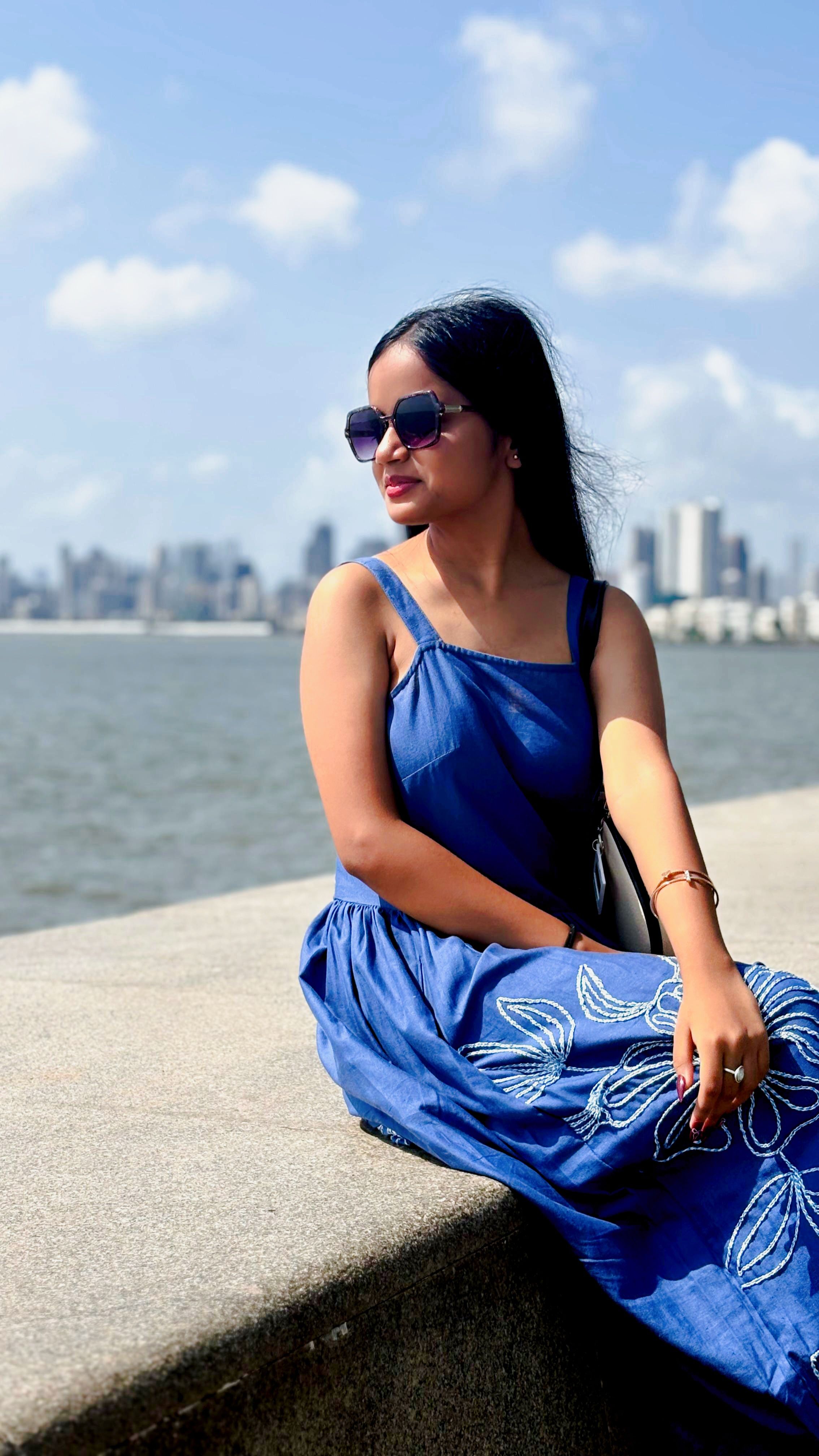
Can you take us back to when you first started noticing the small, easy-to-miss moments in everyday life through a camera? How did your eye for the everyday begin?
People have always been the most interesting subject to me — how they behave, what leads to that behaviour, and the little nuances that reveal something about them. In a bustling city like Kolkata, there is always so much happening that it can be easy to miss these smaller moments. Photography helps me slow down and notice them — whether it's a fish seller at work, a girl going home from school, or a dog taking shelter from the rain. None of these moments are particularly extraordinary, but I find something interesting in simply stopping to observe them. I think that's gradually shaped my eye for everyday life. If a photograph can make someone pause and notice something they might otherwise have walked past, I feel like it has done its job.
Was there a particular moment — a person you saw, a scene on the street — when you realised you wanted to photograph people rather than anything else? Tell us that story.
I don't really have a grand “this is when I knew” moment. It happened quite naturally. A few years ago, I went with my father to photograph Mahalaya Tarpan at the Ganga ghat at around 5 in the morning. The whole atmosphere felt very emotional to me — the dawn almost felt like a goodbye and a welcoming of Ma Durga at the same time. I started photographing and gradually found myself drawn to all the people around me: the bustling ghat, pandits advising people, men and women guiding each other through the rituals, boatmen waiting for passengers. I came home that day with so many photographs and realised that what stayed with me most wasn't just the ritual, but the range of people and emotions within it. I think that's when I started noticing how much I enjoyed photographing people.
Who or what shaped the way you see people and the world around you? A person, a photographer, a place, a habit — anything that quietly influenced how you look.
Honestly, my Chotomashi (my maternal aunt) is probably the person who shaped my photography the most, because I actually started photography because of her. During COVID, when there wasn't much to do, I remember scrolling through her Instagram and being mesmerised by her photographs — an ice formation captured with such precision, a monastery covered in snow, or even something as simple as a flower in macro. But what stayed with me most was how she could photograph such mundane details with so much beauty and rawness. I think she was the first person who made me realise that you don't necessarily need an extraordinary subject to make an interesting photograph; sometimes it's just about how you look at it.
When I met her next, I couldn't stop talking to her about photography, and I remember how encouraging she was. That was also when she introduced me to Lightroom, which I've been using and learning ever since. Even now, if I feel I've taken a photograph I'm particularly happy with, or if I think the editing needs some tweaking, she's still the first person I go to. Apart from her, I grew up in a very travel-oriented family, so having people around me constantly photographing places and moments probably made picking up a camera feel very natural too.
Your work sits between street and documentary photography. In your own words, what pulls you toward the candid and the unposed rather than a setup you can control?
I prefer photographing people when they're unaware of the camera because it feels much more raw. The person might not be stereotypically pretty or glamorous, but honestly, that's kind of the point for me. Photography has never really meant beauty to me. It's always been more about portraying reality — truthfully and wholeheartedly.
I also feel like setting something up can interrupt the whole momentum of a moment. If I went up to a forest guide and told him, “I want to photograph you,” he might agree, but once he knows he's being photographed, he might start behaving in a way that he thinks fits what I want to capture. It's quite psychological. People naturally become a little conscious of themselves, and I feel like some of that authenticity gets lost.
At the same time, I do think ethics matter, especially when you're putting photographs on social media. Just because a moment is candid doesn't mean it's automatically appropriate to photograph or share. So for me, it's really about observing people naturally, but also knowing when you should and shouldn't take that photograph.
What was happening in this photograph, and why did you choose it as one that speaks for you?
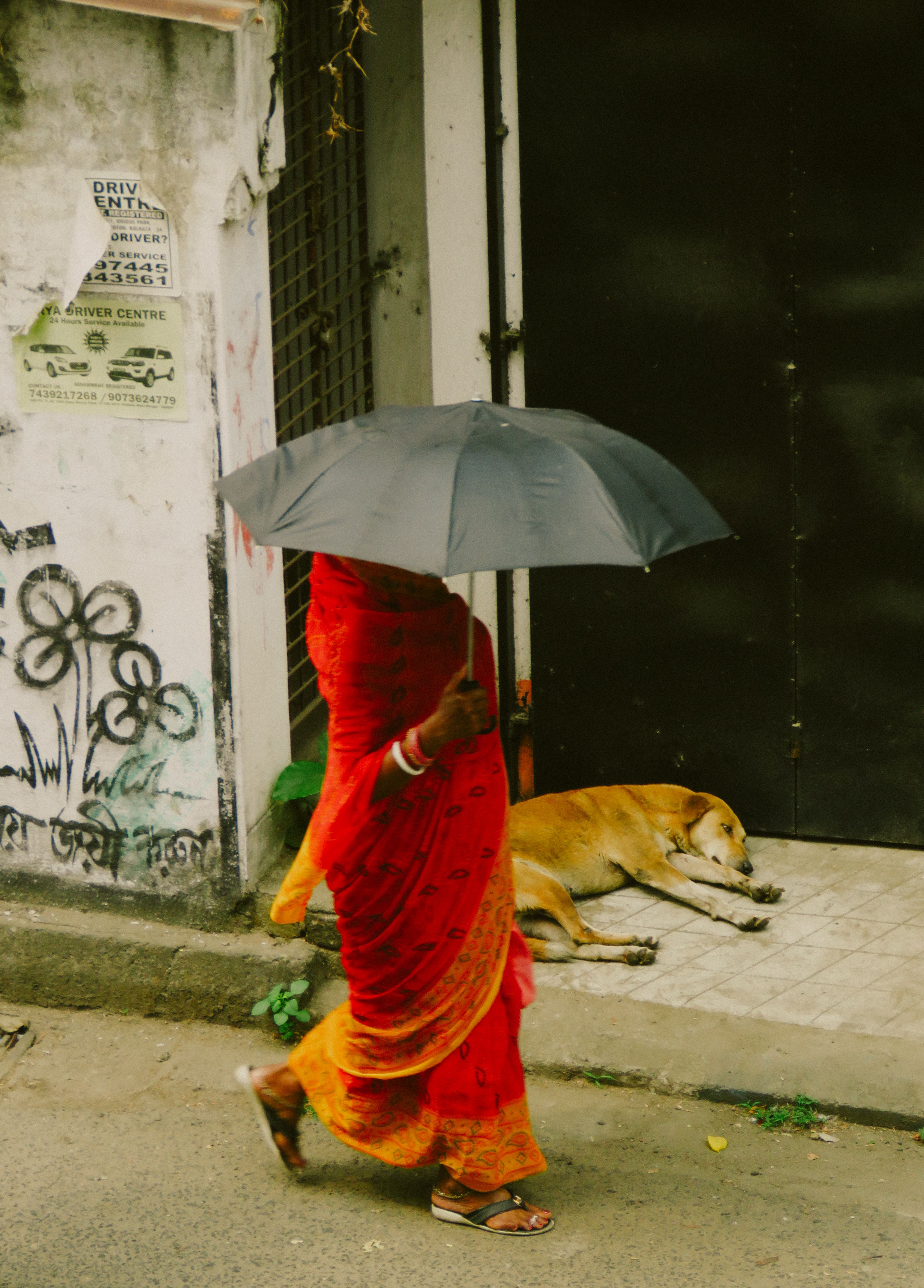
It was a hot summer day, and I saw this woman taking shelter from the heat under her umbrella while the two dog was sleeping in bliss. What caught my attention was the contrast between them — the woman seemed to be hurrying somewhere while the dog were completely at ease, just lying there and resting. I also liked that her face was hidden by the umbrella. It made the photograph feel less like a portrait of one particular person and more like a small, anonymous moment from everyday life.
There wasn't really anything extraordinary happening, but I found something very human about the whole scene. I chose this photograph because it represents what I'm drawn to in photography — noticing ordinary moments that you could easily walk past. Nothing was posed or planned, and I like that it feels honest without trying too hard to be beautiful.
What first caught your eye in this scene, and how quickly did you have to move to catch it?
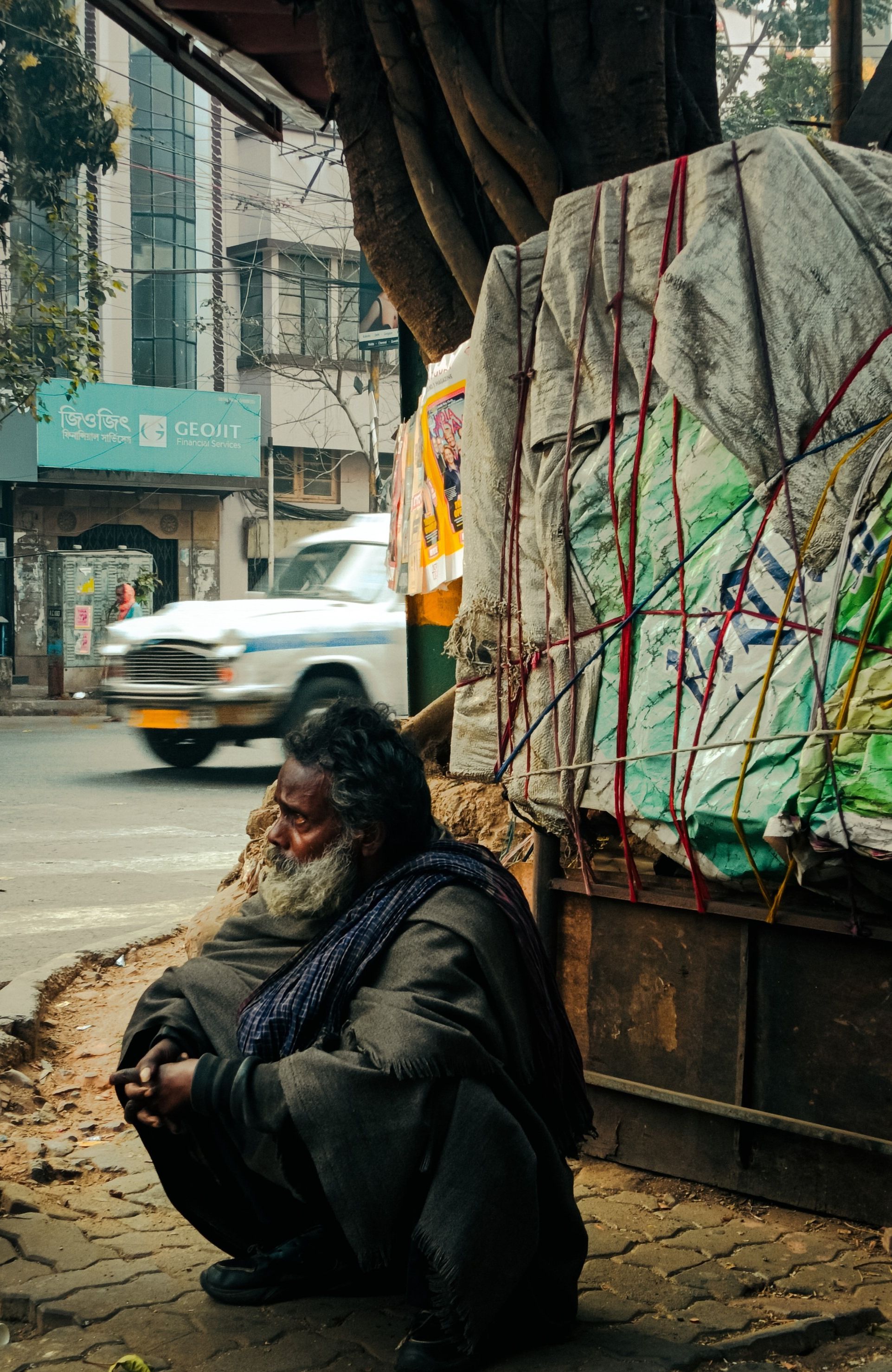
I was actually on my way to school when I noticed this scene. What caught my eye was the surroundings themselves — it wasn't conventionally pretty, but there was something raw and interesting about it. The man sitting beside the huge, roughly bundled load, the old pavement, the traffic passing behind him — all of it felt very real and very Kolkata to me. I didn't have much time to think about it or compose the shot because I was on my way somewhere, and the traffic was moving, so I had to react fairly quickly and take the photograph. I think that's partly what I liked about it: I wasn't looking for a perfect scene; I just noticed something in an ordinary, slightly messy one that made me stop.
You're photographing the world from your verandah across different days and seasons. What made you want to stay in one place and watch it change? What have you started noticing about the people who pass through?
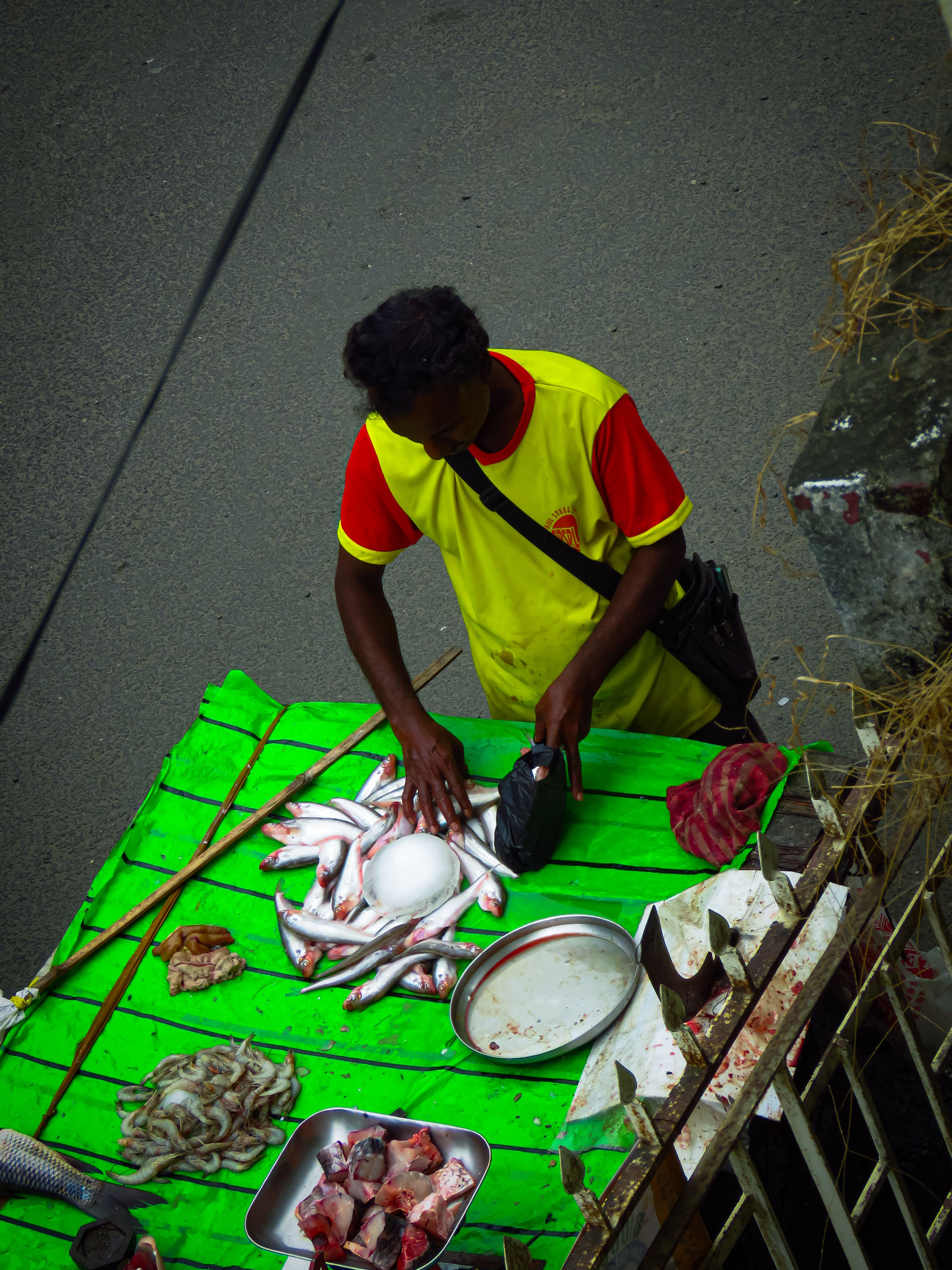
As a school student, I don't always get the opportunity to go out and explore places specifically for photography, so my verandah became a way of keeping that creativity alive without having to go anywhere. It's a comfortable, familiar place, but when you actually sit and observe it, there are so many different lives passing through it — a crow perched somewhere, dogs rushing for a biscuit, school students going to and coming back from school, people going about their routines.
I've also started noticing how differently the same surroundings can feel depending on the day. Someone might behave completely differently on a rainy afternoon than they would on a sunny morning. And that's really what I want to explore through this project: staying in the same place for long enough that I start photographing the same people again, but in completely different circumstances. I'm interested in what changes, what stays the same, and how much you can notice about someone's everyday life just by watching them over time.
What's in this kit, and why does this particular setup suit the way you like to work on the street?
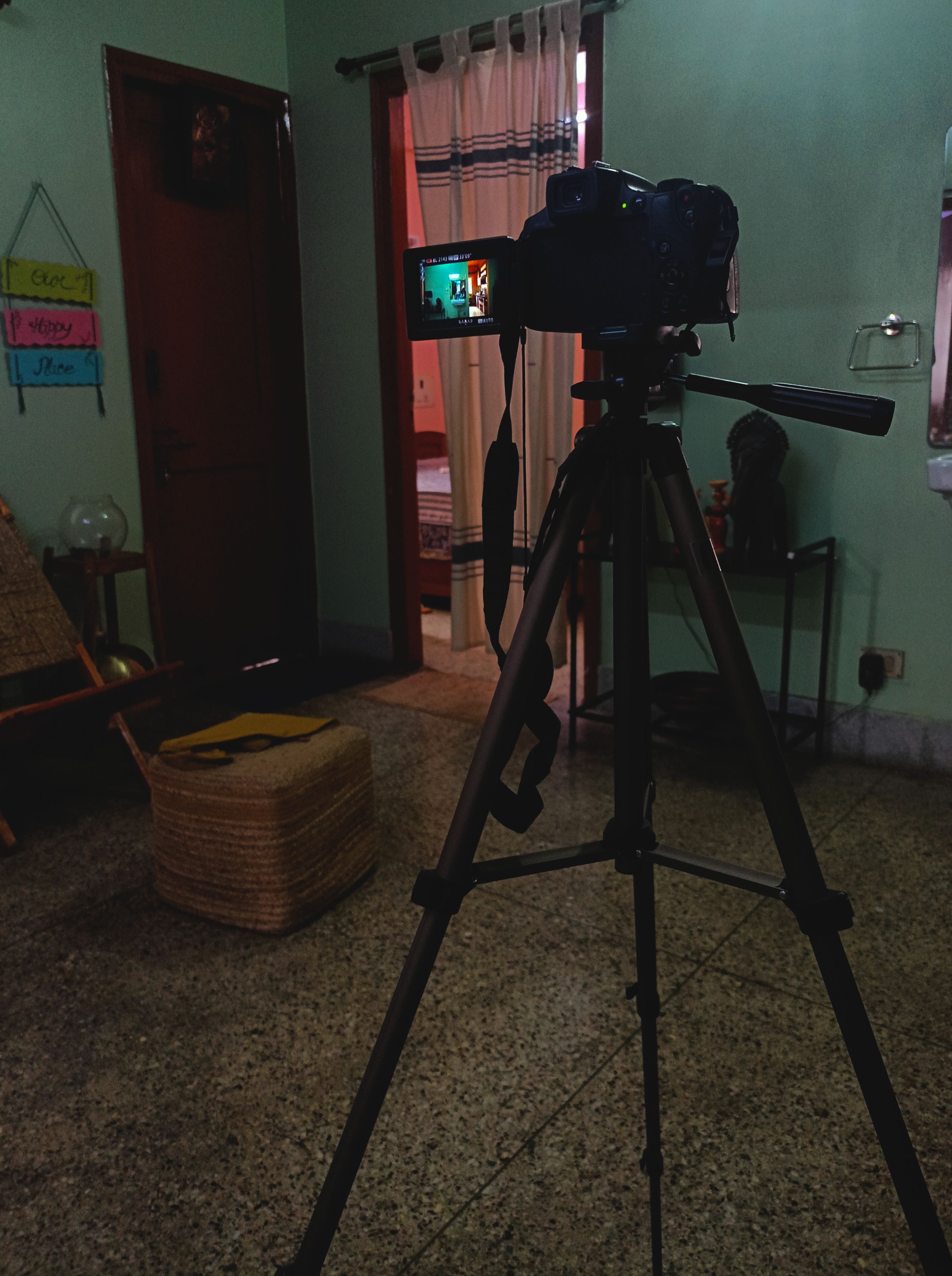
My main camera is a Canon PowerShot SX60, which is what I usually reach for when I'm out photographing. I like having something relatively straightforward that I can carry around and use without making the equipment the focus of what I'm doing. Most of the time, I'm reacting to something I've noticed rather than setting up a shot in advance, so I value being able to simply look, compose and take the photograph when a moment presents itself. The setup is pretty simple, but it works for the way I photograph — I'm much more interested in observing what's happening around me than in spending too much time thinking about the equipment itself.
What's the story behind this one, and why does it stay with you?
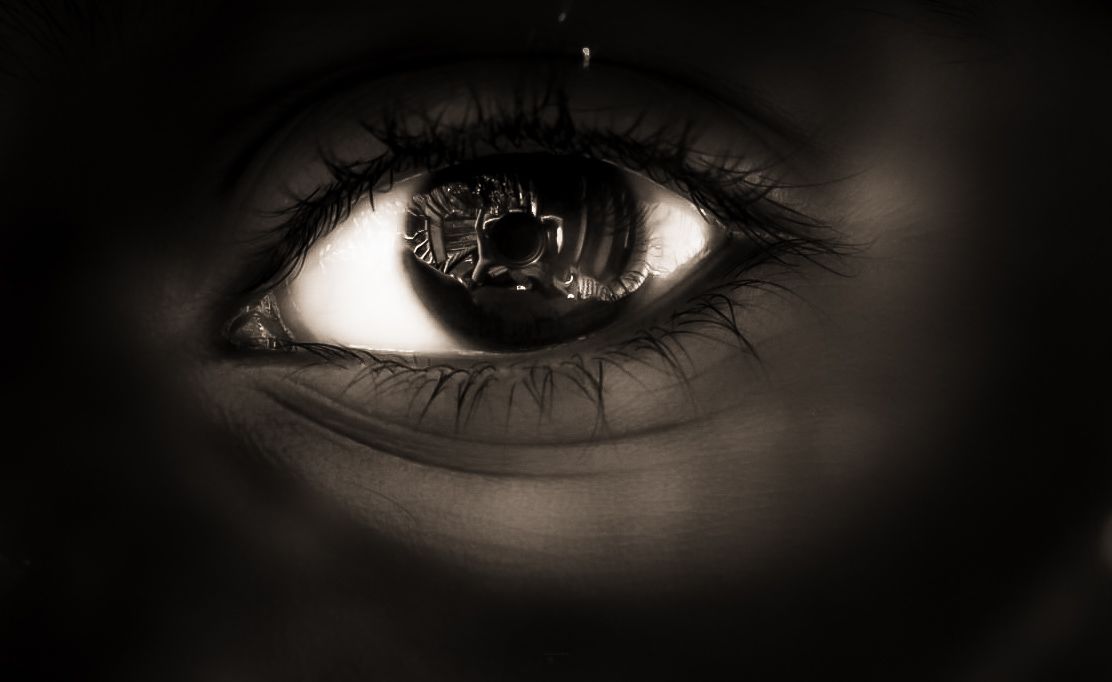
I've always been quite intrigued by photographs of eyes, so I wanted to photograph an eye purely for what it was. I think there's something interesting about how, as someone who loves photography and photography equipment, we tend to give the camera almost all the importance, when the eye itself is what actually sees. While taking this photograph, I noticed that the lens was visible in the reflection of my eye, and it came through much more clearly than I expected. I hadn't really planned for that to happen, but I ended up loving it. There was something almost ironic about photographing the eye and finding the camera reflected back in it. That's probably why the photograph has stayed with me — it turned into something more than what I had originally intended to capture.
When you're out among people, how do you stay unnoticed enough to catch a moment before it disappears? Share a little of how you work.
I don't necessarily try to make myself completely invisible. For me, it's more about being a part of the surroundings rather than making my presence disruptive. Ethics matter too, so it depends on what I'm photographing. If it's a public ritual or a larger scene, I might get quite close, or use the zoom on my camera when I need to keep some distance, because I want to preserve the rawness of the moment without interrupting it. If it's one particular person, I often photograph from closer by, where they have some idea that they're being photographed but not enough for their behaviour to become completely different.
I think blending into the surroundings is important. I'm not trying to hide myself or sneak around people; I just don't want the camera to become the most important thing happening in the scene. The moment I'm photographing should still feel like it belongs to the people in it, rather than something they've started performing for me.
Looking ahead, what do you hope your photographs help people feel or notice about the everyday lives around them?
More than anything, I hope my photographs make people stop for a moment. We're all so busy with our own mundane routines that we often move through things without really looking at them. If someone stops because they find a photograph visually pleasing, that's already a good start, but if they stop and actually think or observe for a moment irrespective, then I feel like I've achieved what I wanted to.
I want my photographs to slow things down a little — to make people look at ordinary life as it is, rather than constantly searching for something extraordinary. A sunset photograph might be beautiful, but what interests me is the fact that that particular sunset will never happen again, and neither will the exact people who stood there watching it. The same goes for the smaller moments I photograph. They may seem ordinary, but they are fleeting.
I think photography, for me, is a way of holding onto that sense of reality and reminding people to actually look. To slow down, observe, and maybe notice something they would normally have walked past.
Contact and Follow
Instagram: kkolkata_lens