

How did your journey as a photographer begin?
My journey as a photographer began with a simple, personal curiosity—a desire to capture moments that felt quietly meaningful. What started as casually clicking pictures on my phone soon blossomed into a deep passion as I began to understand the profound power a single frame holds in telling a story, evoking an emotion, or preserving a fleeting truth. It was less about the technical aspects at first and more about the instinct to hold onto a feeling, which ultimately guided me into this craft.
What was the moment you realized you were drawn to portrait, street, and wildlife photography?
I was naturally drawn to portrait and wildlife photography because of the incredible depth of raw expression they offer. Whether it’s the unguarded emotion in a human face or the untamed, unfiltered presence of an animal in its habitat, these moments feel powerfully authentic to frame. That magnetic connection to expression and genuine presence—the story in a glance or a stance—is what made me realize this wasn't just a hobby, but a way of seeing and connecting with the world.
How has your creative vision evolved across your different photography styles over the years?
Over time, my creative vision has matured from primarily chasing aesthetic beauty to intentionally seeking out deeper, more resonant stories. I’ve become more experimental with styles and techniques, but paradoxically, also more minimalist in my approach. I now prioritize emotion, the interplay of light, and authentic moments over compositional complexity. It's about stripping away the unnecessary to reveal the core truth of the subject, whether it's a person on a street or a bird on the water.
What personal philosophy guides your approach to capturing your subjects?
My guiding philosophy is to observe first and capture second—to approach every subject, whether a person or a wild animal, with respect and patience. I aim to let moments unfold naturally rather than forcing or staging a frame. For me, photography is about preserving honesty and genuine emotion; it's an act of witnessing. I believe the most powerful images arise from a place of quiet connection, not intrusion.
Which portrait from your work do you feel most deeply captures a subject's essence?
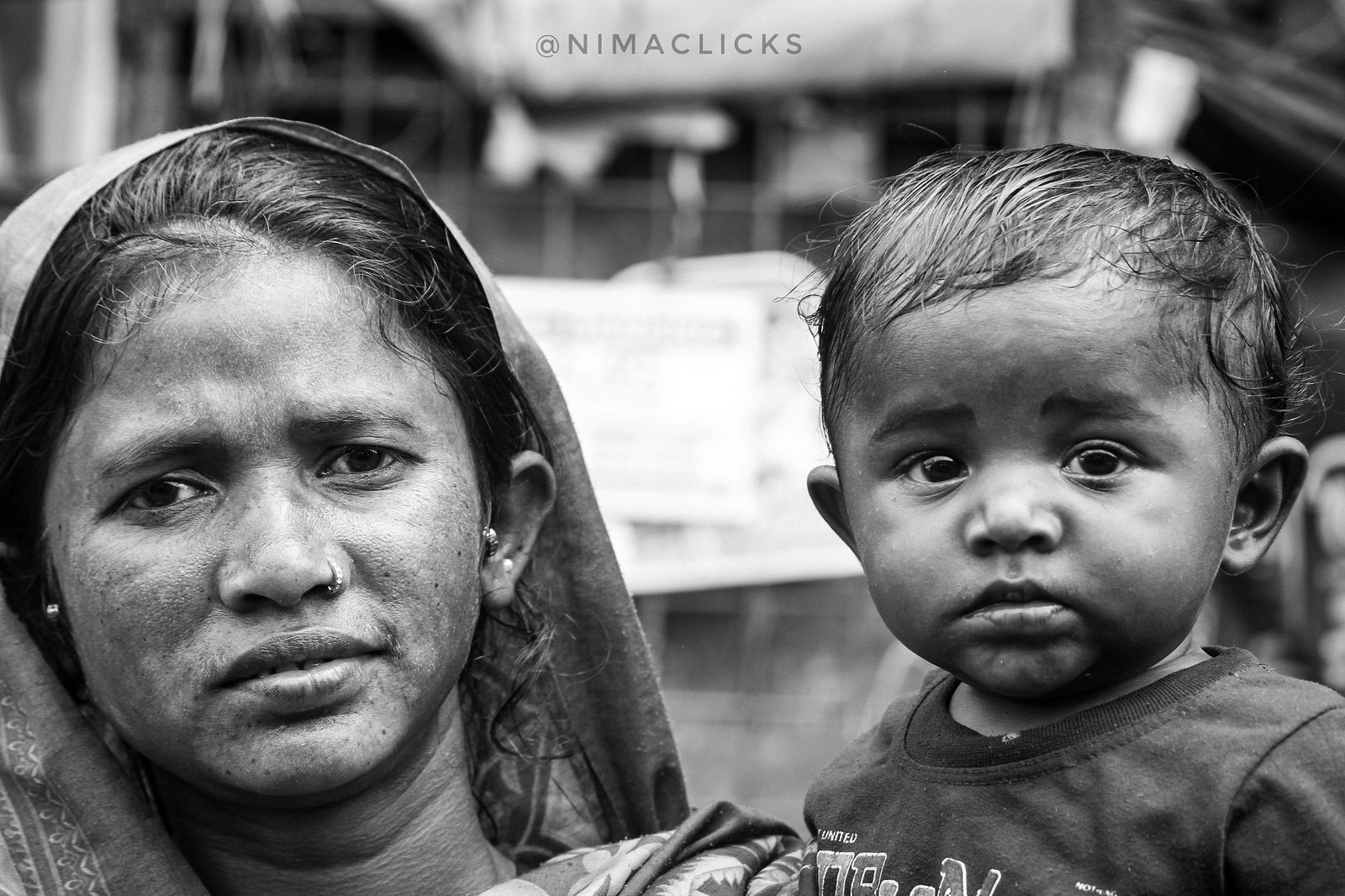
Title: “What Remains When We Have Nothing to Give”
The rain had already begun to thin the crowd when she approached me, her voice quiet but steady. She asked for money—not with desperation, but with the practiced tone of someone who had asked many times before. I hesitated, not out of indifference, but because I genuinely had nothing to offer her in that moment. No coins in my pocket, no quick solution to the weight she carried. “I’m sorry,” I told her. There was a pause—not awkward, just real. Her child shifted in her arms, wide-eyed, observing everything with a kind of unfiltered curiosity that only children possess. Then I asked, “I don’t have money… but may I take your photograph?” She didn’t answer immediately. Instead, she adjusted her hold on the child, her expression unreadable. And then, quietly, she nodded. No pose. No direction. Just presence. The camera didn’t capture poverty; it captured a moment suspended between two lives that briefly intersected. Her face held layers: fatigue, resilience, and something deeper that refused to be simplified. I walked away afterward, still carrying the same empty pockets. But the photograph stayed with me. It made me wonder: when we cannot solve someone’s struggle, what does it mean to witness it? Is there value in simply seeing, in acknowledging, in refusing to look away? This image is not about what I gave…it’s about what I couldn’t. And what, in that absence, was still shared.
Tell us about a street photograph that tells a compelling story of everyday life.
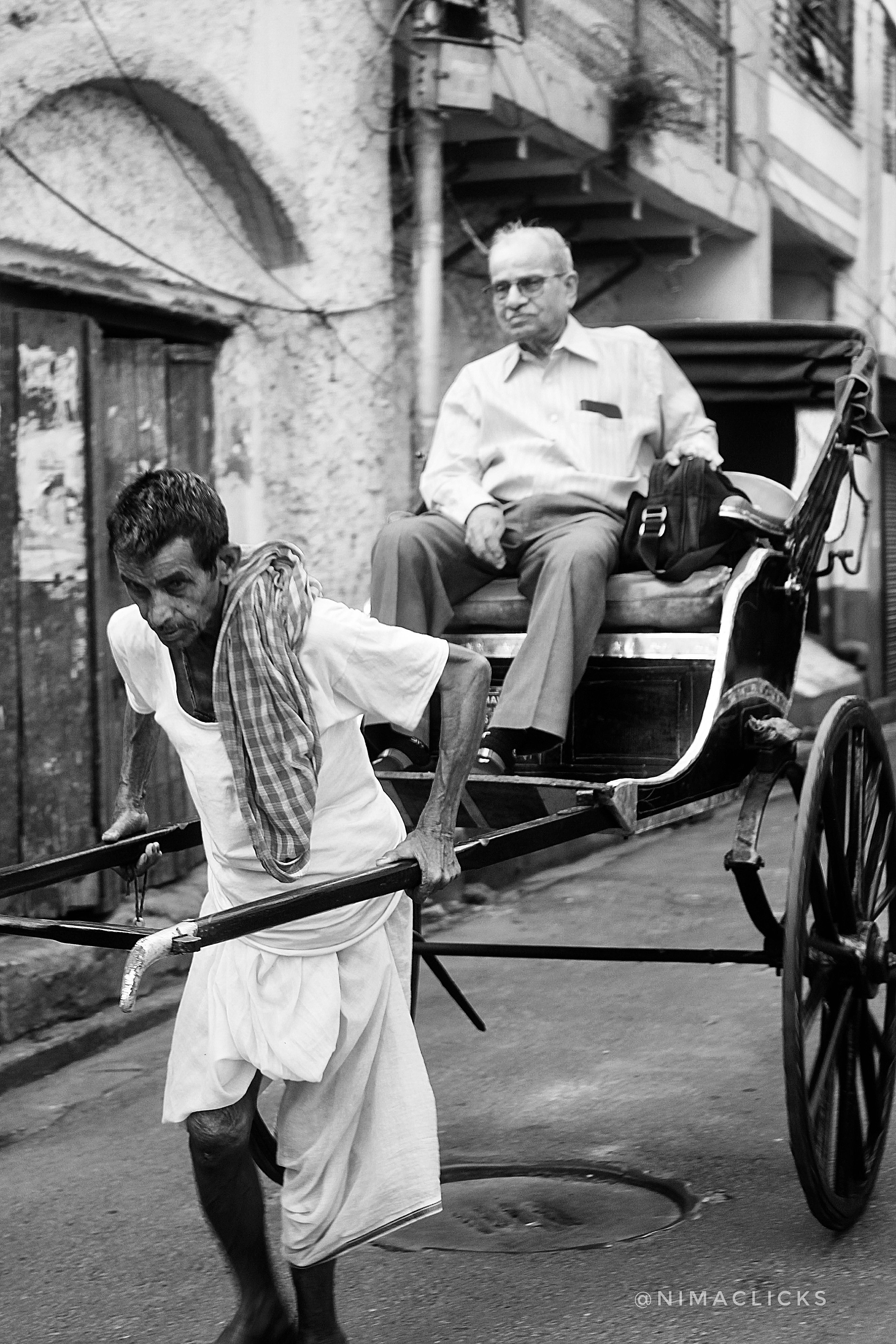
Title: “The Distance Between Two Seats”
They might have been born in the same year. Time has written itself on both their faces—lined skin, tired eyes, the slow weight of years carried without pause. But that is where the similarity begins and ends. One man sits. Pressed shirt. Polished shoes. A bag resting calmly beside him, as if the day ahead is predictable, manageable. He looks forward—not in wonder, not in urgency, just with the quiet assurance of someone who expects to arrive. The other man pulls. Bare feet against rough streets. Muscles stretched thin with repetition. His shirt clings, not as clothing but as evidence—of effort, of heat, of a life that doesn’t pause. They move together, yet they live in entirely different directions. The wheels turn easily for one, heavily for the other. There is no conversation between them. No acknowledgment. Just a shared journey where one carries, and the other is carried. And somewhere in that quiet imbalance lies a question the street never answers: How can two lives, shaped by the same passing years, end up so far apart—separated not by distance, but by circumstance? The rickshaw moves on. One man will step down and continue his day. The other will keep pulling.
Walk us through the experience of capturing your most impactful wildlife photograph.
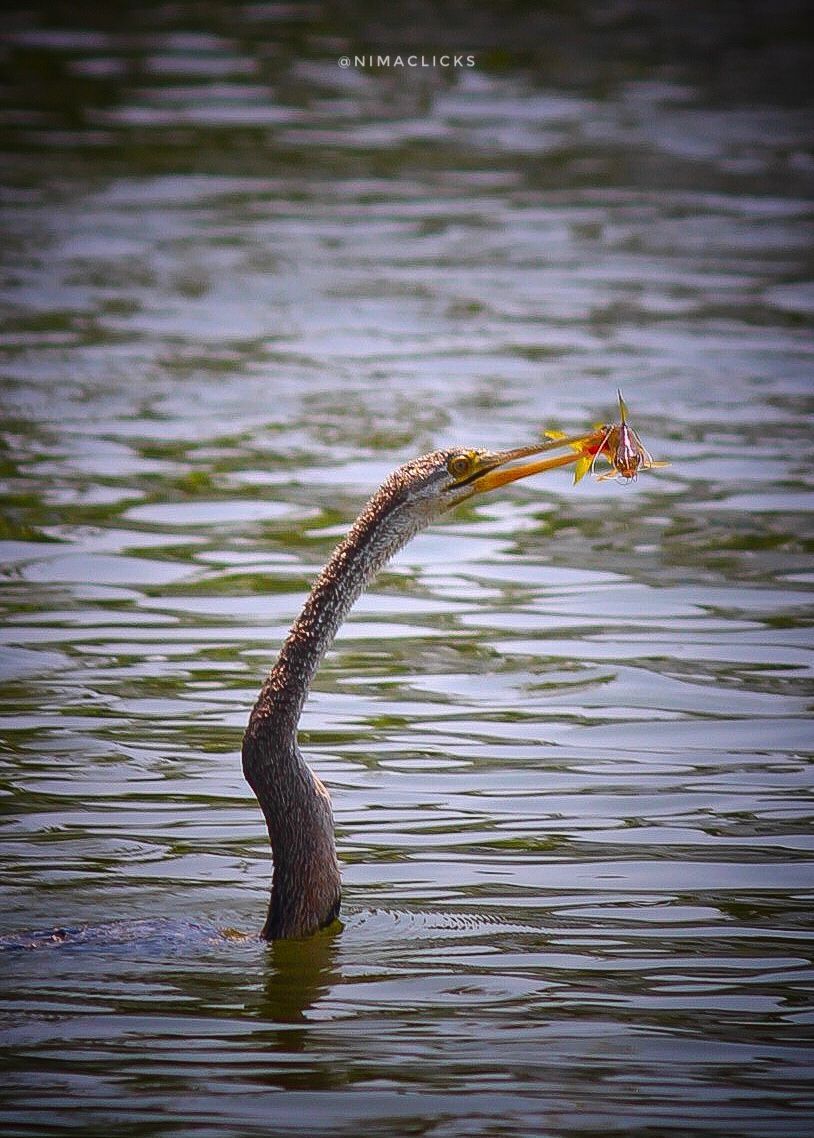
Title: “Two Sides of a Second”
This image represents the raw, dichotomous reality of nature. From the bird's perspective, it's a story of perfect, patient stillness followed by an instant, precise strike—a moment where hunger meets opportunity with lethal grace. For the fish, it's the sudden, catastrophic end of an ordinary moment in its watery world, shattered by a force from above it never saw coming. Capturing this required immense patience and a deep respect for the natural rhythm of the habitat. I had to become part of the environment, waiting silently for that split-second intersection of two lives, knowing it would be over in a blink. The experience was a profound reminder that in nature, every second simultaneously tells two stories—one of survival, the other of surrender. It’s a narrative of perfect, brutal balance, frozen in time.
Can you share a before-and-after edit to showcase your post-processing philosophy?
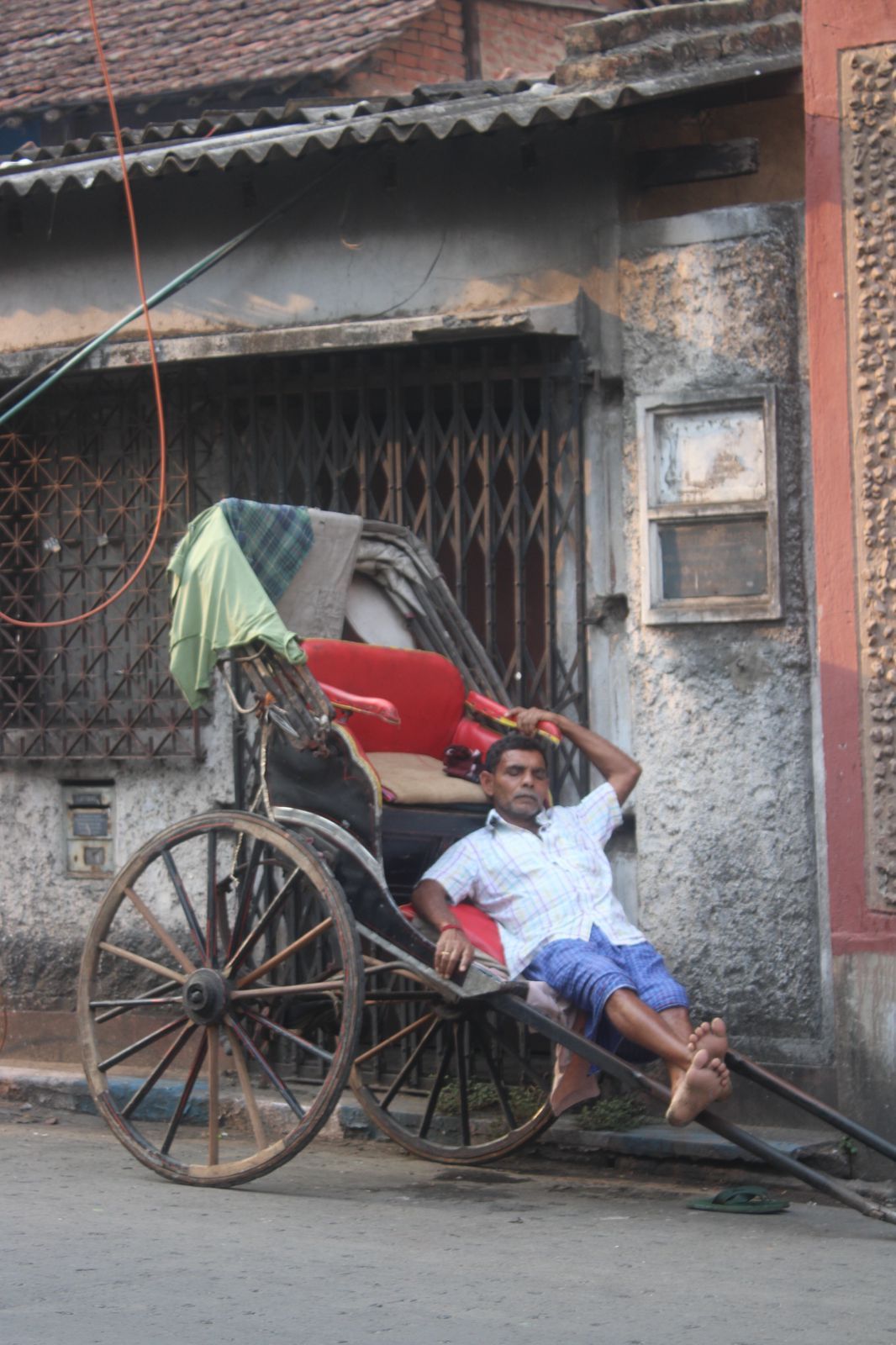
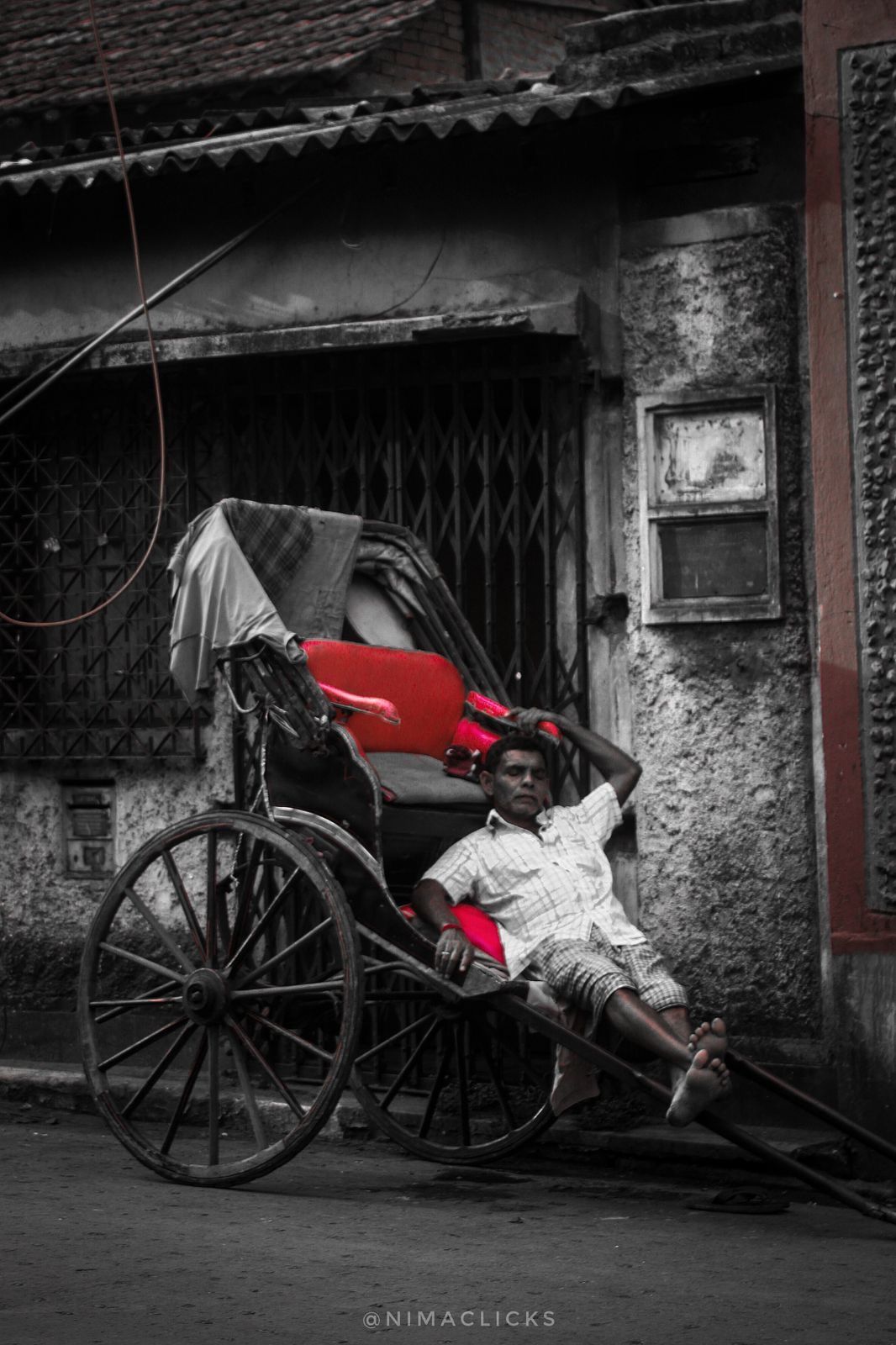
For this street scene, my editing goal was to guide the viewer's eye and amplify the inherent mood. I selectively muted most of the colors in the frame but kept the red of the subject's clothing vibrant to instantly pull focus straight to him. Then, I deepened the shadows and increased the contrast to sculpt the light and give the entire image a more cinematic, dramatic feel. This process wasn't about altering the truth of the moment, but about refining it—turning a candid street scene into a more focused, story-driven frame that emphasizes solitude and narrative tension. The edit serves the story, not the other way around.
What was a significant technical challenge you faced, and how did you overcome it?
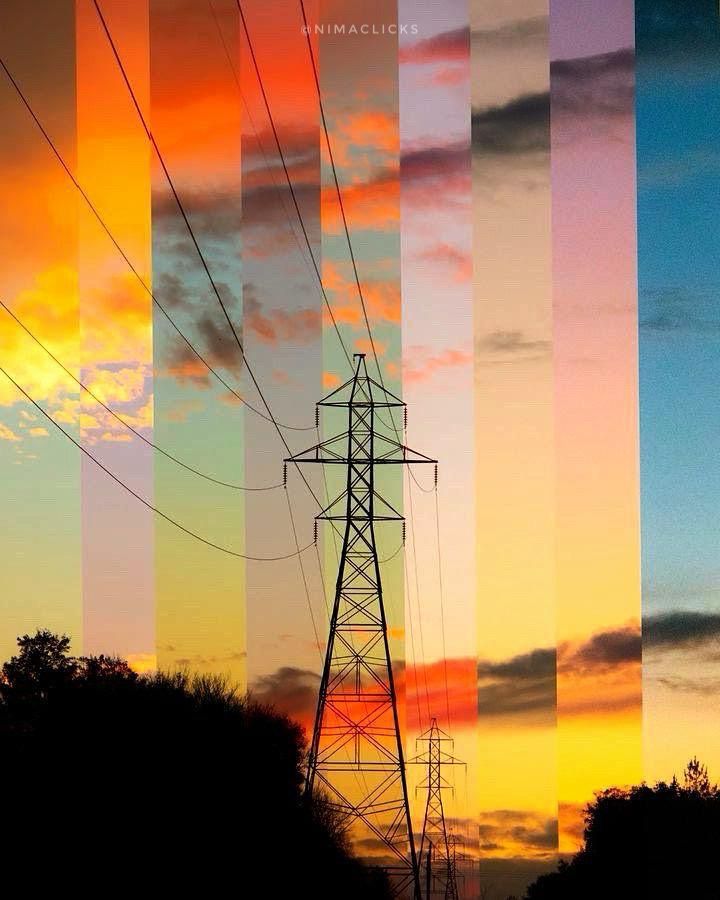
The primary challenge with this sunset scene was managing the extreme dynamic range—balancing the bright, fiery sky with the darker, detailed landscape below, all while maintaining a consistent and compelling composition in a single frame. To solve this, I shot multiple exposures at different moments as the light changed. Later, I didn't just blend them for exposure; I stitched them into precise vertical slices, meticulously blending each section to create a seamless, cinematic time-slice effect. This technique allowed me to compress the beautiful transition of light over time into one cohesive image, preserving rich detail from the highlights to the shadows and telling a fuller story of that evening's light.
What does your intuitive workflow look like during a spontaneous shoot?
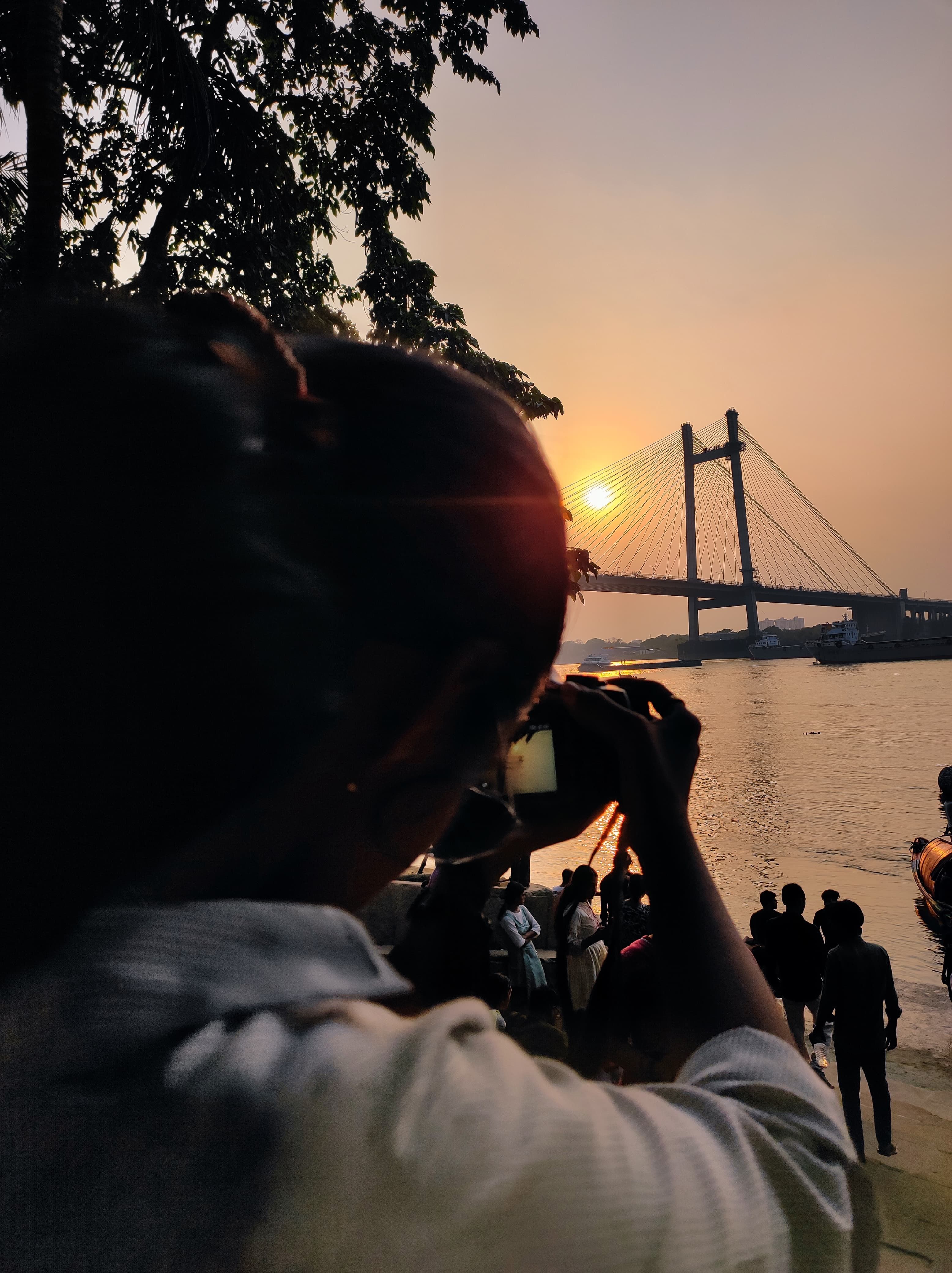
My workflow in the field is often minimal and highly intuitive, driven by observation. For this shot, I noticed how the warm sunset light perfectly lined the bridge and reflected on the river. I instinctively moved to frame the scene, using the natural architecture to lead the eye and including the human element for scale and life. I positioned myself to shoot against the light, intentionally creating a silhouette to emphasize shape and mood over detail. The entire process hinged on timing—patiently waiting for the right alignment of light, the subject's position, and a sense of movement. There's little planning, just a deep focus on being present and ready to capture the moment as it organically and beautifully unfolds.
What's the most important piece of advice you'd give to an aspiring photographer today?
My foremost advice is to shift your focus from chasing technically perfect shots to pursuing authentically real moments. Cultivate patience and learn to observe the world deeply before you even lift your camera. Always approach your subject—be it a person, an animal, or a street scene—with genuine respect. Remember, great photography is fundamentally about perception, not just equipment. It's the alchemy of light, the poetry of timing, and the story you consciously choose to see and honor within the frame. Start with your heart and eyes; the camera is just the tool that follows.
Contact and Follow
Email: arunima4233@gmail.com
Instagram: @nimaclicks