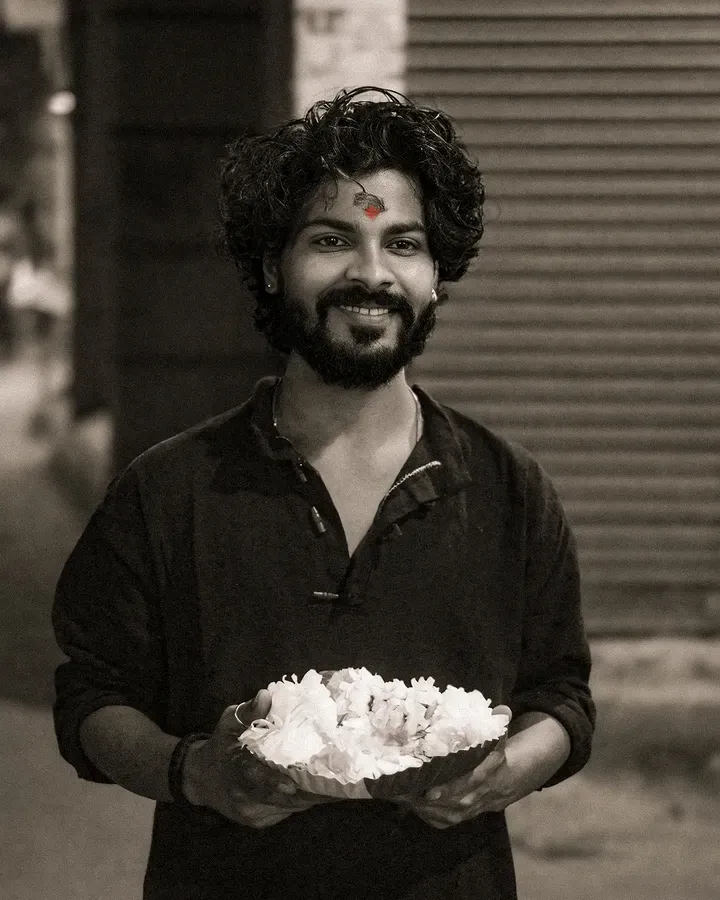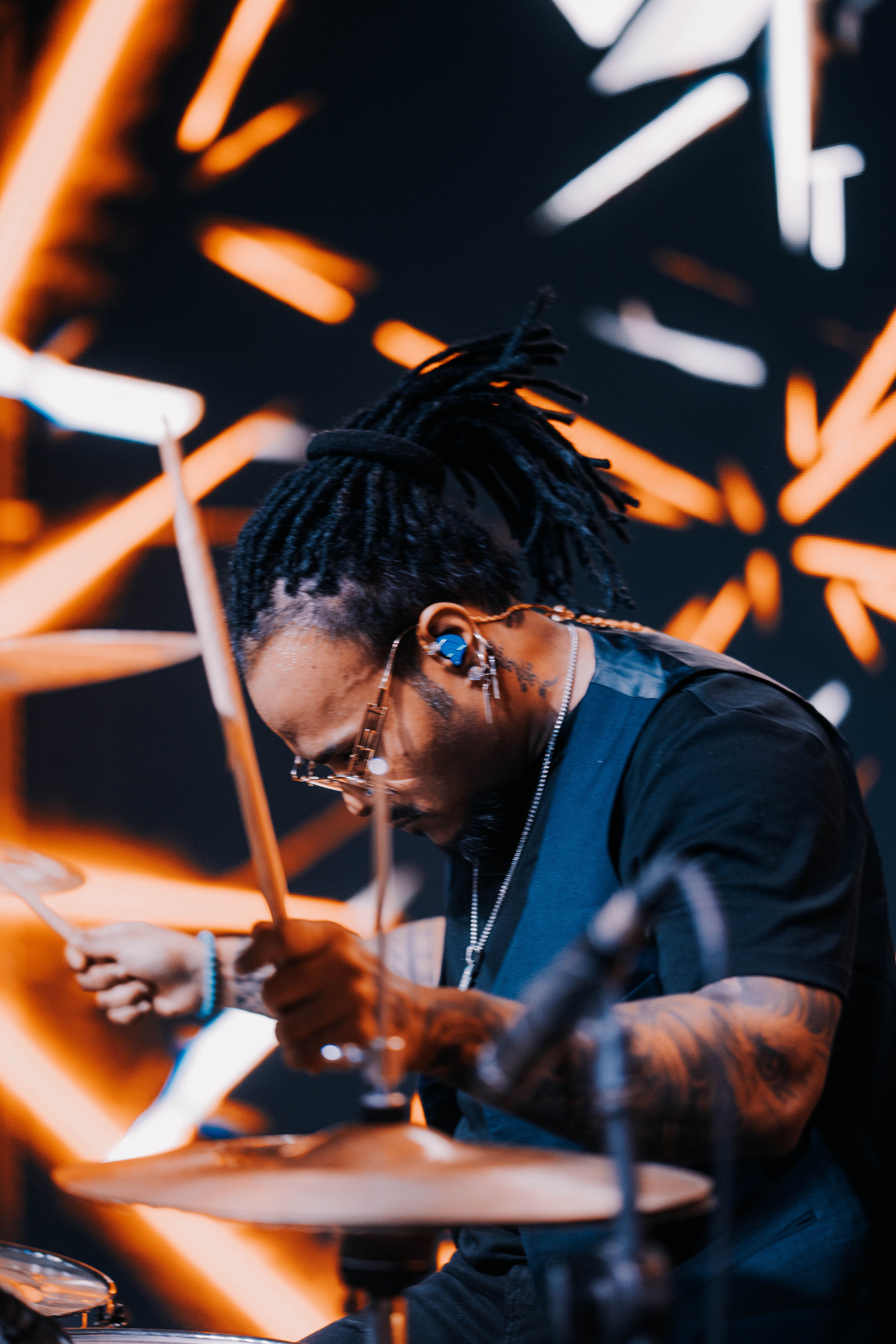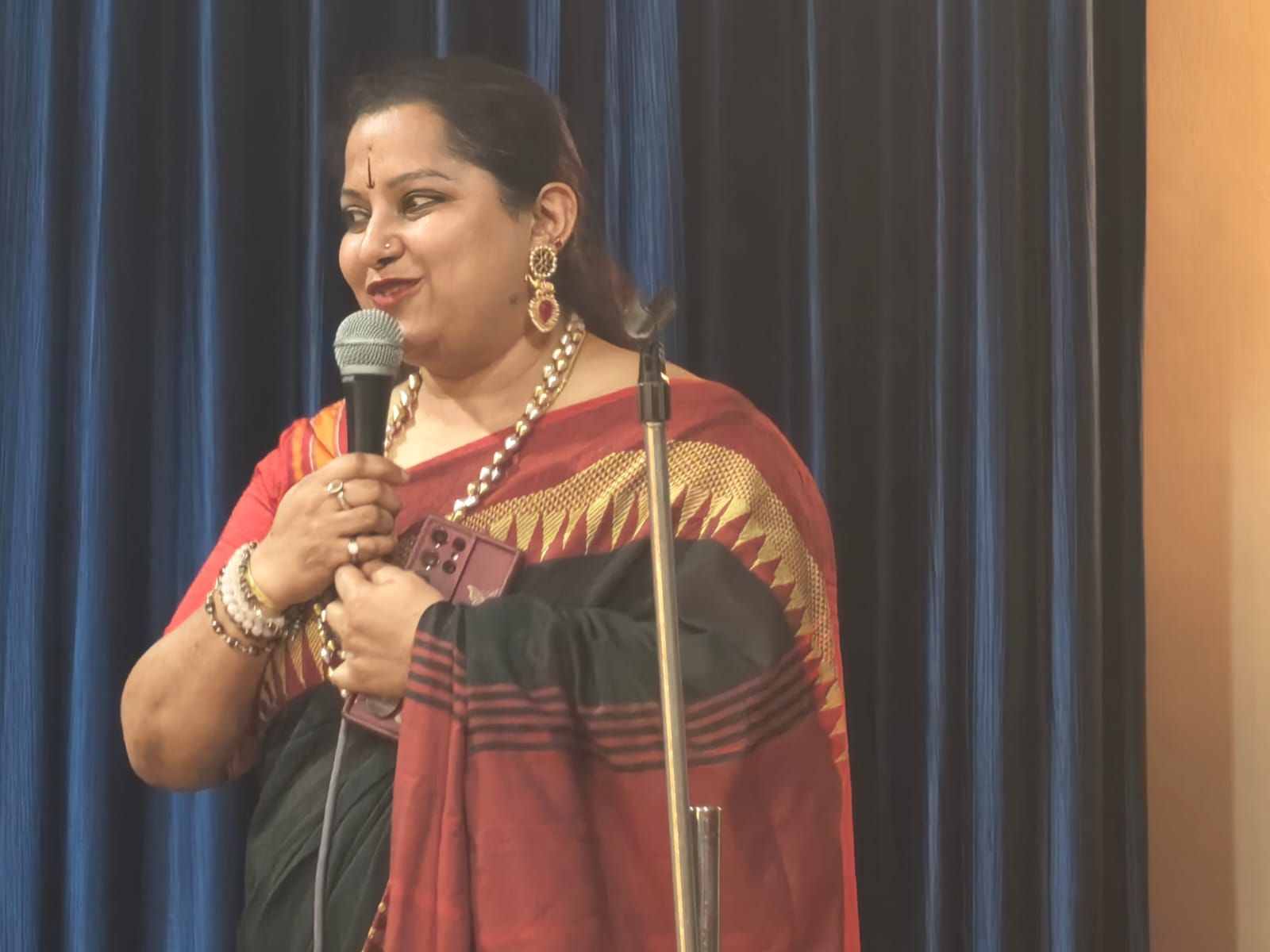


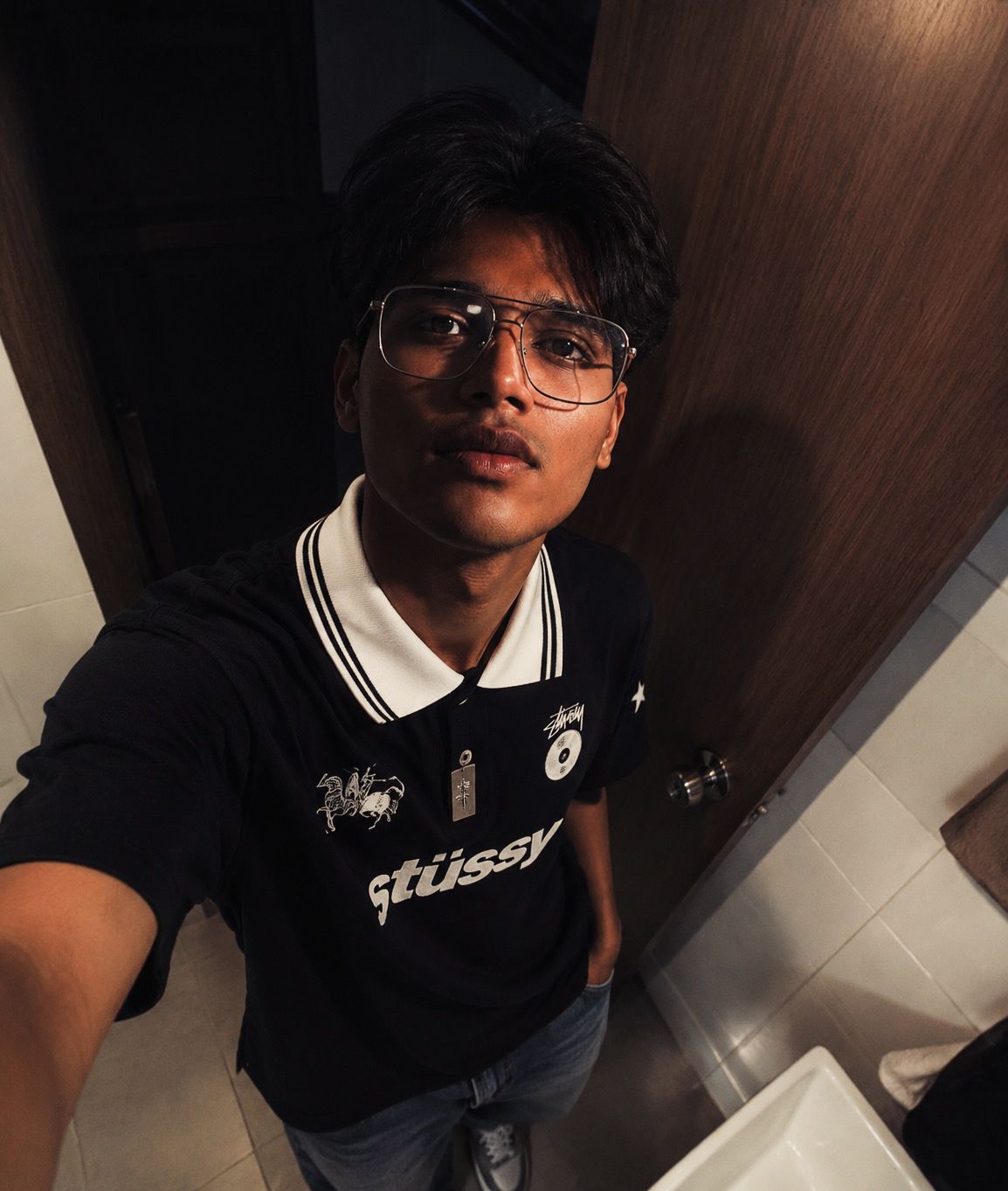
How did your musical journey begin?
I started making music because it became the best way to express what I couldn’t always say out loud. What began as writing lyrics and creating melodies has grown into a passion for making songs that connect with people. I’m still learning, evolving, and trying to create music that feels honest and real.
What inspired you to start writing and releasing your own songs?
What inspired me to start writing and releasing my own songs was the feeling that some emotions can’t be fully expressed through words alone. Music became my way of telling stories, capturing memories, and turning personal experiences into something others could connect with. I wanted to create songs that feel honest and relatable—whether they’re about love, heartbreak, hope, or finding yourself. Releasing my music is my way of sharing a part of who I am and hopefully helping someone else feel understood.
How has your sound and creative process evolved since you first started?
When I first started, I was focused on learning how to turn my emotions into songs. I experimented with different sounds, styles, and songwriting techniques to find what felt most authentic. As I’ve grown, I’ve become more intentional with every part of the process—from writing lyrics to choosing the production and atmosphere of each track. Today, my music is more personal, cinematic, and emotionally driven. I spend more time refining melodies, creating mood, and making sure every song tells a story. I’m still evolving as an artist, but my goal has stayed the same: to make honest music that people can connect with and remember.
Can you share a pivotal moment that shaped you as an artist?
A pivotal moment for me was realizing that I didn’t have to make music to fit trends—I could make music that reflected my own experiences and emotions. That changed the way I approached songwriting. Instead of trying to sound like someone else, I started focusing on telling honest stories that felt real to me. Another important step was having the confidence to release my music publicly. Sharing something so personal was intimidating, but seeing people connect with it reminded me why I started making music in the first place. It taught me that authenticity creates the strongest connection, and that’s the mindset I carry into every song I make.
Describe your setup. What's the most essential piece of gear or item in this space for your creative process?
My setup is simple but focused. I like to keep my workspace clean and free of distractions so I can stay fully immersed in the creative process. Most ideas begin with a melody or lyric, and from there I build the song piece by piece, experimenting with sounds until everything feels right. The most essential part of my setup isn’t a single piece of expensive gear—it’s my laptop. That’s where I write, record, produce demos, and shape the overall vision of each song. It’s the place where ideas turn into finished tracks, making it the heart of my creative process.
How does this environment influence your music?
The environment around me has a big influence on my music. The places I’ve lived, the people I’ve met, and the moments I’ve experienced all find their way into my songs. Quiet nights, busy streets, cafés, long drives, and even the feeling of leaving a place behind inspire the emotions I write about. I try to capture those feelings in a way that lets listeners create their own connection to the music. Every environment carries a different mood, and I enjoy turning those moods into melodies and stories that feel honest and cinematic.
Share a photo that represents your cultural roots.
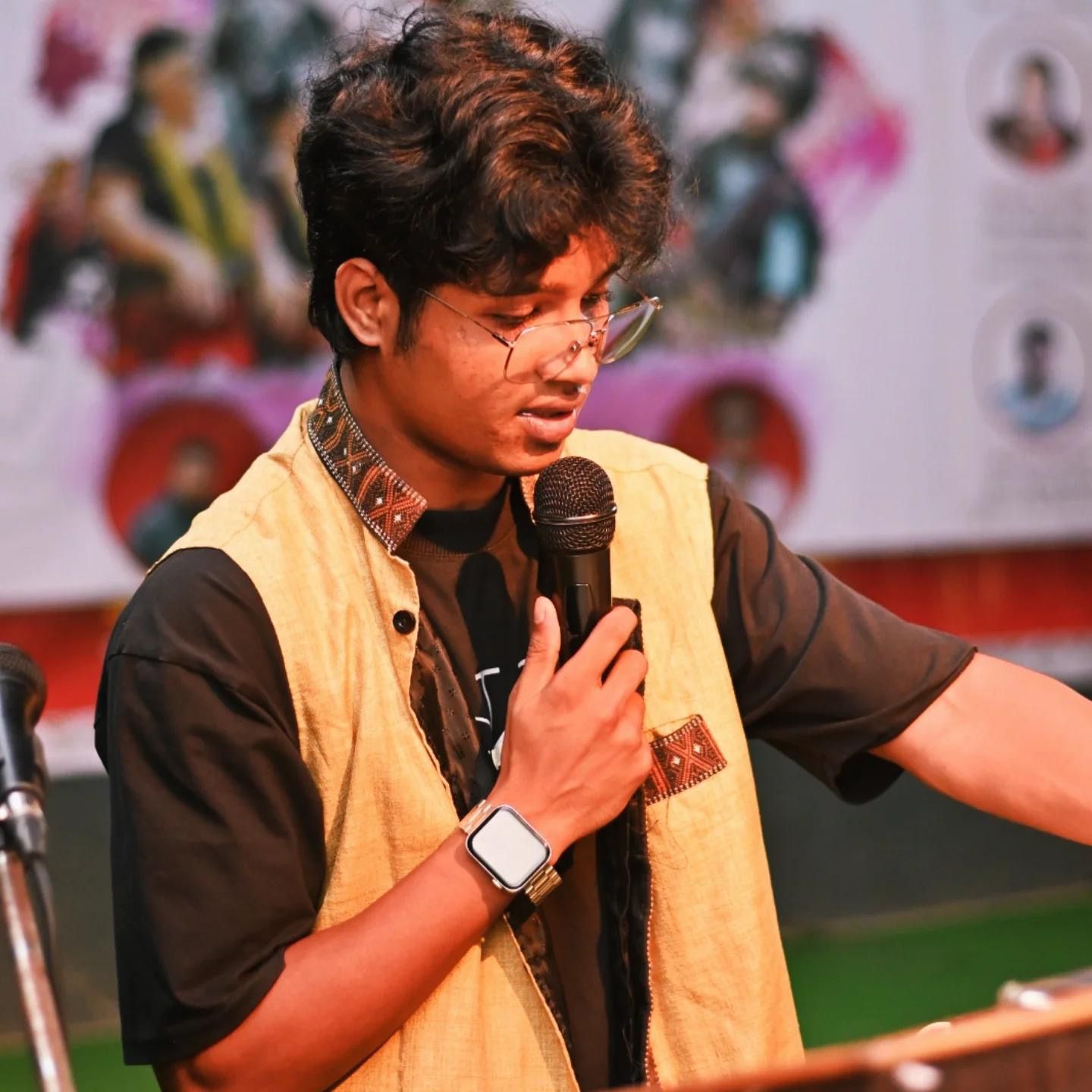
How does this cultural connection influence your music?
My cultural background is a quiet but important influence on my music. It shapes the way I see the world, the stories I tell, and the emotions I express. Even when my songs have a modern pop or alternative sound, the values, memories, and experiences I’ve grown up with naturally find their way into the lyrics and atmosphere. I want my music to feel universal while still carrying a part of where I come from. That balance allows me to stay true to my roots while creating songs that listeners from different backgrounds can connect with.
Upload a snippet (audio or video) of a song where you feel you blended R&B/soul with a subtle cultural or folk influence.
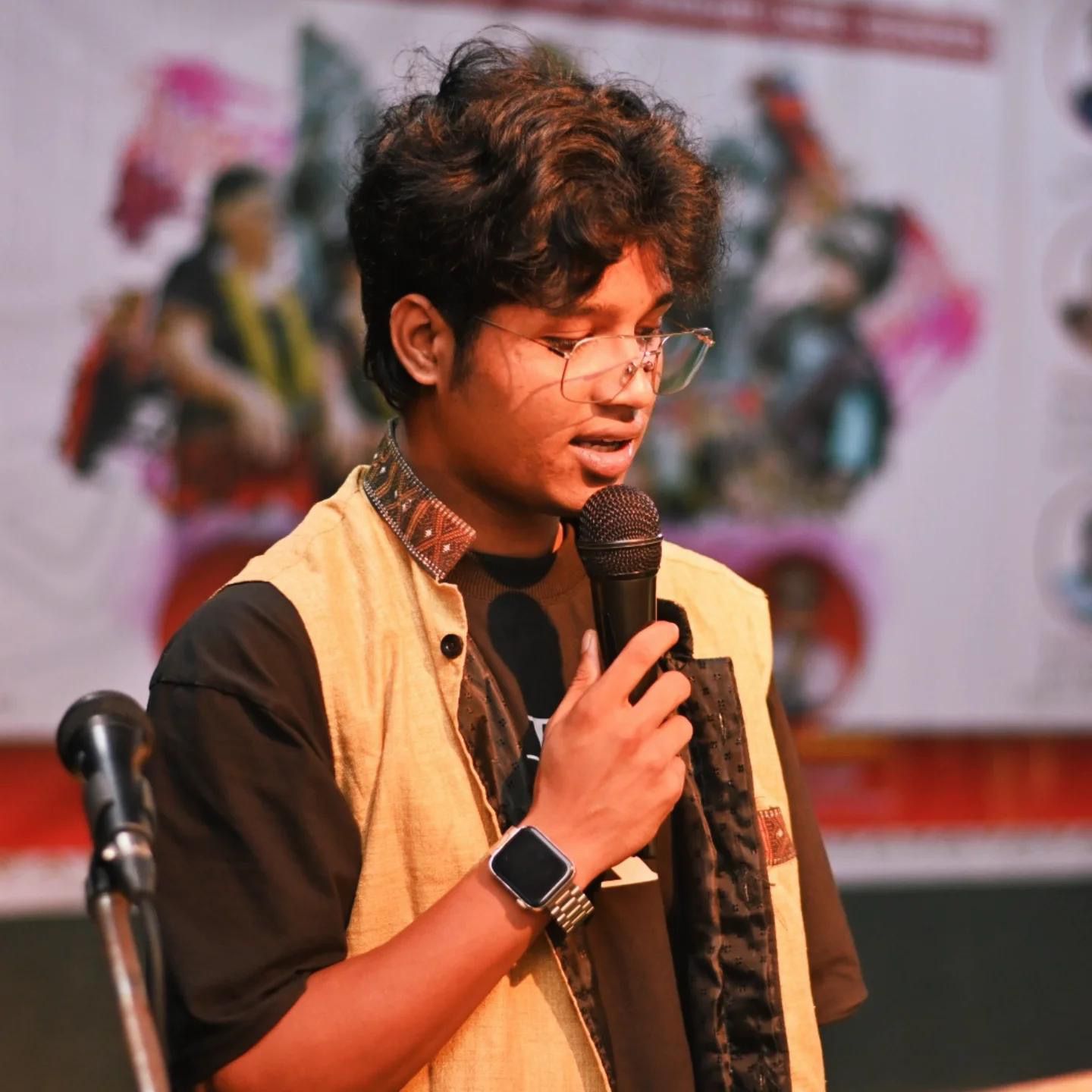
Briefly describe the blend of sounds in this piece.
One of the most memorable moments was how naturally everything came together. Some of the best shots and creative ideas weren’t planned—they happened in between takes when everyone was relaxed and just enjoying the process. Those unexpected moments gave the session a genuine energy, and they ended up becoming some of my favorite parts of the project.
Share a before-and-after clip showing a song idea in its early stages versus the final produced version.
For me, songwriting starts with an emotion rather than a melody. When I’m going through something difficult, I don’t try to write the perfect song—I just write honestly. I’ll usually begin with a single line or thought that captures what I’m feeling in that moment, then build the lyrics around that emotion. With songs like Closer or Hope, the goal wasn’t to explain every detail of my experience. It was to capture the feeling in a way that listeners could relate to through their own lives. Once the lyrics feel genuine, I shape the production to match the emotion—whether that’s soft piano, ambient synths, warm guitars, or space in the mix that lets the vocals breathe. By the time the song is finished, it feels like I’ve turned something heavy into something meaningful. If a listener hears it and feels understood or a little less alone, then the song has done exactly what I hoped it would.
What does the visual for 'Hope' represent? How does it connect to your music's themes?
The environment around me has a big influence on my music. The places I’ve lived, the people I’ve met, and the moments I’ve experienced all find their way into my songs. Quiet nights, busy streets, cafés, long drives, and even the feeling of leaving a place behind inspire the emotions I write about. I try to capture those feelings in a way that lets listeners create their own connection to the music. Every environment carries a different mood, and I enjoy turning those moods into melodies and stories that feel honest and cinematic.
What was the most significant change or decision you made during this production?
Studying law has taught me discipline, patience, and the importance of thinking long-term—qualities that have been just as valuable in my music career. Balancing academics with music means I’ve had to manage my time carefully, stay organized, and remain committed even when things get challenging. Law has also given me a better understanding of the business side of the industry, from contracts and copyright to protecting my work as an independent artist. While music is where I express my emotions and creativity, my legal education helps me approach my career with a clear strategy and make informed decisions. For me, the two paths complement each other. One challenges my analytical thinking, while the other gives me the freedom to create, and together they’ve helped shape me into a more well-rounded artist.
Upload a short video of you experimenting with a sound or instrument outside your usual style.
What are you exploring in this clip? How do you incorporate new influences while staying true to your core sound?
My cultural background is a quiet but important influence on my music. It shapes the way I see the world, the stories I tell, and the emotions I express. Even when my songs have a modern pop or alternative sound, the values, memories, and experiences I’ve grown up with naturally find their way into the lyrics and atmosphere. I want my music to feel universal while still carrying a part of where I come from. That balance allows me to stay true to my roots while creating songs that listeners from different backgrounds can connect with.
Share a photo or behind-the-scenes video from the making of one of your music videos or recording sessions.
What was a fun or unexpected moment during this shoot/session?
One of the most memorable moments was how naturally everything came together. Some of the best shots and creative ideas weren’t planned—they happened in between takes when everyone was relaxed and just enjoying the process. Those unexpected moments gave the session a genuine energy, and they ended up becoming some of my favorite parts of the project.
What's one piece of practical advice you'd give to another self-taught, independent artist just starting out?
Don’t wait for everything to be perfect before you start. Create consistently, release your work, and treat every project as a chance to learn. Focus on improving your songwriting and developing your own sound instead of chasing trends or comparing yourself to others. Progress comes from showing up, staying patient, and letting your authenticity speak through your music.
You've mentioned music as personal therapy. Can you describe your songwriting process for translating a difficult emotion into a track like 'Closer' or 'Hope'?
For me, songwriting starts with an emotion rather than a melody. When I’m going through something difficult, I don’t try to write the perfect song—I just write honestly. I’ll usually begin with a single line or thought that captures what I’m feeling in that moment, then build the lyrics around that emotion. With songs like Closer or Hope, the goal wasn’t to explain every detail of my experience. It was to capture the feeling in a way that listeners could relate to through their own lives. Once the lyrics feel genuine, I shape the production to match the emotion—whether that’s soft piano, ambient synths, warm guitars, or space in the mix that lets the vocals breathe. By the time the song is finished, it feels like I’ve turned something heavy into something meaningful. If a listener hears it and feels understood or a little less alone, then the song has done exactly what I hoped it would.
Juggling music and a law degree is unique. How does your academic discipline influence your approach to building your music career?
Studying law has taught me discipline, patience, and the importance of thinking long-term—qualities that have been just as valuable in my music career. Balancing academics with music means I’ve had to manage my time carefully, stay organized, and remain committed even when things get challenging. Law has also given me a better understanding of the business side of the industry, from contracts and copyright to protecting my work as an independent artist. While music is where I express my emotions and creativity, my legal education helps me approach my career with a clear strategy and make informed decisions. For me, the two paths complement each other. One challenges my analytical thinking, while the other gives me the freedom to create, and together they’ve helped shape me into a more well-rounded artist.
Contact and Follow
Email: habungr994@gmail.com
Social: In All platforms Spotify YouTube Apple Music Deezer and other platforms