


How did your journey in wildlife photography begin?
My photography journey began during the 2020 lockdown, which was a dream I had cherished since childhood. As a kid, I used to watch Nat Geo and Animal Planet with my mother—those were my greatest inspirations, just like for many photographers. I've been following my passion ever since, working hard to achieve big goals, and right now I'm proud of who I've become.
What was the first animal or scene that made you fall in love with wildlife photography?
The first thing that truly drew me into photography was the birds in my backyard. Early mornings, I would watch bee-eaters, Indian robins, and many other species—I never realized so many birds visited our land. Capturing their grace and stunning colors made me fall in love with nature, and that love eventually turned into a deep passion for wildlife photography.
How has your photography style evolved over the years?
My photography style has evolved from simply capturing moments to telling meaningful stories. Over the years, I've developed a stronger eye for light, composition, emotions, and details. Each photo now reflects not only what I see but also how I see the world, making my work more intentional and authentic.
What is the most challenging aspect of wildlife photography for you?
The most challenging aspects are managing light and camera settings while maintaining a safe distance from birds and animals. The key challenge is finding species without disturbing them. Capturing them in their natural habitat is crucial because that's when you can get stunning, unexpected moments.
What makes this particular blackbuck photo special to you?
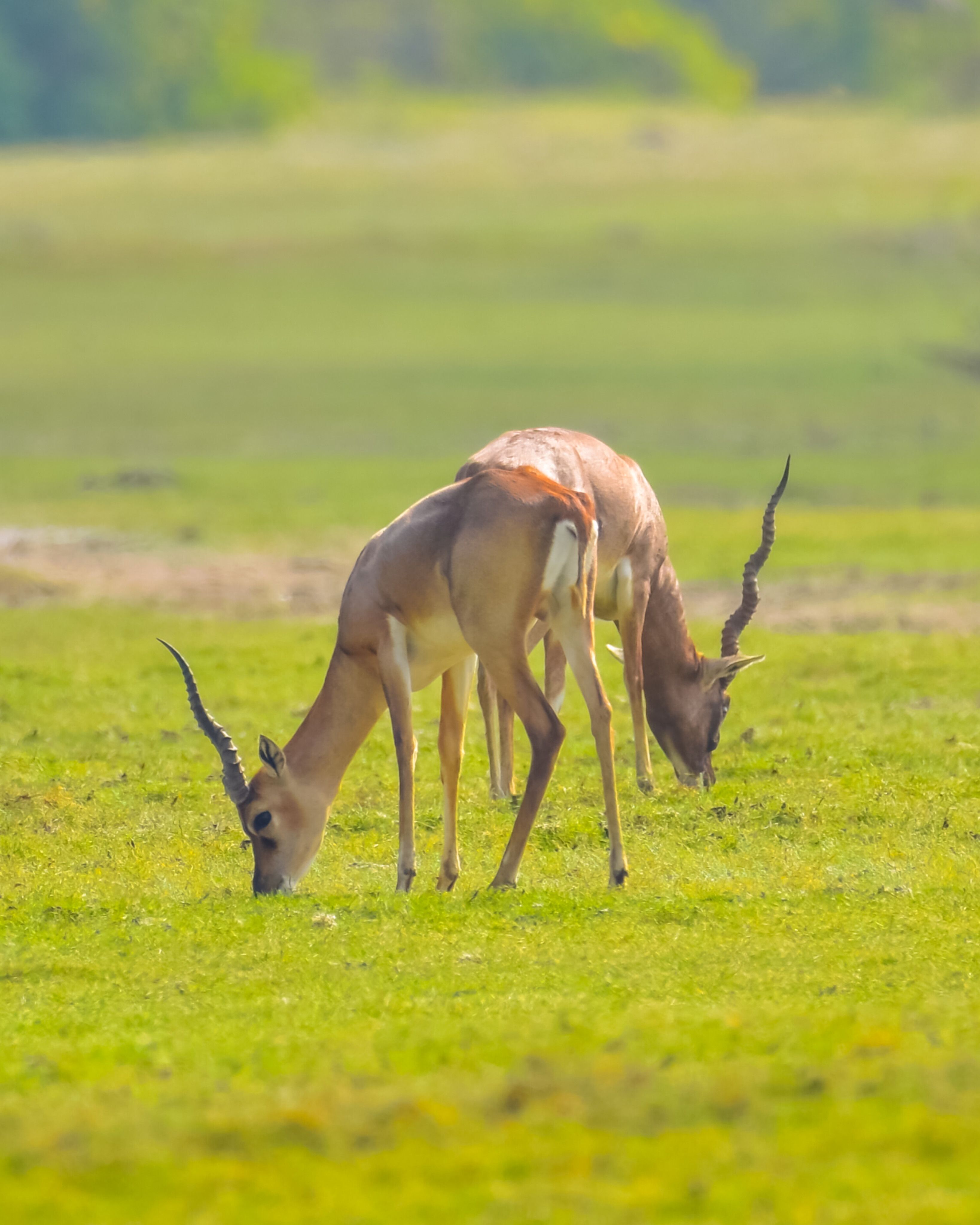
This image was taken at Point Calimere. The blackbuck is a highly social animal that can reach speeds of about 80 km/h—they are the fastest running mammals in our country. But when I approached them politely, they gave me space to mingle and didn't run away. Their kindness and the friendship between the two of them was magnificent. Wildlife is always a miracle; if we give them kindness, they return it double.
What story or emotion does this photo of the bar-headed geese convey?
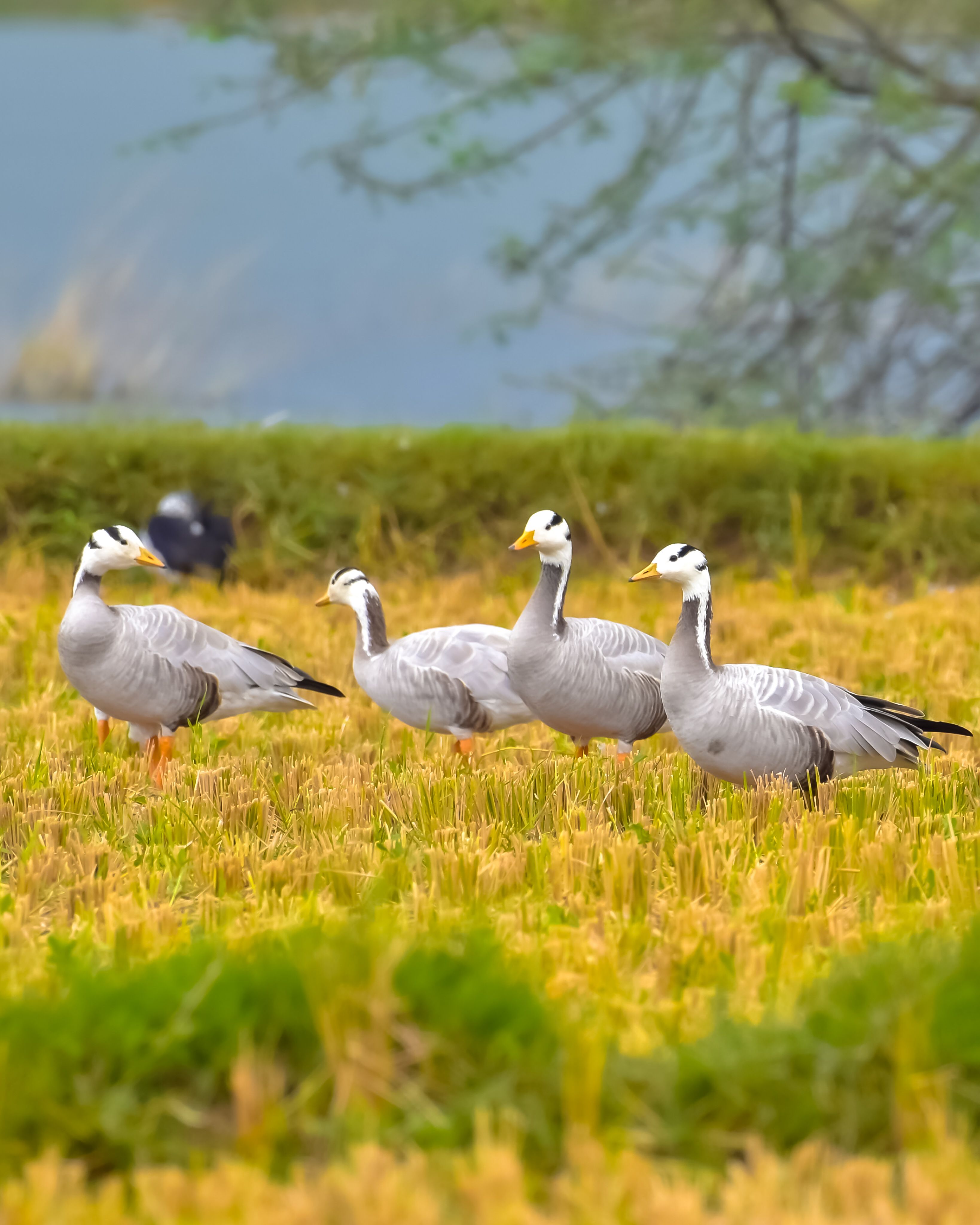
When we visited Koothankulam Birds Sanctuary during the off-season, there were no birds, and I was very sad. We decided to return home via another route, and I spotted something moving in the distance. My family, my biggest supporters, stopped the car and encouraged me to go take the shot. I ran for about 10 minutes and found a stunning group of bar-headed geese—it was my first time seeing them so close. I later learned they are the highest-flying birds, crossing the Himalayas at altitudes of 8,000 meters. Freezing that moment was a thrilling experience—the chilliness, the location, and the birds all played perfectly together.
Walk us through your editing process for the images you shared.
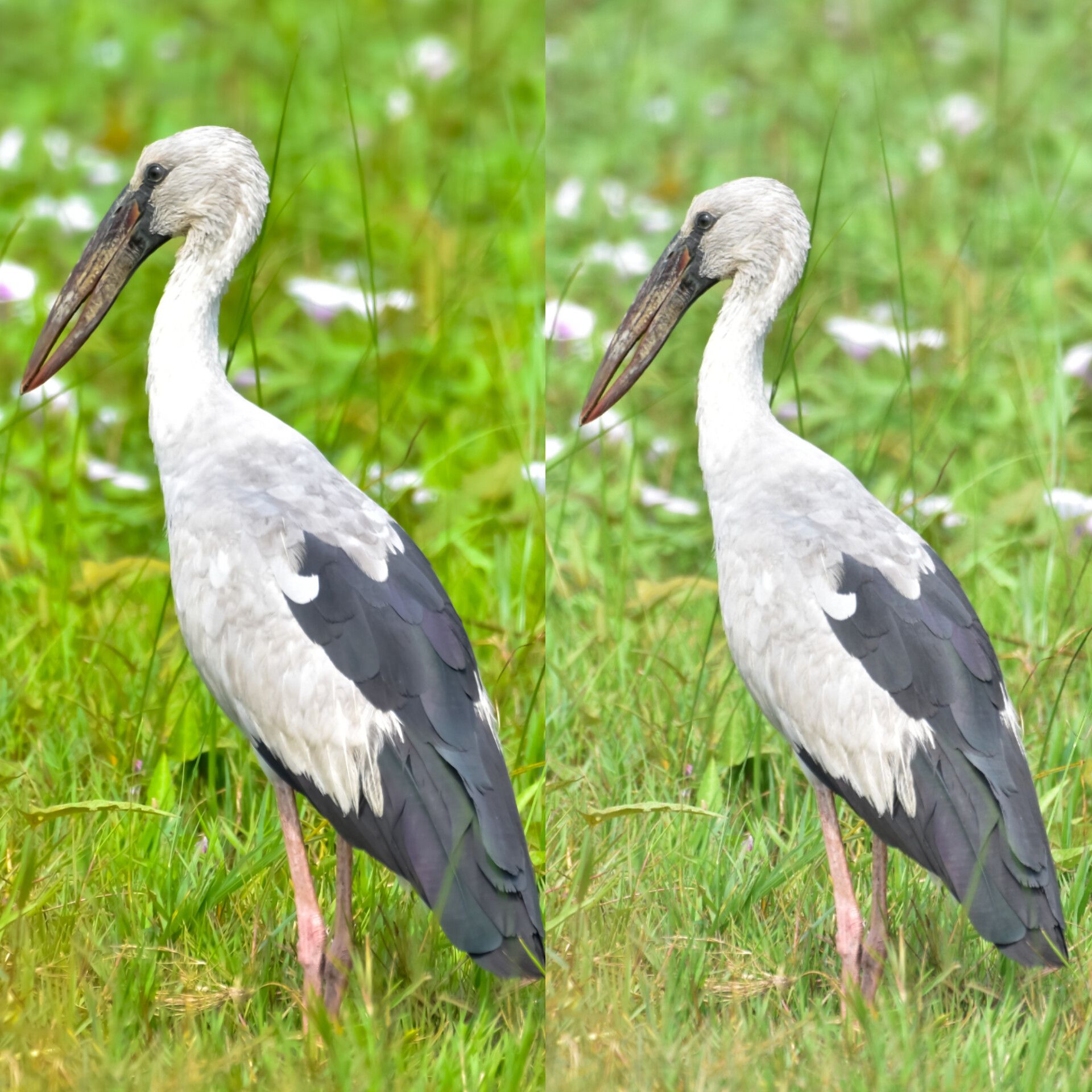
My editing process starts with basic adjustments like exposure, white balance, and contrast to create a balanced image. I then fine-tune highlights, shadows, colors, and sharpness while keeping the photo natural. Finally, I make selective adjustments to draw attention to the subject, remove distractions if needed, and ensure the final image reflects the mood and story I wanted to capture. I never do too much editing—I always prefer the natural way of portraying wildlife.
What does a typical day in the field look like for you?
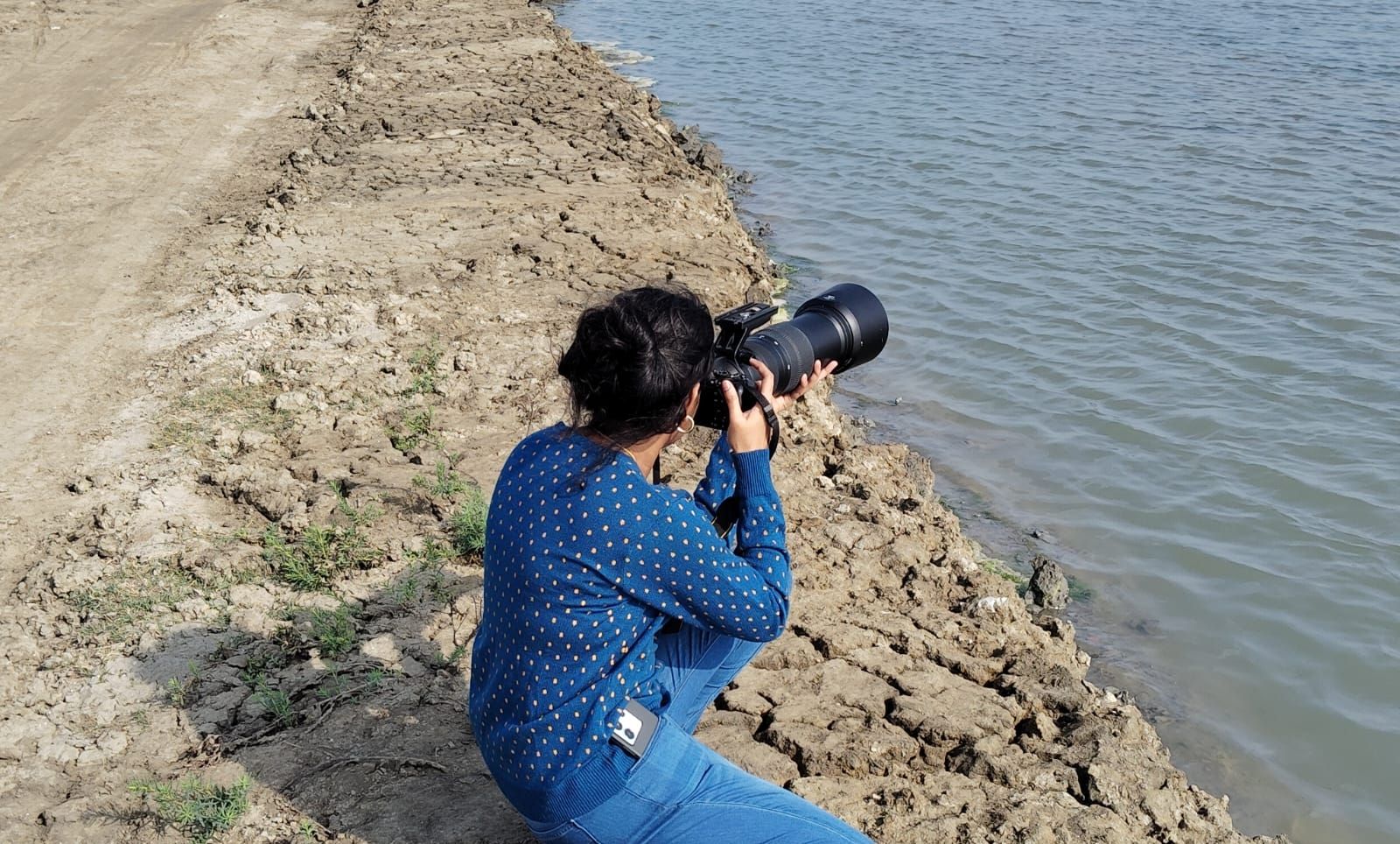
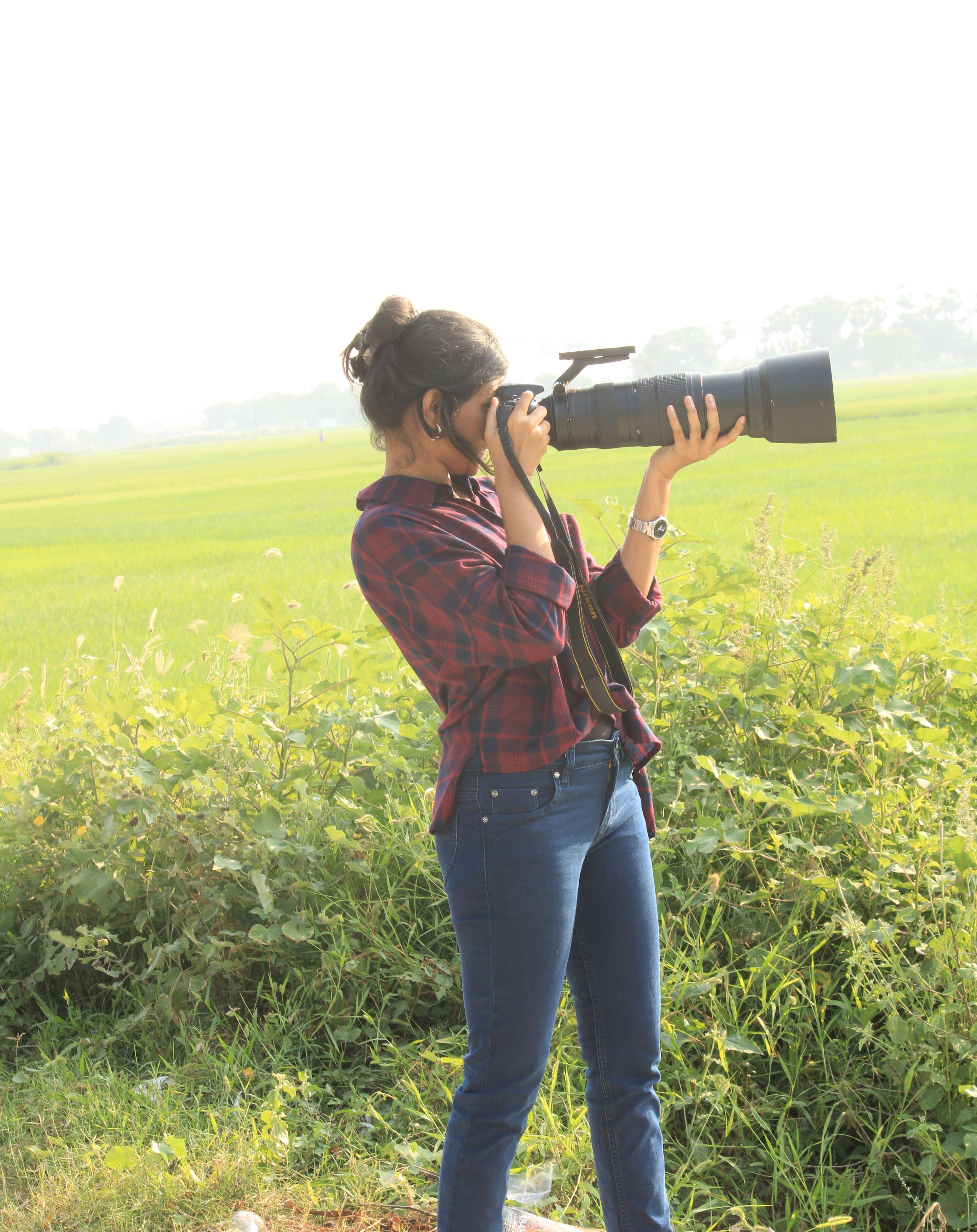
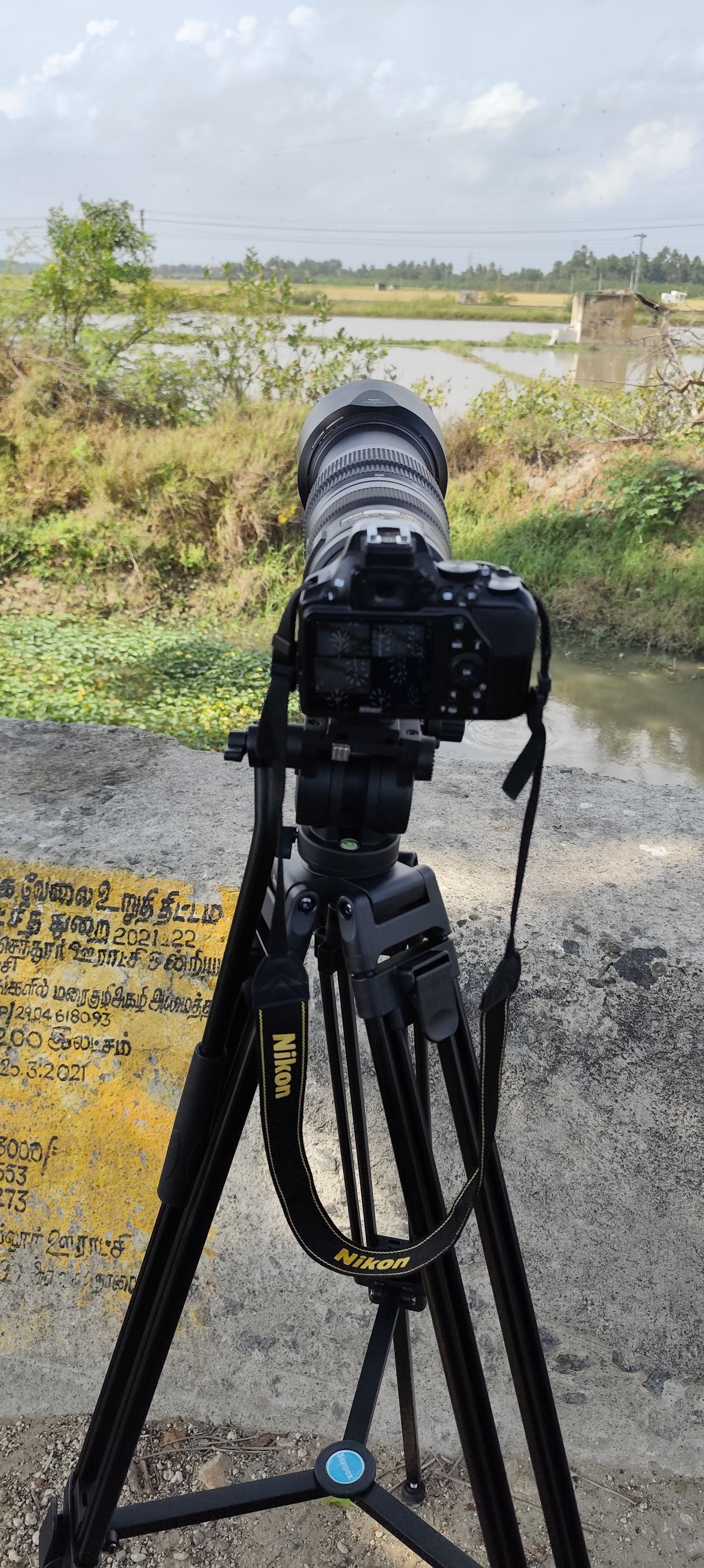
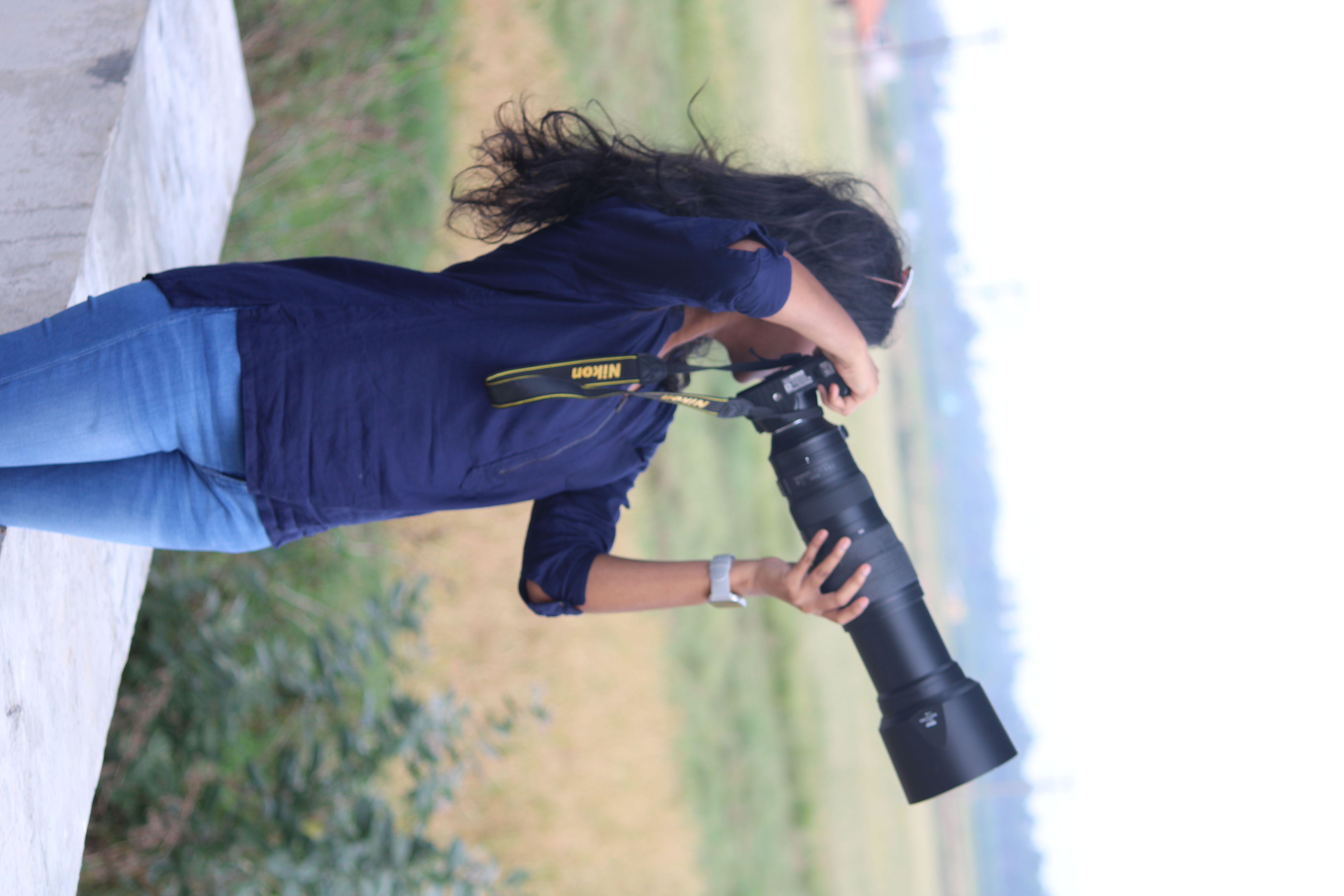
A typical day in the field starts early, with my gear ready and a lot of patience. I spend hours observing, waiting for the perfect light and behavior. It's not just about taking photos—it's about being part of nature and understanding the animals.
What tips do you have for aspiring wildlife photographers based on your experience?
Enjoying the journey is more important than the destination, because in the journey we learn many things about patience, courage, and love for nature, birds, and animals. Love and trust the process. Freezing wildlife moments in their natural habitat is ethical and a way of understanding and protecting nature. We must respect and protect wildlife at any cost.
What is your favorite location or habitat for wildlife photography?
Ultimately, the best habitat depends on your subject—grasslands for big mammals, wetlands for birds, forests for elusive species, and mountains for high-altitude wildlife. I love open grasslands with beautiful natural light and unobstructed views, as well as dramatic golden sunrises and sunsets. For me, the outstanding habitats are Point Calimere and Mudumalai Tiger Reserves, where you can observe hundreds of resident and migratory bird species.
Can you share a video clip of wildlife in action?
Contact and Follow
Email: jeniferjeni673@gmail.com
Instagram: __jennifer__v