

How did your journey in photography begin, and what drew you to it initially?
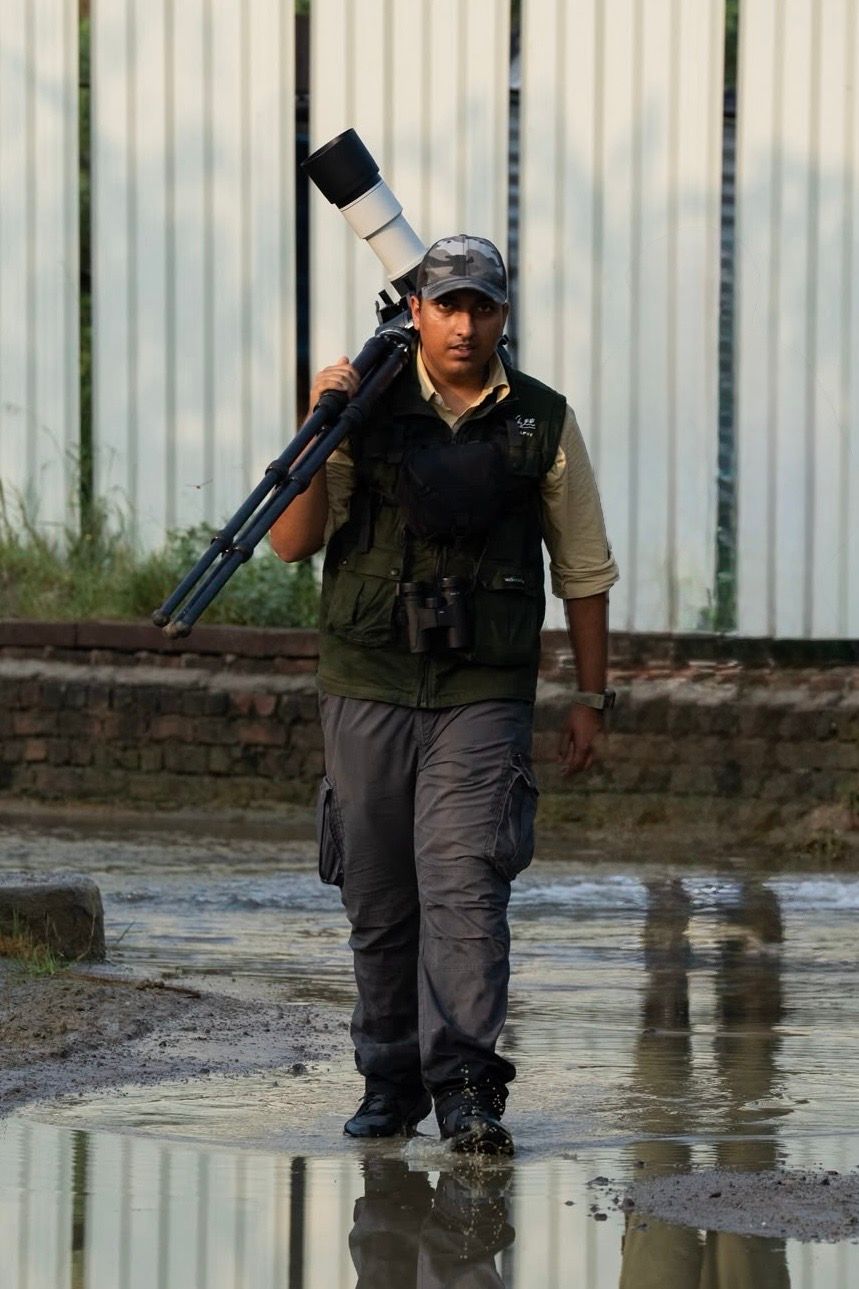
Football was once the absolute center of my life. I played with passion and even had the privilege of representing my college, university, and office teams. That entire chapter came to an abrupt halt after a major triad injury to my right knee, which forced me to step away from the game entirely. Painting, however, has always been a constant companion. I studied at the Academy of Fine Arts, Kolkata, for a couple of years during my school days, and that early foundation ensured art remained woven into the fabric of my life. Photography is a more recent pursuit—one I have taken up with sincere dedication over the past few years. I am fortunate to have a keen eye for observation, a trait that naturally translates into my photography. Inspiration surrounds me everywhere: from fleeting human expressions and the quiet details of a bird perched far away, to serene landscapes and the restless rhythm of busy streets.
How did your knee injury influence your shift from football to focusing more seriously on photography?
I have always carried a surplus of creative energy. Within the demands and stress of a professional job, finding a way to release and renew that energy became crucial for my well-being. When the knee injury took active sports out of my life, it created a void that needed to be filled. This pushed me to redirect my drive into photography with greater intent and focus. What began as a simple shift in activity soon transformed into a full-blown passion. It felt almost as if the frustration of not being able to play found a new, powerful expression in a medium where the same passion, discipline, and intensity could still result in deep fulfillment.
How does your corporate career as an Associate Director in clinical research influence or contrast with your creative practice?
My corporate role is rooted in precision, timelines, and accountability. It demands constant problem-solving, disciplined thinking, and the ability to navigate complexity with clarity. This environment has profoundly shaped my mindset, teaching me patience, acute observation, and the irreplaceable value of consistency. My creative practice, on the other hand, exists at the opposite end of the spectrum. Photography allows me to slow down, step away from rigid structure, and operate purely on instinct. Where my professional life is governed by frameworks and outcomes, my creative process is intuitive and fluid—there are no protocols, only moments, emotions, and stories unfolding naturally. Rather than conflicting, these two worlds quietly inform each other. The focus and attention to detail from my corporate life help me approach photography with intention, while photography provides a necessary counterbalance, an outlet that restores my energy and emotional clarity, allowing me to return to my professional role more grounded and focused.
How does your training at the Academy of Fine Arts, Kolkata continue to influence your photographic style?
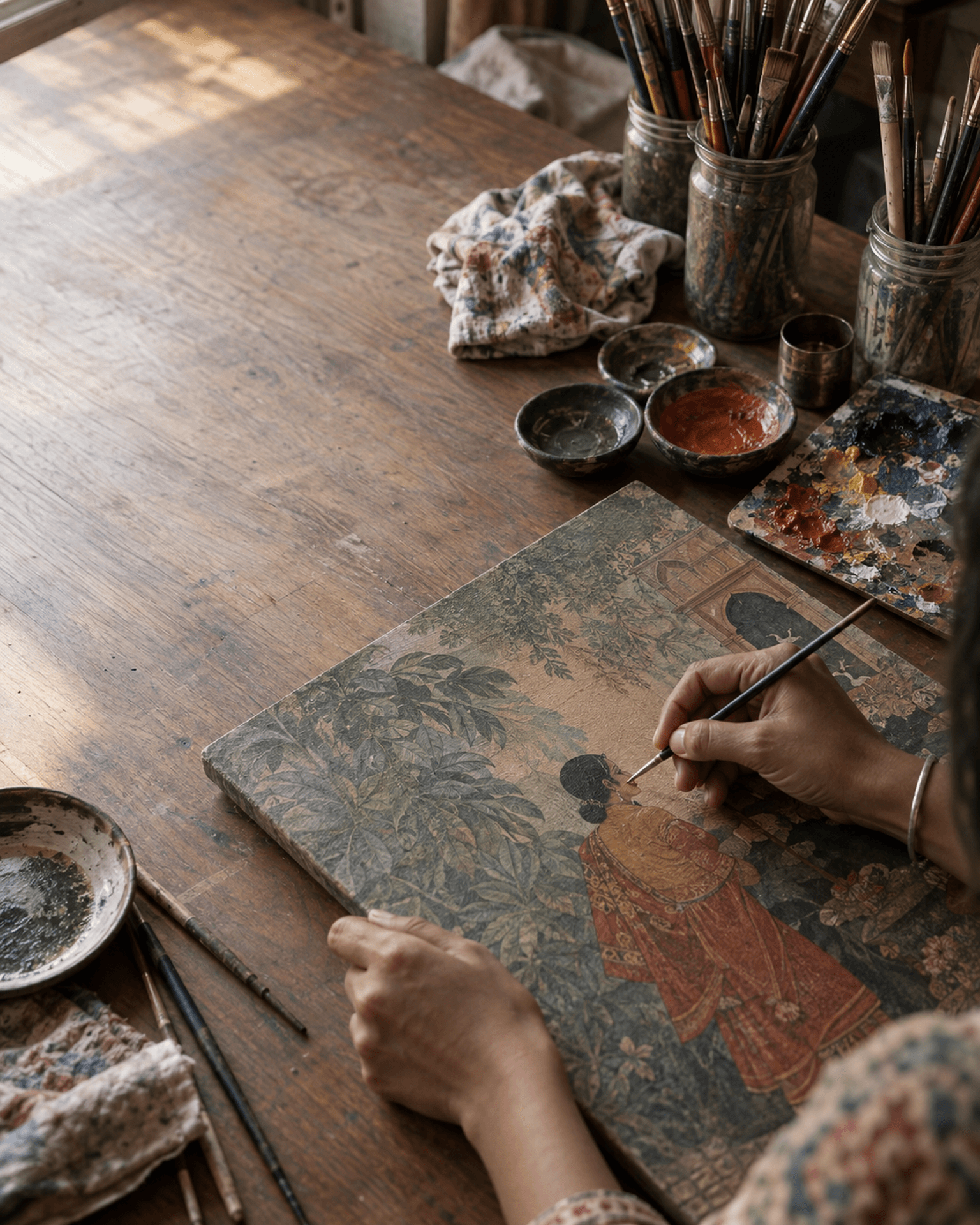
My training at the Academy of Fine Arts gave me a rock-solid foundation in visual basics: composition, light, balance, and observation. Even now, when I'm behind the camera, I find myself thinking like a painter. I'm not just looking at a subject; I'm paying close attention to framing, tonal harmony, and the emotional weight of a scene. The goal is always to create a feeling, not just a record, and that painter's eye guides every single shot I take.
What portrait best captures a fleeting human expression for you, and what makes it so special?
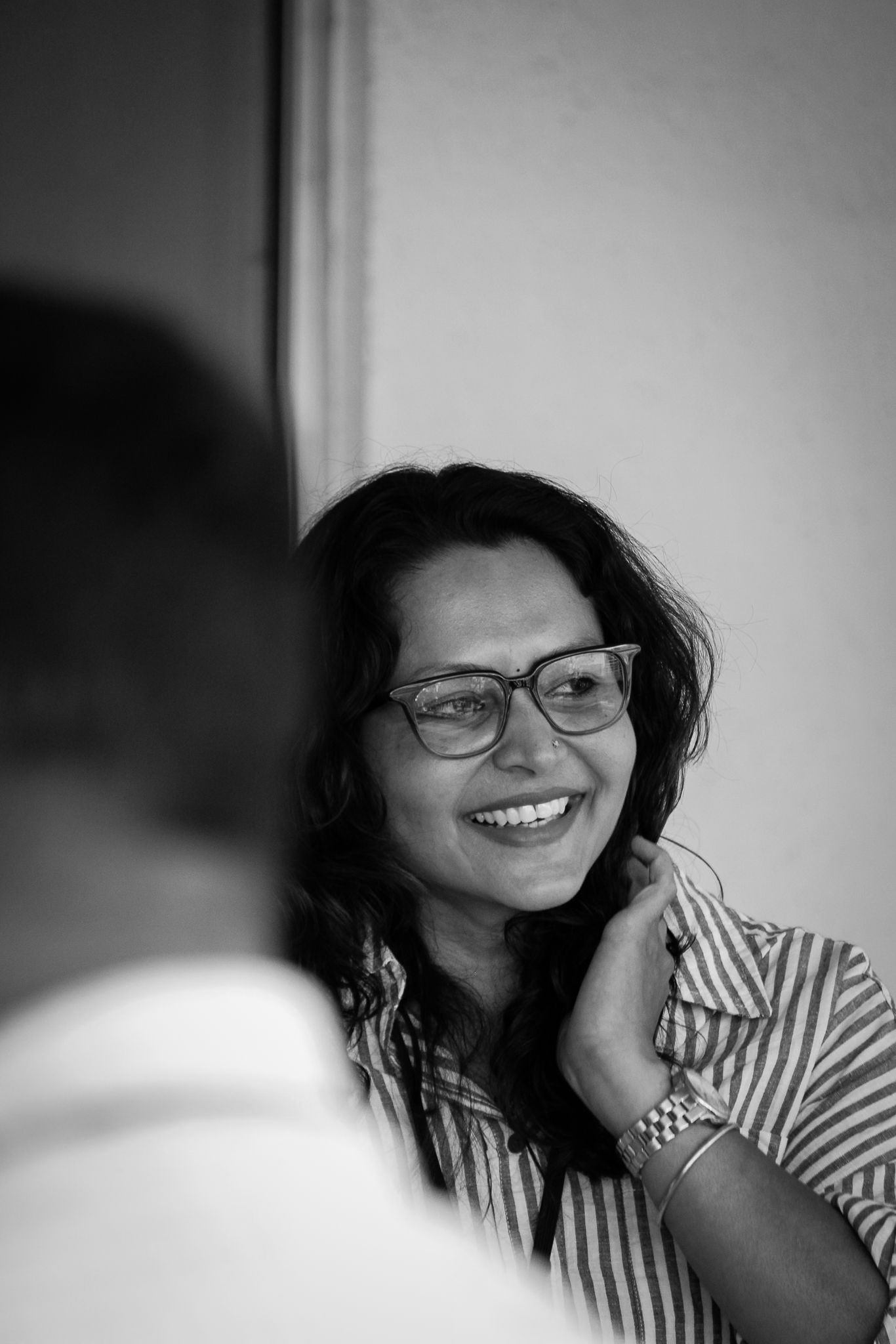
This photograph captures a fleeting, unguarded moment—one that feels lightly suspended between conversation and reflection. The slightly turned gaze, the relaxed posture, and the gentle interaction with the hair all create a sense of informality, as if the subject has momentarily forgotten the presence of the camera. What the image suggests to the viewer is a quiet warmth and ease—an instant where attention is drawn elsewhere, allowing raw authenticity to surface naturally.
Can you walk us through the story behind your favorite candid street photograph?
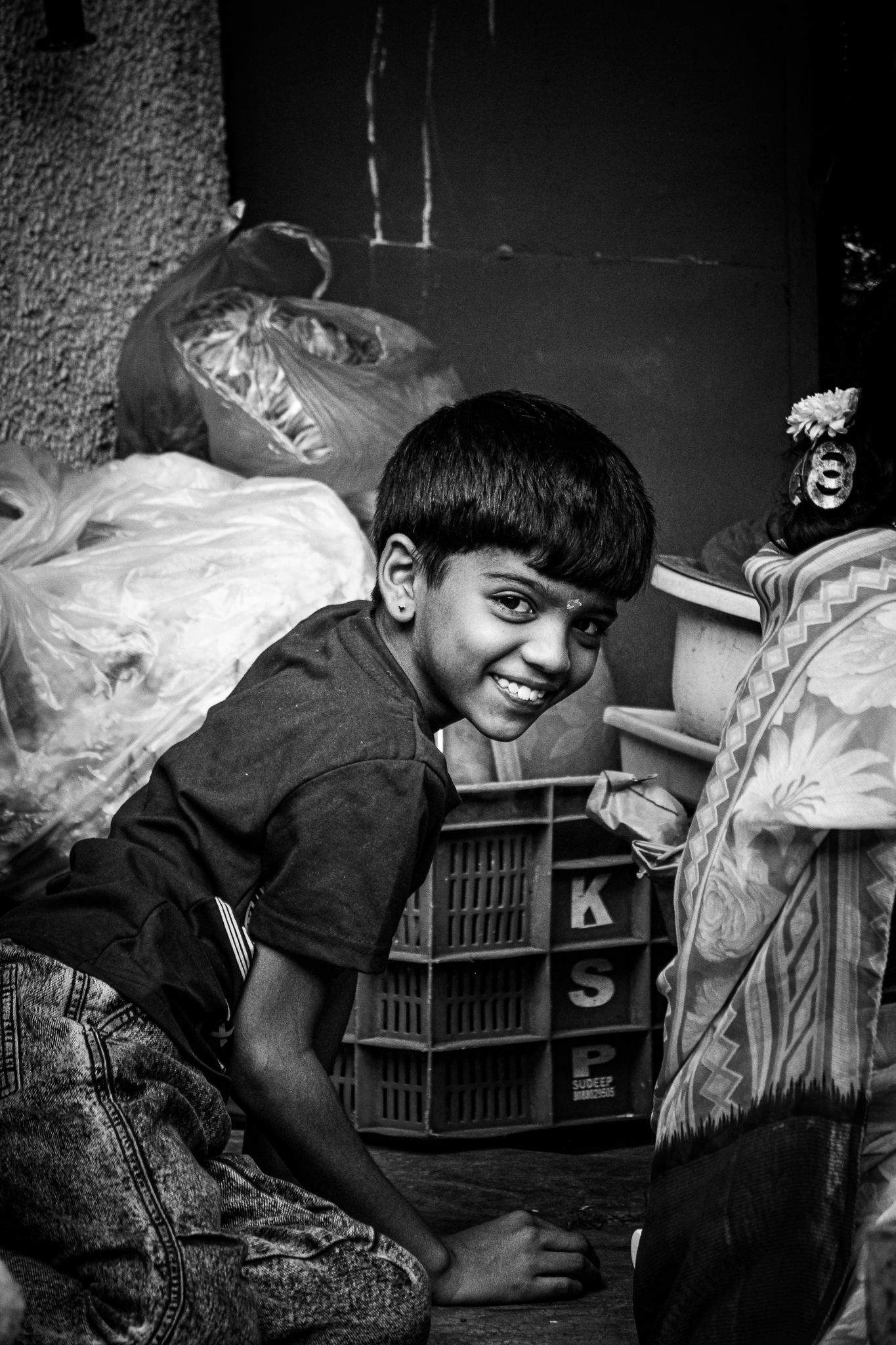
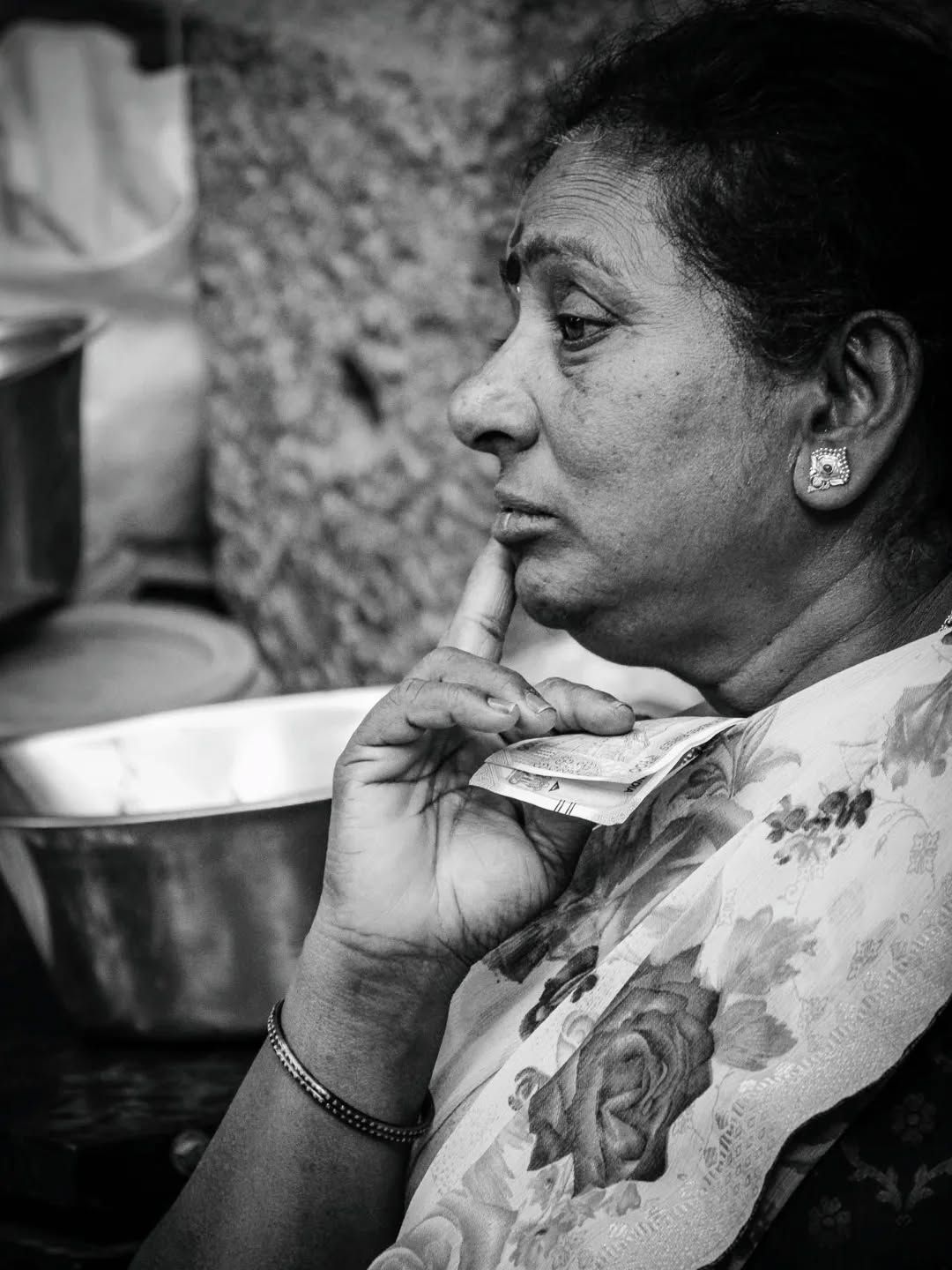
This candid shot tells a tale of two ages: the child, abuzz with tomorrow's promise, and the middle-aged grandmother, lost in the weight of her own struggles. It's unfiltered, straight from the streets, and that contrast of innocence and weariness is exactly what draws me to street photography in the first place.
What makes this specific bird photograph so special to you?
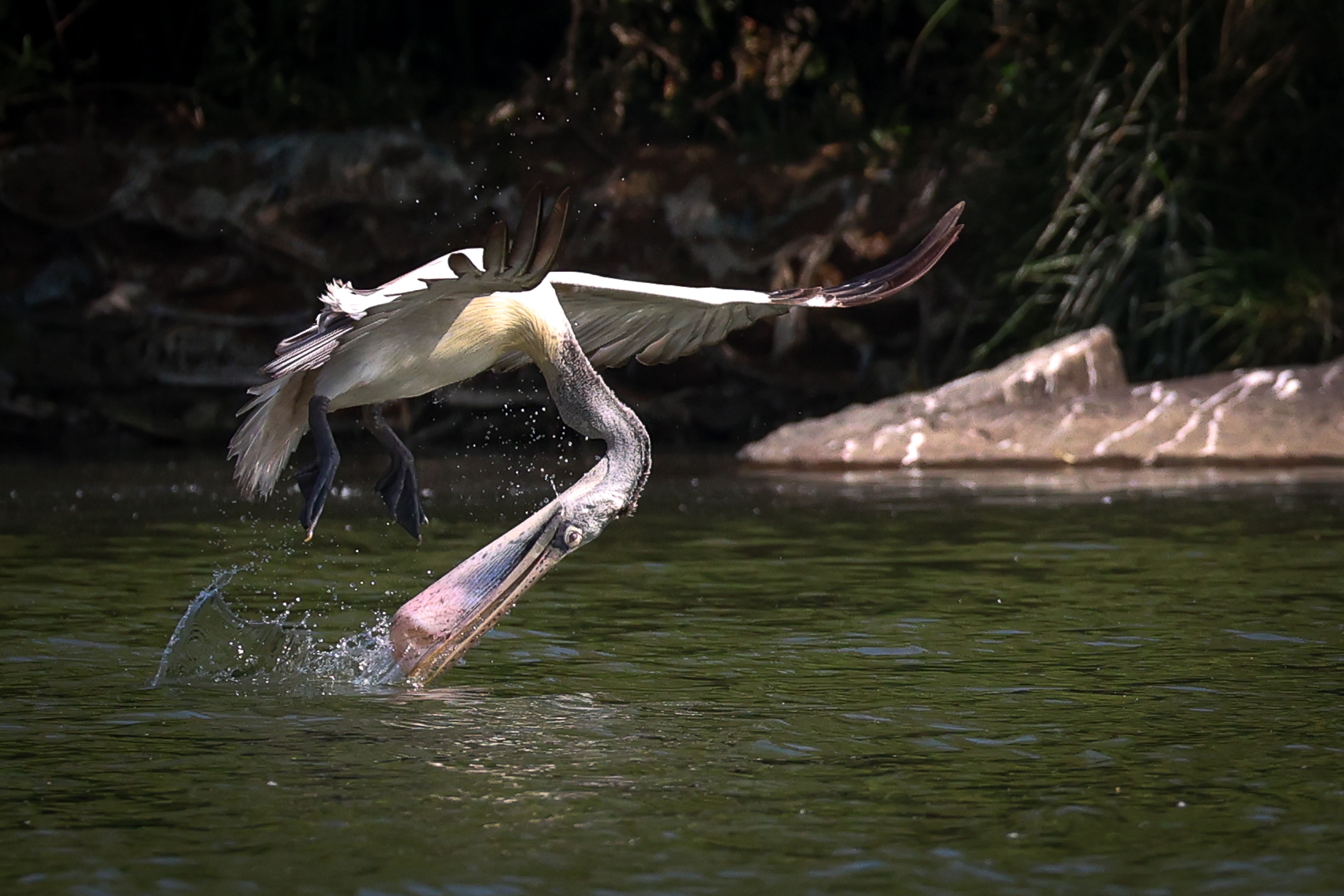
This image is special because it freezes a fraction of a second that the human eye would normally miss. The bird is captured at the exact instant its beak pierces the water, its wings still extended mid-air, its feet not yet touching the surface. This phase of a fishing dive lasts only a split second—too slow and the moment is gone, too fast and the motion collapses into a blur. The timing had to align perfectly with the bird’s speed, trajectory, and the exact moment of impact. Getting it right felt like scoring a goal.
Tell us about the main challenge you faced while capturing your slow shutter speed photo.
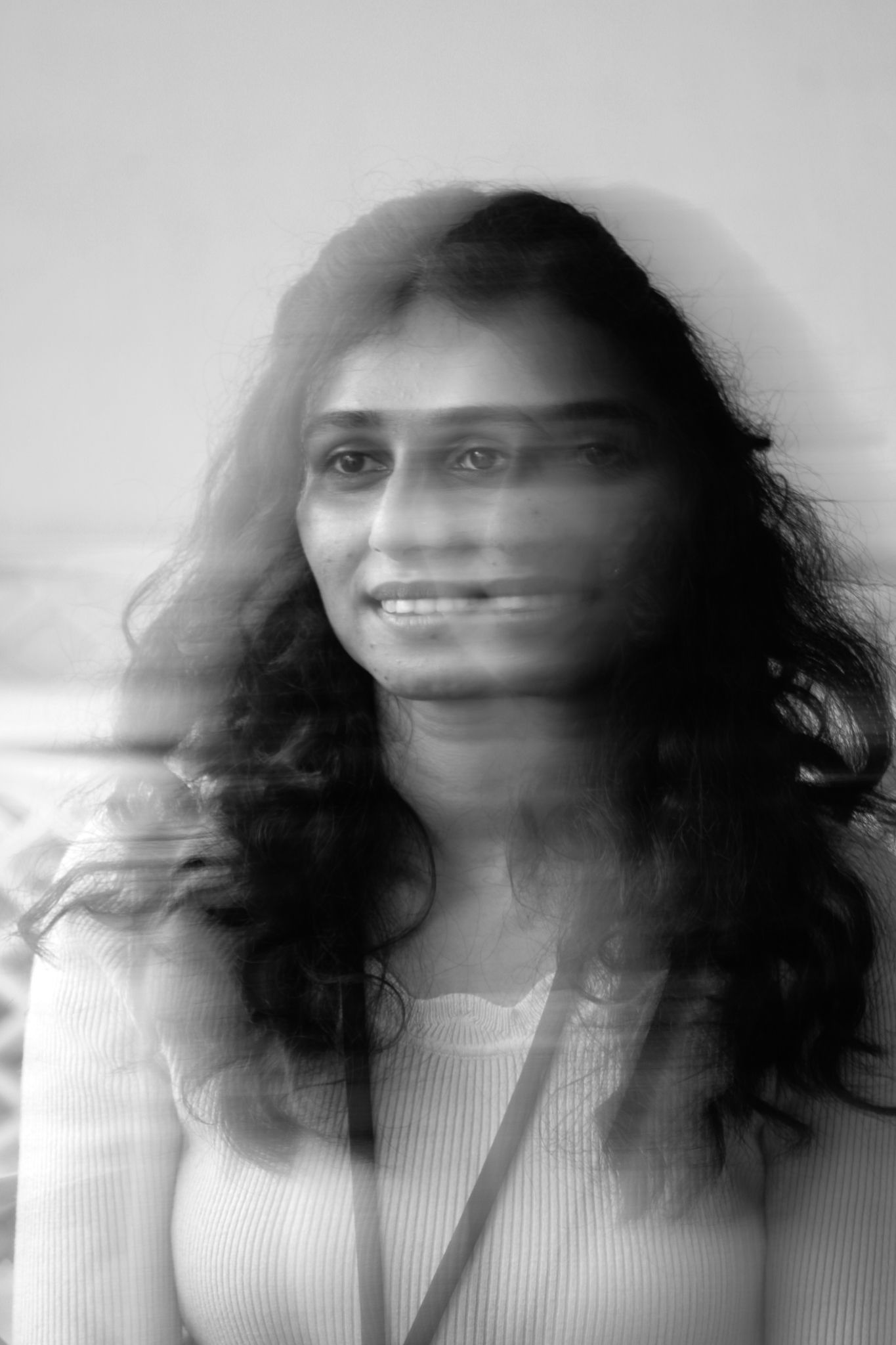
The main challenge in capturing this slow-shutter portrait was maintaining a sense of identity while allowing motion to tell the story. With a slow shutter, even the smallest movement of the subject creates blur. The difficulty was to carefully control that movement so it added meaning rather than erasing the subject completely. The goal wasn't clinical sharpness, but intentional ambiguity—letting the motion reveal subtle layers of emotion without losing the recognizable features of the person.
What do you hope viewers feel or think when they see this particular image?
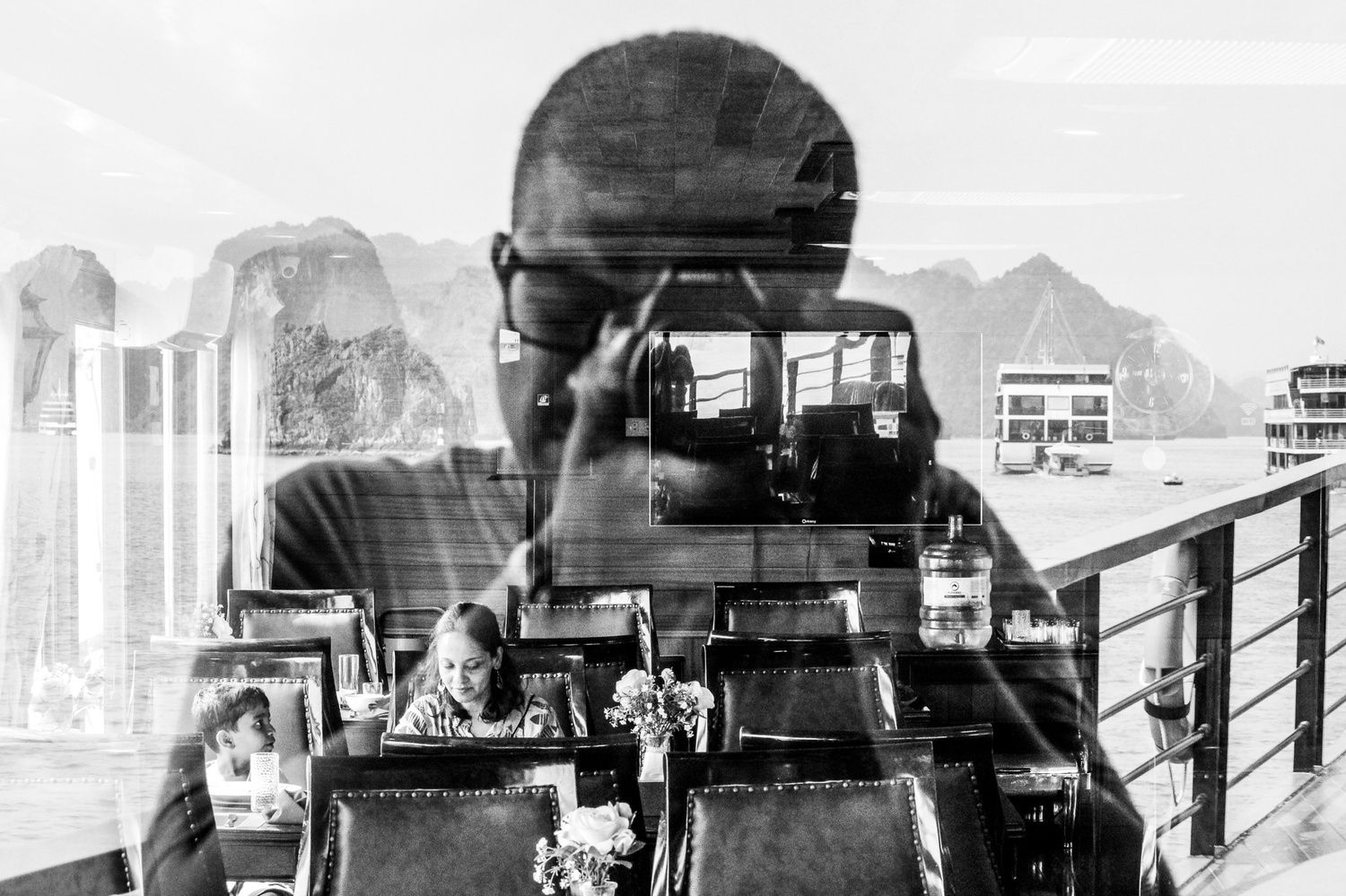
I hope viewers pause and spend time discovering the layers within the frame, rather than just absorbing it at a glance. I want the image to prompt a quiet curiosity—about presence, perspective, and the very act of seeing itself. The overlap of reflections, the interior space, and the figure holding the camera is intentional; it blurs the boundaries between observer and observed, inside and outside, the subject and the storyteller. Rather than offering a single, focal narrative, it invites the viewer to navigate multiple realities coexisting in the same moment. Ultimately, I hope it leaves viewers reflecting on how much of what we see is shaped by where we stand—and how often life unfolds on many planes simultaneously, even when we think we’re looking at just one scene.
How does this photograph embody your philosophy of emotional connection over technical perfection?
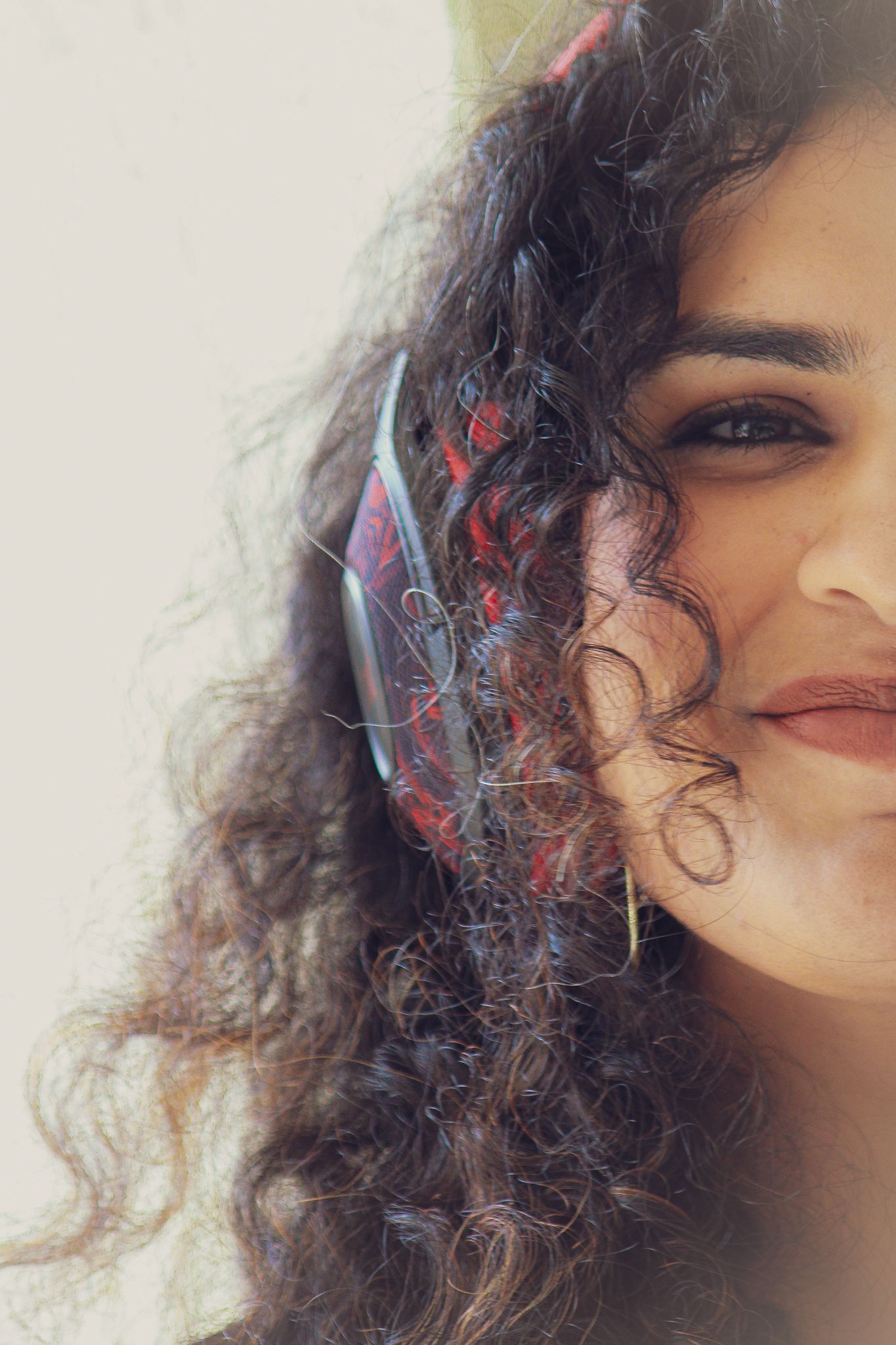
This photograph reflects my core belief that emotional connection matters more than technical perfection precisely because it embraces imperfection as a language of honesty. Technically, the image may not be 'perfect'—there are blown highlights, partial framing, and an unconventional crop. But these elements don't detract from the photograph; instead, they serve the emotion. The imperfect exposure and tight composition draw the viewer closer, creating a profound sense of intimacy rather than distance. It feels personal, almost incidental, like a moment quietly noticed rather than one loudly constructed. For me, what truly matters is not whether every detail is clinically precise, but whether the image allows the viewer to *feel* something—to sense presence, proximity, and individuality. A technically flawless image can often feel detached; this one feels genuinely lived-in.
What does the journey photo you uploaded symbolize for you?
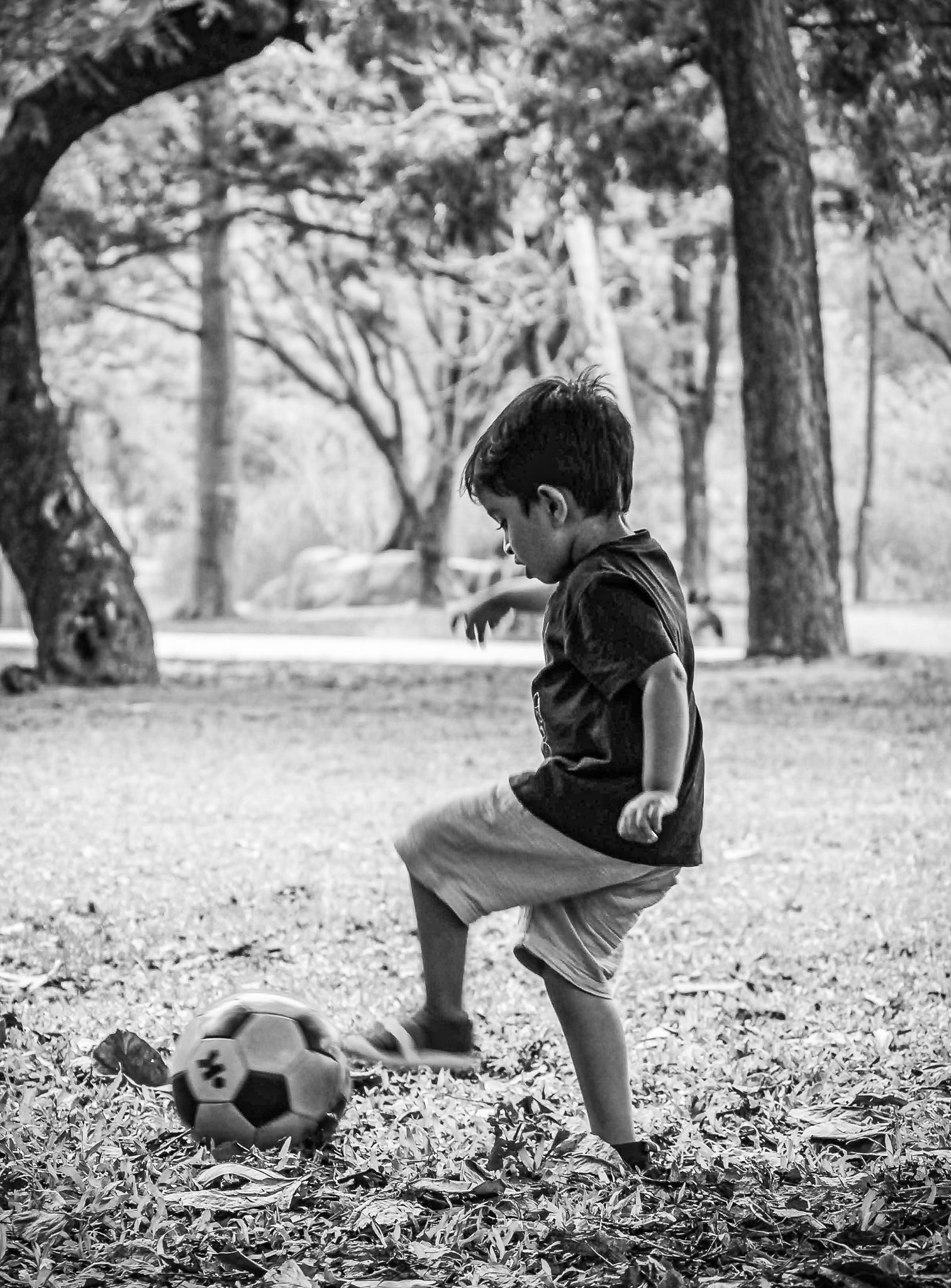
After the knee injury ended my journey on the football field, photography became my new way of staying close to the game. Through the lens, I now chase moments instead of goals. I find myself reliving my passion for football by watching my son take his first steps with the ball. I am preserving memories of a passion I can no longer play out myself, but one I can now document with fresh eyes and a grateful heart.
Describe the balance between work and art in the photo you uploaded.
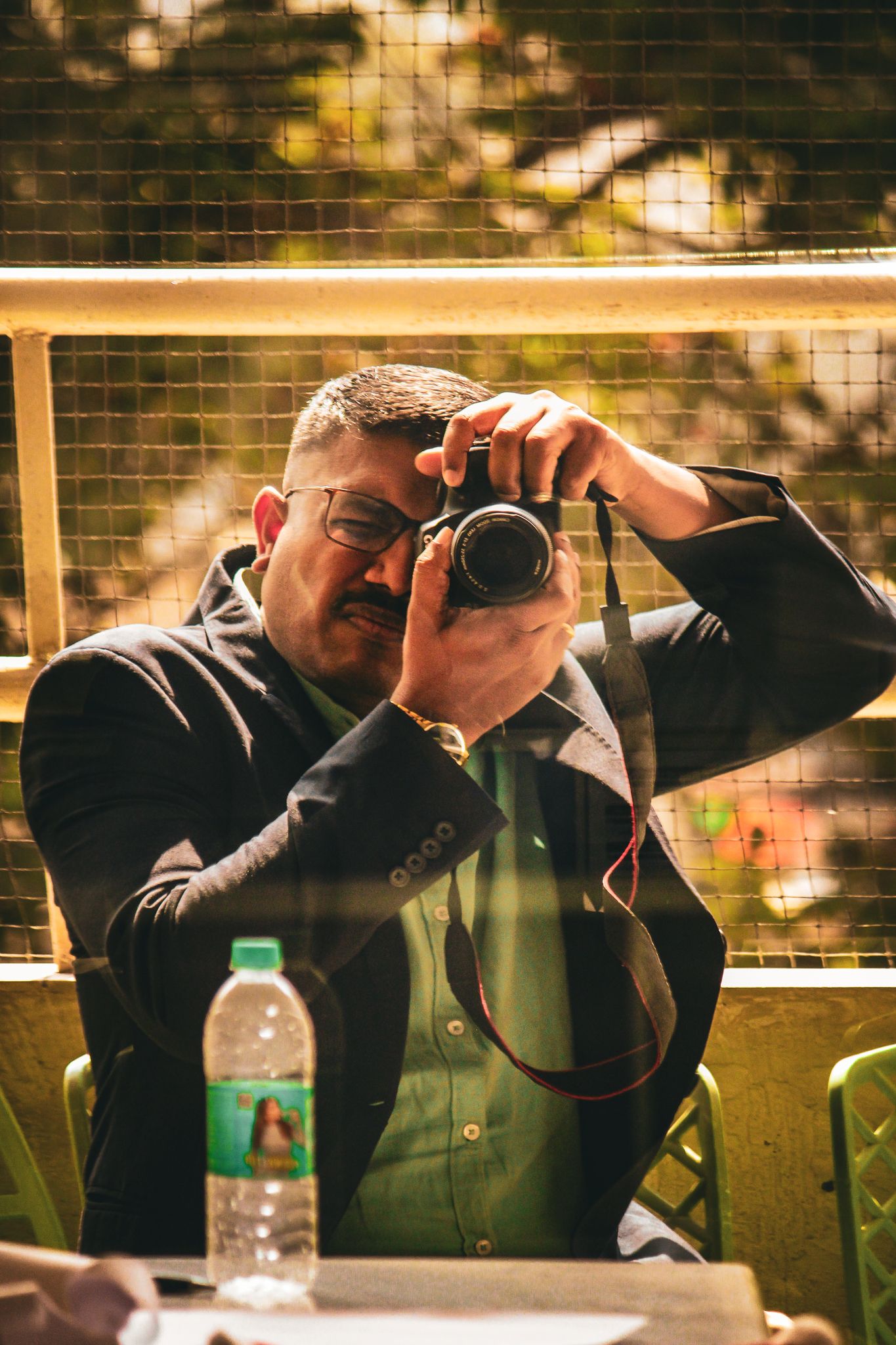
I often carry my camera everywhere I go, even to the office. This self-portrait was taken on my office balcony after a long day’s work, using the soft glow of golden hour to pause, reflect, and reconnect with myself through the lens. It's that quiet moment where the noise of work ends and a period of quiet, introspective creativity begins. It perfectly illustrates how art doesn't have to be separate from life; it can be the very thing that brings balance to it.
Contact and Follow
Email: subhajit.soccer@gmail.com
Instagram: https://www.instagram.com/subhajit.soccer?igsh=MXc3NnNsN2YwbXc0Nw==