

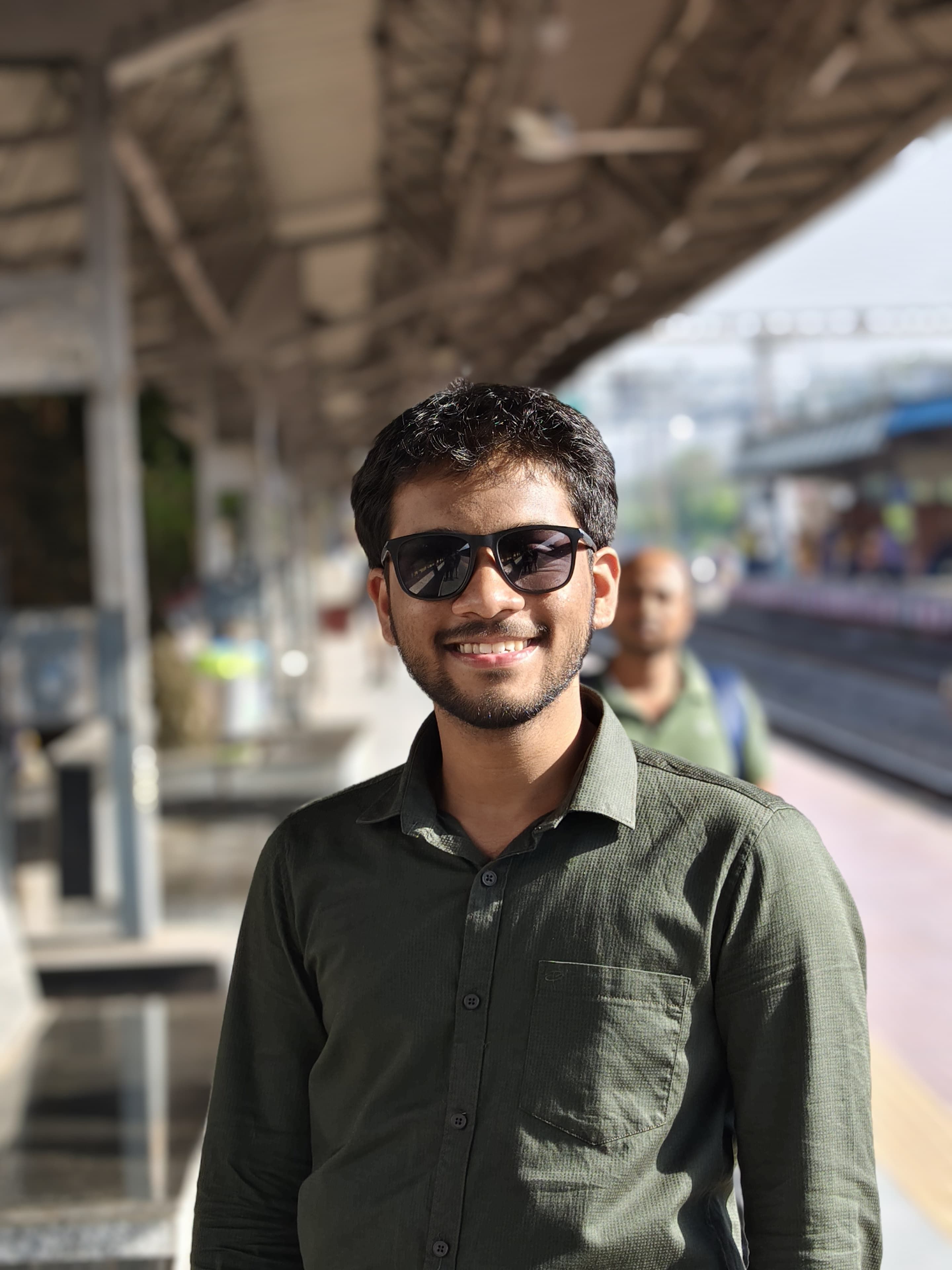
How did your journey as a photographer begin?
I started photography when I was 14, without really knowing what I was doing or where it would go. At that age, it wasn't about style or genres—I just felt something when I saw certain moments, certain lights, certain faces. I didn't have the language for it back then, so I used the camera to understand it.
Over the last four years, I've realized that photography isn't just about taking pictures—it's about learning how to see. I've made a lot of average images, some bad ones too, but each of them taught me what not to chase. I stopped trying to shoot everything and started waiting for what actually felt right. That shift changed everything.
I also understood that I don't really belong to one category. I've shot portraits, wildlife, and moments from real life, but the common thread has always been emotion and stillness. I'm not interested in noise—I'm drawn to what's quiet but stays with you.
These four years taught me patience, honesty, and a bit of restraint. Not every moment needs to be captured, and not every frame needs to be loud. The more I slowed down, the more my work started to feel like mine.
I'm still figuring things out, but now I trust my instinct a lot more than I did when I started—and that's probably the biggest thing these years have given me.
What was the first moment you felt truly captivated by street, portrait, or wildlife photography?
I think I was first drawn to portrait photography because of how much a face can hold without saying anything. A single expression, a certain kind of eye contact, or even stillness can tell you more than words sometimes. That fascinated me early on.
With street photography, it wasn't really about 'street' itself. It was more about noticing real moments—small human interactions, routines, silences, or emotions that exist in ordinary places. I liked the honesty of it. Nothing is staged, yet sometimes it feels more cinematic than something planned.
Wildlife was a completely different experience. What captivated me there was patience. You can't control anything—the subject, the environment, the timing. It taught me to slow down, observe, and respect the moment instead of forcing it.
Looking back, all three genres attracted me for different reasons, but they all taught me the same thing: photography is less about creating something artificial, and more about learning to truly see what's already there.
How has your style and experience evolved over the years across your different photography interests?
In the beginning, I didn't really have a style—I was just experimenting with everything. I'd shoot whatever caught my eye, trying different edits, different subjects, without thinking too much about consistency. It was more about excitement than intention.
Over time, that changed. I started noticing patterns in what I was drawn to—quiet moments, strong light and shadow, faces that carried something unspoken. Even when I was shooting different things like wildlife, portraits, or everyday scenes, I realized I was chasing the same feeling: stillness, presence, and a kind of emotional weight.
Technically, I've become more controlled. Earlier, I relied a lot on chance; now I understand light better, I think more about framing, and I'm more deliberate with my edits. I've also learned when not to shoot, which I think is just as important.
What's changed the most is my mindset. I don't try to fit into genres anymore. Whether it's a person, an animal, or a moment in public, I approach it the same way—observe, feel, and then decide if it's worth capturing.
So my work has evolved from being scattered and exploratory to something more focused and intentional. I'm still growing, but now there's a clearer sense of what I want my images to feel like, and that's been the biggest shift.
What personal philosophy or goal drives your creative work?
I think what drives my work is a simple idea—that not everything meaningful needs to be loud. I've always been drawn to quiet moments, the kind most people overlook, and I try to give those moments a sense of weight.
Over time, I've realized that I'm not really chasing subjects or genres, I'm chasing a feeling—stillness, presence, something unspoken. If an image can make someone pause for even a second longer than usual, I feel like it has done its job.
A thought that stays with me is that silence often says the most. Not everything needs to be explained or shown completely. Sometimes what you leave out is what makes the image stay with someone.
So my goal is to create work that feels honest and unforced—images that don't try too hard, but still linger. Even if it's subtle, I want it to feel real.
Tell us about the street photo that best represents your style and the story behind it.
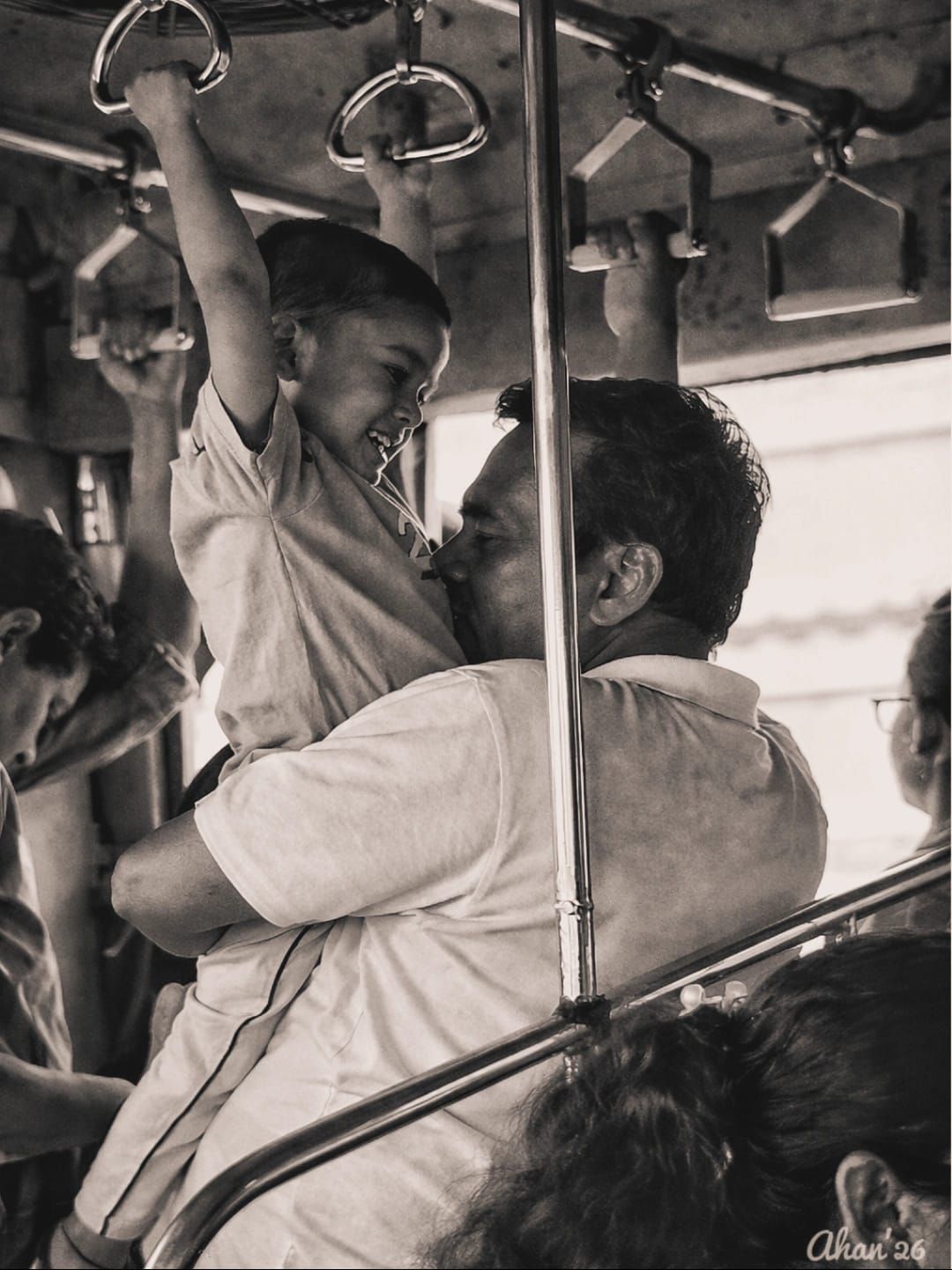
It was just a normal moment inside a crowded train—a father lifting his kid so he could reach the handle. Nothing dramatic, nothing staged. But something about it made me stop.
The kid was just holding on, trusting completely, and the father was supporting him so naturally, like it wasn't even a big deal. Around them everything felt busy and noisy, but that one moment felt quiet.
When I took it, it just felt real. Like one of those small things people do for each other every day that usually go unnoticed.
I think that's what stayed with me—the simplicity of it. It wasn't trying to say anything, but it still said a lot.
What was your connection with the subject and the intention behind this powerful portrait you shared?
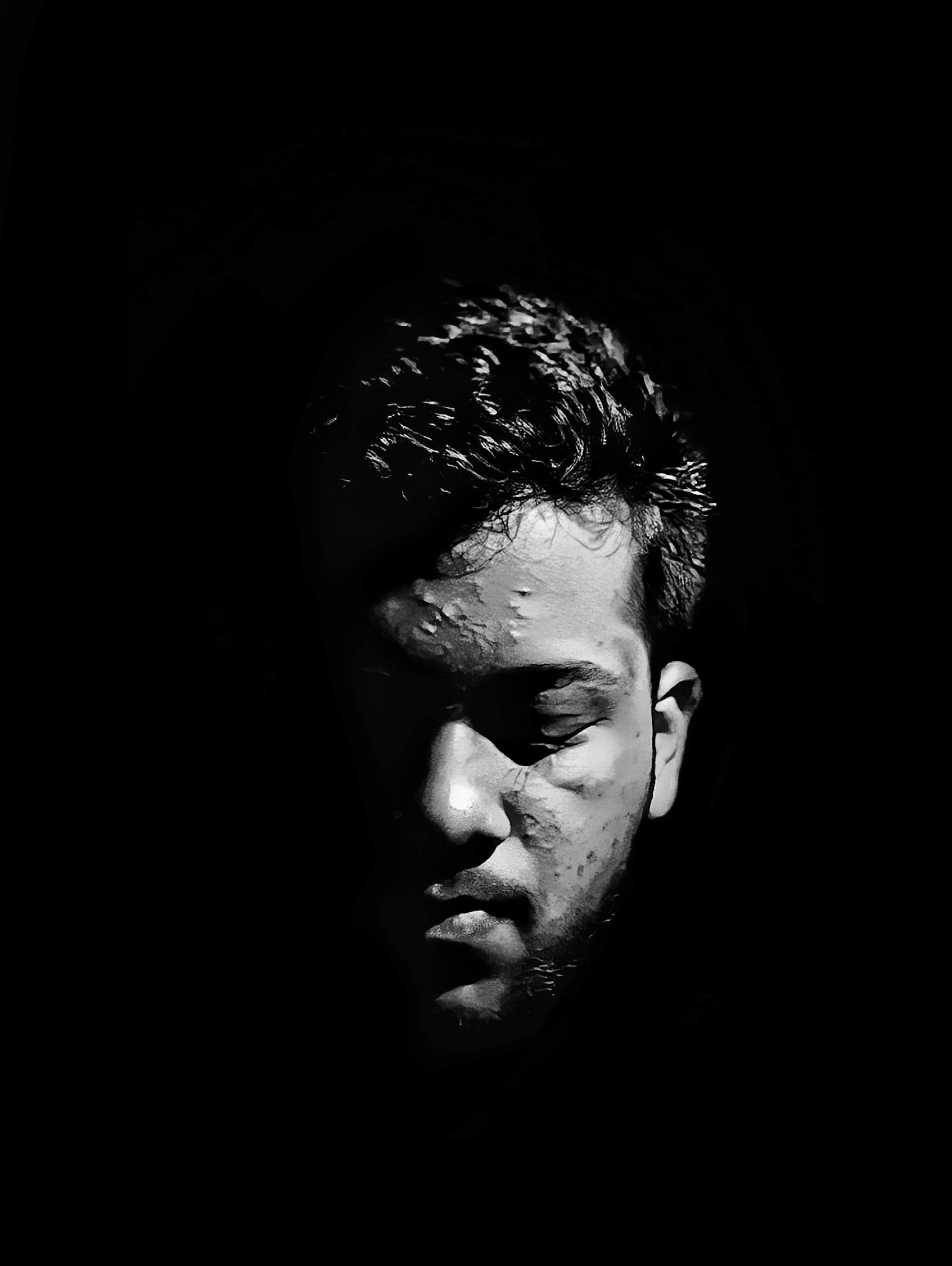
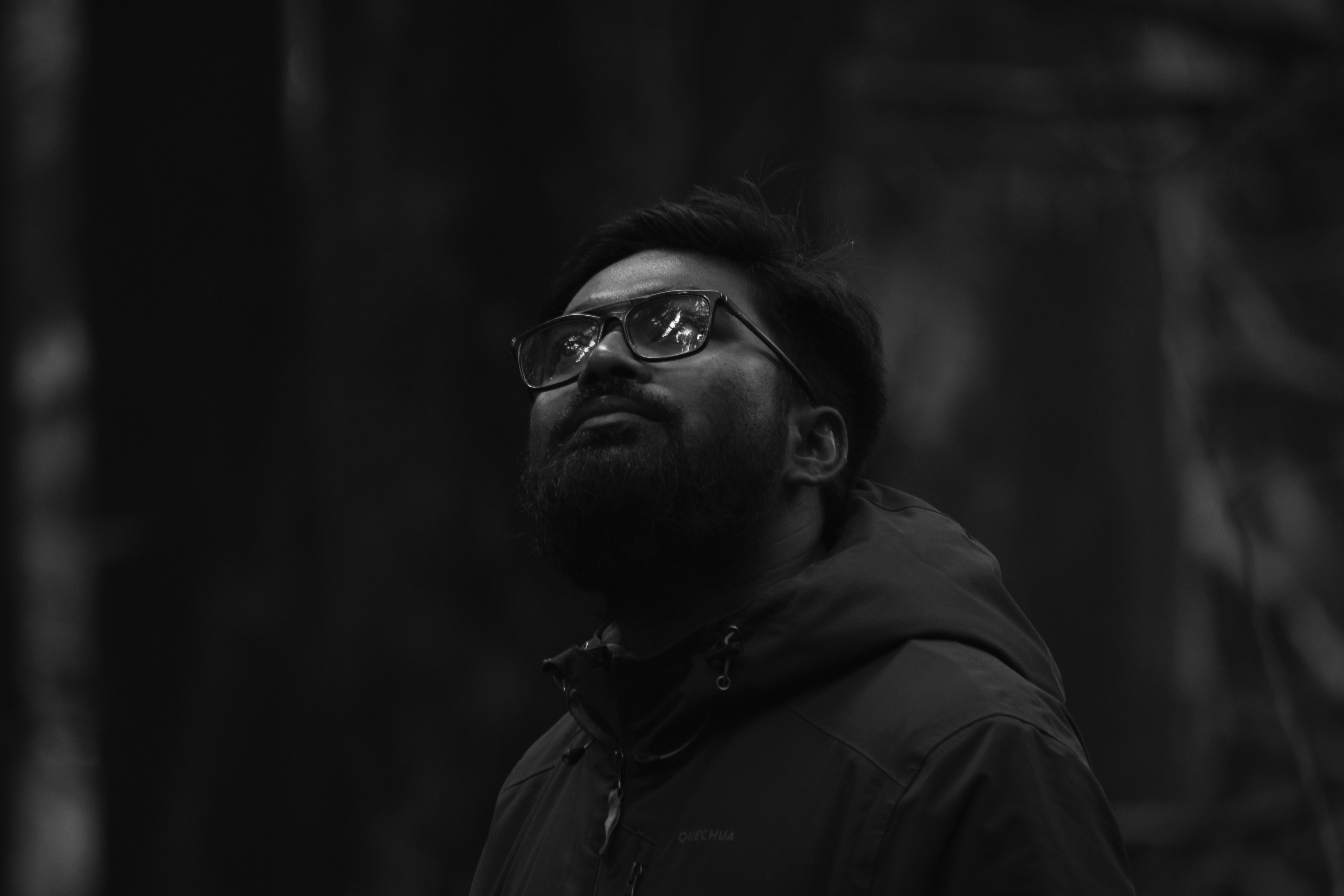
This one was personal. No distance between me and the subject—because the subject is me.
I wasn't trying to 'look good' or create something aesthetic. It was more about facing myself without distraction. That half-lit face—it's intentional. One side visible, one side hidden—because that's honestly how I felt at the time. Not fully clear, not fully understood, even to myself.
The light is harsh, almost unforgiving. It brings out every texture, every imperfection. I didn't soften it, didn't fix anything. I wanted it raw. Real.
It's less of a portrait and more of a moment—where I stopped performing and just existed in front of the lens.
Walk us through the experience of capturing your most compelling wildlife photograph.
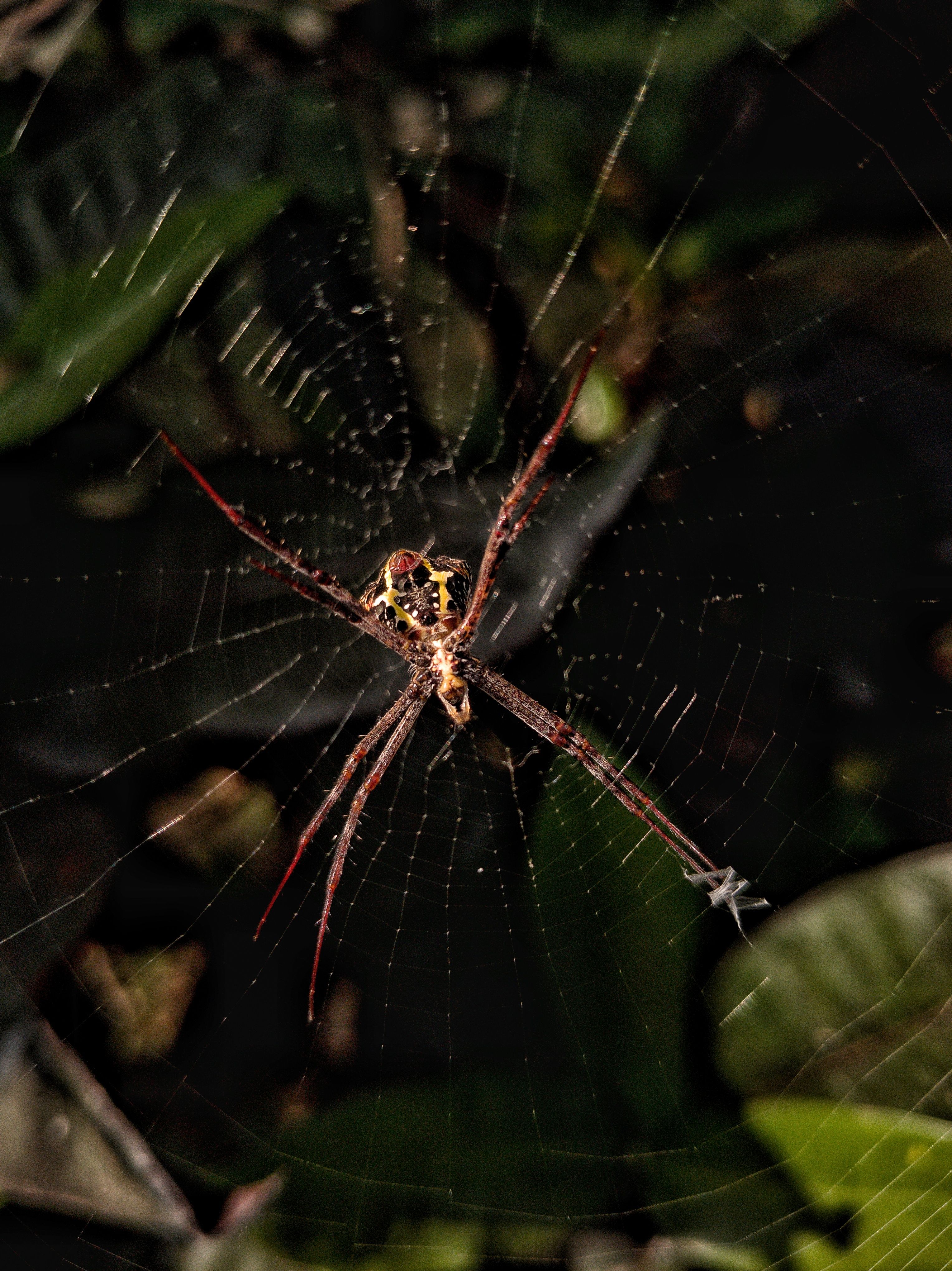
This one wasn't rushed. I remember spotting the web first—not the spider. It caught the light in a way that made it look almost unreal, like something fragile but perfectly built. Then my eyes adjusted, and there it was, right at the center—still, patient, completely in control of its space.
I had to slow down. Every small movement mattered—the web was so delicate that even a slight disturbance could ruin the frame. I got closer bit by bit, adjusting my angle, trying to align the symmetry of the web with the subject. The background was messy, so I waited for that moment where everything just fell into place—the spider sharp, the rest fading away.
What stayed with me wasn't just the shot, but the feeling of entering its world for a few seconds. Quiet, tense, and strangely beautiful. It reminded me that in wildlife, you don't chase the moment—you earn it by being still enough.
Briefly explain your editing choices for this before-and-after comparison.
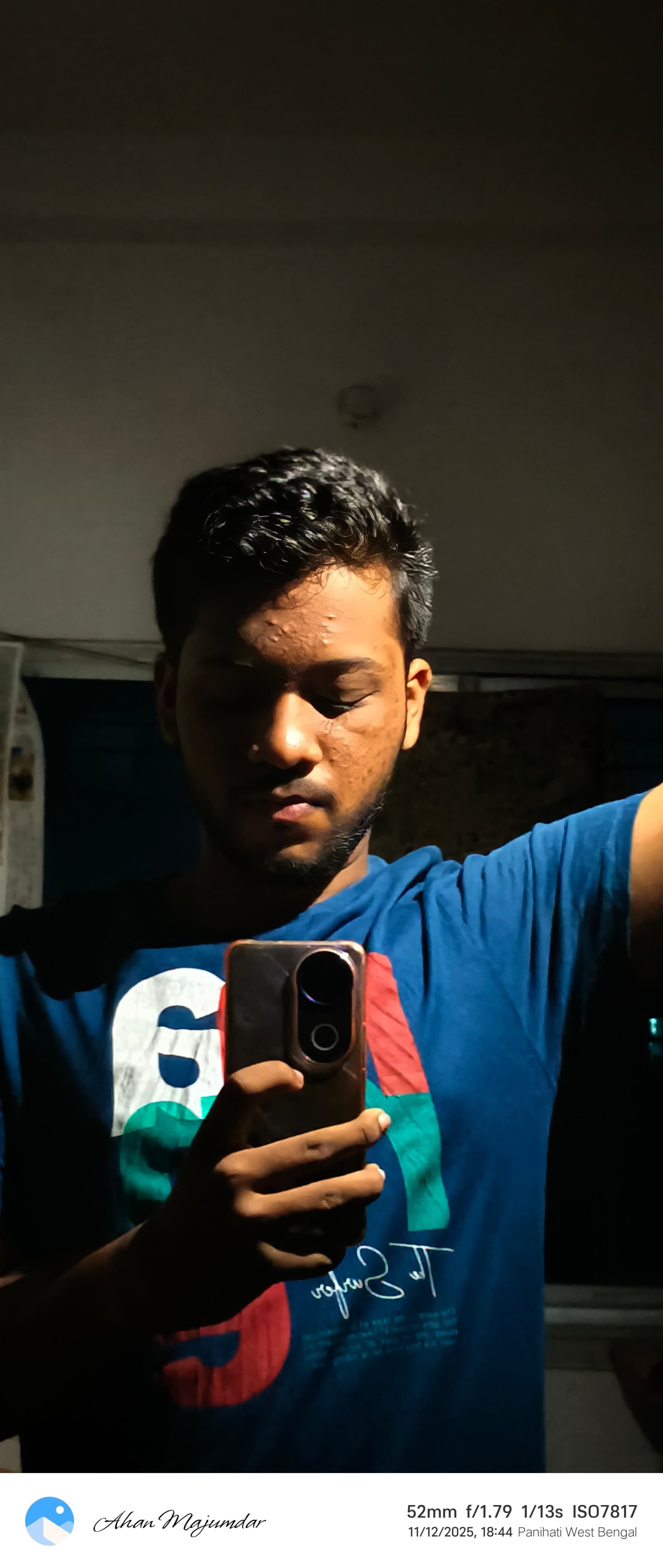
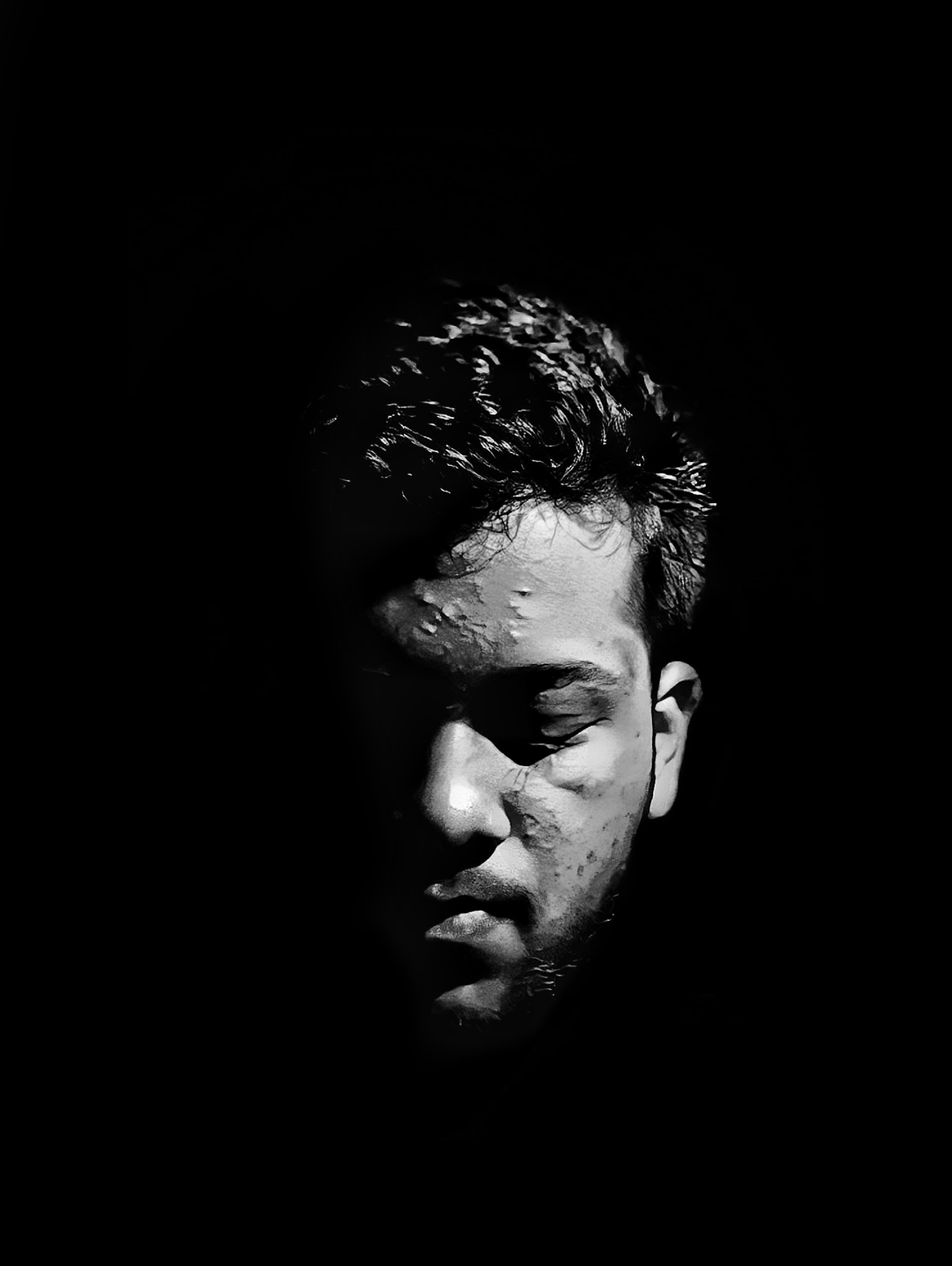
I kept the edit minimal but intentional. I converted it to black and white to remove distractions and let the light do the storytelling. Then I pushed the contrast hard—deep blacks and bright highlights—so the split lighting feels more dramatic and honest.
I slightly sharpened the textures, especially on the skin, instead of smoothing them out. I wanted every detail to stay visible. The shadows were crushed on one side to keep that 'half-known, half-hidden' feeling, and I controlled the highlights so they don't blow out but still guide your eye to the face.
Overall, the idea was simple: don't beautify—reveal.
What did you learn from a photo that didn't go as planned but taught you a valuable lesson?
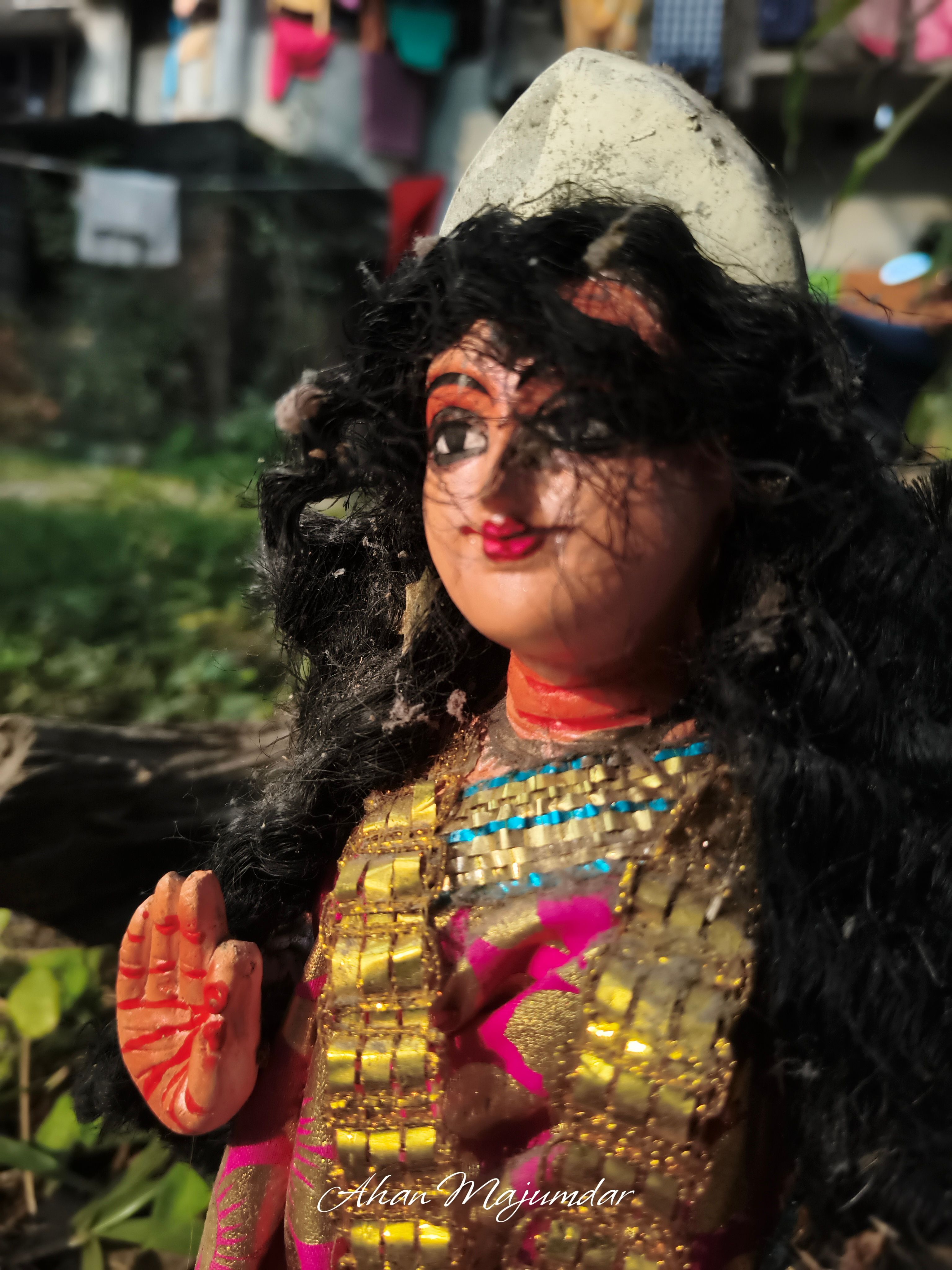
This was a day when I chased an idea more than the moment itself. I had a clear picture in my head—perfect light, perfect subject, perfect emotion. But reality didn't cooperate. The frame felt off, the elements didn't align the way I imagined, and for a while it felt like a failure.
But later, looking at it again, I realized something important: photography isn't about forcing a vision onto the world—it's about listening to what the moment is willing to give you.
That shoot taught me patience. It taught me to adapt instead of resist, to observe instead of control. Sometimes the image you planned doesn't happen, but something more honest quietly exists in front of you. Now, I walk into every frame with an idea, but I leave space for surprise.
Because in the end, the best photographs aren't always the ones you design—they're the ones you discover.
Describe your routine or mindset when you're out shooting, especially with your typical process.
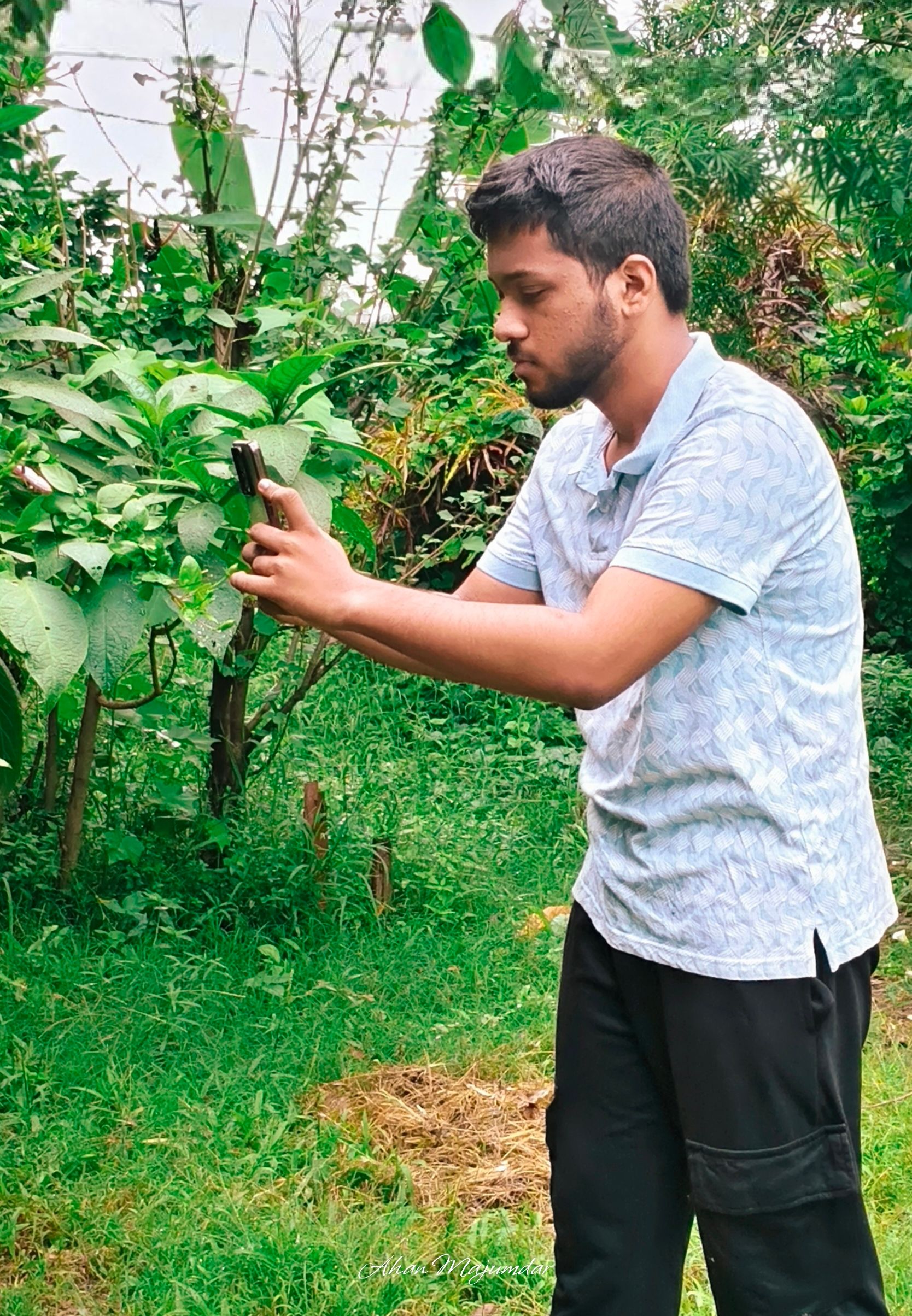
As a student, I don't really follow a fixed routine when I'm out shooting. It's not structured or planned like that. Most of the time, I'm just moving through my day—school, streets, random places—and if something pulls my attention, I stop.
My mindset is more about being aware than being prepared. I try to stay observant, almost quiet internally, so I don't miss small moments. I don't go out thinking 'I have to get a shot today.' That pressure usually ruins it.
Instead, I let things come to me. If the light feels right, or a scene has emotion, or something just clicks in my head, that's when I shoot. It's less about chasing and more about noticing.
Why is your essential gear setup important for your specific blend of photography?
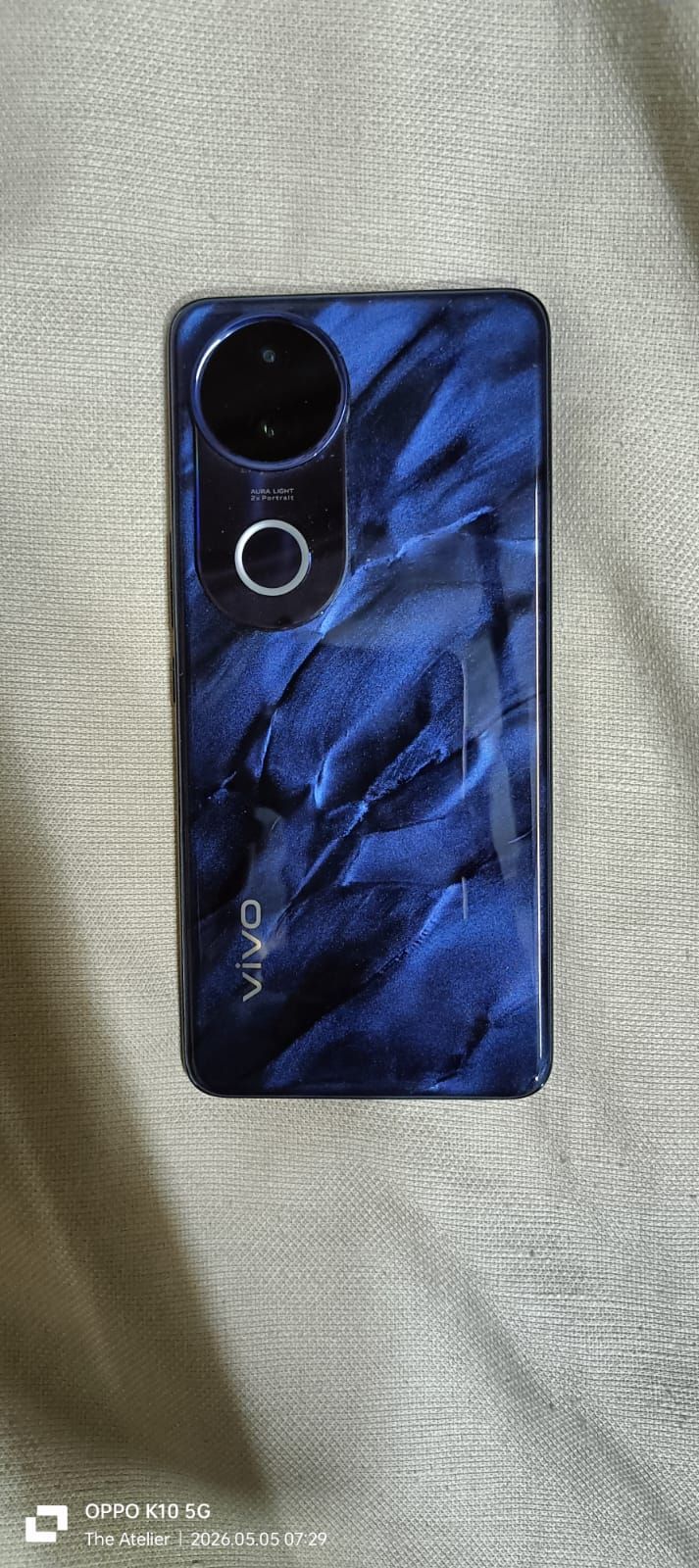
For my kind of photography, my phone is actually essential.
I don't own a professional camera—I shoot entirely on my phone. And that shapes the way I work. It keeps me light, quick, and unnoticed, which really matters for the kind of moments I'm drawn to. People act naturally, scenes stay real, and nothing feels staged.
Because it's always with me, I don't miss moments waiting to 'be ready.' I can respond instantly—whether it's a street interaction, a quiet portrait, or something in nature.
It also forces me to rely on my eye instead of equipment. I think more about light, framing, and emotion rather than gear. That simplicity fits my style—it keeps everything raw, honest, and close to how I actually experience the moment.
Contact and Follow
Email: ahan.majumdar20@gmail.com
Instagram: https://www.instagram.com/______diabolus______?igsh=c2lyOHNzN3RtMXhk