

How did your journey as a photography artist begin?
My journey with photography began when I was around seven years old. My uncle, who lived in the UK, gifted me my very first point-and-shoot film camera along with a few rolls of film. I was instantly fascinated. There was something magical about being able to freeze a moment in time. From then on, I spent almost all of my pocket money buying film rolls and paying to have them developed. Every roll felt like an adventure because you had to wait to see the results. That process taught me to be intentional with every frame and to appreciate the value of each photograph. What started as childhood curiosity slowly grew into a lifelong passion. Over the years, photography became more than just taking pictures—it became my way of observing people, understanding emotions, and telling stories that would outlive the moment itself. Today, that same curiosity continues to drive everything I create at Cliss Photography.
What was the first moment you realized photography could be art?
As a child, I loved drawing and painting. I spent countless hours sketching and experimenting with colors, and I was fortunate to win several painting competitions. Art was always a part of who I was. As I grew older, I found myself drawn away from ordinary photographs. I wanted every image to have intention, emotion, light, and composition—just like a painting. That's when I realized the camera had become my canvas. Instead of using brushes and paint, I was using light, perspective, and human connection to create something that felt timeless. Today, I don't approach photography as simply capturing what is in front of me. I approach it as painting with light, creating images that evoke emotion long after the moment has passed. This approach also subtly communicates why Cliss Photography has a distinctive style—it shows that my work is rooted in an artistic background, not just technical photography.
How has your artistic style evolved over the years?
When I look back at my earliest work, I smile because it reminds me how far I've come. At the time, I thought I was creating good photographs, but today I see someone who was still searching for his voice. The biggest change wasn't my camera or my equipment—it was my mindset. I became obsessed with understanding light, composition, storytelling, and emotion. I spent years studying the work of artists who inspired me, such as Ansel Adams, Joe McNally, and Olga Karlovac. I didn't just admire their images; I tried to understand how they saw the world. Over time, I stopped chasing trends and started developing a style that felt true to me. I became less interested in simply documenting a wedding and more interested in creating images that feel timeless, artistic, and deeply personal. Today, I don't see myself as just a photographer. I see myself as an artist and a creative director. Photography is simply the medium through which I express my ideas. Every wedding is a blank canvas, and my goal is to create something that has never existed before—something that belongs only to that couple.
What drives you to create art through photography?
Photography is the one thing I know was God's calling over my life. I've tried to imagine myself doing something else, and I honestly can't. When you believe you've been entrusted with a gift, you also feel a responsibility to steward it well. That's why I never stop learning. Even after all these years, I still approach photography with the curiosity of a child—constantly studying, experimenting, and pushing myself to create something better than I did yesterday. Creating beautiful images gives me immense joy, but what truly fulfills me is seeing my clients experience their photographs and films for the first time. Watching them laugh, cry, and relive moments they thought had passed forever is incredibly rewarding. Knowing that we've created something their children and grandchildren will one day cherish—that's what drives me. It's never just about taking photographs; it's about creating a legacy that will outlive us all.
What photo best defines your artistic vision, and why?
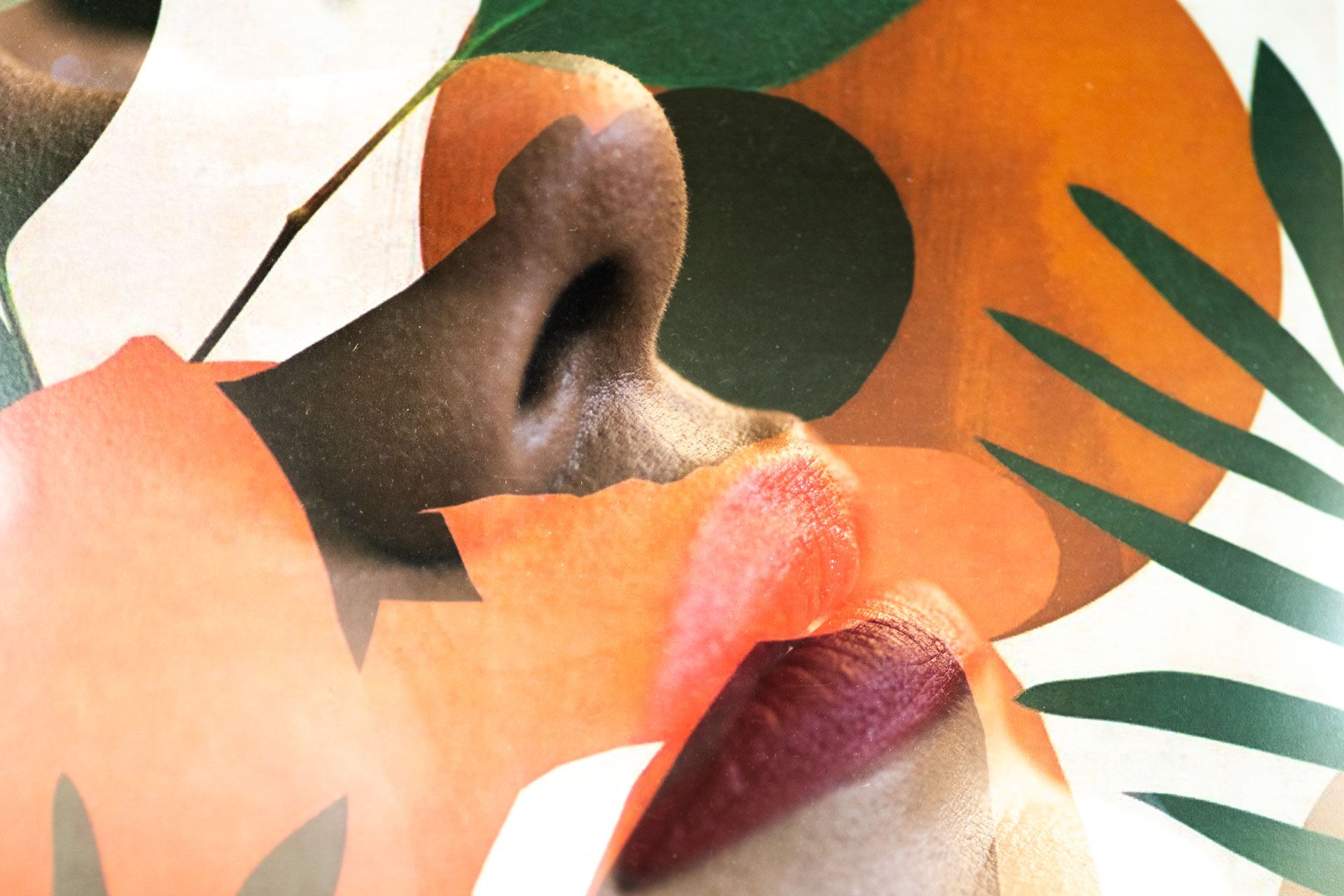
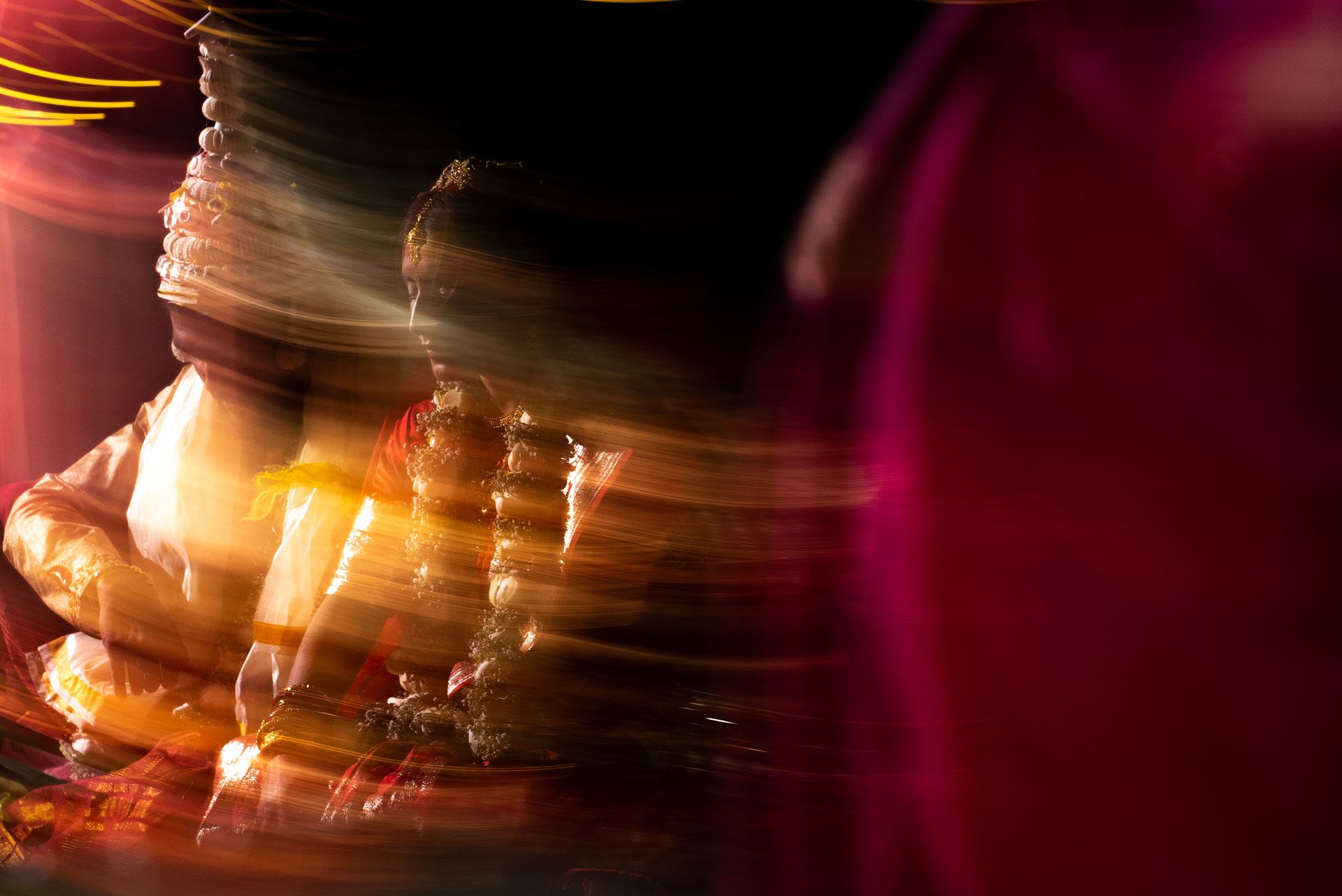
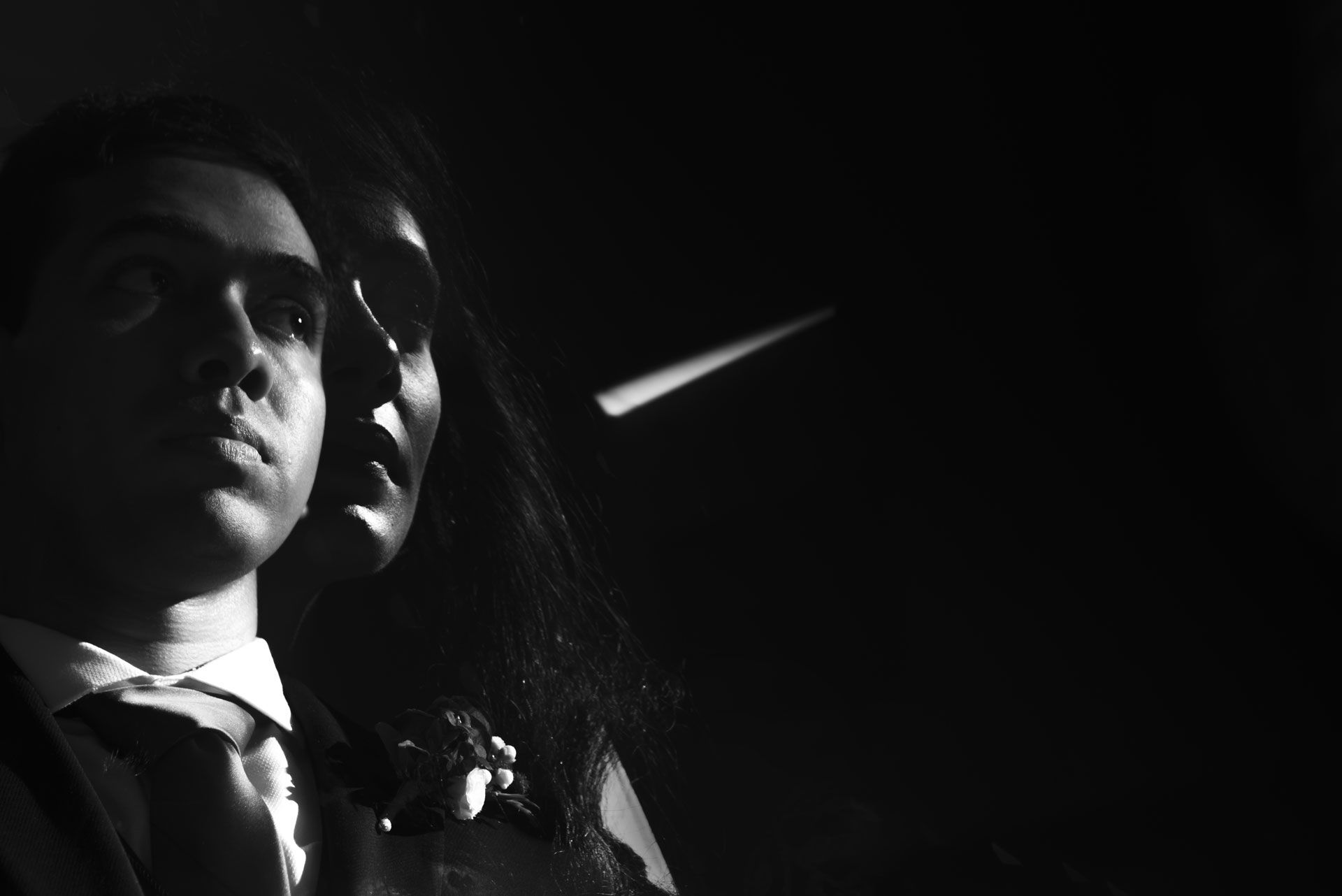
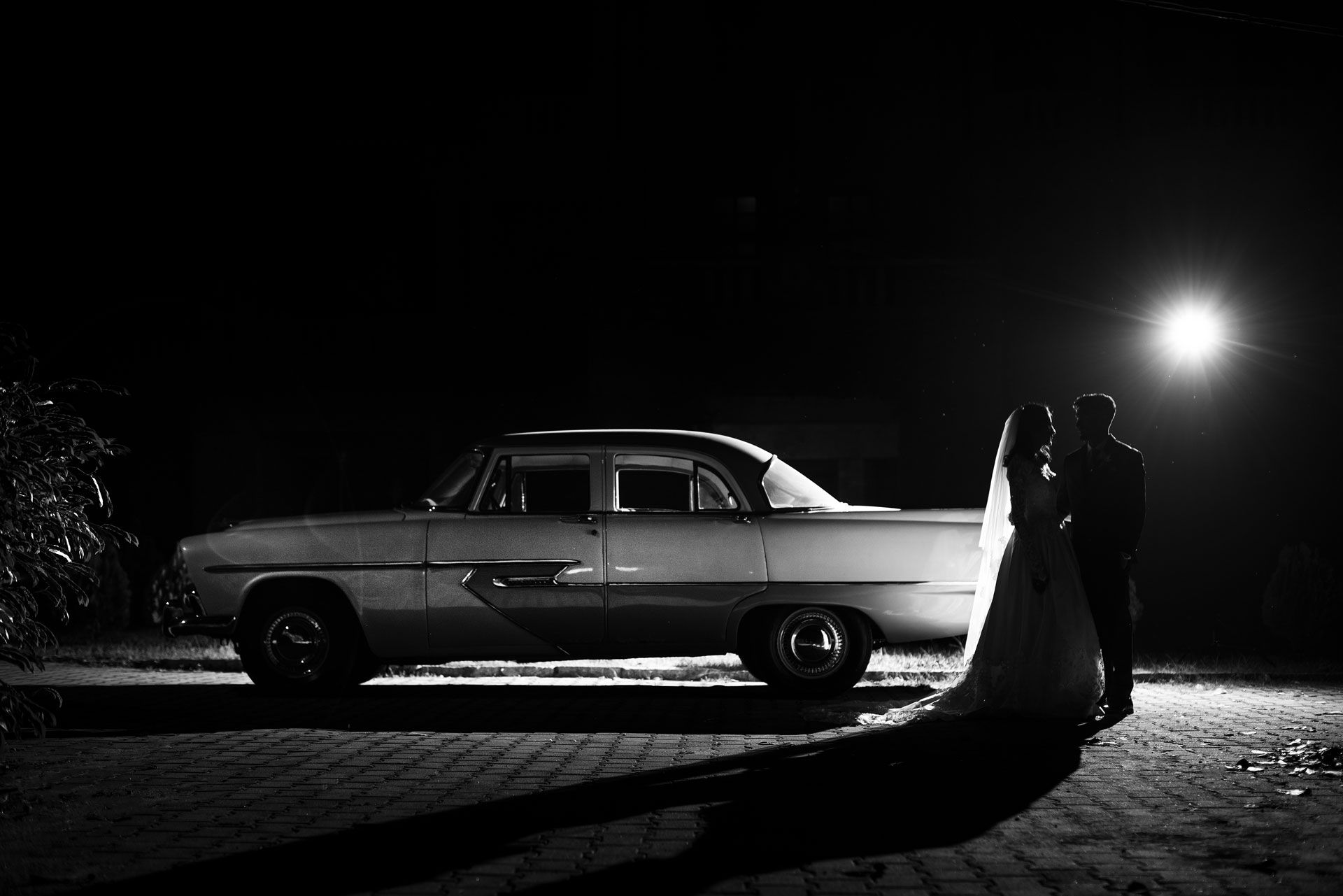
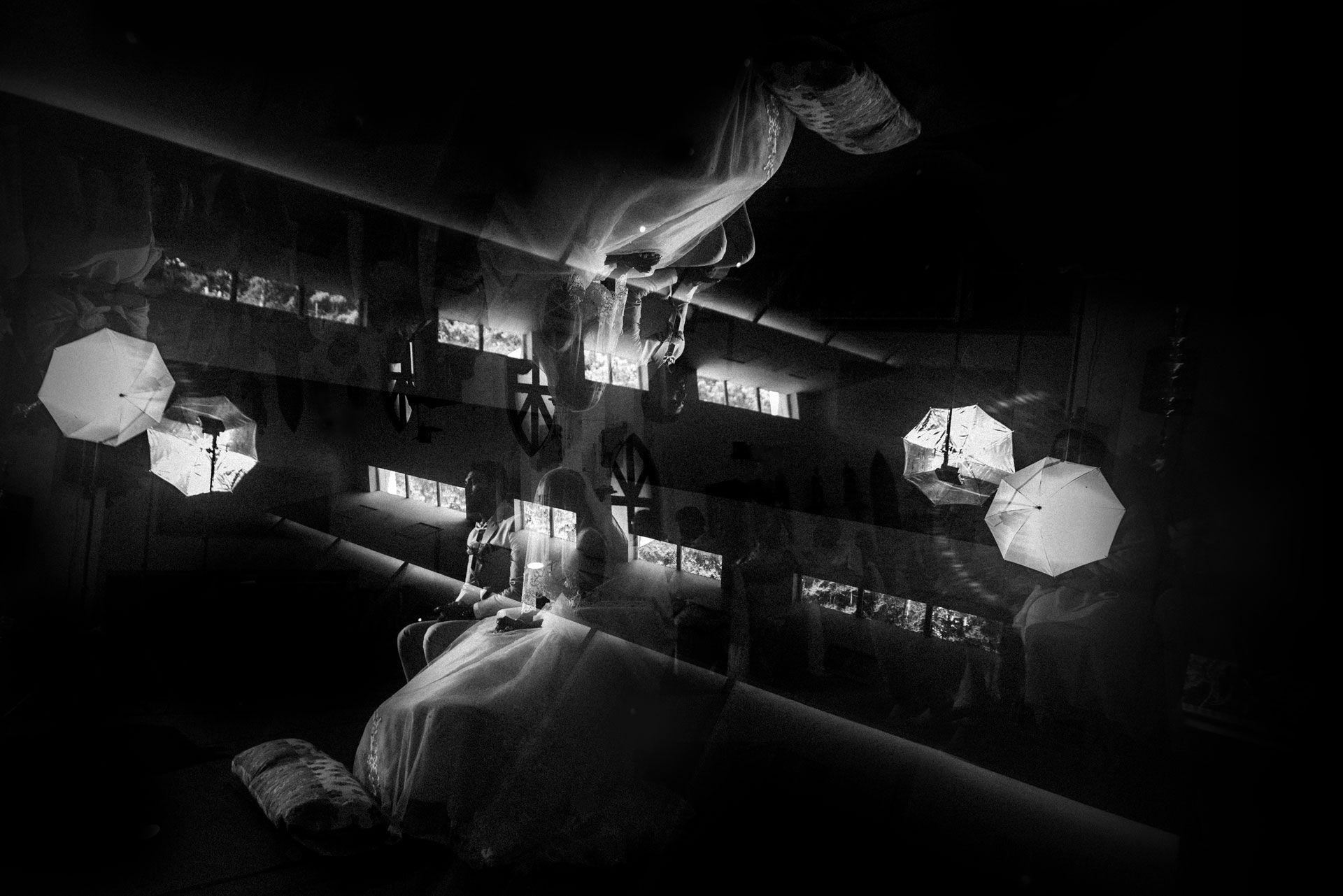
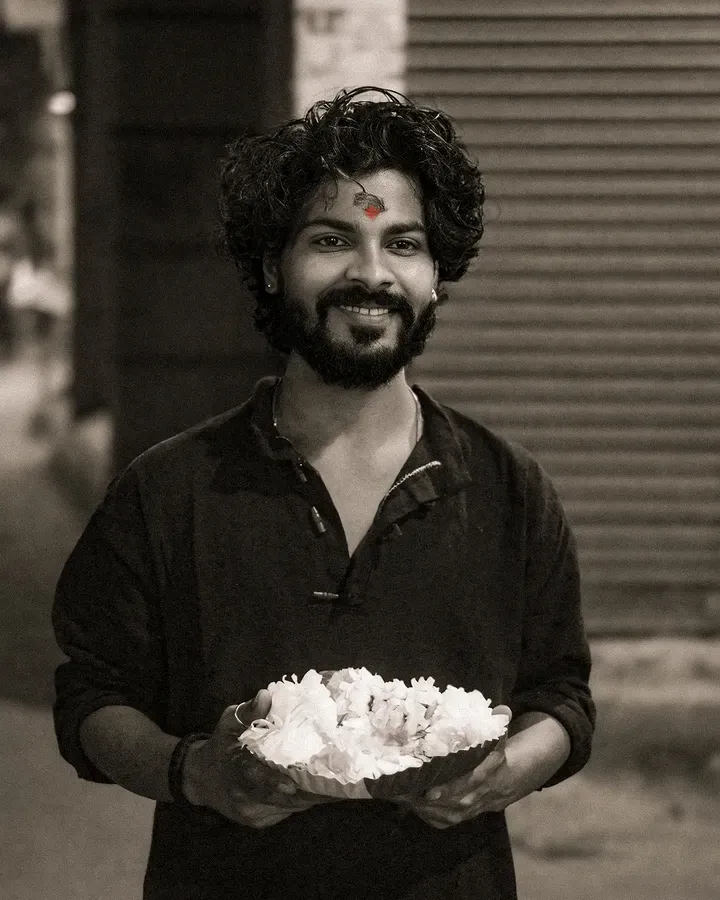
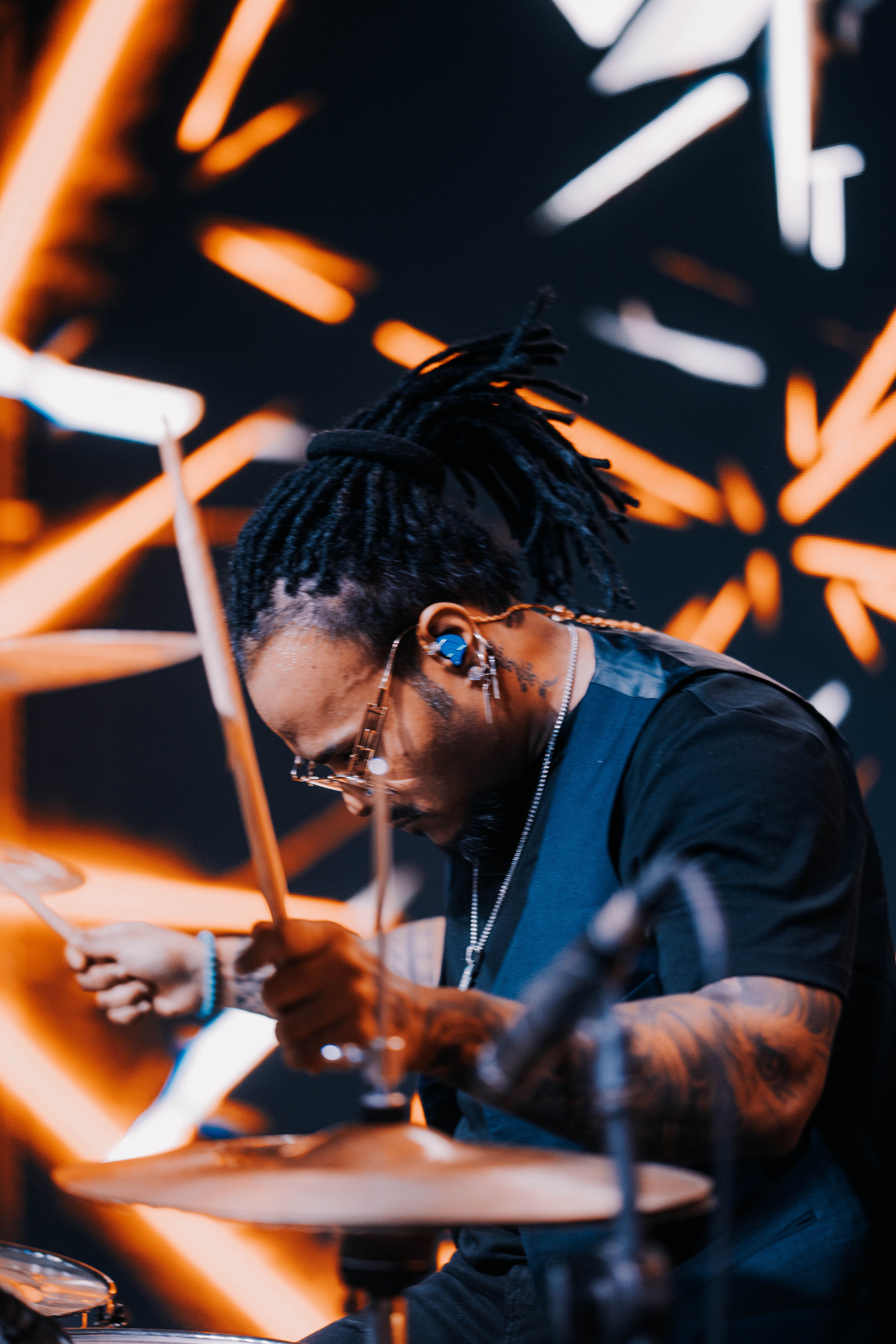
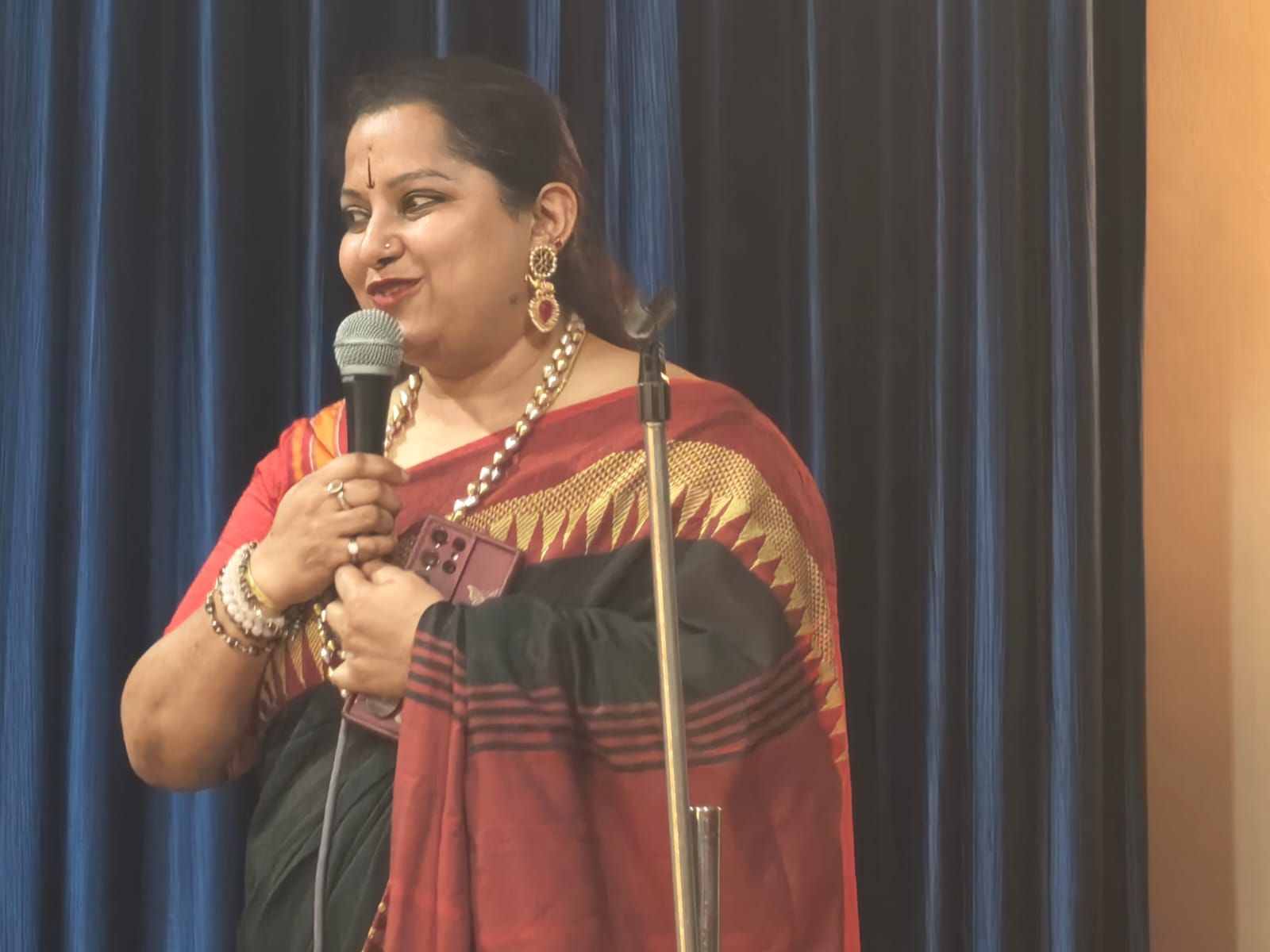
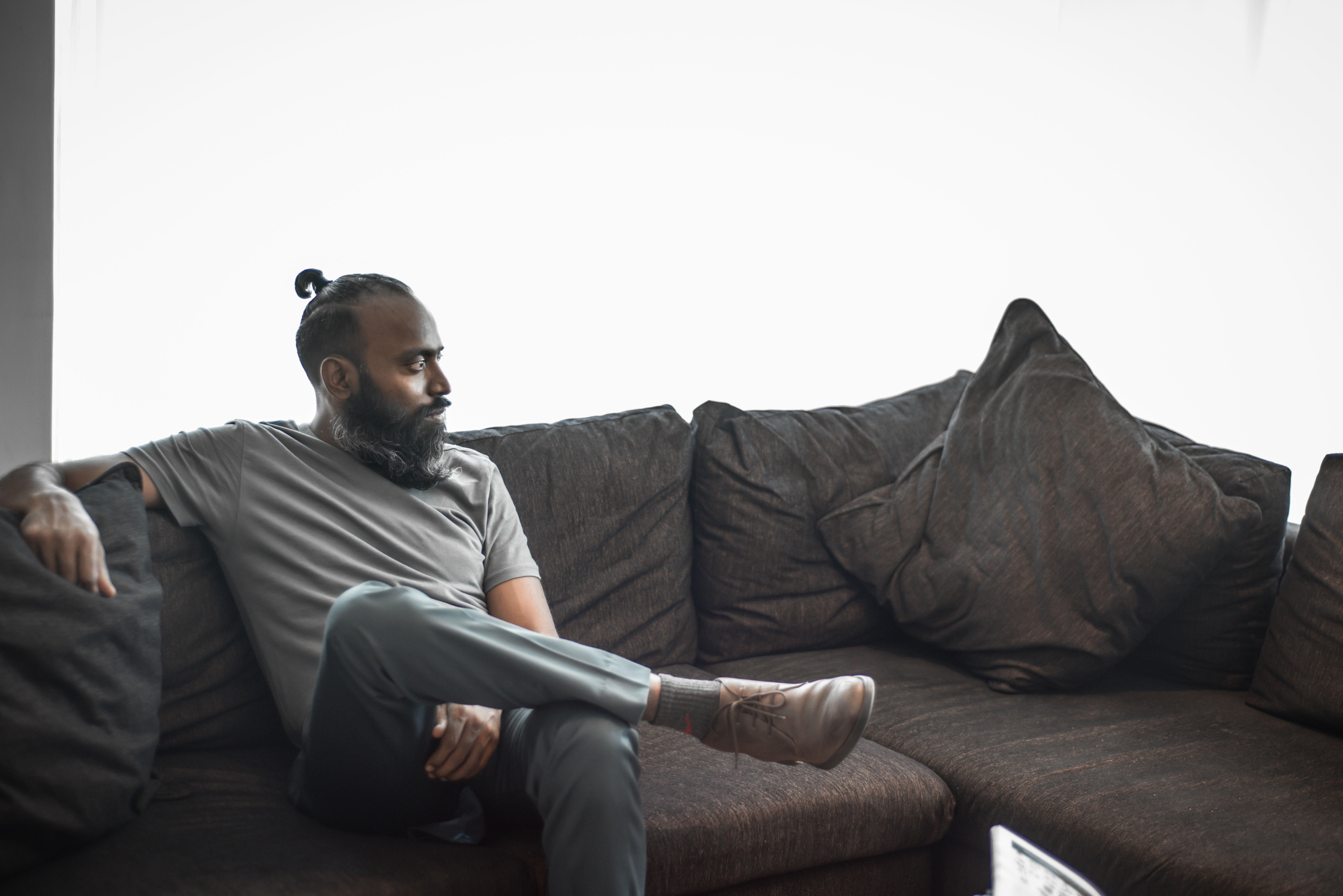
These photographs were all captured on the wedding day using natural light, carefully crafted lighting, in-camera techniques, and thoughtful composition. My aim is not just to document moments, but to create timeless, artistic and creative images that are unique to every couple and reflect their story with authenticity and creativity.
Can you walk us through your editing choices in that before-and-after example?
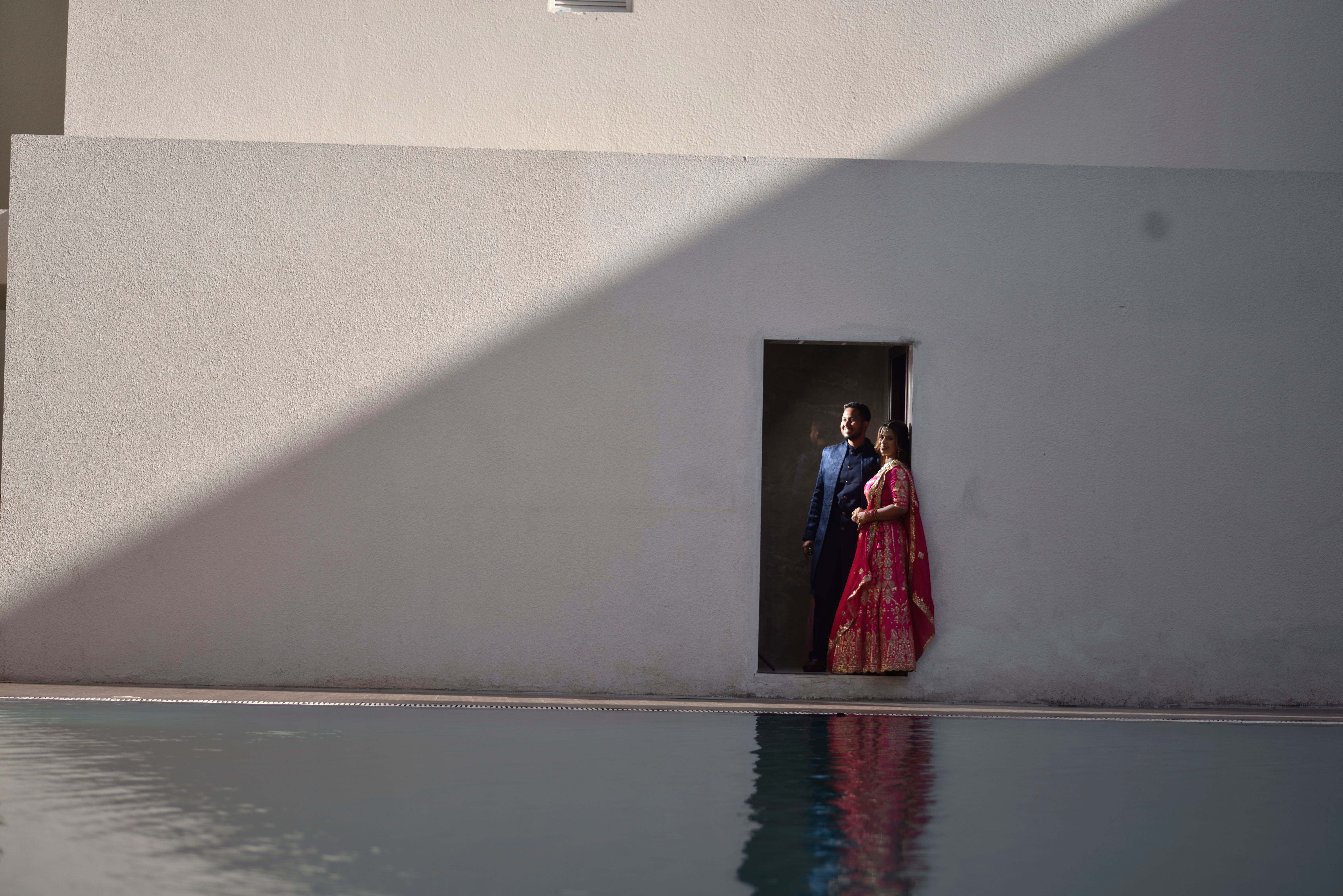
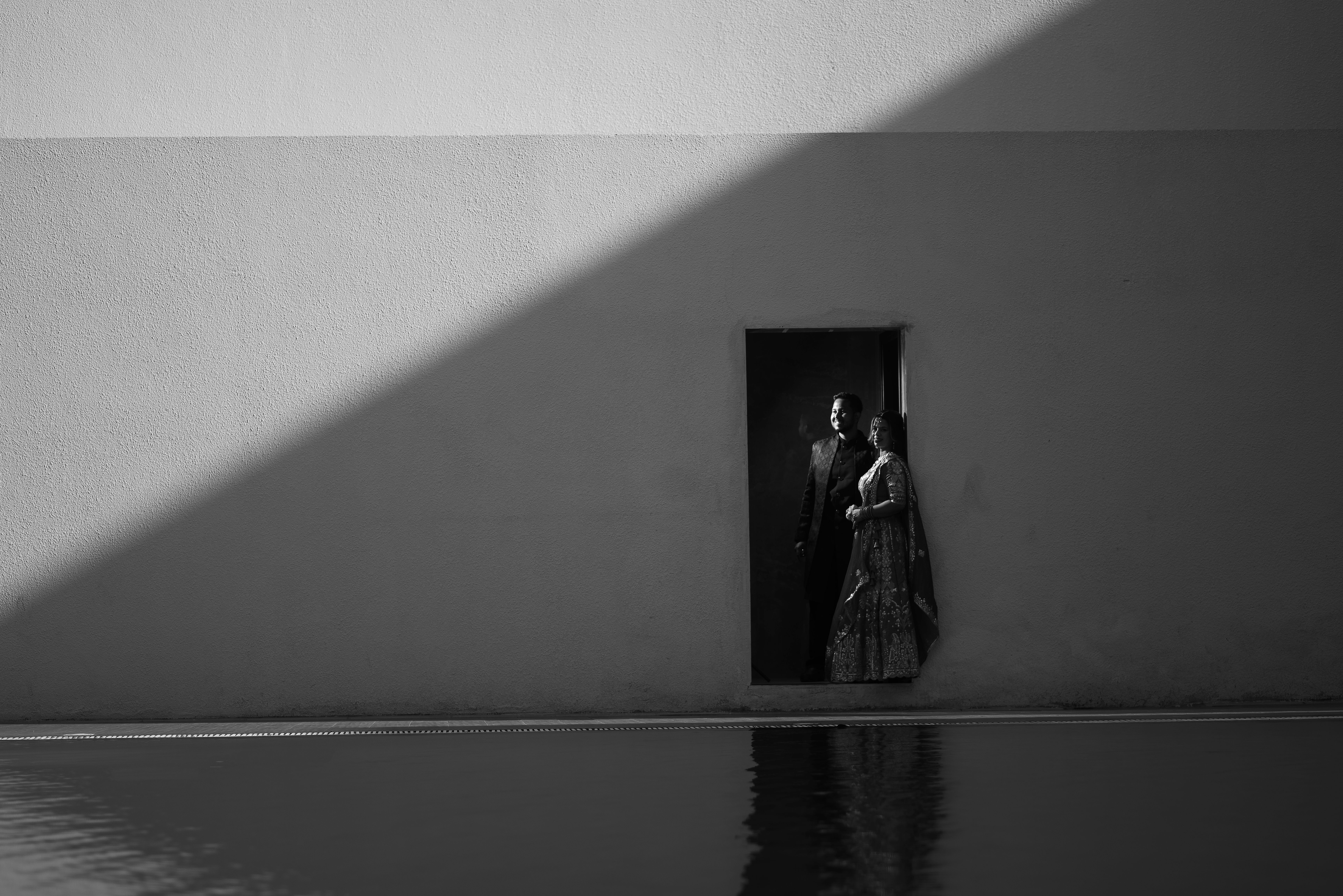
I believe the strongest photographs are created in-camera, not in post-production. My goal is to solve as much as possible while I'm shooting—using light, composition, and perspective to create the final image. Editing is simply the finishing touch, not where the photograph is made. For this image, I intentionally kept the edit minimal. I chose a black-and-white treatment because it stripped away distractions and allowed the viewer to focus on the emotion, light, and form. Beyond that, the adjustments were subtle—mainly cropping, alignment, and small tonal refinements to enhance what was already captured in-camera. To me, editing should elevate the photograph, not redefine it.
What technique or perspective did you use in that unique photo?
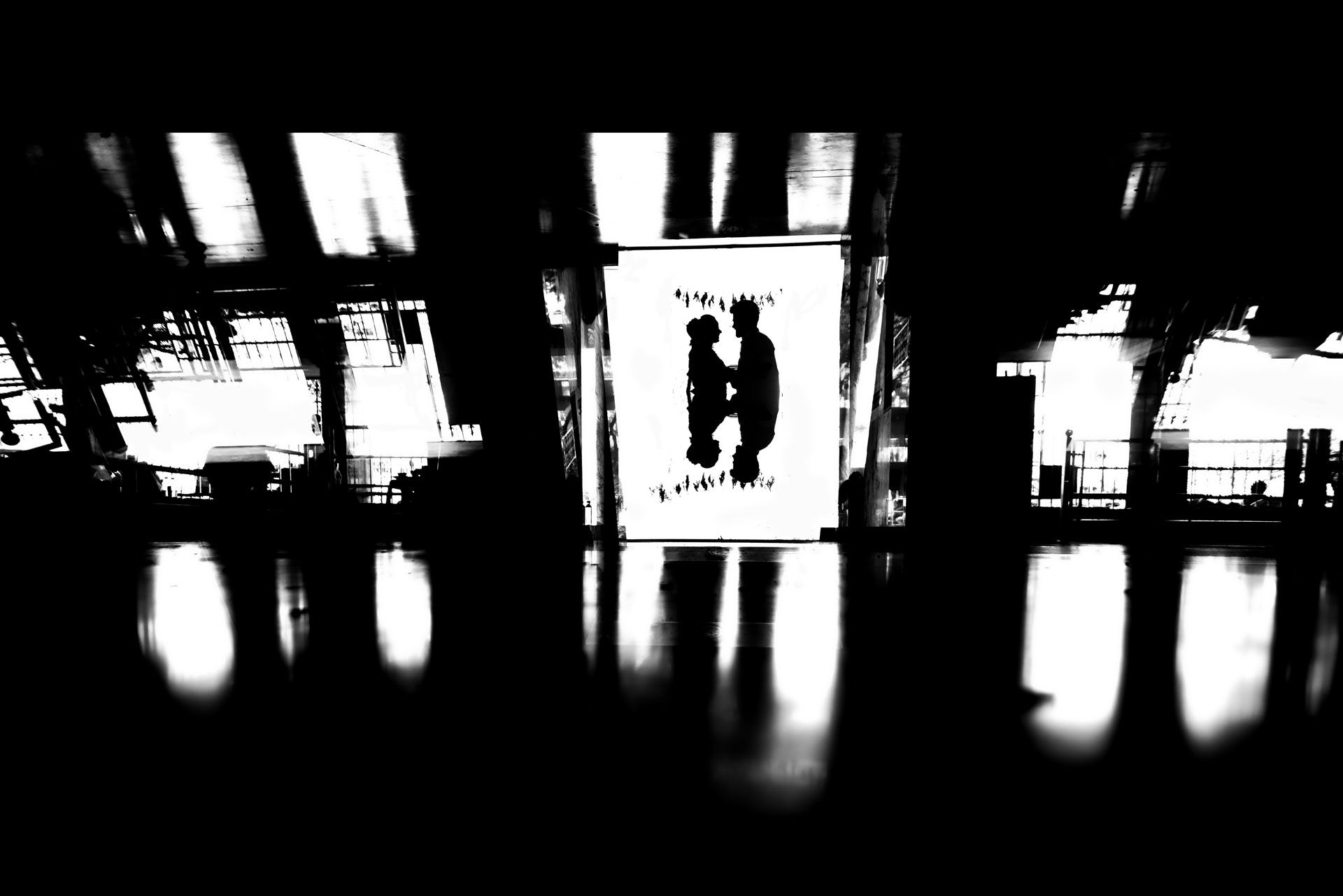
The first thing that caught my attention was the reflection on the floor. I immediately saw the potential to use it as a compositional element rather than just part of the environment. That reflection became the foundation of the image, creating balance, depth, and a slightly unexpected perspective. The original scene had a lot of visual distractions, so I chose to present the photograph in black and white. Removing color allowed the viewer's attention to shift to the interplay of light, shadow, reflection, and emotion instead of the surrounding details. For me, creating art is about seeing possibilities that others might overlook. It's not always about dramatic locations or elaborate setups—sometimes it's about recognizing a simple element, like a reflection, and using it thoughtfully to transform an ordinary moment into something visually meaningful.
What story do these three photos convey?
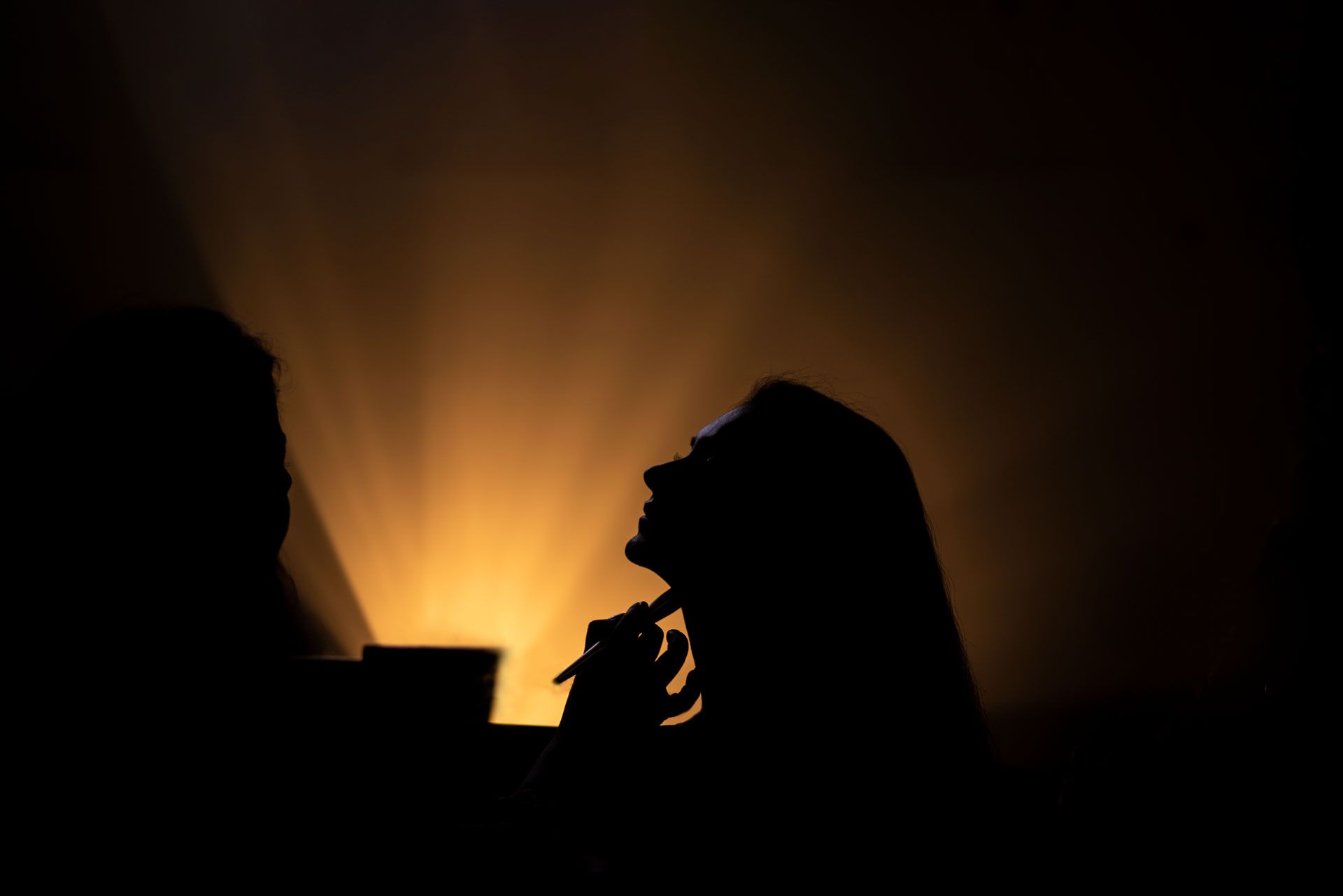
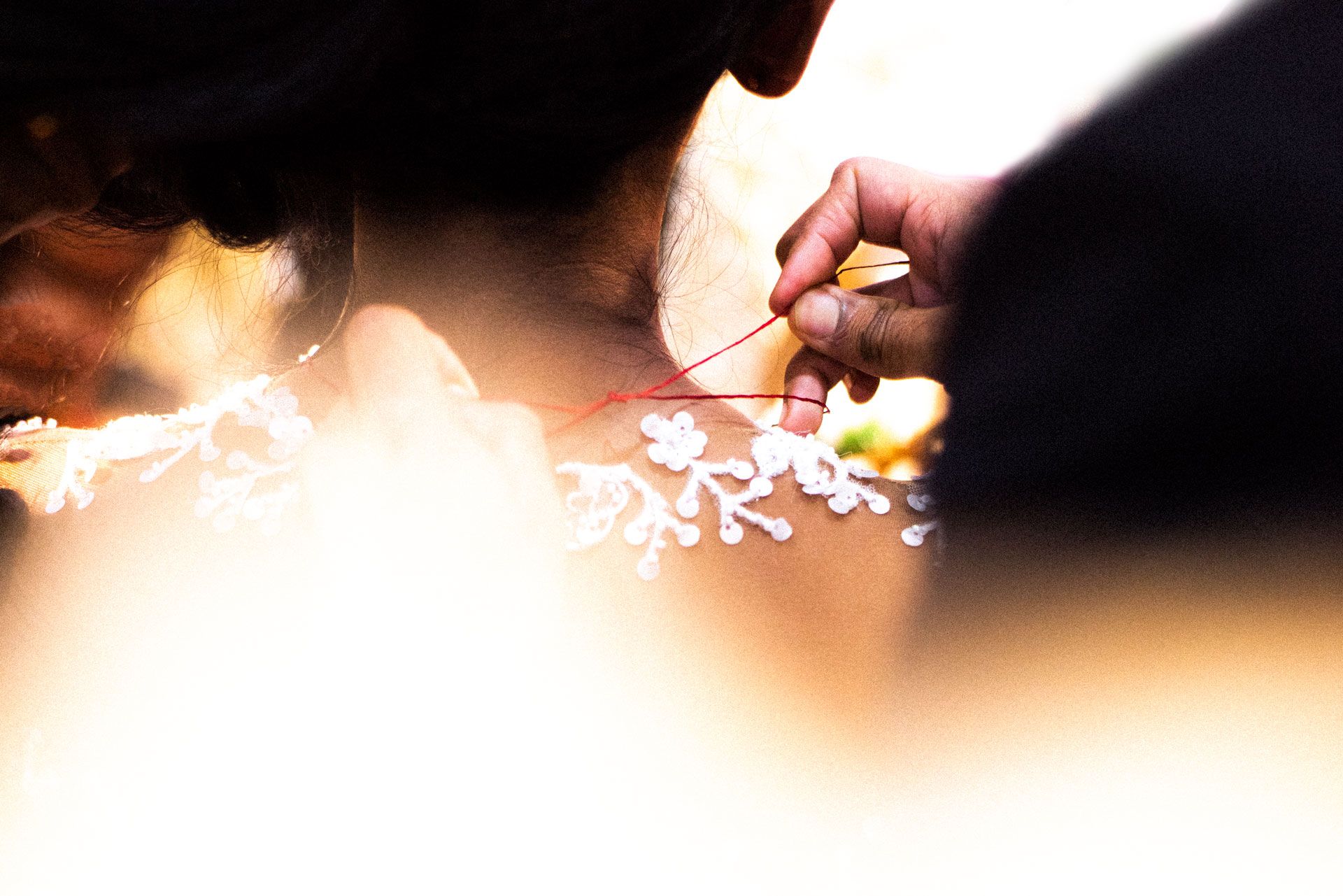

These three photographs tell the story of a wedding day from beginning to end—from the quiet anticipation as the bride and groom prepare, to the moment they finally tie the knot. Rather than simply documenting the sequence of events, I wanted each image to evoke the emotion and atmosphere of that moment. Every frame was created with careful attention to light, composition, and perspective, allowing the story to unfold in a way that feels cinematic and timeless.
Why was that shoot challenging, and what did you learn from it?
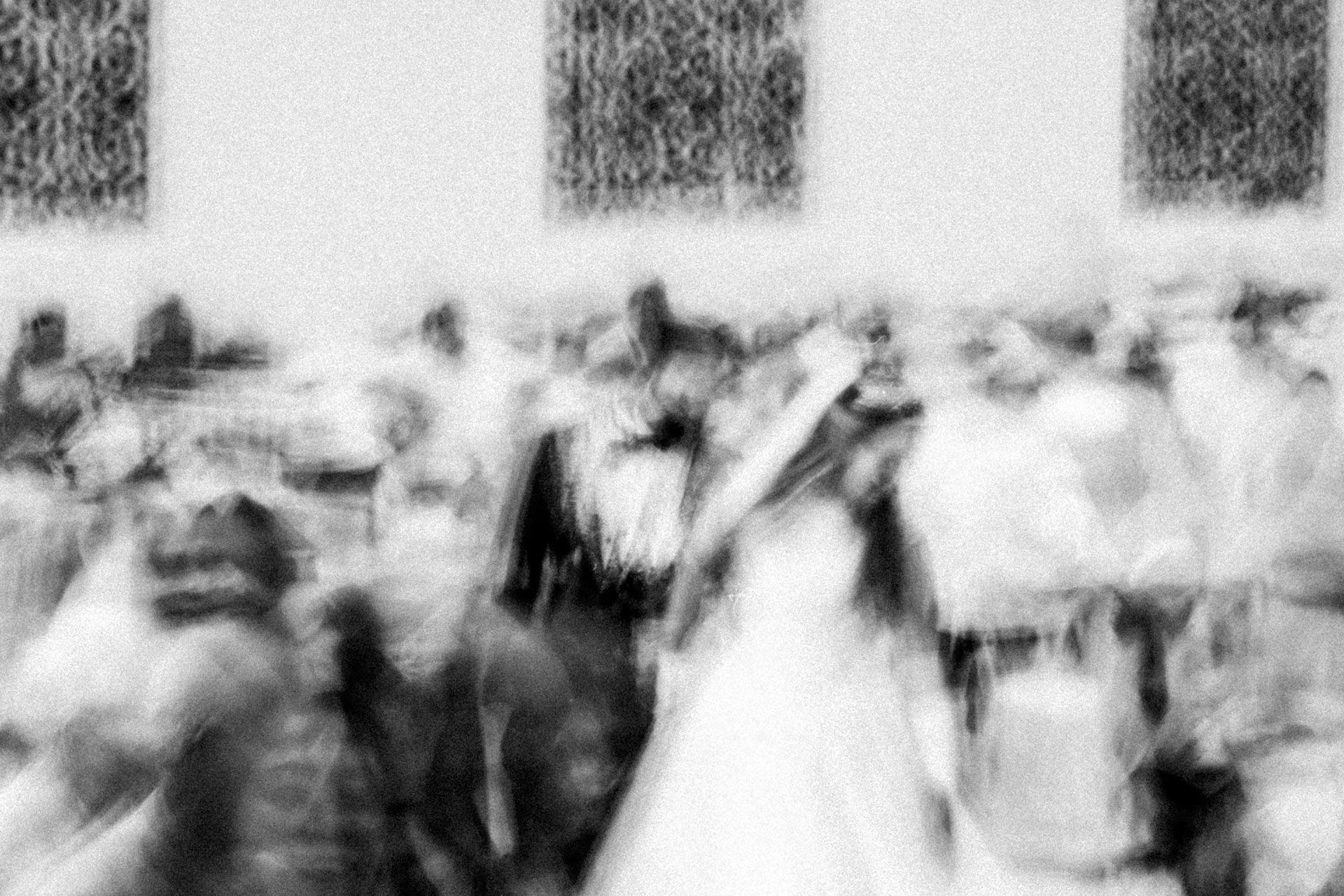
This was one of the most challenging moments of the wedding because the dance floor was packed. The lighting was very dim, people were constantly moving in and out of the frame, and there was very little control over the environment. It would have been easy to see it as a difficult situation. Instead, I saw it as an opportunity to create something unique. Rather than fighting the chaos, I embraced it—using the movement, available light, and the energy of the crowd as part of the composition. Those unpredictable moments often produce the most authentic and emotionally powerful images. It reminded me that great photographs aren't always created in perfect conditions. Sometimes the most meaningful works of art emerge from the most challenging situations. As a photographer and artist, I've learned that creativity isn't about waiting for ideal circumstances—it's about finding beauty within the chaos.
What tool or setup is shown, and why is it key to your work?
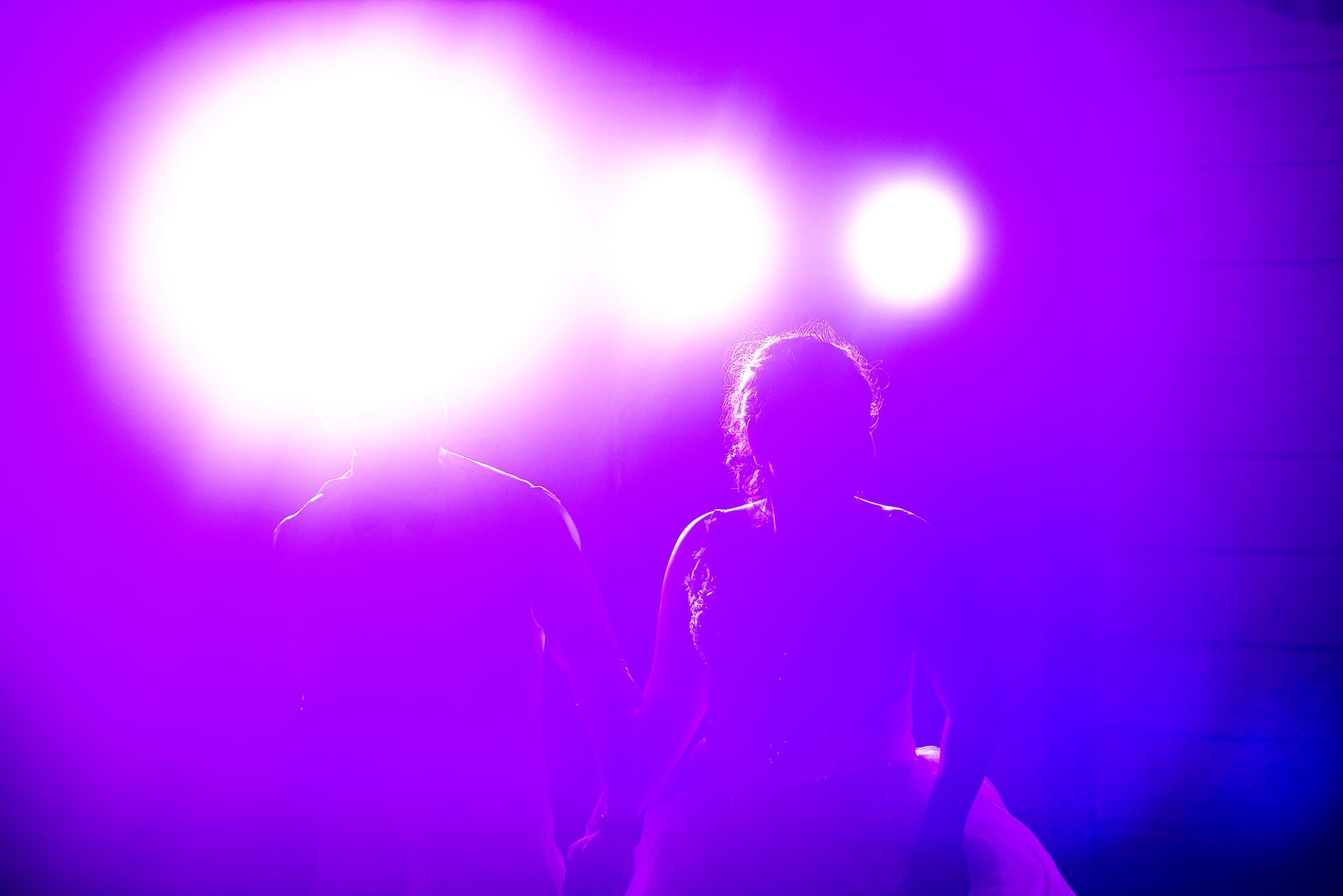
For me, the most important tool isn't the camera—it's light. Light is what gives a photograph its mood, depth, and emotion. In this image, I used the existing floodlights on the dance floor as a creative element rather than simply a source of illumination. Instead of trying to overpower them with artificial lighting, I worked with them to create layers, flare, and atmosphere. The effect gives the image a dreamlike quality, almost as if the couple is lost in their own world despite the crowd around them. I've learned that every lighting situation, no matter how challenging, holds creative possibilities. It's not about having perfect light; it's about seeing what that light can become. That's a philosophy I carry into every wedding I photograph.
Contact and Follow
Email: clissphotography@gmail.com
Instagram: https://www.instagram.com/clissphotography/