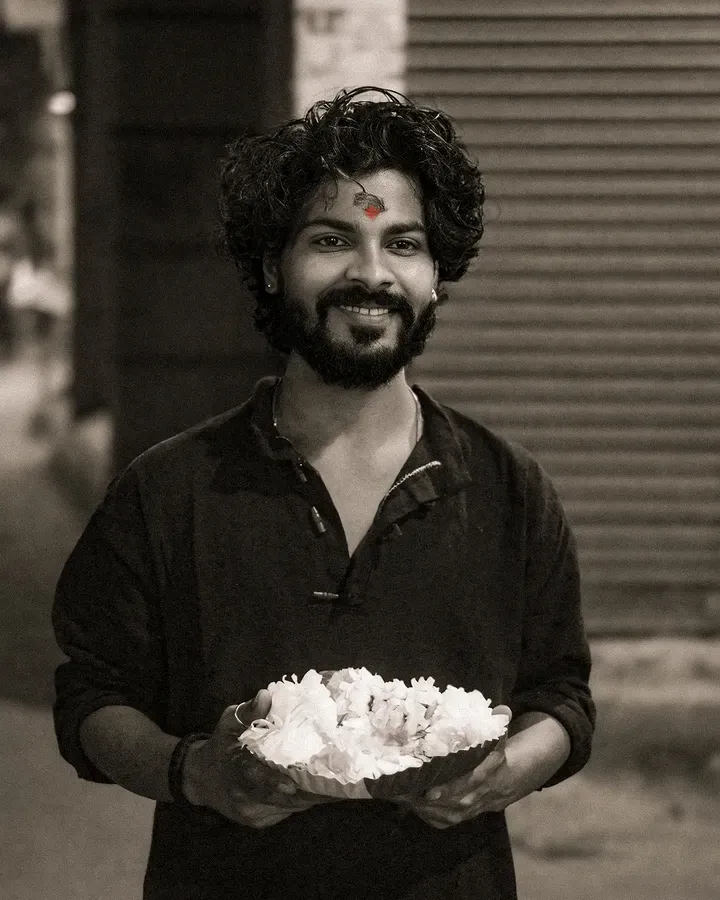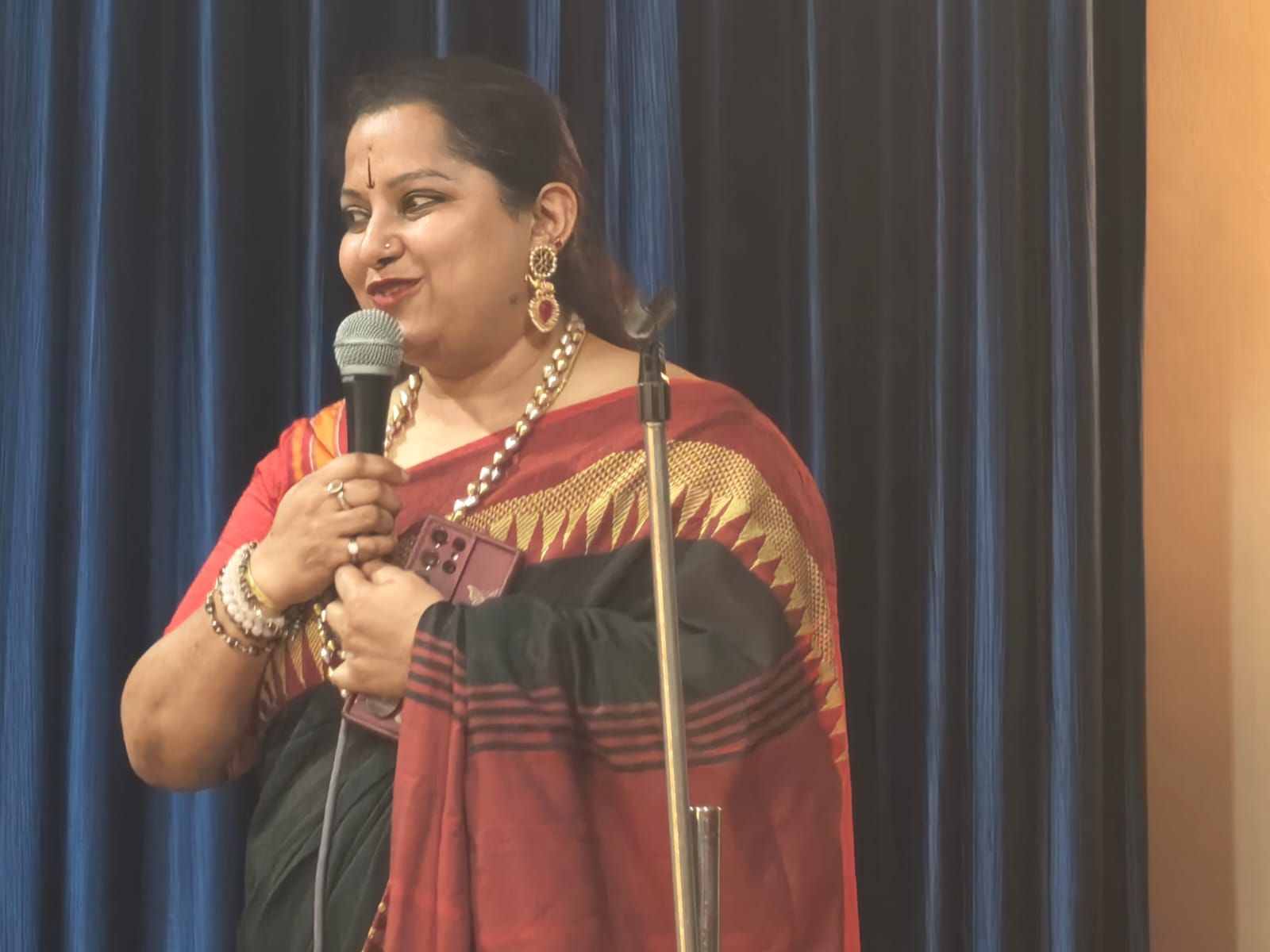



Singer-songwriter, producer, and drummer Jyotiraditya Bhujang has spent his life listening — to rhythm, to silence, and to the artists around him. The founder of 5th Dimension Records and the mind behind the live acoustic series Untreated Sessions, he treats music as much as a form of meditation as a craft. In conversation with WallMag, he traces his journey from childhood tabla lessons to long, quiet hours in the studio — and the patience that shaped his song “Sabr.”
How did your musical journey begin?
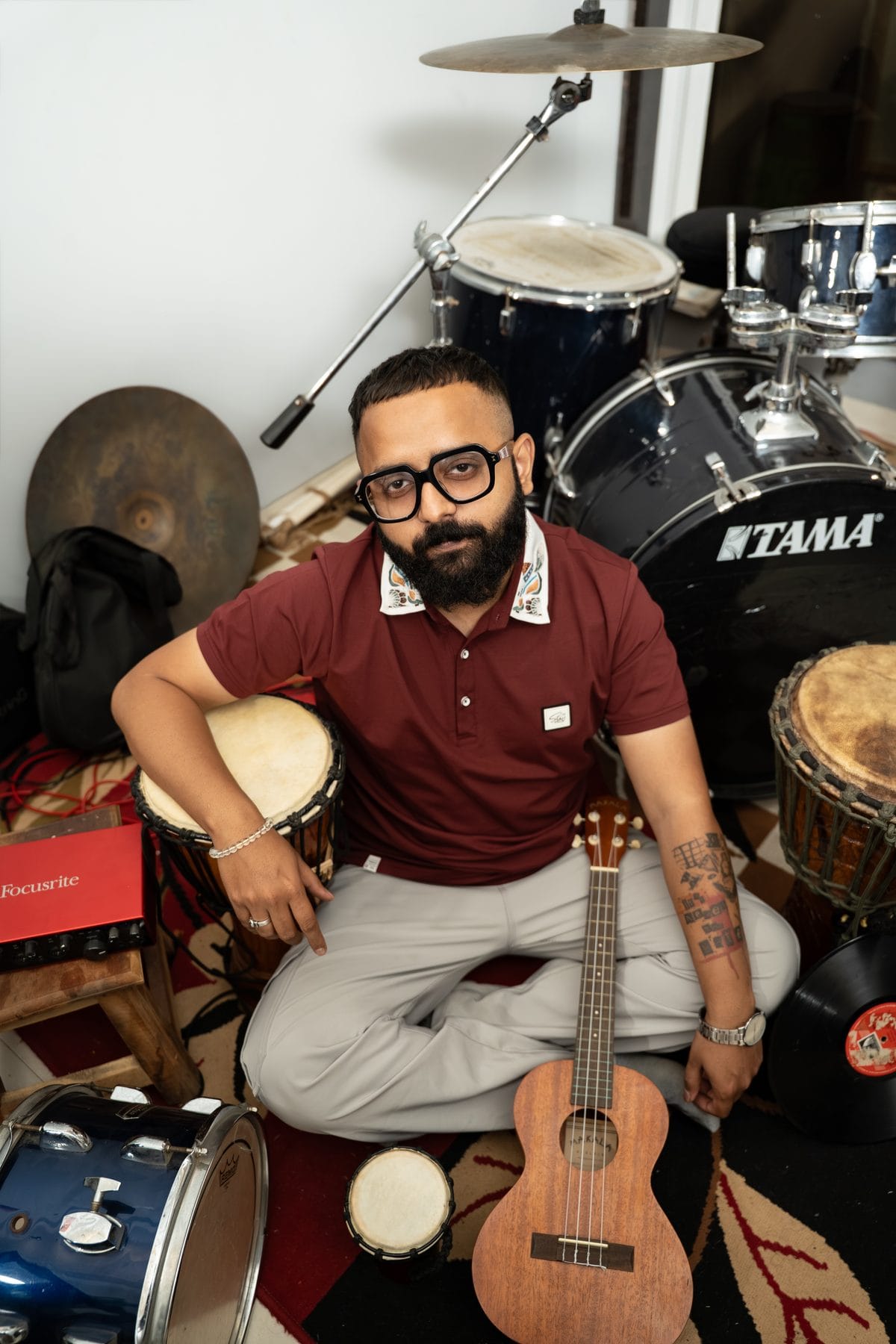
My musical journey began very naturally during childhood. I grew up in a home where music was always around, and rhythm was the first thing that deeply connected with me. My parents noticed that connection early on and enrolled me in tabla classes while also bringing instruments like bongos and tabla into the house. As a child, I didn’t fully understand it then, but music already felt like a space where I belonged.
A few years later, I discovered drums, and something about them immediately fascinated me. I started learning, performing in school bands, competitions, and local stages, and slowly music became more than just an interest — it became a calling. Those experiences gave me confidence, but more importantly, they taught me discipline, expression, and the joy of creating something with people.
When I was around 15, I released my first original song, “Jeene Ki Wajah,” and that phase opened another side of me. Alongside rhythm, I discovered my love for melodies, songwriting, and eventually music production. I became deeply curious about how emotions, sounds, and silence could come together to create an experience. Even with limited resources back then, I kept experimenting, recording ideas, and collaborating with friends.
Over the years, I played with several bands in the independent and metal scene, and every project taught me something valuable — not just musically, but personally. Later, studying music production in Mumbai changed my perspective even further. Spending long hours creating music consciously and quietly made me realise that music, for me, is also a form of meditation. It teaches presence, listening, patience, and awareness.
As my journey evolved, I started releasing my own music and collaborating with independent artists, which eventually led me to create 5th Dimension Records. The idea behind it was simple — to support artists who have original music and help give their songs a life, just like people once helped me believe in mine.
That same feeling later inspired Untreated Sessions, a live acoustic series focused on capturing music in its rawest and most honest form. Looking back, I feel grateful for every phase of this journey. Music has shaped me not only as an artist, but also as a listener, a collaborator, and a person constantly learning to understand life a little more deeply through sound.
What was the first moment you realized music was your calling?
I think the first real moment I understood that music was my calling was when I started playing drums during my school years. Until then, music was something I deeply loved, but once I sat behind a drum kit, I felt a connection that was difficult to explain in words. It felt natural, almost like a language I already understood somewhere within myself.
Performing in school competitions, playing with bands, and sharing that energy with people gave me a sense of purpose and belonging very early in life. Over time, I realised that music was much more than performance for me — it became a way of expressing emotions, understanding life, and finding inner stillness. That feeling has stayed with me throughout my journey, and I think that is when I truly understood that music was not just a passion — it was the path I was meant to walk on.
How has your experience as a singer-songwriter, producer, and drummer evolved over the years?
My journey as a singer-songwriter, producer, and drummer has evolved very organically over the years. Drumming became my foundation and taught me discipline, energy, and the importance of listening while performing with bands and playing live.
Over time, songwriting became a more personal space where I could express emotions and experiences more honestly. Music production added another dimension to my journey and changed the way I hear and understand music completely. Spending long hours shaping sounds and ideas taught me patience, awareness, and attention to detail.
Today, these roles no longer feel separate from each other. Together, they have shaped my identity as an artist. More than anything, my understanding of music has evolved towards authenticity, collaboration, and creating experiences that feel honest and meaningful through my independent work, 5th Dimension Records, and Untreated Sessions.

What indie or experimental artists have influenced your sound the most?
I feel discovering your own sound is a lifelong journey. As an artist, you pass through different emotions, influences, experiences, and experiments before you slowly begin to understand what truly feels honest and real to you. Even today, I feel I’m still learning and evolving through that process.
My early influences came from metal and progressive bands like Avenged Sevenfold, Lamb of God, and Slipknot, which shaped me strongly as a drummer and performer. But over the years, some of my deepest inspiration has come from the independent artists and musicians I’ve had the opportunity to collaborate with personally. I believe that is where music feels the most genuine — when people create honestly from their own experiences and emotions.
Describe your songwriting process from idea to finished track.
I don’t think I follow one fixed songwriting process. Songs usually begin very naturally for me — sometimes with a melody, sometimes with a rhythm, a production idea, or even just a random thought that stays with me. It’s a very intuitive process, and I try not to force it.
Sometimes an idea comes instantly but takes months to fully become a song. I spend a lot of time simply listening, sitting with the idea, and allowing it to evolve on its own. Somewhere in that process, the next emotion or sound slowly starts revealing itself.
At times I begin with production and build the composition around it, while other times a few casually written lines unexpectedly turn into songs later. I think the most important part of my process is honesty — staying connected to whatever feels genuine in that moment and letting the music grow naturally from there.
What is the story or emotion behind the song “Sabr”?
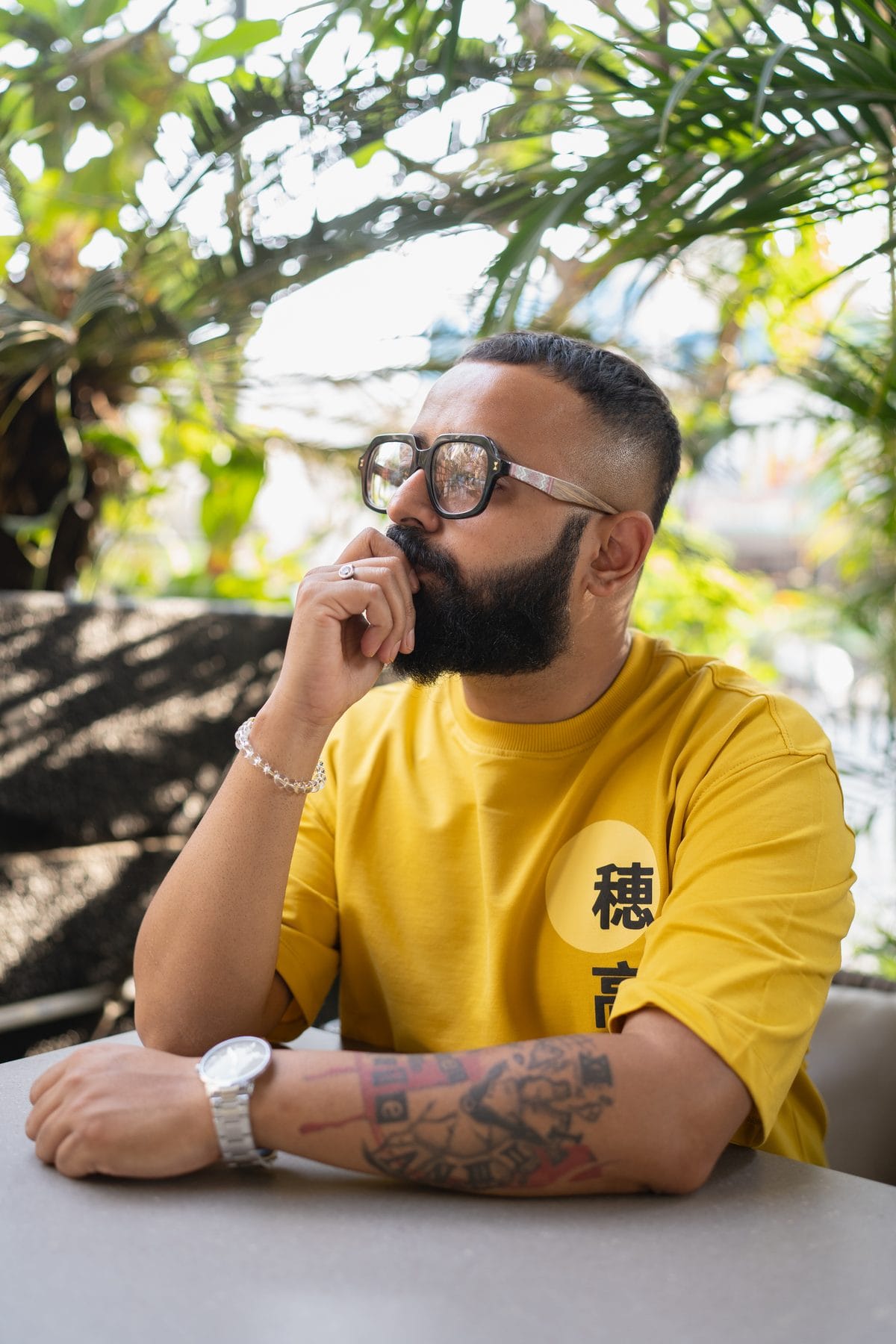
The song “Sabr” came from a very personal phase of my life. I wrote it during a time of transition when I was dealing with a lot internally and trying to find clarity, patience, and trust within myself. The line “Tu sabr kar, khud pe fakr kar, jo hona hai ho jayega, jo tera hai miljayega…” was actually something I needed to hear myself during that phase.
More than writing a song, it felt like I was having a conversation with my own mind and heart. It was a reminder to slow down, trust the process of life, and not lose faith during uncertain moments.
Because of that, “Sabr” is very close to me emotionally. I think it carries a very honest part of who I was at that time, and maybe that’s why people connect with it in such a personal way as well.
Describe your current studio setup and any go-to gear.
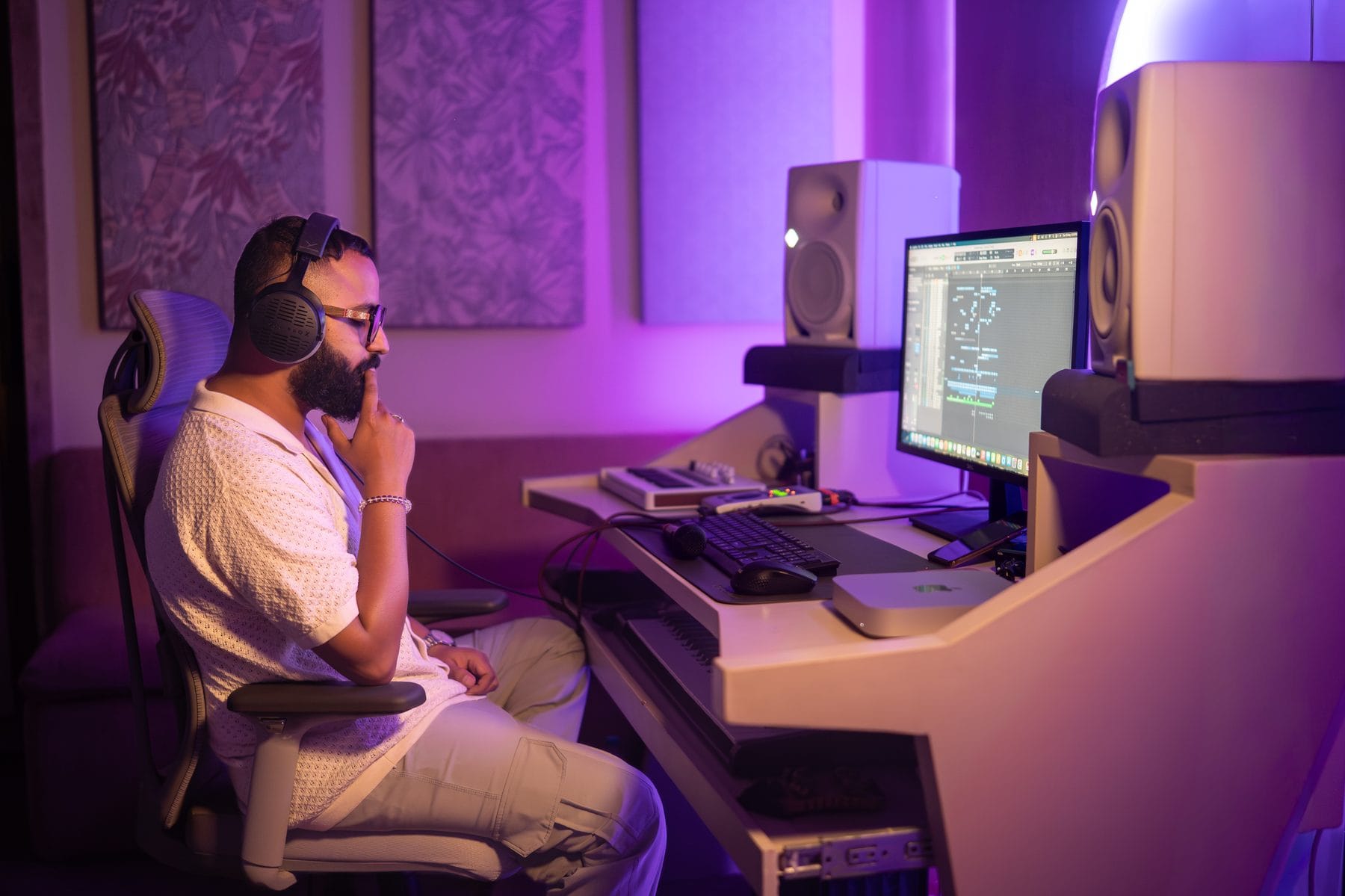
I currently work on Logic Pro as my primary DAW, along with the RME Babyface Pro interface and Naumen monitors and microphones.
What makes this performance special to you?
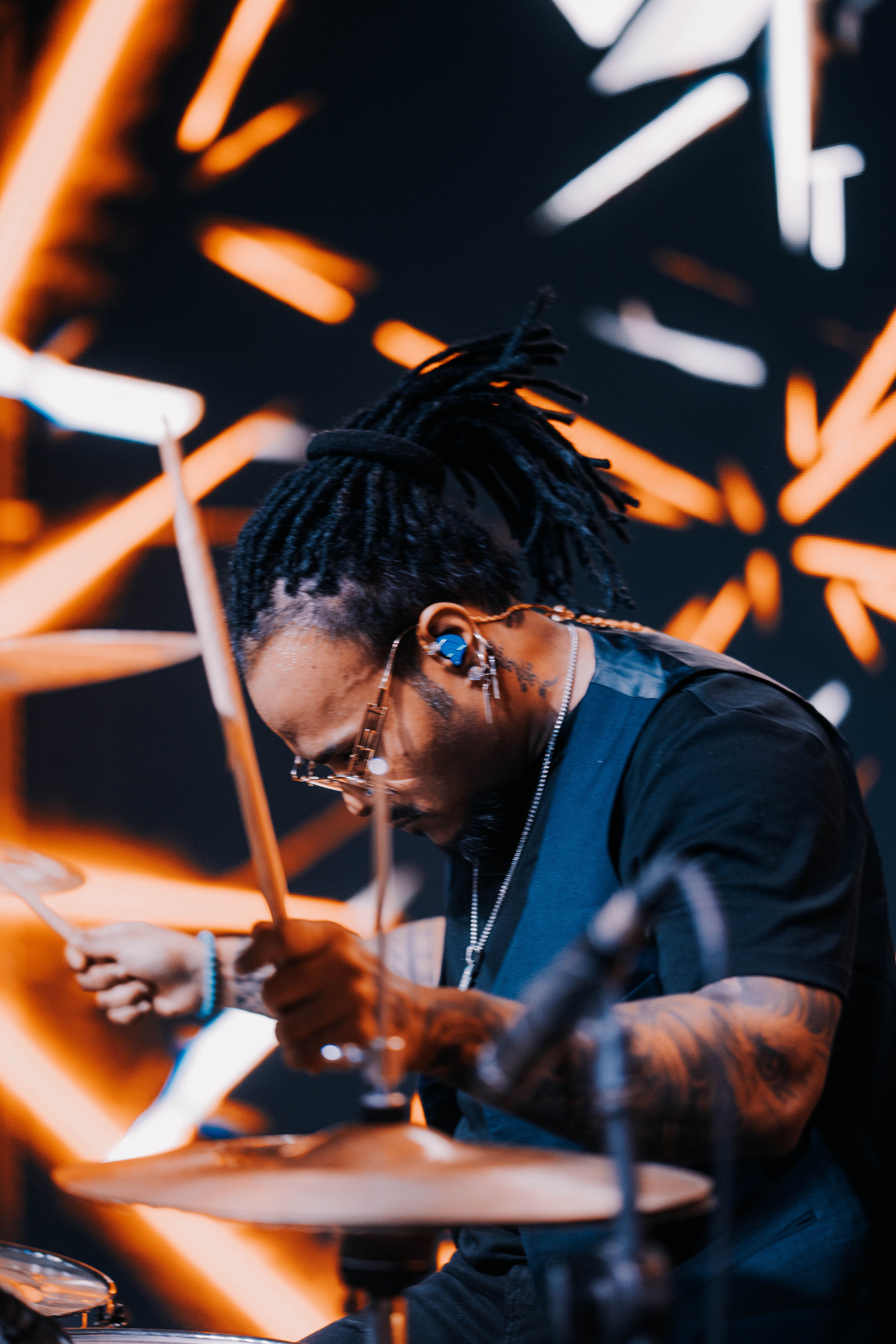
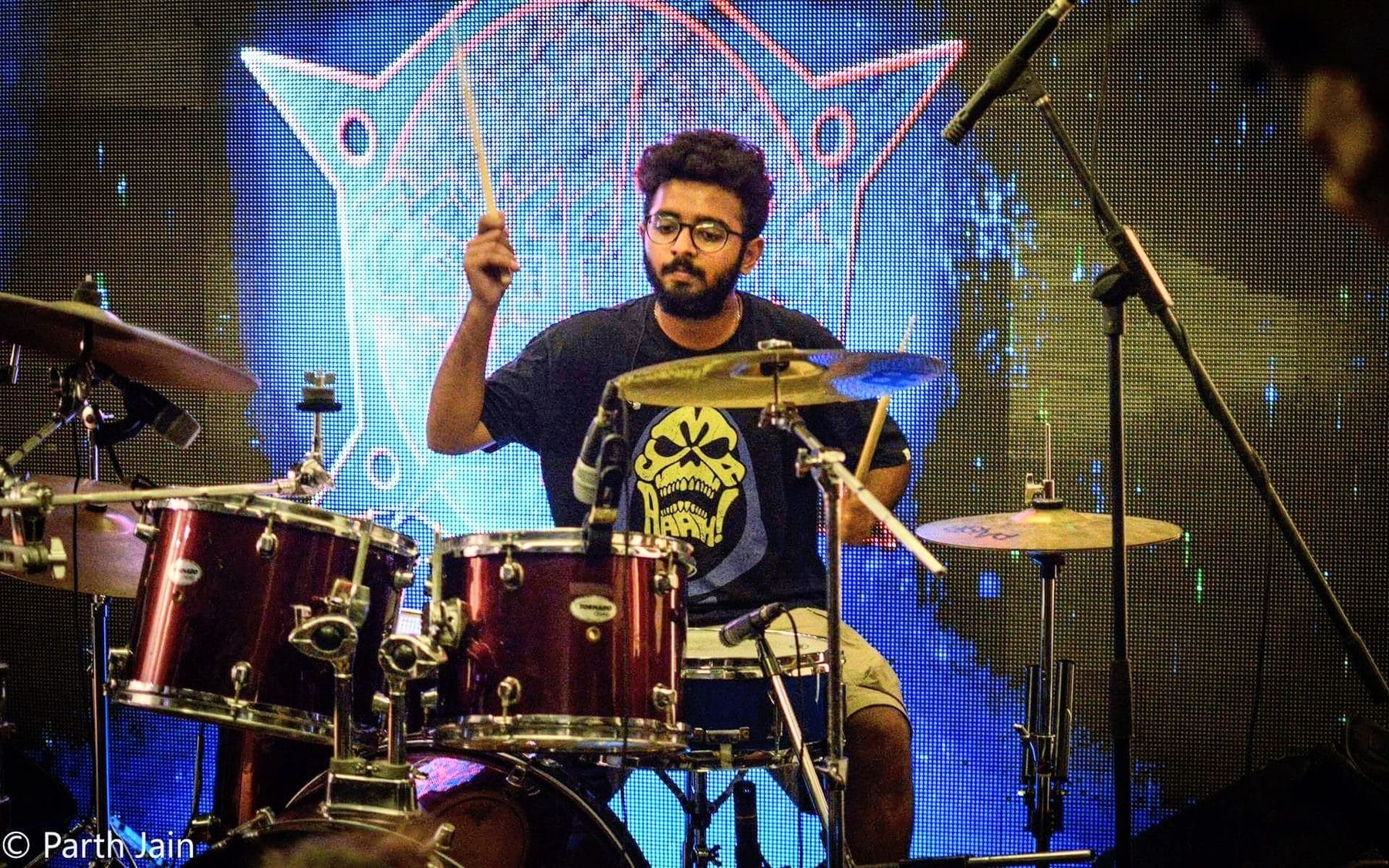
These performances were very special to me because they were the phase where I was constantly playing live with bands, competing, and growing as a drummer and performer. Around 2015–16, winning competitions and performing on different stages gave me a lot of confidence and helped me truly discover myself as an artist.
What was the vibe of that show?
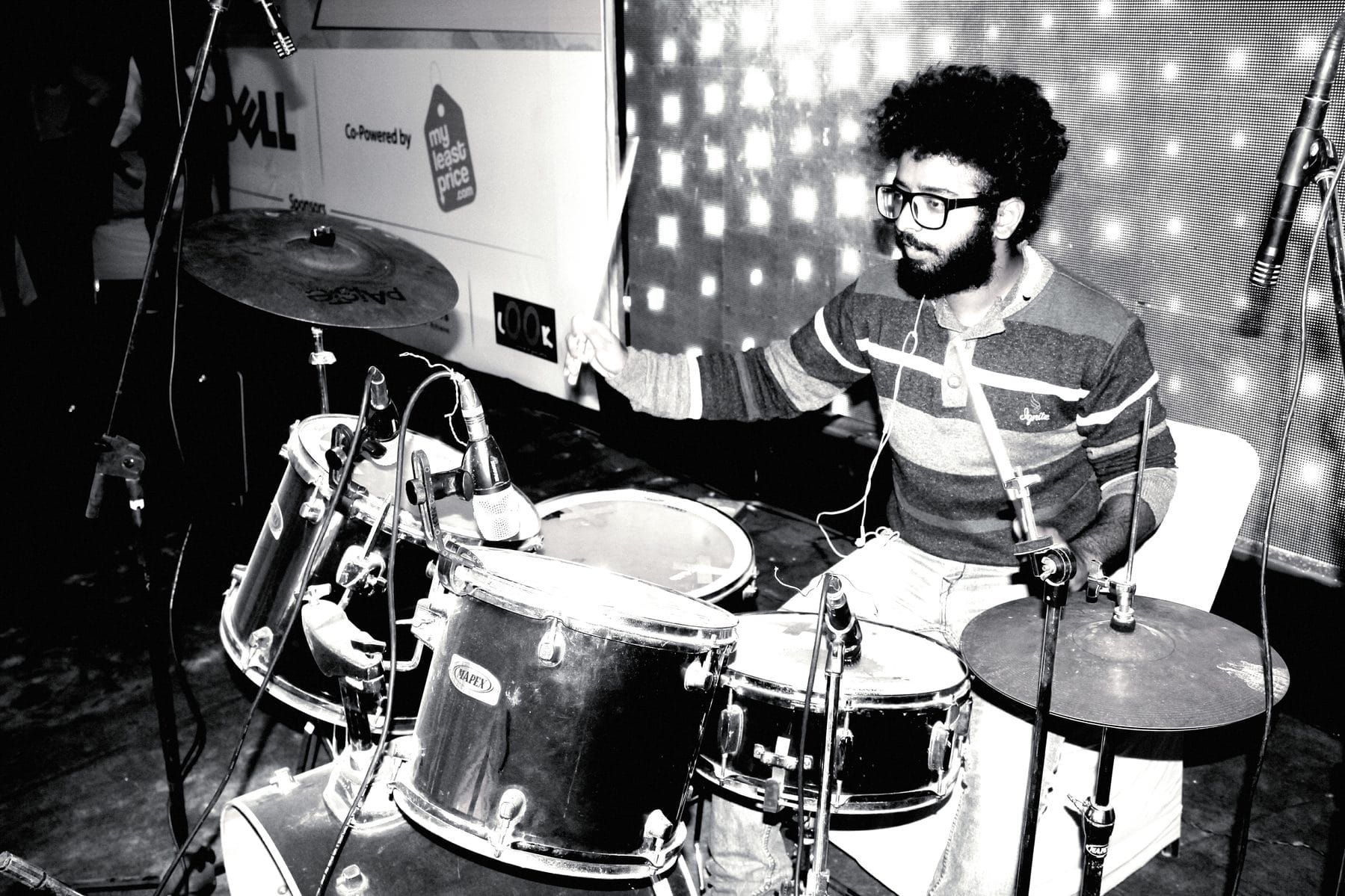
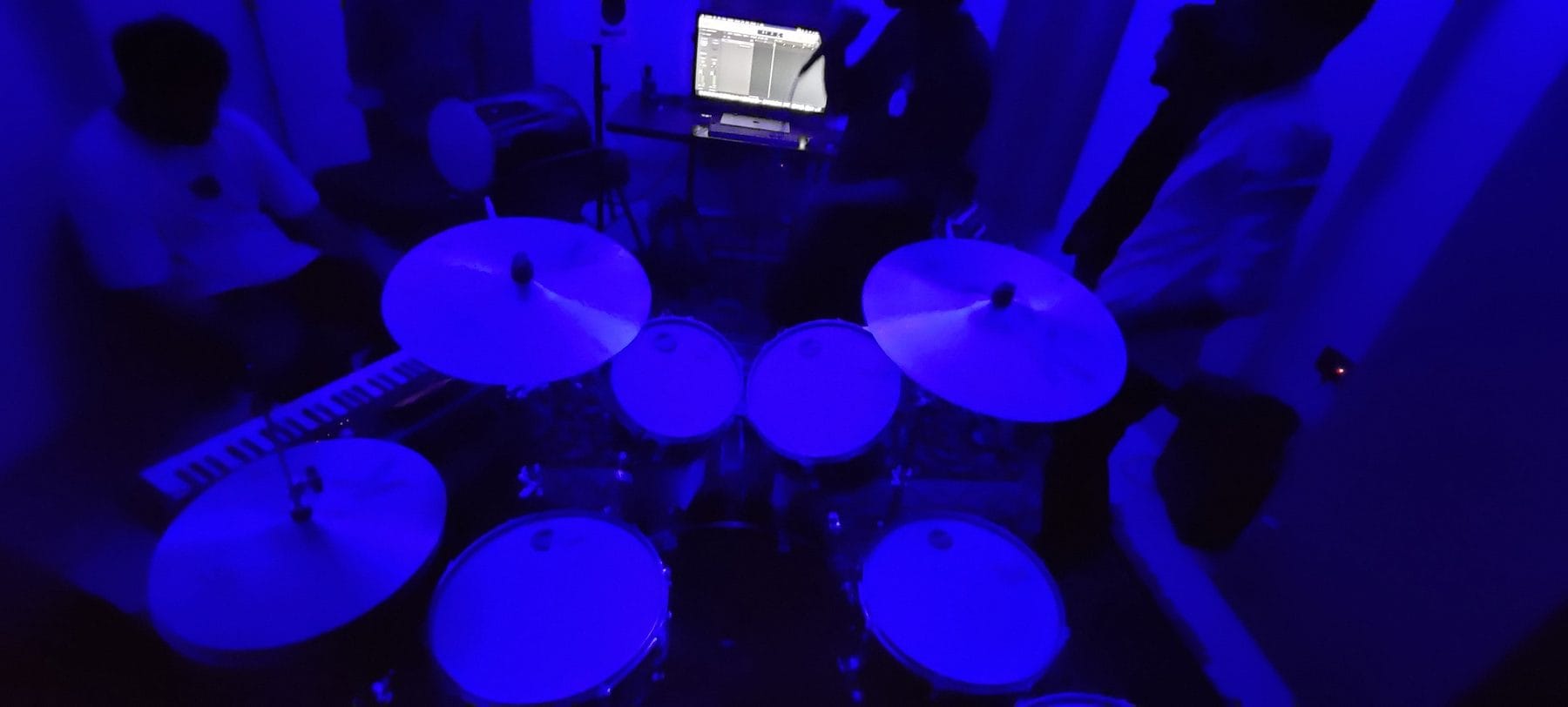
Well, honestly the last time I performed live was quite a few months ago. The picture I shared is actually me playing drums for myself in my jam room. At this point, that’s probably my most regular “gig” now. Otherwise, most of my time is spent quietly sitting in the studio producing music and working on ideas. I think I’ve slowly become more of a studio person these days — just with louder thoughts and drum fills occasionally.
What does your typical creative workspace look like?
My creative workspace is usually very calm and comfortable — a lot of sitting or lying down in the studio room, thinking about ideas, listening carefully to sounds, sipping coffee, and having long conversations with friends and musicians about music and life. There’s always laughter, random thoughts turning into songs, and somewhere in between all of that, creativity naturally finds its way.
Follow Jyotiraditya Bhujang: Instagram · YouTube · Spotify · LinkedIn