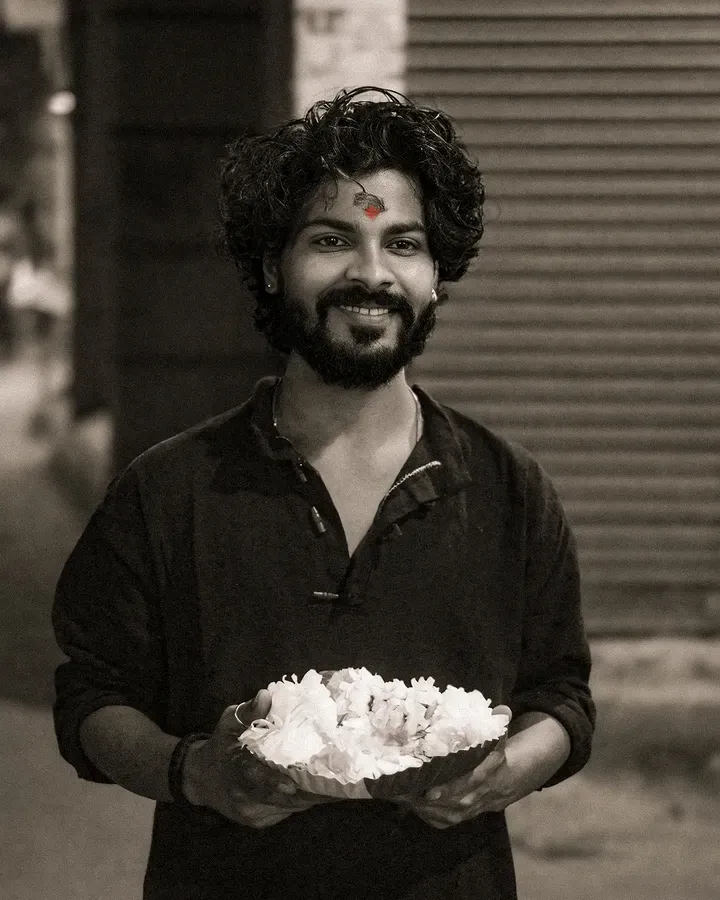


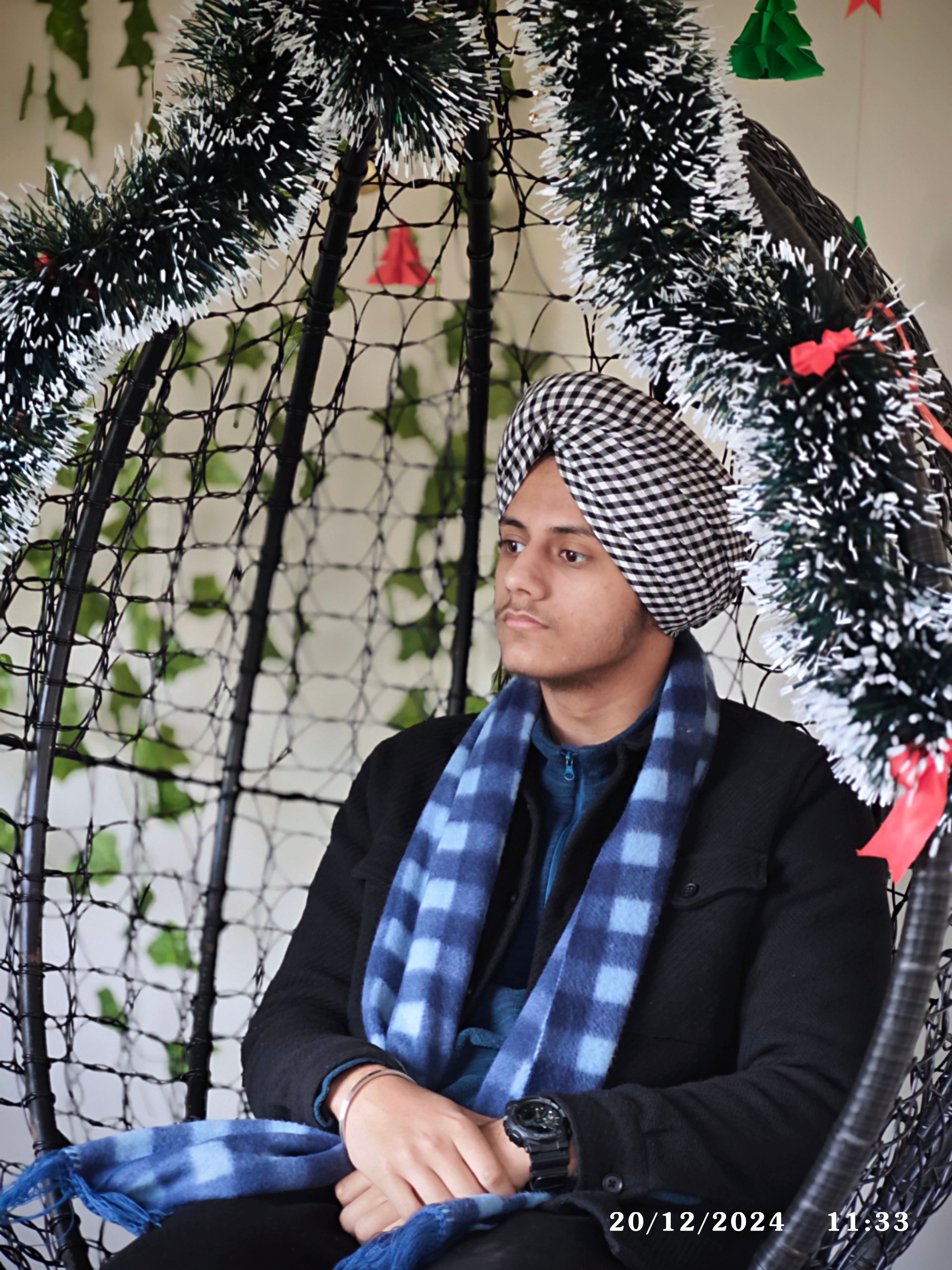
Nineteen-year-old mobile photographer Anuktsaroop Singh shoots the mountains, skies and wildlife of the Indian outdoors entirely on a Xiaomi 14 Ultra. In this conversation he talks about chasing atmosphere over accuracy, editing for mood, and his goal of making a viewer feel present in a place they have never been.
How did your journey in nature and atmospheric mobile photography begin?
My journey into photography started when my father bought a Xiaomi 14 Ultra. I was really impressed by what the camera on the Xiaomi 14 Ultra could do. This got me curious about photography.
During a family trip I started taking pictures of landscapes and skies. I also took pictures of moments in nature. When I looked back at these photos I realized how much I enjoyed taking pictures to preserve moments.
I then started learning about photography on my own. I practiced taking pictures. Tried out different ways of taking them. I learned about light and how to edit my photos. What started as something I just liked doing became something I was really passionate about. I made an Instagram page. Started sharing my photos one by one.
For me photography is about making people feel something when they look at my photos. My goal is to make people feel like they are, in the moment that I captured in the photograph. I want them to feel the atmosphere and the emotion of the scene even if they were never there. If someone looks at one of my photos and feels like they were there then I feel like I have done what I set out to do as a photographer.
Photography has taught me to slow down and look at the world carefully. It has also taught me to appreciate the details that people often do not notice. Every picture I take is my way of sharing this feeling with people. I want people to see the world the way I see it through my photos.
When was the first time you captured a photo that truly amazed you?
The first photograph that really amazed me was one I took in Mechuka, Arunachal Pradesh. This photograph showed a road going up into the hills, which made the picture look deep and pulled the viewer into the scene. When I saw that photograph I felt it was more than a picture. It felt like I was actually there.
That was the moment I understood what photography can do. A photograph is not about taking a picture of a place it is about making people feel like they are connected to that place. Even if someone has never been to that place a good photograph can make them stop and think about what it would be like to be there and they can feel something about it.
That photograph changed how I thought about photography. It taught me that the best photographs are the ones that make people feel like they are part of the scene and can experience what is happening for themselves. Photography is about making people feel connected to the place, in the photograph. That is what makes photography so special.
How has your experience and style grown over the years?
My photography has changed a lot over the years. At first I just wanted to take pictures. Now I want my photography to tell a story. I want each picture to mean something.
When I started I just looked at how pretty something was. I took pictures of things that looked nice. As I took more pictures I started to think about what makes a picture really good. I thought about how the things in the picture are arranged, the light and how deep the picture looks. I also thought about how my photography can make people feel.
I pay attention to the things in nature now. I think about the feeling of a place. I do not just take pictures of what is in front of me. I think about how other people will look at my pictures. I think about what they will feel when they see them.
The way I edit my pictures has gotten better too. I can make my pictures look nicer without making them look fake. Now I want to take pictures that people can feel something about. I want my photography to be more than a pretty picture. Every time I take a picture I learn something about my photography. I keep learning and getting better with every picture I take.
What inspires you to capture nature and atmospheric scenes with your mobile device?
What draws me towards the subject of nature is the fact that it is ever-changing. Every sunrise, cloud-filled sky, mountainous terrain, or even something simple in nature is capable of creating a unique atmosphere that stays there just for an instant. It is about preserving those moments through the art of photography that drives me to take pictures.
Atmospheric settings have been a fascination for me for many years now, since they tend to make one feel certain things. It is all about capturing light, weather, shadows, and colors that transform the entire scenery.
Being able to use a mobile phone is quite an advantage when taking photographs since it is available any time, anywhere. The ability to take shots whenever a sudden inspiration comes my way makes everything possible. It is all about sharing the atmosphere with other people who might be touched by the photo.
A few of his favourite nature photographs
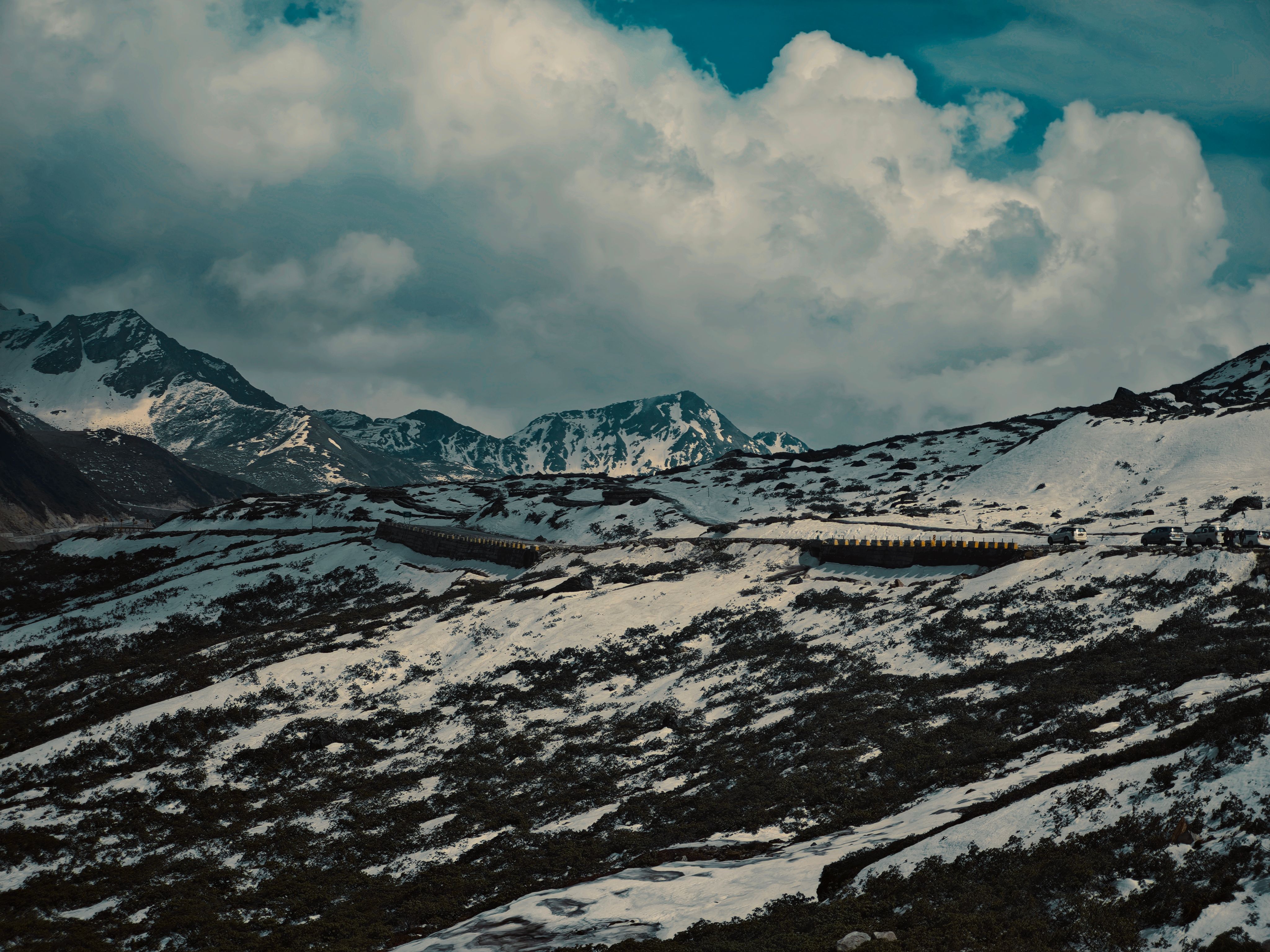
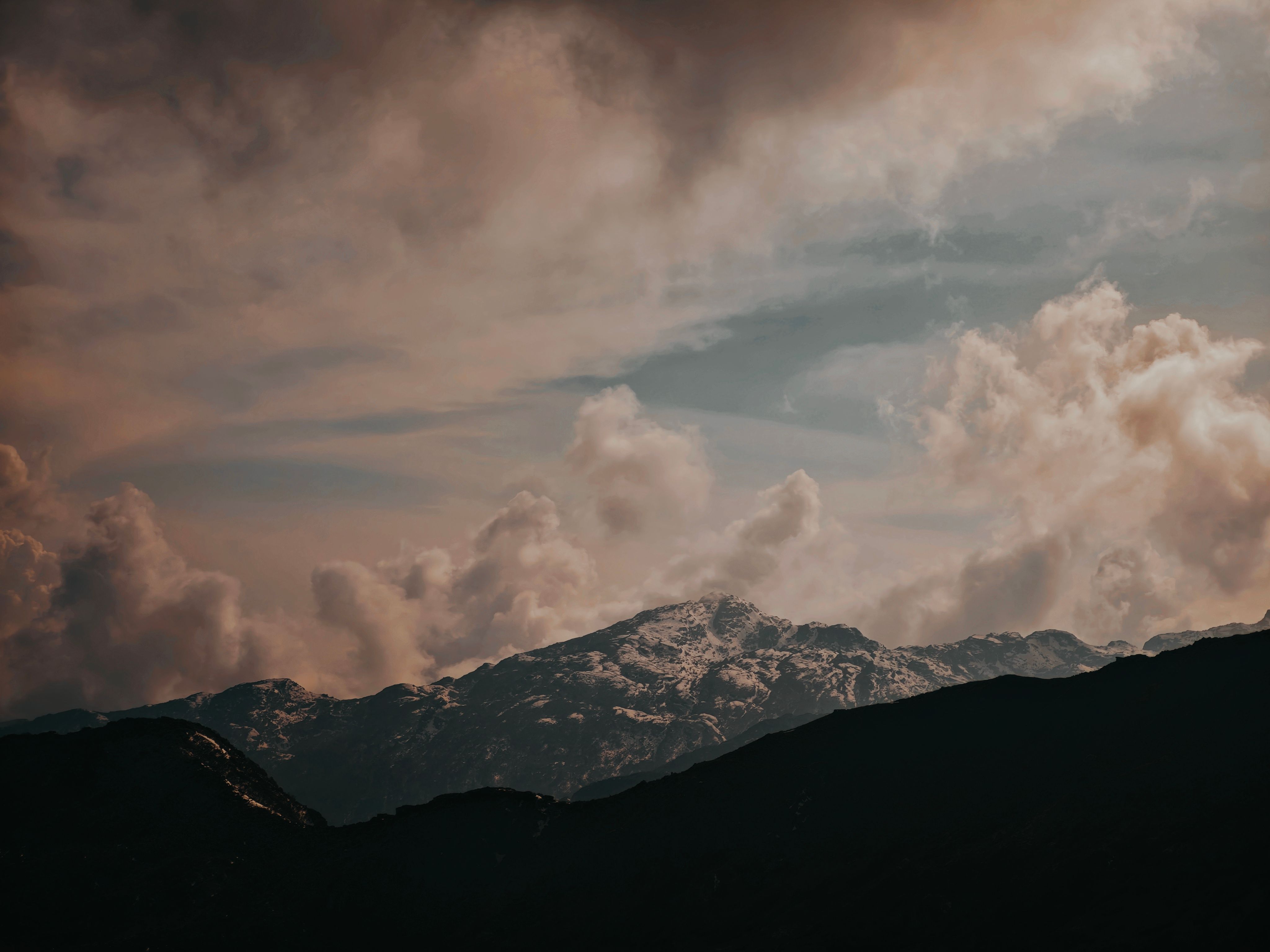
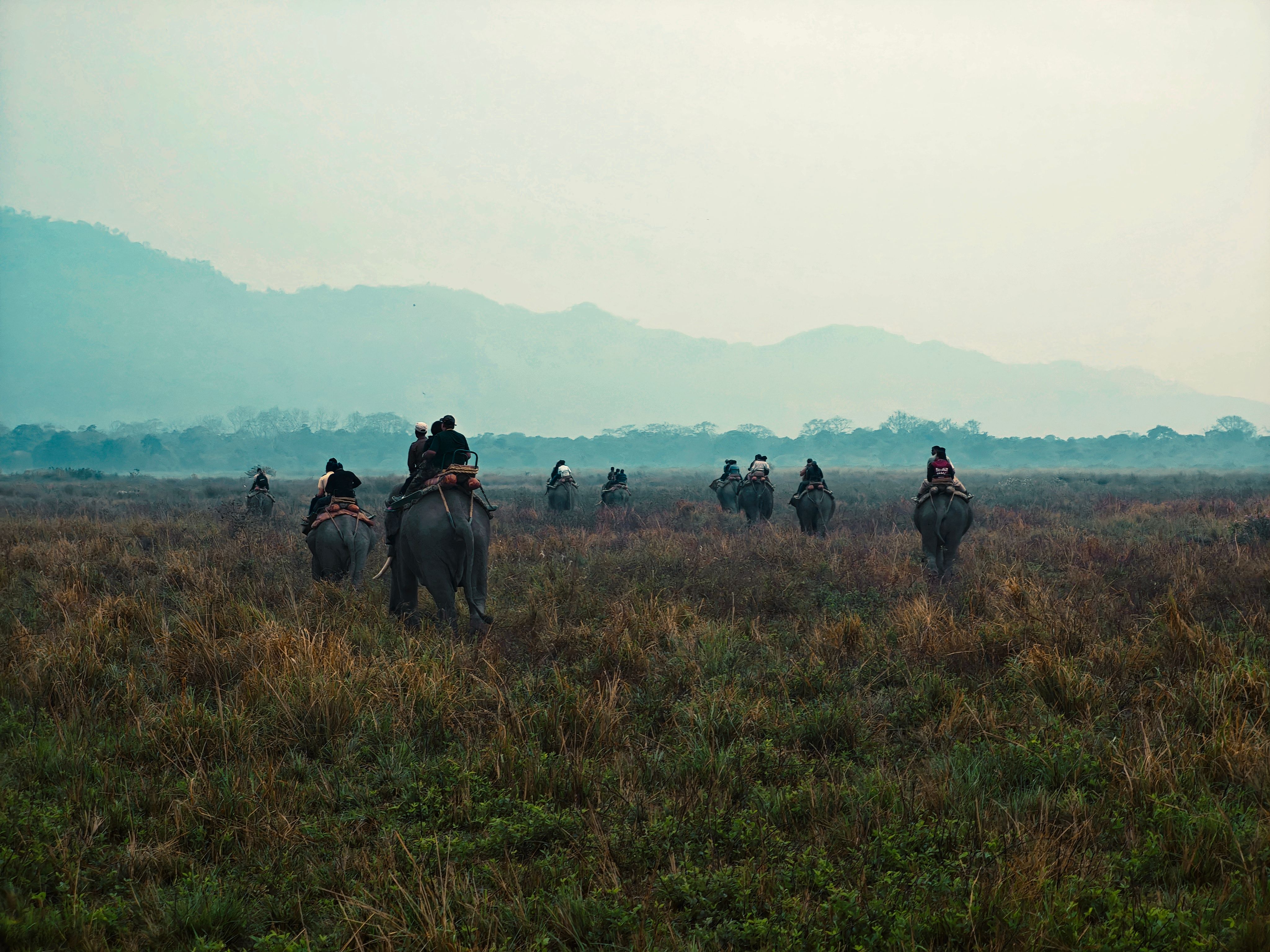
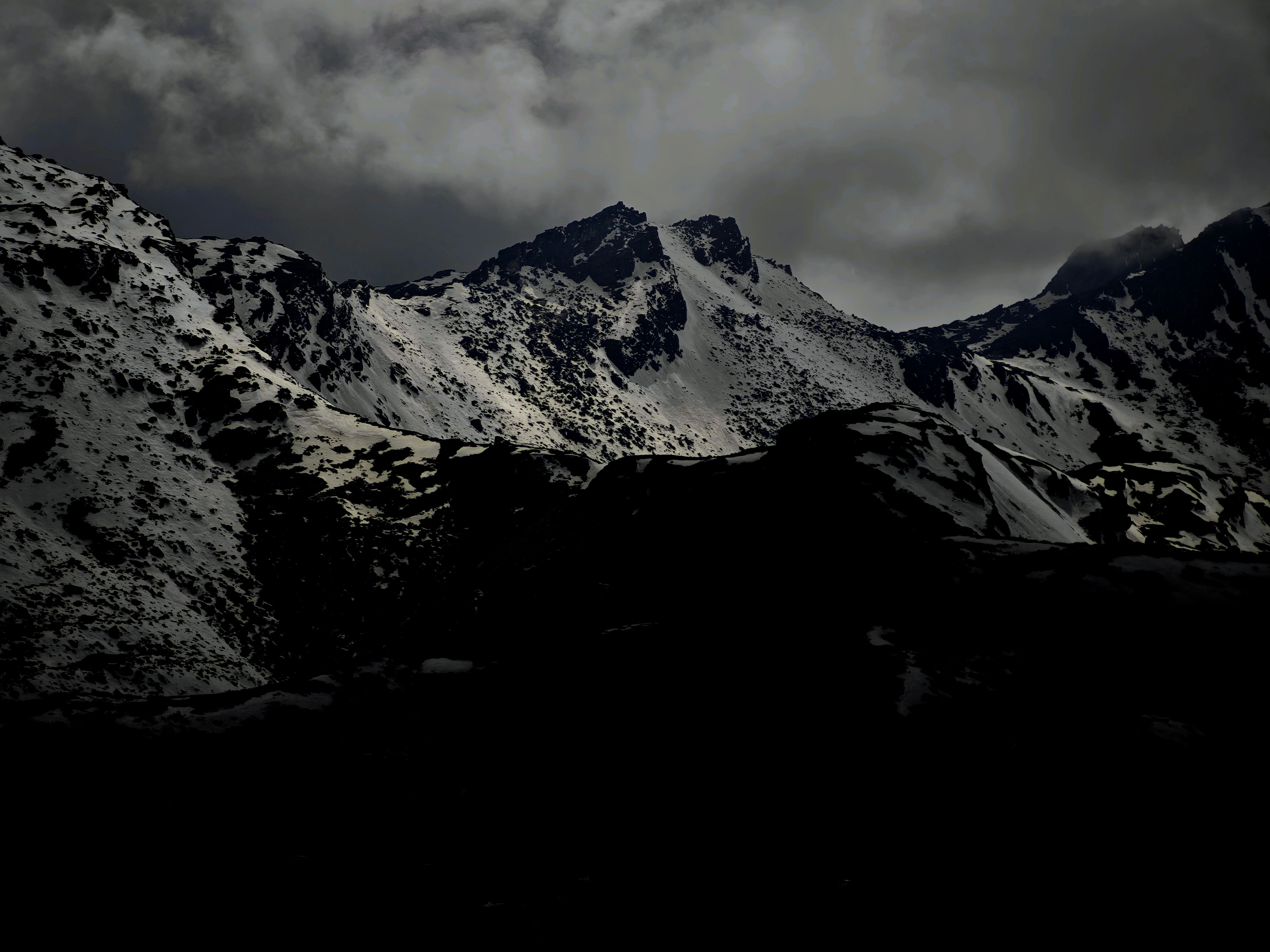
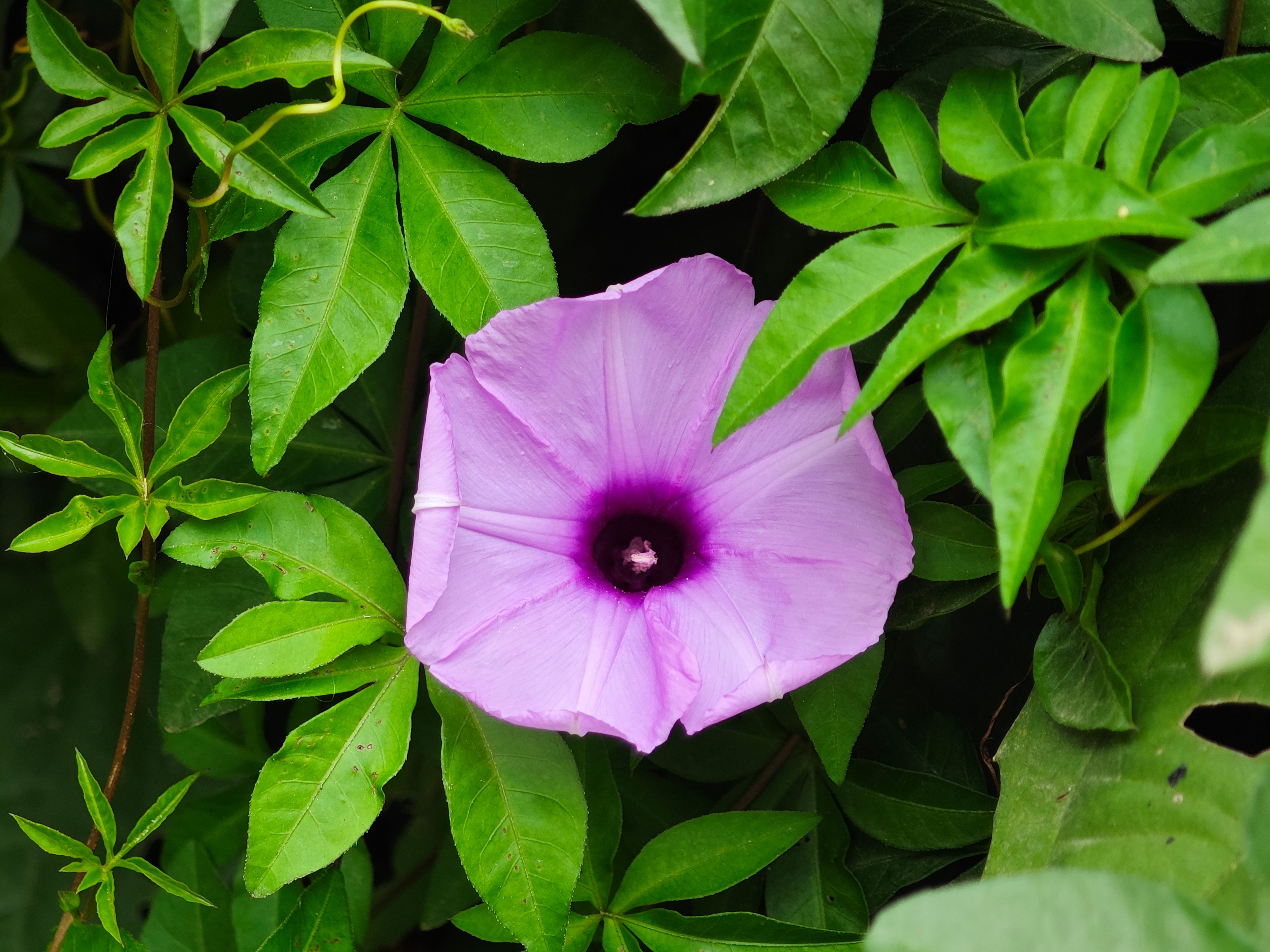
Every frame in this set was chosen to show a different side of how I see nature. The violet flower is a piece of macro work where a shallow depth of field lets a single subject stand out against thick, contrasting foliage — a minimalist image built on colour and texture. The moody, snow-capped peaks under heavy cloud are where I lean into shadow and dramatic lighting to give a scene emotional power and scale. The procession moving across a foggy plain uses soft natural light, layered mist and distant mountains to create depth and a sense of timelessness. The golden-hour mountains bring colour theory and warm light together for a balanced, professional finish, and the winding road through the snow uses leading lines to carry the eye into the landscape and convey the feeling of a journey.
Capturing atmospheric conditions — fog, sunrise and cloud
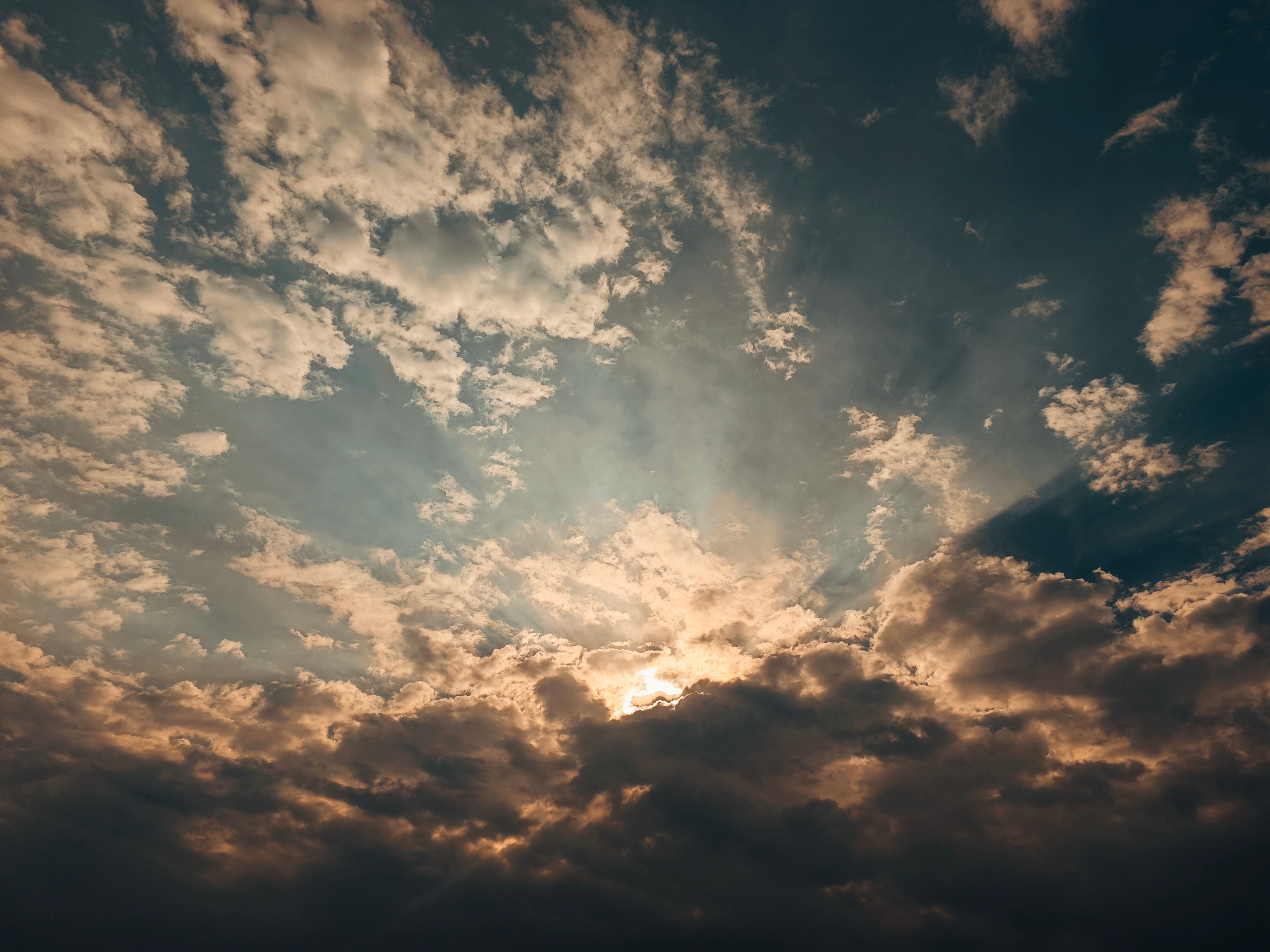
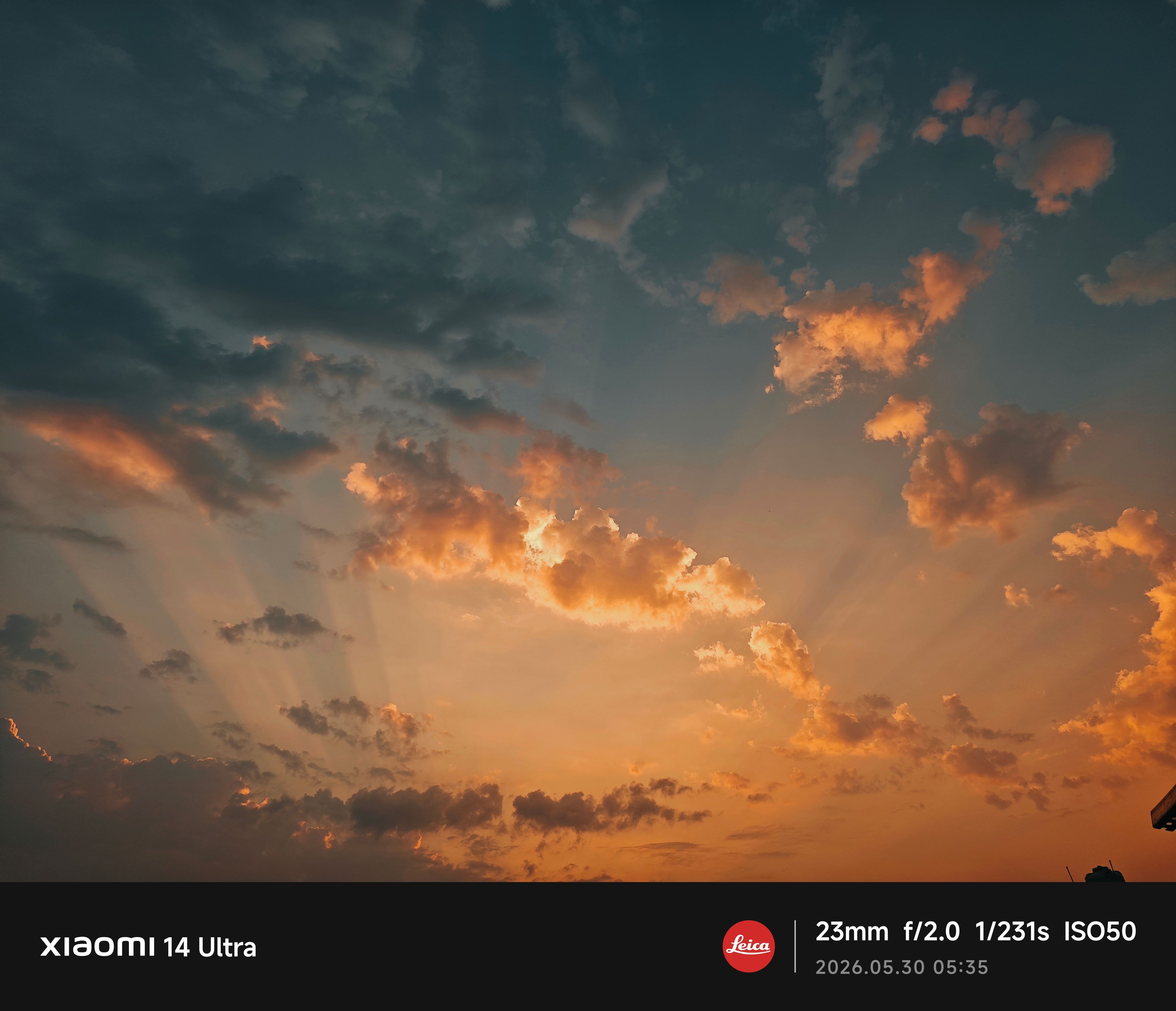
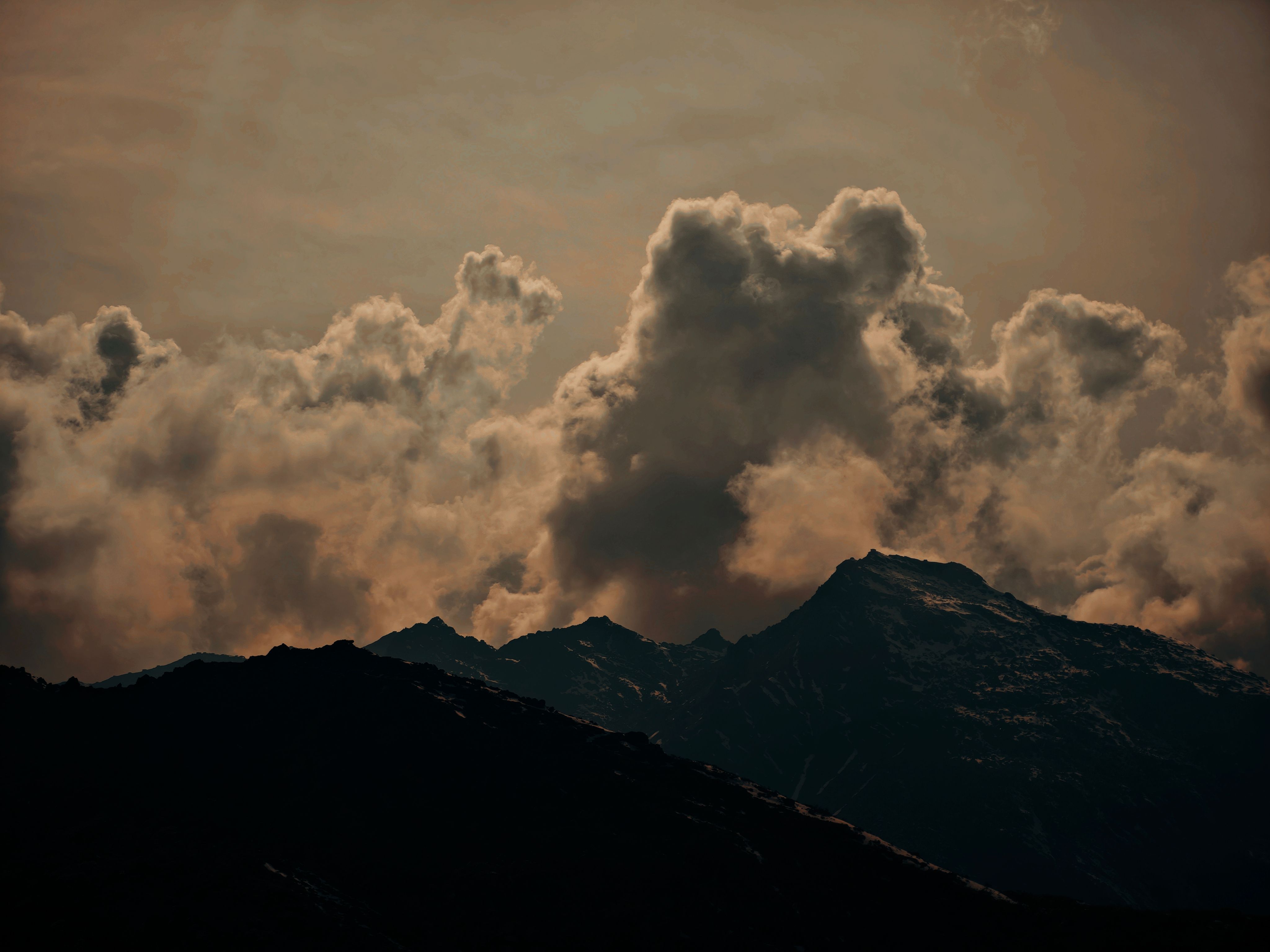
The atmospheric conditions across these images capture a range of dramatic and serene moments. One scene depicts an overcast, dramatic sky where thick, textured cloud layers obscure the sun; the atmosphere is defined by deep shadows and diffused light filtering through the clouds, creating a moody, high-contrast effect. Another captures a vibrant sunrise or sunset — the golden hour, where the light is soft, warm and rich in orange and gold hues, clear enough for distinct crepuscular rays to break through the scattered, sun-kissed clouds. The last presents a majestic landscape of heavy, voluminous clouds gathering above silhouetted mountain peaks; the atmosphere is thick and layered, with a blend of dark, earthy tones and soft, warm light reflecting off the cloud edges, evoking a sense of powerful, natural serenity.
Before and after: his editing process
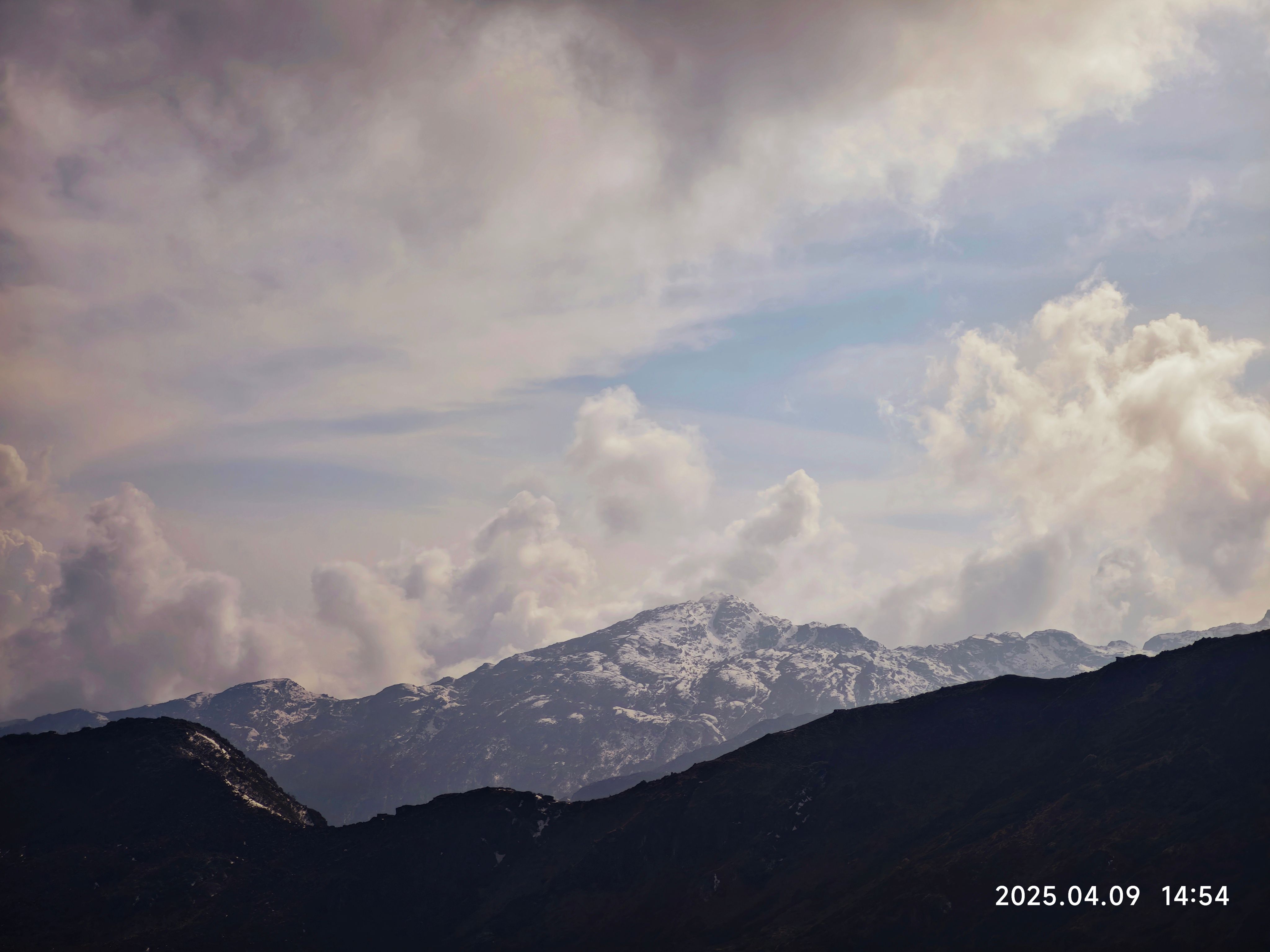
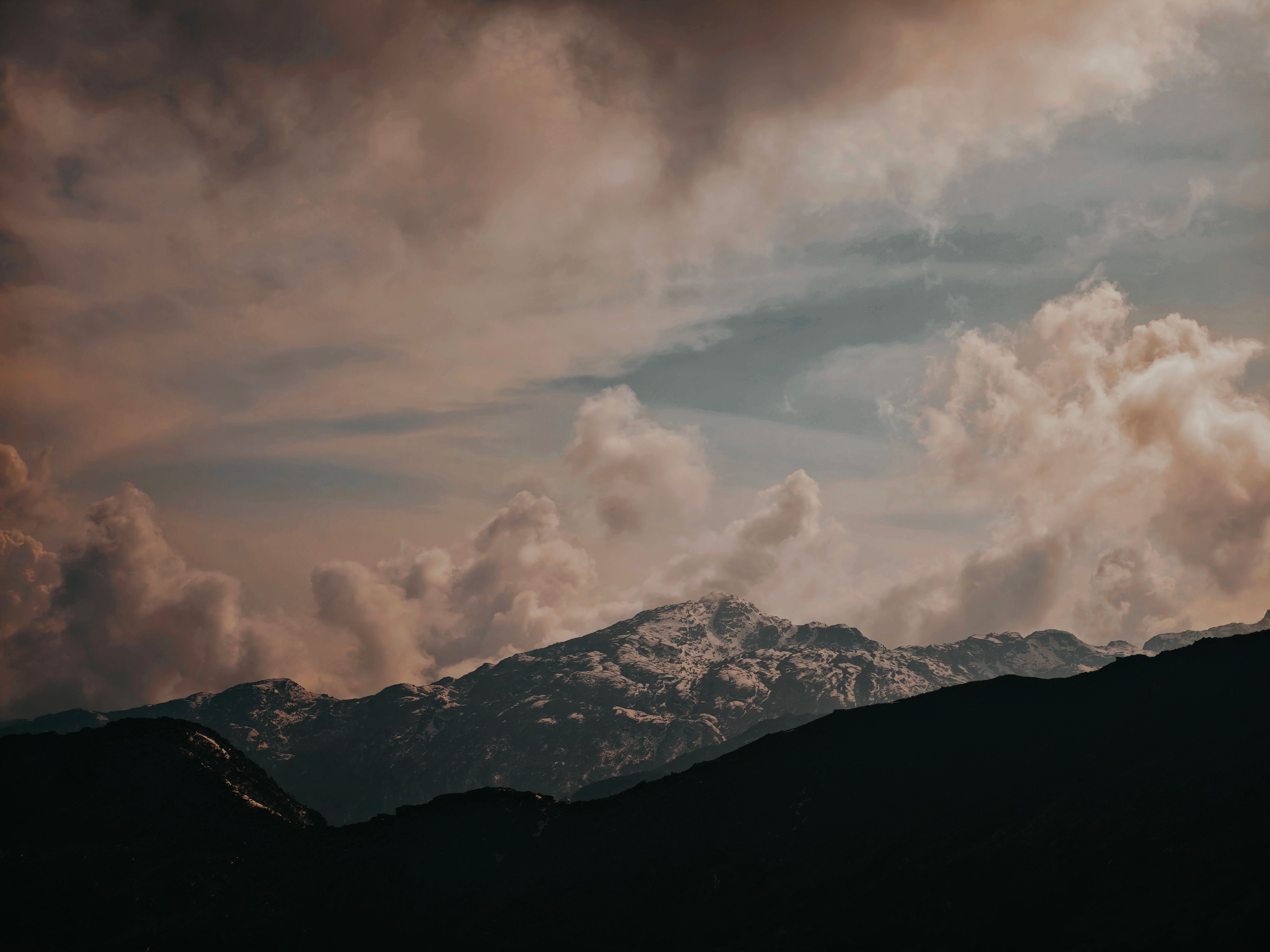
My focus is on the final, curated vision of the project. I view the editing process as the final step of the creative cycle — much like how a painter applies the final layers to a canvas. The images I submitted represent the finished artistic work, where the 'Navy' filter and the tonal adjustments were essential tools used to achieve the specific cinematic mood I intended for this feature.
Shooting in challenging light
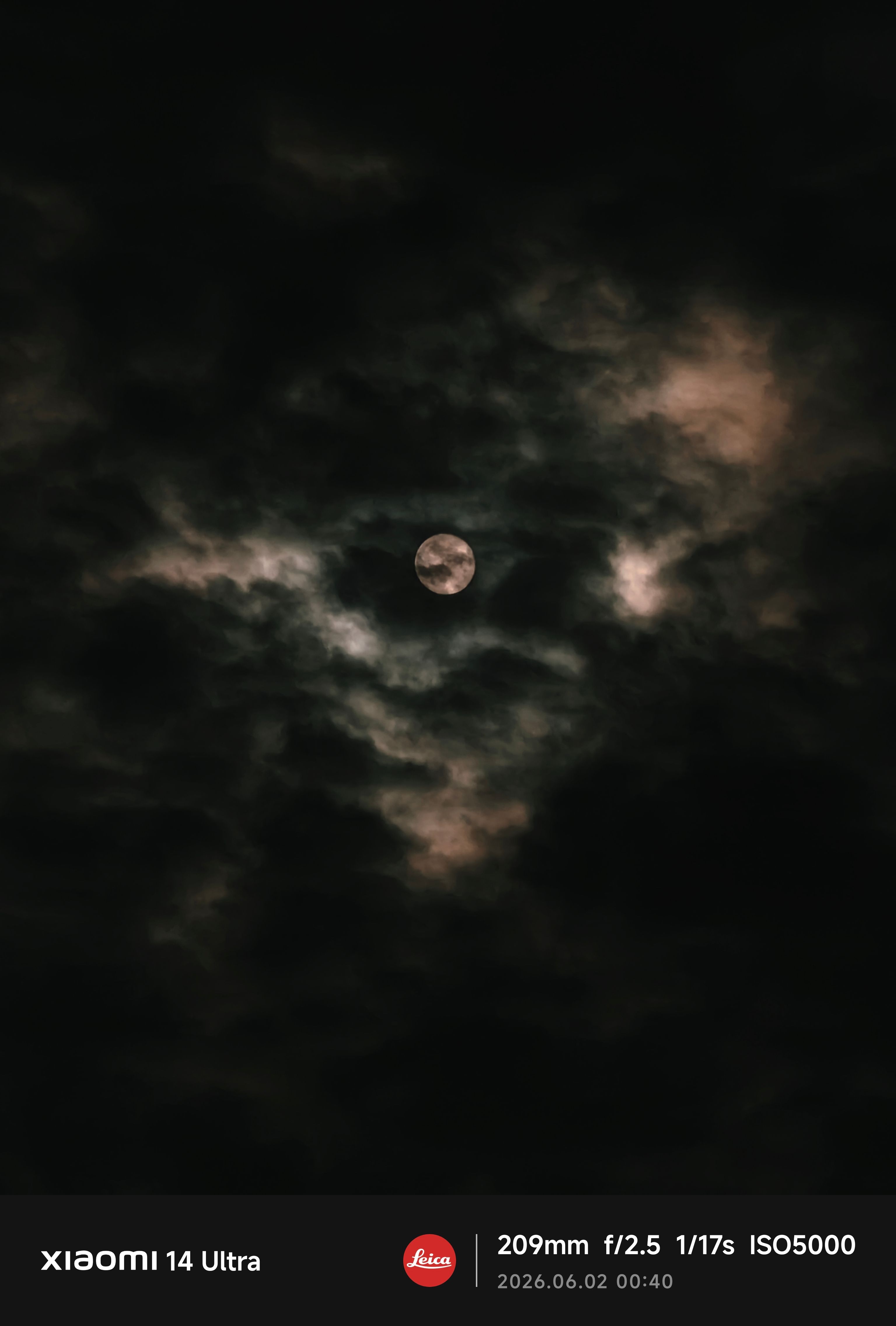
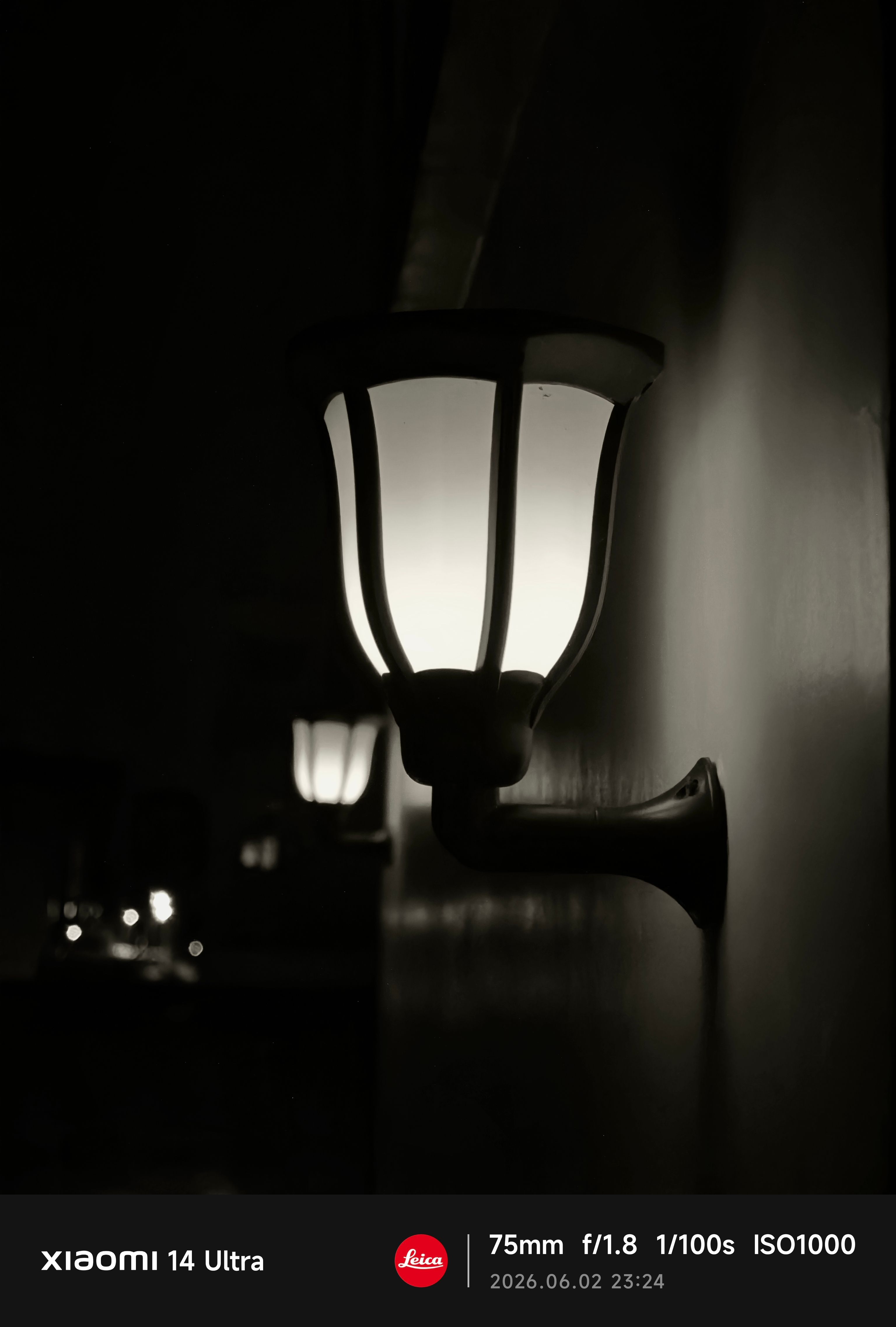
To capture these low-light scenes, I rely on a combination of manual control and the high-performance optics of the Xiaomi 14 Ultra. My goal is always to maintain the atmosphere of the scene while ensuring the subject remains sharp.
For the moon shot, the primary challenge was the extreme contrast between the bright moon and the dark, cloudy sky. To overcome the backlighting, I used the telephoto capability (209mm) and relied on the camera's ability to handle high ISO (ISO 5000) to capture enough detail in the clouds without completely blowing out the exposure of the moon itself. The 1/17s shutter speed allowed enough light in to define the cloud texture.
For the wall lamp, the backlight is the subject itself. By using a faster shutter speed (1/100s) and a moderate ISO (ISO 1000), I was able to manage the high-intensity light source from the lamp, preventing light bleed into the surrounding walls. This allowed the camera to maintain deep, clean blacks in the shadows, which is essential for a moody, cinematic finish.
A three-photo story from the wild
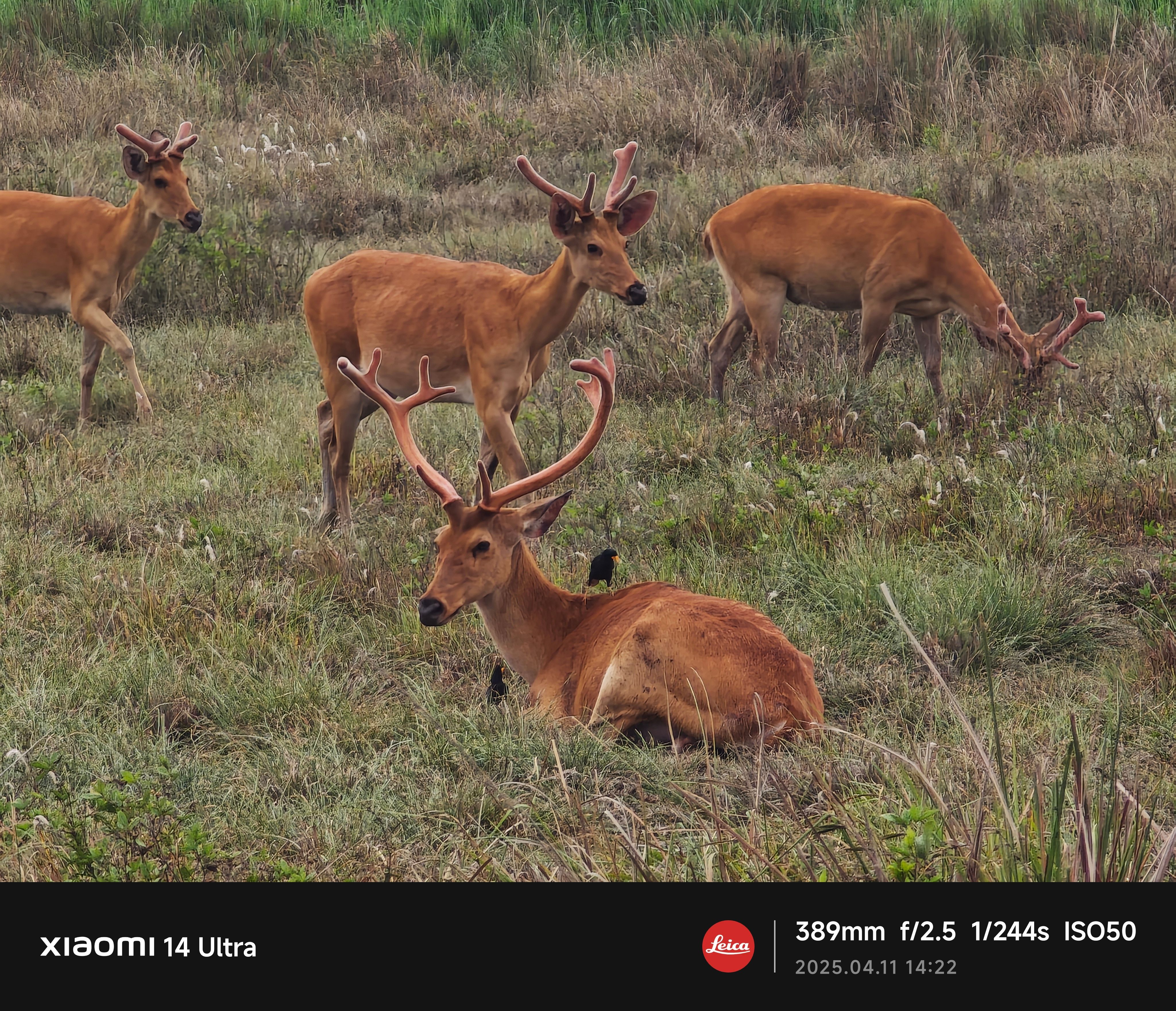
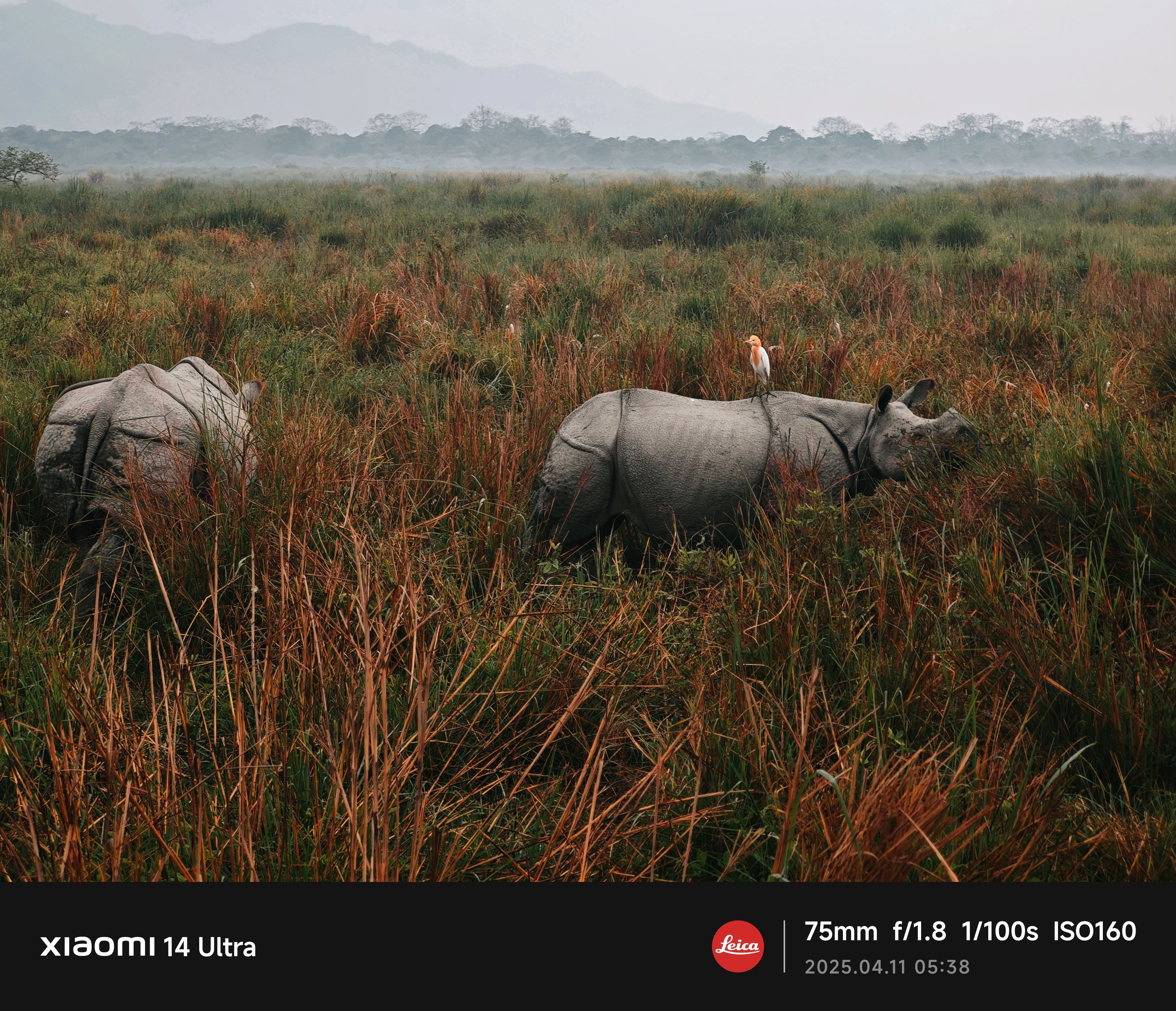
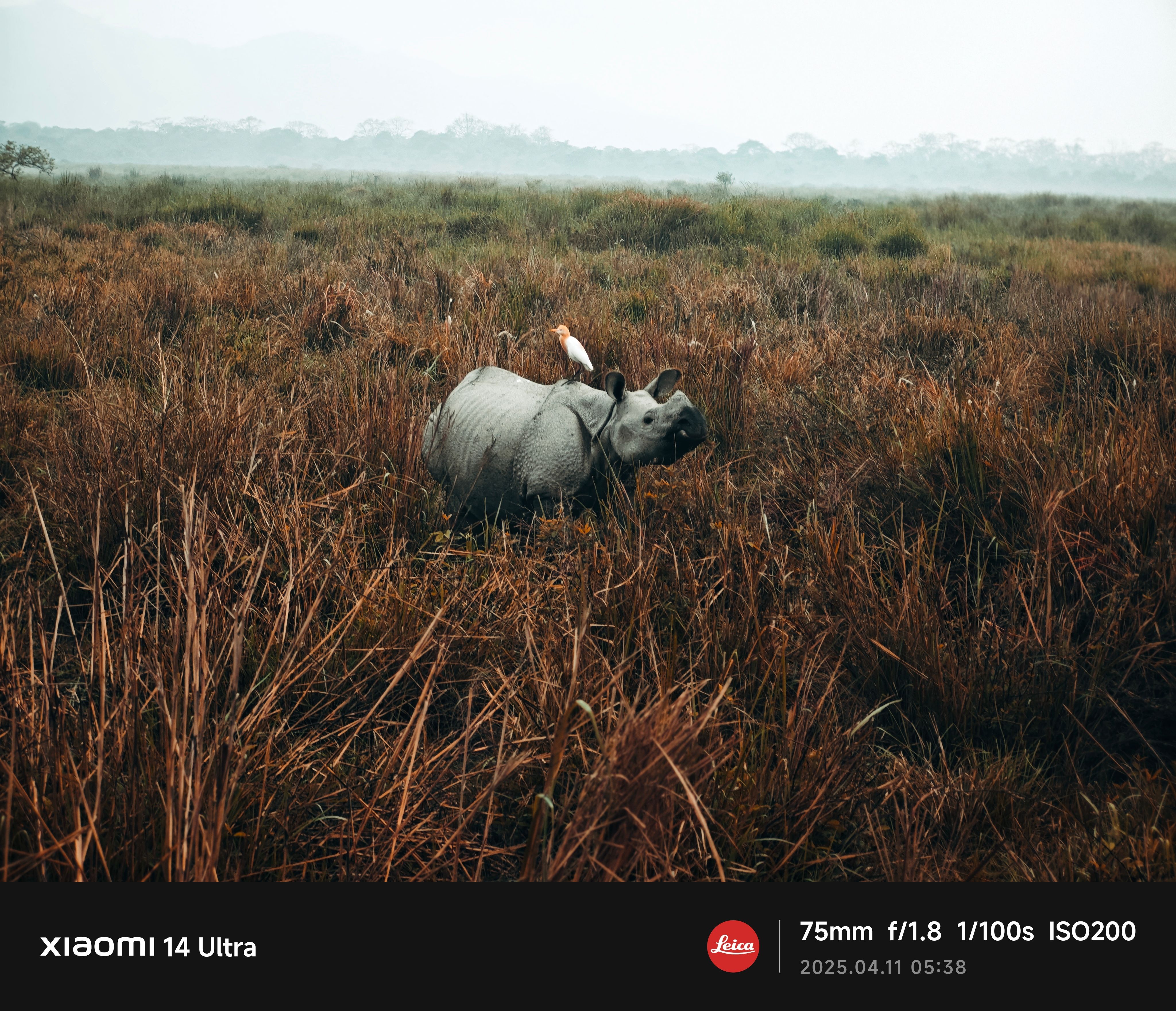
These three photos convey a cohesive story of interconnectedness and symbiosis within the natural world. The narrative follows a progression of companionship and harmony across different species and times of day.
The story begins with a solitary rhinoceros standing in misty, golden grasses, illustrating the vastness of the wild while highlighting the intimate bond between the rhino and the small bird perched upon its back as a symbol of mutual dependence.
The narrative continues as the scope widens to include a pair of rhinos, emphasising that even in such a grand landscape, existence is a journey best travelled in companionship, with the bird remaining a consistent thread of life.
Finally, as the setting shifts to the warmth of the afternoon, the focus transitions to a resting herd of deer, where another instance of a bird interacting with a larger animal acts as a thematic bridge, reinforcing that cooperation and social cohesion are the fundamental rhythms of nature.
The photograph that is distinctly his
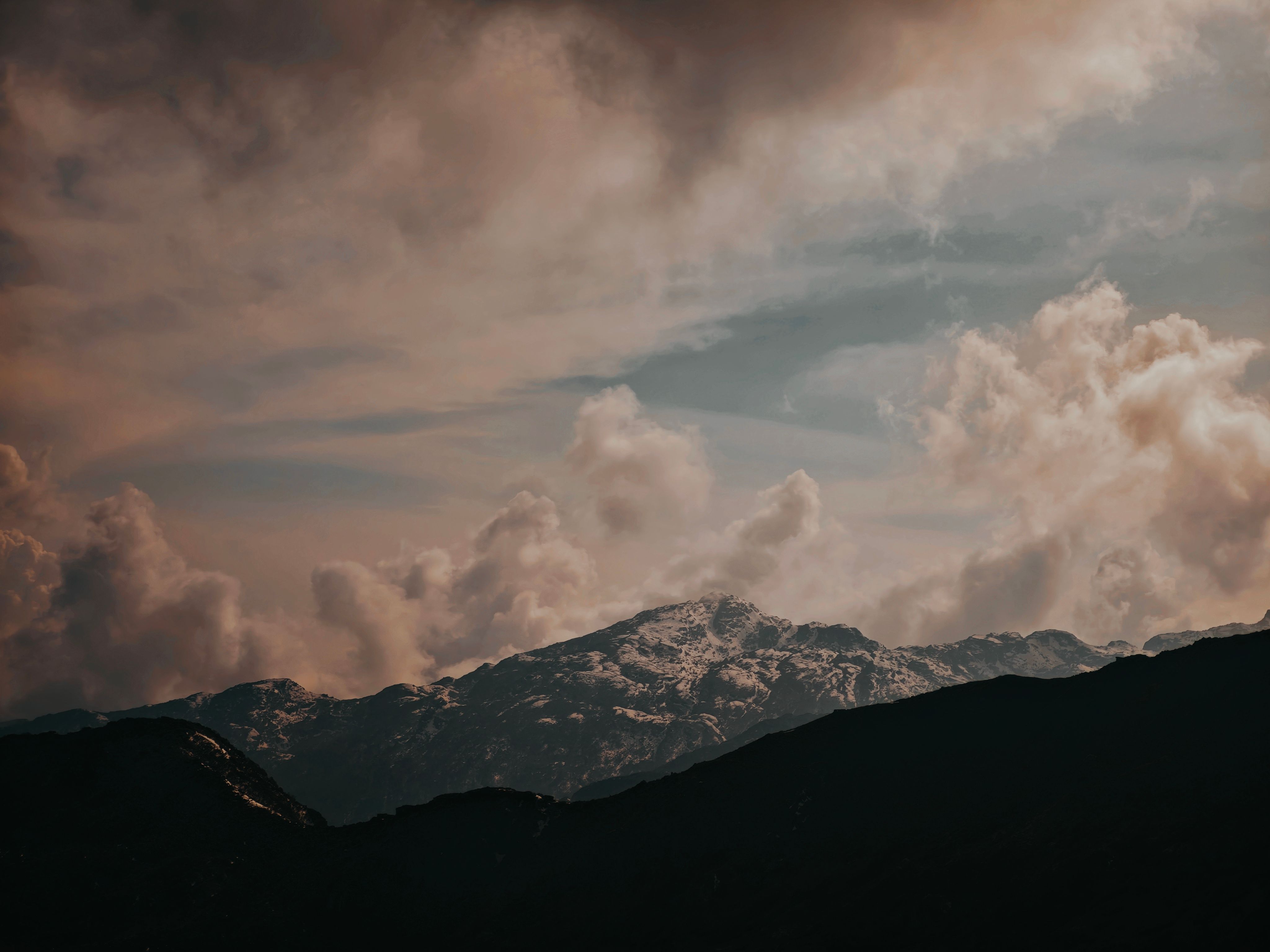
This image is a reflection of my core philosophy as a photographer: to capture the landscape not just as it is, but as it feels. What makes it distinctly mine is the intentional cultivation of a moody, cinematic atmosphere that invites the viewer to pause and contemplate the scene's emotional weight.
My unique style here is defined by three elements. Atmospheric tension: rather than chasing harsh, bright light, I embrace softer, dramatic lighting — specifically the interplay of deep shadows and muted, warm tones — to give the mountains a sense of timeless mystery. Minimalist framing: by focusing on the interplay between the massive, jagged peaks and the expansive, turbulent sky, I strip away unnecessary details to focus on the raw scale and power of the environment. Emotional narrative: my work is centred on evoking a mood rather than documenting a location. The goal is to draw the viewer into the quiet drama of the high-altitude landscape, turning a natural scene into an atmospheric experience.
Contact and Follow
Email: anaukatsingh56@gmail.com
Instagram: https://www.instagram.com/anaukat.captures