

How did your journey as a travel creator begin?
I didn't start photography with the intention of becoming a travel creator. My journey began much earlier, in 2018, when I bought my first camera mainly to click personal photos. At that time, photography was simply a hobby for me. But slowly, as I started spending more time with the camera, I developed a deeper interest in photography and began wanting to learn and explore more.
Eventually, I started doing wedding photography as a way to earn through my skills. While working, I realised that what I enjoyed most wasn't just taking photographs—it was connecting with people, understanding their stories, and capturing genuine emotions.
In 2023, I bought my second camera, a Sony A7 IV, which gave me the confidence and freedom to explore photography more seriously. Around the same time, I randomly came across a post about Masan Holi while scrolling through Instagram. I had never seen a festival like that before, and it immediately caught my attention. I became curious to experience and document it myself.
In 2024, I photographed Masan Holi for the first time, and I returned again in 2025 to document it. That experience made me realise that travel photography was becoming much more than just exploring new places for me. It was a way to meet people, experience different cultures, understand emotions, and discover stories that I might never have encountered otherwise.
So, in a way, I didn't really choose travel photography—it naturally became a part of my journey. I started with a camera as a hobby, photography slowly became a profession, and eventually it became a way for me to explore the world and tell stories through my images.
What was the first travel experience that made you realize you wanted to pursue this path?
For me, the realisation came when I started experiencing photography beyond the places I was already familiar with. I found myself becoming more curious about people, their lives, cultures, and the stories behind the places I visited.
I realised that I wasn't just interested in photographing places—I was interested in understanding what makes a place feel alive. Being somewhere unfamiliar with a camera in my hand, observing things I had never experienced before, and trying to understand them through photography made me realise how much I enjoyed this process.
It wasn't just about taking photographs. I wanted to be present, meet people, experience different cultures, and discover stories along the way. That was when I understood that I wanted to take photography beyond my usual work and use it as a way to explore new places and cultures.
Travel gave me the freedom to keep learning, meeting new people, and finding stories that I could share through my images.
How has your travel experience and storytelling evolved over the years?
Over the years, my approach to travel and storytelling has changed quite a lot. In the beginning, I was more focused on capturing what looked interesting or beautiful in front of me. But as I started experiencing new places and meeting different people, I began to understand that a good photograph is not always about how a place looks; it can also be about what a place feels like.
My experience with wedding photography also helped me understand people and emotions better. I learned to observe small gestures, expressions, and genuine moments. When I started exploring travel photography, I began applying the same approach to unfamiliar places and cultures, but in a much more spontaneous way.
Earlier, I used to look for moments to photograph. Now, I try to understand the moment before I photograph it.
I also try to look beyond the obvious. A place is not just about its landscapes, architecture, or famous locations; the people, their everyday lives, culture, and emotions are what make a place feel alive. I've become more patient and observant, allowing moments to unfold naturally instead of trying to force a photograph.
Today, my storytelling is more intentional. I'm not just trying to create a beautiful image; I want my photographs to make people feel something, understand a little more about the place, and become curious about the story behind the frame. I'm still learning with every journey, but that process of observing, connecting, and telling stories through photography is what continues to shape my work.
What drives you to explore new places and share them with your audience?
What drives me most is curiosity. I'm always interested in seeing what exists beyond what I already know—new places, different cultures, unfamiliar surroundings, and most importantly, the people who make those places what they are.
I enjoy the feeling of not knowing what I'm going to find until I actually get there. Whenever I travel, I like meeting people, learning about their lives, and understanding the culture from their perspective. For me, the camera is not just a tool to document a place; it is a way to connect with people and understand their world.
What I find most meaningful is discovering stories that I didn't know existed before I arrived. Sometimes it can be a small interaction, a genuine expression, a local tradition, or simply the way people live their everyday lives. These are the moments that make me want to explore further.
Sharing these experiences with my audience is another important part of the journey. I don't want my photographs to simply show people where I have been. I want them to give the viewer a glimpse of what I experienced—to make them feel connected to the place, curious about its people and culture, or perhaps even see something from a perspective they hadn't considered before.
For me, exploring and sharing go hand in hand. I travel to discover stories, and I photograph those stories so that I can share a little piece of that experience with others.
What makes your most memorable travel experience so special?
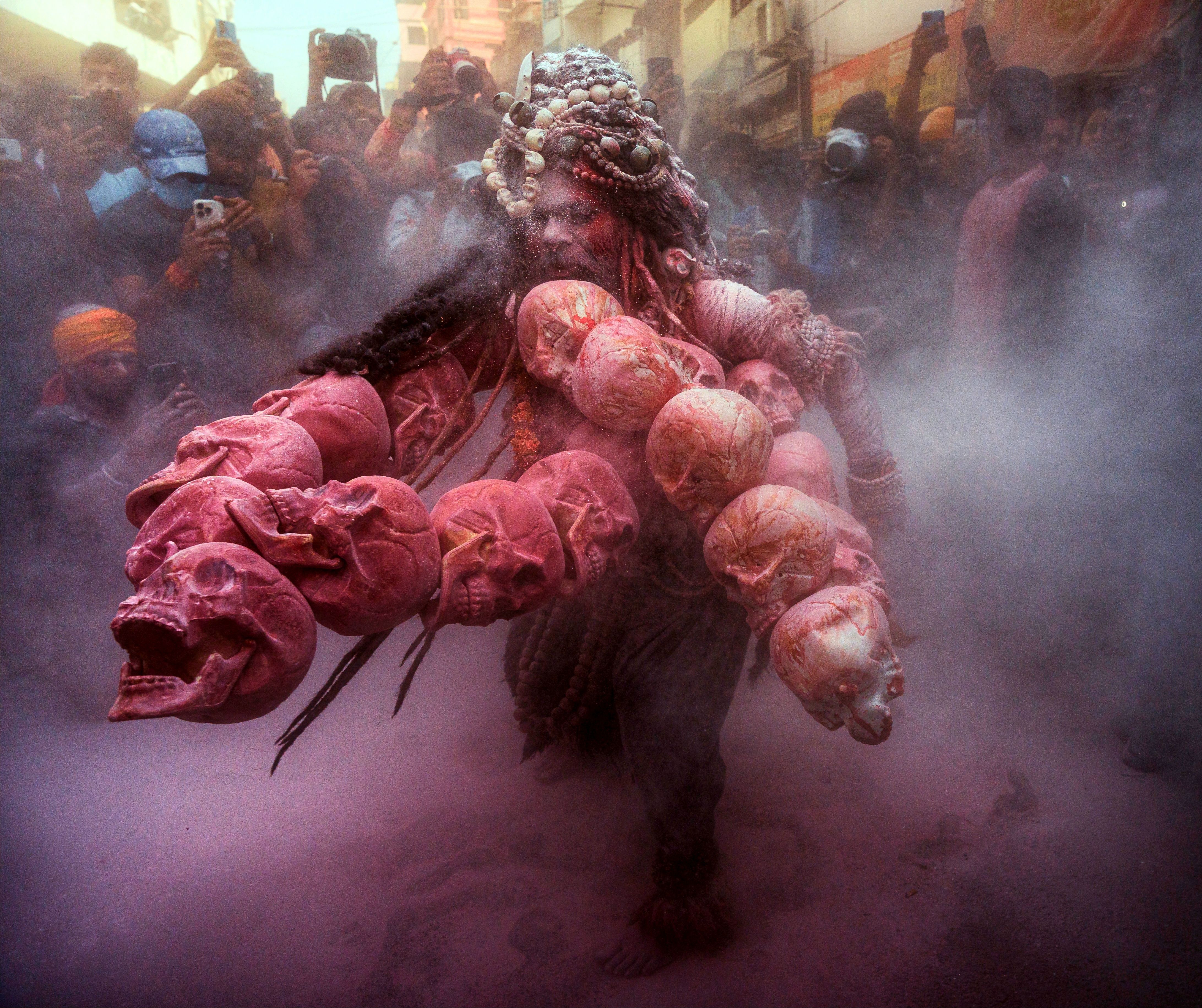
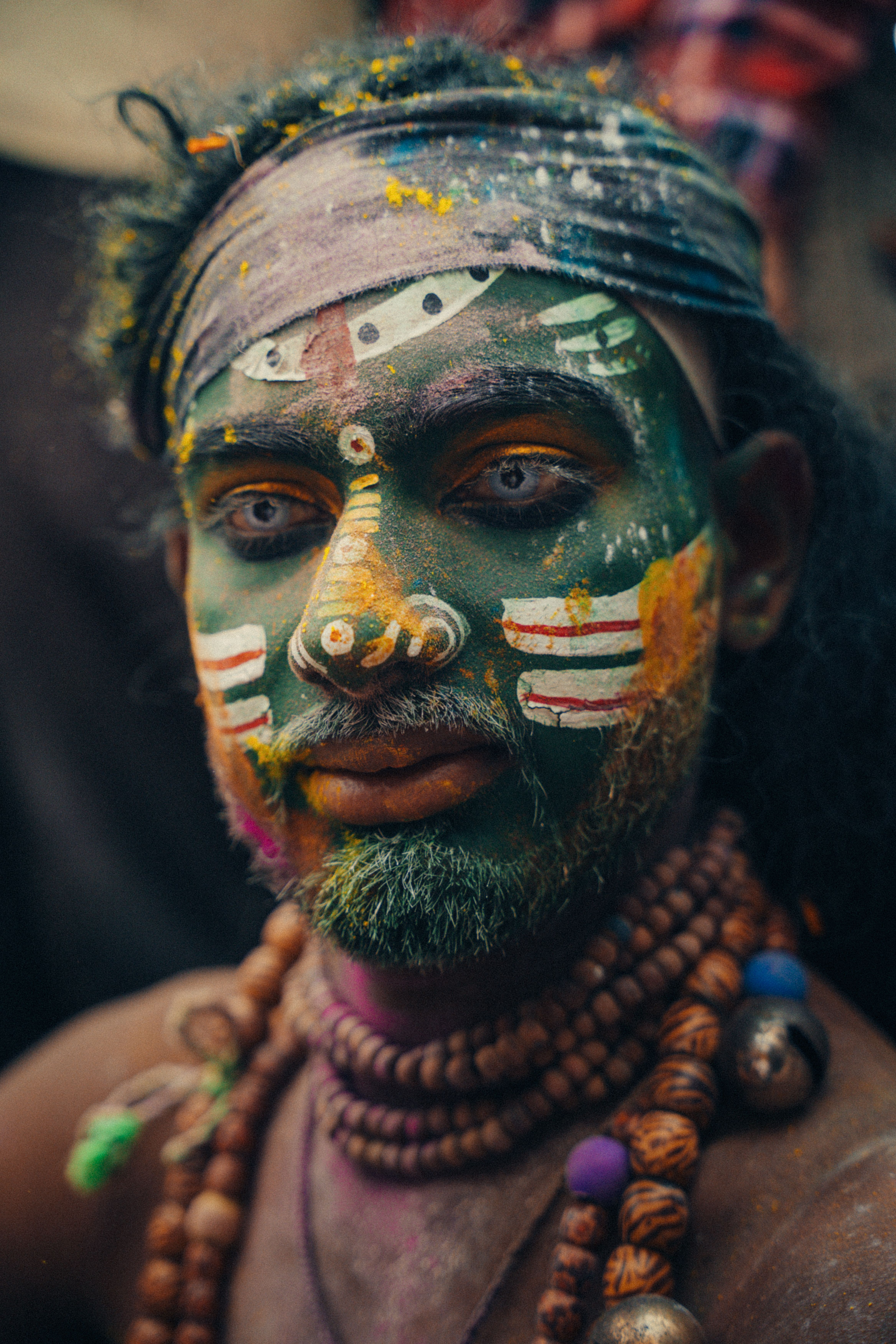
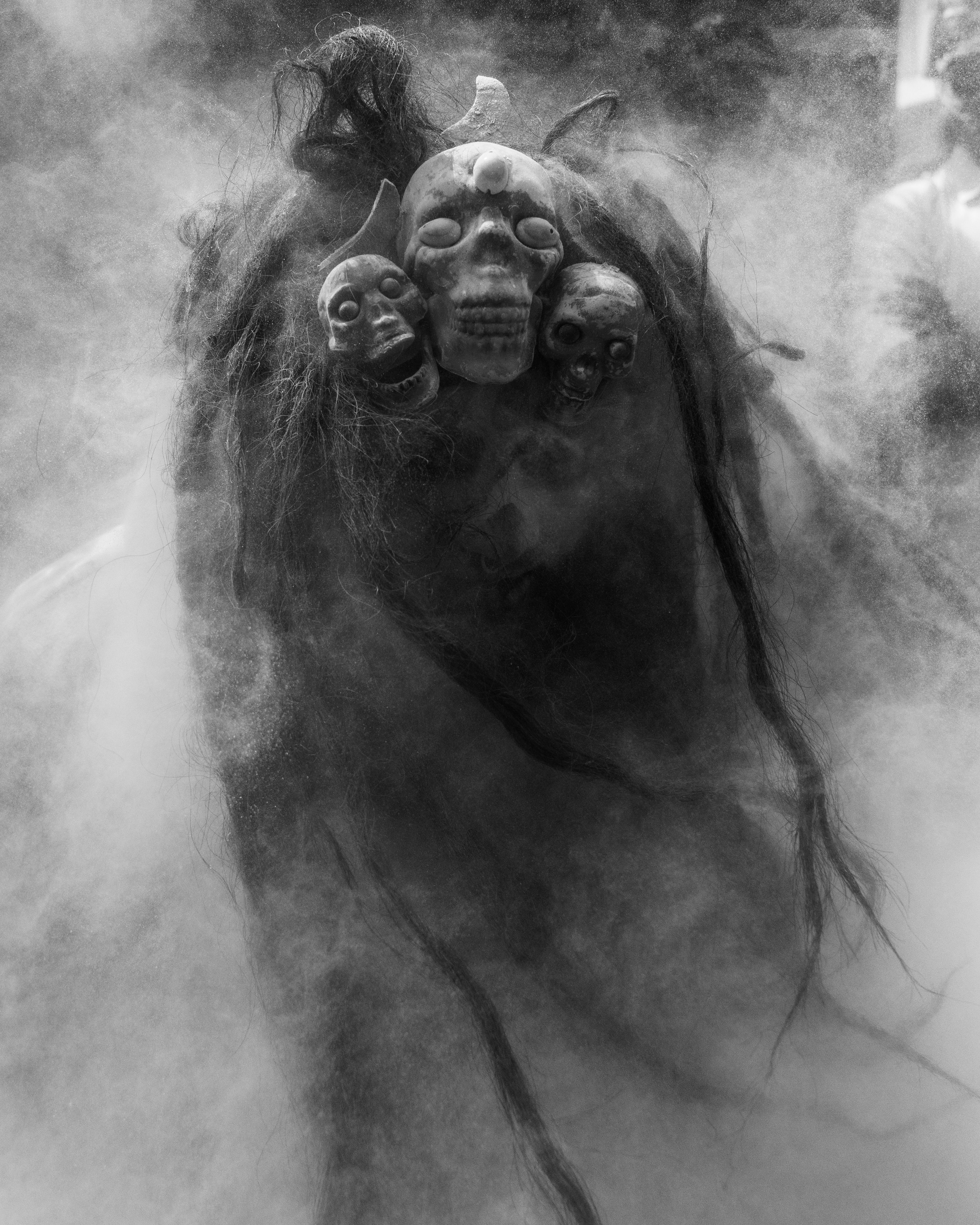
These photographs capture the raw and intense atmosphere of Masan Holi in Varanasi. As a photographer, I was drawn to the striking faces, colours, movement, and the unpredictable energy of the celebration. I wanted to capture the moments as they naturally unfolded rather than looking for perfectly arranged frames.
Photographing in such a chaotic environment required me to slow down, observe carefully, and wait for the right moment. I was especially interested in the human side of the festival—the expressions, gestures, and emotions that could tell a story within a single frame.
What makes these photographs special to me is the combination of chaos, spirituality, and human emotion within the same frame. The colours, surroundings, and small details help communicate what it felt like to actually be there.
I wanted the viewer to feel like they were standing there with me, experiencing the moment rather than simply looking at a photograph of it. For me, these images go beyond showing what Masan Holi looks like; they preserve a feeling and a moment that I experienced firsthand and allow me to share that experience through my perspective.
What story were you trying to tell in the video you just shared?
Through these short clips, I wanted to capture two sides of Varanasi that I find deeply fascinating—the energy of celebration during Dev Deepawali and the spiritual atmosphere of the Ganga Aarti.
For me, these moments are not just about what looks beautiful on camera. They are about the feeling of being there—the lights, rituals, people, energy, and the sense of connection that makes Varanasi so unique.
Together, these moments reflect how I experience Varanasi—incredibly vibrant, yet deeply spiritual at the same time.
How does this cultural photo reflect the local way of life?
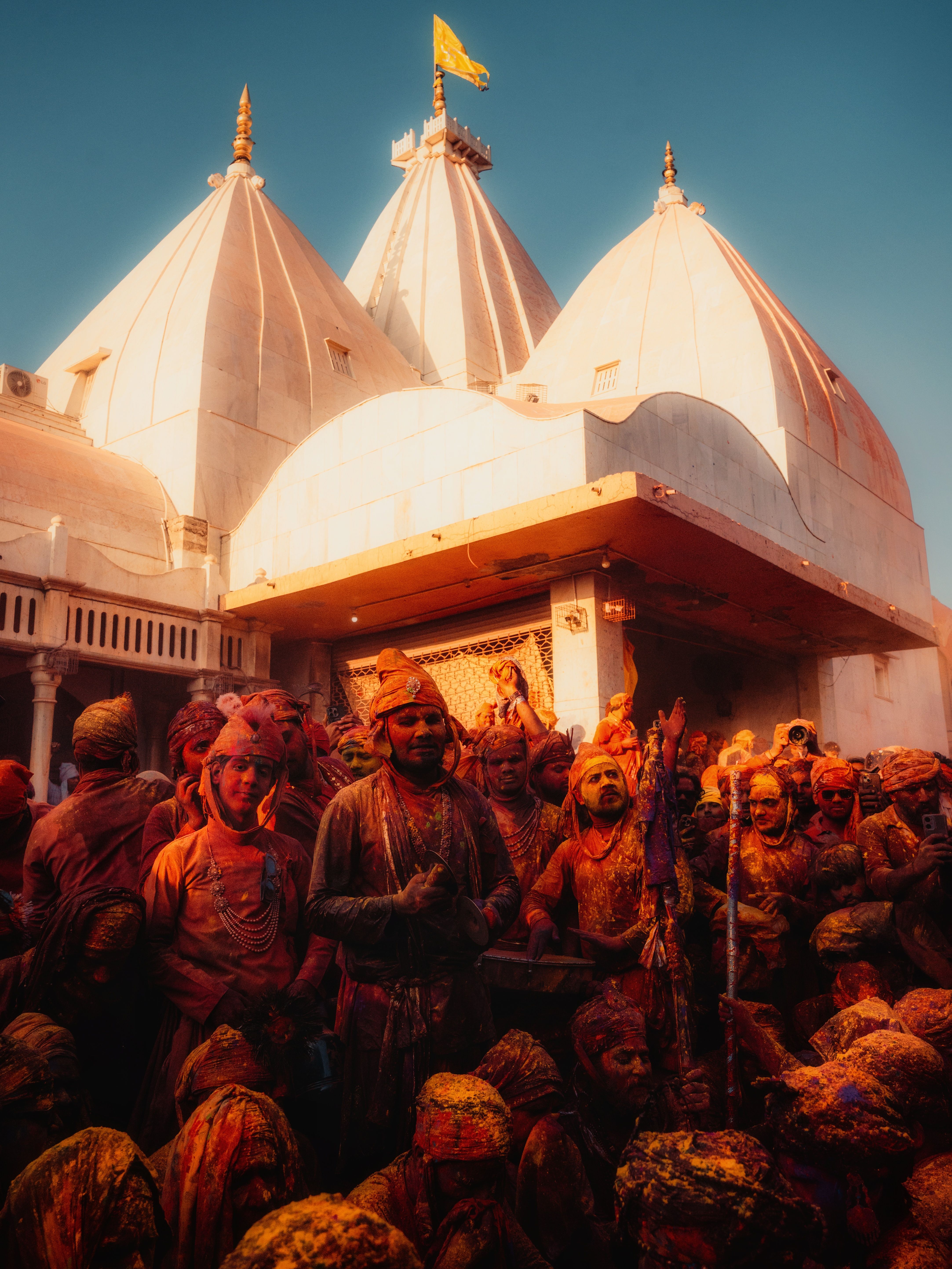
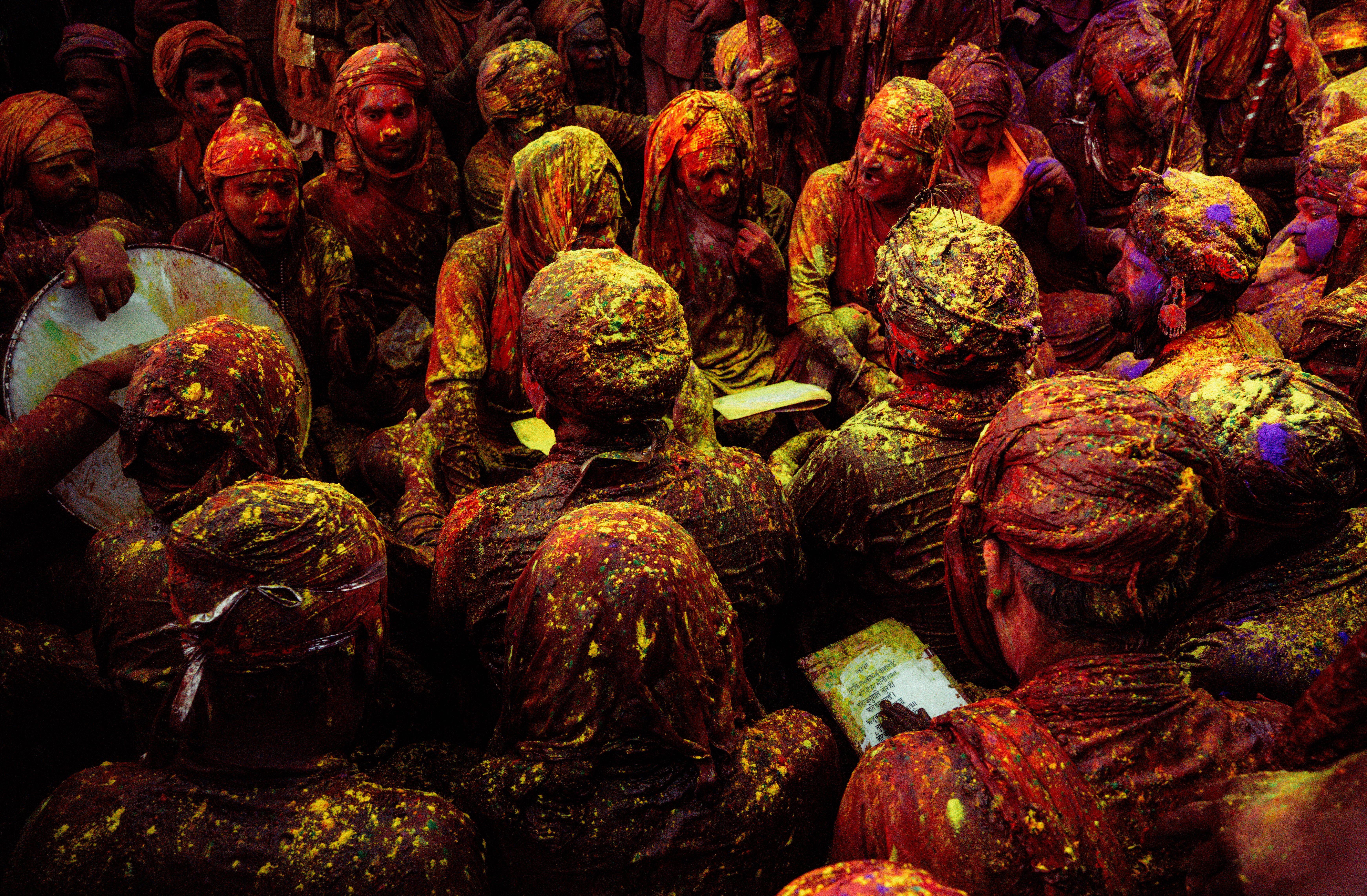
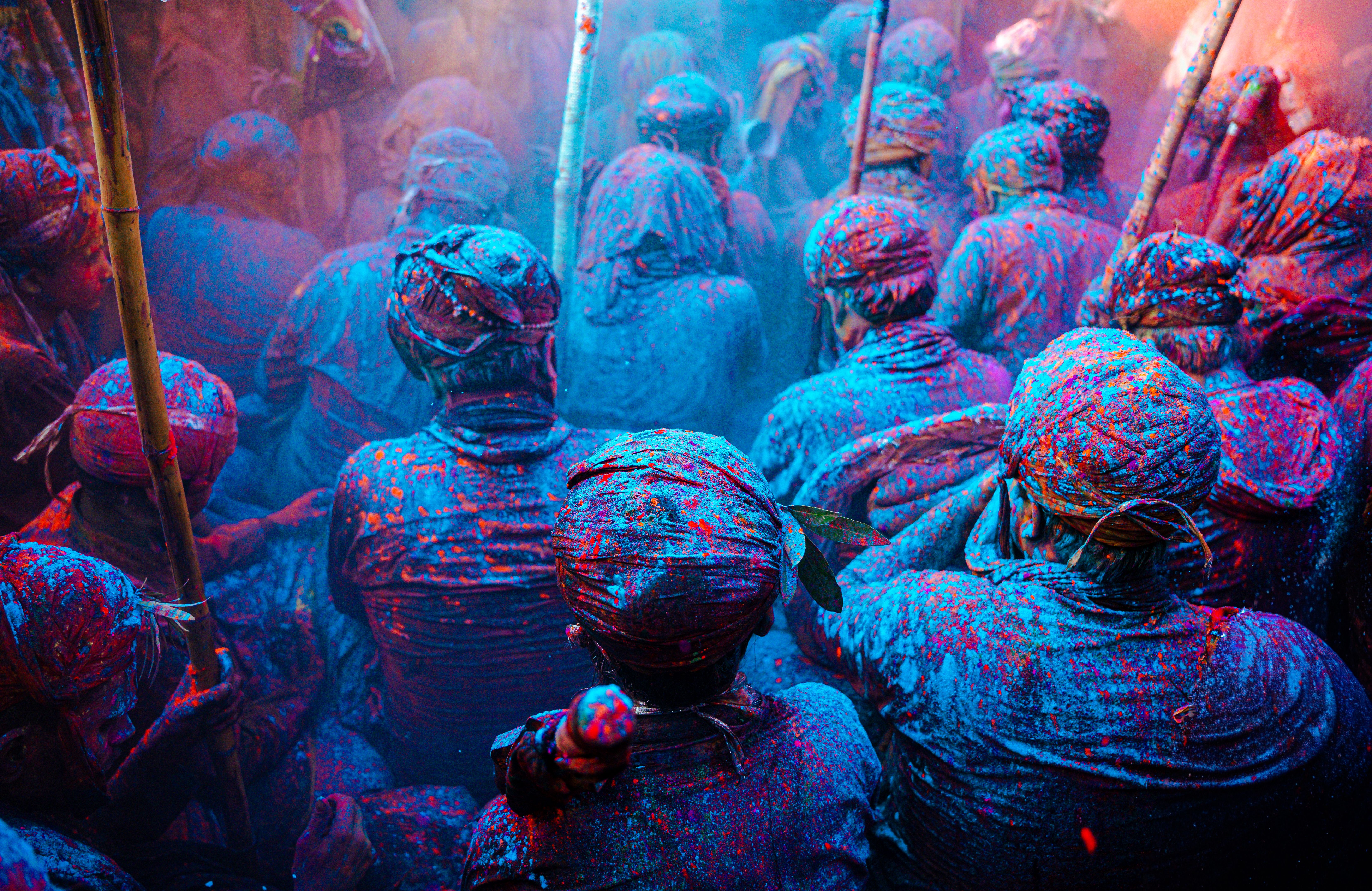
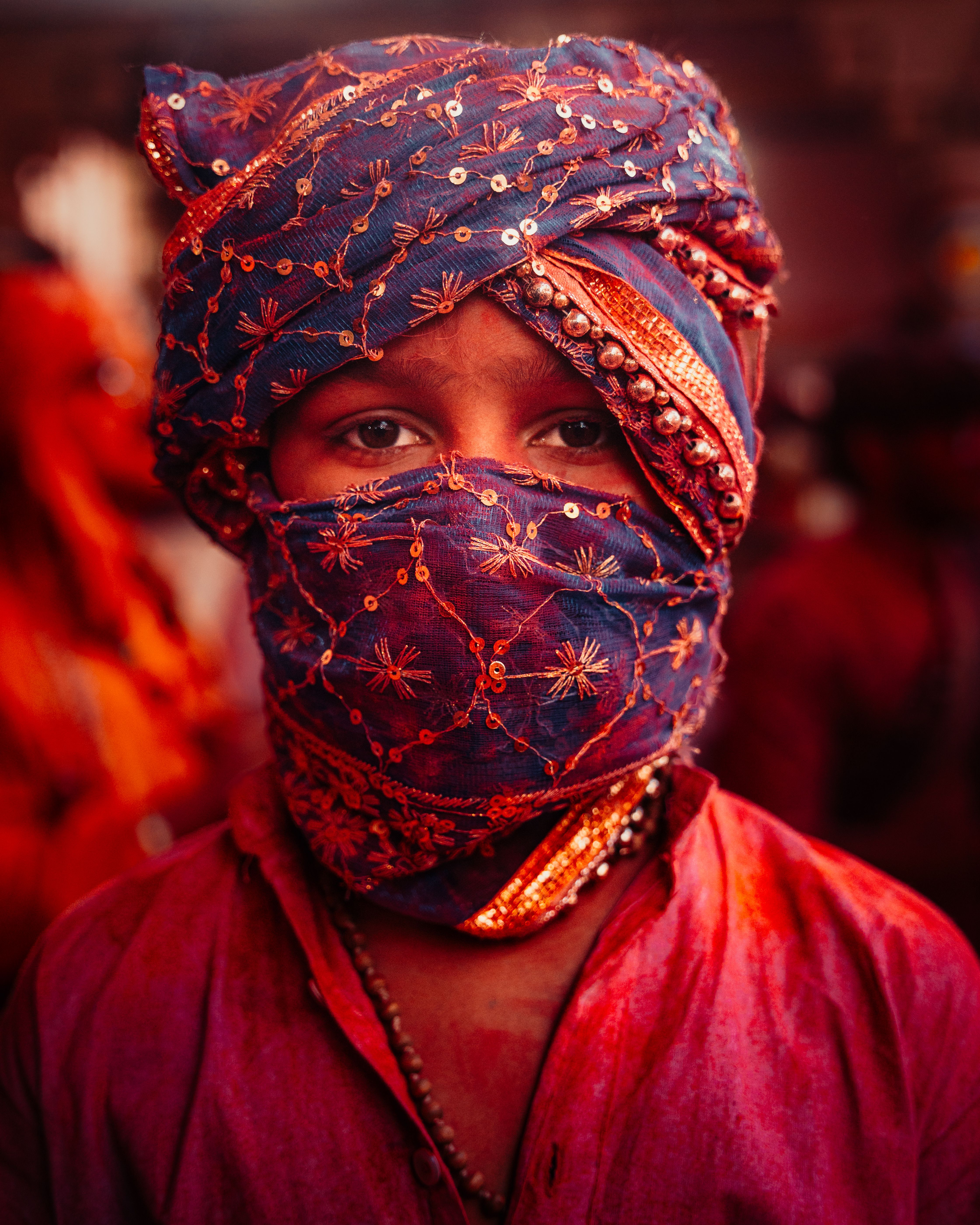
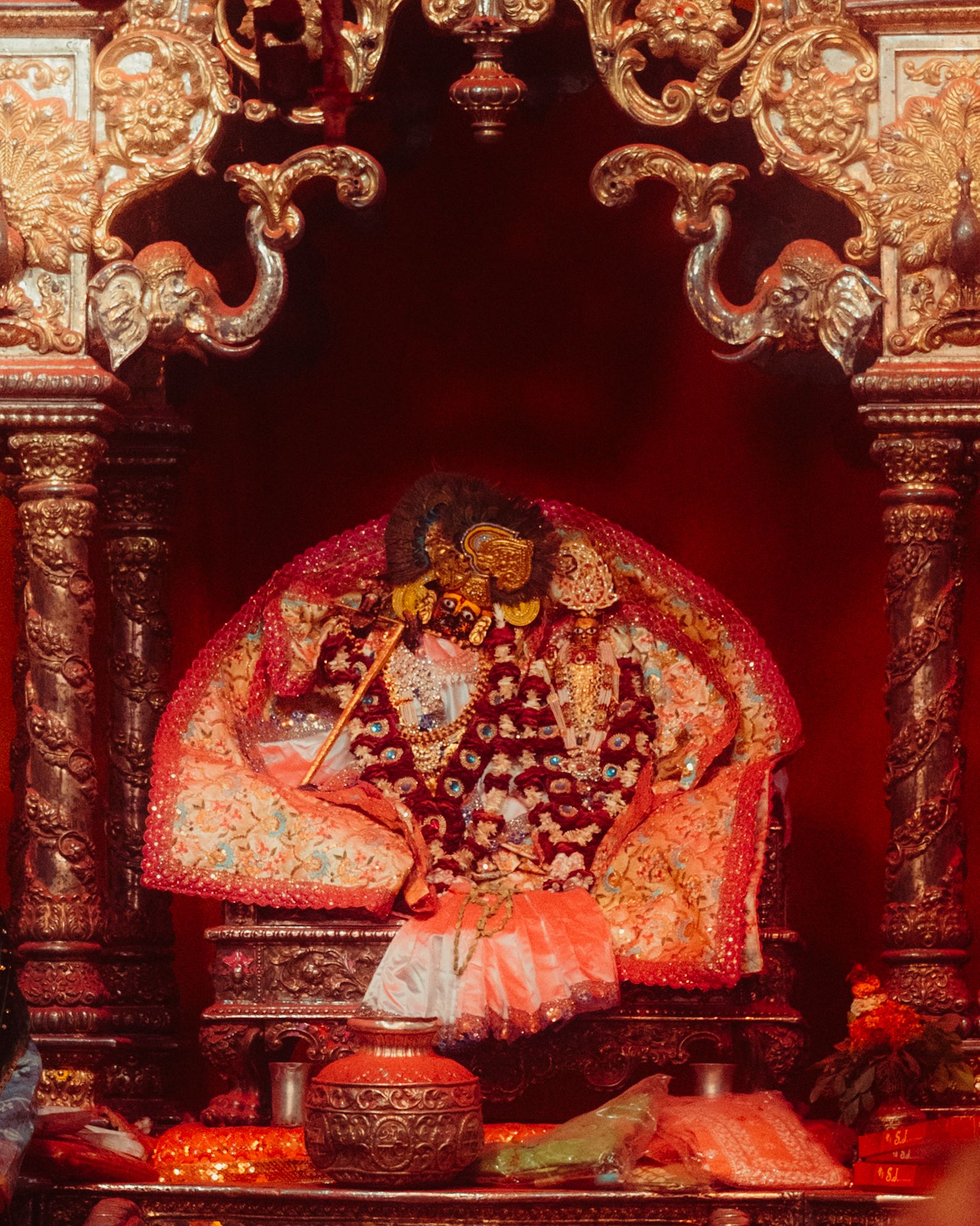
These photographs reflect the local way of life by showing how deeply Holi is connected to the people, traditions, spirituality, and everyday culture of Braj. Here, Holi feels much more than just a festival where people play with colours. It becomes a shared experience where people come together, participate in traditional rituals, sing, play music, dress in traditional attire, and celebrate their connection with the culture of the region.
What I found most interesting as a photographer was seeing how naturally this celebration becomes a part of people's lives. The streets, temples, and gathering spaces transform into places filled with colour, music, devotion, and human interaction. People of different ages come together, and the celebration feels deeply rooted in a sense of community and belonging.
Through these photographs, I wanted to show both the visible and emotional side of Braj Holi—the colours, traditional clothing, rituals, expressions, devotion, and the energy of people celebrating together. For me, these moments represent a culture that is not simply preserved as a tradition, but is actively lived, shared, and passed on from one generation to another.
How does your gear contribute to your travel photography or videography?
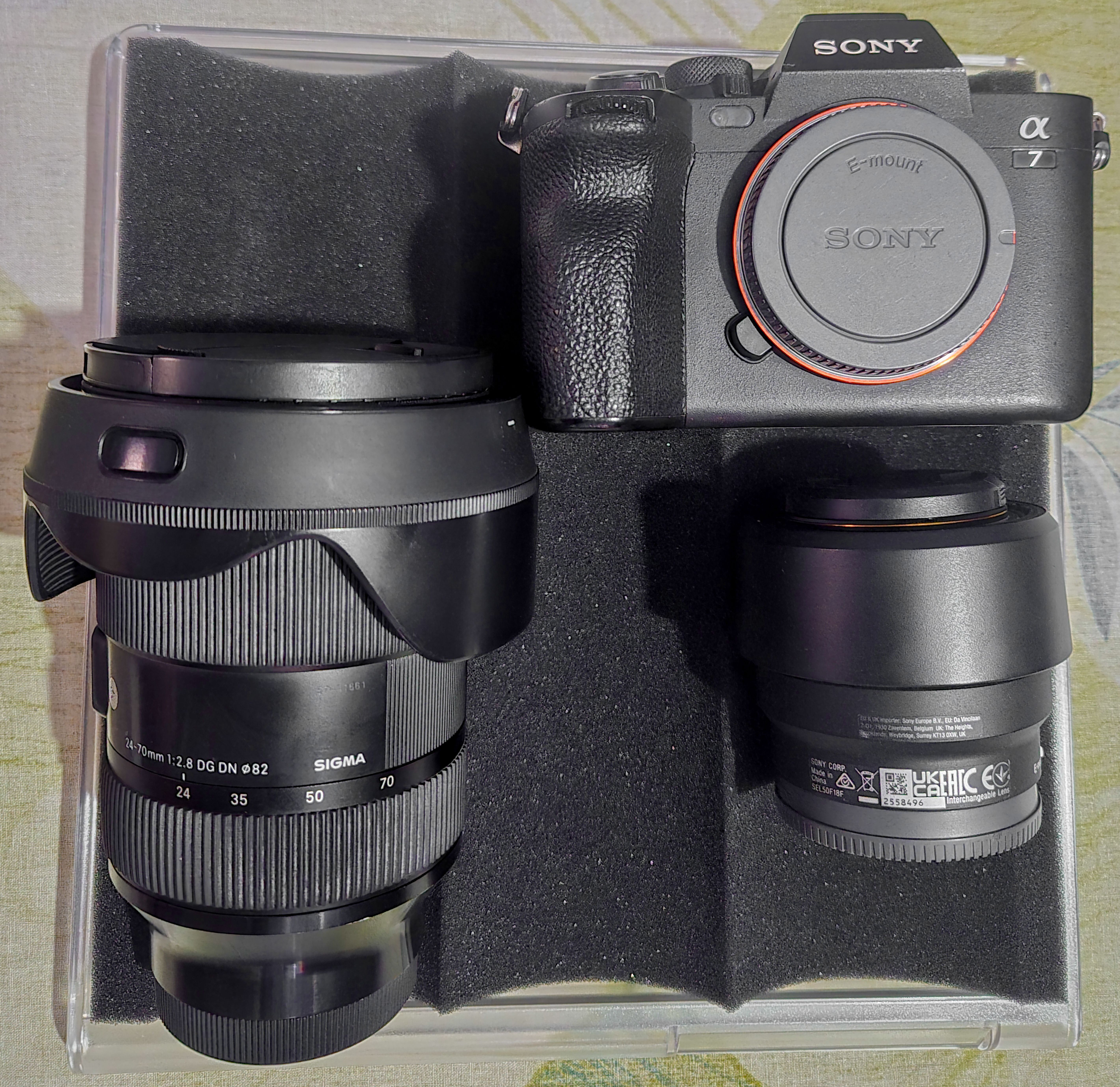
My gear plays an important role in the way I experience and document a place. My Sony Alpha camera gives me the flexibility and reliability I need while travelling, especially when moments happen unexpectedly and I have only a few seconds to capture them.
The Sigma 24-70mm f/2.8 is the most versatile part of my setup. I can use it to photograph wide landscapes, streets, people, architecture, festivals, and everyday moments without constantly changing lenses. It allows me to move from documenting the larger environment to capturing smaller details while keeping my setup simple and flexible.
The 50mm lens gives me a more natural and intimate perspective. I often use it for portraits, details, and everyday moments where I want the frame to feel personal and connected to the subject. It helps me focus on expressions, emotions, and small details that can sometimes say more about a place than a wide photograph.
For me, though, gear is ultimately a tool, not the story itself. A good camera and lenses give me the confidence to work in different situations, but it is the people, places, light, emotions, and unexpected moments that make a photograph meaningful. My setup simply helps me stay ready when those moments appear and turn my travel experiences into visual stories that people can connect with.
What was happening in that candid moment, and why did you capture it?
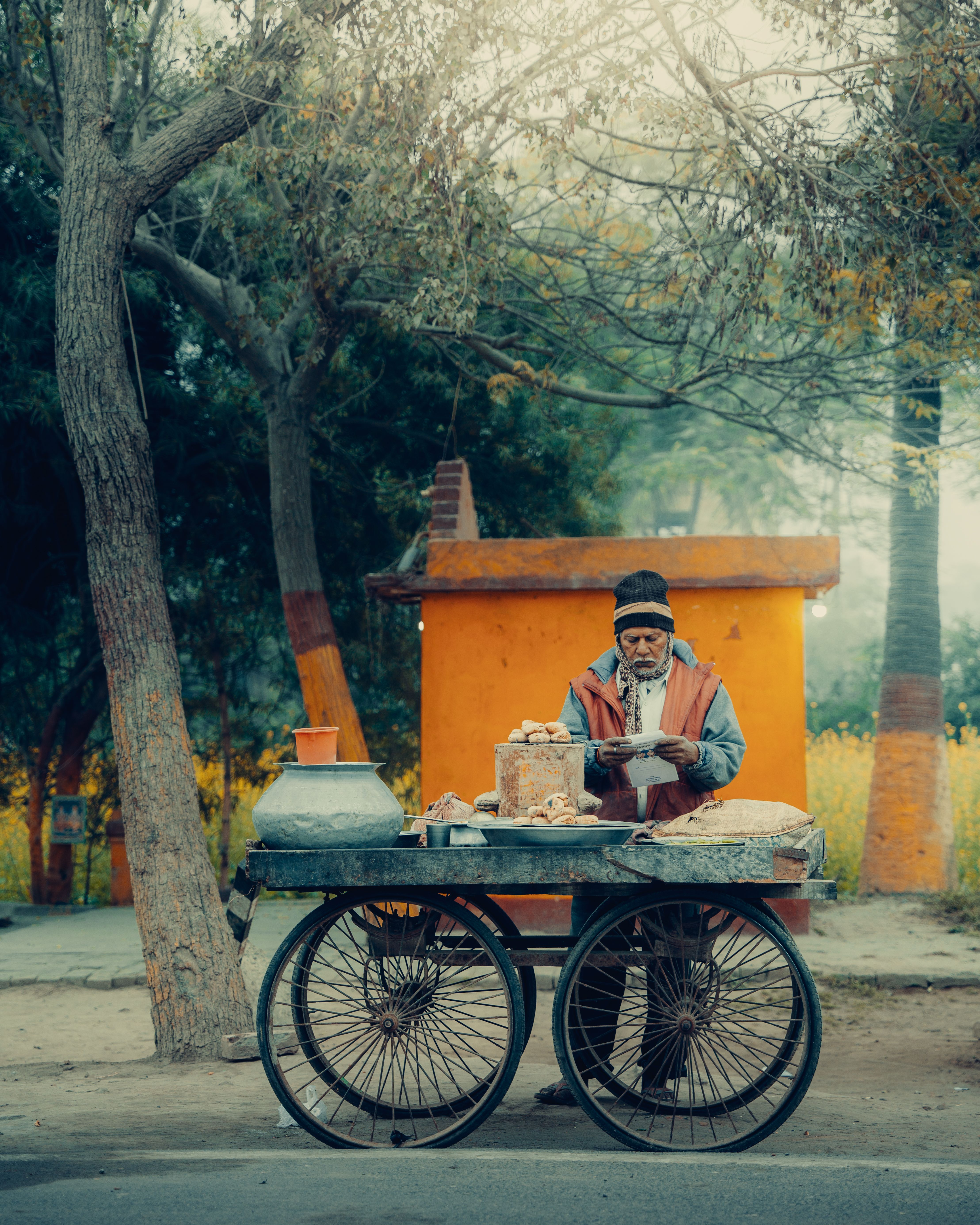
The moment I captured was a quiet winter morning during one of my travels. It was early in the morning, and the surroundings were still calm and slightly hazy with the cold. I came across a street vendor standing behind his small food cart, already busy with his daily work. He was not posing for the camera or trying to get anyone's attention; he was simply doing what he does every morning.
What caught my attention was the contrast between the quiet, cold morning and the sense of routine in the scene. While most of the surroundings still felt slow and peaceful, he was already there, preparing for the day and earning his livelihood. The cart, the food, the utensils, the trees, and the soft winter atmosphere together created a very honest picture of everyday life.
I decided to capture it because these are the kind of moments I naturally look for while travelling. They may not be famous landmarks or dramatic events, but they reveal something real about a place and the people who live there. I wanted to preserve this moment without interrupting it or asking him to pose, so the photograph could retain its natural feeling.
For me, this is what makes candid travel photography special. It allows me to look beyond the obvious attractions and notice the small stories happening around me. This photograph is a reminder that a place is not defined only by its monuments or landscapes, but also by the people who wake up early, begin their work, and quietly keep everyday life moving.
What does this adventure represent to you?
This adventure represents the joy of exploring the unknown and experiencing a place beyond what you see on the surface. Being on the Ganges in Varanasi, surrounded by boats, the river, and the city slowly coming alive, felt like being part of something timeless. For me, adventure is not always about adrenaline—it's about stepping out of your comfort zone, experiencing new perspectives, and collecting moments that stay with you long after the journey ends.
Describe the landscape in this photo and your connection to it.
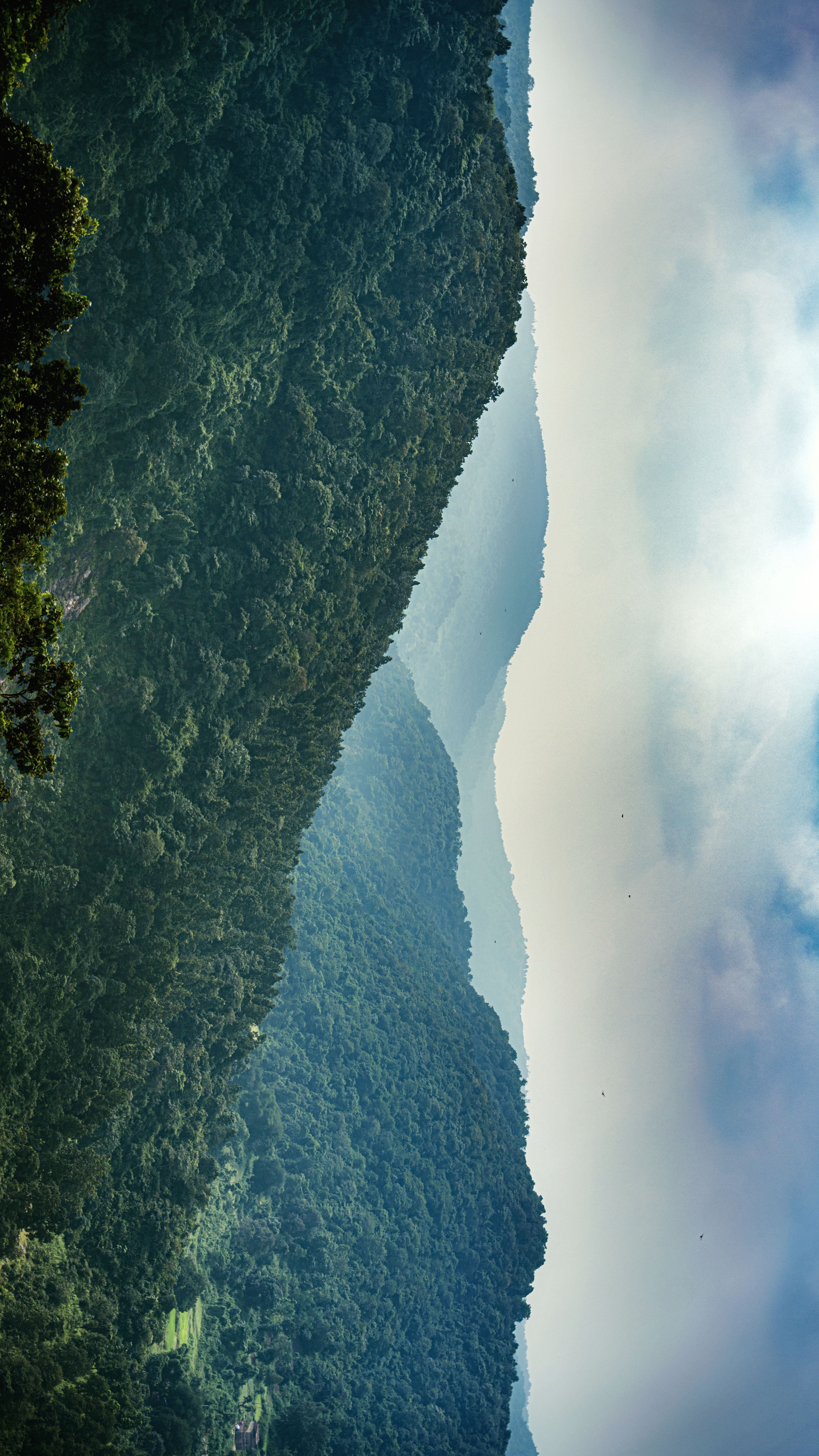
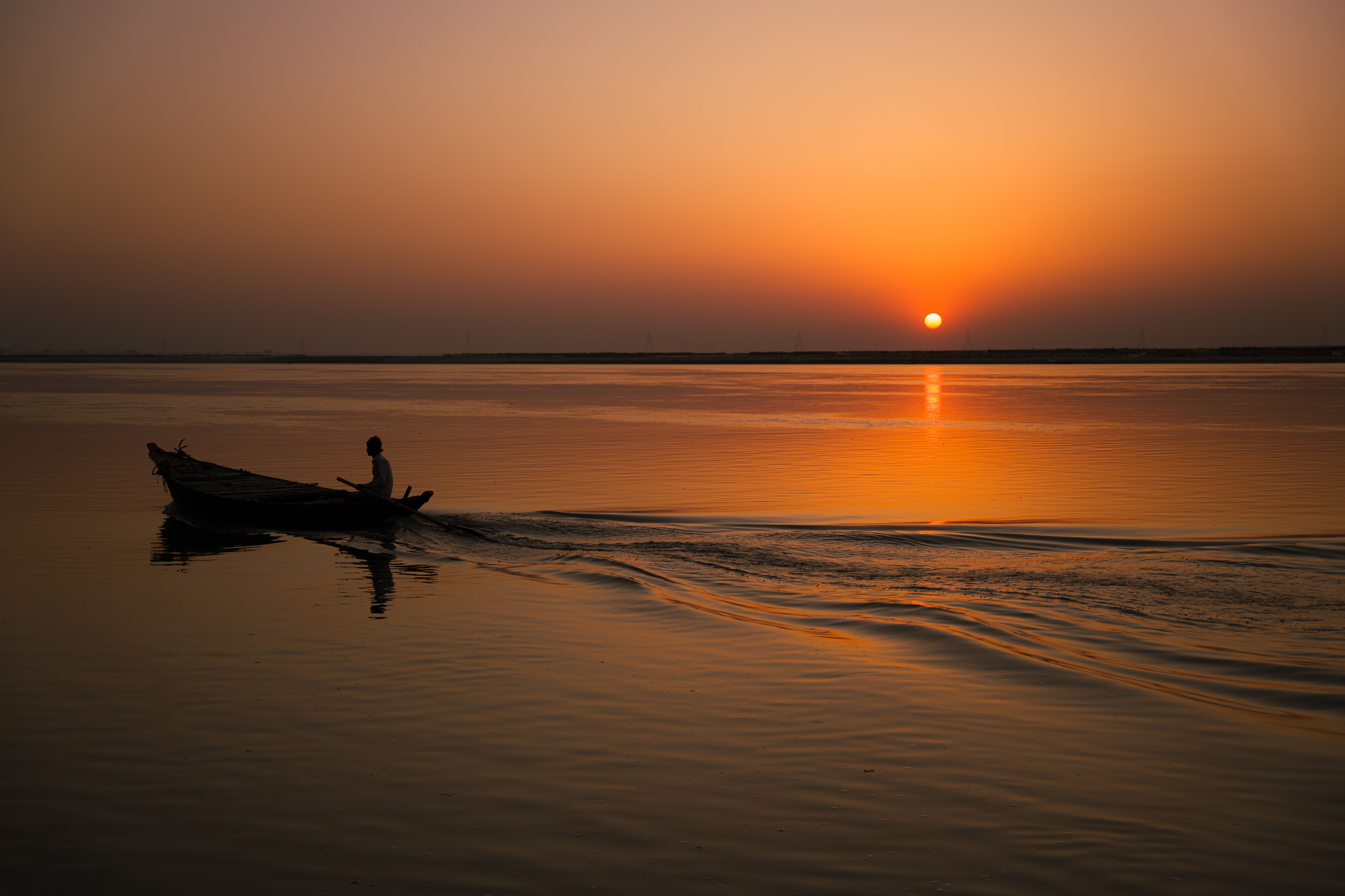
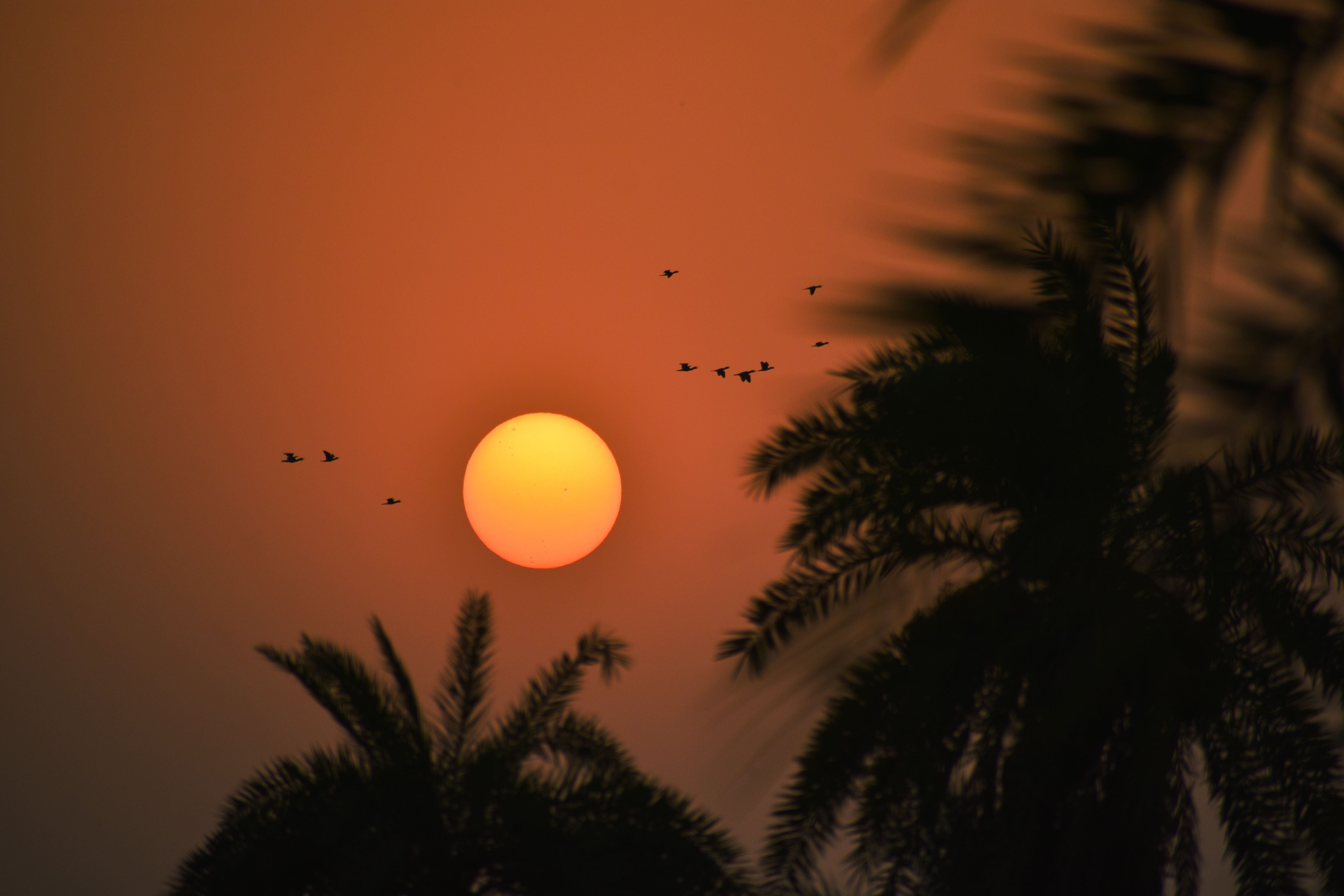
These photographs capture three different sides of the natural beauty I experienced while travelling—the peaceful green mountains, the wide river glowing under the evening sun, and the warm sunset framed by birds. Although each photograph looks different, they all represent the same thing for me: the feeling of being close to nature and taking a moment to slow down and appreciate what is around me.
The mountain landscape gives a feeling of peace and openness. The layers of green hills disappearing into the distance made the place feel much bigger and quieter than everyday life. Looking at them, I felt disconnected from the usual rush and simply enjoyed being present in that moment. There was something very calming about standing there and watching the landscape change with the light and atmosphere.
The river photograph captures a completely different feeling. The warm sunset reflecting across the water, along with the small boat moving through the frame, made the scene feel both peaceful and alive. I loved how the river seemed to stretch endlessly, while the boat and its trail through the water added a sense of movement and human connection to the landscape. It reminded me that nature and everyday life often exist together in the simplest and most beautiful ways.
The third photograph, with the setting sun and birds, represents the quieter and more intimate side of nature. Watching birds move across the evening sky while the sun slowly went down was one of those simple moments that can easily be missed when we are busy. I wanted to capture it because the scene felt peaceful without needing anything dramatic.
My connection to these landscapes comes from the way they make me feel rather than just how they look. As a travel photographer, I naturally notice light, composition, colours, and small details, but travelling has taught me that photography is also about preserving emotions. These photographs remind me of moments when I stopped thinking about where I had to go next and simply enjoyed where I was.
For me, natural beauty is not only about spectacular mountains or perfect sunsets. It can also be found in the quiet movement of water, birds flying across the sky, changing light, distant hills, or a simple boat moving through a river. These photographs are my way of holding on to those moments and sharing the sense of calm, freedom, and wonder I felt while experiencing them.
Contact and Follow
Email: cine.dev07@gmail.com
Instagram: https://www.instagram.com/dev7.x?igsh=MTZuMmcyMWd0bXcwcA==