

What first pulled you toward wildlife and made you want to photograph it rather than simply watch it?
I think what first pulled me toward wildlife was not a particular animal, but the feeling of being in a place where I wasn’t in control. In the wild, nothing performs for you. A bird may appear for three seconds, a leopard may remain hidden for hours, and sometimes you can spend an entire day without making a photograph. That uncertainty fascinated me. It taught me to slow down, to listen, and to notice things I would have otherwise walked past. Photography came into that relationship almost naturally. I realised that a photograph could do more than preserve a moment — it could preserve a feeling, a behaviour, a connection between an animal and its habitat. The longer I photographed wildlife, the less interested I became in simply collecting pictures of animals and the more interested I became in telling their stories. For me, the camera became a reason to look closer. It made me notice the small things: the way a bird communicates with its mate, the hesitation before an animal crosses a road, the first light touching a wetland, or the silence before a forest suddenly comes alive. And perhaps that is what keeps me photographing wildlife today. I don’t want to photograph nature simply because it is beautiful. I want to create photographs that make someone pause and wonder what exists beyond the frame — and, hopefully, care enough to protect it.
Can you take us back to one of your earliest encounters in the field — a moment with an animal that told you this was going to be your path?
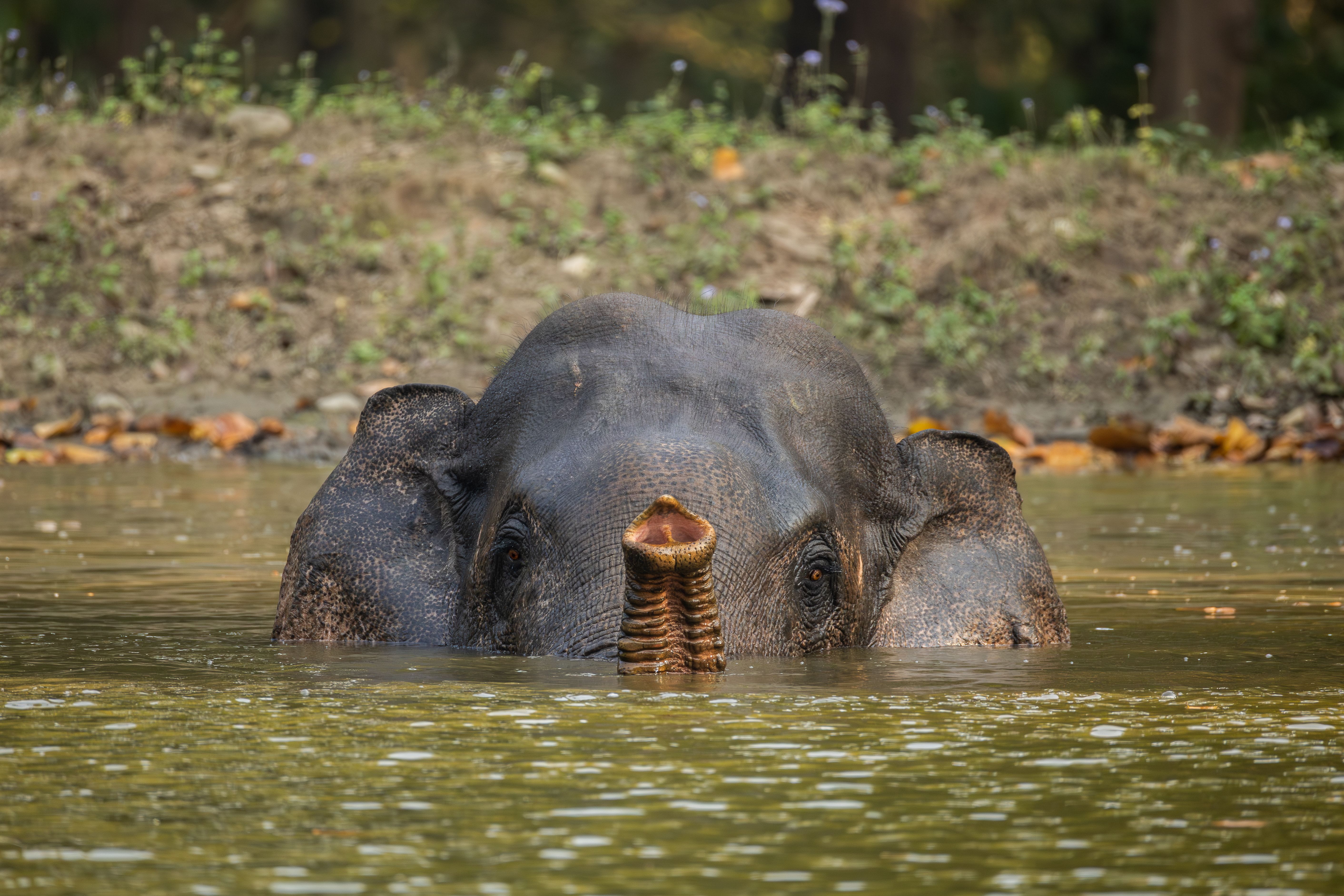
One of my earliest encounters that made me feel I was on the right path happened in one of the quieter, less-visited zones of Rajaji National Park. We came across a tusker in a water body, simply enjoying a bath. There was no chase, no dramatic behaviour, no sense that it knew it was being watched. It was just completely at ease — spraying itself with water, moving slowly, and enjoying the moment. I remember sitting there and watching this enormous animal behave with such a sense of freedom and calm. For someone with a camera in his hands, it would have been easy to become obsessed with getting the perfect photograph. But that encounter taught me something more important: sometimes the best thing you can do in the wild is simply be present. The photograph I eventually made was special to me, but the memory of that encounter is even more so. It was one of the first times I truly understood that wildlife photography isn’t about making an animal perform for your camera. It is about being patient enough to witness a moment that would have happened whether you were there or not. That tusker was simply living its life. I was fortunate enough to be there quietly and witness it. Looking back, I think that was when I began to understand what I wanted my photography to be — not just a collection of beautiful wildlife images, but a way of showing animals as they really are: wild, unpredictable, peaceful, powerful, and completely independent of us.
You carry a serious golf background into the hide, having competed internationally. How does the patience and precision of the course show up when you're waiting on a wild subject?
Golf taught me something that has become surprisingly valuable in wildlife photography: patience is not the absence of action; it is the discipline of knowing when to act. When you play competitively, you learn to read the course before making a shot. You study the conditions, understand the terrain, account for variables you cannot control, and then commit completely to the shot. Wildlife photography demands much of the same mindset. In the field, I may spend hours waiting for an animal to emerge, watching its behaviour, studying the light and anticipating what might happen next. But unlike golf, I don’t get to decide when the moment happens. The animal does. That is where the patience really comes in. You can prepare your camera perfectly, find the right position, understand the light — and still come away without a photograph. You have to be comfortable with that uncertainty. Golf also taught me the importance of precision. A fraction of a second can change a photograph just as a small change in a swing can change the outcome of a shot. When the moment finally arrives, there is no time to hesitate. You have to trust your preparation and react instinctively. Perhaps the biggest lesson both have given me is that you can control your preparation, but you cannot control the outcome. In golf, you play the course as it is. In wildlife photography, you photograph the wild as it is. And in both, the better you become, the more you understand that the goal isn’t to force the moment — it’s to be ready when the moment gives you an opportunity.
Which wildlife photograph are you proudest of, and what's the story behind that frame?
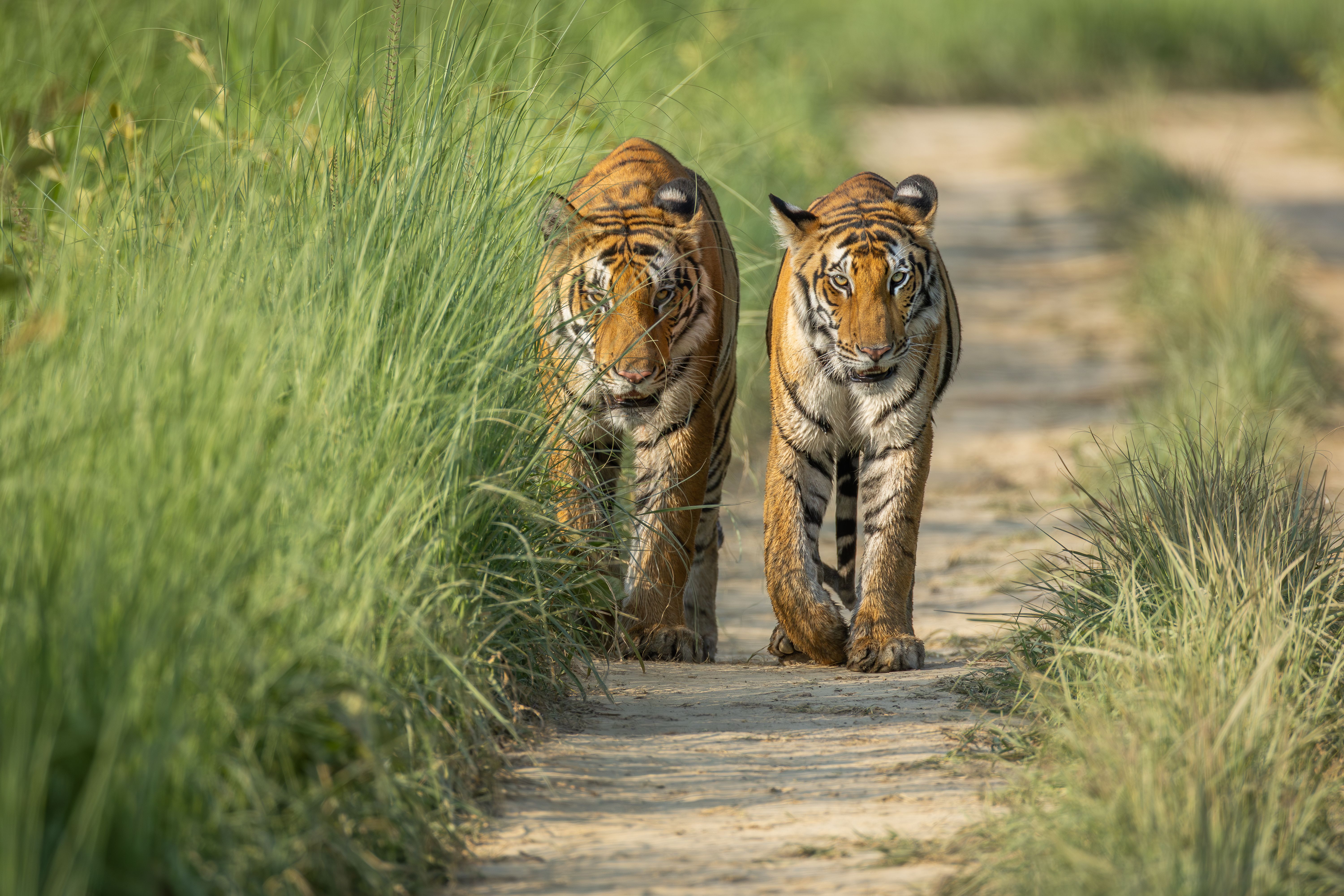
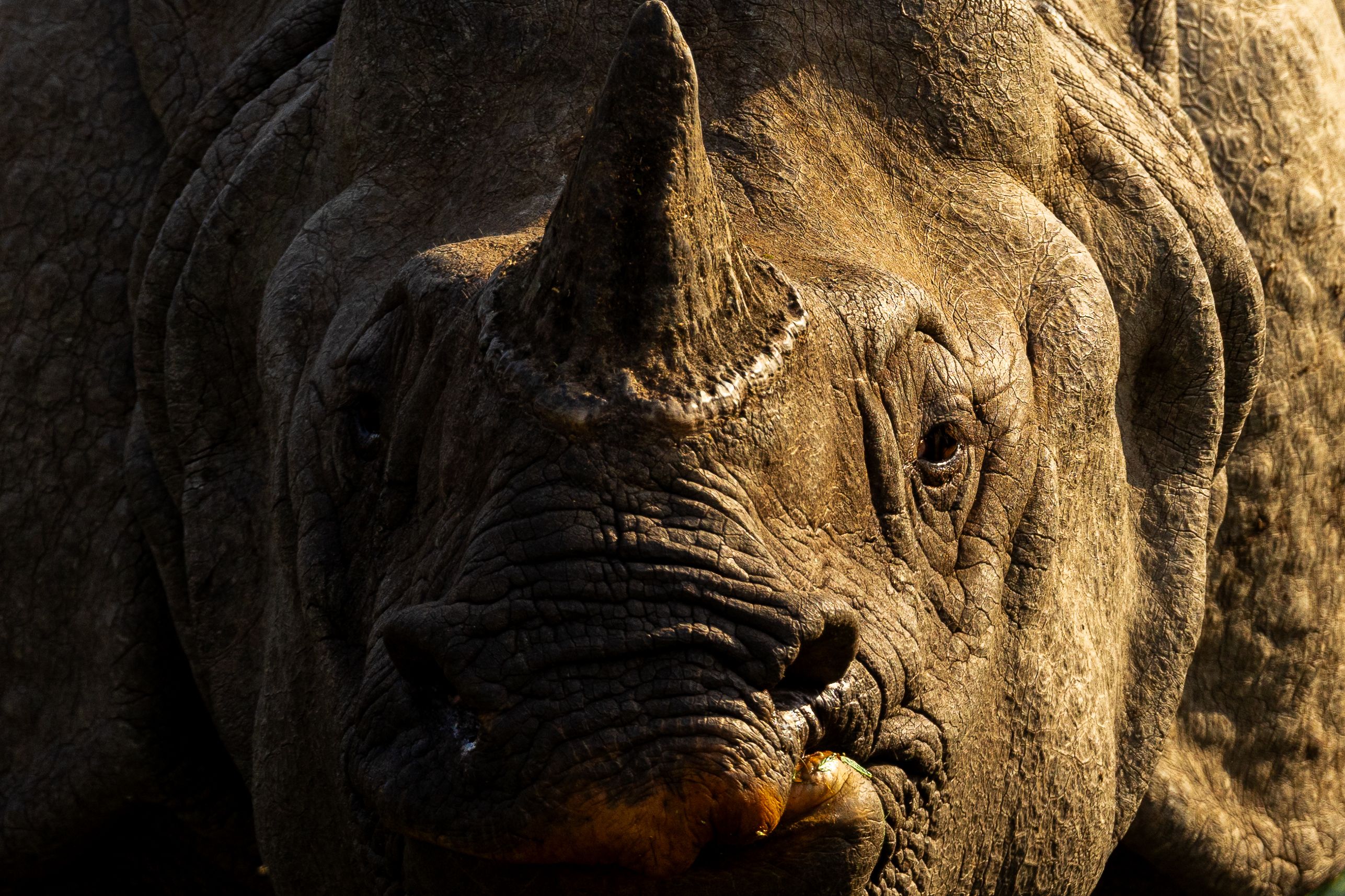
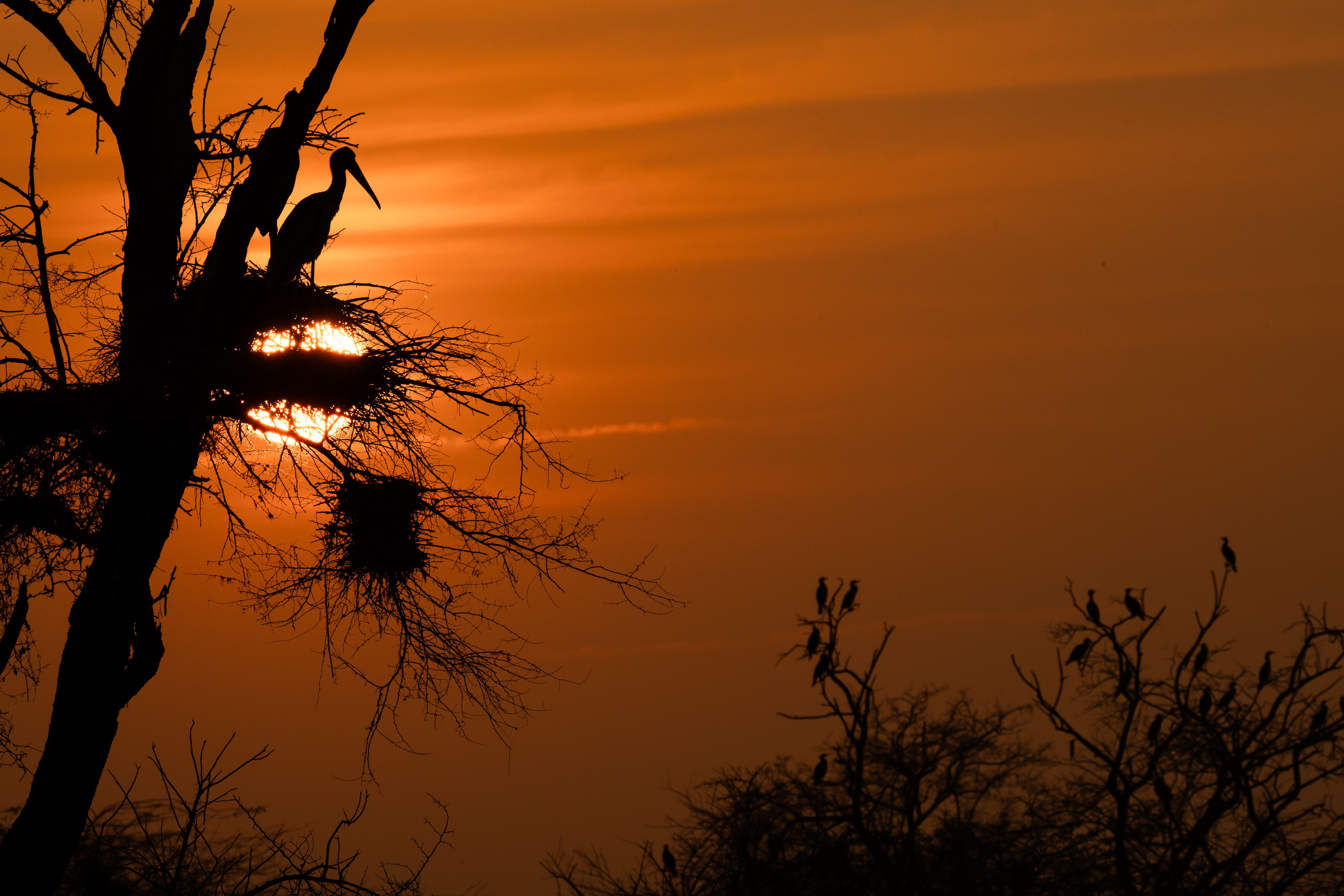
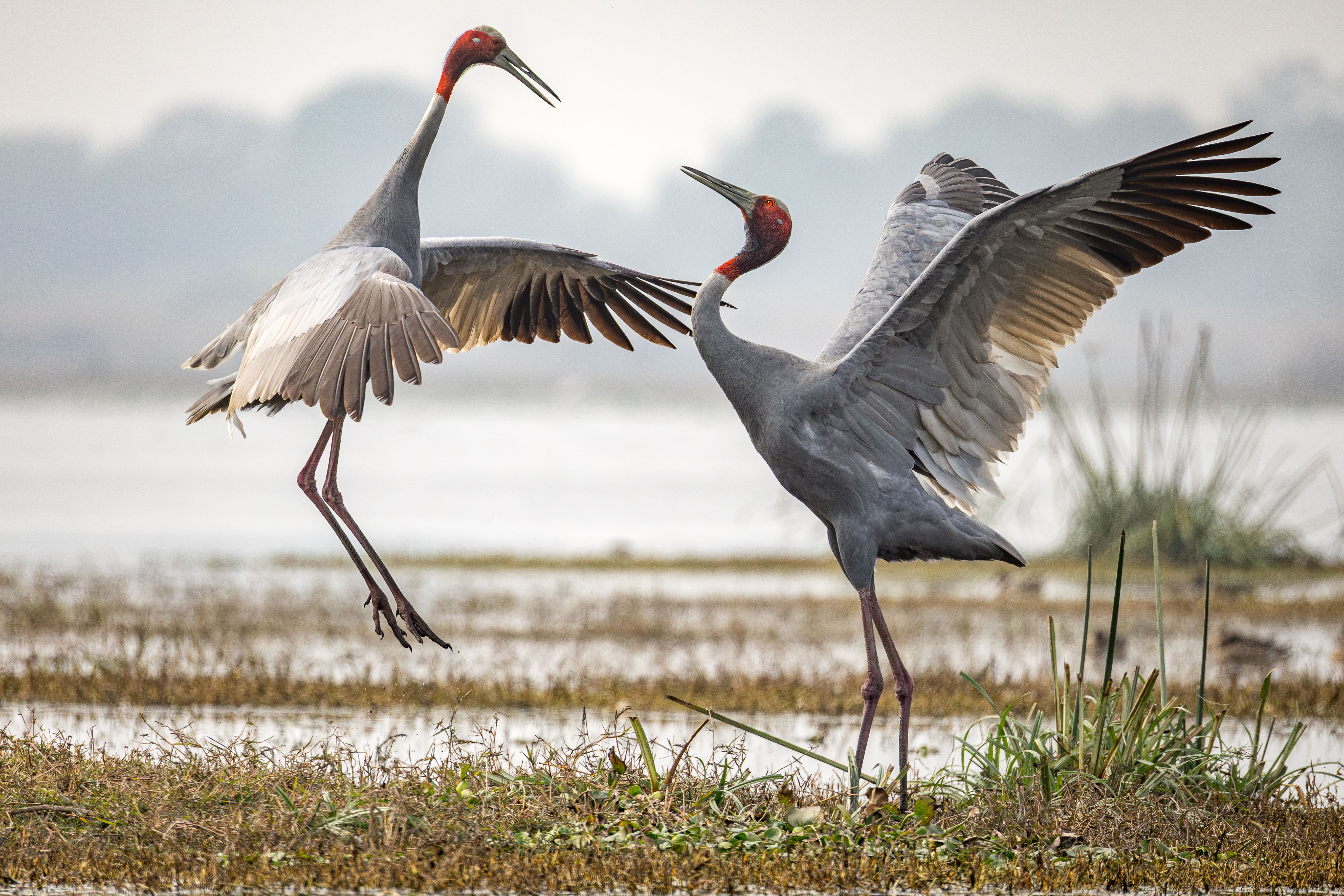
I was in Bandhavgarh National Park, following the tigress Dotty. I had to wait in the exact same spot for four safaris, each lasting nearly five hours. The area was remarkably still, and there was very little around us — just the forest, the silence, and the possibility that she might appear. For a while, I didn’t photograph her at all. I simply watched and waited. Dotty moved through the forest with complete confidence, entirely absorbed in her surroundings and unconcerned by our presence. There was something powerful about observing her in that space, where every movement felt deliberate and every pause seemed to carry meaning. Then, in the seconds before I pressed the shutter, she paused for a moment. The light, the forest and her posture all came together, and I knew the moment was about to disappear. I didn’t want to interrupt it by moving or trying to make the photograph happen. I just waited, composed the frame, and let her decide what came next. The shutter clicked almost as a consequence of that patience. What I remember most isn’t the photograph itself, but the four safaris spent waiting in that exact spot — four five-hour safaris during which I was simply watching a wild tigress being a tigress. That, to me, is what makes a wildlife photograph meaningful. The frame is only a fraction of a second; the story begins long before you press the shutter.
Walk us through that kit — which lens or body do you reach for most when you're chasing an intimate moment in the wild?
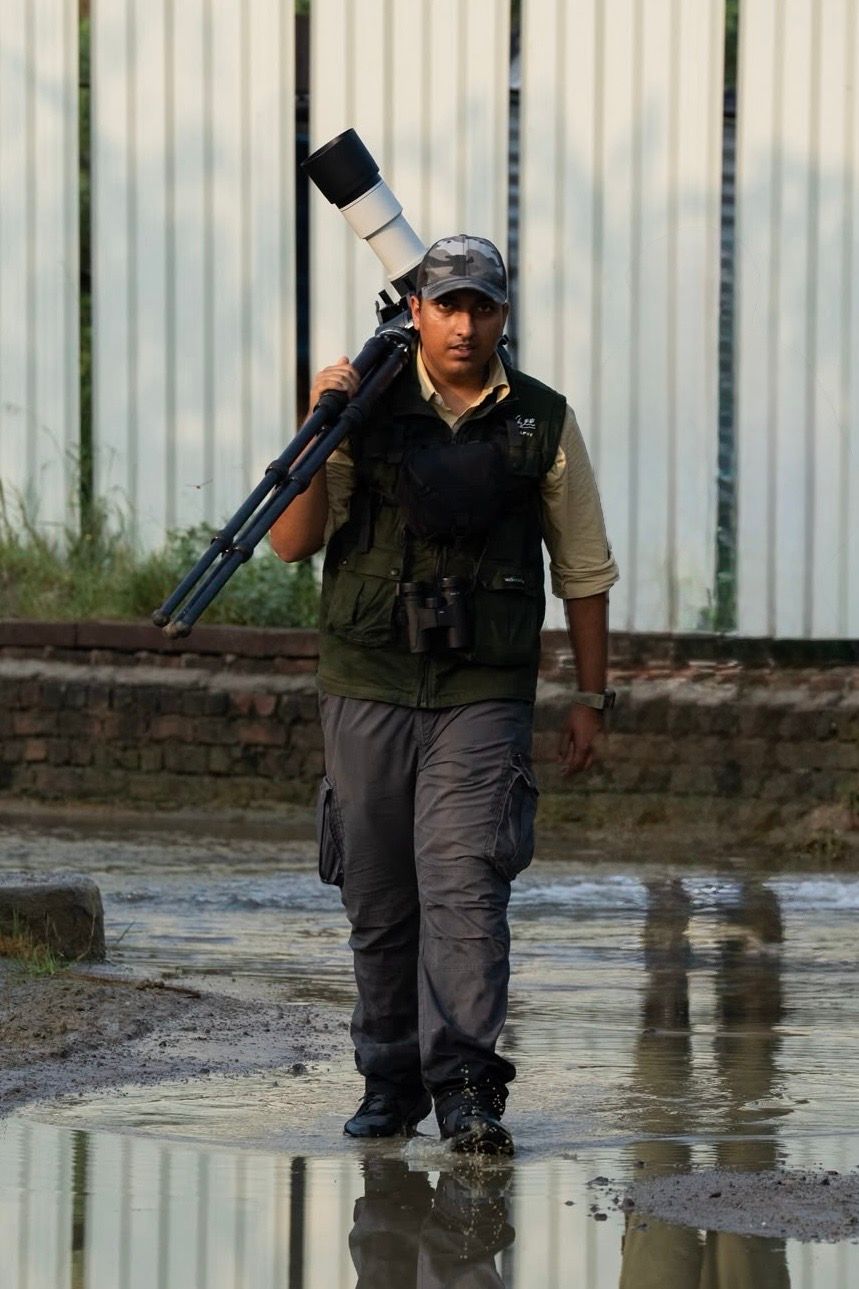
For most of my wildlife work, my go-to combination is the Canon R6 Mark II paired with the RF 200–800mm. It gives me the reach and flexibility I need while still allowing me to stay at a respectful distance from the animal. I particularly like the 200–800mm because wildlife rarely gives you a perfectly predictable moment. At 800mm, I can isolate a small behavioural detail — an expression, a gesture, a look — while still maintaining the distance that keeps the animal comfortable. And when the situation changes, I can pull back and bring the surrounding habitat into the frame. The R6 Mark II complements that really well. Its autofocus and tracking allow me to concentrate less on operating the camera and more on reading the animal — anticipating where it might look, move, or interact with its surroundings. But honestly, the most important part of my kit isn't the camera or the lens. It's patience. The equipment gives me the ability to capture the moment. Understanding the animal, respecting its space, and knowing when to press the shutter is what makes the photograph.
Which park is this, and what made that particular day in the field memorable for you?
It was in Dudhwa National Park, and the day became memorable because of an encounter with a tigress known as Scissor and her three sub-adult cubs. We were fortunate to have the entire sighting almost to ourselves — a single vehicle with the four tigers in front of us. For nearly an hour, they remained in the area, often facing us head-on. What made it special wasn't simply the opportunity to photograph four tigers together. It was being able to observe their dynamics over such a long period. The cubs were at an age where they were becoming increasingly independent, yet you could still see the connection between them and their mother. There were moments when they would simply sit, look towards us, move through the grass, and interact with one another. Having that much uninterrupted time allowed me to stop thinking about individual photographs and start watching the story unfold. For a wildlife photographer, an hour like that is a rare privilege. You aren't just witnessing an animal; you're given enough time to observe behaviour, relationships and personality. I came away with photographs that I value, but more importantly, with the memory of having been given a quiet window into the life of a tiger family — something that the forest allowed us to witness, but never promised us.
How long were you watching before that shot came together, and what kept you patient?
I had been observing and photographing the openbills for nearly three months. Over that time, I began to understand their rhythms — when they moved, when they took flight, and how they used the wetland around them. Then, one monsoon evening, the weather finally gave me something I hadn't been expecting. After the rain, the clouds began to clear, and the sky opened into these deep shades of blue and purple. The light was changing by the minute. An openbill lifted off and began gliding across that sky. I remember not wanting to rush the moment. I waited for the bird to move into the right part of the frame, allowing the sky to become as important to the photograph as the bird itself. When the bird finally crossed that patch of colour, I pressed the shutter. The photograph happened in a fraction of a second, but it was really the result of three months of observation and one unpredictable monsoon evening. That's what I love about wildlife photography. You can spend months learning an animal and still have no control over when the perfect moment will arrive. Sometimes, all you can do is be there — and be ready when nature decides to give you something extraordinary.
What does a typical day on location actually look like — the hours and the quiet most people never see?
A typical day in a national park begins well before sunrise. A morning safari can mean leaving in complete darkness, reaching the gates before first light, and then spending several hours inside the reserve as the forest gradually comes alive. After returning, there is usually a short break before heading out again for the evening safari, which can take you through the changing landscape all the way towards sunset. Together, those morning and evening drives can easily make up around ten hours of the day in the field. And most of those hours aren't spent photographing. They are spent reading the landscape, listening to alarm calls, watching animal behaviour, following tracks, understanding the light and simply being present in the environment. Some days are filled with extraordinary encounters; on others, you may return with very few photographs. That's the part of wildlife photography people rarely see. They see the final frame, but behind that single image may be an entire day shaped around the forest — the early start, long drives, changing weather, dust, missed opportunities and the discipline of being ready when something finally happens. The photograph may take a fraction of a second. The day behind it can take ten hours.
Tell us about this — what draws you to it, and what are you hoping to capture?
One project I’m particularly drawn to right now is a short film on the migratory birds that arrive at Keoladeo National Park each winter. What draws me to it is the journey behind their arrival. These birds travel thousands of kilometres, crossing borders and landscapes, only to return to a wetland that provides them with food, shelter and a place to survive the winter. By the time we see them at Keoladeo, we are seeing only one chapter of a much larger story. I want the film to go beyond simply showing beautiful birds. I want to tell the story of migration — the instinct that brings them back, the challenges they face along the way, and the fragile wetlands that make their journey possible. Having spent time photographing migratory species at Keoladeo, I've become fascinated by the contrast between the scale of their journey and the quietness of the place where they finally arrive. A bird can travel thousands of kilometres, yet its survival may ultimately depend on a relatively small patch of wetland. Visually, I want the film to move between intimate behavioural moments and the larger landscape — flight, feeding, courtship, interactions between species, and the changing character of the wetland through the season. But at its heart, I want it to leave the viewer with one thought: "Migration is not simply a journey. It is a relationship between a bird and the places it depends on." If those places disappear, the journey can no longer be completed. That is the story I hope to capture at Keoladeo — not just where these birds come from, but why they keep coming back, and what we stand to lose if there is no longer a place for them to return to.
When you're sitting in silence waiting for an animal to appear, what is it that keeps you coming back to the wild again and again?
I think what keeps bringing me back is the fact that the wild never gives you the same experience twice. You can return to the same forest, sit in the same vehicle, follow the same trail, and still have no idea what the day is going to give you. One day it might be a tiger walking through the grass; another day it might be a bird calling from somewhere you cannot see, or simply the light falling differently across the landscape. But beyond the photographs, I think I've become addicted to the feeling of being completely present. When you're sitting in the wild, there is very little room for everything else. The noise of everyday life disappears, and you become intensely aware of the smallest things — a movement in the grass, a distant alarm call, the change in light, or the sudden silence of the forest. And then, occasionally, nature gives you something extraordinary. It might last for three seconds, or it might stay with you for an hour. You cannot ask for it, you cannot recreate it, and you certainly cannot guarantee it will happen again. That's what keeps me coming back. The possibility that tomorrow, the wild might show me something I've never seen before.
Contact and Follow
Email: support@devvikramphotography.com
Website: https://devvikramphotography.com